Search Result
Results for "
neuromuscular block
" in MedChemExpress (MCE) Product Catalog:
2
Biochemical Assay Reagents
1
Isotope-Labeled Compounds
| Cat. No. |
Product Name |
Target |
Research Areas |
Chemical Structure |
-
- HY-14946
-
|
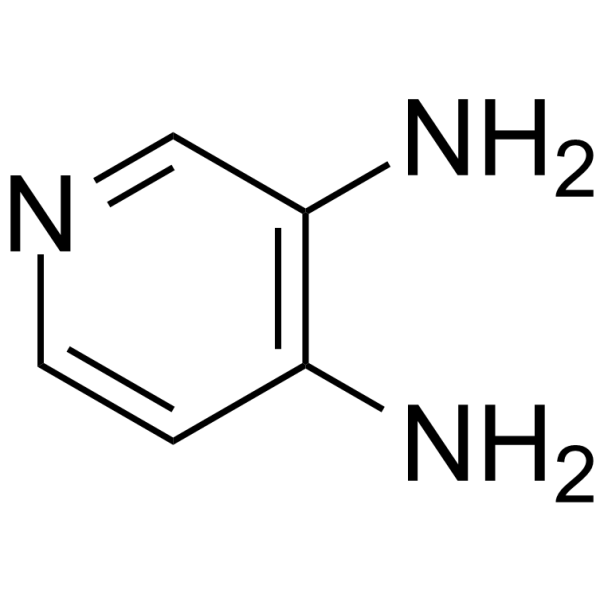
3,4-Diaminopyridine
|
Potassium Channel
|
Neurological Disease
|
|
Amifampridine (3,4-Diaminopyridine) is an orally active, potent and cell permeable voltage-gated potassium (Kv) channel blocker (PCB). Amifampridine is efficacy in the reversal of BoNT/A (HY-P79153) intoxication. Amifampridine increases transmitter release from neuromuscular junctions (NMJs). Amifampridine can be used for Lambert-Eaton myasthenic syndrome (LEMS) research .
|
-
-
- HY-17440
-
|
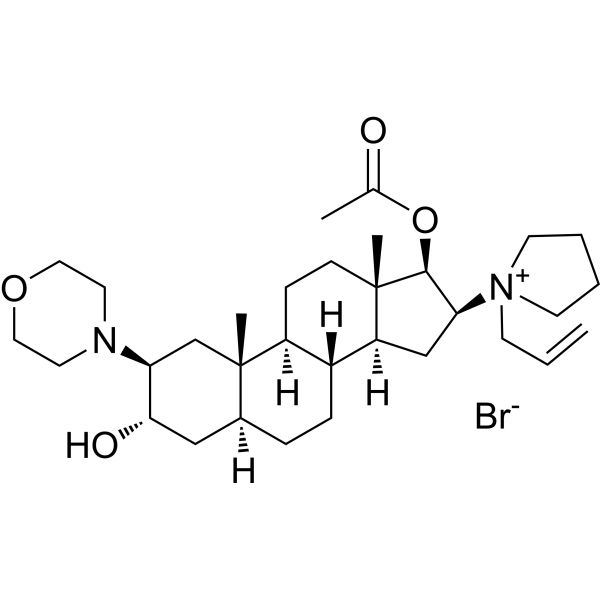
ORG 9426 Bromide
|
nAChR
|
Neurological Disease
Inflammation/Immunology
Cancer
|
|
Rocuronium Bromide (ORG 9426 Bromide) is an aminosteroid non-depolarizing neuromuscular blocker or muscle relaxant used in modern anaesthesia, to facilitate endotracheal intubation and to provide skeletal musclerelaxation during surgery or mechanical ventilation.
|
-
-
- HY-13596
-
|
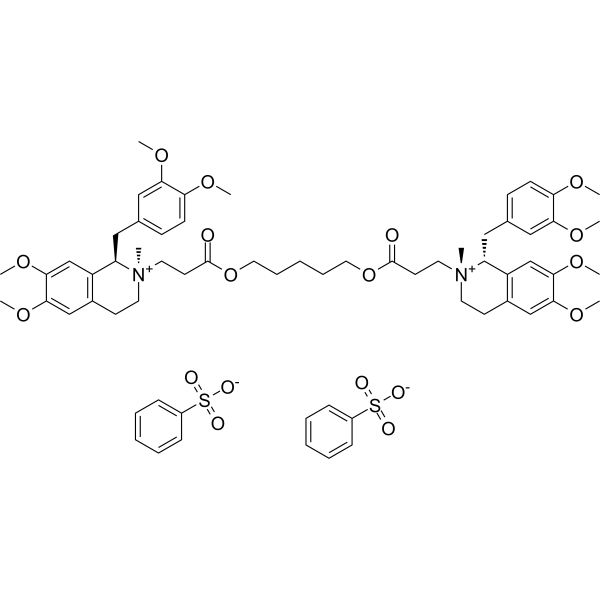
51W89 besylate; Cisatracurium besilate
|
nAChR
Autophagy
|
Neurological Disease
Cancer
|
|
Cisatracurium besylate (51W89) is a nondepolarizing neuromuscular blocking agent, antagonizing the action of acetylcholine by inhibiting neuromuscular transmission.
|
-
-
- HY-B0423
-
|
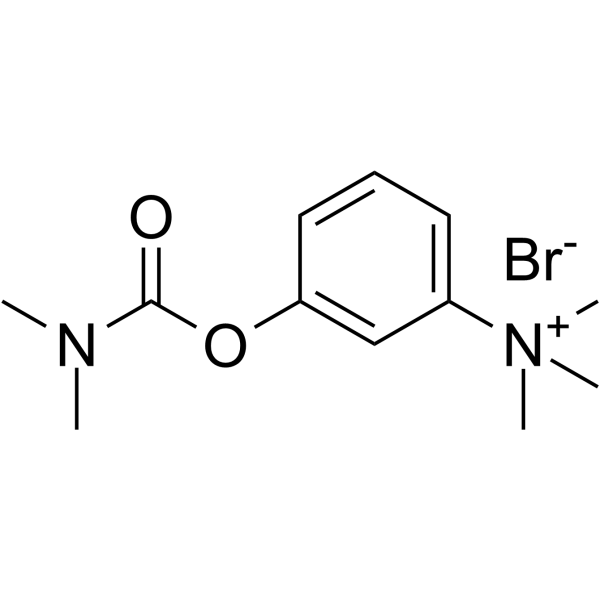
Eustigmin bromide; Neoserine bromide
|
Cholinesterase (ChE)
|
Neurological Disease
|
|
Neostigmine (Eustigmin) Bromide is an orally active and reversible cholinesterase inhibitor that acts on myasthenia gravis to prolong and intensify the muscarinic and nicotinic effects of acetylcholine. Neostigmine Bromide can be used in anesthesia to reverse the neuromuscular blockade produced by competitive neuromuscular blockers .
|
-
-
- HY-B0118A
-
|
ORG NC 45
|
nAChR
|
Neurological Disease
Cancer
|
|
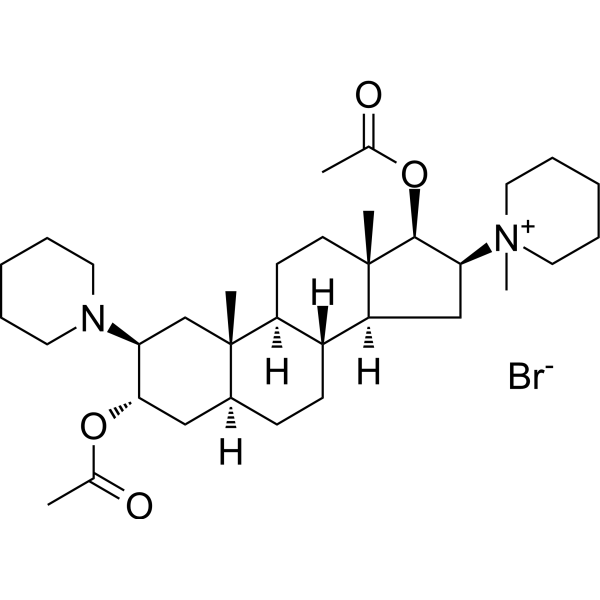
Vecuronium (ORG NC 45) bromide is a non-depolarizing neuromuscular blocking agent that also acts as a nicotinic acetylcholine receptor (nAChR) inhibitor, a muscle relaxant, and can be used for pre-surgical anesthesia .
|
-
-
- HY-B0292A
-
|
BW-33A
|
nAChR
|
Neurological Disease
Inflammation/Immunology
Cancer
|
|
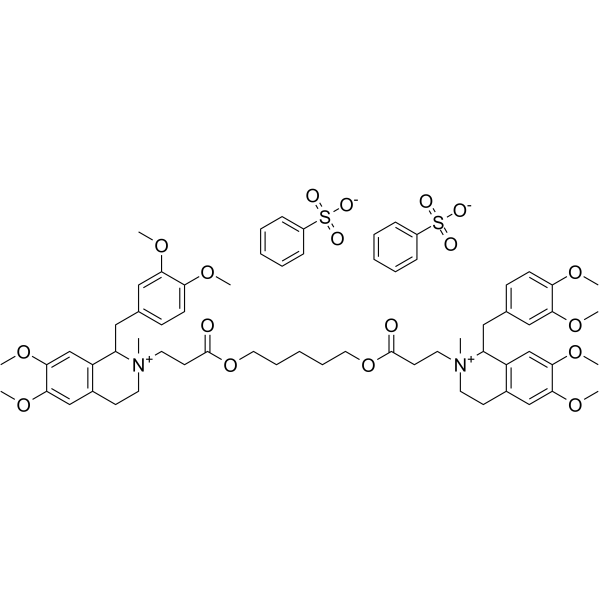
Atracurium (BW-33A) besylate is a potent, competitive and non-depolarizing neuromuscular blocking agent. Atracurium besylate also is an AChR receptor antagonist. Atracurium besylate induces bronchoconstriction and neuromuscular blockade. Atracurium besylate promotes astroglial differentiation .
|
-
-
- HY-13831
-
BPTU
1 Publications Verification
BMS-646786
|
P2Y Receptor
|
Neurological Disease
Cancer
|
|
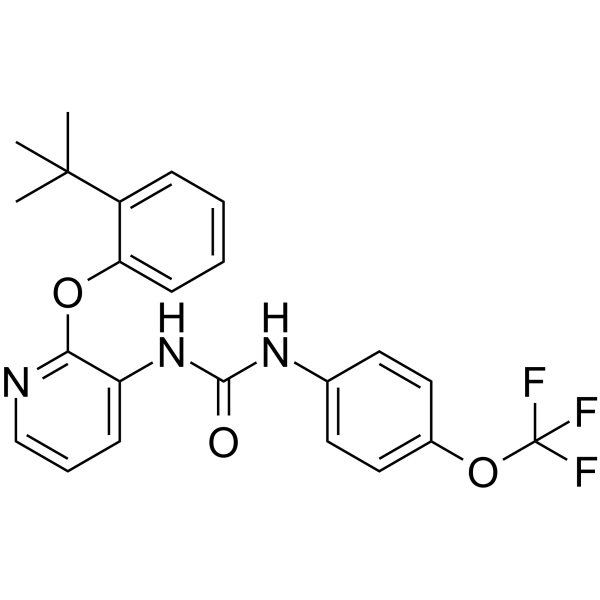
BPTU (BMS-646786) is a non-nucleotide P2Y1 receptor allosteric antagonist with antithrombotic activity. BPTU is able to block the P2Y1 receptor located at the neuromuscular junction of the gastrointestinal tract .
|
-
-
- HY-B2152
-
|
Hemicholinium dibromide
|
Cholinesterase (ChE)
|
Neurological Disease
|
|
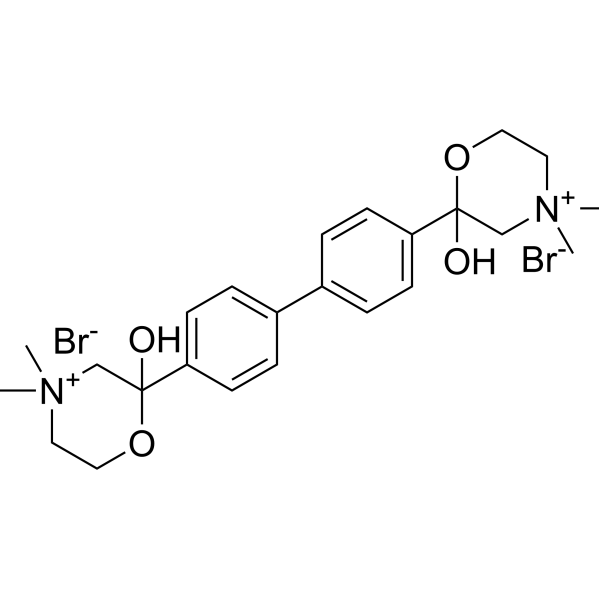
Hemicholinium 3 is a competitive inhibitor of the high affinity choline transporter (HACU) with a Ki value of 25 nM. Hemicholinium 3, a neuromuscular blocking agent which inhibits the synthesis and the release of acetylcholine (ACh) . Hemicholinium 3 inhibits the Epibatidine-evoked contraction and [ 3H]acetylcholine release with IC50s of 897 nM and 693 nM, respectively .
|
-
-
- HY-P0102
-
|
|
nAChR
|
Neurological Disease
Metabolic Disease
|
|
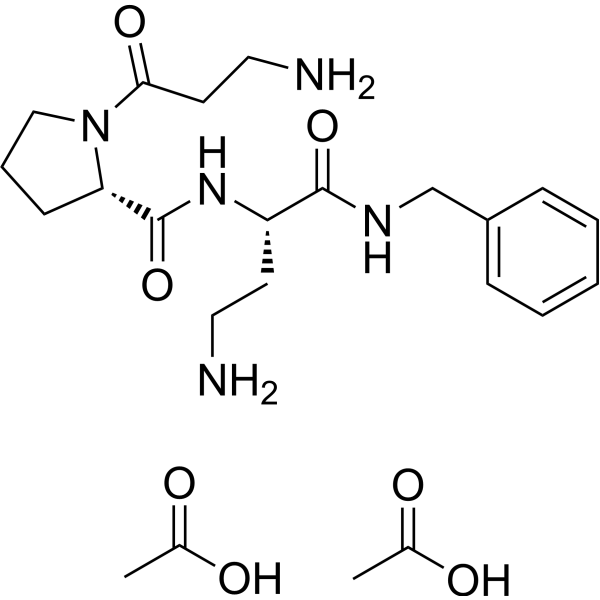
Dipeptide diaminobutyroyl benzylamide diacetate, a Wagerlin-1-mimicking peptide, is a nAChR antagonist. Dipeptide diaminobutyroyl benzylamide diacetate mimics Waglerin-1 to block neuromuscular junction nicotinic acetylcholine receptors, partially inhibits neuronal signal transduction, and relaxes muscles. Dipeptide diaminobutyroyl benzylamide diacetate reduces appearance of facial wrinkles linked to repeated muscle movement.Dipeptide diaminobutyroyl benzylamide diacetate can be used for the research of mild-to-moderate fine and coarse periocular and perioral wrinkles and periorbital ageing .
|
-
-
- HY-B0079
-
-
-
- HY-B1700A
-
|
|
nAChR
|
Neurological Disease
|
|
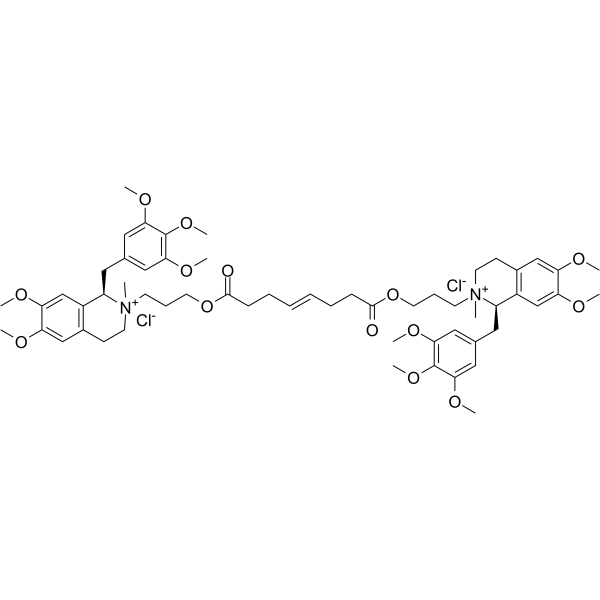
Mivacurium dichloride is a benzylisoquinoline derivative and is a short-acting non-depolarizing neuromuscular blocking agent and skeletal muscle relaxant. Mivacurium dichloride couples with the nAChR to reduce or inhibit the depolarizing effect of acetylcholine on the terminal disc of the muscle cell .
|
-
-
- HY-N0267
-
-
-
- HY-B1194
-
|
(±)-Tetramisole hydrochloride; DL-Tetramisole hydrochloride; R-829
|
Potassium Channel
Parasite
PKA
|
Infection
Cardiovascular Disease
|
|
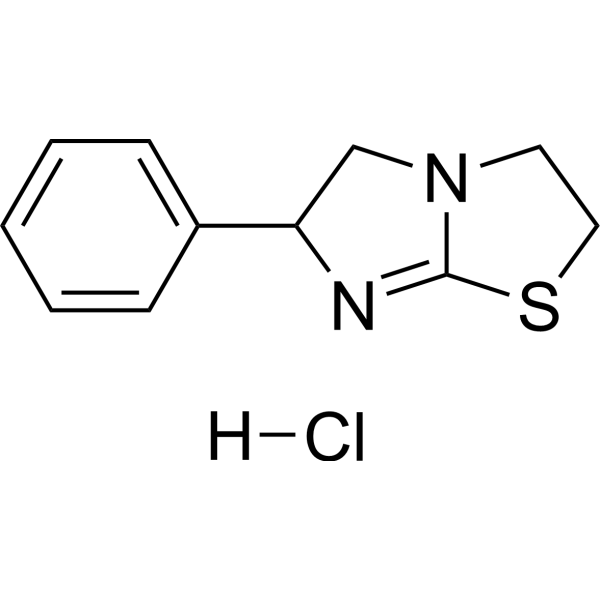
Tetramisole hydrochloride is an orally active, selective inward rectifier potassium channel agonist with an EC50 of approximately 30 μM for the Kir2.1 subunit. Tetramisole hydrochloride is also an anti-nematode agent that blocks neuromuscular transmission by non-competitive depolarization. Tetramisole hydrochloride promotes the forward transport of Kir2.1 channels, hyperpolarizes the resting potential (RP), shortens the action potential duration (APD), inhibits intracellular calcium overload and the PKA signaling pathway, and exerts anti-arrhythmic and anti-myocardial remodeling activities. Tetramisole hydrochloride can be used in cardiac electrophysiology research and research related to myocardial ischemia and heart failure .
|
-
-
- HY-B0743A
-
|
|
nAChR
|
Neurological Disease
|
|
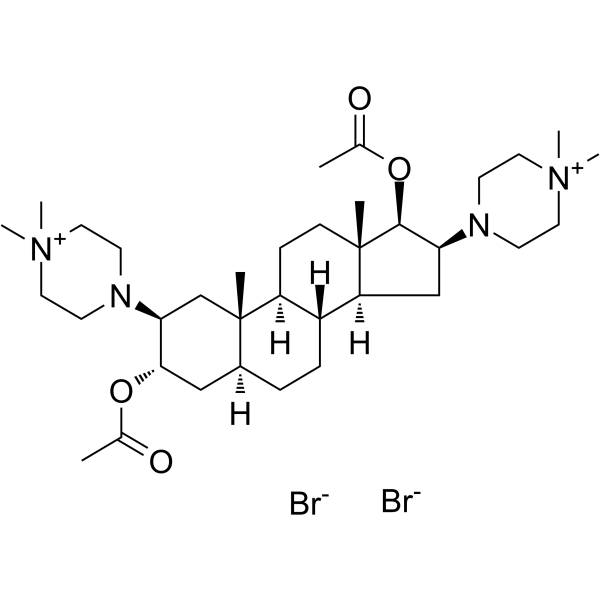
Pipecuronium bromide is a potent long-acting nondepolarizing steroidal neuromuscular blocking agent (NMBA), and a bisquaternary ammonium compound. Pipecuronium bromide is a powerful competitive nAChR antagonist with a Kd of 3.06 μM .
|
-
-
- HY-148629
-
|
|
JNK
|
Neurological Disease
|
|
GDC-0134 (RG6000) is a modulator targeting dual leucine zipper kinase (DLK) that can cross the blood-brain barrier. By inhibiting the kinase activity of DLK, GDC-0134 blocks the activation of the downstream JNK signaling pathway, suppresses DLK-dependent retrograde signal transduction of axon-to-soma degeneration, and exerts neuroprotective activity. GDC-0134 reduces TDP-43 protein aggregation and decreases the degree of neuromuscular junction denervation in motor neurons. GDC-0134 can be used in the research of amyotrophic lateral sclerosis (ALS), Alzheimer's disease and other DLK-related neurodegenerative diseases .
|
-

-
- HY-W744216
-
|
|
Androgen Receptor
|
Metabolic Disease
|
|
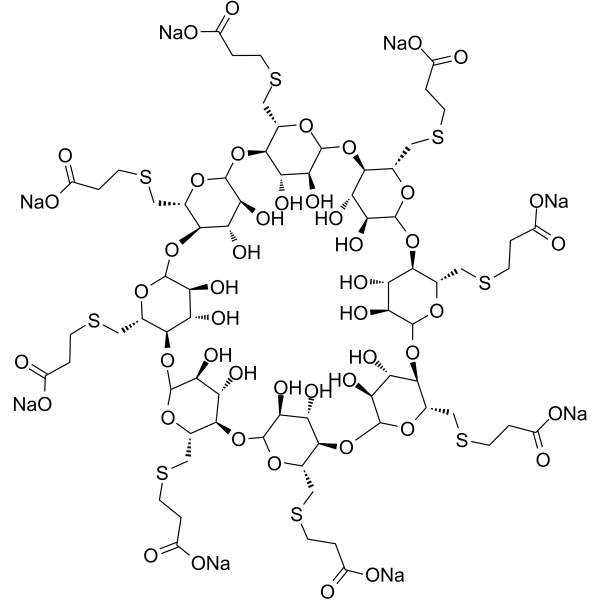
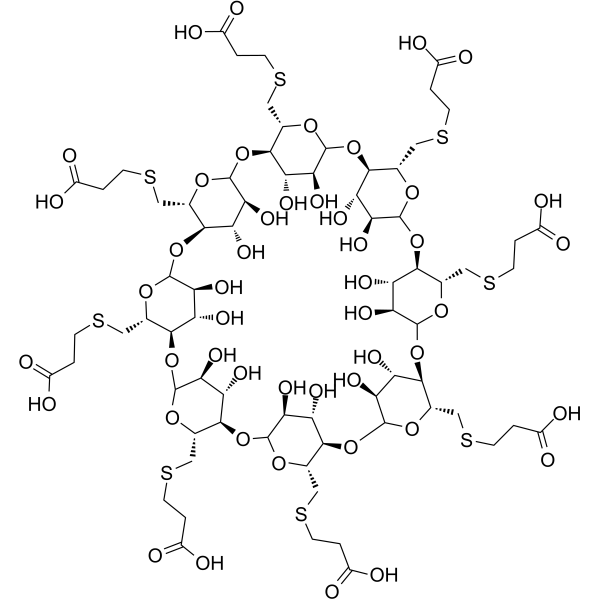
Trestolone acetate is an androgenic steroid. Trestolone acetate binds to Sugammadex sodium (HY-B0079), reducing the ability of Sugammadex sodium to reverse amino steroid neuromuscular blocking agents .
|
-

-
- HY-W127668
-
|
|
Acyltransferase
|
Neurological Disease
|
|
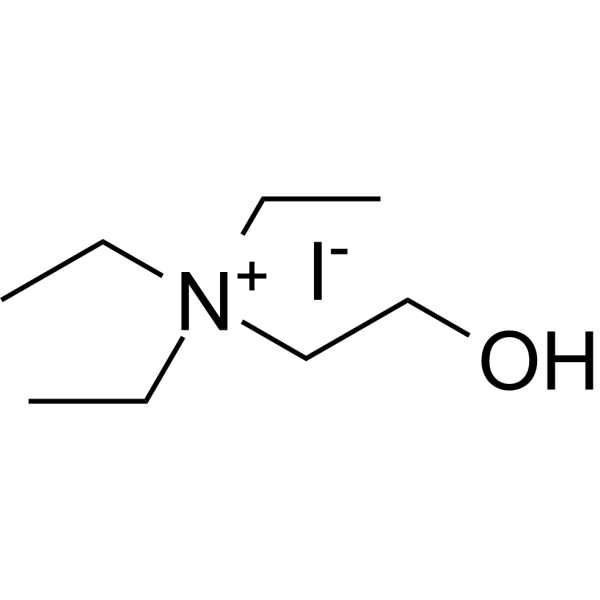
Triethylcholine iodide is a choline acetyltransferase inhibitor and a regulator of the acetylcholine synthesis pathway. Triethylcholine iodide inhibits acetylcholine synthesis in brain tissues and blocks neuromuscular and autonomic ganglionic transmission. Triethylcholine iodide exerts weak curare-like effects at extremely high concentrations. Triethylcholine iodide elevates the pentylenetetrazol seizure threshold, alters electroencephalogram patterns in Felis catus, but does not affect the maximal electroshock seizure threshold in Oryctolagus cuniculus. Triethylcholine iodide can be used in seizure-related research .
|
-
-
- HY-P3967
-
-
-
- HY-B0079A
-
-
-
- HY-17033
-
|
Org-9426
|
nAChR
|
Neurological Disease
Cancer
|
|
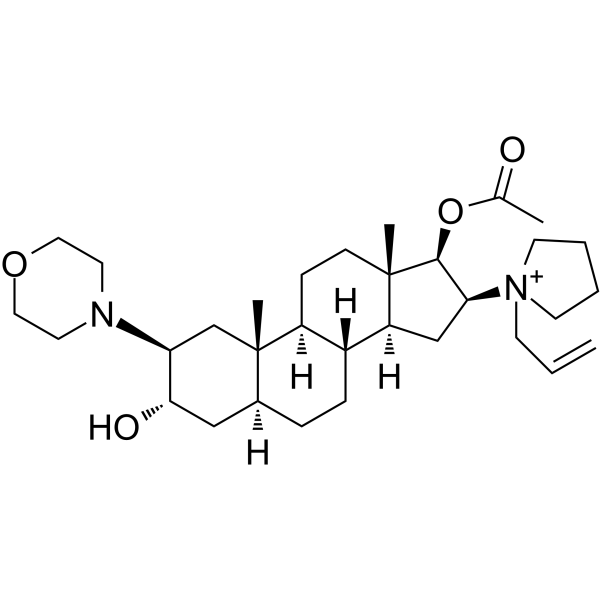
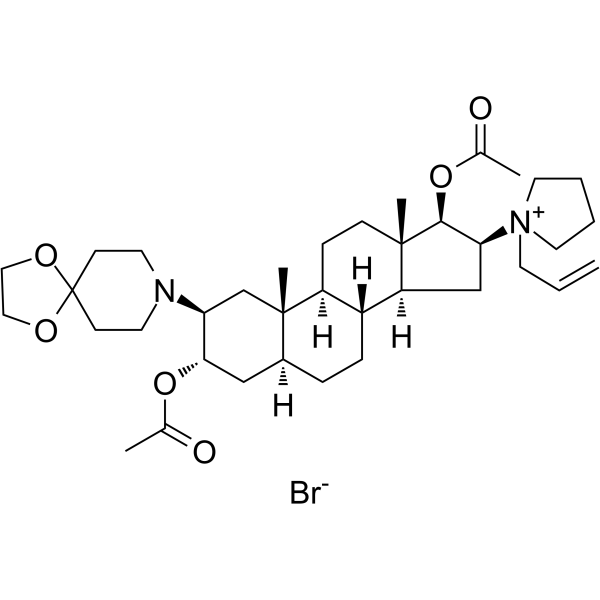
Rocuronium (Org-9426) is an aminosteroid non-depolarizing neuromuscular blocker or muscle relaxant used in modern anaesthesia.
|
-
-
- HY-16423
-
|
Org 9487
|
mAChR
|
Neurological Disease
|
|
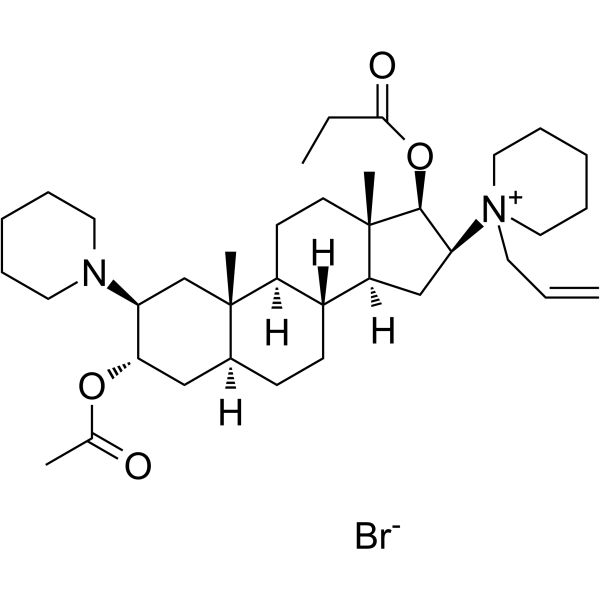
Rapacuronium bromide (Org 9487), a non-depolarizing neuromuscular blocker, is an allosteric modulator of muscarinic acetylcholine receptor (mAChR) .
|
-
-
- HY-A0258A
-
|
Metocurine iodide; Dimethylchondrocurarine iodide
|
nAChR
|
Neurological Disease
|
|
Metubine (Metocurine iodide) is a non-depolarizing muscle relaxant. Metubine has neuromuscular blocking activities .
|
-

-
- HY-14946A
-
|
3,4-Diaminopyridine phosphate
|
Potassium Channel
|
Neurological Disease
|
|
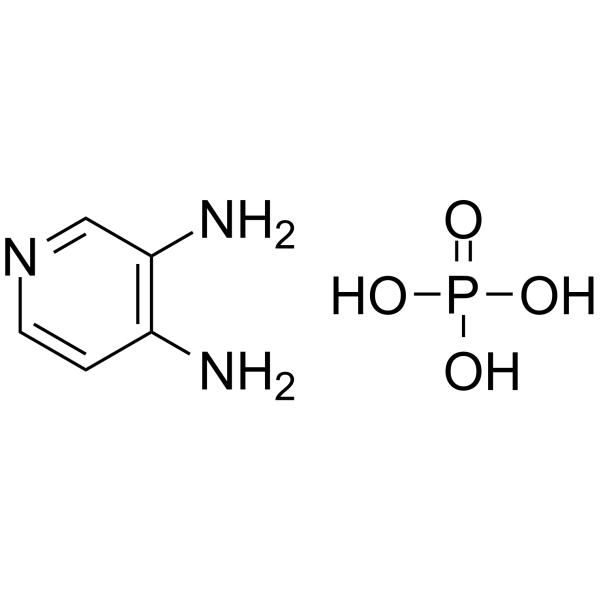
Amifampridine (3,4-Diaminopyridine) phosphate is an orally active, potent and cell permeable voltage-gated potassium (Kv) channel blocker (PCB). Amifampridine phosphate is efficacy in the reversal of BoNT/A (HY-P79153) intoxication. Amifampridine phosphate increases transmitter release from neuromuscular junctions (NMJs). Amifampridine phosphate can be used for Lambert-Eaton myasthenic syndrome (LEMS) research .
|
-
-
- HY-N6609
-
|
|
nAChR
|
Others
|
|
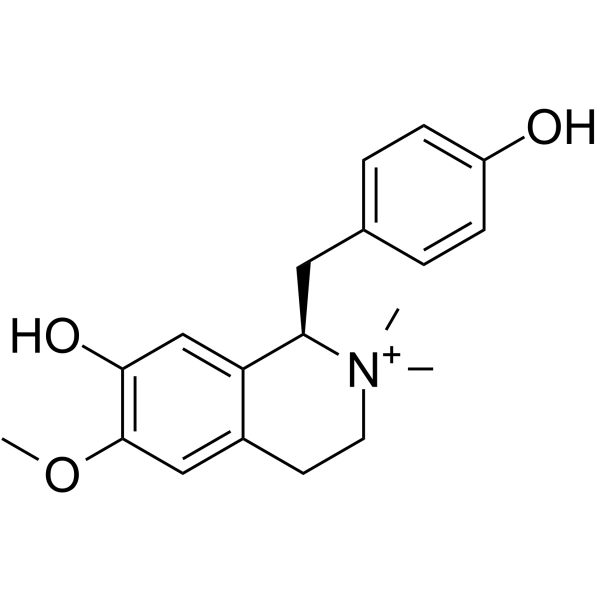
Magnocurarine is a neuromuscular junction blocker that inhibits muscle contraction by functionally blocking signal transmission without directly damaging nerve or muscle tissues. In frog, mouse and rabbit models, Magnocurarine exerts a dose-dependent paralytic effect, which progresses gradually from limb weakness and loss of righting reflex to respiratory depression and even cardiac arrest. Although high doses cause complete cessation of movement, Magnocurarine does not affect the spinal multineuronal reflex in frogs. Magnocurarine exhibits biological activity similar to that of tubocurarine (HY-125901) in various animal models .
|
-
-
- HY-A0215
-
|
BW-A 938U; Nuromax
|
nAChR
|
Neurological Disease
|
|
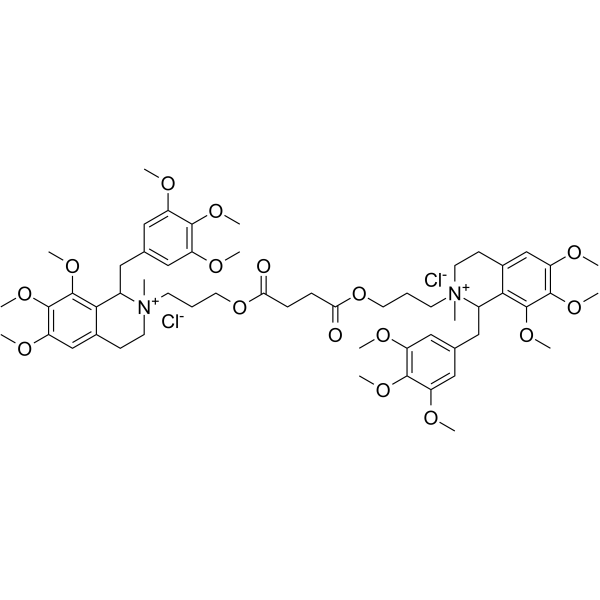
Doxacurium chloride (BW A938U) is a potent non-depolarizing neuromuscular blocking agent. Doxacurium chloride binds to cholinergic receptors to antagonize acetylcholine, resulting in a block of neuromuscular transmission. Doxacurium chloride can be used for the research of neurological diseases .
|
-
-
- HY-U00162
-
-
-
- HY-126032
-
|
|
Parasite
|
Infection
|
|
Morantel is an antinematodal agent. Morantel exhibits neuromuscular blocking properties .
|
-

-
- HY-13596R
-
|
51W89 besylate (Standard); Cisatracurium besilate (Standard)
|
Reference Standards
nAChR
Autophagy
|
Neurological Disease
Cancer
|
|
Cisatracurium (besylate) (Standard) is the analytical standard of Cisatracurium (besylate). This product is intended for research and analytical applications. Cisatracurium besylate (51W89) is a nondepolarizing neuromuscular blocking agent, antagonizing the action of acetylcholine by inhibiting neuromuscular transmission.
|
-

-
- HY-165544
-
|
|
Others
|
Neurological Disease
|
|
Decamethonium chloride is a depolarizing neuromuscular blocking agent that can be used to study the mechanism of action of muscle relaxants .
|
-

-
- HY-W127670
-
|
|
Biochemical Assay Reagents
|
Others
|
|
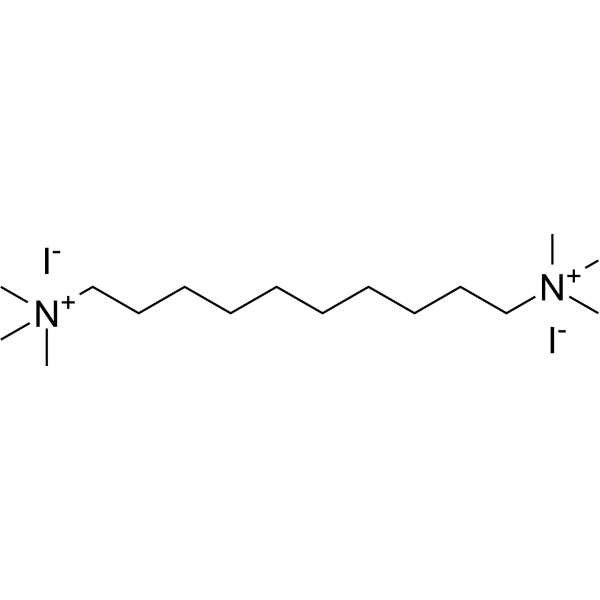
Decamethonium (iodide) is an organic compound containing ammonium and iodide ions. It is commonly used as a neuromuscular blocking agent in anesthesia to induce muscle relaxation during surgery. Decamethonium Iodide acts by binding to nicotinic acetylcholine receptors (nAChRs) in the neuromuscular junction, causing depolarization block and subsequent skeletal muscle paralysis. In addition, it can also serve as a reference standard for pharmacological studies of nAChRs.
|
-
-
- HY-B0292
-
|
BW-33A free acid
|
nAChR
|
Cardiovascular Disease
Inflammation/Immunology
Cancer
|
|
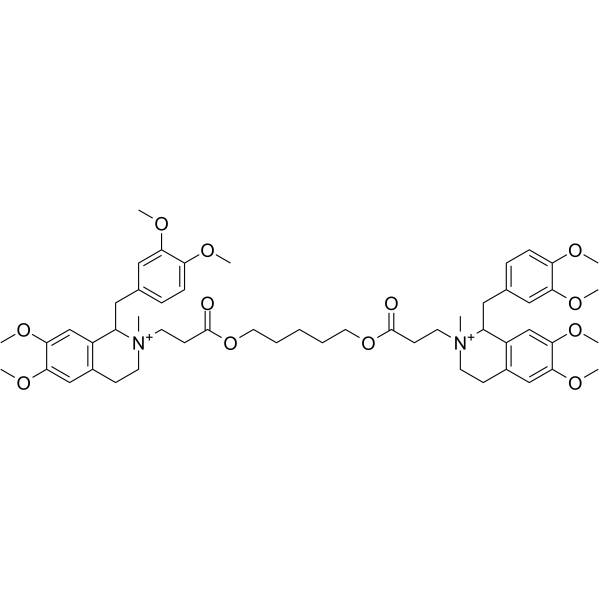
tracurium (BW-33A free acid) is a potent, competitive and non-depolarizing neuromuscular blocking agent.Atracurium also is an AChR receptor antagonist. Atracurium induces bronchoconstriction and neuromuscular blockade. Atracurium promotes astroglial differentiation .
|
-
-
- HY-127147
-
|
AH 8165 bromide
|
Drug Intermediate
|
Others
|
|
Fazadinium bromide (AH 8165 bromide) is a neuromuscular blocking agent, that can prevent the muscle contraction. Fazadinium bromide can be used as a muscle relaxant during anesthesia .
|
-

-
- HY-B1552B
-
|
|
nAChR
|
Neurological Disease
|
|
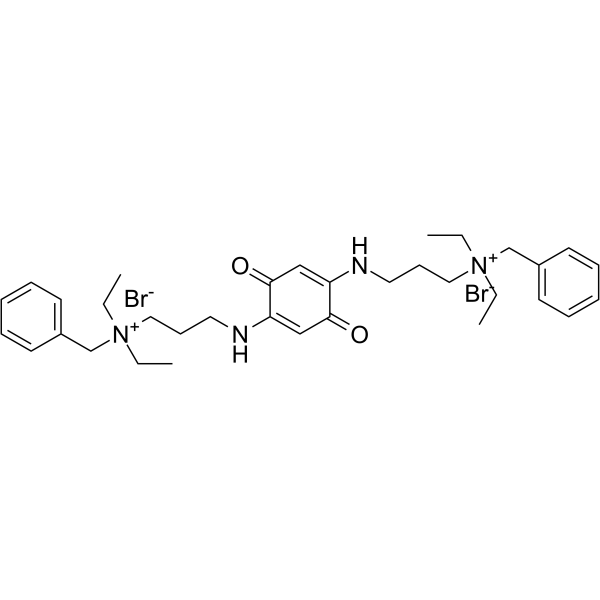
Benzoquinonium dibromide is a nicotinic acetylcholine receptors (nAChRs) antagonist, with an IC50 of 0.46 μM. Benzoquinonium dibromide can block neuromuscular and ganglionic transmission .
|
-
-
- HY-B0292AR
-
|
BW-33A (Standard)
|
Reference Standards
nAChR
|
Neurological Disease
Inflammation/Immunology
Cancer
|
|
Atracurium (besylate) (Standard) is the analytical standard of Atracurium (besylate). This product is intended for research and analytical applications. Atracurium (BW-33A) besylate is a potent, competitive and non-depolarizing neuromuscular blocking agent. Atracurium besylate also is an AChR receptor antagonist. Atracurium besylate induces bronchoconstriction and neuromuscular blockade. Atracurium besylate promotes astroglial differentiation .
|
-

-
- HY-13709
-
|
AV 4430A; GW 280430A
|
Biochemical Assay Reagents
|
Neurological Disease
|
|
Gantacurium is an ultrashort-acting, nondepolarizing neuromuscular blocking agent that is degraded by nonenzymatic binding to L-cysteine under physiological conditions. Gantacurium causes a decrease in mean arterial pressure and an increase in heart rate .
|
-

-
- HY-17440R
-
|
ORG 9426 Bromide (Standard)
|
Reference Standards
nAChR
|
Neurological Disease
Cancer
|
|
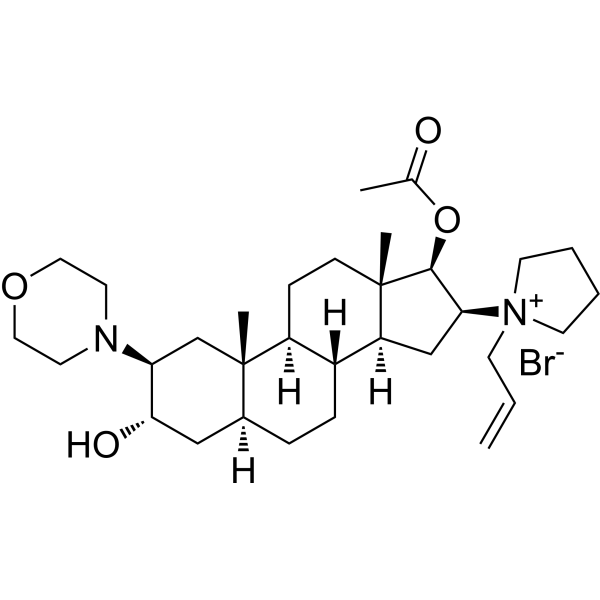
Rocuronium (Bromide) (Standard) is the analytical standard of Rocuronium (Bromide). This product is intended for research and analytical applications. Rocuronium Bromide (ORG 9426 Bromide) is an aminosteroid non-depolarizing neuromuscular blocker or muscle relaxant used in modern anaesthesia, to facilitate endotracheal intubation and to provide skeletal musclerelaxation during surgery or mechanical ventilation.
|
-
-
- HY-B0118AR
-
|
ORG NC 45 (Standard)
|
Reference Standards
nAChR
|
Neurological Disease
Cancer
|
|
Vecuronium (bromide) (Standard) is the analytical standard of Vecuronium (bromide). This product is intended for research and analytical applications. Vecuronium (ORG NC 45) bromide is a non-depolarizing neuromuscular blocking agent that also acts as a nicotinic acetylcholine receptor (nAChR) inhibitor, a muscle relaxant, and can be used for pre-surgical anesthesia .
|
-

-
- HY-B1700AR
-
|
|
Reference Standards
nAChR
|
Neurological Disease
|
|
Mivacurium (dichloride) (Standard) is the analytical standard of Mivacurium (dichloride). This product is intended for research and analytical applications. Mivacurium dichloride is a benzylisoquinoline derivative and is a short-acting non-depolarizing neuromuscular blocking agent and skeletal muscle relaxant. Mivacurium dichloride couples with the nAChR to reduce or inhibit the depolarizing effect of acetylcholine on the terminal disc of the muscle cell .
|
-

-
- HY-N0267R
-
-

-
- HY-14946R
-
|
3,4-Diaminopyridine (Standard)
|
Reference Standards
Potassium Channel
|
Neurological Disease
|
|
Amifampridine (Standard) is the analytical standard of Amifampridine. This product is intended for research and analytical applications. Amifampridine (3,4-Diaminopyridine) is an orally active, potent and cell permeable voltage-gated potassium (Kv) channel blocker (PCB). Amifampridine is efficacy in the reversal of BoNT/A (HY-P79153) intoxication. Amifampridine increases transmitter release from neuromuscular junctions (NMJs). Amifampridine can be used for Lambert-Eaton myasthenic syndrome (LEMS) research .
|
-

-
- HY-14946S
-
|
3,4-Diaminopyridine-d3
|
Isotope-Labeled Compounds
Potassium Channel
|
Neurological Disease
|
|
Amifampridine-d3 (3,4-Diaminopyridine-d3) is deuterium labeled Amifampridine. Amifampridine (3,4-Diaminopyridine) is an orally active, potent and cell permeable voltage-gated potassium (Kv) channel blocker (PCB). Amifampridine is efficacy in the reversal of BoNT/A (HY-P79153) intoxication. Amifampridine increases transmitter release from neuromuscular junctions (NMJs). Amifampridine can be used for Lambert-Eaton myasthenic syndrome (LEMS) research .
|
-

-
- HY-121670
-
|
|
Others
|
Neurological Disease
|
|
Ambenoxan is a central nervous system-acting skeletal muscle relaxant that is effective in mice, rats, rabbits, dogs, and monkeys without loss of the righting reflex. It has no peripheral neuromuscular blocking effects and significantly reduces or eliminates decerebrate rigidity in rabbits, but does not antagonize the effects of strychnine, leptazol, or tremorine. Like other central nervous system depressants, ambenoxan prolongs sleep duration with hexobarbitone, but it has no local anesthetic effects. In anesthetized cats, the agent lowers blood pressure and reduces the pressor response to epinephrine, but has no effect on norepinephrine.
|
-

-
- HY-121670A
-
|
|
Adrenergic Receptor
|
Neurological Disease
|
|
Ambenoxan hydrochloride is a central nervous system-acting skeletal muscle relaxant that is effective in mice, rats, rabbits, dogs, and monkeys without loss of the righting reflex. It has no peripheral neuromuscular blocking effects and significantly reduces or eliminates decerebrate rigidity in rabbits, but does not antagonize the effects of strychnine, leptazol, or tremorine. Like other central nervous system depressants, ambenoxan prolongs sleep duration with hexobarbitone, but it has no local anesthetic effects. In anesthetized cats, the agent lowers blood pressure and reduces the pressor response to epinephrine, but has no effect on norepinephrine.
|
-

-
- HY-B1194A
-
|
|
Potassium Channel
Parasite
PKA
|
Infection
Cardiovascular Disease
|
|
Tetramisole is an orally active, selective inward rectifier potassium channel agonist with an EC50 of approximately 30 μM for the Kir2.1 subunit. Tetramisole is also an anti-nematode agent that blocks neuromuscular transmission by non-competitive depolarization. Tetramisole promotes the forward transport of Kir2.1 channels, hyperpolarizes the resting potential (RP), shortens the action potential duration (APD), inhibits intracellular calcium overload and the PKA signaling pathway, and exerts anti-arrhythmic and anti-myocardial remodeling activities. Tetramisole can be used in cardiac electrophysiology research and research related to myocardial ischemia and heart failure .
|
-

-
- HY-B1700B
-
-

-
- HY-B1194R
-
|
(±)-Tetramisole hydrochloride (Standard); DL-Tetramisole hydrochloride (Standard); R-829 (Standard)
|
Reference Standards
Potassium Channel
Parasite
PKA
|
Infection
Cardiovascular Disease
|
|
Tetramisole hydrochloride (Standard) is the analytical standard of Tetramisole (hydrochloride). This product is intended for research and analytical applications. Tetramisole hydrochloride is an orally active, selective inward rectifier potassium channel agonist with an EC50 of approximately 30 μM for the Kir2.1 subunit. Tetramisole hydrochloride is also an anti-nematode agent that blocks neuromuscular transmission by non-competitive depolarization. Tetramisole hydrochloride promotes the forward transport of Kir2.1 channels, hyperpolarizes the resting potential (RP), shortens the action potential duration (APD), inhibits intracellular calcium overload and the PKA signaling pathway, and exerts anti-arrhythmic and anti-myocardial remodeling activities. Tetramisole hydrochloride can be used in cardiac electrophysiology research and research related to myocardial ischemia and heart failure .
|
-

-
- HY-W795736
-
|
(+)-AH5183
|
nAChR
|
Neurological Disease
|
|
(+)-Vesamicol ((+)-AH5183) is an acetylcholine vesicular transport system inhibitor. (+)-Vesamicol blocks acetylcholine storage and uptake by synaptic vesicles, reducing transmitter availability for neuromuscular junction release. (+)-Vesamicol acts as a neuromuscular blocking agent, producing frequency-dependent neuromuscular block in rat hemidiaphragm preparations .
|
-

-
- HY-182537
-
|
|
Drug Derivative
|
Neurological Disease
|
|
Org 9616 bromide is a non-depolarizing neuromuscular blocker with a structure similar to Pancuroniam. Org 9616 bromide induces rapid-onset, short-duration neuromuscular blockade .
|
-

-
- HY-106962
-
|
|
Drug Derivative
|
Others
|
|
Org-9453 bromide is a 17β-butyrate analogue of Vecuronium bromide (HY-B0118A), short-acting non-depolarizing neuromuscular blocking agent. Org-9453 bromide relaxes muscles .
|
-

-
- HY-180402
-
|
|
Drug Derivative
|
Neurological Disease
|
|
1,10-Bis(ethylsulfinyl)decane (Compound IIg) is a decamethonium analogue and is a non-electrolytic . 1,10-Bis(ethylsulfinyl)decane has low lethal (LD50 >30 mg/kg) effect in mice and neuromuscular blocking (ED50 >10 mg/kg) effects in cat .
|
-

- HY-180384
-
|
|
Drug Derivative
|
Neurological Disease
|
|
1,10-Bis(methylsulfinyl)decane (Compound IIf) is a decamethonium analogue and is a non-electrolytic sulfoxide compound. 1,10-Bis(methylsulfinyl)decane has low lethal (LD50 >37.5 mg/kg) effect in mice and neuromuscular blocking (ED50 >7 mg/kg) effects in cat .
|
-

- HY-122471A
-
|
|
Others
|
Neurological Disease
|
|
Laudexium methylsulfate is a neuromuscular blocking agent or skeletal muscle relaxant and a nondepolarizing neuromuscular blocking agent.
|
-

- HY-B1778C
-
|
Suxamethonium iodide
|
nAChR
mAChR
|
Neurological Disease
|
|
Succinylcholine iodide is a depolarizing neuromuscular blocker with rapid onset and short duration of action. Succinylcholine iodide also acts as an agonist of the Acetylcholine receptor. Succinylcholine iodide is used for emergency airway management .
|
-

- HY-N6609B
-
|
|
nAChR
|
Cardiovascular Disease
|
|
Magnocurarine chloride is a neuromuscular junction blocker that inhibits muscle contraction by functionally blocking signal transmission without directly damaging nerve or muscle tissues. In frog, mouse and rabbit models, Magnocurarine chloride exerts a dose-dependent paralytic effect, which progresses gradually from limb weakness and loss of righting reflex to respiratory depression and even cardiac arrest. Although high doses cause complete cessation of movement, Magnocurarine chloride does not affect the spinal multineuronal reflex in frogs. Magnocurarine chloride exhibits biological activity similar to that of tubocurarine (HY-125901) in various animal models .
|
-

- HY-W002097R
-
|
2-Acetyl-5-methylthiophene (Standard)
|
Reference Standards
Others
|
Others
|
|
Amifampridine (Standard) is the analytical standard of Amifampridine. This product is intended for research and analytical applications. Amifampridine (3,4-Diaminopyridine) is an orally active, potent and cell permeable voltage-gated potassium (Kv) channel blocker (PCB). Amifampridine is efficacy in the reversal of BoNT/A (HY-P79153) intoxication. Amifampridine increases transmitter release from neuromuscular junctions (NMJs). Amifampridine can be used for Lambert-Eaton myasthenic syndrome (LEMS) research .
|
-

| Cat. No. |
Product Name |
Type |
-
- HY-W127668
-
|
|
Biochemical Assay Reagents
|
|
Triethylcholine iodide is a choline acetyltransferase inhibitor and a regulator of the acetylcholine synthesis pathway. Triethylcholine iodide inhibits acetylcholine synthesis in brain tissues and blocks neuromuscular and autonomic ganglionic transmission. Triethylcholine iodide exerts weak curare-like effects at extremely high concentrations. Triethylcholine iodide elevates the pentylenetetrazol seizure threshold, alters electroencephalogram patterns in Felis catus, but does not affect the maximal electroshock seizure threshold in Oryctolagus cuniculus. Triethylcholine iodide can be used in seizure-related research .
|
-
- HY-W127670
-
|
|
Biochemical Assay Reagents
|
|
Decamethonium (iodide) is an organic compound containing ammonium and iodide ions. It is commonly used as a neuromuscular blocking agent in anesthesia to induce muscle relaxation during surgery. Decamethonium Iodide acts by binding to nicotinic acetylcholine receptors (nAChRs) in the neuromuscular junction, causing depolarization block and subsequent skeletal muscle paralysis. In addition, it can also serve as a reference standard for pharmacological studies of nAChRs.
|
| Cat. No. |
Product Name |
Target |
Research Area |
-
- HY-P0102
-
|
|
nAChR
|
Neurological Disease
Metabolic Disease
|
|
Dipeptide diaminobutyroyl benzylamide diacetate, a Wagerlin-1-mimicking peptide, is a nAChR antagonist. Dipeptide diaminobutyroyl benzylamide diacetate mimics Waglerin-1 to block neuromuscular junction nicotinic acetylcholine receptors, partially inhibits neuronal signal transduction, and relaxes muscles. Dipeptide diaminobutyroyl benzylamide diacetate reduces appearance of facial wrinkles linked to repeated muscle movement.Dipeptide diaminobutyroyl benzylamide diacetate can be used for the research of mild-to-moderate fine and coarse periocular and perioral wrinkles and periorbital ageing .
|
-
- HY-P3967
-
| Cat. No. |
Product Name |
Category |
Target |
Chemical Structure |
-
- HY-N0267
-
-
-
- HY-N6609
-
-
-
- HY-N0267R
-
-
-
- HY-N6609B
-
|
|
Structural Classification
Alkaloids
Tiliacora racemosa Colebr.
Plants
Isoquinoline Alkaloids
Menispermaceae
Source Classification
|
nAChR
|
|
Magnocurarine chloride is a neuromuscular junction blocker that inhibits muscle contraction by functionally blocking signal transmission without directly damaging nerve or muscle tissues. In frog, mouse and rabbit models, Magnocurarine chloride exerts a dose-dependent paralytic effect, which progresses gradually from limb weakness and loss of righting reflex to respiratory depression and even cardiac arrest. Although high doses cause complete cessation of movement, Magnocurarine chloride does not affect the spinal multineuronal reflex in frogs. Magnocurarine chloride exhibits biological activity similar to that of tubocurarine (HY-125901) in various animal models .
|
-
-
- HY-W002097R
-
|
2-Acetyl-5-methylthiophene (Standard)
|
Structural Classification
Natural Products
Rubiaceae
Plants
Coffea arabica L.
Source Classification
|
Reference Standards
Others
|
|
Amifampridine (Standard) is the analytical standard of Amifampridine. This product is intended for research and analytical applications. Amifampridine (3,4-Diaminopyridine) is an orally active, potent and cell permeable voltage-gated potassium (Kv) channel blocker (PCB). Amifampridine is efficacy in the reversal of BoNT/A (HY-P79153) intoxication. Amifampridine increases transmitter release from neuromuscular junctions (NMJs). Amifampridine can be used for Lambert-Eaton myasthenic syndrome (LEMS) research .
|
-
| Cat. No. |
Product Name |
Chemical Structure |
-
- HY-14946S
-
|
|
|
Amifampridine-d3 (3,4-Diaminopyridine-d3) is deuterium labeled Amifampridine. Amifampridine (3,4-Diaminopyridine) is an orally active, potent and cell permeable voltage-gated potassium (Kv) channel blocker (PCB). Amifampridine is efficacy in the reversal of BoNT/A (HY-P79153) intoxication. Amifampridine increases transmitter release from neuromuscular junctions (NMJs). Amifampridine can be used for Lambert-Eaton myasthenic syndrome (LEMS) research .
|
-
Your information is safe with us. * Required Fields.
Inquiry Information
- Product Name:
- Cat. No.:
- Quantity:
- MCE Japan Authorized Agent:








