




Search Result
Results for "
pH dependent
" in MedChemExpress (MCE) Product Catalog:
11
Biochemical Assay Reagents
1
Isotope-Labeled Compounds
| Cat. No. |
Product Name |
Target |
Research Areas |
Chemical Structure |
-
- HY-15893
-
DMOG
Maximum Cited Publications
76 Publications Verification
Dimethyloxallyl Glycine
|
HIF/HIF Prolyl-Hydroxylase
Autophagy
|
Cancer
|
|
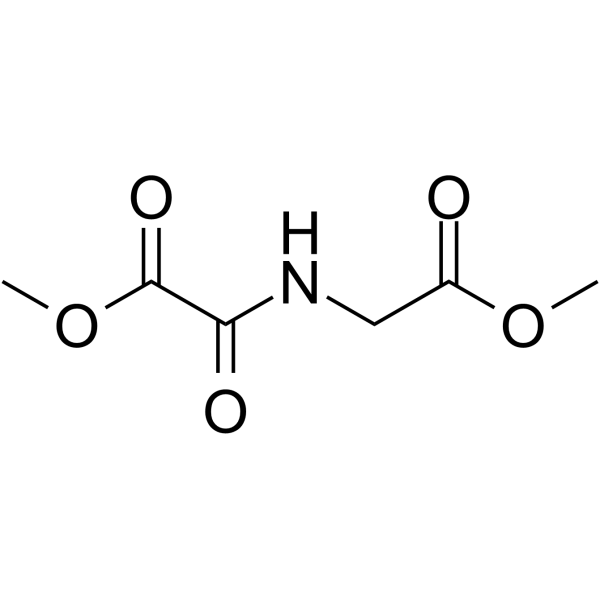
DMOG (Dimethyloxallyl Glycine) is a cell permeable and competitive inhibitor of HIF-PH, which results in HIF-1α stabilisation and accmulation?in vitro and in vivo . DMOG is an α-ketoglutarate analogue and inhibits α-KG-dependent hydroxylases. DMOG?acts as a pro-angiogenic agent and plays a protective role in experimental model of colitis and diarrhoea via HIF-1 related signal . DMOG induces cell autophagy .
|
-
-
- HY-123633
-
|
|
Glycosidase
|
Others
|
|
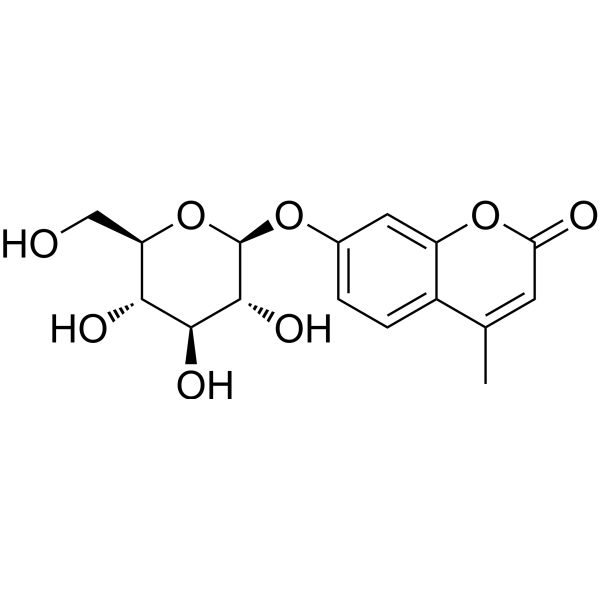
4-Methylumbelliferyl β-D-Glucopyranoside, a β-D-glucoside, is a fluorogenic substrate for β-glucosidase, utilizes to assay β-glucosidase activity . 4-Methylumbelliferyl β-D-Glucopyranoside releases the highly fluorescent 4-methylumbelliferyl (4-MU), which has an emission maximum at 445-454 nm. The excitation maximum for 4-MU is pH-dependent: 330, 370, and 385 nm at pH 4.6, 7.4, and 10.4, respectively .
|
-
-
- HY-P99965
-
|
SKY59; RO7112689; RG-6107
|
Complement System
|
Cardiovascular Disease
Metabolic Disease
|
|
Crovalimab (SKY59; RO7112689) is a novel humanized antibody against C5 in a pH-dependent manner with KDs of 15.2 nM and 16.8 μM at pH 7.4 and 5.8, respectively. Crovalimab binds human FcRn with great affinity (KD: 17 μM at pH 6.0). Crovalimab can block cleavage of C5 by the C5 convertase and inhibite the activity of a C5 variant (p.Arg885His). Crovalimab inhibits C5b-9 formation significantly in all three complement pathways, the classical pathway (CP), lectin pathway (LP), and alternative pathway (AP). Crovalimab has the potential for paroxysmal nocturnal hemoglobinuria (PNH) and complement-mediated diseases research .
|
-
-
- HY-B1422
-
|
Aminacrine
|
Bacterial
HIV
|
Infection
|
|
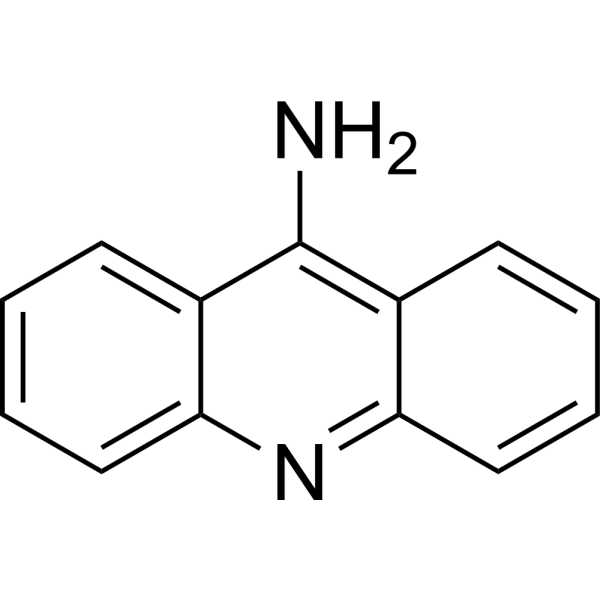
9-Aminoacridine, a fluorescent probe, acts as an indicator of pH for quantitative determination of transmembrane pH gradients (inside acidic). 9-Aminoacridine is an antimicrobial. 9-Aminoacridine exerts its antimicrobial activity by interacting with specific bacterial DNA and disrupting the proton motive force in K. pneumoniae. 9-Aminoacridine is a HIV-1 inhibitor and inhibits HIV LTR transcription highly dependent on the presence and location of the amino moiety. 9-Aminoacridine inhibits virus replication in HIV-1 infected cell lines. 9-Aminoacridine is used as a Rifampin (RIF; HY-B0272) adjuvant for the multidrug-resistant K. pneumoniae infections .
|
-
-
- HY-P5423
-
|
|
Exosomes
Liposome
|
Cancer
|
|
GALA is a pH-responsive amphipathic peptide consisting of 30 amino acids, which acts as a lung endothelium-targeting ligand. GALA undergoes a conformational transition from random coil to α-helix in an acidic environment at pH 5.0, thereby inducing endosomal membrane destabilization and fusion. GALA-modified liposomes traverse lung endothelial cells via clathrin-dependent endocytosis and transcytosis, and specifically accumulate in the lungs after intravenous injection. GALA significantly promotes the cytosolic release of cargos carried by exosomes, plasmids and liposomes, effectively enhances gene transfection efficiency, and drives gene knockdown of functional macromolecules (such as siRNA) in alveolar epithelial cells (with no significant cytotoxicity at effective concentrations). GALA serves as a critical tool for studies on lung cancer metastasis (e.g., melanoma lung metastasis) and lung-targeted drug delivery systems .
|
-
-
- HY-W075517
-
|
2-Methylimidazole zinc salt
|
MOFs
Caspase
Pyroptosis
|
Cancer
|
|
ZIF-8 (2-Methylimidazole zinc salt) is a pyroptosis inducer that activates the caspase-1/gasdermin D-dependent pyroptosis pathway. ZIF-8 induces pyroptotic cell death accompanied by necrosis and immunogenic cell death. ZIF-8 initiates in situ immunity, activates anti-tumor immunity, and reprograms the immunosuppressive tumor microenvironment to inhibit tumor growth. ZIF-8 acts as a pH-responsive and stimulus-responsive drug release inducer. ZIF-8 is applicable to cancer-related research .
|
-
-
- HY-P99853
-
|
CR6261
|
Influenza Virus
|
Infection
|
|
Diridavumab is a monoclonal anti-HA stalk antibody. Diridavumab stabilizes the prefusion HA structure and prevents pH-dependent fusion of cellular and viral membranes in endosomes. Diridavumab can be used in research of H2 influenza virus .
|
-
-
- HY-D0877
-
|
|
Biochemical Assay Reagents
Connexin
|
Others
|
|
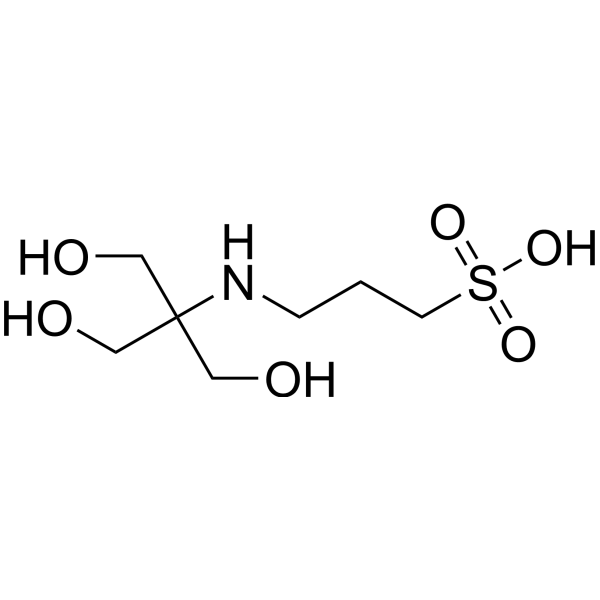
TAPS is an aminosulfonate-based lysozyme stabilizer and connexin channel inhibitor. TAPS maintains the native structure of lysozyme in aqueous solution at pH 7.0 and significantly protects it from heat-induced denaturation. TAPS directly inhibits the activity of heteromeric connexin 32/connexin 26 channels (Cx32/Cx26) via its protonated form, and this inhibitory effect is dependent on the presence of connexin 26. TAPS reduces connexin channel-mediated solute exchange in a recombinant liposome system, resulting in a decreased degree of liposome density shift in transport-specific separation assays. TAPS is a critical compound for investigating the structure and function of connexin channels .
|
-
-
- HY-10499
-
PH-064
2 Publications Verification
BIM-46187
|
Serotonin Transporter
Akt
|
Neurological Disease
Inflammation/Immunology
Cancer
|
|
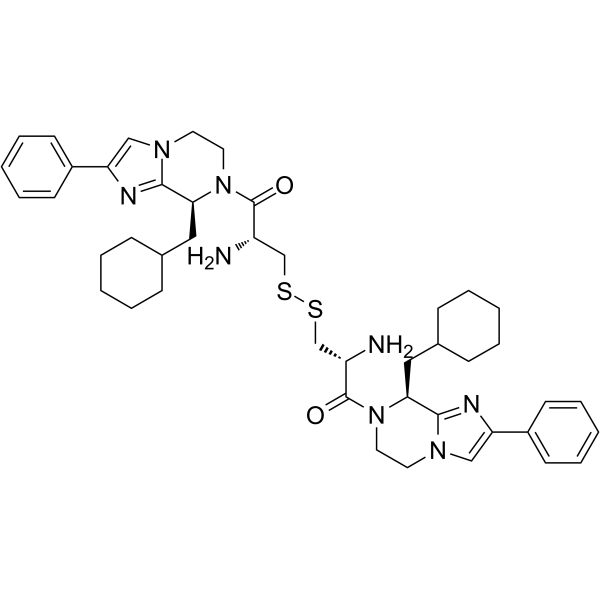
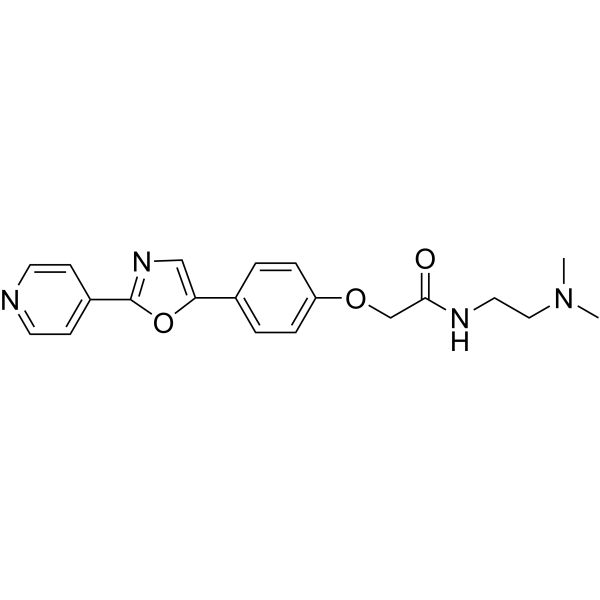
PH-064 (BIM-46187) is an orally active inhibitor of the heterotrimeric G-protein complex. PH-064 inhibits SERT activity and attenuates shear stress-induced Akt phosphorylation. PH-064 has potent anti-hyperalgesia activity. PH-064 inhibits G protein-coupled receptor-dependent tumorigenesis. PH-064 can be used in the study of pain (e.g., inflammatory pain, neuropathic pain), GPCR-dependent tumors, and inflammatory lung injury .
|
-
-
- HY-D1445
-
|
|
Fluorescent Dye
|
Metabolic Disease
|
|
PDMPO, a lysosome pH indicator, is an excellent fluorescent acidotropic reagent for fluorescence imaging. PDMPO is a potent tool with which to study acidic organelles of live cells. PDMPO exhibits pH-dependent dual-excitation and dual-emission spectral peaks. PDMPO produces a blue fluorescence in weakly acidic organelles and shifts to yellow in more acidic lysosomes. (Abs=329 nm; Em=440/540 nm) .
|
-
-
- HY-137873
-
|
4-Methylumbelliferyl-α-D-Glucose; 4-Methylumbelliferyl-α-D-Glucoside; 4-MU-α-D-Glucopyranoside
|
Fluorescent Dye
Glycosidase
|
Others
|
|
4-Methylumbelliferyl-α-D-Glucopyranoside (4-Methylumbelliferyl-α-D-Glucose) is a fluorescent substrate for α-glucosidase, which releases the fluorescent moiety 4-methylumbelliferyl (4-MU) upon cleavage. 4-MU has pH-dependent fluorescence excitation activity, with excitation wavelengths of 320 nm at low pH (1.97-6.72) and 360 nm at high pH (7.12-10.3), respectively. The emission wavelength of 4-Methylumbelliferyl-α-D-Glucopyranoside increases with decreasing pH, ranging from 445-455 nm. 4-Methylumbelliferyl-α-D-Glucopyranoside can be used as a biomarker for Fabry and Pompe diseases to quantify α-glucosidase activity in infant blood spot samples.
|
-
-
- HY-W000800
-
|
|
Bacterial
|
Infection
|
|
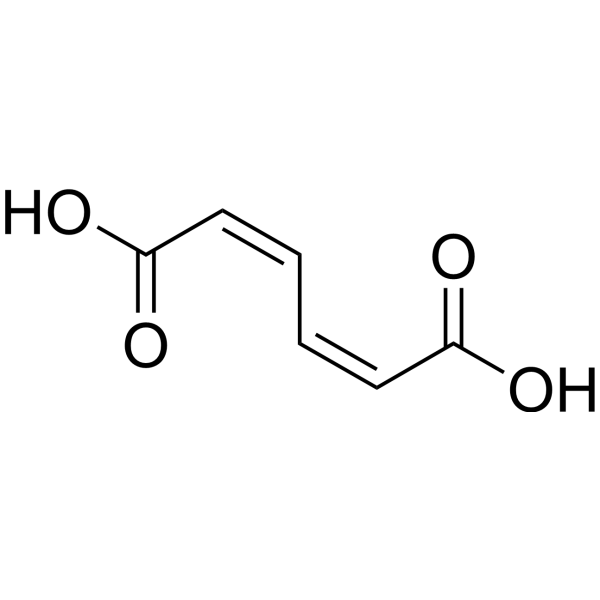
cis,cis-Muconic acid is a dicarboxylic acid produced by Saccharomyces cerevisiae. cis,cis-Muconic acid shows pH-dependent toxicity against Saccharomyces cerevisiae CEN.PK113-7D. cis,cis-Muconic acid can be used as intermediate for the production of various plastics and polymers .
|
-
-
- HY-W088068
-
|
|
Fluorescent Dye
|
Others
|
|
Wright's stain is a composite cell stain that mainly binds to intracellular nucleic acids, proteins and other components through thiazine dyes (such as methylene blue) and eosin. Wright's stain is pH-dependent (optimal pH 6.4-6.7) and achieves cell morphology resolution by differentially staining the cytoplasm and nucleus. Under alkaline conditions, thiazine dyes bind to nucleic acids to form purple, and acidic eosin binds to cytoplasmic proteins to form red, which can form contrasting cell morphological features. Wright's stain can clearly display the fine structures of blood cells and bone marrow cells (such as nuclear chromatin and granules) and quickly evaluate cell morphological abnormalities .
|
-
-
- HY-E70518
-
|
|
Bacterial
|
Infection
|
|
Oxalate decarboxylase, Microorganism (EC 4.1.1.2), a stress-response enzyme in certain soil bacteria, is a Mn-dependent enzyme in the cupin superfamily and is found in fungi and soil bacteria. Oxalate decarboxylase catalyzes the decarboxylation of the oxalate mono-anion in the soil bacterium Bacillus subtilis. Enzymatic activity of OxDC is strongly pH dependent, with a maximum at around pH 4.0 .
|
-
-
- HY-124473
-
|
NapHthafluorescein
|
HIF/HIF Prolyl-Hydroxylase
|
Cancer
|
|
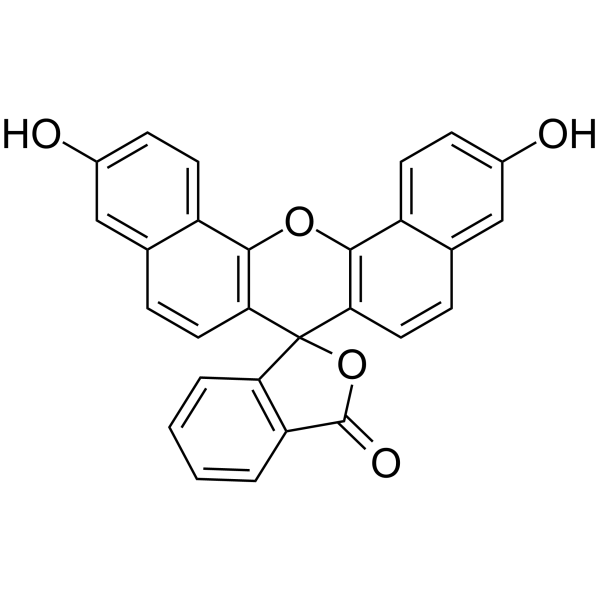
Naphthofluorescein inhibits the interaction between HIF-1 and Mint3.
Naphthofluorescein suppresses Mint3-dependent HIF-1 activity and glycolysis in cancer cells and macrophages without cytotoxicity in vitro and adverse effect in vivo . Naphthofluorescein is also a fluorescent pH-sensitive probe that can be used for functional Cerenkov imaging .
|
-
-
- HY-14179
-
PPQ-102
4 Publications Verification
CFTR Inhibitor
|
CFTR
|
Others
|
|
PPQ-102 (CFTR Inhibitor) is a reversible CFTR inhibitor that completely inhibits CFTR chloride currents (IC50 ~90 nM). PPQ-102 is not affected by membrane potential-dependent cell allocation or blocking efficiency (uncharged at physiological pH) and effectively prevents cyst enlargement in polycystic kidney disease .
|
-
-
- HY-128878
-
|
|
Cholecystokinin Receptor
P-glycoprotein
|
Metabolic Disease
Endocrinology
|
|
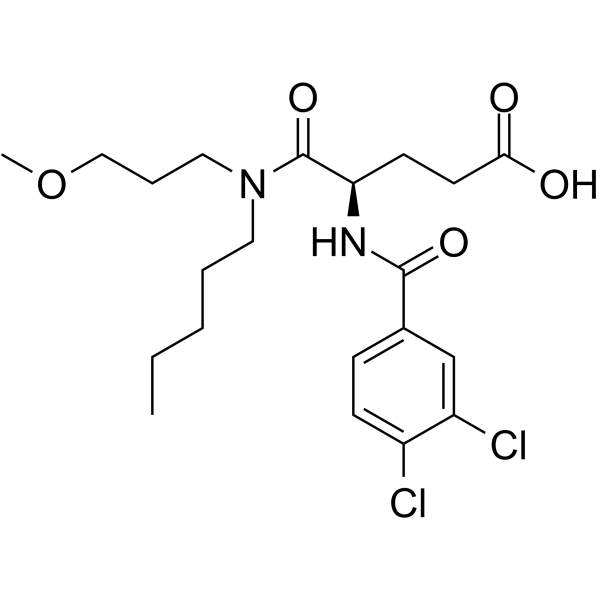
Dexloxiglumide is an orally active and selective cholecystokinin type A (CCKA) receptor antagonist. Dexloxiglumide is the active enantiomer of Loxiglumide, inhibits smooth muscle cell contractions induced by cholecystokinin-octapeptide (CCK-8). Dexloxiglumide exhibits moderate Caco-2 permeability that is polarized, concentration dependent, and pH dependent. Dexloxiglumide increases MRP1-substrate fluorescein uptake. Dexloxiglumide can be studied in research for gastrointestinal diseases and tumors .
|
-
-
- HY-156696
-
|
|
Na+/H+ Exchanger (NHE)
|
Metabolic Disease
|
|
S3226 is a highly selective NHE-3 inhibitor (IC50<1 μM) that specifically blocks NHE-3-mediated sodium transport. S3226 significantly inhibits blastocyst formation and expansion in mouse embryos, and reduces fluid and electrolyte reabsorption in rat proximal tubules in a dose-dependent manner. S3226 effectively alleviates ischemia-induced acute renal failure by improving renal function parameters, reducing renal tubular injury and restoring intracellular pH homeostasis, without interfering with the normal tubuloglomerular feedback response. S3226 is widely used in studies of acute renal failure and related pathological mechanisms .
|
-
-
- HY-148825
-
-
-
- HY-158082D
-
|
Tetramethyl rhodamine isothiocyanate glucan, MW 150000
|
Fluorescent Dye
|
Others
|
|
TRITC-dextran, MW 150000 (Tetramethyl rhodamine isothiocyanate glucan, MW 150000) is a fluorescent dye, with the molecular weight of 150 kD. TRITC-dextran, MW 150000 exhibits an excitation wavelength of 555 nm. TRITC-dextran, MW 150000 is follicular and vessel penetrate, which is dependent on the molecular weight. TRITC-dextran, MW 150000 is utilized in drug delivery for the stability of TRITC over a wide pH range (i.e. pH 2–11) and resistance to photo-bleaching .
|
-
-
- HY-W440988
-
|
|
Liposome
|
Others
|
|
DOPE-mPEG2000 is a phospholipid polydisperse PEG (or DOPE liposome), can be used for preparation of targeted delivery of liposomal drug and giant unilamellar vesicles (GUVs). DOPE-mPEG2000 significantly reduces the pH-sensitivity of the liposome in a concentration dependent manner .
|
-
-
- HY-P3012
-
|
|
Cathepsin
ERK
p38 MAPK
PKC
Protease Activated Receptor (PAR)
MMP
|
Inflammation/Immunology
|
|
Cathepsin G is a pH-dependent serine protease. Cathepsin G hydrolyzes diverse synthetic and protein substrates and remodels extracellular matrix. Cathepsin G exerts immunomodulatory effects via recruiting phagocytes, enhancing T cell motility, activating ERK1/2 and p38 MAPK signaling, and mediating PKCζ membrane translocation. Cathepsin G regulates inflammatory responses by cleaving inflammatory mediators. Cathepsin G participates in vascular regulation by converting angiotensin I to angiotensin II. Cathepsin G induces PAR4-dependent platelet activation, facilitates platelet-neutrophil aggregation, and mediates VITT-related NETosis, thrombus formation. Cathepsin G can be used for the research of immune thrombotic thrombocytopenia, cardiovascular disease, and select autoimmune and inflammatory diseases .
|
-
-
- HY-145622
-
|
BA3011; CAB-Axl-ADC; CAB-anti-Axl-ADC
|
Antibody-Drug Conjugates (ADCs)
TAM Receptor
|
Cancer
|
|
Mecbotamab vedotin (BA3011) is a pH dependent antibody drug conjugate (ADC) targeting AXL. Mecbotamab vedotin can significantly inhibit AXL in DU145 cells and LCLC-103H cells and kills cells. Mecbotamab vedotin can be used for research on cancer such as lung cancer, pancreatic cancer and prostate cancer. The antibody component is Mecbotamab (HY-P9988), and the ADC toxin molecule is Monomethyl auristatin E (MMAE) (HY-15162) .
|
-
-
- HY-W141932
-
|
Stearoylglycine; N-Octadecanoylglycine
|
Endogenous Metabolite
|
Others
|
|
N-stearoylglycine is a lipid and has a small ionizable polar headgroup whose charge is pH dependent and whose amide moiety can form H-bonded network between adjacent molecules in ordered films .
|
-
-
- HY-D1677
-
|
|
Fluorescent Dye
|
Others
|
|
5(6)-Carboxynaphthofluorescein is a pH-dependent fluorophore. 5(6)-Carboxynaphthofluorescein shows good sensitivity in an alkaline pH range and it can be exploited in the construction of fiber-optic pH sensors. 5(6)-Carboxynaphthofluorescein can be used as a fluorescent pH indicator (Ex/Em=593/668 nm) .
|
-
-
- HY-135226
-
|
|
Biochemical Assay Reagents
|
Others
|
|
PROLI NONOate is a NO donor. It spontaneously dissociates in a pH-dependent, first-order process with a half-life of 1.8 seconds at 37°C (pH 7.4) to liberate 2 moles of NO per mole of parent compound.
|
-
-
- HY-137303
-
|
FAGLA
|
Bacterial
|
Others
|
|
FA-Gly-Leu-NH2 (FAGLA) is a dipeptide substrate for proteases that can be hydrolyzed by thermophilic proteases and neutral proteases, showing pH-dependent variations in kcat/Km .
|
-
-
- HY-DN7075F
-
|
|
Fluorescent Dye
|
Metabolic Disease
|
|
FITC-inulin is a FITC (HY-66019)-labeled inulin (Ex/Em=488/525 nm). FITC-inulin serves as an accurate and stable marker for in vivo renal function assessment. FITC-inulin exhibits pH-dependent fluorescence .
|
-
-
- HY-158082E
-
|
Tetramethyl rhodamine isothiocyanate glucan, MW 500000
|
Fluorescent Dye
|
Others
|
|
TRITC-dextran, MW 500000 (Tetramethyl rhodamine isothiocyanate glucan, MW 500000) is a fluorescent dye, with the molecular weight of 500 kD. TRITC-dextran, MW 500000 exhibits an excitation wavelength of 555 nm. TRITC-dextran, MW 500000 is follicular and vessel penetrate, which is dependent on the molecular weight. TRITC-dextran, MW 500000 is utilized in drug delivery for the stability of TRITC over a wide pH range (i.e. pH 2–11) and resistance to photo-bleaching .
|
-
-
- HY-158082H
-
|
Tetramethyl rhodamine isothiocyanate glucan, MW 2000000
|
Fluorescent Dye
|
Others
|
|
TRITC-dextran, MW 2000000 (Tetramethyl rhodamine isothiocyanate glucan, MW 2000000) is a fluorescent dye, with the molecular weight of 2000 kD. TRITC-dextran, MW 2000000 exhibits an excitation wavelength of 555 nm. TRITC-dextran, MW 2000000 is follicular and vessel penetrate, which is dependent on the molecular weight. TRITC-dextran, MW 2000000 is utilized in drug delivery for the stability of TRITC over a wide pH range (i.e. pH 2–11) and resistance to photo-bleaching .
|
-
-
- HY-W243460
-
|
|
Biochemical Assay Reagents
|
Others
|
|
EDTA copper (II) disodium salt, 97% is a negatively charged copper (II)-ethylenediaminetetraacetic acid chelate and also an adsorption substrate. EDTA copper (II) disodium salt, 97% forms amide bonds with chitosan amino groups in weakly acidic (pH 3-5) solutions, while it forms the CuEDTA (OH) 3− hydroxyl complex in strongly alkaline (pH > 12) solutions. EDTA copper (II) disodium salt, 97% can be adsorbed onto granular activated carbon, with electrostatic interactions dominating its pH-dependent adsorption behavior. EDTA copper (II) disodium salt, 97% can be used to eliminate the inhibition of enzyme-catalyzed reactions caused by trace heavy metals .
|
-
-
- HY-E70398
-
|
L-Iditol dehydrogenase; Polyol dehydrogenase; SDH
|
Biochemical Assay Reagents
|
Metabolic Disease
|
|
Sorbitol dehydrogenase (L-Iditol dehydrogenase) is an oxidoreductasea and catalyses the conversion of sorbitol to fructose with NAD + as the coenzyme. Sorbitol dehydrogenase catalyses pH-dependent redox reactions between NAD +/NADH and sorbitol/fructose. Sorbitol dehydrogenase is implicated in diabetic complications and is a biomarker of drug-induced liver injury. Sorbitol dehydrogenase can be used for the research of diabetes and liver injury .
|
-
-
- HY-15893R
-
|
Dimethyloxallyl Glycine (Standard)
|
HIF/HIF Prolyl-Hydroxylase
Autophagy
Reference Standards
|
Cancer
|
|
DMOG (Standard) is the analytical standard of DMOG. This product is intended for research and analytical applications. DMOG (Dimethyloxallyl Glycine) is a cell permeable and competitive inhibitor of HIF-PH, which results in HIF-1α stabilisation and accmulation in vitro and in vivo . DMOG is an α-ketoglutarate analogue and inhibits α-KG-dependent hydroxylases. DMOG acts as a pro-angiogenic agent and plays a protective role in experimental model of colitis and diarrhoea via HIF-1 related signal . DMOG induces cell autophagy .
|
-
-
- HY-101122
-
|
|
SGLT
GLP Receptor
|
Metabolic Disease
|
|
LX2761 is an orally active, dual SGLT1/SGLT2 inhibitor with IC50 values of 2.2 nM and 2.7 nM against human SGLT1 and SGLT2, respectively. LX2761 locks human SGLT1 in an outward-open conformation and blocks its putative water permeation pathway. After oral administration, LX2761 is confined exclusively to the intestinal lumen, delays intestinal glucose absorption, regulates intestinal glucose metabolism, increases cecal glucose levels, reduces cecal pH, improves glycemic control and elevates plasma total GLP-1 levels. However, LX2761 induces diarrhea in a dose-dependent manner. LX2761 can be used in diabetes-related research .
|
-
-
- HY-W507393
-
|
DPTA-NO
|
Biochemical Assay Reagents
|
Others
|
|
Dipropylenetriamine NONOate (DPTA-NO) is a NO donor, which spontaneously dissociates in a pH-dependent, first-order process with a half-life of three hours and five hours at 37°C and 22-25°C, pH 7.4, respectively .
|
-
-
- HY-P2825
-
|
TDC; TyrDC
|
Endogenous Metabolite
|
Others
|
|
Tyrosine decarboxylase, Microorganism (TDC) is a tyrosine decarboxylase produced by microorganisms. Tyrosine decarboxylase is a PLP-dependent enzyme that catalyzes the decarboxylation of L-tyrosine, L-phenylalanine, and L-dopa to produce tyramine, 2-phenethylamine, and dopamine, respectively. Tyrosine decarboxylase mediates acid stress resistance, maintains intracellular pH homeostasis, and generates proton motive force .
|
-
-
- HY-110337
-
|
|
Fluorescent Dye
|
Others
|
|
FFN 102 mesylate is a synthetic biogenic neurotransmitter analogue with PH-dependent fluorescence and electrical activity .
|
-
-
- HY-133844
-
|
|
Drug Intermediate
|
Others
|
|
Bisbentiamine is a lipophilic thiamine prodrug with pH-dependent solubility. The bioavailability of Bisbentiamine is regulated by diet type, administration time, gastric acidity, and formulation .
|
-
-
- HY-118643
-
|
BMS-986231; CXL-1427
|
Drug Intermediate
|
Cardiovascular Disease
|
|
Cimlanod (BMS-986231) is a second-generation Nitroxyl (HNO) donor for heart failure. Cimlanod (BMS-986231) delivers HNO via pH-dependent chemical breakdown when exposed to the neutral pH environment of the bloodstream. Cimlanod (BMS-986231) possesses positive lusitropic and inotropic as well as vasodilatory effects. Cimlanod is the prodrug of CXL-1020 (HY-147384) .
|
-
-
- HY-15923
-
|
|
Reactive Oxygen Species (ROS)
|
Others
|
|
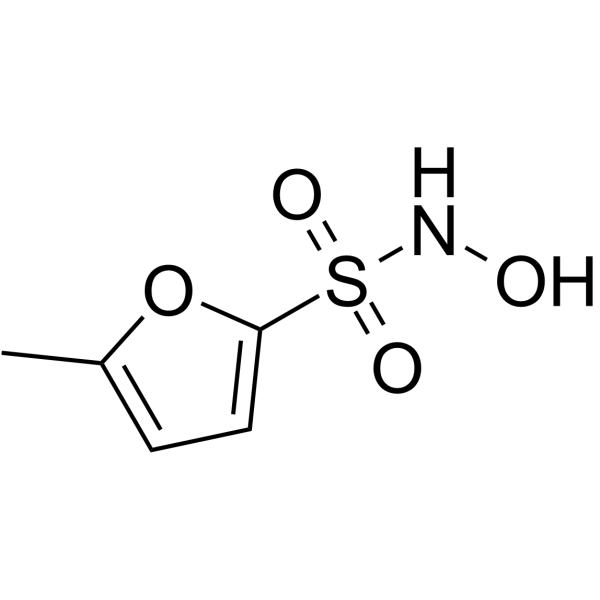
MAOS is a modified Trinder’s reagent that can be used as a chromogenic probe for the determination of H2O2. MAOS is strongly dependent on the pH of the reaction medium .
|
-
-
- HY-W040291
-
|
|
Fluorescent Dye
|
Cancer
|
|
7-Hydroxy-4-methylcoumarin-3-acetic acid, SE is a blue fluorophore that has pH-dependent and environment-sensitive fluorescence. It is widely used for preparing bioconjugates of blue fluorescence.
|
-
-
- HY-118338
-
|
|
Parasite
|
Infection
|
|
WRR-483 is an analog of K11777, an inhibitor of cruzain, used to inhibit the proliferation of Trypanosoma cruzi in cell culture. WRR-483 can eradicate parasitic infection in an acute Chagas disease mouse model. WRR-483 is an irreversible cysteine protease inhibitor that shows pH-dependent high affinity and potent trypanocidal activity against cruzain and T. cruzi infection, and is expected to inhibit Chagas disease.
|
-
-
- HY-159743
-
|
|
Toll-like Receptor (TLR)
|
Inflammation/Immunology
|
|
M101 is a vaccine adjuvant. Its main component is highly purified immunologically active substances with a pH value ranging from 4.0 to 6.5. This adjuvant is safe, non-toxic and metabolizable, and can effectively induce immune responses in the body. It has strong immune effects on both T-cell-dependent and T-cell-independent antigens. This adjuvant is applicable to various veterinary vaccines and is recommended for use in porcine circovirus.
|
-
-
- HY-P10975
-
|
|
SARS-CoV
Influenza Virus
Enterovirus
|
Infection
|
|
P9R is an antiviral peptide. P9R has broad-spectrum antiviral activities against the coronaviruses (SARS-CoV-2, MERS-CoV and SARS-CoV), A(H1N1)pdm09, A(H7N9) virus, and rhinovirus. P9R directly binds to viruses and inhibits virus-host endosomal acidification. P9R significantly protects mice from A(H1N1)pdm09 infection without generating drug-resistant virus. P9R can be used for pH-dependent respiratory viruses research .
|
-
-
- HY-N2383
-
|
(1R,2S,3S,4S,6R)-4-Amino-6-(hydroxymethyl)cyclohexane-1,2,3-triol
|
Glycosidase
|
Metabolic Disease
|
|
Validamine competitively inhibits β-glucosidase in a pH-dependent and dose-dependent manner, with an IC50 value of 2.92mM, and the maximum inhibitory ability is at the optimum pH value of this enzyme .
|
-
-
- HY-10499A
-
|
BIM-46187 tetrahydrochloride
|
Serotonin Transporter
Akt
|
Neurological Disease
Inflammation/Immunology
Cancer
|
|
PH-064 tetrahydrochloride (BIM-46187 tetrahydrochloride) is an orally active inhibitor of the heterotrimeric G-protein complex. PH-064 tetrahydrochloride inhibits SERT activity and attenuates shear stress-induced Akt phosphorylation. PH-064 tetrahydrochloride has potent anti-hyperalgesia activity. PH-064 tetrahydrochloride inhibits G protein-coupled receptor-dependent tumorigenesis. PH-064 tetrahydrochloride can be used in the study of pain (e.g., inflammatory pain, neuropathic pain), GPCR-dependent tumors, and inflammatory lung injury .
|
-
-
- HY-172403
-
|
|
Biochemical Assay Reagents
|
Others
|
|
Poly-L-aspartic acid is an acidic polypeptide that functions via pH-dependent conformational changes. Poly-L-aspartic acid is promising for research of pH-responsive structural transitions in biological systems .
|
-
-
- HY-121598
-
|
SC-36602
|
Apoptosis
|
Cardiovascular Disease
|
|
Actisomide (SC-36602) is an antiarrhythmic agent. Absorption of actisomide in rats and its in vitro uptake in CaCo-2 cells are pH-dependent .
|
-
-
- HY-129097
-
|
|
Fluorescent Dye
|
Others
|
|
FFN-102 trifluoroacetate is an analogue of biogenic neurotransmitters. FFN-102 trifluoroacetate is a pH-dependent fluorescent probe that labels dopamine cell bodies, axons, and presynaptic terminals .
|
-
-
- HY-W739302
-
|
Sodium α-oxyhyponitrite
|
Biochemical Assay Reagents
|
Others
|
|
Sodium Oxyhyponitrite Angeli (Angeli) is a nitroxyl (NO-) donor, but under certain conditions NO release has also been observed. Sodium Oxyhyponitrite Angeli spontaneously dissociates in a pH-dependent first-order process with a half-life of 2.3 minutes at 37°C (pH 7.4), releasing 0.54 mol NO per mole.
|
-
- HY-118096
-
|
|
GABA Receptor
|
Others
|
AHN 070 is an irreversible peripheral benzodiazepine receptor (PBR) ligand. AHN 070 can bind to PBR with nanomolar affinity and is pH-dependent. AHN 070 can be used for studying the structure and function of PBR .
|
-
- HY-125066
-
|
|
Bacterial
|
Infection
|
|
Reveromycin B is a spiroketal bacterial metabolite originally isolated from Streptomyces. It inhibits EGF-induced mitogenic activity in Balb/MK cells (IC50=6 μg/mL) and exhibits pH-dependent antifungal activity against C. albicans (MICs=15.6 and >500 μg/mL at pH 3.0 and 7.4, respectively). Unlike reveromycin A and reveromycin C, reveromycin B does not inhibit proliferation of KB and K562 cells.
|
-
- HY-W747507
-
|
|
Bacterial
|
Infection
|
|
Reveromycin D is a bacterial metabolite originally isolated from Streptomyces. It inhibits EGF-induced mitogenic activity in Balb/MK cells and has pH-dependent antifungal activity against C. albicans (MICs=2 and >500 μg/mL at pH 3 and 7.4, respectively).2 Reveromycin D also inhibits proliferation of KB and K562 cells (IC50s=1.6 and 1.3 μg/mL, respectively).
|
-
- HY-149036
-
-
- HY-128878R
-
|
|
Cholecystokinin Receptor
P-glycoprotein
Reference Standards
|
Metabolic Disease
Endocrinology
|
|
Dexloxiglumide (Standard) is the analytical standard of Dexloxiglumide. This product is intended for research and analytical applications. Dexloxiglumide is an orally active and selective cholecystokinin type A (CCKA) receptor antagonist. Dexloxiglumide is the active enantiomer of Loxiglumide, inhibits smooth muscle cell contractions induced by cholecystokinin-octapeptide (CCK-8). Dexloxiglumide exhibits moderate Caco-2 permeability that is polarized, concentration dependent, and pH dependent. Dexloxiglumide increases MRP1-substrate fluorescein uptake. Dexloxiglumide can be studied in research for gastrointestinal diseases and tumors .
|
-
- HY-P5780
-
|
|
Sodium Channel
|
Neurological Disease
|
|
π-TRTX-Hm3a is a 37-amino acid peptide isolated from Togo starburst tarantula (Heteroscodra maculata) venom. π-TRTX-Hm3a pH-dependently inhibits acid-sensing ion channel 1a (ASIC1a) with an IC50 of 1-2 nM and potentiates ASIC1b with an EC50 of 46.5 nM .
|
-
- HY-P10228
-
|
|
Fungal
Bacterial
|
Infection
|
|
S-Thanatin is an insect antimicrobial peptide with potent broad-spectrum antibacterial activity. S-Thanatin can inhibit the activity of Gram-negative bacteria, Gram-positive bacteria, and fungi, without cytotoxicity. The antibacterial activity of S-Thanatin is not affected by PH value, but monovalent cations (Na +/K +) can reduce its antibacterial activity against Gram-negative bacteria in a dose-dependent manner .
|
-
- HY-W000800R
-
|
|
Reference Standards
Bacterial
|
Infection
|
|
cis,cis-Muconic acid (Standard) is an analytical standard for cis,cis-Muconic acid (HY-W000800). This product is used for research and analytical applications. cis,cis-Muconic acid is a dicarboxylic acid produced by Saccharomyces cerevisiae. cis,cis-Muconic acid shows pH-dependent toxicity against Saccharomyces cerevisiae CEN.PK113-7D. cis,cis-Muconic acid can be used as intermediate for the production of various plastics and polymers .
|
-
- HY-B1422R
-
|
Aminacrine (Standard)
|
Reference Standards
Bacterial
HIV
|
Infection
|
|
9-Aminoacridine (Standard) is the analytical standard of 9-Aminoacridine. This product is intended for research and analytical applications. 9-Aminoacridine, a fluorescent probe, acts as an indicator of pH for quantitative determination of transmembrane pH gradients (inside acidic). 9-Aminoacridine is an antimicrobial. 9-Aminoacridine exerts its antimicrobial activity by interacting with specific bacterial DNA and disrupting the proton motive force in K. pneumoniae. 9-Aminoacridine is a HIV-1 inhibitor and inhibits HIV LTR transcription highly dependent on the presence and location of the amino moiety. 9-Aminoacridine inhibits virus replication in HIV-1 infected cell lines. 9-Aminoacridine is used as a Rifampin (RIF; HY-B0272) adjuvant for the multidrug-resistant K. pneumoniae infections .
|
-
- HY-B1422S
-
|
Aminacrine-13C6
|
Bacterial
HIV
Isotope-Labeled Compounds
|
Infection
|
|
9-Aminoacridine-13C6 is the 13C-labeled 9-Aminoacridine(HY-B1422). 9-Aminoacridine, a fluorescent probe, acts as an indicator of pH for quantitative determination of transmembrane pH gradients (inside acidic). 9-Aminoacridine is an antimicrobial. 9-Aminoacridine exerts its antimicrobial activity by interacting with specific bacterial DNA and disrupting the proton motive force in K. pneumoniae. 9-Aminoacridine is a HIV-1 inhibitor and inhibits HIV LTR transcription highly dependent on the presence and location of the amino moiety. 9-Aminoacridine inhibits virus replication in HIV-1 infected cell lines. 9-Aminoacridine is used as a Rifampin (RIF; HY-B0272) adjuvant for the multidrug-resistant K. pneumoniae infections .
|
-
- HY-10499R
-
|
BIM-46187 (Standard)
|
Reference Standards
Serotonin Transporter
Akt
|
Neurological Disease
Inflammation/Immunology
Cancer
|
|
PH-064 (Standard) is the analytical standard of PH-064 (HY-10499). This product is intended for research and analytical applications. PH-064 (BIM-46187) is an orally active inhibitor of the heterotrimeric G-protein complex. PH-064 inhibits SERT activity and attenuates shear stress-induced Akt phosphorylation. PH-064 has potent anti-hyperalgesia activity. PH-064 inhibits G protein-coupled receptor-dependent tumorigenesis. PH-064 can be used in the study of pain (e.g., inflammatory pain, neuropathic pain), GPCR-dependent tumors, and inflammatory lung injury .
|
-
- HY-181436
-
|
|
NO Synthase
|
Cardiovascular Disease
|
|
CAY10563 is a pH-regulated NO donor. Under acidic conditions, CAY10563 releases NO via an acid-catalyzed ring-opening mechanism, generating sulfur-centered free radicals. CAY10563 induces pH-dependent vasodilation. CAY10563 can be used in studies related to cardiovascular and cerebrovascular diseases .
|
-
- HY-D3283
-
|
|
Fluorescent Dye
|
Others
|
|
Ctrl-CCF1 is a control probe for CCF1. Ctrl-CCF1 can be used to distinguish copper-dependent responses from potential dye-dependent variations, such as cellular uptake, retention, subcellular accumulation, and changes in pH, redox or hydrophobic/hydrophilic environments .
|
-
- HY-176972
-
|
|
ADC Payload
DNA/RNA Synthesis
|
Cancer
|
|
Di(MMY-SJG)-Ph-prop-2-yne-1-sulfonic acid (Compound 5) is a cytotoxic pyrrolobenzodiazepine (PBD) dimer derivative. Di(MMY-SJG)-Ph-prop-2-yne-1-sulfonic acid exhibits moderate DNA alkylating activity. Di(MMY-SJG)-Ph-prop-2-yne-1-sulfonic acid can be used as the payload of ADC, thereby demonstrating strong antigen-dependent cytotoxicity .
|
-
- HY-149035
-
|
|
Others
|
Cancer
|
|
PAA4 is a methide carbon-centered polynuclear Au(I) clusters. PAA4 shows antiproliferative activity. PAA4 increases the expression of pH2AX in a time dependent manner. PAA4 shows anti-tumor effect in orthotopic bladder cancer mouse model .
|
-
- HY-182098B
-
|
|
Liposome
|
Cancer
|
|
DSPE-PEG3400-GALA is a PEG compound which composed of DSPE and a lung endothelium-targeting peptide GALA (HY-P5423). GALA is a pH-responsive amphipathic peptide consisting of 30 amino acids, which acts as a lung endothelium-targeting ligand. GALA undergoes a conformational transition from random coil to α-helix in an acidic environment at pH 5.0, thereby inducing endosomal membrane destabilization and fusion. GALA-modified liposomes traverse lung endothelial cells via clathrin-dependent endocytosis and transcytosis, and specifically accumulate in the lungs after intravenous injection. DSPE-PEG3400-GALA can be used for drug delivery .
|
-
- HY-182098C
-
|
|
Liposome
|
Cancer
|
|
DSPE-PEG5000-GALA is a PEG compound which composed of DSPE and a lung endothelium-targeting peptide GALA (HY-P5423). GALA is a pH-responsive amphipathic peptide consisting of 30 amino acids, which acts as a lung endothelium-targeting ligand. GALA undergoes a conformational transition from random coil to α-helix in an acidic environment at pH 5.0, thereby inducing endosomal membrane destabilization and fusion. GALA-modified liposomes traverse lung endothelial cells via clathrin-dependent endocytosis and transcytosis, and specifically accumulate in the lungs after intravenous injection. DSPE-PEG5000-GALA can be used for drug delivery .
|
-
- HY-182098
-
|
|
Liposome
|
Cancer
|
|
DSPE-PEG1000-GALA is a PEG compound which composed of DSPE and a lung endothelium-targeting peptide GALA (HY-P5423). GALA is a pH-responsive amphipathic peptide consisting of 30 amino acids, which acts as a lung endothelium-targeting ligand. GALA undergoes a conformational transition from random coil to α-helix in an acidic environment at pH 5.0, thereby inducing endosomal membrane destabilization and fusion. GALA-modified liposomes traverse lung endothelial cells via clathrin-dependent endocytosis and transcytosis, and specifically accumulate in the lungs after intravenous injection. DSPE-PEG1000-GALA can be used for drug delivery .
|
-
- HY-182098A
-
|
|
Liposome
|
Cancer
|
|
DSPE-PEG2000-GALA is a PEG compound which composed of DSPE and a lung endothelium-targeting peptide GALA (HY-P5423). GALA is a pH-responsive amphipathic peptide consisting of 30 amino acids, which acts as a lung endothelium-targeting ligand. GALA undergoes a conformational transition from random coil to α-helix in an acidic environment at pH 5.0, thereby inducing endosomal membrane destabilization and fusion. GALA-modified liposomes traverse lung endothelial cells via clathrin-dependent endocytosis and transcytosis, and specifically accumulate in the lungs after intravenous injection. DSPE-PEG2000-GALA can be used for drug delivery .
|
-
- HY-P992470
-
|
ARGX-116; NN5058
|
Apolipoprotein
|
Cardiovascular Disease
Metabolic Disease
|
|
STT-5058 (ARGX-116; NN5058) is a human monoclonal antibody targeting ApoC3 and belongs to the class of ApoC3 inhibitors. STT-5058 exhibits pH-dependent circulation properties and binds to a unique epitope on ApoC3. STT-5058 reduces triglyceride levels and accelerates the clearance of atherogenic remnant lipoproteins containing ApoC3. STT-5058 can be used in research related to hypertriglyceridemia, dyslipidemia and cardiovascular diseases .
|
-
- HY-182517
-
|
|
TRP Channel
|
Inflammation/Immunology
|
|
AG1529 is a TRPV1 inhibitor and capsaicinoid-based soft agent with a human TRPV1 IC50 of 0.9-0.93 μM. AG1529 reversibly blocks capsaicin-evoked TRPV1 activation, binds to the TRPV1 capsaicin binding site, moderately affects pH-induced TRPV1 gating, and does not alter voltage- or heat-mediated TRPV1 responses. AG1529 suppresses TRPV1-mediated neuronal excitability, reduces capsaicin- and pH-evoked neuronal firing, abolishes histaminergic and inflammation-mediated TRPV1 sensitization. AG1529 exhibits anti-nociceptive and antipruritic effects, attenuates in vivo hyperalgesia and pruritus, dose-dependently reduces acute histaminergic itch in rodents, and mildly blocks hTRPA1 and hTRPM8 channel activity. AG1529 undergoes hydrolysis and dermal deactivation, minimizes TRPV1-associated side reactions, does not evoke capsaicin-like burning sensation, and does not disrupt physiological thermal regulation. AG1529 can be used for the research of inflammatory cutaneous nociception and acute histaminergic pruritus .
|
-
- HY-P992035
-
|
|
Interleukin Related
|
Endocrinology
|
|
AMY109 is an anti-human interleukin-8 (IL-8) monoclonal antibody, with a Ka of 36.8 pM for human IL-8, and a Ka of 380 pM for cynomolgus monkey IL-8. AMY109 binds to human and cynomolgus monkey IL-8 in a pH-dependent manner, inhibits IL-8-mediated activation of CXCR1 and CXCR2, and blocks the downstream biological activities of IL-8. AMY109 inhibits neutrophil recruitment to endometriotic lesions and suppresses monocyte chemoattractant protein-1 production by neutrophils. AMY109 is applicable to research related to endometriosis .
|
-
- HY-P992146
-
|
MYTX-011 Antibody; Q-397
|
ADC Antibody
c-Met/HGFR
|
Cancer
|
|
Zevontabart (MYTX-011 Antibody; Q-397) is a pH-dependent anti-c-MET antibody. Zevontabart regulates the trafficking process of c-MET to reduce receptor recycling, and enhances its own endocytosis and accumulation in c-MET-expressing cells. Zevontabart induces cytotoxicity in solid tumor cells and exerts anti-tumor activity in a non-small cell lung cancer xenograft mouse model. Zevontabart can be used to synthesize ADC, such as: MYTX-011. Zevontabart can be used in studies related to non-small cell lung cancer, with its corresponding isotype control being Human IgG1 kappa, Isotype Control (HY-P99001) .
|
-
- HY-149151
-
|
|
Endogenous Metabolite
PKC
Glycosidase
TNF Receptor
Reactive Oxygen Species (ROS)
|
Infection
Inflammation/Immunology
|
|
Variegatic acid is a secondary metabolite derived from basidiomycete fungi. Variegatic acid is a PKCβ1 inhibitor with an IC₅₀ of 36.2 μM. Variegatic acid inhibits antigen- or calcium ionophore-induced β-hexosaminidase release (IC₅₀ values of 10.4 μM and 22.2 μM, respectively) and TNF-α secretion (IC₅₀ values of 16.8 μM and 20.1 μM, respectively). Variegatic acid suppresses the enzymatic activity of calcium-activated PKCβ1 and reduces Fe(III) to Fe(II) in a pH-dependent manner, enabling the generation of hydroxyl radicals (·OH) through reaction with H₂O₂, which facilitates the degradation of lignocellulose. Variegatic acid is useful for studying biological degradation and allergic responses.
|
-
| Cat. No. |
Product Name |
Type |
-
- HY-B1422
-
|
Aminacrine
|
Fluorescent Dyes
|
|
9-Aminoacridine, a fluorescent probe, acts as an indicator of pH for quantitative determination of transmembrane pH gradients (inside acidic). 9-Aminoacridine is an antimicrobial. 9-Aminoacridine exerts its antimicrobial activity by interacting with specific bacterial DNA and disrupting the proton motive force in K. pneumoniae. 9-Aminoacridine is a HIV-1 inhibitor and inhibits HIV LTR transcription highly dependent on the presence and location of the amino moiety. 9-Aminoacridine inhibits virus replication in HIV-1 infected cell lines. 9-Aminoacridine is used as a Rifampin (RIF; HY-B0272) adjuvant for the multidrug-resistant K. pneumoniae infections .
|
-
- HY-D1445
-
|
|
Fluorescent Dyes
|
|
PDMPO, a lysosome pH indicator, is an excellent fluorescent acidotropic reagent for fluorescence imaging. PDMPO is a potent tool with which to study acidic organelles of live cells. PDMPO exhibits pH-dependent dual-excitation and dual-emission spectral peaks. PDMPO produces a blue fluorescence in weakly acidic organelles and shifts to yellow in more acidic lysosomes. (Abs=329 nm; Em=440/540 nm) .
|
-
- HY-W088068
-
|
|
Fluorescent Dyes
|
|
Wright's stain is a composite cell stain that mainly binds to intracellular nucleic acids, proteins and other components through thiazine dyes (such as methylene blue) and eosin. Wright's stain is pH-dependent (optimal pH 6.4-6.7) and achieves cell morphology resolution by differentially staining the cytoplasm and nucleus. Under alkaline conditions, thiazine dyes bind to nucleic acids to form purple, and acidic eosin binds to cytoplasmic proteins to form red, which can form contrasting cell morphological features. Wright's stain can clearly display the fine structures of blood cells and bone marrow cells (such as nuclear chromatin and granules) and quickly evaluate cell morphological abnormalities .
|
-
- HY-145622
-
|
BA3011; CAB-Axl-ADC; CAB-anti-Axl-ADC
|
Fluorescent Dyes
|
|
Mecbotamab vedotin (BA3011) is a pH dependent antibody drug conjugate (ADC) targeting AXL. Mecbotamab vedotin can significantly inhibit AXL in DU145 cells and LCLC-103H cells and kills cells. Mecbotamab vedotin can be used for research on cancer such as lung cancer, pancreatic cancer and prostate cancer. The antibody component is Mecbotamab (HY-P9988), and the ADC toxin molecule is Monomethyl auristatin E (MMAE) (HY-15162) .
|
-
- HY-15923
-
|
|
Fluorescent Dyes
|
|
MAOS is a modified Trinder’s reagent that can be used as a chromogenic probe for the determination of H2O2. MAOS is strongly dependent on the pH of the reaction medium .
|
-
- HY-W040291
-
|
|
Fluorescent Dyes
|
|
7-Hydroxy-4-methylcoumarin-3-acetic acid, SE is a blue fluorophore that has pH-dependent and environment-sensitive fluorescence. It is widely used for preparing bioconjugates of blue fluorescence.
|
-
- HY-B1422R
-
|
Aminacrine (Standard)
|
Fluorescent Dyes
|
|
9-Aminoacridine (Standard) is the analytical standard of 9-Aminoacridine. This product is intended for research and analytical applications. 9-Aminoacridine, a fluorescent probe, acts as an indicator of pH for quantitative determination of transmembrane pH gradients (inside acidic). 9-Aminoacridine is an antimicrobial. 9-Aminoacridine exerts its antimicrobial activity by interacting with specific bacterial DNA and disrupting the proton motive force in K. pneumoniae. 9-Aminoacridine is a HIV-1 inhibitor and inhibits HIV LTR transcription highly dependent on the presence and location of the amino moiety. 9-Aminoacridine inhibits virus replication in HIV-1 infected cell lines. 9-Aminoacridine is used as a Rifampin (RIF; HY-B0272) adjuvant for the multidrug-resistant K. pneumoniae infections .
|
-
- HY-D3283
-
|
|
Fluorescent Dyes
|
|
Ctrl-CCF1 is a control probe for CCF1. Ctrl-CCF1 can be used to distinguish copper-dependent responses from potential dye-dependent variations, such as cellular uptake, retention, subcellular accumulation, and changes in pH, redox or hydrophobic/hydrophilic environments .
|
| Cat. No. |
Product Name |
Type |
-
- HY-D0877
-
|
|
Biochemical Assay Reagents
|
|
TAPS is an aminosulfonate-based lysozyme stabilizer and connexin channel inhibitor. TAPS maintains the native structure of lysozyme in aqueous solution at pH 7.0 and significantly protects it from heat-induced denaturation. TAPS directly inhibits the activity of heteromeric connexin 32/connexin 26 channels (Cx32/Cx26) via its protonated form, and this inhibitory effect is dependent on the presence of connexin 26. TAPS reduces connexin channel-mediated solute exchange in a recombinant liposome system, resulting in a decreased degree of liposome density shift in transport-specific separation assays. TAPS is a critical compound for investigating the structure and function of connexin channels .
|
-
- HY-W782399
-
|
Sodium boranocarbonate
|
Biochemical Assay Reagents
|
|
CORM-A1 (Sodium boranocarbonate) is a water-soluble carbon monoxide (CO) releasing molecule that facilitates the investigation of CO's impact on cellular systems. As CO is generated from heme degradation by the enzyme heme oxygenase, it serves as a crucial gaseous signaling mediator in mammalian cells. CORM-A1 not only exhibits anti-oxidant and anti-inflammatory properties but also regulates CO release in a manner dependent on pH and temperature, promoting mild vasorelaxation and hypotension. Furthermore, CORM-A1 has been shown to provide cytoprotection in primary cultures of astrocytes under oxidative stress while also enhancing autophagy due to its boron-containing composition.
|
-
- HY-158082D
-
|
Tetramethyl rhodamine isothiocyanate glucan, MW 150000
|
Biochemical Assay Reagents
|
|
TRITC-dextran, MW 150000 (Tetramethyl rhodamine isothiocyanate glucan, MW 150000) is a fluorescent dye, with the molecular weight of 150 kD. TRITC-dextran, MW 150000 exhibits an excitation wavelength of 555 nm. TRITC-dextran, MW 150000 is follicular and vessel penetrate, which is dependent on the molecular weight. TRITC-dextran, MW 150000 is utilized in drug delivery for the stability of TRITC over a wide pH range (i.e. pH 2–11) and resistance to photo-bleaching .
|
-
- HY-W440988
-
|
|
Biochemical Assay Reagents
|
|
DOPE-mPEG2000 is a phospholipid polydisperse PEG (or DOPE liposome), can be used for preparation of targeted delivery of liposomal drug and giant unilamellar vesicles (GUVs). DOPE-mPEG2000 significantly reduces the pH-sensitivity of the liposome in a concentration dependent manner .
|
-
- HY-DN7075F
-
|
|
Biochemical Assay Reagents
|
|
FITC-inulin is a FITC (HY-66019)-labeled inulin (Ex/Em=488/525 nm). FITC-inulin serves as an accurate and stable marker for in vivo renal function assessment. FITC-inulin exhibits pH-dependent fluorescence .
|
-
- HY-158082E
-
|
Tetramethyl rhodamine isothiocyanate glucan, MW 500000
|
Biochemical Assay Reagents
|
|
TRITC-dextran, MW 500000 (Tetramethyl rhodamine isothiocyanate glucan, MW 500000) is a fluorescent dye, with the molecular weight of 500 kD. TRITC-dextran, MW 500000 exhibits an excitation wavelength of 555 nm. TRITC-dextran, MW 500000 is follicular and vessel penetrate, which is dependent on the molecular weight. TRITC-dextran, MW 500000 is utilized in drug delivery for the stability of TRITC over a wide pH range (i.e. pH 2–11) and resistance to photo-bleaching .
|
-
- HY-158082H
-
|
Tetramethyl rhodamine isothiocyanate glucan, MW 2000000
|
Biochemical Assay Reagents
|
|
TRITC-dextran, MW 2000000 (Tetramethyl rhodamine isothiocyanate glucan, MW 2000000) is a fluorescent dye, with the molecular weight of 2000 kD. TRITC-dextran, MW 2000000 exhibits an excitation wavelength of 555 nm. TRITC-dextran, MW 2000000 is follicular and vessel penetrate, which is dependent on the molecular weight. TRITC-dextran, MW 2000000 is utilized in drug delivery for the stability of TRITC over a wide pH range (i.e. pH 2–11) and resistance to photo-bleaching .
|
-
- HY-182098B
-
|
|
Biochemical Assay Reagents
|
|
DSPE-PEG3400-GALA is a PEG compound which composed of DSPE and a lung endothelium-targeting peptide GALA (HY-P5423). GALA is a pH-responsive amphipathic peptide consisting of 30 amino acids, which acts as a lung endothelium-targeting ligand. GALA undergoes a conformational transition from random coil to α-helix in an acidic environment at pH 5.0, thereby inducing endosomal membrane destabilization and fusion. GALA-modified liposomes traverse lung endothelial cells via clathrin-dependent endocytosis and transcytosis, and specifically accumulate in the lungs after intravenous injection. DSPE-PEG3400-GALA can be used for drug delivery .
|
-
- HY-182098C
-
|
|
Biochemical Assay Reagents
|
|
DSPE-PEG5000-GALA is a PEG compound which composed of DSPE and a lung endothelium-targeting peptide GALA (HY-P5423). GALA is a pH-responsive amphipathic peptide consisting of 30 amino acids, which acts as a lung endothelium-targeting ligand. GALA undergoes a conformational transition from random coil to α-helix in an acidic environment at pH 5.0, thereby inducing endosomal membrane destabilization and fusion. GALA-modified liposomes traverse lung endothelial cells via clathrin-dependent endocytosis and transcytosis, and specifically accumulate in the lungs after intravenous injection. DSPE-PEG5000-GALA can be used for drug delivery .
|
-
- HY-182098
-
|
|
Biochemical Assay Reagents
|
|
DSPE-PEG1000-GALA is a PEG compound which composed of DSPE and a lung endothelium-targeting peptide GALA (HY-P5423). GALA is a pH-responsive amphipathic peptide consisting of 30 amino acids, which acts as a lung endothelium-targeting ligand. GALA undergoes a conformational transition from random coil to α-helix in an acidic environment at pH 5.0, thereby inducing endosomal membrane destabilization and fusion. GALA-modified liposomes traverse lung endothelial cells via clathrin-dependent endocytosis and transcytosis, and specifically accumulate in the lungs after intravenous injection. DSPE-PEG1000-GALA can be used for drug delivery .
|
-
- HY-182098A
-
|
|
Biochemical Assay Reagents
|
|
DSPE-PEG2000-GALA is a PEG compound which composed of DSPE and a lung endothelium-targeting peptide GALA (HY-P5423). GALA is a pH-responsive amphipathic peptide consisting of 30 amino acids, which acts as a lung endothelium-targeting ligand. GALA undergoes a conformational transition from random coil to α-helix in an acidic environment at pH 5.0, thereby inducing endosomal membrane destabilization and fusion. GALA-modified liposomes traverse lung endothelial cells via clathrin-dependent endocytosis and transcytosis, and specifically accumulate in the lungs after intravenous injection. DSPE-PEG2000-GALA can be used for drug delivery .
|
| Cat. No. |
Product Name |
Target |
Research Area |
-
- HY-P5423
-
|
|
Exosomes
Liposome
|
Cancer
|
|
GALA is a pH-responsive amphipathic peptide consisting of 30 amino acids, which acts as a lung endothelium-targeting ligand. GALA undergoes a conformational transition from random coil to α-helix in an acidic environment at pH 5.0, thereby inducing endosomal membrane destabilization and fusion. GALA-modified liposomes traverse lung endothelial cells via clathrin-dependent endocytosis and transcytosis, and specifically accumulate in the lungs after intravenous injection. GALA significantly promotes the cytosolic release of cargos carried by exosomes, plasmids and liposomes, effectively enhances gene transfection efficiency, and drives gene knockdown of functional macromolecules (such as siRNA) in alveolar epithelial cells (with no significant cytotoxicity at effective concentrations). GALA serves as a critical tool for studies on lung cancer metastasis (e.g., melanoma lung metastasis) and lung-targeted drug delivery systems .
|
-
- HY-P3012
-
|
|
Cathepsin
ERK
p38 MAPK
PKC
Protease Activated Receptor (PAR)
MMP
|
Inflammation/Immunology
|
|
Cathepsin G is a pH-dependent serine protease. Cathepsin G hydrolyzes diverse synthetic and protein substrates and remodels extracellular matrix. Cathepsin G exerts immunomodulatory effects via recruiting phagocytes, enhancing T cell motility, activating ERK1/2 and p38 MAPK signaling, and mediating PKCζ membrane translocation. Cathepsin G regulates inflammatory responses by cleaving inflammatory mediators. Cathepsin G participates in vascular regulation by converting angiotensin I to angiotensin II. Cathepsin G induces PAR4-dependent platelet activation, facilitates platelet-neutrophil aggregation, and mediates VITT-related NETosis, thrombus formation. Cathepsin G can be used for the research of immune thrombotic thrombocytopenia, cardiovascular disease, and select autoimmune and inflammatory diseases .
|
-
- HY-W141932
-
|
Stearoylglycine; N-Octadecanoylglycine
|
Endogenous Metabolite
|
Others
|
|
N-stearoylglycine is a lipid and has a small ionizable polar headgroup whose charge is pH dependent and whose amide moiety can form H-bonded network between adjacent molecules in ordered films .
|
-
- HY-P10975
-
|
|
SARS-CoV
Influenza Virus
Enterovirus
|
Infection
|
|
P9R is an antiviral peptide. P9R has broad-spectrum antiviral activities against the coronaviruses (SARS-CoV-2, MERS-CoV and SARS-CoV), A(H1N1)pdm09, A(H7N9) virus, and rhinovirus. P9R directly binds to viruses and inhibits virus-host endosomal acidification. P9R significantly protects mice from A(H1N1)pdm09 infection without generating drug-resistant virus. P9R can be used for pH-dependent respiratory viruses research .
|
-
- HY-P5780
-
|
|
Sodium Channel
|
Neurological Disease
|
|
π-TRTX-Hm3a is a 37-amino acid peptide isolated from Togo starburst tarantula (Heteroscodra maculata) venom. π-TRTX-Hm3a pH-dependently inhibits acid-sensing ion channel 1a (ASIC1a) with an IC50 of 1-2 nM and potentiates ASIC1b with an EC50 of 46.5 nM .
|
-
- HY-P10228
-
|
|
Fungal
Bacterial
|
Infection
|
|
S-Thanatin is an insect antimicrobial peptide with potent broad-spectrum antibacterial activity. S-Thanatin can inhibit the activity of Gram-negative bacteria, Gram-positive bacteria, and fungi, without cytotoxicity. The antibacterial activity of S-Thanatin is not affected by PH value, but monovalent cations (Na +/K +) can reduce its antibacterial activity against Gram-negative bacteria in a dose-dependent manner .
|
| Cat. No. |
Product Name |
Target |
Research Area |
Image |
-
- HY-P99965
-
|
SKY59; RO7112689; RG-6107
|
Complement System
|
Cardiovascular Disease
Metabolic Disease
|
|
Crovalimab (SKY59; RO7112689) is a novel humanized antibody against C5 in a pH-dependent manner with KDs of 15.2 nM and 16.8 μM at pH 7.4 and 5.8, respectively. Crovalimab binds human FcRn with great affinity (KD: 17 μM at pH 6.0). Crovalimab can block cleavage of C5 by the C5 convertase and inhibite the activity of a C5 variant (p.Arg885His). Crovalimab inhibits C5b-9 formation significantly in all three complement pathways, the classical pathway (CP), lectin pathway (LP), and alternative pathway (AP). Crovalimab has the potential for paroxysmal nocturnal hemoglobinuria (PNH) and complement-mediated diseases research .
|
-
(5)
-
- HY-P99853
-
|
CR6261
|
Influenza Virus
|
Infection
|
|
Diridavumab is a monoclonal anti-HA stalk antibody. Diridavumab stabilizes the prefusion HA structure and prevents pH-dependent fusion of cellular and viral membranes in endosomes. Diridavumab can be used in research of H2 influenza virus .
|
-
(5)
-
- HY-P992470
-
|
ARGX-116; NN5058
|
Apolipoprotein
|
Cardiovascular Disease
Metabolic Disease
|
|
STT-5058 (ARGX-116; NN5058) is a human monoclonal antibody targeting ApoC3 and belongs to the class of ApoC3 inhibitors. STT-5058 exhibits pH-dependent circulation properties and binds to a unique epitope on ApoC3. STT-5058 reduces triglyceride levels and accelerates the clearance of atherogenic remnant lipoproteins containing ApoC3. STT-5058 can be used in research related to hypertriglyceridemia, dyslipidemia and cardiovascular diseases .
|
-
(5)
-
- HY-P992035
-
|
|
Interleukin Related
|
Endocrinology
|
|
AMY109 is an anti-human interleukin-8 (IL-8) monoclonal antibody, with a Ka of 36.8 pM for human IL-8, and a Ka of 380 pM for cynomolgus monkey IL-8. AMY109 binds to human and cynomolgus monkey IL-8 in a pH-dependent manner, inhibits IL-8-mediated activation of CXCR1 and CXCR2, and blocks the downstream biological activities of IL-8. AMY109 inhibits neutrophil recruitment to endometriotic lesions and suppresses monocyte chemoattractant protein-1 production by neutrophils. AMY109 is applicable to research related to endometriosis .
|
-
(5)
-
- HY-P992146
-
|
MYTX-011 Antibody; Q-397
|
ADC Antibody
c-Met/HGFR
|
Cancer
|
|
Zevontabart (MYTX-011 Antibody; Q-397) is a pH-dependent anti-c-MET antibody. Zevontabart regulates the trafficking process of c-MET to reduce receptor recycling, and enhances its own endocytosis and accumulation in c-MET-expressing cells. Zevontabart induces cytotoxicity in solid tumor cells and exerts anti-tumor activity in a non-small cell lung cancer xenograft mouse model. Zevontabart can be used to synthesize ADC, such as: MYTX-011. Zevontabart can be used in studies related to non-small cell lung cancer, with its corresponding isotype control being Human IgG1 kappa, Isotype Control (HY-P99001) .
|
-
(5)
| Cat. No. |
Product Name |
Category |
Target |
Chemical Structure |
-
- HY-W000800
-
-
-
- HY-N2383
-
|
(1R,2S,3S,4S,6R)-4-Amino-6-(hydroxymethyl)cyclohexane-1,2,3-triol
|
Microorganisms
Ketones, Aldehydes, Acids
Source Classification
|
Glycosidase
|
|
Validamine competitively inhibits β-glucosidase in a pH-dependent and dose-dependent manner, with an IC50 value of 2.92mM, and the maximum inhibitory ability is at the optimum pH value of this enzyme .
|
-
-
- HY-149036
-
-
-
- HY-W000800R
-
-
-
- HY-149151
-
|
|
Structural Classification
Microorganisms
Ketones, Aldehydes, Acids
Source Classification
|
Endogenous Metabolite
PKC
Glycosidase
TNF Receptor
Reactive Oxygen Species (ROS)
|
|
Variegatic acid is a secondary metabolite derived from basidiomycete fungi. Variegatic acid is a PKCβ1 inhibitor with an IC₅₀ of 36.2 μM. Variegatic acid inhibits antigen- or calcium ionophore-induced β-hexosaminidase release (IC₅₀ values of 10.4 μM and 22.2 μM, respectively) and TNF-α secretion (IC₅₀ values of 16.8 μM and 20.1 μM, respectively). Variegatic acid suppresses the enzymatic activity of calcium-activated PKCβ1 and reduces Fe(III) to Fe(II) in a pH-dependent manner, enabling the generation of hydroxyl radicals (·OH) through reaction with H₂O₂, which facilitates the degradation of lignocellulose. Variegatic acid is useful for studying biological degradation and allergic responses.
|
-
| Cat. No. |
Product Name |
Chemical Structure |
-
- HY-B1422S
-
|
|
|
9-Aminoacridine-13C6 is the 13C-labeled 9-Aminoacridine(HY-B1422). 9-Aminoacridine, a fluorescent probe, acts as an indicator of pH for quantitative determination of transmembrane pH gradients (inside acidic). 9-Aminoacridine is an antimicrobial. 9-Aminoacridine exerts its antimicrobial activity by interacting with specific bacterial DNA and disrupting the proton motive force in K. pneumoniae. 9-Aminoacridine is a HIV-1 inhibitor and inhibits HIV LTR transcription highly dependent on the presence and location of the amino moiety. 9-Aminoacridine inhibits virus replication in HIV-1 infected cell lines. 9-Aminoacridine is used as a Rifampin (RIF; HY-B0272) adjuvant for the multidrug-resistant K. pneumoniae infections .
|
-
| Cat. No. |
Product Name |
|
Classification |
-
- HY-W440988
-
|
|
|
Pegylated Lipids
|
|
DOPE-mPEG2000 is a phospholipid polydisperse PEG (or DOPE liposome), can be used for preparation of targeted delivery of liposomal drug and giant unilamellar vesicles (GUVs). DOPE-mPEG2000 significantly reduces the pH-sensitivity of the liposome in a concentration dependent manner .
|
-
- HY-159743
-
|
|
|
Adjuvant
|
|
M101 is a vaccine adjuvant. Its main component is highly purified immunologically active substances with a pH value ranging from 4.0 to 6.5. This adjuvant is safe, non-toxic and metabolizable, and can effectively induce immune responses in the body. It has strong immune effects on both T-cell-dependent and T-cell-independent antigens. This adjuvant is applicable to various veterinary vaccines and is recommended for use in porcine circovirus.
|
Your information is safe with us. * Required Fields.
Inquiry Information
- Product Name:
- Cat. No.:
- Quantity:
- MCE Japan Authorized Agent:

