1. Search Result
Search Result
Results for "

palmitoyltransferase

" in MedChemExpress (MCE) Product Catalog:

48

Inhibitors & Agonists

14

Peptides

9

Natural
Products

2

Recombinant Proteins

2

Isotope-Labeled Compounds

3

Antibodies

1

Click Chemistry

3

Oligonucleotides

Cat. No. Product Name Target Research Areas Chemical Structure
  • HY-50202
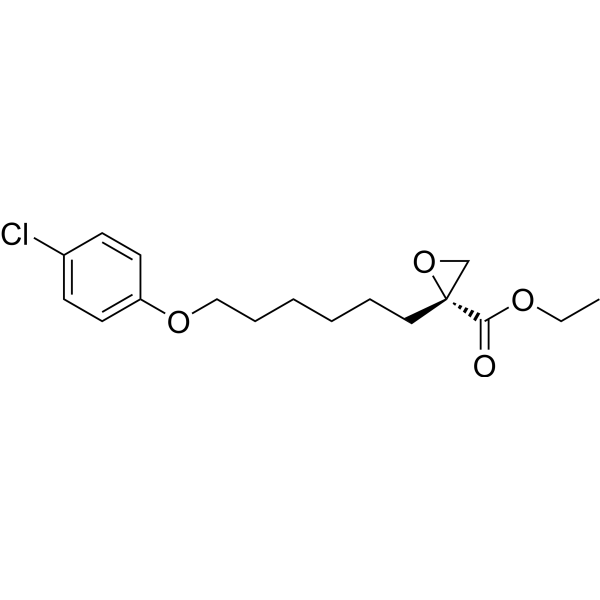
    Etomoxir
    Maximum Cited Publications
    128 Publications Verification

    (R)-(+)-Etomoxir

    Carnitine Palmitoyltransferase (CPT) Apoptosis Metabolic Disease Cancer
    Etomoxir ((R)-(+)-Etomoxir) is an irreversible inhibitor of carnitine palmitoyltransferase 1a (CPT-1a), inhibits fatty acid oxidation (FAO) through CPT-1a and inhibits palmitate β-oxidation in human, rat and guinea pig.
    Etomoxir
  • HY-111770
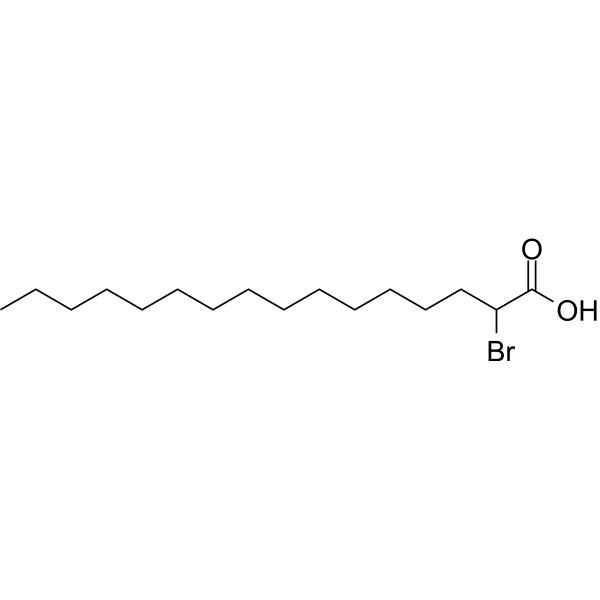
    2-Bromohexadecanoic acid
    15+ Cited Publications

    2-Bromopalmitic acid; 2-Bromopalmitate

    Pyroptosis Infection Inflammation/Immunology Cancer
    2-Bromohexadecanoic acid (2-Bromopalmitate; 2-BP) is a palmitoylation inhibitor targeting DHHC (Asp-His-His-Cys) protein palmitoyltransferase. 2-Bromohexadecanoic acid inhibits palmitoylation of GSDME-C during pyroptosis and inhibits BAK/BAX-Caspase 3-GSDME pathway-mediated pyroptosis .
    2-Bromohexadecanoic acid
  • HY-50202A
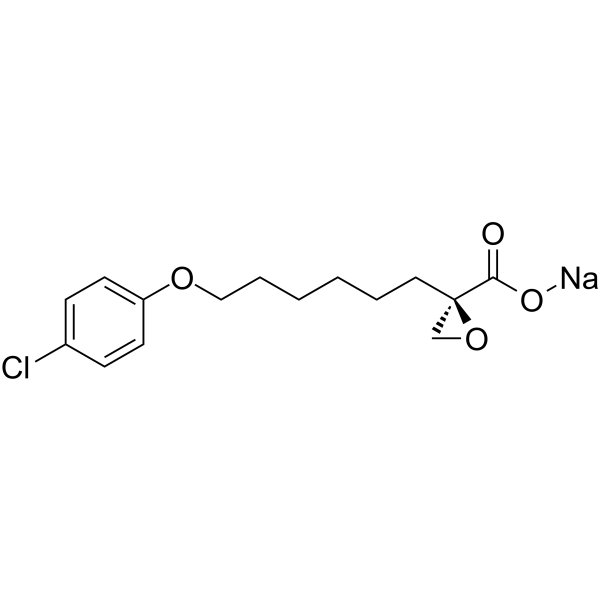
    Etomoxir sodium salt
    Maximum Cited Publications
    128 Publications Verification

    (R)-(+)-Etomoxir sodium salt

    Carnitine Palmitoyltransferase (CPT) Apoptosis Metabolic Disease Cancer
    Etomoxir((R)-(+)-Etomoxir) sodium salt is an irreversible inhibitor of carnitine palmitoyltransferase 1a (CPT-1a), inhibits fatty acid oxidation (FAO) through CPT-1a and inhibits palmitate β-oxidation in human, rat and guinea pig .
    Etomoxir sodium salt
  • HY-W018026

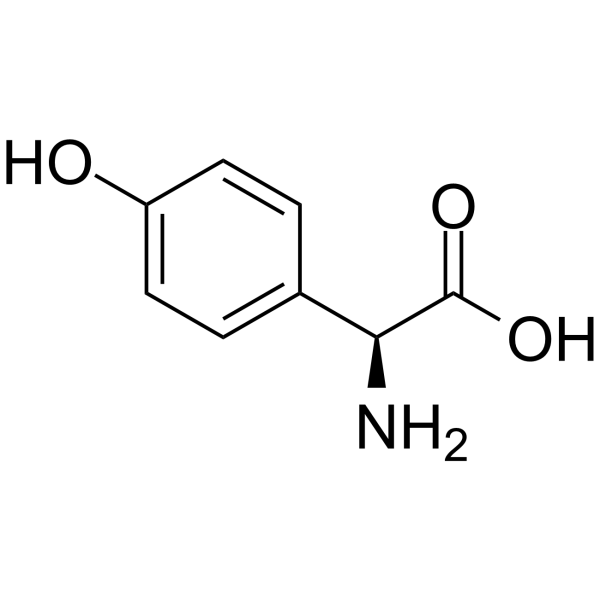
    L-p-Hydroxyphenylglycine; 4-Hydroxy-L-phenylglycine; UK 25842

    Acyltransferase Apoptosis Cardiovascular Disease Metabolic Disease
    Oxfenicine (L-p-Hydroxyphenylglycine) is an orally active carnitine palmitoyltransferase-1 inhibitor. Oxfenicine inhibits the oxidation of fatty acids in the heart, protecting cardiac tissue from necrotic damage during ischemia, and also has an inhibitory effect on cardiac tissue apoptosis. In addition, Oxfenicine promotes lipolysis in a high-fat diet rat model. Oxfenicine can be used in the study of cardiovascular and metabolic diseases .
    Oxfenicine
  • HY-16482
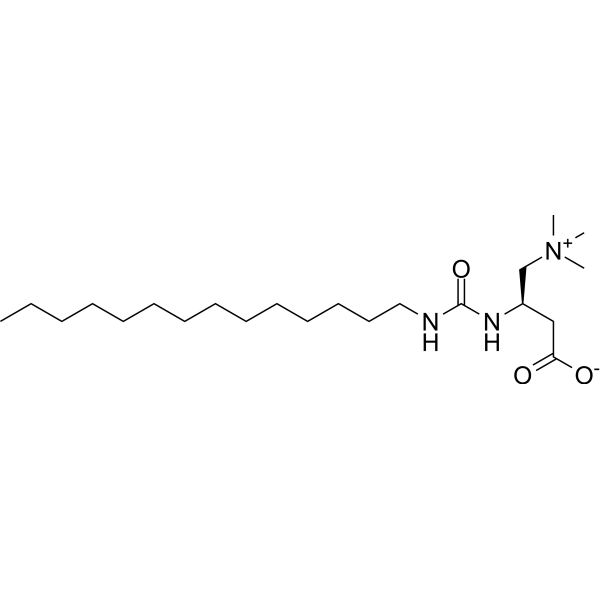
    Teglicar
    3 Publications Verification

    Carnitine Palmitoyltransferase (CPT) Endogenous Metabolite Neurological Disease Metabolic Disease
    Teglicar is a selective and reversible orally active liver isoform of carnitine palmitoyl-transferase 1 (L-CPT1) inhibitor with an IC50 value of 0.68 μM and a Ki value of 0.36 μM. Teglicar has a potential antihyperglycemic propert. Teglicar can be used for the research of diabetes and neurodegenerative disease including Huntington's disease (HD) .
    Teglicar
  • HY-113166
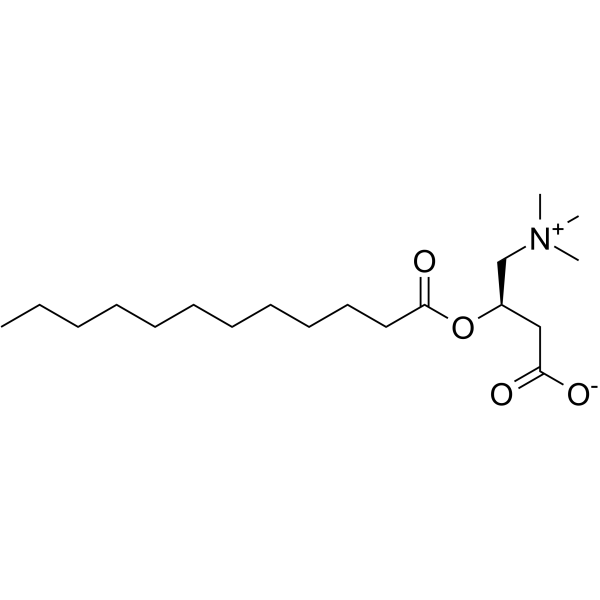
    Dodecanoylcarnitine
    1 Publications Verification

    (-)-Lauroylcarnitine

    Endogenous Metabolite Metabolic Disease Inflammation/Immunology
    Dodecanoylcarnitine ((-)-Lauroylcarnitine) is a medium long-chain acylcarnitine, an intermediate product in key energy metabolic pathways of fatty acid β-oxidation and amino acids catabolism. The abnormal decrease in the Dodecanoylcarnitine levels indicats that mitochondrial fuel metabolism, including fatty acid oxidation is significantly disturbed. Changes in plasma concentrations of Dodecanoylcarnitine are not only associated with type II diabetes, but also with pre-diabetes status. Dodecanoylcarnitine is present in fatty acid oxidation disorders such as long-chain acyl CoA dehydrogenase deficiency, carnitine palmitoyltransferase I/II deficiency, and is also associated with celiac disease. Dodecanoylcarnitine deomonstrates high sensitivities and specificities in predicting asthma. Combined model of Decanoylcarnitine (HY-113069), Dodecanoylcarnitine, PC (16:0/0:0), and Asp Arg Pro can be used as a potential biomarker for the diagnosis of Yin-deficiency-heat syndrome .
    Dodecanoylcarnitine
  • HY-B2004

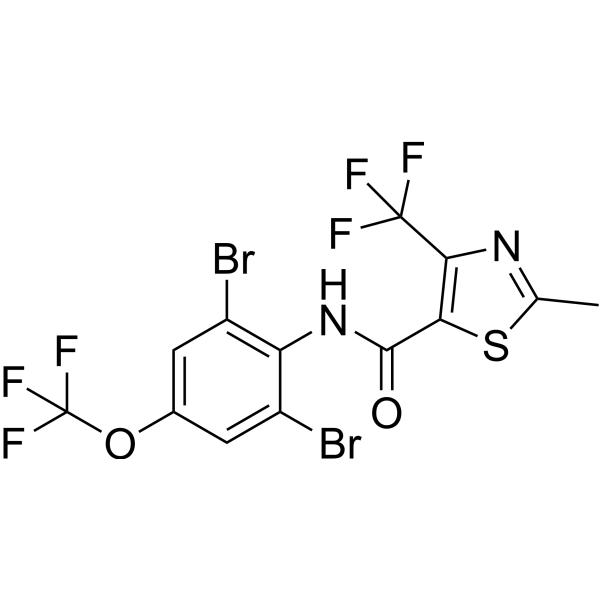
    Environmental Pollutants Fungal Mitochondrial Metabolism Infection
    Thifluzamide is a fungicide that inhibits fungal respiration by blocking the ubiquinone-binding site in mitochondrial complex II. Thifluzamide exhibits significant activity against Basidiomycota pathogens (such as Rhizoctonia cerealis, Ustilago and Puccinia genera) and is commonly used in studies on wheat sharp eyespot. Thifluzamide displays a dual mechanism in regulating lipid metabolism: it reduces fatty acid synthase activity to inhibit endogenous fatty acid synthesis, and increases carnitine palmitoyltransferase-I activity to accelerate fatty acid β-oxidation, thereby reducing total cholesterol and triglyceride levels in the liver. Thifluzamide also induces hepatotoxicity in zebrafish models and carries a risk of developmental toxicity. Thifluzamide inhibition of Rhizoctonia cerealis may result in low to moderate levels of drug resistance, leading to the generation of stable drug-resistant mutants .
    Thifluzamide
  • HY-116073

    Acyltransferase Infection Cancer
    L-Penicillamine is an orally active serine palmitoyltransferase (SPT) inhibitor. L-Penicillamine inactivates the PLP cofactor by forming adducts, thereby inhibiting SPT activity and reducing sphingolipid biosynthesis. L-Penicillamine not only blocks tumor access to vitamin B6, but also stabilizes the human papillomavirus 16 E6 oncoprotein monomer and inhibits its polymerization, exhibiting a unique anticancer mechanism. L-Penicillamine effectively delays the growth of Sarcoma-180, induces tumor necrosis and prolongs survival (though long-term use may lead to Pyridoxine (HY-B1328) deficiency and weight loss) .
    L-Penicillamine
  • HY-P0064

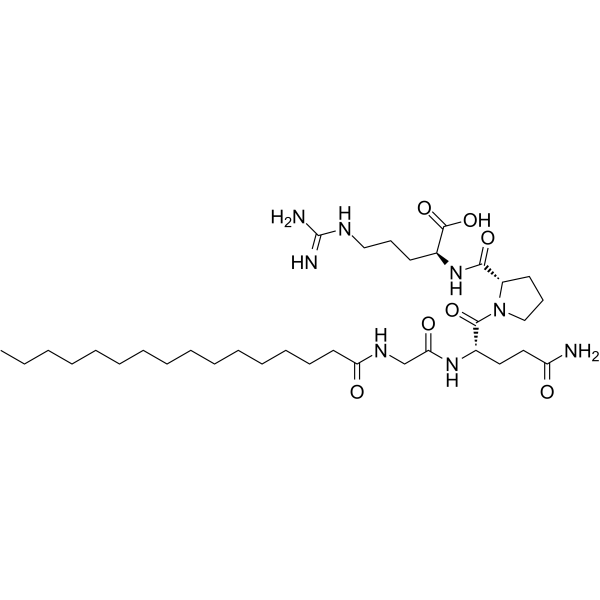
    Palmitoyl Tetrapeptide-7

    Interleukin Related Inflammation/Immunology
    Palmitoyl Tetrapeptide-3 (Palmitoyl Tetrapeptide-7) is a synthetic peptide corresponding to amino acids 341-344 of the human immunoglobulin heavy chain, with the ability to stimulate phagocytosis. Palmitoyl tetrapeptide-3 reduces interleukin-6 (IL-6) secretion in keratinocytes and inhibits the UVB radiation-exposure inflammatory response of skin. Palmitoyl tetrapeptide-3 It also has anti-inflammatory and anti-aging effects, reducing skin wrinkles by promoting the production of elastic fibers in the papillary dermis .
    Palmitoyl Tetrapeptide-3
  • HY-P10932A

    Fluorescent Dye Neurological Disease
    pGk13a TFA is an azide (azide group can be combined with fluorophore)-containing amphiphilic membrane labeling probe. pGk13a TFA enables high-resolution imaging of cell membranes in the ultrastructural membrane expansion microscopy (umExM) technique, facilitating the observation of membrane-associated structures and proteins. pGk13a TFA can be used for neuronal structural studies .
    pGk13a TFA
  • HY-170794

    Acyltransferase Ceramidase Metabolic Disease
    ALT-007 is an orally active serine palmitoyltransferase (SPT) inhibitor that selectively reduces the levels of toxic very-long-chain deoxysphingolipids to enhance protein homeostasis. ALT-007 restores aging-related loss of muscle mass in a mouse model of sarcopenia. ALT-007 enhances protein homeostasis in both mouse and C. elegans models of aging and disease. ALT-007 can be used for age-related neuromuscular diseases research .
    ALT-007
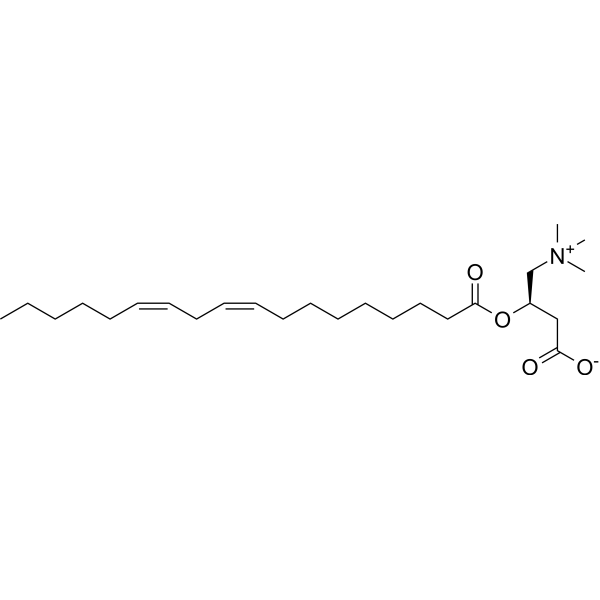
  • HY-113256

    Carnitine Palmitoyltransferase (CPT) Endogenous Metabolite Metabolic Disease
    Linoleyl carnitine is an acylcarnitine and metabolite. Linoleyl carnitine in the liver is negatively correlated with pantothenic acid and citric acid in serum. Linoleyl carnitine accumulates in mitochondrial CPT II deficiency .
    Linoleyl carnitine
  • HY-115899

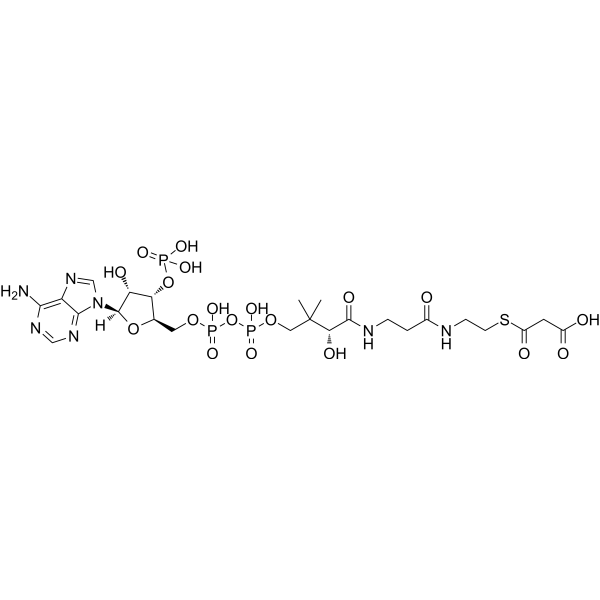
    Malonyl coenzyme A

    Carnitine Palmitoyltransferase (CPT) Endogenous Metabolite Mitochondrial Metabolism Metabolic Disease
    Malonyl CoA is a substrate for fatty acid biosynthesis and an inhibitor of fatty acid oxidation. Malonyl CoA is also a reversible inhibitor of mitochondrial carnitine palmitoyltransferase (CPT) 1 .
    Malonyl CoA
  • HY-P10031

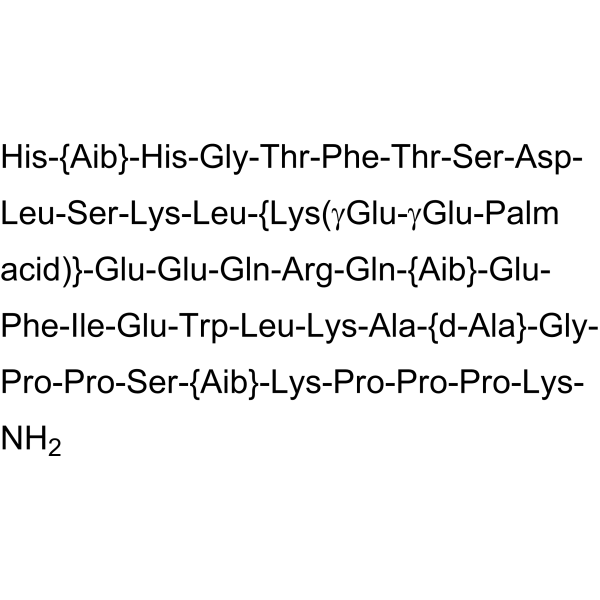
    GLP Receptor GCGR Metabolic Disease
    SAR441255 is a GLP-1R/GCGR/GIPR agonist, with human EC50 values of 1.03 pM, 1.01 pM, and 0.73 pM, respectively. SAR441255 stimulates receptor activity and drives cAMP accumulation. SAR441255 can be used for the research of type 2 diabetes, obesity .
    SAR441255
  • HY-W688565

    Ceramidase Metabolic Disease
    (2S)-2-Amino-1-hydroxyoctadecan-3-one is the product generated by the decarboxylative condensation of L-serine and palmitoyl-CoA catalyzed by serine palmitoyltransferase (SPT) .
    (2S)-2-Amino-1-hydroxyoctadecan-3-one
  • HY-U00159
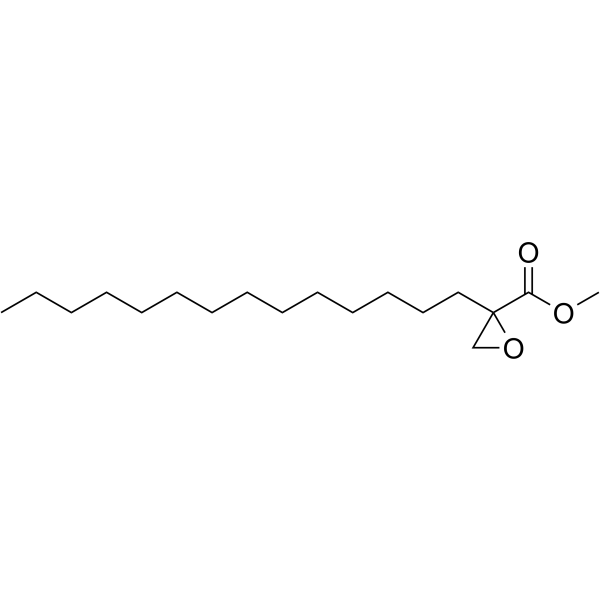
    McN3716
    1 Publications Verification

    Methyl palmoxirate; NSC359682

    Carnitine Palmitoyltransferase (CPT) Mitochondrial Metabolism Metabolic Disease
    McN3716 is a carnitine palmitoyltransferase I (CPT-1) inhibitor.
    McN3716
  • HY-115498

    Apoptosis NO Synthase Interleukin Related COX Neurological Disease Inflammation/Immunology
    ARN14494 is a potent and selective serine palmitoyltransferase (SPT) inhibitor, with an IC50 of 27.3 nM. ARN14494 affects the CNS in terms of anti-inflammation and neuroprotection. ARN14494 protects neurons from β-amyloid 1-42-induced neurotoxicity through a variety of mechanisms, including anti-oxidation, anti-apoptosis, and anti-inflammation. ARN14494 can be used for Alzheimer’s disease research .
    ARN14494
  • HY-155938
    Cyano-myracrylamide
    1 Publications Verification

    Acyltransferase Neurological Disease Inflammation/Immunology Cancer
    Cyano-myracrylamide is an inhibitor of zinc finger DHHC domain-containing palmitoyltransferase 20 (zDHHC20) with an IC50 value of 1.35 µM. Cyano-myracrylamide also inhibits the S-Acylation of EGFR and CD36. Cyano-myracrylamide also inhibits S-acylation of Legionella E3 ligase GobX, MyD88, and Ras, which are substrates of zDHHC20, zDHHC9, and zDHHC6, respectively, in HEK293T cells expressing recombinant Legionella GobX, recombinant human MyD88, or endogenous Ras .
    Cyano-myracrylamide
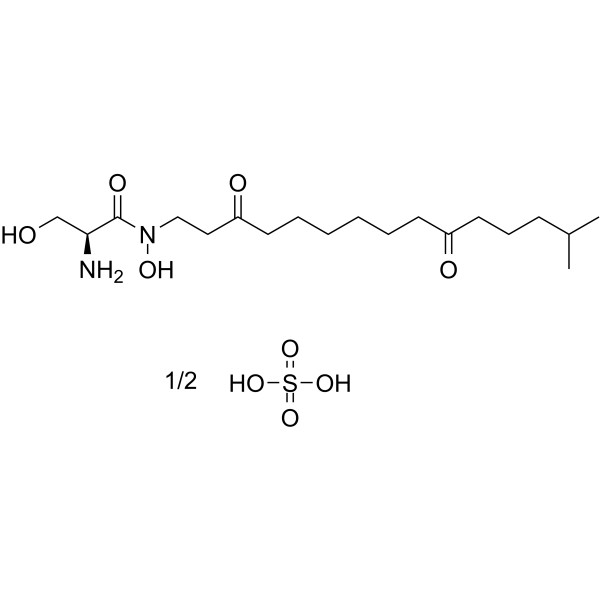
  • HY-119759A

    Antibiotic Fungal Infection
    Lipoxamycin hemisulfate is an antifungal antibiotic and a potent serine palmitoyltransferase inhibitor with an IC50 of 21 nM .
    Lipoxamycin hemisulfate
  • HY-W612338

    9-ONA

    Acetyl-CoA Carboxylase Inflammation/Immunology
    9-Oxononanoic acid (9-ONA) is an orally active acetyl-CoA carboxylase inhibitor. 9-Oxononanoic acid inhibits acetyl-CoA carboxylase via accumulation of long-chain acyl-CoA. 9-Oxononanoic acid increases carnitine palmitoyltransferase, isocitrate dehydrogenase and glucose 6-phosphate dehydrogenase activity to elevate β-oxidation and support NADPH (HY-113324) supplyactivity. 9-Oxononanoic acid stimulates phospholipase A2 activity via post-translational, non-transcriptional mechanisms. 9-Oxononanoic acid can be used for the research of atherothrombosis .
    9-Oxononanoic acid
  • HY-115938

    Carnitine Palmitoyltransferase (CPT) Others Metabolic Disease Cancer
    BEC2 is an ester derivative of Baicalin, with good lipid-lowering activity. BEC2 can direct activate the carnitine palmitoyltransferase 1A (CPT1A) .
    BEC2
  • HY-P10932

    Fluorescent Dye Neurological Disease
    pGk13a is an amphipathic membrane-labeling probe containing an azide group, which can bind to fluorophores. pGk13a enables high-resolution imaging of cell membranes in the ultrastructure expansion microscopy (umExM) technique, facilitating the observation of membrane-associated structures and proteins. pGk13a is applicable to neuronal structure research .
    pGk13a
  • HY-W104819

    4-Hydroxyphenylglyoxylic acid; 4-HPGA

    Acyltransferase Carnitine Palmitoyltransferase (CPT) Metabolic Disease
    4-Hydroxyphenylglyoxylate (4-Hydroxyphenylglyoxylic acid) is an inhibitor of carnitine palmitoyltransferase I (CPT I). 4-Hydroxyphenylglyoxylate can be used to study sensitivity changes in CPT I of liver mitochondria and fatty acid oxidation by isolated hepatocytes. 4-Hydroxyphenylglyoxylate can inhibits fatty acid oxidation .
    4-Hydroxyphenylglyoxylate
  • HY-W420033

    Acyltransferase Carnitine Palmitoyltransferase (CPT) Others
    (S)-(+)-Etomoxir is the S enantiomer of Etomoxir (HY-50202). Etomoxir is an irreversible inhibitor of carnitine palmitoyltransferase 1a (CPT-1a), inhibits fatty acid oxidation (FAO) through CPT-1a and inhibits palmitate β-oxidation in human, rat and guinea pig .
    (S)-(+)-Etomoxir
  • HY-172548

    Carnitine Palmitoyltransferase (CPT) Endogenous Metabolite Metabolic Disease
    Docosahexaenoyl-L-carnitine chloride is a long-chain acylcarnitine composed of Docosahexaenoic acid (HY-B2167) and L-carnitine (HY-B0399). Docosahexaenoyl-L-carnitine chloride is transported into mitochondria for β -oxidation and decomposition under the action of carnitine palmitoyltransferase I (CPT I) and others. Docosahexaenoyl-L-carnitine chloride is promising for research of diseases related to fatty acid metabolism .
    Docosahexaenoyl-L-carnitine chloride
  • HY-W588256

    Endogenous Metabolite Acetyl-CoA Carboxylase Infection
    12-Tridecenoic acid is a metabolite of intestinal flora, which can promote the expression of acetyl-CoA carboxylase α (ACC) and inhibit the expression of carnitine palmitoyltransferase 1A (CPT1A), thereby aggravating hepatic steatosis. 12-Tridecenoic acid aggravates hepatic steatosis by affecting the ACC-CPT1A axis .
    12-Tridecenoic acid
  • HY-P10380

    Neuropeptide FF Receptor Neurological Disease Metabolic Disease
    palm11-PrRP31 is a lipidized endogenous appetite inhibitory neuropeptide (PrRP) analogue. palm11-PrRP31 is GPR10 (EC50=39 pM) and NPFF-R2 effective dual agonists. palm11-PrRP31 is able to mimic the natural function of PrRP by binding to these receptors to reduce food intake. palm11-PrRP31 can be used as a potential anti-obesity agent and for the study of neuropeptide-receptor interaction .
    palm11-PrRP31
  • HY-139097

    Acyltransferase Others
    C12-Sphingosine is a short-chain Sphingosine homologue. C12-Sphingosine inhibits serine palmitoyltransferase activity in primary cultured cerebellar cells .
    C12-Sphingosine
  • HY-141473

    Malonyl coenzyme A tetralithium

    Endogenous Metabolite Mitochondrial Metabolism Carnitine Palmitoyltransferase (CPT) Metabolic Disease
    Malonyl CoA (Malonyl coenzyme A) tetralithium is a substrate for fatty acid biosynthesis and an inhibitor of fatty acid oxidation. Malonyl CoA tetralithium is also a reversible inhibitor of mitochondrial carnitine palmitoyltransferase (CPT) 1 .
    Malonyl CoA tetralithium
  • HY-P10031A

    GLP Receptor GCGR Metabolic Disease
    SAR441255 TFA is a GLP-1R/GCGR/GIPR agonist, with human EC50 values of 1.03 pM, 1.01 pM, and 0.73 pM, respectively. SAR441255 TFA stimulates receptor activity and drives cAMP accumulation. SAR441255 TFA can be used for the research of type 2 diabetes, obesity .
    SAR441255 TFA
  • HY-108433

    Carnitine palmitoyltransferase 2

    Apoptosis MDM-2/p53 Metabolic Disease Cancer
    CPT2 (Carnitine palmitoyltransferase 2), an enzyme that participates in fatty acid oxidation, also is a colorectal cancer (CRC) prognostic biomarker. CPT2 overexpression can activate p-p53 to increase p53 expression, thereby inhibiting tumor proliferation and promoting apoptosis. CPT2 deficiency results in the most common inherited disorder of long-chain fatty acid oxidation affecting skeletal muscle. Downregulation of CPT2 is also highly correlated with the progression of various cancers and has potential for cancer research .
    CPT2
  • HY-119759

    Fungal Infection
    Lipoxamycin is an antifungal antibiotic and a potent serine palmitoyltransferase inhibitor with an IC50 of 21 nM .
    Lipoxamycin
  • HY-50202R

    (R)-(+)-Etomoxir (Standard)

    Carnitine Palmitoyltransferase (CPT) Apoptosis Reference Standards Metabolic Disease Cancer
    Etomoxir (Standard) is the analytical standard of Etomoxir. This product is intended for research and analytical applications. Etomoxir ((R)-(+)-Etomoxir) is an irreversible inhibitor of carnitine palmitoyltransferase 1a (CPT-1a), inhibits fatty acid oxidation (FAO) through CPT-1a and inhibits palmitate β-oxidation in human, rat and guinea pig.
    Etomoxir (Standard)
  • HY-P10380A

    Neuropeptide FF Receptor Neurological Disease Metabolic Disease
    palm11-PrRP31 TFA is a lipidized endogenous appetite inhibitory neuropeptide (PrRP) analogue. palm11-PrRP31 TFA is GPR10 (EC50=39 pM) and NPFF-R2 effective dual agonists. palm11-PrRP31 TFA is able to mimic the natural function of PrRP by binding to these receptors to reduce food intake. palm11-PrRP31 TFA can be used as a potential anti-obesity agent and for the study of neuropeptide-receptor interaction .
    palm11-PrRP31 TFA
  • HY-119759AR

    Antibiotic Reference Standards Fungal Infection
    Lipoxamycin (hemisulfate) (Standard) is the analytical standard of Lipoxamycin (hemisulfate). This product is intended for research and analytical applications. Lipoxamycin hemisulfate is an antifungal antibiotic and a potent serine palmitoyltransferase inhibitor with an IC50 of 21 nM[1][2].
    Lipoxamycin hemisulfate (Standard)
  • HY-B1334AS

    Isotope-Labeled Compounds Carnitine Palmitoyltransferase (CPT) Mitochondrial Metabolism Cardiovascular Disease Cancer
    Perhexiline-d11 (maleate) is the deuterium labeled Perhexiline maleate. Perhexiline maleate is a potent carnitine palmitoyltransferase 1 (CPT 1) inhibitor with IC50s of 77 and 148 μM for rat heart and liver CPT 1, respectively.
    Perhexiline-d11 maleate
  • HY-W745771

    Isotope-Labeled Compounds Biochemical Assay Reagents Metabolic Disease
    D-Penicillamine-d6 is the deuterium labeled L-Penicillamine (HY-116073). L-Penicillamine is a mechanism-based inhibitor of serine palmitoyltransferase by forming a pyridoxal-5 '-phosphate-thiazolidine adduct. L-Penicillamine is a metal chelating agent of intermediate strength .
    D-Penicillamine-d6
  • HY-P10379

    Neuropeptide FF Receptor Others Neurological Disease
    palm-PrRP31 is a potent dual receptor agonist for both GPR10 (EC50=72 pM) and NPFF-R2. palm-PrRP31 activates downstream signaling pathways through binding to its receptors, GPR10 and NPFF-R2, which results in reduced appetite and increased energy expenditure. Utilizing palm-PrRP31 facilitates the study of the mechanism of action in the nervous system, thereby elucidating the complex biological processes that regulate appetite and energy expenditure .
    palm-PrRP31
  • HY-149545

    1,3-Dipalmitoyl-2-docosahexaenoyl glycerol

    Carnitine Palmitoyltransferase (CPT) Fatty Acid Synthase (FASN) Metabolic Disease
    1,3-Palmitin-2-docosahexaenoin (1,3-Dipalmitoyl-2-docosahexaenoyl glycerol) is the isomer of triacylglycerol (TAG), in which docosahexaenoic acid (DHA) is located at the β position (sn-2) of the glycerol backbone. 1,3-Palmitin-2-docosahexaenoin inhibits fatty acid synthase and cholesterol metabolism enzymes, activates carnitine palmitoyltransferase (CPT) in liver mitochondria and promotes β-oxidation of fatty acids. 1,3-Palmitin-2-docosahexaenoin exhibits lipid metabolism regulating activity .
    1,3-Palmitin-2-docosahexaenoin
  • HY-P5954

    Calcium Channel Others
    PLTX-II is a calcium channel blocker. PLTX-II has a 44-residue peptide containing ten Cys residues and an O-palmitoylated threonine amide at the carboxy-terminus .
    PLTX-II
  • HY-B2004R

    Reference Standards Fungal Mitochondrial Metabolism Infection
    Thifluzamide (Standard) is the analytical standard of Thifluzamide. This product is intended for research and analytical applications. Thifluzamide is a fungicide that inhibits fungal respiration by blocking the ubiquinone-binding site in mitochondrial complex II. Thifluzamide exhibits significant activity against Basidiomycota pathogens (such as Rhizoctonia cerealis, Ustilago and Puccinia genera) and is commonly used in studies on wheat sharp eyespot. Thifluzamide displays a dual mechanism in regulating lipid metabolism: it reduces fatty acid synthase activity to inhibit endogenous fatty acid synthesis, and increases carnitine palmitoyltransferase-I activity to accelerate fatty acid β-oxidation, thereby reducing total cholesterol and triglyceride levels in the liver. Thifluzamide also induces hepatotoxicity in zebrafish models and carries a risk of developmental toxicity. Thifluzamide inhibition of Rhizoctonia cerealis may result in low to moderate levels of drug resistance, leading to the generation of stable drug-resistant mutants .
    Thifluzamide (Standard)
  • HY-113166R

    (-)-Lauroylcarnitine (Standard)

    Reference Standards Endogenous Metabolite Metabolic Disease Inflammation/Immunology
    Dodecanoylcarnitine (Standard) is the analytical standard of Dodecanoylcarnitine (HY-113166). This product is intended for research and analytical applications. Dodecanoylcarnitine ((-)-Lauroylcarnitine) is a medium long-chain acylcarnitine, an intermediate product in key energy metabolic pathways of fatty acid β-oxidation and amino acids catabolism. The abnormal decrease in the Dodecanoylcarnitine levels indicats that mitochondrial fuel metabolism, including fatty acid oxidation is significantly disturbed. Changes in plasma concentrations of Dodecanoylcarnitine are not only associated with type II diabetes, but also with pre-diabetes status. Dodecanoylcarnitine is present in fatty acid oxidation disorders such as long-chain acyl CoA dehydrogenase deficiency, carnitine palmitoyltransferase I/II deficiency, and is also associated with celiac disease. Dodecanoylcarnitine deomonstrates high sensitivities and specificities in predicting asthma. Combined model of Decanoylcarnitine (HY-113069), Dodecanoylcarnitine, PC (16:0/0:0), and Asp Arg Pro can be used as a potential biomarker for the diagnosis of Yin-deficiency-heat syndrome .
    Dodecanoylcarnitine (Standard)
  • HY-182248

    ST1326 chloride

    Carnitine Palmitoyltransferase (CPT) Acyltransferase Metabolic Disease
    Teglicar chloride (ST1326 chloride) is an orally active, reversible, mixed-type, selective inhibitor of hepatic carnitine palmitoyltransferase I (L-CPT I), with an IC50 of 1.1 μM against rat L-CPT I. Teglicar chloride reduces serum glucose levels. Teglicar chloride exhibits antiketotic activity in normal fasted rats. Teglicar chloride can be used in research related to type 2 diabetes and ketoacidosis .
    Teglicar chloride
  • HY-181943

    Acyltransferase Cancer
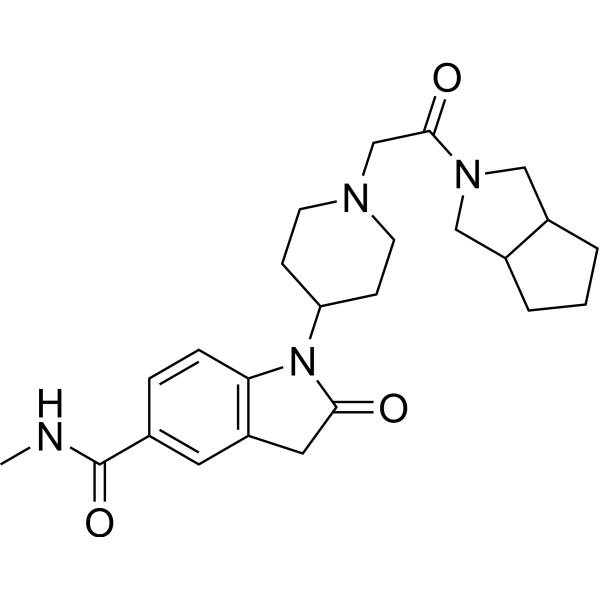
    SPT-IN-2 is an orally active serine palmitoyltransferase (SPT) inhibitor (with an IC50 of 0.71 nM against human SPT2). SPT-IN-2 inhibits ceramide synthesis, suppresses cancer cell growth, and exhibits in vivo anti-tumor activity, favorable metabolic stability and cell membrane permeability in xenograft mouse models. SPT-IN-2 blocks the de novo sphingolipid synthesis pathway, significantly reducing intracellular ceramide levels and the levels of 3-ketodihydrosphingosine (3-KDS), the immediate downstream product of SPT. SPT-IN-2 can be used in research related to lung adenocarcinoma, acute promyelocytic leukemia and breast cancer .
    SPT-IN-2
  • HY-182539

    CGRP Receptor Others Neurological Disease
    DD04107 is a neuronal exocytosis inhibitor with a rat Syt1-C2B domain binding Ka of 2.4 μM. DD04107 interferes with synaptobrevin-syntaxin-SNAP-25 complex formation and Syt1-SNARE complex interaction to block α-calcitonin gene-related peptide (α-CGRP) exocytotic release from primary sensory neurons. DD04107 blocks inflammatory ion channel recruitment to nociceptor plasma membranes. DD04107 can be used for the research of chronic inflammatory pain, neuropathic pain, osteosarcoma pain, chemotherapy-induced peripheral neuropathy, diabetic neuropathy, inflammatory pain .
    DD04107
  • HY-176894

    Carnitine Palmitoyltransferase (CPT) Others Metabolic Disease
    Hemiacetylcarnitinium chloride is a inhibitor of fatty acid metabolism, specifically targeting carnitine palmitoyltransferase I (CPT I). Hemiacetylcarnitinium chloride disrupts the conversion of fatty acyl-CoA to fatty acyl carnitine, thereby blocking the subsequent oxidation of long-chain fatty acids and reducing the production of ATP required for energy-dependent cellular processes. Hemiacetylcarnitinium chloride can be used for the study of fatty acid metabolism .
    Hemiacetylcarnitinium chloride
  • HY-19150

    FOX-988

    Mitochondrial Metabolism Metabolic Disease
    SDZ-FOX-988 (FOX-988) is an orally active antidiabetic agent. SDZ-FOX-988 sequesters mitochondrial coenzyme A to inhibit carnitine palmitoyltransferase II. SDZ-FOX-988 induces mitochondrial injury. SDZ-FOX-988 causes a decrease in serum β-hydroxybutyrate or glucose. SDZ-FOX-988 can be used in the research of type 2 diabetes .
    SDZ-FOX-988
  • HY-N18066

    Drug Derivative Acyltransferase NF-κB PPAR Fatty Acid Synthase (FASN) Keap1-Nrf2 Cardiovascular Disease Metabolic Disease Inflammation/Immunology
    Esculeogenin A is the sapogenol of tomato saponin Esculeoside A (HY-N18067). Esculeogenin A is an orally active hepatoprotective, hypolipidemic, and antioxidant agent. Esculeogenin A regulates molecular targets like PPARα, SREBP1, Nrf2, NF-κB, ACAT1/ACAT2 to promote hepatic fatty acid oxidation, suppress de novo lipogenesis, enhance antioxidant defense, and inhibit inflammation. Esculeogenin A improves liver function, alleviates hyperlipidemia, and inhibits hepatic steatosis and foam cell formation, preventing nonalcoholic fatty liver disease in high-fat-diet-fed rats and reducing atherosclerotic lesions in apoE-deficient mice. Esculeogenin A can be used for the research of nonalcoholic fatty liver disease, atherosclerosis, and hyperlipidemia .
    Esculeogenin A

Inquiry Online

Your information is safe with us. * Required Fields.

Salutation


Country or Region *

Applicant Name *


Organization Name *

Department *


Email Address *


Product Name *

Cat. No.


Requested quantity *

Phone Number *


Remarks

Inquiry Online

Inquiry Information

Product Name:
Cat. No.:
Quantity:
MCE Japan Authorized Agent:

