
Search Result
Results for "
stomach cancers
" in MedChemExpress (MCE) Product Catalog:
1
Isotope-Labeled Compounds
| Cat. No. |
Product Name |
Target |
Research Areas |
Chemical Structure |
-
- HY-N0171
-
|
|
Apoptosis
Endogenous Metabolite
|
Cardiovascular Disease
Inflammation/Immunology
Cancer
|
|
Beta-Sitosterol (purity≥80%) is orally active. Beta-Sitosterol exhibits multiple activities, including anti-inflammatory, anticancer, antioxidant, antimicrobial, antidiabetic, antioxidant enzyme, and analgesic. Beta-Sitosterol inhibits inflammation and impaired adipogenesis in bovine mammary epithelial cells by reducing levels of ROS, TNF-α, IL-1β, and NF-κB p65 and restoring the activity of the HIF-1α/mTOR signaling pathway. Beta-Sitosterol induces apoptosis in cancer cells through ROS-mediated mitochondrial dysregulation and p53 activation. Beta-Sitosterol exerts its anticancer effects in cancer cells by activating caspase-3, caspase-8, and caspase-9, mediating PARP inactivation, MMP loss, altered Bcl-2-Bax ratio, and cytochrome c release. Beta-Sitosterol modulates macrophage polarization and reduces rheumatoid inflammation in mice. Beta-Sitosterol inhibits tumor growth in multiple mouse cancer models. Beta-Sitosterol can be used in the research of arthritis, lung cancer, breast cancer and other cancers, diabetes, etc .
|
-
-
- HY-156002
-
|
Paluratide
|
Ras
ERK
|
Cancer
|
|
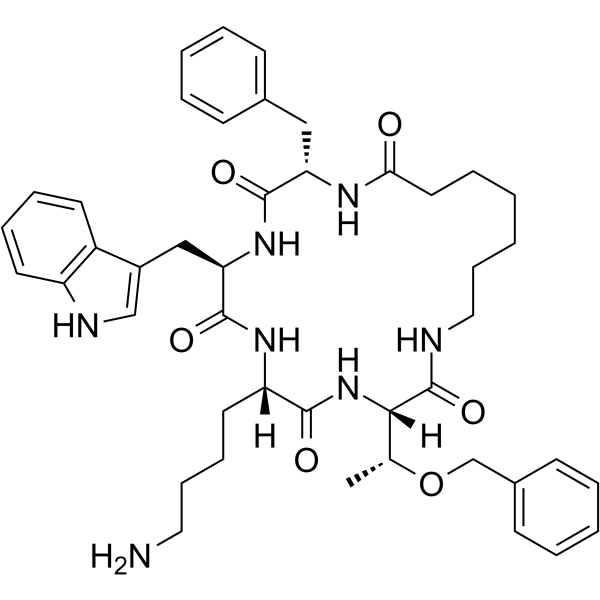
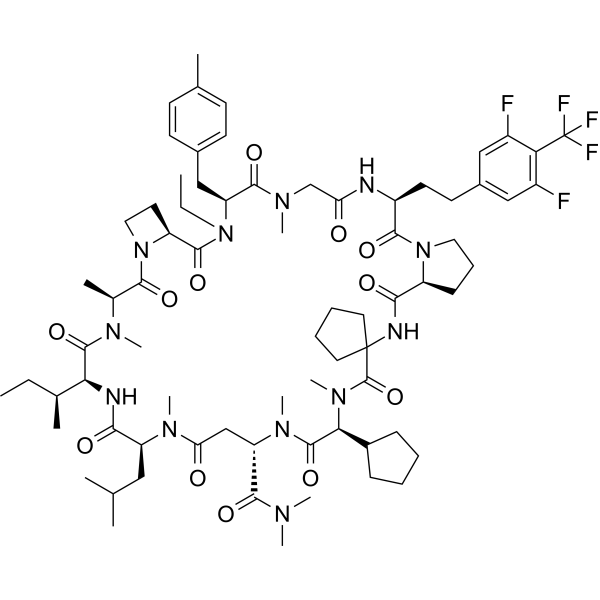
LUNA18 is an orally-available cyclic peptide KRAS and ERK inhibitor. LUNA18 phosphorylates ERK and AKT and decreases cell proliferation in RAS-mutated cancer cells. LUNA18 exhibits RAS signal inhibition and potent anti-cancer activities through inhibiting interaction between RAS and guanine nucleotide exchange factors (GEFs) in a mouse xenograft model. LUNA18 shows significant cellular efficacy against cell lines with KRAS genetic alterations, such as colon cancer, stomach cancer, non-small cell lung cancer and pancreaticcancer .
|
-
-
- HY-12204
-
PFK-015
3 Publications Verification
|
Autophagy
|
Metabolic Disease
Inflammation/Immunology
Cancer
|
|
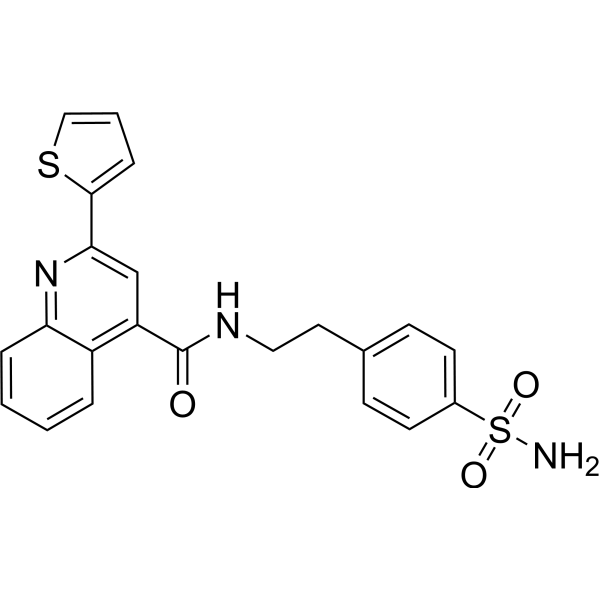
PFK-015, a derivative of 3PO, is a specific PFKFB3 inhibitor. PFK-015 inhibits recombinant PFKFB3 with an IC50 value of 110 nM and inhibits PFKFB3 activity in cancer cells with an IC50 value of 20 nM. PFK-015 can be used for the research of multiple cancers such as lung cancer, stomach cancer, colon cancer and esophageal squamous cell carcinoma (ESCC) .
|
-
-
- HY-131498
-
|
Mca-Pro-Leu-Gly-Leu-Dpa-Ala-Arg-NH2
|
Fluorescent Dye
MMP
|
Cancer
|
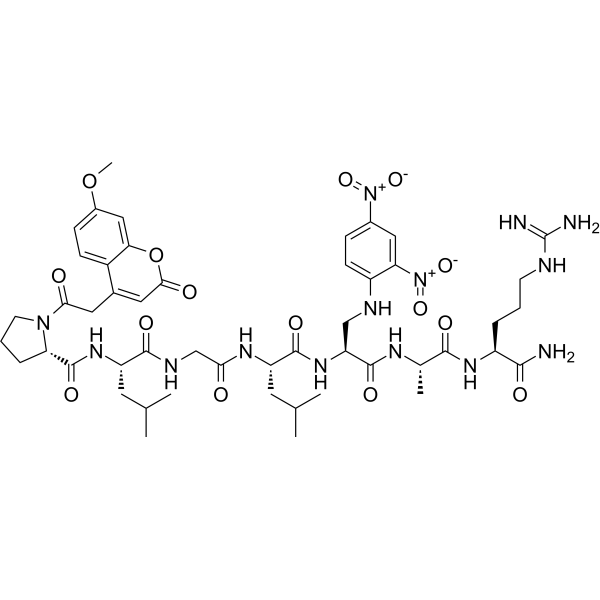
MOCAc-PLGL (Dpa) AR (Mca-Pro-Leu-Gly-Leu-Dpa-Ala-Arg-NH2) is a synthetic fluorescent substrate mainly used for in vitro enzymatic activity assays of MMP-7 (detection at 393 nm after excitation at 328 nm). MOCAc-PLGL (Dpa) AR is specifically cleaved and hydrolyzed by MMP-7 at the Gly-Leu peptide bond, allowing enzymatic activity to be monitored via fluorometry or HPLC (DMSO is usually added to ensure sufficient dissolution when determining kinetic parameters). MOCAc-PLGL (Dpa) AR is used to accurately evaluate the catalytic activity and pH dependence of recombinant mature human MMP-7 in vitro. MOCAc-PLGL (Dpa) AR is suitable for research on the mechanisms of tumor metastasis and invasion, particularly in fields such as prostate cancer, colon cancer, lung cancer and breast cancer .\n
|
-
-
- HY-N0671
-
|
Rhaponiticin
|
Apoptosis
|
Cardiovascular Disease
Metabolic Disease
Inflammation/Immunology
Cancer
|
|
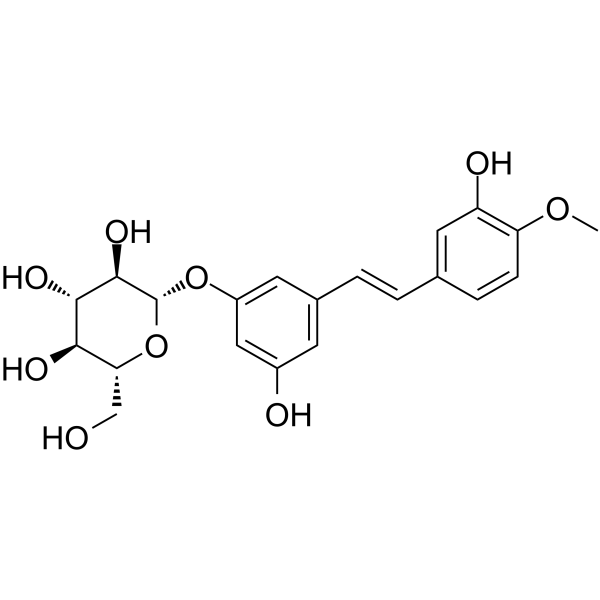
Rhapontin (Rhaponiticin) is an orally aactive SIRT1 agonist and AMPK activator with anti-inflammatory and anti-fibrotic activities. Rhapontin inhibits NLRP3 inflammasome activation by activating SIRT1 and inhibits TGF-β/Smad signaling via the AMPK pathway. Rhapontin reduces intestinal and lung inflammation, inhibits fibroblast differentiation and extracellular matrix deposition, and enhances tight junction protein expression to repair epithelial barriers. Rhapontin can be used in the study of inflammatory bowel diseases (such as ulcerative colitis) and pulmonary fibrosis .
|
-
-
- HY-B0900
-
|
Anise camphor; p-Propenylanisole; Isoestragole
|
Environmental Pollutants
Apoptosis
NF-κB
Fungal
Bacterial
MMP
|
Infection
Neurological Disease
Inflammation/Immunology
Cancer
|
|
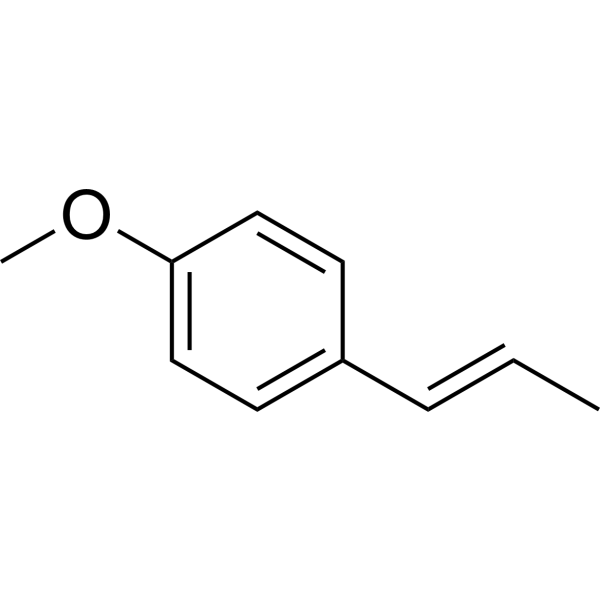
Anethole is a type of orally active aromatic compound that is widely found in nature and used as a flavoring agent. Anethole possesses anticancer, anti-inflammatory, antioxidant, antibacterial, antifungal, anesthetic, estrogenic, central nervous system depressant, hypnotic, insecticidal, and gastroprotective effects. Anethole can be used in the study of oxidative stress-related skin diseases and prostate cancer .
|
-
-
- HY-104004
-
|
Fmoc-Ser-(GalNAc(Ac)3-alpha-D)-OH; Fmoc-Ser[GalNAc(Ac)3-α-D]-OH; Fmoc-Ser(Ac3AcNH-α-Gal)-OH
|
Amino Acid Derivatives
Drug Intermediate
|
Cancer
|
|
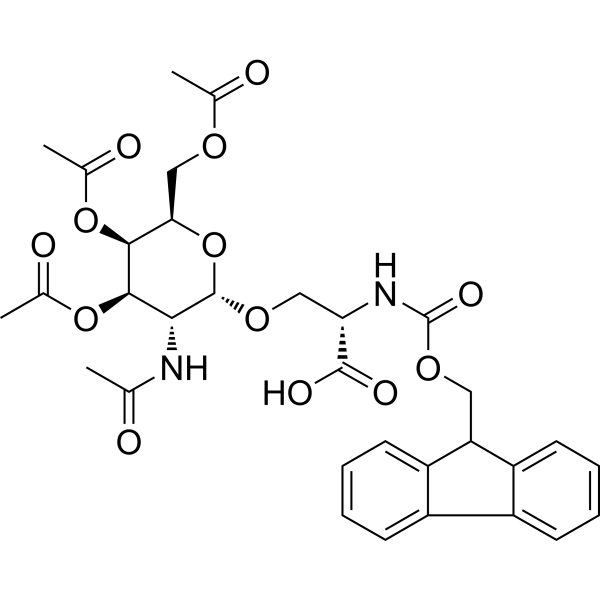
Fmoc-Ser (O-α-D-GalNAc (OAc) 3)-OH (Fmoc-Ser-(GalNAc(Ac)3-alpha-D)-OH) is a protected glycosylated amino acid and Tn antigen. Fmoc-Ser (O-α-D-GalNAc (OAc) 3)-OH serves as a building block in the solid-phase synthesis of Tn-based cancer vaccine constructs. Fmoc-Ser (O-α-D-GalNAc (OAc) 3)-OH supports solid-phase peptide synthesis .
|
-
-
- HY-B0310
-
-
-
- HY-139342
-
|
|
CDK
|
Cancer
|
|
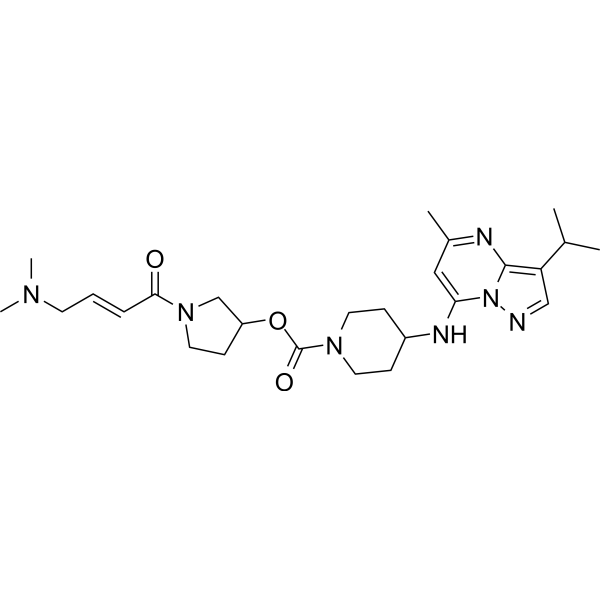
CDK7-IN-4 (compound I) is a potent CDK7 (Cyclin-dependent kinase 7) inhibitor. CDK7-IN-4 shows anticancer activity. CDK7-IN-4 inhibits the in vitro growth of cancer cell lines from a variety of histologies including colon , breast , lung , ovary and stomach , in a dose dependent manner .
|
-
-
- HY-172664
-
|
|
Drug Derivative
|
Cancer
|
|
Trabectedin derivative 2 (compound PL-12) is a trabectedin derivative that can be used in research on ovarian cancer, gastric cancer, and breast cancer .
|
-
-
- HY-W854385A
-
|
SLeA sodium
|
Biochemical Assay Reagents
|
Cancer
|
|
Sialyl Lewis A (SLeA) sodium is a tumor-associated carbohydrate antigen, also known as carbohydrate antigen 19-9 (CA19-9), that binds to E-selectin (ELAM-1) and selectins to mediate cell-endothelium adhesion. Sialyl Lewis A sodium promotes cancer cell-vascular endothelium adhesion, and its surface presence correlates with increased tumorigenicity and invasiveness in cancer cells. Sialyl Lewis A sodium shows elevated expression in human adenocarcinomas of the colon, pancreas, and stomach, with expression levels linked to tumor progression and poor prognosis in colorectal and gastric carcinomas. Sialyl Lewis A sodium can be used for the research of cancers, such as colon, pancreas, stomach, and squamous lung cancer .
|
-
-
- HY-W854385
-
|
SLeA
|
Biochemical Assay Reagents
E-Selectin
|
Cancer
|
|
Sialyl Lewis A (SLeA) is a tumor-associated carbohydrate antigen, also known as carbohydrate antigen 19-9 (CA19-9), that binds to E-selectin (ELAM-1) and selectins to mediate cell-endothelium adhesion. Sialyl Lewis A promotes cancer cell-vascular endothelium adhesion, and its surface presence correlates with increased tumorigenicity and invasiveness in cancer cells. Sialyl Lewis A shows elevated expression in human adenocarcinomas of the colon, pancreas, and stomach, with expression levels linked to tumor progression and poor prognosis in colorectal and gastric carcinomas. Sialyl Lewis A can be used for the research of cancers, such as colon, pancreas, stomach, and squamous lung cancer .
|
-
-
- HY-175321
-
|
|
PROTACs
c-Met/HGFR
Apoptosis
|
Cancer
|
|
PROTAC c-Met degrader-6 is a potent and orally active c-Met PROTACdegrader. PROTAC c-Met degrader-6 significantly induces the degradation of the c-Met protein with DC50s of 0.52 nM and 0.45 nM in EBC-1 and Hs746T. PROTAC c-Met degrader-6 almost abrogates the migratory and invasion abilities of tumor cells and significantly induces the apoptosis and blocks the cell cycle in the G0/G1 phase. PROTAC c-Met degrader-6 can be used for the study of various cancers such as non-small cell lung cancer and stomach cancer (Pink: c-Met ligand (HY-W425461); Blue: E3 ligand (HY-14658); Black: Linker (HY-20797)) .
|
-
-
- HY-N1219
-
|
(-)-Stephanine; l-Stephanine
|
Apoptosis
Parasite
|
Infection
Inflammation/Immunology
Cancer
|
|
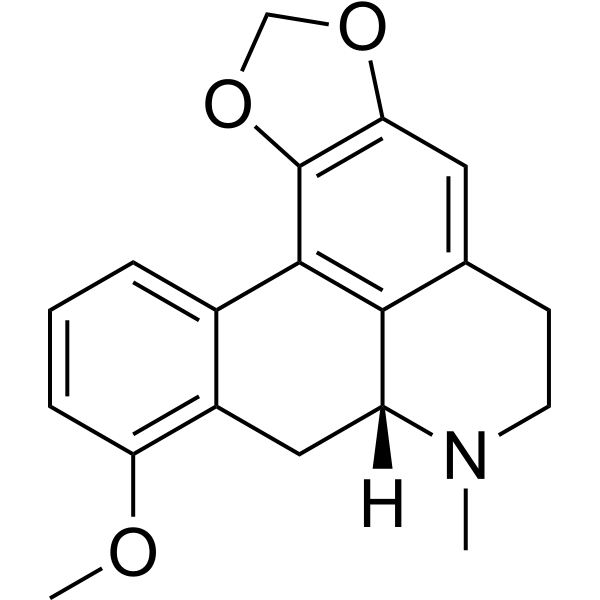
Stephanine ((-)-Stephanine) is an isoquinoline aporphine-type alkaloid. Stephanine induce apoptosis through the reverse of mitotic exit. Stephanine exhibits Antiplasmodial activity. Stephanine can be used for the research of stomach pain, abdominal pain, arthritis and cancer .
|
-
-
- HY-175318S
-
|
|
MDM-2/p53
|
Cancer
|
|
p53 Activator 15 is an orally active p53 Y220C activator. p53 Activator 15 enhances the DNA binding of p53 Y220C (SC50 = 0.58 nM) and significantly inhibits NUGC-3 cell proliferation. p53 Activator 15 effectively inhibits tumor growth in NUGC-3 xenograft mouse and rat models. p53 Activator 15 can be used to study gastric cancer .
|
-
-
- HY-B0900R
-
|
Anise camphor (Standard); p-Propenylanisole (Standard); Isoestragole (Standard)
|
Apoptosis
Fungal
Bacterial
MMP
NF-κB
Reference Standards
|
Infection
Neurological Disease
Inflammation/Immunology
Cancer
|
|
Anethole (Standard) is the analytical standard of Anethole. This product is intended for research and analytical applications. Anethole is a type of orally active aromatic compound that is widely found in nature and used as a flavoring agent. Anethole possesses anticancer, anti-inflammatory, antioxidant, antibacterial, antifungal, anesthetic, estrogenic, central nervous system depressant, hypnotic, insecticidal, and gastroprotective effects. Anethole can be used in the study of oxidative stress-related skin diseases and prostate cancer .
|
-
-
- HY-148314
-
|
|
ROS Kinase
|
Cancer
|
|
ROS kinases-IN-2 is a ROS kinase inhibitor. ROS kinases-IN-2 can be used for research on stomach cancer, liver cancer and colorectal cancer .
|
-
-
- HY-153908
-
|
|
Drug-Linker Conjugates for ADC
|
Cancer
|
|
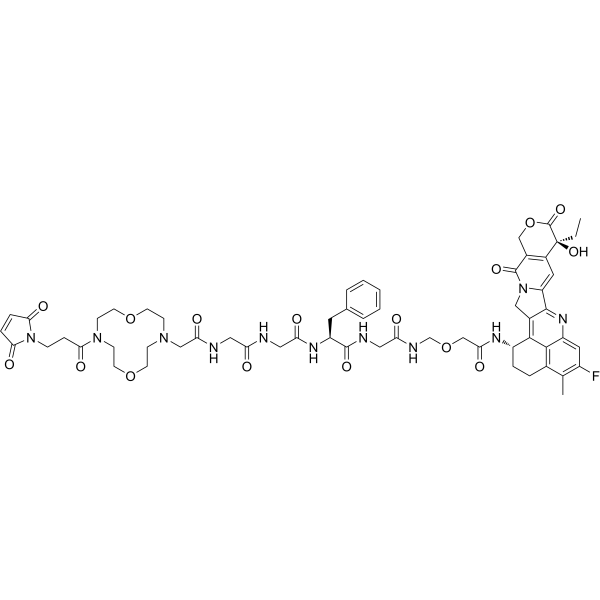
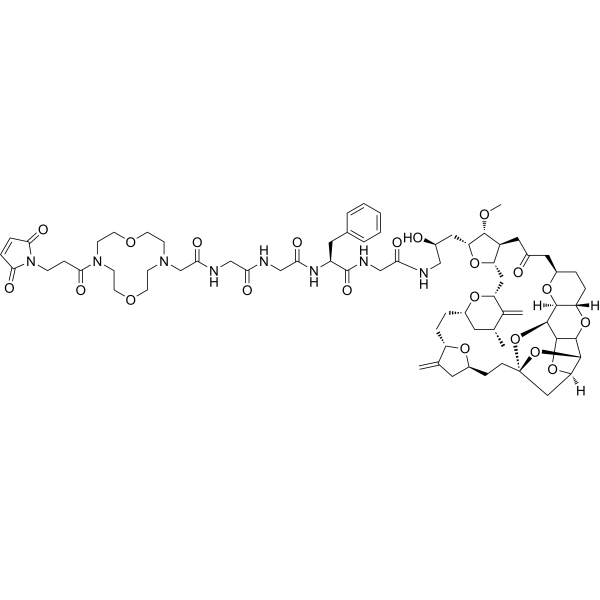
SMP-93566 is a kind of antibody-drug conjugates (ADCs) with a low payload shedding rate and has in vivo tumor inhibitory effects on ovarian cancer, gastric cancer, and breast cancer .
|
-
-
- HY-153907
-
|
|
Drug-Linker Conjugates for ADC
|
Cancer
|
|
SMP-88480 is an Antibody-Drug Conjugates (ADCs). SMP-88480 is stable in mouse, monkey and human plasma and has in vivo tumor inhibitory effects on ovarian cancer, gastric cancer, and breast cancer .
|
-
-
- HY-153909
-
|
|
Drug-Linker Conjugates for ADC
|
Cancer
|
|
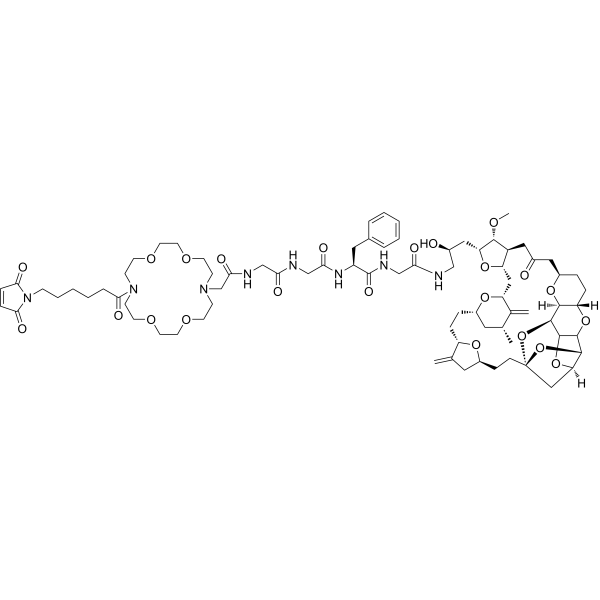
SMP-33693 is a Drug-Linker Conjugate for ADC with a low payload shedding rate and has in vivo tumor inhibitory effects on ovarian cancer, gastric cancer, and breast cancer .
|
-
-
- HY-175337
-
|
|
Target Protein Ligand-Linker Conjugates
c-Met/HGFR
|
Cancer
|
|
c-Met ligand-Linker Conjugate 2 is a synthesized target protein ligand-linker conjugate that can be used for synthesis of PROTACs, such as PROTAC c-Met degrader-6 (HY-175321). PROTAC c-Met degrader-6 is a c-Met PROTAC degrader with anti-tumor activity [1] .
|
-
-
- HY-B0310R
-
|
|
Reference Standards
Histamine Receptor
|
Inflammation/Immunology
Endocrinology
Cancer
|
|
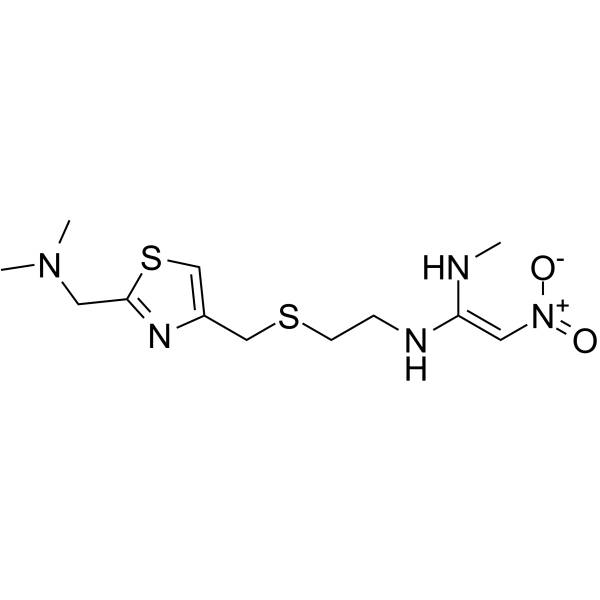
Nizatidine (Standard) is the analytical standard of Nizatidine. This product is intended for research and analytical applications. Nizatidine is a potent and orally active histamine H2 receptor antagonist, can be used for the research of stomach and intestines ulcers. Nizatidine works by decreasing the secretion of gastric acid the stomach makes and prevent ulcers from coming back after they have healed in animal models .
|
-
-
- HY-N9382
-
|
|
PKC
|
Cancer
|
|
Gnidimacrin is a protein kinase C (PKC) activator. Gnidimacrin inhibits cell growth of human leukemias, stomach cancers and non-small cell lung cancers in vitro, and shows activity against murine leukemias and solid tumors in vivo. Gnidimacrin can be used for leukemias, stomach cancers and non-small cell lung cancers research .
|
-
-
- HY-N18321
-
|
|
Drug Derivative
|
Cancer
|
|
3-Deacetyl-4-demethylsalannin, a salannin-type limonoid, is an anticancer agent. 3-Deacetyl-4-demethylsalannin induces cytotoxic activity against leukemia cells and stomach cancer cells, and shows inactivity against lung and breast cancer cells at concentrations up to 100 μM. 3-Deacetyl-4-demethylsalannin can be used for the research of leukemia, stomach cancer .
|
-
-
- HY-N18115
-
|
|
Drug Derivative
|
Cancer
|
|
3-O-Deacetyl-3-O-tigloylsalannin is a salannin-type limonoid and cytotoxic agent found in the fruits of Melia azedarach. 3-O-Deacetyl-3-O-tigloylsalannin can be used for the research of leukemia, stomach cancer, breast cancer .
|
-
-
- HY-N18117A
-
|
|
NO Synthase
EBV
|
Infection
Inflammation/Immunology
Cancer
|
|
23-Hydroxyohchininolide is a limonoid found in the leaves of Melia azedarach L.. 23-Hydroxyohchininolide inhibits LPS (HY-D1056)-induced NO production and exerts cytotoxic activity against human leukemia and stomach cancer cells. 23-Hydroxyohchininolide inhibits TPA (HY-18739)-induced Epstein-Barr virus early antigen activation. 23-Hydroxyohchininolide can be used for the research of cancer, infection and inflammatory disease .
|
-
-
- HY-N18115A
-
|
|
Drug Derivative
|
Cancer
|
|
Toosendansin A is a salannin-type limonoid and cytotoxic agent found in the fruits of Melia azedarach. Toosendansin A can be used for the research of leukemia, stomach cancer, breast cancer .
|
-
-
- HY-181581
-
|
|
PI3K
|
Cancer
|
|
IMM-H012 is a specific PI3K inhibitor with an IC50 of 0.80 nM against PI3Kα. IMM-H012 combined with [ 177Lu]Lu-P4 shows synergistic antitumor effects against stomach cancer and lung cancer .
|
-
-
- HY-N17852
-
|
|
Others
|
Cancer
|
|
3-O-Arabinopyranosyl siaresinolic acid is a triterpenoid found in the roots of Sanguisorba officinalis. 3-O-Arabinopyranosyl siaresinolic acid shows no activity against cancer cells .
|
-
-
- HY-N18214
-
|
|
Drug Derivative
|
Cancer
|
|
3-Deacetyl-1,6-diacetylsendanal is a limonoid compound isolated from the fruits of Melia azedarach. 3-Deacetyl-1,6-diacetylsendanal reduces the viability of leukemia and gastric cancer cells. 3-Deacetyl-1,6-diacetylsendanal can be used in research related to leukemia and gastric cancer .
|
-
-
- HY-N15141
-
|
|
Insecticide
Fungal
|
Infection
Cancer
|
|
γ-Thujaplicin is a Hinokitiol (HY-B2230)-related compound that can be isolated from the wood of Thujopsis dolabrata. γ-Thujaplicin shows strong cytotoxic activities against human stomach cancer cell lines KATO-III and Ehrlich’s ascites carcinoma. γ-Thujaplicin exhibits potent and broad-spectrum antifungal activity on wood-rotting fungi, and insecticidal activity on the noxious insects. γ-Thujaplicin can be used for cancer and infection research and pest management .
|
-
-
- HY-N19786
-
|
Vismiaefolic acid; Trachelosperogenin A
|
Others
|
Others
|
|
Corosin (Vismiaefolic acid) is a triterpenoid compound that can be isolated from Chisocheton paniculatus .
|
-
-
- HY-P992367
-
|
|
TROP2
|
Cancer
|
|
hIMB1636 is a humanized monoclonal antibody targeting Trop2. By binding to the conformational Trop2 epitope, hIMB1636 regulates related signaling pathways, triggers lysosomal endocytosis, and further induces apoptosis, cell cycle arrest, and antibody-dependent cellular cytotoxicity. hIMB1636 effectively inhibits tumor cell proliferation, migration and in vivo tumor growth, and also exerts bystander killing effect and mediates long-term retention. hIMB1636 can be conjugated with NOTA/DOTA for radiolabeling to enable immuno-PET imaging, or prepared as hIMB1636-LDP-AE to significantly inhibit the growth of breast cancer and lung cancer xenografts .
|
-
-
- HY-N17995
-
|
|
Others
|
Cancer
|
|
GypenosideZ-3 is a dammarane triterpene glycoside found in the roots of Machilus yaoshansis .
|
-
-
- HY-N15140
-
|
|
Drug Isomer
Bacterial
Fungal
Carboxypeptidase
|
Infection
Cancer
|
|
α-Thujaplicin, the isomer of Hinokitiol (HY-B2230), is an antimicrobial agent. α-Thujaplicin can be isolated from Aomori Hiba (Thujopsis dolabrata SIEB. et ZUCC. var. hondai MAKINO). α-Thujaplicin shows inhibition of Carboxypeptidase A (IC50: 32.4 μM). α-Thujaplicin shows rather strong antifungal activity against seven kinds of plant-pathogenic fungi, their MICs being in the range of 12.0-50.0 μg/mL. α-Thujaplicin shows clear antibacterial activity against Legionella pneumophila SG 1 and L. pneumophila SG 3, and their MICs are in the range of 12.5-50 μg/mL. α-Thujaplicin shows antibacterial activity against Enterococcus faecalis IFO-12965 with a MIC of 1.56 μg/mL. α-Thujaplicin shows germination inhibition toward the seed of Echinochloa utilis Ohwi et Yabuno. α-thujaplicin inhibits lymphocytic leukemia, stomach cancer, Ehrlich’s ascites carcinoma .
|
-
-
- HY-D0992
-
|
Peridinin-chlorophyll-protein complex
|
Fluorescent Dye
|
Cancer
|
|
PerCP is a peridinin-chlorophyll protein complex derived from the dinoflagellate *Glenodinium*, suitable for immunofluorescence staining of formalin-fixed, paraffin-embedded human tumor sections. As a red fluorescent dye, PerCP enables clear differentiation between antibody-bound tumor regions and yellow-green autofluorescence of tissues. PerCP allows simultaneous observation of tissue morphology without counterstaining. PerCP can be used in cancer research (Ex/Em = 482/677 nm) .
|
-
-
-
HY-L184
-
|
|
1,122 compounds
|
|
Gastric Cancer (GC) is one of the most common malignant tumors in the world, ranking fourth in mortality rate globally. Because the early symptoms of stomach neoplasm are usually not obvious, are diagnosed with gastric cancer at terminal stage, and the relative survival rate within 5 years is very low. With the further understanding of the molecular characteristics of stomach neoplasm, many therapeutic targets for gastric cancer have been identified, and molecular targeted therapies such as CTLA-4, HER2 and immune checkpoint inhibitors have made rapid progress. Although survival rates for patients with gastric neoplasm have improved over the past few decades, the prognosis is still worrying. Therefore, there is an urgent need for new drugs to treat gastric cancer.
MCE designs a unique collection of 1,122 small molecules with definite or potential anti-gastric cancer activity, which is an important tool for studying the pathological mechanism of stomach neoplasm and developing drugs for stomach neoplasm.
|
| Cat. No. |
Product Name |
Type |
-
- HY-131498
-
|
Mca-Pro-Leu-Gly-Leu-Dpa-Ala-Arg-NH2
|
Fluorescent Dyes
|
MOCAc-PLGL (Dpa) AR (Mca-Pro-Leu-Gly-Leu-Dpa-Ala-Arg-NH2) is a synthetic fluorescent substrate mainly used for in vitro enzymatic activity assays of MMP-7 (detection at 393 nm after excitation at 328 nm). MOCAc-PLGL (Dpa) AR is specifically cleaved and hydrolyzed by MMP-7 at the Gly-Leu peptide bond, allowing enzymatic activity to be monitored via fluorometry or HPLC (DMSO is usually added to ensure sufficient dissolution when determining kinetic parameters). MOCAc-PLGL (Dpa) AR is used to accurately evaluate the catalytic activity and pH dependence of recombinant mature human MMP-7 in vitro. MOCAc-PLGL (Dpa) AR is suitable for research on the mechanisms of tumor metastasis and invasion, particularly in fields such as prostate cancer, colon cancer, lung cancer and breast cancer .\n
|
-
- HY-D0992
-
|
Peridinin-chlorophyll-protein complex
|
Fluorescent Dyes
|
|
PerCP is a peridinin-chlorophyll protein complex derived from the dinoflagellate *Glenodinium*, suitable for immunofluorescence staining of formalin-fixed, paraffin-embedded human tumor sections. As a red fluorescent dye, PerCP enables clear differentiation between antibody-bound tumor regions and yellow-green autofluorescence of tissues. PerCP allows simultaneous observation of tissue morphology without counterstaining. PerCP can be used in cancer research (Ex/Em = 482/677 nm) .
|
| Cat. No. |
Product Name |
Target |
Research Area |
-
- HY-156002
-
|
Paluratide
|
Ras
ERK
|
Cancer
|
|
LUNA18 is an orally-available cyclic peptide KRAS and ERK inhibitor. LUNA18 phosphorylates ERK and AKT and decreases cell proliferation in RAS-mutated cancer cells. LUNA18 exhibits RAS signal inhibition and potent anti-cancer activities through inhibiting interaction between RAS and guanine nucleotide exchange factors (GEFs) in a mouse xenograft model. LUNA18 shows significant cellular efficacy against cell lines with KRAS genetic alterations, such as colon cancer, stomach cancer, non-small cell lung cancer and pancreaticcancer .
|
| Cat. No. |
Product Name |
Target |
Research Area |
Image |
-
- HY-P992367
-
|
|
TROP2
|
Cancer
|
|
hIMB1636 is a humanized monoclonal antibody targeting Trop2. By binding to the conformational Trop2 epitope, hIMB1636 regulates related signaling pathways, triggers lysosomal endocytosis, and further induces apoptosis, cell cycle arrest, and antibody-dependent cellular cytotoxicity. hIMB1636 effectively inhibits tumor cell proliferation, migration and in vivo tumor growth, and also exerts bystander killing effect and mediates long-term retention. hIMB1636 can be conjugated with NOTA/DOTA for radiolabeling to enable immuno-PET imaging, or prepared as hIMB1636-LDP-AE to significantly inhibit the growth of breast cancer and lung cancer xenografts .
|
-
(5)
| Cat. No. |
Product Name |
Category |
Target |
Chemical Structure |
-
- HY-N0171
-
|
|
Cardiovascular Disease
other families
Classification of Application Fields
Leguminosae
Plants
Endogenous metabolite
Glycyrrhiza uralensis Fisch.
Inflammation/Immunology
Disease Research Fields
Steroids
Source Classification
|
Apoptosis
Endogenous Metabolite
|
|
Beta-Sitosterol (purity≥80%) is orally active. Beta-Sitosterol exhibits multiple activities, including anti-inflammatory, anticancer, antioxidant, antimicrobial, antidiabetic, antioxidant enzyme, and analgesic. Beta-Sitosterol inhibits inflammation and impaired adipogenesis in bovine mammary epithelial cells by reducing levels of ROS, TNF-α, IL-1β, and NF-κB p65 and restoring the activity of the HIF-1α/mTOR signaling pathway. Beta-Sitosterol induces apoptosis in cancer cells through ROS-mediated mitochondrial dysregulation and p53 activation. Beta-Sitosterol exerts its anticancer effects in cancer cells by activating caspase-3, caspase-8, and caspase-9, mediating PARP inactivation, MMP loss, altered Bcl-2-Bax ratio, and cytochrome c release. Beta-Sitosterol modulates macrophage polarization and reduces rheumatoid inflammation in mice. Beta-Sitosterol inhibits tumor growth in multiple mouse cancer models. Beta-Sitosterol can be used in the research of arthritis, lung cancer, breast cancer and other cancers, diabetes, etc .
|
-
-
- HY-N0671
-
-
-
- HY-B0900
-
|
Anise camphor; p-Propenylanisole; Isoestragole
|
Structural Classification
Classification of Application Fields
Simple Phenylpropanols
Leguminosae
Phenylpropanoids
Umbelliferae
Plants
Vernonia Schreb.
Glycyrrhiza uralensis Fisch.
Disease Research Fields
Source Classification
Cancer
|
Environmental Pollutants
Apoptosis
NF-κB
Fungal
Bacterial
MMP
|
|
Anethole is a type of orally active aromatic compound that is widely found in nature and used as a flavoring agent. Anethole possesses anticancer, anti-inflammatory, antioxidant, antibacterial, antifungal, anesthetic, estrogenic, central nervous system depressant, hypnotic, insecticidal, and gastroprotective effects. Anethole can be used in the study of oxidative stress-related skin diseases and prostate cancer .
|
-
-
- HY-N1219
-
-
-
- HY-B0900R
-
|
Anise camphor (Standard); p-Propenylanisole (Standard); Isoestragole (Standard)
|
Structural Classification
Simple Phenylpropanols
Leguminosae
Phenylpropanoids
Umbelliferae
Plants
Vernonia Schreb.
Glycyrrhiza uralensis Fisch.
Source Classification
|
Apoptosis
Fungal
Bacterial
MMP
NF-κB
Reference Standards
|
|
Anethole (Standard) is the analytical standard of Anethole. This product is intended for research and analytical applications. Anethole is a type of orally active aromatic compound that is widely found in nature and used as a flavoring agent. Anethole possesses anticancer, anti-inflammatory, antioxidant, antibacterial, antifungal, anesthetic, estrogenic, central nervous system depressant, hypnotic, insecticidal, and gastroprotective effects. Anethole can be used in the study of oxidative stress-related skin diseases and prostate cancer .
|
-
-
- HY-N9382
-
-
-
- HY-N18321
-
-
-
- HY-N18115
-
-
-
- HY-N18117A
-
-
-
- HY-N18115A
-
-
-
- HY-N17852
-
-
-
- HY-N18214
-
-
-
- HY-N15141
-
-
-
- HY-N19786
-
-
-
- HY-N17995
-
-
-
- HY-N15140
-
|
|
Structural Classification
Natural Products
Cupressaceae
Ketones, Aldehydes, Acids
Plants
Thujopsis dolabrata (Thunberg ex L. f.) Sieb. et Zucc.
Source Classification
|
Drug Isomer
Bacterial
Fungal
Carboxypeptidase
|
|
α-Thujaplicin, the isomer of Hinokitiol (HY-B2230), is an antimicrobial agent. α-Thujaplicin can be isolated from Aomori Hiba (Thujopsis dolabrata SIEB. et ZUCC. var. hondai MAKINO). α-Thujaplicin shows inhibition of Carboxypeptidase A (IC50: 32.4 μM). α-Thujaplicin shows rather strong antifungal activity against seven kinds of plant-pathogenic fungi, their MICs being in the range of 12.0-50.0 μg/mL. α-Thujaplicin shows clear antibacterial activity against Legionella pneumophila SG 1 and L. pneumophila SG 3, and their MICs are in the range of 12.5-50 μg/mL. α-Thujaplicin shows antibacterial activity against Enterococcus faecalis IFO-12965 with a MIC of 1.56 μg/mL. α-Thujaplicin shows germination inhibition toward the seed of Echinochloa utilis Ohwi et Yabuno. α-thujaplicin inhibits lymphocytic leukemia, stomach cancer, Ehrlich’s ascites carcinoma .
|
-
| Cat. No. |
Product Name |
Chemical Structure |
-
- HY-175318S
-
|
|
|
p53 Activator 15 is an orally active p53 Y220C activator. p53 Activator 15 enhances the DNA binding of p53 Y220C (SC50 = 0.58 nM) and significantly inhibits NUGC-3 cell proliferation. p53 Activator 15 effectively inhibits tumor growth in NUGC-3 xenograft mouse and rat models. p53 Activator 15 can be used to study gastric cancer .
|
-
| Cat. No. |
Product Name |
|
Classification |
-
- HY-N0171
-
|
|
|
Cholesterol
|
|
Beta-Sitosterol (purity≥80%) is orally active. Beta-Sitosterol exhibits multiple activities, including anti-inflammatory, anticancer, antioxidant, antimicrobial, antidiabetic, antioxidant enzyme, and analgesic. Beta-Sitosterol inhibits inflammation and impaired adipogenesis in bovine mammary epithelial cells by reducing levels of ROS, TNF-α, IL-1β, and NF-κB p65 and restoring the activity of the HIF-1α/mTOR signaling pathway. Beta-Sitosterol induces apoptosis in cancer cells through ROS-mediated mitochondrial dysregulation and p53 activation. Beta-Sitosterol exerts its anticancer effects in cancer cells by activating caspase-3, caspase-8, and caspase-9, mediating PARP inactivation, MMP loss, altered Bcl-2-Bax ratio, and cytochrome c release. Beta-Sitosterol modulates macrophage polarization and reduces rheumatoid inflammation in mice. Beta-Sitosterol inhibits tumor growth in multiple mouse cancer models. Beta-Sitosterol can be used in the research of arthritis, lung cancer, breast cancer and other cancers, diabetes, etc .
|
Your information is safe with us. * Required Fields.
Inquiry Information
- Product Name:
- Cat. No.:
- Quantity:
- MCE Japan Authorized Agent:

