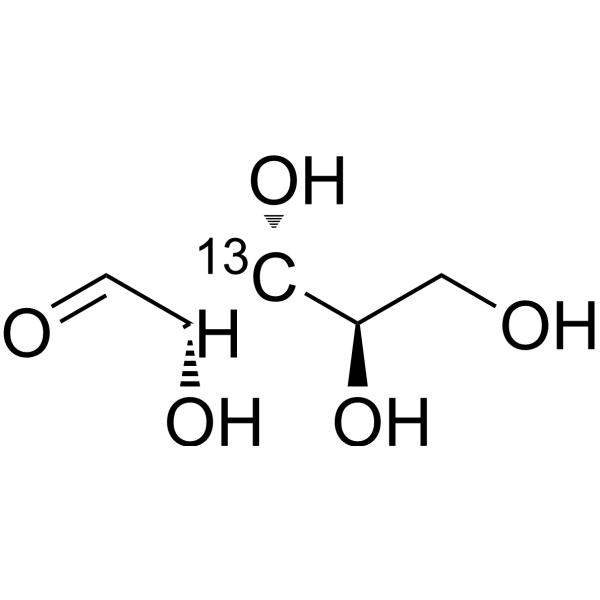
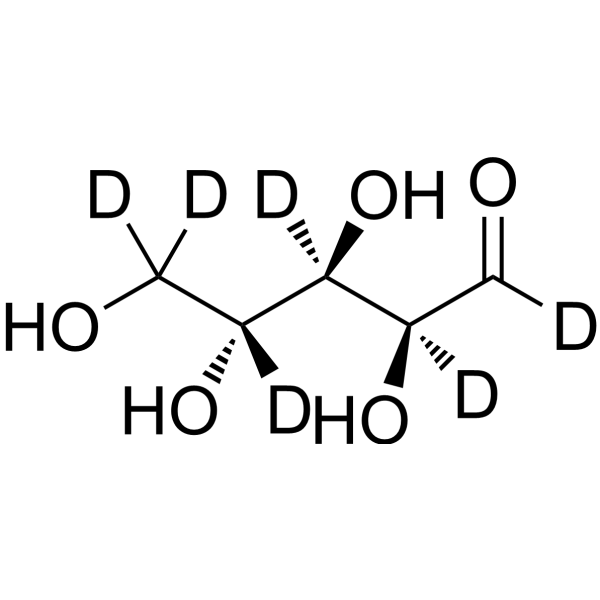
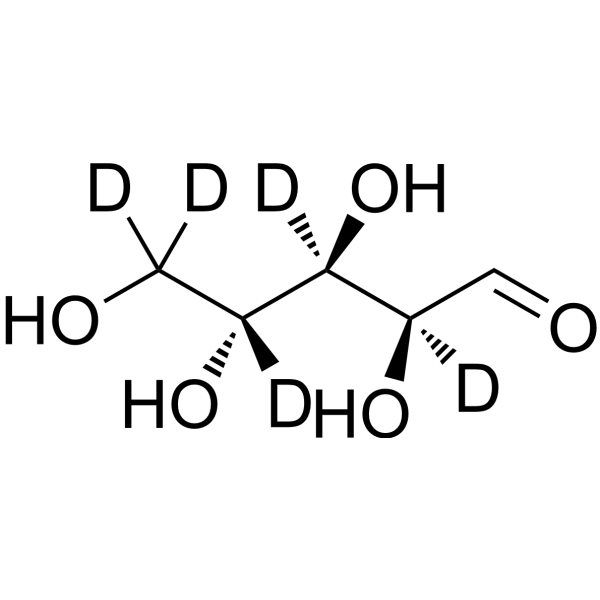
1. Search Result
Search Result
Results for "

tfeb

" in MedChemExpress (MCE) Product Catalog:

40

Inhibitors & Agonists

13

Natural
Products

1

Recombinant Proteins

8

Isotope-Labeled Compounds

2

Antibodies

4

Oligonucleotides

Cat. No. Product Name Target Research Areas Chemical Structure
  • HY-50876
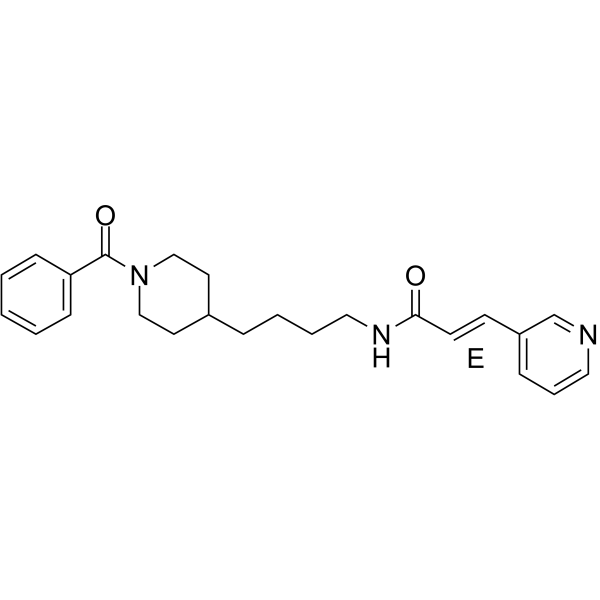
    Daporinad
    Maximum Cited Publications
    64 Publications Verification

    FK866; APO866

    NAMPT Autophagy Apoptosis mTOR p38 MAPK ERK Cancer
    Daporinad (FK866) is a non-competitive inhibitor of nicotinamide phosphoribosyltransferase (Nampt), with a Ki value of 0.3 nM. Daporinad depletes NAD+ and ATP levels, inhibits mTORC1 and MAPK/ERK pathways, and activates TFEB to induce autophagy. Daporinad causes the depletion of the endoplasmic reticulum Ca²⁺ pool, ultimately weakening the mitogen-induced Ca²⁺ signal and the activation and function of T cells. Daporinad induces cell cycle arrest and apoptosis, and inhibits cell proliferation. Daporinad can be used for the study of myeloma, liver cancer, and immunosuppression .
    Daporinad
  • HY-135825
    TFEB activator 1
    5+ Cited Publications

    Autophagy Neurological Disease
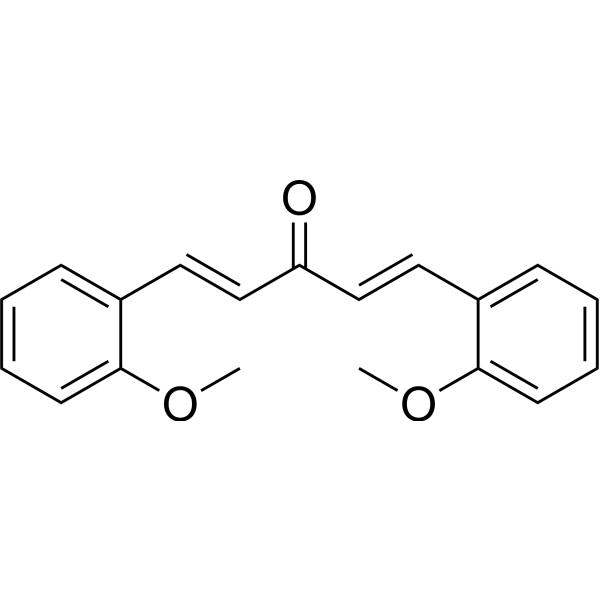
    TFEB activator 1 is an orally effective, mTOR-independent activator of TFEB. TFEB activator 1 significantly promotes the nuclear translocation of Flag-TFEB with an EC50 of 2167 nM. TFEB activator 1 enhances autophagy without inhibiting the mTOR pathway and has the potential for neurodegenerative diseases treatment .
    TFEB activator 1
  • HY-E70076

    Bacillopeptidaseb

    Biochemical Assay Reagents Others
    Subtilisin (Compound proteinase) (EC 3.4.21.62) is a proteolytic enzyme, isolated from Bacillus licheniformis. Subtilisin (Compound proteinase) has catalytic activity in anhydrous dimethyl formamide. Subtilisin (Compound proteinase) can be used as a catalyst for easy coupling between sugars and amino acids .
    Subtilisin, bacillus licheniformis
  • HY-107811
    Harmol
    1 Publications Verification

    Autophagy α-synuclein Apoptosis Monoamine Oxidase Mitosis Neurological Disease Cancer
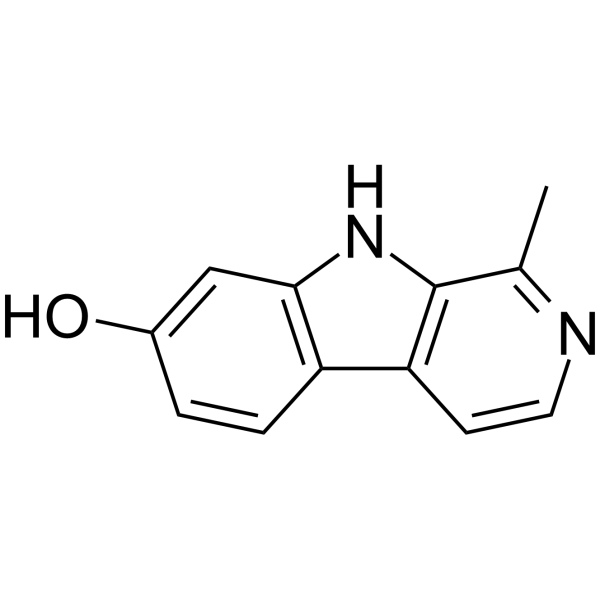
    Harmol is an orally active β-carboline alkaloid. Harmol is a TFEB activator and monoamine oxidase inhibitor. Harmol can induce cell mitosis, Autophagy and Apoptosis. Harmol promotes the degradation of α-synuclein by regulating the autophagy-lysosomal pathway. Harmol has anti-tumor, anti-depressant and anti-aging activities. Harmol improves motor impairment in a mouse Parkinson's disease model .
    Harmol
  • HY-N0059

    Parasite Bacterial AMPK PPAR Infection Neurological Disease Metabolic Disease
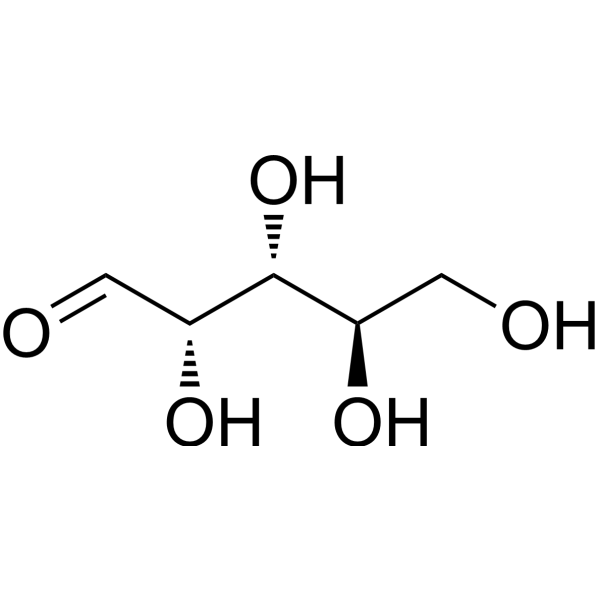
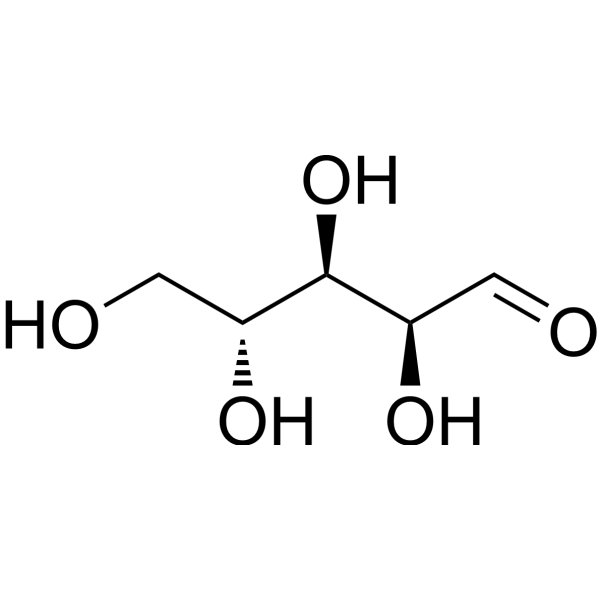
    D-Arabinose is is an orally active antidepressant and a growth inhibitor of C. elegans (IC50 is 7.5 mM). D-Arabinose can penetrate the blood-brain barrier, selectively interfere with the metabolism of D-ribose and D-fructose, and inhibit the growth of nematodes. D-Arabinose can also inhibit the synthesis of cell biofilm and exert antibacterial activity. D-Arabinose activates the ACSS2-PPARγ/TFEB-CRTC1 axis through the lysosomal AXIN-LKB1-AMPK pathway, inducing CRTC1 transcription, exerts antidepressant-like activity. D-Arabinose is the ring-opened form of the aldopentose D-?Arabinose (HY-N7082) .
    D-Arabinose
  • HY-N0866
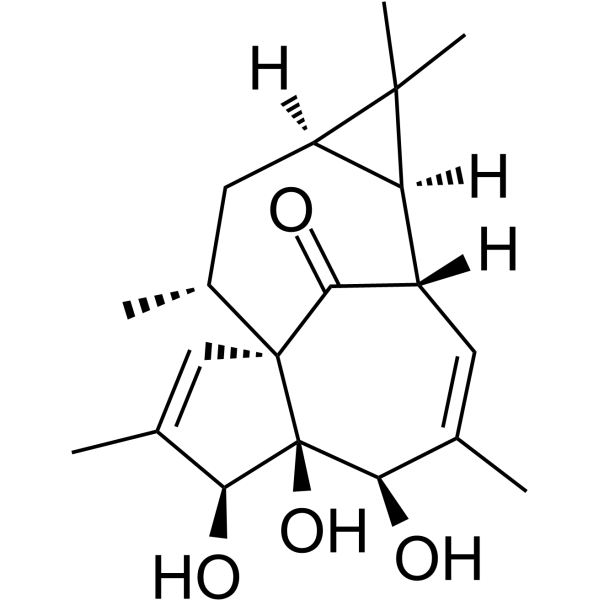
    20-Deoxyingenol
    5 Publications Verification

    Autophagy Inflammation/Immunology
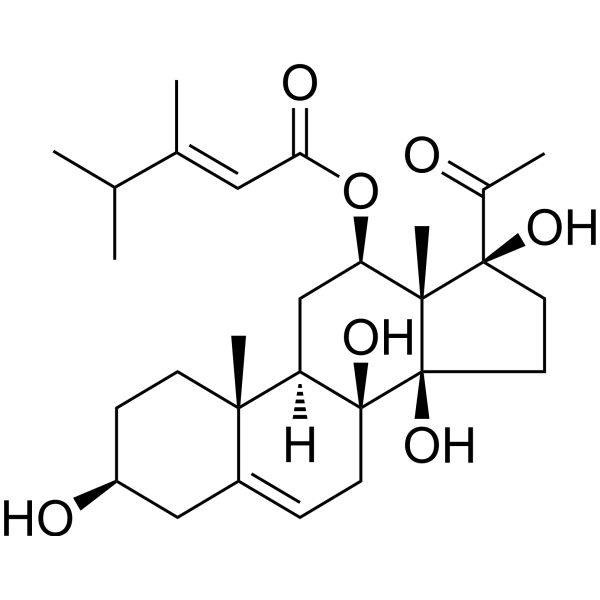
    20-Deoxyingenol, a diterpene, is isolated from the roots of Euphorbia kansui. 20-Deoxyingenol can promote autophagy and lysosomal biogenesis by promoting the nuclear translocation of transcription factor EB (TFEB) in vitro. 20-Deoxyingenol can be used for the research of osteoarthritis (OA) .
    20-Deoxyingenol
  • HY-N0914
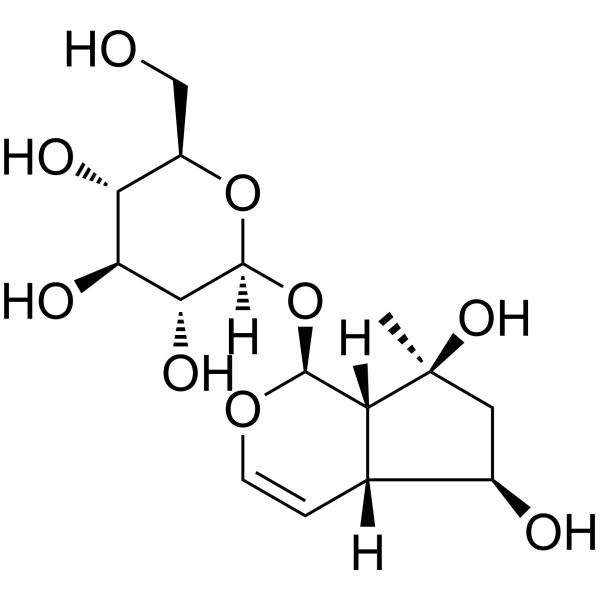
    Ajugol
    3 Publications Verification

    Parasite Autophagy Interleukin Related Reactive Oxygen Species (ROS) mTOR Infection Cardiovascular Disease Metabolic Disease Inflammation/Immunology
    Ajugol is an orally active iridoid glycoside found in the traditional Chinese medicine Leonurus japonicus. Ajugol is an autophagy activator. Ajugol activates TFEB-mediated autophagy and lysosomal biogenesis. Ajugol also has anti-inflammatory effects. Ajugol has great potential in the research of asthma, non-alcoholic fatty liver disease (NAFLD), and osteoarthritis .
    Ajugol
  • HY-N0261
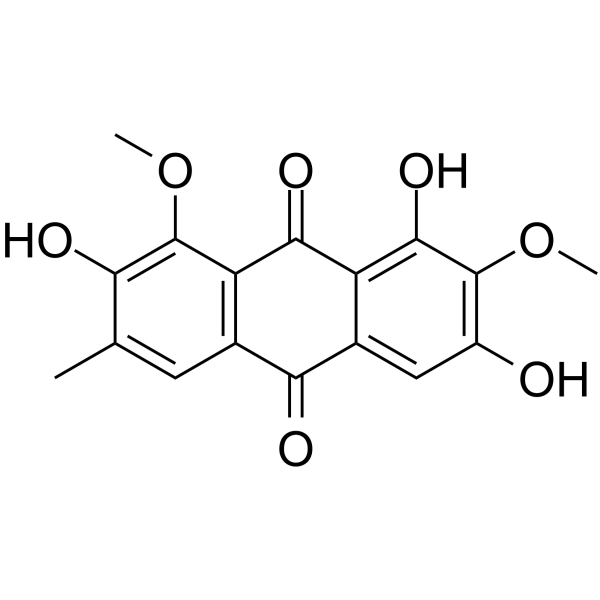
    Aurantio-obtusin
    1 Publications Verification

    TNF Receptor COX Cardiovascular Disease Inflammation/Immunology
    Aurantio-obtusin is a anthraquinone compound that can be extracted from cassia seed. Aurantio-obtusin has the effects of decreasing blood pressure, decreasing blood lipids and anti-inflammatory.Aurantio-obtusin is an orally active vasodilator. Aurantio-obtusin ameliorates hepatic steatosis through AMPK/ autophagy- and AMPK/TFEB mediated inhibition of lipid accumulation .
    Aurantio-obtusin
  • HY-120380

    MOFs PARP Neurological Disease
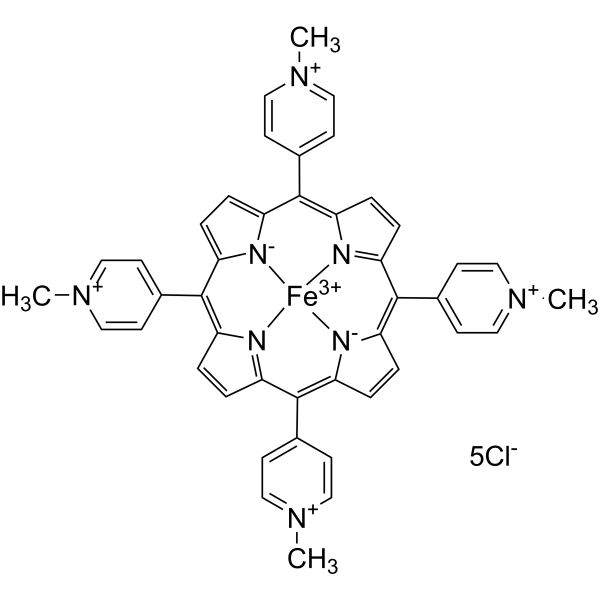
    FeTMPyP is an orally active poly (ADP-ribose) polymerase (PARP) inhibitor. FeTMPyP inhibits cell death, nitrotyrosine formation, and depolarization of mitochondrial transmembrane potential. FeTMPyP reduces homocysteine-induced nitrosative stress and partially restores TFEB protein and mRNA levels. FeTMPyP improves functional and behavioral deficits caused by chronic constriction injury in rats. FeTMPyP alleviates acute cerebral infarction in a rat model of middle cerebral artery occlusion with mild hyperglycemia. FeTMPyP can be used in studies related to neuropathic pain, renal aging, ischemic penumbra, and hyperglycemic stroke .
    FeTMPyP
  • HY-N2353
    Arabinose
    1 Publications Verification

    (±)​-​Arabinose; DL-​Arabinose; dl-​Arabinose

    Environmental Pollutants Endogenous Metabolite Neurological Disease Inflammation/Immunology Cancer
    Arabinose is a pentose sugar commonly found in plants. Arabinose alleviates immune dysregulation and inflammation by promoting balanced immune responses and reducing inflammation. Arabinose induces cytotoxicity, autophagy (Autophagy), and cell cycle arrest in breast cancer cells through the p38-MAPK signaling pathway. Arabinose activates the ACSS2-PPARγ/TFEB-AMPK axis in neuroblastoma cells, thereby exerting neuromodulatory/antidepressant effects. Arabinose can also be used as an intermediate in compound synthesis. Arabinose may be applied in research related to immune inflammation, depression, breast cancer, and other diseases .
    Arabinose
  • HY-N1983
    Caudatin
    1 Publications Verification

    Apoptosis Autophagy Reactive Oxygen Species (ROS) Mitochondrial Metabolism PARP Caspase Bcl-2 Family VEGFR FAK WDR5 p38 MAPK JNK PPAR Neurological Disease Inflammation/Immunology Cancer
    Caudatin is an orally active and brain-penetrant C-21 steroidal found in Cynanchum bungei decne with a variety of biological activities. Caudatin can inhibit cell proliferation, migration, invasion, cause cell phase arrest, induce apoptosis, autophagy, ROS prodution and loss of mitochondrial membrane potential. Caudatin activates PARP, caspase-3, -7, -9, upregulates pro-apoptotic Bad and Bax and downregulates anti-apoptotic Bcl-2 and Bcl-XL. Caudatin suppresses VEGF, FAK phosphorylation, upregulates p21, p27, DR5 protein expression, activates the p38 MAPK, JNK and PPARα/TFEB-mediated autophagy-lysosomal signaling pathways. Caudatin can be used for the research of cancer, inflammation and neurological disease, such as glioma and Alzheimer's disease .
    Caudatin
  • HY-N7082

    Parasite Bacterial AMPK PPAR Infection Neurological Disease Metabolic Disease
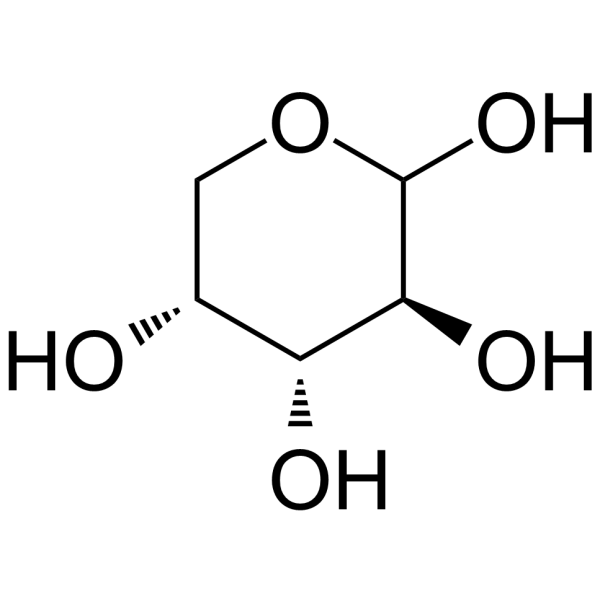
    D-Arabinopyranose is a rare aldehyde pentose, and its ring-opened form is D-arabinose (HY-N0059). D-arabinose is is an orally active antidepressant and a growth inhibitor of C. elegans (IC50 is 7.5 mM). D-arabinose can penetrate the blood-brain barrier, selectively interfere with the metabolism of D-ribose and D-fructose, and inhibit the growth of nematodes. D-arabinose can also inhibit the synthesis of cell biofilm and exert antibacterial activity. D-arabinose activates the ACSS2-PPARγ/TFEB-CRTC1 axis through the lysosomal AXIN-LKB1-AMPK pathway, inducing CRTC1 transcription, exerts antidepressant-like activity. D-arabinose is the ring-opened form of the aldopentose D-?Arabinose (HY-N7082) .
    D-Arabinopyranose
  • HY-136351
    THZ-P1-2
    2 Publications Verification

    Autophagy Cancer
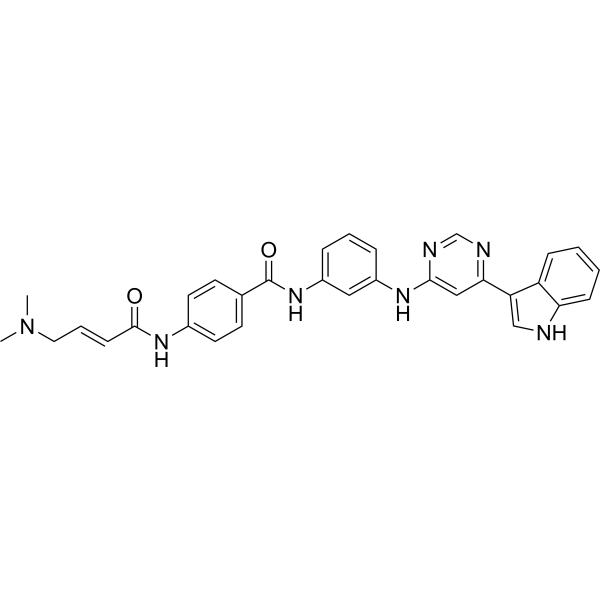
    THZ-P1-2 is a first-in-class and selective PI5P4K inhibitor, with an IC50 of 190 nM for PI5P4Kα. THZ-P1-2 covalently targets cysteines on a disordered loop in PI5P4Kα/β/γ. THZ-P1-2 causes autophagy disruption and upregulates TFEB signaling. THZ-P1-2 displays anticancer activity in leukemia cell lines .
    THZ-P1-2
  • HY-161724

    Amyloid-β Dopamine Transporter CDK Autophagy Neurological Disease
    TFEB activator 2 is an orally active compound that can cross the blood-brain barrier. TFEB activator 2 can bind to the dopamine transporter (DAT). TFEB activator 2 promotes TFEB nuclear translocation and lysosome biogenesis by targeting the DAT-CDK9-TFEB pathway. TFEB activator 2 has neuroprotective activity and can be used in the research of Alzheimer's disease and other diseases .
    TFEB activator 2
  • HY-148230

    Interleukin Related HIF/HIF Prolyl-Hydroxylase Autophagy Others
    TFEB Decoy ODN sodium is a synthetic oligonucleotide with a hairpin ring structure, which were designed to inhibit Transcription factor EB (TFEB). TFEB decoy ODN inhibited fibrosis and autophagy in a UUO mouse model. The TFEB decoy ODNs also showed anti-inflammatory effects.
    TFEB Decoy ODN sodium
  • HY-161723

    Dopamine Transporter CDK Neurological Disease
    LH2-051, a lysosome-enhancing compound (LYEC), is a brain-penetrant dopamine transporter (DAT) inhibitor (Ki: 0.95 μM). LH2-051 inhibits DAT-mediated dopamine uptake with an IC50 of 3.0 μM. LH2-051 promotes nuclear translocation of TFEB and lysosome biogenesis. LH2-051 improves the memory of amyloid precursor protein (APP)/Presenilin 1 (PS1) mice. LH2-051 can be used for the study of Alzheimer’s disease .
    LH2-051
  • HY-W008581

    3-O-Methyl estradiol; 17β-Estradiol 3-methyl ether; 3-Methoxyestradiol

    Biochemical Assay Reagents TRP Channel Microtubule/Tubulin Autophagy Metabolic Disease Cancer
    Estradiol 3-methyl ether (EDME) is a highly selective TRPML1 ion channel antagonist and microtubule (microtubule) depolymerizing agent, with IC50 values of 0.22 μM and 3.8 μM against TRPML1 and TRPML2, respectively; it shows no activity against TRPML3. Estradiol 3-methyl ether induces the disruption of cytoplasmic microtubule networks in mammalian cells, with an EC50 of 9 μM. Independent of estrogen receptors, Estradiol 3-methyl ether blocks autophagy (autophagy), TFEB nuclear translocation, and inhibits the migration and invasion of triple-negative breast cancer cells by suppressing TRPML1. Estradiol 3-methyl ether is applicable for relevant research on triple-negative breast cancer .
    Estradiol 3-methyl ether
  • HY-RS14420

    Small Interfering RNA (siRNA) Others

    TFEB Human Pre-designed siRNA Set A contains three designed siRNAs for TFEB gene (Human), as well as a negative control, a positive control, and a FAM-labeled negative control.

    TFEB Human Pre-designed siRNA Set A
    TFEB Human Pre-designed siRNA Set A
  • HY-162866

    Autophagy Metabolic Disease
    CXM102 is an autophagy activator. CXM102 can induce autophagy in aged BMSCs, leading to the rejuvenation of BMSCs and preferential differentiation into osteoblasts. CXM102 promotes the nuclear translocation of transcription factor EB (TFEB) and the formation of osteoblasts. CXM102 can stimulate bone synthesis metabolism in middle-aged male mice, reduce bone marrow adipocytes, delay bone loss, lower serum inflammation levels, decrease organ fibrosis, and extend the lifespan of the mice .
    CXM102
  • HY-RS16580

    Small Interfering RNA (siRNA) Others

    Tfeb Mouse Pre-designed siRNA Set A contains three designed siRNAs for Tfeb gene (Mouse), as well as a negative control, a positive control, and a FAM-labeled negative control.

    Tfeb Mouse Pre-designed siRNA Set A
    Tfeb Mouse Pre-designed siRNA Set A
  • HY-N1983R

    Reference Standards Apoptosis Autophagy Reactive Oxygen Species (ROS) Mitochondrial Metabolism PARP Caspase Bcl-2 Family VEGFR FAK WDR5 p38 MAPK JNK PPAR Neurological Disease Inflammation/Immunology Cancer
    Caudatin (Standard) is the analytical standard of Caudatin (HY-N1983). This product is intended for research and analytical applications. Caudatin is an orally active and brain-penetrant C-21 steroidal found in Cynanchum bungei decne with a variety of biological activities. Caudatin can inhibit cell proliferation, migration, invasion, cause cell phase arrest, induce apoptosis, autophagy, ROS prodution and loss of mitochondrial membrane potential. Caudatin activates PARP, caspase-3, -7, -9, upregulates pro-apoptotic Bad and Bax and downregulates anti-apoptotic Bcl-2 and Bcl-XL. Caudatin suppresses VEGF, FAK phosphorylation, upregulates p21, p27, DR5 protein expression, activates the p38 MAPK, JNK and PPARα/TFEB-mediated autophagy-lysosomal signaling pathways. Caudatin can be used for the research of cancer, inflammation and neurological disease, such as glioma and Alzheimer's disease .
    Caudatin (Standard)
  • HY-107811A

    Autophagy α-synuclein Apoptosis Monoamine Oxidase Mitosis Neurological Disease Cancer
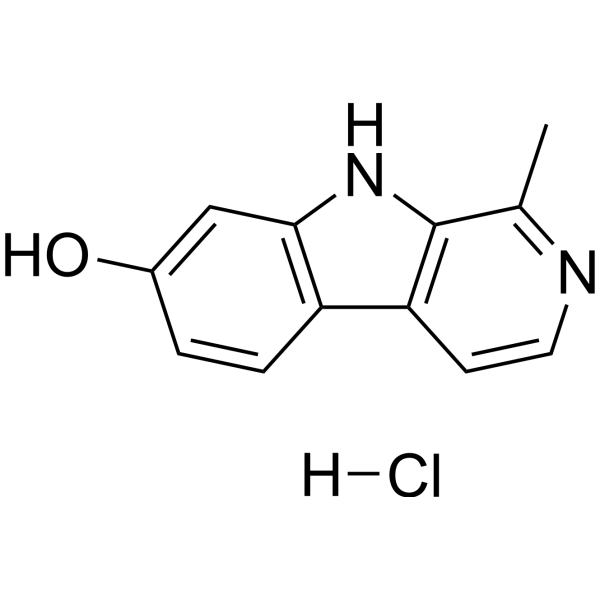
    Harmol hydrochloride is an orally active β-carboline alkaloid. Harmol hydrochloride is a TFEB activator and monoamine oxidase inhibitor. Harmol hydrochloride can induce cell mitosis, Autophagy and Apoptosis. Harmol hydrochloride promotes the degradation of α-synuclein by regulating the autophagy-lysosomal pathway. Harmol hydrochloride has anti-tumor, anti-depressant and anti-aging activities. Harmol hydrochloride improves motor impairment in a mouse Parkinson's disease model .
    Harmol hydrochloride
  • HY-N0261R

    Reference Standards TNF Receptor COX Cardiovascular Disease Inflammation/Immunology
    Aurantio-obtusin (Standard) is the analytical standard of Aurantio-obtusin. This product is intended for research and analytical applications. Aurantio-obtusin is a anthraquinone compound that can be extracted from cassia seed. Aurantio-obtusin has the effects of decreasing blood pressure, decreasing blood lipids and anti-inflammatory.Aurantio-obtusin is an orally active vasodilator. Aurantio-obtusin ameliorates hepatic steatosis through AMPK/ autophagy-and AMPK/TFEB mediated inhibition of lipid accumulation .
    Aurantio-obtusin (Standard)
  • HY-161725

    Amyloid-β Neurological Disease
    TFEB activator 3 (compound 45) exhibits TFEB activation and lysosome biogenesis capabilities. TFEB activator 3 has effect on TFEB nuclear translocation with 44% (10μM 3h) and 97 % (30 μM 3h). TFEB activator 3 plays an important role in Alzheimer’s disease (AD). TFEB activator 3 can pass blodd brain barrier .
    TFEB activator 3
  • HY-N0059R

    Reference Standards Parasite Bacterial AMPK PPAR Infection Neurological Disease Metabolic Disease
    D-Arabinose (Standard) is the analytical standard of D-Arabinose. This product is intended for research and analytical applications. D-Arabinose is is an orally active antidepressant and a growth inhibitor of C. elegans (IC50 is 7.5 mM). D-Arabinose can penetrate the blood-brain barrier, selectively interfere with the metabolism of D-ribose and D-fructose, and inhibit the growth of nematodes. D-Arabinose can also inhibit the synthesis of cell biofilm and exert antibacterial activity. D-Arabinose activates the ACSS2-PPARγ/TFEB-CRTC1 axis through the lysosomal AXIN-LKB1-AMPK pathway, inducing CRTC1 transcription, exerts antidepressant-like activity. D-Arabinose is the ring-opened form of the aldopentose D-?Arabinose (HY-N7082) .
    D-Arabinose (Standard)
  • HY-N0059S1

    Isotope-Labeled Compounds Parasite Bacterial AMPK PPAR Infection Neurological Disease Metabolic Disease
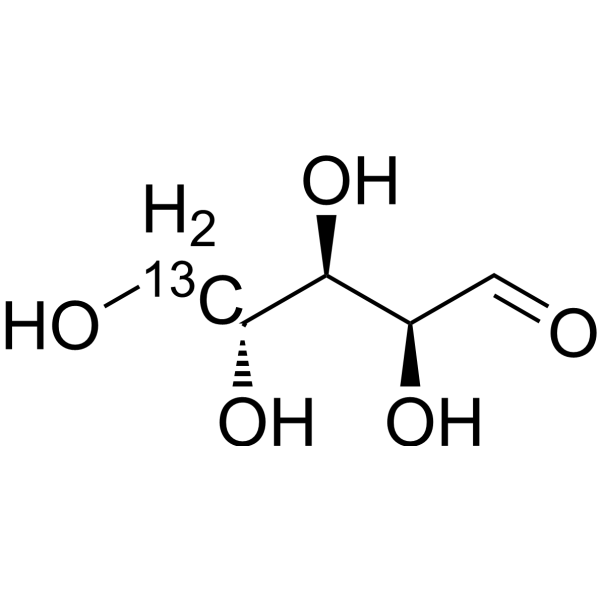
    D-Arabinose- 13C-1 is the 13C labeled D-Arabinose (HY-N0059). D-Arabinose is is an orally active antidepressant and a growth inhibitor of C. elegans (IC50 is 7.5 mM). D-Arabinose can penetrate the blood-brain barrier, selectively interfere with the metabolism of D-ribose and D-fructose, and inhibit the growth of nematodes. D-Arabinose can also inhibit the synthesis of cell biofilm and exert antibacterial activity. D-Arabinose activates the ACSS2-PPARγ/TFEB-CRTC1 axis through the lysosomal AXIN-LKB1-AMPK pathway, inducing CRTC1 transcription, exerts antidepressant-like activity. D-Arabinose is the ring-opened form of the aldopentose D-?Arabinose (HY-N7082) .
    D-Arabinose-13C-1
  • HY-N0059S3

    Isotope-Labeled Compounds Parasite Bacterial AMPK PPAR Infection Neurological Disease Metabolic Disease
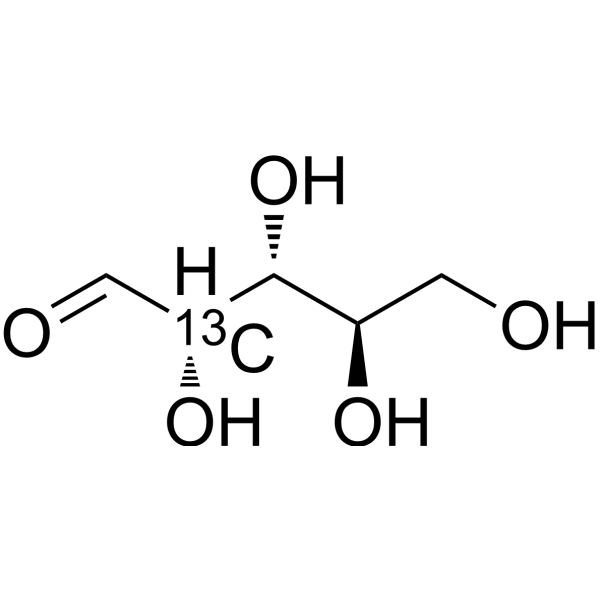
    D-Arabinose- 13C-3 is the 13C labeled D-Arabinose (HY-N0059). D-Arabinose is is an orally active antidepressant and a growth inhibitor of C. elegans (IC50 is 7.5 mM). D-Arabinose can penetrate the blood-brain barrier, selectively interfere with the metabolism of D-ribose and D-fructose, and inhibit the growth of nematodes. D-Arabinose can also inhibit the synthesis of cell biofilm and exert antibacterial activity. D-Arabinose activates the ACSS2-PPARγ/TFEB-CRTC1 axis through the lysosomal AXIN-LKB1-AMPK pathway, inducing CRTC1 transcription, exerts antidepressant-like activity. D-Arabinose is the ring-opened form of the aldopentose D-?Arabinose (HY-N7082) .
    D-Arabinose-13C-3
  • HY-169824

    TRP Channel Autophagy Cardiovascular Disease Neurological Disease Cancer
    TRPML modulator 1 (compound A12) is a TRPML modulator that promotes autophagy. TRPML modulator 1 AC50 in the TFEB test is less than 2 mM .
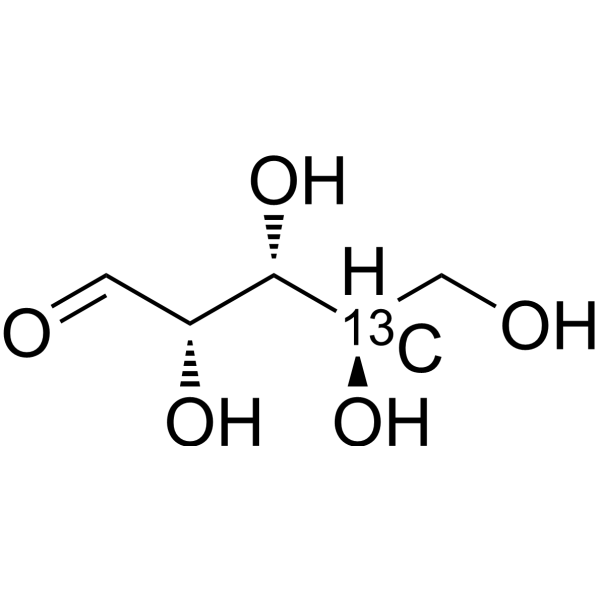
    TRPML modulator 1
  • HY-158060

    Autophagy Parasite Infection
    MC2646 is a potent anti-parasite agent. MC2646 induces autophagic. MC2646 activates the AMPK/TFEB pathway .
    MC2646
  • HY-N0914R

    Reference Standards Parasite Autophagy Interleukin Related Reactive Oxygen Species (ROS) mTOR Infection Cardiovascular Disease Metabolic Disease Inflammation/Immunology
    Ajugol (Standard) is the analytical standard of Ajugol (HY-N0914). This product is intended for research and analytical applications. Ajugol is an orally active iridoid glycoside found in the traditional Chinese medicine Leonurus japonicus. Ajugol is an autophagy activator. Ajugol activates TFEB-mediated autophagy and lysosomal biogenesis. Ajugol also has anti-inflammatory effects. Ajugol has great potential in the research of asthma, non-alcoholic fatty liver disease (NAFLD), and osteoarthritis .
    Ajugol (Standard)
  • HY-107811R

    Apoptosis Monoamine Oxidase Autophagy α-synuclein Mitosis Reference Standards Neurological Disease Cancer
    Harmol (Standard) is the analytical standard of Harmol (HY-107811). This product is intended for research and analytical applications. Harmol hydrochloride is an orally active β-carboline alkaloid. Harmol hydrochloride is a TFEB activator and monoamine oxidase inhibitor. Harmol can induce cell mitosis, Autophagy and Apoptosis. Harmol promotes the degradation of α-synuclein by regulating the autophagy-lysosomal pathway. Harmol has anti-tumor, anti-depressant and anti-aging activities. Harmol improves motor impairment in a mouse Parkinson's disease model .
    Harmol (Standard)
  • HY-N0059S4

    Isotope-Labeled Compounds Parasite Bacterial AMPK PPAR Infection Neurological Disease Metabolic Disease
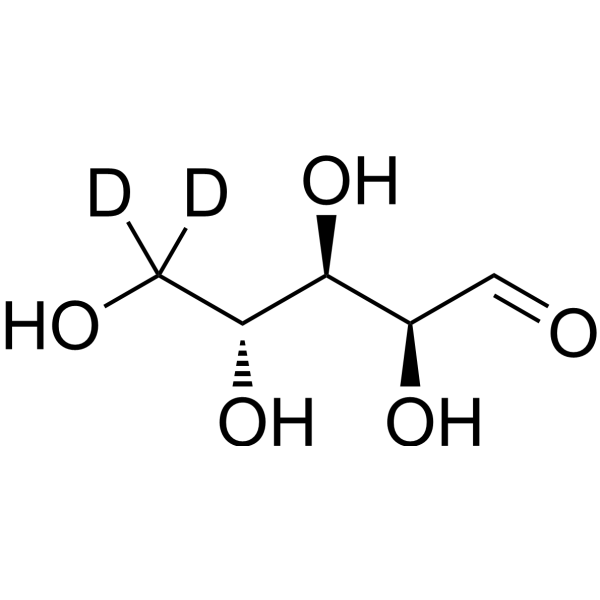
    D-Arabinose-d2 is the deuterium labeled D-Arabinose (HY-N0059). D-Arabinose is is an orally active antidepressant and a growth inhibitor of C. elegans (IC50 is 7.5 mM). D-Arabinose can penetrate the blood-brain barrier, selectively interfere with the metabolism of D-ribose and D-fructose, and inhibit the growth of nematodes. D-Arabinose can also inhibit the synthesis of cell biofilm and exert antibacterial activity. D-Arabinose activates the ACSS2-PPARγ/TFEB-CRTC1 axis through the lysosomal AXIN-LKB1-AMPK pathway, inducing CRTC1 transcription, exerts antidepressant-like activity. D-Arabinose is the ring-opened form of the aldopentose D-?Arabinose (HY-N7082) .
    D-Arabinose-d2
  • HY-N0059S

    Isotope-Labeled Compounds Parasite Bacterial AMPK PPAR Infection Neurological Disease Metabolic Disease
    D-Arabinose- 13C is the 13C labeled D-Arabinose (HY-N0059). D-Arabinose is is an orally active antidepressant and a growth inhibitor of C. elegans (IC50 is 7.5 mM). D-Arabinose can penetrate the blood-brain barrier, selectively interfere with the metabolism of D-ribose and D-fructose, and inhibit the growth of nematodes. D-Arabinose can also inhibit the synthesis of cell biofilm and exert antibacterial activity. D-Arabinose activates the ACSS2-PPARγ/TFEB-CRTC1 axis through the lysosomal AXIN-LKB1-AMPK pathway, inducing CRTC1 transcription, exerts antidepressant-like activity. D-Arabinose is the ring-opened form of the aldopentose D-?Arabinose (HY-N7082) .
    D-Arabinose-13C
  • HY-N0059S6

    Isotope-Labeled Compounds Parasite Bacterial AMPK PPAR Infection Neurological Disease Metabolic Disease
    D-Arabinose-d6 is the deuterium labeled D-Arabinose (HY-N0059). D-Arabinose is is an orally active antidepressant and a growth inhibitor of C. elegans (IC50 is 7.5 mM). D-Arabinose can penetrate the blood-brain barrier, selectively interfere with the metabolism of D-ribose and D-fructose, and inhibit the growth of nematodes. D-Arabinose can also inhibit the synthesis of cell biofilm and exert antibacterial activity. D-Arabinose activates the ACSS2-PPARγ/TFEB-CRTC1 axis through the lysosomal AXIN-LKB1-AMPK pathway, inducing CRTC1 transcription, exerts antidepressant-like activity. D-Arabinose is the ring-opened form of the aldopentose D-?Arabinose (HY-N7082) .
    D-Arabinose-d6
  • HY-N0059S5

    Isotope-Labeled Compounds Parasite Bacterial AMPK PPAR Infection Neurological Disease Metabolic Disease
    D-Arabinose-d5 is the deuterium labeled D-Arabinose (HY-N0059). D-Arabinose is is an orally active antidepressant and a growth inhibitor of C. elegans (IC50 is 7.5 mM). D-Arabinose can penetrate the blood-brain barrier, selectively interfere with the metabolism of D-ribose and D-fructose, and inhibit the growth of nematodes. D-Arabinose can also inhibit the synthesis of cell biofilm and exert antibacterial activity. D-Arabinose activates the ACSS2-PPARγ/TFEB-CRTC1 axis through the lysosomal AXIN-LKB1-AMPK pathway, inducing CRTC1 transcription, exerts antidepressant-like activity. D-Arabinose is the ring-opened form of the aldopentose D-?Arabinose (HY-N7082) .
    D-Arabinose-d5
  • HY-N0059S2

    Isotope-Labeled Compounds Parasite Bacterial AMPK PPAR Infection Neurological Disease Metabolic Disease
    D-Arabinose- 13C-2 is the 13C labeled D-Arabinose (HY-N0059). D-Arabinose is is an orally active antidepressant and a growth inhibitor of C. elegans (IC50 is 7.5 mM). D-Arabinose can penetrate the blood-brain barrier, selectively interfere with the metabolism of D-ribose and D-fructose, and inhibit the growth of nematodes. D-Arabinose can also inhibit the synthesis of cell biofilm and exert antibacterial activity. D-Arabinose activates the ACSS2-PPARγ/TFEB-CRTC1 axis through the lysosomal AXIN-LKB1-AMPK pathway, inducing CRTC1 transcription, exerts antidepressant-like activity. D-Arabinose is the ring-opened form of the aldopentose D-?Arabinose (HY-N7082) .
    D-arabinose-13C-2
  • HY-N7082S

    Isotope-Labeled Compounds Parasite Bacterial AMPK PPAR Infection Neurological Disease Metabolic Disease
    D-Arabinopyranos- 13C5 is 13C labeled D-Arabinopyranos (HY-N7082). D-Arabinopyranose is a rare aldehyde pentose, and its ring-opened form is D-arabinose (HY-N0059). D-arabinose is is an orally active antidepressant and a growth inhibitor of C. elegans (IC50 is 7.5 mM). D-arabinose can penetrate the blood-brain barrier, selectively interfere with the metabolism of D-ribose and D-fructose, and inhibit the growth of nematodes. D-arabinose can also inhibit the synthesis of cell biofilm and exert antibacterial activity. D-arabinose activates the ACSS2-PPARγ/TFEB-CRTC1 axis through the lysosomal AXIN-LKB1-AMPK pathway, inducing CRTC1 transcription, exerts antidepressant-like activity. D-arabinose is the ring-opened form of the aldopentose D-?Arabinose (HY-N7082) .
    D-Arabinopyranose-13C5
  • HY-RS23014

    Small Interfering RNA (siRNA) Others

    Tfeb Rat Pre-designed siRNA Set A contains three designed siRNAs for Tfeb gene (Rat), as well as a negative control, a positive control, and a FAM-labeled negative control.

    Tfeb Rat Pre-designed siRNA Set A
    Tfeb Rat Pre-designed siRNA Set A
  • HY-50876A

    FK866 hydrochloride; APO866 hydrochloride

    NAMPT Autophagy Apoptosis mTOR p38 MAPK ERK Inflammation/Immunology Cancer
    Daporinad (FK866) hydrochloride is a non-competitive inhibitor of nicotinamide phosphoribosyltransferase (Nampt), with a Ki value of 0.3 nM. Daporinad hydrochloride depletes NAD+ and ATP levels, inhibits mTORC1 and MAPK/ERK pathways, and activates TFEB to induce autophagy. Daporinad hydrochloride causes the depletion of the endoplasmic reticulum Ca²⁺ pool, ultimately weakening the mitogen-induced Ca²⁺ signal and the activation and function of T cells. Daporinad hydrochloride induces cell cycle arrest and apoptosis, and inhibits cell proliferation. Daporinad hydrochloride can be used for the study of myeloma, liver cancer, and immunosuppression .
    Daporinad hydrochloride
  • HY-138195

    DNA/RNA Synthesis Apoptosis FAK Src MMP Autophagy Cancer
    NEO212 is an orally active, blood-brain barrier permeable conjugate of Temozolomide (TMZ) (HY-17364) and Perillyl Alcohol (POH) (HY-N7000), with potent anticancer activity. NEO212 overcomes classical TMZ resistance and DNA alkylation by depleting MGMT. By inhibiting the FAK/Src signaling pathway, NEO212 reduces the production of MMP2 and MMP9, induces mesenchymal-epithelial transition, and inhibits the migration, invasion and tumor progression of glioma stem cells. NEO212 disrupts autophagy flux to enhance mitochondrial apoptosis; it induces differentiation of acute myeloid leukemia (AML) cells into macrophages and proliferation arrest .
    NEO212

Inquiry Online

Your information is safe with us. * Required Fields.

Salutation


Country or Region *

Applicant Name *


Organization Name *

Department *


Email Address *


Product Name *

Cat. No.


Requested quantity *

Phone Number *


Remarks

Inquiry Online

Inquiry Information

Product Name:
Cat. No.:
Quantity:
MCE Japan Authorized Agent: