

1. Search Result
Search Result
Results for "

transcription downstream

" in MedChemExpress (MCE) Product Catalog:

50

Inhibitors & Agonists

1

Screening Libraries

3

Fluorescent Dyes

1

Biochemical Assay Reagents

2

Peptides

2

Inhibitory Antibodies

6

Natural
Products

1

Isotope-Labeled Compounds

3

Oligonucleotides

1

GMP Molecules

Cat. No. Product Name Target Research Areas Chemical Structure
  • HY-400902

    YAP VEGFR Hippo (MST) Cancer
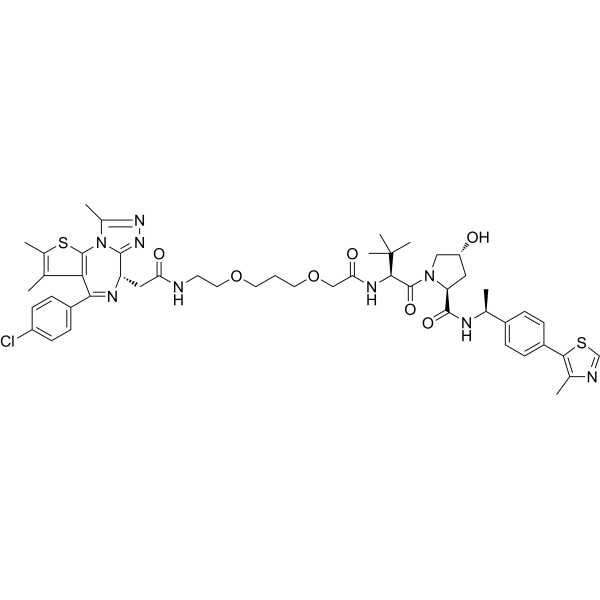
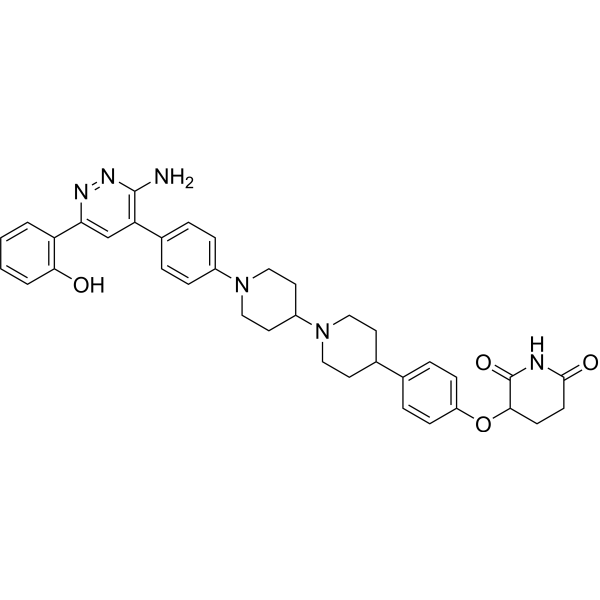
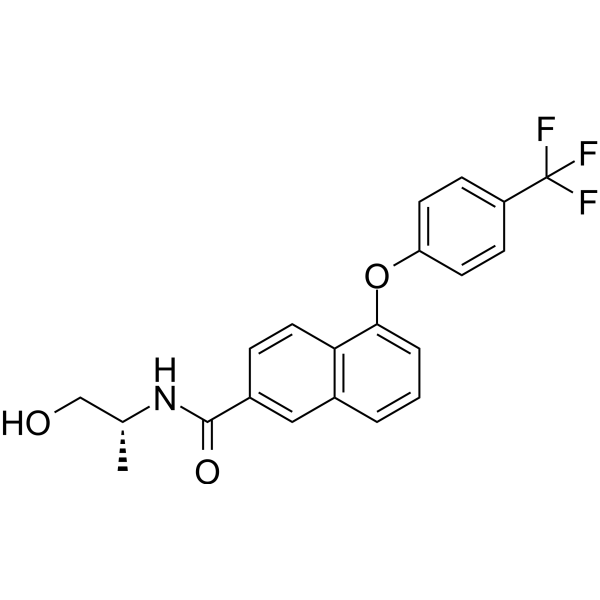
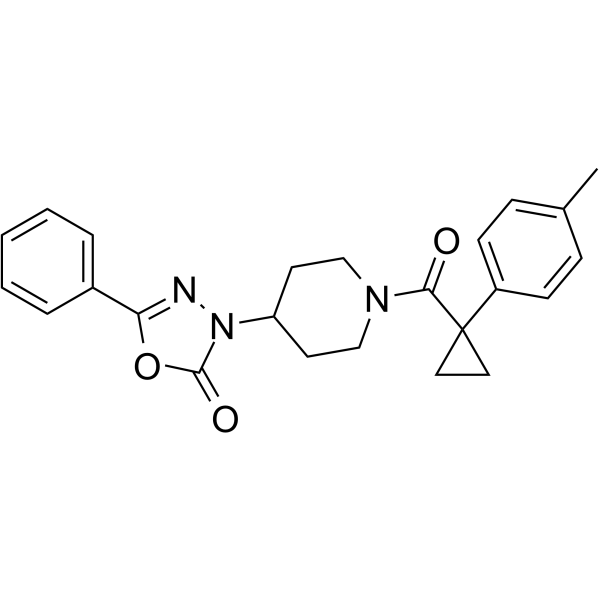
    VT3989 is an orally active pan-TEAD autopalmitoylation inhibitor that modulates the Hippo signaling pathway. VT3989 directly binds to TEAD transcription factors to block their palmitoylation modification, thereby disrupting the formation of YAP/TAZ-TEAD complexes and inhibiting downstream oncogenic transcriptional activity. VT3989 effectively inhibits the growth of NF2-deficient schwannoma and meningioma cells and reverses the Schwann cell phenotype. In addition, VT3989 exerts a synergistic effect when combined with Osimtinib (HY-15772) in EGFR-mutant non-small cell lung cancer models, significantly delaying tumor recurrence and prolonging survival. VT3989 can be used for the research of epithelioid hemangioendothelioma, malignant pleural mesothelioma, type 2 neurofibromatosis and related advanced solid tumors .
    VT3989
  • HY-107999
    CADD522
    5 Publications Verification

    Reactive Oxygen Species (ROS) Cancer
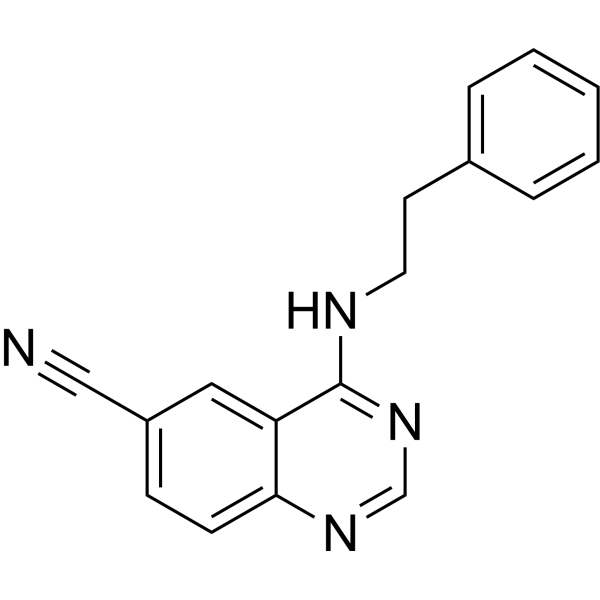
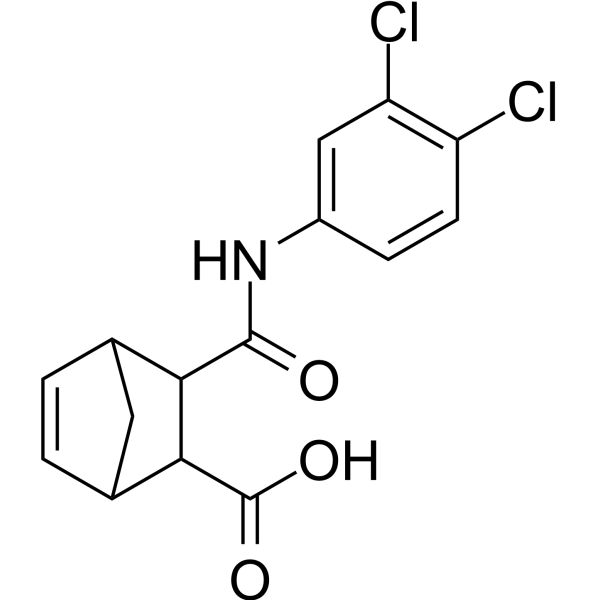
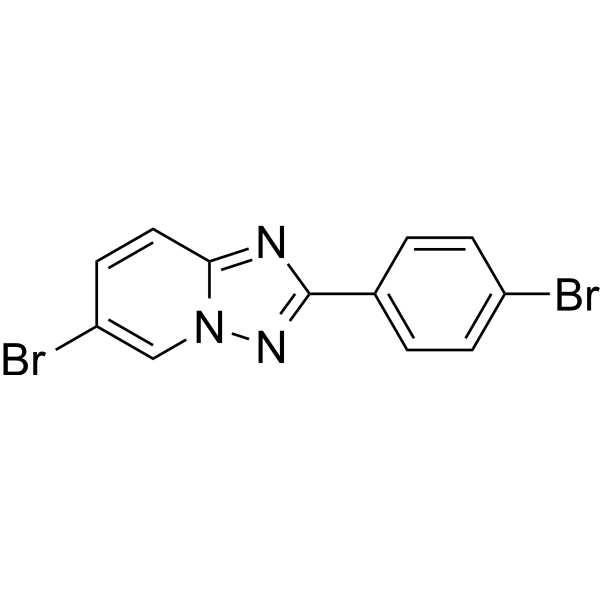
    CADD522 is a RUNX2-DNA binding inhibitor (downregulates RUNX2-mediated transcription of downstream target genes), with an IC50 of 10 nM. CADD522 inhibits primary tumor growth and experimental metastasis of tumor cells in the lungs of immune-compromised mice. CADD522 can be used in study of cancer .
    CADD522
  • HY-N0010
    Geniposidic acid
    Maximum Cited Publications
    7 Publications Verification

    FXR Sirtuin TNF Receptor Interleukin Related Metabolic Disease
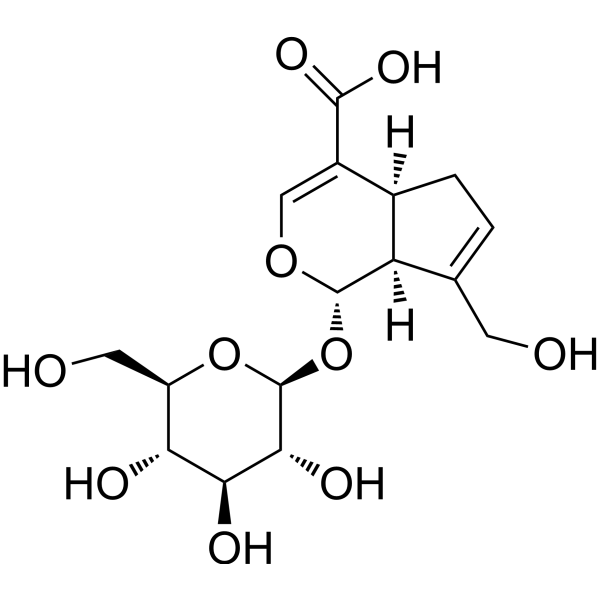
    Geniposidic acid is an orally active FXR modulator and SIRT6 activator. Geniposidic acid binds to the Ser332 and His447 sites on the FXR ligand-binding domain, thereby driving nuclear translocation, coactivator recruitment, and transcription of downstream bile acid and cholesterol metabolism-related genes. Geniposidic acid improves metabolic dysfunction-related fatty liver disease by activating the SIRT6 signaling pathway. Geniposidic acid inhibits inflammation and modulates gut microbiota to alleviate colitis. Geniposidic acid can be used in research on drug-induced liver injury, inflammatory bowel disease, metabolic dysfunction-related fatty liver disease, and metabolic dysfunction-related steatohepatitis .
    Geniposidic acid
  • HY-12316
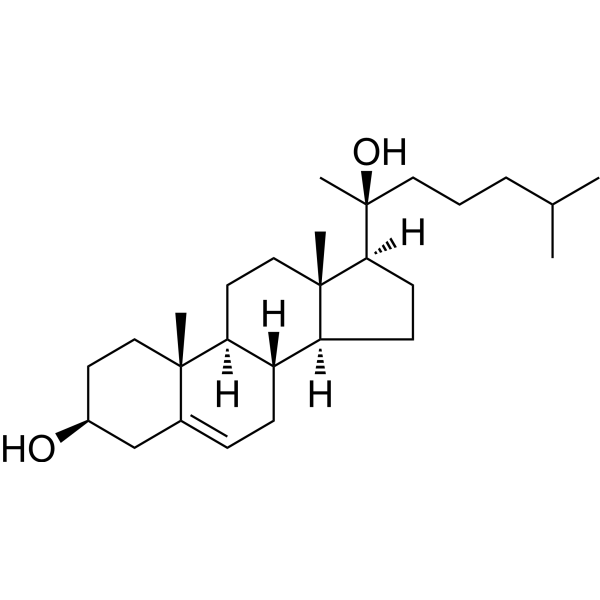
    20(S)-Hydroxycholesterol
    3 Publications Verification

    20α-Hydroxycholesterol

    Smo Endogenous Metabolite Cardiovascular Disease Metabolic Disease Cancer
    20(S)-Hydroxycholesterol (20α-Hydroxycholesterol) is an allosteric activator that selectively targets the Smoothened (Smo) of the Hedgehog pathway with an EC50 of ~30 μM (Hedgehog). 20(S)-Hydroxycholesterol binds to the extracellular cysteine-rich domain (CRD) of Smo in a stereoselective manner, activating downstream Gli transcription factors (without inducing transcription of receptor genes in the Wnt pathway). 20(S)-Hydroxycholesterol enhances osteogenic differentiation of bone marrow stromal cells and synergistically activates the Raf/MEK/ERK pathway with Simvastatin (HY-17502) to promote bone regeneration. 20(S)-Hydroxycholesterol can be used to study the mechanisms of developmental biology, oncology, bone, and angiogenesis .
    20(S)-Hydroxycholesterol
  • HY-15681
    Senexin A
    5+ Cited Publications

    CDK Cancer
    Senexin A is an inhibitor of CDK8/19 (IC50: 280 nM, CDK8) and an inhibitor downstream of p21 transcription. It only inhibits p21-induced transcription but does not inhibit other biological effects of p21. Senexin A inhibits CMV-GFP induction as well as the p21 stimulatory activity of the consensus NF-κB-dependent promoters .
    Senexin A
  • HY-113337A

    P1,P4-Di-(adenosine-5')-tetraphosphate tetraammonium

    Apoptosis Cancer
    Ap4A tetraammonium (P1,P4-Di-(adenosine-5')-tetraphosphate tetraammonium) is a conserved second messenger in organisms ranging from bacteria to humans. Ap4A tetraammonium binds to the histidine triad nucleotide-binding protein 1 (HINT1) activates the transcription of genes downstream of MITF. Ap4A tetraammonium induces apoptosis .
    Ap4A tetraammonium
  • HY-N6069
    Raspberry ketone glucoside
    1 Publications Verification

    Interleukin Related JAK STAT Inflammation/Immunology
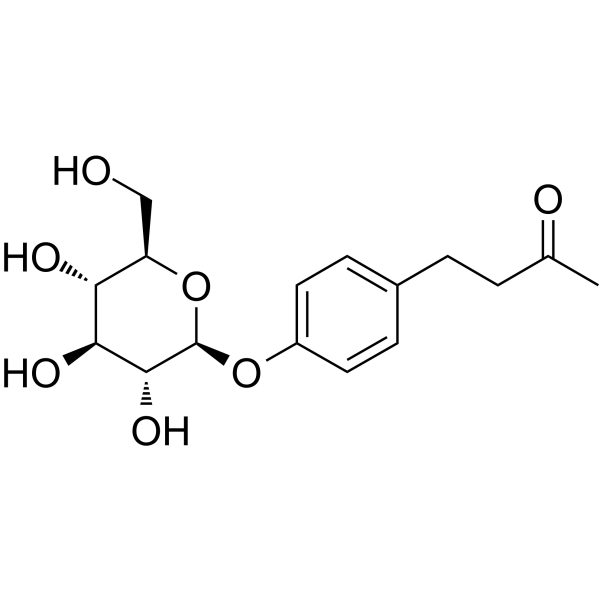
    Raspberry ketone glucoside is a melanogenesis inhibitor. Raspberry ketone glucoside inhibits melanogenesis by activating the IL6/JAK1/STAT3 pathway, inhibiting the transcriptional activity of MITFa, and its downstream expression levels of the TYR and TYRP1a genes. Raspberry ketone glucoside shows remarkable whitening activity on both B16F10 cells in vitro and zebrafish model in vivo .
    Raspberry ketone glucoside
  • HY-D0932

    Solvent Red 24; C.I. 26105

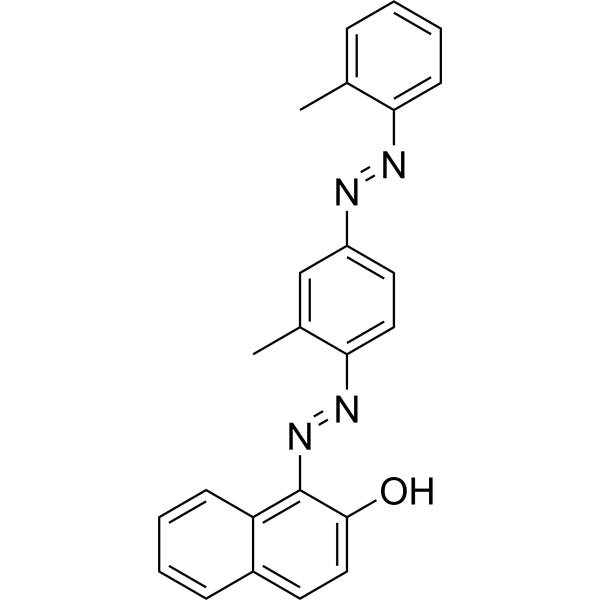
    Environmental Pollutants Biochemical Assay Reagents Cytochrome P450 Aryl Hydrocarbon Receptor Metabolic Disease
    Sudan IV is an agonist of the aryl hydrocarbon receptor (AhR) that activates downstream signaling pathways and induces CYP1A1 expression. Sudan IV promotes CYP1A1 gene transcription by activating AhR-ARNT heterodimers and binding to exogenous response elements (XREs) on DNA, thereby enhancing drug metabolizing enzyme activity. Sudan IV can be used to study the toxicity mechanisms of industrial dyes and the effects of interactions with serum proteins (such as bovine serum albumin (BSA)) on their distribution in vivo. Sudan IV is a fat-soluble diazo dye that can be used to stain lipids, triglycerides, and lipoproteins on frozen sections .
    Sudan IV
  • HY-P11146

    Sakacin P inducer peptide

    Bacterial Infection
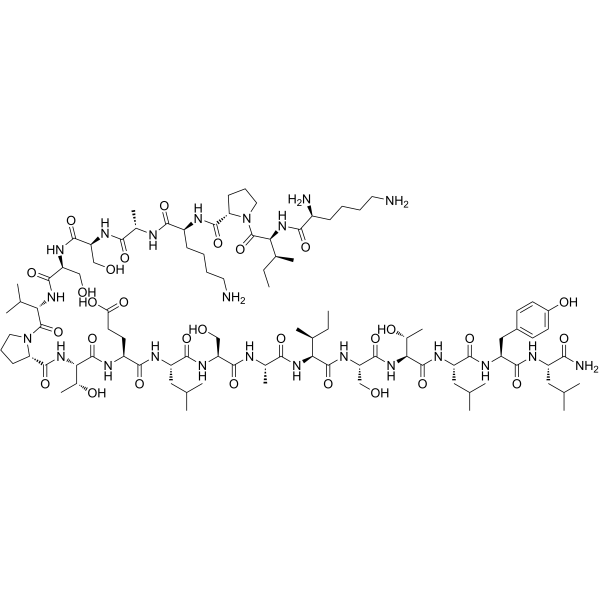
    SppIP (Sakacin P inducer peptide) is a peptide consisting of 19 amino acids . SppIP is an essential inducer for sakacin P production . SppIP can induce the expression of PRRSV GP5 and SARS-CoV-2 spike protein in recombinant Lactobacillus plantarum. SppIP can activate the transcription of the sakacin P promoter to drive the expression of downstream heterologous capsid proteins, increasing the proportion of PCV2d capsid proteins displayed on the cell surface of Lactobacillus plantarum. SppIP can be used in studies related to sakacin P induction .
    SppIP
  • HY-P99316

    CNTO-136

    Interleukin Related Inflammation/Immunology
    Sirukumab (CNTO-136) is a humanized monoclonal anti-IL6 (Interleukin Related) IgG1κ antibody. Sirukumab binds to IL6, preventing IL6-mediated signal transduction and activation of transcriptional activators, thereby blocking the downstream biological effects of IL6. Sirukumab can be used in the study of active lupus nephritis and rheumatoid arthritis .
    Sirukumab
  • HY-P5832

    TGF-beta/Smad RUNX Metabolic Disease
    BMP2-derived peptide is an osteogenic inducer and BMP receptor ligand. BMP2-derived peptide binds to BMP receptors on the cell surface to form a complex, activates the downstream Smad signaling pathway, and regulates the expression of osteogenic transcription factors. BMP2-derived peptide effectively promotes the adhesion, proliferation, osteogenic differentiation and mineralization of bone marrow mesenchymal stem cells, significantly up-regulates the mRNA levels of OCN, Runx2 and type I collagen, and increases alkaline phosphatase activity and calcium deposition. BMP2-derived peptide induces osteoblast differentiation and ectopic bone regeneration, and improves cranial bone defect repair. Meanwhile, BMP2-derived peptide enhances the cytocompatibility of mesoporous silica nanoparticles, synergistically increases osteogenic activity with Dexamethasone (HY-14648), serving as an important tool for bone defect repair research .
    BMP2-derived peptide
  • HY-164288

    TDI-006570

    Cyclic GMP-AMP Synthase STING Neurological Disease Inflammation/Immunology
    TDI-6570 (TDI-006570) is a blood-brain barrier-permeable, orally active cGAS inhibitor with an IC50 of 1.64 μM. TDI-6570 exhibits high gastrointestinal absorption and a long brain half-life in mice, and shows no toxicity to primary neurons. By inhibiting the cGAS-STING-IFN signaling pathway, TDI-6570 reduces STING levels and the activation of TBK1, blocks double-stranded DNA-induced cGAS activation and downstream interferon-stimulated gene expression, thereby reducing tau protein spread and improving synaptic loss. TDI-6570 reverses memory deficits, increases the amplitude of long-term potentiation, enhances the MEF2C transcriptional network, restores PSD-95 and vGAT punctate structures, and significantly improves cognitive resilience. TDI-6570 can be applied to the research of Alzheimer's disease, Parkinson's disease, systemic lupus erythematosus, as well as various central nervous system and autoimmune diseases .
    TDI-6570
  • HY-144339
    AhR agonist 2
    1 Publications Verification

    Aryl Hydrocarbon Receptor Others
    AhR agonist 2 (Compound 12a) is a potent agonist of aryl hydrocarbon receptor (AhR) with an EC50 of 0.03 nM. AhR agonist 2 induces rapid nuclear enrichment of AhR, triggers the transcription of downstream genes and promote skin barrier repair. AhR agonist 2 has the potential for the research of psoriasis .
    AhR agonist 2
  • HY-E70090

    DNA/RNA Synthesis Infection
    T7 RNA polymerase is a polymerase expressed by Escherichia coli from the RNA polymerase gene of T7 bacteriophage. T7 RNA polymerase is highly specific and involved in in vitro transcription (IVT) of mRNA. In the presence of Mg 2+, T7 RNA polymerase only uses the single-stranded or double-stranded DNA containing the T7 promoter sequence as a template, and uses NTP as a substrate to synthesize RNA complementary to the single-stranded DNA downstream of the promoter .
    T7 RNA polymerase
  • HY-156084

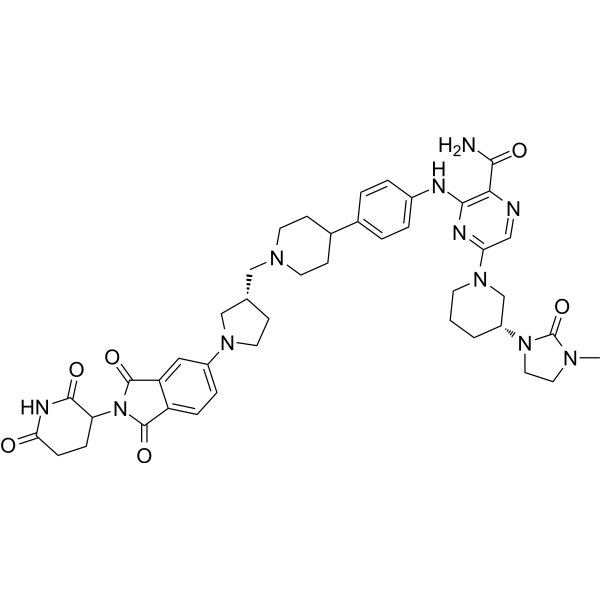
    CDK PROTACs Apoptosis c-Myc Cancer
    LL-K9-3 is a potent small-molecule degrader of CDK9-cyclin T1. LL-K9-3 has anti-proliferative and pro-apoptotic activities and suppresses downstream signaling of CDK9 and AR. Moreover, LL-K9-3 inhibits AR and Myc-driven oncogenic transcriptional programs .
    LL-K9-3
  • HY-164552

    Apoptosis Androgen Receptor Cancer
    ZNU-IMB-Z15 (Compound Z15) is an antagonist of the androgen receptor (AR) and also a selective degrader of AR and ARV7. ZNU-IMB-Z15 can directly bind to the ligand-binding domain (LBD) and activation function-1 region of AR, and promote AR degradation through the proteasome pathway. ZNU-IMB-Z15 effectively inhibits the transcriptional activity of AR, AR mutants, and AR splice variants (ARVs), downregulating the mRNA and protein levels of AR downstream target genes, thereby overcoming the resistance to second-generation antiandrogen drugs induced by AR LBD mutations, AR amplification, and ARVs in castration-resistant prostate cancer (CRPC). ZNU-IMB-Z15 can inhibit the proliferation of AR-positive CRPC cell lines and induce their apoptosis, demonstrating anticancer activity both in vivo and in vitro .
    ZNU-IMB-Z15
  • HY-138937

    FXR Metabolic Disease
    NDB is a selective human FXRα (hFXRα) antagonist that is effective in modulating transcription of FXRα downstream genes. NDB can be used in anti-diabetes research .
    NDB
  • HY-153493A

    Small Interfering RNA (siRNA) Metabolic Disease
    PF-04523655 sodium is a siRNA directed against RTP801 gene. RTP801 sodium is an inhibitor of the mammalian target of rampamycin complex 1 (mTORC1) and downstream transcription factor HIF-1.
    PF-04523655 sodium
  • HY-113337

    P1,P4-Di-(adenosine-5')-tetraphosphate

    Apoptosis Cancer
    Ap4A (P1,P4-Di-(adenosine-5')-tetraphosphate) is a conserved second messenger in organisms ranging from bacteria to humans. Ap4A binds to the histidine triad nucleotide-binding protein 1 (HINT1) activates the transcription of genes downstream of MITF. Ap4A induces apoptosis .
    Ap4A
  • HY-D0932R

    Solvent Red 24 (Standard); C.I. 26105 (Standard)

    Biochemical Assay Reagents Aryl Hydrocarbon Receptor Cytochrome P450 Reference Standards Metabolic Disease
    Sudan IV (Standard) (Solvent Red 24 (Standard)) is the analytical standard of Sudan IV (HY-D0932). This product is intended for research and analytical applications. Sudan IV is an agonist of the aryl hydrocarbon receptor (AhR) that activates downstream signaling pathways and induces CYP1A1 expression. Sudan IV promotes CYP1A1 gene transcription by activating AhR-ARNT heterodimers and binding to exogenous response elements (XREs) on DNA, thereby enhancing drug metabolizing enzyme activity. Sudan IV can be used to study the toxicity mechanisms of industrial dyes and the effects of interactions with serum proteins (such as bovine serum albumin (BSA)) on their distribution in vivo. Sudan IV is a fat-soluble diazo dye that can be used to stain lipids, triglycerides, and lipoproteins on frozen sections.
    Sudan IV (Standard)
  • HY-176128

    PROTACs Androgen Receptor Apoptosis PARP Caspase Cancer
    BWA-6047 is an oral active PROTAC degrader targeting AR/AR-V7 and GSPT1 with DC50 values of 3.7, 3.0 and 1.2 nM in 22Rv1 cells. BWA-6047 suppresses the expression of AR downstream target genes and and transcriptional activity. BWA-6047 inhibits cancer cells proliferation, causes G1 phase cell cycle arrest and induces apoptosis. BWA-6047 increases cleaved-PARP-1 and cleaved-caspase-3 levels. BWA-6047 reduces growth of LNCaP xenograft tumors in mice models without obvious toxicity. BWA-6047 can be used for the research of prostate cancer .
    BWA-6047
  • HY-N6069R

    Reference Standards Interleukin Related JAK STAT Inflammation/Immunology
    Raspberry ketone glucoside (Standard) is the analytical standard of Raspberry ketone glucoside (HY-N6069). Raspberry ketone glucoside is a melanogenesis inhibitor. Raspberry ketone glucoside inhibits melanogenesis by activating the IL6/JAK1/STAT3 pathway, inhibiting the transcriptional activity of MITFa, and its downstream expression levels of the TYR and TYRP1a genes. Raspberry ketone glucoside shows remarkable whitening activity on both B16F10 cells in vitro and zebrafish model in vivo .
    Raspberry ketone glucoside (Standard)
  • HY-155982

    STAT Cancer
    STAT3-IN-20 (Compound 40) is a selective STAT3 inhibitor (IC50: 0.65 μM). STAT3-IN-20 binds the SH2 domain to inhibit STAT3 phosphorylation, translocation, and downstream gene transcription. STAT3-IN-20 exhibits antiproliferative activities against STAT3-overactivated DU145 and MDA-MB-231 cancer cells (IC50: 2.97 μM and 3.26 μM respectively). STAT3-IN-20 induces cell cycle arrest and apoptosis .
    STAT3-IN-20
  • HY-153493

    Small Interfering RNA (siRNA) Metabolic Disease
    PF-04523655 is a siRNA directed against RTP801 gene. RTP801 is an inhibitor of the mammalian target of rampamycin complex 1 (mTORC1) and downstream transcription factor HIF-1.
    PF-04523655
  • HY-134969

    LXR Metabolic Disease
    TFCA is a liver X receptor α (LXRα) antagonist. TFCA inhibits ligand-activated LXRα coactivation and transcriptional expression of the downstream target genes involved in fatty acid synthesis. TFCA attenuates ligand-induced lipogenesis and fatty liver by selectively inhibiting LXRα in the liver .
    TFCA
  • HY-17538A

    PGC-1α Metabolic Disease
    ZLN005 (hydrochloride) is a peroxisome proliferator-activated receptor-g coactivator-1a (PGC-1α) activator. ZLN005 (hydrochloride) can stimulate the expression of PGC-1α and downstream genes in skeletal muscle cells, improve glucose utilization and fatty acid oxidation. ZLN005 (hydrochloride) can increase the transcription of PGC-1α and downstream genes in skeletal muscle of diabetic db/db mice, increase fat oxidation and improve glucose tolerance, pyruvate tolerance and insulin sensitivity .
    ZLN005 hydrochloride
  • HY-170837

    STAT Cancer
    STAT5-IN-3 (Compound 14a) is a STAT5 inhibitor with anticancer activity. STAT5-IN-3 blocks the tyrosine phosphorylation of STAT5A/5B at the Y694/699 sites and significantly reduces the expression of STAT5B protein, thereby inhibiting downstream gene transcription and blocking the proliferation and survival of leukemia cells. Additionally, STAT5-IN-3 holds significant value in overcoming chemotherapy resistance .
    STAT5-IN-3
  • HY-179123

    Androgen Receptor Apoptosis Cancer
    ZC9 is a novel androgen receptor (AR) degrader. ZC9 directly binds to AR and inhibits Dihydrotestosterone-induced nuclear translocation of AR. ZC9 promotes AR degradation via the ubiquitin-proteasome system and suppresses AR transcriptional activity. ZC9 significantly decreases the mRNA levels of other AR downstream genes, including PSA, TMPRSS2, and PMEPA1. ZC9 promotes Apoptosis. ZC9 exhibits anticancer activity against prostate cancer .
    ZC9
  • HY-164521

    STAT Cancer
    PMMB-187 is a selective STAT3 inhibitor with an IC50 value of 1.81 μM for MDA-MB-231 cells. PMMB-187 induces apoptosis (Apoptosis) in MDA-MB-231 cells by inhibiting STAT3 transcriptional activity, nuclear translocation, and downstream target gene expression, while also reducing mitochondrial membrane potential, generating reactive oxygen species (ROS), and upregulating the expression levels of apoptosis-related proteins. PMMB-187 has potential applications in cancer research .
    PMMB-187
  • HY-15681A

    CDK Cancer
    Senexin A hydrochloride is an inhibitor of CDK8/19 (IC50: 280 nM, CDK8) and an inhibitor downstream of p21 transcription. It only inhibits p21-induced transcription but does not inhibit other biological effects of p21. Senexin A hydrochloride inhibits CMV-GFP induction as well as the p21 stimulatory activity of the consensus NF-κB-dependent promoters .
    Senexin A hydrochloride
  • HY-178938

    Molecular Glues Androgen Receptor Caspase Apoptosis Endocrinology Cancer
    AR Degrader-3 is an orally active molecular glue that targets AR/ARV7 and induces the degradation of AR and ARV7 through the ubiquitin-proteasome pathway (UPP). AR Degrader-3 directly interacts with the ligand-binding domain (LBD) and the N-terminal domain (NTD) of AR. AR Degrader-3 effectively suppresses the transcriptional activity of wild-type AR (AR-WT), AR mutants, and ARV7. AR Degrader-3 downregulates the mRNA and protein levels of downstream AR target genes, thereby overcoming antiandrogen resistance mediated by ARV7 and AR point mutations. AR Degrader-3 induces apoptosis in Enzalutamide (HY-70002) (ENZa)-resistant cells and increases cleaved caspase-3 protein levels. AR Degrader-3 can be used for the study of castration-resistant prostate cancer (CRPC) .
    AR Degrader-3
  • HY-174505

    mRNA Cancer
    Human YAP1 mRNA encodes the human Yes1 associated transcriptional regulator (YAP1) protein, a downstream nuclear effector of the Hippo signaling pathway which is involved in development, growth, repair, and homeostasis. YAP1 is known to play a role in the development and progression of multiple cancers as a transcriptional regulator of this signaling pathway and may function as a potential target for cancer treatment.
    Human YAP1 mRNA
  • HY-146027

    Androgen Receptor Cancer
    Androgen receptor antagonist 4 (Compound AT2) is an androgen receptor (AR) antagonist with an IC50 of 0.15 μM. Androgen receptor antagonist 4 efficiently antagonizes AR transcriptional activity, suppresses downstream target gene of AR, and blocks the DHT-induced AR nuclear translocation. Androgen receptor antagonist 4 shows anticancer activities .
    Androgen receptor antagonist 4
  • HY-155543

    Androgen Receptor Cancer
    Anticancer agent 135 (compound 26h) is a potent androgen receptor (AR) antagonist. Anticancer agent 135 can effectively block AR nuclear translocation and inhibit AR/AR-V7 heterodimerization, thereby inhibiting downstream gene transcription. Anticancer agent 135 displays potent robust efficacy in prostate cancer xenograft models .
    Anticancer agent 135
  • HY-173139

    YAP Cancer
    TEAD-IN-19 (Compound 1l) is a transcriptional inhibitor of TEAD, exhibiting inhibition rates of 38.5%, 36.2%, 57.8%, and 71.3% against TEAD1, TEAD2, TEAD3, and TEAD4, respectively, at a concentration of 10 μM. TEAD-IN-19 shows potent anti-proliferative and anti-migratory activities in prostate cancer cell lines and significantly reduces the expression of TEAD-regulated downstream genes. TEAD-IN-19 holds promise for research in the field of cancer therapy .
    TEAD-IN-19
  • HY-E70400

    DNA/RNA Synthesis Others
    Thermostable T7 RNA Polymerase is a thermostable version of T7 RNA Polymerase (HY-E70090). Compared with T7 RNA Polymerase, it has high temperature resistance and stable activity. T7 RNA polymerase is a polymerase expressed by Escherichia coli from the RNA polymerase gene of T7 bacteriophage. T7 RNA polymerase is highly specific and involved in in vitro transcription (IVT) of mRNA. In the presence of Mg 2+, T7 RNA polymerase only uses the single-stranded or double-stranded DNA containing the T7 promoter sequence as a template, and uses NTP as a substrate to synthesize RNA complementary to the single-stranded DNA downstream of the promoter .
    Thermostable T7 RNA Polymerase
  • HY-175782

    Toll-like Receptor (TLR) NF-κB p38 MAPK Inflammation/Immunology
    SMU-R39 is a TLR7 and TLR8 antagonist with IC50 values of 3.22 μM and 0.24 μM, respectively. SMU-R39 binds to recombinant mTLR7 protein (KD = 2.36 μM) and to recombinant hTLR8 protein (KD = 105 nM). SMU-R39 suppresses downstream NF-κB and MAPK signaling, and reduces secretion/transcription of pro-inflammatory cytokines (TNF-α, IL-1β, IL-6) in PBMCs and THP-1 cells. SMU-R39 demonstrates anti-inflammatory efficacy in Imiquimod (IMQ) (HY-B0180)-induced psoriasis mouse model. SMU-R39 can be used for the study of autoimmune diseases such as psoriasis .
    SMU-R39
  • HY-D0932S

    Solvent Red 24-d6; C.I. 26105-d6

    Isotope-Labeled Compounds Biochemical Assay Reagents Aryl Hydrocarbon Receptor Cytochrome P450 Metabolic Disease
    Sudan IV-d6 (Solvent Red 24-d6) is the deuterium labeled Sudan IV(HY-D0932). Sudan IV is an agonist of the aryl hydrocarbon receptor (AhR) that activates downstream signaling pathways and induces CYP1A1 expression. Sudan IV promotes CYP1A1 gene transcription by activating AhR-ARNT heterodimers and binding to exogenous response elements (XREs) on DNA, thereby enhancing drug metabolizing enzyme activity. Sudan IV can be used to study the toxicity mechanisms of industrial dyes and the effects of interactions with serum proteins (such as bovine serum albumin (BSA)) on their distribution in vivo. Sudan IV is a fat-soluble diazo dye that can be used to stain lipids, triglycerides, and lipoproteins on frozen sections .
    Sudan IV-d6
  • HY-180944

    REV-ERB Neurological Disease
    BE2012, SR8278 (HY-14415) derivative, is a potent and selective REV-ERBα/β Antagonist with EC50 values of 0.285 and 0.346 μM. BE2012 binds to the ligand-binding domain (LBD) of REV-ERB, preventing the receptor from recruiting co-inhibitory factors and thereby releasing the transcriptional repression on downstream target genes. BE2012 can upregulate the expression of myogenic transcription factors Myf5 and Myod, promoting muscle regeneration and repair in acute muscle injury micemodels .
    BE2012
  • HY-P992409

    Hedgehog Cancer
    MEDI-5304 is a hedgehog antibody inhibitor with human sonic hedgehog (SHH) KD of 5.13 pmol/L, and human Indian hedgehog (IHH) KD of 34.7 pmol/L. MEDI-5304 binds and neutralizes SHH and IHH, blocks downstream target gene transcription, inhibits osteoblast differentiation. MEDI-5304 can be used for the research of colon cancer .
    MEDI-5304
  • HY-N19821

    DNA/RNA Synthesis Cancer
    Gangaleoidin is a FOXM1 inhibitor with an IC50 of 2.8 μM. Gangaleoidin inhibits interaction between FOXM1’s DNA-binding domain and target DNA sequence, downregulates FOXM1 and downstream target gene CCNB1 at the transcriptional level. Gangaleoidin suppresses proliferation of FOXM1-overexpressing breast cancer cells. Gangaleoidin can be used for the research of breast cancer .
    Gangaleoidin
  • HY-107999R

    Reference Standards Reactive Oxygen Species (ROS) Cancer
    CADD522 (Standard) is the analytical standard of CADD522 (HY-107999). This product is intended for research and analytical applications. CADD522 is a RUNX2-DNA binding inhibitor (downregulates RUNX2-mediated transcription of downstream target genes), with an IC50 of 10 nM. CADD522 inhibits primary tumor growth and experimental metastasis of tumor cells in the lungs of immune-compromised mice. CADD522 can be used in study of cancer .
    CADD522 (Standard)
  • HY-181823

    HOXA TGF-beta/Smad Apoptosis Cancer
    HOXA1-IN-1 is a HOXA1 inhibitor. HOXA1-IN-1 downregulates HOXA1 protein levels, suppresses its transcriptional activity, and alters the expression of its downstream target genes. HOXA1-IN-1 induces DNA damage and apoptosis in cancer cells. HOXA1-IN-1 exhibits antitumor efficacy in xenograft models of colorectal cancer and triple-negative breast cancer. HOXA1-IN-1 shows synergistic activity in combination with Cisplatin (HY-17394). HOXA1-IN-1 can be used for the research of colorectal cancer and triple-negative breast cancer .
    HOXA1-IN-1
  • HY-120825

    Apoptosis DNA/RNA Synthesis Reactive Oxygen Species (ROS) Keap1-Nrf2 Cancer
    QD 232 is a quinazolinedione-based ROS inducer and an apoptosis inducer with cytotoxicity and redox regulatory activity. QD 232 promotes ROS accumulation, activates the NRF2-mediated oxidative stress response and unfolded protein response pathways, and upregulates downstream antioxidant and stress response genes. QD 232 inhibits mtDNA transcription driven by HSP2 and LSP promoters, and impairs mitochondrial oxidative phosphorylation function. QD 232 induces apoptosis of pancreatic ductal adenocarcinoma cells and exerts cytotoxicity against gemcitabine (HY-17026)-resistant pancreatic ductal adenocarcinoma cells. QD 232 delays tumor growth in a mouse pancreatic cancer xenograft model .
    QD 232
  • HY-182331

    PROTACs RAR/RXR Androgen Receptor Apoptosis Caspase MDM-2/p53 Cancer
    WCF-598 is a RXRγ (Kd: 234.2 nM) PROTAC degrader. WCF-598 induces RXRγ degradation via the ubiquitin-proteasome pathway and binds directly to RXRγ. WCF-598 indirectly induces AR-V7 degradation, impairs the stability of the RXRγ-AR-V7 complex, downregulates AR-V7 levels, and inhibits the transcription of downstream target genes of AR-V7. WCF-598 induces tumor cell apoptosis, inhibits cell proliferation, activates the p53 signaling pathway, and suppresses cell cycle progression. WCF-598 can be used for the research of prostate cancer .
    WCF-598
  • HY-115438

    JAK STAT Apoptosis Cancer
    AUH-6-96 is a JAK/STAT signaling inhibitor. AUH-6-96 reduces Unpaired-induced transcriptional activity in Drosophila cells and blocks tyrosine phosphorylation of STAT92E. AUH-6-96 blocks both constitutive and IL-6-induced phosphorylation of STAT3. AUH-6-96 decreases the level of tyrosine-phosphorylated JAK3. AUH-6-96 induces cancer cell Apoptosis by downregulating the expression of anti-apoptotic genes downstream of STAT3. AUH-6-96 selectively reduces the viability of cancer cells with abnormal JAK/STAT signaling pathway. AUH-6-96 is applicable to related research on Hodgkin's lymphoma, breast cancer, and prostate cancer .
    AUH-6-96
  • HY-13689G

    PKC Histone Methyltransferase DNA Methyltransferase DNA/RNA Synthesis Inflammation/Immunology
    Go 6983 GMP is Go 6983 (HY-13689) produced by using GMP guidelines. GMP small molecules works appropriately as an auxiliary reagent for cell therapy manufacture. Go 6983 is a dual inhibitor targeting Suv39h1/2 (KMT1A/KMT1B) and PKC, as well as a transcriptional activator capable of inducing DNA hypomethylation. Go 6983 stimulates the transcription of Prdm14 by reducing Suv39h1/2 protein levels, decreasing histone modifications in the Prdm14 promoter region, and increasing the recruitment of RNA polymerase II. Go 6983 induces genome-wide DNA hypomethylation by inhibiting de novo methyltransferase expression and increasing Tet1/Tet2 levels, thereby promoting self-renewal and pluripotency maintenance of stem cells. Meanwhile, Go 6983 can block PKC-mediated signaling pathways to reduce the expression of EMT-related genes and eliminate the upregulation of antioxidant genes downstream of NRF2. Go 6983 is mainly used in mechanism studies related to myocardial ischemia/reperfusion injury .
    Go 6983
  • HY-165413

    HIF/HIF Prolyl-Hydroxylase VEGFR Cancer
    KST012174 hydrochloride is a potent HIF-1α-p300/CBP interaction inhibitor with an IC50 of 107 μM. KST012174 hydrochloride completely blocks the binding of HIF-1α to p300 protein at a concentration of 100 μM, without affecting the expression stability of HIF-1α protein itself. By directly interfering with the binding between the C-terminal transactivation domain (C-TAD) of HIF-1α and the CH1 domain of p300, KST012174 inhibits the transcriptional activation function of HIF-1α, thereby significantly downregulating the mRNA expression level of its downstream target gene VEGF and exerting core activity in inhibiting tumor angiogenesis. KST012174 hydrochloride is applicable for research on cancer occurrence and development as well as hypoxia pathway-targeted strategies .
    KST012174 hydrochloride
  • HY-183370

    JAK STAT Interleukin Related Inflammation/Immunology
    JAK2/STAT3-IN-2 is an orally active JAK2/STAT3 inhibitor. JAK2/STAT3-IN-2 inhibits the phosphorylation of tyrosine residues in JAK2 and STAT3, blocks downstream signal transduction, disrupts the dimerization and nuclear translocation of STAT3, and suppresses pro-inflammatory transcriptional activity. JAK2/STAT3-IN-2 inhibits the expression of IL-17A and IL-17F, reduces immune cell infiltration, and inhibits the production of NO simultaneously. JAK2/STAT3-IN-2 exerts a protective effect in a mouse model of ulcerative colitis induced by DSS (HY-116282C). JAK2/STAT3-IN-2 can be used for the research of ulcerative colitis .
    JAK2/STAT3-IN-2
  • HY-181907

    HyT Keap1-Nrf2 HSP Inflammation/Immunology
    NBE5 is an orally active hydrophobic tag-targeting (Hyt) degrader (HyTTD) that targets Keap1. NBE5 mimics protein misfolding and recruits the molecular chaperone Hsp90, while achieving targeted degradation of Keap1 through both the ubiquitin-proteasome system and the autophagy-lysosome system. Consequently, NBE5 relieves the inhibition of the transcription factor Nrf2 by Keap1, potently activates the Nrf2-mediated endogenous antioxidant pathway, and upregulates the expression of downstream antioxidant proteins such as HO-1 and GCLM. NBE5 effectively alleviates oxidative stress and inflammatory damage, and exhibits excellent in vivo activity in a mouse model of acute colitis induced by DSS (HY-116282C) .
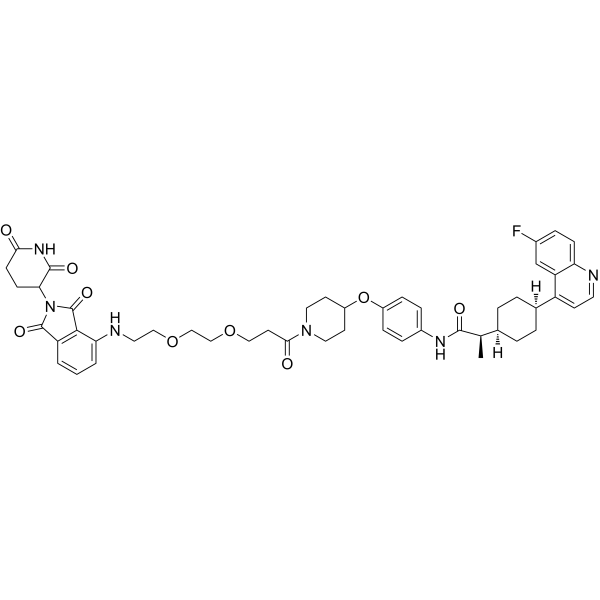
    NBE5 consists of a hydrophobic tag (HY-W022007), a Keap1-Nrf2 ligand (HY-14909), and a linker (HY-W014831).
    NBE5

Inquiry Online

Your information is safe with us. * Required Fields.

Salutation


Country or Region *

Applicant Name *


Organization Name *

Department *


Email Address *


Product Name *

Cat. No.


Requested quantity *

Phone Number *


Remarks

Inquiry Online

Inquiry Information

Product Name:
Cat. No.:
Quantity:
MCE Japan Authorized Agent:

