1. Search Result
Search Result
Pathways Recommended: MAPK/ERK Pathway
Results for "

ubiquitination pathway

" in MedChemExpress (MCE) Product Catalog:

53

Inhibitors & Agonists

1

Screening Libraries

7

Peptides

1

Inhibitory Antibodies

10

Natural
Products

Cat. No. Product Name Target Research Areas Chemical Structure
  • HY-100487
    TAK-243
    Maximum Cited Publications
    83 Publications Verification

    MLN7243

    E1/E2/E3 Enzyme NF-κB Apoptosis Cancer
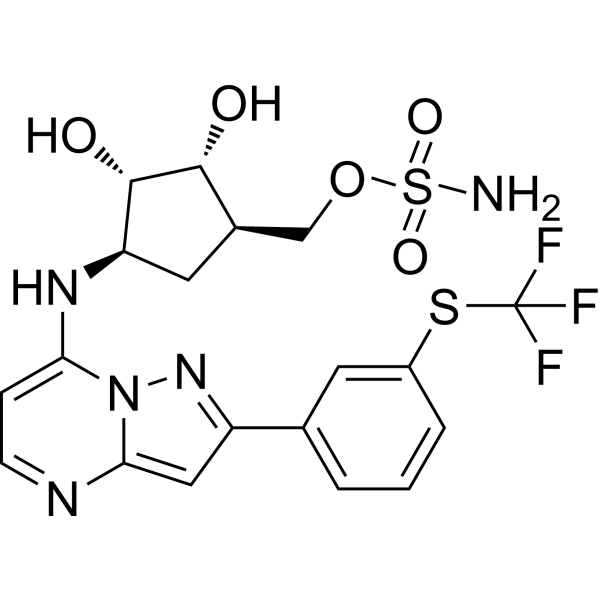
    TAK-243 (MLN7243) is a first-in-class, selective ubiquitin activating enzyme, UAE (UBA1) inhibitor (IC50=1 nM), which blocks ubiquitin conjugation, disrupting monoubiquitin signaling as well as global protein ubiquitination. TAK-243 (MLN7243) induces endoplasmic reticulum (ER) stress, abrogates NF-κB pathway activation and promotes apoptosis .
    TAK-243
  • HY-N0527
    Pentagalloylglucose
    Maximum Cited Publications
    15 Publications Verification

    Penta-O-galloyl-β-D-glucose; 1,2,3,4,6-Pentagalloyl glucose

    JAK Keap1-Nrf2 Apoptosis β-catenin Reactive Oxygen Species (ROS) E1/E2/E3 Enzyme Neurological Disease Inflammation/Immunology Cancer
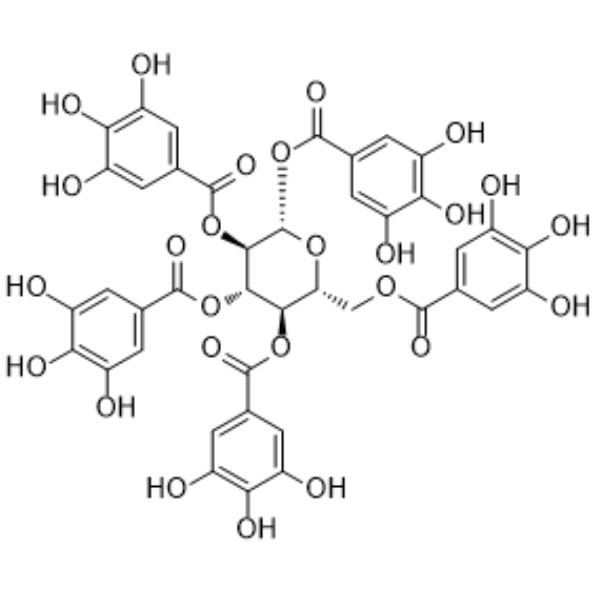
    Pentagalloylglucose (Penta-O-galloyl-β-D-glucose) is an orally active gallic tannin compound and an inducer of apoptosis and autophagy. Pentagalloglucose induces cell apoptosis and autophagy through the GSK3β/β-catenin pathway. Pentagalloylglucose inhibits UBE2T-mediated p53 ubiquitination, upregulates p53, downregulates RRM1/RRM2 in pancreatic cancer organoids. Pentagalloglucose has antioxidant, anti mutagenic, anti-inflammatory, anticonvulsant, cardioprotective, anti allergic, cholesterol lowering, and anti-tumor activities .
    Pentagalloylglucose
  • HY-123834
    FEN1-IN-1
    5+ Cited Publications

    FLAP ATM/ATR Cancer
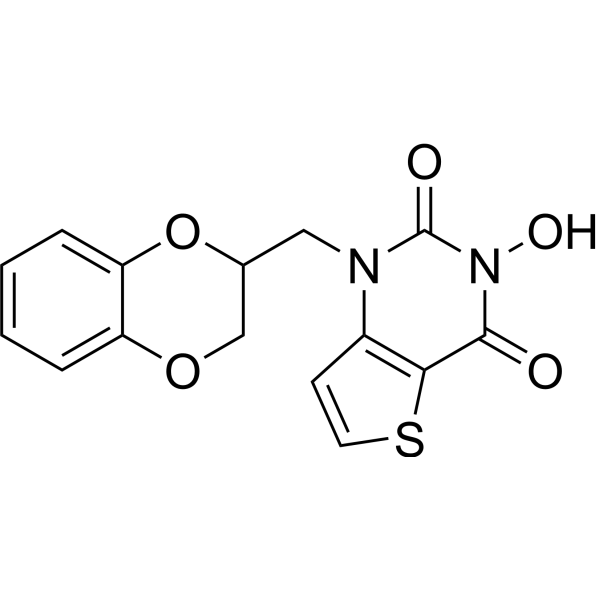
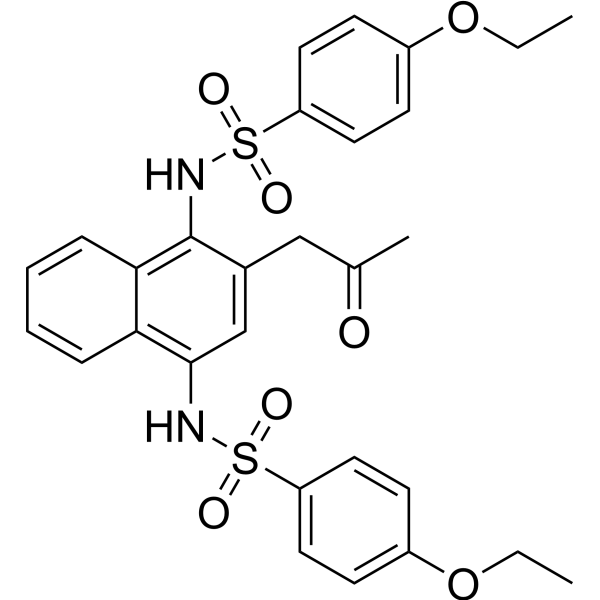
    FEN1-IN-1 (compound 1) is a small molecule flap endonuclease 1 (FEN1) inhibitor with antitumor activity. FEN1-IN-1 binds to the active site of FEN1 and partly achieves inhibition by the co-ordination of Mg 2+ ions. FEN1-IN-1 initiaties a DNA damage response and activates the ATM checkpoint signalling pathway, the phosphorylation of histone H2AX and the ubiquitination of FANCD2 in mammalian cells. FEN1-IN-1 is promising for research of cancers .
    FEN1-IN-1
  • HY-111126
    K67
    1 Publications Verification

    p62 Keap1-Nrf2 Cancer
    K67 is a selective the interaction between Keap1 and S349 phosphorylated p62 inhibitor, with an IC50 of 1.5 μM. K67 has a weaker inhibitory effect on the interaction between Keap1 and Nrf2 (IC50 is 6.2 μM). K67 competitively binds to the binding site of Keap1 with p-p62, blocking the abnormal activation of the p62-dependent Nrf2 pathway. K67 inhibits tumor cell proliferation and enhances the sensitivity of hepatocellular carcinoma (HCC) to chemotherapeutic drugs by restoring Keap1-mediated ubiquitination and degradation of Nrf2 .
    K67
  • HY-173523

    PROTACs CDK c-Myc Cancer
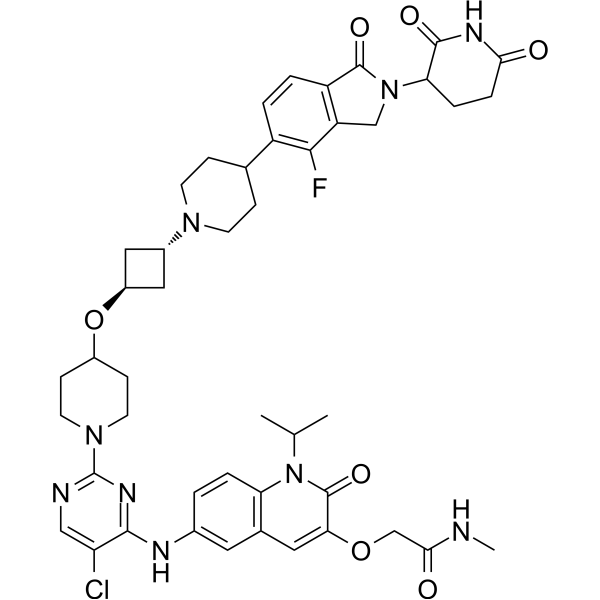
    KI-CDK9d-32 is a highly selective and potent CDK9 PROTAC degrader (DC50: 0.89 nM). KI-CDK9d-32 promotes the ubiquitination and degradation of CDK9. KI-CDK9d-32 inhibits the MYC pathway and disrupts nucleolar homeostasis. KI-CDK9d-32 exhibits anticancer activity against acute lymphoblastic leukemia and pancreatic cancer. (Pink: CDK9 ligand (HY-153718); Blue: E3 ligase CRBN ligand (HY-163233); Black: Linker (HY-W011657); E3 ligase CRBN ligand-linker conjugate (HY-173525)) .
    KI-CDK9d-32
  • HY-119264

    Molecular Glues Ras Apoptosis HIF/HIF Prolyl-Hydroxylase Cancer
    PRLX-93936 is a molecular Glues that binds to and reprograms the TRIM21 ubiquitin ligase to degrade nuclear pore complexes. PRLX-93936 binds to TRIM21, forms a ternary complex with TRIM21 and NUP98, and mediates the ubiquitination and proteasomal degradation of NUP98 and other nuclear pore complex proteins. PRLX-93936 induces the loss of short-lived cytoplasmic mRNA transcripts, triggers cancer cell apoptosis (Apoptosis), and inhibits the activated Ras pathway. PRLX-93936 inhibits HIF-1 under hypoxic conditions (IC50 = 0.09 μM in cell-based reporter gene assay). PRLX-93936 suppresses tumor growth in mouse models and improves survival rates in mouse models of multiple myeloma. PRLX-93936 is applicable to research related to pancreatic cancer and multiple myeloma .
    PRLX-93936
  • HY-P5819
    xStAx-VHLL
    3 Publications Verification

    Wnt PROTACs β-catenin Cancer
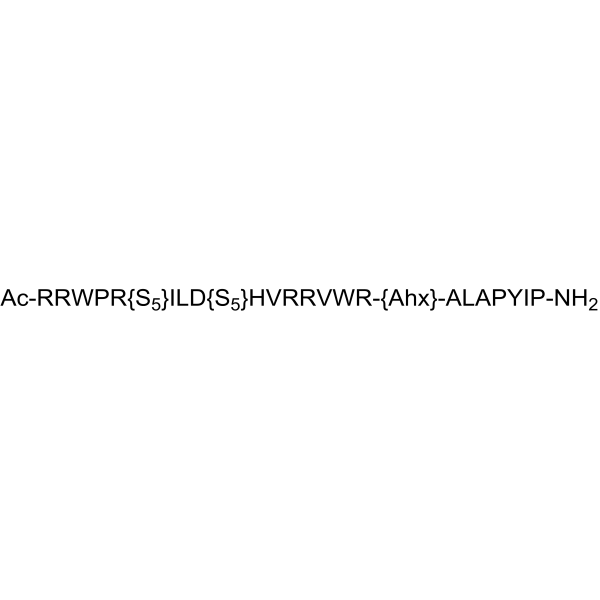
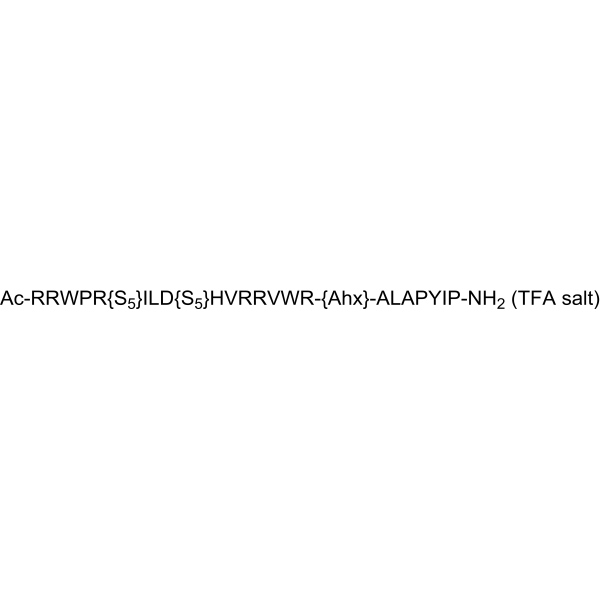
    xStAx-VHLL is a β-catenin PROTAC degrader that promotes ubiquitination and proteasome degradation of β-catenin. xStAx-VHLL inhibits the Wnt/β-catenin signaling pathway. xStAx-VHLL can inhibit the proliferation of colon cancer cells and has anti-tumor activity .
    xStAx-VHLL
  • HY-N1431
    Tabersonine
    3 Publications Verification

    NOD-like Receptor (NLR) Apoptosis Cytochrome P450 NF-κB PI3K Akt CDK Caspase Interleukin Related p38 MAPK Inflammation/Immunology Cancer
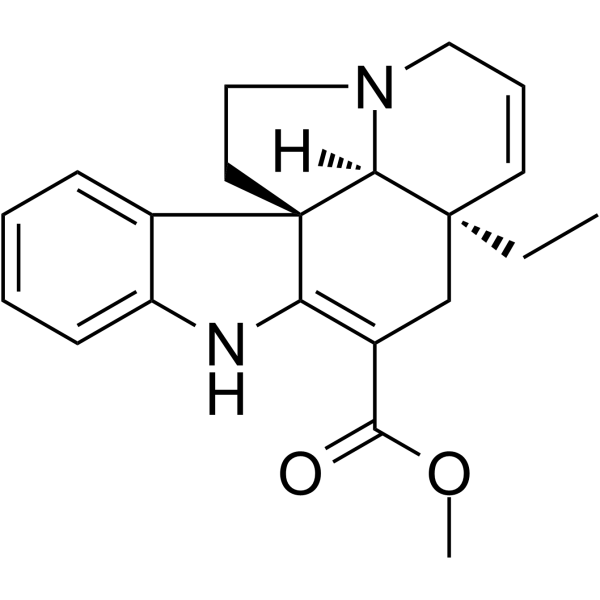
    Tabersonine is a selective, orally active NLRP3 inhibitor. Tabersonine directly binds to the NACHT domain of NLRP3, inhibiting its ATPase activity and oligomerization, thereby blocking ASC spot formation and caspase-1 activation, and reducing the release of pro-inflammatory cytokines such as IL-1β. Tabersonine also inhibits K63-linked ubiquitination of TRAF6, blocking NF-κB, PI3K/Akt, and p38 MAPK signaling pathways. Tabersonine can inhibit inflammatory responses, induce apoptosis of liver cancer cells through mitochondrial pathways and death receptor pathways, reduce mitochondrial membrane potential, promote cytochrome c release, and activate caspase proteins. Tabersonine is mainly used in the study of NLRP3-driven inflammatory diseases (such as acute lung injury, sepsis, peritonitis) and tumors such as liver cancer .
    Tabersonine
  • HY-N6929
    Angelic acid
    1 Publications Verification

    Ferroptosis Keap1-Nrf2 Reactive Oxygen Species (ROS) Neurological Disease Cancer
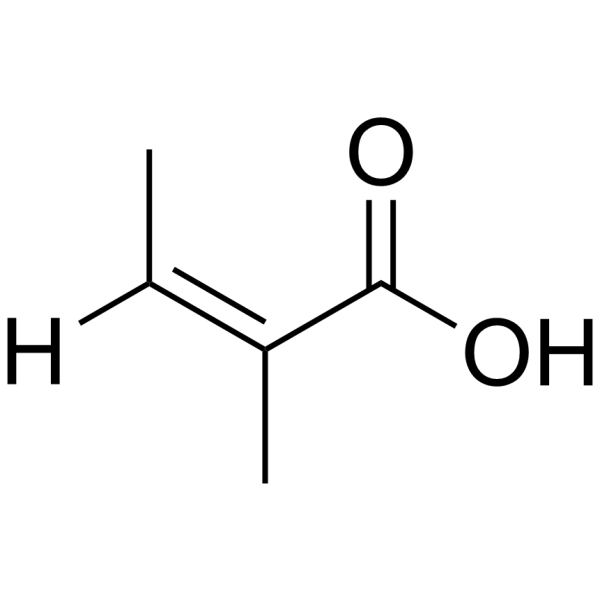
    Angelic acid is a ferroptosis inducer, targeting NRF2 degradation. Angelic acid binds to NRF2 protein and promotes NRF2 degradation via ubiquitination-proteasome pathway, relieves the inhibitory effect of NRF2 on oxidative stress and lipid peroxidation. Then, Angelic acid induces ferroptosis in tumor cells. Angelic acid can enhance the accumulation of intracellular reactive oxygen species (ROS), upregulate ferroptosis-related markers CHAC1 and PTGS2, and synergize with ferroptosis inducers to enhance anti-tumor effects. Angelic acid also has the activity of scavenging UVA-induced ROS in vitro, inhibiting skin fibroblast senescence and extracellular matrix degradation. Angelic Acid helps wound healing with sedative activity .
    Angelic acid
  • HY-176134

    PROTACs Ras Cancer
    RP03707 is a PROTAC degrader of KRAS G12D. RP03707 forms a ternary complex with KRAS G12D and the CRBN E3 ligase, promoting the ubiquitination and proteasomal degradation of KRAS G12D. RP03707 inhibits the growth of KRAS G12D-positive tumor cells .
    RP03707
  • HY-Y1177

    Phenyl disulfide

    PI3K Akt mTOR Ferroptosis Apoptosis Autophagy Glutathione Peroxidase Keap1-Nrf2 Cancer
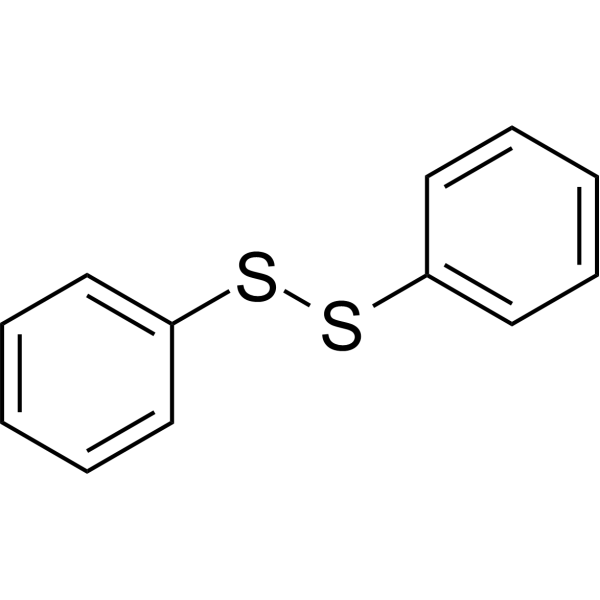
    Diphenyl disulfide (Phenyl disulfide) is an organic disulfide compound. Diphenyl disulfide inhibits the PI3K/AKT/mTOR pathway, and induces ferroptosis (ferroptosis), apoptosis (apoptosis) and autophagy (autophagy) in cancer cells. Diphenyl disulfide downregulates GPX4 expression, inhibits NRF2 phosphorylation, induces lipid peroxidation, promotes xCT ubiquitination, induces proteolytic cleavage of p21 Bax into p18 Bax, and suppresses cell proliferation and viability. Diphenyl disulfide can be used in research related to melanoma and breast cancer .
    Diphenyl disulfide
  • HY-12462

    GSK-3 Keap1-Nrf2 Ferroptosis IKK Neurological Disease Metabolic Disease Inflammation/Immunology Cancer
    WS3 is an allosteric inhibitor of 14-3-3 (14-3-3ζ: Kd = 2.29 μM). WS3 activates GSK3β by disrupting the binding of 14-3-3-pGSK3β, promotes the ubiquitination and degradation of NRF2, and inhibits the NRF2-ARE signaling pathway (IC50 = 135 nM). It exerts antioxidant inhibition and chemotherapeutic/ferroptosis sensitizing effects in tumors with hyperactivated NRF2. WS3 binds to EBP1/IKKε and promotes the proliferation of β cells and retinal pigment epithelial (RPE) cells, which can be applied to islet regeneration and RPE expansion transplantation . WS3 is applicable to research related to age-related macular degeneration, retinal degeneration and non-small cell lung cancer .
    WS3
  • HY-144984

    β-catenin Molecular Glues Cancer
    NRX-1933 is a type of molecular glue. NRX-1933 is a β-catenin:β-TrCP interaction enhancer for the development of small molecule degraders. NRX-1933 promotes the ubiquitination of mutated β-Catenin, leading to degradation. NRX-1933 can be applied to tumor research on abnormal activation of Wnt/β - catenin signaling pathway .
    NRX-1933
  • HY-P10810

    Wnt β-catenin Cancer
    QPH-FR is a LGR5 inhibitor. QPH-FR competitively binds to LGR5 and prevents the formation of the LGR5/RSPO1 complex. QPH-FR promotes RNF43/ZNRF3-mediated ubiquitination of FZD receptors, inhibits the Wnt β-catenin signaling pathway, and reduces the stemness of colorectal cancer cells. QPH-FR is applicable to relevant research on colorectal cancer .
    QPH-FR
  • HY-P11228

    PROTACs Apoptosis DNA/RNA Synthesis Cancer
    FPP29 is a potent peptide-based FOXM1 PROTAC degrader. FPP29 induces ubiquitination and degradation of FOXM1. FPP29 inhibits FOXM1 via the ubiquitin-proteasome degradation pathway. FPP29 induces Apoptosis. FPP29 suppresses tumor growth in hepatocellular carcinoma xenograft models. FPP29 can be used in the research of hepatocellular carcinoma (cell-penetrating peptide: (HY-P0133); VHL ligase ligand: (HY-P11493); linker: (HY-W013664); FOXM1 ligand: (HY-P11494)) .
    FPP29
  • HY-W181530

    Molecular Glues CDK Apoptosis Ligands for E3 Ligase Cancer
    NCT02 is a molecular glue degrader based on the E3 ubiquitin ligase DDB1 that targets CDK12 and its binding partner CCNK. NCT02 triggers the ubiquitination and proteasomal degradation of CCNK, thereby downregulating CDK12 protein levels and inhibiting its downstream signaling pathways. NCT02 can induce tumor cell apoptosis, arrest the cell cycle, and selectively inhibit the proliferation of colorectal cancer cells carrying TP53 defects or belonging to the consensus molecular subtype CMS4. NCT02 has the potential to inhibit tumor growth in in vitro and in vivo models .
    NCT02
  • HY-161410

    PROTACs Apoptosis Bcl-2 Family Cancer
    WH244 is a second generation BCL-2 and BCL-xL dual depressant (PROTAC). The primary activity of WH244 is the specific degradation of BCL-2 and BCL-xL proteins (BCL-xL: DC50=0.6 nM, BCL-2: DC50=7.4 nM). WH244 promotes their ubiquitination and subsequent proteasome degradation by targeting these proteins, thereby restoring the cell's apoptosis pathway. WH244 has good antitumor activity. (Pink: BCL-2/BCL-xL ligand (HY-161415); Blue: E3 ligase ligand (HY-112078); Black: linker) .
    WH244
  • HY-119264A

    Molecular Glues Apoptosis Ras HIF/HIF Prolyl-Hydroxylase Cancer
    PRLX-93936 dihydrochloride is a molecular Glues that binds to and reprograms the TRIM21 ubiquitin ligase to degrade nuclear pore complexes. PRLX-93936 dihydrochloride binds to TRIM21, forms a ternary complex with TRIM21 and NUP98, and mediates the ubiquitination and proteasomal degradation of NUP98 and other nuclear pore complex proteins. PRLX-93936 dihydrochloride induces the loss of short-lived cytoplasmic mRNA transcripts, triggers cancer cell apoptosis (Apoptosis), and inhibits the activated Ras pathway. PRLX-93936 dihydrochloride inhibits HIF-1 under hypoxic conditions (IC50 = 0.09 μM in cell-based reporter gene assay). PRLX-93936 dihydrochloride suppresses tumor growth in mouse models and improves survival rates in mouse models of multiple myeloma. PRLX-93936 dihydrochloride is applicable to research related to pancreatic cancer and multiple myeloma .
    PRLX-93936 dihydrochloride
  • HY-P5819A
    xStAx-VHLL TFA
    3 Publications Verification

    PROTACs β-catenin Wnt Cancer
    xStAx-VHLL TFA is a β-catenin PROTAC degrader that promotes ubiquitination and proteasome degradation of β-catenin. xStAx-VHLL TFA inhibits the Wnt/β-catenin signaling pathway. xStAx-VHLL TFA can inhibit the proliferation of colon cancer cells and has anti-tumor activity .
    xStAx-VHLL TFA
  • HY-154860

    PROTACs Btk Apoptosis Caspase Bcl-2 Family NF-κB Akt Inflammation/Immunology Cancer
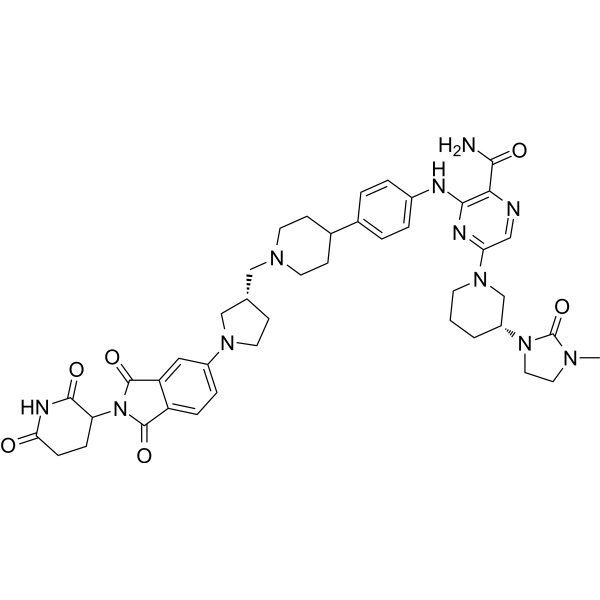
    PTD10 is a selective and potent BTK PROTAC degrader (DC50 = 0.5 nM, KD = 2.28 nM). PTD10 can recruit cereblon (CRBN) E3 ligase and form a ternary complex with BTK, thereby mediating the ubiquitination and proteasome-dependent degradation of BTK. PTD10 inhibits cancer cells proliferation, and induces cell apoptosis via activation of the caspase-dependent pathway and mitochondrial pathway. PTD10 potently inhibits the BCR, AKT and NF-κB signaling pathway. PTD10 can be used for researches of B-cell malignancies and autoimmune disease .
    PTD10
  • HY-145816A
    JPS016 TFA
    1 Publications Verification

    HDAC PROTACs Apoptosis PINK1/Parkin Autophagy Reactive Oxygen Species (ROS) Cancer
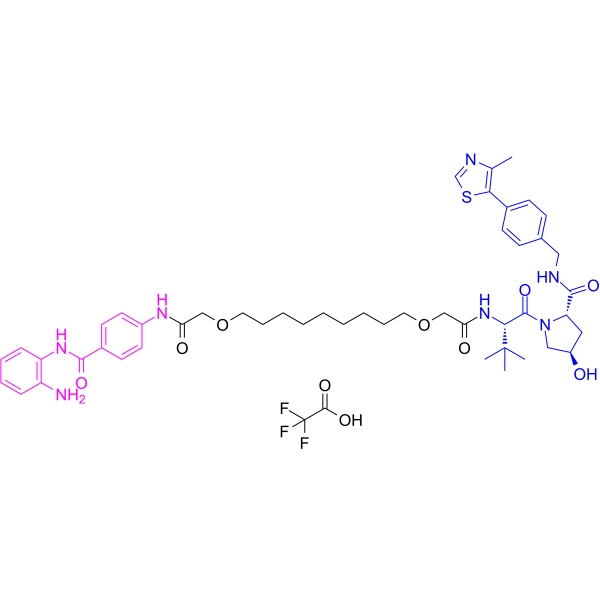
    JPS016 TFA is a class I histone deacetylase (HDAC) PROTAC inhibitor. JPS016 TFA recruits the VHL E3 ligase (Ligands for E3 Ligase) to mediate the ubiquitination and proteasomal degradation of HDAC1, HDAC2 and HDAC3. JPS016 TFA reduces the viability of colon cancer cells and induces Apoptosis. JPS016 TFA activates the PINK1/Parkin mitochondrial Autophagy pathway, enhances cardiomyocyte viability, alleviates mitochondrial damage, and reduces mitochondrial ROS production in cells. JPS016 TFA is applicable to research related to colon cancer and sepsis cardiomyopathy .
    JPS016 TFA
  • HY-N0857
    Deoxyandrographolide
    1 Publications Verification

    GLUT HDAC Virus Protease PI3K AMPK Akt Histone Demethylase MDM-2/p53 IFNAR Reactive Oxygen Species (ROS) Infection Metabolic Disease Inflammation/Immunology
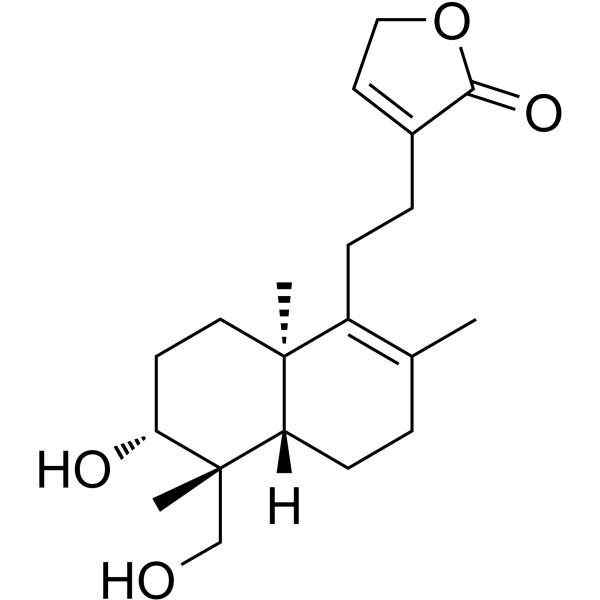
    Deoxyandrographolide is an orally active lactone found in the Andrographis paniculata Nees. Deoxyandrographolide shows a KD of 38.4 μM of HDAC1. Deoxyandrographolide enhances GLUT4 plasma membrane translocation, activates PI3K and AMPK-dependent signaling pathways, suppresses fasting blood glucose, serum insulin, triglycerides, and LDL-cholesterol levels. Deoxyandrographolide enhances HDAC1 expression via inhibited ubiquitination degradation, represses H3K4me3, improves chromosome stability, and restrains aging biomarkers p16, p21, γH2A.X, p53 and ROS production. Deoxyandrographolide interacts with Foot-and-Mouth Disease Virus 3Cpro active site, inhibits protease and IFN-antagonist activity, derepresses ISG expression, and inhibits viral replication. Deoxyandrographolide can be used for the researches of type 2 diabetes mellitus, vascular senescence and virus infection .
    Deoxyandrographolide
  • HY-163743

    Salt-inducible Kinase (SIK) Cancer
    SIC-19 is a SIK2 inhibitor and promotes SIK2 protein degradation via the ubiquitination pathway. SIC-19 inhibits cancer cell growth and sensitizes cells to PARP inhibitors (Such as Olaparib (HY-10162)), as well as in ovarian cancer organoids and xenograft models .
    SIC-19
  • HY-N7694
    Isotoosendanin
    1 Publications Verification

    TGF-β Receptor JAK STAT Apoptosis Inflammation/Immunology Cancer
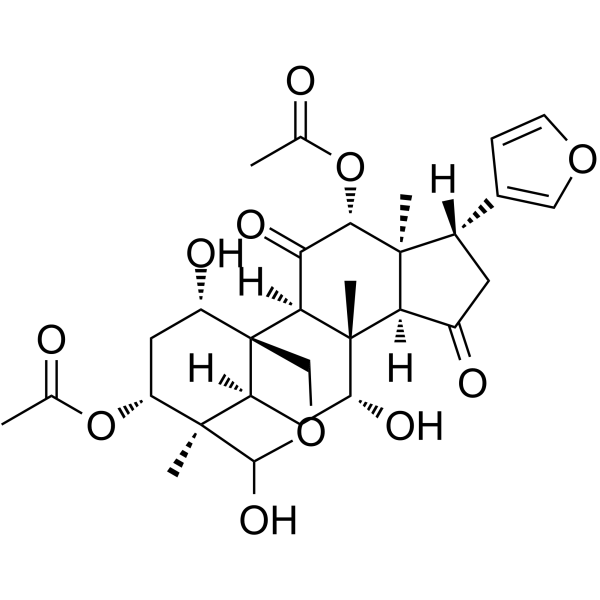
    Isotoosendanin is an orally active TGFβR1 inhibitor and abrogating its kinase activity (IC50 = 6732 nM). Isotoosendanin inhibits the JAK/STAT3 signaling pathway by directly targeting SHP-2, enhancing its stability, and reducing its ubiquitination. Isotoosendanin inhibits TGF-β-induced reduces the migration, invasion, and metastasis in triple-negative breast cancer (TNBC) cells. Isotoosendanin exhibits anti-tumor efficacy in TNBC xenograft models and A549 xenograft tumors. Isotoosendanin exhibits significant anti-inflammatory effects in acetic acid-induced vascular permeability and λ-carrageenan-induced hind paw edema tests. Isotoosendanin can be used for the study of non-small cell lung cancer (NSCLC), TNBC and inflammation .
    Isotoosendanin
  • HY-P5522A
    TriDAP dihydrochloride
    1 Publications Verification

    L-Ala-γ-D-Glu-meso-diaminopimelic acid dihydrochloride

    NOD-like Receptor (NLR) NF-κB MAP3K MEK ERK p38 MAPK Interleukin Related SARS-CoV Infection Inflammation/Immunology
    TriDAP dihydrochloride (L-Ala-γ-D-Glu-meso-diaminopimelic acid dihydrochloride) is a NOD1 agonist with a Kd value of 34.5 μM. TriDAP dihydrochloride enhances the binding of NOD1-RICK, promotes RICK phosphorylation, and activates the NF-κB, TAK1, MEK/ERK, p38 and interferon response pathways. TriDAP dihydrochloride downregulates Runx2 via increasing ubiquitination and reduces trabecular bone parameters. TriDAP dihydrochloride decreases IκBα levels and increases p65 levels. TriDAP dihydrochloride induces the secretion of proinflammatory mediators IL-8 and prostaglandins, triggers tissue inflammation and innate immune activation, and inhibits SARS-CoV-2 replication in lung epithelial cells. TriDAP dihydrochloride increases the RANKL/OPG ratio in mice, reduces bone mass and enhances osteoclast activity, and inhibits new bone formation by decreasing the mineralization deposition rate in mice. TriDAP dihydrochloride can be used in research related to pulpitis, chronic ulcerative colitis, Crohn's disease and SARS-CoV-2 infection .
    TriDAP dihydrochloride
  • HY-161740

    AUTOTACs Estrogen Receptor/ERR Autophagy Cancer
    PHTPP-1304 is a PHTPP-based autophagy targeting chimera (AUTOTAC). PHTPP-1304 induces the degradation of estrogen receptor ERβ through the autophagy pathway, rather than ubiquitination (DC50 ≈ 2 nM, in HEK293T cells; < 100 nM in ACHN renal carcinoma and MCF-7 breast cancer cells). PHTPP-1304 can induce the self-oligomerization of p62. PHTPP-1304 can be used to study various cancers mediated by ERβ .
    PHTPP-1304
  • HY-N1431A
    Tabersonine hydrochloride
    3 Publications Verification

    NOD-like Receptor (NLR) Apoptosis Cytochrome P450 NF-κB PI3K Akt CDK Caspase Interleukin Related p38 MAPK Neurological Disease Inflammation/Immunology
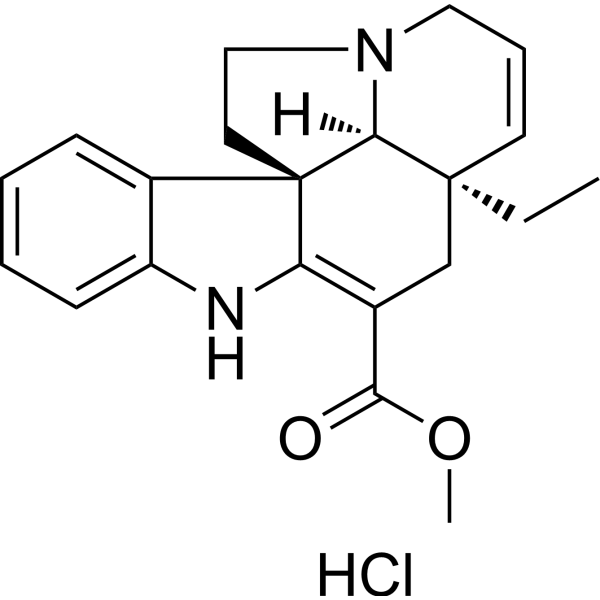
    Tabersonine hydrochloride is a selective, orally active NLRP3 inhibitor. Tabersonine hydrochloride directly binds to the NACHT domain of NLRP3, inhibiting its ATPase activity and oligomerization, thereby blocking ASC spot formation and caspase-1 activation, and reducing the release of pro-inflammatory cytokines such as IL-1β. Tabersonine hydrochloride also inhibits K63-linked ubiquitination of TRAF6, blocking NF-κB, PI3K/Akt, and p38 MAPK signaling pathways. Tabersonine hydrochloride can inhibit inflammatory responses, induce apoptosis of liver cancer cells through mitochondrial pathways and death receptor pathways, reduce mitochondrial membrane potential, promote cytochrome c release, and activate caspase proteins. Tabersonine hydrochloride is mainly used in the study of NLRP3-driven inflammatory diseases (such as acute lung injury, sepsis, peritonitis) and tumors such as liver cancer .
    Tabersonine hydrochloride
  • HY-173097

    VH032-Boc derivative 1

    MALT1 Cancer
    (S,R,S)-AHPC-Boc derivative 1 (Compound 80-9; VH032-Boc derivative 1) is a selective proteasomal degrader targeting MALT1, which recruits the E3 ubiquitin ligase CRBN to form a ternary complex with MALT1, leading to ubiquitination and subsequent proteasomal degradation of MALT1. (S,R,S)-AHPC-Boc derivative 1 inhibits the NF-κB signaling pathway by disrupting the CBM complex, demonstrating potential for inducing apoptosis in ABC-DLBCL cells. (S,R,S)-AHPC-Boc derivative 1 is promising for research of MALT1-dependent cancers, such as diffuse large B-cell lymphoma (DLBCL) .
    (S,R,S)-AHPC-Boc derivative 1
  • HY-174368

    Pro-BA

    PROTACs Apoptosis Anaplastic lymphoma kinase (ALK) Cancer
    PROTAC EML4-ALK Degrader-2 (Pro-BA) is a selective and orally active linker-free EML4-ALK PROTAC degrader with the DC50 of 74 nM in H1322 cells (T1/2 = 8 h). PROTAC EML4-ALK Degrader-2 relies on GID4 and proteasome pathways to promote ubiquitination of target proteins, leading to cell apoptosis. PROTAC EML4-ALK Degrader-2 can be used for research on cancer. (Pink: EML4-ALK Ligand (HY-40114); Blue: GID4 Ligand (HY-150908))
    PROTAC EML4-ALK Degrader-1
  • HY-141439

    Keap1-Nrf2 Quinone Reductase Glutathione S-transferase Apoptosis TNF Receptor Inflammation/Immunology Cancer
    TBE 31 is an orally active Keap1/Nrf2 pathway activator and NQO1 inducer with a Dm value of 1.1 nM for NQO1. TBE 31 binds to cysteine residues of Keap1, inhibits ubiquitination and degradation of Nrf2, thereby activating the expression of ARE-dependent genes. TBE 31 induces cytoprotective enzymes including NQO1 and GST isoforms, promotes Nrf2 accumulation, and upregulates Nrf2-regulated genes related to antioxidation and lipid metabolism. TBE 31 inhibits pro-inflammatory responses, formation of AFB1-DNA adducts, endoplasmic reticulum stress, cell apoptosis (apoptosis), hepatic fibrosis, oxidative stress, and the expression of ChREBP. TBE 31 reduces the number of tumors in a mouse model of ultraviolet-induced skin carcinogenesis. TBE 31 enhances nerve growth factor-induced neurite outgrowth. TBE 31 attenuates LPS-induced serum TNF-α levels and immobility time in mice. TBE 31 can be used in research related to liver cancer, skin cancer, inflammation-related depression, and non-alcoholic steatohepatitis .
    TBE 31
  • HY-145816

    PROTACs HDAC Apoptosis PINK1/Parkin Autophagy Reactive Oxygen Species (ROS) Cardiovascular Disease Cancer
    JPS016 is a class I histone deacetylase (HDAC) PROTAC inhibitor. JPS016 recruits the VHL E3 ligase (Ligands for E3 Ligase) to mediate the ubiquitination and proteasomal degradation of HDAC1, HDAC2 and HDAC3. JPS016 reduces the viability of colon cancer cells and induces Apoptosis. JPS016 activates the PINK1/Parkin mitochondrial Autophagy pathway, enhances cardiomyocyte viability, alleviates mitochondrial damage, and reduces mitochondrial ROS production in cells. JPS016 is applicable to research related to colon cancer and sepsis cardiomyopathy .
    JPS016
  • HY-P5522

    L-Ala-γ-D-Glu-meso-diaminopimelic acid

    NOD-like Receptor (NLR) NF-κB MAP3K MEK ERK p38 MAPK Interleukin Related SARS-CoV Infection Inflammation/Immunology
    TriDAP (L-Ala-γ-D-Glu-meso-diaminopimelic acid) is a NOD1 agonist with a Kd value of 34.5 μM. TriDAP enhances the binding of NOD1-RICK, promotes RICK phosphorylation, and activates the NF-κB, TAK1, MEK/ERK, p38 and interferon response pathways. TriDAP downregulates Runx2 via increasing ubiquitination and reduces trabecular bone parameters. TriDAP decreases IκBα levels and increases p65 levels. TriDAP induces the secretion of proinflammatory mediators IL-8 and prostaglandins, triggers tissue inflammation and innate immune activation, and inhibits SARS-CoV-2 replication in lung epithelial cells. TriDAP increases the RANKL/OPG ratio in mice, reduces bone mass and enhances osteoclast activity, and inhibits new bone formation by decreasing the mineralization deposition rate in mice. TriDAP can be used in research related to pulpitis, chronic ulcerative colitis, Crohn's disease and SARS-CoV-2 infection .
    TriDAP
  • HY-174266

    MDM-2/p53 Cancer
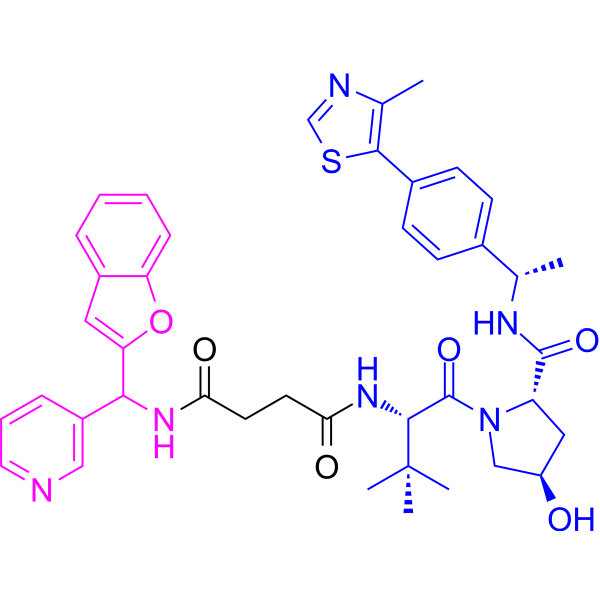
    WB156 is a dual MDM2 and GSPT1 degrader. WB156 can recruit CRBN (Cereblon, a substrate receptor of the E3 ubiquitin-ligase complex) to induce the ubiquitination-proteasome pathway-mediated degradation of MDM2 and GSPT1. WB156 is promising for research of cancers, such as leukemia .
    WB156
  • HY-172562

    PROTACs Epigenetic Reader Domain Cancer
    BTR2004 is a selective BET family (BRD2/3/4) protein PROTAC degrader. BTR2004 forms a ternary complex with BRD proteins and KLHL20, inducing ubiquitination and proteasomal degradation through the UPS pathway. BTR2004 is promising for research of PC3 prostate cancer and MDA-MB-231 breast cancer cell lines. Pink: (+)-JQ1-OH (HY-161125); Blue: BTR2000 (HY-172563); Black: Linker (HY-W015236) .
    BTR2004
  • HY-170601

    PROTACs JNK Inflammation/Immunology
    PROTAC JNK1 Degrader-1 is a JNK1 PROTAC degrader with a DC50 of 10 nM. PROTAC JNK1 Degrader-1 reduces the level of fibronectin. PROTAC JNK1 Degrader-1 can be used for the research of pulmonary fibrosis .
    PROTAC JNK1 Degrader-1
  • HY-N0527R

    Penta-O-galloyl-β-D-glucose (Standard); 1,2,3,4,6-Pentagalloyl glucose (Standard)

    Reference Standards JAK Keap1-Nrf2 Apoptosis β-catenin Reactive Oxygen Species (ROS) Neurological Disease Inflammation/Immunology Cancer
    Pentagalloylglucose (Standard) is the analytical standard of Pentagalloylglucose. This product is intended for research and analytical applications. Pentagalloylglucose (Penta-O-galloyl-β-D-glucose) is an orally active gallic tannin compound and an inducer of apoptosis and autophagy. Pentagalloglucose induces cell apoptosis and autophagy through the GSK3β/β-catenin pathway. Pentagalloylglucose inhibits UBE2T-mediated p53 ubiquitination, upregulates p53, downregulates RRM1/RRM2 in pancreatic cancer organoids. Pentagalloglucose has antioxidant, anti mutagenic, anti-inflammatory, anticonvulsant, cardioprotective, anti allergic, cholesterol lowering, and anti-tumor activities .
    Pentagalloylglucose (Standard)
  • HY-N6929R

    Reference Standards Ferroptosis Keap1-Nrf2 Reactive Oxygen Species (ROS) Neurological Disease Cancer
    Angelic acid (Standard)) is the analytical standard of Angelic acid (HY-N6929). This product is intended for research and analytical applications. Angelic acid is a ferroptosis inducer, targeting NRF2 degradation. Angelic acid binds to NRF2 protein and promotes NRF2 degradation via ubiquitination-proteasome pathway, relieves the inhibitory effect of NRF2 on oxidative stress and lipid peroxidation. Then, Angelic acid induces ferroptosis in tumor cells. Angelic acid can enhance the accumulation of intracellular reactive oxygen species (ROS), upregulate ferroptosis-related markers CHAC1 and PTGS2, and synergize with ferroptosis inducers to enhance anti-tumor effects. Angelic acid also has the activity of scavenging UVA-induced ROS in vitro, inhibiting skin fibroblast senescence and extracellular matrix degradation. Angelic Acid helps wound healing with sedative activity .
    Angelic acid (Standard)
  • HY-P11028

    CDK Cancer
    M1-20 is a CDK1 inhibitor. M1-20 promotes CDK1 ubiquitination by CUL4-DDB1-DCAF1 complexes and degradation through the proteasome pathway. M1-20 abolishes the formation of CDK1/CCNB1 complexes. M1-20 has significant anticancer activity of spontaneous breast cancer in FVB/N MMTV-PyVT mice model .
    M1-20
  • HY-164539

    HDAC Autophagy Cancer
    TMU 35435 is a histone deacetylase (HDAC) inhibitor. TMU-35435 inhibits the NHEJ pathway through ubiquitination of DNA-dependent protein kinase catalytic subunit (DNA-PKcs). In addition, TMU 35435 enhances radiosensitivity by inducing misfolded protein aggregation and autophagy in TNBC .
    TMU 35435
  • HY-168951

    Annexin A Apoptosis Cancer
    (R)-SL18 is a degrader of ANXA3 and can degrade ANXA3 protein through the ubiquitination pathway. (R)-SL18 inhibits the proliferation, migration, invasion, and colony formation of breast cancer cells and induces apoptosis. (R)-SL18 can be used in the research of triple-negative breast cancer .
    (R)-SL18
  • HY-147373

    PROTACs Ligands for E3 Ligase Cancer
    DA-PROTAC is a potent PROTAC degrader of copper ion-transport proteins Atox1 and CCS. DA-PROTAC can bind both Atox1 and CCS proteins, and the complex can be bound to E3 ligase, leading to increased levels of ubiquitination of Atox1 and CCS and degradation of Atox1 and CCS proteins via the proteasome pathway. DA-PROTAC can be used for triple negative breast cancer research .
    DA-PROTAC
  • HY-Y1177R

    Phenyl disulfide (Standard)

    PI3K Akt mTOR Ferroptosis Apoptosis Autophagy Glutathione Peroxidase Keap1-Nrf2 Cancer
    Diphenyl disulfide (Standard) is an analytical standard for diphenyl disulfide (HY-Y1177). This product is intended for research and analytical applications. Diphenyl disulfide (Phenyl disulfide) is an organic disulfide compound. Diphenyl disulfide inhibits the PI3K/AKT/mTOR pathway, and induces ferroptosis (ferroptosis), apoptosis (apoptosis) and autophagy (autophagy) in cancer cells. Diphenyl disulfide downregulates GPX4 expression, inhibits NRF2 phosphorylation, induces lipid peroxidation, promotes xCT ubiquitination, induces proteolytic cleavage of p21 Bax into p18 Bax, and suppresses cell proliferation and viability. Diphenyl disulfide can be used in research related to melanoma and breast cancer .
    Diphenyl disulfide (Standard)
  • HY-183008

    Parasite TNF Receptor Interleukin Related NF-κB Toll-like Receptor (TLR) Infection Inflammation/Immunology
    BSF2 is a anti-Leishmania agent. BSF2 modulates gene expression linked to ubiquitination, chromatin remodeling, and peroxisomal membrane transport pathways in Leishmania braziliensis. BSF2 downregulates TNF, IL-17, NF-κB, and Toll-like receptor pathways in Leishmania-infected macrophages. BSF2 exerts leishmanicidal activity against intracellular Leishmania braziliensis amastigotes. BSF2 can be used for the research of american tegumentary leishmaniasis .
    BSF2
  • HY-182044

    Ras Apoptosis PARP Caspase CDK Cancer
    MRTX849-amide-C4-(o)-carborane is a KRAS G12C inhibitor with mutation selectivity for cells expressing KRAS G12C. MRTX849-amide-C4-(o)-carborane shows low intrinsic cytotoxicity in cancer cells. MRTX849-amide-C4-(o)-carborane covalently binds to Cys12 of KRAS G12C, recruits Hsp70, promotes ubiquitination, and induces proteasome-dependent degradation of the target protein. MRTX849-amide-C4-(o)-carborane inhibits the activity of the downstream ERK signaling pathway and induces apoptosis signaling in cancer cells. MRTX849-amide-C4-(o)-carborane is applicable for the research of KRAS G12C-positive cancers .
    MRTX849-amide-C4-(o)-carborane
  • HY-181620

    Molecular Glues CDK Cancer
    CDK2 degrader 9 (compound 1) is a CDK2-targeting Molecular Glue with selectivity for GSPT1 and CDK1. CDK2 degrader 9 promotes the ubiquitination and degradation of CDK2 via the ubiquitin ligase pathway. CDK2 degrader 9 is applicable to research related to cancer, solid tumors and hematologic malignancies .
    CDK2 degrader 9
  • HY-18658B

    NVP-HDM201 succinate; HDM201 succinate

    MDM-2/p53 Cancer
    Siremadlin (NVP-HDM201) succinate is an MDM2 inhibitor and cell cycle regulator. Siremadlin succinate blocks the p53-binding pocket of MDM2, inhibits MDM2-mediated ubiquitination and degradation of p53, thereby activating the p53 pathway in p53 wild-type cells. Siremadlin succinate can be used in the research of cutaneous melanoma .
    Siremadlin succinate
  • HY-123925

    RIP kinase IAP NOD-like Receptor (NLR) Inflammation/Immunology
    CSLP43 is a selective RIPK2 and XIAP inhibitor with an IC50 of 19.9 nM against human RIPK2. CSLP43 binds to the ATP-binding pocket of RIPK2 and disrupts the interaction between RIPK2 and the BIR2 domain of XIAP or cIAP1. CSLP43 inhibits RIPK2 ubiquitination, NOD1-dependent inflammatory signaling pathways, NOD2-dependent inflammatory signaling pathways, as well as NF-κB activation associated with NOD agonists. CSLP43 is selective for the NOD1/NOD2 signaling pathway and does not inhibit the kinase activity of RIPK1 or RIPK3. CSLP43 is applicable to research related to Crohn's disease, Blau syndrome, early-onset sarcoidosis and early-onset inflammatory bowel disease .
    CSLP43
  • HY-100487R

    MLN7243 (Standard)

    E1/E2/E3 Enzyme Reference Standards NF-κB Apoptosis Cancer
    TAK-243 (Standard) is the analytical standard of TAK-243 (HY-100487). This product is intended for research and analytical applications. TAK-243 (MLN7243) is a first-in-class, selective ubiquitin activating enzyme, UAE (UBA1) inhibitor (IC50=1 nM), which blocks ubiquitin conjugation, disrupting monoubiquitin signaling as well as global protein ubiquitination. TAK-243 (MLN7243) induces endoplasmic reticulum (ER) stress, abrogates NF-κB pathway activation and promotes apoptosis .
    TAK-243 (Standard)
  • HY-181887

    Keap1-Nrf2 NF-κB p38 MAPK Metabolic Disease
    Nrf2 activator-23 is an orally active Keap1 binder and Nrf2 activator, with KD values of 28.68 nM and 54.55 nM for Keap1 and its Kelch domain, respectively. Nrf2 activator-23 disrupts the Keap1-Nrf2 interaction, reduces ubiquitination and degradation of Nrf2, and activates the Nrf2 signaling pathway. Nrf2 activator-23 inhibits RANKL-induced osteoclast formation, bone resorptive activity, ROS production, and activation of the MAPK and NF-κB signaling pathways, while downregulating the expression of osteoclast-specific genes and proteins. Nrf2 activator-23 attenuates bone loss and reduces osteoclast formation in vivo without affecting osteoblast differentiation and mineralization. Nrf2 activator-23 can be used for the research of osteoporosis .
    Nrf2 activator-23
  • HY-P992396

    c-Met/HGFR Cancer
    KTN0073 is a high-affinity MET receptor tyrosine kinase inhibitor. KTN0073 can be used in studies related to non-small cell lung cancer and human cancers driven by HGF, MET amplification, or exon 14 mutation. KTN0073 binds to the Sema/PSI domain to block the HGF-MET interaction, and induces ubiquitination and degradation of oncogenic MET receptors via an HGF-independent pathway, thereby inhibiting MET-dependent signal transduction. KTN0073 exhibits significant antitumor activity in vivo, and its tumor suppressive activity is superior to that of the IgG1 subtype when grafted to the IgG2 constant region .
    KTN0073

Inquiry Online

Your information is safe with us. * Required Fields.

Salutation


Country or Region *

Applicant Name *


Organization Name *

Department *


Email Address *


Product Name *

Cat. No.


Requested quantity *

Phone Number *


Remarks

Inquiry Online

Inquiry Information

Product Name:
Cat. No.:
Quantity:
MCE Japan Authorized Agent:

