Inflammation/Immunology
-
Inflammation/Immunology Related Products (20898)
Related Products (20898)

-
Antibodies (115)
-
Related Compound Screening Libraries (4)
-
Incomplete Freund's adjuvant (IFA)
 0 ImagesCat. No.: HY-153808A
Incomplete Freund's adjuvant (IFA) (Montanide ISA-51) is an immunoadjuvant emulsified with antigen by its discoverer Jules T. Freund. Incomplete Freund's adjuvant (IFA) does not contain inactivated tuberculosis bacilli and consists of petroleum jelly containing lanolin. Incomplete Freund's adjuvant (IFA) induces high antibody titers and long-lasting effector T cell responses with no long-term effects on collagen disease, tumors, or death. Complete Freund's adjuvant (CFA) (HY-153808) is another type of Freund's Adjuvant that stimulates a stronger immune response.
-
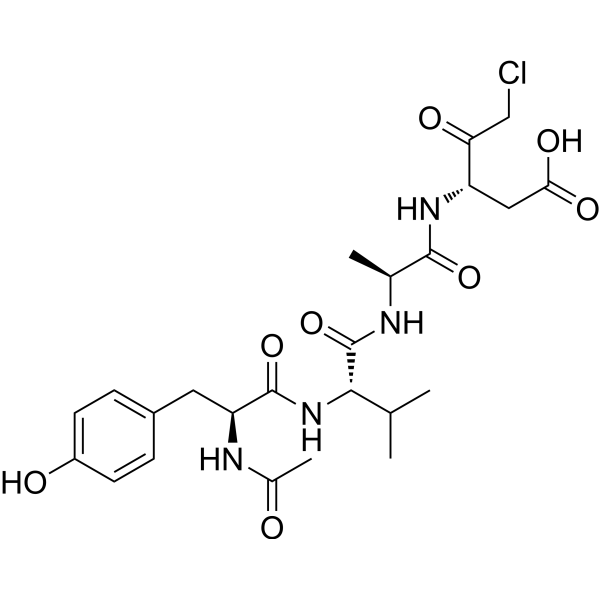
Ac-YVAD-cmk
 0 ImagesSynonyms: Caspase-1 Inhibitor II
Ac-YVAD-cmk (Caspase-1 Inhibitor II) is a selective caspase-1 (IL-1beta converting enzyme, ICE)) inhibitor with neuroprotective and anti-inflammatory effects. Ac-YVAD-cmk effectively suppresses the expression of IL-1β and IL-18. Ac-YVAD-cmk inhibits pyroptosis in many diseases.
-
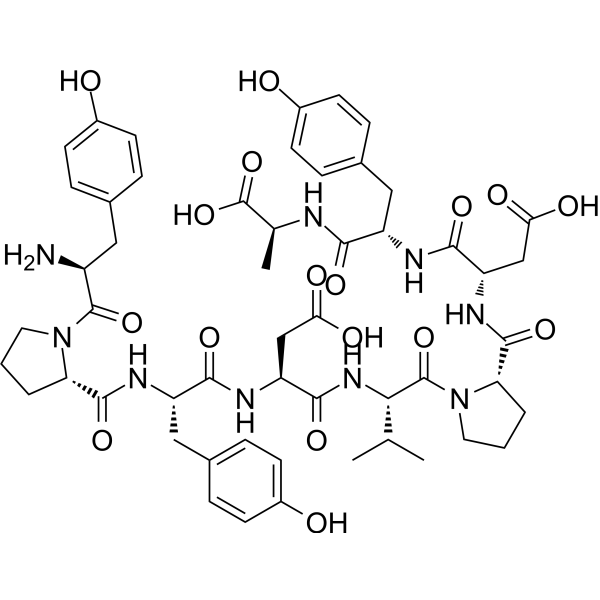
HA Peptide
 0 Images
HA Peptide (HA tag) is a nine amino acids peptide derived from the human influenza hemagglutinin (HA). HA Peptide is extensively used to isolate, purify, detect, and track the protein of interest in cell biology and biochemistry.
-
Phytohemagglutinin
 0 Images
Phytohemagglutinin (PHA-M), the major seed lectin of the common bean, Phaseolus vulgaris, is a T-cell activator. Phytohemagglutinin stimulates human mononuclear leukocytes, inducing the expression of ChAT mRNA and potentiating ACh synthesis. Phytohemagglutinin induces dose- and time-dependent toxicity in THP-1 monocytes/macrophages, alters cellular morphology, causes organelle dysfunction, and increases the expression of NF-κB, COX2, IL-1β.
-
Pam3CSK4 TFA
 0 ImagesSynonyms: Pam3Cys-Ser-(Lys)4 TFA
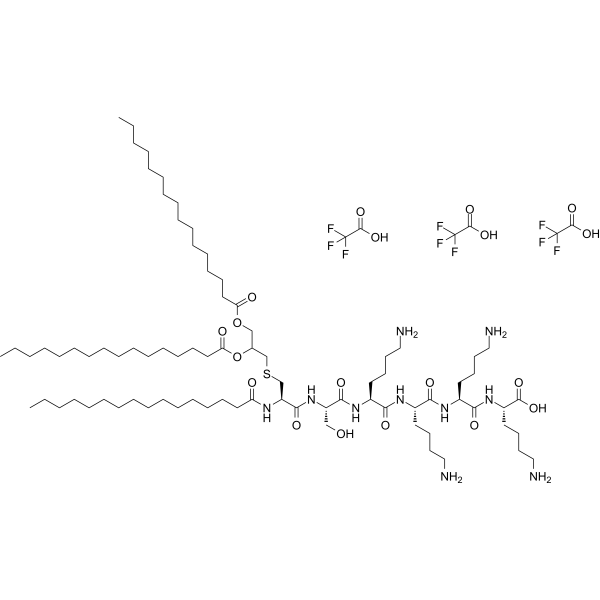
Pam3CSK4 TFA is a toll-like receptor 1/2 (TLR1/2) agonist with an EC50 of 0.47 ng/mL for human TLR1/2.
-
Hyaluronic acid
 0 Images
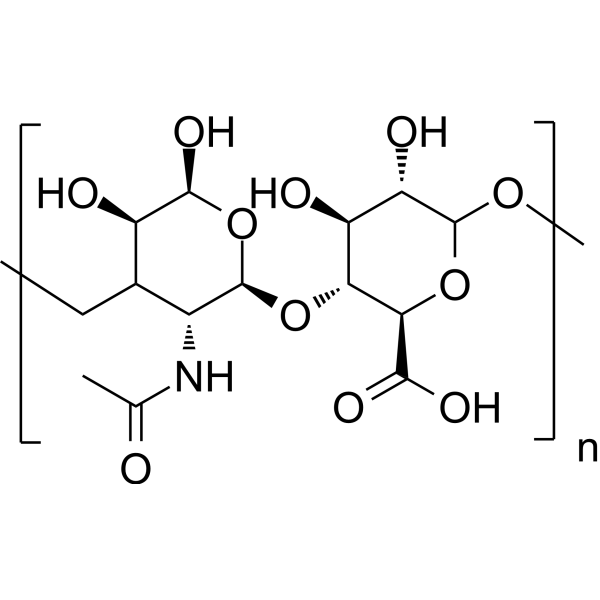
Hyaluronic acid is a biopolymer composed of repeating units of disaccharides with various applications. Hyaluronic acid is a major component of the extracellular matrix (ECM). Hyaluronic acid is synthesized at the plasma membrane. Increased hyaluronic acid levels are associated with tumor cell growth, adhesion, migration, invasion and angiogenesis in digestive cancers. Hyaluronic acid participates in tissue remodeling and rapid cell proliferation in some physiological processes including embryonic morphogenesis and wound-healing. Hyaluronic acid activates the PI3K-Akt signaling. Hyaluronic acid acts as a regulator of cancer-associated lymphangiogenesis. Hyaluronic acid also enhances cell invasion and angiogenesis by promoting proteolytic MMP-9 binding to cell surface or stimulating MMP-9 binding to cell surface. Hyaluronic acid can be used as drug delivery for sodium butyrate to improve the anti-proliferative activity on breast cancer cell line. Hyaluronic acid can be studied in joint diseases, wound healing and cancer.
-
Cl-amidine hydrochloride
 0 Images
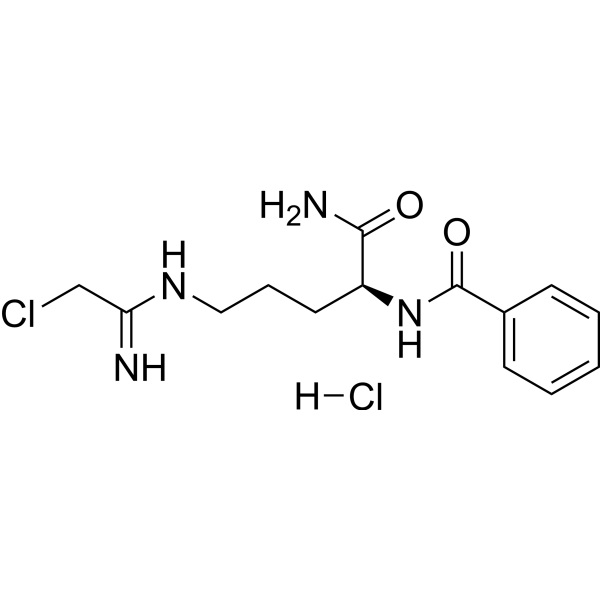
Cl-amidine hydrochloride is an orally active peptidylarginine deminase (PAD) inhibitor, with IC50 values of 0.8 μM, 6.2 μM and 5.9 μM for PAD1, PAD3, and PAD4, respectively. Cl-amidine hydrochloride induces apoptosis in cancer cells. Cl-amidine hydrochloride induces microRNA (miR)-16 (miRNA-16, microRNA-16) expression and causes cell cycle arrest. Cl-Amidine hydrochloride prevents histone 3 citrullination and neutrophil extracellular trap formation, and improves survival in a murine sepsis model.
-
Sitagliptin
 0 ImagesSynonyms: MK-0431
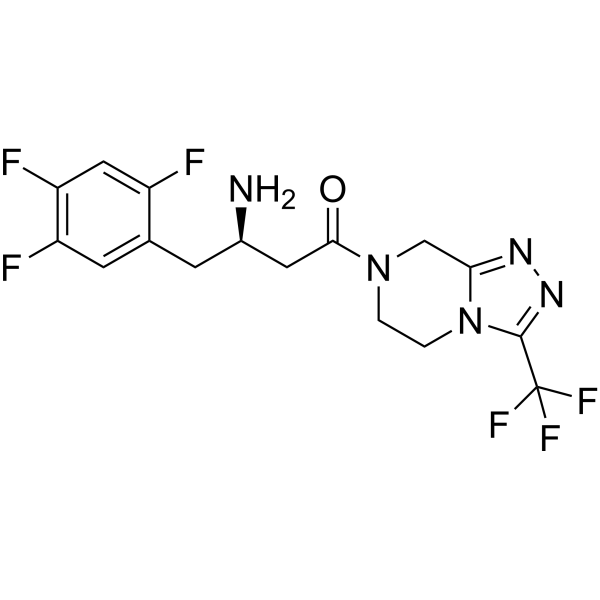
Sitagliptin (MK-0431) is an orally active and highly selective DPP4 inhibitor with an IC50 value of 19 nM. Sitagliptin blocks the degradation of glucagon-like peptide-1 (GLP-1) and glucose-dependent insulinotropic peptide (GIP) by competing inhibition mechanism (Kᵢ = 1 nM), thereby increasing the level of active incretin. Sitagliptin can also directly stimulate the secretion of GLP-1 by intestinal L cells by activating the cAMP/PKA and ERK1/2 pathways, and this effect is independent of DPP-4. Sitagliptin shows protective effects on pancreatic islet grafts in 1-type diabetes models. Sitagliptin can be used for the study of 1-type and 2-type diabetes.
-
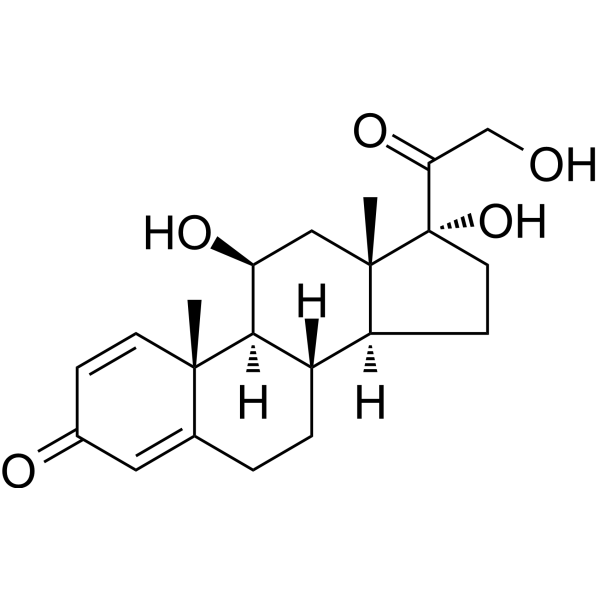
Prednisolone
 0 Images
Prednisolone is a potent, orally active corticosteroid and a glucocorticoid. Prednisolone possesses about four times the anti-inflammatory activity of hydrocortisone while causing less salt and water retention. Prednisolone can be used for ocular, anti-inflammatory research.
-
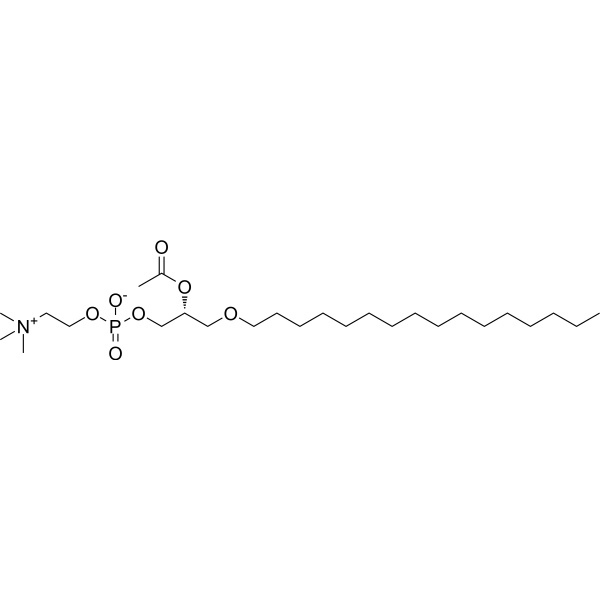
C16-PAF
 0 ImagesSynonyms: PAF (C16)
C16-PAF (PAF (C16)), a phospholipid mediator, is a platelet-activating factor and ligand for PAF G-protein-coupled receptor (PAFR). C16-PAF exhibits anti-apoptotic effect and inhibits caspase-dependent death by activating the PAFR. C16-PAF is a potent MAPK and MEK/ERK activator. C16-PAF induces increased vascular permeability.
-
Roflumilast
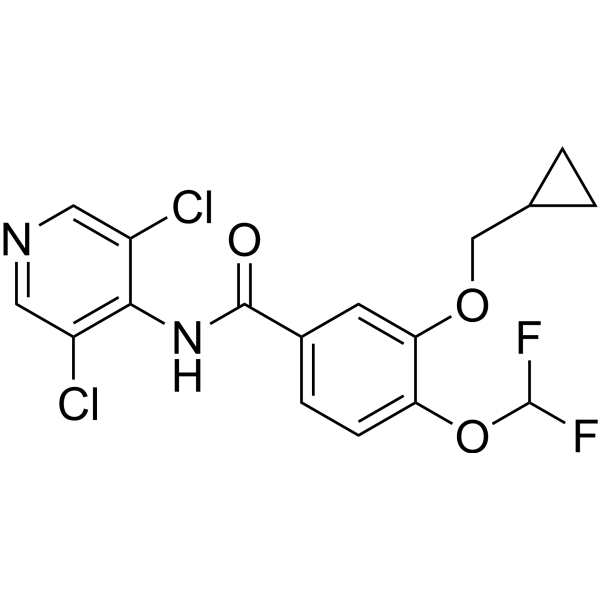 0 ImagesSynonyms: APTA-2217; BYK 20869; B9302-107
-
DSG Crosslinker
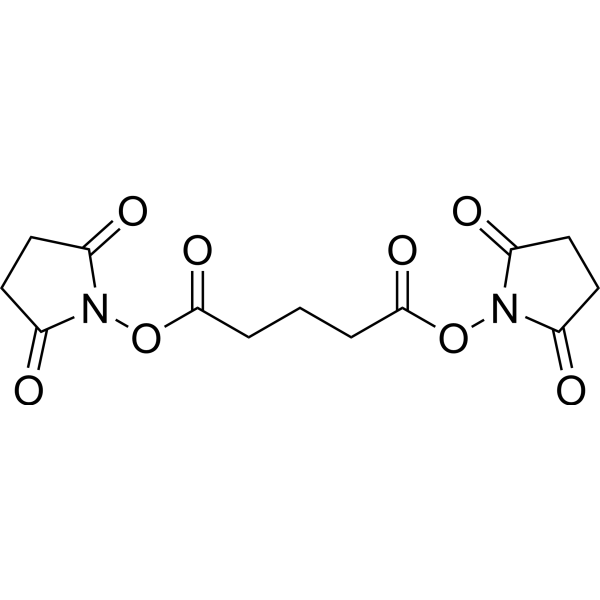 0 ImagesSynonyms: Disuccinimidyl glutarate
DSG Crosslinker is an amine-reactive and noncleavable protein crosslinker. DSG Crosslinker enables stable protein-protein, peptide, and biomolecule conjugation.
-
C188-9
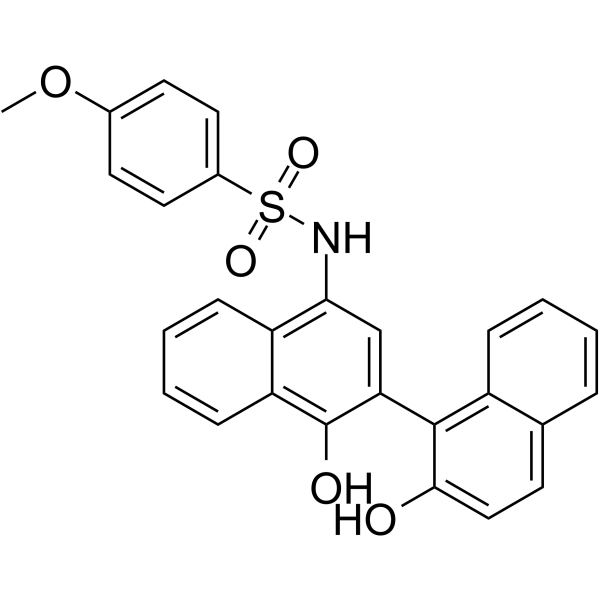 0 ImagesSynonyms: TTI-101
C188-9 (TTI-101) is a STAT3 inhibitor with a Kd value of 4.7 nM. C188-9 targets the SH2 domain of STAT3, blocks the processes of STAT3 ligand binding, receptor recruitment, homodimerization and phosphorylation, and regulates STAT3-mediated genes associated with tumorigenesis and radioresistance. C188-9 regulates STAT1-mediated genes related to radioresistance and reduces the activation level of STAT1. C188-9 downregulates the expression of DNMT1, enhances DAC-induced demethylation and re-expression of RASSF1A, and simultaneously potentiates the anti-tumor effect of DAC on pancreatic cancer cells. C188-9 inhibits both anchorage-dependent and anchorage-independent growth of cancer cells, induces Apoptosis, blocks the growth of tumor xenografts, and suppresses muscle atrophy. C188-9 maintains muscle mass, increases body weight and improves grip strength in tumor-bearing mice. C188-9 can be used in research related to head and neck squamous cell carcinoma, pancreatic cancer, sepsis-related skeletal muscle wasting, non-small cell lung cancer, acute myeloid leukemia and cancer cachexia.