



Apoptosis
Apoptosis
Apoptosis is a distinctive form of cell death exhibiting specific morphological and biochemical characteristics, including cell membrane blebbing, chromatin condensation, genomic DNA fragmentation, and exposure of specific phagocytosis signaling molecules on the cell surface. Cells undergoing apoptosis differ from those dying through necrosis. Necrotic cells are usually recognized by the immune system as a danger signal and, thus, resulting in inflammation; in contrast, apoptotic death is quiet and orderly.
There are two major pathways of apoptotic cell death induction: The intrinsic pathway, also called the Bcl-2-regulated or mitochondrial pathway, is activated by various developmental cues or cytotoxic insults, such as viral infection, DNA damage and growth-factor deprivation, and is strictly controlled by the BCL-2 family of proteins. The extrinsic or death-receptor pathway is triggered by ligation of death receptors (members of the tumor necrosis factor (TNF) receptor family, such as Fas or TNF receptor-1 (TNFR1)) that contain an intracellular death domain, which can recruit and activate caspase-8 through the adaptor protein Fas-associated death domain (FADD; also known as MORT1) at the cell surface. This recruitment causes subsequent activation of downstream (effector) caspases, such as caspase-3, -6 or -7, without any involvement of the BCL-2 family.
Studies suggest that alterations in cell survival contribute to the pathogenesis of a number of human diseases, including cancer, viral infections, autoimmune diseases, neurodegenerative disorders, and AIDS (acquired immunodeficiency syndrome). Treatments designed to specifically alter the apoptotic threshold may have the potential to change the natural progression of some of these diseases.
All Product Categories
-
Apoptosis Inhibitors
(883)
View all products
-
Apoptosis Agonists
(7)
View all products
-
Apoptosis Antagonists
(9)
View all products
-
Apoptosis Activators
(361)
View all products
-
Apoptosis Modulators
(59)
View all products
-
Apoptosis Inducers
(7800)
View all products
-
Apoptosis Degrader
(1)
View all products
-
Apoptosis Controls
(33)
View all products
-
Apoptosis Related Products (9713)
Related Products (9713)

-
Antibodies (120)
-
Gypenoside A
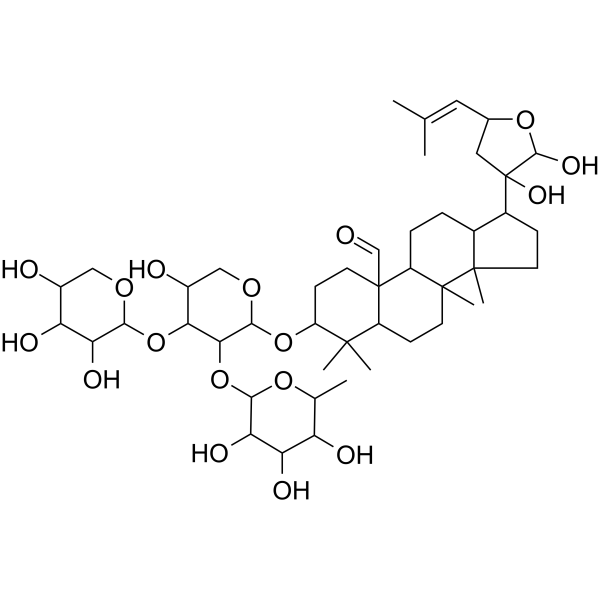 0 ImagesGypenoside A is an orally active triterpenoid compound that can be isolated from Gynostemma pentaphyllum. Gypenoside A has anti-inflammatory and antioxidant activities. Gypenoside A also has a certain protective effect on cardiomyocytes and can inhibit apoptosis. Gypenoside A can be used in the research of cardiovascular diseases and inflammation-related diseases.
-
Nevadensin
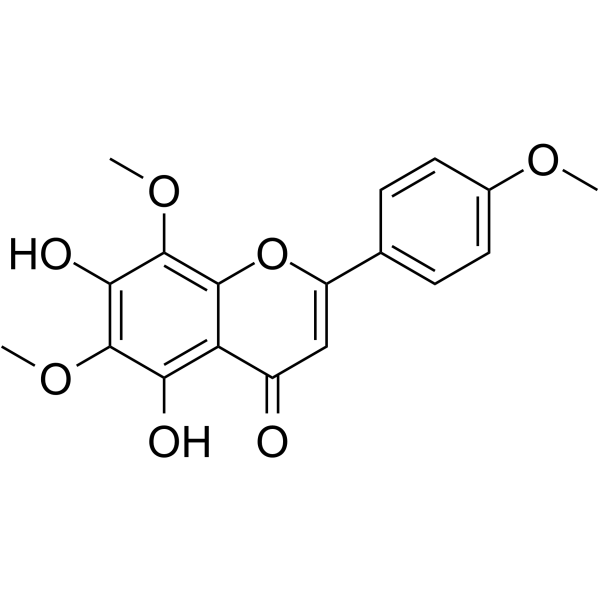 0 ImagesSynonyms: LysionotinNevadensin (Lysionotin), a natural flavonoid, is a selective human carboxylesterase 1 (hCE1) inhibitor with an IC50 of 2.64 μM. Nevadensin is more selective for hCE1 than hCE2 (IC50 of 132.8 μM). Nevadensin can induce apoptosis and DNA damage in cancer cells. Nevadensin has a variety of pharmacological effects such as anti-inflammatory, anti-tumour, anti-hypertensive, anti-tubercular, antitussive, antioxidant and anti-microbial activities.
-
Tetramethylcurcumin
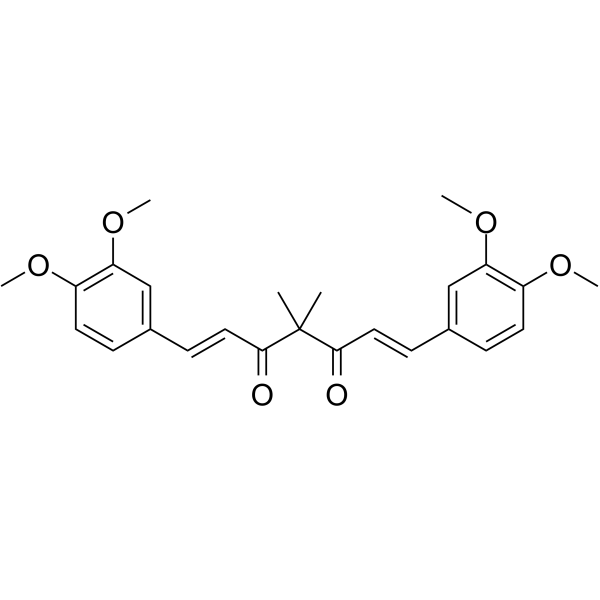 0 ImagesSynonyms: FLLL31Tetramethylcurcumin (FLLL31), derived from curcumin, specifically suppresses the phosphorylation of STAT3 by binding selectively to Janus kinase 2 and the STAT3 Src homology-2 domain. Tetramethylcurcumin exhibits anti-inflammatory and anti-cancer effects.
-
(-)-Asarinin
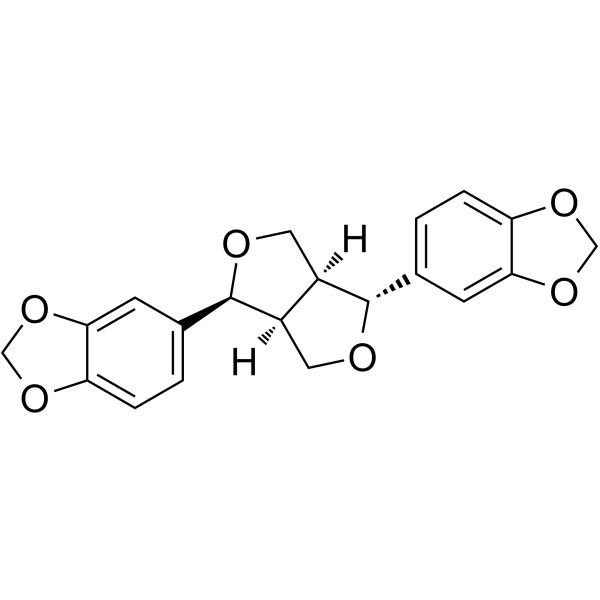 0 Images(-)-Asarinin is a tetrahydrofurofurano lignan with various biological activities. (-)-Asarinin induces apoptosis in cancer cells. (-)-Asarinin promotes mitochondrial ROS accumulation, inhibits the STAT3 signaling pathway and induces apoptosis in precancerous cells. (-)-Asarinin is a Src family kinase inhibitor that suppresses mast cell activation. (-)-Asarinin is a non-competitive Δ5-desaturase inhibitor with a Ki of 0.28 mM. (-)-Asarinin possesses pain relief, anti-viral, anti-allergic and anti-tuberculous bacilli, and anti-tumor effects.
-
PB28 dihydrochloride
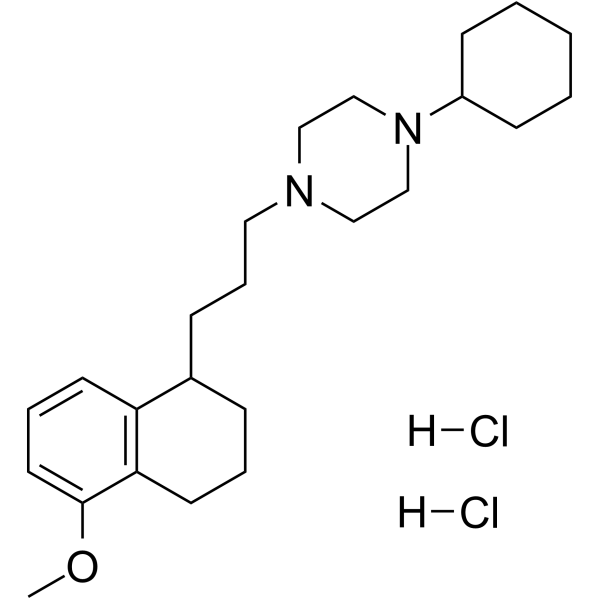 0 ImagesPB28 dihydrochloride, a cyclohexylpiperazine derivative, is a high affinity and selective sigma 2 (σ2) receptor agonist with a Ki of 0.68 nM. PB28 dihydrochloride is also a σ1 antagonist with a Ki of 0.38 nM. PB28 dihydrochloride is less affinity for other receptors. PB28 dihydrochloride inhibits electrically evoked twitch in guinea pig bladder and ileum with EC50 values of 2.62 μM and 3.96 μM, respectively. PB28 dihydrochloride can modulate SARS-CoV-2-human protein-protein interaction. PB28 dihydrochloride induces caspase-independent apoptosis and has antitumor activity.
-
Atopaxar
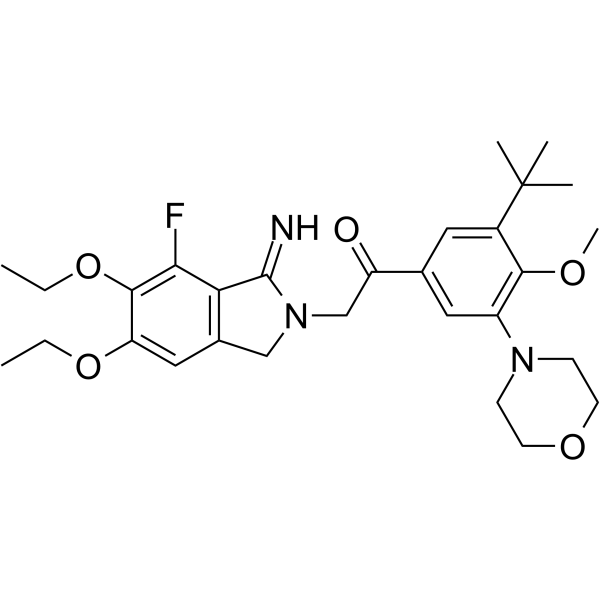 0 ImagesSynonyms: E5555; ER-172594-00Atopaxar (E5555) is a potent, orally active, selective and reversible thrombin receptor protease-activated receptor-1 (PAR-1) antagonist. Atopaxar, an antiplatelet agent, interferes with platelet signaling. Atopaxar can be used for the research of atherothrombotic disease.
-
Tigatuzumab
 0 ImagesSynonyms: CS-1008; Anti-Human TRAIL-R2 Recombinant AntibodyTigatuzumab (CS-1008) is a humanized IgG1 monoclonal antibody targets death receptor 5 (DR5). Tigatuzumab induces cell apoptosis of cancer cells and inhibits tumor growth in vivo. Tigatuzumab can be used for the research of cancer.

-
D-Glucaric acid potassium
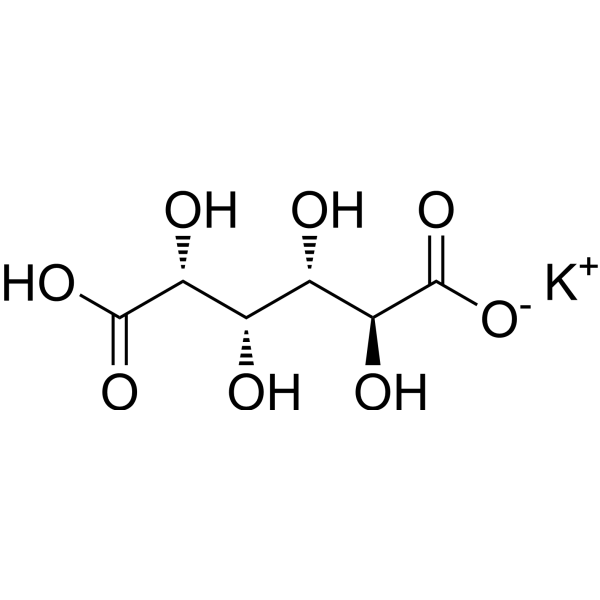 0 ImagesD-Glucaric acid potassium (Potassium D-glucarate) is an orally active end product of the D-glucuronic acid pathway in mammals. D-Glucaric acid potassium is present in a variety of fruits and vegetables. D-Glucaric acid potassium has cholesterol-lowering and anti-tumor activities. D-Glucaric acid potassium can inhibit tumor cell proliferation and inflammation, and induce apoptosis.
-
Melatonin (standard)
 0 ImagesSynonyms: N-Acetyl-5-methoxytryptamine (standard); MelatoninMelatonin (Standard) is the analytical standard of Melatonin. This product is intended for research and analytical applications. Melatonin is a hormone made by the pineal gland that can activates melatonin receptor. Melatonin plays a role in sleep and possesses important antioxidative and anti-inflammatory properties. Melatonin is a novel selective ATF-6 inhibitor and induces human hepatoma cell apoptosis through COX-2 downregulation. Melatonin attenuates palmitic acid-induced (HY-N0830) mouse granulosa cells apoptosis via endoplasmic reticulum stress.
-
PD-L1-IN-1
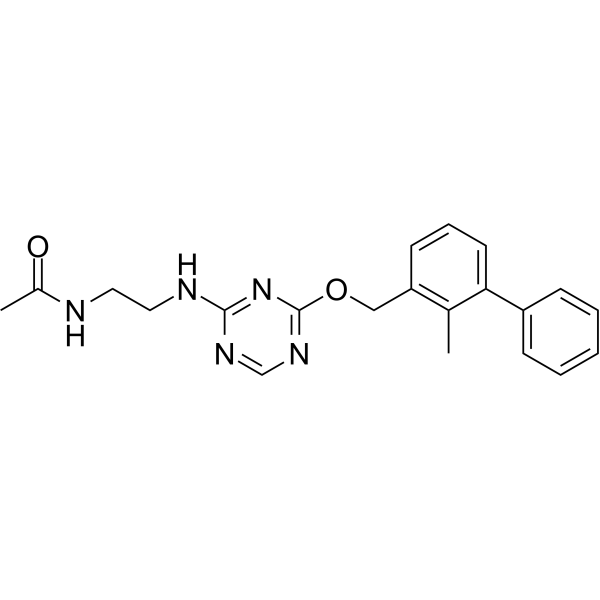 0 ImagesPD-L1-IN-1 (Compound 10) is a potent PD-L1 inhibitor with an IC50 of 115 nM. PD-L1-IN-1 strongly binds with the PD-L1 protein and challenged it in a co-culture of PD-L1 expressing cancer cells and peripheral blood mononuclear cells enhanced antitumor immune activity of the latter. PD-L1-IN-1 significantly exhibits low cytotoxicity in healthy cells.
-
Calenduloside E
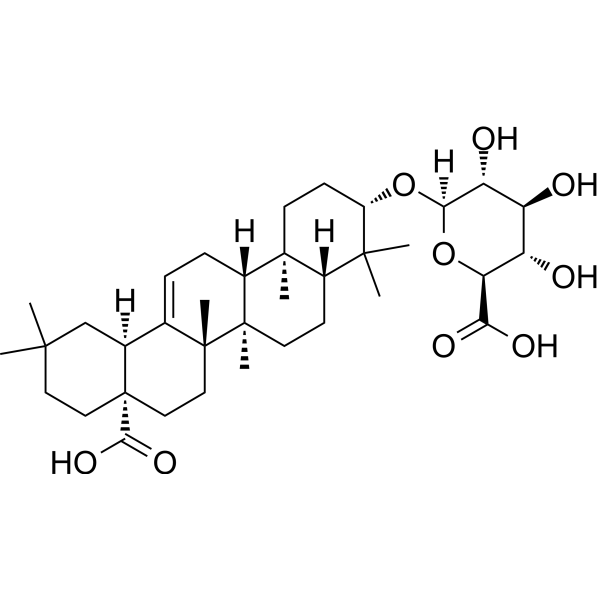 0 ImagesCalenduloside E is a pentacyclic triterpenoid saponin that can be extracted from the bark and roots of Aralia ovata, and has anti-inflammatory and anti-apoptotic activities. Calenduloside E alleviates atherosclerosis by regulating macrophage polarization, improves mitochondrial function by regulating the AMPK-SIRT3 pathway, and alleviates acute liver injury. In addition, Calenduloside E promotes the interaction between L-type calcium channels and Bcl-2 related apoptosis genes, inhibits calcium overload, and alleviates myocardial ischemia/reperfusion injury. Calenduloside E also improves non-alcoholic fatty liver disease by regulating heat shock-dependent pathways, and inhibits ROS mediated JAK1-STAT3 pathways to reduce cellular inflammatory responses.
-
Palmatine hydroxide
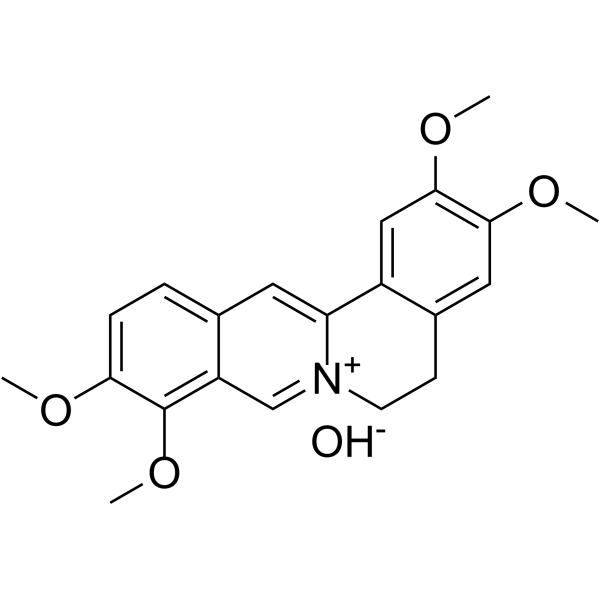 0 ImagesPalmatine hydroxide is an orally active and irreversible indoleamine 2,3-dioxygenase 1 (IDO-1) inhibitor with IC50s of 3 μM and 157μM against HEK 293-hIDO-1 and rhIDO-1, respectively. Palmatine hydroxide can also inhibit West Nile virus (WNV) NS2B-NS3 protease in an uncompetitive manner with an IC50 of 96 μM. Palmatine hydroxide shows anti-cancer, anti-oxidation, anti-inflammatory, neuroprotection, antibacterial, anti-viral activities.
-
Ru(acac)3
 0 ImagesSynonyms: Tris(acetylacetonato)ruthenium (III)Ru (acac) 3 (Tris (acetylacetonato) ruthenium (III)) is a caspase-3 activator and Apoptosis inducer. Ru (acac) 3 exerts growth inhibitory effects on various cell lines in vitro by inhibiting DNA/RNA synthesis and inducing mild reversible S-phase cell cycle arrest. Ru (acac) 3 is commonly used in research related to ovarian cancer, osteosarcoma, cervical cancer, melanoma, and other fields.
-
Cantharidic acid disodium
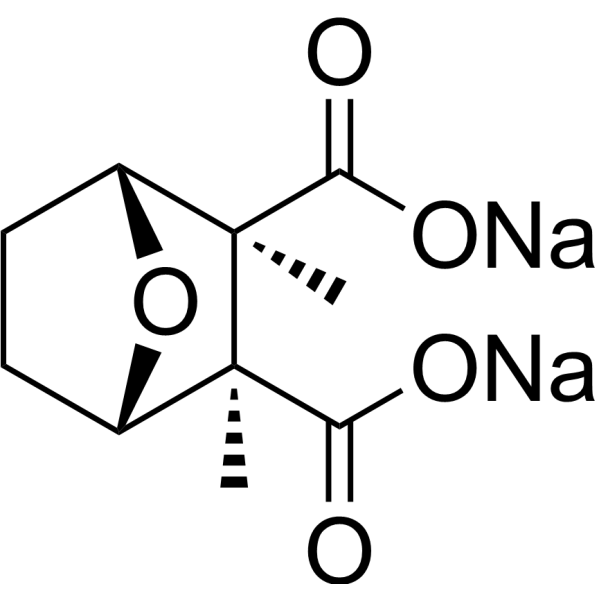 0 ImagesCat. No.: HY-137135ACAS No.: 1465-77-6Cantharidic acid disodium is the hydrolysis product of the acid anhydride Cantharidin that induces apoptosis in various human cancer cells. Cantharidic acid disodium is a selective protein phosphatase 2 (PP2A) and PP1 inhibitor withIC50 values of 50 nM and 600 nM, respectively.
-
HXR9 hydrochloride
 0 ImagesCat. No.: HY-P3245APurity: 99.48%HXR9 hydrochloride is a cell-permeable peptide and a competitive antagonist of HOX/PBX interaction. HXR9 hydrochloride antagonizes the interaction between HOX and a second transcrip-tion factor (PBX), which binds to HOX proteins in paralogue groups1 to 8. HXR9 hydrochloride selectively decreases cell proliferation and promotes apoptosis in cells with a high level of expression of the HOXA/PBX3 genes, such as MLL-rearranged leukemic cells.
-
Pseudolaric Acid B
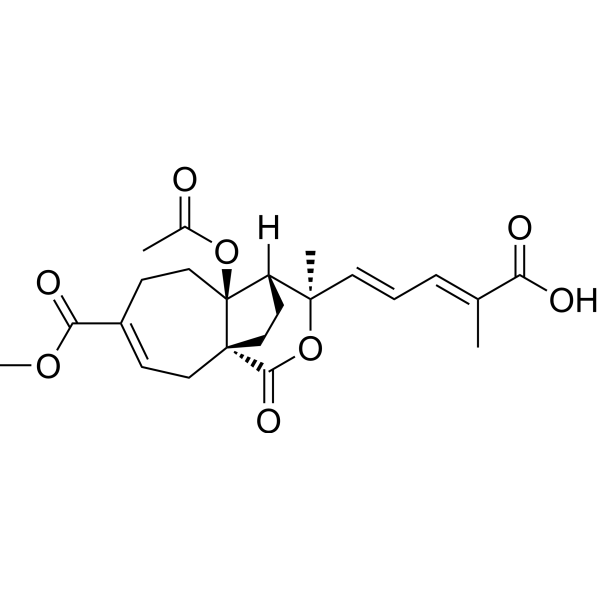 0 ImagesPseudolaric Acid B is an orally active diterpene acid. Pseudolaric Acid B has anti-fungal, anti-fertility, anti-angiogenesis and anticancer activity, and can induce tumor cell apoptosis and autophagy. In addition, Pseudolaric Acid B can inhibit the secretion of hepatitis B virus (HBV) and has immunosuppressive effect, selectively inhibiting the proliferation of T lymphocytes and the production of IL-2.
-
Columbamine chloride
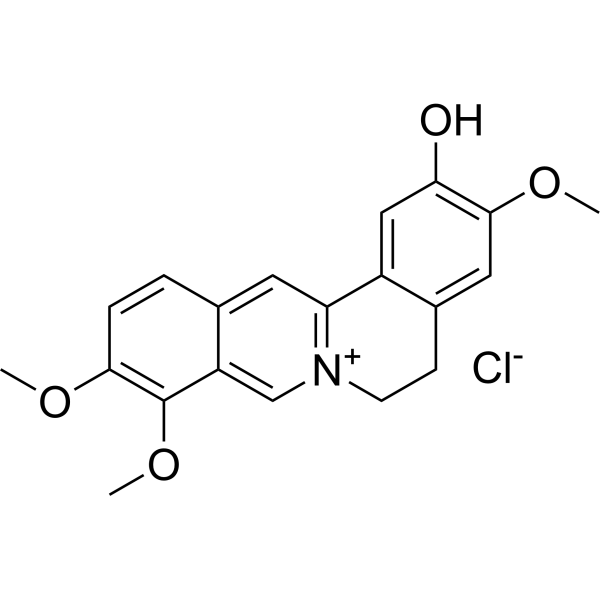 0 ImagesSynonyms: Columbamin chloride; Dehydroisocorypalmine chlorideColumbamine (Columbamin; Dehydroisocorypalmine) chloride is an organic heterotetracyclic alkaloid extracted from plants. Columbamine chloride is a metabolite of Berberine (HY-N0716). Columbamine chloride inhibits the cytochrome P450 (CYP) isoform CYP3A4 (IC50 = 30.6 µM). Columbamine chloride induces apoptosis in cancer cells. Columbamine chloride can be used for antioxidant, anti-inflammatory, antitumor, antifungal, antiparasite, hepatoprotective, neuroprotective, hypolipidemic and hypoglycemic study.
-
N-Oleoyl-L-serine
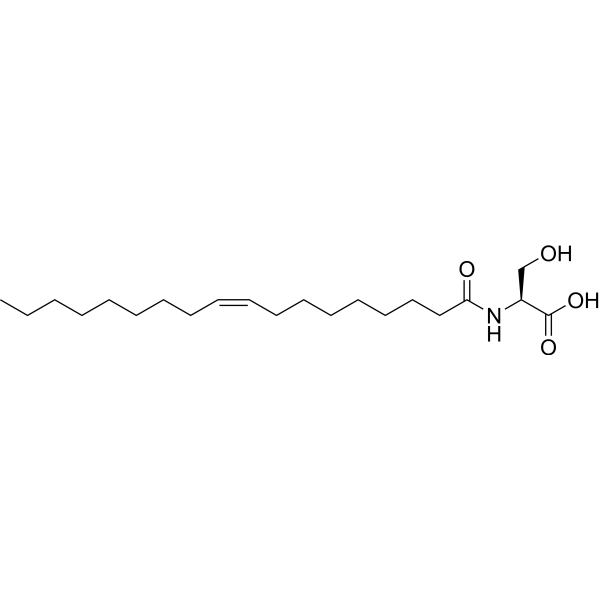 0 ImagesN-Oleoyl-L-Serine is an endogenous amide of long-chain fatty acids with ethanolamine (N-acyl amides). N-Oleoyl-L-Serine is a lipid regulator of bone remodeling and stimulates osteoclast apoptosis. N-Oleoyl-L-Serine can be used for antiosteoporotic drug discovery development.




