



SphK1
Sphingosine kinase 1 (SphK1) is a key rate-limiting enzyme in sphingolipid metabolism that phosphorylates sphingosine to generate sphingosine-1-phosphate (S1P), thereby regulating the sphingolipid rheostat and multiple cellular processes including survival, proliferation, migration, inflammation, and vascular remodeling[1]. S1P produced by SphK1 functions as a bioactive signaling mediator and activates downstream pathways through S1P receptors, contributing to intracellular signaling and cell-environment communication[1][2]. Mechanistically, SphK1 is activated by diverse stimuli, including cytokines, growth factors, and MAPK signaling, and translocates from the cytoplasm to the plasma membrane where its catalytic activity is enhanced[1]. Dysregulated SphK1 expression or activity has been reported in numerous cancers and inflammatory disorders, and elevated SphK1 is frequently associated with tumor progression, drug resistance, and unfavorable clinical outcomes[2][3][4]. In experimental disease models, SphK1-dependent signaling contributes to inflammatory responses, immune-cell regulation, and cancer cell survival, highlighting its importance in both tumor biology and immune-mediated pathology[1][3]. Compared with the related isoform SphK2, SphK1 is primarily linked to cell growth and survival signaling, whereas SphK2 exhibits distinct subcellular localization patterns and is more closely associated with apoptosis regulation and epigenetic functions[1][5]. This functional divergence has stimulated the development of isoform-selective pharmacological tools. For experimental applications, several SphK1 inhibitors, including PF-543, SK1-I, and Safingol, have been widely used to investigate SphK1-dependent signaling and evaluate the therapeutic potential of targeting the SphK1/S1P axis in cancer and inflammatory diseases[1][3].
References:
- [1]. Bu Y, et al. Therapeutic potential of SphK1 inhibitors based on abnormal expression of SphK1 in inflammatory immune related-diseases. Front Pharmacol. 2021;12:733387.
- [2]. Bahadoran E, et al. Deciphering the molecular interplay of sphingosine kinase 1 (SPHK1) signaling in cancer drug resistance and therapeutic targeting. Egypt J Med Hum Genet. 2025;26:178.
- [3]. Jairajpuri DS, et al. Identification of Sphingosine Kinase-1 Inhibitors from Bioactive Natural Products Targeting Cancer Therapy. ACS Omega. 2020 Jun 8;5(24):14720-14729. [Content Brief]
- [4]. Gupta P, et al. Evaluation of binding and inhibition mechanism of dietary phytochemicals with sphingosine kinase 1: Towards targeted anticancer therapy. Sci Rep. 2019 Dec 10;9(1):18727. [Content Brief]
- [5]. Hatoum D, et al. Mammalian sphingosine kinase (SphK) isoenzymes and isoform expression: challenges for SphK as an oncotarget. Oncotarget. 2017 May 30;8(22):36898-36929. [Content Brief]
All Product Categories
-
SphK1 Related Products (27)
Related Products (27)

-
Antibodies (1)
- 1
- 2
-
PF-543
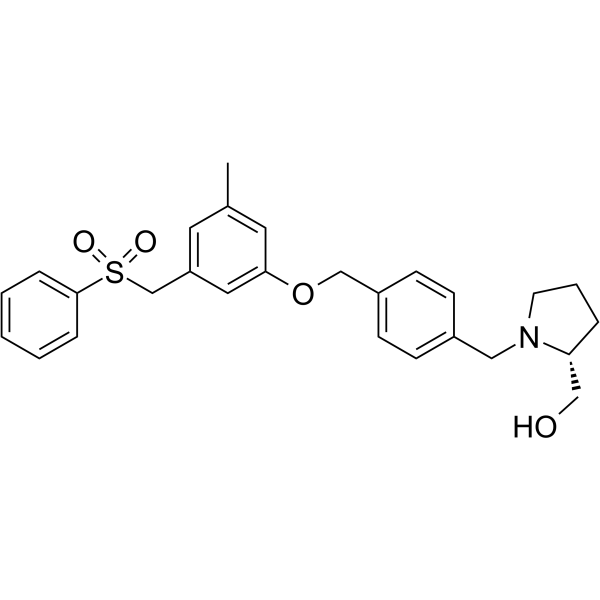 0 ImagesSynonyms: Sphingosine Kinase 1 Inhibitor IIPF-543 (Sphingosine Kinase 1 Inhibitor II) is a potent, selective, reversible and sphingosine-competitive SPHK1 inhibitor with an IC50 of 2 nM and a Ki of 3.6 nM. PF-543 is >100-fold selectivity for SPHK1 over SPHK2. PF-543 is an effective potent inhibitor of sphingosine 1-phosphate (S1P) formation in whole blood with an IC50 of 26.7 nM. PF-543 induces apoptosis, necrosis, and autophagy.
-
SKI II
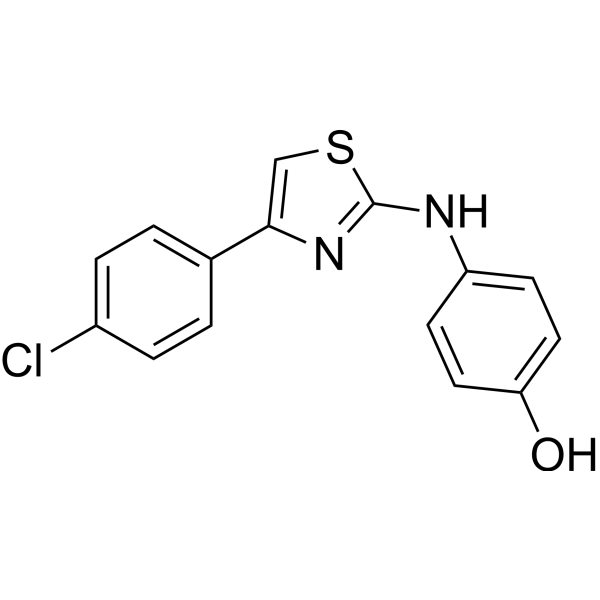 0 ImagesSKI-II is an orally active dual-target inhibitor of SphK1/2 and DES1, with Ki values of 16 µM and 0.3 µM against SphK1 and DES1, respectively. SKI-II activates the PERK-Nrf2 antioxidant pathway by stabilizing Nrf2, and synergizes with Temozolomide (HY-17364) to induce oxidative/endoplasmic reticulum stress and cancer cell death under hypoxic conditions. In vivo, SKI-II inhibits SphK activity, promotes ceramide accumulation and apoptosis, and synergizes with Cisplatin (HY-17394) to reverse drug resistance via the ras/MAPK pathway. SKI-II reduces measles virus replication by inhibiting mTORC1 activity. SKI-II binds to VCP to induce M1 polarization, enhances host tolerance to Staphylococcus aureus infection, and exerts radioprotective effects through Nrf2 activation and accelerated DNA repair. SKI-II can be used in research related to glioblastoma, acute myeloid leukemia, gastric cancer, measles virus infection, Staphylococcus aureus infection, and acute radiation syndrome.
-
PF-543 Citrate
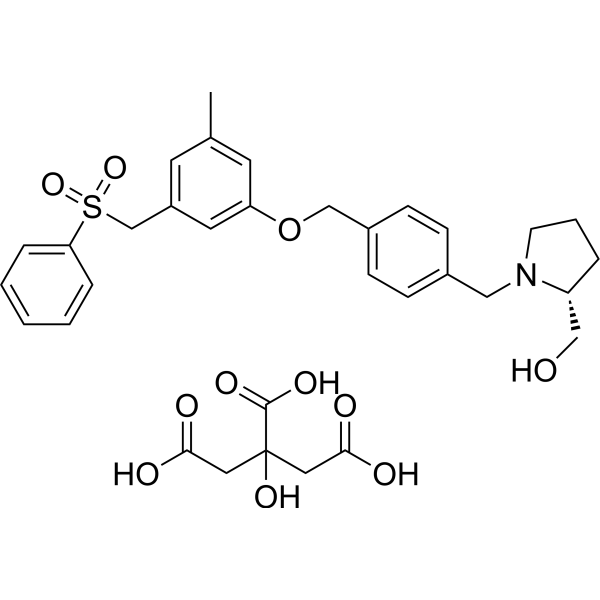 0 ImagesSynonyms: Sphingosine Kinase 1 Inhibitor II CitratePF-543 Citrate (Sphingosine Kinase 1 Inhibitor II Citrate) is a potent, selective, reversible and sphingosine-competitive SPHK1 inhibitor with an IC50 of 2 nM and a Ki of 3.6 nM. PF-543 Citrate is >100-fold selectivity for SPHK1 over SPHK2. PF-543 Citrate is an effective potent inhibitor of sphingosine 1-phosphate (S1P) formation in whole blood with an IC50 of 26.7 nM. PF-543 Citrate induces apoptosis, necrosis, and autophagy.
-
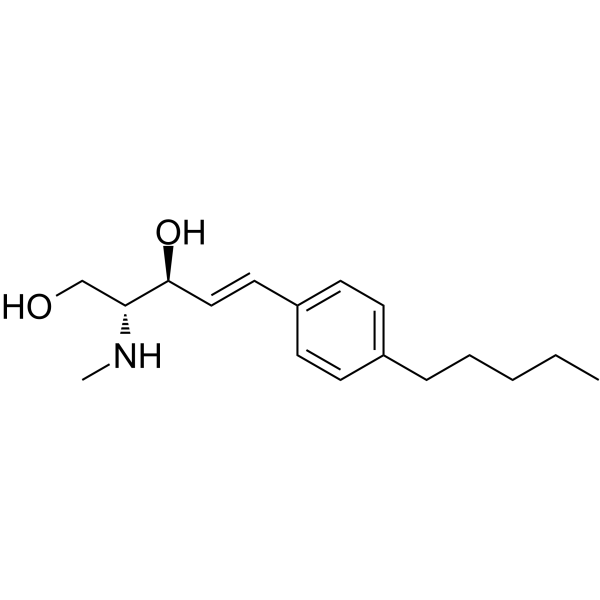
RB-042
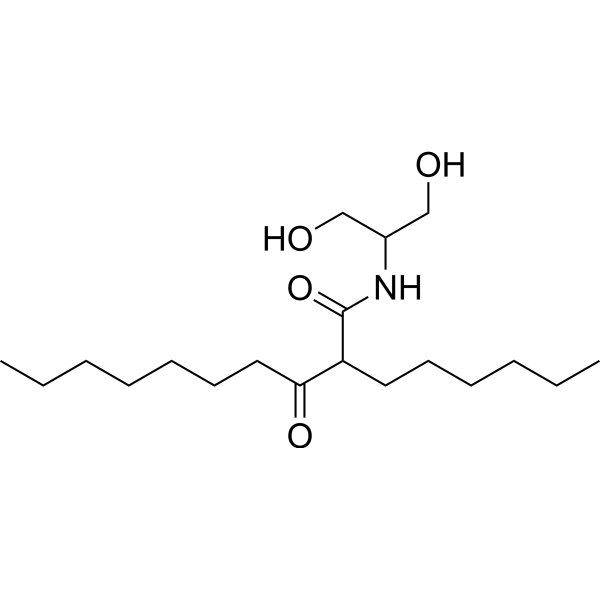
 0 ImagesCat. No.: HY-124368CAS No.: 1491909-40-0RB-042 is a SK1 and SK2 inhibitor with IC50 values of 5.3 μM and 5.0 μM, respectively. RB-042 is applicable to the research of inflammatory diseases.
-
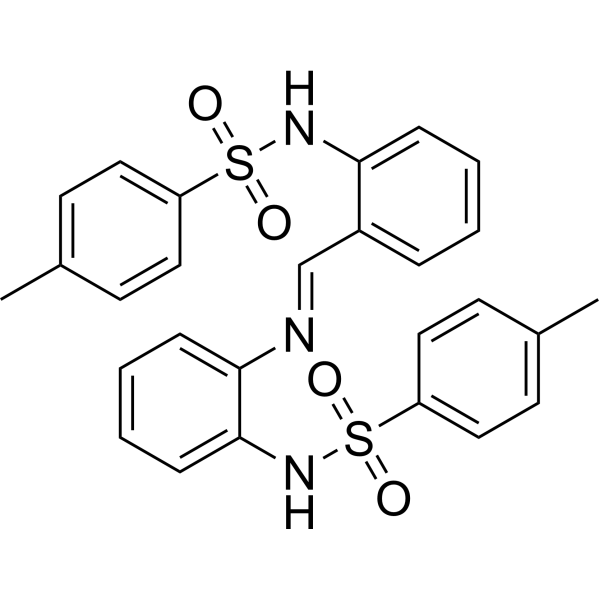
SphK1-IN-5
 0 ImagesCat. No.: HY-184271CAS No.: 3116900-85-4SphK1-IN-5 is an orally active selective inhibitor of sphingosine kinase 1 (SphK1) with an IC50 of 0.87 μM and a Ki of 1.05 μM. SphK1-IN-5 directly binds to the ATP-binding pocket of SphK1 and enhances the thermal stability of this protein. SphK1-IN-5 regulates sphingolipid homeostasis: it increases sphingosine (Sph) levels and decreases sphingosine-1-phosphate (S1P) levels by inhibiting SphK1-mediated conversion of Sph to S1P. SphK1-IN-5 induces apoptosis in MC38 colon cancer cells, causes cell cycle arrest, inhibits cell migration, and exerts broad-spectrum antiproliferative effects against various tumor cells. SphK1-IN-5 exhibits antitumor activity in a mouse colon tumor model. SphK1-IN-5 can be used for research on colon cancer.
-
SKI-178
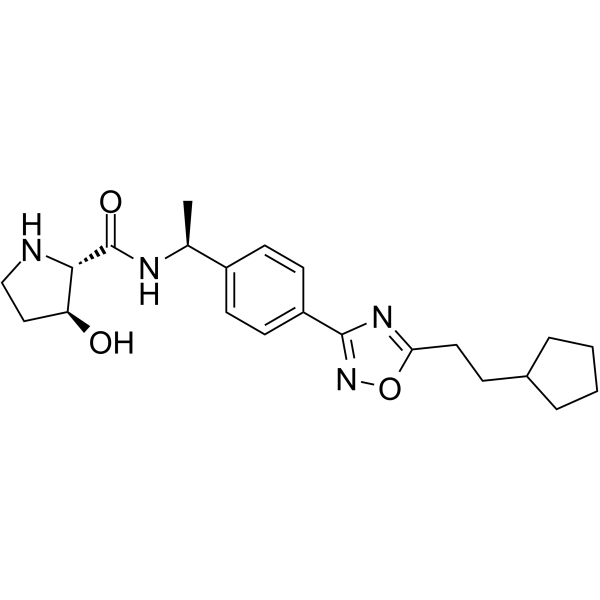
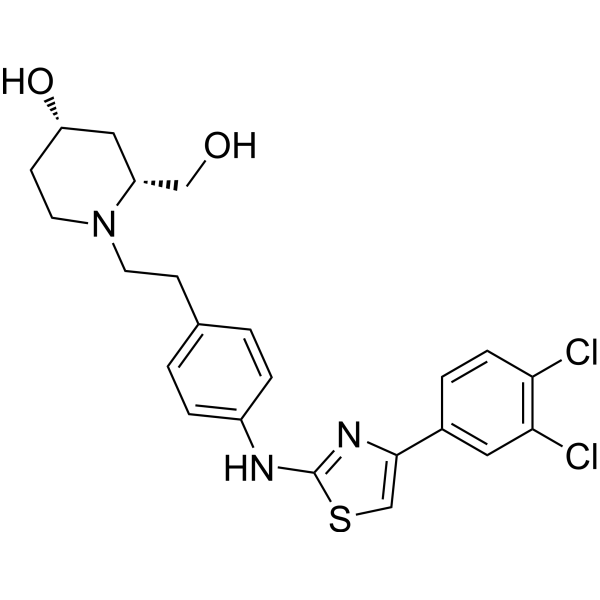
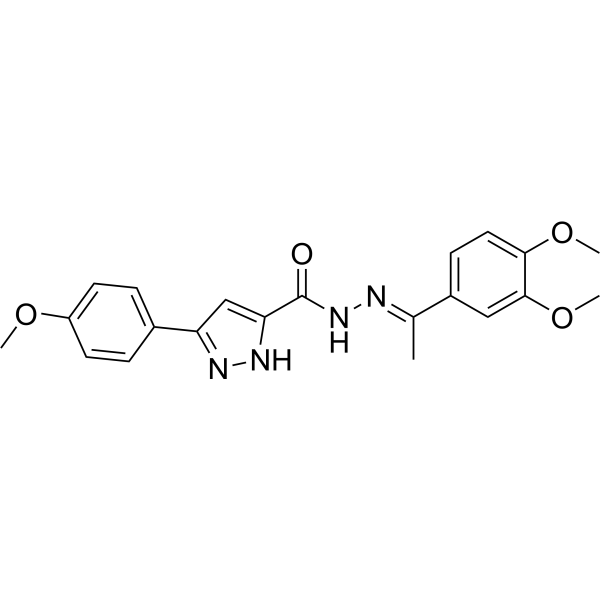 0 ImagesSKI-178 is a potent sphingosine kinase-1 (SphK1) and SphK2 inhibitor. SKI-178 is cytotoxic at IC50 concentrations ranging from 1.8 to 0.1 μM in both agent sensitive and multi-agent resistant cancer cell lines (i.e., MTR3, NCI-ADR and HL60/VCR cells). SKI-178 induces apoptosis in a CDK1-dependent manner in human acute myeloid leukemia cell lines.
-
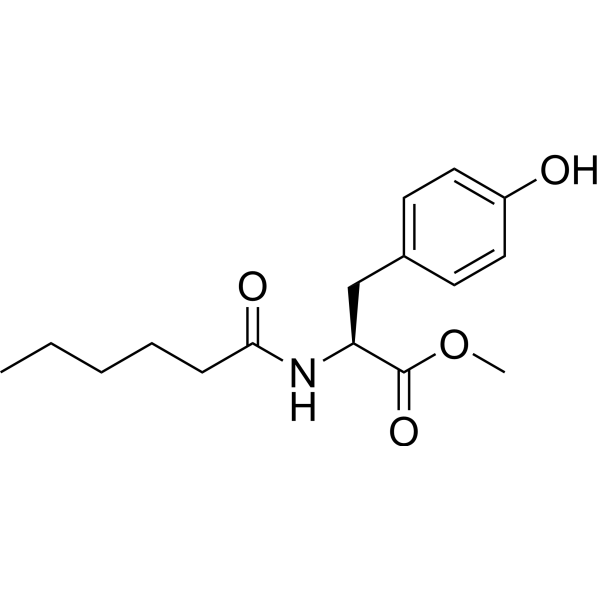
SLM6031434 hydrochloride
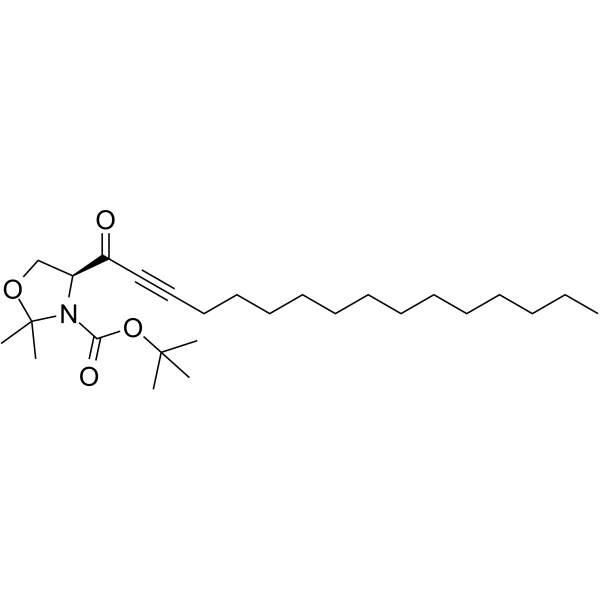
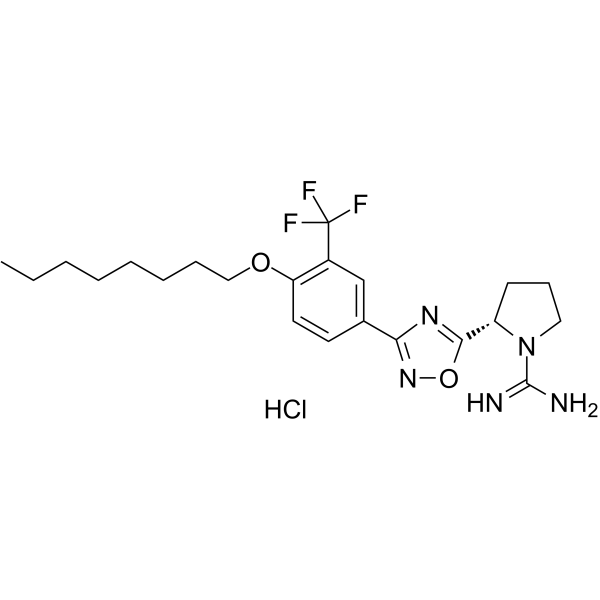 0 ImagesSLM6031434 hydrochloride is the hydrochloride salt form of SLM6031434 (HY-120268). SLM6031434 is a highly selective sphingosine kinase 2 (SphK2) inhibitor with an IC50 value of 0.4 μM for SphK2. SLM6031434 exerts anti-fibrotic effects by increasing sphingosine accumulation and Smad7 expression. SLM6031434 demonstrates effective anti-fibrotic efficacy in a unilateral ureteral obstruction (UUO)-induced tubulointerstitial fibrosis mouse model. SLM6031434 can be used for the study of proteinuric kidney diseases or chronic kidney disease (CKD).
-
SLP7111228 hydrochloride
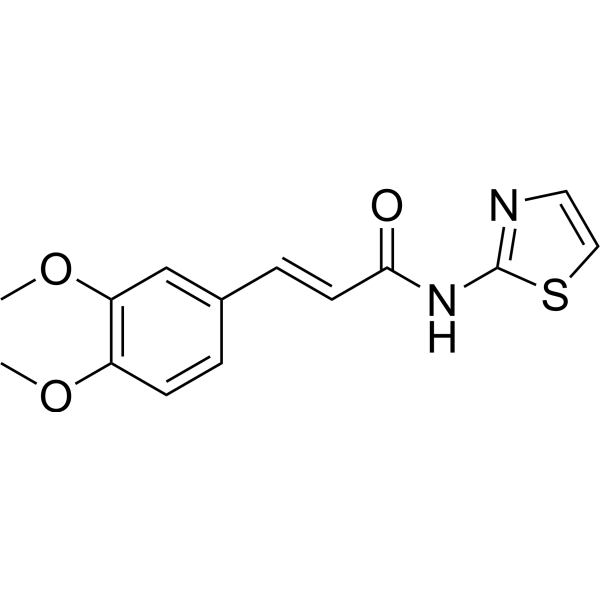
 0 ImagesSLP7111228 hydrochloride is a selective sphingosine kinase 1 (SphK1) inhibitor and anti-inflammatory agent. SLP7111228 hydrochloride selectively inhibits SphK1 and reduces the production of sphingosine-1-phosphate. SLP7111228 hydrochloride decreases lipopolysaccharide-induced TNFα and IL-1β levels. SLP7111228 hydrochloride alleviates obliterative pulmonary arteriopathy, increases cardiac index and decreases total pulmonary vascular resistance index. SLP7111228 hydrochloride can be used in research related to neuroinflammatory diseases and pulmonary hypertension.
-
PF-543 hydrochloride
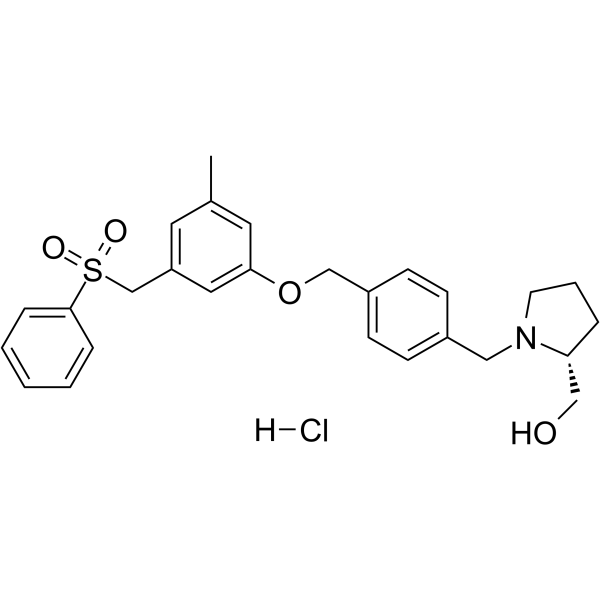 0 ImagesCat. No.: HY-15425BCAS No.: 1706522-79-3Synonyms: Sphingosine Kinase 1 Inhibitor II hydrochloridePF-543 hydrochloride (Sphingosine Kinase 1 Inhibitor II hydrochloride) is a potent, selective, reversible and sphingosine-competitive SPHK1 inhibitor with an IC50 of 2 nM and a Ki of 3.6 nM. PF-543 hydrochloride is >100-fold selectivity for SPHK1 over SPHK2. PF-543 hydrochloride is an effective potent inhibitor of sphingosine 1-phosphate (S1P) formation in whole blood with an IC50 of 26.7 nM. PF-543 hydrochloride induces apoptosis, necrosis, and autophagy.
-
SphK1-IN-2
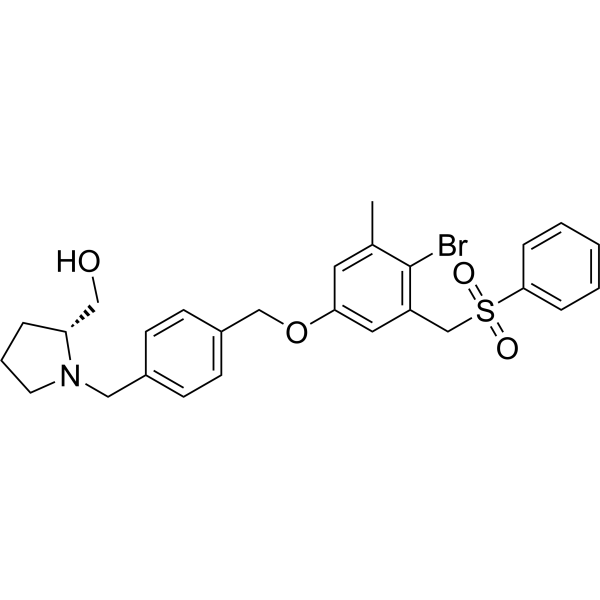 0 ImagesCat. No.: HY-150615CAS No.: 3031483-60-7
-
SLM6031434
 0 ImagesCat. No.: HY-120268CAS No.: 1897379-33-7SLM6031434 is a highly selective sphingosine kinase 2 (SphK2) inhibitor with an IC50 value of 0.4 μM for SphK2. SLM6031434 exerts anti-fibrotic effects by increasing sphingosine accumulation and Smad7 expression. SLM6031434 demonstrates effective anti-fibrotic efficacy in a unilateral ureteral obstruction (UUO)-induced tubulointerstitial fibrosis mouse model. SLM6031434 can be used for the study of proteinuric kidney diseases or chronic kidney disease (CKD).
-
SphK1-IN-4
 0 ImagesCat. No.: HY-178992CAS No.: 160149-21-3SphK1-IN-4 (Compound 6b) is a sphingosine kinase 1 (SphK1) inhibitor. SphK1-IN-4 can be used for the research of cancer, such as lung cancer.
- 1
- 2




