1. Signaling Pathways
  2. PI3K/Akt/mTOR
    Stem Cell/Wnt
  3. GSK-3

GSK-3

Glycogen synthase kinase-3; Glycogen synthase kinase 3

Glycogen synthase kinase 3 (GSK-3) is a multifunctional serine/threonine kinase consisting of two isoforms, alpha and beta. It is a highly conserved negative regulator of receptor tyrosine kinase, cytokine, and Wnt signaling pathways. Stimulation of these pathways inhibits GSK-3 to modulate diverse downstream effectors that include transcription factors, nutrient sensors, glycogen synthesis, mitochondrial function, circadian rhythm, and cell fate. GSK-3 also regulates alternative splicing in response to T-cell receptor activation, and recent phosphoproteomic studies have revealed that multiple splicing factors and regulators of RNA biosynthesis are phosphorylated in a GSK-3-dependent manner.

The malfunction or aberrant activity of GSK-3 leads to several of disorders, such as Alzheimer's disease (AD) and other neurodegenerative pathologies, and other type of diseases as diabetes, cardiovascular disorders and cancer. GSK-3 is also related to innate immune response against pathogens, which makes GSK-3 an excellent target for therapeutic intervention.

Cat. No. 상품명 효과 Purity Chemical Structure
  • HY-N3677
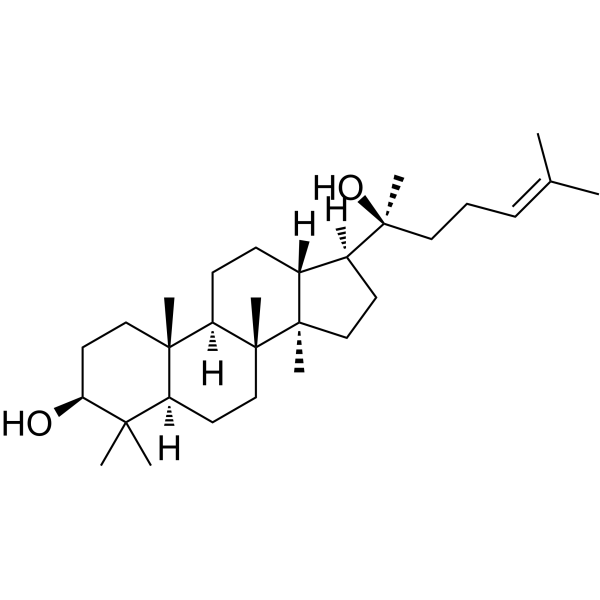
    Dammarenediol II
    Inhibitor 99.81%
    Dammarenediol II is a ginsenoside precursor. Dammarenediol II reduces the activity of O-GlcNAc transferase (OGT) and downregulates the global O-GlcNAcylation level. Dammarenediol II inhibits the phosphorylation of Akt, mTOR and GSK3β. Dammarenediol II inhibits human carboxylesterase activity, VEGF-induced ROS production, stress fiber formation and vascular endothelial cadherin disruption. Dammarenediol II promotes cell apoptosis (apoptosis), increases the levels of cleaved PARP1 and p53, and inhibits retinal microvascular leakage. Dammarenediol II can be used in studies related to liver cancer and diabetic retinopathy.
    Dammarenediol II
  • HY-139324
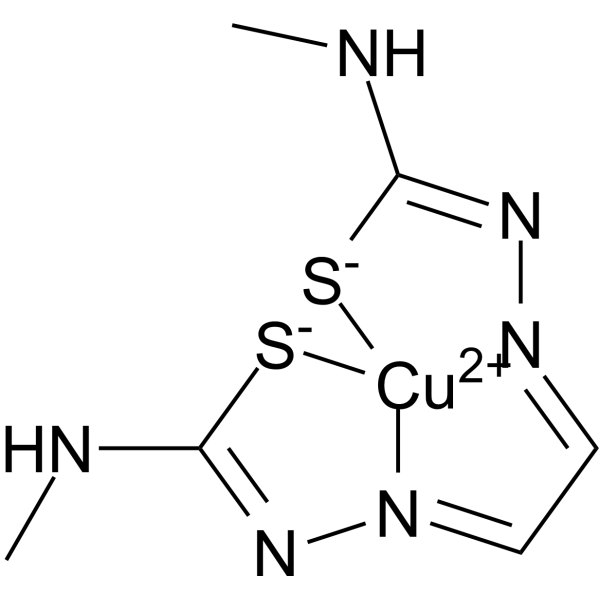
    Cu(II)GTSM
    Inhibitor
    Cu(II)GTSM, a cell-permeable Cu-complex, significantly inhibits GSK3β. Cu(II)GTSM inhibits Amyloid-β oligomers (AβOs) and decreases tau phosphorylation. Cu(II)GTSM also decreases the abundance of Amyloid-β trimers. Cu(II)GTSM is a potential anticancer and antimicrobial agent.
    Cu(II)GTSM
  • HY-144290
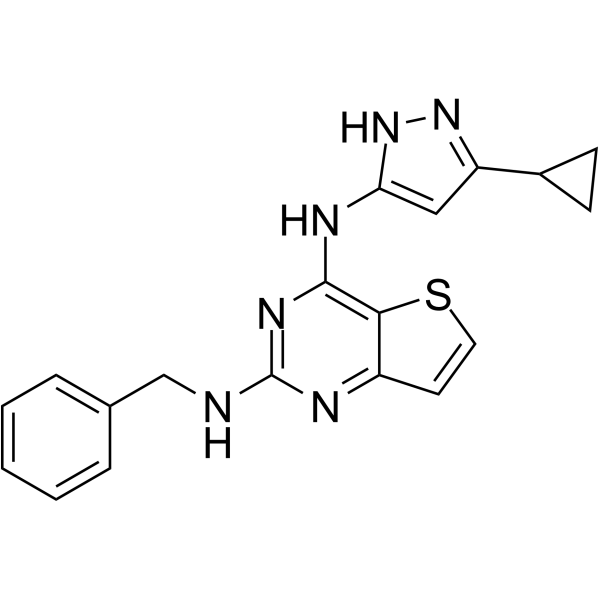
    ARN25068
    Inhibitor 98.19%
    ARN25068 is a sub-micromolar inhibitor of the three protein kinases, GSK-3β, FYN and DYRK1A to tackle tau hyperphosphorylation.
    ARN25068
  • HY-124607B
    BRD3731
    Inhibitor 98.18%
    BRD3731 is a selective GSK3β inhibitor, with IC50s of 15 nM and 215 nM for GSK3β and GSK3α, respectively. BRD3731 is potentail for the research of post-traumatic stress disorder (PTSD), psychiatric disorder, diabetes, and neurodegenerative disorders.
    BRD3731
  • HY-139254
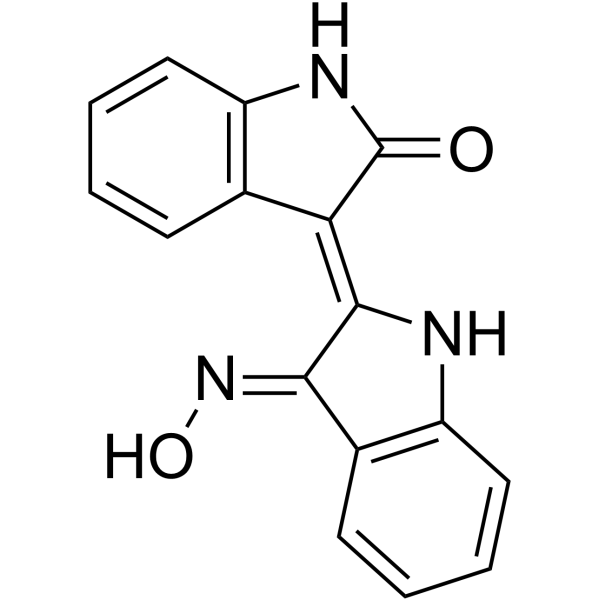
    Indirubin-3′-oxime
    Inhibitor 99.10%
    Indirubin-3′-oxime (IDR3O), a synthetic derivative of indirubin, is a potent inhibitor of cyclin-dependent kinases (CDKs) and glycogen synthase kinase 3β (GSK3β). Indirubin-3′-oxime directly inhibits the activity of all three isoforms of JNK (JNK1, JNK2, and JNK3), with IC50s of 0.8 μM, 1.4 μM, and 1.0 μM, respectively. Indirubin-3′-oxime can enhance height growth via activation of Wnt/β-catenin signaling in chondrocytes.
    Indirubin-3′-oxime
  • HY-163828
    PPA24
    Inhibitor 98.09%
    PPA24 is a PP2A activator with a KD of 8.465 μM for PP2ACα. PPA24 induces cancer cell death via apoptosis. PP2ACα induces ROS generation and decreases the level of c-Myc expression. PPA24 can be used to study colorectal cancer (CRC), Folinic acid (HY-17556), 5-Fluorouracil (HY-90006), and Oxaliplatin (HY-17371) (FOLFOX)-resistant CRC, and melanoma cancer.
    PPA24
  • HY-117025A
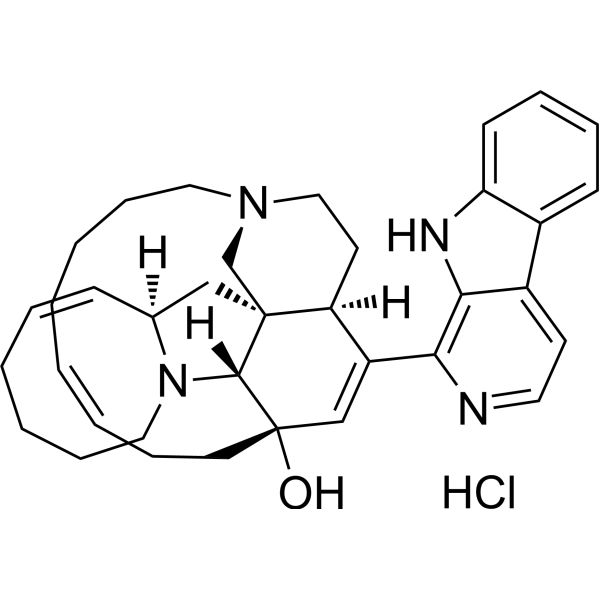
    Manzamine A hydrochloride
    Inhibitor 99.66%
    Manzamine A hydrochloride, an orally active beta-carboline alkaloid, inhibits specifically GSK-3β and CDK-5 with IC50s of 10.2 μM and 1.5 μM, respectively. Manzamine A hydrochloride targets vacuolar ATPases and inhibits autophagy in pancreatic cancer cells. Manzamine A hydrochloride has antimalarial and anticancer activities. Manzamine A hydrochloride also shows potent activity against HSV-1.
    Manzamine A hydrochloride
  • HY-N10549
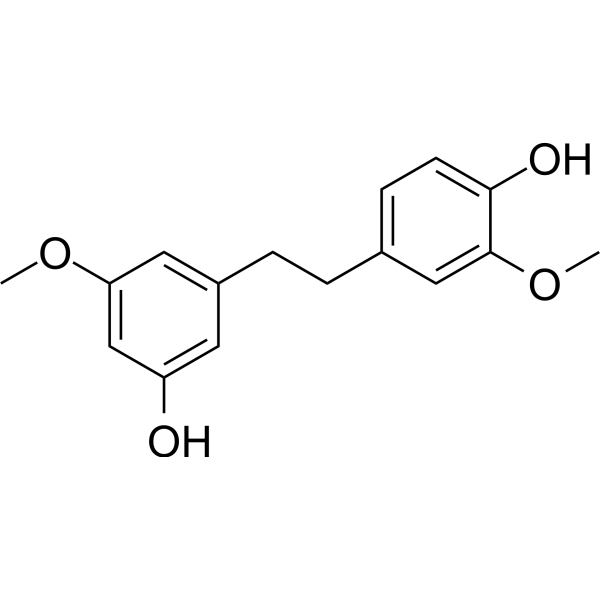
    Gigantol
    Agonist 99.79%
    Gigantol is an orally active bibenzyl compound. Gigantol targets MYC to promote its ubiquitin-proteasomal degradation and inhibit the growth of lung cancer cells. Gigantol exerts anti-lung cancer activity by inducing ferroptosis (Ferroptosis) via the SLC7A11-GPX4 axis. Gigantol restores the sensitivity of mcr-harboring multidrug-resistant bacteria to colistin. Gigantol ameliorates carbon tetrachloride-induced liver injury by inhibiting the activation of the JNK/cPLA2/12-LOX inflammatory pathway. Gigantol promotes cholesterol metabolism and progesterone biosynthesis in Leydig cells. Gigantol can be used in studies related to diseases such as lung cancer, multidrug-resistant Gram-negative bacterial infections, and acute liver injury.
    Gigantol
  • HY-134393B
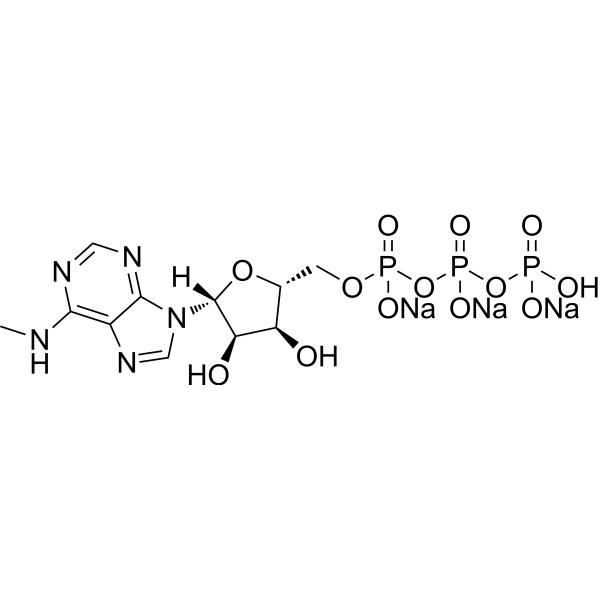
    6-Me-ATP trisodium solution (100 mM)
    Chemical 99.89%
    6-Me-ATP (N6-Methyl-ATP) trisodium solution (100 mM) is a N6-modified ATP derivative. 6-Me-ATP trisodium shows excellent binding affinity to GSK3, serving as the phosphate group donor for GSK3β-catalyzed phosphorylation of its substrate peptide.
    6-Me-ATP trisodium solution (100 mM)
  • HY-126066
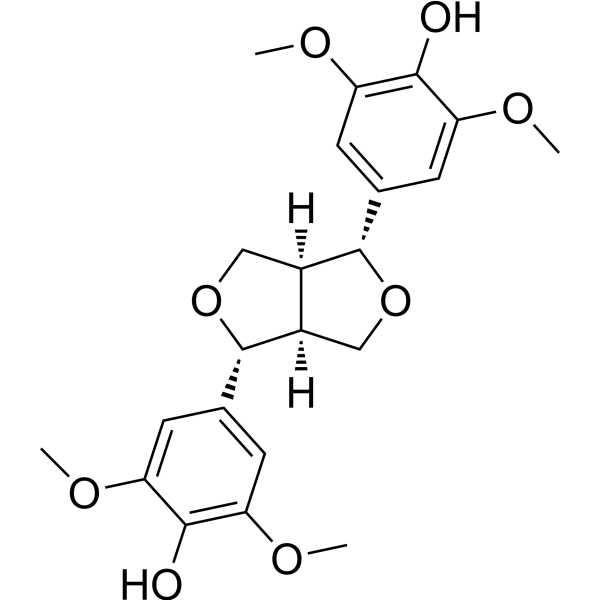
    (-)-Syringaresinol
    Inhibitor 99.93%
    (-)-Syringaresinol is an orally active isomer of syringaresinol (HY-N8307) found in Annona Montana. (-)-Syringaresinol exhibits antioxidant, anti-inflammatory, and anticancer activities. (-)-Syringaresinol can alleviate ulcerative colitis via the PI3K-Akt/MAPK/Wnt signaling pathway. (-)-Syringaresinol inhibits HL-60 cell proliferation by arresting the G1 phase and inducing apoptosis. (-)-Syringaresinol inhibits LPS (HY-D1056)-induced microglial activation by downregulating the NF-κB p65 signaling pathway and its interaction with ERβ, exerting anti-neuroinflammatory effects.
    (-)-Syringaresinol
  • HY-15504A
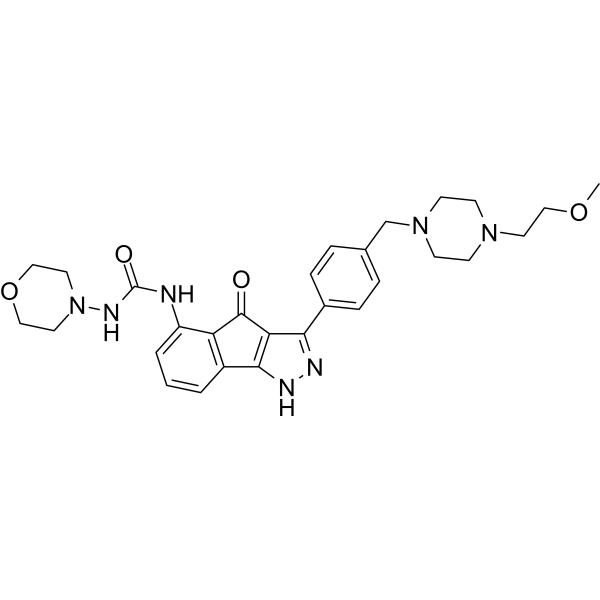
    RGB-286638 free base
    Inhibitor 98.09%
    RGB-286638 is a CDK inhibitor that inhibits the kinase activity of cyclin T1-CDK9, cyclin B1-CDK1, cyclin E-CDK2, cyclin D1-CDK4, cyclin E-CDK3, and p35-CDK5 with IC50s of 1, 2, 3, 4, 5 and 5 nM, respectively; also inhibits GSK-3β, TAK1, Jak2 and MEK1, with IC50s of 3, 5, 50, and 54 nM.
    RGB-286638 free base
  • HY-172118
    SGC-CDKL5/GSK3
    Inhibitor 98.72%
    CDKL5/GSK3-IN-1 (Compound 2) is a potent and selectivity chemical probe for CDKL5/GSK3.CDKL5/GSK3-IN-1 has potent inhibition of CDKL5 and GSK3α/β, with IC50 values of 4.6, 24 and 9.5 nM for CDKL5, GSK3β and GSK3α, respectively, in the NanoBRET assay. CDKL5/GSK3-IN-1 can be used for the research of CNS diseases.
    SGC-CDKL5/GSK3
  • HY-W747599
    Ganglioside GQ1b (bovine) sodium
    Modulator ≥98.0%
    Ganglioside GQ1b (​Tetrasialoganglioside GQ1b) (bovine) sodium is a central and peripheral nervous system ganglioside and an immunostimulator. Ganglioside GQ1b (bovine) sodium modulates NMDA receptor signaling via ERK1/2, PKA, CREB, NR2A, NR2B, and GSK3β, and increases BDNF expression. Ganglioside GQ1b (bovine) sodium reduces pathology, tau phosphorylation, and APP levels. Ganglioside GQ1b (bovine) sodium can be used for the research of Alzheimer’s disease.
    Ganglioside GQ1b (bovine) sodium
  • HY-117738
    Benarthin
    Inhibitor
    Benarthin is an orally active Pyroglutamyl peptidase inhibitor, THY1 inhibitor (with a Kd value of 5.13e-08 M) and competitive PGP-1 inhibitor (Ki = 1.2 µM). Benarthin is isolated from the culture broth of Streptomyces xanthophaeus MJ244-SF1. Benarthin disrupts the THY1-SFRP1 interaction, inhibits the activation of the GSK3α/β-β-catenin pathway, and reduces the upregulation of FASLG. Benarthin attenuates urothelial anoikis and reduces cell Apoptosis. Benarthin possesses iron-chelating activity. Benarthin maintains urothelial barrier integrity and blocks the pathological cascade of renal interstitial fibroblasts induced by HAP stimulation. Benarthin can be used in studies related to kidney stones.
    Benarthin
  • HY-111379
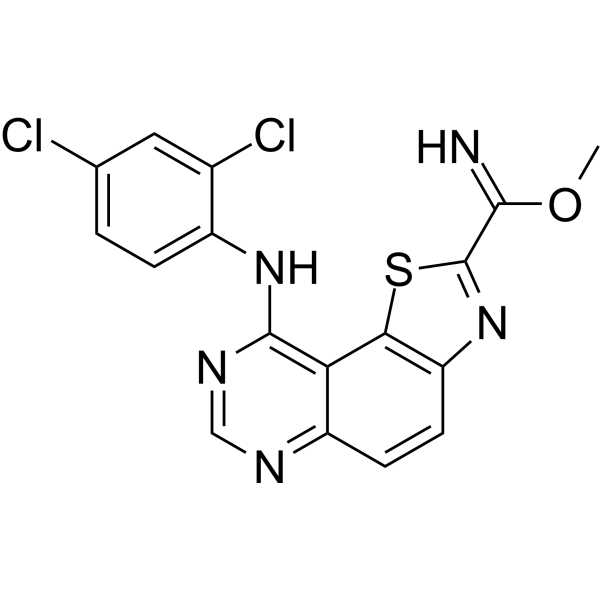
    EHT 5372
    Inhibitor 98.12%
    EHT 5372 is a highly potent and selective inhibitor of DYRK's family kinases with IC50s of 0.22, 0.28, 10.8, 93.2, 22.8, 88.8, 59.0, 7.44, and 221 nM for DYRK1A, DYRK1B, DYRK2, DYRK3, CLK1, CLK2, CLK4, GSK-3α, and GSK-3β, respectively.
    EHT 5372
  • HY-164907
    GSK-3β inhibitor 22
    Inhibitor 99.38%
    GSK-3β inhibitor 22 (compound 20o) is a GSK-3β inhibitor with an IC50 of 3.1 nM. GSK-3β inhibitor 22 has the potential of the study of Alzheimer's disease.
    GSK-3β inhibitor 22
  • HY-B1014
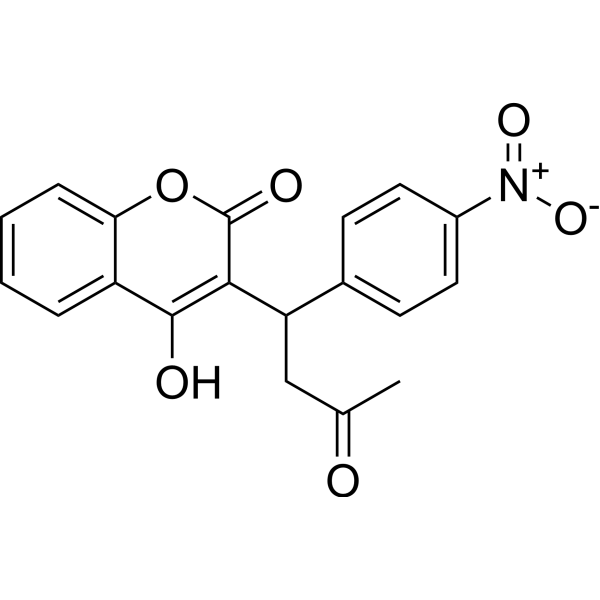
    Acenocoumarol
    Activator 99.17%
    Acenocoumarol is an anticoagulant that functions as a Vitamin K antagonist. Acenocoumarol inhibits MAPK/ERK/JNK signaling pathway, reduces the nuclear translocation of NF-κB p65, activates Akt/GSK3β signaling pathway. Acenocoumarol induces apoptosis in cell A549, arrests cell cycle at S phase.
    Acenocoumarol
  • HY-117822
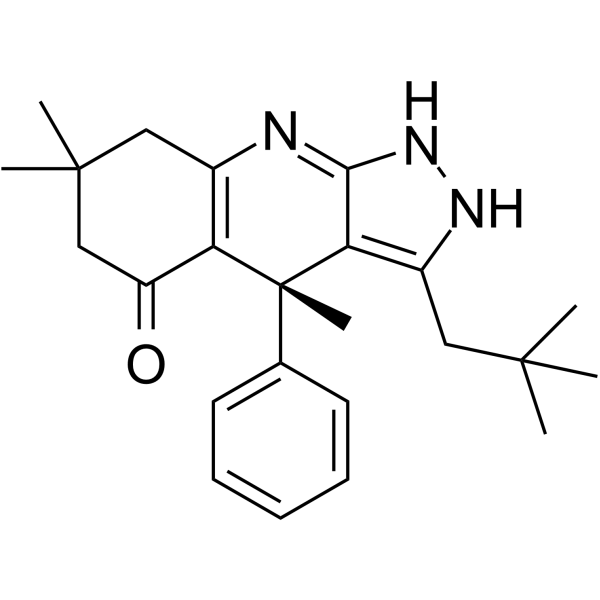
    BRD0209
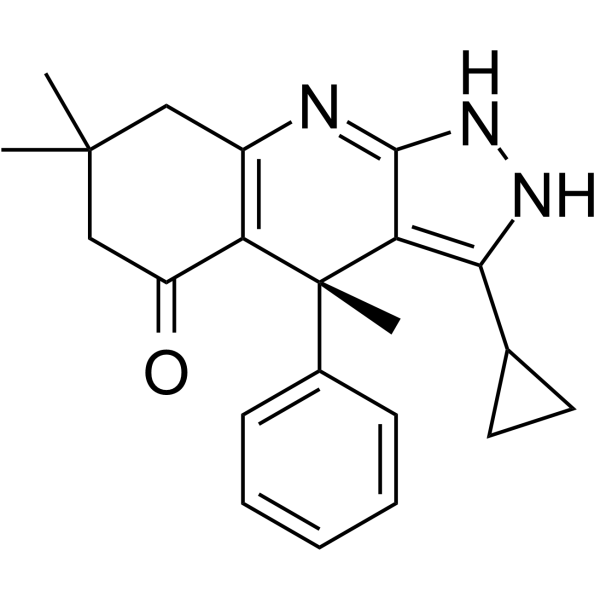
    Inhibitor 99.63%
    BRD0209 is a potent, selective and dual inhibitor of GSK3α/β inhibitor (GSK3α IC50 = 19 nM; GSK3β IC50 = 5 nM). BRD0209 is also a reversible ATP-competitive inhibitor with fast-off kinetics (Ki = 4.2 nM, respectively). BRD0209 is a tricyclic pyrazolotetrahydroquinolinone compound. BRD0209 has the potential for the research of mood disorder diseases.
    BRD0209
  • HY-128879A
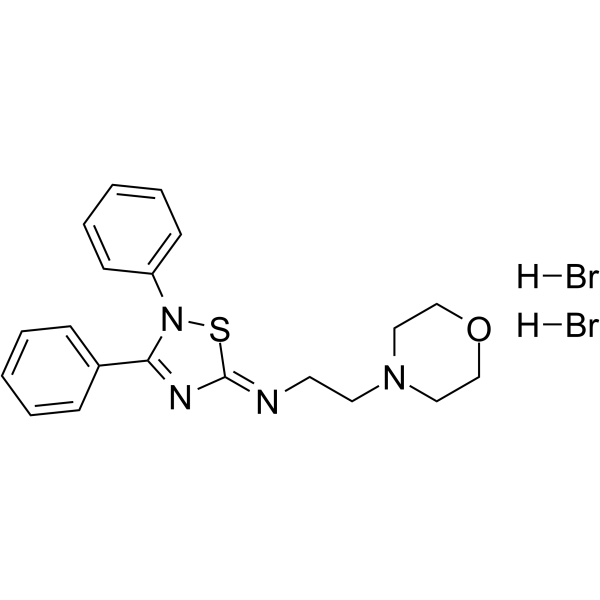
    VP3.15 dihydrobromide
    Inhibitor 98.0%
    VP3.15 dihydrobromide is a highly potent, orally bioavailable, and CNS-penetrant PDE7-GSK3 dual inhibitor, with IC50 values of 1.59 μM and 0.88 μM against PDE7 and GSK3, respectively. VP3.15 dihydrobromide elevates intracellular cAMP levels, suppresses immune responses, enhances remyelination, limits excessive tau phosphorylation, and alleviates neuroinflammation and neuronal loss. VP3.15 dihydrobromide promotes oligodendrocyte precursor cell differentiation, improves in vivo remyelination, inhibits autoimmune encephalomyelitis, and mitigates germinal matrix-intraventricular hemorrhage-related brain injury, cerebral atrophy, ventricular enlargement, and cognitive impairment. VP3.15 dihydrobromide can be used in research related to multiple sclerosis and germinal matrix-intraventricular hemorrhage.
    VP3.15 dihydrobromide
  • HY-168894
    CT-1
    Inhibitor 99.90%
    CT-1 is a secreted protein belonging to the IL-6 cytokine family. Overexpression of CT-1 enhances cell proliferation, migration and angiogenesis via the ADMA/DDAH pathway. CT-1 inhibits the growth of triple-negative breast cancer cells by simultaneously inducing Ferroptosis in N2-type tumor-associated neutrophils and cancer cells. CT-1 activates the Jak/STAT-3, p42/p44 MAPK and AMPK pathways, and inhibits GSK-3β activity through phosphorylation to induce cardiomyocyte hypertrophy. CT-1 enhances the viability of cardiomyocytes and neurons, reduces cell Apoptosis, induces the expression of heat shock proteins (HSP) and BNP, and inhibits TNF levels. CT-1 exerts anti-tumor activity in mouse models of triple-negative breast cancer. CT-1 improves cognitive impairment in mice. CT-1 is applicable to the research of ischemic heart disease, triple-negative breast cancer, myocardial hypertrophy, Parkinson's disease, hypertensive heart disease, myocardial infarction, acute Chagas cardiomyopathy, high-fat diet-induced cognitive impairment and diabetes-related cognitive impairment.
    CT-1
Cat. No. 상품명 / Synonyms Species Source
Cat. No. 상품명 / Synonyms Application Reactivity

Glycogen synthase kinase 3 (GSK-3) is a multifunctional serine/threonine kinase found in all eukaryotes. GSK-3 is one of the few signaling mediators that play central roles in a diverse range of signaling pathways, including those activated by Wnt, PI3K, growth factors, cytokines, and ligands for G protein-coupled receptors. The PI3K pathway is known for regulating metabolism, cell growth, and cell survival. The PI3K activity is stimulated by diverse oncogenes and growth factor receptors. PI3K-mediated production of PIP3 leads to the activation of Akt. The activation of Akt leads to the phosphorylation of GSK-3, which is active in resting cells, but is inactivated by the phosphorylation. The GSK-3 has been linked to the regulation of an assembly of transcription factors, including β-catenin, NF-κB, c-Jun, CREB, and STAT. Thus, the altered activity of GSK-3 causes various effects on cytokine expression. 


In the absence of Wnt signaling, β-catenin is phosphorylated by CK1 and GSK-3. This phosphorylation leads to recognition by β-TrCP, leading to the ubiquitylation of β-catenin and degradation by the proteasome. Upon binding of a lipid-modified Wnt protein to the receptor complex, a signaling cascade is initiated. LRP is phosphorylated by CK1/CK2 and GSK-3, and Axin is recruited to the plasma membrane. The kinases in the β-catenin destruction complex are inactivated and β-catenin translocates to the nucleus to form an active transcription factor complex with TCF, leading to transcription of a large set of target genes.


Some endogenous growth factors could bind to and activate the tyrosine kinase receptor. This facilitates the recruitment of other proteins (SHC, SOS), which results in the activation of the ERK-MAPK cascade and the inhibition of GSK-3. GSK-3 exerts many cellular effects: it regulates cytoskeletal proteins, and is important in determining cell survival/cell death. GSK-3 has also been identified as a target for the actions of lithium. GSK-3 can inhibit glycogen synthase, the enzyme that catalyzes the transfer of glucose from UDPG to glycogen[1][2].


Reference:

[1]. Brenner D, et al. Regulation of tumour necrosis factor signalling: live or let die.Nat Rev Immunol. 2015 Jun;15(6):362-74. 
[2]. Conrad M, et al. Regulated necrosis: disease relevance and therapeutic opportunities.Nat Rev Drug Discov. 2016 May;15(5):348-66. 

Your Search Returned No Results.

Sorry. There is currently no product that acts on isoform together.

Please try each isoform separately.