



PKC
Protein kinase C
PKC (Protein kinase C) is a family of protein kinase enzymes that are involved in controlling the function of otherproteins through the phosphorylation of hydroxyl groups of serine and threonine amino acid residues on these proteins. PKC enzymes in turn are activated by signals such as increases in the concentration of diacylglycerol (DAG) or calcium ions (Ca2+). Hence PKC enzymes play important roles in several signal transduction cascades. The PKC family consists of 15 isozymes in humans: PKC-α (PRKCA), PKC-β1 (PRKCB), PKC-β2 (PRKCB), PKC-γ (PRKCG), PKC-δ (PRKCD), PKC-δ1 (PRKD1), PKC-δ2 (PRKD2), PKC-δ3 (PRKD3), PKC-ε (PRKCE), PKC-η (PRKCH), PKC-θ (PRKCQ), PKC-ι (PRKCI), PKC-ζ (PRKCZ), PK-N1 (PKN1), PK-N2 (PKN2), PK-N3 (PKN3). PKC is involved in receptor desensitization, in modulating membrane structure events, in regulating transcription, in mediating immune responses, in regulating cell growth, and in learning and memory. These functions are achieved by PKC-mediated phosphorylation of other proteins.
PKC Isoform Specific Products
-
PKC
(384)
View all products
-
PKCα
(48)
View all products
-
PKCβ
(40)
View all products
-
PKCγ
(26)
View all products
-
PKCδ
(26)
View all products
-
PKCε
(30)
View all products
-
PKCη
(15)
View all products
-
PKCζ
(14)
View all products
-
PKCθ
(21)
View all products
-
PKCμ
(4)
View all products
-
PKC-ι ℩
(2)
View all products
-
PKCι
(7)
View all products
All Product Categories
-
PKC Related Products (504)
Related Products (504)

-
Antibodies (21)
-
PKC Isoform Comparison
-
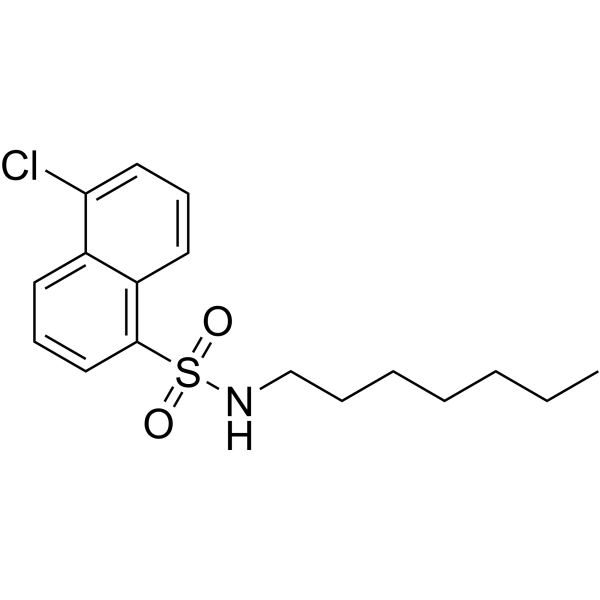
SBI-0087702
 0 ImagesSBI-0087702 promots the cytoplasmic localization of ATF2 in melanoma cells. SBI-0087702-induced translocation of ATF2 to the mitochondria results in increased apoptosis due to loss of mitochondrial membrane integrity. SBI-0087702 also inhibits growth and motility of melanoma cells. SBI-0087702 was shown to inhibit ATF2 phosphorylation on Thr52 by PKCε.
-
C8-Ceramide
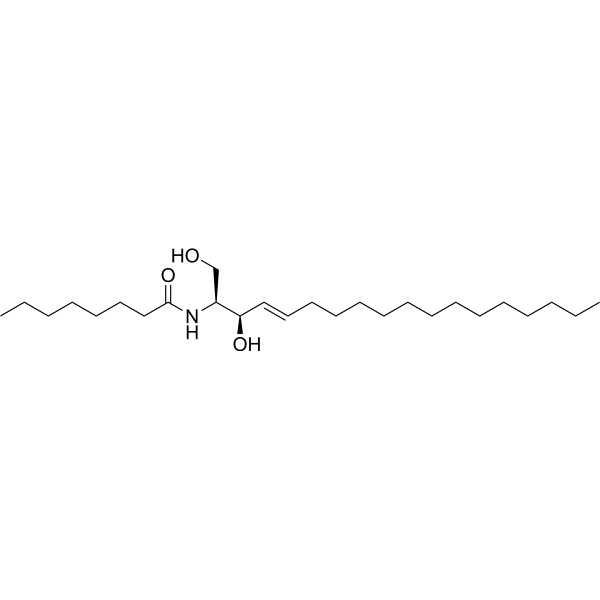 0 ImagesSynonyms: N-Octanoyl-D-erythro-sphingosineC8-Ceramide (N-Octanoyl-D-erythro-sphingosine) is a cell-permeable analog of naturally occurring ceramides. C8-Ceramide has anti-proliferation properties and acts as a potent chemotherapeutic agent. C8-Ceramide stimulates dendritic cells to promote T cell responses upon virus infections. C8-Ceramide induces slight activation of protein kinase (PKC) in vitro.
-
(rac)-AR-13503
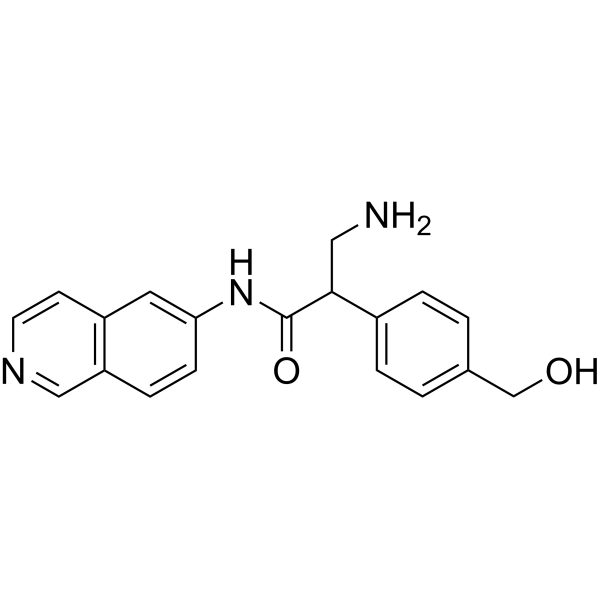 0 ImagesSynonyms: (rac)-AR-13324 M1 metabolite(rac)-AR-13503 ((rac)-AR-13324 M1 metabolite) is the isoform of AR-13503 (HY-12798C). AR-13503 a ROCK/PKC inhibitor, inhibiting angiogenesis and enhancing retinal pigment epithelium (RPE) permeability. AR-13503 also inhibits the formation of aberrant neovascularization (NV) in oxygen-induced retinopathy (OIR) model in mice.
-
Endoxifen (Z-isomer hydrochloride)
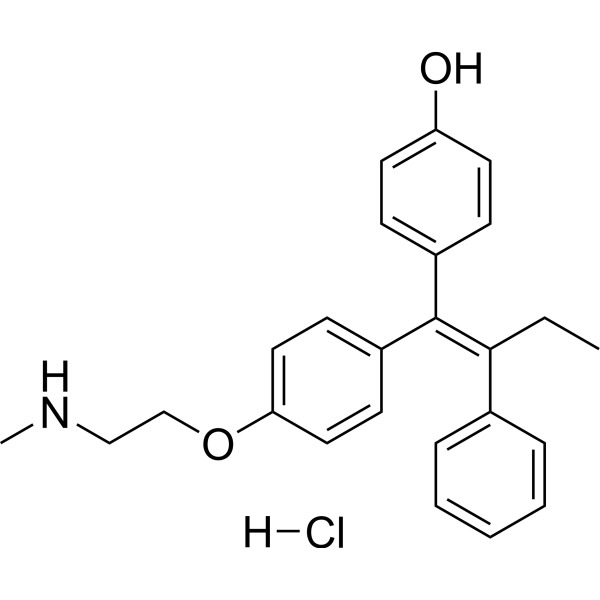 0 ImagesEndoxifen Z-isomer hydrochloride is an orally active selective PKCβ1 inhibitor with an IC50 of 360 nM against human PKCβ1. It also acts as an estrogen receptor modulator and antiestrogen. Endoxifen Z-isomer hydrochloride binds to and blocks ERα, ERβ and PKCβ1, inhibits estrogen and PI3K/AKT/mTORC1 signaling pathways, suppresses the expression of genes associated with cell cycle, cell proliferation and extracellular matrix remodeling, and induces apoptosis, reactive oxygen species (ROS) production and hypoxic features. Endoxifen Z-isomer hydrochloride inhibits tumor growth in breast tumor and glioblastoma models, reduces bone turnover and blood lipid levels, and does not require metabolism via CYP2D6. It can be used in research related to ER+ breast cancer, invasive breast cancer, glioblastoma multiforme, type I bipolar disorder, desmoid tumor, gynecological malignancies, melanoma and hormone receptor-positive solid tumors.
-
Myelin basic protein (4-14) TFA
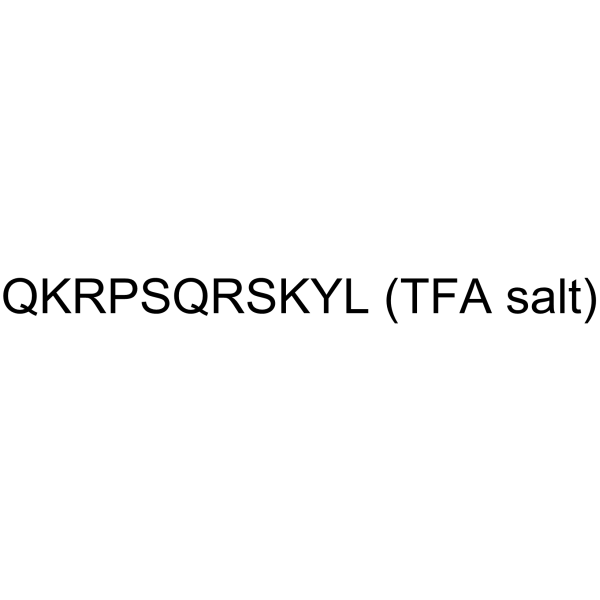 0 ImagesCat. No.: HY-P1821APurity: 99.41%Synonyms: MHP4-14 TFAMyelin Basic Protein (MHP4-14) TFA, a synthetic peptide comprising residues 4-14 of myelin basic protein, is a very selective PKC substrate (Km=7 μM). Myelin Basic Protein TFA is not phosphorylated by cyclic AMP-dependent protein kinase, casein kinases I and II, Ca2+/calmodulin-dependent protein kinase II, or phosphorylase kinase, and can be routinely used for the assay of protein kinase C with low background in the crude tissue extracts.

-
Cholesterol sulfate-d7 sodium
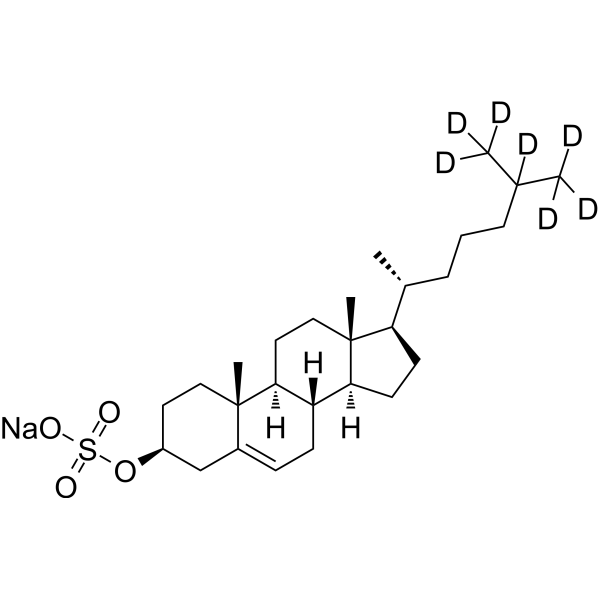 0 ImagesCholesterol sulfate sodium-d7 is the deuterium labeled Cholesterol sulfate sodium. Cholesterol sulfate sodium is a naturally occurring, orally active cholesterol derivative that is widely distributed in various tissues and body fluids. Cholesterol sulfate sodium acts as a DOCK2 inhibitor, with IC50 values of 2 μM and 2.9 μM against mouse and human targets, respectively. Cholesterol sulfate sodium restricts excessive neutrophil infiltration and alleviates intestinal inflammation and damage. Cholesterol sulfate sodium serves as an activator of protein kinase C (PKC), which promotes squamous cell differentiation and inhibits skin carcinogenesis. Cholesterol sulfate sodium regulates cholesterol homeostasis and cellular metabolism by activating the AMPK-Sirt1 pathway. Cholesterol sulfate sodium can be used in research related to actinic keratitis, ulcerative colitis, skin cancer, and other conditions.
-
SB 220025
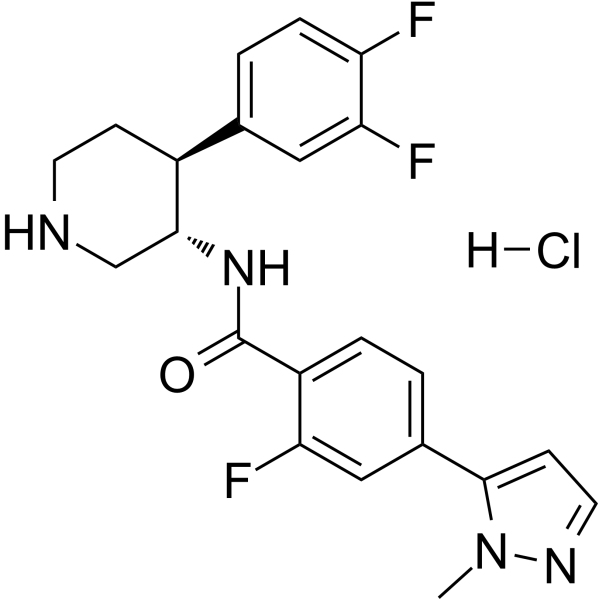
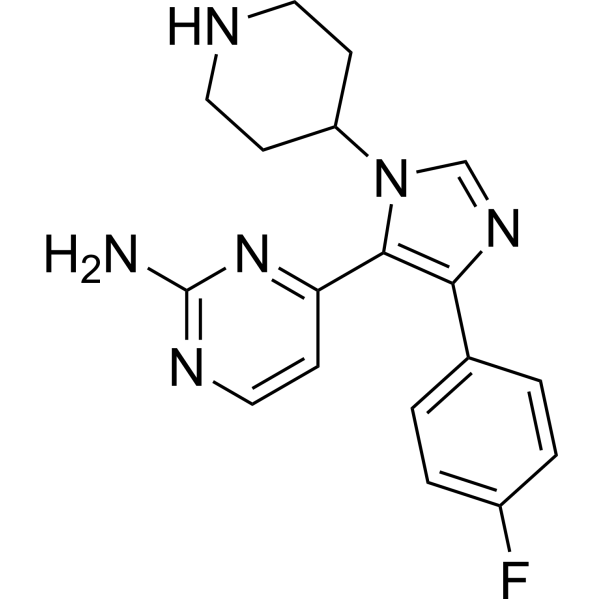 0 ImagesSB 220025 is a reversible, orally active, cell-permeable, ATP-competitive and selective human p38 MAPK inhibitor (IC50 = 60 nM). SB 220025 also inhibits p56Lck and PKC with IC50 values of 3.5 and 2.89 µM, respectively. SB 220025 inhibits the expression of IL-8 gene in response to globular adiponectin (gAd), reduces inflammatory cytokine production and inhibits angiogenesis. SB 220025 effectively prevents the progression of arthritis in a chronic inflammatory disease model and can be used in the study of inflammation.
-
DL-erythro-Dihydrosphingosine
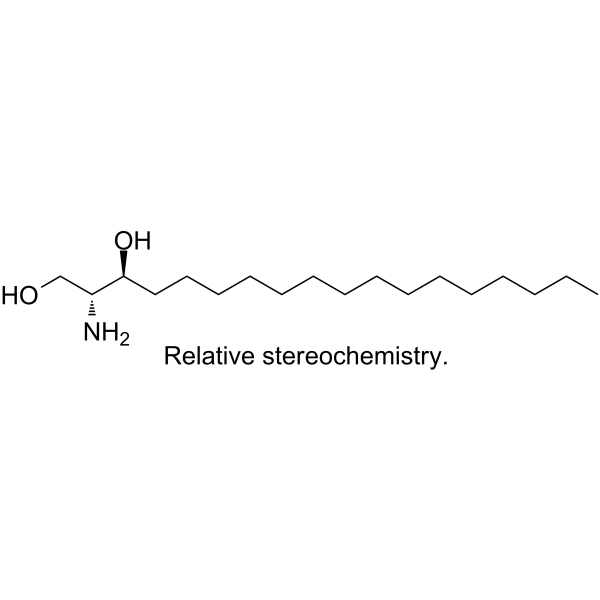 0 ImagesDL-erythro-Dihydrosphingosine is a sphingosine-based PKC inhibitor. DL-erythro-Dihydrosphingosine directly inhibits the enzymatic activity of PLA2. DL-erythro-Dihydrosphingosine inhibits the activity of Bcl-2 protein involved in apoptosis. DL-erythro-Dihydrosphingosine inhibits the activity of matrix metalloproteinases (MMP). DL-erythro-Dihydrosphingosine is applicable for research on cancer and inflammatory diseases.
-
Myelin basic protein, MBP (68-86)
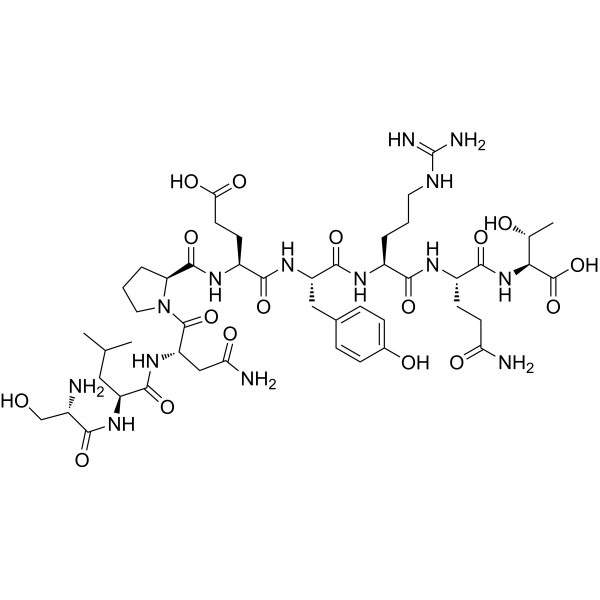
 0 ImagesMyelin basic protein, MBP (68-86) is the portion of the 68th to 86th amino acid residues in the MBP protein sequence. Myelin basic protein, MBP (68-86) can act as an autoantigen, triggering the immune system to attack its own myelin. Myelin basic protein, MBP (68-86) is used as one of the immunogens in the experimental autoimmune encephalomyelitis (EAE) animal model to study immune responses associated with multiple sclerosis (MS).
-
Bakkenolide A
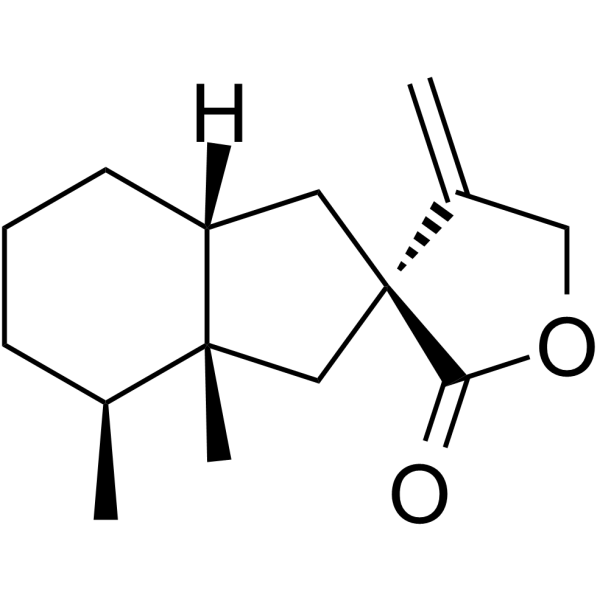 0 ImagesBakkenolide A is an anticancer agent. Bakkenolide A reduces the viability of leukemia cells, inhibits cell colony formation and invasion, and downregulates the expression of HDAC3 in cells. Bakkenolide A downregulates the expression of pro-inflammatory cytokines including TNF-α, interleukins such as IL-1β, TGF-β1 and IFN-γ, as well as the expression of PI3K, PDK and PKC in leukemia cells. Bakkenolide A downregulates activated Akt, GSK and Bad, while upregulates Cyto-c, cleaved Caspase3 and cleaved Caspase7, induces apoptosis (apoptosis) in leukemia cells and thereby inhibits inflammatory responses in leukemia cells. Bakkenolide A significantly slows the growth of subcutaneous leukemia tumors in nude mice. Bakkenolide A is applicable to leukemia-related research.
-
Aurothiomalate tetramer sodium
 0 ImagesCat. No.: HY-106381APurity: 98.0%Aurothiomalate tetramer sodium is the tetrameric form of Aurothiomalate sodium (HY-106381). Aurothiomalate sodium acts as an inhibitor of PKCI and TrxR1. Aurothiomalate sodium disrupts the PKCI-Par6-Rac1 signaling pathway, and also inhibits TrxR1 activity, TNFα-induced NF-κB activation, and the expression of pro-inflammatory genes. Aurothiomalate sodium blocks Kras-mediated BASC expansion and lung tumor growth, inhibits anchorage-independent growth and tumorigenicity of lung cancer cells, and suppresses neutrophil chemotaxis, phagocytosis, and leukocyte extravasation. Aurothiomalate sodium can be used in research related to rheumatoid arthritis and non-small cell lung cancer.
-
Z-Arg-SBzl
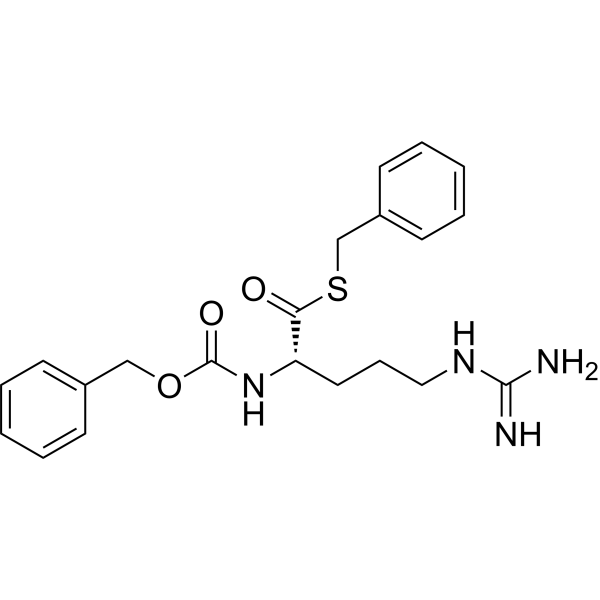 0 ImagesCat. No.: HY-P5125CAS No.: 88253-86-5Z-Arg-SBzl is a substrate of both bovine and activated human protein C.
-
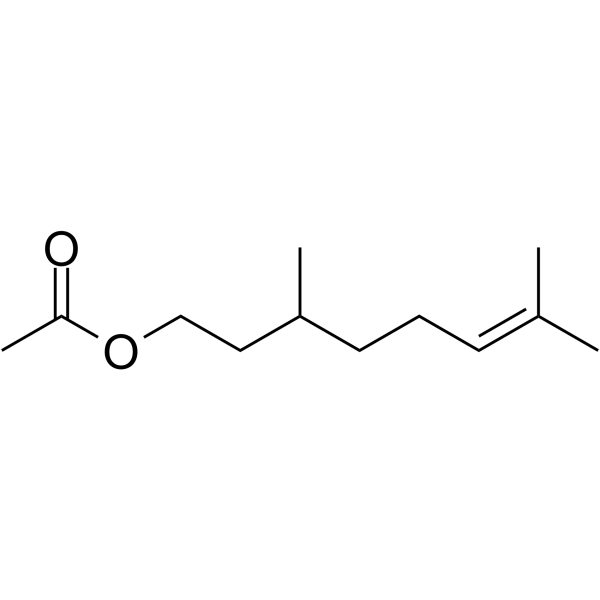
Ro 31-8220 formic
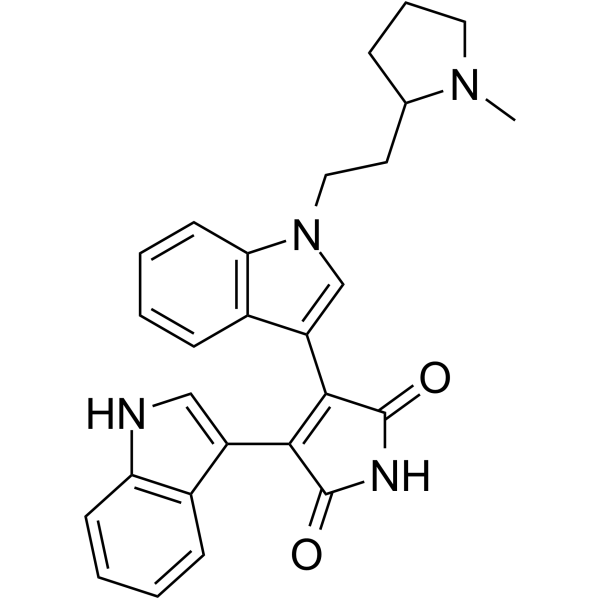
 0 ImagesCat. No.: HY-13866BPurity: 99.76%Synonyms: Bisindolylmaleimide IX formicRo 31-8220 formic is a potent PKC inhibitor, with IC50s of 5, 24, 14, 27, 24 and 23 nM for PKCα, PKCβI, PKCβII, PKCγ, PKCε and rat brain PKC, respectively. Ro 31-8220 formic also significantly inhibits MAPKAP-K1b, MSK1, S6K1 and GSK3β (IC50s, 3, 8, 15, and 38 nM, respectively). Ro 31-8220 formic can also inhibit the expression of MKP-1, induce the expression of c-Jun, and activate JNK, and these effects possess pharmacological properties independent of PKC.
-
Staurosporine (GMP)
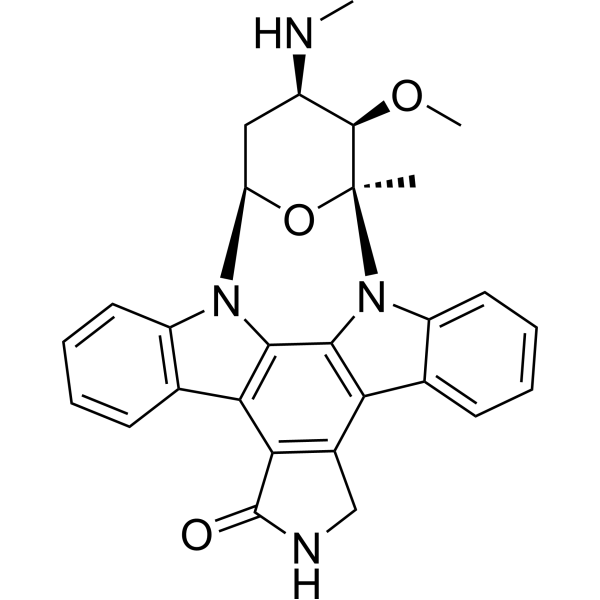 0 ImagesCat. No.: HY-15141GCAS No.: 62996-74-1Synonyms: Antibiotic AM-2282 (GMP); STS (GMP); AM-2282 (GMP)Staurosporine (AM-2282) (GMP) is Staurosporine (HY-15141) produced by using GMP guidelines. GMP small molecules works appropriately as an auxiliary reagent for cell therapy manufacture. Staurosporine is a potent, ATP-competitive and non-selective inhibitor of protein kinases.




