Delivery of temperature sensitive items including proteins and kits will be paused on 6/19 for the Juneteenth holiday. For urgent orders please contact customer service.
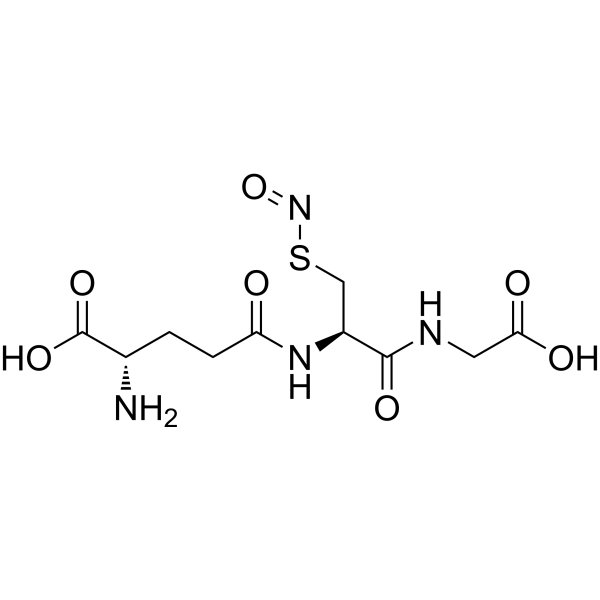
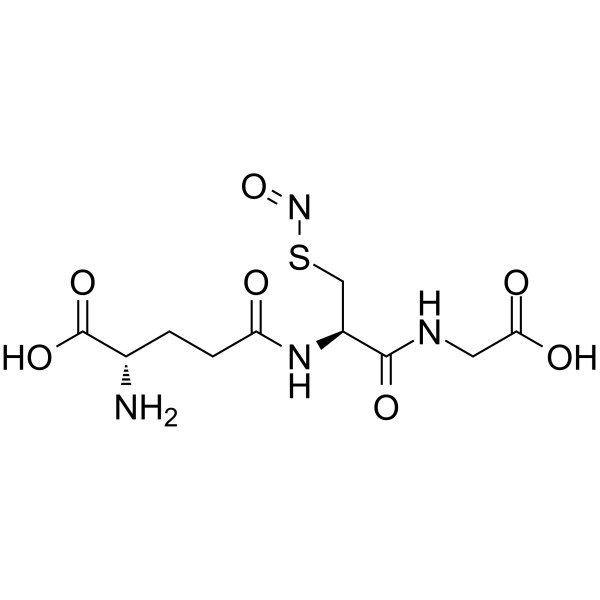
Nitrosoglutathione (GSNO), a exogenous NO donor and a substrate for rat alcohol dehydrogenase class III isoenzyme, inhibits cerebrovascular angiotensin II-dependent and -independent AT1 receptor responses .
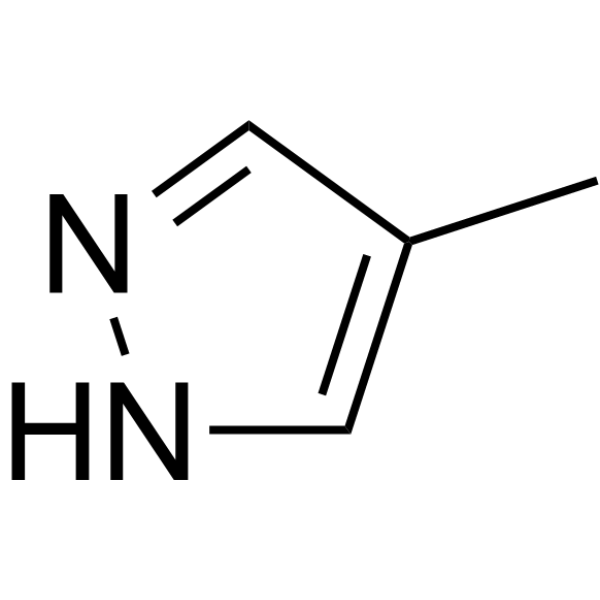
Fomepizole (4-Methylpyrazole) is a potent cytochrome P450 (CYP2E1) inhibitor. Fomepizole is a competitive inhibitor of the enzyme alcohol dehydrogenase. Fomepizole blocks further conversion of methanol and ethylene glycol to toxic metabolites. Fomepizole has the potential for an antidote for ethylene glycol or methanol poisoning .
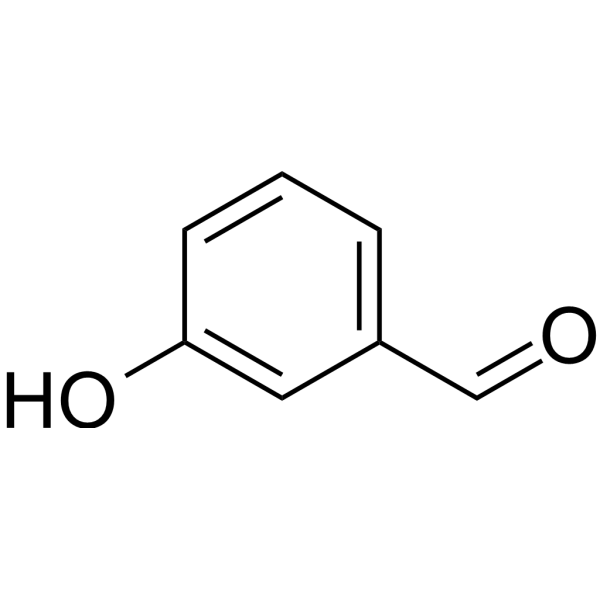
3-Hydroxybenzaldehyde (3-HBA) is a precursor compound for phenolic compounds like Protocatechuic aldehyde (PCA) (HY-N0295). 3-Hydroxybenzaldehyde, produced by 3-hydroxybenzyl-alcohol dehydrogenase, is a substrate of aldehyde dehydrogenase (ALDH) in rats and humans. 3-Hydroxybenzaldehyde has vasculoprotective effects in vitro and in vivo. 3-Hydroxybenzaldehyde is proming for research of atherosclerosis .
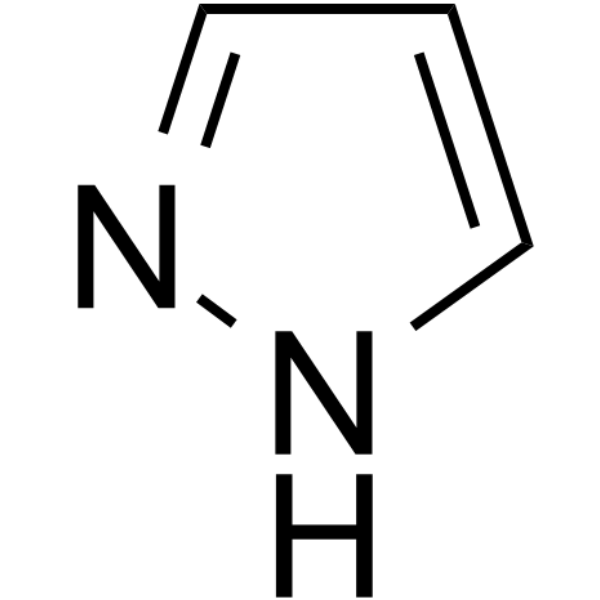
1H-pyrazole (Pyrazole) is a five-membered heterocyclic compound, and its derivatives are orally effective antimalarial and antileishmanial agents with the potential to modulate targets such as alcohol dehydrogenase and NMDA receptors. 1H-pyrazole derivatives exhibit inhibitory effects on Plasmodium berghei in infected mice and on promastigotes of Leishmania aethiopica, respectively. 1H-pyrazole can be used in research related to malaria and leishmaniasis .
Alcohol dehydrogenase, Saccharomyces cerevisiae is a dimeric protein in the cytosol of cells. Alcohol dehydrogenase, the key enzyme for alcohol consumption in the body, is the highest expressed in the liver and participates in the detoxification mechanism of environmental alcohol .
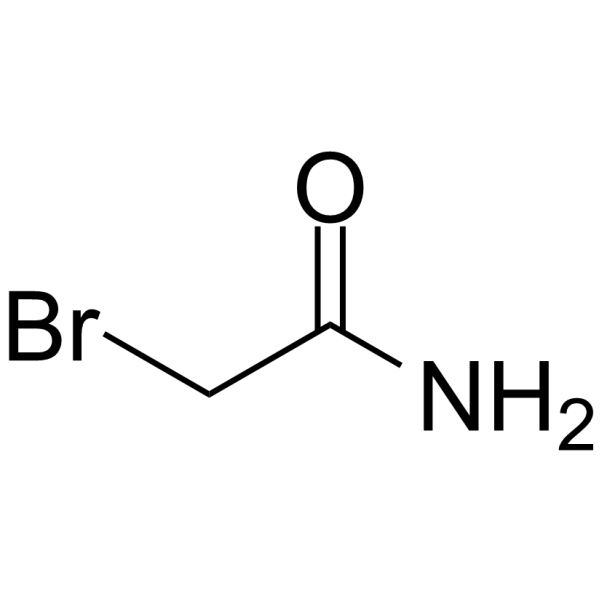
2-Bromoacetamide is a disinfection byproduct. 2-Bromoacetamide can inactivate liver alcohol dehydrogenase and interfere with microtubule and actin cytoskeletal function. 2-Bromoacetamide is a potent developmental toxicant in animals .
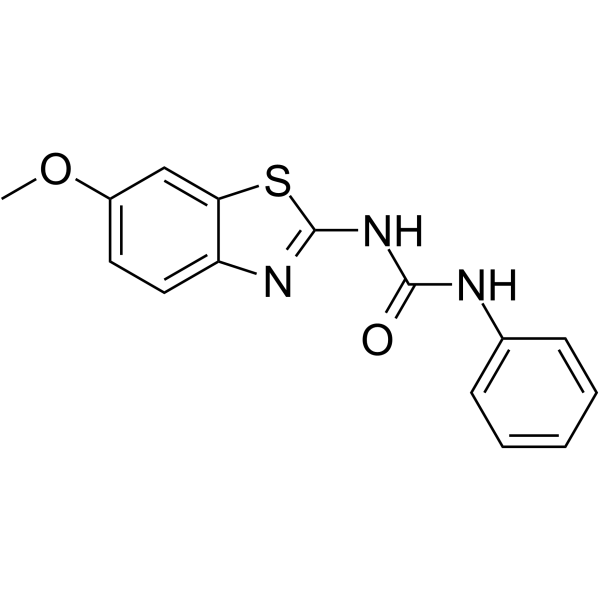
Frentizole, an FDA-approved immunosuppressant, is a Aβ-ABAD (binding alcohol dehydrogenase) interaction inhibitor with an IC50 value of 200 μM. Frentizole is used in studies of diseases related to rheumatoid arthritis and systemic lupus erythematosus .
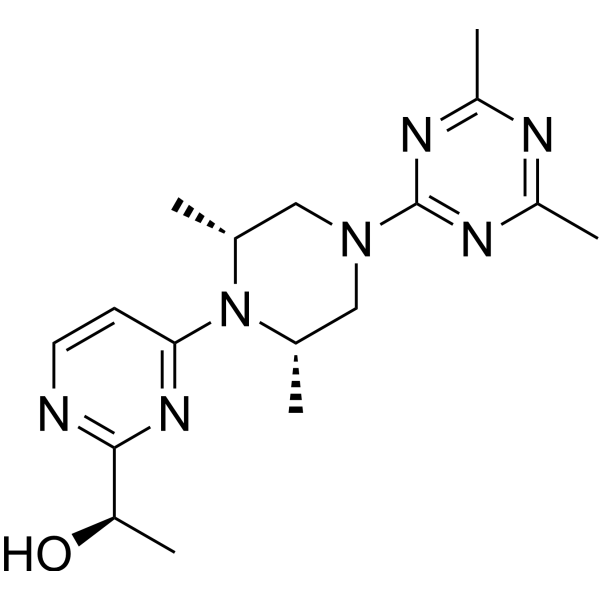
Sorbitol dehydrogenase-IN-1 is a potent and orally active sorbitol dehydrogenase inhibitor with IC50 s of 4, 5 nM for rat and human, respectively.
Sorbitol Dehydrogenase (SDH) is an enzyme that belongs to the zinc-containing alcohol dehydrogenase (ADH) family.
ADH and ALDH are enzymes that work together to metabolize alcohol .
Nicotinamide-guanine dinucleotide sodium, a NAD sodium (HY-B0445A) analog, is an oxidized forms of nicotinamide guanine dinucleotide. Nicotinamide-guanine dinucleotide sodium serves as coenzymes for alcohol dehydrogenase (ADH) in vitro .
Alcohol dehydrogenase, yeast is an alcohol dehydrogenase expressed in yeast. It can catalyze the conversion between ethanol and acetaldehyde, while also reducing NAD or NADP, and it plays a role in glycolysis and aerobic respiration .
4-Nitrobenzyl alcohol (4-Nitrobenzenemathanol) is a nitro compound used as a reactant in drug synthesis. 4-Nitrobenzyl alcohol can be catalyzed to 4-nitrobenzaldehyde by the enzyme encoded by the benzyl alcohol dehydrogenase gene (ntnD) .
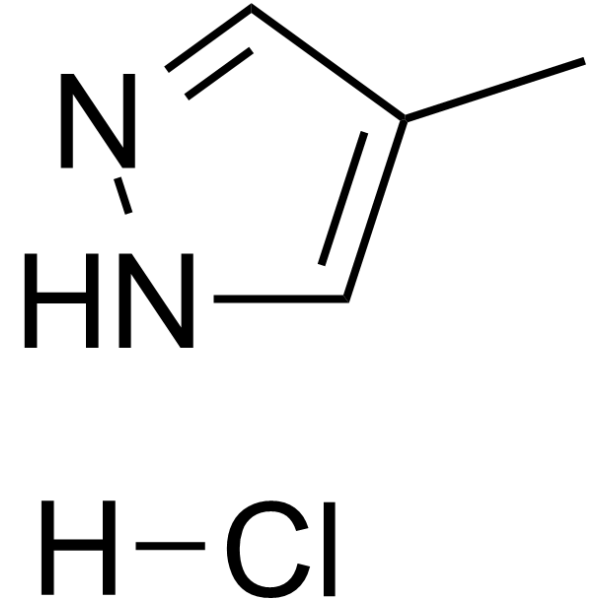
Fomepizole (4-Methylpyrazole) hydrochloride is a potent and orally active cytochrome P450 (CYP2E1) inhibitor. Fomepizole hydrochloride is a competitive inhibitor of the enzyme alcohol dehydrogenase. Fomepizole hydrochloride blocks further conversion of methanol and ethylene glycol to toxic metabolites. Fomepizole hydrochloride has the potential for an antidote for ethylene glycol or methanol poisoning .
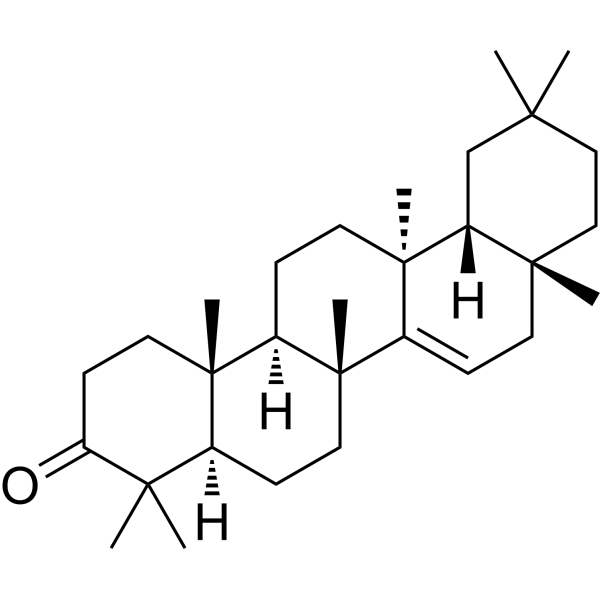
Taraxerone is isolated from Sedum sarmentosum. Taraxerone enhances effects on alcohol dehydrogenase (ADH) and acetaldehyde dehydrogenase (ALDH) activities with EC50 values of 512.42 and 500.16 μM, respectively .
Noraramtide (BHV-1100) is an antibody recruitment molecule. Noraramtide can specifically bind to CD38 molecules to recruit natural killer (NK) cells. Noraramtide enhances the ability of NK cells to kill tumor cells through antibody-dependent cellular cytotoxicity (ADCC). This mechanism allows NK cells to more effectively recognize and eliminate tumor cells while avoiding mutual killing between NK cells. Noraramtide can be used for the study of autologous cancer immunity .
Arteannuic alcohol (Amorpha-4,11-diene-12-ol) is a precursor substance in the biosynthetic pathway of Artemisinin (HY-B0094). Alcohol dehydrogenase catalyzes the dehydrogenation reaction of chlorogenic alcohol to produce artemisinic aldehyde .
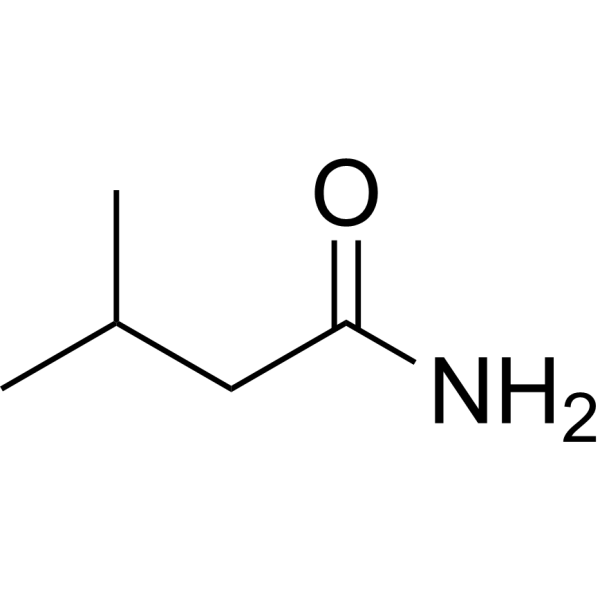
Aldehyde Dehydrogenase Isobutyramide is an orally active liver alcohol dehydrogenase (LADH2) inhibitor. Isobutyramide inhibits ethanol metabolism and enhances differentiation-related gene expression, inducing cell cycle arrest and significantly reducing the growth rate of prostate cancer cells (LNCaP). Isobutyramide is promising for research of advanced prostate cancer .
[Dehydro-Pro4] Substance P (4-11) is a peptide fragment of Substance P. Substance P is a peptide mainly secreted by neurons. Substance P takes part in many biological processes, including nociception, inflammation and immunity .
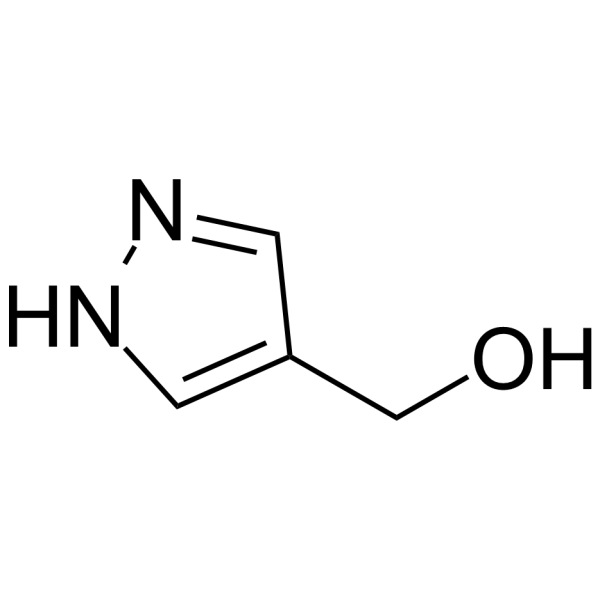
4-Hydroxymethylpyrazole is the primary metabolite of Fomepizole (HY-B0876) produced through hepatic oxidative metabolism. 4-Hydroxymethylpyrazole exhibits a plasma concentration that is positively correlated with the administered dosage of Fomepizole, and it demonstrates a relatively short half-life. 4-Hydroxymethylpyrazole demonstrates inhibitory effects on alcohol dehydrogenase (ADH) in both humans and monkeys, but its inhibition constant is significantly higher than that of Fomepizole, rendering its in vivo impact negligible .
Bellericagenin A is a pentacyclic triterpenic acid isolated from the bark of Terminalia bellerica. Bellericagenin A exhibits antimicrobial activity. Bellericagenin A exhibits a high affinity to alcohol dehydrogenase (ADH), which has the potential for ameliorating the alcoholic liver injury .
Nitrosoglutathione (Standard) (GSNO (Standard)) is the analytical standard of Nitrosoglutathione (HY-D0845). This product is intended for research and analytical applications. Nitrosoglutathione (GSNO), a exogenous NO donor and a substrate for rat alcohol dehydrogenase class III isoenzyme, inhibits cerebrovascular angiotensin II-dependent and -independent AT1 receptor responses.
x
Fomepizole (Standard) is the analytical standard of Fomepizole. This product is intended for research and analytical applications. Fomepizole (4-Methylpyrazole) is a potent cytochrome P450 (CYP2E1) inhibitor. Fomepizole is a competitive inhibitor of the enzyme alcohol dehydrogenase. Fomepizole blocks further conversion of methanol and ethylene glycol to toxic metabolites. Fomepizole has the potential for an antidote for ethylene glycol or methanol poisoning .
3-Hydroxybenzaldehyde (Standard) is the analytical standard of 3-Hydroxybenzaldehyde. This product is intended for research and analytical applications. 3-Hydroxybenzaldehyde (3-HBA) is a precursor compound for phenolic compounds like Protocatechuic aldehyde (PCA) (HY-N0295). 3-Hydroxybenzaldehyde, produced by 3-hydroxybenzyl-alcohol dehydrogenase, is a substrate of aldehyde dehydrogenase (ALDH) in rats and humans. 3-Hydroxybenzaldehyde has vasculoprotective effects in vitro and in vivo. 3-Hydroxybenzaldehyde is proming for research of atherosclerosis[1][2][3][4].
1H-pyrazole (Standard) is the analytical standard of 1H-pyrazole. This product is intended for research and analytical applications. 1H-pyrazole (Pyrazole) is a five-membered heterocyclic compound, and its derivatives are orally effective antimalarial and antileishmanial agents with the potential to modulate targets such as alcohol dehydrogenase and NMDA receptors. 1H-pyrazole derivatives exhibit inhibitory effects on Plasmodium berghei in infected mice and on promastigotes of Leishmania aethiopica, respectively. 1H-pyrazole can be used in research related to malaria and leishmaniasis .
Alcohol Dehydrogenase(NADP+ dependent), Thermoanaerobium brockii (EC 1.1.1.2) is involved in the reduction of biogenic and xenobiotic aldehydes and is present in virtually every tissue.
Aromatic Alcohol Dehydrogenase (NADP+ dependent), Thermoanaerobium sp. (EC 1.1.1.2), is involved in the reduction of both biological and exogenous aldehydes and is present in almost all tissues.
Camelliquercetiside B is a natural product. Camelliquercetiside B can be isolated from the leaves of Camellia sinensis. Camelliquercetiside B inhibits alcohol dehydrogenase(Alcohol dehydrogenase), with an IC50 of 13.7 μM against yeast alcohol dehydrogenase. Camelliquercetiside B exhibits scavenging activity against DPPH free radicals .
Camelliquercetiside D is a natural product. Camelliquercetiside D can be isolated from the leaves of Camellia sinensis. Camelliquercetiside D inhibits alcohol dehydrogenase, with an IC50 of 41.5 μM against yeast ADH. Camelliquercetiside D exhibits scavenging activity against DPPH .
Fomepizole-d2 (4-Methylpyrazole-d2) is the deuterium labeled Fomepizole (HY-B0876). Fomepizole (4-Methylpyrazole) is a potent cytochrome P450 (CYP2E1) inhibitor. Fomepizole is a competitive inhibitor of the enzyme alcohol dehydrogenase. Fomepizole blocks further conversion of methanol and ethylene glycol to toxic metabolites. Fomepizole has the potential for an antidote for ethylene glycol or methanol poisoning .
4-Hydroxymethylpyrazole (Standard) is an analytical standard for 4-Hydroxymethylpyrazole (HY-33914). This product is intended for research and analytical applications. 4-Hydroxymethylpyrazole is the primary metabolite of fomepizole (HY-B0876) via hepatic oxidative metabolism. 4-Hydroxymethylpyrazole exhibits a plasma concentration that is positively correlated with the administered dosage of Fomepizole, and it demonstrates a relatively short half-life. 4-Hydroxymethylpyrazole inhibits alcohol dehydrogenase (ADH) in humans and monkeys, but the inhibition constant is much higher than that of fomepizole and is therefore negligible in vivo
4-Nitrobenzyl alcohol (4-Nitrobenzenemathanol) is a nitro compound used as a reactant in drug synthesis. 4-Nitrobenzyl alcohol can be catalyzed to 4-nitrobenzaldehyde by the enzyme encoded by the benzyl alcohol dehydrogenase gene (ntnD) .
Noraramtide (BHV-1100) is an antibody recruitment molecule. Noraramtide can specifically bind to CD38 molecules to recruit natural killer (NK) cells. Noraramtide enhances the ability of NK cells to kill tumor cells through antibody-dependent cellular cytotoxicity (ADCC). This mechanism allows NK cells to more effectively recognize and eliminate tumor cells while avoiding mutual killing between NK cells. Noraramtide can be used for the study of autologous cancer immunity .
[Dehydro-Pro4] Substance P (4-11) is a peptide fragment of Substance P. Substance P is a peptide mainly secreted by neurons. Substance P takes part in many biological processes, including nociception, inflammation and immunity .
H-Arg-Phe-OH TFA is an amphipathic peptide. H-Arg-Phe-OH TFA has the ability to induce native-like protein aggregation. H-Arg-Phe-OH TFA can induce aggregation of the neutral model protein yeast alcohol dehydrogenase (ADH) .
H-Arg-Phe-OH is an amphipathic peptide. H-Arg-Phe-OH has the ability to induce native-like protein aggregation. H-Arg-Phe-OH can induce aggregation of the neutral model protein yeast alcohol dehydrogenase (ADH) .
3-Hydroxybenzaldehyde (3-HBA) is a precursor compound for phenolic compounds like Protocatechuic aldehyde (PCA) (HY-N0295). 3-Hydroxybenzaldehyde, produced by 3-hydroxybenzyl-alcohol dehydrogenase, is a substrate of aldehyde dehydrogenase (ALDH) in rats and humans. 3-Hydroxybenzaldehyde has vasculoprotective effects in vitro and in vivo. 3-Hydroxybenzaldehyde is proming for research of atherosclerosis .
1H-pyrazole (Pyrazole) is a five-membered heterocyclic compound, and its derivatives are orally effective antimalarial and antileishmanial agents with the potential to modulate targets such as alcohol dehydrogenase and NMDA receptors. 1H-pyrazole derivatives exhibit inhibitory effects on Plasmodium berghei in infected mice and on promastigotes of Leishmania aethiopica, respectively. 1H-pyrazole can be used in research related to malaria and leishmaniasis .
Taraxerone is isolated from Sedum sarmentosum. Taraxerone enhances effects on alcohol dehydrogenase (ADH) and acetaldehyde dehydrogenase (ALDH) activities with EC50 values of 512.42 and 500.16 μM, respectively .
4-Hydroxymethylpyrazole is the primary metabolite of Fomepizole (HY-B0876) produced through hepatic oxidative metabolism. 4-Hydroxymethylpyrazole exhibits a plasma concentration that is positively correlated with the administered dosage of Fomepizole, and it demonstrates a relatively short half-life. 4-Hydroxymethylpyrazole demonstrates inhibitory effects on alcohol dehydrogenase (ADH) in both humans and monkeys, but its inhibition constant is significantly higher than that of Fomepizole, rendering its in vivo impact negligible .
Bellericagenin A is a pentacyclic triterpenic acid isolated from the bark of Terminalia bellerica. Bellericagenin A exhibits antimicrobial activity. Bellericagenin A exhibits a high affinity to alcohol dehydrogenase (ADH), which has the potential for ameliorating the alcoholic liver injury .
3-Hydroxybenzaldehyde (Standard) is the analytical standard of 3-Hydroxybenzaldehyde. This product is intended for research and analytical applications. 3-Hydroxybenzaldehyde (3-HBA) is a precursor compound for phenolic compounds like Protocatechuic aldehyde (PCA) (HY-N0295). 3-Hydroxybenzaldehyde, produced by 3-hydroxybenzyl-alcohol dehydrogenase, is a substrate of aldehyde dehydrogenase (ALDH) in rats and humans. 3-Hydroxybenzaldehyde has vasculoprotective effects in vitro and in vivo. 3-Hydroxybenzaldehyde is proming for research of atherosclerosis[1][2][3][4].
1H-pyrazole (Standard) is the analytical standard of 1H-pyrazole. This product is intended for research and analytical applications. 1H-pyrazole (Pyrazole) is a five-membered heterocyclic compound, and its derivatives are orally effective antimalarial and antileishmanial agents with the potential to modulate targets such as alcohol dehydrogenase and NMDA receptors. 1H-pyrazole derivatives exhibit inhibitory effects on Plasmodium berghei in infected mice and on promastigotes of Leishmania aethiopica, respectively. 1H-pyrazole can be used in research related to malaria and leishmaniasis .
Camelliquercetiside B is a natural product. Camelliquercetiside B can be isolated from the leaves of Camellia sinensis. Camelliquercetiside B inhibits alcohol dehydrogenase(Alcohol dehydrogenase), with an IC50 of 13.7 μM against yeast alcohol dehydrogenase. Camelliquercetiside B exhibits scavenging activity against DPPH free radicals .
Camelliquercetiside D is a natural product. Camelliquercetiside D can be isolated from the leaves of Camellia sinensis. Camelliquercetiside D inhibits alcohol dehydrogenase, with an IC50 of 41.5 μM against yeast ADH. Camelliquercetiside D exhibits scavenging activity against DPPH .
4-Hydroxymethylpyrazole (Standard) is an analytical standard for 4-Hydroxymethylpyrazole (HY-33914). This product is intended for research and analytical applications. 4-Hydroxymethylpyrazole is the primary metabolite of fomepizole (HY-B0876) via hepatic oxidative metabolism. 4-Hydroxymethylpyrazole exhibits a plasma concentration that is positively correlated with the administered dosage of Fomepizole, and it demonstrates a relatively short half-life. 4-Hydroxymethylpyrazole inhibits alcohol dehydrogenase (ADH) in humans and monkeys, but the inhibition constant is much higher than that of fomepizole and is therefore negligible in vivo
The alcohol dehydrogenase protein is part of the zinc-containing alcohol dehydrogenase family and catalyzes the oxidation of alcohol, which is critical in various metabolic processes. It is primarily active in the liver, where it converts ethanol into acetaldehyde during the breakdown of ethanol. Alcohol dehydrogenase Protein, Lentilactobacillus curieae (His) is the recombinant Alcohol dehydrogenase protein, expressed by E. coli , with N-6*His labeled tag.
The alcohol dehydrogenase protein is part of the zinc-containing alcohol dehydrogenase family and catalyzes the oxidation of alcohol, which is critical in various metabolic processes. It is primarily active in the liver, where it converts ethanol into acetaldehyde during the breakdown of ethanol. Alcohol dehydrogenase Protein, Lentilactobacillus curieae is the recombinant Alcohol dehydrogenase protein, expressed by E. coli , with tag free.
ADH Protein, Drosophila melanogaster (S2-I256) is a dimeric Zn-containing enzyme in the oxidoreductase family with acetaldehyde dehydrogenase and alcohol dehydrogenase activity, therefore, can oxidize primary and secondary alcohols. ADH Protein, Drosophila melanogaster (S2-I256) is E.coli-sourced and tag-free, the initiator methionine is naturally removed. ADH Protein, Drosophila melanogaster is the recombinant ADH protein, expressed by E. coli , with tag free.
The ADH-HT protein is a thermophilic NAD(+)-dependent alcohol dehydrogenase that functions primarily as an alcohol dehydrogenase. This protein plays a vital role in ethanol metabolism by catalyzing the conversion of ethanol to acetaldehyde using NAD(+) as a cofactor in the process. ADH-HT Protein, Geobacillus stearothermophilus is the recombinant ADH-HT protein, expressed by E. coli , with tag free.
ADH protein, active with primary alcohols, including methanol as a substrate, demonstrates specific enzymatic activity in alcohol metabolism. ADH Protein, Geobacillus stearothermophilus is the recombinant ADH protein, expressed by E. coli , with tag free.
ADH Protein, Drosophila melanogaster (S2-I256) is a dimeric Zn-containing enzyme in the oxidoreductase family with acetaldehyde dehydrogenase and alcohol dehydrogenase activity, therefore, can oxidize primary and secondary alcohols. ADH Protein, Drosophila melanogaster (S2-I256) is E.coli-sourced and tag-free, the initiator methionine is naturally removed. ADH Protein, Drosophila melanogaster (His, Strep) is the recombinant ADH protein, expressed by E. coli , with N-Strep, N-6*His labeled tag.
adhT, a NAD(+)-dependent alcohol dehydrogenase, catalyzes the oxidation of alcohols, converting them to aldehydes or ketones while reducing NAD(+) to NADH. Its specificity enables participation in diverse metabolic pathways, contributing to alcohol breakdown and NADH regeneration. Integral to alcohol metabolism, adhT maintains cellular redox balance and energy homeostasis, crucial for processes like fermentation and energy production. adhT Protein, Geobacillus stearothermophilus is the recombinant adhT protein, expressed by E. coli , with tag free.
The ADH-HT protein is a thermophilic NAD(+)-dependent alcohol dehydrogenase that functions primarily as an alcohol dehydrogenase. This protein plays a vital role in ethanol metabolism by catalyzing the conversion of ethanol to acetaldehyde using NAD(+) as a cofactor in the process. ADH-HT Protein, Geobacillus stearothermophilus (His, Strep) is the recombinant ADH-HT protein, expressed by E. coli , with N-Strep, N-6*His labeled tag.
ADH protein, active with primary alcohols, including methanol as a substrate, demonstrates specific enzymatic activity in alcohol metabolism. ADH Protein, Geobacillus stearothermophilus (His, Strep) is the recombinant ADH protein, expressed by E. coli , with N-Strep, N-6*His labeled tag.
adhT, a NAD(+)-dependent alcohol dehydrogenase, catalyzes the oxidation of alcohols, converting them to aldehydes or ketones while reducing NAD(+) to NADH. Its specificity enables participation in diverse metabolic pathways, contributing to alcohol breakdown and NADH regeneration. Integral to alcohol metabolism, adhT maintains cellular redox balance and energy homeostasis, crucial for processes like fermentation and energy production. adhT Protein, Geobacillus stearothermophilus (His, Strep) is the recombinant adhT protein, expressed by E. coli , with N-Strep, N-6*His labeled tag.
The ADH5 protein catalyzes the oxidation of long-chain primary alcohols and S-(hydroxymethyl) glutathione. It also oxidizes long-chain omega-hydroxy fatty acids, producing intermediate aldehydes and end products. However, it is ineffective in oxidizing ethanol. ADH5 is crucial for clearing cytotoxic formaldehyde, which causes DNA damage. ADH5 Protein, Human is the recombinant human-derived ADH5 protein, expressed by E. coli , with no tag.
ADH1A Protein, recognized as alcohol dehydrogenase, is pivotal in cellular metabolism. It catalyzes the oxidation of both primary and secondary alcohols. Despite ethanol being a poor substrate, ADH1A's broad specificity underscores its importance in oxidizing diverse alcohols, maintaining cellular redox balance. The enzyme's versatility highlights its crucial role in alcohol-related metabolic pathways. ADH1A Protein, Human is the recombinant human-derived ADH1A protein, expressed by E. coli , with tag free.
The ADH4 protein is a specific alcohol dehydrogenase that primarily functions as a mitochondrial formaldehyde dehydrogenase with a unique ethanol preference. It does not affect ethanol production and exhibits reduced activity on primary alcohols with four or more carbon atoms. ADH4 Protein, Saccharomyces cerevisiae is the recombinant ADH4 protein, expressed by E. coli , with tag free.
ADH1C Proteinas, an alcohol dehydrogenase, plays a pivotal role in ethanol catabolism, exhibiting heightened activity in ethanol oxidation. ADH1C Protein, Human is the recombinant human-derived ADH1C protein, expressed by E. coli , with tag free.
The ADH5 protein catalyzes the oxidation of long-chain primary alcohols and S-(hydroxymethyl) glutathione. It also oxidizes long-chain omega-hydroxy fatty acids, producing intermediate aldehydes and end products. However, it is ineffective in oxidizing ethanol. ADH5 is crucial for clearing cytotoxic formaldehyde, which causes DNA damage. ADH5 Protein, Human (His) is the recombinant human-derived ADH5 protein, expressed by E. coli , with N-His labeled tag.
ADH1A Protein, recognized as alcohol dehydrogenase, is pivotal in cellular metabolism. It catalyzes the oxidation of both primary and secondary alcohols. Despite ethanol being a poor substrate, ADH1A's broad specificity underscores its importance in oxidizing diverse alcohols, maintaining cellular redox balance. The enzyme's versatility highlights its crucial role in alcohol-related metabolic pathways. ADH1A Protein, Human (His) is the recombinant human-derived ADH1A protein, expressed by E. coli , with N-6*His labeled tag.
ADH II Protein, an iron-dependent alcohol dehydrogenase, is pivotal in converting pyruvate to ethanol. This enzymatic activity is essential for pathways involving ethanol formation, contributing to physiological processes in alcohol metabolism. Its iron dependency underscores intricate biochemical mechanisms, emphasizing ADH II's significance in producing ethanol from pyruvate within relevant biological contexts. ADH II Protein, Zymomonas mobilis subsp. mobilis is the recombinant ADH II protein, expressed by E. coli , with tag free.
The ADH4 protein is a specific alcohol dehydrogenase that primarily functions as a mitochondrial formaldehyde dehydrogenase with a unique ethanol preference. It does not affect ethanol production and exhibits reduced activity on primary alcohols with four or more carbon atoms. ADH4 Protein, Saccharomyces cerevisiae (His, Strep) is the recombinant ADH4 protein, expressed by E. coli , with N-Strep, N-6*His labeled tag.
ADH II Protein, an iron-dependent alcohol dehydrogenase, is pivotal in converting pyruvate to ethanol. This enzymatic activity is essential for pathways involving ethanol formation, contributing to physiological processes in alcohol metabolism. Its iron dependency underscores intricate biochemical mechanisms, emphasizing ADH II's significance in producing ethanol from pyruvate within relevant biological contexts. ADH II Protein, Zymomonas mobilis subsp. mobilis (His, Strep) is the recombinant ADH II protein, expressed by E. coli , with N-Strep, N-6*His labeled tag.
ADH protein, active with primary alcohols, including methanol as a substrate, demonstrates specific enzymatic activity in alcohol metabolism. ADH Protein, Sulfurisphaera tokodaii is the recombinant ADH protein, expressed by E. coli , with tag free.
ADH4 Protein, an enzyme, is involved in the metabolism of alcohol and other toxic compounds. Dysregulation of ADH4 Protein has been linked to alcohol-induced liver damage and susceptibility to certain diseases. Targeting ADH4 Protein may offer potential therapeutic interventions by modulating alcohol metabolism, protecting against liver damage, and reducing disease risk. ADH4 Protein, Human is the recombinant human-derived ADH4 protein, expressed by E. coli , with tag free.
ADH4 Protein, an enzyme, is involved in the metabolism of alcohol and other toxic compounds. Dysregulation of ADH4 Protein has been linked to alcohol-induced liver damage and susceptibility to certain diseases. Targeting ADH4 Protein may offer potential therapeutic interventions by modulating alcohol metabolism, protecting against liver damage, and reducing disease risk. ADH4 Protein, Human (GST) is the recombinant human-derived ADH4 protein, expressed by E. coli , with N-GST labeled tag.
The ADH6 protein is considered an alcohol dehydrogenase and is critical in cellular metabolism. It catalyzes the NAD-dependent oxidation of primary alcohols to aldehydes and promotes the oxidation of secondary alcohols to ketones. ADH6 Protein, Human is the recombinant human-derived ADH6 protein, expressed by E. coli , with tag free.
GyaR Proteinas, an alcohol dehydrogenase, efficiently oxidizes primary long-chain alcohols, with pentan-1-ol as the optimal substrate in vitro. It displays versatile dehydrogenase activity on alcohols like propanol, hexanol, and ethanol, highlighting its potential in diverse metabolic pathways by catalyzing the oxidation of various primary alcohols. gyaR Protein, Thermoanaerobacter ethanolicus is the recombinant gyaR protein, expressed by E. coli , with tag free.
The ADH6 protein is considered an alcohol dehydrogenase and is critical in cellular metabolism. It catalyzes the NAD-dependent oxidation of primary alcohols to aldehydes and promotes the oxidation of secondary alcohols to ketones. ADH6 Protein, Human (GST) is the recombinant human-derived ADH6 protein, expressed by E. coli , with N-GST labeled tag.
ADH protein, active with primary alcohols, including methanol as a substrate, demonstrates specific enzymatic activity in alcohol metabolism. ADH Protein, Sulfurisphaera tokodaii (His, Strep) is the recombinant ADH protein, expressed by E. coli , with N-Strep, N-6*His labeled tag.
GyaR Proteinas, an alcohol dehydrogenase, efficiently oxidizes primary long-chain alcohols, with pentan-1-ol as the optimal substrate in vitro. It displays versatile dehydrogenase activity on alcohols like propanol, hexanol, and ethanol, highlighting its potential in diverse metabolic pathways by catalyzing the oxidation of various primary alcohols. gyaR Protein, Thermoanaerobacter ethanolicus (His, Strep) is the recombinant gyaR protein, expressed by E. coli , with N-Strep, N-6*His labeled tag.
ADH7 Protein, Human (HEK293, His) is human recombinant ADH7 with His tag at the C-terminus. ADH7 Protein, Human (HEK293, His) is expressed by Mammalian expression system and the target gene encoding Met1-Phe386 is expressed.
Fomepizole-d2 (4-Methylpyrazole-d2) is the deuterium labeled Fomepizole (HY-B0876). Fomepizole (4-Methylpyrazole) is a potent cytochrome P450 (CYP2E1) inhibitor. Fomepizole is a competitive inhibitor of the enzyme alcohol dehydrogenase. Fomepizole blocks further conversion of methanol and ethylene glycol to toxic metabolites. Fomepizole has the potential for an antidote for ethylene glycol or methanol poisoning .
Western blot analysis of extracts from THP-1(lane 2(20μg), Jurkat (lane 3(20μg) and NIH3T3(lane 4(20μg) using FOXO1A (HY-P80132) Rabbit mAb. Proteins were transferred
to a PVDF membrane and blocked with 5% non-fat milk in TBST for 2 hour at room temperature. The primary antibody (1/1000) and Loading control antibody (Beta Actin, HY-P80438, 1/10000) was
used in 5% non-fat milk in TBST at 4°C overnight. Goat Anti-Mouse/Rabbit IgG-HRP Secondary Antibody (1/10000) was used for 1 hour at room temperature.
Western blot analysis of extracts from THP-1(lane 2(20μg), Jurkat (lane 3(20μg) and NIH3T3(lane 4(20μg) using FOXO1A (HY-P80132) Rabbit mAb. Proteins were transferred
to a PVDF membrane and blocked with 5% non-fat milk in TBST for 2 hour at room temperature. The primary antibody (1/1000) and Loading control antibody (Beta Actin, HY-P80438, 1/10000) was
used in 5% non-fat milk in TBST at 4°C overnight. Goat Anti-Mouse/Rabbit IgG-HRP Secondary Antibody (1/10000) was used for 1 hour at room temperature.
Western blot analysis of extracts from THP-1(lane 2(20μg), Jurkat (lane 3(20μg) and NIH3T3(lane 4(20μg) using FOXO1A (HY-P80132) Rabbit mAb. Proteins were transferred
to a PVDF membrane and blocked with 5% non-fat milk in TBST for 2 hour at room temperature. The primary antibody (1/1000) and Loading control antibody (Beta Actin, HY-P80438, 1/10000) was
used in 5% non-fat milk in TBST at 4°C overnight. Goat Anti-Mouse/Rabbit IgG-HRP Secondary Antibody (1/10000) was used for 1 hour at room temperature.
Western blot analysis of extracts from THP-1(lane 2(20μg), Jurkat (lane 3(20μg) and NIH3T3(lane 4(20μg) using FOXO1A (HY-P80132) Rabbit mAb. Proteins were transferred
to a PVDF membrane and blocked with 5% non-fat milk in TBST for 2 hour at room temperature. The primary antibody (1/1000) and Loading control antibody (Beta Actin, HY-P80438, 1/10000) was
MedchemExpress Validation 03
Western blot analysis of extracts from THP-1(lane 2(20μg), Jurkat (lane 3(20μg) and NIH3T3(lane 4(20μg) using FOXO1A (HY-P80132) Rabbit mAb. Proteins were transferred
MedchemExpress Validation 04
Western blot analysis of extracts from THP-1(lane 2(20μg), Jurkat (lane 3(20μg) and NIH3T3(lane 4(20μg) using FOXO1A (HY-P80132) Rabbit mAb. Proteins were transferred
to a PVDF membrane and blocked with 5% non-fat milk in TBST for 2 hour at room temperature. The primary antibody (1/1000) and Loading control antibody (Beta Actin, HY-P80438, 1/10000) was
used in 5% non-fat milk in TBST at 4°C overnight. Goat Anti-Mouse/Rabbit IgG-HRP Secondary Antibody (1/10000) was used for 1 hour at room temperature.
MedchemExpress Validation
Western blot analysis of extracts from THP-1(lane 2(20μg), Jurkat (lane 3(20μg) and NIH3T3(lane 4(20μg) using FOXO1A (HY-P80132) Rabbit mAb. Proteins were transferred
to a PVDF membrane and blocked with 5% non-fat milk in TBST for 2 hour at room temperature. The primary antibody (1/1000) and Loading control antibody (Beta Actin, HY-P80438, 1/10000) was
used in 5% non-fat milk in TBST at 4°C overnight. Goat Anti-Mouse/Rabbit IgG-HRP Secondary Antibody (1/10000) was used for 1 hour at room temperature.
Western blot analysis of extracts from THP-1(lane 2(20μg), Jurkat (lane 3(20μg) and NIH3T3(lane 4(20μg) using FOXO1A (HY-P80132) Rabbit mAb. Proteins were transferred
to a PVDF membrane and blocked with 5% non-fat milk in TBST for 2 hour at room temperature. The primary antibody (1/1000) and Loading control antibody (Beta Actin, HY-P80438, 1/10000) was
used in 5% non-fat milk in TBST at 4°C overnight. Goat Anti-Mouse/Rabbit IgG-HRP Secondary Antibody (1/10000) was used for 1 hour at room temperature.
MedchemExpress Validation
Western blot analysis of extracts from THP-1(lane 2(20μg), Jurkat (lane 3(20μg) and NIH3T3(lane 4(20μg) using FOXO1A (HY-P80132) Rabbit mAb. Proteins were transferred
to a PVDF membrane and blocked with 5% non-fat milk in TBST for 2 hour at room temperature. The primary antibody (1/1000) and Loading control antibody (Beta Actin, HY-P80438, 1/10000) was
used in 5% non-fat milk in TBST at 4°C overnight. Goat Anti-Mouse/Rabbit IgG-HRP Secondary Antibody (1/10000) was used for 1 hour at room temperature.
MedchemExpress Validation
Western blot analysis of extracts from THP-1(lane 2(20μg), Jurkat (lane 3(20μg) and NIH3T3(lane 4(20μg) using FOXO1A (HY-P80132) Rabbit mAb. Proteins were transferred
to a PVDF membrane and blocked with 5% non-fat milk in TBST for 2 hour at room temperature. The primary antibody (1/1000) and Loading control antibody (Beta Actin, HY-P80438, 1/10000) was
used in 5% non-fat milk in TBST at 4°C overnight. Goat Anti-Mouse/Rabbit IgG-HRP Secondary Antibody (1/10000) was used for 1 hour at room temperature.
MedchemExpress Validation
Western blot analysis of extracts from THP-1(lane 2(20μg), Jurkat (lane 3(20μg) and NIH3T3(lane 4(20μg) using FOXO1A (HY-P80132) Rabbit mAb. Proteins were transferred
to a PVDF membrane and blocked with 5% non-fat milk in TBST for 2 hour at room temperature. The primary antibody (1/1000) and Loading control antibody (Beta Actin, HY-P80438, 1/10000) was
used in 5% non-fat milk in TBST at 4°C overnight. Goat Anti-Mouse/Rabbit IgG-HRP Secondary Antibody (1/10000) was used for 1 hour at room temperature.
MedchemExpress Validation
Western blot analysis of extracts from THP-1(lane 2(20μg), Jurkat (lane 3(20μg) and NIH3T3(lane 4(20μg) using FOXO1A (HY-P80132) Rabbit mAb. Proteins were transferred
to a PVDF membrane and blocked with 5% non-fat milk in TBST for 2 hour at room temperature. The primary antibody (1/1000) and Loading control antibody (Beta Actin, HY-P80438, 1/10000) was
used in 5% non-fat milk in TBST at 4°C overnight. Goat Anti-Mouse/Rabbit IgG-HRP Secondary Antibody (1/10000) was used for 1 hour at room temperature.
MedchemExpress Validation
Western blot analysis of extracts from THP-1(lane 2(20μg), Jurkat (lane 3(20μg) and NIH3T3(lane 4(20μg) using FOXO1A (HY-P80132) Rabbit mAb. Proteins were transferred
to a PVDF membrane and blocked with 5% non-fat milk in TBST for 2 hour at room temperature. The primary antibody (1/1000) and Loading control antibody (Beta Actin, HY-P80438, 1/10000) was
used in 5% non-fat milk in TBST at 4°C overnight. Goat Anti-Mouse/Rabbit IgG-HRP Secondary Antibody (1/10000) was used for 1 hour at room temperature.
MedchemExpress Validation
Western blot analysis of extracts from THP-1(lane 2(20μg), Jurkat (lane 3(20μg) and NIH3T3(lane 4(20μg) using FOXO1A (HY-P80132) Rabbit mAb. Proteins were transferred
to a PVDF membrane and blocked with 5% non-fat milk in TBST for 2 hour at room temperature. The primary antibody (1/1000) and Loading control antibody (Beta Actin, HY-P80438, 1/10000) was
used in 5% non-fat milk in TBST at 4°C overnight. Goat Anti-Mouse/Rabbit IgG-HRP Secondary Antibody (1/10000) was used for 1 hour at room temperature.
MedChemExpress values your privacy and your trust is important to us. We use cookies to enhance your website experience. Some cookies are necessary to run the website.
Privacy and Cookie Policy









![[Dehydro-Pro4] Substance P (4-11)](http://file.medchemexpress.com/product_pic/hy-p3820.gif)