1. Search Result
Search Result
Results for "

capsaicin-

" in MedChemExpress (MCE) Product Catalog:

73

Inhibitors & Agonists

1

Screening Libraries

3

Peptides

16

Natural
Products

1

Recombinant Proteins

5

Isotope-Labeled Compounds

1

Antibodies

Cat. No. Product Name Target Research Areas Chemical Structure
  • HY-10448
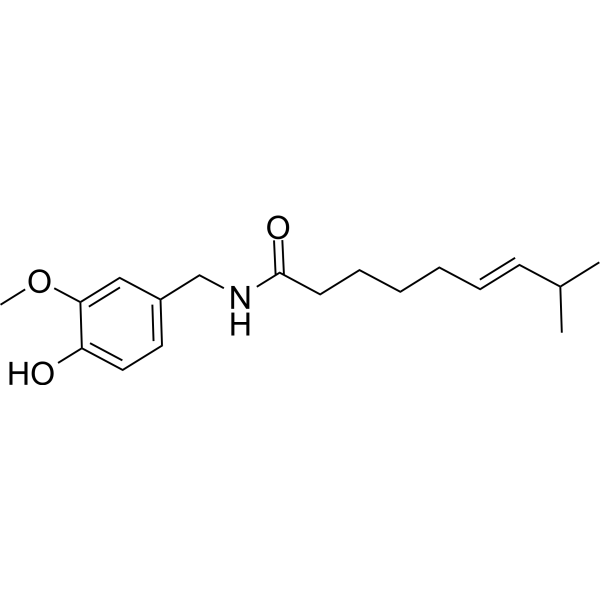
    Capsaicin
    Maximum Cited Publications
    81 Publications Verification

    (E)-capsaicin

    Environmental Pollutants TRP Channel Autophagy Endogenous Metabolite Apoptosis Infection Neurological Disease Inflammation/Immunology Cancer
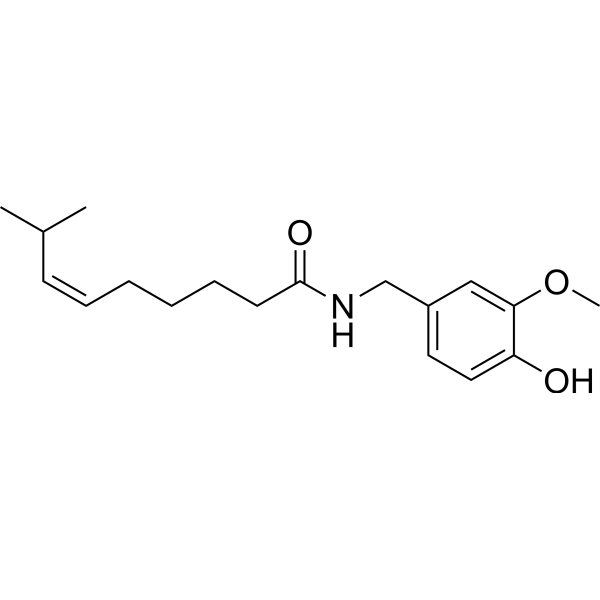
    Capsaicin ((E)-Capsaicin), an active component of chili peppers, is a TRPV1 agonist. Capsaicin induces a nociceptive response by binding to its receptors. Capsaicin has analgesic effects on neurological disorders. Capsaicin has antioxidant, anti-inflammatory, anti-cancer effects .
    Capsaicin
  • HY-10448A
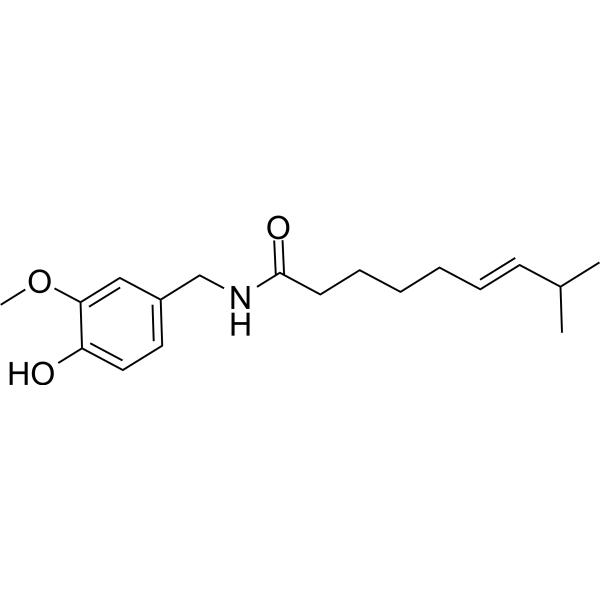
    Capsaicin (Purity 65%)
    20+ Cited Publications

    TRP Channel Autophagy Apoptosis Endogenous Metabolite Neurological Disease Inflammation/Immunology Cancer
    Capsaicin (Purity 65%) is a mixture of Capsaicin and Dihydrocapsaicin (Ratio >2:1). Capsaicin (Purity 65%) is an orally active capsaicin receptor (TRPV1) agonist .
    Capsaicin (Purity 65%)
  • HY-10448R
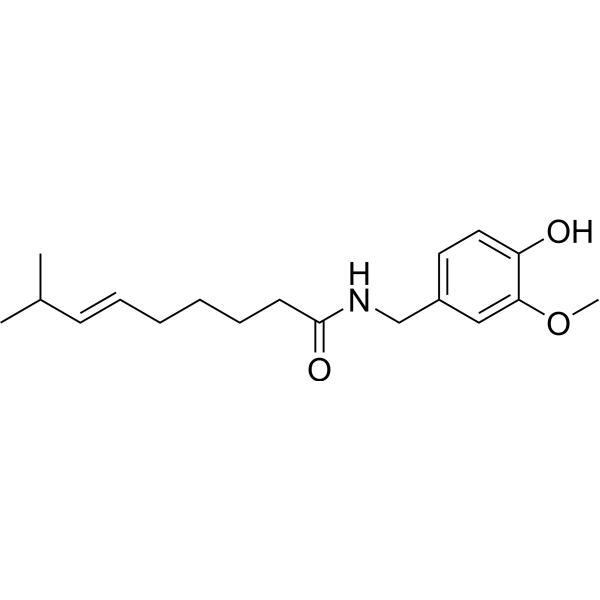
    Capsaicin (Standard)
    Maximum Cited Publications
    81 Publications Verification

    (E)-capsaicin (Standard)

    Reference Standards TRP Channel Autophagy Apoptosis Endogenous Metabolite Cancer
    Capsaicin (Standard) is the analytical standard of Capsaicin. This product is intended for research and analytical applications. Capsaicin ((E)-Capsaicin), an active component of chili peppers, is a TRPV1 agonist. Capsaicin induces a nociceptive response by binding to its receptors. Capsaicin has analgesic effects on neurological disorders. Capsaicin has antioxidant, anti-inflammatory, anti-cancer effects .
    Capsaicin (Standard)
  • HY-N0361
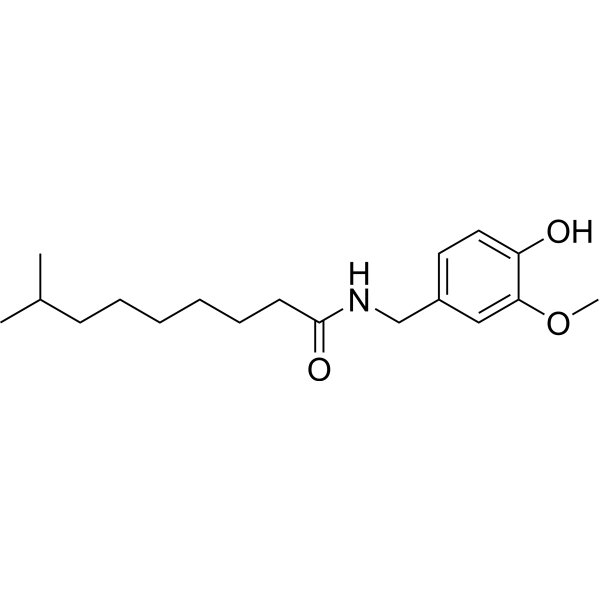
    Dihydrocapsaicin
    4 Publications Verification

    Environmental Pollutants Caspase Akt Apoptosis Reactive Oxygen Species (ROS) TRP Channel Bcl-2 Family PI3K Cardiovascular Disease Neurological Disease
    Dihydrocapsaicin, a capsaicin, is a potent and selective TRPV1 (transient receptor potential vanilloid channel 1) agonist. Dihydrocapsaicin reduces AIF, Bax, and Caspase-3 expressions, and increased Bcl-2, Bcl-xL and p-Akt levels. Dihydrocapsaicin enhances the hypothermia-induced neuroprotection following ischemic stroke via PI3K/Akt regulation in rat .
    Dihydrocapsaicin
  • HY-B1583

    Zucapsaicin; Civamide; cis-capsaicin

    TRP Channel HSV Neurological Disease
    (Z)-Capsaicin is the cis isomer of capsaicin, acts as an orally active TRPV1 agonist, and is used in the research of neuropathic pain.
    (Z)-Capsaicin
  • HY-16935

    JNJ-39439335

    TRP Channel Neurological Disease
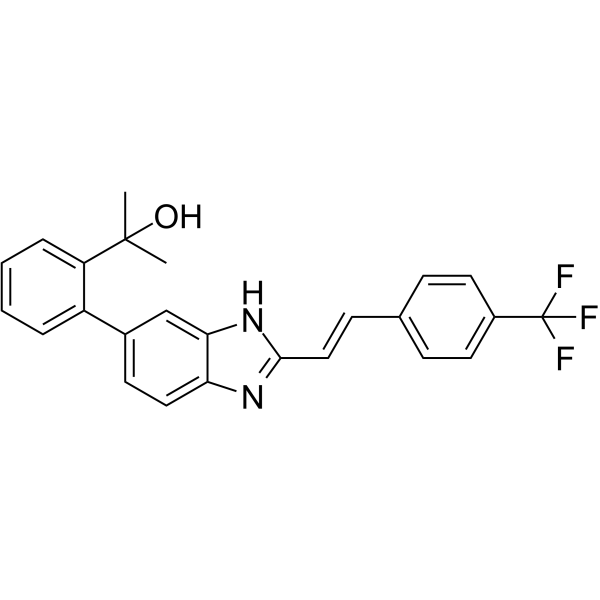
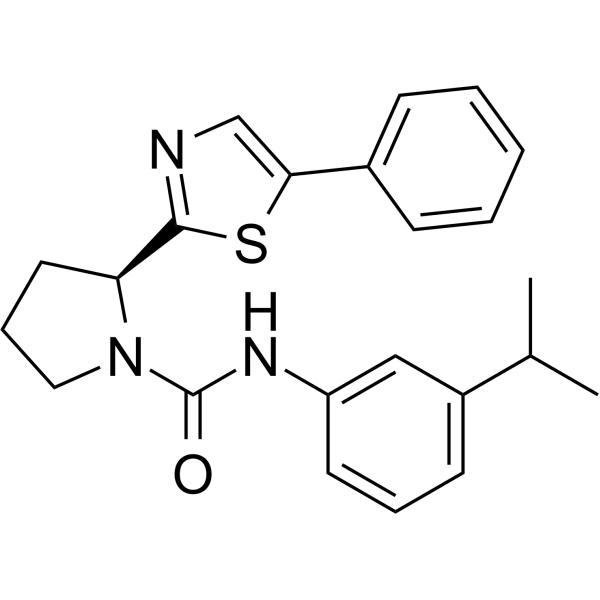
    Mavatrep (JNJ-39439335) is an orally active, selective and potent TRPV1 antagonist with high affinity for hTRPV1 channels (Ki=6.5 nM). Mavatrep antagonizes capsaicin-induced Ca 2+ influx with an IC50 value of 4.6 nM. Mavatrep can be used in some studies of neuropathic pain .
    Mavatrep
  • HY-110292

    TRP Channel Calcium Channel Inflammation/Immunology
    A-425619 is an orally active and selective transient receptor potential type V1 (TRPV1) antagonist. A-425619 blocks Capsaicin (HY-10448)- and N-arachidonoyl-dopamine (NADA)-induced Ca 2+ influx in dorsal root ganglia and trigeminal ganglia. A-425619 relieves pathophysiological pain associated with inflammation and tissue injury in rats. A-425619 can be used for the study of pain related to inflammation and tissue injury .
    A-425619
  • HY-P1014
    HCGRP-(8-37)
    2 Publications Verification

    Human α-CGRP (8-37)

    CGRP Receptor Cardiovascular Disease
    HCGRP-(8-37) (Human α-CGRP (8-37)) is a fragment of human calcitonin gene-related peptide (hCGRP) and an antagonist of the CGRP receptor, with an IC50 of 32.1 pM against the CGRP receptor. HCGRP-(8-37) blocks adenylate cyclase activation induced by CGRP receptor ligands and attenuates vascular responses triggered by CGRP. HCGRP-(8-37) reduces capsaicin-induced vasodilation in porcine nasal mucosa and superficial skin. HCGRP-(8-37) serves as a research tool to distinguish effects mediated by CGRP or calcitonin receptors, and to investigate CGRP-induced vascular effects .
    HCGRP-(8-37)
  • HY-A0191

    (+)-Brompheniramine; (S)-Brompheniramine

    Endogenous Metabolite Histamine Receptor TRP Channel Neurological Disease Metabolic Disease Inflammation/Immunology
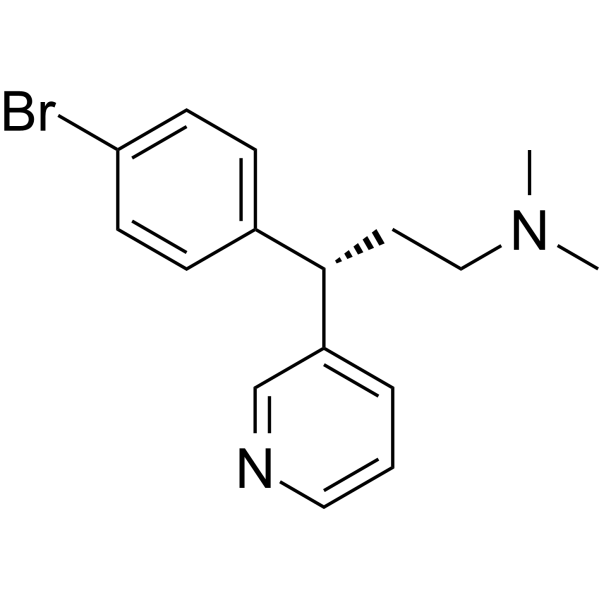
    Dexbrompheniramine ((+)-Brompheniramine; (S)-Brompheniramine) is a dual inhibitor of histamine H1 receptor and TRPV1 receptor that can cross the blood-brain barrier. Dexbrompheniramine exerts its effects by functionally blocking H1 receptor activity and dose-dependently inhibiting TRPV1-mediated calcium responses, including Capsaicin (HY-10448)-induced responses. The combination of Dexbrompheniramine with Cimetidine (HY-14289) eliminates histamine-induced and sham-feeding-induced drinking behavior, whereas Dexbrompheniramine alone does not induce thirst or alter sham-feeding behavior in rats. Dexbrompheniramine can be used in the research of chronic cough and related pathological mechanisms .
    Dexbrompheniramine
  • HY-N3097

    TRP Channel Amyloid-β Toll-like Receptor (TLR) Keap1-Nrf2 Heme Oxygenase (HO) Dihydroorotate Dehydrogenase Ferroptosis PAI-1 NF-κB ERK Proton Pump Glutathione Peroxidase Thrombin Insecticide Bacterial Infection Cardiovascular Disease Neurological Disease Inflammation/Immunology Cancer
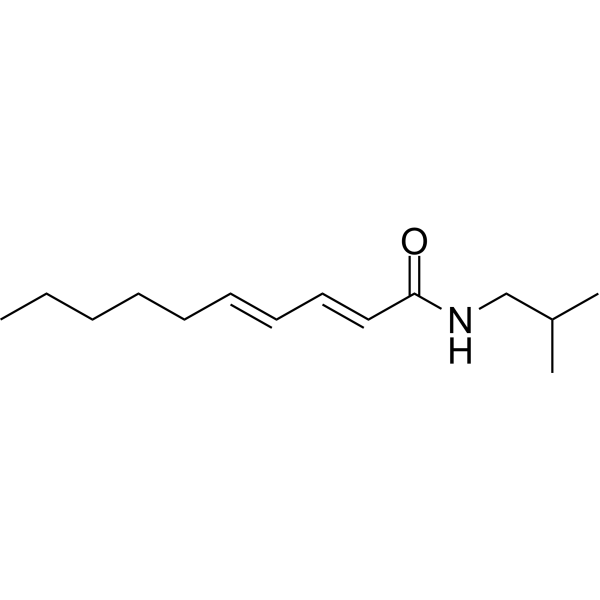
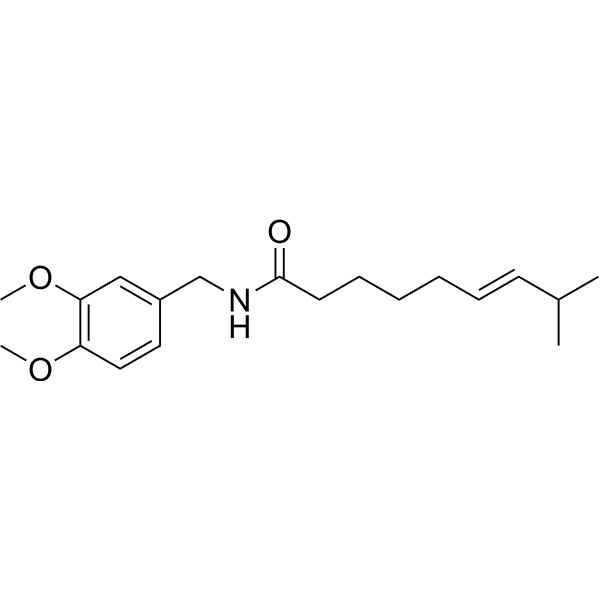
    Pellitorine is a bioactive natural amide compound. Pellitorine can competitively antagonize the activation of TRPV1 by Capsaicin (HY-10448), thereby reducing pain signal transmission. Pellitorine improves cognitive dysfunction by upregulating the BDNF-ERK1/2-CREB and Nrf2-HO-1 pathways. Pellitorine exerts anti-inflammatory and anti-sepsis effects by inhibiting the release of high mobility group protein B1 (HMGB1) and the expression of RAGE/TLR4. Pellitorine exerts its antithrombotic effect by prolonging the clotting time, inhibiting the activity of clotting factors and thrombin. Pellitorine inhibits lipid peroxidation and resists ferroptosis by upregulating GPX4 and DHODH. Pellitorine kills Aedes aegypti mosquito larvae by inhibiting V-type H⁺-ATPase and aquaporin 4 (AaAQP4). Pellitorine exhibits anti-cancer activity (e.g., leukemia and breast cancer) and has inhibitory effects on certain bacteria .
    Pellitorine
  • HY-N0449

    Environmental Pollutants Keap1-Nrf2 GABA Receptor Metabolic Disease Cancer
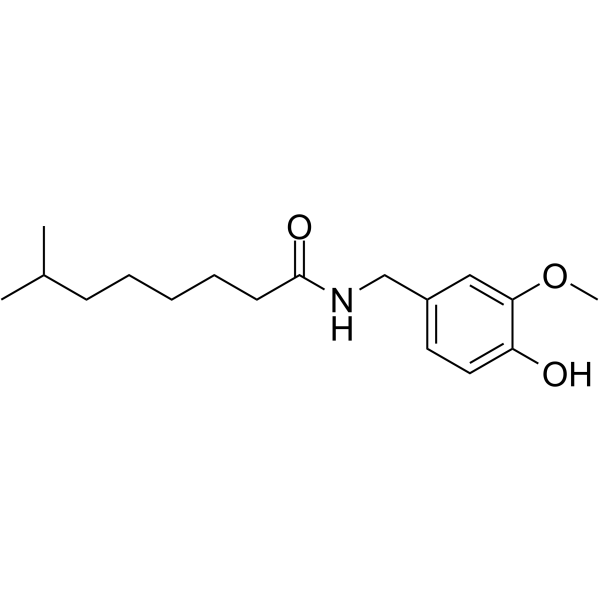
    Nordihydrocapsaicin, an analog of Capsaicin (HY-10448), is an orally active compound with pungent properties and anti-cancer activities, which is found in fresh and processed peppers. Nordihydrocapsaicin can cause a burning sensation when consumed .
    Nordihydrocapsaicin
  • HY-P1080
    ω-Agatoxin IVA
    1 Publications Verification

    Calcium Channel Cardiovascular Disease Neurological Disease
    ω-Agatoxin IVA is a potent, selective P/Q type Ca 2+ (Cav2.1) channel blocker with IC50 values of 2 nM and 90 nM. ω-Agatoxin IVA inhibits glutamate exocytosis and calcium influx elicited by high potassium. ω-Agatoxin IVA inhibits Capsaicin (HY-10448)-induced CGRP release and vasodilation. ω-Agatoxin IVA can be used for the research of neurological and cardiovascular disease .
    ω-Agatoxin IVA
  • HY-N8377
    Capsiate
    4 Publications Verification

    TRP Channel Inflammation/Immunology
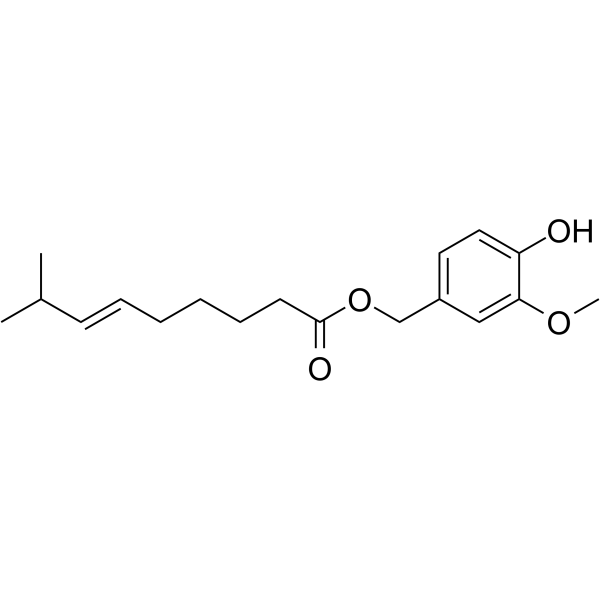
    Capsiate, as a capsaicin analogue extracted from a non-pungent cultivar of CH-19 sweet red pepper, is an orally active agonist of TRPV1 .
    Capsiate
  • HY-P1080A
    ω-Agatoxin IVA TFA
    1 Publications Verification

    Calcium Channel Neurological Disease
    ω-Agatoxin IVA TFA is a potent, selective P/Q type Ca 2+ (Cav2.1) channel blocker with IC50 values of 2 nM and 90 nM. ω-Agatoxin IVA TFA inhibits glutamate exocytosis and calcium influx elicited by high potassium. ω-Agatoxin IVA TFA inhibits Capsaicin (HY-10448)-induced CGRP release and vasodilation. ω-Agatoxin IVA TFA can be used for the research of neurological and cardiovascular disease .
    ω-Agatoxin IVA TFA
  • HY-144372

    TRP Channel Neurological Disease
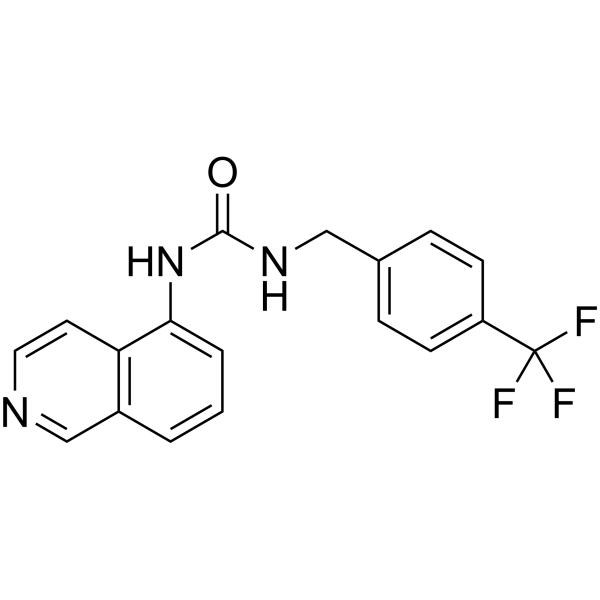
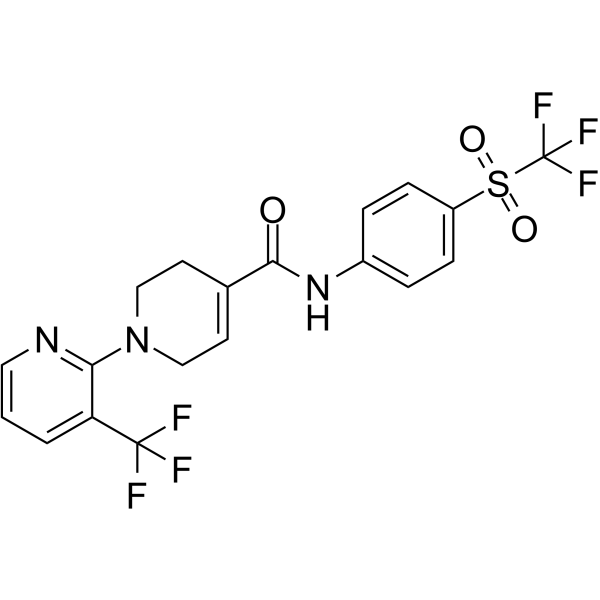
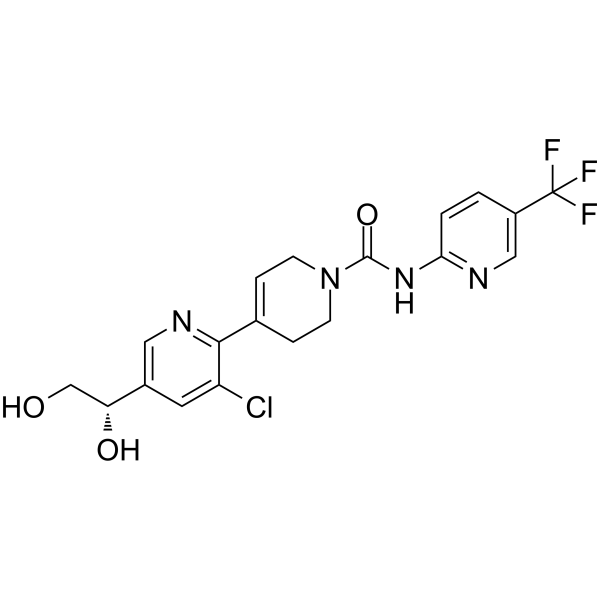
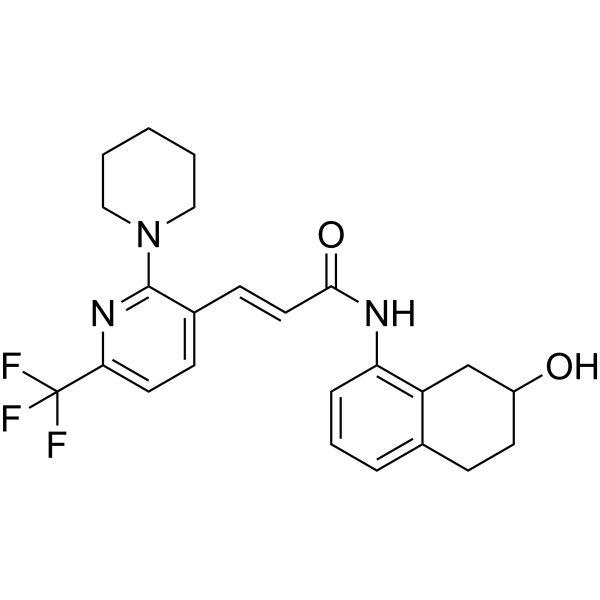
    TRPV1 antagonist 3 (Compound 7q) is a potent TRPV1 antagonist with an IC50 of 2.66 nM against capsaicin. TRPV1 antagonist 3 is mode-selective, oral bioavailable (F = 60%) and CNS-penetrant .
    TRPV1 antagonist 3
  • HY-N9452

    Others Others
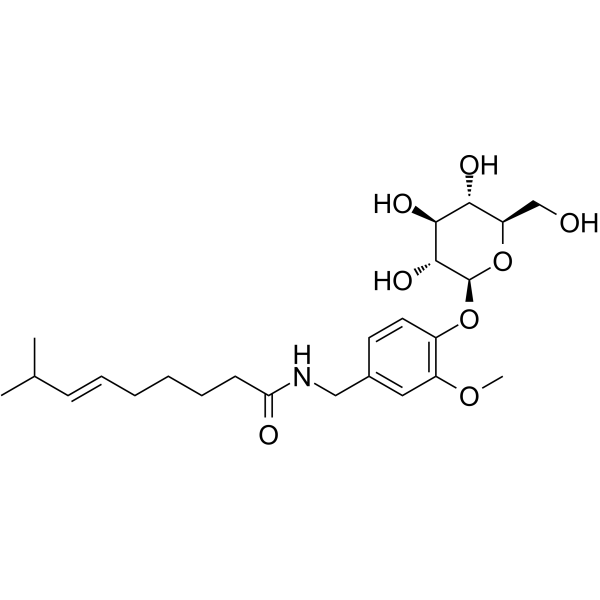
    Capsaicin β-D-glucopyranoside is a glucoside converted by Capsaicin. Capsaicin is the active ingredient of chili peppers and gives them the characteristic pungent flavor .
    Capsaicin β-D-glucopyranoside
  • HY-158110

    TRP Channel Inflammation/Immunology
    Phenylcapsaicin is an analogue of Capsaicin (HY-10448). Phenylcapsaicin is a TRPV1 receptor activator. Phenylcapsaicin enhances fat oxidation during aerobic exercise .
    Phenylcapsaicin
  • HY-113654

    TRP Channel Others
    AMG 7905 is a hypothermia-inducing transient receptor potential vanilloid type 1 (TRPV1) antagonist. AMG 7905 potentiates TRPV1 channels activation by protons and drives the reflectory inhibition of thermogenesis and tail-skin vasoconstriction, while potently blocking channel activation by capsaicin .
    AMG 7905
  • HY-108460

    TRP Channel Neurological Disease
    A-784168 is a potent and orally active inhibitor of vanilloid receptor type 1 (TRPV1). Vanilloid receptor type 1 (TRPV1) is a ligand-gated nonselective cation channel that is considered to be an important integrator of various pain stimuli such as endogenous lipids, capsaicin, heat, and low pH. A-784168 has good CNS penetration .
    A-784168
  • HY-W342926

    TRP Channel Neurological Disease
    (E)-8-Methyl-6-nonenoic acid is a potential thermal degradant of Capsaicin (HY-10448) .
    (E)-8-Methyl-6-nonenoic acid
  • HY-N7536

    TRP Channel Others
    Voacangine is an antagonist for TRPV1 and TRPM8 but as an agonist for TRPA1 (EC50=8 μM). Voacangine competitively blockes capsaicin binding to TRPV1 (IC50=50 μM). Voacangine competitively inhibits the binding of menthol to TRPM8 (IC50=9 μM) and it shows noncompetitive inhibition against icilin (IC50=7 μM). Voacangine selectively abrogates chemical agonist-induced TRPM8 activation and did not affect cold-induced activation. Voacangine is an alkaloid isolated from the root bark of Voacanga africana .
    Voacangine
  • HY-148752

    TRP Channel Metabolic Disease
    TRPV1 activator-2 (compound 9), a capsaicin head analog, makes specific interactions with channel residues at the lipid-water .
    TRPV1 activator-2
  • HY-137459

    CA-008

    TRP Channel Neurological Disease
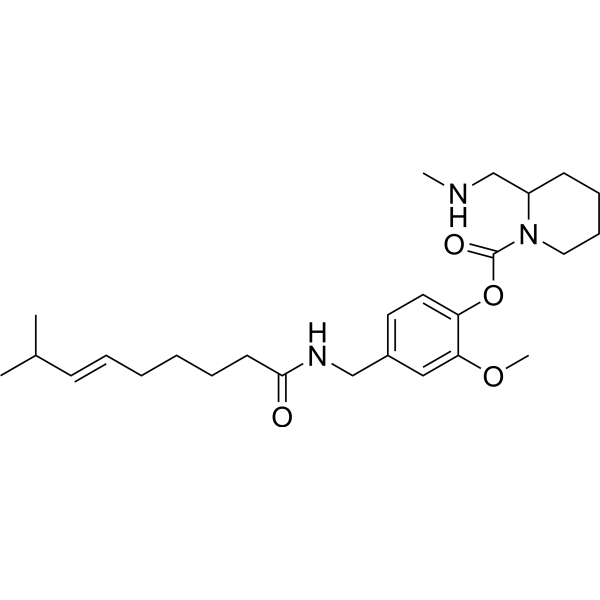
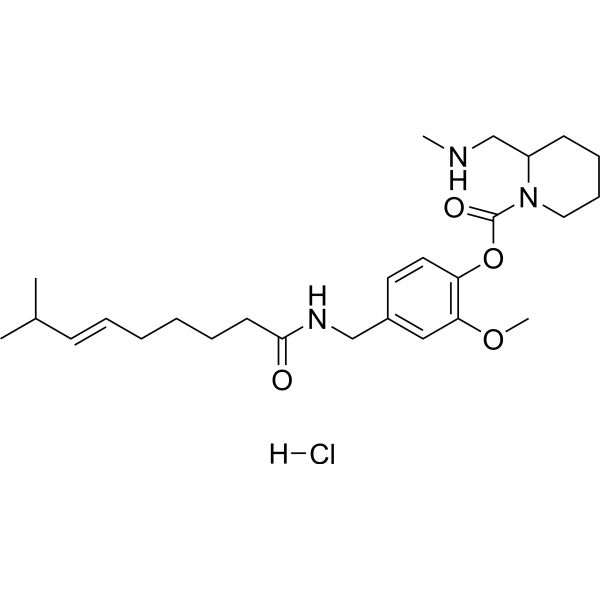
    Vocacapsaicin (CA-008), a proagent of Capsaicin, is a first-in-class non-opioid TRPV1 agonist. Vocacapsaicin can provide meaningful and long-lasting pain relief .
    Vocacapsaicin
  • HY-107320

    Prostaglandin Receptor COX NO Synthase Inflammation/Immunology
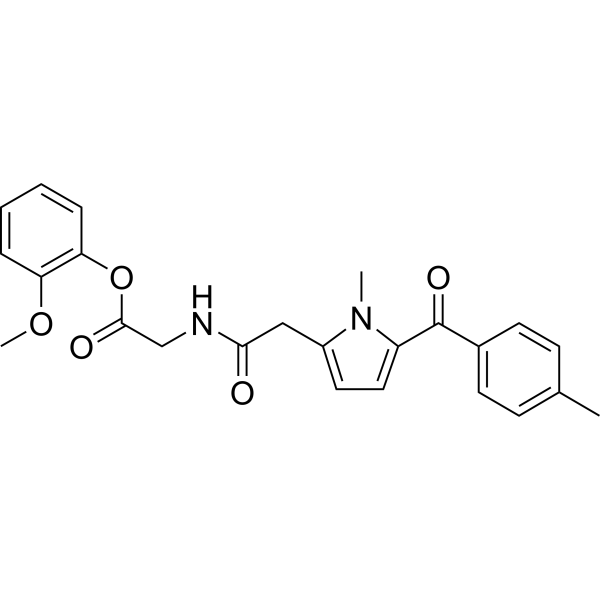
    Amtolmetin guacil is an effective nonsteroidal anti-Inflammatory agent with pain-relieving effects. Amtolmetin guacil inhibits prostaglandin synthesis and cyclooxygenase (COX). Amtolmetin guacil can stimulate capsaicin receptors present on the gastrointestinal wall and also releases gastroprotective nitric oxide (NO). Amtolmetin guacil can be used to research knee osteoarthritis .
    Amtolmetin guacil
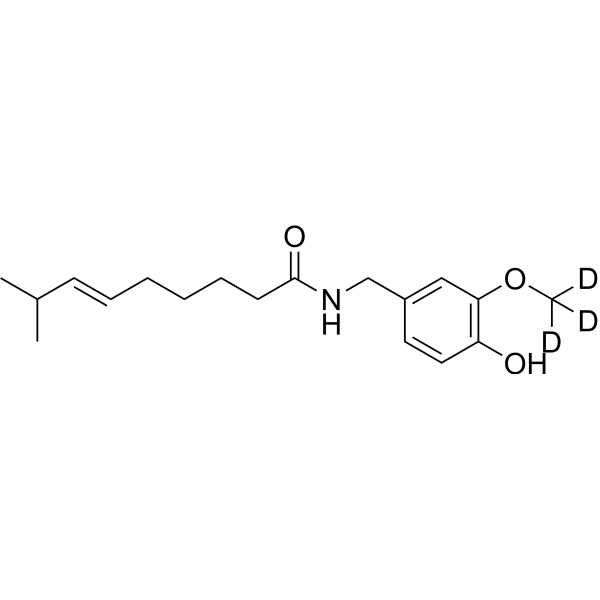
  • HY-10448S1

    (E)-capsaicin-d3

    Isotope-Labeled Compounds TRP Channel Autophagy Apoptosis Endogenous Metabolite Cancer
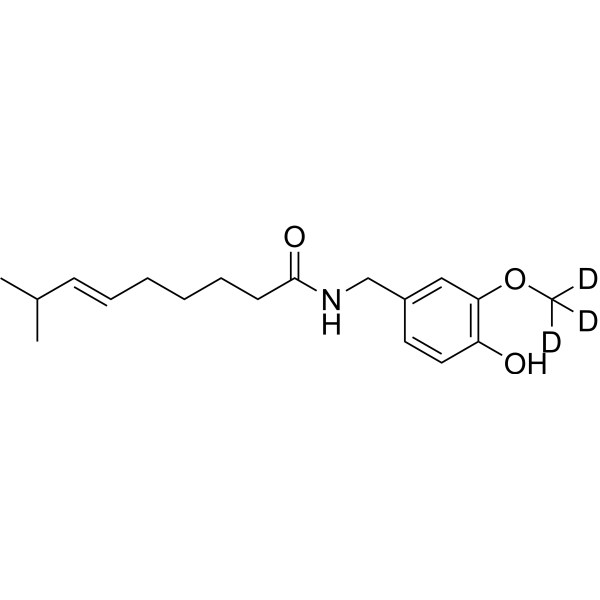
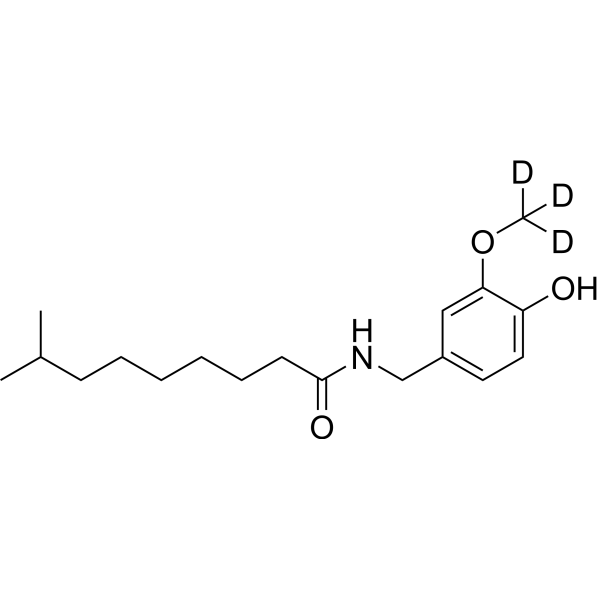
    Capsaicin-d3 is the deuterium labeled Capsaicin. Capsaicin ((E)-Capsaicin), an active component of chili peppers, is a TRPV1 agonist. Capsaicin induces a nociceptive response by binding to its receptors. Capsaicin has analgesic effects on neurological disorders. Capsaicin has antioxidant, anti-inflammatory, anti-cancer effects .
    Capsaicin-d3
  • HY-10448S4

    (E)-capsaicin-d7

    TRP Channel Autophagy Endogenous Metabolite Apoptosis Isotope-Labeled Compounds Cancer
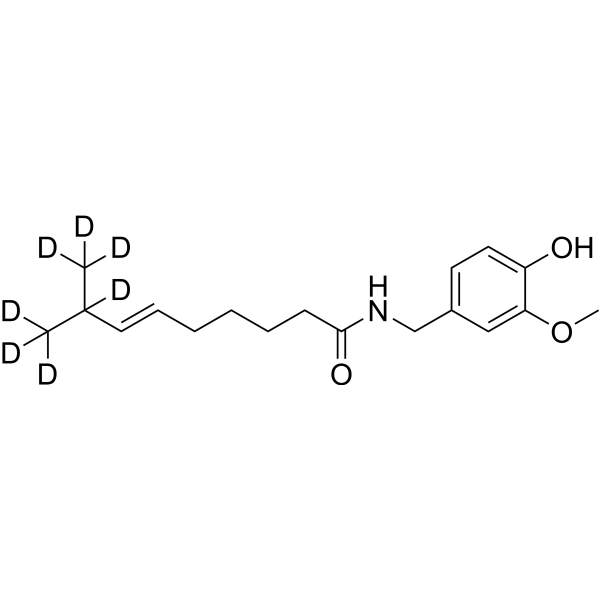
    Capsaicin-d7 is deuterated labeled Capsaicin (HY-10448). Capsaicin ((E)-Capsaicin), an active component of chili peppers, is a TRPV1 agonist. Capsaicin induces a nociceptive response by binding to its receptors. Capsaicin has analgesic effects on neurological disorders. Capsaicin has antioxidant, anti-inflammatory, anti-cancer effects .
    Capsaicin-d7
  • HY-16979

    Opioid Receptor Neurological Disease
    RK-851 is a highly selective and orally active δ-opioid receptor antagonist, with a negative logarithm of the antagonist concentration (pA2) of 8.84. TRK-851 exhibits the selectivity for the δ receptor of more than 100 times higher than that for the μ or κ receptors. TRK-851 exhibits a potent antitussive effect in a rat model of capsaicin-induced cough. TRK-851 can be used for research on antitussive effects .
    TRK-851
  • HY-110145

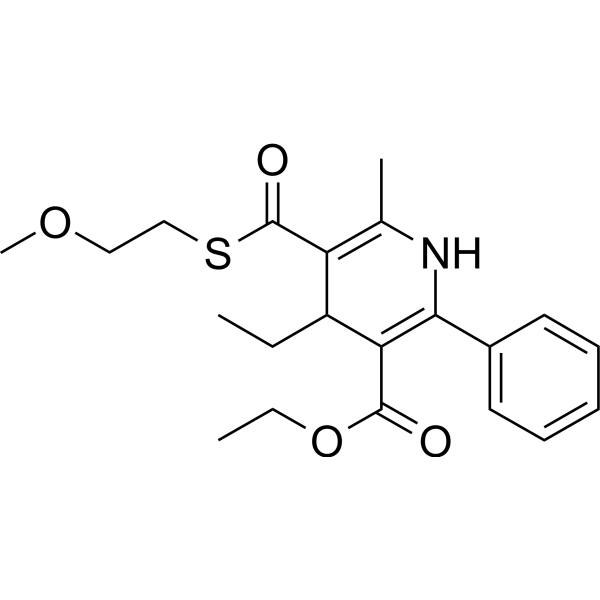
    TRP Channel Cancer
    MRS 1477, a dihydropyridine derivative, is a positive allosteric modulator of TRPV1 in the presence of capsaicin. MRS 1477 itself does not induce apoptosis, but the co-existence of MRS 1477 and capsaicin can induce apoptosis .
    MRS 1477
  • HY-137988

    TRP Channel Neurological Disease Inflammation/Immunology
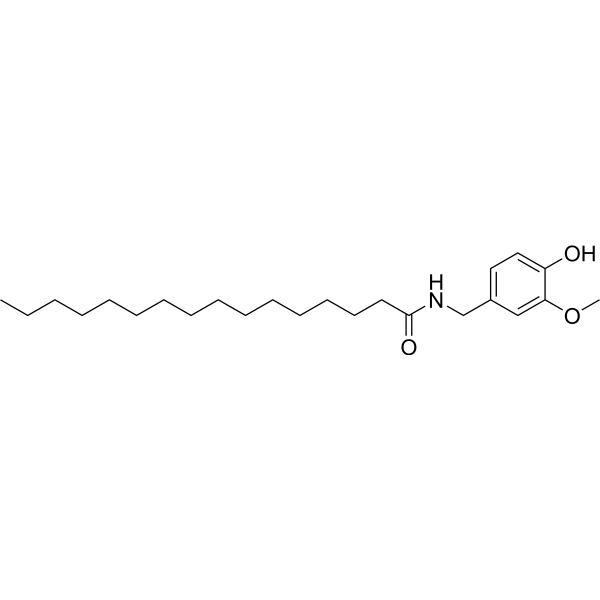
    Palvanil is a Capsaicin (HY-10448) analogue, shows strong desensitizing capability against the TRPV1 receptor. Palvanil shows anti-nociceptive and anti-inflammation effects .
    Palvanil
  • HY-161420

    TRP Channel Neurological Disease
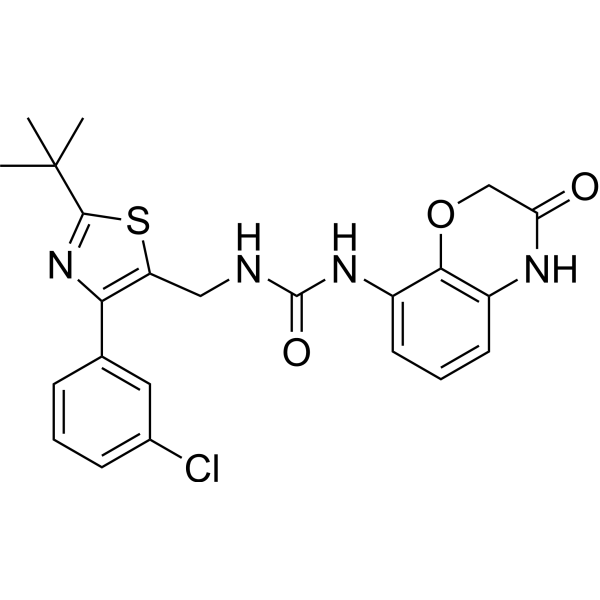
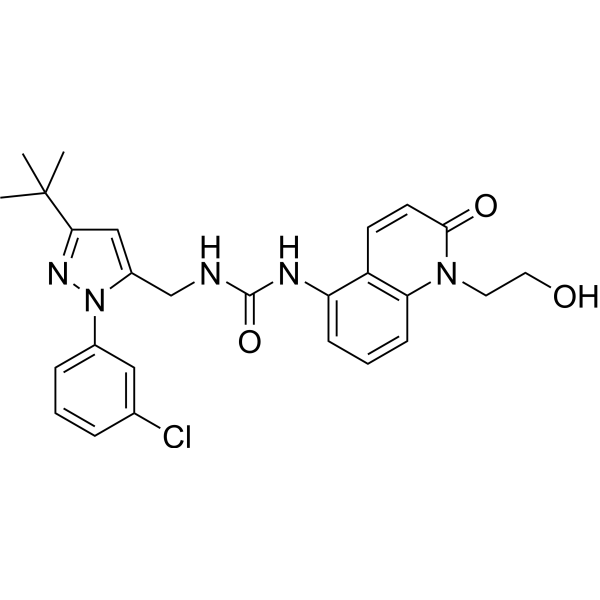
    TRPV1 antagonist 7 (Compound 36) is a selective TRPV1 antagonist that effectively blocks capsaicin activation (IC50=2.31 nM). TRPV1 antagonist 7 can be used in analgesic research .
    TRPV1 antagonist 7
  • HY-113866

    5-HT Receptor Neurological Disease
    E-55888 is a selective and potent agonist of 5-HT7 receptor and 5-HT1A receptor with Ki values of 2.5 nM and 700 nM, respectively, which has analgesic and antinociceptive effects. E-55888 reduces the nociceptive response of Capsaicin (HY-10448) sensitized mice .
    E-55888
  • HY-12914

    TRP Channel Neurological Disease Inflammation/Immunology
    V116517 is a potent, orally active transient receptor potential vanilloid (TRPV1) antagonist. V116517 shows potent activity in inhibiting both capsaicin (CAP)- and acid (pH 5)-induced currents in rat DRG neurons expressing native TRPV (IC50=423.2 nM for CAP; IC50=180.3 nM for acid). V116517 can be used for the research of pain .
    V116517
  • HY-B1583R

    Zucapsaicin (Standard); Civamide (Standard); cis-capsaicin (Standard)

    Reference Standards TRP Channel HSV Neurological Disease
    (Z)-Capsaicin (Standard) is the analytical standard of (Z)-Capsaicin. This product is intended for research and analytical applications. (Z)-Capsaicin is the cis isomer of capsaicin, acts as an orally active TRPV1 agonist, and is used in the research of neuropathic pain.
    (Z)-Capsaicin (Standard)
  • HY-135495

    Sodium Channel Histamine Receptor Inflammation/Immunology
    AM-0466 is a sodium channel inhibitor with nanomolar levels of NaV1.7 inhibitory activity. AM-0466 exhibits potent pharmacodynamic activity in a NaV1.7-dependent histamine-induced itch model. AM-0466 also showed significant analgesic effects in capsaicin-induced pain models. After optimizing its pharmacokinetic properties, AM-0466 was advanced into in vivo targeting and efficacy models for testing .
    AM-0466
  • HY-10448AR

    Reference Standards TRP Channel Autophagy Apoptosis Endogenous Metabolite Neurological Disease Inflammation/Immunology Cancer
    Capsaicin (Purity 65%) (Standard) is the analytical standard of Capsaicin (Purity 65%). This product is intended for research and analytical applications. Capsaicin (Purity 65%) is a mixture of Capsaicin and Dihydrocapsaicin (Ratio >2:1).Capsaicin (Purity 65%) is an orally active capsaicin receptor (TRPV1) agonist .
    Capsaicin (Purity 65%) (Standard)
  • HY-N0361R

    Reference Standards TRP Channel Reactive Oxygen Species (ROS) Apoptosis Caspase Bcl-2 Family Akt PI3K Cardiovascular Disease Neurological Disease
    Dihydrocapsaicin (Standard) is the analytical standard of Dihydrocapsaicin. This product is intended for research and analytical applications. Dihydrocapsaicin, a capsaicin, is a potent and selective TRPV1 (transient receptor potential vanilloid channel 1) agonist. Dihydrocapsaicin reduces AIF, Bax, and Caspase-3 expressions, and increased Bcl-2, Bcl-xL and p-Akt levels. Dihydrocapsaicin enhances the hypothermia-induced neuroprotection following ischemic stroke via PI3K/Akt regulation in rat .
    Dihydrocapsaicin (Standard)
  • HY-A0191A

    (+)-Brompheniramine maleate; (S)-Brompheniramine maleate

    TRP Channel Histamine Receptor Inflammation/Immunology
    Dexbrompheniramine ((+)-Brompheniramine; (S)-Brompheniramine) maleate is a dual inhibitor of histamine H1 receptor and TRPV1 receptor that can cross the blood-brain barrier. Dexbrompheniramine maleate exerts its effects by functionally blocking H1 receptor activity and dose-dependently inhibiting TRPV1-mediated calcium responses, including Capsaicin (HY-10448)-induced responses. The combination of Dexbrompheniramine maleate with Cimetidine (HY-14289) eliminates histamine-induced and sham-feeding-induced drinking behavior, whereas Dexbrompheniramine maleate alone does not induce thirst or alter sham-feeding behavior in rats. Dexbrompheniramine maleate can be used in the research of chronic cough and related pathological mechanisms .
    Dexbrompheniramine maleate
  • HY-10448S

    Apoptosis Autophagy Endogenous Metabolite TRP Channel Isotope-Labeled Compounds Others
    (E/Z)-Capsaicin-d3 is the deuterium labeled (E/Z)-Capsaicin[1].
    (E/Z)-Capsaicin-d3
  • HY-117891

    KR 25018

    TRP Channel Neurological Disease
    Davasaicin (KR 25018), Capsaicin (HY-10448) derivative, is an orally active analgesic agent .
    Davasaicin
  • HY-N0449R

    Reference Standards Others Others
    Nordihydrocapsaicin (Standard) is the analytical standard of Nordihydrocapsaicin. This product is intended for research and analytical applications. Nordihydrocapsaicin is a capsaicinoid analog and congener of capsaicin in chili peppers .
    Nordihydrocapsaicin (Standard)
  • HY-W931056

    TRP Channel Neurological Disease
    AMG-628 is an orally active inhibitor for TRPV1, that inhibits Capsaicin (HY-10448) or acid (pH 5)-induced Ca 2+ influx into TRPV1- expressing CHO cell with IC50 of 4.9 and 3.1 nM. AMG-628 exhibits analgesic activity in Capsaicin (HY-10448)-induced rat model, and exhibits a half-life of 2.4 h in rats .
    AMG-628
  • HY-108576

    DuP 996 dihydrochloride

    TRP Channel Neurological Disease
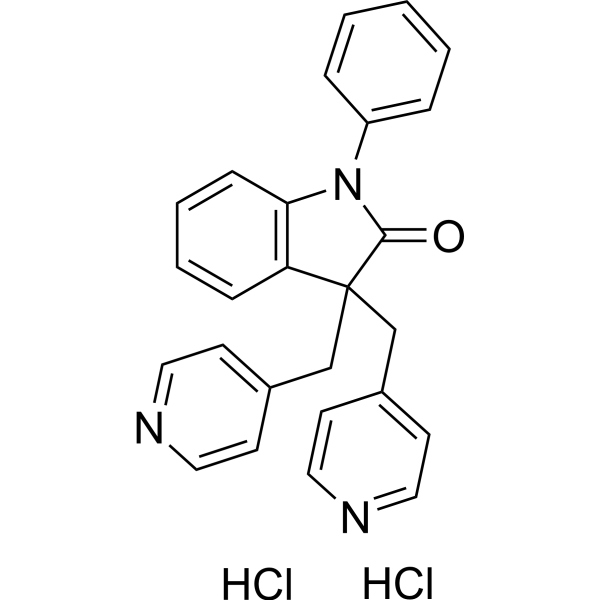
    Linopirdine dihydrochloride is a agonist of capsaicin receptor TRPV1. Linopirdine increases the intracellular calcium concentration in HEK293 cells. Linopirdine dihydrochloride exerts an excitatory action on mammalian nociceptors .
    Linopirdine dihydrochloride
  • HY-137459A

    CA-008 hydrochloride

    TRP Channel Neurological Disease
    Vocacapsaicin (CA-008) hydrochloride, a proagent of Capsaicin, is a first-in-class non-opioid TRPV1 agonist. Vocacapsaicin hydrochloride can provide meaningful and long-lasting pain relief .
    Vocacapsaicin hydrochloride
  • HY-169780

    TRP Channel Neurological Disease Inflammation/Immunology
    (S)-AMG-628 (Compound 16q) is the S-isomer of AMG-628 (HY-123374). (S)-AMG-628 is the orally active antagonist for TRPV1, that inhibits the Capsaicin (HY-10448)- and acid-induced Ca 2+-influx with IC50 of 7 nM and 5 nM in CHO cell. (S)-AMG-628 ameliorates Capsaicin-induced rats flinching, and reverses the thermal hypersensitivity in CFA-(HY-153808) induced inflammatory pain models .
    (S)-AMG-628
  • HY-148751

    TRP Channel Cancer
    TRPV1 activator-1 (compound 8), a capsaicin analog, has an altered neck structure. TRPV1 activator-1 interacts specifically with T551 residue .
    TRPV1 activator-1
  • HY-110091

    TRP Channel Neurological Disease
    TRPV1 antagonist 9 (compound 13c) is an orally active transient receptor potential vanilloid 1 (TRPV1) channel antagonist. TRPV1 antagonist 9 blocks Ca 2+ uptake by CHO cells expressing TRPV1 receptors with IC50 values are 0.6 and 0.8 nM for Capsaicin (HY-10448) and acid-induced Ca 2+ uptake, respectively. TRPV1 antagonist 9 blocks Capsaicin (HY-10448)-induced flinch response and causes hyperthermia in rats .
    TRPV1 antagonist 9
  • HY-121080

    TRP Channel Neurological Disease
    AMG8163 is an orally active antagonist for TRPV1. AMG8163 inhibits Capsaicin (HY-10448)-induced flinch in rats models, and exhibits anti-hyperalgesia effects in multiple pain models .
    AMG8163
  • HY-110209

    TRP Channel Others
    AC4 is a trans antagonist upon voltageactivation of TRPV1 and as cis antagonist of TRPV1 currents upon stimulation with Capsaicin (HY-10448). AC4 demonstrates that a photoswitchable antagonist and an agonist can be used in concert .
    AC4
  • HY-149855

    Sigma Receptor Others
    AB10 is a selective S1R antagonist. AB10 with Ki of 10, 165 nM for S1R and S2R, respectively. AB10 reverses the effect of Capsaicin (HY-10448) caused pain in model .
    AB10
  • HY-111036

    TRP Channel Others
    AMG0347 is a transient receptor potential type V1 receptor antagonist. AMG0347 inhibits activation of the rat TRPV1 channel by heat (IC50 = 0.2 nm), protons (IC50= 0.8 nm), or capsaicin (IC50 = 0.7 nm) .
    AMG0347

Inquiry Online

Your information is safe with us. * Required Fields.

Salutation


Country or Region *

Applicant Name *


Organization Name *

Department *


Email Address *


Product Name *

Cat. No.


Requested quantity *

Phone Number *


Remarks

Inquiry Online

Inquiry Information

Product Name:
Cat. No.:
Quantity:
MCE Japan Authorized Agent: