



TRPV1 Antibody (YA6814)
(Synonyms: Capsaicin receptor antibody; DKFZp434K0220 antibody; osm 9 like TRP channel 1 antibody; Osm-9-like TRP channel 1 antibody; OTRPC1 antibody; Transient receptor potential cation channel subfamily V member 1 antibody; TRPV 1 antibody; Trpv1 antibody; TRPV1_HUMAN antibody; Vanilloid receptor 1 antibody; Capsaicin receptor antibody; DKFZp434K0220 antibody; osm 9 like TRP channel 1 antibody; Osm-9-like TRP channel 1 antibody; OTRPC1 antibody; Transient receptor potential cation channel subfamily V member 1 antibody; TRPV 1 antibody; Trpv1 antibody; TRPV1_HUMAN antibody; Vanilloid receptor 1 antibody; Vanilloid receptor subtype 1 antibody; VR 1 antibody; VR1 antibody; )
Based on 1 Customer Validation
TRPV1 Antibody (YA6814) is a Mouse-derived and non-conjugated IgG1 monoclonal antibody, targeting to TRPV1.
-
Host:
Mouse
-
Isotype:
IgG
-
Application:
IHC-P
-
Reactivity :
Rat
-
Formulation:
Supplied in PBS (pH7.4), 0.1% BSA, 40% Glycerol. Preservative: 0.05% Sodium Azide.
-
Conjugation:
Non-conjugated


To place orders, for customer services and technical support, please contact: MedChemExpress USA
Tel: 609-228-6898 E-mail: [email protected] [email protected]





Applications
| Application |
IHC-P

IHC-P: Immunohistochemistry-Paraffin
|
|---|---|
| Dilution Ratio | 1:200 |


Product Details
TRPV1 Antibody (YA6814) is a Mouse-derived and non-conjugated IgG1 monoclonal antibody, targeting to TRPV1.
-
Host Mouse

-
Clonality Recombinant,Monoclonal

-
Species ReactivityRat
-
Calculated Molecular Weight Predicted band size: 95 kDa

Recombinant protein within Rat TRPV1 aa 1-200.
affinity purified.
Non-conjugated
Unmodified
IgG


Product Properties
-
Appearance
Solution
-
Formulation
Supplied in PBS (pH7.4), 0.1% BSA, 40% Glycerol. Preservative: 0.05% Sodium Azide.
-
Concentration
Batch-dependent, Please check the COA for the concentration of each lot. Check Lot Concentration
-
Storage & Stability
Stored at -20°C for 1 year. Avoid repeated freeze / thaw cycles.
-
Shipping
Shipping with blue ice.


Verification Images
-
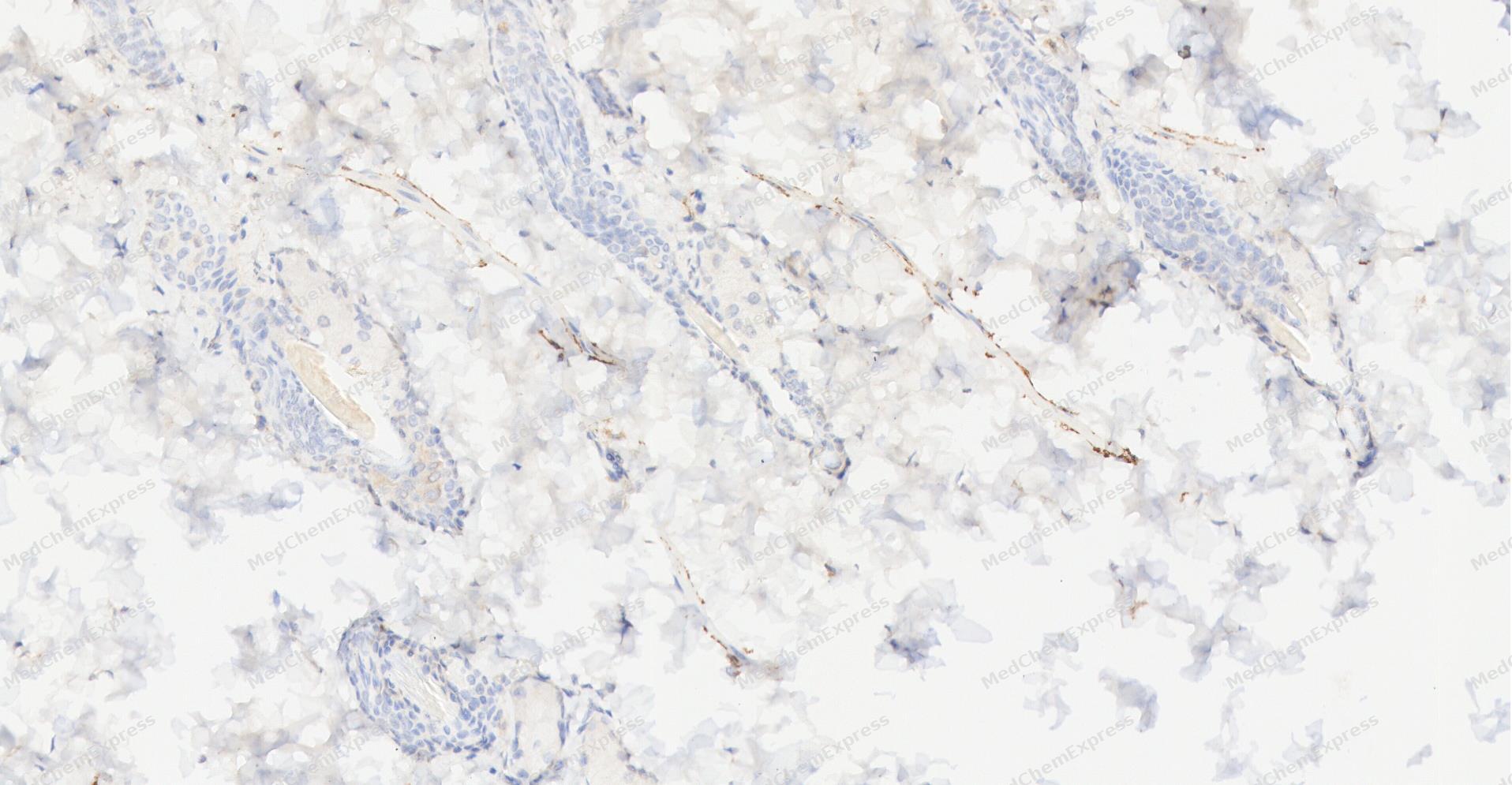 Immunohistochemical analysis of paraffin-embedded Rat Skin tissue using TRPV1 antibody was performed. The section was pretreated using high-temperature and high-pressure mediated EDTA antigen retrieval buffer (pH 9.0), for 5 minutes. The tissues were incubated with primary antibody (HY-P87121, 1:100 dilution) at room temperature for 60 minutes. Detection was performed using an HRP conjugated compact polymer system. DAB was used as the chromogen. The tissues were counterstained with hematoxylin and mounted with neutral balsam mounting medium.
 -
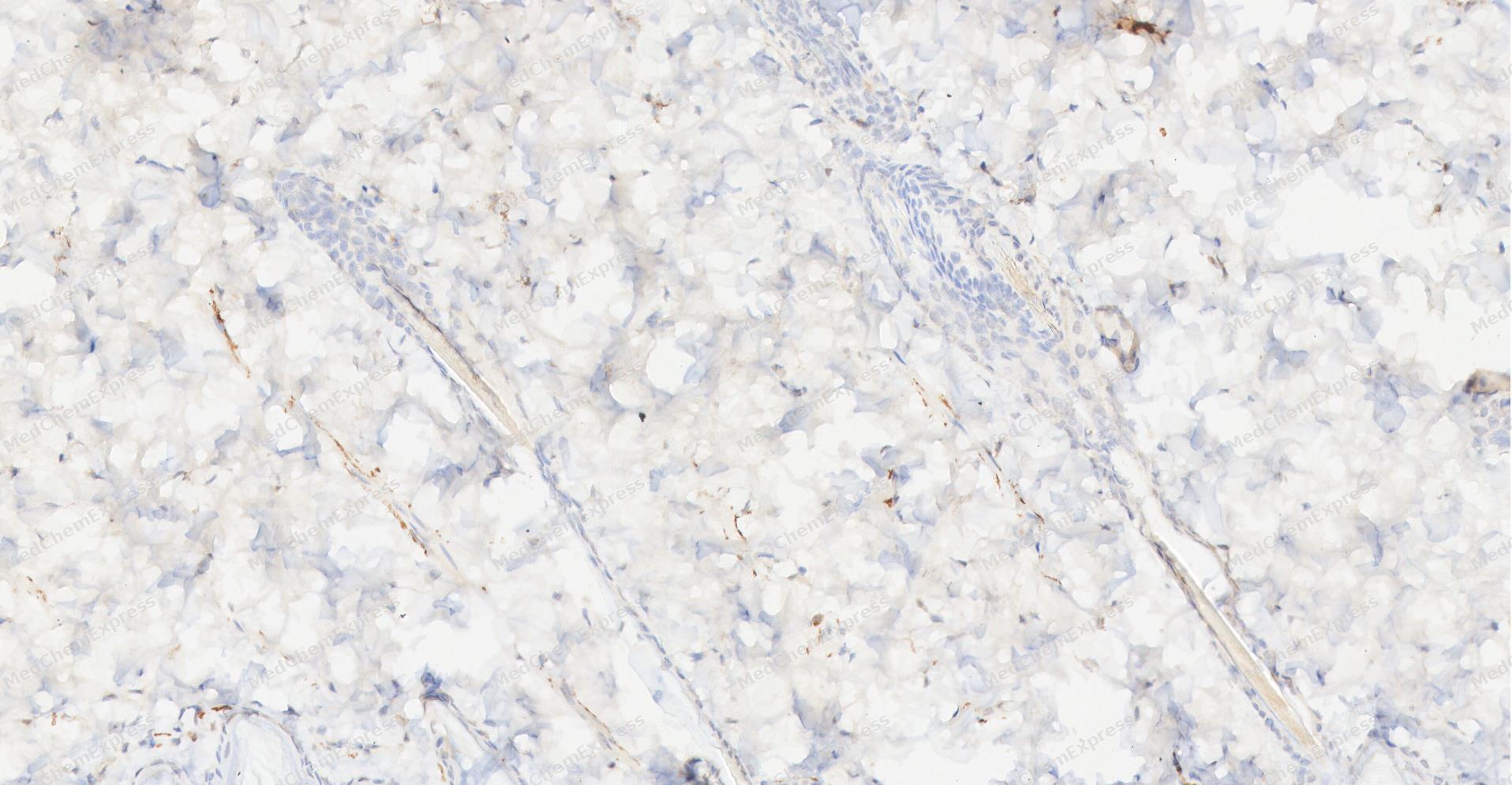 Immunohistochemical analysis of paraffin-embedded Rat Skin tissue using TRPV1 antibody was performed. The section was pretreated using high-temperature and high-pressure mediated EDTA antigen retrieval buffer (pH 9.0), for 5 minutes. The tissues were incubated with primary antibody (HY-P87121, 1:100 dilution) at room temperature for 60 minutes. Detection was performed using an HRP conjugated compact polymer system. DAB was used as the chromogen. The tissues were counterstained with hematoxylin and mounted with neutral balsam mounting medium.
 -
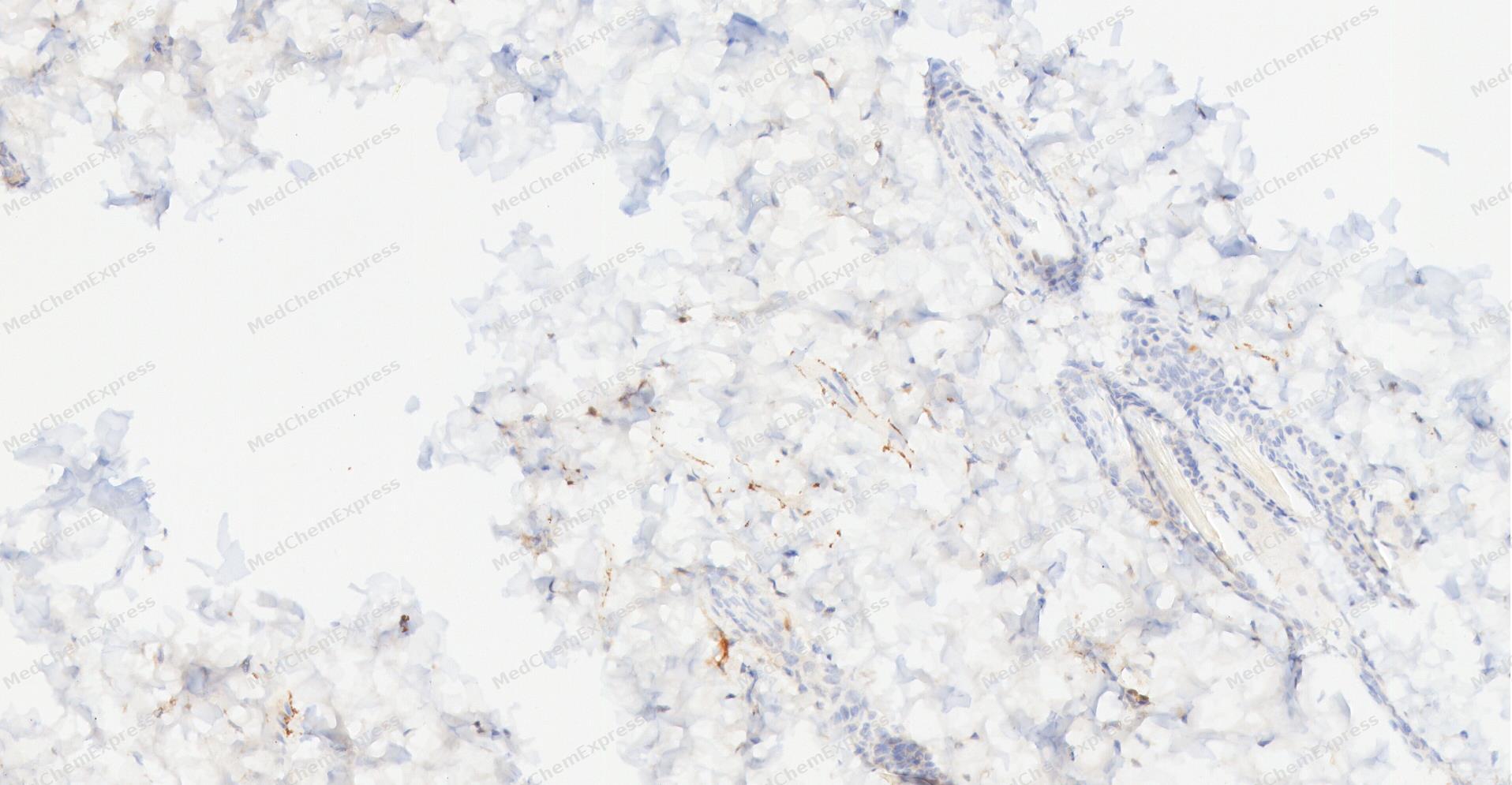 Immunohistochemical analysis of paraffin-embedded Rat Skin tissue using TRPV1 antibody was performed. The section was pretreated using high-temperature and high-pressure mediated EDTA antigen retrieval buffer (pH 9.0), for 5 minutes. The tissues were incubated with primary antibody (HY-P87121, 1:100 dilution) at room temperature for 60 minutes. Detection was performed using an HRP conjugated compact polymer system. DAB was used as the chromogen. The tissues were counterstained with hematoxylin and mounted with neutral balsam mounting medium.
 -
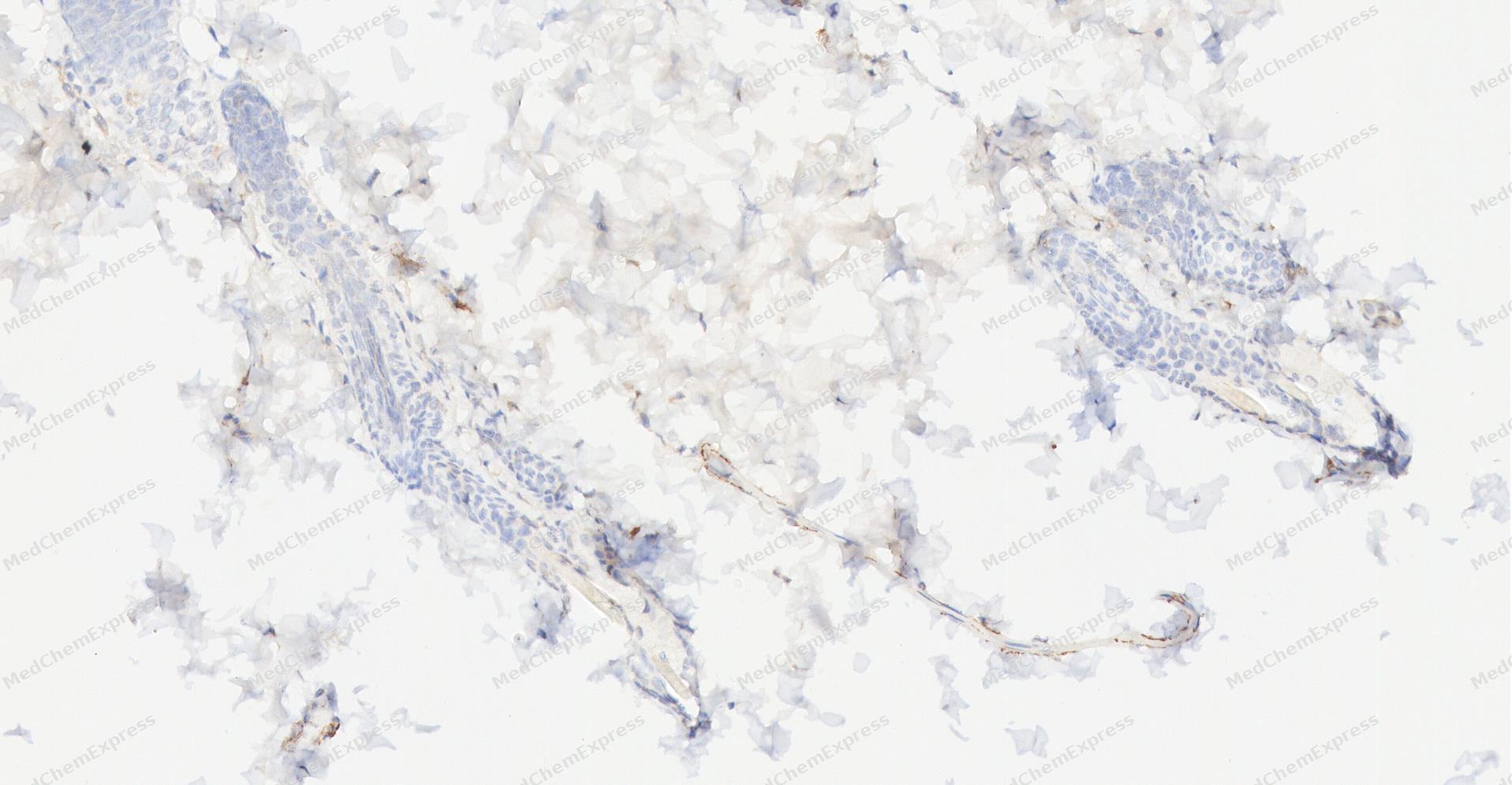 Immunohistochemical analysis of paraffin-embedded Rat Skin tissue using TRPV1 antibody was performed. The section was pretreated using high-temperature and high-pressure mediated EDTA antigen retrieval buffer (pH 9.0), for 5 minutes. The tissues were incubated with primary antibody (HY-P87121, 1:100 dilution) at room temperature for 60 minutes. Detection was performed using an HRP conjugated compact polymer system. DAB was used as the chromogen. The tissues were counterstained with hematoxylin and mounted with neutral balsam mounting medium.
 -
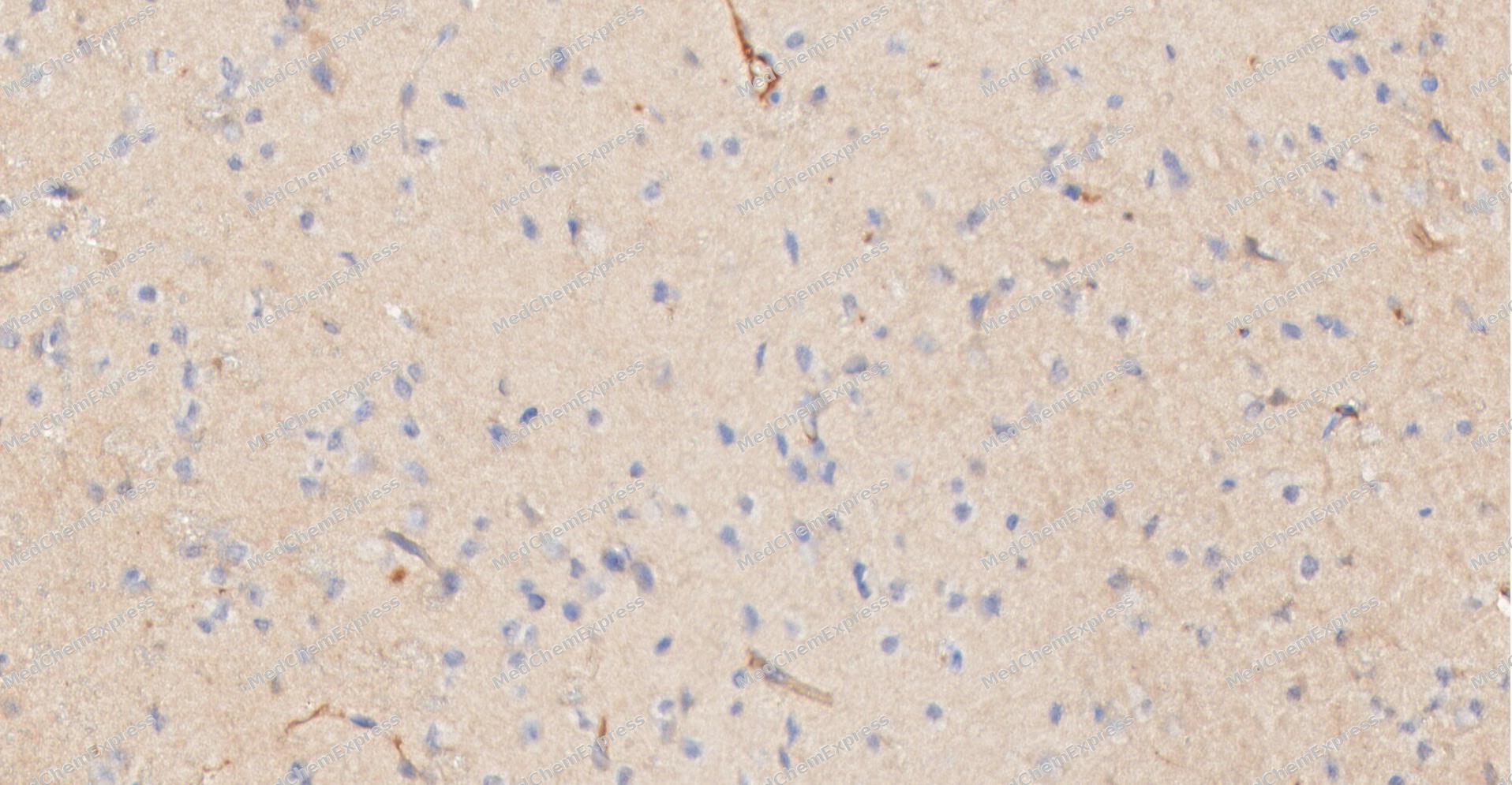 Immunohistochemical analysis of paraffin-embedded Rat Brain tissue using TRPV1 antibody was performed. The section was pretreated using high-temperature and high-pressure mediated EDTA antigen retrieval buffer (pH 9.0), for 5 minutes. The tissues were incubated with primary antibody (HY-P87121, 1:100 dilution) at room temperature for Leave overnight at 4°C. Detection was performed using an HRP conjugated compact polymer system. DAB was used as the chromogen. The tissues were counterstained with hematoxylin and mounted with neutral balsam mounting medium.
 -
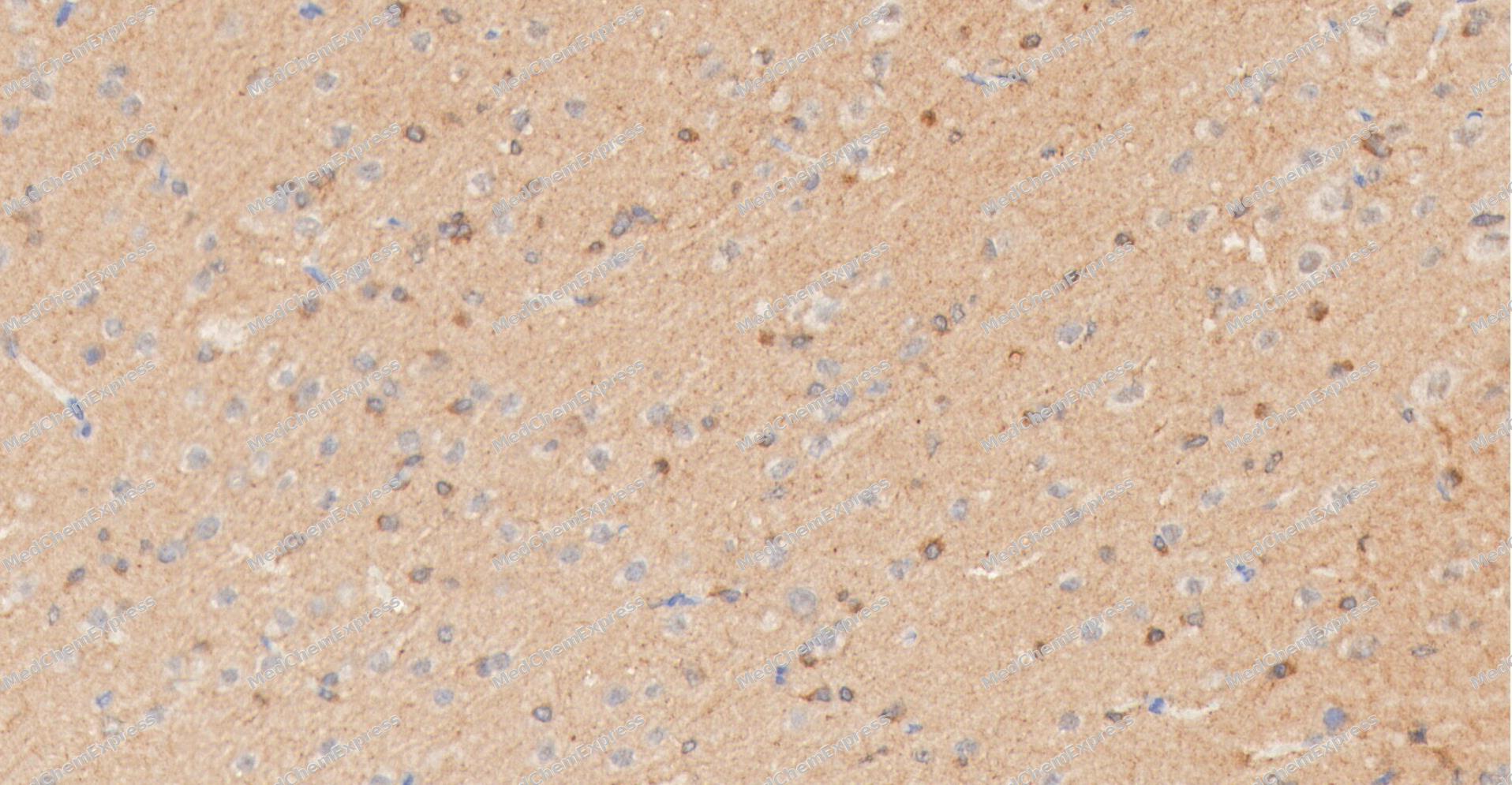 Immunohistochemical analysis of paraffin-embedded Rat Brain tissue using TRPV1 antibody was performed. The section was pretreated using high-temperature and high-pressure mediated EDTA antigen retrieval buffer (pH 9.0), for 5 minutes. The tissues were incubated with primary antibody (HY-P87121, 1:100 dilution) at room temperature for Leave overnight at 4°C. Detection was performed using an HRP conjugated compact polymer system. DAB was used as the chromogen. The tissues were counterstained with hematoxylin and mounted with neutral balsam mounting medium.
 -
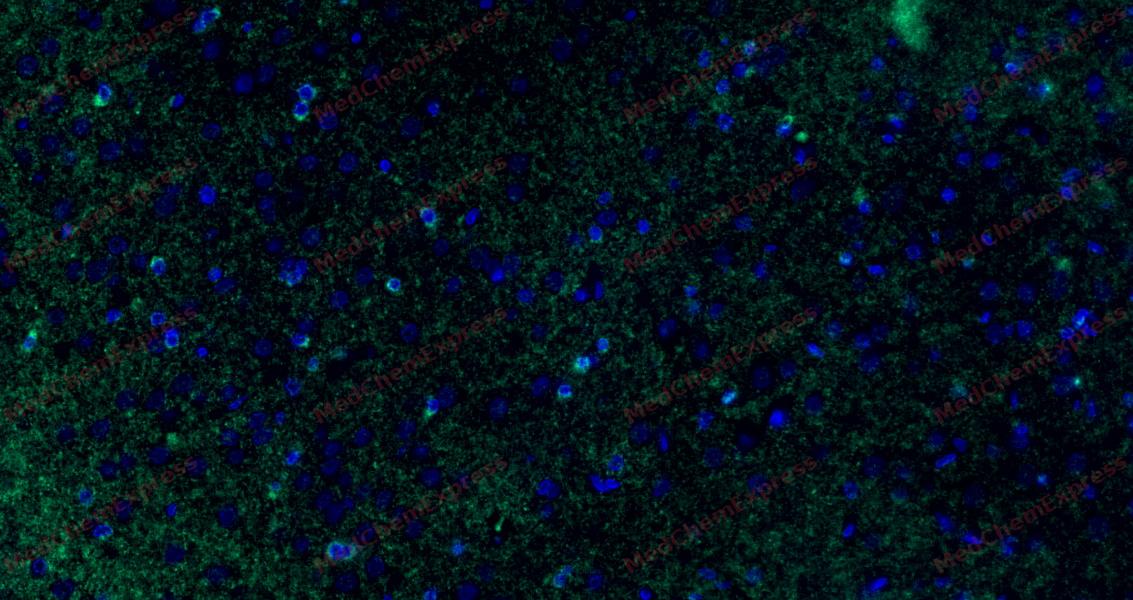 Tyramide signaling amplification based immunofluorescence was performed on paraffin-embedded Rat Brain tissue using TRPV1 antibody. Antigen retrieval was performed in EDTA buffer pH 9.0 (95 °C, 20 min) followed by cooling to RT. Then incubated with primary antibody (HY-P87121, 1:100 dilution) at room temperature for 60 minutes and HRP conjugated secondary antibody for 10 minutes. Fluorescence was then developed with Vari Fluor 532 TSA (200×)(HY-D1832). The tissues were counterstained with DAPI and mounted with Anti-fade mounting medium.
 -
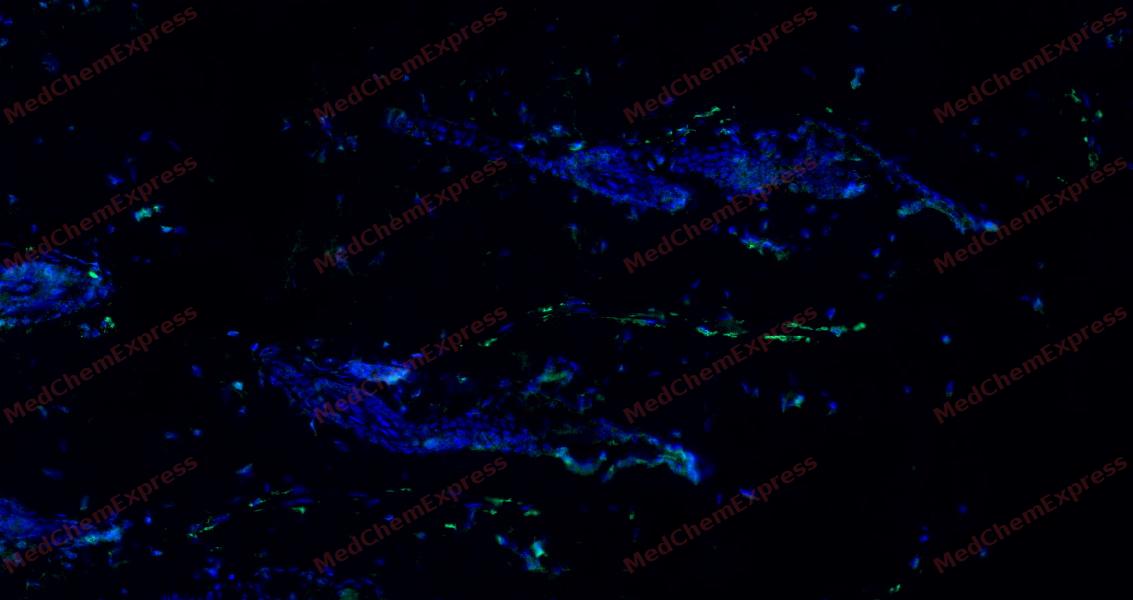 Tyramide signaling amplification based immunofluorescence was performed on paraffin-embedded Rat Skin tissue using TRPV1 antibody. Antigen retrieval was performed in EDTA buffer pH 9.0 (95 °C, 20 min) followed by cooling to RT. Then incubated with primary antibody (HY-P87121, 1:100 dilution) at room temperature for 60 minutes and HRP conjugated secondary antibody for 10 minutes. Fluorescence was then developed with Vari Fluor 532 TSA (200×)(HY-D1832). The tissues were counterstained with DAPI and mounted with Anti-fade mounting medium.
 -
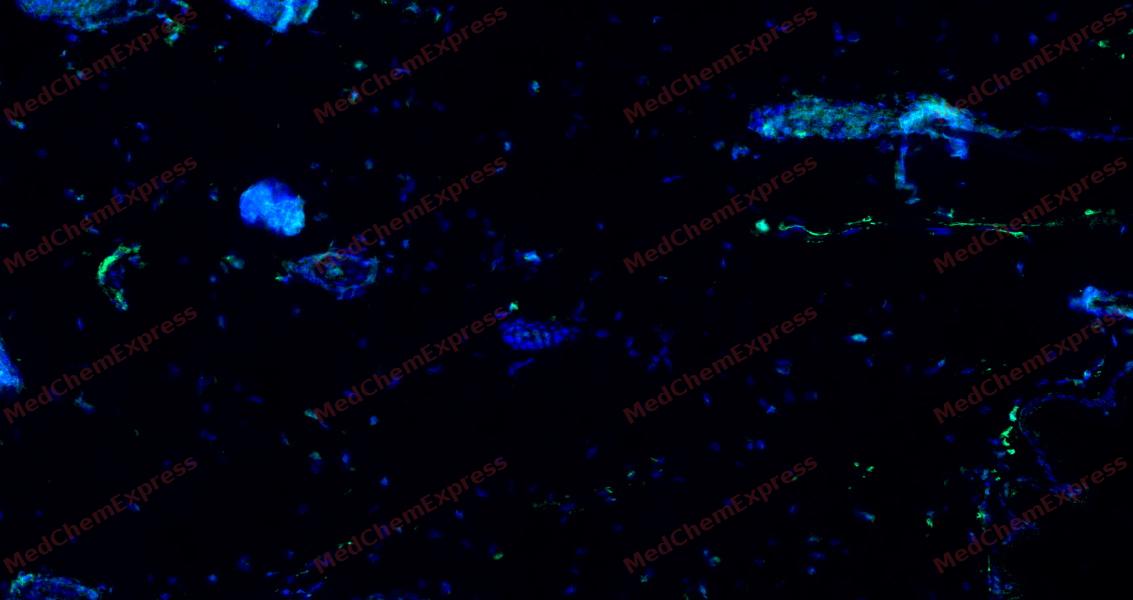 Tyramide signaling amplification based immunofluorescence was performed on paraffin-embedded Rat Skin tissue using TRPV1 antibody. Antigen retrieval was performed in EDTA buffer pH 9.0 (95 °C, 20 min) followed by cooling to RT. Then incubated with primary antibody (HY-P87121, 1:100 dilution) at room temperature for 60 minutes and HRP conjugated secondary antibody for 10 minutes. Fluorescence was then developed with Vari Fluor 532 TSA (200×)(HY-D1832). The tissues were counterstained with DAPI and mounted with Anti-fade mounting medium.
 -
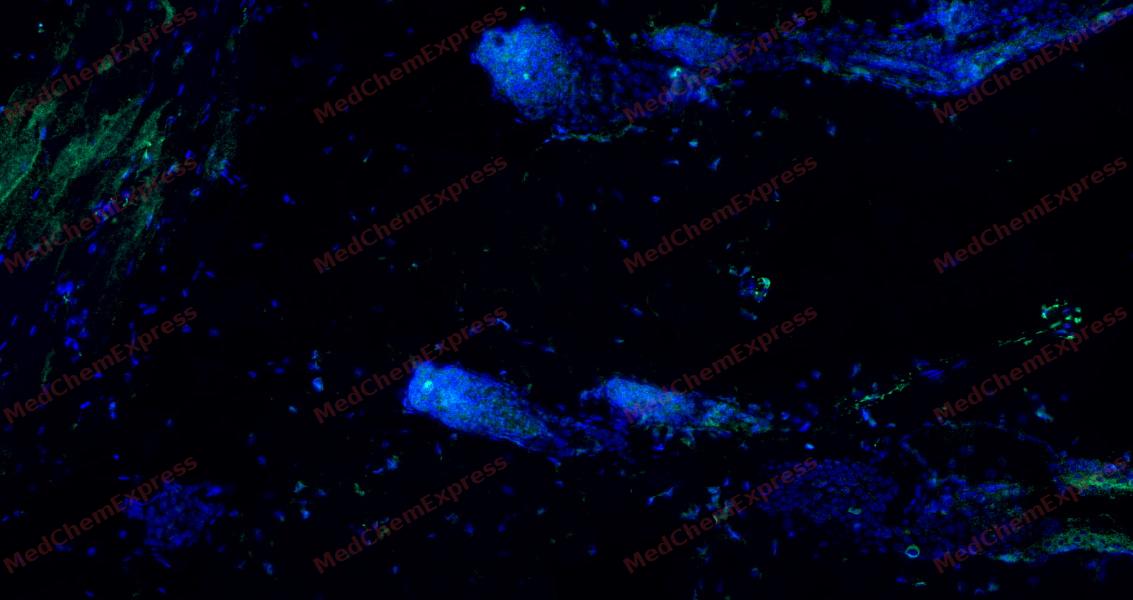 Tyramide signaling amplification based immunofluorescence was performed on paraffin-embedded Rat Skin tissue using TRPV1 antibody. Antigen retrieval was performed in EDTA buffer pH 9.0 (95 °C, 20 min) followed by cooling to RT. Then incubated with primary antibody (HY-P87121, 1:100 dilution) at room temperature for 60 minutes and HRP conjugated secondary antibody for 10 minutes. Fluorescence was then developed with Vari Fluor 532 TSA (200×)(HY-D1832). The tissues were counterstained with DAPI and mounted with Anti-fade mounting medium.
 -
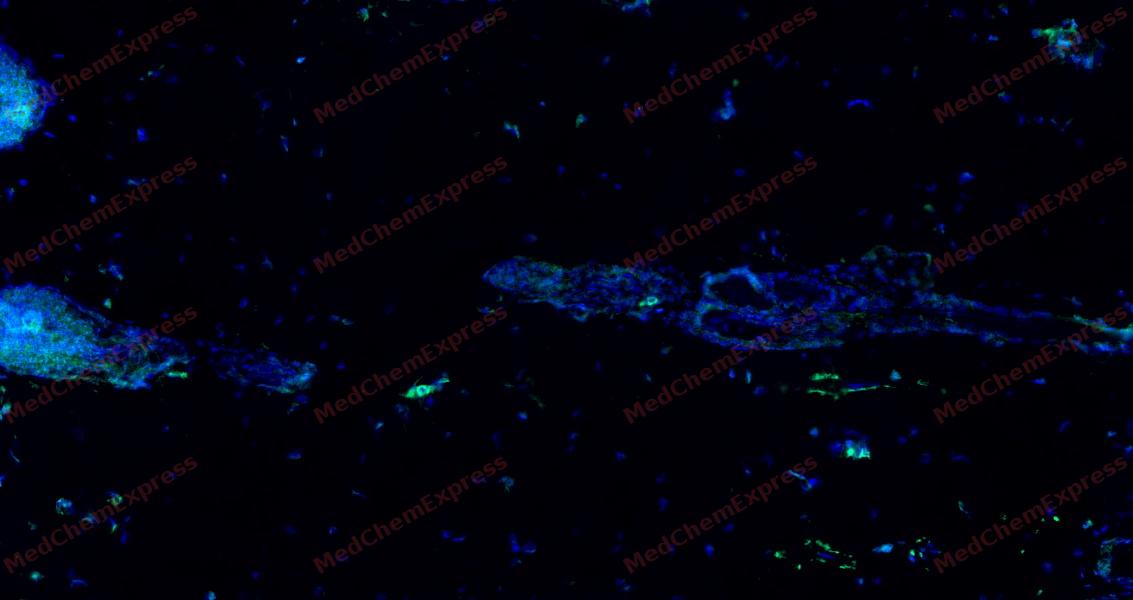 Tyramide signaling amplification based immunofluorescence was performed on paraffin-embedded Rat Skin tissue using TRPV1 antibody. Antigen retrieval was performed in EDTA buffer pH 9.0 (95 °C, 20 min) followed by cooling to RT. Then incubated with primary antibody (HY-P87121, 1:100 dilution) at room temperature for 60 minutes and HRP conjugated secondary antibody for 10 minutes. Fluorescence was then developed with Vari Fluor 532 TSA (200×)(HY-D1832). The tissues were counterstained with DAPI and mounted with Anti-fade mounting medium.
 -
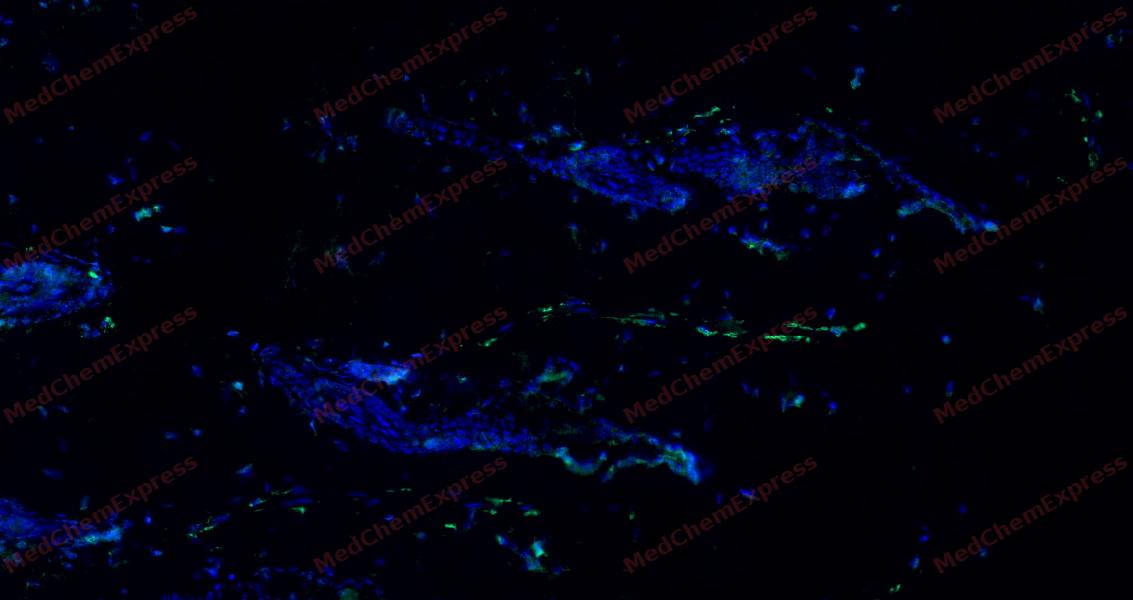 Tyramide signaling amplification based immunofluorescence was performed on paraffin-embedded Rat Skin tissue using TRPV1 antibody. Antigen retrieval was performed in EDTA buffer pH 9.0 (95 °C, 20 min) followed by cooling to RT. Then incubated with primary antibody (HY-P87121, 1:100 dilution) at room temperature for 60 minutes and HRP conjugated secondary antibody for 10 minutes. Fluorescence was then developed with Vari Fluor 532 TSA (200×)(HY-D1832). The tissues were counterstained with DAPI and mounted with Anti-fade mounting medium.


Background
-
Function
TRPV1 (transient receptor potential vanilloid 1) is a non-selective cation channel predominantly expressed in peripheral nociceptors, where it functions as a molecular sensor for noxious heat, capsaicin, protons, and other harmful stimuli, thereby contributing to pain detection and thermosensation[1][2]. TRPV1 activation permits cation influx, particularly Ca2+, and integrates multiple nociceptive signals that drive neuronal excitation and inflammatory pain responses[2][3]. Mechanistically, TRPV1 undergoes sensitization in response to inflammatory mediators and chronic pain states, enhancing the transduction of nociceptive signaling and promoting hyperalgesia through inflammatory signaling pathways[3][4][5]. In disease models, altered TRPV1 activity has been implicated in inflammatory pain, neuropathic pain, diabetic peripheral neuropathy, cancer-associated pain, and other disorders characterized by persistent nociceptive sensitization[3][4][6]. Compared with related transient receptor potential channels, TRPV1 is distinguished by its robust activation by capsaicin and noxious heat, whereas TRPA1 primarily functions as a chemical irritant sensor despite frequent co-expression in nociceptive afferents[7][8]. This functional specialization makes TRPV1 a central experimental model for investigating pain transduction, neuro-immune communication, and inflammatory signaling[3][6]. For experimental applications, capsaicin is widely used as a selective TRPV1 agonist to activate or desensitize TRPV1-positive neurons, whereas antagonists such as capsazepine serve as pharmacological tools for dissecting TRPV1-dependent mechanisms and evaluating analgesic strategies[6][9].
-
Subcellular Localization
Postsynaptic cell membrane,Cell projection, dendritic spine membrane,Cell membrane
-
Expression
Tissue_Specificity: Predominantly expressed in trigeminal and dorsal root sensory ganglia. Expressed also in hippocampus, cortex, cerebellum, olfactory bulb, mesencephalon and hindbrain. High expression in the cell bodies and dendrites of neurons in the hippocampus and in the cortex. In the brain detected also in astrocytes and pericytes (at protein level) (PubMed:15857679). Isoform 1 and isoform 3 are expressed in brain and peripheral blood mononuclear cells -
Isoforms & Post-Translational Modification
O35433 has three isomers: O35433-1: 94948 Da (predicted); O35433-2: 88050 Da (predicted); O35433-3: 54420 Da (predicted).
Phosphorylation by PKA reverses capsaicin-induced dephosphorylation at multiple sites, probably including Ser-116 as a major phosphorylation site -
Subunit
Homotetramer (PubMed:15190102, PubMed:24305160, PubMed:24305161, PubMed:27281200)
-
SwissProt ID
-
Synonyms
Capsaicin receptor antibody; DKFZp434K0220 antibody; osm 9 like TRP channel 1 antibody; Osm-9-like TRP channel 1 antibody; OTRPC1 antibody; Transient receptor potential cation channel subfamily V member 1 antibody; TRPV 1 antibody; Trpv1 antibody; TRPV1_HUMAN antibody; Vanilloid receptor 1 antibody; Capsaicin receptor antibody; DKFZp434K0220 antibody; osm 9 like TRP channel 1 antibody; Osm-9-like TRP channel 1 antibody; OTRPC1 antibody; Transient receptor potential cation channel subfamily V member 1 antibody; TRPV 1 antibody; Trpv1 antibody; TRPV1_HUMAN antibody; Vanilloid receptor 1 antibody; Vanilloid receptor subtype 1 antibody; VR 1 antibody; VR1 antibody;


Documentation
-
Data Sheet (260 KB)
-
SDS (254 KB)
- English - EN (254 KB)
- Français - FR (254 KB)
- Deutsch - DE (254 KB)
- Norwegian - NO (254 KB)
- Español - ES (254 KB)
- Swedish - SV (254 KB)
- Italian - IT (254 KB)
- Korean - KR (254 KB)
- Portuguese - PT (254 KB)
-
User Guide for Antibodies (1077 KB)
References
[1]. Caterina MJ, et al. The capsaicin receptor: a heat-activated ion channel in the pain pathway. Nature. 1997 Oct 23;389(6653):816-24. [Content Brief]
[2]. Sujan MA, et al. Managing competing organizational priorities in clinical handover across organizational boundaries. J Health Serv Res Policy. 2015 Jan;20(1 Suppl):17-25. [Content Brief]
[3]. Immke DC, et al. The TRPV1 receptor and nociception. Semin Cell Dev Biol. 2006 Oct;17(5):582-91. [Content Brief]
[4]. Wang Y, et al. TRPV1 SUMOylation regulates nociceptive signaling in models of inflammatory pain. Nat Commun. 2018 Apr 18;9(1):1529. [Content Brief]
[5]. Li T, et al. TRPV1 feed-forward sensitisation depends on COX2 upregulation in primary sensory neurons. Sci Rep. 2021 Feb 10;11(1):3514. [Content Brief]
[6]. Gao N, et al. The dual role of TRPV1 in peripheral neuropathic pain: pain switches caused by its sensitization or desensitization. Front Mol Neurosci. 2024 Sep 9;17:1400118. [Content Brief]
[7]. Gouin O, et al. TRPV1 and TRPA1 in cutaneous neurogenic and chronic inflammation: pro-inflammatory response induced by their activation and their sensitization. Protein Cell. 2017 Sep;8(9):644-661. [Content Brief]
[8]. Raftery J. Mental health services in transition: the United States and the United Kingdom. Br J Psychiatry. 1992 Nov;161:589-93. doi: 10.1192/bjp.161.5.589. PMID: 1422604. et al. Mental health services in transition: the United States and the United Kingdom. Br J Psychiatry. 1992 Nov;161:589-93. [Content Brief]

 Powered by Bioz
