Search Result
Results for "
COX-1/2-IN-2
" in MedChemExpress (MCE) Product Catalog:
5
Isotope-Labeled Compounds
| Cat. No. |
Product Name |
Target |
Research Areas |
Chemical Structure |
-
- HY-15036
-
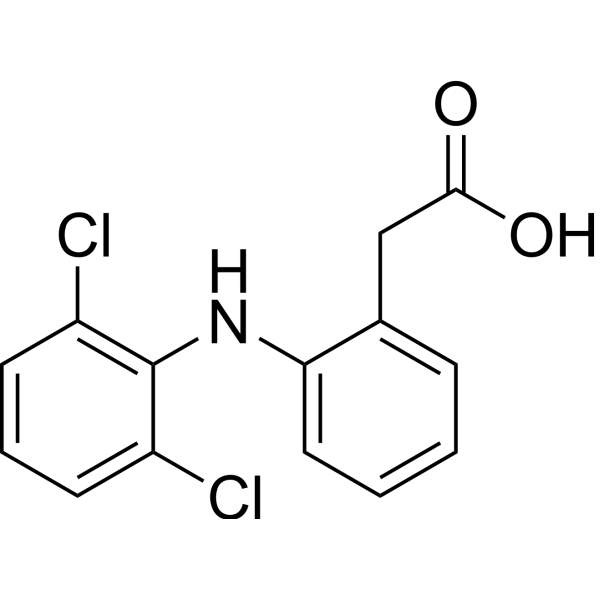
Diclofenac
Maximum Cited Publications
24 Publications Verification
|
COX
Apoptosis
|
Inflammation/Immunology
Cancer
|
|
Diclofenac is a potent and nonselective anti-inflammatory agent, acts as a COX inhibitor, with IC50s of 4 and 1.3 nM for human COX-1 and COX-2 in CHO cells , and 5.1 and 0.84 μM for ovine COX-1 and COX-2, respectively . Diclofenac induces apoptosis of neural stem cells (NSCs) via the activation of the caspase cascade .
|
-
-
- HY-111310
-
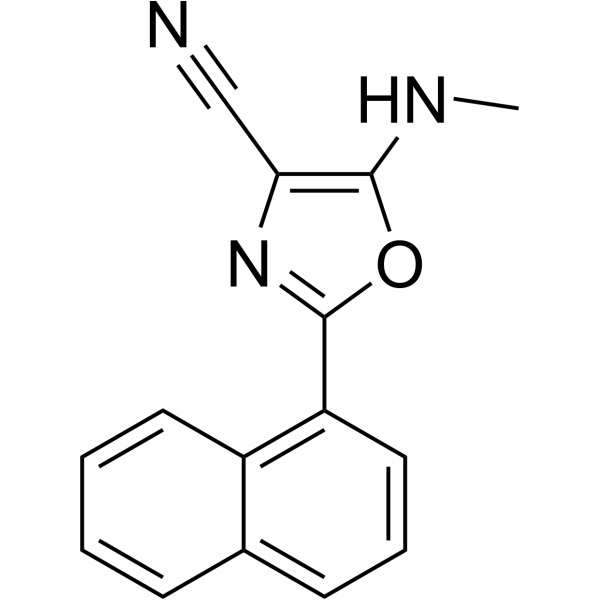
ML351
2 Publications Verification
|
Lipoxygenase
|
Neurological Disease
Metabolic Disease
|
|
ML351 is a potent and highly specific 15-LOX-1 inhibitor with an IC50 of 200 nM. ML351 shows excellent selectivity (>250-fold) versus the related isozymes, 5-LOX, platelet 12-LOX, 15-LOX-2, ovine COX-1, and human COX-2 . ML351 prevents dysglycemia and reduces β-cell oxidative stress in nonobese diabetic mouse model of T1D .
|
-
-
- HY-15038
-
|
|
COX
Apoptosis
|
Inflammation/Immunology
Cancer
|
|
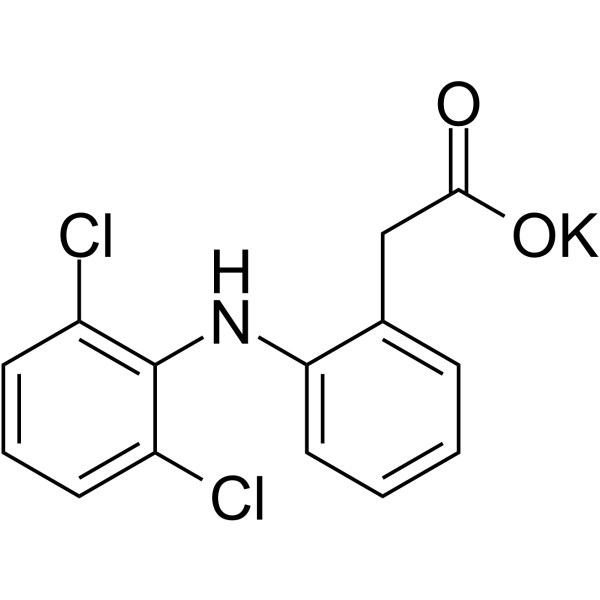
Diclofenac potassium is a potent and nonselective anti-inflammatory agent, acts as a COX inhibitor, with IC50s of 4 and 1.3 nM for human COX-1 and COX-2 in CHO cells , and 5.1 and 0.84 μM for ovine COX-1 and COX-2, respectively . Diclofenac potassium induces apoptosis of neural stem cells (NSCs) via the activation of the caspase cascade .
|
-
-
- HY-13913
-
|
|
COX
|
Inflammation/Immunology
Cancer
|
|
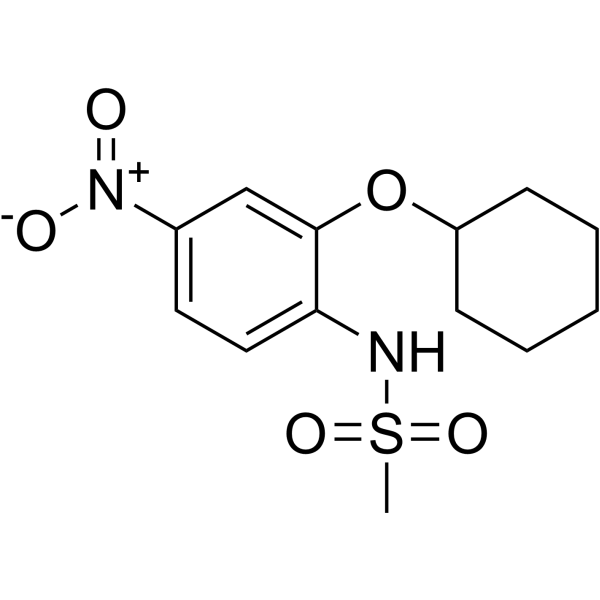
NS-398 is a non-steroidal an-inflammatory agent with analgesic and antipyretic effects, and selectively inhibits prostaglandin G/H synthase 2/cyclooxygenase 2 (COX-2) activity, with an IC50 of 3.8 μM, and has no effect on COX-1 at 100 μM.
|
-
-
- HY-15037
-
|
GP 45840
|
COX
Apoptosis
|
Inflammation/Immunology
Cancer
|
|
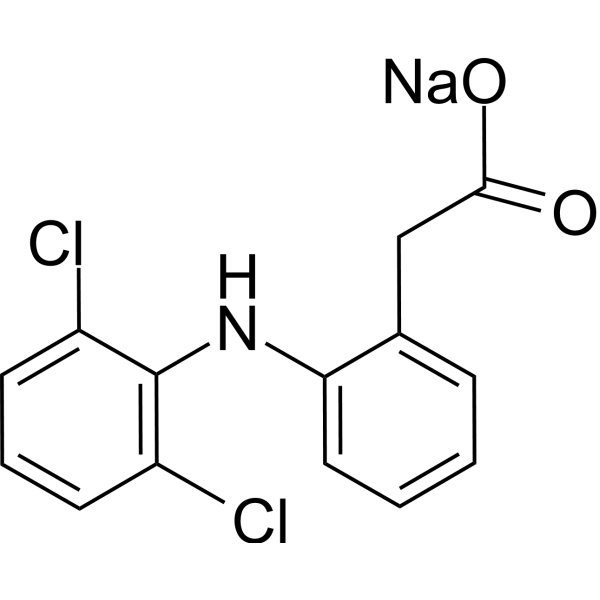
Diclofenac Sodium (GP 45840) is a potent and nonselective anti-inflammatory agent, acts as a COX inhibitor, with IC50s of 4 and 1.3 nM for human COX-1 and COX-2 in CHO cells , and 5.1 and 0.84 μM for ovine COX-1 and COX-2, respectively . Diclofenac Sodium induces apoptosis of neural stem cells (NSCs) via the activation of the caspase cascade .
|
-
-
- HY-N2736
-
|
|
Beta-lactamase
COX
Interleukin Related
Bacterial
JNK
ERK
p38 MAPK
STAT
Apoptosis
NO Synthase
Nuclear Factor of activated T Cells (NFAT)
Lactate Dehydrogenase
Reactive Oxygen Species (ROS)
SOD
Akt
Caspase
Bcl-2 Family
|
Infection
Neurological Disease
Inflammation/Immunology
|
|
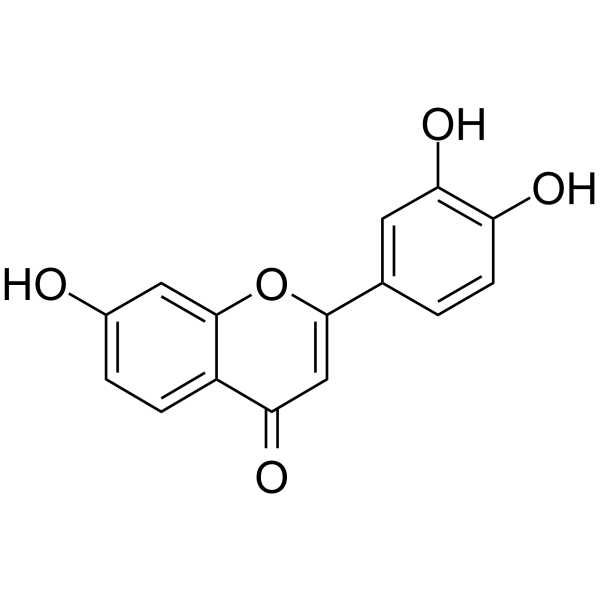
3′,4′,7-Trihydroxyflavone is an orally active inhibitor of OXA-48 (IC50 = 1.89 μM) and COX-1 (IC50 = 36.37 μM). 3′,4′,7-Trihydroxyflavone exhibits antioxidant and anti-inflammatory properties, inhibiting the release of inflammatory cytokines such as IL-6, IL-8, and TNF-α. 3′,4′,7-Trihydroxyflavone inhibits H2O2-induced neuronal apoptosis and ROS accumulation, and exerts anti-neuroinflammatory effects by suppressing the JNK-STAT1 pathway. 3′,4′,7-Trihydroxyflavone exhibits antimicrobial and antibiotic-modifying activities against multidrug-resistant Gram-negative enteric bacteria. 3′,4′,7-Trihydroxyflavone inhibits RANKL-induced osteoclast formation via NFATc1. 3′,4′,7-Trihydroxyflavone activates the CREB-BDNF axis and restores scopolamine (HY-N0296)-induced memory deficits in mice .
|
-
-
- HY-15036A
-
|
|
COX
Apoptosis
|
Inflammation/Immunology
Cancer
|
|
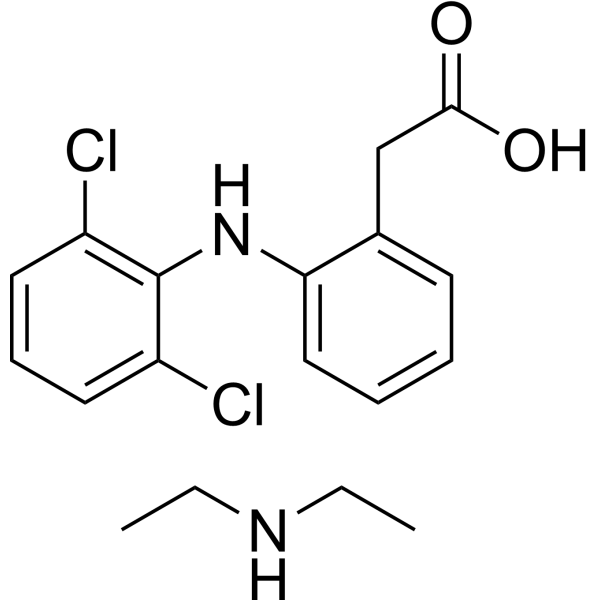
Diclofenac diethylamine is a potent and nonselective anti-inflammatory agent, acts as a COX inhibitor, with IC50s of 4 and 1.3 nM for human COX-1 and COX-2 in CHO cells , and 5.1 and 0.84 μM for ovine COX-1 and COX-2, respectively . Diclofenac diethylamine induces apoptosis of neural stem cells (NSCs) via the activation of the caspase cascade .
|
-
-
- HY-15036S
-
|
|
Isotope-Labeled Compounds
COX
Apoptosis
|
Inflammation/Immunology
|
|
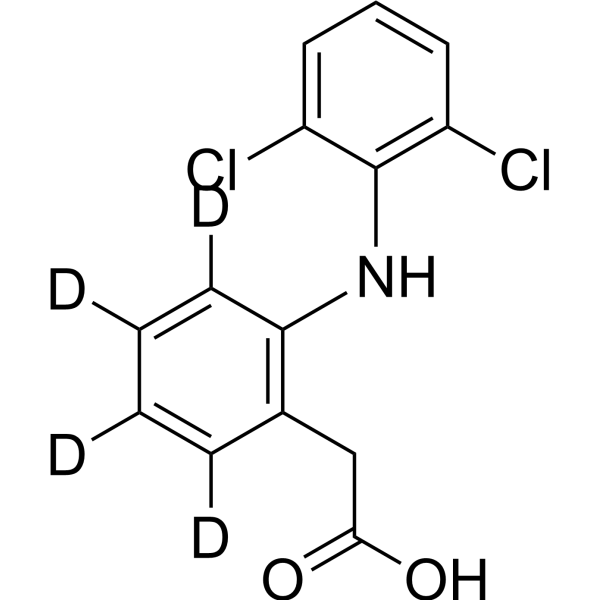
Diclofenac-d4 is the deuterium labeled Diclofenac. Diclofenac is a potent and nonselective anti-inflammatory agent, acts as a COX inhibitor, with IC50s of 4 and 1.3 nM for human COX-1 and COX-2 in CHO cells , and 5.1 and 0.84 μM for ovine COX-1 and COX-2, respectively . Diclofenac induces apoptosis of neural stem cells (NSCs) via the activation of the caspase cascade .
|
-
-
- HY-114200
-
|
BAP-909
|
COX
|
Inflammation/Immunology
|
|
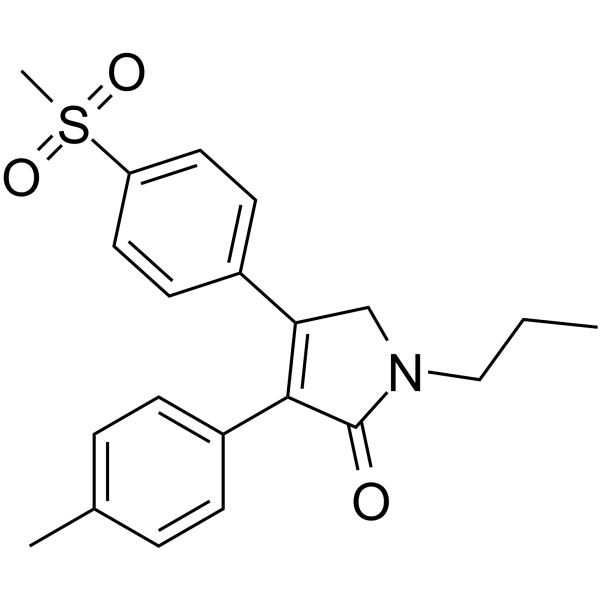
Imrecoxib (BAP-909) is a novel and selective cyclooxygenase 2 (COX-2) inhibitor with an IC50 value of 18 nM, it also inhibits COX1- activity with an IC50 value of 115 nM. Imrecoxib (BAP-909) has anti-inflammatory effect .
|
-
-
- HY-N0920
-
|
7,8-DihydrokawaIN; 7,8-DihydrokavaIN; MarINdININ
|
COX
Cytochrome P450
|
Neurological Disease
Inflammation/Immunology
|
|
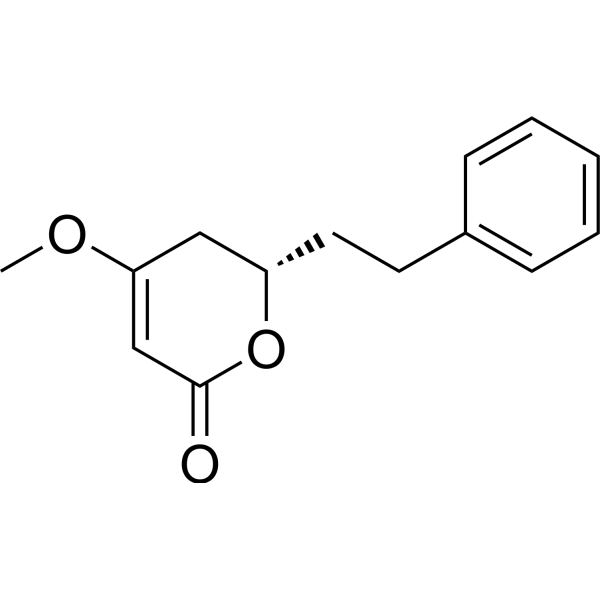
Dihydrokavain (7,8-Dihydrokawain) is a natural kavalactone compound. Dihydrokavain inhibits COX-1, COX-2, CYP2C9 (IC50 = 130.95 μM), CYP2C19 (IC50 = 10.05 μM) and CYP3A4 (IC50 = 78.59 μM). Dihydrokavain reduces TNFα secretion. Dihydrokavain shows analgesic and anxiolytic effects .
|
-
-
- HY-15037R
-
|
GP 45840 (Standard)
|
Reference Standards
COX
Apoptosis
|
Inflammation/Immunology
Cancer
|
|
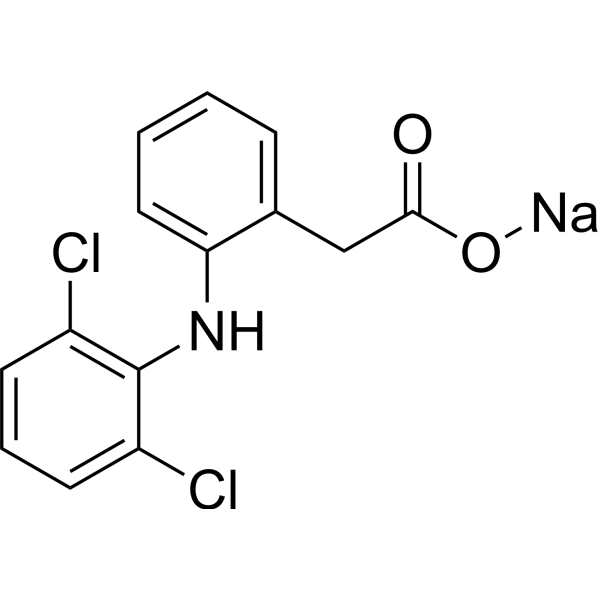
Diclofenac (Sodium) (Standard) is the analytical standard of Diclofenac (Sodium). This product is intended for research and analytical applications. Diclofenac Sodium (GP 45840) is a potent and nonselective anti-inflammatory agent, acts as a COX inhibitor, with IC50s of 4 and 1.3 nM for human COX-1 and COX-2 in CHO cells , and 5.1 and 0.84 μM for ovine COX-1 and COX-2, respectively . Diclofenac Sodium induces apoptosis of neural stem cells (NSCs) via the activation of the caspase cascade .
|
-
-
- HY-121537
-
|
|
COX
Akt
Apoptosis
|
Neurological Disease
Inflammation/Immunology
Cancer
|
|
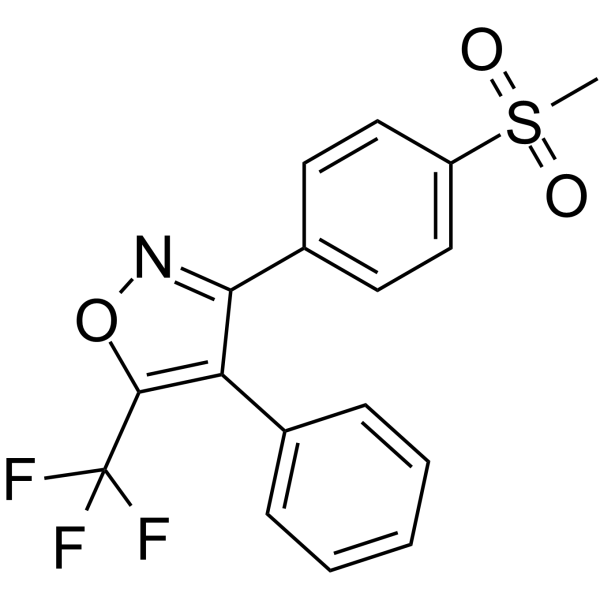
CAY10404 is a potent and selective cyclooxygenase-2 (COX-2) inhibitor with an IC50 of 1 nM and a selectivity index (SI; COX-1 IC50/COX-2 IC50) of >500000. CAY10404 is a potent PKB/Akt and MAPK signaling pathways inhibitor and induces apoptosis in non-small cell lung cancer (NSCLC) cells. CAY10404, a diarylisoxazole, has good analgesic, anti-inflammatory, and anti-cancer activities .
|
-
-
- HY-15036R
-
|
|
Reference Standards
COX
Apoptosis
|
Inflammation/Immunology
Cancer
|
|
Diclofenac (Standard) is the analytical standard of Diclofenac. This product is intended for research and analytical applications. Diclofenac is a potent and nonselective anti-inflammatory agent, acts as a COX inhibitor, with IC50s of 4 and 1.3 nM for human COX-1 and COX-2 in CHO cells , and 5.1 and 0.84 μM for ovine COX-1 and COX-2, respectively . Diclofenac induces apoptosis of neural stem cells (NSCs) via the activation of the caspase cascade .
|
-

-
- HY-19384
-
|
E 6087
|
COX
|
Inflammation/Immunology
|
|
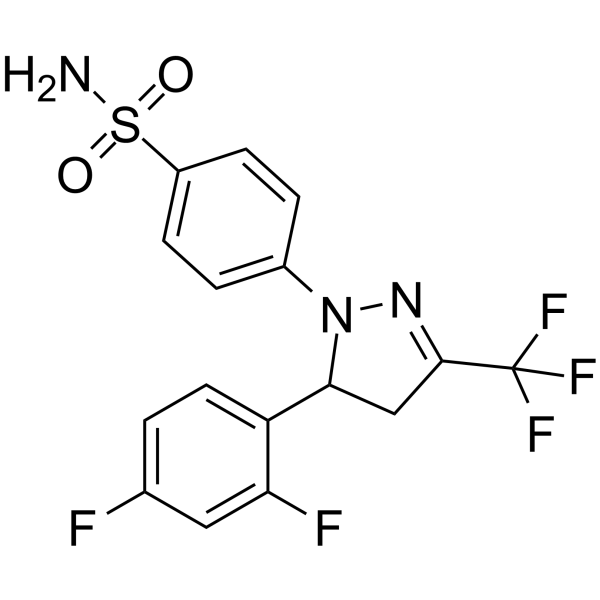
Enflicoxib (E 6087) is a nonsteroidal anti-inflammatory compound that selectively inhibits cyclooxygenase-2 (COX-2).?Enflicoxib does not inhibit cyclooxygenase-1 (COX-1). E-6087 shows anti-inflammatory, analgesic and antipyretic activities in animal models .
|
-
-
- HY-121585
-
|
|
Lipoxygenase
|
Inflammation/Immunology
|
|
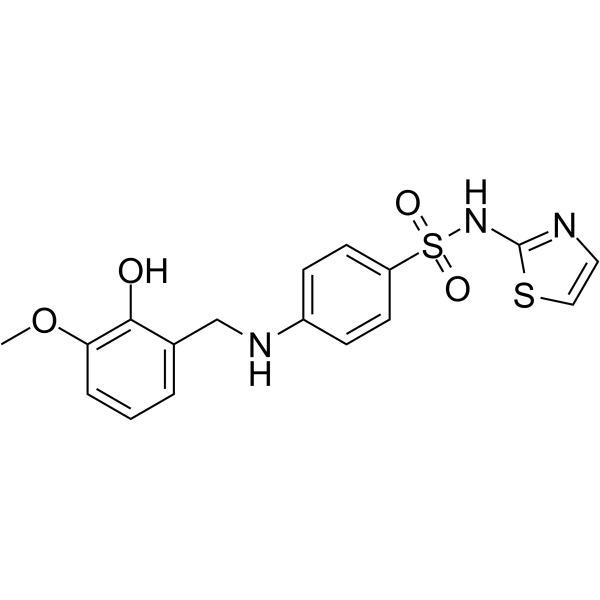
CAY10698 (compound 1) is a potent and selective inhibitor of 12-Lipoxygenase (12-LOX) with an IC50 of 5.1 μM. CAY10698 is inactive against 5-LOX, 15-LOX-1, 15-LOX-2 and COX-1/2 .
|
-
-
- HY-15037S1
-
|
|
COX
Apoptosis
|
Inflammation/Immunology
|
|
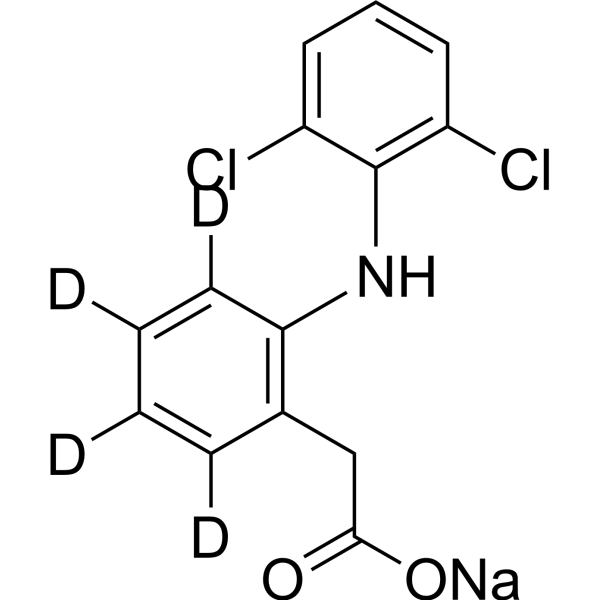
Diclofenac-d4 (sodium) is the deuterium labeled Diclofenac sodium. Diclofenac Sodium (GP 45840) is a potent and nonselective anti-inflammatory agent, acts as a COX inhibitor, with IC50s of 4 and 1.3 nM for human COX-1 and COX-2 in CHO cells , and 5.1 and 0.84 μM for ovine COX-1 and COX-2, respectively . Diclofenac Sodium induces apoptosis of neural stem cells (NSCs) via the activation of the caspase cascade .
|
-
-
- HY-170938
-
|
|
Cholinesterase (ChE)
Monoamine Oxidase
Beta-secretase
COX
LOX-1
|
Neurological Disease
|
|
AChE-IN-82 (compound 49) is an acetylcholinesterase (AChE) inhibitor. AChE-IN-82 inhibits eeAChE, eqBChE, hMAO-A, hMAO-B, and BACE-1 with IC50s of 0.072, 9.81, 14.52, 0.024, 2.42 μM, respectively. AChE-IN-82 inhibits COX-1, COX-2 and 5-LOX with IC50s of 60.41, 0.187, 0.18 μM, respectively. AChE-IN-82 shows an excellent neuroprotective effect by significantly reducing oxidative stress induced by H2 O2 .
|
-

-
- HY-115966
-
|
|
COX
|
Inflammation/Immunology
|
|
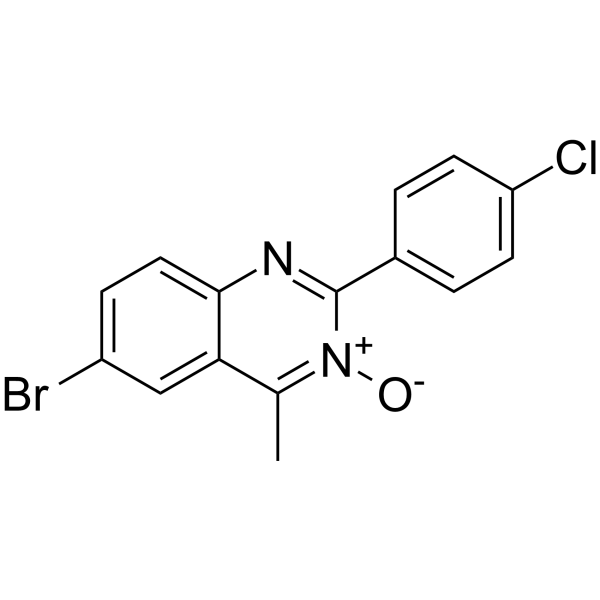
COX-1/2-IN-2 is a potent COX1/2 inhibitor. COX-1/2-IN-2 exhibits significant inhibitory effect against COX-1 and COX-2 inhibitor with IC50 values of 13.9 ± 3.21 µM and 6.4±0.74 µM, respectively .
|
-
-
- HY-169430
-
|
|
PGE synthase
|
|
|
AGU654 (Compound 44) is a selective mPGES-1 inhibitor with an IC50 of 2.9 nM against mPGES-1. AGU654 inhibits mPGES-1 to block the pathway converting arachidonic acid into prostaglandin E2 (PGE2) by COX-1/2, thereby alleviating inflammatory responses, pain, and fever. In activated human monocyte-derived macrophages and human whole blood models, AGU654 selectively suppresses bacterial exotoxin-induced PGE2 production while preserving the production of other prostaglandins. In guinea pig models, AGU654 significantly alleviates fever, inflammation, and inflammatory pain, exhibiting excellent anti-inflammatory, analgesic, and antipyretic effects. AGU654 holds promise as a strategy for studying inflammatory diseases and pain .
|
-

-
- HY-115967
-
|
|
COX
|
Inflammation/Immunology
|
|
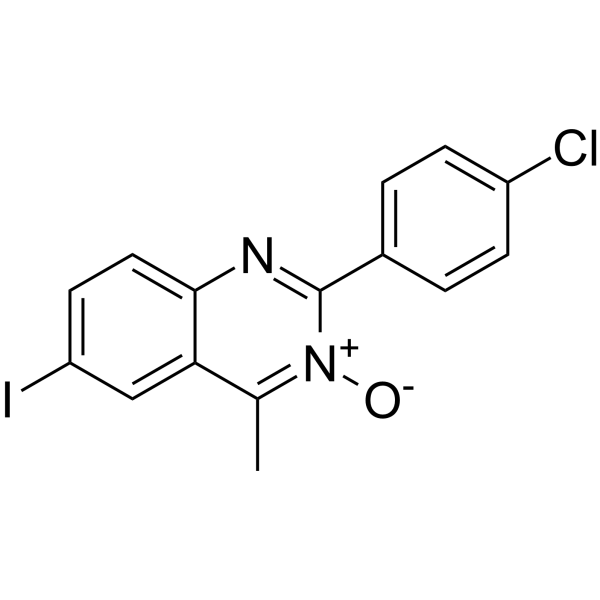
COX-1/2-IN-2 is a potent COX1/2 inhibitor. COX-1/2-IN-2 exhibits significant inhibitory effect against COX-1 and COX-2 inhibitor with IC50 values of 9.7 ± 0.09 µM and 4.6 ± 1.45 µM, respectively .
|
-
-
- HY-15038R
-
|
|
Reference Standards
COX
Apoptosis
|
Inflammation/Immunology
Cancer
|
|
Diclofenac (potassium) (Standard) is the analytical standard of Diclofenac (potassium). This product is intended for research and analytical applications. Diclofenac potassium is a potent and nonselective anti-inflammatory agent, acts as a COX inhibitor, with IC50s of 4 and 1.3 nM for human COX-1 and COX-2 in CHO cells , and 5.1 and 0.84 μM for ovine COX-1 and COX-2, respectively . Diclofenac potassium induces apoptosis of neural stem cells (NSCs) via the activation of the caspase cascade .
|
-

-
- HY-15036AR
-
|
|
Reference Standards
COX
Apoptosis
|
Inflammation/Immunology
Cancer
|
|
Diclofenac (diethylamine) (Standard) is the analytical standard of Diclofenac (diethylamine). This product is intended for research and analytical applications. Diclofenac diethylamine is a potent and nonselective anti-inflammatory agent, acts as a COX inhibitor, with IC50s of 4 and 1.3 nM for human COX-1 and COX-2 in CHO cells , and 5.1 and 0.84 μM for ovine COX-1 and COX-2, respectively . Diclofenac diethylamine induces apoptosis of neural stem cells (NSCs) via the activation of the caspase cascade .
|
-

-
- HY-19384R
-
|
E 6087 (Standard)
|
COX
Reference Standards
|
Inflammation/Immunology
|
|
Enflicoxib (Standard) is the analytical standard of Enflicoxib. This product is intended for research and analytical applications. Enflicoxib (E 6087) is a nonsteroidal anti-inflammatory compound that selectively inhibits cyclooxygenase-2 (COX-2). Enflicoxib does not inhibit cyclooxygenase-1 (COX-1). E-6087 shows anti-inflammatory, analgesic and antipyretic activities in animal models .
|
-

-
- HY-W268542
-
|
|
COX
SOD
PGE synthase
|
Inflammation/Immunology
Cancer
|
|
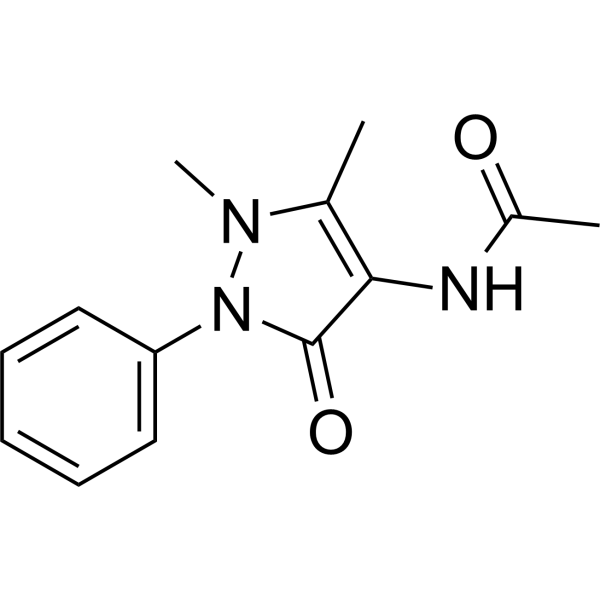
4-Acetylaminoantipyrine (4-AA) is a derivative of antipyrine (HY-B0171). 4-Acetylaminoantipyrine acts as a PGE2-dependent blocker and inhibitor of cyclooxygenase (COX) . 4-Acetylaminoantipyrine can inhibit Cu/ZnSOD . 4-Acetylaminoantipyrine can spontaneously bind with bovine serum albumin (BSA) and alter its conformation .
|
-
-
- HY-15037S
-
|
|
Isotope-Labeled Compounds
COX
Apoptosis
|
Inflammation/Immunology
|
|
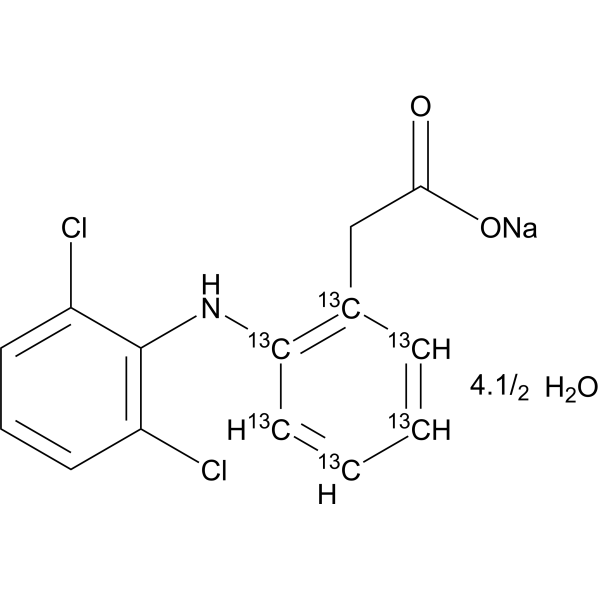
Diclofenac- 13C6 (sodium heminonahydrate) is the 13C-labeled Diclofenac Sodium. Diclofenac Sodium (GP 45840) is a potent and nonselective anti-inflammatory agent, acts as a COX inhibitor, with IC50s of 4 and 1.3 nM for human COX-1 and COX-2 in CHO cells , and 5.1 and 0.84 μM for ovine COX-1 and COX-2, respectively . Diclofenac Sodium induces apoptosis of neural stem cells (NSCs) via the activation of the caspase cascade .
|
-
-
- HY-13913R
-
|
|
COX
|
Inflammation/Immunology
Cancer
|
|
NS-398 (Standard) is the analytical standard of NS-398. This product is intended for research and analytical applications. NS-398 is a non-steroidal an-inflammatory agent with analgesic and antipyretic effects, and selectively inhibits prostaglandin G/H synthase 2/cyclooxygenase 2 (COX-2) activity, with an IC50 of 3.8 μM, and has no effect on COX-1 at 100 μM.
|
-

-
- HY-N0607R
-
|
PolysciasaponIN P3 (Standard); ChikusetsusaponIN 5 (Standard); ChikusetsusaponIN V (Standard)
|
Reference Standards
Calcium Channel
Prostaglandin Receptor
|
Cardiovascular Disease
Endocrinology
|
|
Ginsenoside Ro (Standard) is the analytical standard of Ginsenoside Ro. This product is intended for research and analytical applications. Ginsenoside Ro (Polysciasaponin P3; Chikusetsusaponin 5; Chikusetsusaponin V) exhibits a Ca2+-antagonistic antiplatelet effect with an IC50 of 155 μM. Ginsenoside Ro reduces the production of TXA2 more than it reduces the activities of COX-1 and TXAS.
|
-

-
- HY-114200R
-
|
BAP-909 (Standard)
|
Reference Standards
COX
|
Inflammation/Immunology
|
|
Imrecoxib (Standard) is the analytical standard of Imrecoxib. This product is intended for research and analytical applications. Imrecoxib (BAP-909) is a novel and selective cyclooxygenase 2 (COX-2) inhibitor with an IC50 value of 18 nM, it also inhibits COX1- activity with an IC50 value of 115 nM. Imrecoxib (BAP-909) has anti-inflammatory effect .
|
-

-
- HY-N0920R
-
|
7,8-DihydrokawaIN (Standard); 7,8-DihydrokavaIN (Standard); MarINdININ (Standard)
|
Reference Standards
COX
Cytochrome P450
|
Neurological Disease
Inflammation/Immunology
|
|
Dihydrokavain (Standard) (7,8-Dihydrokawain (Standard)) is the analytical standard of Dihydrokavain (HY-N0920). This product is intended for research and analytical applications. Dihydrokavain is a natural kavalactone compound. Dihydrokavain inhibits COX-1, COX-2, CYP2C9 (IC50 = 130.95 μM), CYP2C19 (IC50 = 10.05 μM) and CYP3A4 (IC50 = 78.59 μM). Dihydrokavain reduces TNFα secretion. Dihydrokavain shows analgesic and anxiolytic effects.
|
-

-
- HY-121537R
-
|
|
COX
Akt
Apoptosis
|
Neurological Disease
Inflammation/Immunology
Cancer
|
|
CAY10404 (Standard) is the analytical standard of CAY10404. This product is intended for research and analytical applications. CAY10404 is a potent and selective cyclooxygenase-2 (COX-2) inhibitor with an IC50 of 1 nM and a selectivity index (SI; COX-1 IC50/COX-2 IC50) of >500000. CAY10404 is a potent PKB/Akt and MAPK signaling pathways inhibitor and induces apoptosis in non-small cell lung cancer (NSCLC) cells. CAY10404, a diarylisoxazole, has good analgesic, anti-inflammatory, and anti-cancer activities .
|
-

-
- HY-175637
-
|
|
COX
MyD88
|
Neurological Disease
Inflammation/Immunology
|
|
COX-2-IN-57 is an orally active COX-2 inhibitor with an IC50 value of 0.02 μM. COX-2-IN-57 reduces MyD88 expression and decreases serum levels of COX-2, PGE2, and COX-1 in Cisplatin (HY-17394)/radiation-induced neuropathy rat model. COX-2-IN-57 demonstrates superior antinociceptive efficacy in hot plate, cold allodynia, and Randall-Selitto tests, along with hepato-/renal protection. COX-2-IN-57 can be used for the study of inflammation .
|
-

-
- HY-121828
-
|
|
Src
CaMK
PKA
EGFR
PKC
COX
|
Cancer
|
|
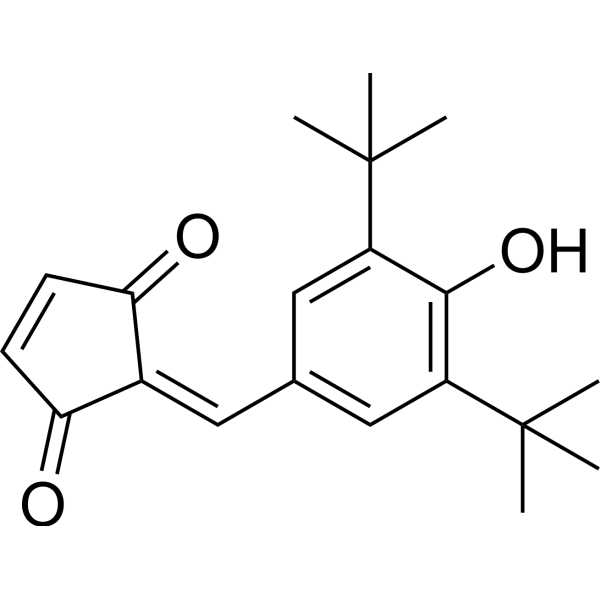
TX-1123 is a potent protein tyrosine kinase (PTK) inhibitor for Src, eEF2-K, and PKA, and EGFR-K/PKC. TX-1123 is a cyclo-oxygenase (COX) inhibitor with IC50 values of 1.16 μM and 15.7 μM for COX2 and COX1, respectively. TX-1123 has low mitochondrial toxicity. TX-1123 can be used in research of cancer .
|
-
-
- HY-146295
-
|
|
COX
|
Inflammation/Immunology
|
|
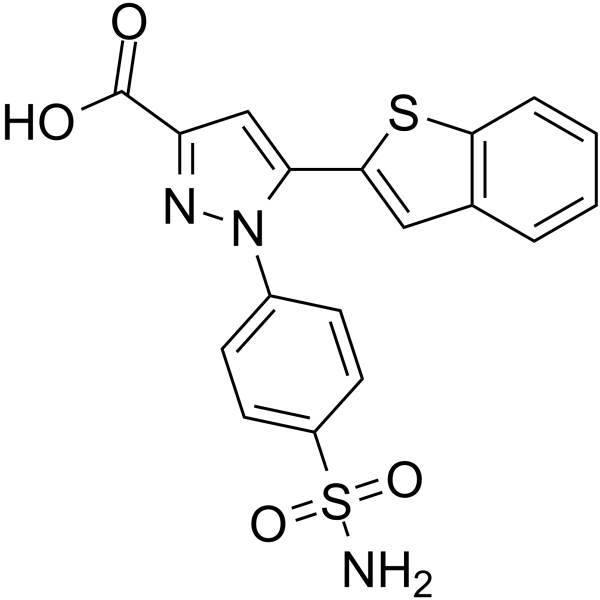
COX-2/5-LOX-IN-2 (5b) is a potent and dual inhibitor of COX-2/5-LOX. COX-2/5-LOX-IN-2 is a benzothiophen-2-yl pyrazole carboxylic acid derivative. COX-2/5-LOX-IN-2 shows the most potent analgesic and anti-inflammatory activities surpassing that of Celecoxib and Indomethacin. COX-2/5-LOX-IN-2 shows potent COX-1, COX-2 and 5-LOX inhibitory activity with IC50s of 5.40, 0.01 and 1.78 μM, respectively .
|
-
-
- HY-146294
-
|
|
COX
|
Inflammation/Immunology
|
|
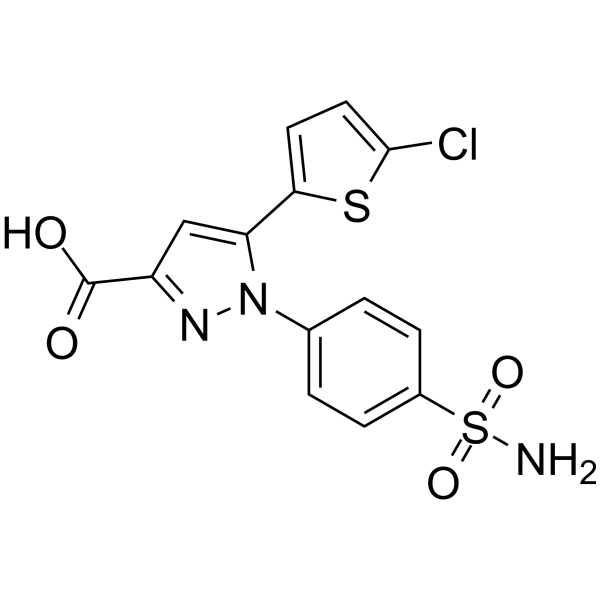
COX-2/5-LOX-IN-1 (compound 3a) is a potent and dual inhibitor of COX-2/5-LOX. COX-2/5-LOX-IN-1 is a benzothiophen-2-yl pyrazole carboxylic acid derivative. COX-2/5-LOX-IN-1 shows the most potent analgesic and anti-inflammatory activities surpassing that of Celecoxib and Indomethacin. COX-2/5-LOX-IN-1 shows potent COX-1, COX-2 and 5-LOX inhibitory activity with IC50s of 12.13, 0.4 and 4.96 μM, respectively .
|
-
-
- HY-173485
-
|
|
SARS-CoV
COX
|
Infection
Inflammation/Immunology
|
|
SARS-CoV-2 Mpro-IN-41 (Compound 7e) is an orally active inhibitor of COX-2 and SARS-CoV-2 M pro (IC50 values are 9.66 μM and 13.24 μM, respectively). SARS-CoV-2 Mpro-IN-41 also has a certain inhibitory activity against COX-1 (IC50: 46.11 μM). SARS-CoV-2 Mpro-IN-41 can significantly inhibit the expression of inflammatory-related cytokines (such as TNF-α, IL-6, IL-1β) and exert anti-inflammatory effects. SARS-CoV-2 Mpro-IN-41 exerts anti-inflammatory and antiviral effects by selectively inhibiting COX-2 and SARS-CoV-2 M pro. SARS-CoV-2 Mpro-IN-41 can be used for anti-inflammatory and anti-coronavirus research .
|
-

-
- HY-170932
-
|
|
EGFR
COX
Apoptosis
|
Cancer
|
|
EGFR/COX-2-IN-1 is an EGFR/COX-2 inhibitor. EGFR/COX-2-IN-1 inhibits EGFR WT, EGFR T790M, COX-1 and COX-2 with IC50s of 0.12, 0.076, 20.1 and 1.52 μM respectively. EGFR/COX-2-IN-1 inhibits and with IC50s of , respectively. EGFR/COX-2-IN-1 inhibits MCF-7, HT-29 and A-549 with IC50s of 1.20, 5.14 and 14.81 μM, respectively. EGFR/COX-2-IN-1 displays Apoptosis induction by up-regulating Bax and down-regulating Bcl-2 protein levels. EGFR/COX-2-IN-1 results in a significant increase in the percentage of cells at the G2/M in MFC-7 cells. EGFR/COX-2-IN-1 exhibits broad-spectrum antitumor effects .
|
-

-
- HY-W268542S1
-
|
|
Isotope-Labeled Compounds
COX
PGE synthase
SOD
|
Cancer
|
|
4-Acetylaminoantipyrine-d3 is the deuterium labeled 4-Acetylaminoantipyrine (HY-W268542). 4-Acetylaminoantipyrine (4-AA) is a derivative of antipyrine (HY-B0171). 4-Acetylaminoantipyrine acts as a PGE2-dependent blocker and inhibitor of cyclooxygenase (COX) . 4-Acetylaminoantipyrine can inhibit Cu/ZnSOD . 4-Acetylaminoantipyrine can spontaneously bind with bovine serum albumin (BSA) and alter its conformation .
|
-

-
- HY-W268542R
-
|
|
Reference Standards
COX
SOD
PGE synthase
|
Inflammation/Immunology
Cancer
|
|
4-Acetylaminoantipyrine (Standard) is the analytical standard of 4-Acetylaminoantipyrine. This product is intended for research and analytical applications. 4-Acetylaminoantipyrine (4-AA) is a derivative of antipyrine (HY-B0171). 4-Acetylaminoantipyrine acts as a PGE2-dependent blocker and inhibitor of cyclooxygenase (COX) . 4-Acetylaminoantipyrine can inhibit Cu/ZnSOD . 4-Acetylaminoantipyrine can spontaneously bind with bovine serum albumin (BSA) and alter its conformation .
|
-

-
- HY-W032938
-
|
|
COX
NO Synthase
|
Neurological Disease
Inflammation/Immunology
|
|
COX-1-IN-4 (Compound P10) is a selective COX-1 inhibitor (IC50s: COX-1 = 0.09 μM; COX-2 = 2.49 μM). COX-1-IN-4 reduces the production of NO as well as the expression of the iNOS protein. COX-1-IN-4 can be used in the research of neuroinflammation .
|
-

-
- HY-B0580S1
-
|
|
Isotope-Labeled Compounds
COX
|
Inflammation/Immunology
|
|
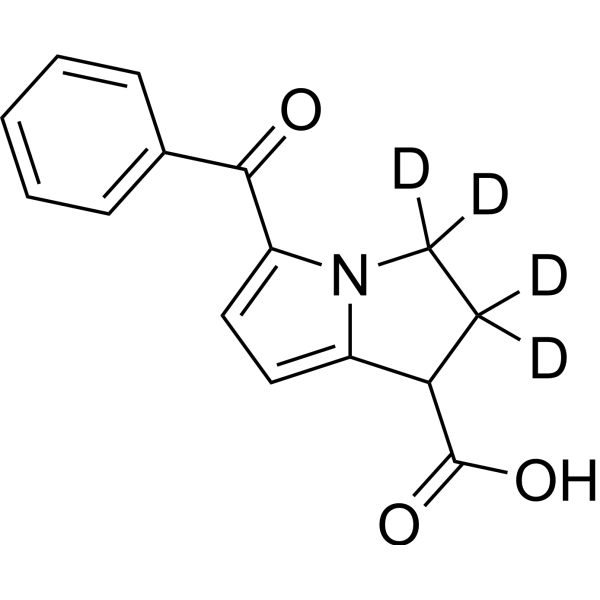
Ketorolac-d4 (RS37619 D4) is the deuterium labeled Ketorolac. Ketorolac is a non-steroidal anti-inflammatory agent, acting as a nonselective COX inhibitor, with IC50s of 20 nM for COX-1 and 120 nM for COX-2 .
|
-
-
- HY-183044
-
|
|
Sirtuin
|
Metabolic Disease
|
|
SIRT1 activator 4 is an orally active, NAD +-independent SIRT1 activator. SIRT1 activator 4 is also an analog of (E)-2'-desmethyl Sulindac (HY-B0008), with weak or negligible inhibitory activity against COX-1 and no inhibitory activity against COX-2. SIRT1 activator 4 can be used for the research of metabolic diseases .
|
-

-
- HY-116811
-
-

-
- HY-179439
-
|
|
COX
VEGFR
HIF/HIF Prolyl-Hydroxylase
Caspase
Bcl-2 Family
Apoptosis
MMP
|
Cancer
|
|
Multi-kinase-IN-8 is a muti-kinase inhibitor. Multi-kinase-IN-8 inhibits COX-1 (IC50 of 12.6 μM), COX-2 (IC50 of 0.05 μM) and VEGFR-2 (IC50 of 0.12 nM). Multi-kinase-IN-8 inhibits tumor-associated carbonic anhydrases (CA IX and CA XII with Ki of 31.5 nM and 386.9 nM, respectively). Multi-kinase-IN-8 triggers cell cycle arrest and apoptosis through upregulation of Caspase 9 and Bax along with downregulation of Bcl 2. Multi-kinase-IN-8 suppresses PGE2, p-VEGFR-2, MMP-9 and HIF-1α and exhibits growth-inhibitory activity against breast cancer, lung cancer, and colorectal adenocarcinoma .
|
-

-
- HY-181061
-
|
|
COX
EGFR
Lipoxygenase
FAK
Raf
Apoptosis
Caspase
Bcl-2 Family
|
Cancer
|
|
COX/5-LO-IN-2 is a COX2, EGFR, COX1, 5-LOX, BRAF and FAK inhibitor with IC50 of 1.22 μM, 2.5 μM, 2.95 μM, 4.65 μM, 7.4 μM, 12.2 μM, respectively. COX/5-LO-IN-2 induces cell growth arrest at G2/M phase. COX/5-LO-IN-2 triggers apoptotic activity by up-regulating proapoptotic proteins p53, Bax, and caspase-7 and down-regulating anti-apoptotic protein Bcl-2. COX/5-LO-IN-2 can be used for the research of breast cancer [1].
|
-

| Cat. No. |
Product Name |
Category |
Target |
Chemical Structure |
-
- HY-N2736
-
|
|
Flavonoids
Classification of Application Fields
Flavones
Leguminosae
Other Diseases
Phenols
Polyphenols
Plants
Vicia faba L.
Disease Research Fields
Source Classification
|
Beta-lactamase
COX
Interleukin Related
Bacterial
JNK
ERK
p38 MAPK
STAT
Apoptosis
NO Synthase
Nuclear Factor of activated T Cells (NFAT)
Lactate Dehydrogenase
Reactive Oxygen Species (ROS)
SOD
Akt
Caspase
Bcl-2 Family
|
|
3′,4′,7-Trihydroxyflavone is an orally active inhibitor of OXA-48 (IC50 = 1.89 μM) and COX-1 (IC50 = 36.37 μM). 3′,4′,7-Trihydroxyflavone exhibits antioxidant and anti-inflammatory properties, inhibiting the release of inflammatory cytokines such as IL-6, IL-8, and TNF-α. 3′,4′,7-Trihydroxyflavone inhibits H2O2-induced neuronal apoptosis and ROS accumulation, and exerts anti-neuroinflammatory effects by suppressing the JNK-STAT1 pathway. 3′,4′,7-Trihydroxyflavone exhibits antimicrobial and antibiotic-modifying activities against multidrug-resistant Gram-negative enteric bacteria. 3′,4′,7-Trihydroxyflavone inhibits RANKL-induced osteoclast formation via NFATc1. 3′,4′,7-Trihydroxyflavone activates the CREB-BDNF axis and restores scopolamine (HY-N0296)-induced memory deficits in mice .
|
-
-
- HY-N0920
-
-
-
- HY-N0607R
-
-
-
- HY-N0920R
-
|
7,8-DihydrokawaIN (Standard); 7,8-DihydrokavaIN (Standard); MarINdININ (Standard)
|
Structural Classification
Natural Products
other families
Plants
Source Classification
|
Reference Standards
COX
Cytochrome P450
|
|
Dihydrokavain (Standard) (7,8-Dihydrokawain (Standard)) is the analytical standard of Dihydrokavain (HY-N0920). This product is intended for research and analytical applications. Dihydrokavain is a natural kavalactone compound. Dihydrokavain inhibits COX-1, COX-2, CYP2C9 (IC50 = 130.95 μM), CYP2C19 (IC50 = 10.05 μM) and CYP3A4 (IC50 = 78.59 μM). Dihydrokavain reduces TNFα secretion. Dihydrokavain shows analgesic and anxiolytic effects.
|
-
| Cat. No. |
Product Name |
Chemical Structure |
-
- HY-15036S
-
|
|
|
Diclofenac-d4 is the deuterium labeled Diclofenac. Diclofenac is a potent and nonselective anti-inflammatory agent, acts as a COX inhibitor, with IC50s of 4 and 1.3 nM for human COX-1 and COX-2 in CHO cells , and 5.1 and 0.84 μM for ovine COX-1 and COX-2, respectively . Diclofenac induces apoptosis of neural stem cells (NSCs) via the activation of the caspase cascade .
|
-
-
- HY-15037S1
-
|
|
|
Diclofenac-d4 (sodium) is the deuterium labeled Diclofenac sodium. Diclofenac Sodium (GP 45840) is a potent and nonselective anti-inflammatory agent, acts as a COX inhibitor, with IC50s of 4 and 1.3 nM for human COX-1 and COX-2 in CHO cells , and 5.1 and 0.84 μM for ovine COX-1 and COX-2, respectively . Diclofenac Sodium induces apoptosis of neural stem cells (NSCs) via the activation of the caspase cascade .
|
-
-
- HY-15037S
-
|
|
|
Diclofenac- 13C6 (sodium heminonahydrate) is the 13C-labeled Diclofenac Sodium. Diclofenac Sodium (GP 45840) is a potent and nonselective anti-inflammatory agent, acts as a COX inhibitor, with IC50s of 4 and 1.3 nM for human COX-1 and COX-2 in CHO cells , and 5.1 and 0.84 μM for ovine COX-1 and COX-2, respectively . Diclofenac Sodium induces apoptosis of neural stem cells (NSCs) via the activation of the caspase cascade .
|
-
-
- HY-W268542S1
-
|
|
|
4-Acetylaminoantipyrine-d3 is the deuterium labeled 4-Acetylaminoantipyrine (HY-W268542). 4-Acetylaminoantipyrine (4-AA) is a derivative of antipyrine (HY-B0171). 4-Acetylaminoantipyrine acts as a PGE2-dependent blocker and inhibitor of cyclooxygenase (COX) . 4-Acetylaminoantipyrine can inhibit Cu/ZnSOD . 4-Acetylaminoantipyrine can spontaneously bind with bovine serum albumin (BSA) and alter its conformation .
|
-
-
- HY-B0580S1
-
|
|
|
Ketorolac-d4 (RS37619 D4) is the deuterium labeled Ketorolac. Ketorolac is a non-steroidal anti-inflammatory agent, acting as a nonselective COX inhibitor, with IC50s of 20 nM for COX-1 and 120 nM for COX-2 .
|
-
Your information is safe with us. * Required Fields.
Inquiry Information
- Product Name:
- Cat. No.:
- Quantity:
- MCE Japan Authorized Agent:








