
Search Result
Results for "
D-amino
" in MedChemExpress (MCE) Product Catalog:
1
Isotope-Labeled Compounds
| Cat. No. |
Product Name |
Target |
Research Areas |
Chemical Structure |
-
- HY-131045
-
|
HCC-amino-D-alanine hydrochloride
|
Bacterial
|
Infection
|
|
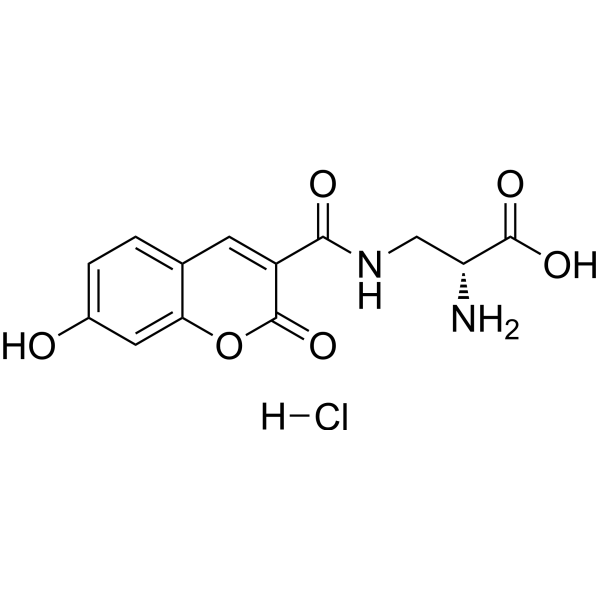
HADA hydrochloride (HCC-Amino-D-alanine hydrochloride) is a blue (λem~450 nm) fluorescent D-amino acid (FDAA). FDAAs are efficiently incorporated into the peptidoglycans (PGs) of diverse bacterial species at the sites of PG biosynthesis, allowing specific and covalent probing of bacterial growth with minimal perturbation .
|
-
-
- HY-W014502
-
|
|
Aryl Hydrocarbon Receptor
Endogenous Metabolite
|
Cancer
|
|
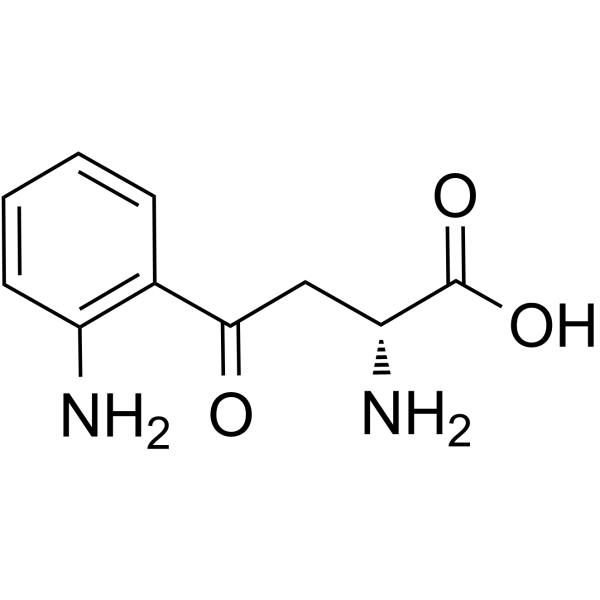
D-kynurenine, a metabolite of D-tryptophan, can serve as the bioprecursor of kynurenic acid (KYNA) and 3-hydroxykynurenine. D-Kynurenine is an agonist for G protein-coupled receptor, GPR109B. D-Kynurenine is a substrate in a fluorometric assay of D-amino acid oxidase. D-kynurenine promotes epithelial-to-mesenchymal transition via activating aryl hydrocarbon receptor (AHR) .
|
-
-
- HY-I1070
-
|
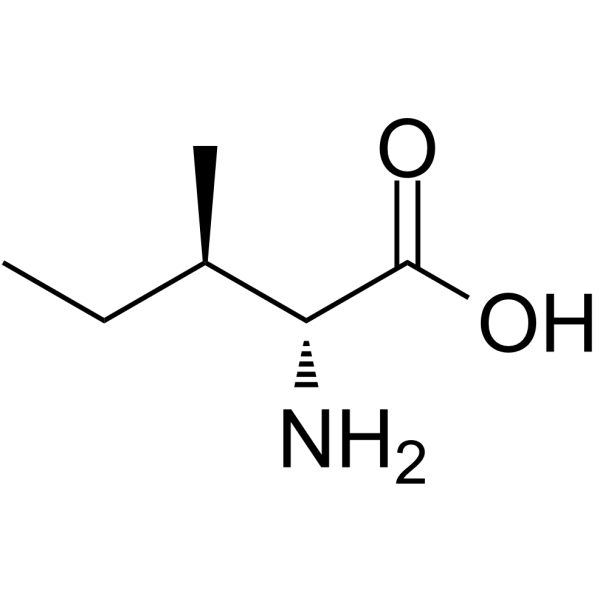
(R)-Isoleucine
|
ASCT
|
Neurological Disease
|
|
D-Isoleucine is a selective competitive activator of the Asc-1 antiporter (Ki=0.98 mM). D-Isoleucine promotes the release of D-serine and glycine by binding to the Asc-1 protein on the neuronal cell membrane, and enhances NMDA receptor-dependent synaptic plasticity. D-Isoleucine can be used in the study of neurodegenerative diseases (such as Alzheimer's disease and schizophrenia). D-Isoleucine also acts as a non-classical D-amino acid, interferes with bacterial peptidoglycan synthesis, and inhibits the formation of Staphylococcus aureus biofilm, and has potential antibacterial application value[1][2].
|
-
-
- HY-Y0079
-
|
|
Endogenous Metabolite
|
Infection
|
|
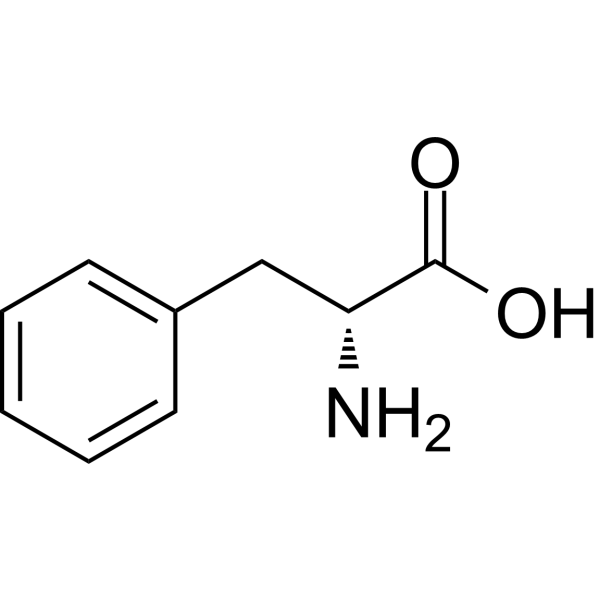
D-Phenylalanine is an atypical D-amino acid and an inhibitor of bacterial biofilm formation. D-Phenylalanine mainly replaces D-alanine (D-Ala) by incorporating into the fourth and fifth positions of bacterial peptidoglycan (PG), changing the cell wall structure, enhancing bacterial acid resistance and affecting biofilm formation. D-Phenylalanine may promote the secretion of peptide tyrosine tyrosine (PYY) in mammals by activating the intestinal GPR109B receptor. D-Phenylalanine can inhibit the maturation of microbial biofilms and promote the release of specific hormones. It can be used for antibacterial preservation, improving the yield of probiotics in the food industry, and studying appetite regulation and blood sugar control in metabolic diseases such as diabetes .
|
-
-
- HY-P1925A
-
|
|
PI3K
Reactive Oxygen Species (ROS)
Apoptosis
|
Cancer
|
|
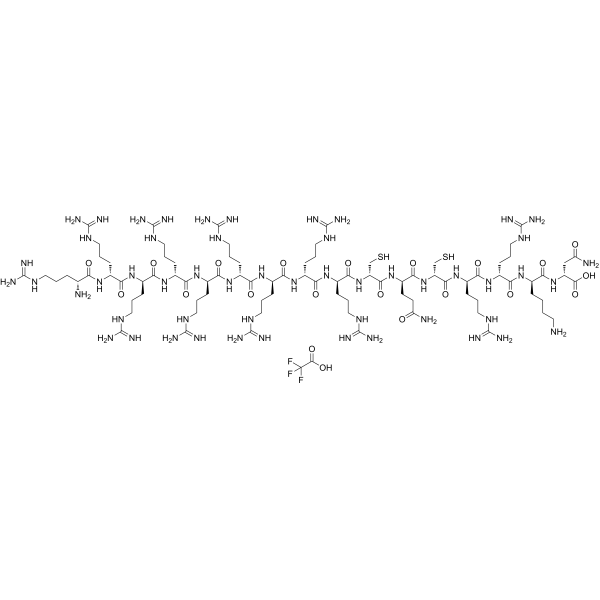
GO-203 TFA is a potent MUC1-C oncoprotein inhibitor. GO-203 TFA is an all D-amino acid peptide that consists of a poly-R transduction domain linked to a CQCRRKN motif that binds to the MUC1-C cytoplasmic tail and blocks MUC1-C homodimerization. GO-203 TFA downregulates TIGAR (TP53-induced glycolysis and apoptosis regulator) protein synthesis by inhibiting the PI3K-AKT-S6K1 pathway. GO-203 TFA induces the production of ROS and loss of mitochondrial transmembrane potential. GO-203 TFA inhibits the growth of colon cancer cells in vitro and as xenografts in nude mice .
|
-
-
- HY-P4070
-
|
|
Insulin Receptor
|
Metabolic Disease
|
|
Insulin icodec is an Insulin (HY-P0035) analog that strongly but reversibly binds to albumin. Insulin icodec has long plasma half-life. Insulin icodec modulates insulin receptor activity, controls blood glucose levels, reduces HbA1c levels, and binds reversibly to human serum albumin. Insulin icodec can be used for the research of type 2 diabetes mellitus .
|
-
-
- HY-Y0444
-
|
|
Tyrosinase
|
Metabolic Disease
|
|
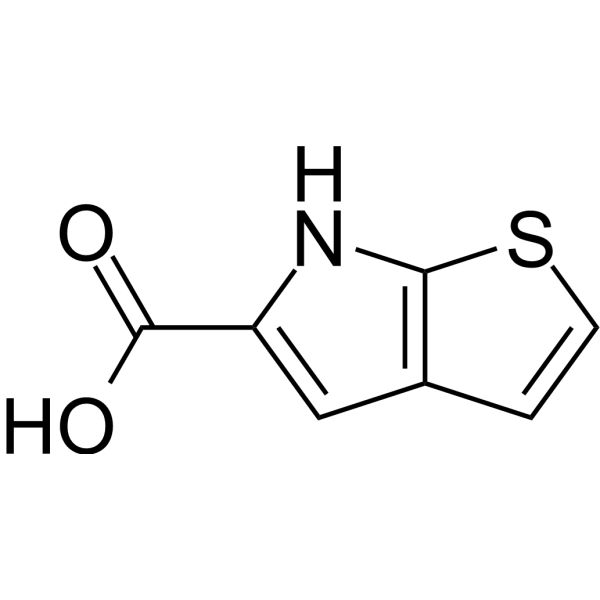
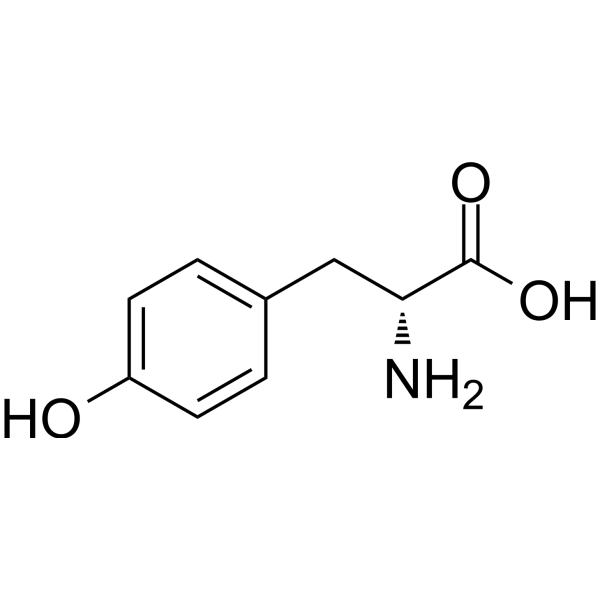
D-Tyrosine is the D-isomer of tyrosine. D-Tyrosine negatively regulates melanin synthesis by inhibiting tyrosinase activity. D-Tyrosine inhibits biofilm formation and trigger the self-dispersal of biofilms without suppressing bacterial growth .
|
-
-
- HY-P2986
-
-
-
- HY-Y0127
-
-
-
- HY-P3325
-
|
D-P8RI
|
VEGFR
|
Inflammation/Immunology
|
|
P8RI (D-P8RI) is a biomimetic peptide of CD31 and a CD31 agonist. P8RI binds to the juxtamembrane amino acid sequence of the ectodomain of CD31, shows an immunosuppressive effect through restoration of the CD31 inhibitory pathway .
|
-
-
- HY-DY1044
-
|
|
Bacterial
|
Infection
|
HADA hydrochloride (HCC-Amino-D-alanine hydrochloride) is a blue (λem~450 nm) fluorescent D-amino acid (FDAA). FDAAs are efficiently incorporated into the peptidoglycans (PGs) of diverse bacterial species at the sites of PG biosynthesis, allowing specific and covalent probing of bacterial growth with minimal perturbation . Solvent and concentration: DMSO: 50 mM
|
-
-
- HY-P5362
-
|
|
Radionuclide-Drug Conjugates (RDCs)
Somatostatin Receptor
|
Neurological Disease
Cancer
|
|
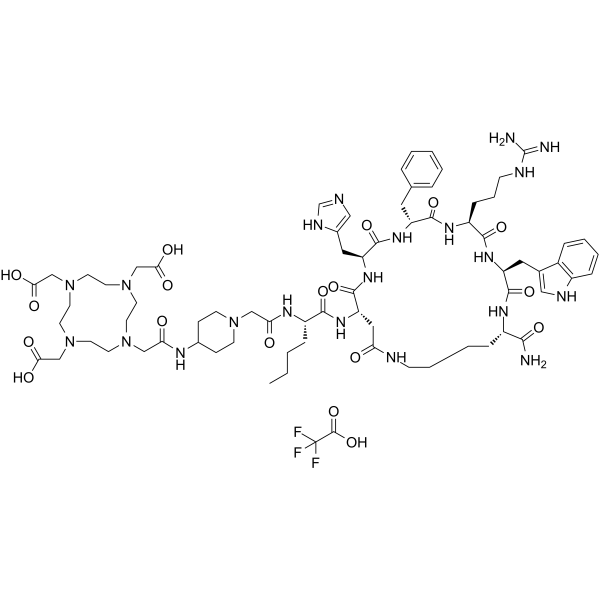
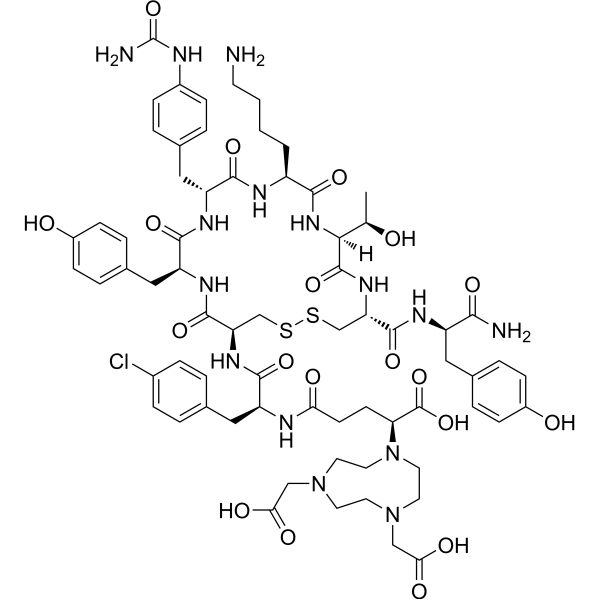
NODAGA-LM3 is a ligand that can cross the blood-brain barrier and targets somatostatin receptor SSTR2 with high affinity (IC50 = 1.3 nM). NODAGA-LM3 does not trigger the internalization of SSTR2 and can inhibit agonist-induced internalization processes. NODAGA-LM3 shows low uptake in normal tissues such as the liver and spleen, but high uptake in the lungs and blood pool. 68Ga-labeled NODAGA-LM3 can serve as a PET imaging agent for well-differentiated neuroendocrine tumors, and is applied in studies related to small cell lung cancer and well-differentiated neuroendocrine tumors .
|
-
-
- HY-D1117
-
|
NADA hydrochloride
|
Fluorescent Dye
|
Infection
|
|
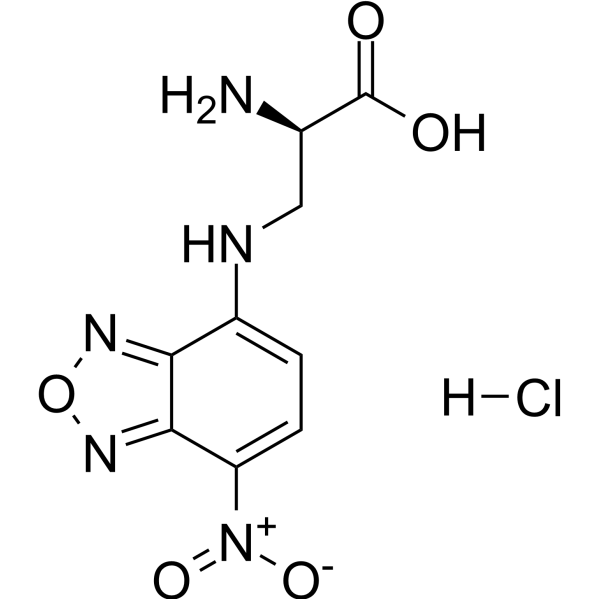
NADA-green is a fluorescent D-amino acid probe. NADA-green is efficiently incorporated into the peptidoglycan of diverse bacterial species peptidoglycan biosynthesis. NADA-green allows probing of bacterial growth with minimal perturbation .
|
-
-
- HY-109183
-
|
TAK-831
|
Xanthine Oxidase
|
Others
|
|
Luvadaxistat (TAK-831) is an orally active, highly selective, potent D-amino acid oxidase (DAAO) inhibitor. Luvadaxistat inhibits oxidative deamination of D-serine via the human recombinant DAAO enzyme with an IC50 of 14 nM. Luvadaxistat significantly increases D-serine levels in the rodent brain, plasma, and cerebrospinal fluid. Luvadaxistat has the potential for schizophrenia research .
|
-
-
- HY-P2336A
-
|
|
Melanocortin Receptor
|
Cancer
|
|
CCZ01048 TFA, a α-MSH analogue, exhibits high binding affinity to melanocortin 1 receptor (MC1R) with a Ki of 0.31 nM. CCZ01048 TFA shows rapid internalization into B16F10 melanoma cells and high in vivo stability. CCZ01048 TFA is a promising candidate for PET imaging of malignant melanoma .
|
-
-
- HY-P6365B
-
|
D-4F
|
Apolipoprotein
|
Cardiovascular Disease
|
|
APP-018 (D-4F) is 18 D-amino acids peptide that mimics apolipoprotein A-I (apoA-I). APP-018 improves the anti-inflammatory activity of high-density lipoprotein (HDL). APP-018 can be used in researches of cardiovascular diseases .
|
-
-
- HY-P1340
-
|
|
Orexin Receptor (OX Receptor)
|
Neurological Disease
|
|
[Ala11,D-Leu15]-Orexin B(human) is a potent and selective orexin-2 receptor (OX2) agonist. [Ala11,D-Leu15]-Orexin B(human) shows a 400-fold selectivity for the OX2 (EC50=0.13 nM) over OX1 (52 nM) .
|
-
-
- HY-W037417
-
|
|
Xanthine Oxidase
|
Others
|
|
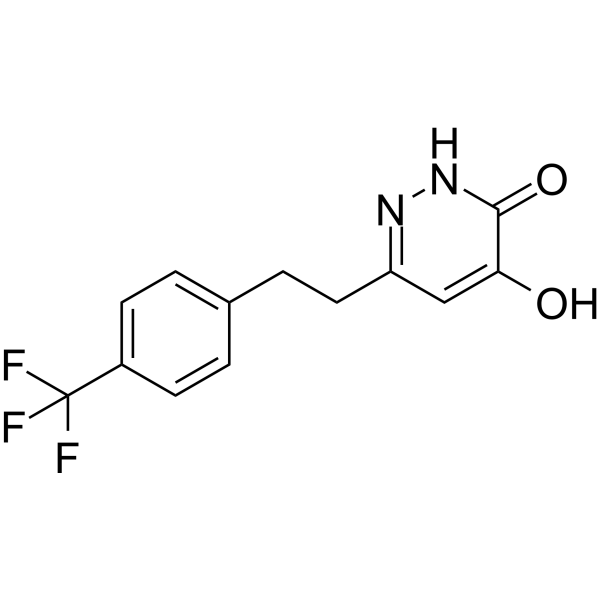
DAO-IN-1 is a potent inhibitor of D-amino acid oxidase (DAO) with an IC50 value of 269 nM. DAO is an enzyme responsible for D-serine metabolism, D-serine is a co-agonist of NMDA receptors .
|
-
-
- HY-W001959
-
|
|
Endogenous Metabolite
|
Metabolic Disease
|
|
D-Allothreonine is the D stereoisomer of Allothreonine. D-Allallreonine is a peptide lipid derived from bacteria. D-Allothreonine can be specifically oxidized by D-amino acid oxidase, while the L configuration has no reaction. D-Allallreonine is also a component of bacterial polysaccharides. D-Allallreonine can be used for researching bacterial pathogenicity, antigenic diversity and drug resistance .
|
-
-
- HY-P10341
-
|
|
GCGR
|
Metabolic Disease
|
|
ZP3022 is a dual agonist of glucagon-like peptide-1 (GLP-1) and gastrin that has the ability to sustainably improve glycemic control. Additionally, ZP3022 can effectively increase β-cell mass, promote β-cell proliferation, and enhance the function of pancreatic islets. ZP3022 can be used in anti-diabetic research .
|
-
-
- HY-D1689
-
|
|
Bacterial
|
Infection
|
|
Rf470DL is a rotor-fluorogenic D-amino acid (RfDAA). Rf470DL can be used for labeling bacteria (Ex=470 nm, Em=640 nm) .
|
-
-
- HY-117292
-
|
|
Amino Acid Oxidase
|
Neurological Disease
|
|
DAO-IN-2 is a d-amino acid oxidase (DAO) inhibitor (h-DAO IC50 = 245 nM). DAO-IN-2 is a moderate inhibitor of DAAO in vitro and in vivo. DAO-IN-2 can be used to study DAAO-related psychiatric disorders .
|
-
-
- HY-P4160
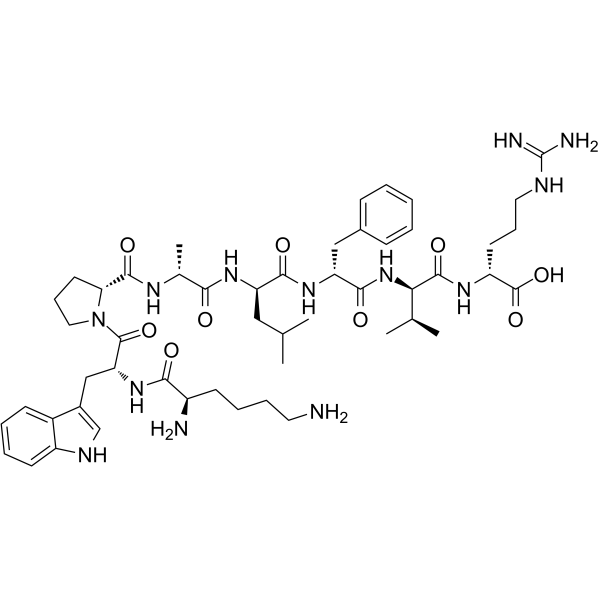
-
|
THG113.31; ILGHXDYK
|
Prostaglandin Receptor
|
Endocrinology
|
|
PDC31 (THG113.31; ILGHXDYK) is an allosteric and non-competitive inhibitor of FP Prostaglandin Receptor. PDC31 is the D-amino acid-based oligopeptide, is used for smooth muscle contractile agent. PDC31 decreases the strength and duration of uterine contractions in vivo, which can be used for research of preterm labor and primary dysmenorrhea (PD). PDC31 also enhances Ca 2+-dependent large-conductance K +-channel in human myometrial cells .
|
-
-
- HY-D1697
-
|
|
Fluorescent Dye
|
Infection
|
|
OGDA is a green fluorescent D-amino acid. OGDA is suitable for labeling peptidoglycan in Gram-positive and Gram-negative bacteria .
|
-
-
- HY-111412
-
-
-
- HY-Y0127S
-
-
-
- HY-E71044
-
|
|
Aminotransferases (Transaminases)
|
Others
|
|
D-Amino acid dehydrogenase (EC 1.4.99.1) is a bacterial enzyme that catalyses the oxidation of D-amino acids into their corresponding oxoacids. D-Amino acid dehydrogenase (EC 1.4.99.1) contains both flavin and nonheme iron as cofactors. The enzyme has a very broad specificity and can act on most D-amino acids.
|
-
-
- HY-33009
-
|
|
Amino Acid Oxidase
|
Neurological Disease
|
|
AS057278 is a potent, selective, orally active and blood-brain barrier (BBB) penetrant non-peptidic D-amino acid oxidase (DAAO) inhibitor with an IC50 value of 0.91 μM and EC50 of 2.2-3.95 μM. AS057278 can normalize phencyclidine (PCP)-induced prepulse inhibition in mice. AS057278 can be used for researching schizophrenia .
|
-
-
- HY-Y1662
-
|
E.C. 3.5.1.81; D-amino acid acylase; N-Acyl-D-amino-acid deacylase
|
Biochemical Assay Reagents
|
Others
|
|
D-Aminoacylase (E.C. 3.5.1.81) catalyzes the enantioselective hydrolysis of Nacyl-D-amino acids to produce D -amino acids .
|
-
-
- HY-P2986B
-
-
-
- HY-P2986A
-
|
|
Endogenous Metabolite
|
Metabolic Disease
|
|
D-Amino Acid Oxidase, Porcine (EC 1.4.3.3) is used in the measurement of D-alanine and FAD, and in the preparation of L-amino acids from racemic mixtures.
|
-
-
- HY-P10942
-
|
|
Small Interfering RNA (siRNA)
|
Neurological Disease
|
|
CGN peptide is a 13 amino acid peptide composed of D-amino acids, referred to as CGN peptide. CGN peptide is the retro-inverso isomer of the l-peptide TGN (TGNYKALHPHNG) and can deliver siRNA to the blood-brain barrier (BBB). CGN peptide can be used in Alzheimer's disease (AD) research .
|
-
-
- HY-P10942A
-
|
|
Small Interfering RNA (siRNA)
|
Neurological Disease
|
|
CGN peptide TFA is a 13 amino acid peptide composed of D-amino acids, referred to as CGN peptide. CGN peptide TFA is the retro-inverso isomer of the l-peptide TGN (TGNYKALHPHNG) and can deliver siRNA to the blood-brain barrier (BBB). CGN peptide TFA can be used in Alzheimer's disease (AD) research .
|
-
-
- HY-P10110
-
|
|
Autophagy
|
Neurological Disease
|
|
retro-inverso TAT-Beclin 1 D-amino acid is has higher activity and resistance to proteolytic degradation in vivo compared to L-amino acids peptide. TAT-Beclin 1 can induce autophagy in peripheral tissues in adult mice as well as in the central nervous system of neonatal mice .
|
-
-
- HY-W026426
-
|
|
Amino Acid Oxidase
|
Inflammation/Immunology
|
|
4,5,6,7-Tetrahydro-1,2-benzoxazole-3-carboxylic acid (Compound 244) is an indole compound. 4,5,6,7-Tetrahydro-1,2-benzoxazole-3-carboxylic acid does not inhibit COX-2 and shows the inhibition rate <1% against d-amino acid oxidase (DAO) at 10 μM .
|
-
-
- HY-W014502R
-
|
|
Reference Standards
Aryl Hydrocarbon Receptor
Endogenous Metabolite
|
Cancer
|
|
D-Kynurenine (Standard) is the analytical standard of D-Kynurenine. This product is intended for research and analytical applications. D-kynurenine, a metabolite of D-tryptophan, can serve as the bioprecursor of kynurenic acid (KYNA) and 3-hydroxykynurenine. D-Kynurenine is an agonist for G protein-coupled receptor, GPR109B. D-Kynurenine is a substrate in a fluorometric assay of D-amino acid oxidase. D-kynurenine promotes epithelial-to-mesenchymal transition via activating aryl hydrocarbon receptor (AHR) .
|
-
-
- HY-P11004
-
|
|
Bacterial
Antibiotic
|
Infection
|
|
A3-APO is an antimicrobial peptide. A3-APO has a significant antimicrobial activity by a dual mode of action with both membrane disintegration and intracellular target inhibition. A3-APO can deactivate bacterial toxins and increase the expression of anti-inflammatory cytokines (such as IL-4 and IL-10), without antimicrobial resistance. A3-APO accelerates burn wounds healing in mice infection model of Acinetobacter baumannii and Staphylococcus aureus .
|
-
-
- HY-P10472
-
|
|
GnRH Receptor
|
Endocrinology
|
|
Azaline B is an antagonist for gonadotropin-releasing hormone (GnRH) with IC50 of 1.37 nM, Azaline B can be used in research of sex hormone-related pathological states, ovulation induction and male contraception .
|
-
-
- HY-P4757
-
|
|
Parasite
|
Others
|
|
N1-Glutathionyl-spermidine disulfide is a substrate of trypanothione reductase .
|
-
-
- HY-P11243
-
|
|
Ephrin Receptor
|
Neurological Disease
|
|
EphA4 agonist compound 23 is a novel EphA4 agonist peptide mimic. EphA4 agonist compound 23 exhibits high affinity, high selectivity, and significant receptor activation ability. EphA4 agonist compound 23 is commonly used in the study of neurodegenerative diseases .
|
-
-
- HY-P2434
-
|
|
Somatostatin Receptor
|
Neurological Disease
Metabolic Disease
Cancer
|
|
AP102 is a dual SSTR2/SSTR5-specific somatostatin analog (SSA). AP102 is a disulfide-bridged octapeptide SSA containing synthetic iodinated amino acids. AP102 binds with subnanomolar affinity to SSTR2 and SSTR5 (IC50: 0.63 and 0.65 nM, respectively). AP102 does not bind to SSTR1 or SSTR3. AP102 can be used for acromegaly and neuroendocrine tumors research .
|
-
-
- HY-P5362A
-
|
|
Radionuclide-Drug Conjugates (RDCs)
Somatostatin Receptor
|
Cancer
|
|
NODAGA-LM3 TFA is a ligand that can cross the blood-brain barrier and targets somatostatin receptor SSTR2 with high affinity (IC50 = 1.3 nM). NODAGA-LM3 TFA does not trigger the internalization of SSTR2 and can inhibit agonist-induced internalization processes. NODAGA-LM3 TFA shows low uptake in normal tissues such as the liver and spleen, but high uptake in the lungs and blood pool. 68Ga-labeled NODAGA-LM3 TFA can serve as a PET imaging agent for well-differentiated neuroendocrine tumors, and is applied in studies related to small cell lung cancer and well-differentiated neuroendocrine tumors .
|
-
-
- HY-105168
-
|
|
Endothelin Receptor
|
Cardiovascular Disease
|
|
TAK 044 is an antagonist of Endothelin Receptor. TAK 044 strongly inhibits ET-induced deterioration in various animal models. TAK 044 can be used in study ET-related diseases such as acute myocardial infarction,acute renal failure, acute hepatic malfunction, and subarachnoid hemorrhage .
|
-
-
- HY-P2986C
-
-
-
- HY-N14924
-
|
|
Bacterial
|
Infection
|
|
Oganomycin GA is Streptomyces str. oganonensis Y-G 19Z and Oganomycin A is produced when p-hydroxycinnamate sodium salt is added to the fermentation medium. Under the action of D-amino acid oxidase, A generates glutaryl derivative, GA; A and GA were converted to B and GB by acid hydrolysis to remove sulfate esters. The effect of B on d-amino acid oxidase was also changed to GB. A and B were more stable than A and B of cemycin, and had stronger effect against Gram-positive and Gram-negative bacteria than Gram-positive bacteria .
|
-
-
- HY-E71045
-
-
-
- HY-Y0127R
-
|
|
Reference Standards
Endogenous Metabolite
|
Others
|
|
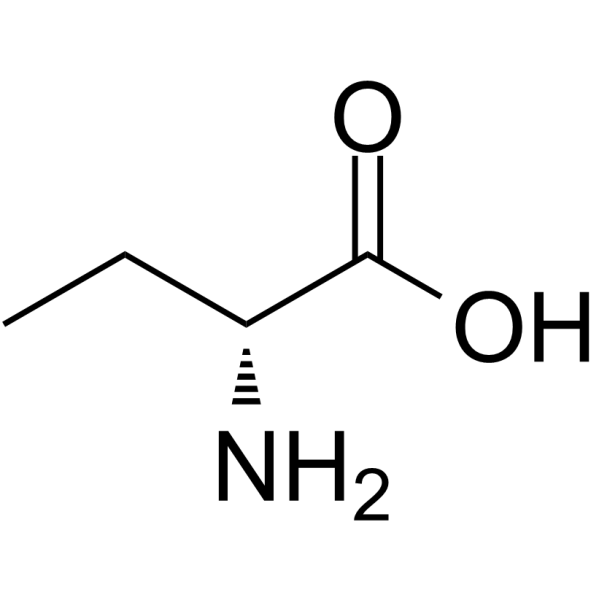
D(-)-2-Aminobutyric acid (Standard) is the analytical standard of D(-)-2-Aminobutyric acid. This product is intended for research and analytical applications. D(-)-2-Aminobutyric acid is a substrate of D-amino acid oxidase.
|
-
-
- HY-117292R
-
|
|
Reference Standards
Amino Acid Oxidase
|
Neurological Disease
|
|
DAO-IN-2 (Standard) is the analytical standard of DAO-IN-2 (HY-117292). This product is intended for research and analytical applications. DAO-IN-2 is a novel D-amino acid oxidase (DAO) inhibitor. DAO-IN-2 demonstrates moderate potency for DAO in vitro and ex vivo .
|
-
-
- HY-W001959R
-
|
|
Reference Standards
Endogenous Metabolite
|
Metabolic Disease
|
|
D-Allothreonine (Standard) is an analytical standard for D-Allothreonine (HY-001959). This product is intended for research and analytical applications. D-Allothreonine is the D-stereoisomer of allothreonine. D-Allothreonine is a bacterial peptide lipid. D-Allothreonine is specifically oxidized by D-amino acid oxidase, while the L-form is unresponsive. D-Allothreonine is also a component of bacterial polysaccharides. D-Allothreonine can be used to study bacterial pathogenicity, antigenic diversity, and drug resistance.
|
-
-
- HY-P1340A
-
|
|
Orexin Receptor (OX Receptor)
|
Neurological Disease
|
|
[Ala11,D-Leu15]-Orexin B(human) TFA is a potent and selective orexin-2 receptor (OX2) agonist. [Ala11,D-Leu15]-Orexin B(human) TFA shows a 400-fold selectivity for the OX2 (EC50=0.13 nM) over OX1 (52 nM) .
|
-
- HY-W018555R
-
|
|
Reference Standards
Endogenous Metabolite
Bacterial
|
Infection
Neurological Disease
|
|
D-Cysteine (Standard) is the analytical standard of D-Cysteine. This product is intended for research and analytical applications. D-Cysteine, the D-isomer of cysteine, is an orally active antibacterial agent and a regulator of neural progenitor cell proliferation. D-Cysteine can inhibit Escherichia coli, Streptococcus mutans, and Streptococcus sanguinis. The no-observed-adverse-effect level of D-Cysteine in rats should be less than 500 mg/kg/day[1][2][3][4].
|
-
- HY-P2075
-
|
|
Renin
|
Endocrinology
|
|
EMD 55068 is a renin antagonist. EMD 55068 inhibits the uptake of taurocholate .
|
-
- HY-P10876
-
|
|
Amyloid-β
|
Neurological Disease
|
|
mcK6A1 is an inhibitor for the aggregation of amyloid-β (Aβ), that selectively binds to the 16KLVFFA21 segment of Aβ42, forms an extended β-folded structure, and inhibits the formation of Aβ42 oligomers. mcK6A1 can be used in research of Alzheimer's disease and other amyloid-related diseases .
|
-
- HY-CE01308
-
-
- HY-W968308
-
|
|
Amino Acid Derivatives
|
Metabolic Disease
|
|
H-Gly-D-Ala-OH is a dipeptide containing D-amino acid. H-Gly-D-Ala-OH can be specifically hydrolyzed by renal dipeptidase, which acts on peptide segments with a D-amino acid at the carboxyl terminus. H-Gly-D-Ala-OH enables highly specific detection of renal dipeptidase activity without interference from other serum or urine aminopeptidases. When used in combination with low-dose Sodium nitrite (HY-N11218), H-Gly-D-Ala-OH inhibits the initial spore growth of Clostridium botulinum in pork homogenate, whereas it has no such effect on its own. H-Gly-D-Ala-OH can be used in research related to chronic renal failure, diabetes mellitus and botulism .
|
-
- HY-33009R
-
|
|
Others
|
Neurological Disease
|
|
AS057278 (Standard) is the analytical standard of AS057278. This product is intended for research and analytical applications. AS057278 is a potent, selective, orally active and blood-brain barrier (BBB) penetrant non-peptidic D-amino acid oxidase (DAAO) inhibitor with an IC50 value of 0.91 μM and EC50 of 2.2-3.95 μM. AS057278 can normalize phencyclidine (PCP)-induced prepulse inhibition in mice. AS057278 can be used for researching schizophrenia .
|
-
- HY-D3390
-
|
|
Fluorescent Dye
Bacterial
|
Infection
|
|
sCy5DA is a is a fluorescent D-amino acid . sCy5DA incorporates into bacterial peptidoglycan layers and cross-links via transpeptidase action, replacing peptidoglycan stem peptide D-amino acids. sCy5DA labels live bacterial cell walls, nascent peptidoglycan biosynthesis sites, and diverse bacterial species including Gram-negative, Gram-positive, and mycobacteria (Ex/Em = 646/665 nm) .
|
-
- HY-P11716
-
|
|
ERK
|
Cancer
|
|
HYD-1 is a D-amino acid tumor cell adhesion peptide. HYD-1 contains overlapping linear peptide elements required for adhesion, migration blocking, and ERK signaling activation. HYD-1 supports adhesion of breast, prostate, ovarian, and pancreatic tumor cells, and shows no effect on tumor cell cycle distribution. HYD-1 can be used for the research of prostate cancer .
|
-
- HY-N14926
-
|
|
Bacterial
|
Infection
|
|
Oganomycin GB is Streptomyces str. oganonensis Y-G 19Z and Oganomycin A is produced when p-hydroxycinnamate sodium salt is added to the fermentation medium. Under the action of D-amino acid oxidase, A generates glutaryl derivative, GA; A and GA were converted to B and GB by acid hydrolysis to remove sulfate esters. The effect of B on d-amino acid oxidase was also changed to GB. A and B were more stable than A and B of cemycin, and had stronger effect against Gram-positive and Gram-negative bacteria than Gram-positive bacteria. The antibacterial activity of A and B was higher than that of GA and GB .
|
-
- HY-D3389
-
|
|
Fluorescent Dye
Bacterial
|
Infection
|
|
sCy5DL-amide is an amidated fluorescent D-amino acid conjugated to Sulfo-Cyanine 5, and a peptidoglycan labeling agent. sCy5DL-amide incorporates into bacterial peptidoglycan cell wall via transpeptidase-mediated reactions, replacing the fourth or fifth D-amino acid of the peptidoglycan stem peptide for visualization of nascent peptidoglycan biosynthesis. sCy5DL-amide produces clear cell outline, septum labeling, and high localization density in Bacillus subtilis, including a 'V-shape' pattern at cell-cell contact areas. sCy5DL-amide exhibits robust incorporation into Gram-positive bacteria and mycobacteria, with reduced incorporation into Gram-negative bacteria (Ex/Em = 646/666 nm) .
|
-
- HY-Y0444R
-
|
|
Tyrosinase
Reference Standards
|
Metabolic Disease
|
|
D-Tyrosine (Standard) is the analytical standard of D-Tyrosine (HY-Y0444). This product is intended for research and analytical applications. D-Tyrosine is the D-isomer of tyrosine. D-Tyrosine negatively regulates melanin synthesis by inhibiting tyrosinase activity. D-Tyrosine inhibits biofilm formation and trigger the self-dispersal of biofilms without suppressing bacterial growth .
|
-
- HY-D1737
-
|
|
Bacterial
|
Infection
|
|
RADA is a fluorescent D-amino acid (FDAA) with high photostability and thermostability, which emits yellow-to-orange fluorescence. RADA shows low outer membrane permeability in wild-type Gram-negative Escherichia coli, but it targets penicillin-binding proteins and L,D-transpeptidases, mimics the interaction between acyl acceptors and enzyme intermediates, and integrates into peptidoglycan during biosynthesis. As a peptidoglycan labeling reagent, RADA metabolically integrates into the nascent peptidoglycan of live bacterial cells, labels the peptidoglycan at the poles and lateral walls of mycobacteria, and enables visualization of peptidoglycan synthesis and remodeling processes. RADA serves as a non-specific stain for fixed cells, is non-toxic to bacterial cells, and its red-shifted excitation/emission spectra reduce phototoxicity. RADA also supports virtual pulse-chase labeling experiments and stochastic optical reconstruction microscopy for sub-diffraction-limited imaging of bacterial cell walls .
|
-
- HY-W142294
-
|
N2-Acetyl-D-asparagine
|
Amino Acid Derivatives
|
Others
|
|
Ac-D-Asn-OH (N2-Acetyl-D-asparagine) is the N2-acetylated derivative of D-Asparagine (HY-W010378). Ac-D-Asn-OH serves as an intermediate for peptide synthesis in relevant research .
|
-
- HY-E71340
-
|
|
Biochemical Assay Reagents
|
Others
|
|
γ-Glutamylhistamine synthase (EC 6.3.2.18) belongs to the family of ligases, specifically those forming carbon-nitrogen bonds as acid-D-amino-acid ligases (peptide synthases) .
|
-
- HY-P11411
-
|
|
Neuropeptide Y Receptor
Histamine Receptor
|
Cardiovascular Disease
|
|
[D-Tyr27,36, D-Thr32]-Neuropeptide Y (27-36), rat is a fragment analogue of a neuropeptide Y (NPY) with cardiovascular activity. [D-Tyr27,36, D-Thr32]-Neuropeptide Y (27-36), rat can induce profound and sustained hypotension in both hypertensive and normotensive rats and its antihypertensive effect is partly attributed to its activity on histamine receptor. [D-Tyr27,36, D-Thr32]-Neuropeptide Y (27-36), rat can be used for studying antihypertensive effects .
|
-
- HY-P11488
-
|
|
Radionuclide-Drug Conjugates (RDCs)
Somatostatin Receptor
PSMA
|
Cancer
|
|
JR11-PEG3-DOTA-PSMA-03 (Compound 2) is an RDC-related compound containing the chelating agent DOTA (HY-W053583), the JR11 peptide (SSTR2 antagonist), and the PSMA ligand. JR11-PEG3-DOTA-PSMA-03 shows SSTR2-binding affinities and PSMA-binding affinities, with IC50 s of 94.0 nM, 81.8 nM, respectively. JR11-PEG3-DOTA-PSMA-03 can be radiolabeled with [ 68Ga]. [ 68Ga] radiolabeled JR11-PEG3-DOTA-PSMA-03 can be used in diagnostic studies of neuroendocrine differentiated prostate cancer .
|
-
- HY-P11485
-
|
|
Radionuclide-Drug Conjugates (RDCs)
Somatostatin Receptor
PSMA
|
Cancer
|
|
JR11-PEG3-HBED-CC-PSMA-03 (Compound 1) is an RDC-related compound containing the chelating agent HBED-CC, the JR11 peptide (SSTR2 antagonist), and the PSMA ligand. JR11-PEG3-HBED-CC-PSMA-03 shows SSTR2-binding affinities and PSMA-binding affinities, with IC50 s of 59.2 nM, 57.0 nM, respectively. JR11-PEG3-HBED-CC-PSMA-03 can be radiolabeled with [ 68Ga]. [ 68Ga] radiolabeled JR11-PEG3-HBED-CC-PSMA-03 can be used in diagnostic studies of neuroendocrine differentiated prostate cancer .
|
-
| Cat. No. |
Product Name |
Type |
-
- HY-131045
-
|
HCC-amino-D-alanine hydrochloride
|
Fluorescent Dyes
|
|
HADA hydrochloride (HCC-Amino-D-alanine hydrochloride) is a blue (λem~450 nm) fluorescent D-amino acid (FDAA). FDAAs are efficiently incorporated into the peptidoglycans (PGs) of diverse bacterial species at the sites of PG biosynthesis, allowing specific and covalent probing of bacterial growth with minimal perturbation .
|
-
- HY-DY1044
-
|
|
Fluorescent Dyes
|
HADA hydrochloride (HCC-Amino-D-alanine hydrochloride) is a blue (λem~450 nm) fluorescent D-amino acid (FDAA). FDAAs are efficiently incorporated into the peptidoglycans (PGs) of diverse bacterial species at the sites of PG biosynthesis, allowing specific and covalent probing of bacterial growth with minimal perturbation . Solvent and concentration: DMSO: 50 mM
|
-
- HY-D1117
-
|
NADA hydrochloride
|
Fluorescent Dyes
|
|
NADA-green is a fluorescent D-amino acid probe. NADA-green is efficiently incorporated into the peptidoglycan of diverse bacterial species peptidoglycan biosynthesis. NADA-green allows probing of bacterial growth with minimal perturbation .
|
-
- HY-D1689
-
|
|
Fluorescent Dyes
|
|
Rf470DL is a rotor-fluorogenic D-amino acid (RfDAA). Rf470DL can be used for labeling bacteria (Ex=470 nm, Em=640 nm) .
|
-
- HY-D3390
-
|
|
Fluorescent Dyes
|
|
sCy5DA is a is a fluorescent D-amino acid . sCy5DA incorporates into bacterial peptidoglycan layers and cross-links via transpeptidase action, replacing peptidoglycan stem peptide D-amino acids. sCy5DA labels live bacterial cell walls, nascent peptidoglycan biosynthesis sites, and diverse bacterial species including Gram-negative, Gram-positive, and mycobacteria (Ex/Em = 646/665 nm) .
|
-
- HY-D3389
-
|
|
Fluorescent Dyes
|
|
sCy5DL-amide is an amidated fluorescent D-amino acid conjugated to Sulfo-Cyanine 5, and a peptidoglycan labeling agent. sCy5DL-amide incorporates into bacterial peptidoglycan cell wall via transpeptidase-mediated reactions, replacing the fourth or fifth D-amino acid of the peptidoglycan stem peptide for visualization of nascent peptidoglycan biosynthesis. sCy5DL-amide produces clear cell outline, septum labeling, and high localization density in Bacillus subtilis, including a 'V-shape' pattern at cell-cell contact areas. sCy5DL-amide exhibits robust incorporation into Gram-positive bacteria and mycobacteria, with reduced incorporation into Gram-negative bacteria (Ex/Em = 646/666 nm) .
|
-
- HY-D1737
-
|
|
Fluorescent Dyes
|
|
RADA is a fluorescent D-amino acid (FDAA) with high photostability and thermostability, which emits yellow-to-orange fluorescence. RADA shows low outer membrane permeability in wild-type Gram-negative Escherichia coli, but it targets penicillin-binding proteins and L,D-transpeptidases, mimics the interaction between acyl acceptors and enzyme intermediates, and integrates into peptidoglycan during biosynthesis. As a peptidoglycan labeling reagent, RADA metabolically integrates into the nascent peptidoglycan of live bacterial cells, labels the peptidoglycan at the poles and lateral walls of mycobacteria, and enables visualization of peptidoglycan synthesis and remodeling processes. RADA serves as a non-specific stain for fixed cells, is non-toxic to bacterial cells, and its red-shifted excitation/emission spectra reduce phototoxicity. RADA also supports virtual pulse-chase labeling experiments and stochastic optical reconstruction microscopy for sub-diffraction-limited imaging of bacterial cell walls .
|
| Cat. No. |
Product Name |
Target |
Research Area |
-
- HY-P1925A
-
|
|
PI3K
Reactive Oxygen Species (ROS)
Apoptosis
|
Cancer
|
|
GO-203 TFA is a potent MUC1-C oncoprotein inhibitor. GO-203 TFA is an all D-amino acid peptide that consists of a poly-R transduction domain linked to a CQCRRKN motif that binds to the MUC1-C cytoplasmic tail and blocks MUC1-C homodimerization. GO-203 TFA downregulates TIGAR (TP53-induced glycolysis and apoptosis regulator) protein synthesis by inhibiting the PI3K-AKT-S6K1 pathway. GO-203 TFA induces the production of ROS and loss of mitochondrial transmembrane potential. GO-203 TFA inhibits the growth of colon cancer cells in vitro and as xenografts in nude mice .
|
-
- HY-P4070
-
|
|
Insulin Receptor
|
Metabolic Disease
|
|
Insulin icodec is an Insulin (HY-P0035) analog that strongly but reversibly binds to albumin. Insulin icodec has long plasma half-life. Insulin icodec modulates insulin receptor activity, controls blood glucose levels, reduces HbA1c levels, and binds reversibly to human serum albumin. Insulin icodec can be used for the research of type 2 diabetes mellitus .
|
-
- HY-P3325
-
|
D-P8RI
|
VEGFR
|
Inflammation/Immunology
|
|
P8RI (D-P8RI) is a biomimetic peptide of CD31 and a CD31 agonist. P8RI binds to the juxtamembrane amino acid sequence of the ectodomain of CD31, shows an immunosuppressive effect through restoration of the CD31 inhibitory pathway .
|
-
- HY-105055
-
|
|
Peptides
|
Cancer
|
|
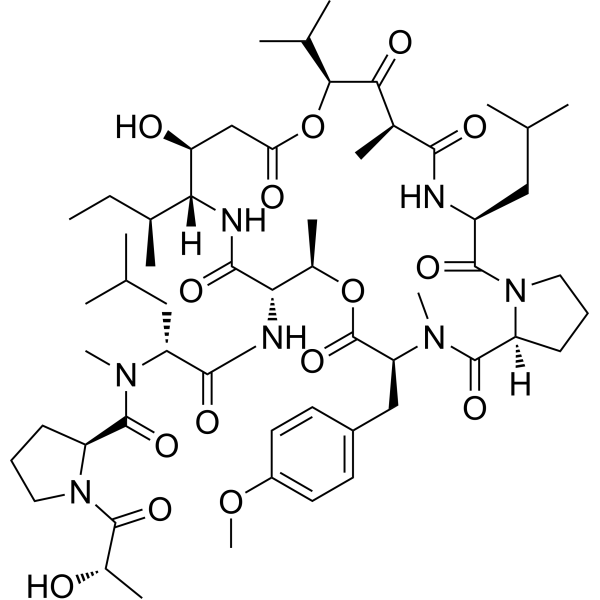
Didemnin B is a depsipeptide extracted from the marine tunicate Trididemnin cyanophorum. Didemnin B can be used for the research of cancer .
|
-
- HY-P5362
-
|
|
Radionuclide-Drug Conjugates (RDCs)
Somatostatin Receptor
|
Neurological Disease
Cancer
|
|
NODAGA-LM3 is a ligand that can cross the blood-brain barrier and targets somatostatin receptor SSTR2 with high affinity (IC50 = 1.3 nM). NODAGA-LM3 does not trigger the internalization of SSTR2 and can inhibit agonist-induced internalization processes. NODAGA-LM3 shows low uptake in normal tissues such as the liver and spleen, but high uptake in the lungs and blood pool. 68Ga-labeled NODAGA-LM3 can serve as a PET imaging agent for well-differentiated neuroendocrine tumors, and is applied in studies related to small cell lung cancer and well-differentiated neuroendocrine tumors .
|
-
- HY-P2336A
-
|
|
Melanocortin Receptor
|
Cancer
|
|
CCZ01048 TFA, a α-MSH analogue, exhibits high binding affinity to melanocortin 1 receptor (MC1R) with a Ki of 0.31 nM. CCZ01048 TFA shows rapid internalization into B16F10 melanoma cells and high in vivo stability. CCZ01048 TFA is a promising candidate for PET imaging of malignant melanoma .
|
-
- HY-P6365B
-
|
D-4F
|
Apolipoprotein
|
Cardiovascular Disease
|
|
APP-018 (D-4F) is 18 D-amino acids peptide that mimics apolipoprotein A-I (apoA-I). APP-018 improves the anti-inflammatory activity of high-density lipoprotein (HDL). APP-018 can be used in researches of cardiovascular diseases .
|
-
- HY-P1340
-
|
|
Orexin Receptor (OX Receptor)
|
Neurological Disease
|
|
[Ala11,D-Leu15]-Orexin B(human) is a potent and selective orexin-2 receptor (OX2) agonist. [Ala11,D-Leu15]-Orexin B(human) shows a 400-fold selectivity for the OX2 (EC50=0.13 nM) over OX1 (52 nM) .
|
-
- HY-P10341
-
|
|
GCGR
|
Metabolic Disease
|
|
ZP3022 is a dual agonist of glucagon-like peptide-1 (GLP-1) and gastrin that has the ability to sustainably improve glycemic control. Additionally, ZP3022 can effectively increase β-cell mass, promote β-cell proliferation, and enhance the function of pancreatic islets. ZP3022 can be used in anti-diabetic research .
|
-
- HY-P4160
-
|
THG113.31; ILGHXDYK
|
Prostaglandin Receptor
|
Endocrinology
|
|
PDC31 (THG113.31; ILGHXDYK) is an allosteric and non-competitive inhibitor of FP Prostaglandin Receptor. PDC31 is the D-amino acid-based oligopeptide, is used for smooth muscle contractile agent. PDC31 decreases the strength and duration of uterine contractions in vivo, which can be used for research of preterm labor and primary dysmenorrhea (PD). PDC31 also enhances Ca 2+-dependent large-conductance K +-channel in human myometrial cells .
|
-
- HY-P10942
-
|
|
Small Interfering RNA (siRNA)
|
Neurological Disease
|
|
CGN peptide is a 13 amino acid peptide composed of D-amino acids, referred to as CGN peptide. CGN peptide is the retro-inverso isomer of the l-peptide TGN (TGNYKALHPHNG) and can deliver siRNA to the blood-brain barrier (BBB). CGN peptide can be used in Alzheimer's disease (AD) research .
|
-
- HY-P10942A
-
|
|
Small Interfering RNA (siRNA)
|
Neurological Disease
|
|
CGN peptide TFA is a 13 amino acid peptide composed of D-amino acids, referred to as CGN peptide. CGN peptide TFA is the retro-inverso isomer of the l-peptide TGN (TGNYKALHPHNG) and can deliver siRNA to the blood-brain barrier (BBB). CGN peptide TFA can be used in Alzheimer's disease (AD) research .
|
-
- HY-P10110
-
|
|
Autophagy
|
Neurological Disease
|
|
retro-inverso TAT-Beclin 1 D-amino acid is has higher activity and resistance to proteolytic degradation in vivo compared to L-amino acids peptide. TAT-Beclin 1 can induce autophagy in peripheral tissues in adult mice as well as in the central nervous system of neonatal mice .
|
-
- HY-P11004
-
|
|
Bacterial
Antibiotic
|
Infection
|
|
A3-APO is an antimicrobial peptide. A3-APO has a significant antimicrobial activity by a dual mode of action with both membrane disintegration and intracellular target inhibition. A3-APO can deactivate bacterial toxins and increase the expression of anti-inflammatory cytokines (such as IL-4 and IL-10), without antimicrobial resistance. A3-APO accelerates burn wounds healing in mice infection model of Acinetobacter baumannii and Staphylococcus aureus .
|
-
- HY-P10472
-
|
|
GnRH Receptor
|
Endocrinology
|
|
Azaline B is an antagonist for gonadotropin-releasing hormone (GnRH) with IC50 of 1.37 nM, Azaline B can be used in research of sex hormone-related pathological states, ovulation induction and male contraception .
|
-
- HY-P4757
-
|
|
Parasite
|
Others
|
|
N1-Glutathionyl-spermidine disulfide is a substrate of trypanothione reductase .
|
-
- HY-P11243
-
|
|
Ephrin Receptor
|
Neurological Disease
|
|
EphA4 agonist compound 23 is a novel EphA4 agonist peptide mimic. EphA4 agonist compound 23 exhibits high affinity, high selectivity, and significant receptor activation ability. EphA4 agonist compound 23 is commonly used in the study of neurodegenerative diseases .
|
-
- HY-P2434
-
|
|
Somatostatin Receptor
|
Neurological Disease
Metabolic Disease
Cancer
|
|
AP102 is a dual SSTR2/SSTR5-specific somatostatin analog (SSA). AP102 is a disulfide-bridged octapeptide SSA containing synthetic iodinated amino acids. AP102 binds with subnanomolar affinity to SSTR2 and SSTR5 (IC50: 0.63 and 0.65 nM, respectively). AP102 does not bind to SSTR1 or SSTR3. AP102 can be used for acromegaly and neuroendocrine tumors research .
|
-
- HY-P5362A
-
|
|
Radionuclide-Drug Conjugates (RDCs)
Somatostatin Receptor
|
Cancer
|
|
NODAGA-LM3 TFA is a ligand that can cross the blood-brain barrier and targets somatostatin receptor SSTR2 with high affinity (IC50 = 1.3 nM). NODAGA-LM3 TFA does not trigger the internalization of SSTR2 and can inhibit agonist-induced internalization processes. NODAGA-LM3 TFA shows low uptake in normal tissues such as the liver and spleen, but high uptake in the lungs and blood pool. 68Ga-labeled NODAGA-LM3 TFA can serve as a PET imaging agent for well-differentiated neuroendocrine tumors, and is applied in studies related to small cell lung cancer and well-differentiated neuroendocrine tumors .
|
-
- HY-105168
-
|
|
Endothelin Receptor
|
Cardiovascular Disease
|
|
TAK 044 is an antagonist of Endothelin Receptor. TAK 044 strongly inhibits ET-induced deterioration in various animal models. TAK 044 can be used in study ET-related diseases such as acute myocardial infarction,acute renal failure, acute hepatic malfunction, and subarachnoid hemorrhage .
|
-
- HY-P1340A
-
|
|
Orexin Receptor (OX Receptor)
|
Neurological Disease
|
|
[Ala11,D-Leu15]-Orexin B(human) TFA is a potent and selective orexin-2 receptor (OX2) agonist. [Ala11,D-Leu15]-Orexin B(human) TFA shows a 400-fold selectivity for the OX2 (EC50=0.13 nM) over OX1 (52 nM) .
|
-
- HY-P2075
-
|
|
Renin
|
Endocrinology
|
|
EMD 55068 is a renin antagonist. EMD 55068 inhibits the uptake of taurocholate .
|
-
- HY-P10876
-
|
|
Amyloid-β
|
Neurological Disease
|
|
mcK6A1 is an inhibitor for the aggregation of amyloid-β (Aβ), that selectively binds to the 16KLVFFA21 segment of Aβ42, forms an extended β-folded structure, and inhibits the formation of Aβ42 oligomers. mcK6A1 can be used in research of Alzheimer's disease and other amyloid-related diseases .
|
-
- HY-P11716
-
|
|
ERK
|
Cancer
|
|
HYD-1 is a D-amino acid tumor cell adhesion peptide. HYD-1 contains overlapping linear peptide elements required for adhesion, migration blocking, and ERK signaling activation. HYD-1 supports adhesion of breast, prostate, ovarian, and pancreatic tumor cells, and shows no effect on tumor cell cycle distribution. HYD-1 can be used for the research of prostate cancer .
|
-
- HY-P11411
-
|
|
Neuropeptide Y Receptor
Histamine Receptor
|
Cardiovascular Disease
|
|
[D-Tyr27,36, D-Thr32]-Neuropeptide Y (27-36), rat is a fragment analogue of a neuropeptide Y (NPY) with cardiovascular activity. [D-Tyr27,36, D-Thr32]-Neuropeptide Y (27-36), rat can induce profound and sustained hypotension in both hypertensive and normotensive rats and its antihypertensive effect is partly attributed to its activity on histamine receptor. [D-Tyr27,36, D-Thr32]-Neuropeptide Y (27-36), rat can be used for studying antihypertensive effects .
|
-
- HY-P11488
-
|
|
Radionuclide-Drug Conjugates (RDCs)
Somatostatin Receptor
PSMA
|
Cancer
|
|
JR11-PEG3-DOTA-PSMA-03 (Compound 2) is an RDC-related compound containing the chelating agent DOTA (HY-W053583), the JR11 peptide (SSTR2 antagonist), and the PSMA ligand. JR11-PEG3-DOTA-PSMA-03 shows SSTR2-binding affinities and PSMA-binding affinities, with IC50 s of 94.0 nM, 81.8 nM, respectively. JR11-PEG3-DOTA-PSMA-03 can be radiolabeled with [ 68Ga]. [ 68Ga] radiolabeled JR11-PEG3-DOTA-PSMA-03 can be used in diagnostic studies of neuroendocrine differentiated prostate cancer .
|
-
- HY-P11485
-
|
|
Radionuclide-Drug Conjugates (RDCs)
Somatostatin Receptor
PSMA
|
Cancer
|
|
JR11-PEG3-HBED-CC-PSMA-03 (Compound 1) is an RDC-related compound containing the chelating agent HBED-CC, the JR11 peptide (SSTR2 antagonist), and the PSMA ligand. JR11-PEG3-HBED-CC-PSMA-03 shows SSTR2-binding affinities and PSMA-binding affinities, with IC50 s of 59.2 nM, 57.0 nM, respectively. JR11-PEG3-HBED-CC-PSMA-03 can be radiolabeled with [ 68Ga]. [ 68Ga] radiolabeled JR11-PEG3-HBED-CC-PSMA-03 can be used in diagnostic studies of neuroendocrine differentiated prostate cancer .
|
| Cat. No. |
Product Name |
Category |
Target |
Chemical Structure |
-
- HY-W014502
-
-
-
- HY-I1070
-
|
(R)-Isoleucine
|
Microorganisms
Source Classification
|
ASCT
|
|
D-Isoleucine is a selective competitive activator of the Asc-1 antiporter (Ki=0.98 mM). D-Isoleucine promotes the release of D-serine and glycine by binding to the Asc-1 protein on the neuronal cell membrane, and enhances NMDA receptor-dependent synaptic plasticity. D-Isoleucine can be used in the study of neurodegenerative diseases (such as Alzheimer's disease and schizophrenia). D-Isoleucine also acts as a non-classical D-amino acid, interferes with bacterial peptidoglycan synthesis, and inhibits the formation of Staphylococcus aureus biofilm, and has potential antibacterial application value[1][2].
|
-
-
- HY-Y0079
-
|
|
Microorganisms
Classification of Application Fields
Ketones, Aldehydes, Acids
Other Diseases
Endogenous metabolite
Disease Research Fields
Source Classification
|
Endogenous Metabolite
|
|
D-Phenylalanine is an atypical D-amino acid and an inhibitor of bacterial biofilm formation. D-Phenylalanine mainly replaces D-alanine (D-Ala) by incorporating into the fourth and fifth positions of bacterial peptidoglycan (PG), changing the cell wall structure, enhancing bacterial acid resistance and affecting biofilm formation. D-Phenylalanine may promote the secretion of peptide tyrosine tyrosine (PYY) in mammals by activating the intestinal GPR109B receptor. D-Phenylalanine can inhibit the maturation of microbial biofilms and promote the release of specific hormones. It can be used for antibacterial preservation, improving the yield of probiotics in the food industry, and studying appetite regulation and blood sugar control in metabolic diseases such as diabetes .
|
-
-
- HY-Y0444
-
-
-
- HY-Y0127
-
-
-
- HY-105055
-
-
-
- HY-W001959
-
-
-
- HY-W014502R
-
|
|
Ketones, Aldehydes, Acids
Endogenous metabolite
|
Reference Standards
Aryl Hydrocarbon Receptor
Endogenous Metabolite
|
|
D-Kynurenine (Standard) is the analytical standard of D-Kynurenine. This product is intended for research and analytical applications. D-kynurenine, a metabolite of D-tryptophan, can serve as the bioprecursor of kynurenic acid (KYNA) and 3-hydroxykynurenine. D-Kynurenine is an agonist for G protein-coupled receptor, GPR109B. D-Kynurenine is a substrate in a fluorometric assay of D-amino acid oxidase. D-kynurenine promotes epithelial-to-mesenchymal transition via activating aryl hydrocarbon receptor (AHR) .
|
-
-
- HY-N14924
-
|
|
Microorganisms
Ketones, Aldehydes, Acids
Source Classification
|
Bacterial
|
|
Oganomycin GA is Streptomyces str. oganonensis Y-G 19Z and Oganomycin A is produced when p-hydroxycinnamate sodium salt is added to the fermentation medium. Under the action of D-amino acid oxidase, A generates glutaryl derivative, GA; A and GA were converted to B and GB by acid hydrolysis to remove sulfate esters. The effect of B on d-amino acid oxidase was also changed to GB. A and B were more stable than A and B of cemycin, and had stronger effect against Gram-positive and Gram-negative bacteria than Gram-positive bacteria .
|
-
-
- HY-Y0127R
-
-
-
- HY-W001959R
-
-
-
- HY-W018555R
-
-
-
- HY-N14926
-
|
|
Natural Products
Microorganisms
Ketones, Aldehydes, Acids
Source Classification
|
Bacterial
|
|
Oganomycin GB is Streptomyces str. oganonensis Y-G 19Z and Oganomycin A is produced when p-hydroxycinnamate sodium salt is added to the fermentation medium. Under the action of D-amino acid oxidase, A generates glutaryl derivative, GA; A and GA were converted to B and GB by acid hydrolysis to remove sulfate esters. The effect of B on d-amino acid oxidase was also changed to GB. A and B were more stable than A and B of cemycin, and had stronger effect against Gram-positive and Gram-negative bacteria than Gram-positive bacteria. The antibacterial activity of A and B was higher than that of GA and GB .
|
-
-
- HY-Y0444R
-
-
| Cat. No. |
Compare |
Product Name |
Species |
Source |
Image |
Compare Products
|
| Products |
|
| Cat. No. |
|
| Species |
|
| Source |
|
| Tag |
|
| Accession |
|
| Gene ID |
|
| Molecular Weight |
|
| Purity |
|
| Endotoxin Level |
|
| Biological Activity |
|
| Appearance |
|
| Formulation |
|
| Storage & Stability |
|
| Shipping |
|
| Free Sample |
Yes
No
|
| Size |
* This product has been "discontinued".
Optimized version of product available:
|
| Cat. No. |
Product Name |
Chemical Structure |
-
- HY-Y0127S
-
|
|
|
D(-)-2-Aminobutyric acid-d6 is the deuterium labeled D(-)-2-Aminobutyric acid. D(-)-2-Aminobutyric acid is a substrate of D-amino acid oxidase.
|
-
Your information is safe with us. * Required Fields.
Inquiry Information
- Product Name:
- Cat. No.:
- Quantity:
- MCE Japan Authorized Agent: