1. Search Result
Search Result
Results for "

HeLa xenografts

" in MedChemExpress (MCE) Product Catalog:

35

Inhibitors & Agonists

1

Fluorescent Dyes

1

Peptides

3

Natural
Products

Cat. No. Product Name Target Research Areas Chemical Structure
  • HY-100591
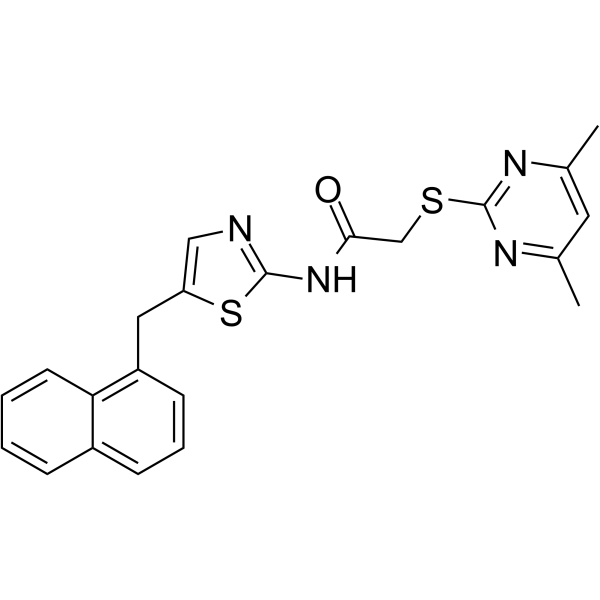
    SirReal2
    2 Publications Verification

    Sirtuin Neurological Disease Inflammation/Immunology Cancer
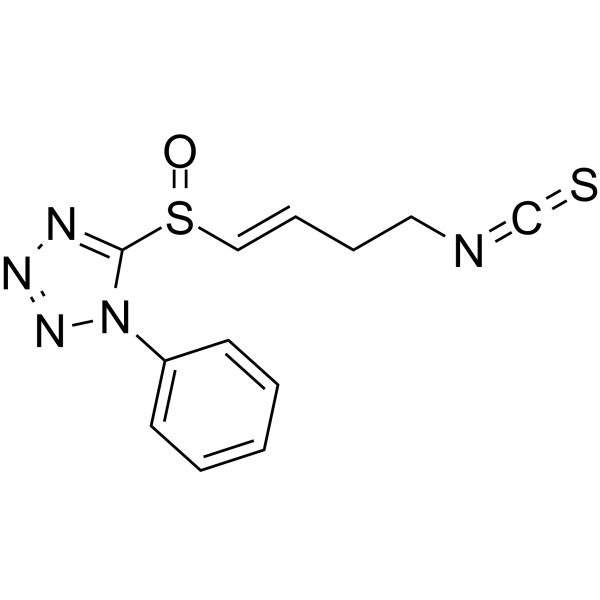
    SirReal2 is a potent, isotype-selective Sirt2 inhibitor with an IC50 value of 140 nM and has very little effect on the activities of Sirt3-5. SirReal2 leads to tubulin hyperacetylation in HeLa cells and induces destabilization of the checkpoint protein BubR1. SirReal2 combined with VS-5584 (HY-16585) suppresses tumor growth and extends the survival rate of mice in tumor xenograft model. SirReal2 is is promising for research of cancer, inflammation and neurodegeneration .
    SirReal2
  • HY-12758

    BCRP Cancer
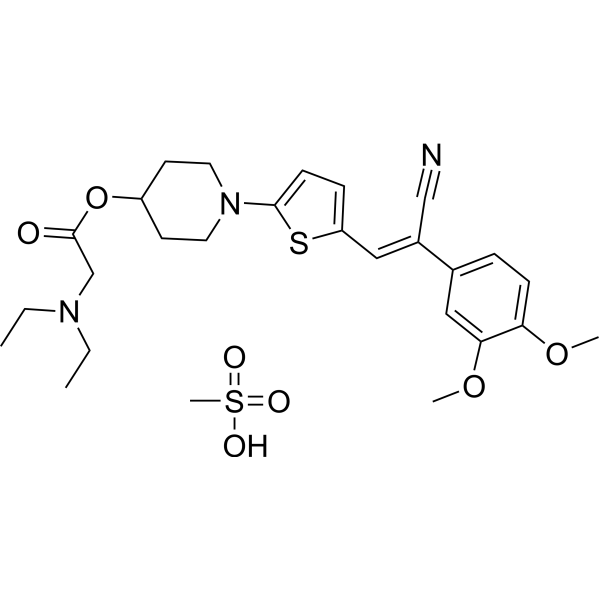
    YHO-13351 is an orally active ABCG2 inhibitor . YHO-13351 modulates the function of ABCG2, blocks BCRP-mediated compound efflux, downregulates the expression of breast cancer resistance protein at the post-transcriptional level, and reverses ABCG2-associated tolerance. YHO-13351 restores the toxicity of SN-38 to SN-38-resistant cancer cells and sensitizes cancer cells to Irinotecan. YHO-13351 is a water-soluble prodrug that is rapidly converted to YHO-13177 (HY-12757) in mice. YHO-13351 prolongs the median survival time of mice bearing cancer cell xenografts when combined with IMMU-132. YHO-13351 extends the survival time of tumor-bearing mice and inhibits the growth of xenograft tumors when combined with Irinotecan. YHO-13351 can be used for the research of breast cancer, gastric cancer, BCRP-mediated drug-resistant cancers, and cervical cancer .
    YHO-13351
  • HY-163133

    PIKfyve Cancer
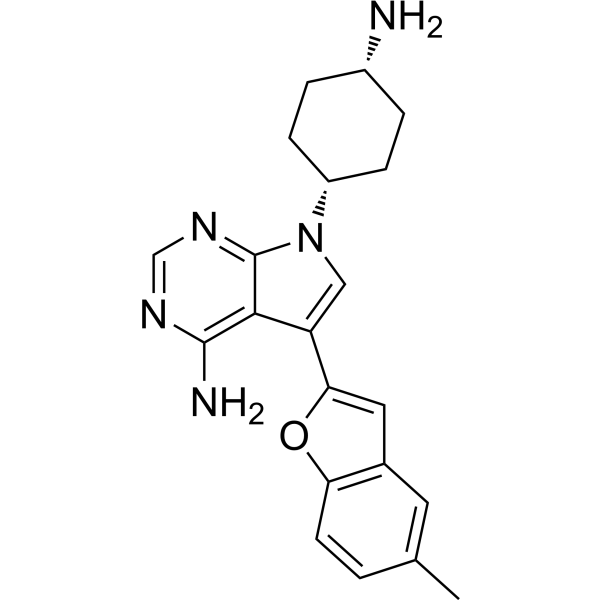
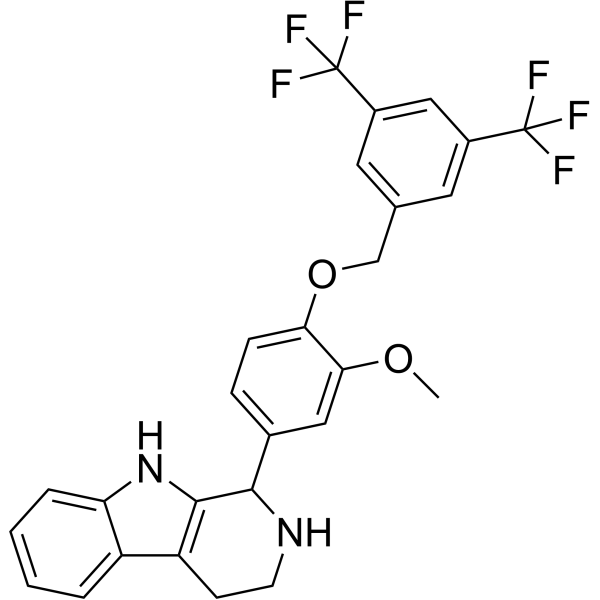
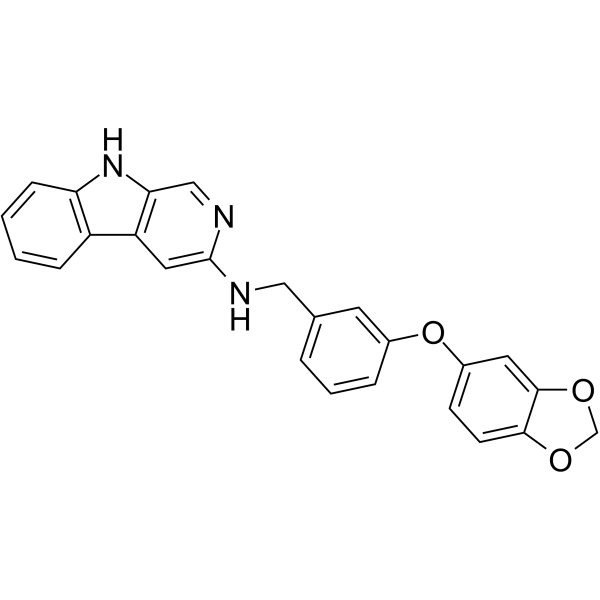
    PIKfyve-IN-3 (compound L22) has a remarkable interaction with PIKfyve kinase with a Kd value of 0.47 nM. PIKfyve-IN-3 has oral activity. PIKfyve-IN-3 inhibits tumor growth in a HeLa xenograft model .
    PIKfyve-IN-3
  • HY-139852

    Phosphatase Cancer
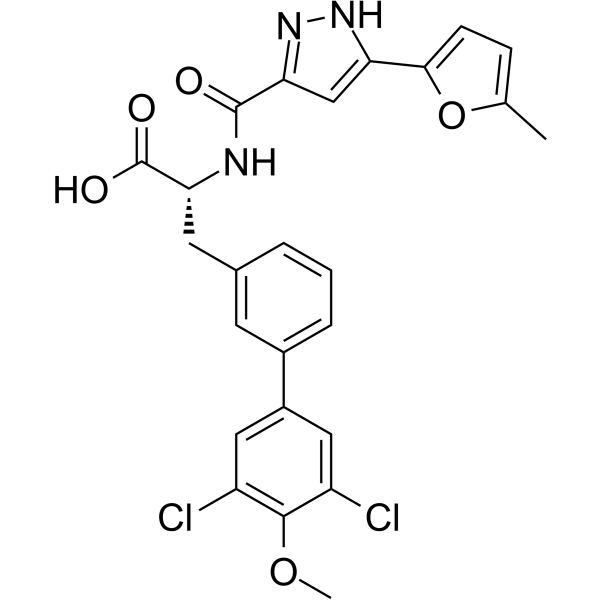
    PLAP-IN-1 is a selective PLAP inhibitor with an IC50 of 0.032 μM. PLAP-IN-1 acts as a tumor-targeting agent; its fluorescein-conjugated derivative specifically binds to PLAP-positive tumor cells in vitro and targets cervical cancer in mouse xenograft models. PLAP-IN-1 can be used in the research of cervical cancer and ovarian cancer .
    PLAP-IN-1
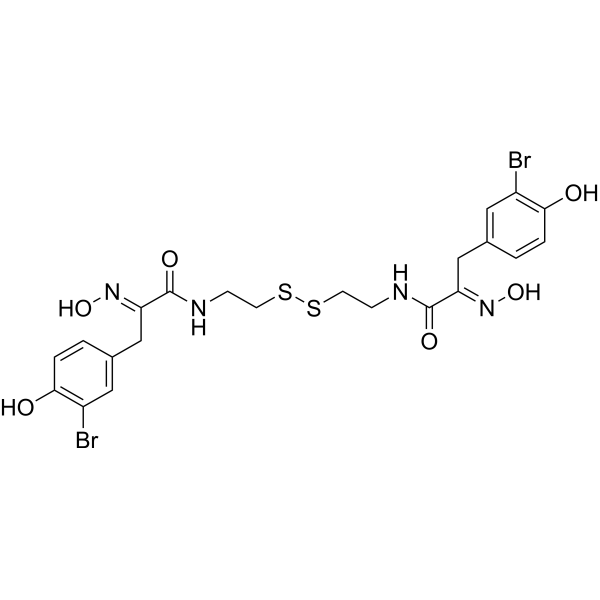
  • HY-N2150

    HDAC DNA Methyltransferase DNA/RNA Synthesis Bacterial Aminopeptidase Farnesyl Transferase PPAR Apoptosis Infection Inflammation/Immunology Cancer
    Psammaplin A is a marine metabolite. Psammaplin A is a selective HDAC1 (IC50: 45 nM), DNA methyltransferases (IC50: 18.6 nM) and aminopeptidase N (APN) (IC50: 18 μM) inhibitor. Psammaplin A also inhibits DNA topoisomerase and farnesyl protein transferase. Psammaplin A is a PPARγ activator and induces apoptosis. Psammaplin A has antitumor and anti-inflammatory activities. Psammaplin A has antibacterial activity against Gram-positive bacteria and inhibits DNA synthesis and DNA gyrase activity. Psammaplin A inhibits angiogenesis .
    Psammaplin A
  • HY-178819

    Integrin Drug Intermediate Cancer
    NM-001 is a theranostic prodrug that targets ανβ3 integrin. NM-001 consists of cRGD and GFLG peptides, a DCM fluorophore and Chlorambucil (HY-13593). NM-001 internalizes into lysosomes of tumor cells via the cRGD peptide, and generates NM-002 (HY-178820) and Chlorambucil through intracellular cleavage at the GFLG peptide by overexpressed Cathepsin B (CTSB). NM-001 exhibits green fluorescence under physiological conditions, and converts to NIR fluorescence by CTSB activation. NM-001 has significant antitumor activity with low toxicity in HeLa cell xenografts mouse models. NM-001 can be used for real-time drug release monitoring research .
    NM-001
  • HY-122650

    Autophagy Cancer
    PHY34 is an inhibitor that inhibits ATP6V0A2 and CAS thereby inhibiting autophagy, and has a nanomolar effect. PHY34 inhibits cancer cell growth by inducing apoptosis and inhibits tumor growth in xenograft models. PHY34 can be used for research on high grade serous ovarian cancer .
    PHY34
  • HY-178960

    Microtubule/Tubulin Apoptosis Cancer
    Tubulin-IN-59 (Compound 8g) is an orally active Tubulin inhibitor. Tubulin-IN-59 exhibits potent anti-proliferative activity against HCT116 colorectal cancer, HeLa cervical cancer, and HepG2 liver cancer cell lines, with its IC₅₀ value ranging from 16 to 35 nM. Tubulin-IN-59 arrests HeLa cells in the G2/M phase and induces cell apoptosis. Tubulin-IN-59 demonstrates significant anti-tumor activity in the HT29 human colon cancer mouse xenograft model. Tubulin-IN-59 can be used for the study of colorectal cancer and cervical cancer .
    Tubulin-IN-59
  • HY-157136

    CRM1 COX c-Myc Survivin Cancer
    LFS-1107 is a reversible CRM1 inhibitor (Kd: 12.5 pM). LFS-1107 can selectively eliminate extranodal natural killer/T cell lymphoma (ENKTL) cells and can be used for cancer research .
    LFS-1107
  • HY-146276

    HDAC CDK Apoptosis Cancer
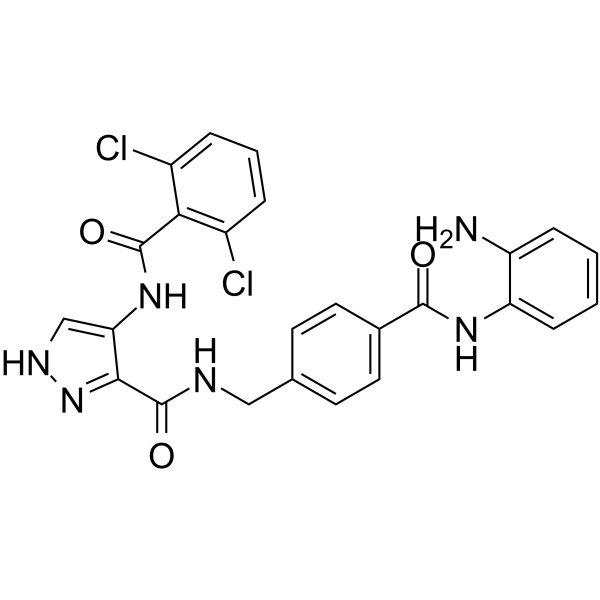
    CDK/HDAC-IN-2 is a potent HDAC/CDK dual inhibitor with IC50 of 6.4, 0.25, 45, >1000, 8.63, 0.30, >1000 nM for HDAC1, HDAC2, HDAC3, HDAC6,8, CDK1, CDK2, CDK4,6,7, respectively. CDK/HDAC-IN-2 shows excellent antiproliferative activities. CDK/HDAC-IN-2 induces apoptosis and cell cycle arrest at G2/M phase. CDK/HDAC-IN-2 shows potent antitumor efficacy .
    CDK/HDAC-IN-2
  • HY-178343

    Aurora Kinase Apoptosis Cancer
    Aurora A-IN-5 is a potent and highly selective Aurora A inhibitor (IC50 = 0.02 μM), showing 362-fold selectivity for over Aurora B. Aurora A-IN-5 shows its selectivity through unique C−H/π interactions, enhanced hydrophobic contacts, an open binding pocket, and tighter protein packing. Aurora A-IN-5 suppresses Aurora A autophosphorylation, thereby inhibiting cancer cell proliferation by inducing G2/M phase arrest, triggering apoptosis, and suppressing colony formation. Aurora A-IN-5 inhibits tumor growth in MDA-MB-231 xenograft mouse models. Aurora A-IN-5 can be used for breast, cervical, prostate, and lymphoma cancer research .
    Aurora A-IN-5
  • HY-174847

    p97 Cancer
    VCP/p97 IN-2 (Compound V13) is a VCP/p97 inhibitor with IC50 of 32 nM for p97. VCP/p97 IN-2 has excellent antitumor activities and significantly inhibits tumor growth in Molm-13 xenograft mice model. VCP/p97 IN-2 can be used for acute myeloid leukemia (AML) research .
    VCP/p97 IN-2
  • HY-176288

    Eukaryotic Initiation Factor (eIF) Bcl-2 Family Apoptosis Ras PERK Cancer
    eIF4E/eIF4G PPI-IN-1 is an eIF4E/eIF4G interaction inhibitor with a KD of 20.2 μM for eIF4E protein. eIF4E/eIF4G PPI-IN-1 plays an antitumor role in multiple modes of action including regulating the activity of eIF4E by inhibiting the Ras/MAPK/eIF4E signaling pathway, apoptosis and cell migration. eIF4E/eIF4G PPI-IN-1 suppresses the growth of HepG2 xenografts in nude mice and was relatively nontoxic to mice .
    eIF4E/eIF4G PPI-IN-1
  • HY-N4308

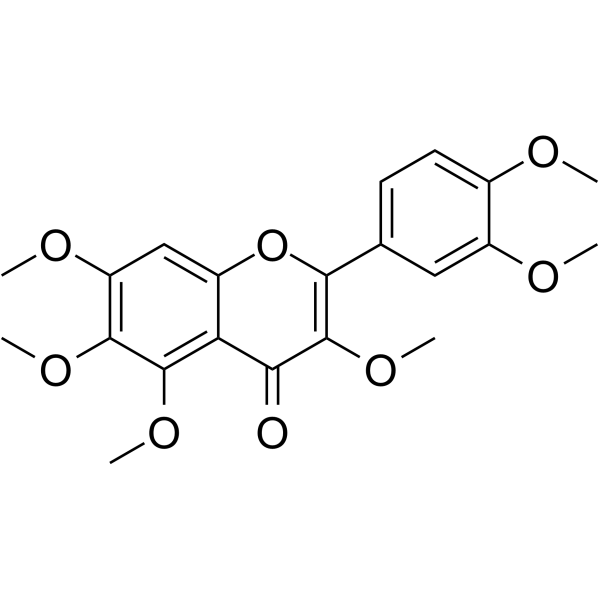
    Hexa-O-methylquercetagetin; Quercetagetin hexamethyl ether; 3,5,6,7,3',4'-Hexamethoxyflavone

    NF-κB IKK Bcl-2 Family Cancer
    Hexamethylquercetagetin (Hexa-O-methylquercetagetin; Quercetagetin hexamethyl ether; 3,5,6,7,3',4'-Hexamethoxyflavone) is an orally active NF-κB inhibitor. Hexamethylquercetagetin inhibits NF-κB-derived luciferase activity, reduces phosphorylated p65 and IκBα, Cyclin D1, Bcl-2 and blocks TNFα-induced NF-κB activation. Hexamethylquercetagetin inhibits survival and proliferation of cervical carcinoma cells. Hexamethylquercetagetin suppresses tumor volume and weight in BALB/c nude mouse xenograft models of cervical carcinoma. Hexamethylquercetagetin can be used for the research of cancer, such as cervical carcinoma .
    Hexamethylquercetagetin
  • HY-170565

    Mitophagy Apoptosis Cancer
    CHD-1 is a a hypoxia-activated antitumor prodrug. CHD-1 impairs mitochondrial morphology and membrane potential in hypoxic tumor cells, further triggering excessive mitophagy and inducing apoptosis. CHD-1 inhibits the growth of hypoxic tumor cells in vitro and the growth of HeLa xenograft in vivo .
    CHD-1
  • HY-168300

    Reactive Oxygen Species (ROS) Apoptosis Inflammation/Immunology Cancer
    Antiangiogenic agent 7 (Compound 1) can induce cell apoptosis, increase Reactive Oxygen Species, and inhibit the intracellular enzyme thioredoxin reductase. Antiangiogenic agent 7 has anti-cancer activity, with an IC50 of 0.08-3.5 μM against cervical cancer cells HeLa, prostate cancer cells PC-3, and non-small cell lung cancer A549. Antiangiogenic agent 7 inhibits tumor growth in mouse xenograft models .
    Antiangiogenic agent 7
  • HY-149982

    Indoleamine 2,3-Dioxygenase (IDO) Inflammation/Immunology Cancer
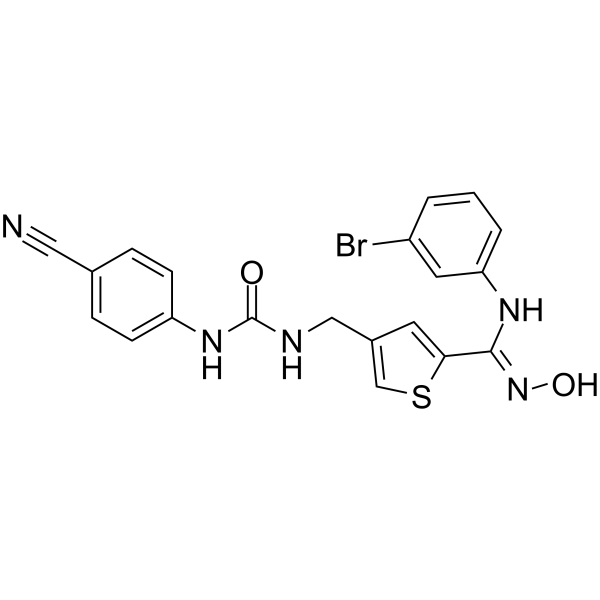
    IDO1-IN-22 (Compound 3) is a IDO1 inhibitor (biochemical hIDO1 IC50: 67.4 nM, HeLa hIDO1 IC50: 17.6 nM). IDO1-IN-22 has excellent antitumor efficacy in LLC xenograft model, as well as desirable pharmacokinetic (PK) profile .
    IDO1-IN-22
  • HY-144273

    Indoleamine 2,3-Dioxygenase (IDO) Cancer
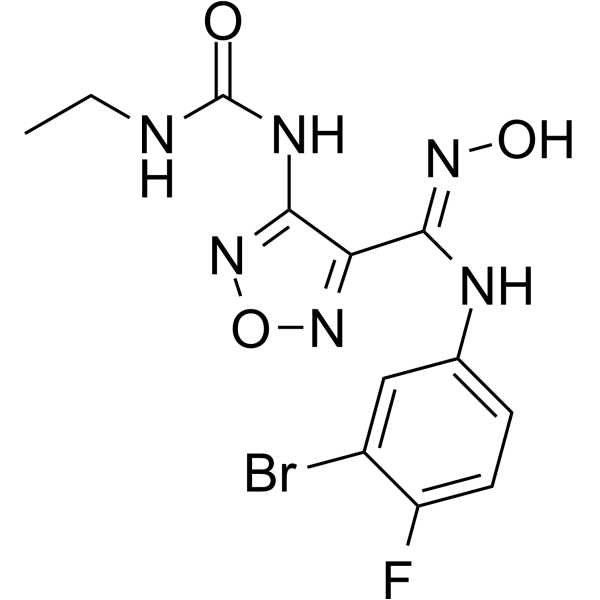
    IDO1-IN-13 (compound 27a) is a potent IDO1 inhibitor with an IC50 of 61.6 nM. IDO1-IN-13 has cellular IDO1 inhibition (HeLa EC50= 30 nM). IDO1-IN-13 decreases 51% of the kyn/trp ratio in SK-OV-3 xenograft tumor tissues .
    IDO1-IN-13
  • HY-121081

    CDK Cancer
    BAY-958 is a potent PTEFb/CDK9 inhibitor with high selectivity demonstrated, particularly within the CDK family. BAY-958 shows strong antiproliferative activity against cancer cell lines such as HeLa and MOLM-13. BAY-958 exhibits good metabolic stability. BAY-958 effectively inhibits tumor growth in mouse xenograft models without significant toxicity .
    BAY-958
  • HY-121081A

    BAY-958 hydrochloride

    CDK Cancer
    BAY-1112054 (BAY-958) hydrochloride is a potent PTEFb/CDK9 inhibitor with high selectivity demonstrated, particularly within the CDK family. BAY-1112054 hydrochloride shows strong antiproliferative activity against cancer cell lines such as HeLa and MOLM-13. BAY-1112054 hydrochloride exhibits good metabolic stability. BAY-1112054 hydrochloride effectively inhibits tumor growth in mouse xenograft models without significant toxicity .
    BAY-1112054 hydrochloride
  • HY-163658

    PARP Cancer
    PARP-1-IN-23 (Compound I16 ) is an orally active and selective PARP-1 inhibitor with the IC50 of 12.38 nM. PARP-1-IN-23 inhibits tumor growth in vivo .
    PARP-1-IN-23
  • HY-161628

    Topoisomerase Cancer
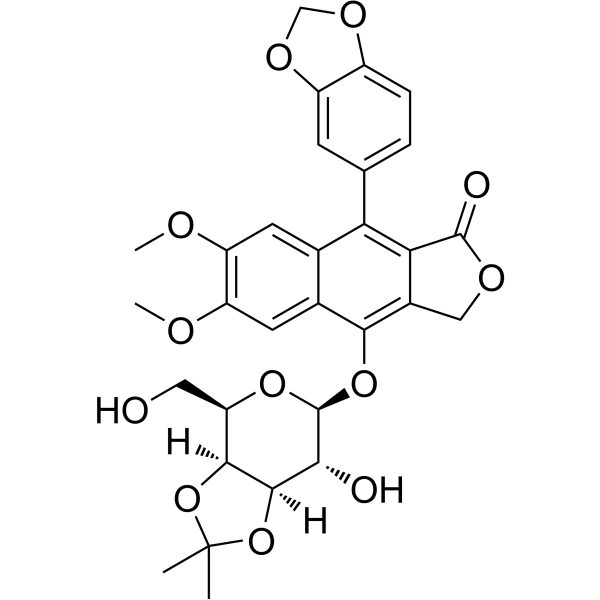
    Tapcin is a dual inhibitor for topoisomerase I and topoisomerase II, with IC50 of 203 and 71 nM. Tapcin inhibits proliferations of cancer cells A-375, HeLa, Huh7.5, U2-OS, A549, Caco-2 and HT29, with IC50s of 441, 1.04, 40.5, 0.002, 0.006, 0.287 and 0.842 nM, respectively. Tapcin exhibits antitumor activity in HT29 xenograft model .
    Tapcin
  • HY-W276819

    Polo-like Kinase (PLK) Cancer
    PLK1-IN-9 (Compound M2) is an inhibitor for polo-like kinase 1 (PLK1), that inhibits PLK proteins modified with peptides 1010pT, cdc25c and PBIP, with IC50s of 1.6, 0.8 and 1.4 μM, respectively. PLK1-IN-9 inhibits proliferations of cancer cells HeLa, HL60, SNU387/499, HepG2, exhibits cytotoxicity and induces apoptosis. PLK1-IN-9 inhibits tumor growth in HepG2 xenograft mouse model .
    PLK1-IN-9
  • HY-163434

    EGFR Histone Methyltransferase Cancer
    PRMT5/EGFR-IN-1 (Compound 10p) is an orally active dual PRMT5/EGFR inhibitor, with IC50s of 15.47 and 19.31 μM, respectively. PRMT5/EGFR-IN-1 exhibits antiproliferative activity against A549, MCF7, HeLa, and MDA-MB-231 cell lines. PRMT5/EGFR-IN-1 has favorable in vivo PK and PD properties. PRMT5/EGFR-IN-1 can significantly inhibit the growth of MCF7 orthotopic xenograft tumors .
    PRMT5/EGFR-IN-1
  • HY-172891

    CDK HDAC Apoptosis Cancer
    CDK9/HDAC1/HDAC3-IN-1 is dual-functional inhibitor of CDK9 and HDAC. CDK9/HDAC1/HDAC3-IN-1 inhibits the protein activity of CDK9/HDAC/HDAC3 with IC50 s of 0.17  μM, 1.73  μM and 1.11 μM for CDK9, HDAC1, and HDAC3, respectively. CDK9/HDAC1/HDAC3-IN-1 inhibits cancer cells by inducing cell apoptosis and cell cycle arrest in the G2/M phase, as well as tumor growth in a murine TNBC MDA-MB-231 xenograft model. CDK9/HDAC1/HDAC3-IN-1 has a broad-spectrum anti-cancer activity, such as breast cancer, cervical cancer, and liver cancer .
    CDK9/HDAC1/HDAC3-IN-1
  • HY-144132

    Apoptosis Microtubule/Tubulin Cancer
    αβ-Tubulin-IN-1 is a potent and orally active αβ-Tubulin inhibitor. αβ-Tubulin-IN-1 induces cell cycle arrest at G2/M and efficient apoptosis. αβ-Tubulin-IN-1 inhibits tumor cell migration and Metastasis. αβ-Tubulin-IN-1 shows significant antitumor efficacy in a dose dependent manner .
    αβ-Tubulin-IN-1
  • HY-N10447

    Apoptosis Cancer
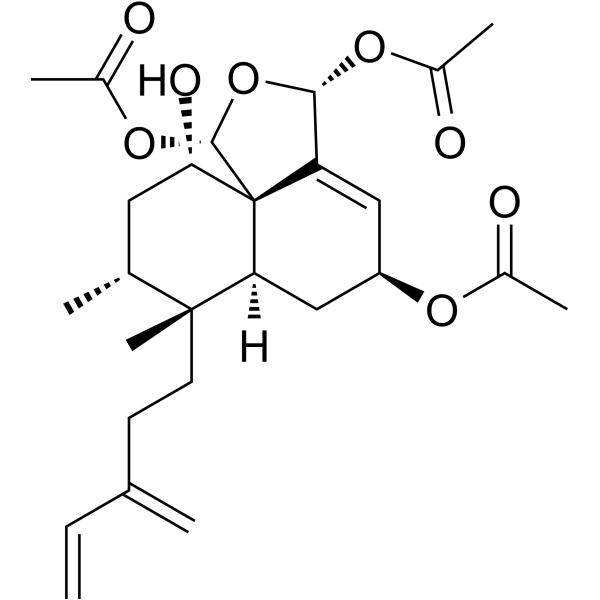
    Kurzipene D (compound 4) is a potent anticancer agent. Kurzipene D induces the apoptosis and arrested the HepG2 cell cycle at S stage. Kurzipene D shows anti-tumor effects using in vivo zebrafish model. Kurzipene D has the property of inhibiting tumor proliferation and migration .
    Kurzipene D
  • HY-174324

    VEGFR P-glycoprotein Apoptosis Cancer
    VEGFR-2/P-gp-IN-1, a Licochalcone A (HY-N0372) derivative, is an orally active VEGFR-2 (IC50 = 0.885 μM) and P-gp inhibitor. VEGFR-2/P-gp-IN-1 achieves anti-tumor proliferation and overcomes chemotherapy resistance by synchronously inhibiting VEGFR-2 kinase activity and P-gp drug efflux pump function. VEGFR-2/P-gp-IN-1 inhibits phosphorylation of VEGFR-2 and downstream PI3K/AKT signaling pathway proteins, induces apoptosis, blocks cells in the S phase, and inhibits invasive migration. VEGFR-2/P-gp-IN-1 exerts potent in vivo anti-tumor effects in the HeLa/DDP cell xenograft tumor model. VEGFR-2/P-gp-IN-1 is used in cervical cancer research.
    VEGFR-2/P-gp-IN-1
  • HY-172785

    PI3K Cancer
    PI3K-IN-57 (Compound 4a) is a PI3K inhibitor that has a strong inhibitory effect on the proliferation of HeLa tumor heterotopic xenografts in vivo. PI3K-IN-57 is promising for research of anti-cancer agent .
    PI3K-IN-57
  • HY-180989

    PROTACs Polo-like Kinase (PLK) Apoptosis Cancer
    PROTAC PLK1 Degrader-2 (Compound NC1) is a PLK1 PROTAC degrader with an Kd of 6.06 μM. PROTAC PLK1 Degrader-2 significantly inhibits the proliferation of HeLa cells, induces cell cycle arrest and apoptosis. PROTAC PLK1 Degrader-2 exhibits significant anti-tumor activity in a HeLa cell xenograft tumor mouse model. PROTAC PLK1 Degrader-2 can be used for the study of cervical cancer.
    PROTAC PLK1 Degrader-2
  • HY-100591R

    Sirtuin Reference Standards Neurological Disease Inflammation/Immunology Cancer
    SirReal2 (Standard) is the analytical standard of SirReal2 (HY-100591). This product is intended for research and analytical applications. SirReal2 is a potent, isotype-selective Sirt2 inhibitor with an IC50 value of 140 nM and has very little effect on the activities of Sirt3-5. SirReal2 leads to tubulin hyperacetylation in HeLa cells and induces destabilization of the checkpoint protein BubR1. SirReal2 combined with VS-5584 (HY-16585) suppresses tumor growth and extends the survival rate of mice in tumor xenograft model. SirReal2 is is promising for research of cancer, inflammation and neurodegeneration .
    SirReal2 (Standard)
  • HY-D3167

    Fluorescent Dye HDAC Cancer
    HDAC-IN-101 (compound H6M) is a HDAC1 inhibitor and NTR/pH-activated fluorescent inducer, with an IC50 of 65 nM against human HDAC1. HDAC-IN-101 blocks cancer cell proliferation by inhibiting HDAC1. HDAC-IN-101 is reduced by overexpressed nitroreductase to generate H6AQ, a product that emits fluorescence under low pH conditions. HDAC-IN-101 is applicable for cancer-related research .
    HDAC-IN-101
  • HY-181794

    Apoptosis Cancer
    Z19024498 is a heat sensitizer. Z19024498 inhibits SAFB granule formation under heat stress conditions. Z19024498 enhances heat stress-induced Apoptosis. Z19024498 exerts anticancer activity against cervical cancer in synergy with heat stress .
    Z19024498
  • HY-181080

    Topoisomerase DNA/RNA Synthesis Apoptosis Cancer
    TOP1/TDP1-IN-1 is a DNA topoisomerase 1B (TOP1) and tyrosyl-DNA phosphodiesterase 1 (TDP1) inhibitor with a TDP1 IC50 of 17.8 μM. TOP1/TDP1-IN-1directly suppresses TOP1 catalytic activity without forming a DNA-TOP1 ternary complex, inhibits TDP1-mediated repair of TOP1-induced DNA damage, and exhibits low acute toxicity. TOP1/TDP1-IN-1 disrupts DNA repair pathways, induces apoptosis, suppresses clonogenic growth, and elicits antiproliferative effects in cancer cells. TOP1/TDP1-IN-1 can be used for the research of non-small cell lung cancer, cervical cancer, colon cancer .
    TOP1/TDP1-IN-1
  • HY-181054

    Bcl-2 Family Apoptosis Reactive Oxygen Species (ROS) Cancer
    Mcl-1-IN-21 is a selective Mcl-1 protein inhibitor. Mcl-1-IN-21 can induce apoptosis, elevate intracellular ROS, reduce mitochondrial membrane potential, exert cytotoxicity against human cervical cancer cells, and inhibit tumor growth in a human cervical cancer xenograft mouse model. Mcl-1-IN-21 can be used for the research of cervical cancer .
    Mcl-1-IN-21

Inquiry Online

Your information is safe with us. * Required Fields.

Salutation


Country or Region *

Applicant Name *


Organization Name *

Department *


Email Address *


Product Name *

Cat. No.


Requested quantity *

Phone Number *


Remarks

Inquiry Online

Inquiry Information

Product Name:
Cat. No.:
Quantity:
MCE Japan Authorized Agent: