1. Search Result
Search Result
Pathways Recommended: MAPK/ERK Pathway
Results for "

MAPK pathway inhibition

" in MedChemExpress (MCE) Product Catalog:

34

Inhibitors & Agonists

1

Peptides

1

Inhibitory Antibodies

18

Natural
Products

Cat. No. Product Name Target Research Areas Chemical Structure
  • HY-N0484
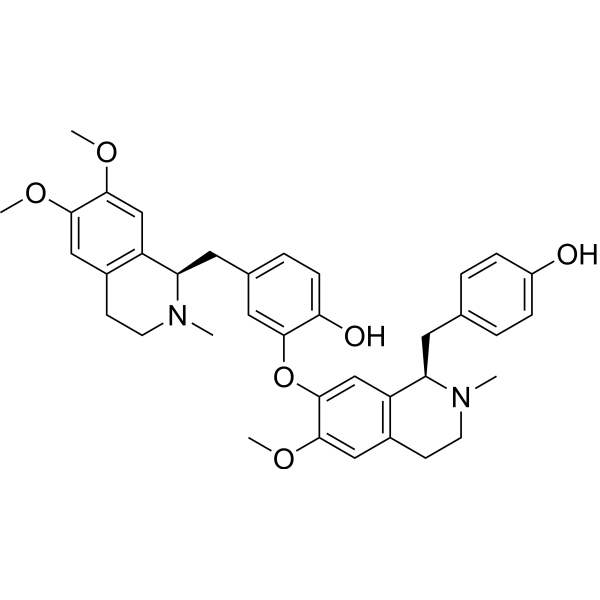
    Liensinine
    Maximum Cited Publications
    20 Publications Verification

    Reactive Oxygen Species (ROS) Autophagy Apoptosis VEGFR JAK Amyloid-β p38 MAPK HIF/HIF Prolyl-Hydroxylase STAT PI3K JNK Akt Cardiovascular Disease Neurological Disease Inflammation/Immunology Cancer
    Liensinine is a bisbenzylisoquinoline alkaloid. By inhibiting the PI3K/AKT and JNK/p38-MAPK signaling pathways, Liensinine suppresses autophagy and apoptosis, clears , and exerts anti-inflammatory, antioxidant and neuroprotective effects. Liensinine activates AMPK and inhibits the expression of HIF-1α and VEGF, thereby suppressing angiogenesis. Liensinine exerts anti-tumor effects through ROS-mediated inhibition of the JAK2/STAT3 signaling pathway. Liensinine can be used for the research of diseases such as Alzheimer's disease, hepatocellular carcinoma, osteosarcoma, sepsis-induced organ injury and stroke .
    Liensinine
  • HY-158115

    Molecular Glues Raf MEK Cancer
    NST-628 is a brain-permeable MAPK pathway molecule glue that inhibits RAF phosphorylation and MEK activation. NST-628 also binds RAF and prevents the formation of BRAF-CRAF and BRAF-ARAF heterodimers, effectively inhibiting the RAS-MAPK pathway. NST-628 inhibits RAS- and RAF-driven cancers and demonstrated potent inhibition in mutant KRAS, NRAS, BRAF class II/III, and NF1-mutant tumors .
    NST-628
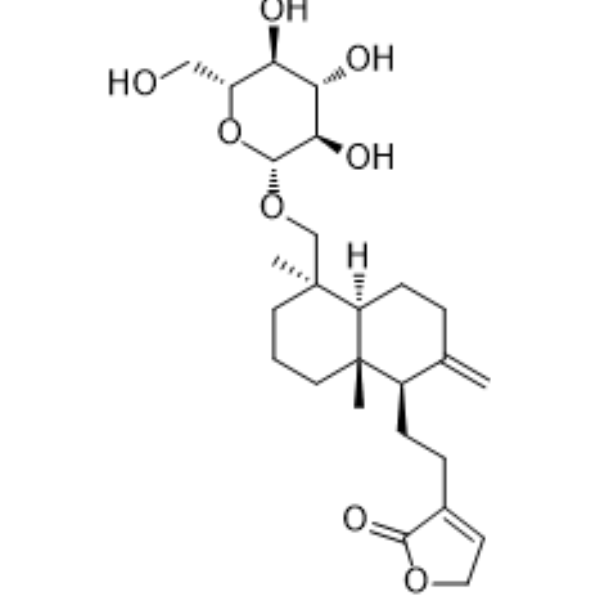
  • HY-N0721
    Neoandrographolide
    1 Publications Verification

    Neoandrographiside

    ERK p38 MAPK JNK NF-κB PI3K PPAR GSK-3 CaMK NO Synthase Reactive Oxygen Species (ROS) Apoptosis Cardiovascular Disease Metabolic Disease Inflammation/Immunology
    Neoandrographolide is a diterpenoid compound isolated from Andrographis paniculata. Neoandrographolide inhibits osteoclasts differentiation and bone resorption through inhibition of MAPK/NF-κB/PI3K/AKT/GSK3β/PPAR/CAMK signaling pathway. Neoandrographolide inhibits apoptosis in rat embryonic ventricular cardiomyocytes. Neoandrographolide inhibits iNOS and the generation of ROS, activates eNOS, exhibiting anti-inflammatory and hypolipidemic activity .
    Neoandrographolide
  • HY-N0632
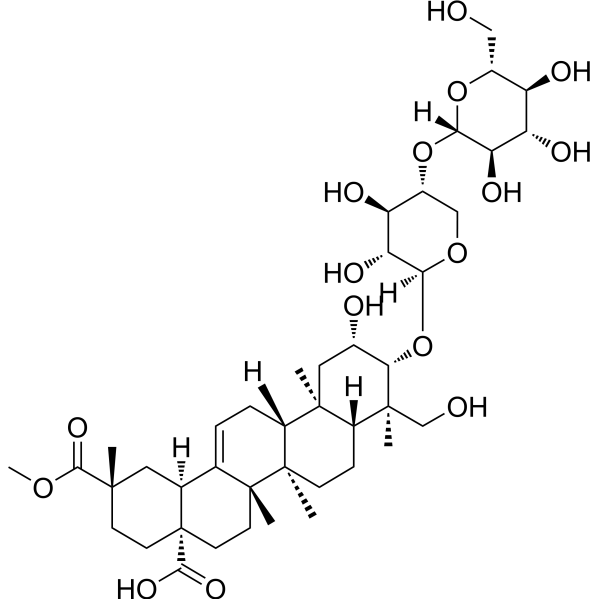
    Esculentoside A
    2 Publications Verification

    COX NF-κB Inflammation/Immunology
    Esculentoside A (EsA), a kind of triterpene saponin isolated from roots of Phytolacca esculenta . Esculentoside A (EsA) possesses anti-inflammatory activity in acute and chronic experimental models , has selective inhibitory activity towards cyclooxygenase-2 (COX-2) . Esculentoside A (EsA) suppresses inflammatory responses in LPS-induced acute lung injury (ALI) through inhibition of the nuclear factor kappa B (NF-ΚB) and mitogen activated protein kinase (MAPK) signaling pathways .
    Esculentoside A
  • HY-N6246

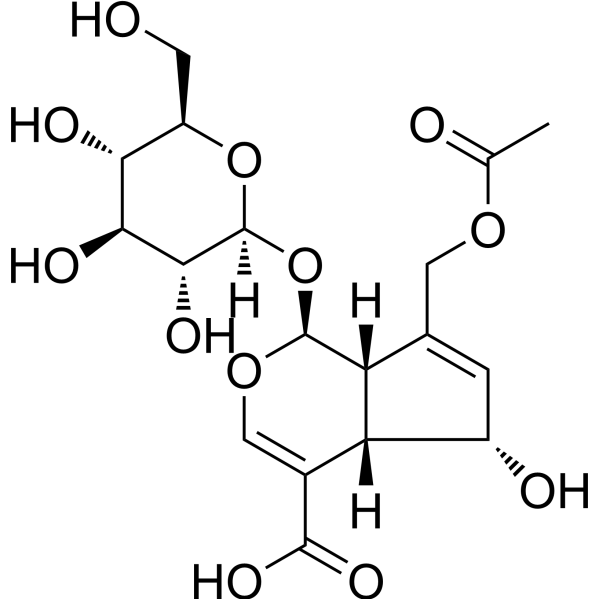
    NF-κB ERK Inflammation/Immunology Cancer
    Asperulosidic Acid (ASPA), a bioactive iridoid glycoside, is extracted from the herbs of Hedyotis diffusa Willd. Asperulosidic Acid (ASPA) has anti-tumor, anti-oxidant, and anti-inflammatory activities . ASPA is related to the inhibition of inflammatory cytokines (TNF-α, IL-6) and mediators via suppression of the NF-κB and mitogen-activated protein kinase (MAPK) signaling pathways .
    Asperulosidic Acid
  • HY-12687
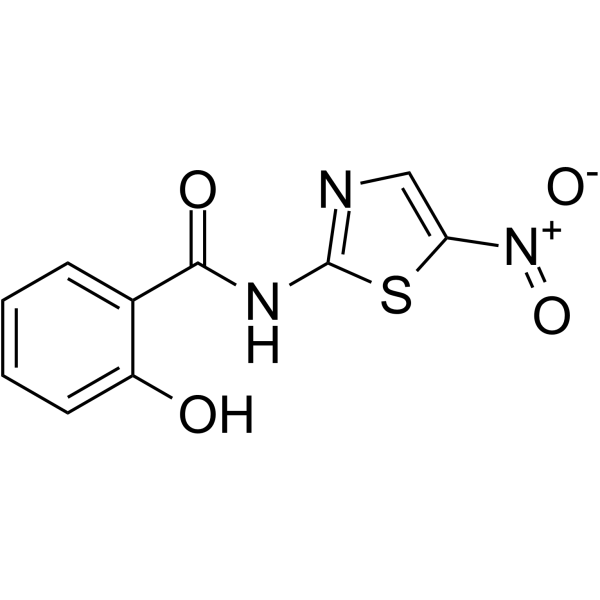
    Tizoxanide
    10+ Cited Publications

    TIZ

    Bacterial HIV Autophagy Parasite IKK Influenza Virus Infection Cancer
    Tizoxanide (TIZ) is the active metabolite of Nitazoxanide, which is a thiazolide anti-infective compound against anaerobic bacteria, protozoa, and a range of viruses. Tizoxanide (TIZ) has anti-HIV-1 activities and potent inhibition of both HBV and HCV replication with values EC50 of 0.46μM and 0.15 μM, respectively. Tizoxanide also exerts anti-inflammatory effects by inhibiting the production of pro-inflammatory cytokines and suppressing of the activation of the NF-κB and the MAPK signaling pathways in LPS-treated macrophage cells .
    Tizoxanide
  • HY-N7085

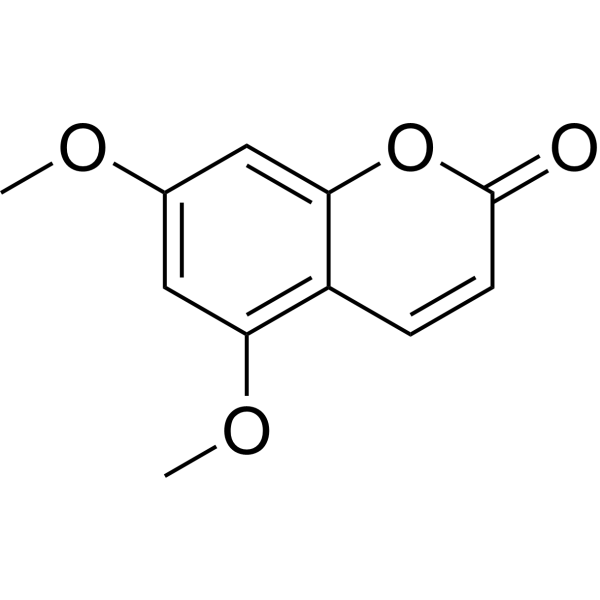
    5,7-Dimethoxycoumarin; Limettin

    Environmental Pollutants ERK p38 MAPK JNK Neurological Disease Inflammation/Immunology Cancer
    Citropten (5, 7-dimethoxycoumarin) is one of the coumarin derivatives. Citropten is an effective oral anticancer agent. Citropten has anti-proliferative activity against A2058 and B16 melanoma cells. Citropten exerts anti-inflammatory effects through the NFκB and MAPK signaling pathways. Citropten acts as an antidepressant through heat shock protein-70, monoamine oxidase-A and inhibition of apoptosis .
    Citropten
  • HY-N0863

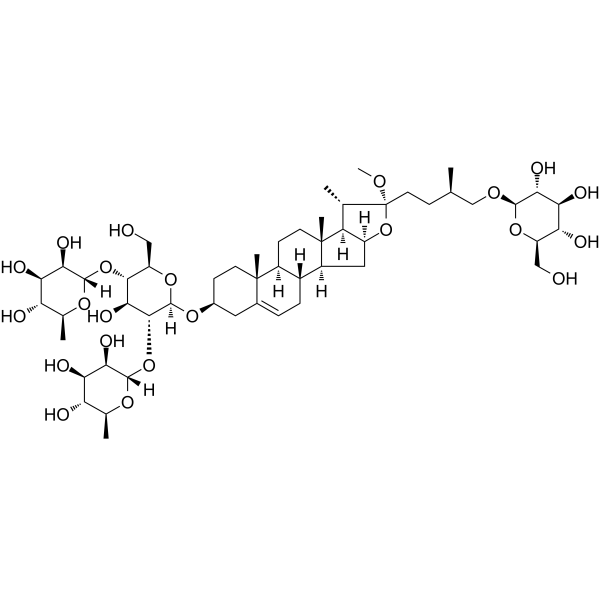
    NSC-698790; Smilax saponin B

    Bcl-2 Family Apoptosis Akt c-Myc ERK p38 MAPK JNK FOXO Cancer
    Methyl protodioscin (NSC-698790; Smilax saponin B) is a multi-target, selective, steroidal diglycoside inhibitor with antitumor activity that induces cell cycle arrest. The mechanism of action of Methyl protodioscin is complex, involving the induction of G2/M cell cycle arrest, regulation of the Bcl-2/Bax apoptotic pathway, inhibition of the Akt1/c-Myc axis and MAPK/ERK signaling, while simultaneously downregulating ADAM15 and inducing FOXO1 to reduce cholesterol synthesis. It also inhibits the JNK/c-Jun pathway, reducing the production of inflammatory factors (IL-6, TNF-α). Methyl protodioscin exhibits significant antitumor (inhibiting proliferation, migration, invasion, and inducing apoptosis), anti-inflammatory, and anti-restenosis activities. Methyl protodioscin can be used in research on lung cancer, prostate cancer, pancreatic cancer, and other tumors, as well as inflammatory diseases such as airway inflammation and enteritis .
    Methyl protodioscin
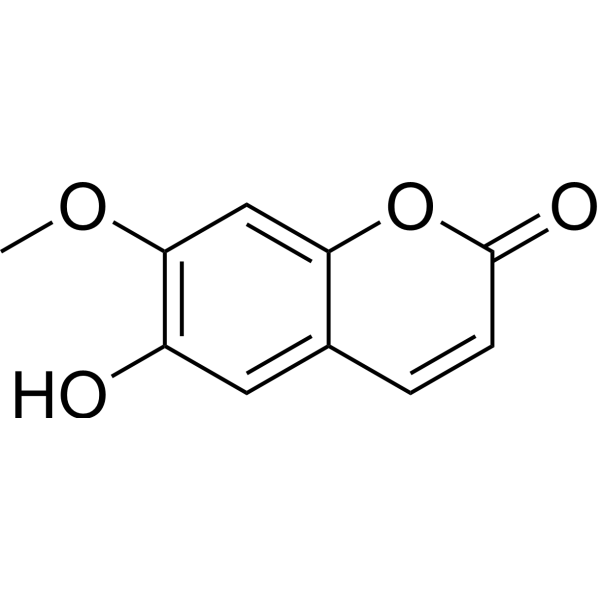
  • HY-N1365
    Isoscopoletin
    1 Publications Verification

    6-Hydroxy-7-methoxycoumarin

    HBV p38 MAPK NF-κB STAT Akt ERK JNK Infection Inflammation/Immunology Cancer
    Isoscopoletin (6-Hydroxy-7-methoxycoumarin) is an active constituent in Artemisia argyi leaves. Isoscopoletin shows substantial inhibition against cell proliferation, with IC50s of 4.0 μM and 1.6 μM for human CCRF-CEM leukaemia cells and multidrug resistant subline CEM/ADR5000, respectively . Isoscopoletin (6-Hydroxy-7-methoxycoumarin) possesses inhibitory activity against HBV replication . Isoscopoletin exhibits anti-inflammatory activity through inhibition of MAPK/NF-κB/STAT/AKT signaling pathway .
    Isoscopoletin
  • HY-N0363
    (+)-Columbianetin
    2 Publications Verification

    (S)-Columbianetin

    ERK JNK Collagen TGF-beta/Smad p38 MAPK Reactive Oxygen Species (ROS) Others
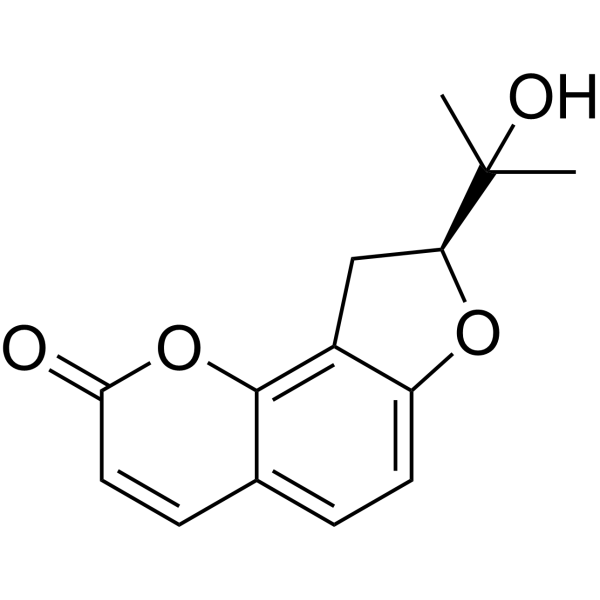
    (+)-Columbianetin ((S)-Columbianetin) acts as an inhibitor of JNK/ERK. (+)-Columbianetin inhibits UVA-induced phosphorylation of JNK and ERK, reduces the production of MMP-1, reverses UVA-induced Collagen (HY-NP003) degradation, and alleviates UVA-mediated inhibition of Smad2/3 phosphorylation and translocation. (+)-Columbianetin regulates the AP-1 and ASK1-MAPK signaling pathways, inhibits the production of ROS and blocks sub-G1 cell cycle arrest. (+)-Columbianetin is applicable to research related to skin aging .
    (+)-Columbianetin
  • HY-W097625

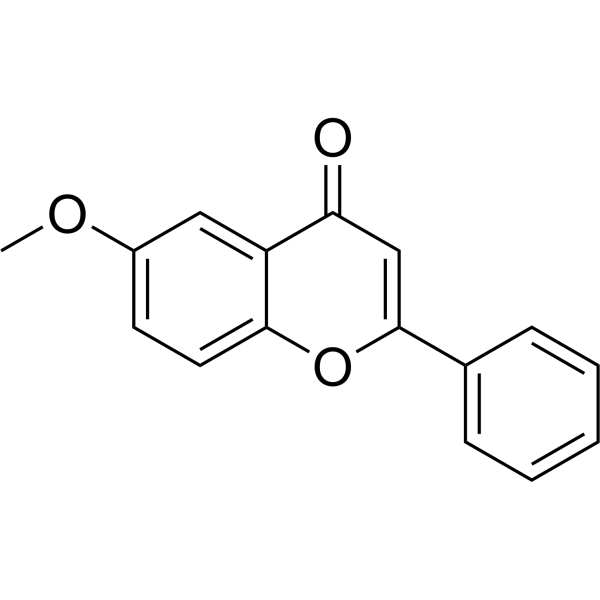
    Toll-like Receptor (TLR) MyD88 p38 MAPK NF-κB Heme Oxygenase (HO) Neurological Disease Inflammation/Immunology Cancer
    6-Methoxyflavone is an orally active methoxyflavone. 6-Methoxyflavone suppresses neuroinflammation in microglia through the inhibition of TLR4/MyD88/p38 MAPK/NF-κB dependent pathways and the activation of HO-1/NQO-1 signaling. 6-Methoxyflavone induces S-phase arrest through the CCNA2/CDK2/p21CIP1 signaling pathway in HeLa cells. 6-Methoxyflavone inhibits NFAT Translocation into the nucleus and suppresses T cell activation. 6-Methoxyflavone partially restores chronic ethanol-induced behavioral deficits in mice. 6-Methoxyflavone antagonizes chronic constriction injury and diabetes associated neuropathic nociception expression. 6-Methoxyflavone can be used for the study of cancer, inflammation and neurological diseases .
    6-Methoxyflavone
  • HY-N7085R

    5,7-Dimethoxycoumarin (Standard); Limettin (Standard)

    ERK JNK p38 MAPK Reference Standards Neurological Disease Inflammation/Immunology Cancer
    Citropten (Standard) is the analytical standard of Citropten. This product is intended for research and analytical applications. Citropten (5, 7-dimethoxycoumarin) is one of the coumarin derivatives. Citropten is an effective oral anticancer agent. Citropten has anti-proliferative activity against A2058 and B16 melanoma cells. Citropten exerts anti-inflammatory effects through the NFκB and MAPK signaling pathways. Citropten acts as an antidepressant through heat shock protein-70, monoamine oxidase-A and inhibition of apoptosis .
    Citropten (Standard)
  • HY-N1365R

    6-Hydroxy-7-methoxycoumarin (Standard)

    Reference Standards HBV p38 MAPK NF-κB STAT Akt ERK JNK Infection Inflammation/Immunology Cancer
    Isoscopoletin (Standard) is the analytical standard of Isoscopoletin. This product is intended for research and analytical applications. Isoscopoletin (6-Hydroxy-7-methoxycoumarin) is an active constituent in Artemisia argyi leaves. Isoscopoletin shows substantial inhibition against cell proliferation, with IC50s of 4.0 μM and 1.6 μM for human CCRF-CEM leukaemia cells and multidrug resistant subline CEM/ADR5000, respectively . Isoscopoletin (6-Hydroxy-7-methoxycoumarin) possesses inhibitory activity against HBV replication . Isoscopoletin exhibits anti-inflammatory activity through inhibition of MAPK/NF-κB/STAT/AKT signaling pathway .
    Isoscopoletin (Standard)
  • HY-N5014
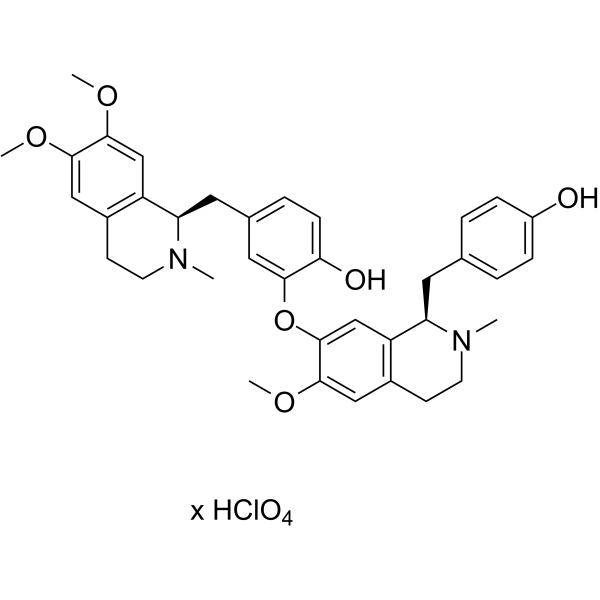
    Liensinine perchlorate
    Maximum Cited Publications
    20 Publications Verification

    Reactive Oxygen Species (ROS) Autophagy Apoptosis VEGFR JAK Amyloid-β p38 MAPK HIF/HIF Prolyl-Hydroxylase STAT PI3K JNK Akt Cardiovascular Disease Neurological Disease Inflammation/Immunology Cancer
    Liensinine perchlorate is a bisbenzylisoquinoline alkaloid. By inhibiting the PI3K/AKT and JNK/p38-MAPK signaling pathways, Liensinine perchlorate suppresses autophagy and apoptosis, clears , and exerts anti-inflammatory, antioxidant and neuroprotective effects. Liensinine perchlorate activates AMPK and inhibits the expression of HIF-1α and VEGF, thereby suppressing angiogenesis. Liensinine perchlorate exerts anti-tumor effects through ROS-mediated inhibition of the JAK2/STAT3 signaling pathway. Liensinine perchlorate can be used for the research of diseases such as Alzheimer's disease, hepatocellular carcinoma, osteosarcoma, sepsis-induced organ injury and stroke .
    Liensinine perchlorate
  • HY-146223

    Ras p38 MAPK PI3K Apoptosis Cancer
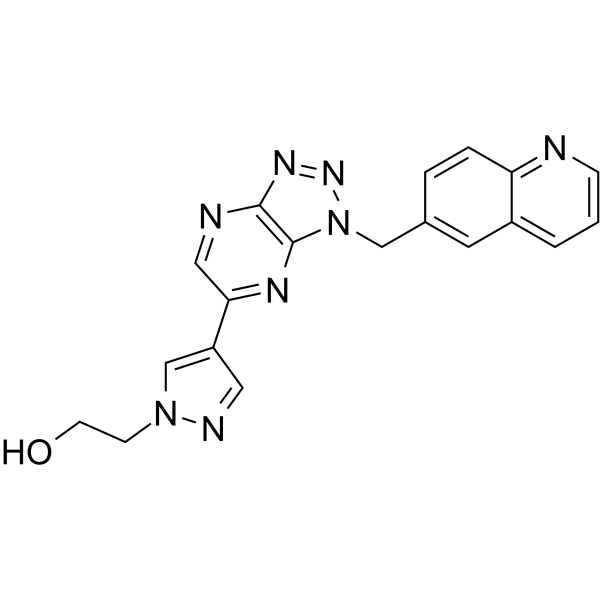
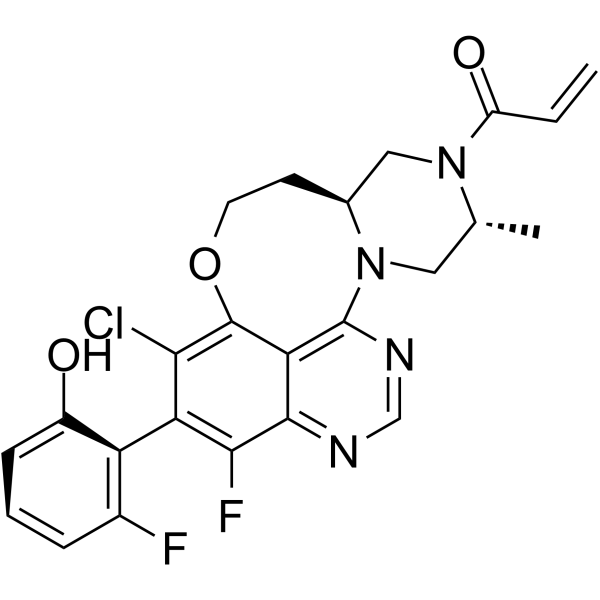
    AZD4625 is an orally active, selective irreversible, covalent allosteric GTPase KRASG12C inhibitor with an IC50 of 3 nM. AZD4625 can inhibit the MAPK pathway (with decreased pCRAF, pMEK, and pERK) and the PI3K pathway (with decreased pAKT and pS6), and induce cell apoptosis. AZD4625 has no binding and inhibition of wild-type RAS or isoforms carrying non-KRASG12C mutations. AZD4625 can be used for the study of KRASG12C mutant non-small cell lung cancer .
    AZD4625
  • HY-N0721R

    Neoandrographiside (Standard)

    Reference Standards ERK p38 MAPK JNK NF-κB PI3K PPAR GSK-3 NO Synthase Reactive Oxygen Species (ROS) Apoptosis Cardiovascular Disease Metabolic Disease Inflammation/Immunology
    Neoandrographolide (Standard) is the analytical standard of Neoandrographolide. This product is intended for research and analytical applications. Neoandrographolide is a diterpenoid compound isolated from Andrographis paniculata. Neoandrographolide inhibits osteoclasts differentiation and bone resorption through inhibition of MAPK/NF-κB/PI3K/AKT/GSK3β/PPAR/CAMK signaling pathway. Neoandrographolide inhibits apoptosis in rat embryonic ventricular cardiomyocytes. Neoandrographolide inhibits iNOS and the generation of ROS, activates eNOS, exhibiting anti-inflammatory and hypolipidemic activity .
    Neoandrographolide (Standard)
  • HY-N0632R

    Reference Standards COX NF-κB Inflammation/Immunology
    Esculentoside A (Standard) is the analytical standard of Esculentoside A. This product is intended for research and analytical applications. Esculentoside A (EsA), a kind of triterpene saponin isolated from roots of Phytolacca esculenta . Esculentoside A (EsA) possesses anti-inflammatory activity in acute and chronic experimental models , has selective inhibitory activity towards cyclooxygenase-2 (COX-2) . Esculentoside A (EsA) suppresses inflammatory responses in LPS-induced acute lung injury (ALI) through inhibition of the nuclear factor kappa B (NF-ΚB) and mitogen activated protein kinase (MAPK) signaling pathways .
    Esculentoside A (Standard)
  • HY-146223A

    Ras PI3K p38 MAPK Apoptosis Cancer
    (3R,10R,14aS)-AZD4625 is the isomer of AZD4625 (HY-146223), and can be used as an experimental control. AZD4625 is an orally active, selective irreversible, covalent allosteric GTPase KRASG12C inhibitor with an IC50 of 3 nM. AZD4625 can inhibit the MAPK pathway (with decreased pCRAF, pMEK, and pERK) and the PI3K pathway (with decreased pAKT and pS6), and induce cell apoptosis. AZD4625 has no binding and inhibition of wild-type RAS or isoforms carrying non-KRASG12C mutations. AZD4625 can be used for the study of KRASG12C mutant non-small cell lung cancer .
    (3R,10R,14aS)-AZD4625
  • HY-12687R

    TIZ (Standard)

    Reference Standards Bacterial HIV Autophagy Parasite IKK Influenza Virus Infection Cancer
    Tizoxanide (Standard) is the analytical standard of Tizoxanide. This product is intended for research and analytical applications. Tizoxanide (TIZ) is the active metabolite of Nitazoxanide, which is a thiazolide anti-infective compound against anaerobic bacteria, protozoa, and a range of viruses. Tizoxanide (TIZ) has anti-HIV-1 activities and potent inhibition of both HBV and HCV replication with values EC50 of 0.46μM and 0.15 μM, respectively. Tizoxanide also exerts anti-inflammatory effects by inhibiting the production of pro-inflammatory cytokines and suppressing of the activation of the NF-κB and the MAPK signaling pathways in LPS-treated macrophage cells .
    Tizoxanide (Standard)
  • HY-168012

    Ras Phosphatase Cancer
    Pan-RAS-IN-6 (compound 24) is an inhibitor targeting DUSP6, which reduces MAPK activation in the brain of the NCI-H1373-Luc model (DUSP6), at the same time, it shows significant tumor growth inhibition and tumor regression effects in the NSCLC brain metastasis mouse model. Pan-RAS-IN-6 shows high selectivity and strong inhibitory effects, especially in KRAS mutation-related signaling pathways, demonstrating varying inhibitory activity against different KRAS mutants and interacting proteins. The IC50 values for KRAS G12C, G12D, and G12V are 1.3 nM, 4.7 nM, and 0.3 nM, respectively .
    Pan-RAS-IN-6
  • HY-P11405

    Neurotensin Receptor Neurological Disease Cancer
    [D-Arg1, D-Trp5, 7, 9, Leu11]-Substance P is a potent inhibitor of cell growth in small cell lung cancer (SCLC). [D-Arg1, D-Trp5, 7, 9, Leu11]-Substance P is also a neuropeptide antagonist, capable of blocking colony formation stimulated by various neuropeptides (including vasopressin and bradykinin). [D-Arg1, D-Trp5, 7, 9, Leu11]-Substance P inhibits the mobilization of Ca 2+ and the activation of mitogen-activated protein kinases induced by vasopressin or bradykinin. [D-Arg1, D-Trp5, 7, 9, Leu11]-Substance P inhibits the growth of H-69 xenograft tumors in nude mice .
    [D-Arg1,D-Trp5,7,9,Leu11]-Substance P
  • HY-162228

    COX Phospholipase Inflammation/Immunology
    VI-60 is a dual, orally active inhibitor of cPLA2 and COX-2, which reveals an anti-inflammtory efficacy through the inhibition of p38 MAPK/cPLA2/COX-2/PGE2 pathway .
    VI-60
  • HY-150605

    ERK Cancer
    ERK5-IN-3 (compound 33j) is a potent and selective ERK5 (extracellular signal-related kinase 5) inhibitor, with an IC50 of 6 nM. ERK5-IN-3 shows antiproliferation activity against Hela cells, with an IC50 of 31 nM .
    ERK5-IN-3
  • HY-146419

    NF-κB COX TNF Receptor Inflammation/Immunology
    Anti-inflammatory agent 20 (compound 5a) is a potent inhibitor of NO activity. Anti-inflammatory agent 20 shows anti-inflammatory activity. Anti-inflammatory agent 20 suppresses LPS-induced inflammation via inhibiting the activation of NF-κB and MAPK signaling and thereby reducing IL-6, TNF-α, iNOS, and COX-2 upregulation .
    Anti-inflammatory agent 20
  • HY-N0484R

    Reference Standards Reactive Oxygen Species (ROS) Autophagy Apoptosis VEGFR JAK Amyloid-β p38 MAPK HIF/HIF Prolyl-Hydroxylase STAT PI3K JNK Akt Cardiovascular Disease Neurological Disease Cancer
    Liensinine (Standard) is the analytical standard of Liensinine (HY-N0484). This product is intended for research and analytical applications. Liensinine is a bisbenzylisoquinoline alkaloid. By inhibiting the PI3K/AKT and JNK/p38-MAPK signaling pathways, Liensinine suppresses autophagy and apoptosis, clears , and exerts anti-inflammatory, antioxidant and neuroprotective effects. Liensinine activates AMPK and inhibits the expression of HIF-1α and VEGF, thereby suppressing angiogenesis. Liensinine exerts anti-tumor effects through ROS-mediated inhibition of the JAK2/STAT3 signaling pathway. Liensinine can be used for the research of diseases such as Alzheimer's disease, hepatocellular carcinoma, osteosarcoma, sepsis-induced organ injury and stroke .
    Liensinine (Standard)
  • HY-N6246R

    Reference Standards NF-κB ERK Inflammation/Immunology Cancer
    Asperulosidic Acid (Standard) is the analytical standard of Asperulosidic Acid. This product is intended for research and analytical applications. Asperulosidic Acid (ASPA), a bioactive iridoid glycoside, is extracted from the herbs of Hedyotis diffusa Willd. Asperulosidic Acid (ASPA) has anti-tumor, anti-oxidant, and anti-inflammatory activities . ASPA is related to the inhibition of inflammatory cytokines (TNF-α, IL-6) and mediators via suppression of the NF-κB and mitogen-activated protein kinase (MAPK) signaling pathways .
    Asperulosidic Acid (Standard)
  • HY-W160358

    SARS-CoV Virus Protease Fungal Apoptosis Reactive Oxygen Species (ROS) ATP Synthase Glutathione Peroxidase SOD p38 MAPK Infection Cancer
    2,5-Dimethylcyclohexanol, a volatile organic compound, is a fatty acid that can be isolated from Amphora sp.. 2,5-Dimethylcyclohexanol has significant antineoplastic and antiviral activities with inhibition of SARS-CoV-2 Mpro. 2,5-Dimethylcyclohexanol also has potent antifungal activity against Pseudogymnoascus destructans. 2,5-Dimethylcyclohexanol compromises cell wall and membrane integrity while perturbing energy metabolism, increases the levels of ROS, ATP, Superoxide anion and GSH, and decreases CAT and SOD activities. And 2,5-Dimethylcyclohexanol alters virulence ribosomal genes expression, and disrupts the MAPK signaling pathways, inducing fungal cell apoptosis .
    2,5-Dimethylcyclohexanol
  • HY-162816

    PROTACs MAP4K Cancer
    PROTAC HPK1 Degrader-3 (compound C3) is an orally effective PROTAC targeting HPK1 (DC50=21.26 nM). HPK1 is a negative regulator of T cell receptors, which can lead to T cell dysfunction after abnormal activation. PROTAC HPK1 Degrader-3 can inhibit SLP76 and NF-κB signaling pathways and inhibit MAPK signal transduction, and has anticancer activity and immune activation. PROTAC HPK1 Degrader-3 has a certain oral bioavailability and can be combined with PD-L1 antibody therapy to achieve a tumor growth inhibition rate of 65.58%. PROTAC HPK1 Degrader-3 is composed of E3 ligase ligand Thalidomide (HY-14658; blue part), PROTAC linker tert-Butyl 3-oxoazetidine-1-carboxylate (HY-40146; black part), and target protein ligand HPK1-IN-51 (HY-162842; red part); the activity control of the target protein ligand can be HPK1 ligand 1 (HY-162841) [1] .
    PROTAC HPK1 Degrader-3
  • HY-183936

    SHP2 p38 MAPK ERK Cancer
    SDUY127 is a bivalent SHP2 inhibitor with an IC50 value of 16 nM. SDUY127 binds simultaneously to the tunnel allosteric site and latch allosteric site of SHP2 at a 1:1 stoichiometric ratio, stabilizes the protein in an inactive conformation, and induces sustained inhibition of the MAPK signaling pathway. SDUY127 can be used in research related to leukemia and hepatocellular carcinoma .
    SDUY127
  • HY-183688

    Bacterial Phosphatase p38 MAPK ERK Infection
    MptpB-IN-3 is a selective inhibitor of Mycobacterium tuberculosis protein tyrosine phosphatase B (MptpB) with an IC50 of 0.19 μM. MptpB-IN-3 blocks MptpB-mediated inhibition of the macrophage MAPK pathway and restores the phosphorylation levels of Erk1/2 and p38. MptpB-IN-3 exhibits direct anti-tuberculosis activity against Mycobacterium tuberculosis and reduces the Mycobacterium tuberculosis load in mouse macrophages. MptpB-IN-3 can be used for tuberculosis research .
    MptpB-IN-3
  • HY-181079

    RANKL/RANK Reactive Oxygen Species (ROS) p38 MAPK NF-κB Metabolic Disease
    RANKL-IN-2 is an orally active RANKL inhibitor with Kd values of 3.21 μM and 4.625 μM in the SPR and MST assays, respectively. RANKL-IN-2 binds to RANKL to interfere with RANKL-RANK interaction. RANKL-IN-2 suppresses osteoclastogenesis by inhibiting ROS, MAPK and NF-κB pathways. RANKL-IN-2 inhibits osteoclastogenesis via inhibition of RANKL-induced osteoclast formation, bone resorption, and osteoclast-specific gene and protein expressions in vitro.RANKL-IN-2 prevents bone loss in ovariectomized osteoporosis mice.RANKL-IN-2 can be used for the research of osteoporosis .
    RANKL-IN-2
  • HY-183674

    Molecular Glues MEK Raf PERK Ras p38 MAPK Apoptosis Cancer
    MEK-IN-10 is an orally active pan-MEK/RAF non-degrading molecular glue with an IC50 of 782 nM against human MEK1. MEK-IN-10 blocks the phosphorylation of MEK and ERK, induces and stabilizes the MEK1-RAF complex, and disrupts the RAS-MAPK signaling pathway. MEK-IN-10 induces apoptosis in cancer cells and arrests cells at the G0/G1 phase. MEK-IN-10 induces tumor growth inhibition in mouse xenograft models. MEK-IN-10 can be used in the research of RAS-driven cancers, such as colorectal cancer and pancreatic cancer .
    MEK-IN-10
  • HY-P992200

    Transmembrane Glycoprotein PI3K Akt p38 MAPK NF-κB MMP Apoptosis Caspase Bcl-2 Family Cardiovascular Disease Cancer
    Anti-CD146 Antibody (AA98) is an antibody targeting CD146 and an angiogenesis inhibitor. Anti-CD146 Antibody (AA98) blocks the dimerization of CD146 as well as its downstream PI3K/AKT, p38 MAPK and NF-κB signaling pathways; it inhibits the expression of MMP9 and ICAM1, epithelial-mesenchymal transition (EMT), and the proliferation, migration and tube formation of endothelial cells. Anti-CD146 Antibody (AA98) enhances radiation-induced cancer cell apoptosis and survival inhibition, reduces tumor microvessel density, and suppresses tumor growth, invasion and vasculogenic mimicry. Anti-CD146 Antibody (AA98) can be used in research related to cervical cancer, liver cancer, malignant phyllodes tumor of the breast, uveal melanoma, leiomyosarcoma, pancreatic cancer, other tumors and angiogenesis .
    Anti-CD146 Antibody (AA98)
  • HY-W097625R

    Toll-like Receptor (TLR) MyD88 p38 MAPK NF-κB Heme Oxygenase (HO) Reference Standards PERK Neurological Disease Metabolic Disease Inflammation/Immunology Cancer
    6-Methoxyflavone (Standard) is the analytical standard of 6-Methoxyflavone (HY-W097625). This product is intended for research and analytical applications. 6-Methoxyflavone is an orally active methoxyflavone. 6-Methoxyflavone suppresses neuroinflammation in microglia through the inhibition of TLR4/MyD88/p38 MAPK/NF-κB dependent pathways and the activation of HO-1/NQO-1 signaling. 6-Methoxyflavone induces S-phase arrest through the CCNA2/CDK2/p21CIP1 signaling pathway and activates the PERK/EIF2a/ATF4/CHOP pathway in HeLa cells. 6-Methoxyflavone acts as a Flumazenil (HY-B0009)-insensitive positive allosteric modulator at human recombinant α1β2γ2L and α2β2γ2L GABAα receptors. 6-Methoxyflavone inhibits NFAT Translocation into the nucleus and suppresses T cell activation. 6-Methoxyflavone partially restores chronic ethanol-induced behavioral deficits in mice. 6-Methoxyflavone antagonizes chronic constriction injury and diabetes associated neuropathic nociception expression. 6-Methoxyflavone can be used for the study of cancer, inflammation and neurological diseases .
    6-Methoxyflavone (Standard)

Inquiry Online

Your information is safe with us. * Required Fields.

Salutation


Country or Region *

Applicant Name *


Organization Name *

Department *


Email Address *


Product Name *

Cat. No.


Requested quantity *

Phone Number *


Remarks

Inquiry Online

Inquiry Information

Product Name:
Cat. No.:
Quantity:
MCE Japan Authorized Agent:

