1. Search Result
Search Result
Results for "

Met kinase

" in MedChemExpress (MCE) Product Catalog:

109

Inhibitors & Agonists

1

Bibliotecas de Screening

1

Fluorescent Dyes

4

Peptides

3

Inhibitory Antibodies

1

Natural
Products

4

Recombinant Proteins

3

Isotope-Labeled Compounds

5

Antibodies

1

Click Chemistry

1

Oligonucleotides

Targets Recommended:
Cat. No. Nombre del producto Target Áreas de investigación Chemical Structure
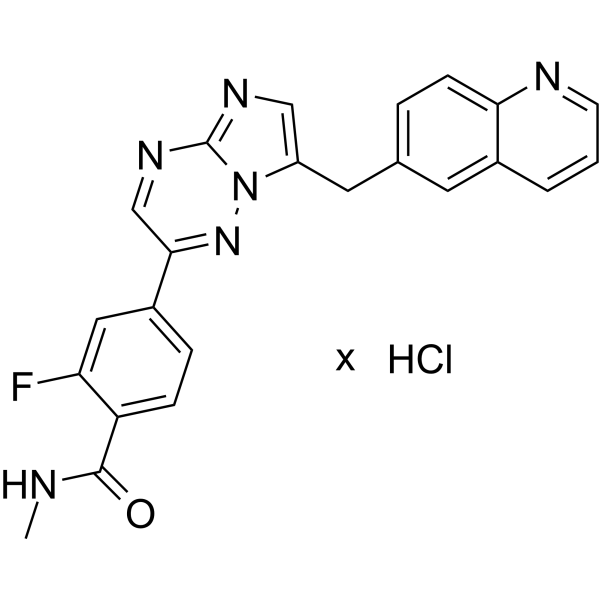
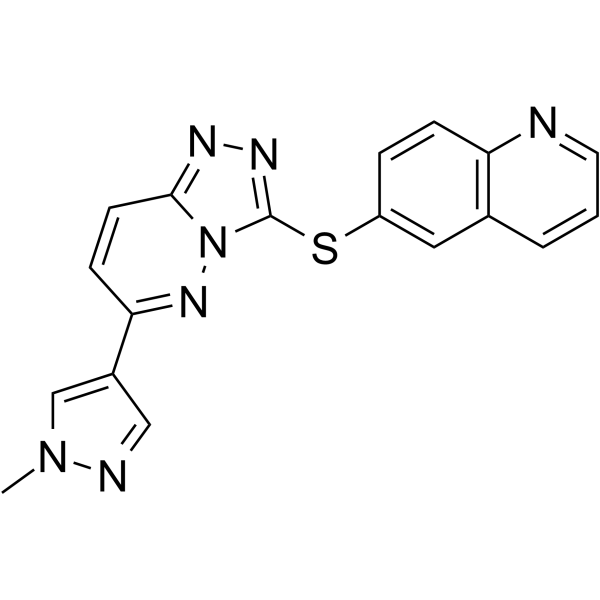
  • HY-13404
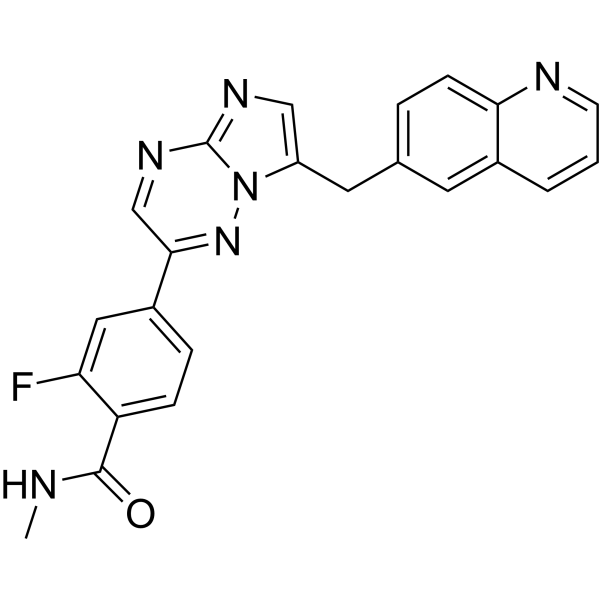
    Capmatinib
    20+ Cited Publications

    INC280; INCB28060

    c-Met/HGFR Apoptosis Cancer
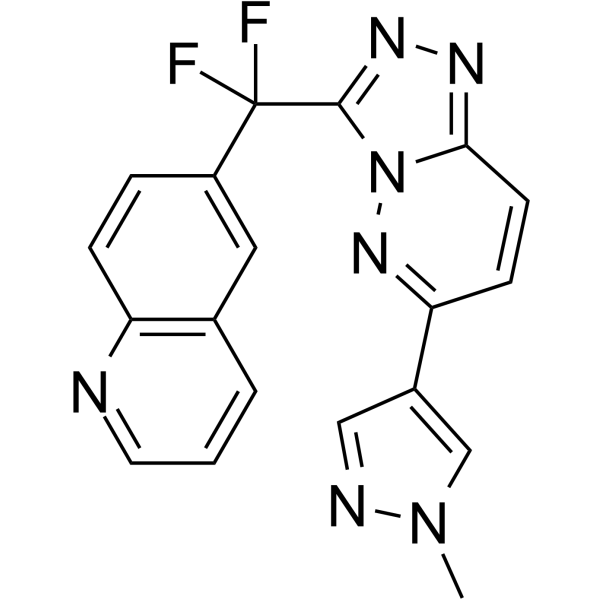
    Capmatinib (INC280; INCB28060) is a potent, orally active, selective, and ATP competitive c-Met kinase inhibitor (IC50=0.13 nM). Capmatinib can inhibit phosphorylation of c-MET as well as c-MET pathway downstream effectors such as ERK1/2, AKT, FAK, GAB1, and STAT3/5. Capmatinib potently inhibits c-MET-dependent tumor cell proliferation and migration and effectively induces apoptosis. Antitumor activity. Capmatinib is largely metabolized by CYP3A4 and aldehyde oxidase .
    Capmatinib
  • HY-10338
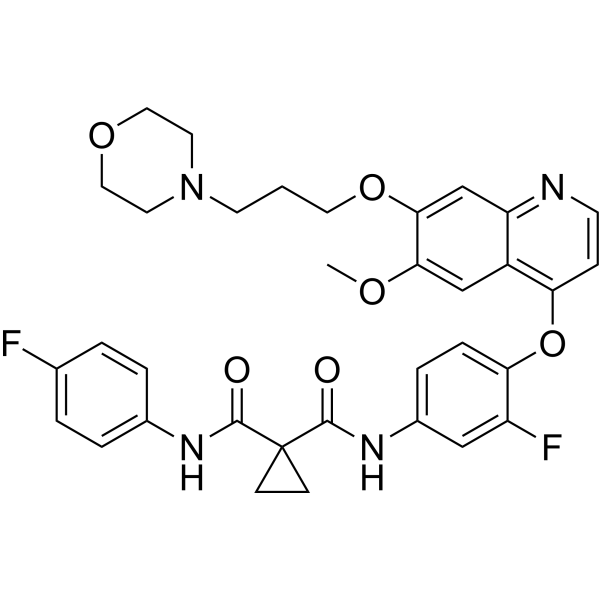
    Foretinib
    10+ Cited Publications

    XL880; GSK1363089; GSK089; EXEL-2880

    VEGFR c-Met/HGFR Cancer
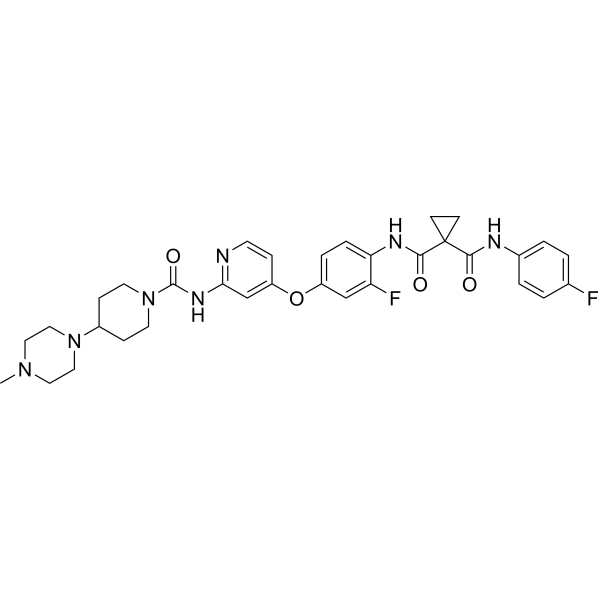
    Foretinib is a multi-target tyrosine kinase inhibitor with IC50s of 0.4 nM and 0.9 nM for Met and KDR.
    Foretinib
  • HY-138696
    Zanzalintinib
    1 Publications Verification

    XL092

    TAM Receptor c-Met/HGFR VEGFR Cancer
    Zanzalintinib (XL092) is an orally active, ATP-competitive inhibitor of multiple receptor tyrosine kinases (RTKs) including MET, VEGFR2, AXL and MER, with IC50s in cell-based assays of 15 nM, 1.6 nM, 3.4 nM, 7.2 nM respectively. Zanzalintinib exhibits anti-tumor activity. Zanzalintinib has the potential for kinase-dependent diseases and conditions research .
    Zanzalintinib
  • HY-12044
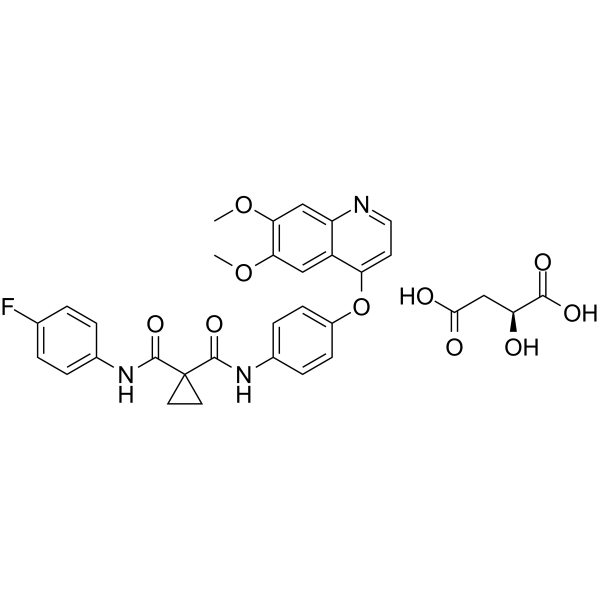
    Cabozantinib S-malate
    Maximum Cited Publications
    56 Publications Verification

    XL184 S-malate; BMS-907351 S-malate

    VEGFR Apoptosis Cancer
    Cabozantinib S-malate (XL184 S-malate) is a potent multiple receptor tyrosine kinases inhibitor that inhibits VEGFR2, c-Met, Kit, Axl and Flt3 with IC50s of 0.035, 1.3, 4.6, 7 and 11.3 nM, respectively.
    Cabozantinib S-malate
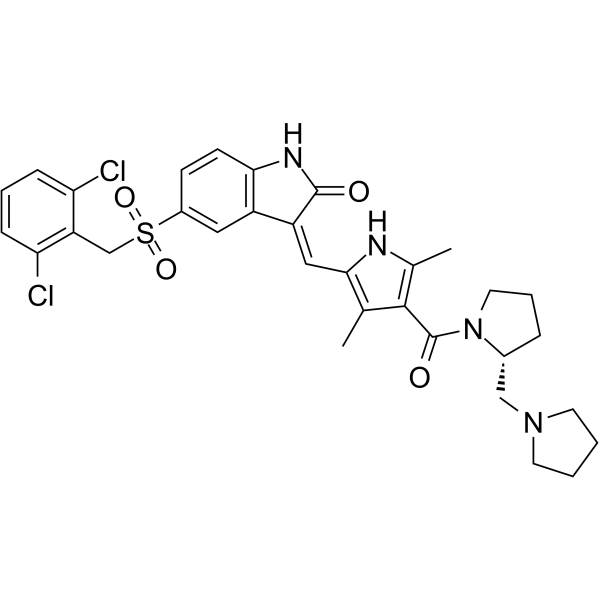
  • HY-11107
    PHA-665752
    10+ Cited Publications

    c-Met/HGFR Autophagy Apoptosis Cancer
    PHA-665752 is a selective, ATP-competitive, and active-site inhibitor of the catalytic activity of c-Met kinase (Ki=4 nM; IC50=9 nM). PHA-665752 exhibits >50-fold selectivity for c-Met compared with a panel of diverse tyrosine and serine-threonine kinases. PHA-665752 induces apoptosis and cell cycle arrest, and exhibits cytoreductive antitumor activity .
    PHA-665752
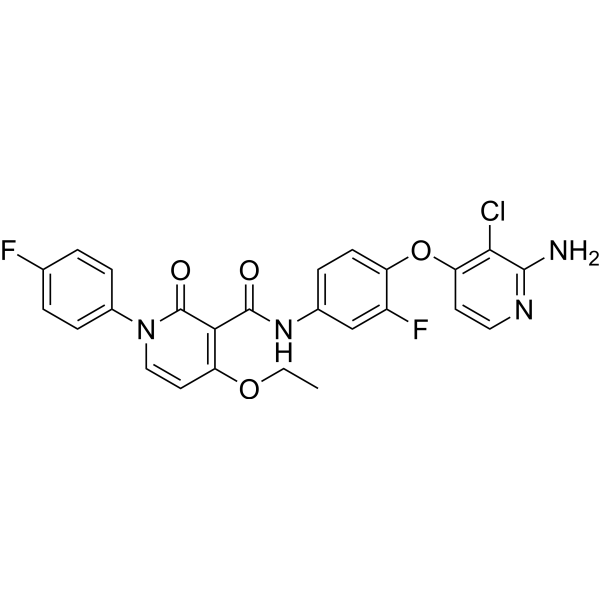
  • HY-12076
    BMS 777607
    10+ Cited Publications

    BMS 817378

    c-Met/HGFR TAM Receptor Cancer
    BMS 777607 (BMS 817378) is a Met-related inhibitor for c-Met, Axl, Ron and Tyro3 with IC50s of 3.9 nM, 1.1 nM, 1.8 nM and 4.3 nM, respectively, and 40-fold more selective for Met-related targets than Lck, VEGFR-2, and TrkA/B, with more than 500-fold greater selectivity versus all other receptor and non receptor kinases .
    BMS 777607
  • HY-125017
    Bozitinib
    1 Publications Verification

    PLB-1001; CBT-101; Vebreltinib

    c-Met/HGFR Cancer
    Bozitinib (PLB-1001) is a highly selective c-MET kinase inhibitor with blood-brain barrier permeability. Bozitinib (PLB-1001) is a ATP-competitive small-molecule inhibitor, binds to the conventional ATP-binding pocket of the tyrosine kinase superfamily .
    Bozitinib
  • HY-12019
    SGX-523
    5+ Cited Publications

    c-Met/HGFR Cancer
    SGX523 is a exquisitely selective and ATP-competitive MET inhibitor. SGX523 potently inhibits MET with an IC50 of 4 nM and is >1,000-fold selective versus other protein kinases. Antitumor activity .
    SGX-523
  • HY-12423

    TAS-115

    VEGFR c-Met/HGFR Cancer
    Pamufetinib (TAS-115) is a potent VEGFR and hepatocyte growth factor receptor (c-Met/HGFR)-targeted kinase inhibitor with IC50s of 30 and 32 nM for rVEGFR2 and rMET, respectively.
    Pamufetinib
  • HY-50686
    Tivantinib
    5+ Cited Publications

    ARQ 197; (3R,4R)-ARQ 198

    c-Met/HGFR Apoptosis Cancer
    Tivantinib is a highly selective c-Met tyrosine kinase inhibitor with a Ki of 355 nM.
    Tivantinib
  • HY-18696
    AMG-337
    3 Publications Verification

    c-Met/HGFR Caspase Apoptosis Cancer
    AMG-337 is a potent, orally active, selective MET kinase inhibitor with IC50 values of 1, 1, 4.7, 5, 21.5, 1077 and >4000 nM of WT MET, H1094R MET, M1250T MET, HGF-stimulated pMET (PC3 cells) MET, V1092I MET, Y1230H MET, and D1228H MET, respectively. AMG 337 inhibits the phosphorylation of MET and downstream effectors in MET-amplified cancer cell lines, resulting in an inhibition of MET-dependent cell proliferation and induction of apoptosis .
    AMG-337
  • HY-50683
    JNJ-38877605
    5+ Cited Publications

    c-Met/HGFR Metabolic Disease Cancer
    JNJ-38877605 is an orally active ATP-competitive inhibitor of c-Met with an IC50 of 4 nM, 600-fold selective for c-Met than 200 other tyrosine and serine-threonine kinases . JNJ-38877605 inhibits c-Met phosphorylation and regulates lipid accumulation. JNJ-38877605 can be used for tumor and metabolic disease reseach .
    JNJ-38877605
  • HY-13068
    Golvatinib
    4 Publications Verification

    E-7050

    c-Met/HGFR VEGFR Cancer
    Golvatinib (E-7050) is a potent dual inhibitor of both c-Met and VEGFR2 kinases with IC50s of 14 and 16 nM, respectively.
    Golvatinib
  • HY-13404C

    INC280 dihydrochloride hydrate; INCB-28060 dihydrochloride hydrate

    c-Met/HGFR Apoptosis Cancer
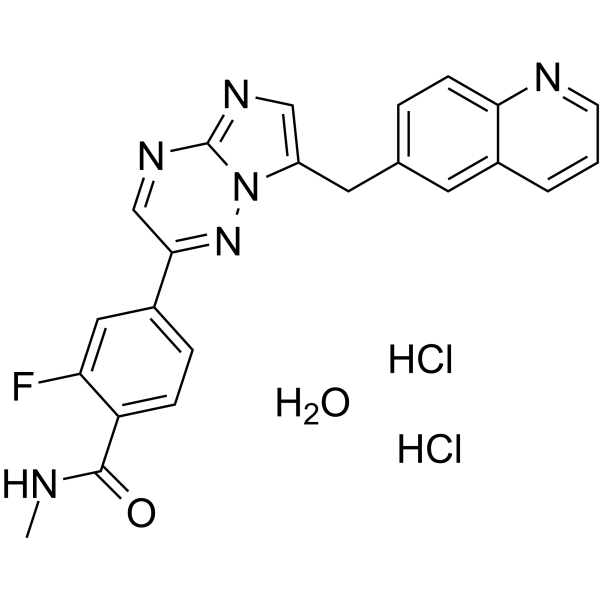
    Capmatinib (INC280; INCB28060) dihydrochloride hydrate is a potent, orally active, selective, and ATP competitive c-Met kinase inhibitor (IC50=0.13 nM). Capmatinib dihydrochloride hydrate can inhibit phosphorylation of c-MET as well as c-MET pathway downstream effectors such as ERK1/2, AKT, FAK, GAB1, and STAT3/5. Capmatinib dihydrochloride hydrate potently inhibits c-MET-dependent tumor cell proliferation and migration and effectively induces apoptosis. Antitumor activity. Capmatinib dihydrochloride hydrate is largely metabolized by CYP3A4 and aldehyde oxidase .
    Capmatinib dihydrochloride hydrate
  • HY-107145A
    Ningetinib
    1 Publications Verification

    TAM Receptor VEGFR c-Met/HGFR Cancer
    Ningetinib is a potent, orally bioavailable small molecule tyrosine kinase inhibitor (TKI) with IC50s of 6.7, 1.9 and <1.0 nM for c-Met, VEGFR2 and Axl, respectively.
    Ningetinib
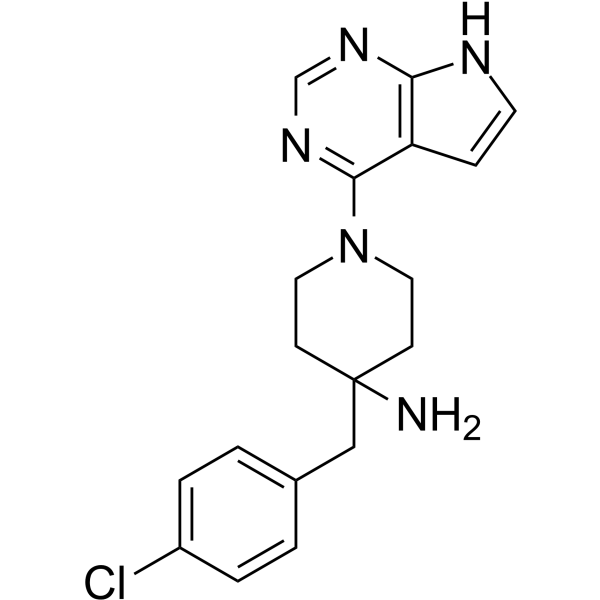
  • HY-13260
    CCT128930
    5+ Cited Publications

    Akt Autophagy Apoptosis Cancer
    CCT128930 is a ATP-competitive and selective inhibitor of AKT (IC50=6 nM for AKT2). CCT128930 has 28-fold selectivity over the closely related PKA kinase (IC50=168 nM) through the targeting of Met282 of AKT (Met173 of PKA-AKT chimera), as well as 20-fold selectivity over p70S6K (IC50=120 nM). Antitumor activity.
    CCT128930
  • HY-116000
    Glumetinib
    2 Publications Verification

    Gumarontinib; SCC244

    c-Met/HGFR Cancer
    Glumetinib (SCC244) is a highly selective, orally bioavailable, ATP-competitive c-Met inhibitor with an IC50 of 0.42 nM. Glumetinib has greater than 2400-fold selectivity for c-Met over those 312 kinases evaluated, including the c-Met family member RON and highly homologous kinases Axl, Mer, TyrO3. Antitumor activity .
    Glumetinib
  • HY-13299
    MK-8033
    3 Publications Verification

    c-Met/HGFR Cancer
    MK-8033 is an orally active ATP competitive c-Met/Ron dual inhibitor (IC50s: 1 nM (c-Met),7 nM (Ron)), with preferential binding to the activated kinase conformation. MK-8033 can be used in the research of cancers, such as breast and bladder cancers, non-small cell lung cancers (NSCLCs) .
    MK-8033
  • HY-B0791
    Altiratinib
    1 Publications Verification

    DCC-2701

    VEGFR c-Met/HGFR FLT3 Trk Receptor Cancer
    Altiratinib (DCC-2701) is a multi-targeted kinase inhibitor with IC50s of 2.7, 8, 9.2, 9.3, 0.85, 4.6, 0.83 nM for MET, TIE2, VEGFR2, FLT3, Trk1, Trk2, and Trk3 respectively.
    Altiratinib
  • HY-13016S

    XL184-d6; BMS-907351-d6

    VEGFR c-Met/HGFR c-Kit TAM Receptor FLT3 Apoptosis Cancer
    Cabozantinib-d6 is the deuterium labeled Cabozantinib. Cabozantinib is a potent multiple receptor tyrosine kinases (RTKs) inhibitor that inhibits VEGFR2, c-Met, Kit, Axl and Flt3 with IC50s of 0.035, 1.3, 4.6, 7 and 11.3 nM, respectively .
    Cabozantinib-d6
  • HY-10206
    Amuvatinib
    5+ Cited Publications

    MP470; HPK 56

    c-Kit PDGFR RAD51 FLT3 c-Met/HGFR RET Apoptosis Cancer
    Amuvatinib (MP470) is an orally bioavailable multi-targeted tyrosine kinase inhibitor with potent activity against mutant c-Kit, PDGFRα, Flt3, c-Met and c-Ret. Amuvatinib (MP470) is also a DNA repair suppressor through suppression of DNA repair protein RAD51, thereby disrupting DNA damage repair . Antineoplastic activity .
    Amuvatinib
  • HY-18309

    c-Met/HGFR VEGFR Cancer
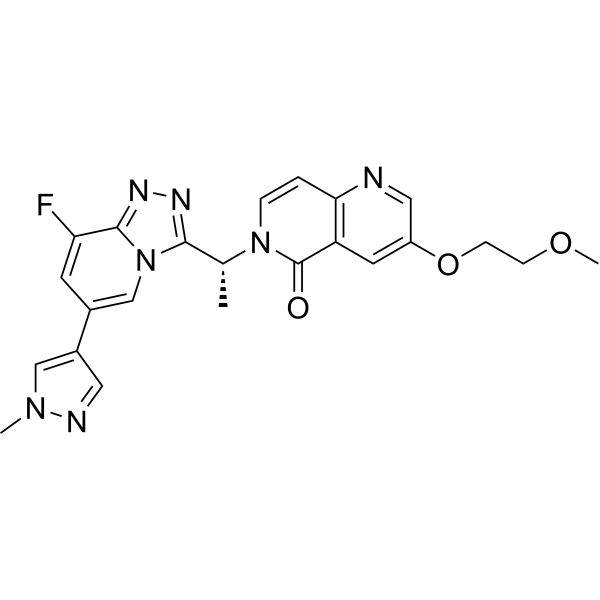
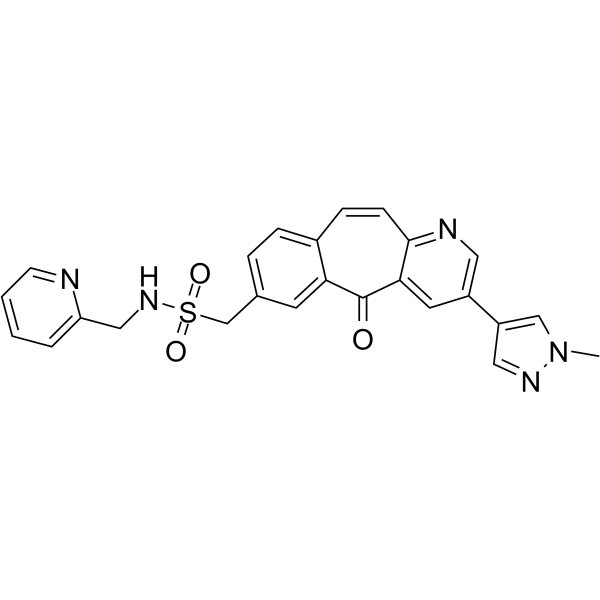
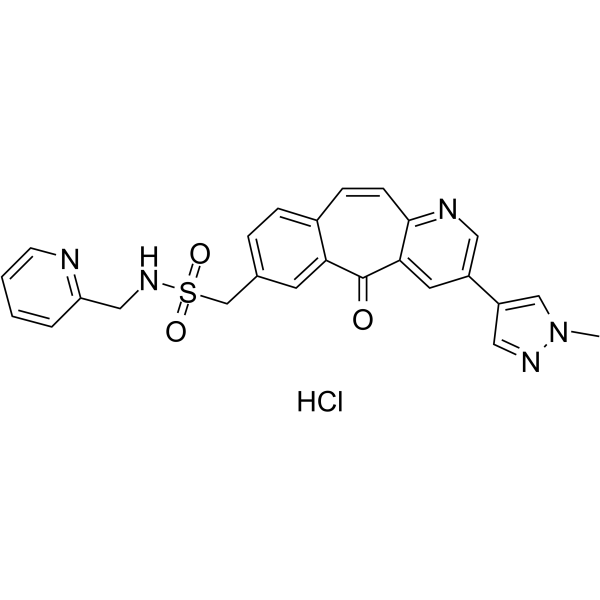
    MET kinase-IN-4 is an orally active Met kinase inhibitor. MET kinase-IN-4 has potent Met kinase inhibitory activity with an IC50 value of 1.9 nM. MET kinase-IN-4 can be used for the research of cancer .
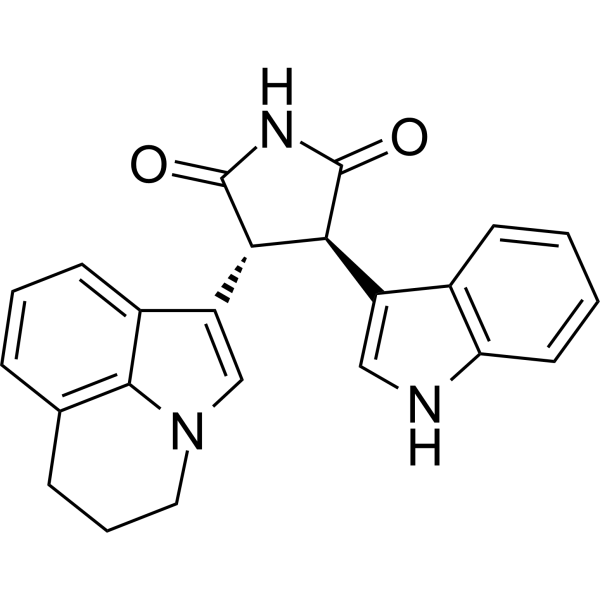
    MET kinase-IN-4
  • HY-19642A
    Glesatinib hydrochloride
    2 Publications Verification

    MGCD265 hydrochloride

    TAM Receptor c-Met/HGFR Cancer
    Glesatinib hydrochloride (MGCD265 hydrochloride) is an orally active, potent MET/SMO dual inhibitor. Glesatinib hydrochloride, a tyrosine kinase inhibitor, antagonizes P-glycoprotein (P-gp) mediated multidrug resistance (MDR) in non-small cell lung cancer (NSCLC) .
    Glesatinib hydrochloride
  • HY-12017
    PF-04217903
    2 Publications Verification

    c-Met/HGFR Cancer
    PF-04217903 is a potent ATP-competitive c-Met kinase inhibitor with Ki of 4.8 nM for human c-Met. PF-04217903 shows more than 1,000-fold selectivity relative to 208 kinases. Antiangiogenic properties .
    PF-04217903
  • HY-16446

    c-Met/HGFR PI3K Akt MEK Apoptosis Cancer
    SAR125844 is a potent, selective, and ATP-competitive MET kinase inhibitor with the value of IC50 is 4.2 nM and Ki is 2.8 nM. SAR125844 has antitumor activity and can be used for the research of cancer .
    SAR125844
  • HY-131064
    RIPK3-IN-1
    1 Publications Verification

    RIP kinase Inflammation/Immunology
    RIPK3-IN-1 is a RIPK3 type II DFG-out inhibitor with an IC50 of 9.1 nM. RIPK3-IN-1 inhibits RIPK1 and RIPK2 with IC50s of 5.5 and >10 μM. RIPK3-IN-1 is also a c-Met kinase inhibitor with an IC50 of 1.1 μM .
    RIPK3-IN-1
  • HY-13404A
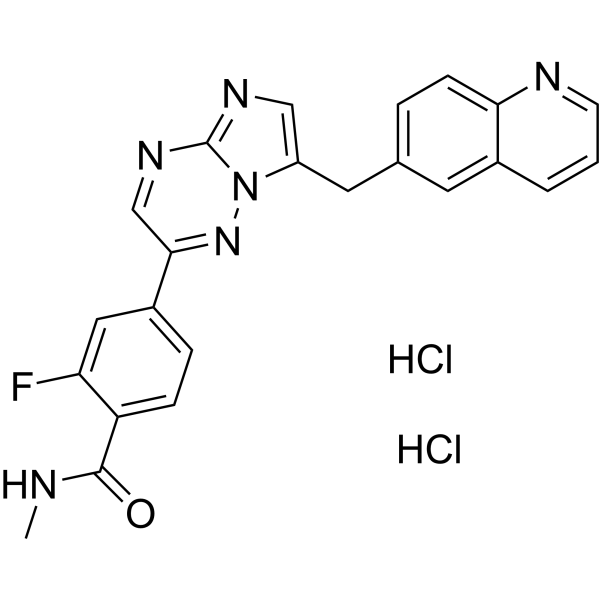
    Capmatinib dihydrochloride
    20+ Cited Publications

    INC280 dihydrochloride; INCB28060 dihydrochloride

    c-Met/HGFR Apoptosis Cancer
    Capmatinib (INC280; INCB28060) dihydrochloride is a potent, orally active, selective, and ATP competitive c-Met kinase inhibitor (IC50=0.13 nM). Capmatinib dihydrochloride can inhibit phosphorylation of c-MET as well as c-MET pathway downstream effectors such as ERK1/2, AKT, FAK, GAB1, and STAT3/5. Capmatinib dihydrochloride potently inhibits c-MET-dependent tumor cell proliferation and migration and effectively induces apoptosis. Antitumor activity. Capmatinib dihydrochloride is largely metabolized by CYP3A4 and aldehyde oxidase .
    Capmatinib dihydrochloride
  • HY-13404B
    Capmatinib hydrochloride
    20+ Cited Publications

    INC280 hydrochloride; INCB-28060 hydrochloride

    c-Met/HGFR Apoptosis Cancer
    Capmatinib (INC280; INCB28060) hydrochloride is a potent, orally active, selective, and ATP competitive c-Met kinase inhibitor (IC50=0.13 nM). Capmatinib hydrochloride can inhibit phosphorylation of c-MET as well as c-MET pathway downstream effectors such as ERK1/2, AKT, FAK, GAB1, and STAT3/5. Capmatinib hydrochloride potently inhibits c-MET-dependent tumor cell proliferation and migration and effectively induces apoptosis. Antitumor activity. Capmatinib hydrochloride is largely metabolized by CYP3A4 and aldehyde oxidase .
    Capmatinib hydrochloride
  • HY-10991

    c-Met/HGFR VEGFR Apoptosis Cancer
    MGCD-265 analog is a potent and oral active inhibitor of c-Met and VEGFR2 tyrosine kinases, with IC50s of 29 nM and 10 nM, respectively. MGCD-265 analog has significant antitumor activity .
    MGCD-265 analog
  • HY-147218

    ARRY-067

    TAM Receptor Cancer
    PF-07265807 (ARRY-067) is a kinase inhibitor with primary targets AXL, MERTK, and TYRO3. PF-07265807 acts as an immunomodulator that cross-activates CD8 + T cells by enhancing dendritic cell function. PF-07265807 blocks downstream signal transduction of AXL and MERTK, and inhibits the proliferation and migration of tumor cells with high expression of these two kinases. PF-07265807 is applicable to research related to advanced or metastatic solid tumors, such as colorectal cancer .
    PF-07265807
  • HY-114357A

    TAM Receptor c-Met/HGFR Trk Receptor Cancer
    DS-1205b free base is a potent and selective inhibitor of AXL kinase, with an IC50 of 1.3 nM. DS-1205b free base also inhibits MER, MET, and TRKA, with IC50s of 63, 104, and 407 nM, respectively. DS-1205b free base can inhibit cell migration in vitro and tumor growth in vivo .
    DS-1205b free base
  • HY-147259

    c-Met/HGFR Cancer
    Dalmelitinib is an orally active selective c-Met kinase inhibitor (IC50: 2.9 nM) that binds to the ATP-binding region of c-Met. Dalmelitinib induces the phosphorylation of MET, partially or completely inhibits the phosphorylation of AKT and ERK. Dalmelitinib potently inhibits cancer cell (c-Met oncogene amplification) proliferation, and is used for the research of cancers like human non-small cell lung cancer (NSCLC) .
    Dalmelitinib
  • HY-12423A

    TAS-115 mesylate

    VEGFR c-Met/HGFR Cancer
    Pamufetinib (TAS-115) mesylate is a potent VEGFRand hepatocyte growth factor receptor (c-Met/HGFR)-targeted kinase inhibitor, with IC50s of 30 and 32 nM for rVEGFR2 and rMET, respectively.
    Pamufetinib mesylate
  • HY-114356

    c-Met/HGFR Cancer
    BPI-9016M is a potent, orally active, and selective dual c-Met and AXL tyrosine kinases inhibitor. BPI-9016M suppresses tumor cell growth, migration and invasion of lung adenocarcinoma .
    BPI-9016M
  • HY-50703
    MK-2461
    1 Publications Verification

    c-Met/HGFR Cancer
    MK-2461 is an ATP-competitive, selective and orally active wild-type and mutant c-Met inhibitor (IC50s: 0.4-2.5 nM). MK-2461 also inhibits Ron (IC50 of 7 nM) and Flt1 (IC50 of 10 nM), MK-2461 shows selective for c-MET over other kinases (lC50s = 22-7800 nM). MK-2461 can be used for the study of cancer, such as gastric cancer .
    MK-2461
  • HY-16590
    X-376
    1 Publications Verification

    Anaplastic lymphoma kinase (ALK) c-Met/HGFR Cancer
    X-376 is a potent and highly specific ALK tyrosine kinase inhibitor (TKI) (IC50=0.61 nM). X-376 is a less potent inhibitor of MET (IC50=0.69 nM). X-376 displays potent anti-tumor activity .
    X-376
  • HY-P5438

    Btk c-Kit FAK FLT3 Insulin Receptor Others
    Srctide is a biological active peptide. (This is a peptide substrate for many protein kinases, such as Blk, BTK, cKit, EPHA1, EPHB2, EPHB3, ERBB4, FAK, Flt3, IGF-1R, ITK, Lck, MET, MUSK, Ret, Src, TIE2, TrkB, VEGF-R1 (Flt-1) and VEGF-R2 (KDR).)
    Srctide
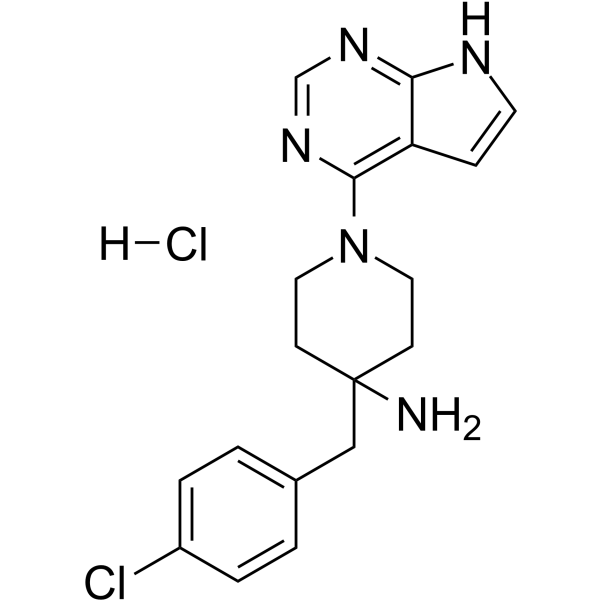
  • HY-13260A
    CCT128930 hydrochloride
    5+ Cited Publications

    Akt Autophagy Apoptosis Cancer
    CCT128930 hydrochloride is a potent and selective inhibitor of AKT (IC50=6 nM). CCT128930 hydrochloride has 28-fold selectivity over the closely related PKA kinase (IC50=168 nM) through the targeting of Met282 of AKT (Met173 of PKA-AKT chimera), as well as 20-fold selectivity over p70S6K (IC50=120 nM). CCT128930 hydrochloride induces cell cycle arrest, DNA damage, and autophagy. Antitumor activity .
    CCT128930 hydrochloride
  • HY-13016S1

    XL184-d4; BMS-907351-d4

    VEGFR c-Met/HGFR c-Kit TAM Receptor FLT3 Apoptosis Cancer
    Cabozantinib-d4 is deuterium labeled Cabozantinib. Cabozantinib is a potent multiple receptor tyrosine kinases (RTKs) inhibitor that inhibits VEGFR2, c-Met, Kit, Axl and Flt3 with IC50s of 0.035, 1.3, 4.6, 7 and 11.3 nM, respectively.
    Cabozantinib-d4
  • HY-124761

    Polo-like Kinase (PLK) Autophagy Mitosis Cancer
    Poloppin is a potent, cell penetrant inhibitor of the mitotic Polo-like kinase (PLK) (IC50=26.9 μM) and prevents the protein-protein interaction via the Polo-box domain (PBD) (Kd= 29.5 μM). Poloppin selectively kills cells expressing mutant KRAS, enhancing death in mitosis. Poloppin is used for the study of KRAS-mutant cancers as single agents, or in combination with c-MET inhibitors .
    Poloppin
  • HY-P990947

    AZD9592 Antibody

    ADC Antibody EGFR Cancer
    Tilatamig (AZD9592 Antibody) is a human antibody of the Ig (G1-κ_G1-λ2) subtype that targets EGFR/MET. Tilatamig conjugates with the Top1 inhibitor AZ14170133 (HY-145399) to form the antibody-drug conjugate (ADC) Tilatamig samrotecan (HY-171124) (AZD9592). Tilatamig accurately targets NSCLC models including EGFR-mutant, EGFR-wildtype, and EGFR tyrosine kinase inhibitor-treated ones, and its activity correlates with high expression of EGFR, c-MET and SLFN11. Tilatamig is available for in vivo anti-tumor studies in patient-derived xenograft models of non-small cell lung cancer (NSCLC) and head and neck squamous cell carcinoma (HNSCC) .
    Tilatamig
  • HY-19642

    MGCD265

    TAM Receptor c-Met/HGFR Cancer
    Glesatinib (MGCD265) is an orally active, potent MET/SMO dual inhibitor. Glesatinib, a tyrosine kinase inhibitor, antagonizes P-glycoprotein (P-gp) mediated multidrug resistance (MDR) in non-small cell lung cancer (NSCLC) .
    Glesatinib
  • HY-P991664

    Src Akt ERK TAM Receptor c-Met/HGFR MMP HIF/HIF Prolyl-Hydroxylase VEGFR Cancer
    AG01 is a monoclonal antibody against progranulin (GP88). AG01 inhibits triple-negative breast cancer (TNBC) cell proliferation and migration, reduces the expression of phosphorylated protein kinases p-Src, p-AKT, and p-ERK, and reduces the expression of oncogenic proteins such as Axl, c-MET, HIF-1α, and VEGF. AG01 inhibits tumor growth and Ki67 expression in a TNBC xenograft mouse model. AG01 can be used in the research of TNBC and other cancers .
    AG01
  • HY-133083
    BAY-474
    1 Publications Verification

    c-Met/HGFR Cancer
    BAY-474 is a tyrosine-protein kinase c-Met inhibitor. BAY-474 acts as an epigenetics probe .
    BAY-474
  • HY-174387

    c-Met/HGFR Cancer
    KIN-8741 is a highly selective Type IIb c-Met inhibitor. KIN-8741 has broad activity against c-Met kinase mutations. KIN-8741 shows antitumor activity in MET gene amplified and exon 14 deleted non-small cell lung cancer models. KIN-8741 can be used in the research of c-Met driven cancers, especially advanced tumors carrying MET exon 14 jump mutations, acquired drug resistance mutations, etc .
    KIN-8741
  • HY-131065

    c-Met/HGFR Cancer
    MET kinase-IN-2 is a potent, selective, orally bioavailable MET kinase inhibitor with an IC50 of 7.4 nM. MET kinase-IN-2 has antitumor activity .
    MET kinase-IN-2
  • HY-18711

    Metatinib free base; c-Met inhibitor 2 free base

    c-Met/HGFR VEGFR Cancer
    SCR-1481B1 free base, also known as Metatinib free base, is a small molecule receptor kinase inhibitor that targets both c-MET and vascular endothelial growth factor receptor 2 (VEGFR2) .
    SCR-1481B1 free base
  • HY-10206A

    MP470 hydrochloride; HPK 56 hydrochloride

    c-Kit PDGFR RAD51 FLT3 c-Met/HGFR RET Cancer
    Amuvatinib hydrochloride (MP470 hydrochloride) is an orally bioavailable multi-targeted tyrosine kinase inhibitor with potent activity against mutant c-Kit, PDGFRα, Flt3, c-Met and c-Ret. Amuvatinib hydrochloride (MP470 hydrochloride) is also a DNA repair suppressor through suppression of DNA repair protein RAD51, thereby disrupting DNA damage repair . Antineoplastic activity .
    Amuvatinib hydrochloride
  • HY-E70758

    c-Met/HGFR Cancer
    Mesenchymal-to-epithelial transition (MET) is a receptor tyrosine kinase for hepatocyte growth factor (HGF). MET overactivation is strongly associated with angiogenesis, cellular motility, growth, and invasion. Aberrant MET signaling can drive tumorigenesis in several cancer types through various molecular mechanisms, including MET amplification, MET exon 14 skipping mutation, MET overexpression, and MET fusions. MET Y1235D is a mutant of MET. MET Y1235D Recombinant Human Active Protein Kinase is a recombinant MET Y1235D protein that can be used to study MET Y1235D-related functions .
    MET Y1235D Recombinant Human Active Protein Kinase
  • HY-E70751

    c-Met/HGFR Cancer
    Mesenchymal-to-epithelial transition (MET) is a receptor tyrosine kinase for hepatocyte growth factor (HGF). MET overactivation is strongly associated with angiogenesis, cellular motility, growth, and invasion. Aberrant MET signaling can drive tumorigenesis in several cancer types through various molecular mechanisms, including MET amplification, MET exon 14 skipping mutation, MET overexpression, and MET fusions. MET G1163R is a mutant of MET. MET G1163R Recombinant Human Active Protein Kinase is a recombinant MET G1163R protein that can be used to study MET G1163R-related functions .
    MET G1163R Recombinant Human Active Protein Kinase

Consulta en línea

Your information is safe with us. * Required Fields.

Saludo


Country or Region *

Nombre del solicitante *


Nombre de la Organizaciòn *

Department *


Direcciòn del E-mail *


Nombre del producto *

Cat. No.


Requested quantity *

Número de teléfono *


Observaciones

Consulta en línea

Inquiry Information

Nombre del producto:
Cat. No.:
Cantidad:
MCE Japan Authorized Agent:

