Search Result
Results for "
Xanthomonas
" in MedChemExpress (MCE) Product Catalog:
| Cat. No. |
Nombre del producto |
Target |
Áreas de investigación |
Chemical Structure |
-
- HY-105284
-
|
CP-70429
|
Beta-lactamase
Bacterial
Antibiotic
|
Infection
|
|
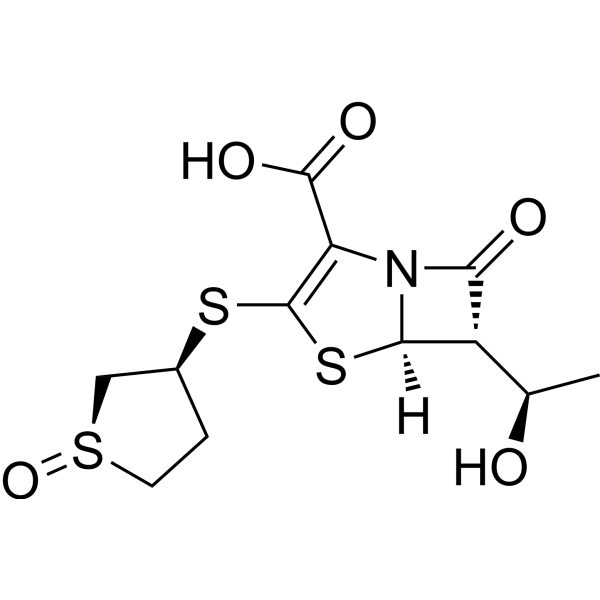
Sulopenem (CP-70429) is an orally active, parenteral penem antibiotic with broad-spectrum activities against Gram-positive and Gram-negative bacteria. Sulopenem has the potential for urinary tract infections and intra-abdominal infections treatment. Sulopenem is inactive against Pseudomonas aeruginosa and Xanthomonas maltophilia .
|
-
-
- HY-W068682
-
|
Hemipyocyanine; 1-Phenazinol; Hemi-pyocyanin
|
Amylases
Bacterial
|
Infection
Neurological Disease
Metabolic Disease
Inflammation/Immunology
Cancer
|
|
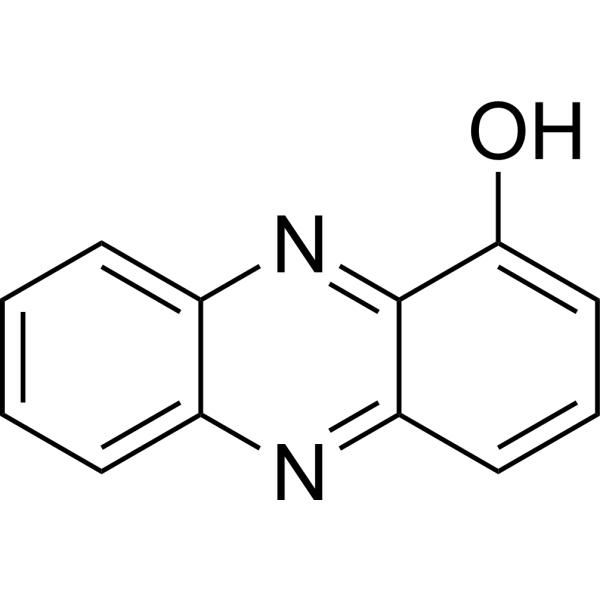
1-Hydroxyphenazine (Hemipyocyanine; 1-Phenazinol; Hemi-pyocyanin) is an inhibitor for α-Amylase with an IC50 of 3.1 μg/mL . 1-Hydroxyphenazine exhibits anticancer and anti-inflammatory activity against cells A549, 1321N1 and RAW264.7, antifungal and antibacterial activity against strains Candida albicans, Aspergillus fumigatus, Escherichia coli and Xanthomonas campestris .
|
-
-
- HY-P2871A
-
|
|
Endogenous Metabolite
|
Metabolic Disease
|
|
α1-3,6 Galactosidase, Xanthomonas manihotis is a highly specific exoglycosidase that catalyzes the hydrolysis of α1-3 and α1-6 linked galactose residues from oligosaccharides .
|
-
-
- HY-N14257
-
|
|
Bacterial
Antibiotic
Acetyl-CoA Carboxylase
|
Infection
|
|
Andrimid is a peptide Antibiotic and acetyl-CoA carboxylase inhibitor. Andrimid is produced by symbiotic bacteria of the genus *Enterobacter* residing in the brown planthopper Nilaparvata lugens. Andrimid exhibits strong specific activity against Xanthomonas campestris pv. oryzae. Andrimid shows no or only weak activity against Gram-positive and Gram-negative bacteria, including most plant pathogenic bacteria. Andrimid can be used in studies related to bacterial infections and rice bacterial blight .
|
-

-
- HY-130323
-
|
|
Bacterial
|
Infection
|
|
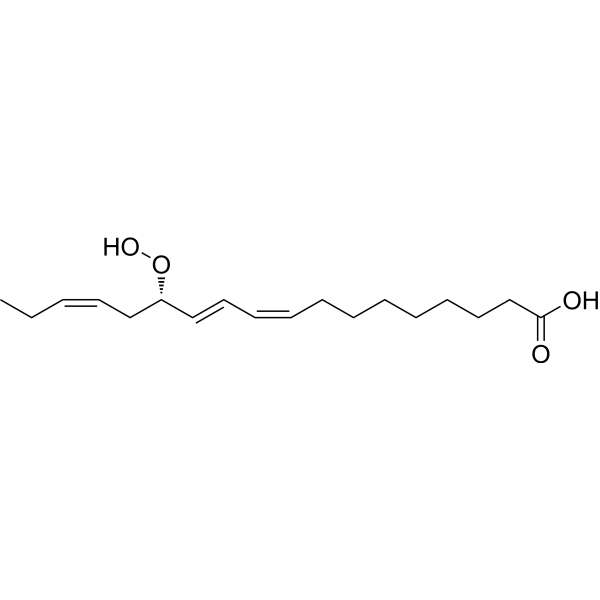
13-HPOT is a linolenic acid hydroperoxide and an antibacterial agent. 13-HPOT interacts with lipid representatives of bacterial inner membranes. 13-HPOT exerts dose-dependent in vitro antibacterial activity against Pectobacterium carotovorum, Pseudomonas syringae pv. syringae DC3000, and Xanthomonas translucens pv. translucens .
|
-
-
- HY-P5714
-
|
|
Bacterial
|
Infection
|
|
Abaecin is an antibacterial response peptide. Abaecin shows specific activity against an Apidaecin-resistant Xanthomonas strain .
|
-

-
- HY-108988
-
|
|
Antibiotic
Bacterial
Topoisomerase
DNA/RNA Synthesis
|
Infection
|
|
Albicidin is a peptide antibiotic with phytotoxic activity. Albicidin potently inhibits bacterial and plant DNA gyrase at nanomolar concentrations, blocks DNA replication, and exhibits excellent antibacterial efficacy against multidrug-resistant bacteria. Albicidin possesses bactericidal activity against Gram-positive and Gram-negative microorganisms, and acts as a virulence factor for the systemic plant infection by Xanthomonas albilineans. Albicidin can be used in studies related to bacterial infections and sugarcane leaf blight .
|
-

-
- HY-P5710
-
|
|
Bacterial
|
Infection
|
|
LCI peptide is an antimicrobial peptide with antibacterial activity. LCI peptide is active against plant pathogens, Xanthomonas and Pseudomonas, including E. coli, Gentamicin-resistant MRSA and Xoo .
|
-
-
- HY-P2869D
-
|
|
Biochemical Assay Reagents
|
Others
|
|
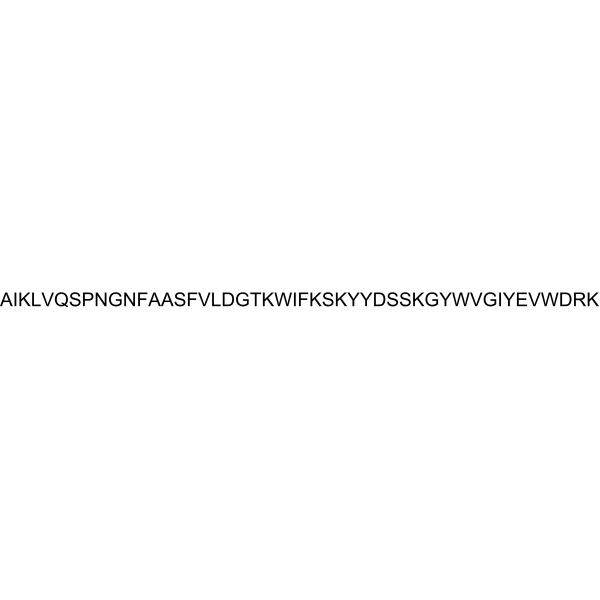
β1-3,6 Galactosidase, Xanthomonas manihotis is an exoglycosidase that catalyzes the hydrolysis of terminal β(1-3)- and β(1-6)-linked galactose residues .
|
-
-
- HY-P2950A
-
|
|
Glycosidase
|
Metabolic Disease
|
|
α1-6 Mannosidase, Xanthomonas phaseoli is a highly specific exoglycosidase that removes unbranched α1-6 linked mannose residues from oligosaccharides .
|
-
-
- HY-121071
-
|
|
Bacterial
Nucleoside Antimetabolite/Analog
Antibiotic
|
Infection
|
|
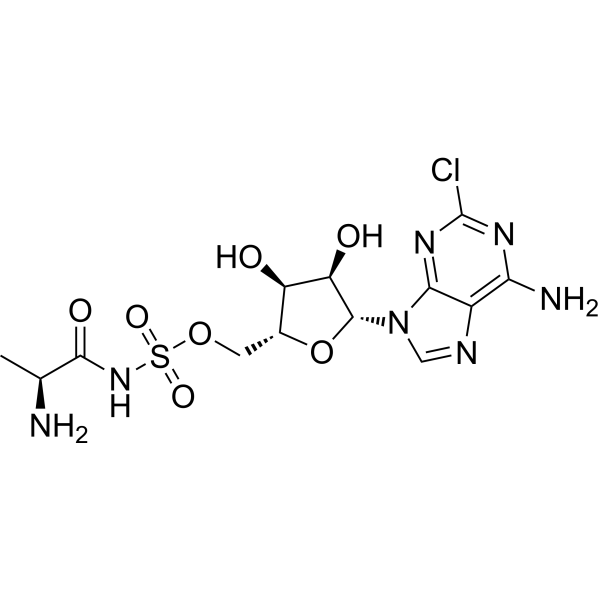
Ascamycin is a 5'-O-sulfonamide ribonucleoside antibiotic produced by Streptomyces sp. JCM9888. Ascamycin has a selective antibacterial activity against Xanthomonas species with MIC values of 0.4 μg/mL, 12.5 μg/mL and 12.5 μg/mL for Xanthomonas citri, Xanthomonas oryzae and Mycobacterium phlei, respectively .
|
-
-
- HY-118401
-
|
|
Fungal
Bacterial
Herbicide
|
Infection
|
|
Mansonone E (Compound 5) is a pesticide. Mansonone E can be isolated from heartwood of Mansonia gagei. Mansonone E has significant antifungal activity against Cladosporium cucumerinum, Candida albicans and Phytophthora parasitica. Mansonone E has potent antibacterial activity with MIC50s of both 7.8 μg/mL for Xanthomonas oryzae pv. oryzae and X. oryzae pv. Oryzicola. Mansonone E also has antifeedant and herbicidal activities .
|
-

-
- HY-33040
-
|
|
Bacterial
|
Infection
|
|
2,2',4'-Trichloroacetophenone (Compound 3) is an α-haloacetophenone analogue. 2,2',4'-Trichloroacetophenone exhibits good antibacterial activities against Xanthomonas oryzae pv. oryzae (Xoo) and Xanthomonas axonopodis pv. citri (Xac) with EC50 values of 0.54 and 2.02 mg/L, respectively. 2,2',4'-Trichloroacetophenone can be used for antibacteria study .
|
-

-
- HY-155644
-
|
|
Bacterial
Reactive Oxygen Species (ROS)
|
Infection
|
|
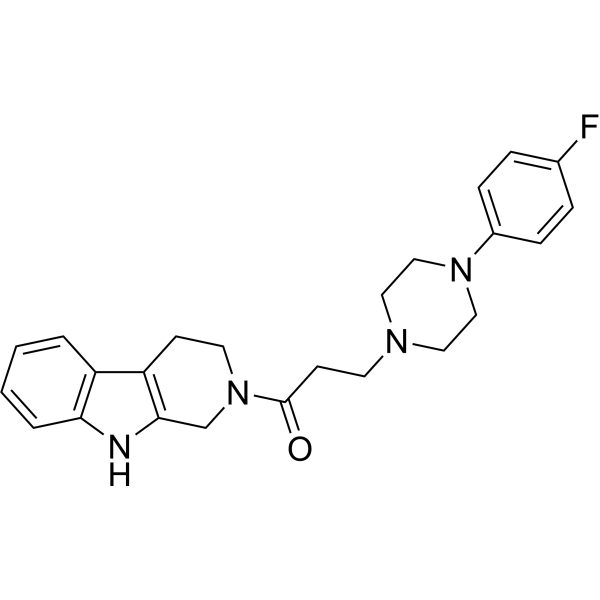
ROS inducer 1 (compound I29) is a fungicide, with EC50 against Xanthomonas axonopodis pv. citri (Xac), Xanthomonas oryzae pv. oryzae (Xoo), and Pseudomonas syringae pv. actinidiae (Psa) of 5.73, 6.62 and 9.05 μg/mL. ROS inducer 1 can effectively induce the production of ROS in Xanthomonas cells and inhibit rice bacterial blight. ROS inducer 1 has the potential to study bacterial infection in crops .
|
-
-
- HY-N13075
-
|
|
Antibiotic
Bacterial
|
Infection
|
|
Mycoplanecin A is a cyclic peptide antibiotic. Mycoplanecin A has strong anti-mycobacterial, luteus, and Hypococcus activity. Mycoplanecin A also has moderate anti-Xanthomonas oryzae activity. Mycoplanecin A also has antibacterial effect on some strains of Actinomycetes .
|
-

-
- HY-105284A
-
|
CP-70429 sodium
|
Antibiotic
Bacterial
|
Inflammation/Immunology
|
|
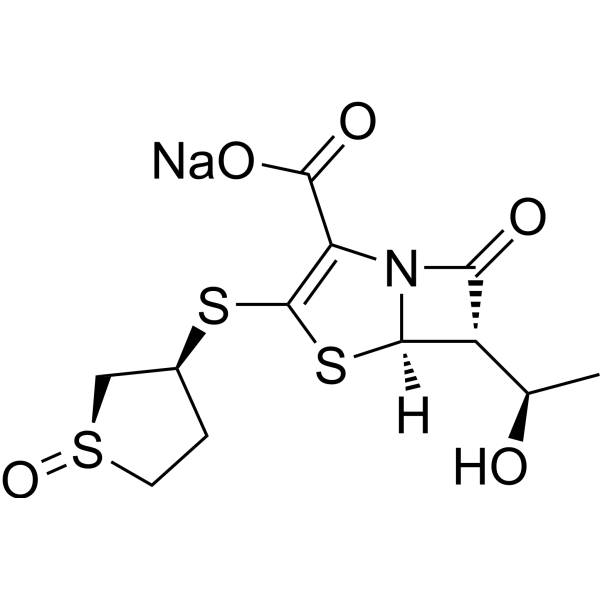
Sulopenem (sodium)(CP-70429 (sodium)) is an orally active, parenteral penem antibiotic with broad-spectrum activities against Gram-positive and Gram-negative bacteria. Sulopenem has the potential for urinary tract infections and intra-abdominal infections treatment. Sulopenem is inactive against Pseudomonas aeruginosa and Xanthomonas maltophilia .
|
-
-
- HY-101136
-
|
AT-265
|
Antibiotic
Carbonic Anhydrase
Bacterial
|
Infection
|
|
Dealanylascamycin (AT-265) (Compound 2) is a nucleoside antibiotic. AT 265 is a carbonic anhydrase (CA) inhibitor, with Ki values of 167, 65.2, 234, and 143 nM for hCA I, hCA II, hCA IV, and hCA IX respectively. Dealanylascamycin is the active form of Ascamycin (HY-121071). Dealanylascamycin exhibits broad-spectrum antibacterial activity and is effective against pathogenic bacteria such as Xanthomonas citri (MIC = 0.4 μg/mL). Dealanylascamycin has high cytotoxicity .
|
-

-
- HY-129331
-
|
|
Antibiotic
Bacterial
Fungal
|
Infection
Cancer
|
|
Neothramycin A is an antibiotic, which can be isolated from Streptomyces. Neothramycin A exhibits board spectrum antimicrobial activity, inhibits Staphylococcus aureus, Klebsiella pneumoniae, Escherichia coli W677, and Saccharomyces cerevisia with MIC of 25-50 μg/mL. Neothramycin A exhibits antitumor efficacy against leukemia in mouse models .
|
-

-
- HY-172793
-
|
|
Bacterial
Reactive Oxygen Species (ROS)
Apoptosis
|
Infection
|
|
Antibacterial agent 276 (compound B3) is an antibacterial agent with EC50 values of 1.32 μg/mL and 2.80 μg/mL against Xanthomonas oryzae pv.oryzae and Xanthomonas axonopodis pv.citri,respectively. Antibacterial agent 276 disrupts the intracellular redox balance, and results in the accumulation of reactive oxygen species (ROS) and subsequent induction of apoptosis .
|
-

-
- HY-155461
-
|
|
Bacterial
|
Infection
|
|
Antibiofilm agent-3 (compound 3b) is a tetracarboxamide antibacterial agent that effectively inhibits the plant bacterial pathogen Xanthomonas citri (Xanthomonas citri ssp. citri, Xcc) (MIC=500 μg/ mL). Antibiofilm agent-3 inhibits biofilm formation by Xcc with IC50=15.37 μg/mL .
|
-
-
- HY-168881
-
|
|
Bacterial
|
Infection
|
|
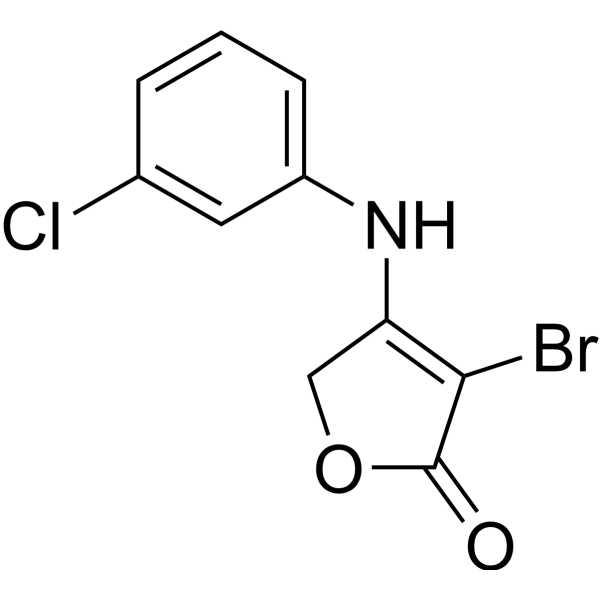
Antibacterial agent 262 (compound A23) is a potent antibacterial agent. Antibacterial agent 262 inhibits Xanthomonas oryzae pv oryzae activity. Antibacterial agent 262 inhibits the formation of Xanthomonas oryzae pv oryzae biofilms, disrupting the integrity of bacterial cell membranes .
|
-

-
- HY-105434
-
|
|
Bacterial
|
Infection
|
|
CP-74667 is a quinolone antibacterial agent. CP-74667 shows high activity against Xanthomonas maltophilia (MIC50 = 1 μg/mL), Staphylococcus spp. (MIC50 = 0.06-0.12 μg/mL) and enterococci (MIC50 = 0.5-4 μg/mL) .
|
-

-
- HY-178212
-
|
|
Bacterial
Reactive Oxygen Species (ROS)
Apoptosis
|
Infection
|
|
Antibacterial agent 292 is a 3-pyrazolylindole derivative. Antibacterial agent 292 is an anti-bacterial agent. Antibacterial agent 292 shows potent inhibitory activity against Xanthomonas oryzae pv oryzae (Xoo) and Xanthomonas axonopodis pv citri (Xac), with EC50 values of 2.54 and 3.49 μg/mL. Antibacterial agent 292 can suppress biofilm formation, bacterial motility, and extracellular polysaccharide production, induce morphological alterations and promote ROS accumulation, ultimately triggers bacterial apoptosis. Antibacterial agent 292 down-regulates the expression of genes associated with the type VI secretion system (T6SS). Antibacterial agent 292 can be used in rice bacterial blight and citrus canker .
|
-

-
- HY-155661
-
|
|
Reactive Oxygen Species (ROS)
|
Infection
|
|
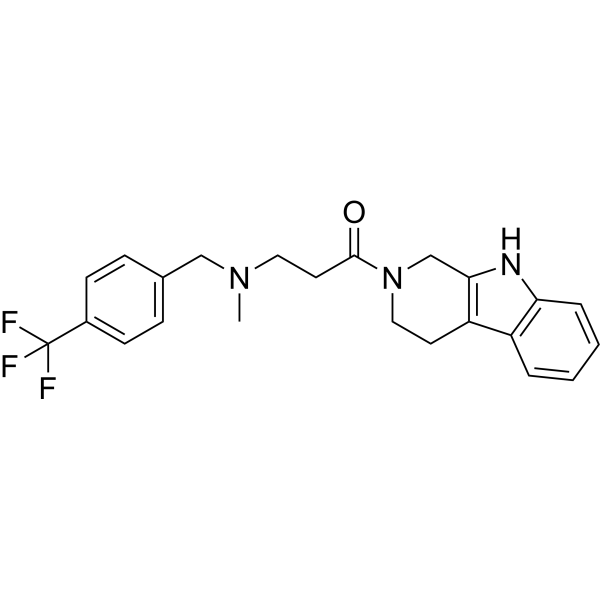
ROS inducer 2 (Compound I16) is a ROS inducer. ROS inducer 2 has good activity in vitro, with an EC50 of 3.43 μg/mL. ROS inducer 2 has outstanding bioactivities in vivo against Xanthomonas axonopodis pv. citri. ROS inducer 2, as a bactericidal agent, can be used for the research of intractable plant bacterial diseases .
|
-
-
- HY-162624
-
|
|
Bacterial
|
Infection
|
|
Quorum sensing-IN-5 is a RpfF-targeted quorum-sensing inhibitor. Quorum sensing-IN-5 inhibits Xanthomonas oryzae pv oryzae (Xoo) and Xanthomonas axonopodis pv. citri (Xac) with EC50 values of 9.91 μg/mL and 7.04 μg/mL. Quorum sensing-IN-5 has antimicrobial activity .
|
-

-
- HY-161172
-
|
|
Bacterial
|
Infection
|
|
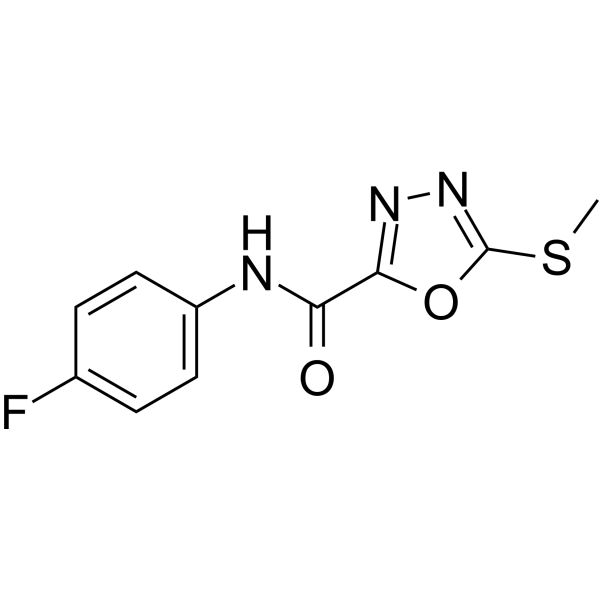
Antibacterial agent 178 (compound A10) is a potent antibacterial agent. Antibacterial agent 178 shows antibacterial activities for Xanthomonas oryzae pv. oryzae and Xanthomonas oryzae pv. oryzicola with EC50s of 5.32 mg/L and 7.58 mg/L, respectively. Antibacterial agent 178 targets the translational regulator (CsrA) and the virulence regulator (Xoc3530) .
|
-
-
- HY-P2011
-
|
|
Bacterial
|
Infection
|
|
Cephabacin M4 is a cephalosporin component, a 7-methoxydesacetylcephalosporin. Cephabacin M4 can be isolated from the culture filtrate of Xanthomonas lactamica.
|
-

-
- HY-P2038
-
|
|
Bacterial
|
Infection
|
|
Cephabacin M6 is a cephalosporin component, a 7-methoxydesacetylcephalosporin. Cephabacin M6 can be isolated from the culture filtrate of Xanthomonas lactamica.
|
-

-
- HY-178988
-
|
|
Bacterial
|
Infection
|
|
Antibacterial agent 299 (Compound P5) is a highly effective antibacterial agent against Xanthomonas oryzae pv. oryzae (Xoo), with an EC₅₀ value of 6.9 μg/mL. Antibacterial agent 299 integrates into bacterial membranes, disrupts membrane structure, inhibits biofilm formation, and thus exerts antibacterial effects. Antibacterial agent 299 also shows inhibitory activity against Xanthomonas oryzae pv. oryzicola (Xoc) (EC₅₀ = 32.5 ± 3.0 μg/mL), but its activity against Xanthomonas axonopodis pv. citri (Xac) is weaker. Antibacterial agent 299 demonstrated excellent control efficacy in a rice bacterial blight (BLB) model. Antibacterial agent 299 can be used for BLB research .
|
-

-
- HY-119657
-
|
|
Bacterial
|
Others
|
|
Cellocidin is an agricultural antibiotic with preventive effects against rice bacterial leaf blight and is thought to work by inhibiting the α-ketoglutarate-succinate system in Xanthomonas sp.
|
-

-
- HY-W441968
-
|
|
Antibiotic
Bacterial
|
Infection
|
|
L-threo-β-Hydroxyaspartic acid is an amino acid antibiotic. L-threo-β-Hydroxyaspartic acid has the activity of inhibiting Bacillus subtilis, Xanthomonas oryzae, Mycobacterium phlei and Botrytis cinerea .
|
-

-
- HY-N9720
-
|
|
Antibiotic
Bacterial
Fungal
|
Infection
|
|
Herbarin is a quinone antibiotic. Herbarin complex has anti-Gram-positive bacteria, negative bacteria, Citrus Canker xanthomonas, potato early blight, Aspergillus Niger, Decaprous and other fungal activities .
|
-

-
- HY-145325
-
|
|
Bacterial
|
Infection
|
|
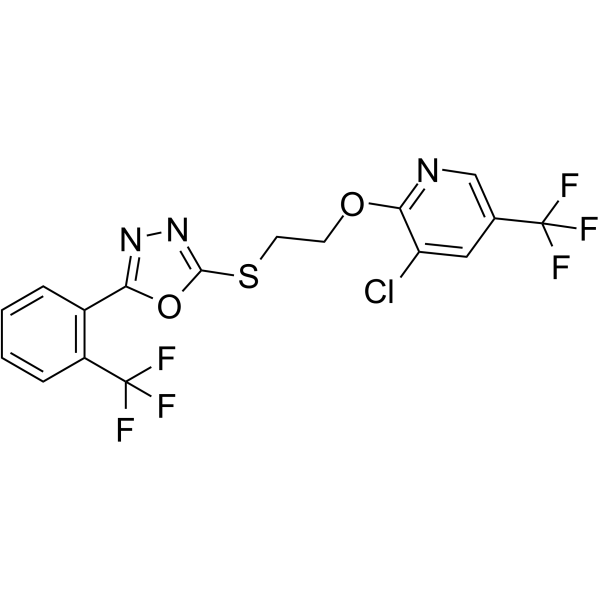
Antibacterial agent 66 (Compound 6q), a trifluoromethylpyridine 1,3,4-oxadiazole derivative, shows activity against Xanthomonas oryzae pv. oryzae (Xoo) with an EC50 value of 7.2 μg/mL .
|
-
-
- HY-N15055
-
|
|
Antibiotic
Bacterial
|
Infection
|
|
Propeptin is a peptide antibiotic composed of 19 amino acids. Propeptin has weaker activity against Pseudomonas aeruginosa, Mycobacterium monobacterium, and Xanthomonas oryzae. Propeptin has no effect on KB and L1210 cells of tumor cell lines, but has an inhibitory effect on prolyl endopeptidase .
|
-

-
- HY-168630
-
|
|
Bacterial
|
Infection
|
|
FtsZ-IN-11 (compound B6) is a FtsZ inhibitor with the IC50 of 235 μM against XooFtsZ. FtsZ-IN-11 can interact with XooFtsZ and inhibit its GTPase activity, leading to bacterial cell elongation and even death .
|
-

-
- HY-N16065
-
|
|
Bacterial
|
Infection
|
|
Prenylterphenyllin (Compound 1) is an antibacterial agent. Prenylterphenyllin can be isolated from marine-derived fungus Aspergillus candidus IF10. Prenylterphenyllin has cytotoxic activity against KB3-1 cells with an IC50 of 8.5 mg/mL. Prenylterphenyllin also has antibacterial activities against Xanthomonas oryzae and Erwinia amylovora with MICs of both 20 μg/mL .
|
-

-
- HY-162376
-
|
|
Bacterial
|
Infection
|
|
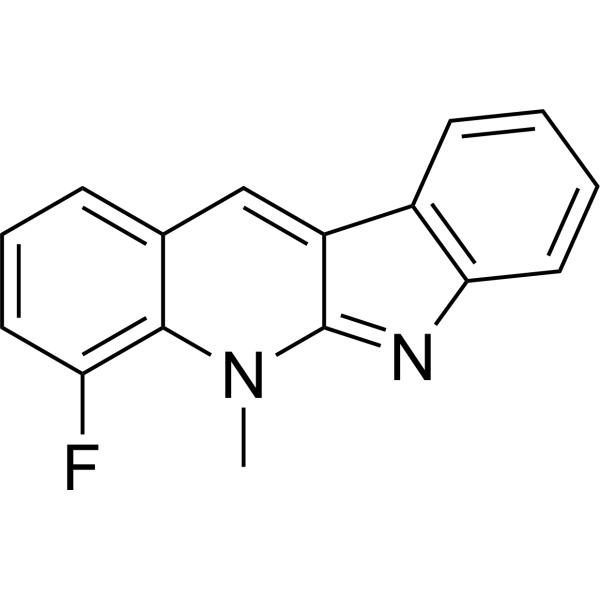
T3SS-IN-4 (Compound Z-8) is a T3SS inhibitor that can inhibit the expression of Xanthomonas oryzae pv oryzae (Xoo) T3SS-related genes without affecting bacterial growth. T3SS-IN-4 can effectively reduce the hypersensitive response (HR) induced by Xoo in tobacco and lower the pathogenicity of Xoo in rice .
|
-
-
- HY-158320
-
|
|
Bacterial
|
Infection
|
|
T3SS-IN-5 (Compound F9) is a specific inhibitor of the type III secretion system (T3SS). T3SS-IN-5 reduces bacterial pathogenicity without affecting bacterial viability by inhibiting the expression of genes associated with T3SS .
|
-

-
- HY-P2950L
-
|
|
Glycosidase
|
Metabolic Disease
|
|
α1-2,3 Mannosidase, Xanthomonas manihotis is an acid hydrolase which is located in plant vacuoles and is thought to be involved with the turnover of N-linked glycoproteins.
|
-

-
- HY-178800
-
|
|
Bacterial
|
Infection
|
|
Antibacterial agent 296 (Compound Q24) is an antibacterial agent. Antibacterial agent 296 inhibits biofilm formation, reduces extracellular polysaccharides. Antibacterial agent 296 shows inhibitory activity against Xanthomonas axonopodis pv. citri (Xac), with an EC50 of 5.13 μg/mL .
|
-

-
- HY-N18435
-
|
|
Bacterial
Reactive Oxygen Species (ROS)
|
Infection
|
|
Komaroidine is a bactericidal agent. Komaroidine induces reactive oxygen species (ROS) bursts in bacterial cells, disrupts antioxidant enzyme function and redox homeostasis, increases membrane permeability, and triggers bacterial apoptosis. Komaroidine suppresses bacterial burden within infected plant tissues.Komaroidine exhibits broad-spectrum antibacterial activity against phytopathogenic bacteria including Xanthomonas oryzae pv. oryzae, Xanthomonas axonopodis pv. citri, and Pseudomonas syringae pv. actinidiae. Komaroidine can be used for the research of rice bacterial leaf blight .
|
-

-
- HY-182364
-
|
|
Bacterial
|
Others
|
|
T3SS-IN-6 is a thiazolidin-2-cyanamide derivative and type III secretion system (T3SS) inhibitor targeting Xanthomonas oryzae pv. oryzae (Xoo). T3SS-IN-6 exhibits no effect on Xoo growth. T3SS-IN-6 shows no measurable acute toxicity to silkworms and earthworms .
|
-

-
- HY-N14408
-
|
|
Fungal
|
Infection
|
|
Fosfazinomycin B has the activity of resisting plant pathogenic fungi such as Xanthomonas oryzae .
|
-

-
- HY-180927
-
|
|
Bacterial
Fungal
|
Infection
|
|
Antibacterial agent 316 (Compound C1-15) is an antibacterial agent. Antibacterial agent 316 shows antibacterial activity against Xanthomonas oryzae pv oryzae, Xanthomonas axonopodis pv citri, Pseudomonas solanacearum with MICs ranging from 1.56 to 6.25 μg/mL. Antibacterial agent 316 shows antifungal activity against Rhizoctonia solani, Botrytis cinerea .
|
-

-
- HY-180999
-
|
|
Bacterial
|
Infection
|
|
Antibacterial agent 317 (Compound 5h) is an antibacterial agent. Antibacterial agent 317 has multiple antibacterial mechanisms, including enhancing cell membrane permeability, inhibiting EPS production and cell membrane formation, and also interfering with flagella and methionine biosynthesis. Antibacterial agent 317 significantly suppresses the growth of tested plant pathogens, namely, Xanthomonas oryzae pv oryzicola (Xoc) and Xanthomonas oryzae pv oryzae (Xoo) with EC50 values of 1.53 and 6.07 μg/mL, respectively .
|
-

-
- HY-184237
-
|
|
Bacterial
Reactive Oxygen Species (ROS)
|
Infection
|
|
Antibacterial agent 349 is an antibacterial agent. Antibacterial agent 349 impairs reactive oxygen species clearance, disrupts citrate cycle homeostasis and induces metabolic stress. Antibacterial agent 349 compromises bacterial membrane integrity, increases permeability, and causes intracellular component leakage. Antibacterial agent 349 can be used for the research of bacterial leaf streak .
|
-

-
- HY-W838632
-
|
|
Bacterial
Antibiotic
|
Infection
|
|
Antibacterial agent 266 (Compound C5) is a plant pathogen inhibitor that disrupts bacterial integrity, with EC50 values of 24.1 μg/mL and 39.0 μg/mL against Xanthomonas oryzae pv oryzae (Xoo) and X. axonopodis pv citri (Xac), respectively. Antibacterial agent 266 can be used in the development of plant pathology and agricultural antimicrobial agents research .
|
-

-
- HY-U00092A
-
|
|
Bacterial
|
Infection
|
|
BAY-Y 3118 hydrochloride is a quinolone antibacterial agent. BAY-Y 3118 hydrochloride has a broad antibacterial spectrum in vitro. BAY-Y 3118 hydrochloride exhibits high activity against gram-positive cocci and anaerobes. BAY-Y 3118 hydrochloride shows moderate activity against Enterobacteriaceae and Pseudomonas aeruginosa. BAY-Y 3118 hydrochloride can be used in the research of infectious diseases .
|
-

-
- HY-183966
-
|
|
Bacterial
Fungal
|
Infection
|
|
Antibacterial agent 348 is an antimicrobial agent containing piperazine-isopropanolamine bifunctional groups. Antibacterial agent 348 suppresses virulence factor expression in plant pathogens. Antibacterial agent 348 compromises bacterial membrane integrity, leading to cytoplasmic leakage. Antibacterial agent 348 inhibits cellular proliferation of plant pathogens, diminishes colonization and infectivity of plant pathogens in host plants. Antibacterial agent 348 can be used for the research of rice bacterial leaf blight, pepper phytophthora blight .
|
-

-
- HY-N18053
-
|
|
Drug Derivative
Bacterial
NF-κB
NO Synthase
|
Infection
|
|
Anabsinthin is a dimeric sesquiterpene lactone. Anabsinthin can be found in Artemisia absinthium L. (wormwood). Anabsinthin modulates intracellular calcium levels, mediates anti-inflammatory and antioxidant effects. Anabsinthin inhibits Phorbol 12-myristate 13-acetate (HY-18739)-induced superoxide anion production, increased iNOS and MUC5AC protein expression, and IL-1β transcription upregulation. Anabsinthin can be used for the research of citrus canker .
|
-

- HY-N19923
-
|
|
SARS-CoV
Bacterial
Virus Protease
|
Infection
|
|
Tercatain is a COVID-19 main protease inhibitor with antibacterial activity. Tercatain exhibits antibacterial activity against Ralstonia solanacearum. Tercatain can be used for the research of COVID-19, and bacterial infections .
|
-

- HY-183705
-
|
|
Fungal
Mitochondrial Metabolism
ATP Synthase
|
Infection
|
|
Antimicrobial agent-50 is an anti-oomycete and Fungicidal agent. Antimicrobial agent-50 inhibits the activity of Mitochondrial respiratory chain complex III with an IC50 of 6.05 mg/L. Antimicrobial agent-50 inhibits ATP synthesis. Antimicrobial agent-50 exhibits protective activity against Phytophthora capsici in vivo. Antimicrobial agent-50 potently inhibits mycelial growth of Gaeumannomyces graminis, Rhizoctonia solani and Phytophthora capsici, with EC50 values of 2.97 mg/L, 1.86 mg/L and 0.74 mg/L, respectively .
|
-

| Cat. No. |
Nombre del producto |
Target |
Research Area |
-
- HY-P5714
-
|
|
Bacterial
|
Infection
|
|
Abaecin is an antibacterial response peptide. Abaecin shows specific activity against an Apidaecin-resistant Xanthomonas strain .
|
-
- HY-P5710
-
|
|
Bacterial
|
Infection
|
|
LCI peptide is an antimicrobial peptide with antibacterial activity. LCI peptide is active against plant pathogens, Xanthomonas and Pseudomonas, including E. coli, Gentamicin-resistant MRSA and Xoo .
|
-
- HY-P2011
-
|
|
Bacterial
|
Infection
|
|
Cephabacin M4 is a cephalosporin component, a 7-methoxydesacetylcephalosporin. Cephabacin M4 can be isolated from the culture filtrate of Xanthomonas lactamica.
|
-
- HY-P2038
-
|
|
Bacterial
|
Infection
|
|
Cephabacin M6 is a cephalosporin component, a 7-methoxydesacetylcephalosporin. Cephabacin M6 can be isolated from the culture filtrate of Xanthomonas lactamica.
|
| Cat. No. |
Nombre del producto |
Category |
Target |
Chemical Structure |
-
- HY-N14257
-
|
|
Structural Classification
Productos naturales
Microorganisms
Source Classification
|
Bacterial
Antibiotic
Acetyl-CoA Carboxylase
|
|
Andrimid is a peptide Antibiotic and acetyl-CoA carboxylase inhibitor. Andrimid is produced by symbiotic bacteria of the genus *Enterobacter* residing in the brown planthopper Nilaparvata lugens. Andrimid exhibits strong specific activity against Xanthomonas campestris pv. oryzae. Andrimid shows no or only weak activity against Gram-positive and Gram-negative bacteria, including most plant pathogenic bacteria. Andrimid can be used in studies related to bacterial infections and rice bacterial blight .
|
-
-
- HY-P5714
-
-
-
- HY-121071
-
-
-
- HY-118401
-
-
-
- HY-N13075
-
-
-
- HY-129331
-
|
|
Microorganisms
Antibiotics
Source Classification
|
Antibiotic
Bacterial
Fungal
|
|
Neothramycin A is an antibiotic, which can be isolated from Streptomyces. Neothramycin A exhibits board spectrum antimicrobial activity, inhibits Staphylococcus aureus, Klebsiella pneumoniae, Escherichia coli W677, and Saccharomyces cerevisia with MIC of 25-50 μg/mL. Neothramycin A exhibits antitumor efficacy against leukemia in mouse models .
|
-
-
- HY-119657
-
-
-
- HY-N9720
-
-
-
- HY-N15055
-
|
|
Productos naturales
Microorganisms
Source Classification
|
Antibiotic
Bacterial
|
|
Propeptin is a peptide antibiotic composed of 19 amino acids. Propeptin has weaker activity against Pseudomonas aeruginosa, Mycobacterium monobacterium, and Xanthomonas oryzae. Propeptin has no effect on KB and L1210 cells of tumor cell lines, but has an inhibitory effect on prolyl endopeptidase .
|
-
-
- HY-N16065
-
|
|
Microorganisms
Phenols
Polyphenols
Source Classification
|
Bacterial
|
|
Prenylterphenyllin (Compound 1) is an antibacterial agent. Prenylterphenyllin can be isolated from marine-derived fungus Aspergillus candidus IF10. Prenylterphenyllin has cytotoxic activity against KB3-1 cells with an IC50 of 8.5 mg/mL. Prenylterphenyllin also has antibacterial activities against Xanthomonas oryzae and Erwinia amylovora with MICs of both 20 μg/mL .
|
-
-
- HY-N18435
-
|
|
Structural Classification
Alkaloids
Nitrariaceae
Nitraria schoberi L.
Plants
Source Classification
Indole Alkaloids
|
Bacterial
Reactive Oxygen Species (ROS)
|
|
Komaroidine is a bactericidal agent. Komaroidine induces reactive oxygen species (ROS) bursts in bacterial cells, disrupts antioxidant enzyme function and redox homeostasis, increases membrane permeability, and triggers bacterial apoptosis. Komaroidine suppresses bacterial burden within infected plant tissues.Komaroidine exhibits broad-spectrum antibacterial activity against phytopathogenic bacteria including Xanthomonas oryzae pv. oryzae, Xanthomonas axonopodis pv. citri, and Pseudomonas syringae pv. actinidiae. Komaroidine can be used for the research of rice bacterial leaf blight .
|
-
-
- HY-N14408
-
-
-
- HY-N18053
-
-
-
- HY-N19923
-
-
Your information is safe with us. * Required Fields.
Inquiry Information
- Nombre del producto:
- Cat. No.:
- Cantidad:
- MCE Japan Authorized Agent:








