Search Result
Results for "
antioxidant+capacity
" in MedChemExpress (MCE) Product Catalog:
1
Biochemical Assay Reagents
3
Isotope-Labeled Compounds
| Cat. No. |
Product Name |
Target |
Research Areas |
Chemical Structure |
-
- HY-15902
-
|
AzBTS-(NH4)2
|
Fluorescent Dye
|
Others
|
|
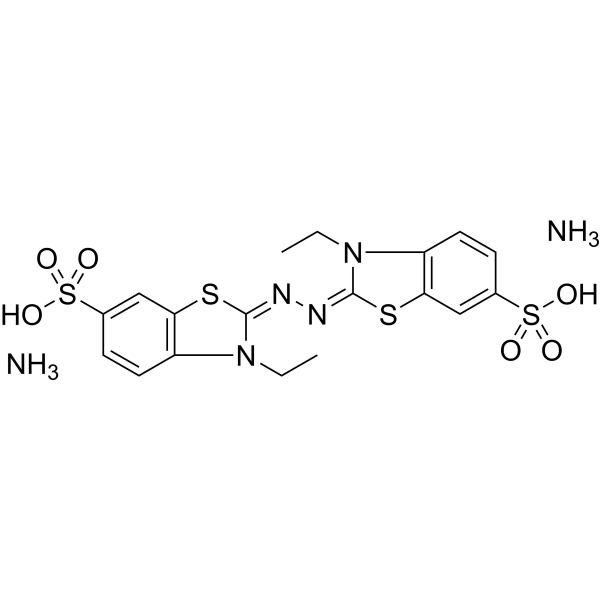
ABTS diammonium salt (AzBTS-(NH4)2) is a substrate for horseradish peroxidase (HRP) conjugate. ABTS diammonium salt can be used to evaluate antioxidant capacity .
|
-
-
- HY-N0136
-
Taxifolin
Maximum Cited Publications
27 Publications Verification
(+)-Dihydroquercetin; (+)-Taxifolin
|
TNF Receptor
Autophagy
Tyrosinase
|
Inflammation/Immunology
Cancer
|
|
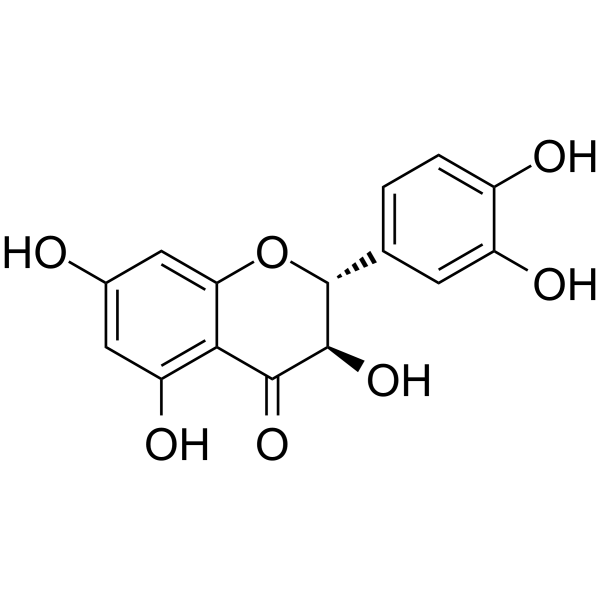
Taxifolin ((+)-Dihydroquercetin) exhibits important anti-tyrosinase activity. Taxifolin exhibits significant inhibitory activity against collagenase with an IC50 value of 193.3 μM. Taxifolin is an important natural compound with antifibrotic activity. Taxifolin is a free radical scavenger with antioxidant capacity .
|
-
-
- HY-W012997
-
|
δ-valerolactone
|
Endogenous Metabolite
|
Others
|
|
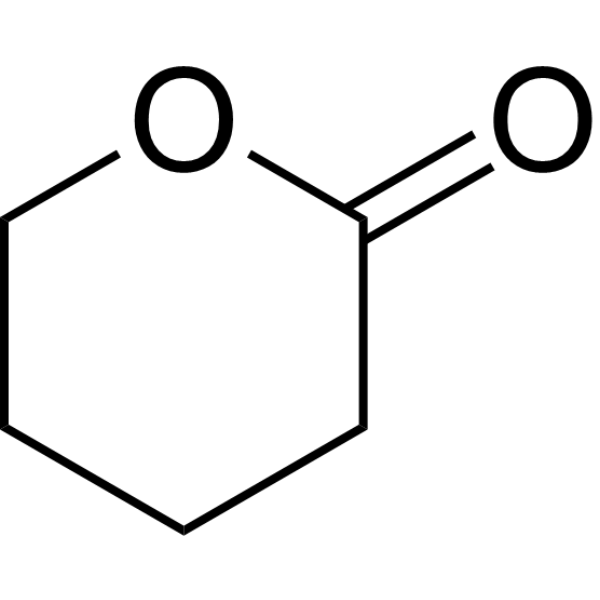
Tetrahydro-2H-pyran-2-one (δ-valerolactone) is an endogenous metabolite with antioxidant capacity. Tetrahydro-2H-pyran-2-one is the small active molecule and can be used as drug intermediate .
|
-
-
- HY-N0310
-
|
|
Aldose Reductase
Heme Oxygenase (HO)
Reactive Oxygen Species (ROS)
Apoptosis
|
Neurological Disease
Metabolic Disease
|
|
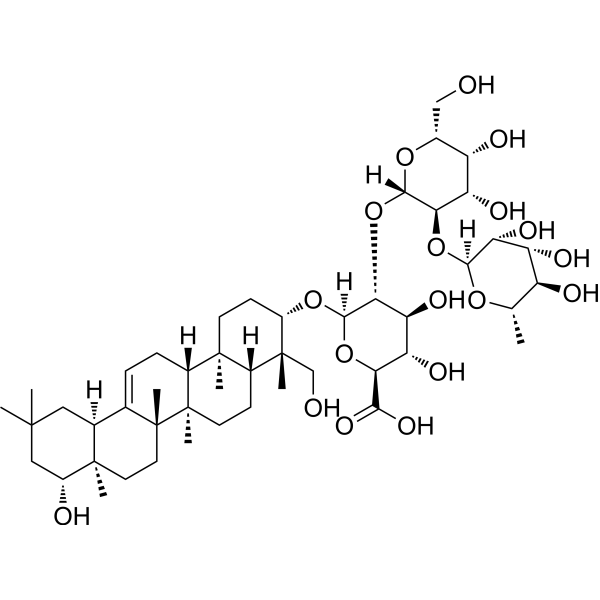
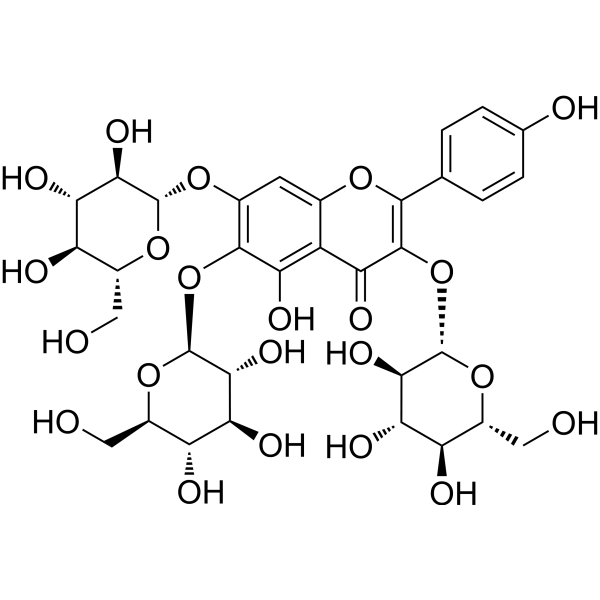
Soyasaponin Bb is an orally active, covalent inducer of heme oxygenase HO-1 and an inhibitor of aldose reductase AKR1B1. Soyasaponin Bb can regulate oxidative stress pathways, enhance antioxidant capacity, reduce reactive oxygen species (ROS) generation, and inhibit lipid peroxidation and hepatocyte apoptosis. Soyasaponin Bb improves alcohol-induced hepatocyte membrane damage and liver function abnormalities, and improves Scopolamine (HY-N0296)-induced memory impairment. Soyasaponin Bb has antioxidant, hepatoprotective, and neuroprotective activities .
|
-
-
- HY-N2025
-
|
|
PPAR
Glycosidase
|
Metabolic Disease
|
|
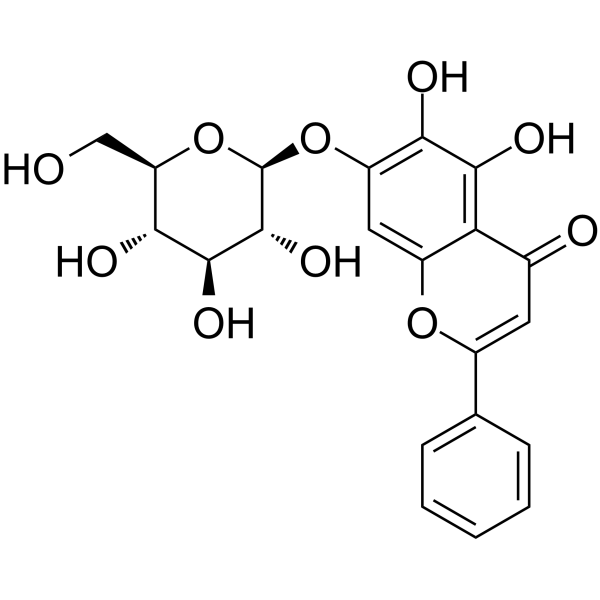
Oroxin A is the major component of an ethanol-water Oroxylum indicum (L.) Kurz (Bignoniaceae) seed extract (OISE). Oroxin A acts as a partial PPARγ agonist that can activate PPARγ transcriptional activation. Oroxin A activates PPARγ by docking into the PPARγ protein ligand-binding domain. Oroxin A also exhibits an inhibitory activity against α-glucosidase and an antioxidant capacity . Oroxin A exerts anti-breast cancer effects by inducing ER stress-mediated senescence .
|
-
-
- HY-N0385
-
|
|
NO Synthase
AMPK
CaMK
NF-κB
Keap1-Nrf2
|
Cardiovascular Disease
Inflammation/Immunology
|
|
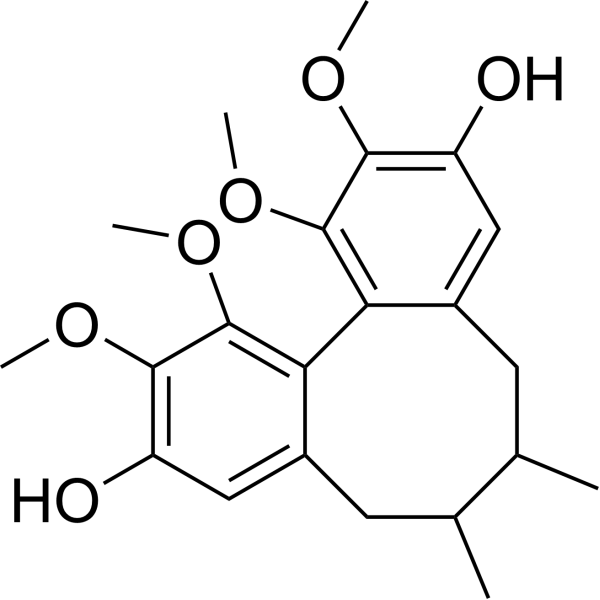
Gomisin J is a Schisandra chinensis-derived lignan that can inhibit multiple targets such as eNOS, AMPK (LKB1, CaMKIIβ), fetuin-A, NF-κB, Nrf2/HO-1, and can pass through the blood-brain barrier. Gomisin J increases NO bioavailability by activating eNOS, regulates lipid metabolism by activating the AMPK pathway, inhibits fetuin-A and NF-κB to exert anti-inflammatory effects, and activates Nrf2/HO-1 to enhance antioxidant capacity. Gomisin J has the activities of anti-hypertension, regulating liver lipid metabolism, and reducing cerebral ischemia-reperfusion injury, and can be used for research on hypertension, non-alcoholic fatty liver disease, cerebral ischemia-reperfusion injury, etc .
|
-
-
- HY-113314
-
|
|
Endogenous Metabolite
|
Cancer
|
|
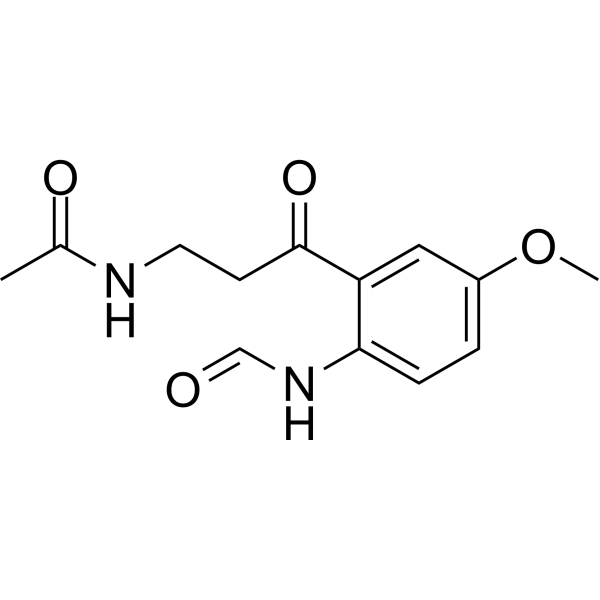
AFMK, antioxidant metabolite of Melatonin, attenuates X-ray-induced oxidative damage to DNA, proteins and lipids in mice. AFMK is a poorer scavenger. The pKa of AFMK at physiological pH is 8.7. Antioxidant capacity . AFMK improves the anti-tumor effect of Gemcitabine in PANC-1 cells through the modulation of apoptotic pathway .
|
-
-
- HY-N2009
-
|
3,4-Dihydroxy-5-methoxybenzoic acid
|
Apoptosis
Caspase
|
Cancer
|
|
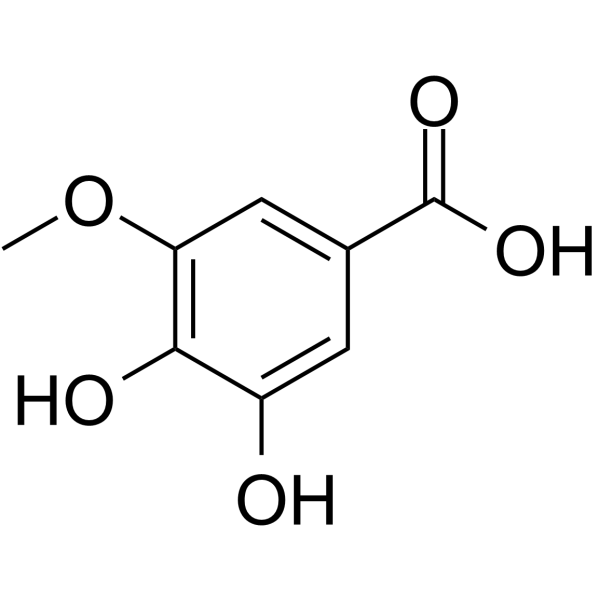
3-O-Methylgallic acid (3,4-Dihydroxy-5-methoxybenzoic acid) is an anthocyanin metabolite and has potent antioxidant capacity. 3-O-methylgallic acid inhibits Caco-2 cell proliferation with an IC50 value of 24.1 μM. 3-O-methylgallic acid also induces cell apoptosis and has anti-cancer effects .
|
-
-
- HY-N3433
-
|
|
Others
|
Others
|
|
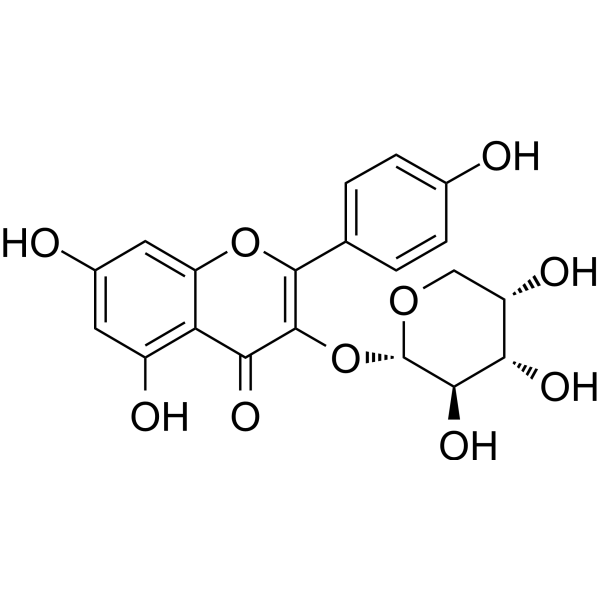
Kaempferol 3-O-arabinoside is an antioxidant flavonoids isolated from ethyl acetate fraction (EAF) obtained from the leaves of Nectandra hihua. Kaempferol 3-O-arabinoside has good antioxidant capacity .
|
-
-
- HY-N0136R
-
|
(+)-Dihydroquercetin (Standard); (+)-Taxifolin (Standard)
|
TNF Receptor
Reference Standards
Autophagy
Tyrosinase
|
Inflammation/Immunology
|
|
Taxifolin (Standard) is the analytical standard of Taxifolin. This product is intended for research and analytical applications. Taxifolin ((+)-Dihydroquercetin) exhibits important anti-tyrosinase activity. Taxifolin exhibits significant inhibitory activity against collagenase with an IC50 value of 193.3 μM . Taxifolin is an important natural compound with antifibrotic activity. Taxifolin is a free radical scavenger with antioxidant capacity .
|
-

-
- HY-178239
-
|
|
Drug Metabolite
AMPK
Reactive Oxygen Species (ROS)
|
Inflammation/Immunology
|
|
DX-8951 Hydroxy-acid is a prodrug of phosphoramide. ProAX can effectively increase intracellular ATP levels. DX-8951 Hydroxy-acid activates the AMPK signaling pathway by increasing the AMP/ATP ratio. DX-8951 Hydroxy-acid can enhance mitochondrial function and antioxidant capacity while reducing reactive oxygen species (ROS) levels. DX-8951 Hydroxy-acid has shown significant anti-aging and longevity effects in both human fibroblast and nematode models .
|
-

-
- HY-W540232
-
|
4-Methylphenyl ITC
|
Cholinesterase (ChE)
|
Neurological Disease
|
|
4-Methoxyphenyl isothiocyanate (4-Methylphenyl ITC) is an antioxidant, with a IC50 value of 1.25 mM for scavenging DPPH radicals. ORAC testing indicates its antioxidant capacity as 11.7 mM TE (indicating that the antioxidant efficacy of this compound is equivalent to 11.7 mmol of Trolox (HY-101445, a standard antioxidant) under the same conditions), and it extends the oxidation process by approximately 9180 seconds in the Briggs–Rauscher reaction. Additionally, 4-Methoxyphenyl isothiocyanate exhibits moderate cholinesterase inhibitory activity, with an inhibition rate of 30.4% against acetylcholinesterase (AChE) and 17.9% against butyrylcholinesterase (BChE). 4-Methoxyphenyl isothiocyanate holds potential for research in the fields of antioxidation and neurological disorders .
|
-

-
- HY-N0136B
-
|
(-)-Dihydroquercetin
|
Tyrosinase
|
Inflammation/Immunology
|
|
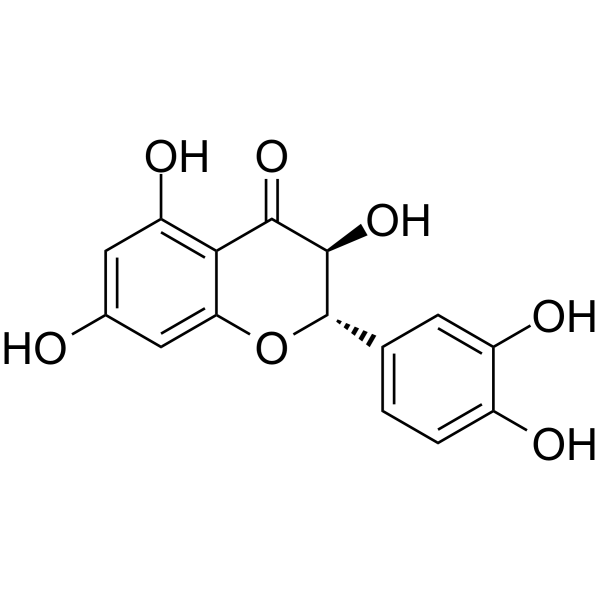
(-)-Taxifolin is the less active enantiomer of Taxifolin. Taxifolin exhibits important anti-tyrosinase activity. Taxifolin exhibits significant inhibitory activity against collagenase with an IC50 value of 193.3 μM . Taxifolin is an important natural compound with antifibrotic activity. Taxifolin is a free radical scavenger with antioxidant capacity .
|
-
-
- HY-N0136A
-
|
(±)-Dihydroquercetin
|
Drug Isomer
TNF Receptor
Autophagy
Tyrosinase
|
Inflammation/Immunology
Cancer
|
|
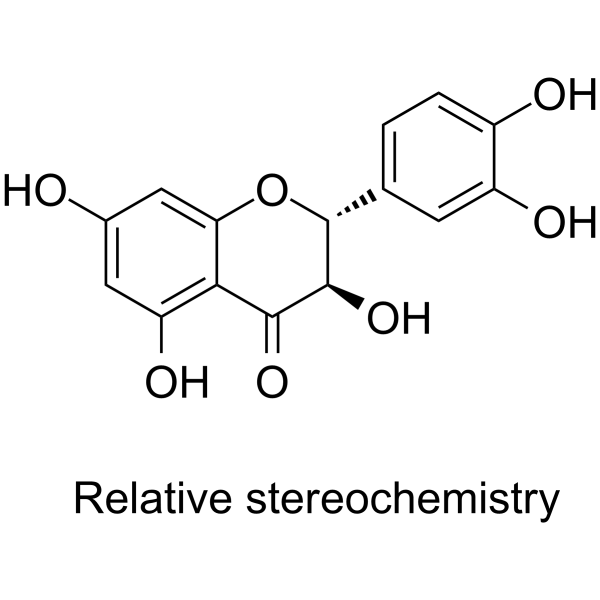
(±)-Taxifolin ((±)-Dihydroquercetin) is the racemate of Taxifolin (HY-N0136). Taxifolin exhibits important anti-tyrosinase activity. Taxifolin exhibits significant inhibitory activity against collagenase with an IC50 value of 193.3 μM. Taxifolin is an important natural compound with antifibrotic activity. Taxifolin is a free radical scavenger with antioxidant capacity .
|
-
-
- HY-N1965
-
-
-
- HY-W011757
-
|
|
Biochemical Assay Reagents
|
Others
|
|
Neocuproine hydrochloride monohydrate, 99% can be used to prepare complex solutions for studying antioxidant capacity determination in biological samples based on copper reduction complexes.
|
-

-
- HY-N9363
-
|
|
Others
|
Metabolic Disease
|
|
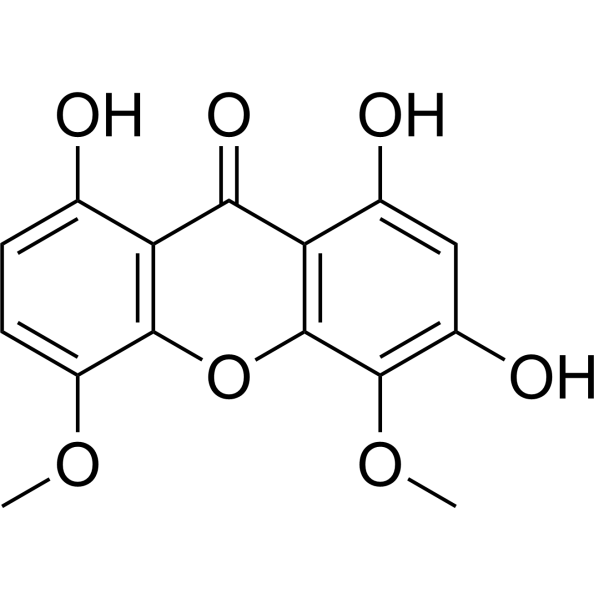
Corymbiferin is one of active constituents, responsible for anti-diabetic properties. Corymbiferin improves antioxidant capacity and carbohydrate metabolism in diabetic rats, along with the improvement of histopathology of livers and pancreatic β cells .
|
-
-
- HY-W012997S
-
|
δ-valerolactone-d4
|
Isotope-Labeled Compounds
Endogenous Metabolite
|
Others
|
|
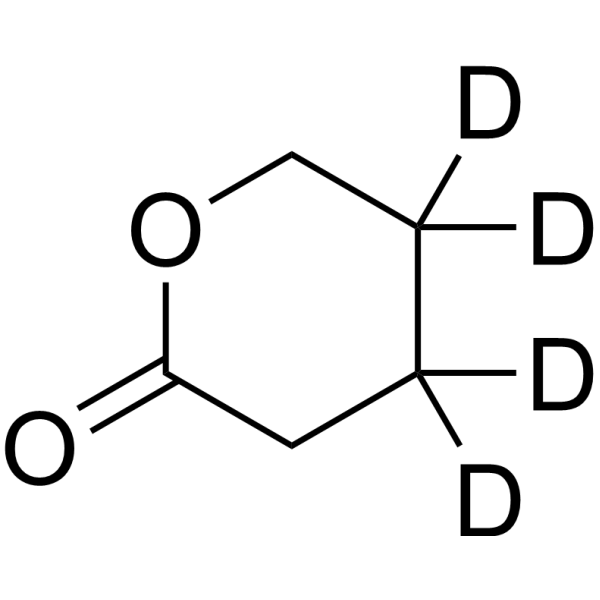
Tetrahydro-2H-pyran-2-one-d4 is the deuterium labeled Tetrahydro-2H-pyran-2-one. Tetrahydro-2H-pyran-2-one is an endogenous metabolite with antioxidant capacity. Tetrahydro-2H-pyran-2-one is the small active molecule and can be used as drug intermediate .
|
-
-
- HY-178239A
-
|
|
Drug Metabolite
AMPK
Reactive Oxygen Species (ROS)
|
Inflammation/Immunology
|
|
DX-8951 Hydroxy-acid sodium is a prodrug of phosphoramide. DX-8951 Hydroxy-acid sodium can effectively increase intracellular ATP levels. DX-8951 Hydroxy-acid sodium activates the AMPK signaling pathway by increasing the AMP/ATP ratio. DX-8951 Hydroxy-acid sodium can enhance mitochondrial function and antioxidant capacity while reducing reactive oxygen species (ROS) levels. DX-8951 Hydroxy-acid sodium has shown significant anti-aging and longevity effects in both human fibroblast and nematode models .
|
-

-
- HY-123638
-
-
-
- HY-N0136S
-
|
(+)-Dihydroquercetin-d3; (+)-Taxifolin-d3
|
Isotope-Labeled Compounds
Autophagy
Tyrosinase
|
Inflammation/Immunology
|
|
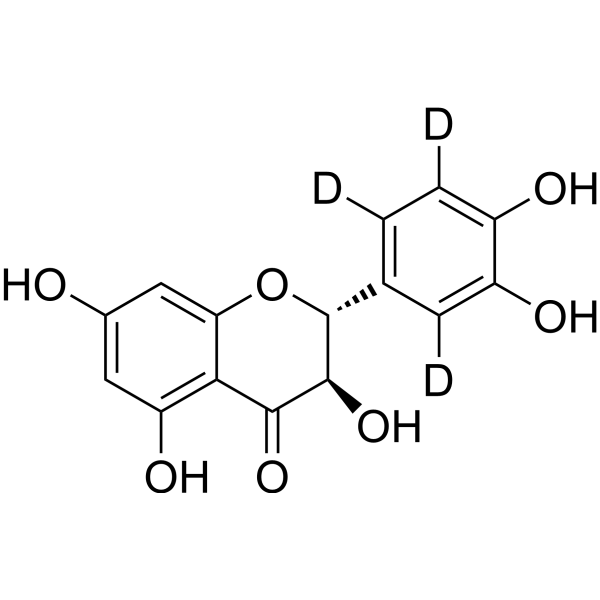
Taxifolin-d3 is deuterium labeled Taxifolin. Taxifolin ((+)-Dihydroquercetin) exhibits important anti-tyrosinase activity. Taxifolin exhibits significant inhibitory activity against collagenase with an IC50 value of 193.3 μM . Taxifolin is an important natural compound with antifibrotic activity. Taxifolin is a free radical scavenger with antioxidant capacity .
|
-
-
- HY-118642
-
|
|
Cholinesterase (ChE)
Reactive Oxygen Species (ROS)
|
Cardiovascular Disease
Neurological Disease
|
|
D-Ribose-L-cysteine is an orally active cysteine analog. D-Ribose-L-cysteine improves cellular antioxidant capacity by enhancing intracellular glutathione (GSH) biosynthesis. In addition, D-Ribose-L-cysteine has a memory-enhancing effect and can reverse Scopolamine (HY-N0296)-induced memory impairment by inhibiting oxidative stress and acetylcholinesterase (AChE) activity. D-Ribose-L-cysteine can be used in the study of neurodegenerative and cardiovascular diseases .
|
-

-
- HY-W112090
-
|
PdTFPP; 5,10,15,20-Tetrakis(pentafluorophenyl)-21H,23H-porphine palladium(II)
|
Fluorescent Dye
|
Others
|
|
Palladium meso-tetra(pentafluorophenyl)porphyrin (PdTFPP) derives from palladium(II), acting as a fluorescence-quenched optical probe and high-performance oxygen concentration sensor with outstanding photostability and antioxidant capacity. Palladium meso-tetra(pentafluorophenyl)porphyrin exhibits reduced luminescence intensity as dissolved oxygen concentration rises. Palladium meso-tetra(pentafluorophenyl)porphyrin can be applied for real-time monitoring of live-cell respiration, hypoxic tissue imaging, and nanofibrous organic semiconductors in photodetectors for ambient oxygen detection .
|
-

-
- HY-N0310R
-
|
|
Reference Standards
Aldose Reductase
Heme Oxygenase (HO)
Reactive Oxygen Species (ROS)
Apoptosis
|
Neurological Disease
Metabolic Disease
|
|
Soyasaponin Bb (Standard) is the analytical standard of Soyasaponin Bb (HY-N0310). This product is intended for research and analytical applications. Soyasaponin Bb is an orally active, covalent inducer of heme oxygenase HO-1 and an inhibitor of aldose reductase AKR1B1. Soyasaponin Bb can regulate oxidative stress pathways, enhance antioxidant capacity, reduce reactive oxygen species (ROS) generation, and inhibit lipid peroxidation and hepatocyte apoptosis. Soyasaponin Bb improves alcohol-induced hepatocyte membrane damage and liver function abnormalities, and improves Scopolamine (HY-N0296)-induced memory impairment. Soyasaponin Bb has antioxidant, hepatoprotective, and neuroprotective activities .
|
-

-
- HY-N7832A
-
|
|
Others
|
Others
|
|
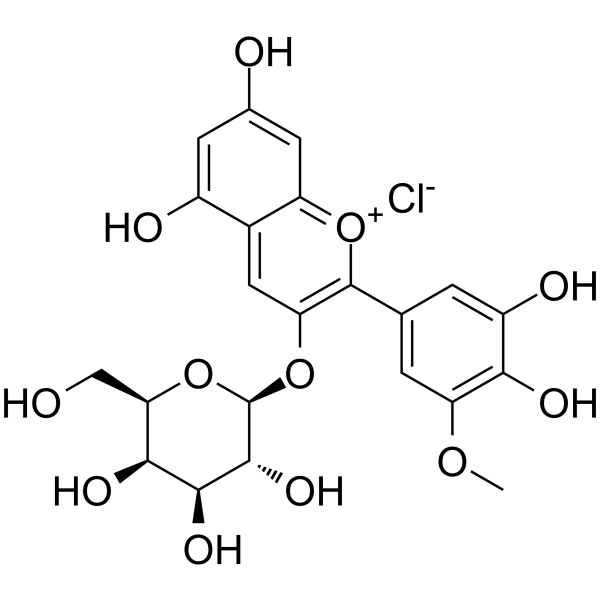
Petunidin-3-O-galactoside chloride is a flavonoid compound with antioxidant capacity .
|
-
-
- HY-130668
-
-

-
- HY-146129
-
|
|
Aldose Reductase
|
Metabolic Disease
|
|
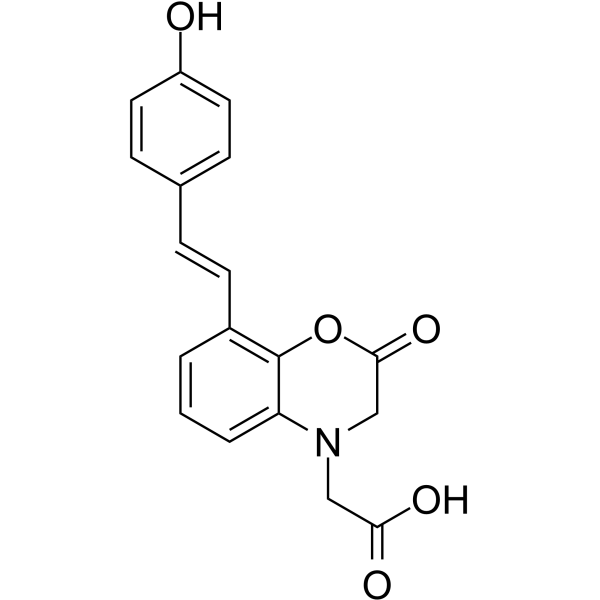
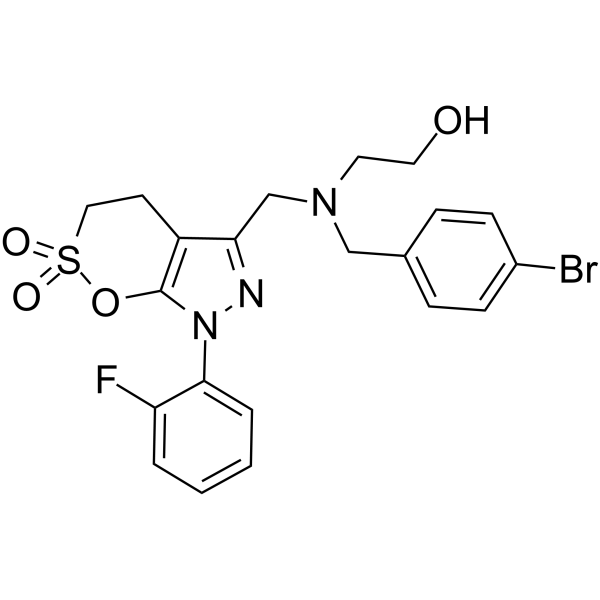
As an aldose reductase (ALR2) inhibitor, the compound is used to enhance the combination of inhibitory excitability and antioxidant capacity to delay the progress of diabetes complications.
|
-
-
- HY-N3713
-
|
|
Others
|
Others
|
|
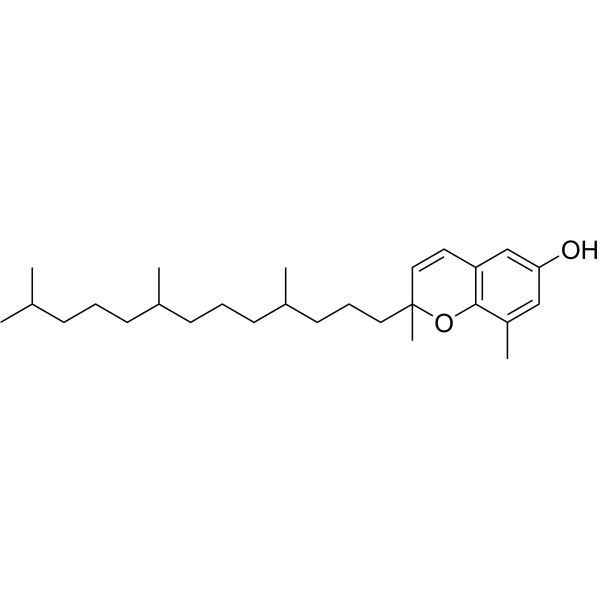
Dehydro-δ-tocopherol (compound 1) is isolated from S. collinsae or S. tuberosa. Dehydro-δ-tocopherol shows antioxidant capacity, with the EC50 of 25 μM .
|
-
-
- HY-146686
-
|
|
Cholinesterase (ChE)
|
Neurological Disease
|
|
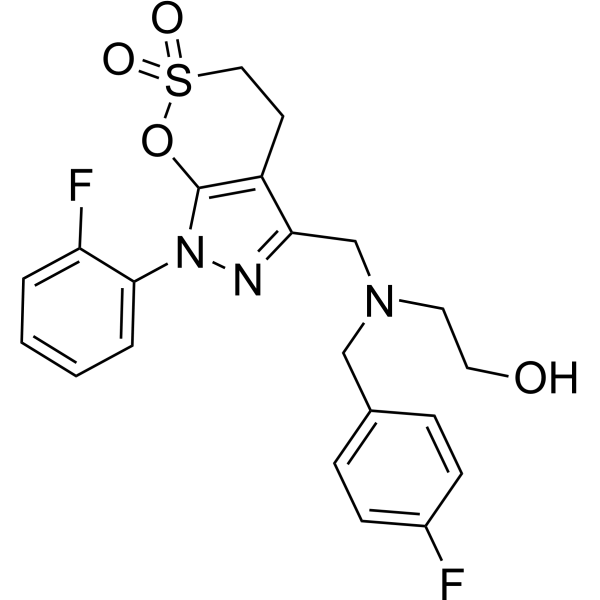
BuChE-IN-3 (Compound C4) is a potent inhibitor of BuChE with an IC50 of 8.3 nM. BuChE-IN-3 exhibits mild antioxidant capacity, nontoxicity, lipophilicity and neuroprotective activity .
|
-
-
- HY-146687
-
|
|
Cholinesterase (ChE)
|
Neurological Disease
|
|
BuChE-IN-4 (Compound C6) is a potent inhibitor of BuChE with an IC50 of 7.7 nM. BuChE-IN-4 exhibits mild antioxidant capacity, nontoxicity, lipophilicity and neuroprotective activity .
|
-
-
- HY-W012997R
-
|
δ-valerolactone (Standard)
|
Reference Standards
Endogenous Metabolite
|
Others
|
|
Tetrahydro-2H-pyran-2-one (δ-valerolactone) is an endogenous metabolite with antioxidant capacity. Tetrahydro-2H-pyran-2-one is the small active molecule and can be used as drug intermediate .
|
-

-
- HY-N0136S1
-
|
(±)-Dihydroquercetin-13C3
|
Autophagy
Tyrosinase
|
Inflammation/Immunology
|
|
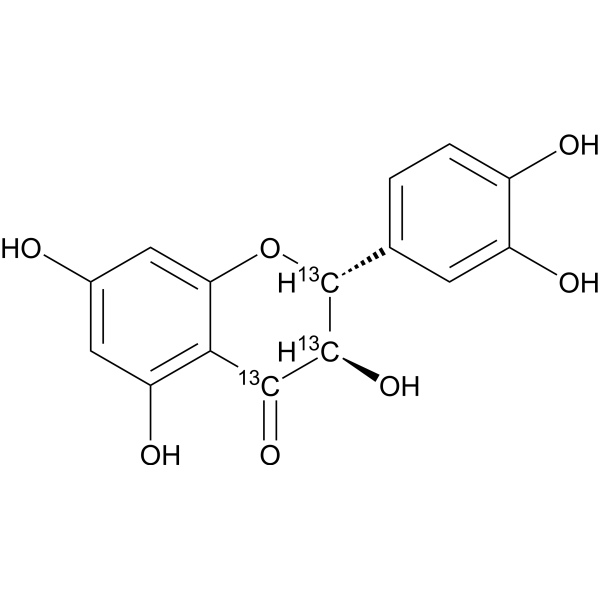
(±)-Taxifolin-13C3 ((±)-Dihydroquercetin-13C3) is a derivative of (±)-Taxifolin, labeled with 13C3. (±)-Taxifolin is the racemate of Taxifolin. Taxifolin exhibits important anti-tyrosinase activity. Taxifolin exhibits significant inhibitory activity against collagenase with an IC50 value of 193.3 μM . Taxifolin is an important natural compound with antifibrotic activity. Taxifolin is a free radical scavenger with antioxidant capacity .
|
-
-
- HY-174287
-
|
|
Keap1-Nrf2
|
Inflammation/Immunology
|
|
Keap1-IN-2 (Compound 164) is a KEAP1 inhibitor (IC50: 2 nM). Keap1-IN-2 indirectly activates Nrf2 by inhibiting KEAP1, thereby enhancing the antioxidant capacity of cells. Keap1-IN-2 promotes the accumulation and nuclear translocation of Nrf2 by blocking KEAP1-mediated Nrf2 degradation. Keap1-IN-2 can be used to study diseases associated with oxidative stress, such as inflammatory bowel disease, Crohn's disease, and immune diseases such as ulcerative colitis .
|
-

-
- HY-173264
-
|
|
Parasite
Insecticide
|
Infection
|
|
SDH-IN-24 (Compound 51) is an inhibitor of succinate dehydrogenase (SDH). The LC50 against the second-stage juveniles of Bursaphelenchus xylophilus (B. xylophilus) is 6.9 mg/L, and the IC50 for SDH is 15.0 μM. SDH-IN-24 exerts its nematicidal activity by inhibiting the activity of SDH to interfere with the energy metabolism of nematodes. Meanwhile, it inhibits the motility, feeding, and reproduction of nematodes, induces oxidative stress, reduces the protein content of nematodes, and impairs their antioxidant capacity. SDH-IN-24 can be used in the research related to anti-nematode fields .
|
-

-
- HY-N2025R
-
|
|
Reference Standards
PPAR
Glycosidase
|
Metabolic Disease
|
|
Oroxin A (Standard) is the analytical standard of Oroxin A. This product is intended for research and analytical applications. Oroxin A is the major component of an ethanol-water Oroxylum indicum (L.) Kurz (Bignoniaceae) seed extract (OISE). Oroxin A acts as a partial PPARγ agonist that can activate PPARγ transcriptional activation. Oroxin A activates PPARγ by docking into the PPARγ protein ligand-binding domain. Oroxin A also exhibits an inhibitory activity against α-glucosidase and an antioxidant capacity . Oroxin A exerts anti-breast cancer effects by inducing ER stress-mediated senescence .
|
-

-
- HY-N1965R
-
-

-
- HY-W753779
-
|
8-OHG
|
Reactive Oxygen Species (ROS)
NO Synthase
|
Others
|
|
8-Hydroxygenistein (8-OHG) is an antioxidant that can effectively scavenge nitric oxide (NO) and superoxide anion (O₂⁻). 8-Hydroxygenistein belongs to ortho-dihydroxy isoflavones (ODI) and is abundantly present in dark soy sauce and light soy sauce. Its antioxidant activity is stronger than that of its parent compound genistein (HY-14596). The content of 8-Hydroxygenistein is positively correlated with the antioxidant capacity of soy sauce (r = 0.959), and it remains highly stable even after being heated in boiling water for 60 minutes. During the brewing and storage of soy sauce, 8-Hydroxygenistein effectively prevents oxidative damage, making it promising for use in food antioxidant research.
|
-

-
- HY-W011757A
-
|
|
Biochemical Assay Reagents
|
Others
|
|
Neocuproine hydrochloride monohydrate, 95% can be used to prepare complex solutions for studying antioxidant capacity determination in biological samples based on copper reduction complexes.
|
-

-
- HY-168320
-
|
N-(1-Oxooctadecyl)-L-tyrosine
|
Apoptosis
|
Neurological Disease
|
|
N-Stearoyltyrosine (N-(1-Oxooctadecyl)-L-tyrosine) is an analog of Anandamide (HY-10863). N-Stearoyltyrosine exhibits neuroprotective efficacy in gerbils ischemia-reperfusion model through protection in the CA1 region of the hippocampus. N-Stearoyltyrosine inhibits the free radicals production and improves antioxidant capacity. N-Stearoyltyrosine inhibits the IR-induced apoptosis .
|
-

-
- HY-180113
-
|
|
Cholinesterase (ChE)
|
Neurological Disease
|
|
AChE-IN-100 (Compound 5n) is an AChE inhibitor with an IC50 of 2.38 nM. AChE-IN-100 shows superior ROS-scavenging capabilities. AChE-IN-100 has antioxidant capacity. AChE-IN-100 shows a significant neuroprotective effect against hydrogen peroxide-induced damage. AChE-IN-100 can be used in the research of Alzheimer’s diseases .
|
-

-
- HY-183588
-
|
|
EAAT
Reactive Oxygen Species (ROS)
|
Neurological Disease
|
|
HCM-01 is an Excitatory amino acid transporter 2 (EAAT2) activator with oral effectiveness and blood-brain barrier penetration.HCM-01 binds to the allosteric site of EAAT2, increases EAAT2 expression in astrocytes, enhances glutamate-handling capacity, and modulates glutamate homeostasis.HCM-01 acts as an antioxidant, improves oxidative/antioxidative balance and increases total antioxidant capacity. HCM-01 can be used for the research of Alzheimer's disease .
|
-

-
- HY-W115785
-
|
|
Environmental Pollutants
VEGFR
RUNX
|
Metabolic Disease
|
|
Zinc borate is a bioactive inorganic substance with properties including osteogenic induction, pro-angiogenesis, antioxidation, antimutagenesis and cytotoxicity. In the field of bone tissue engineering, Zinc borate is often incorporated into chitosan scaffolds. By releasing zinc ions and borate ions, Zinc borate induces the differentiation of human dental pulp stem cells into osteoblasts, upregulates the expression of bone-related genes and promotes calcium deposition. Zinc borate also promotes angiogenesis by upregulating key factors such as vascular endothelial growth factor. Zinc borate exhibits antioxidant capacity to scavenge free radicals, and can specifically reduce mutagenicity under specific conditions. Zinc borate reduces the survival rate of mouse fibroblasts, but it can still be used in studies related to bone tissue engineering .
|
-

-
- HY-N18905
-
|
|
Apoptosis
Bcl-2 Family
Caspase
SOD
|
Endocrinology
|
|
α-D-Glucosyl hesperidin is an orally effective structural modification derivative of Hesperidin (HY-15337) with anti-apoptotic (apoptosis) and antioxidant activities. α-D-Glucosyl hesperidin upregulates the expression of the Bcl-2 gene, while downregulating the expressions of the Bax and caspase-3 genes. α-D-Glucosyl hesperidin increases total antioxidant capacity, SOD and catalase levels, and decreases malondialdehyde and glutathione levels. α-D-Glucosyl hesperidin improves sperm motility, viability and plasma membrane function, while restoring reproductive organ weight and seminiferous tubule structure. α-D-Glucosyl hesperidin increases fertility index and exerts a synergistic protective effect with Proanthocyanidins (HY-N0794) in male rats with testicular ischemia-reperfusion injury. α-D-Glucosyl hesperidin can be used in the research of testicular ischemia-reperfusion injury .
|
-

-
- HY-181015
-
|
|
PI3K
Akt
Bcl-2 Family
Apoptosis
Reactive Oxygen Species (ROS)
Lactate Dehydrogenase
SOD
|
Neurological Disease
|
|
α-D-Manp(3→1)-α-D-Manp(2→1)-α-D-Glu (Compound C) is an oligosaccharide. α-D-Manp(3→1)-α-D-Manp(2→1)-α-D-Glu activates the PI3K/AKT signaling pathway. α-D-Manp(3→1)-α-D-Manp(2→1)-α-D-Glu significantly inhibits Apoptosis by regulating the Bcl-2/BAX ratio. α-D-Manp(3→1)-α-D-Manp(2→1)-α-D-Glu shows cytoprotective activity by reducing ROS and LDH levels, decreasing MDA activity, and increasing CAT, SOD, and GSH activities. α-D-Manp(3→1)-α-D-Manp(2→1)-α-D-Glu shows neuroprotective effects and antioxidant capacity .
|
-

| Cat. No. |
Product Name |
Type |
-
- HY-15902
-
|
AzBTS-(NH4)2
|
Fluorescent Dyes
|
|
ABTS diammonium salt (AzBTS-(NH4)2) is a substrate for horseradish peroxidase (HRP) conjugate. ABTS diammonium salt can be used to evaluate antioxidant capacity .
|
| Cat. No. |
Product Name |
Type |
-
- HY-W011757A
-
|
|
Biochemical Assay Reagents
|
|
Neocuproine hydrochloride monohydrate, 95% can be used to prepare complex solutions for studying antioxidant capacity determination in biological samples based on copper reduction complexes.
|
| Cat. No. |
Product Name |
Category |
Target |
Chemical Structure |
-
- HY-N0136
-
-
-
- HY-W012997
-
-
-
- HY-N0310
-
-
-
- HY-N2025
-
-
-
- HY-N0385
-
|
|
Cardiovascular Disease
Structural Classification
Monophenols
Classification of Application Fields
Lignans
Phenols
Phenylpropanoids
Plants
Schisandraceae
Schisandra chinensis (Turcz.) Baill.
Disease Research Fields
Source Classification
|
NO Synthase
AMPK
CaMK
NF-κB
Keap1-Nrf2
|
|
Gomisin J is a Schisandra chinensis-derived lignan that can inhibit multiple targets such as eNOS, AMPK (LKB1, CaMKIIβ), fetuin-A, NF-κB, Nrf2/HO-1, and can pass through the blood-brain barrier. Gomisin J increases NO bioavailability by activating eNOS, regulates lipid metabolism by activating the AMPK pathway, inhibits fetuin-A and NF-κB to exert anti-inflammatory effects, and activates Nrf2/HO-1 to enhance antioxidant capacity. Gomisin J has the activities of anti-hypertension, regulating liver lipid metabolism, and reducing cerebral ischemia-reperfusion injury, and can be used for research on hypertension, non-alcoholic fatty liver disease, cerebral ischemia-reperfusion injury, etc .
|
-
-
- HY-113314
-
-
-
- HY-N2009
-
-
-
- HY-N3433
-
-
-
- HY-N0136R
-
-
-
- HY-N0136B
-
-
-
- HY-N0136A
-
-
-
- HY-N1965
-
-
-
- HY-N9363
-
-
-
- HY-123638
-
-
-
- HY-N0310R
-
-
-
- HY-N7832A
-
-
-
- HY-N3713
-
-
-
- HY-W012997R
-
-
-
- HY-N2025R
-
-
-
- HY-N1965R
-
-
-
- HY-W753779
-
|
8-OHG
|
Flavonoids
Flavones
Leguminosae
Glycine max (L.) merr
Plants
Source Classification
|
Reactive Oxygen Species (ROS)
NO Synthase
|
|
8-Hydroxygenistein (8-OHG) is an antioxidant that can effectively scavenge nitric oxide (NO) and superoxide anion (O₂⁻). 8-Hydroxygenistein belongs to ortho-dihydroxy isoflavones (ODI) and is abundantly present in dark soy sauce and light soy sauce. Its antioxidant activity is stronger than that of its parent compound genistein (HY-14596). The content of 8-Hydroxygenistein is positively correlated with the antioxidant capacity of soy sauce (r = 0.959), and it remains highly stable even after being heated in boiling water for 60 minutes. During the brewing and storage of soy sauce, 8-Hydroxygenistein effectively prevents oxidative damage, making it promising for use in food antioxidant research.
|
-
-
- HY-N18905
-
|
|
Structural Classification
Flavonoids
Flavonones
Endogenous metabolite
Source Classification
|
Apoptosis
Bcl-2 Family
Caspase
SOD
|
|
α-D-Glucosyl hesperidin is an orally effective structural modification derivative of Hesperidin (HY-15337) with anti-apoptotic (apoptosis) and antioxidant activities. α-D-Glucosyl hesperidin upregulates the expression of the Bcl-2 gene, while downregulating the expressions of the Bax and caspase-3 genes. α-D-Glucosyl hesperidin increases total antioxidant capacity, SOD and catalase levels, and decreases malondialdehyde and glutathione levels. α-D-Glucosyl hesperidin improves sperm motility, viability and plasma membrane function, while restoring reproductive organ weight and seminiferous tubule structure. α-D-Glucosyl hesperidin increases fertility index and exerts a synergistic protective effect with Proanthocyanidins (HY-N0794) in male rats with testicular ischemia-reperfusion injury. α-D-Glucosyl hesperidin can be used in the research of testicular ischemia-reperfusion injury .
|
-
| Cat. No. |
Product Name |
Chemical Structure |
-
- HY-W012997S
-
|
|
|
Tetrahydro-2H-pyran-2-one-d4 is the deuterium labeled Tetrahydro-2H-pyran-2-one. Tetrahydro-2H-pyran-2-one is an endogenous metabolite with antioxidant capacity. Tetrahydro-2H-pyran-2-one is the small active molecule and can be used as drug intermediate .
|
-
-
- HY-N0136S
-
|
|
|
Taxifolin-d3 is deuterium labeled Taxifolin. Taxifolin ((+)-Dihydroquercetin) exhibits important anti-tyrosinase activity. Taxifolin exhibits significant inhibitory activity against collagenase with an IC50 value of 193.3 μM . Taxifolin is an important natural compound with antifibrotic activity. Taxifolin is a free radical scavenger with antioxidant capacity .
|
-
-
- HY-N0136S1
-
|
|
|
(±)-Taxifolin-13C3 ((±)-Dihydroquercetin-13C3) is a derivative of (±)-Taxifolin, labeled with 13C3. (±)-Taxifolin is the racemate of Taxifolin. Taxifolin exhibits important anti-tyrosinase activity. Taxifolin exhibits significant inhibitory activity against collagenase with an IC50 value of 193.3 μM . Taxifolin is an important natural compound with antifibrotic activity. Taxifolin is a free radical scavenger with antioxidant capacity .
|
-
Your information is safe with us. * Required Fields.
Inquiry Information
- Product Name:
- Cat. No.:
- Quantity:
- MCE Japan Authorized Agent:








