



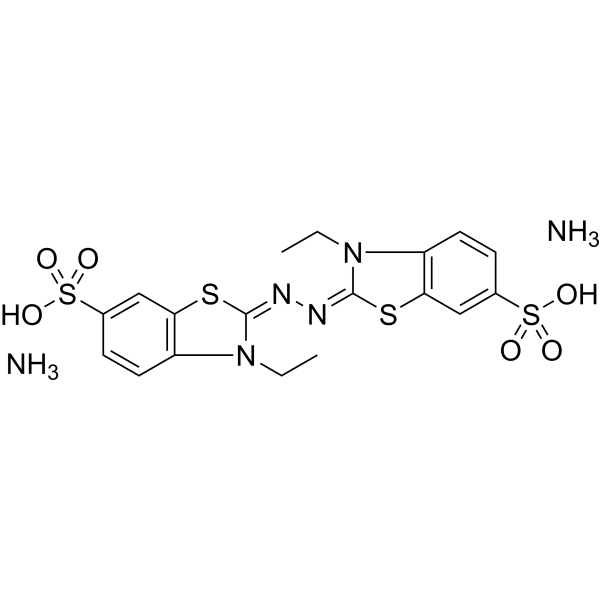
ABTS diammonium salt
Based on 14 publication(s) in Google Scholar
ABTS diammonium salt (AzBTS-(NH4)2) is a substrate for horseradish peroxidase (HRP) conjugate. ABTS diammonium salt can be used to evaluate antioxidant capacity.
For research use only. We do not sell to patients.
- Purity : 99.99%
- CAS No.: 30931-67-0
- Formula: C18H24N6O6S4
- Molecular Weight:548.68
-
Storage:
4°C, sealed storage, away from moisture and light
* In solvent : -80°C, 2 years; -20°C, 1 year (sealed storage, away from moisture and light)

To place orders, for customer services and technical support, please contact: MedChemExpress USA
Tel: 609-228-6898 E-mail: [email protected] [email protected]


-
 Biological Activity
-
Chemical Information
-
Solvent & Solubility
- Purity & Documentation
- References
-
 Help & FAQs


-
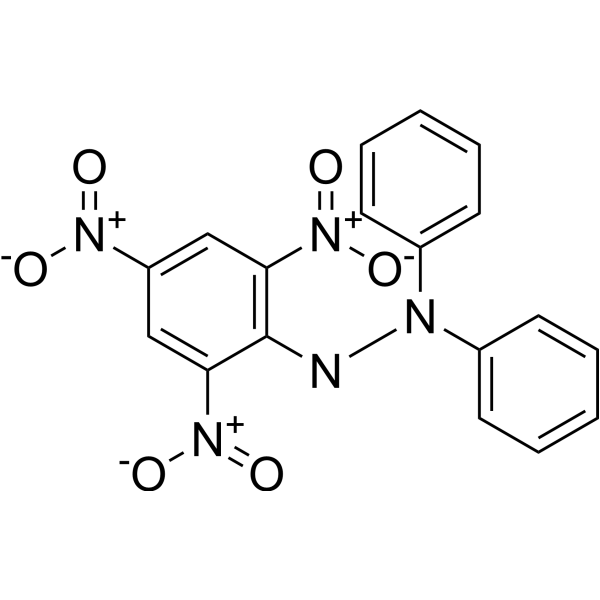
HY-112053
DPPHFree Radical Scavenger -
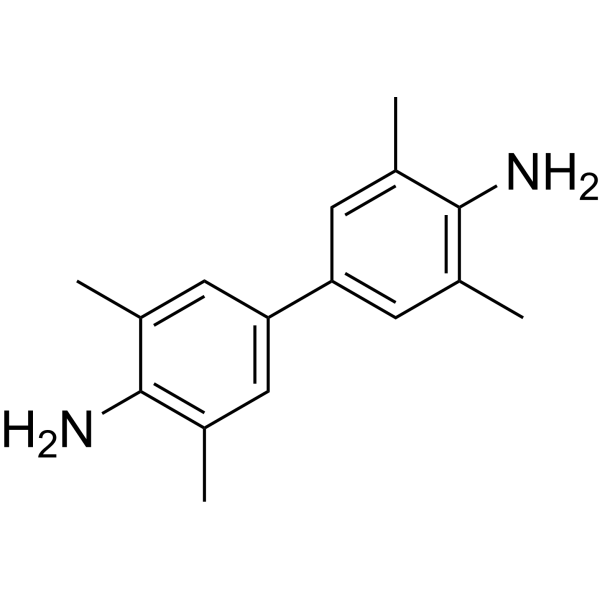
HY-15930
TMBChromogenic Agent -
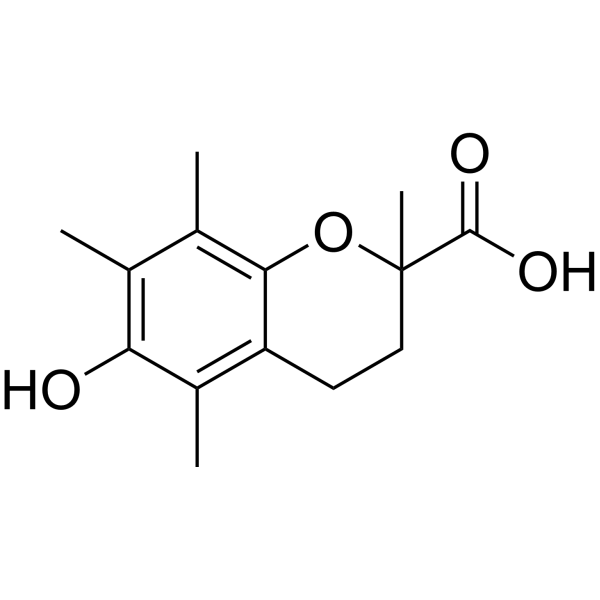
HY-101445
TroloxAntioxidant -
HY-15924
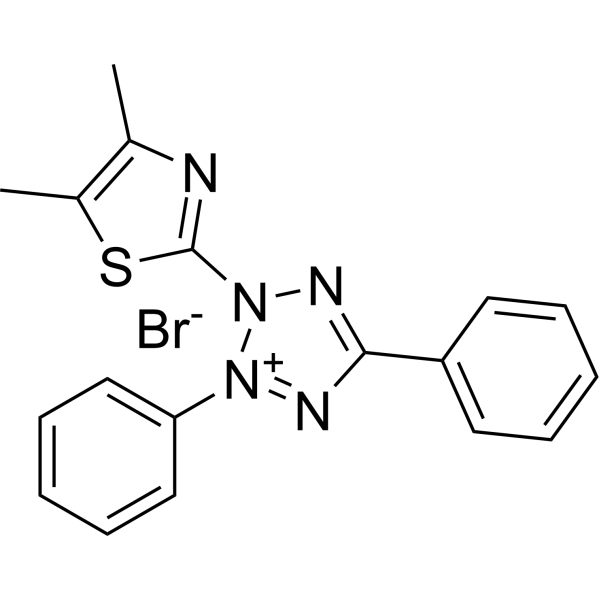
Thiazolyl BlueCytotoxicity Detection Reagent -
HY-15930A
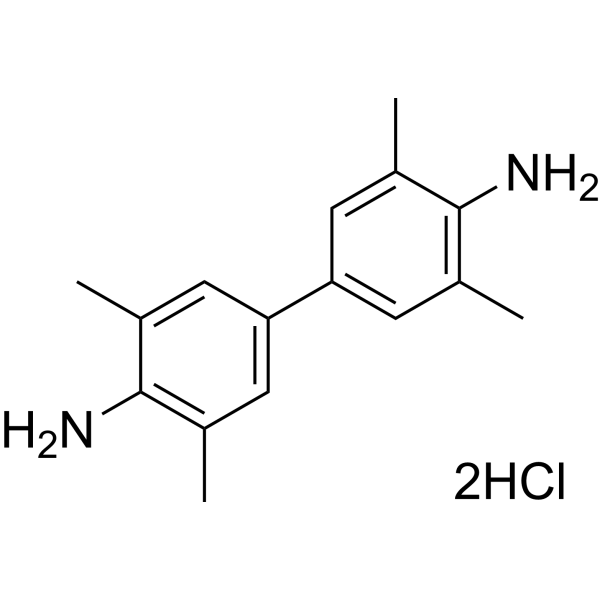
TMB dihydrochlorideChromogenic Agent -
HY-15915
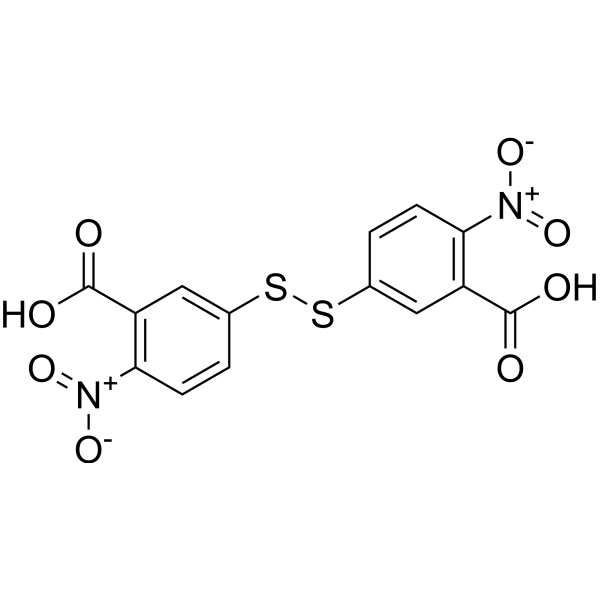
DTNBThiol Reactant -
HY-18739
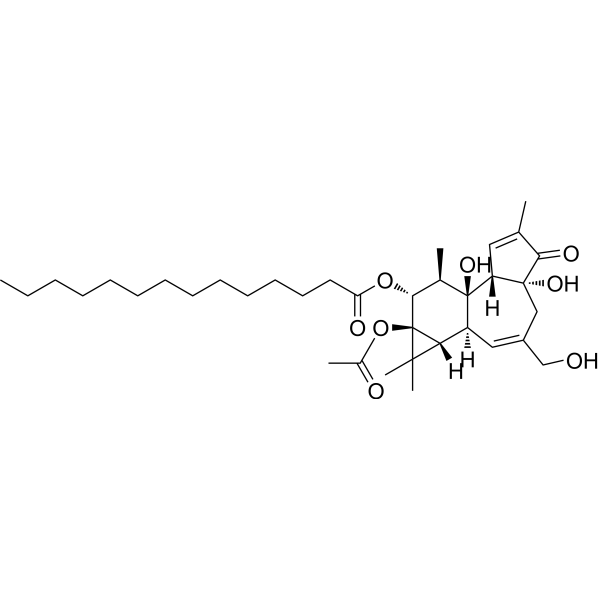
Phorbol 12-myristate 13-acetatePKC Activator -
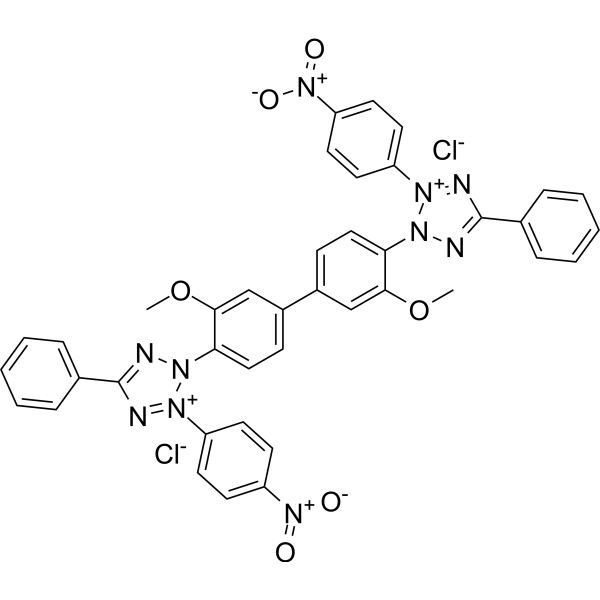
HY-15925
Nitro blue tetrazolium chlorideDehydrogenases Substrate -
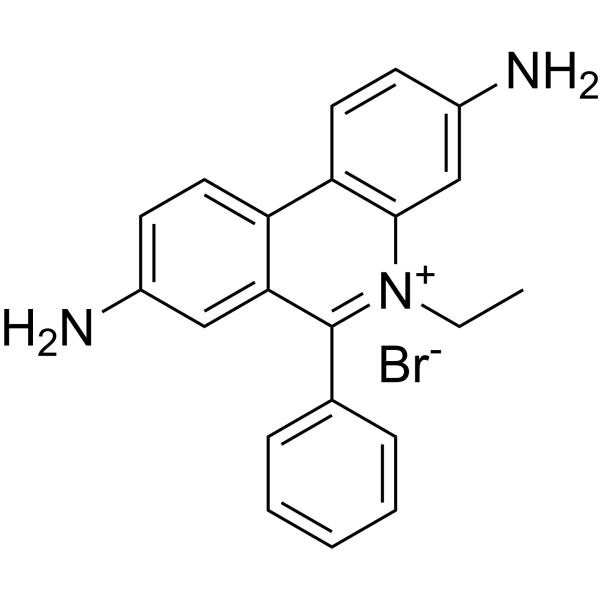
HY-D0021
EthD bromideFluorescent Tag -
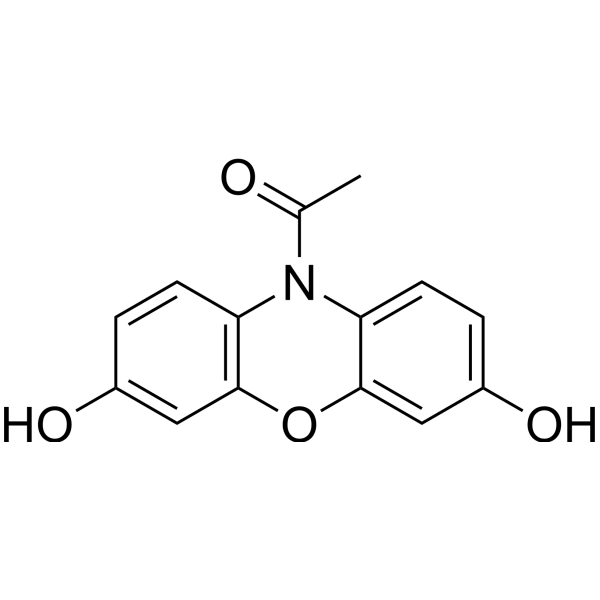
HY-101880
ADHPPeroxidase Substrate -
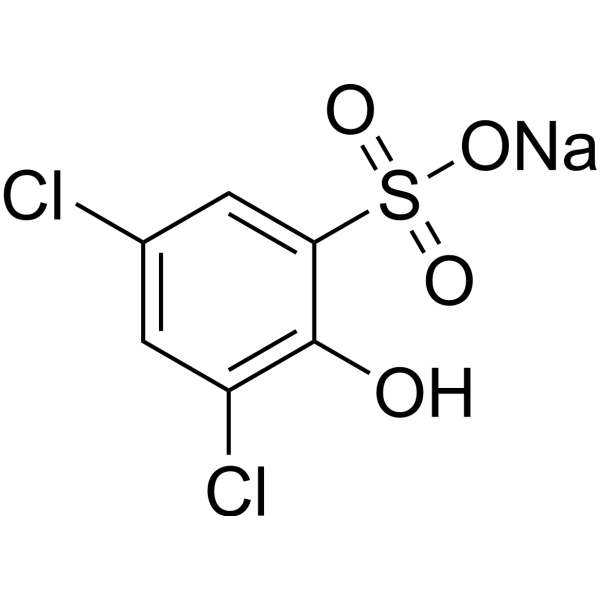
HY-15914
DHBSChromogenic Reagent -
HY-D0714
Tetrazolium RedBiochemical Assay Reagent
Publications Citing Use of MedChemExpress (MCE) ABTS diammonium salt
More- J Nanobiotechnology. 2025 Jul 4;23(1):485. [Abstract]
- J Nanobiotechnology. 2024 Oct 24;22(1):653. [Abstract]
- Research (Wash D C). 2025 Apr 1:8:0652. [Abstract]
- Chem Eng J. 2025 Jan 15.
- Mater Today Bio. 2025 Feb 20:31:101598. [Abstract]
- Free Radic Biol Med. 2025 Aug 16:236:41-56. [Abstract]
- Foods. 2026 Apr 20;15(8):1435. [Abstract]
- Foods. 2026 Jan 22;15(2):408. [Abstract]
- Pharmaceuticals (Basel). 2025 Oct 22;18(11):1596. [Abstract]
- ACS Appl Bio Mater. 2025 Oct 20;8(10):9365-9378. [Abstract]
- Chem Eng Sci. 2025 Dec 1.
- Molecules. 2024 Mar 29;29(7):1534. [Abstract]
- Biotechnol Bioeng. 2022 Feb;119(2):504-512. [Abstract]
- Appl Sci. 2023 Oct 25, 13(21), 11681.
 Customer Validation & Images

-
ELISA
-
ELISA
-
ELISA
-
ELISA


Biological Activity
Description
In Vitro
In vitro free radical scavenging experiment
1. Dissolve ABTS in ultrapure water (7.4 mM, 0.4 mL);
2. K2S2O8 stock solution (2.6 mM, 1.43 mL);
3. Mix the two solutions and let stand at room temperature in the dark for 12 hours;
4. Dilute 50 times with anhydrous ethanol;
5. Detect the absorbance at 734 nm.
A micro-technique of enzyme-linked immunosorbent assay (ELISA) using ABTS, as a substrate for HRP conjugate is studied. In a comparative study among 4 substrates, namely; 5-aminosalicylic acid (5AS), O-phenylenediamine (OPD), O-tolidine (OT) and ABTS, for HRP in terms of sensitivity, ABTS is the most sensitive, stable and the best in visuality by its bluish-green color[1]. ABTS is a typical peroxidase substrate. For purification and characterization peroxidase positive transformants are cultivated in large scale (XL) under conditions that yield active protein in the culture supernatant. After 160 h cultivation an activity of 55,000 U/L in relation to the substrate ABTS is achieved and the supernatant containing the peroxidase is harvested. With ABTS as substrate the peroxidase activity falls significantly when the H2O2 concentration rose above 0.125 mM, indicating that the enzyme is inhibited by H2O2. Maximum reaction rates depending upon substrate tested reache values between 31.2 and 125 μM[2].
MedChemExpress (MCE) has not independently confirmed the accuracy of these methods. They are for reference only. .


Chemical Information
-
CAS No. 30931-67-0
-
Appearance Solid
-
Molecular Weight 548.68
-
Formula C18H24N6O6S4
-
Color Light green to green
-
SMILES
CCN1C(C=CC(S(=O)([O-])=O)=C2)=C2S/C1=N/N=C(SC3=C4C=CC(S(=O)([O-])=O)=C3)\N4CC.[NH4+].[NH4+]
-
Synonyms
AzBTS-(NH4)2
-
Shipping
Room temperature in continental US; may vary elsewhere.
-
Storage
4°C, sealed storage, away from moisture and light
* In solvent : -80°C, 2 years; -20°C, 1 year (sealed storage, away from moisture and light)


Publications (14)
-
Journal Impact Factor
-
Most Recent
-
J Nanobiotechnology
SIRT5-modified human umbilical cord mesenchymal stem cells loaded with antioxidant polydopamine nanozyme enhance parpi resistance in ovarian cancer via fatty acid metabolism reprogramming. [Abstract]2025 Jul 4;23(1):485. PMID: 40616128 -
J Nanobiotechnology
Curcumin/pEGCG-encapsulated nanoparticles enhance spinal cord injury recovery by regulating CD74 to alleviate oxidative stress and inflammation. [Abstract]2024 Oct 24;22(1):653. PMID: 39443923
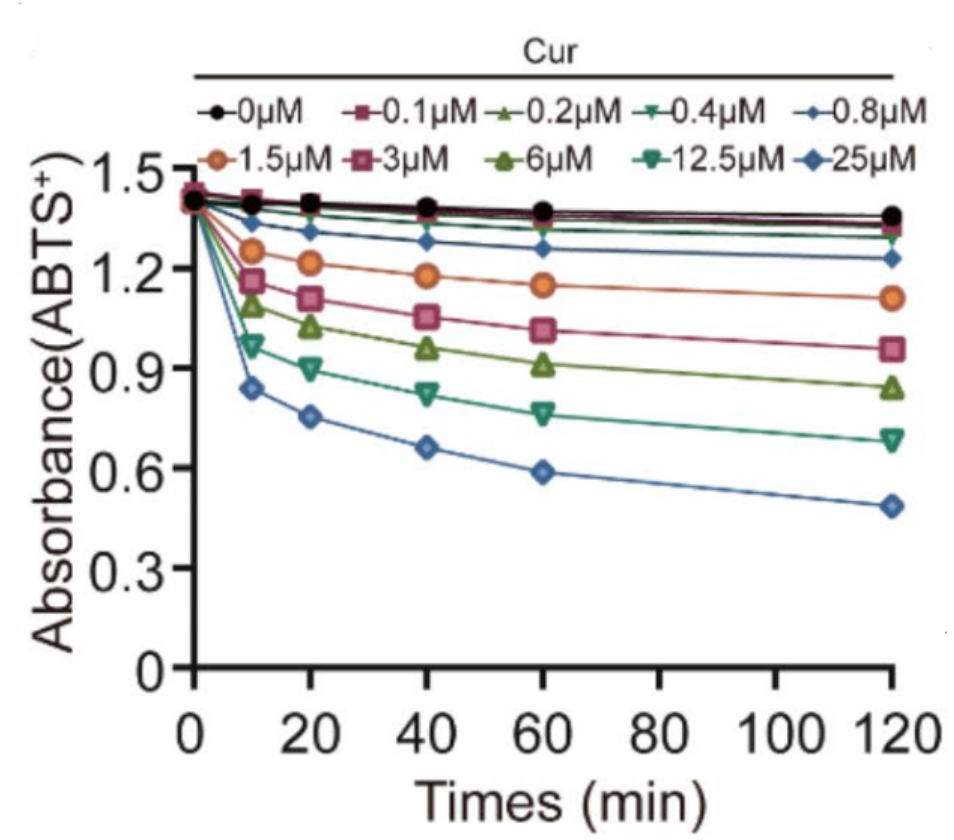
ABTS diammonium salt purchased from MedChemExpress. Usage Cited in: J Nanobiotechnology. 2024 Oct 24;22(1):653. [Abstract]
Scavenging ability of Cur against reactive oxygen species measured at different concentrations and times through the ABTS+ (a stable radical cation generated by oxidizing ABTS diammonium salt (5 mM) with manganese dioxide) radical scavenging assay.
-
Research (Wash D C)
A Noninvasive Menstrual Blood-Based Diagnostic Platform for Endometriosis Using Digital Droplet Enzyme-Linked Immunosorbent Assay and Single-Cell RNA Sequencing. [Abstract]2025 Apr 1:8:0652. PMID: 40171018 -
-
Mater Today Bio
A metal-polyphenol network-based iron supplement with improved stability and reduced gastrointestinal toxicity for iron deficiency anemia therapy. [Abstract]2025 Feb 20:31:101598. PMID: 40070867 -
Free Radic Biol Med
Integration of multi-omics data and machine learning to identify antioxidant biomarkers in type 1 diabetes. [Abstract]2025 Aug 16:236:41-56. PMID: 40339726 -
Foods
Dual-Species Fermentation of a Lycium barbarum- Polygonatum cyrtonema Composite Jiaosu Enhanced Antioxidant Activity and Alleviated Alcohol-Induced Liver Injury in Mice. [Abstract]2026 Apr 20;15(8):1435. PMID: 42073324 -
Foods
Untargeted Metabolomics Reveals Raw Material Geographic Origin as a Key Factor Shaping the Quality of Ginger-Derived Exosome-like Nanovesicles. [Abstract]2026 Jan 22;15(2):408. PMID: 41597006
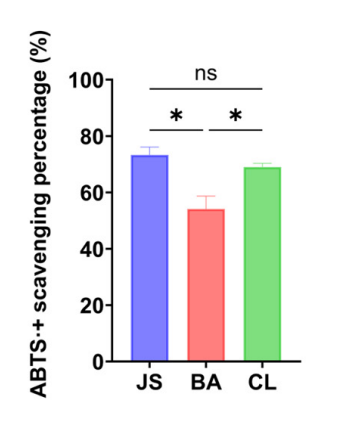
ABTS diammonium salt purchased from MedChemExpress. Usage Cited in: Foods. 2026 Jan 22;15(2):408. [Abstract]
The ABTS·+ (a radical cation was generated by incubating a ABTS stock solution (7 mM) with potassium persulfate (2.45 mM) for 15 h in the dark) radical scavenging activities of GELNs (n = 3).
-
Pharmaceuticals (Basel)
Inhibitory Effects of Syringic Acid on Endometrial Cancer Cell Growth and Migration and Its Synergistic Suppression with Doxorubicin. [Abstract]2025 Oct 22;18(11):1596. PMID: 41304843 -
ACS Appl Bio Mater
Composite Hydrogel Loaded with Ginsenoside Rc and Cuttlefish Ink Nanoparticles: Photothermal-Immunomodulatory Synergy for Accelerated Healing of Bacteria-Infected Wounds. [Abstract]2025 Oct 20;8(10):9365-9378. PMID: 41070817 -
-
Molecules
Exploration of the Antibacterial and Anti-Inflammatory Activity of a Novel Antimicrobial Peptide Brevinin-1BW. [Abstract]2024 Mar 29;29(7):1534. PMID: 38611812
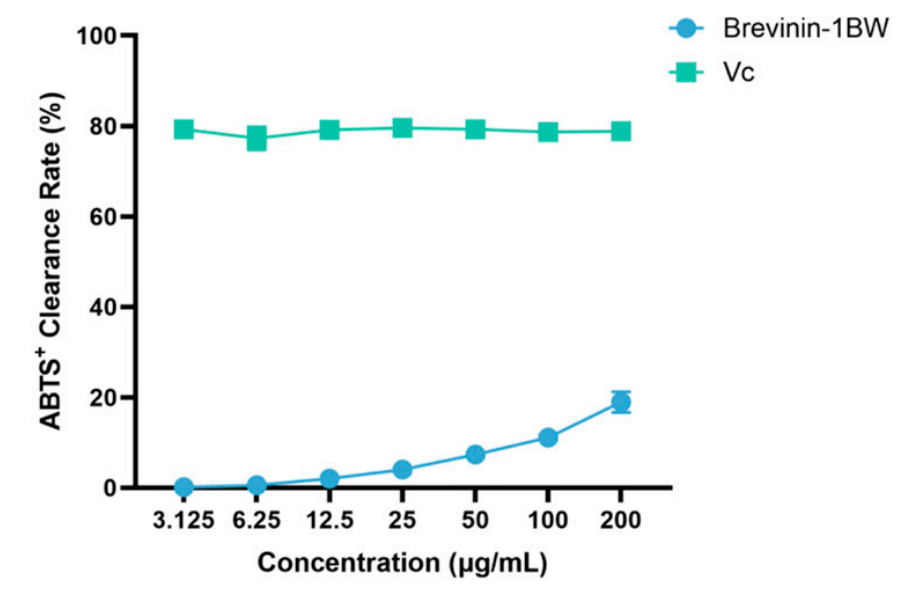
ABTS diammonium salt purchased from MedChemExpress. Usage Cited in: Molecules. 2024 Mar 29;29(7):1534. [Abstract]
Clearance of ABTS+ (a stock by mixing 5 mL volume of ABTS (7 mM) and 88 μL of potassium persulfate (140 mM) before, being placed in the dark at room temperature for 14 h) with manganese dioxide) by Brevinin-1BW at different concentrations. Error bars indicate three replicate experiments.
-
Biotechnol Bioeng
A label-free and signal-amplifiable assay method for colorimetric detection of carcinoembryonic antigen. [Abstract]2022 Feb;119(2):504-512. PMID: 34845724 -
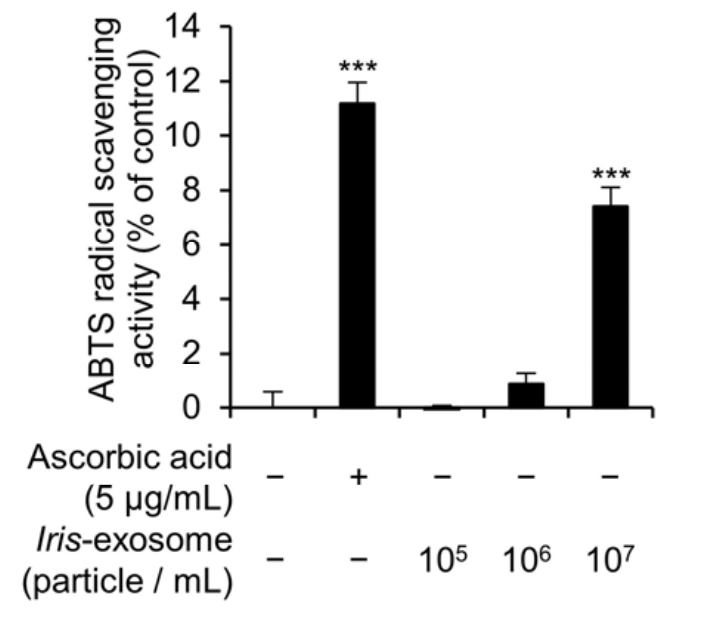
ABTS diammonium salt purchased from MedChemExpress. Usage Cited in: Appl Sci. 2023 Oct 25, 13(21), 11681.
ABTS radical (a solution by reacting ABTS solution (7 mM) with potassium peroxydisulfate) scavenging activity of Iris-exosome.


Solvent & Solubility
In Vitro:
H2O : ≥ 50 mg/mL (91.13 mM)
DMSO : 20.83 mg/mL (37.96 mM; Need ultrasonic; Hygroscopic DMSO has a significant impact on the solubility of product, please use newly opened DMSO)
* "≥" means soluble, but saturation unknown.
Please refer to the solubility information to select the appropriate solvent. Once prepared, please aliquot and store the solution to prevent product inactivation from repeated freeze-thaw cycles.
Storage method and period of stock solution: -80°C, 2 years; -20°C, 1 year (sealed storage, away from moisture and light). When stored at -80°C, please use it within 2 years. When stored at -20°C, please use it within 1 year.
* Note: If you choose water as the stock solution, please dilute it to the working solution, then filter and sterilize it with a 0.22 μm filter before use.
Please refer to the solubility information to select the appropriate solvent. Once prepared, please aliquot and store the solution to prevent product inactivation from repeated freeze-thaw cycles.
Storage method and period of stock solution: -80°C, 2 years; -20°C, 1 year (sealed storage, away from moisture and light). When stored at -80°C, please use it within 2 years. When stored at -20°C, please use it within 1 year.
* Note: If you choose water as the stock solution, please dilute it to the working solution, then filter and sterilize it with a 0.22 μm filter before use.
Concentration (start) × Volume (start) = Concentration (final) × Volume (final)


Purity & Documentation
-
Data Sheet (276 KB)
-
SDS (393 KB)
- English - EN (393 KB)
- Français - FR (393 KB)
- Deutsch - DE (393 KB)
- Norwegian - NO (393 KB)
- Español - ES (393 KB)
- Swedish - SV (393 KB)
- Italian - IT (393 KB)
- Korean - KR (393 KB)
- Portuguese - PT (393 KB)
-
Handling Instructions (2659 KB)
References
[1]. Matsuda H, et al. Evaluation of ELISA with ABTS, 2-2'-azino-di-(3-ethylbenzthiazoline sulfonic acid), as the substrate of peroxidase and its application to the diagnosis of schistosomiasis. Jpn J Exp Med. 1984 Jun;54(3):131-8. [Content Brief]
[2]. Lauber C, et al. Identification, heterologous expression and characterization of a dye-decolorizing peroxidase of Pleurotus sapidus. AMB Express. 2017 Aug 23;7(1):164. [Content Brief]


Complete Stock Solution Preparation Table
Please refer to the solubility information to select the appropriate solvent. Once prepared, please aliquot and store the solution to prevent product inactivation from repeated freeze-thaw cycles.
Storage method and period of stock solution: -80°C, 2 years; -20°C, 1 year (sealed storage, away from moisture and light). When stored at -80°C, please use it within 2 years. When stored at -20°C, please use it within 1 year.
| Optional Solvent | Concentration Solvent Mass | 1 mg | 5 mg | 10 mg | 25 mg |
|---|---|---|---|---|---|
| DMSO / H2O | 1 mM | 1.8226 mL | 9.1128 mL | 18.2256 mL | 45.5639 mL |
| 5 mM | 0.3645 mL | 1.8226 mL | 3.6451 mL | 9.1128 mL | |
| 10 mM | 0.1823 mL | 0.9113 mL | 1.8226 mL | 4.5564 mL | |
| 15 mM | 0.1215 mL | 0.6075 mL | 1.2150 mL | 3.0376 mL | |
| 20 mM | 0.0911 mL | 0.4556 mL | 0.9113 mL | 2.2782 mL | |
| 25 mM | 0.0729 mL | 0.3645 mL | 0.7290 mL | 1.8226 mL | |
| 30 mM | 0.0608 mL | 0.3038 mL | 0.6075 mL | 1.5188 mL | |
| H2O | 40 mM | 0.0456 mL | 0.2278 mL | 0.4556 mL | 1.1391 mL |
| 50 mM | 0.0365 mL | 0.1823 mL | 0.3645 mL | 0.9113 mL | |
| 60 mM | 0.0304 mL | 0.1519 mL | 0.3038 mL | 0.7594 mL | |
| 80 mM | 0.0228 mL | 0.1139 mL | 0.2278 mL | 0.5695 mL |
* Note: If you choose water as the stock solution, please dilute it to the working solution, then filter and sterilize it with a 0.22 μm filter before use.


ABTS diammonium salt Related Classifications
HY-15902 Related Classifications
 Powered by Bioz