Search Result
Results for "
antiproliferative+effect
" in MedChemExpress (MCE) Product Catalog:
| Cat. No. |
Product Name |
Target |
Research Areas |
Chemical Structure |
-
- HY-103193
-
|
Colforsin dapropate hydrochloride
|
Adenylate Cyclase
|
Cardiovascular Disease
|
|
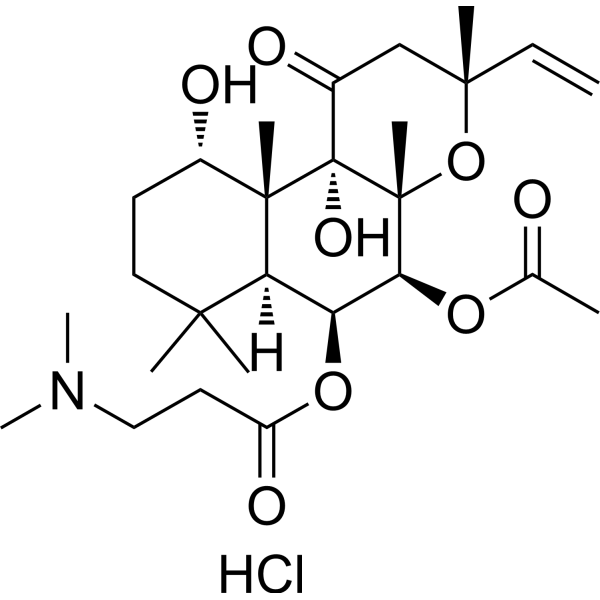
NKH477 (Colforsin dapropate hydrochloride) directly activates the catalytic unit of adenylate cyclase and increases intracellular cAMP. NKH477 is a forskolin derivative that improves cardiac failure mainly through its beneficial effects on diastolic cardiac function. NKH477 exerts an antiproliferative effect in vivo with an altered cytokine profile to inhibit the acute rejection of rat orthotopic lung allografts .
|
-
-
- HY-120400
-
|
|
Histone Demethylase
|
Cancer
|
|
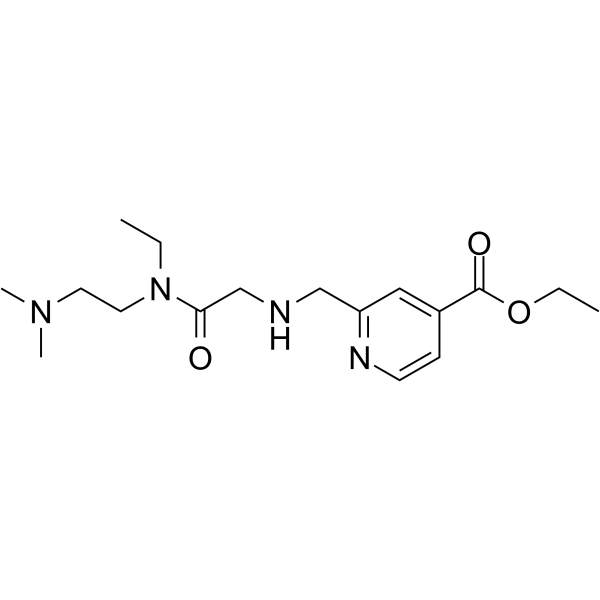
KDM5-C70 is an ethyl ester derivative of KDM5-C49 and a potent, cell-permeable and pan-KDM5 histone demethylase inhibitor. KDM5-C70 has an antiproliferative effect in myeloma cells, leading to genome-wide elevation of H3K4me3 levels .
|
-
-
- HY-126247
-
|
|
Ras
|
Cancer
|
|
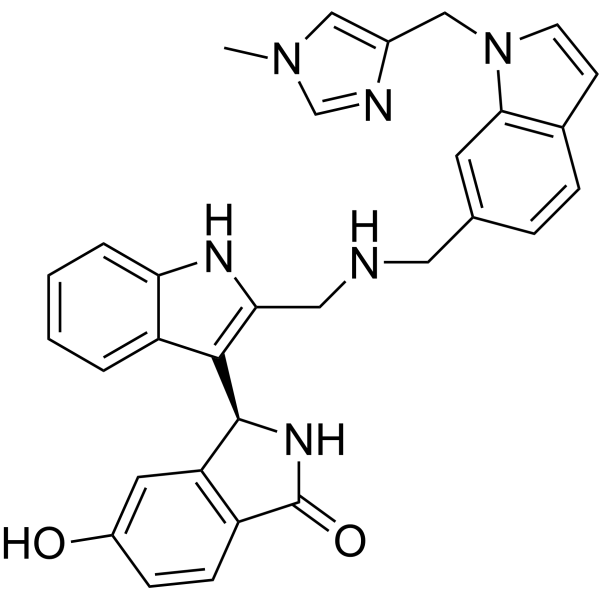
BI-2852 is a KRAS inhibitor for the switch I/II pocket (SI/II-pocket) by structure-based agent design with nanomolar affinity. BI-2852 is mechanistically distinct from covalent KRASG12C inhibitor (binds to switch II pocket) and binds ten-fold more strongly to active KRASG12D versus KRASwt (740 nM vs 7.5 μM). BI-2852 blocks GEF, GAP, and effector interactions with KRAS, leading to inhibition of downstream signaling and an antiproliferative effect in KRAS mutant cells.
|
-
-
- HY-149898
-
|
|
Transmembrane Glycoprotein
CD44
|
Cancer
|
|
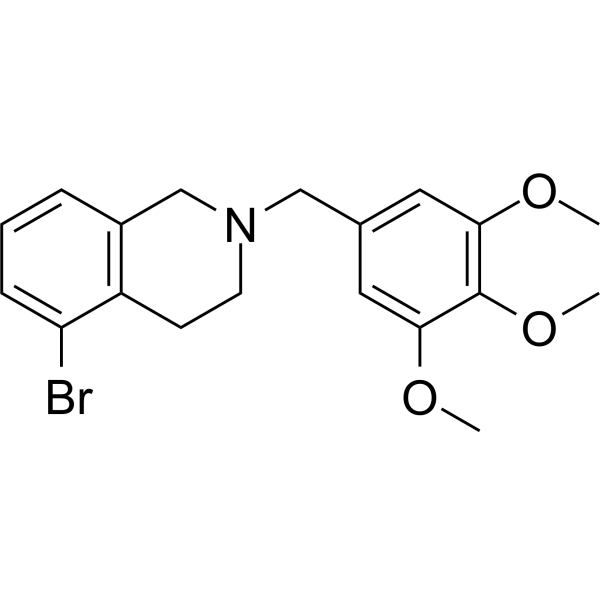
HA-CD44 interaction inhibitor 1 is a CD44 inhibitor that can inhibit the interaction between Hyaluronic acid (HA) (HY-B0633A) and CD44. HA-CD44 interaction inhibitor 1 exerts an antiproliferative effect on CD44+ cancer cell lines. HA-CD44 interaction inhibitor 1 can be used for the research of cancer .
|
-
-
- HY-W016889
-
|
|
Ras
|
Cancer
|
|
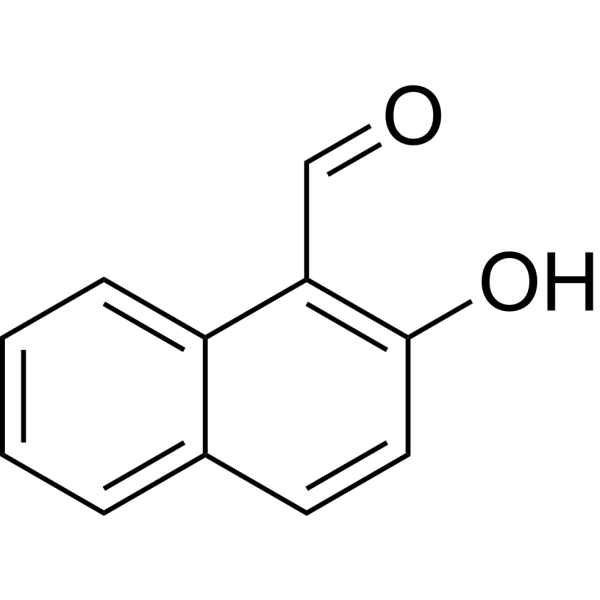
CFL-137 is a potent KRas G12C inhibitor. CFL-137 shows an antiproliferative effect. CFL-137 shows anticancer activity. CFL-137 has the potential for the research of lung cancer .
|
-
-
- HY-13591
-
Piclidenoson
Maximum Cited Publications
9 Publications Verification
IB-MECA; CF-101
|
Adenosine Receptor
Apoptosis
|
Inflammation/Immunology
Cancer
|
|
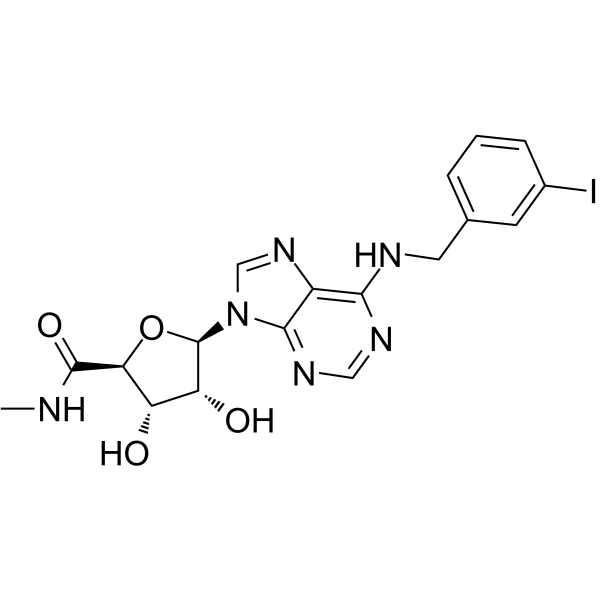
Piclidenoson (IB-MECA) is a first-in-class, orally active and selective A3 adenosine receptor (A3AR) agonist. Piclidenoson exhibits antiproliferative effect and induces apoptosis in different cancer cell types like melanoma, leukemia. Piclidenoson can be used for the research of autoimmune inflammatory diseases and COVID-19 .
|
-
-
- HY-N2693
-
-
-
- HY-B0736A
-
|
FI7056
|
Fungal
Autophagy
Apoptosis
p38 MAPK
Microtubule/Tubulin
|
Infection
Cancer
|
|
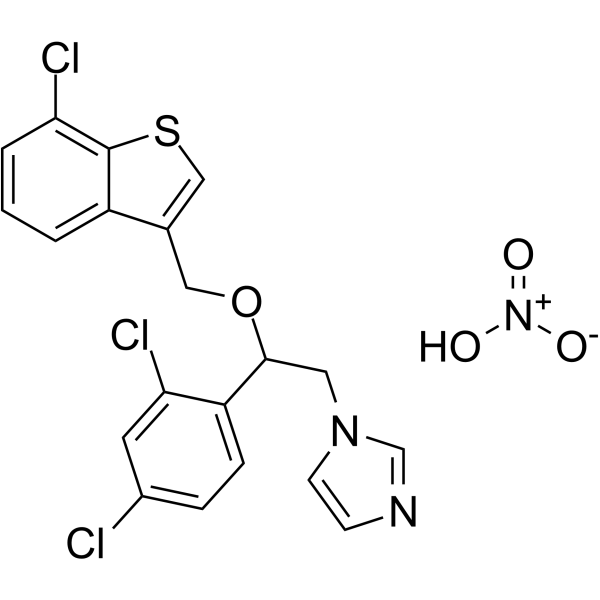
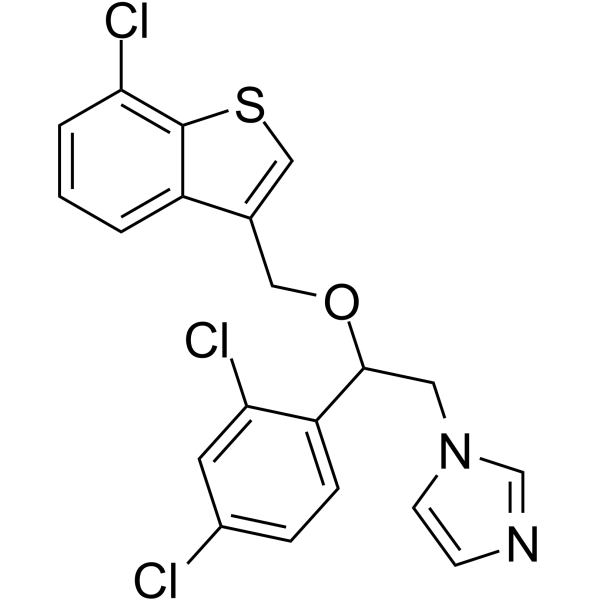
Sertaconazole nitrate (FI7056) is a broad-spectrum topical antifungal agent, exhibits anti-inflammatory activity via activation of a p38-COX-2-PGE2 pathway. Sertaconazole nitrate is also a microtubule inhibitor, shows antiproliferative effect, induces apoptosis and autophagy, and can also inhibit the migration of cells .
|
-
-
- HY-18979
-
|
|
Flavivirus
Dengue Virus
|
Infection
Cancer
|
|
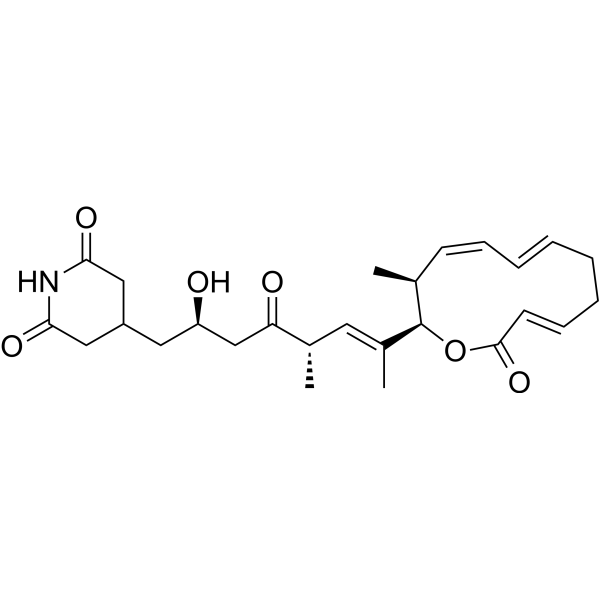
Lactimidomycin is a glutarimide-containing compound isolated from Streptomyces. Lactimidomycin is a potent inhibitor of eukaryotic translation elongation. Lactimidomycin has a potent antiproliferative effect on tumor cell lines and selectively inhibit protein translation. Lactimidomycin inhibits protein synthesis with an IC50 value of 37.82 nM. Lactimidomycin is also a potent and non-toxic inhibitor of dengue virus 2 and other RNA viruses. Anticancer and antiviral activities .
|
-
-
- HY-N3119
-
|
|
Apoptosis
|
Cancer
|
|
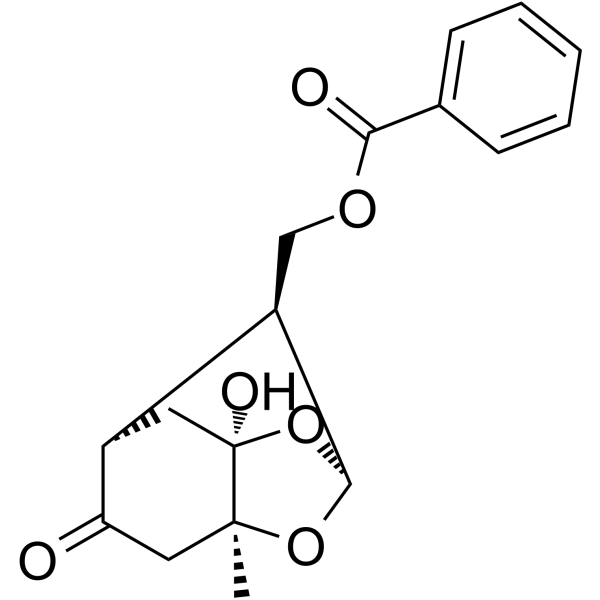
Paeoniflorigenone, isolated as an active ingredient from the root of moutan cortex, induces apoptosis selectively in the cancer cell lines and exhibits antiproliferative effect .
|
-
-
- HY-W014118
-
|
|
Environmental Pollutants
|
Inflammation/Immunology
Cancer
|
|
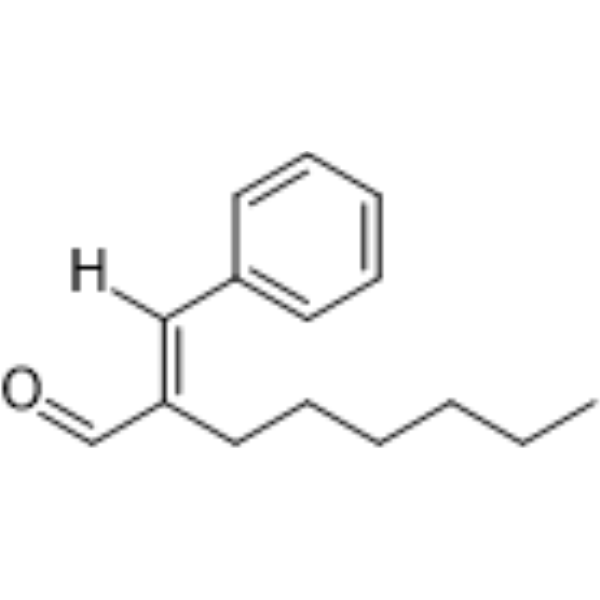
α-Hexylcinnamaldehyde is an O-acetyltransferase (OAT) inhibitor. α-Hexylcinnamaldehyde inhibits OAT-mediated bioactivation of nitroarene mutagens, exerts antimutagenic activity through demutagenic and bioantimutagenic mechanisms, and interferes with ATP-binding cassette (ABC) transporter function to reduce substrate efflux. α-Hexylcinnamaldehyde alters membrane permeability, fluidizes phospholipid membranes, exerts antioxidant effects, and enhances the antiproliferative effect of Doxorubicin on human cancer cells. α-Hexylcinnamaldehyde can be used in the research of colorectal adenocarcinoma, T-cell leukemia, and multidrug-resistant cancers .
|
-
-
- HY-164393
-
|
|
JAK
Bcr-Abl
Apoptosis
|
Cancer
|
|
ON044580, an α-benzoyl styryl benzyl sulfide, is a potent and non-ATP-competitive JAK2 kinase inhibitor with IC50s of 1.23 μM, 1.09 μM for WT and V617F mutant JAK2, respectively. ON044580 inhibits the JAK2 kinase activity either by binding to the STAT-5 binding domain of JAK2 or by binding to an allosteric site. ON044580 exerts its antiproliferative effect in JAK2 V617F-positive leukemic cells. ON044580 effectively induces apoptosis of Imatinib (HY-15463)-resistant chronic myelogenous leukemia (CML) cells. ON044580 also inhibits both WT and T315I mutant forms of the BCR-ABL kinase. ON044580 has the potential for myeloproliferative disorders typified by aberrant JAK/STAT signaling .
|
-

-
- HY-169090
-
|
|
DNA/RNA Synthesis
|
Cancer
|
|
TS-002902 is a selective small-molecule inhibitor of TUT4 and TUT7 enzymes, with IC50 values of 0.36 nM and 9.6 nM, respectively. TS-002902 induces an antiproliferative effect in FOCAD-deficient cancer cells. TS-002902 is applicable for research on FOCAD-deficient solid tumors (including glioblastoma, non-small cell lung cancer, and pancreatic cancer) .
|
-

-
- HY-162100
-
|
|
ULK
Autophagy
|
Cancer
|
|
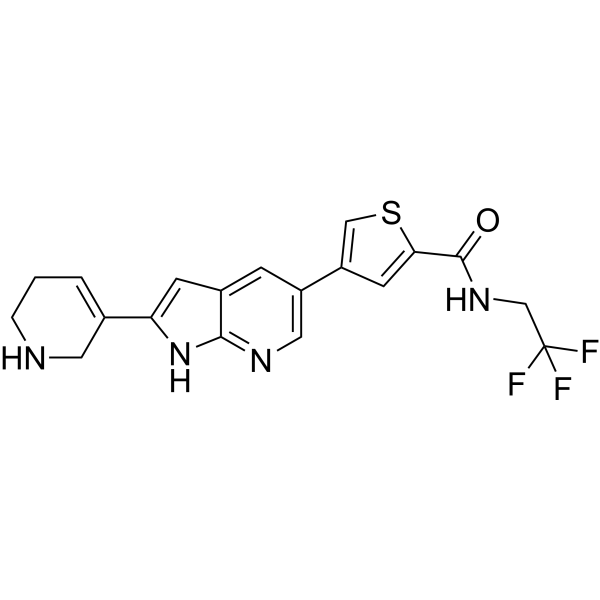
MR-2088 is a reversible, ATP-competitive, and selective ULK1/2 inhibitor with pEC50 values of 8.3 and 8.7 respectively. MR-2088 effectively inhibits autophagic flux and demonstrates a synergistic antiproliferative effect with Trametinib (HY-10999) (MEK inhibitor) in vitro. MR-2088 can be used for non-small lung cell cancer (NSCLC) research .
|
-
-
- HY-W041315
-
|
|
Ras
|
Cancer
|
|
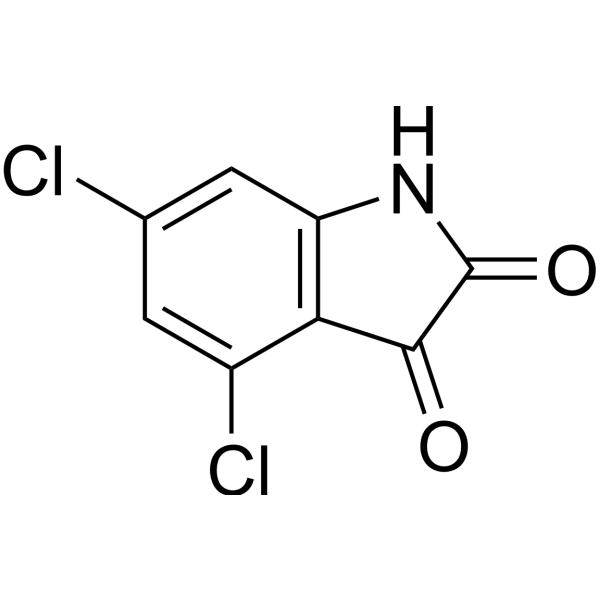
CFL-120 is a potent KRas G12C inhibitor. CFL-120 shows an antiproliferative effect. CFL-120 shows anticancer activity. CFL-120 has the potential for the research of lung cancer .
|
-
-
- HY-172911
-
|
|
SHP2
|
Cancer
|
|
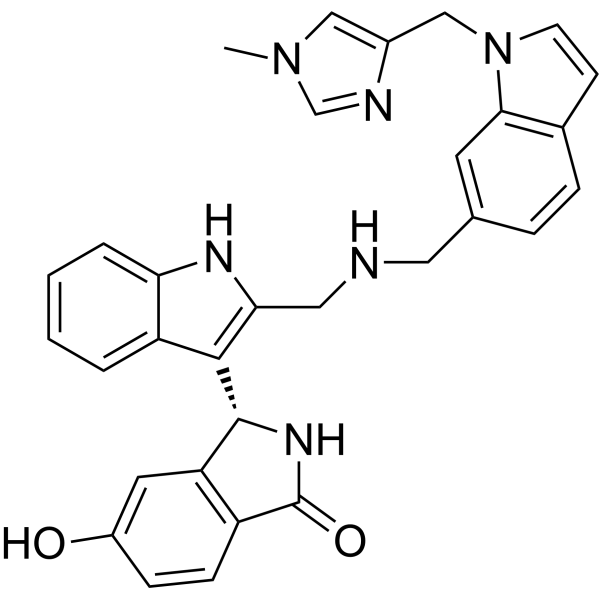
SHP2-IN-37 (compound C5) is a potent and selective SHP2 allosteric inhibitor with an IC50 of 0.023 μM. SHP2-IN-37 exhibits antiproliferative effect on KYSE-520 and MV-411 cells with IC50s of 6.97 and 0.67 μM, respectively
|
-

-
- HY-126247B
-
|
|
Drug Derivative
Ras
|
Cancer
|
|
(R)-BI-2852 is the isomer of BI-2852 (HY-126247), and can be used as an experimental control. BI-2852 is a KRAS inhibitor for the switch I/II pocket (SI/II-pocket) by structure-based agent design with nanomolar affinity. BI-2852 is mechanistically distinct from covalent KRASG12C inhibitor (binds to switch II pocket) and binds ten-fold more strongly to active KRASG12D versus KRASwt (740 nM vs 7.5 μM). BI-2852 blocks GEF, GAP, and effector interactions with KRAS, leading to inhibition of downstream signaling and an antiproliferative effect in KRAS mutant cells.
|
-
-
- HY-80013B
-
|
|
CDK
|
Cancer
|
|
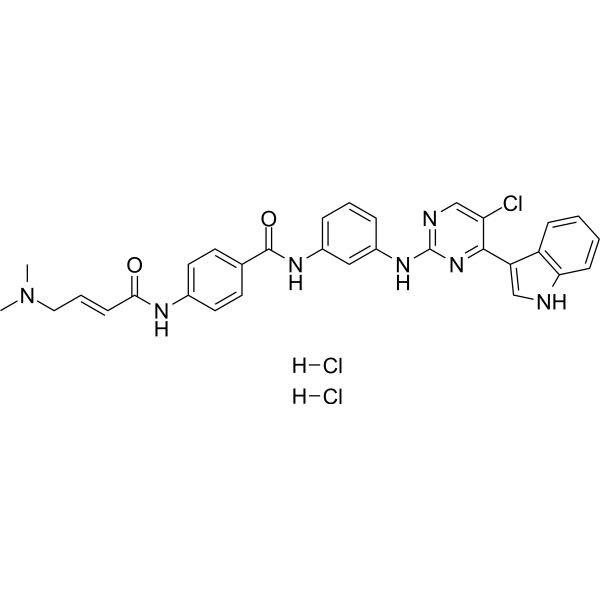
(E/Z)-THZ1 dihydrochloride is a selective inhibitor of CDK7 with an IC50 of 3.2 nM. (E/Z)-THZ1 dihydrochloride has antiproliferative effect .
|
-
-
- HY-103367
-
|
|
Checkpoint Kinase (Chk)
|
Cancer
|
|
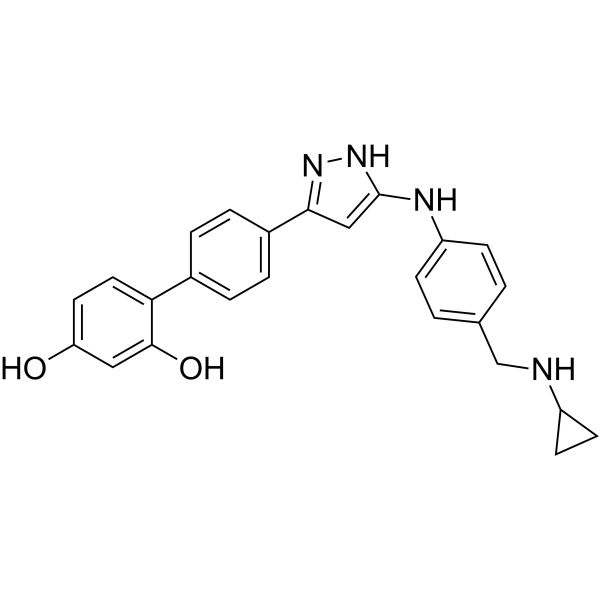
CHK1-IN-7 (Compound 10c) is a potent human CHK1 inhibitor. CHK1-IN-7 shows no single agent effect, potentiates the antiproliferative effect of Gemcitabine HY-17026 in both prostate and breast cancer cell lines. CHK1-IN-7 can be used for the research of cancer .
|
-
-
- HY-B0736
-
-
-
- HY-152536
-
|
|
NO Synthase
|
Cancer
|
|
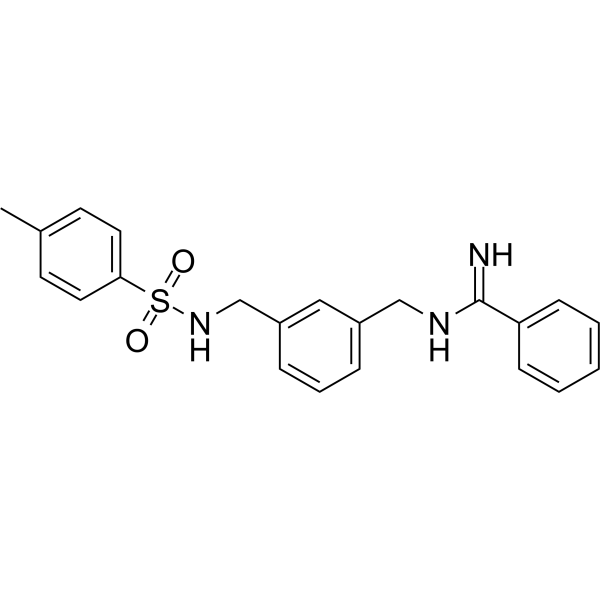
iNOS inhibitor-10 is an iNOS inhibitor (IC50: 65 nM). iNOS inhibitor-10 has antiproliferative effect against triple negative breast cancer cells .
|
-
-
- HY-121458
-
|
|
Apoptosis
|
Cancer
|
|
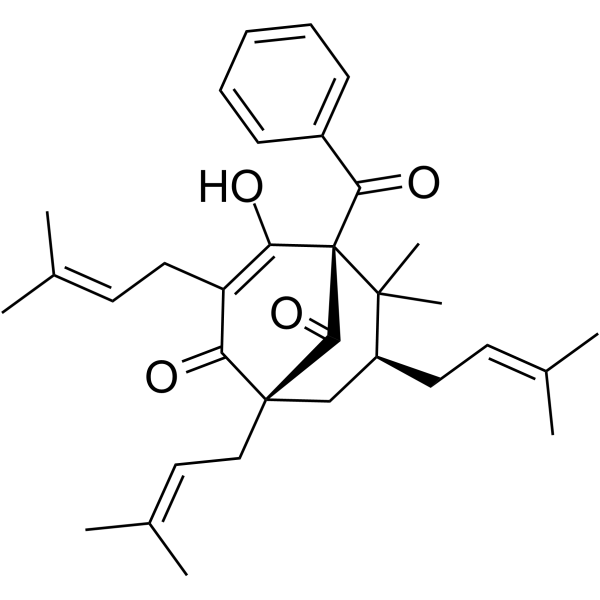
Nemorosone is the main component of the floral resin of Clusia rosea. Nemorosone has an antiproliferative effect on cancer cells. Nemorosone induces apoptosis in HT-29 and LoVo cells .
|
-
-
- HY-101071
-
|
(+)-Monastrol
|
Kinesin
Mitosis
|
Cancer
|
|
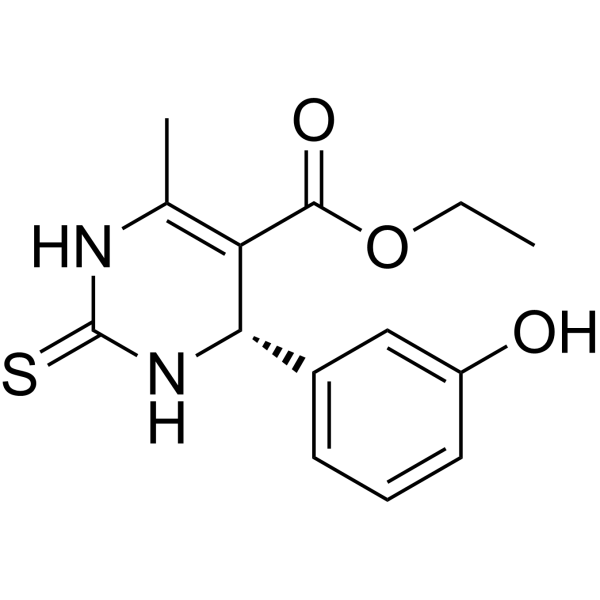
(S)-Monastrol ((+)-Monastrol) is an allosteric inhibitor of the mitotic kinesin Eg5 that exhibits an antiproliferative effect against several cancer cell lines. (S)-Monastrol arrests mammalian cells in mitosis with monopolar spindles .
|
-
-
- HY-126596
-
|
|
Apoptosis
|
Cancer
|
|
Angelylalkannin is a naphthoquinone compound isolated from the root of Alkanna tinctoria. Angelylalkannin showed significant inhibitory effects in the antiproliferative effect test on human colon cancer cells HCT-116 and SW-480. The median inhibitory concentration (IC50) of Angelylalkannin was 4.76 mM for HCT-116 cells and 7.03 mM for SW-480 cells. Like alkannin, Angelylalkannin can arrest the cell cycle in the G1 phase and induce apoptosis at a concentration of 1-10 mM.
|
-

-
- HY-174302
-
|
|
Pim
HDAC
PARP
Apoptosis
|
Cancer
|
|
PIM-1/HDAC-IN-2 is a robust PIM/HDAC inhibitor (IC50 = 0.11 μM in MV4-11cells), which exerts a synergistic antiproliferative effect through a dual mechanism of inhibiting PIM1 kinase and selectively inhibiting HDAC6. PIM-1/HDAC-IN-2 induces cell apoptosis. PIM-1/HDAC-IN-2 remarkably induces the cleavage of PARP, thereby initiating the arrest of the cell cycle in G1 phase and a reduction in S phase. PIM-1/HDAC-IN-2 demonstrates significant anticancer efficacyin the MV4-11 xenograft model without notable toxicity[1].
|
-

-
- HY-114902
-
|
|
Epigenetic Reader Domain
|
Cancer
|
|
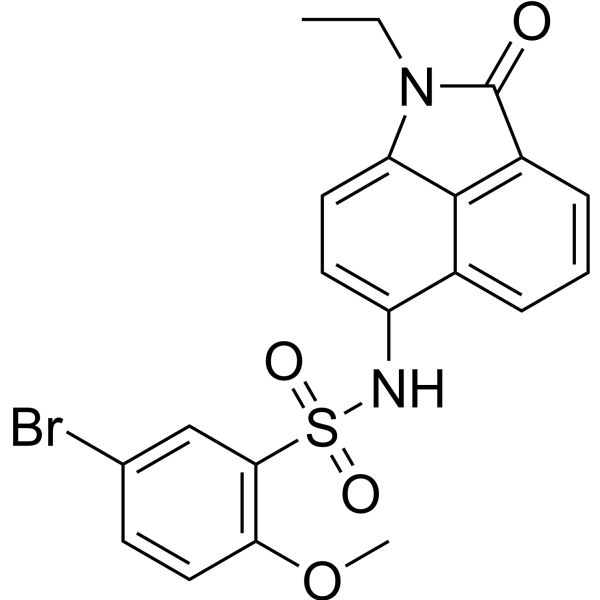
Y02224 is a potent BRD4 inhibitor and exhibits reasonable antiproliferative effect on leukemia cells.Y02224 has the potential for? CRPC research .
|
-
-
- HY-161336
-
|
|
Bacterial
|
Cancer
|
|
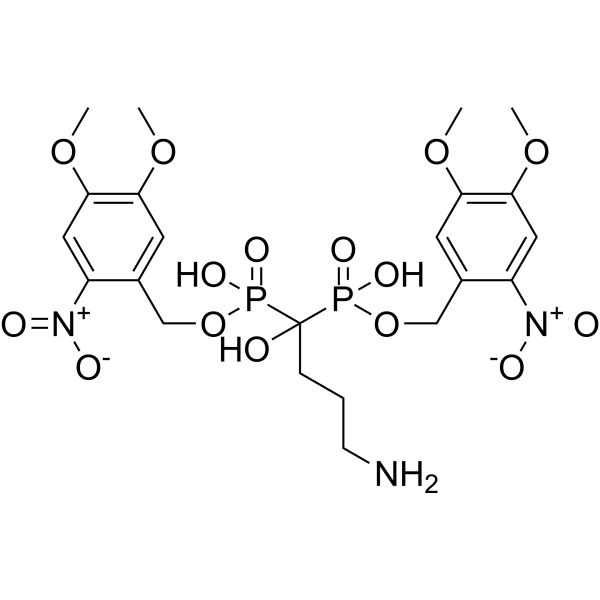
Alendronate prodrug-1(compound 2) is an inhibitor of farnesyl diphosphate synthase (FPPS). Alendronate prodrug-1 has an antiproliferative effect with an IC50 value of 34.0 μM .
|
-
-
- HY-157460
-
|
|
Epigenetic Reader Domain
|
Cancer
|
|
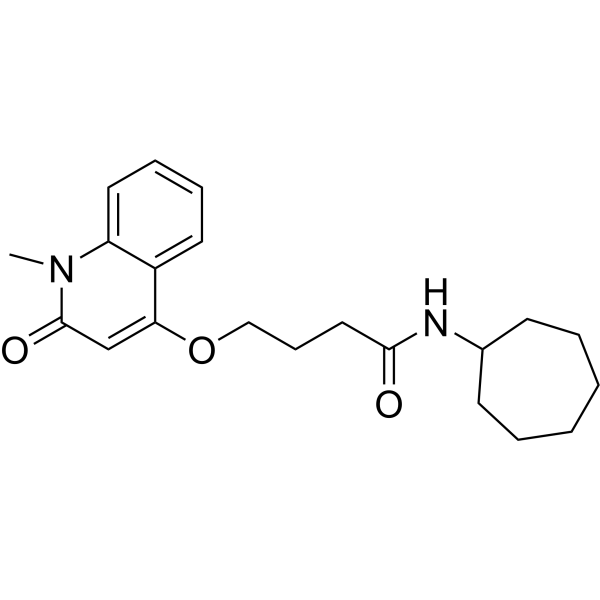
BRD4 Inhibitor-29 (SQ-17) is a BRD4 inhibitor, with an IC50 of <100 nM. BRD4 Inhibitor-29 shows antiproliferative effect against prostate cancer cells .
|
-
-
- HY-W016889R
-
|
|
Reference Standards
Ras
|
Cancer
|
|
CFL-137 is a potent KRasG12C inhibitor. CFL-137 shows an antiproliferative effect. CFL-137 shows anticancer activity. CFL-137 has the potential for the research of lung cancer .
|
-

-
- HY-119827
-
|
F 860191
|
Topoisomerase
|
Cancer
|
|
Moflomycin (F 860191) is a compound with strong anti-leukemic activity and low mutagenicity. Moflomycin has an antiproliferative effect on the leukemic cell line HL60 in vitro (IC50=2.9 nM) . Moflomycin enhances topoisomerase II-induced DNA breaks and free radical production .
|
-

-
- HY-152193
-
|
|
Apoptosis
|
Cancer
|
|
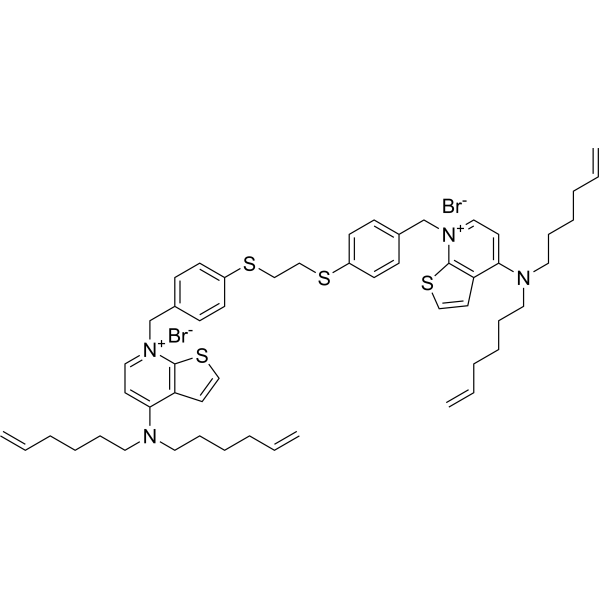
ChoKα inhibitor-4 is a bioisosteric inhibitor of HChoK α1 (IC50=0.66 μM), with inhibitory and antiproliferative effect on cancer cells. ChoKα inhibitor-4 induces apoptosis via mitochondrial pathway, and reduces anti-apoptotic proteins expression .
|
-
-
- HY-168514
-
|
|
SOS1
EGFR
|
Cancer
|
|
SOS1/EGFR-IN-2 (Compound 4) is a SOS1 and EGFR dual inhibitor with IC50s of 8.3 and 14.6 nM, respectively. SOS1/EGFR-IN-2 exhibits significant antiproliferative effect on the cancer cells haboring various KRAS mutants .
|
-

-
- HY-146254
-
|
|
Carbonic Anhydrase
Apoptosis
Reactive Oxygen Species (ROS)
|
Cancer
|
|
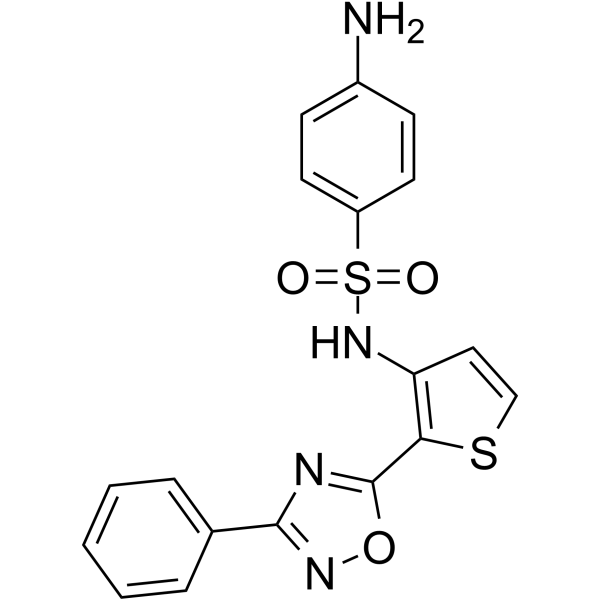
hCAIX-IN-12 is a potent hCAIX inhibitor with IC50 values of 0.74, 10.78 μM for CAIX and CAII, respectively. hCAIX-IN-12 shows antiproliferative effect and induces apoptosis. hCAIX-IN-12 increases ROS production. hCAIX-IN-12 has the potential for the research of colorectal cancer (CRC) .
|
-
-
- HY-173498
-
|
|
Adenosine Receptor
|
Cancer
|
|
AR ligand 40 (compound 19c) is an Adenosine A1 Receptor ligand with antagonist activity. AR ligand 40 exhibits antiproliferative effect on SW480, SW48, HCT116, K562, MDA-MB-231, and A549 cells with EC50s of 7, 10, 12, 13, 15 and 39 μM .
|
-

-
- HY-155766
-
|
|
PARP
Apoptosis
|
Cancer
|
|
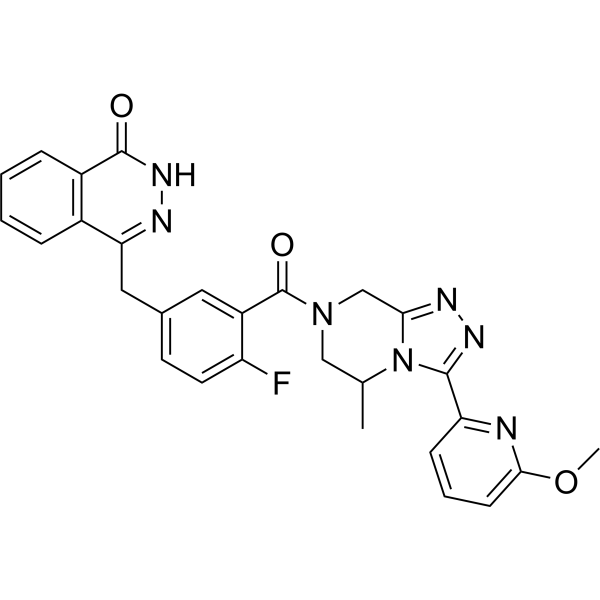
PARP1-IN-14 (compound 19k) is a potent PARP1 inhibitor, with an IC50 of 0.6 ± 0.1 nM. PARP1-IN-14 exhibits antiproliferative effect against both MDA-MB-436 (BRCA1 −/−) and Capan-1 (BRCA2 −/−) cells with IC50 values below 0.3 nM .
|
-
-
- HY-B0736AR
-
|
FI7056 (Standard)
|
Reference Standards
Fungal
Autophagy
Apoptosis
p38 MAPK
Microtubule/Tubulin
|
Infection
|
|
Sertaconazole (nitrate) (Standard) is the analytical standard of Sertaconazole (nitrate). This product is intended for research and analytical applications. Sertaconazole nitrate (FI7056) is a broad-spectrum topical antifungal agent, exhibits anti-inflammatory activity via activation of a p38-COX-2-PGE2 pathway. Sertaconazole nitrate is also a microtubule inhibitor, shows antiproliferative effect, induces apoptosis and autophagy, and can also inhibit the migration of cells .
|
-

-
- HY-117540
-
|
|
Histone Methyltransferase
|
Cancer
|
|
ZLD10A is a highly potent and selective EZH2 inhibitor with the activity of inhibiting H3K27 methylation. ZLD10A can inhibit wild-type and mutant EZH2 with nanomolar potency and has more than 1000-fold selectivity for the other 10 histone methyltransferases. ZLD10A inhibited cell proliferation of DLBCL cell lines in a concentration- and time-dependent manner, showing a potential antiproliferative effect. ZLD10A can be used in the study of EZH2 mutant lymphomas .
|
-

-
- HY-169400
-
|
|
HDAC
Histone Methyltransferase
Apoptosis
|
Cancer
|
|
HDACs/EZH2-IN-1 (Compound 22a) is a HDACs/EZH2 inhibitor (EZH2 Y641N inhibition rate at 50 nM: 98%), with selective inhibition against HDAC1 and HDAC6 (IC50: 0.23 μM and 0.07 μM, respectively). HDACs/EZH2-IN-1 exerts a antiproliferative effect on diffuse large B-cell lymphoma cells harboring an EZH2 mutation and on various acute myeloid leukemia cells. HDACs/EZH2-IN-1 has the ability to induce cell differentiation and Apoptosis .
|
-

-
- HY-W014118R
-
|
|
Reference Standards
Environmental Pollutants
|
Cancer
|
|
α-Hexylcinnamaldehyde (Standard) is the analytical standard of α-Hexylcinnamaldehyde. This product is intended for research and analytical applications. α-Hexylcinnamaldehyde is an O-acetyltransferase (OAT) inhibitor. α-Hexylcinnamaldehyde inhibits OAT-mediated bioactivation of nitroarene mutagens, exerts antimutagenic activity through demutagenic and bioantimutagenic mechanisms, and interferes with ATP-binding cassette (ABC) transporter function to reduce substrate efflux. α-Hexylcinnamaldehyde alters membrane permeability, fluidizes phospholipid membranes, exerts antioxidant effects, and enhances the antiproliferative effect of Doxorubicin on human cancer cells. α-Hexylcinnamaldehyde can be used in the research of colorectal adenocarcinoma, T-cell leukemia, and multidrug-resistant cancers .
|
-

-
- HY-111137
-
|
XC-302 free base
|
Akt
|
Cancer
|
|
Puquitinib (XC-302 free base) is a multi-target inhibitor with the activity of inducing autophagy in nasopharyngeal carcinoma cells by inhibiting the PI3K/AKT/mTOR signaling pathway. Puquitinib was able to inhibit the proliferation of CNE-2 cells, showing a dose-dependent antiproliferative effect. Puquitinib induced the formation of autophagosomes and autolysosomes in CNE-2 cells, which were observed by fluorescence microscopy and electron microscopy. Puquitinib promoted the formation of LC3-II and increased the expression of beclin 1, while reducing the level of p62. Puquitinib inhibited the PI3K/AKT/mTOR pathway by reducing the expression of p-AKT and p-mTOR. Puquitinib also induced apoptosis in CNE-2 cells, and when autophagy was inhibited, the apoptosis rate was reduced, which means that autophagy may interact with apoptosis to induce cell death .
|
-

-
- HY-138185
-
|
SF 2738A
|
Bacterial
Apoptosis
|
Cancer
|
|
Collismycin A is a bacterial metabolite originally isolated from Streptomyces that has diverse biological activities, including antibacterial, antiproliferative, and neuroprotective properties. It is active against a variety of bacteria (MICs=6.25 and 100 μg/mL) and fungi (MICs=12.5-100 μg/mL). It inhibits proliferation of A549 lung, HCT116 colon, and HeLa cervical cancer cells (IC50s=0.3, 0.6, and 0.3 μM, respectively) and NIH373 fibroblasts (IC50=56.6 μM) but not MDA-MD-231 breast cancer cells (IC50=>100 μM). Collismycin A forms a complex with Fe(II) and Fe(III) at a 2:1 ratio, and the addition of iron ions inhibits the antiproliferative effect of collismycin A on HeLa cells, an effect that does not occur with the addition of zinc, manganese, copper, or magnesium ions.3 Collismycin A (1 μM) prevents apoptosis in the brain region of zebrafish larvae in a model of neuronal cell death induced by all-trans retinoic acid.
|
-

-
- HY-N13130
-
|
|
Others
|
Cancer
|
|
(+)-Mollisacacidin is a flavan compound found in the root bark of Albizia glaberrima. (+)-Mollisacacidin exhibits no significant antiproliferative effect on cancer cells .
|
-

-
- HY-183553
-
|
|
Ras
|
Cancer
|
|
AUBE00 is an orally active, selective cyclic peptide pan-KRAS inhibitor. AUBE00 selectively binds to the OFF state of KRAS. AUBE00 exhibits anticancer activity against RAS wild-type colorectal cancer. The combination of AUBE00 with Cetuximab (HY-P9905) produces a synergistic antiproliferative effect .
|
-

-
- HY-N11737
-
|
|
Drug Derivative
|
Inflammation/Immunology
|
|
Monasfluore A is an azaphenanthrenone derivative with antioxidant activity. Monasfluore A inhibits LPS-induced nitric oxide production. Monasfluore A scavenges DPPH and superoxide anion free radicals. Monasfluore A exerts cellular antioxidant activity in oxidatively damaged colon adenocarcinoma cells. Monasfluore A shows no antiproliferative effect on human laryngeal cancer cells and colon adenocarcinoma cells .
|
-

-
- HY-103193R
-
|
Colforsin dapropate hydrochloride (Standard)
|
Reference Standards
Adenylate Cyclase
|
Cardiovascular Disease
|
|
NKH477 (Standard) is the analytical standard of NKH477 (HY-103193). This product is intended for research and analytical applications. NKH477 (Colforsin dapropate hydrochloride) directly activates the catalytic unit of adenylate cyclase and increases intracellular cAMP. NKH477 is a forskolin derivative that improves cardiac failure mainly through its beneficial effects on diastolic cardiac function. NKH477 exerts an antiproliferative effect in vivo with an altered cytokine profile to inhibit the acute rejection of rat orthotopic lung allografts .
|
-

-
- HY-128299
-
|
|
Aldehyde Dehydrogenase (ALDH)
|
Neurological Disease
Cancer
|
|
ALDH3A1-IN-4 is a selective ALDH3A1 inhibitor with an IC50 of 0.2 μM. ALDH3A1-IN-4 binds to the aldehyde-binding pocket of ALDH3A1 via hydrophobic interactions and van der Waals forces. ALDH3A1-IN-4 acts as a chemosensitizer that sensitizes ALDH3A1-expressing cancer cells to the antiproliferative effect of mafosfamide, but does not produce a sensitizing effect on non-cancer cells that do not express ALDH3A1. ALDH3A1-IN-4 is applicable to research related to lung adenocarcinoma and glioblastoma .
|
-

| Cat. No. |
Product Name |
Category |
Target |
Chemical Structure |
-
- HY-N2693
-
-
-
- HY-18979
-
-
-
- HY-N3119
-
-
-
- HY-W014118
-
|
|
Classification of Application Fields
Ketones, Aldehydes, Acids
Endogenous metabolite
Disease Research Fields
Source Classification
Cancer
|
Environmental Pollutants
|
|
α-Hexylcinnamaldehyde is an O-acetyltransferase (OAT) inhibitor. α-Hexylcinnamaldehyde inhibits OAT-mediated bioactivation of nitroarene mutagens, exerts antimutagenic activity through demutagenic and bioantimutagenic mechanisms, and interferes with ATP-binding cassette (ABC) transporter function to reduce substrate efflux. α-Hexylcinnamaldehyde alters membrane permeability, fluidizes phospholipid membranes, exerts antioxidant effects, and enhances the antiproliferative effect of Doxorubicin on human cancer cells. α-Hexylcinnamaldehyde can be used in the research of colorectal adenocarcinoma, T-cell leukemia, and multidrug-resistant cancers .
|
-
-
- HY-121458
-
-
-
- HY-126596
-
|
|
Quinones
Alkanna tinctoria (L.) Tausch
Plants
Naphthalene Quinones
Boraginaceae
Source Classification
|
Apoptosis
|
|
Angelylalkannin is a naphthoquinone compound isolated from the root of Alkanna tinctoria. Angelylalkannin showed significant inhibitory effects in the antiproliferative effect test on human colon cancer cells HCT-116 and SW-480. The median inhibitory concentration (IC50) of Angelylalkannin was 4.76 mM for HCT-116 cells and 7.03 mM for SW-480 cells. Like alkannin, Angelylalkannin can arrest the cell cycle in the G1 phase and induce apoptosis at a concentration of 1-10 mM.
|
-
-
- HY-W014118R
-
|
|
Ketones, Aldehydes, Acids
Endogenous metabolite
Source Classification
|
Reference Standards
Environmental Pollutants
|
|
α-Hexylcinnamaldehyde (Standard) is the analytical standard of α-Hexylcinnamaldehyde. This product is intended for research and analytical applications. α-Hexylcinnamaldehyde is an O-acetyltransferase (OAT) inhibitor. α-Hexylcinnamaldehyde inhibits OAT-mediated bioactivation of nitroarene mutagens, exerts antimutagenic activity through demutagenic and bioantimutagenic mechanisms, and interferes with ATP-binding cassette (ABC) transporter function to reduce substrate efflux. α-Hexylcinnamaldehyde alters membrane permeability, fluidizes phospholipid membranes, exerts antioxidant effects, and enhances the antiproliferative effect of Doxorubicin on human cancer cells. α-Hexylcinnamaldehyde can be used in the research of colorectal adenocarcinoma, T-cell leukemia, and multidrug-resistant cancers .
|
-
-
- HY-N13130
-
-
-
- HY-N11737
-
|
|
Structural Classification
Natural Products
Microorganisms
Source Classification
|
Drug Derivative
|
|
Monasfluore A is an azaphenanthrenone derivative with antioxidant activity. Monasfluore A inhibits LPS-induced nitric oxide production. Monasfluore A scavenges DPPH and superoxide anion free radicals. Monasfluore A exerts cellular antioxidant activity in oxidatively damaged colon adenocarcinoma cells. Monasfluore A shows no antiproliferative effect on human laryngeal cancer cells and colon adenocarcinoma cells .
|
-
Your information is safe with us. * Required Fields.
Inquiry Information
- Product Name:
- Cat. No.:
- Quantity:
- MCE Japan Authorized Agent:








