Search Result
Results for "
bacterial+cell+wall
" in MedChemExpress (MCE) Product Catalog:
3
Biochemical Assay Reagents
8
Isotope-Labeled Compounds
| Cat. No. |
Product Name |
Target |
Research Areas |
Chemical Structure |
-
- HY-B0030
-
|
|
iGluR
Bacterial
Antibiotic
|
Infection
Neurological Disease
Cancer
|
|
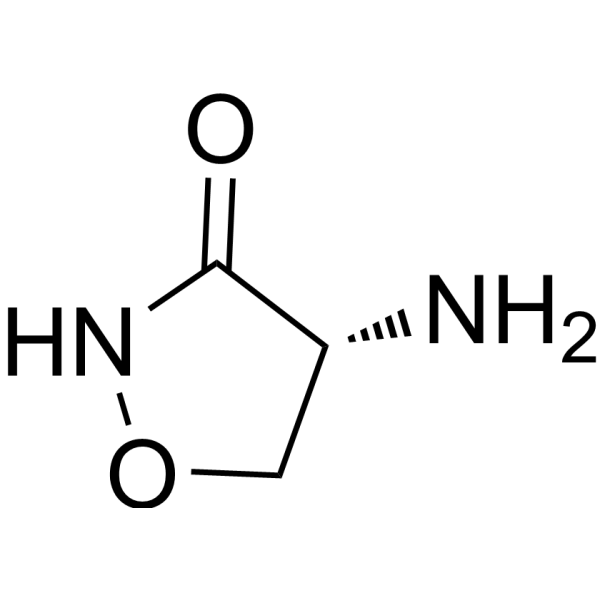
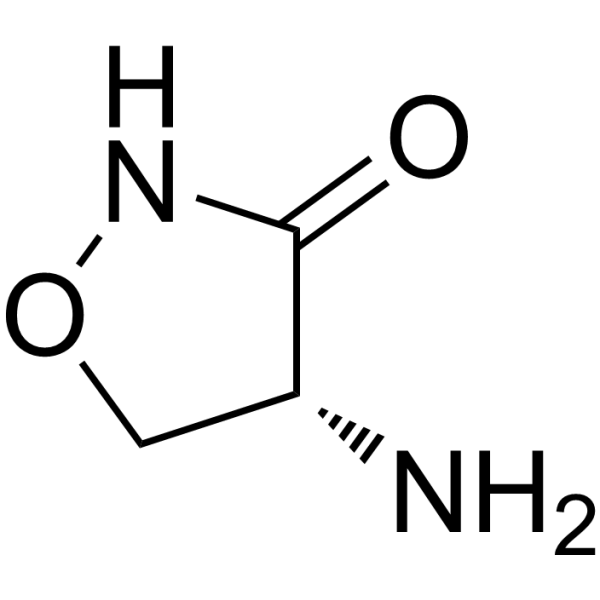
D-Cycloserine is an antibiotic which targets sequential bacterial cell wall peptidoglycan biosynthesis enzymes, with blood-brain barrier permeability. D-Cycloserine is a partial NMDA agonist that can improve cognitive functions. D-Cycloserine can be used for multidrug-resistant tuberculosis research .
|
-
-
- HY-B0200
-
Cephalexin
Maximum Cited Publications
9 Publications Verification
Cefalexin; Cephacillin
|
Penicillin-binding protein (PBP)
Antibiotic
Bacterial
|
Infection
Cancer
|
|
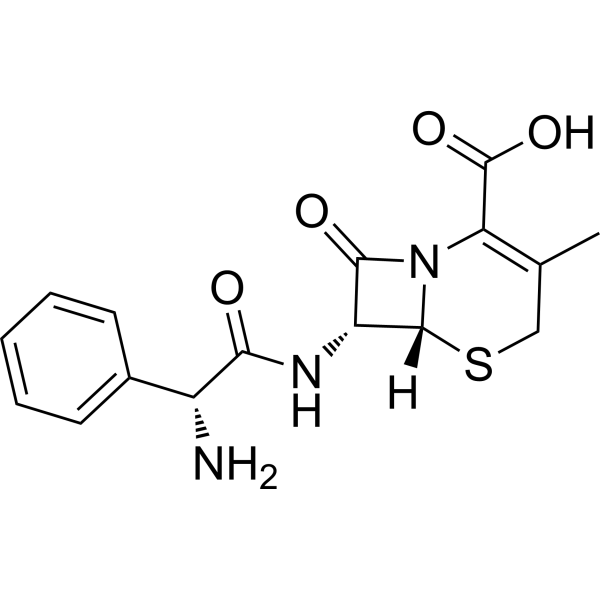
Cephalexin (Cefalexin) is a potent, orally active semisynthetic cephalosporin antibiotic with a broad antibacterial spectrum. Cephalexin has antibacterial activity against a wide variety of gram-positive and gram-negative bacteria. Cephalexin targets penicillin-binding proteins (PBPs) to inhibit bacterial cell wall assembly. Cephalexin is used for the research of pneumonia, strep throat, and bacterial endocarditis, et al .
|
-
-
- HY-W009274
-
|
MurNAc; NAMA
|
p38 MAPK
NF-κB
Bacterial
|
Infection
Inflammation/Immunology
|
|
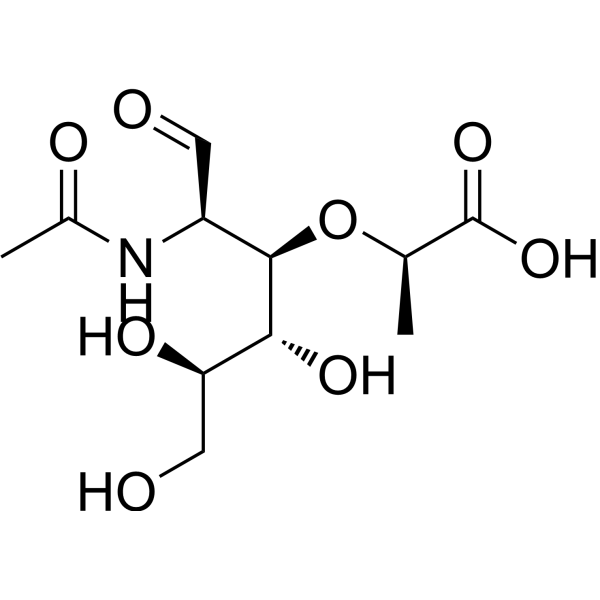
N-acetylmuramic acid is a component of the bacterial cell wall peptidoglycan, essential for maintaining cell shape and integrity . N-acetylmuramic acid inhibits spore germination by inhibiting a coat-associated hexosaminidase and a core enzyme . N-acetylmuramic acid is required by Bacteroides forsythus for proliferation and the maintenance of its cell shape . N-Acetylmuramic acid inhibits the p38 MAPK/NF-κB signaling pathway, and exhibits anti-inflammatory activity. N-Acetylmuramic acid is orally active .
|
-
-
- HY-B0200B
-
|
Cefalexin hydrate; Cephacillin hydrate
|
Penicillin-binding protein (PBP)
Antibiotic
Bacterial
|
Infection
Cancer
|
|
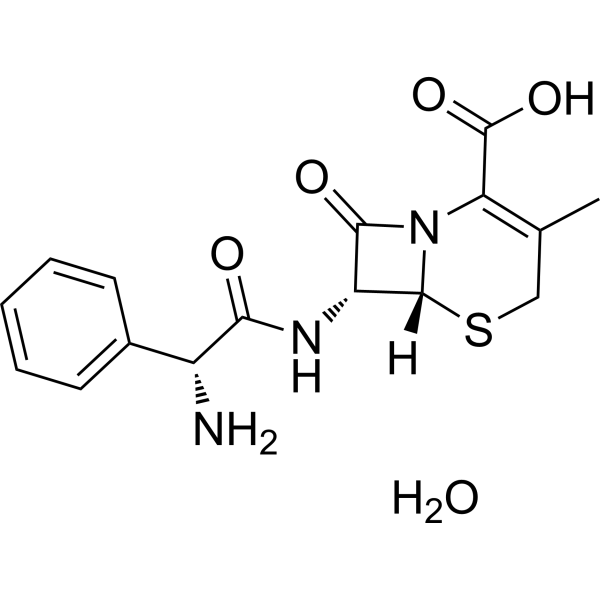
Cephalexin (Cefalexin) monohydrate is a potent, orally active new semisynthetic cephalosporin antibiotic with a broad antibacterial spectrum. Cephalexin (Cefalexin) monohydrate has antibacterial activity against a wide variety of gram-positive and gram-negative bacteria. Cephalexin (Cefalexin) monohydrate targets penicillin-binding proteins (PBPs) to inhibit bacterial cell wall assembly. Cephalexin (Cefalexin) monohydrate is used for the research of pneumonia, strep throat, and bacterial endocarditis, et al .
|
-
-
- HY-B1190
-
|
BL-S 578
|
Bacterial
Antibiotic
EAAT
|
Infection
Neurological Disease
|
|
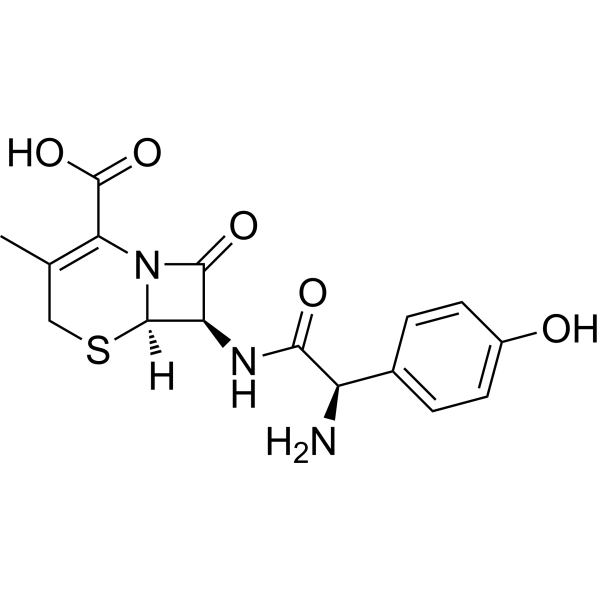
Cefadroxil is an orally active broad-spectrum cephalosporin antibiotic. Cefadroxil inhibits bacterial cell wall synthesis and enhances the expression of glutamate transporter-1. Cefadroxil is dependent on the intestinal peptide transporter PepT1 for small intestinal absorption. Cefadroxil has inhibitory and bactericidal activity against a variety of Gram-positive and Gram-negative bacteria and has analgesic effects on neuropathic pain .
|
-
-
- HY-147063
-
|
|
Endogenous Metabolite
|
Others
|
|
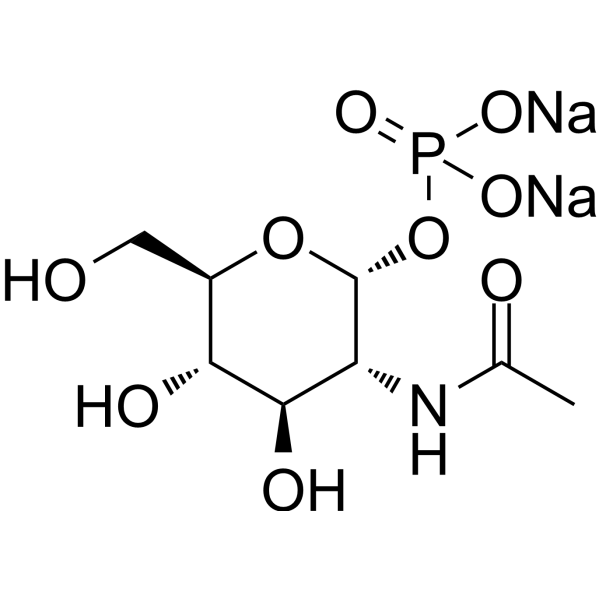
N-acetyl-α-d-glucosamine 1-phosphate disodium (GlcNAc-1-P) is an ectopic sugar phosphate and a key intermediate in N-glycoprotein biosynthesis. N-acetyl-α-d-glucosamine 1-phosphate disodium serves as a metabolic precursor of teichoic acid and muramic acid, which are components of bacterial cell walls .
|
-
-
- HY-P1068
-
|
Muramidase
|
Bacterial
TNF Receptor
Interleukin Related
TGF-β Receptor
|
Infection
Inflammation/Immunology
|
|
Lysozyme (Muramidase) is a conserved antimicrobial protein. Lysozyme exerts its bactericidal effect by hydrolyzing bacterial cell wall peptidoglycan (PG). Lysozyme plays an important role in limiting bacterial growth on mucosal surfaces and other sites, not only controlling potential pathogens but also limiting overgrowth of microbiota to prevent dysbiosis. Extracellular lysozyme can also degrade polymeric PG into soluble fragments, activate NOD receptors in mucosal epithelial cells, and lead to the secretion of chemokines and activating factors by neutrophils and macrophages .
|
-

-
- HY-131150
-
|
|
Antibiotic
Bacterial
|
Cardiovascular Disease
Infection
|
|
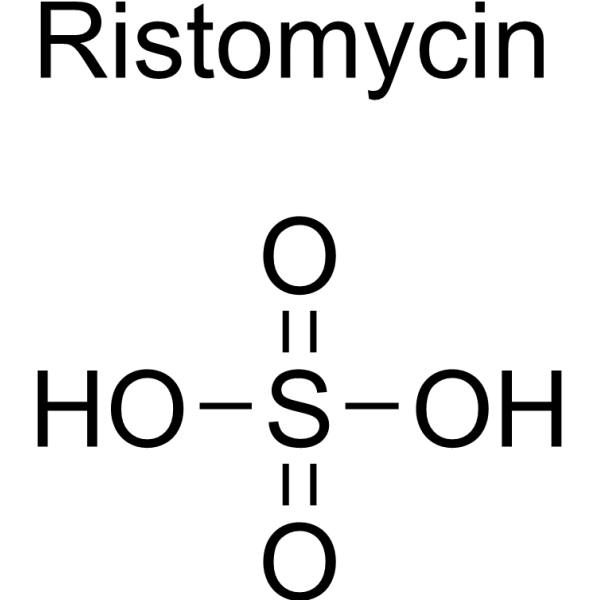
Ristomycin sulfate is an antibacterial antibiotic and platelet aggregation inducer. Ristomycin sulfate interacts with the D-alanyl-D-alanine terminus of bacterial cell wall precursors to regulate bacterial cell wall synthesis. Ristomycin sulfate induces platelet aggregation in vitro and inhibits the growth of Gram-positive bacteria. Ristomycin sulfate serves as an in vitro diagnostic compound for detecting von Willebrand factor activity. Ristomycin sulfate is applicable to research related to von Willebrand disease and Bernard-Soulier syndrome .
|
-
-
- HY-B0200A
-
|
Cefalexin hydrochloride; Cephacillin hydrochloride
|
Penicillin-binding protein (PBP)
Bacterial
Antibiotic
|
Infection
Cancer
|
|
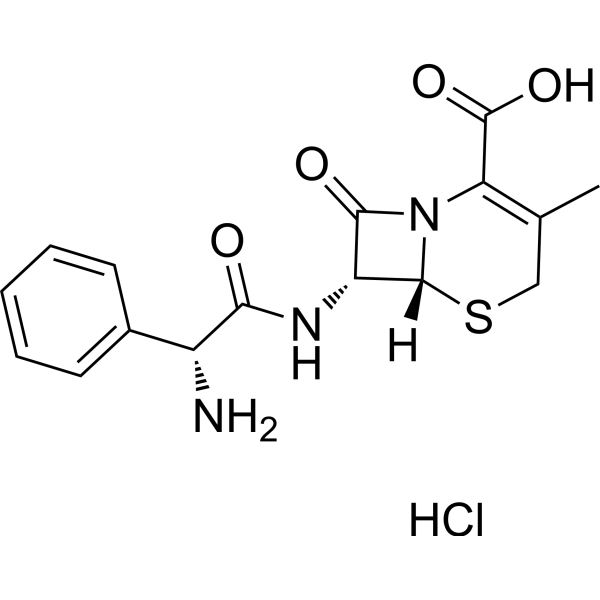
Cephalexin (Cefalexin) hydrochloride is a potent, orally active new semisynthetic cephalosporin antibiotic with a broad antibacterial spectrum. Cephalexin (Cefalexin) hydrochloride has antibacterial activity against a wide variety of gram-positive and gram-negative bacteria. Cephalexin (Cefalexin) hydrochloride targets penicillin-binding proteins (PBPs) to inhibit bacterial cell wall assembly. Cephalexin (Cefalexin) hydrochloride is used for the research of pneumonia, strep throat, and bacterial endocarditis, et al .
|
-
-
- HY-P1068A
-
|
|
Bacterial
|
Infection
|
|
Recombinant human lysozyme (plant expression) is a conserved anti-bacterial protein that causes bacterial lysis and death by hydrolyzing bacterial cell wall peptidoglycan (PG). Recombinant human lysozyme (plant expression) can be used to study bacterial infections .
|
-
-
- HY-B1257
-
|
Sodium cefmetazole
|
Bacterial
Antibiotic
|
Infection
Cancer
|
|
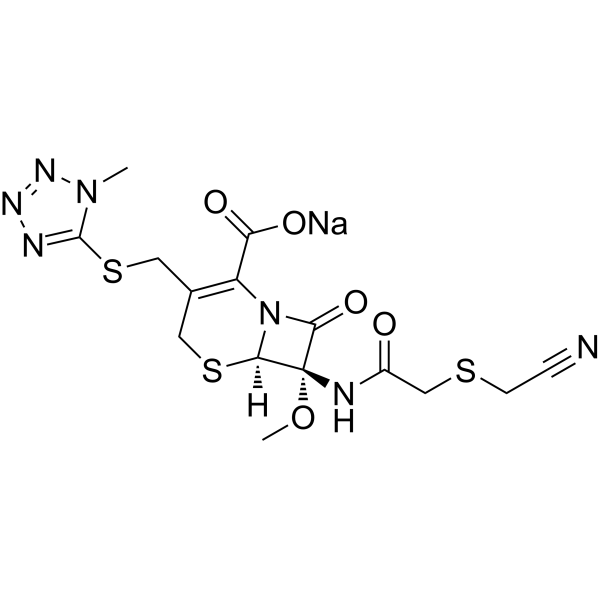
Cefmetazole sodium (Sodium cefmetazole) is a semisynthetic cephamycin antibiotic with broad-spectrum antibacterial activity, covering gram-positive, gram-negative, and anaerobic bacteria. Cefmetazole sodium binds to penicillin binding proteins (PBPs), resulting in interfering bacterial cell wall biosynthesis. Cefmetazole sodium is used for the research of gynecologic, intraabdominal, urinary tract, respiratory tract and skin and soft tissue infections .
|
-
-
- HY-B1824
-
|
HR-810 sulfate
|
Bacterial
Antibiotic
|
Infection
|
|
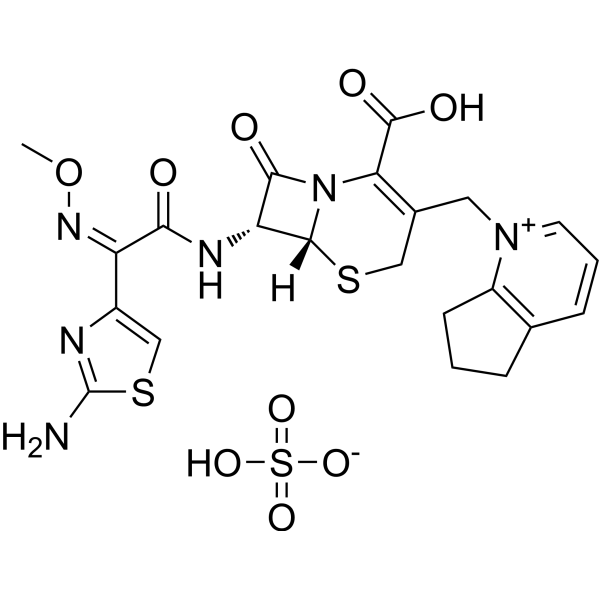
Cefpirome (HR-810) sulfate is a cephalosporin antibiotic that can cross cell membranes and the blood-brain barrier. Cefpirome sulfate binds to penicillin-binding proteins with high affinity, thereby inhibiting bacterial cell wall synthesis. Cefpirome sulfate exhibits bactericidal and growth-inhibitory activities against Gram-negative bacteria, Gram-positive bacteria, and susceptible anaerobic bacteria (including some β-lactamase-producing strains) .
|
-
-
- HY-N7102
-
|
|
Antibiotic
Bacterial
NF-κB
p38 MAPK
TNF Receptor
Interleukin Related
|
Infection
|
|
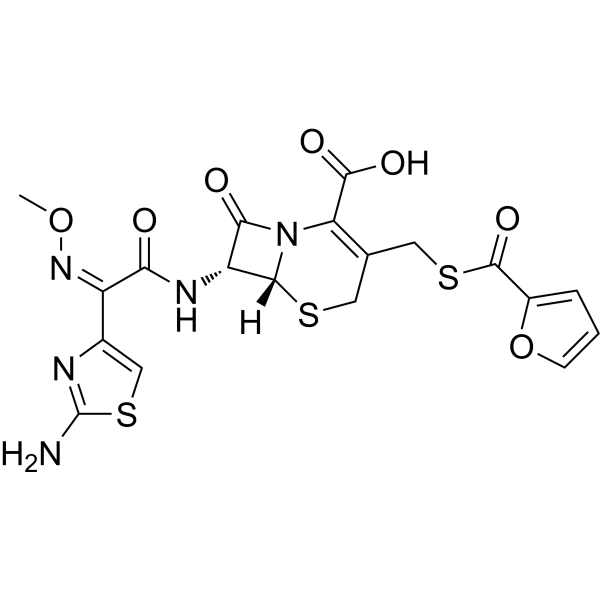
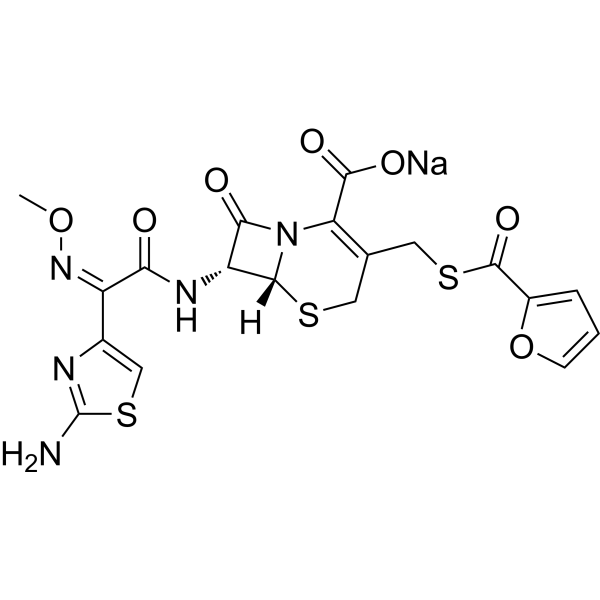
Ceftiofur is a cell wall synthesis inhibitor that targets bacterial penicillin-binding proteins (PBPs) and has anti-inflammatory effects in endotoxemia. Ceftiofur exerts bactericidal effects by inhibiting the synthesis of bacterial cell wall peptidoglycan, leading to bacterial cell lysis. Ceftiofur also inhibits the activation of NF-κB and MAPKs, thereby reducing the secretion of pro-inflammatory cytokines such as TNF-α, IL-1β, and IL-6 .
|
-
-
- HY-B0898
-
|
sodium ceftiofur
|
Antibiotic
Bacterial
NF-κB
p38 MAPK
TNF Receptor
Interleukin Related
|
Infection
|
|
Ceftiofur sodium is a cell wall synthesis inhibitor that targets bacterial penicillin-binding proteins (PBPs) and has anti-inflammatory effects in endotoxemia. Ceftiofur sodium exerts bactericidal effects by inhibiting the synthesis of bacterial cell wall peptidoglycan, leading to bacterial cell lysis. Ceftiofur sodium also inhibits the activation of NF-κB and MAPKs, thereby reducing the secretion of pro-inflammatory cytokines such as TNF-α, IL-1β, and IL-6 .
|
-
-
- HY-B1275
-
|
Cefalotin sodium
|
Beta-lactamase
Bacterial
Antibiotic
|
Infection
|
|
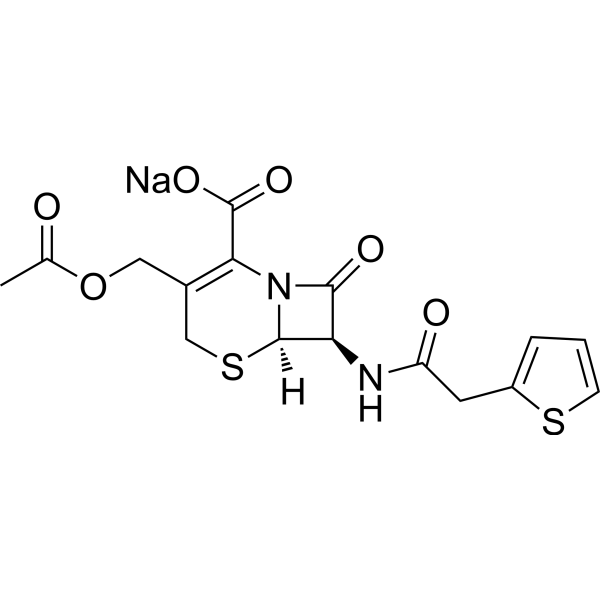
Cephalothin (Cephalotin) sodium is a semi-synthetic cephalosporin antibiotic and beta-lactam antibiotic. Cephalothin inhibits class C β-lactamase AmpC, with an Ki of 0.32 µM. Cephalothin sodium binds to penicillin-binding proteins, interfering with the cross-linking of peptidoglycan in the cell wall and thus hindering the normal synthesis of the bacterial cell wall. Cephalothin sodium shows antibacterial activity against a variety of bacteria. Cephalothin sodium can be used in hematological and nephrotoxicity studies .
|
-
-
- HY-B1275A
-
|
Cephalotin
|
Beta-lactamase
Bacterial
Antibiotic
|
Infection
Cardiovascular Disease
|
|
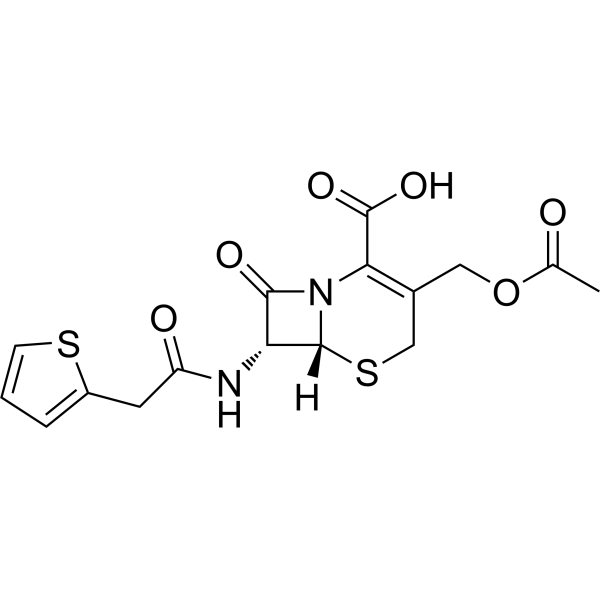
Cephalothin (Cephalotin) is a semi-synthetic cephalosporin antibiotic and beta-lactam antibiotic. Cephalothin inhibits class C β-lactamase AmpC, with an Ki of 0.32 µM. Cephalothin binds to penicillin-binding proteins, interfering with the cross-linking of peptidoglycan in the cell wall and thus hindering the normal synthesis of the bacterial cell wall. Cephalothin shows antibacterial activity against a variety of bacteria. Cephalothin can be used in hematological and nephrotoxicity studies .
|
-
-
- HY-19750
-
|
|
Bacterial
|
Infection
|
|
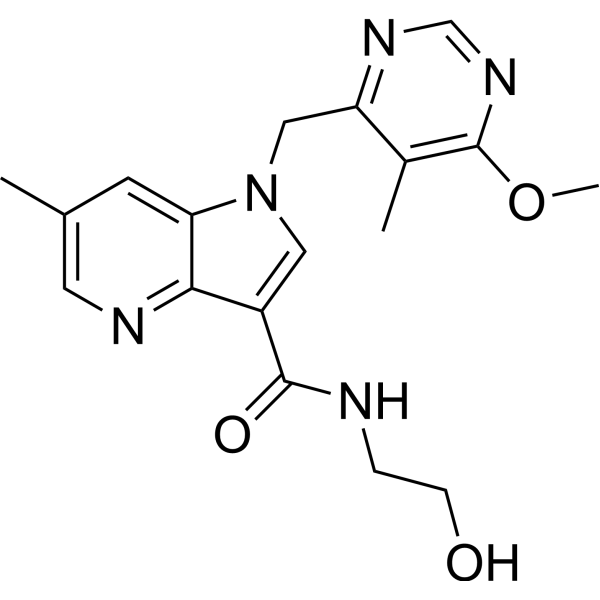
TBA-7371 is an orally active and non-covalent inhibitor of Decaprenylphosphoryl-β-D-ribose oxidase (DprE1) of Mycobacterium tuberculosis (MIC=0.64 μg/mL). TBA-7371 can block the synthesis of arabinose in the bacterial cell wall, resulting in cell wall structural defects, thereby exerting an anti-tuberculosis effect. TBA-7371 can be used in the research of anti-tuberculosis drugs and has a synergistic bactericidal effect with Bedaquiline (HY-14881) and other drugs .
|
-
-
- HY-B1924
-
|
N-Demethylvancomycin monohydrochloride; NVCM monohydrochloride
|
Bacterial
|
Infection
|
|
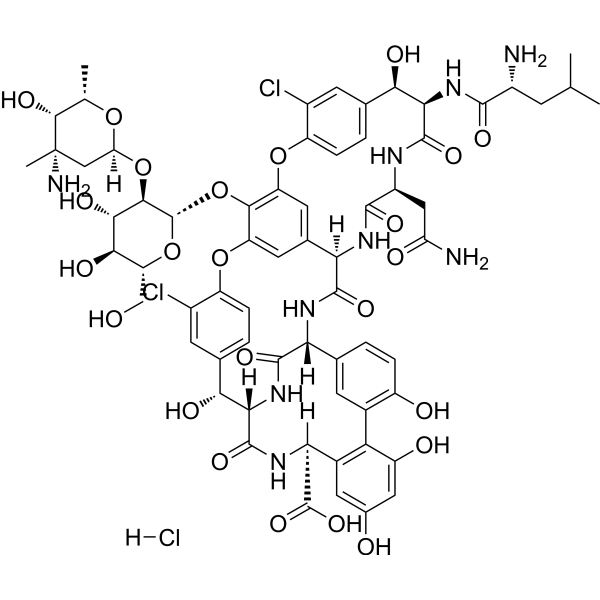
Norvancomycin hydrochloride is a cell wall synthesis inhibitor targeting peptidoglycan precursors of Gram-positive bacteria and cannot pass the blood-brain barrier. Norvancomycin hydrochloride can competitively bind to peptidoglycan precursors, irreversibly inhibit bacterial cell wall synthesis, and exert antibacterial activity. Norvancomycin hydrochloride is mainly used in the study of Gram-positive bacterial infections, especially infections caused by methicillin-resistant Staphylococcus aureus (MRSA) and methicillin-resistant Staphylococcus epidermidis (MRSE). Norvancomycin hydrochloride can also be incorporated into the bionic calcium phosphate coating of titanium implants to enhance antibacterial activity and inhibit postoperative orthopedic infections .
|
-
-
- HY-138053
-
|
Ristomycin III
|
Antibiotic
|
Cardiovascular Disease
Infection
|
|
Ristocetin A sulfate (Ristomycin III) is a glycopeptide antibiotic that binds to von Willebrand factor (VWF) and bacterial cell wall components. Ristocetin A sulfate interferes with the biosynthesis of bacterial peptidoglycan by inhibiting transpeptidation. As an inducer of platelet adhesion and aggregation, Ristocetin A sulfate drives conformational changes by binding to the A1 domain of VWF, thereby activating downstream signaling pathways and promoting cytoskeletal rearrangement. Ristocetin A sulfate not only enhances platelet adhesion and spreading on immobilized VWF, but also induces the formation of asymmetric dimers with anticooperativity between platelets and plasma VWF. Ristocetin A sulfate is widely used in studies related to thromboembolic diseases and bacterial infections .
|
-

-
- HY-N7101
-
|
U-76,252; CS-807
|
Bacterial
Antibiotic
Penicillin-binding protein (PBP)
|
Infection
|
|
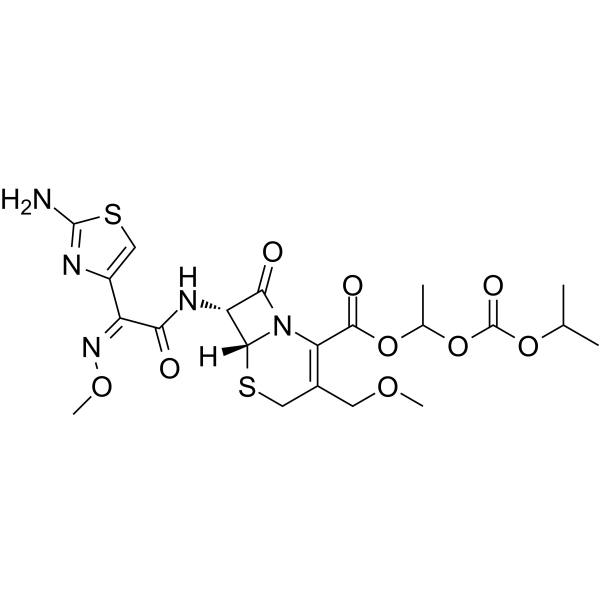
Cefpodoxime Proxetil is an orally active broad spectrum third-generation cephalosporin with potent antibacterial activity against both Gram-positive and Gram-negative bacteria including staphylococci, streptococci, Haemophilus influenzae, Neisseria gonorrhoeae, Escherichia coli, Klebsiella pnuemoniae, Citrobacter spp, and Proteus spp. Cefpodoxime Proxetil binds to penicillin binding proteins (PBPs), which inhibits peptidoglycan synthesis, finally results in interfering bacterial cell wall biosynthesis. Cefpodoxime Proxetil can be used against skin structure infections, acute otitis media, pharyngitis, tonsillitis, upper respiratory tract infection, urinary tract infections and sexually transmitted diseases .
|
-
-
- HY-B1596
-
|
|
Bacterial
Antibiotic
|
Infection
|
|
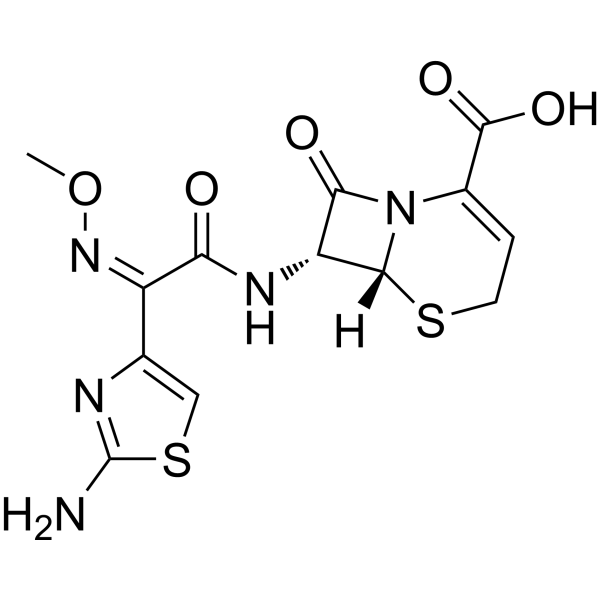
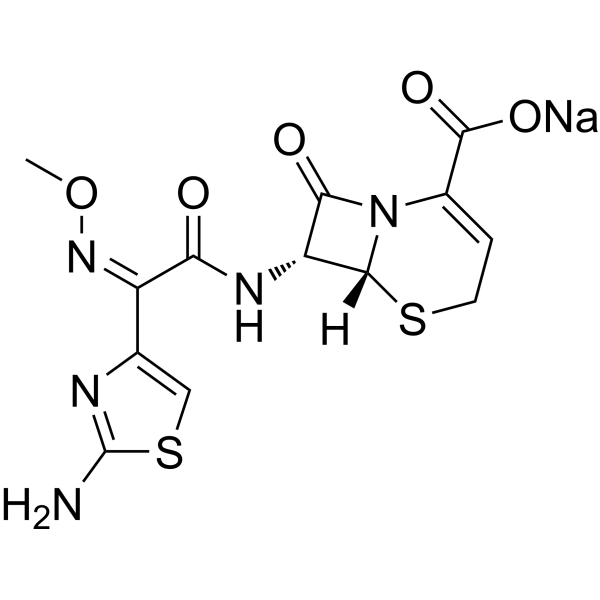
Ceftizoxime is a bacterial inhibitor which acts by interfering with bacterial cell wall synthesis and inhibiting cross-linking of the peptidoglycan.
|
-
-
- HY-34516
-
|
(R)-Ornithine hydrochloride
|
Endogenous Metabolite
Bacterial
|
Metabolic Disease
|
|
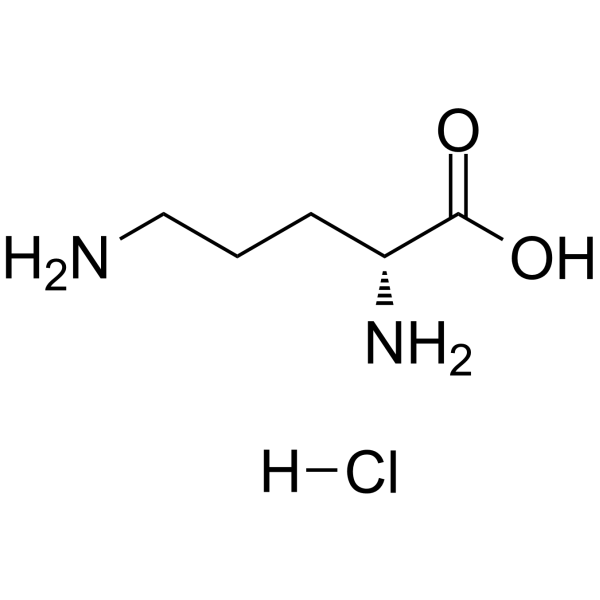
D-Ornithine ((R)-Ornithine) hydrochloride is a constituent of bacterial cell wall. D-Ornithine hydrochloride promotes the production of L-arginine (HY-N0455). D-Ornithine hydrochloride enhances the expression of pyrrolysine-containing proteins .
|
-
-
- HY-B1190A
-
|
BL-S 578 hydrate
|
Bacterial
Antibiotic
EAAT
|
Infection
Neurological Disease
|
|
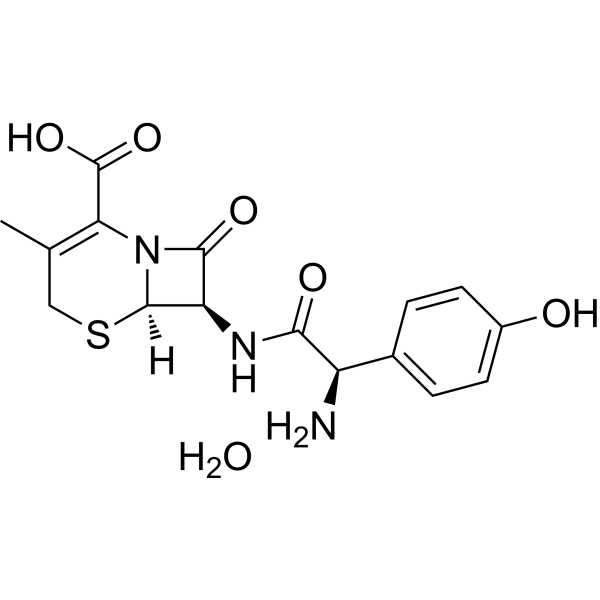
Cefadroxil hydrate is an orally active broad-spectrum cephalosporin antibiotic. Cefadroxil hydrate inhibits bacterial cell wall synthesis and enhances the expression of glutamate transporter-1. Cefadroxil hydrate is dependent on the intestinal peptide transporter PepT1 for small intestinal absorption. Cefadroxil hydrate has inhibitory and bactericidal activity against a variety of Gram-positive and Gram-negative bacteria and has analgesic effects on neuropathic pain .
|
-
-
- HY-B1596A
-
-
-
- HY-W587753
-
|
|
Antibiotic
Bacterial
|
Infection
|
|
Bacitracin A is an antibiotic, which exhibits antibacterial activity against gram-positive bacteria. Bacitracin A forms complex with long-chain polyisoprenyl pyrophosphates in presence of metal ions, dephosphorylates the lipid carrier intermediate Css-bactoprenyl pyrophosphate, inhibits thus the bacterial cell wall biosynthesis .
|
-

-
- HY-107833
-
|
|
Antibiotic
Bacterial
|
Infection
|
|
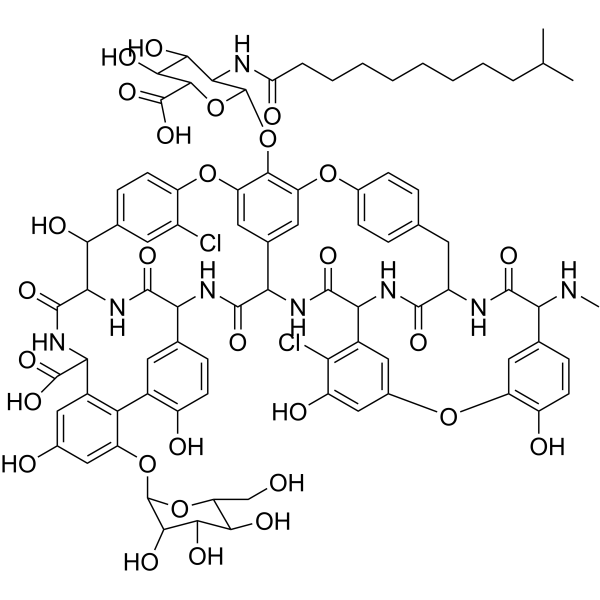
A40926 is a glycopeptide antibiotic that targets the bacterial cell wall peptidoglycan precursor D-alanyl-D-alanine (D-Ala-D-Ala). A40926 irreversibly inhibits cell wall synthesis by competitively binding to this target, and has high bactericidal activity against Gram-positive bacteria (such as Staphylococcus, Streptococcus) and Neisseria gonorrhoeae, with MIC=0.06-2 μg/mL, and is also effective against penicillin-resistant strains. A40926 blocks peptidoglycan cross-linking, destroys cell wall integrity, and causes bacterial lysis and death. A40926 has a fat-soluble fatty acid structure, which can increase serum concentrations and prolong the duration of action (e.g., the terminal half-life in rats is 61.22 h) .
|
-
-
- HY-D1690A
-
|
|
Fluorescent Dye
|
Others
|
|
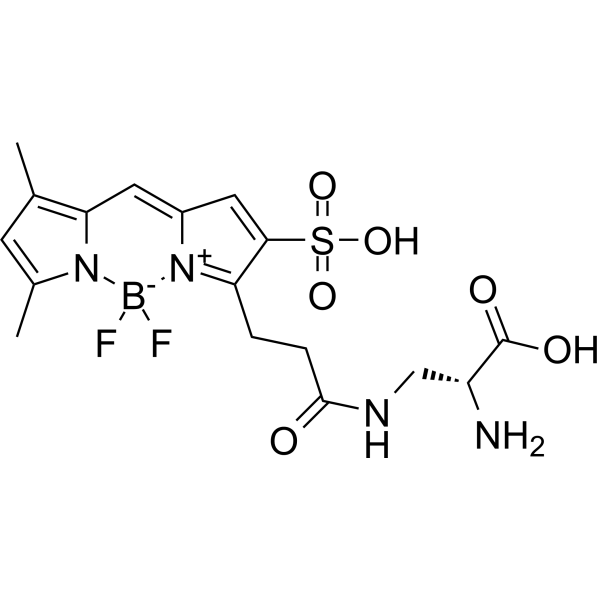
sBADA is a potent green fluorescent dye. sBADA is a sulfonated BODIPY-FL 3-amino-D-alanine. sBADA is used to label peptidoglycans in bacterial cell walls in situ. (λex=490 nm, λem=510 nm) .
|
-
-
- HY-B0030R
-
|
|
Reference Standards
iGluR
Bacterial
Antibiotic
|
Infection
Neurological Disease
Cancer
|
|
D-Cycloserine (Standard) is the analytical standard of D-Cycloserine. This product is intended for research and analytical applications. D-Cycloserine is an antibiotic which targets sequential bacterial cell wall peptidoglycan biosynthesis enzymes. D-Cycloserine is a partial NMDA agonist that can improve cognitive functions. D-Cycloserine can be used for multidrug-resistant tuberculosis research .
|
-
-
- HY-B1595
-
|
CS 1170
|
Antibiotic
Bacterial
|
Infection
Cancer
|
|
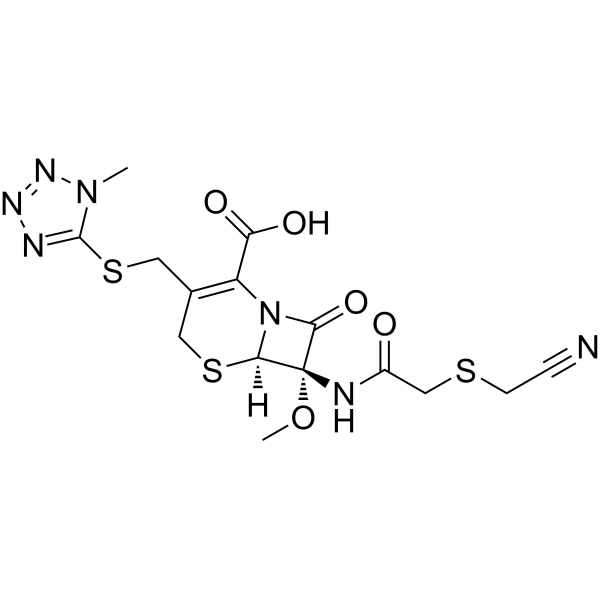
Cefmetazole (CS 1170) is a semisynthetic cephamycin antibiotic with broad-spectrum antibacterial activity, covering gram-positive, gram-negative and anaerobic bacteria. Cefmetazole binds to penicillin binding proteins (PBPs), resulting in interfering bacterial cell wall biosynthesis. Cefmetazole is used for the research of gynecologic, intraabdominal, urinary tract, respiratory tract and skin and soft tissue infections .
|
-
-
- HY-B0200R
-
|
Cefalexin (Standard); Cephacillin (Standard)
|
Penicillin-binding protein (PBP)
Reference Standards
Antibiotic
Bacterial
|
Infection
Cancer
|
|
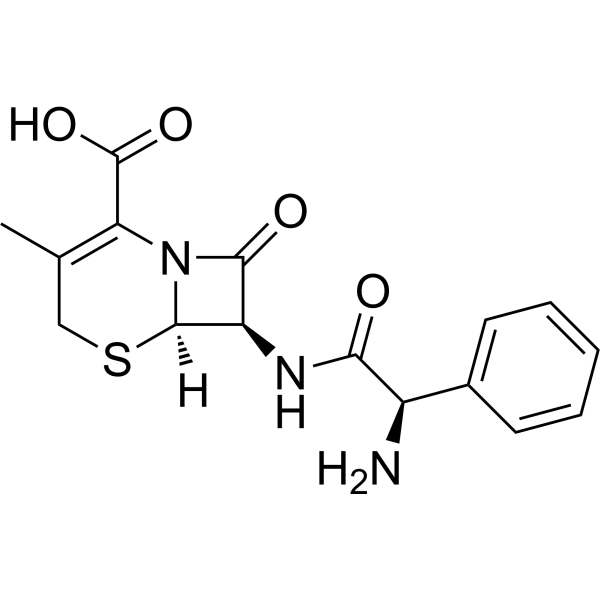
Cephalexin (Standard) is the analytical standard of Cephalexin. This product is intended for research and analytical applications. Cephalexin (Cefalexin) is a potent, orally active semisynthetic cephalosporin antibiotic with a broad antibacterial spectrum. Cephalexin has antibacterial activity against a wide variety of gram-positive and gram-negative bacteria. Cephalexin targets penicillin-binding proteins (PBPs) to inhibit bacterial cell wall assembly. Cephalexin is used for the research of pneumonia, strep throat, and bacterial endocarditis, et al .
|
-
-
- HY-135113
-
|
|
Amino Acid Derivatives
|
Others
|
|
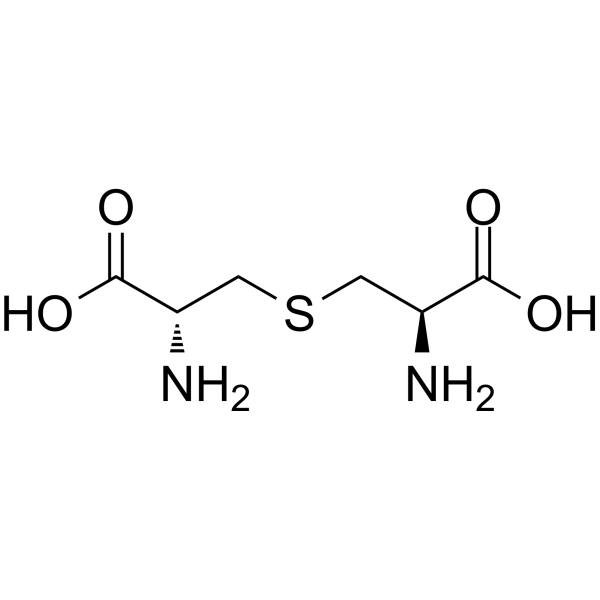
DL/meso-Lanthionine is a mixture of the racemic mixture (DL-) and meso- isomers of Lanthionine. Lanthionine is a non-protein amino acid composed of two alanine residues cross-linked by a thioether bond and is a structural component of the bacterial cell wall.
|
-
-
- HY-B0200S
-
|
Cefalexin-d5; Cephacillin-d5
|
Antibiotic
Bacterial
|
Infection
|
|
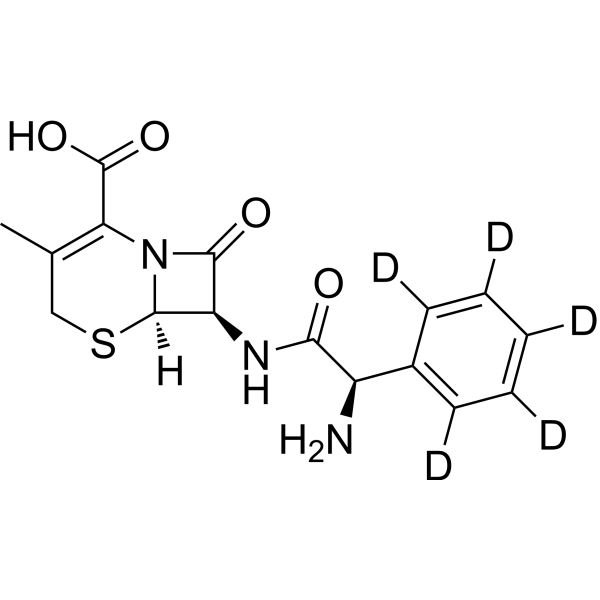
Cephalexin-d5 is deuterium labeled Cephalexin. Cephalexin (Cefalexin; Cephacillin) is a potent, orally active and the first-generation?cephalosporin antibiotic. Cephalexin kills?gram-positive?and some?gram-negative bacteria?by disrupting the growth of the bacterial cell wall. Cephalexin monohydrate is used for the research of?pneumonia,?strep throat, and bacterial endocarditis, et al .
|
-
-
- HY-B0026
-
|
|
Antibiotic
Bacterial
NF-κB
p38 MAPK
TNF Receptor
Interleukin Related
|
Infection
|
|
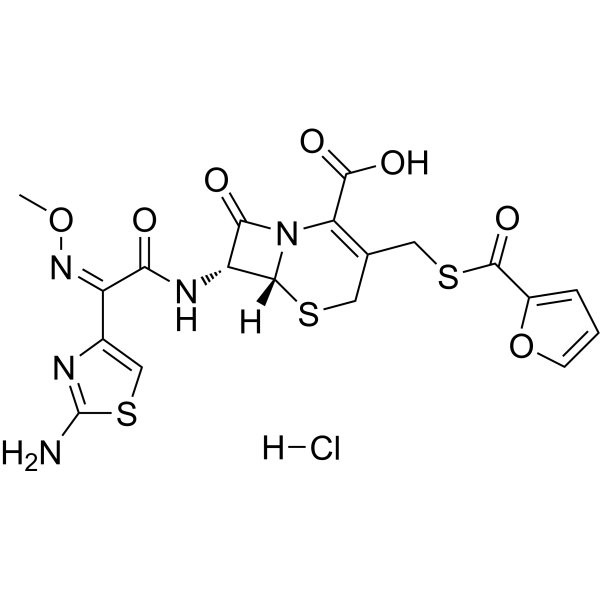
Ceftiofur hydrochloride is a cell wall synthesis inhibitor that targets bacterial penicillin-binding proteins (PBPs) and has anti-inflammatory effects in endotoxemia. Ceftiofur hydrochloride exerts bactericidal effects by inhibiting the synthesis of bacterial cell wall peptidoglycan, leading to bacterial cell lysis. Ceftiofur hydrochloride also inhibits the activation of NF-κB and MAPKs, thereby reducing the secretion of pro-inflammatory cytokines such as TNF-α, IL-1β, and IL-6 .
|
-
-
- HY-W653936
-
|
|
Isotope-Labeled Compounds
Bacterial
Antibiotic
Penicillin-binding protein (PBP)
|
Cancer
|
|
Cephalexin-d5 (hydrate) is deuterium labeled Cephalexin (monohydrate). Cephalexin (Cefalexin) monohydrate is a potent, orally active new semisynthetic cephalosporin antibiotic with a broad antibacterial spectrum. Cephalexin (Cefalexin) monohydrate has antibacterial activity against a wide variety of gram-positive and gram-negative bacteria. Cephalexin (Cefalexin) monohydrate targets penicillin-binding proteins (PBPs) to inhibit bacterial cell wall assembly. Cephalexin (Cefalexin) monohydrate is used for the research of pneumonia, strep throat, and bacterial endocarditis, et al .
|
-

-
- HY-B1190R
-
|
BL-S 578 (Standard)
|
Reference Standards
Bacterial
Antibiotic
EAAT
|
Infection
Neurological Disease
|
|
Cefadroxil (Standard) is the analytical standard of Cefadroxil (HY-B1190). This product is intended for research and analytical applications. Cefadroxil is an orally active broad-spectrum cephalosporin antibiotic. Cefadroxil inhibits bacterial cell wall synthesis and enhances the expression of glutamate transporter-1. Cefadroxil is dependent on the intestinal peptide transporter PepT1 for small intestinal absorption. Cefadroxil has inhibitory and bactericidal activity against a variety of Gram-positive and Gram-negative bacteria and has analgesic effects on neuropathic pain .
|
-

-
- HY-B0898R
-
|
sodium ceftiofur (Standard)
|
Reference Standards
Antibiotic
Bacterial
NF-κB
p38 MAPK
TNF Receptor
Interleukin Related
|
Infection
|
|
Ceftiofur sodium (Standard) is the analytical standard of Ceftiofur sodium (HY-B0898). This product is intended for research and analytical applications. Ceftiofur sodium is a cell wall synthesis inhibitor that targets bacterial penicillin-binding proteins (PBPs) and has anti-inflammatory effects in endotoxemia. Ceftiofur sodium exerts bactericidal effects by inhibiting the synthesis of bacterial cell wall peptidoglycan, leading to bacterial cell lysis. Ceftiofur sodium also inhibits the activation of NF-κB and MAPKs, thereby reducing the secretion of pro-inflammatory cytokines such as TNF-α, IL-1β, and IL-6 .
|
-

-
- HY-N11102
-
|
dTDP-L-Rhamnose
|
Endogenous Metabolite
Bacterial
|
Infection
|
|
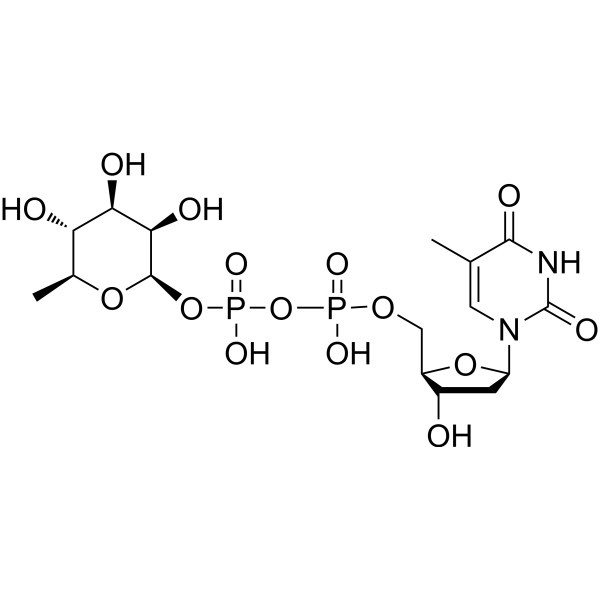
Thymidine-5'-diphosphate-L-rhamnose (dTDP-L-Rhamnose) is a key activated nucleotide sugar in bacteria, with a KD value of 13 μM for Listeria monocytogenes RmlT. Thymidine-5'-diphosphate-L-rhamnose acts as a high-energy donor for L-Rhamnose (HY-N1420), and is specifically used for the synthesis of bacterial cell wall polysaccharides, capsules and virulence factors .
|
-
-
- HY-B0200C
-
|
Cefalexin hydrochloride monohydrate; Cephacillin hydrochloride monohydrate
|
Penicillin-binding protein (PBP)
Antibiotic
Bacterial
|
Infection
Cancer
|
|
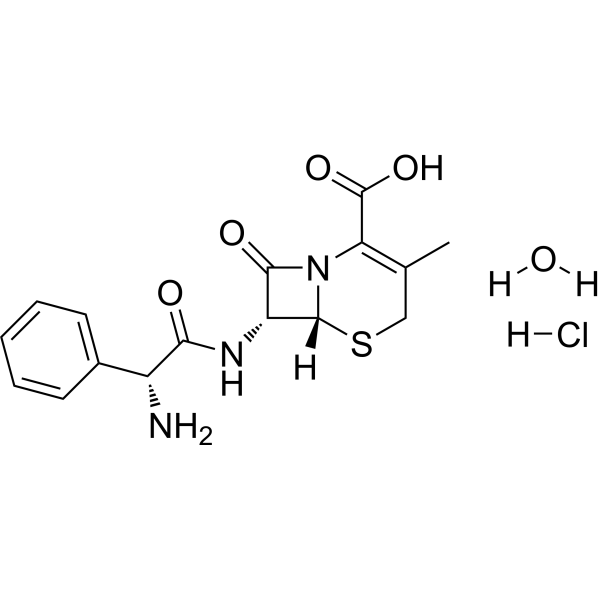
Cephalexin (Cefalexin) hydrochloride monohydrate is a potent, orally active new semisynthetic cephalosporin antibiotic with a broad antibacterial spectrum. Cephalexin (Cefalexin) hydrochloride monohydrate has antibacterial activity against a wide variety of gram-positive and gram-negative bacteria. Cephalexin (Cefalexin) hydrochloride monohydrate targets penicillin-binding proteins (PBPs) to inhibit bacterial cell wall assembly. Cephalexin (Cefalexin) hydrochloride monohydrate is used for the research of pneumonia, strep throat, and bacterial endocarditis, et al .
|
-
-
- HY-B0200D
-
|
Cefalexin (lysine); Cephacillin (lysine)
|
Penicillin-binding protein (PBP)
Bacterial
Antibiotic
|
Infection
Cancer
|
|
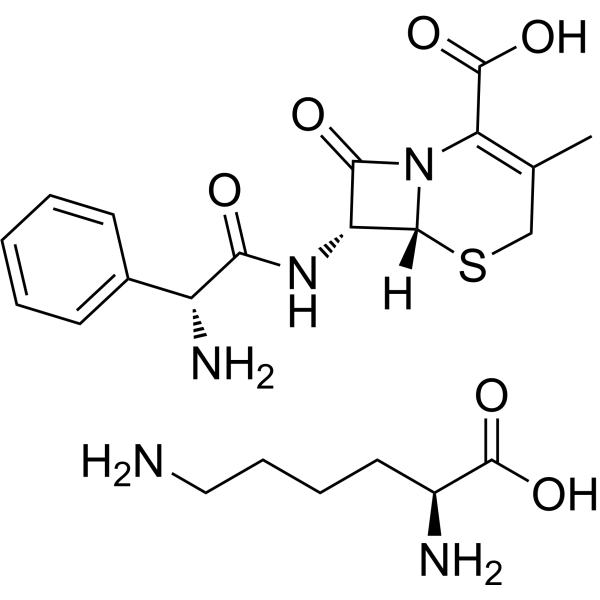
Cephalexin (Cefalexin) lysine is a potent, orally active new semisynthetic cephalosporin antibiotic with a broad antibacterial spectrum. Cephalexin lysine has antibacterial activity against a wide variety of gram-positive and gram-negative bacteria. Cephalexin lysine targets penicillin-binding proteins (PBPs) to inhibit bacterial cell wall assembly. Cephalexin lysine is used for the research of pneumonia, strep throat, and bacterial endocarditis, et al .
|
-
-
- HY-B1824R
-
|
HR-810 sulfate (Standard)
|
Reference Standards
Antibiotic
Bacterial
|
Infection
|
|
Cefpirome (HR-810) sulfate (Standard) is the analytical standard of Cefpirome sulfate. This product is intended for research and analytical applications. Cefpirome sulfate is a cephalosporin antibiotic that can cross cell membranes and the blood-brain barrier. Cefpirome sulfate binds to penicillin-binding proteins with high affinity, thereby inhibiting bacterial cell wall synthesis. Cefpirome sulfate exhibits bactericidal and growth-inhibitory activities against Gram-negative bacteria, Gram-positive bacteria, and susceptible anaerobic bacteria (including some β-lactamase-producing strains).
|
-

-
- HY-U00380
-
|
|
Antibiotic
Beta-lactamase
Bacterial
|
Infection
|
|
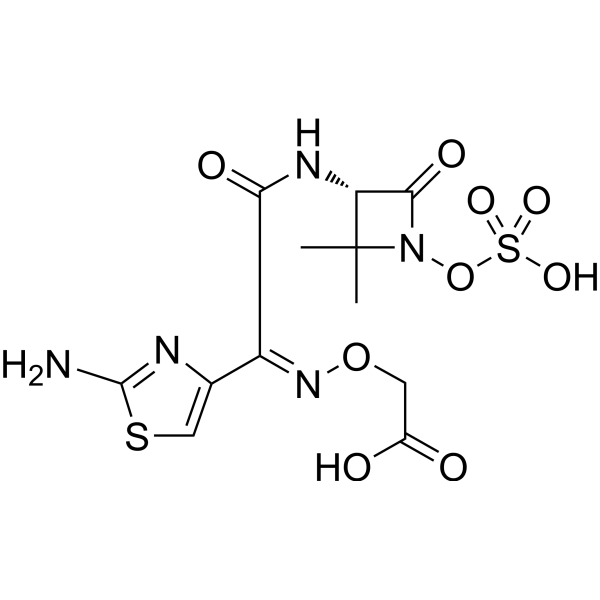
Tigemonam is an orally active monobactam antibiotic with a Ki of 0.86 μM against Enterobacter cloacae P99 β-lactamase and 50.8 μM against Escherichia coli TEM-1 β-lactamase. Tigemonam binds to penicillin-binding proteins 1a, 3, and 4, inhibits bacterial cell wall synthesis, and exhibits bactericidal activity against aerobic gram-negative bacteria including Enterobacteriaceae, Haemophilus influenzae, and Neisseria gonorrhoeae. Tigemonam resists hydrolysis by multiple β-lactamase enzymes, reduces bacterial load in systemic, pyelonephritic, lung, and thigh muscle infections in rodents, and shows minimal difference between minimum inhibitory and bactericidal concentrations. Tigemonam can be used for the research of gram-negative bacterial infections, acute pyelonephritis, lung infection, and thigh muscle infection .
|
-
-
- HY-E70602
-
|
|
Bacterial
|
Others
|
|
T4 lysozyme is derived from a recombinant E.coli strain and can lyse bacterial cell walls. T4 lysozyme acts on the peptidoglycan of bacterial cell walls and hydrolyzes the β-1,4 bond between N-acetylmuramic acid and N-acetylglucosamine .
|
-

-
- HY-W012267
-
|
2-Bromo-1-(2-methoxyphenyl)ethanone
|
Bacterial
|
Infection
|
|
2-Bromo-2'-methoxyacetophenone is an irreversible inhibitor for MurA, that inhibits MurA in E. coli with an IC50 of 0.38 μM. 2-Bromo-2'-methoxyacetophenone can be used in antibacterial research for blocking bacterial cell wall synthesis .
|
-

-
- HY-B0200BS
-
|
Cefalexin hydrate-d5; Cephacillin hydrate-d5
|
Isotope-Labeled Compounds
Antibiotic
Bacterial
|
Infection
|
|
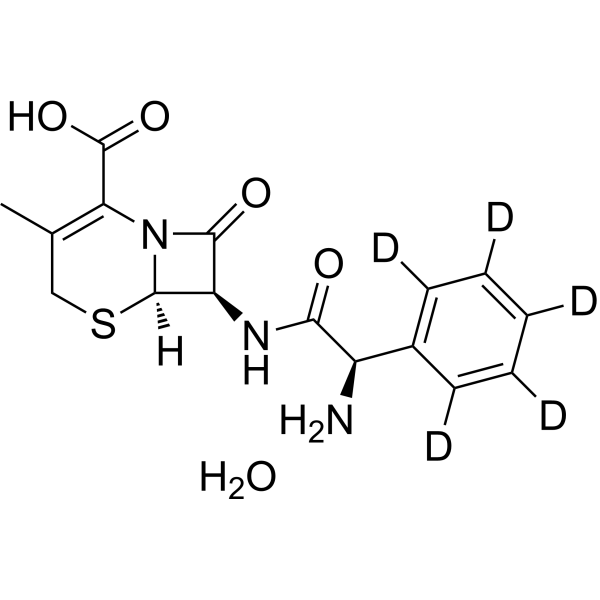
Cephalexin-d5 (monohydrate) is the deuterium labeled Cephalexin monohydrate. Cephalexin monohydrate is a potent, orally active and the first-generation?cephalosporin antibiotic. Cephalexin monohydrate kills?gram-positive?and some?gram-negative bacteria?by disrupting the growth of the bacterial cell wall. Cephalexin monohydrate is used for the research of?pneumonia,?strep throat, and bacterial endocarditis, et al .
|
-
-
- HY-N11102A
-
|
dTDP-L-Rhamnose disodium
|
Endogenous Metabolite
Bacterial
|
Infection
|
|
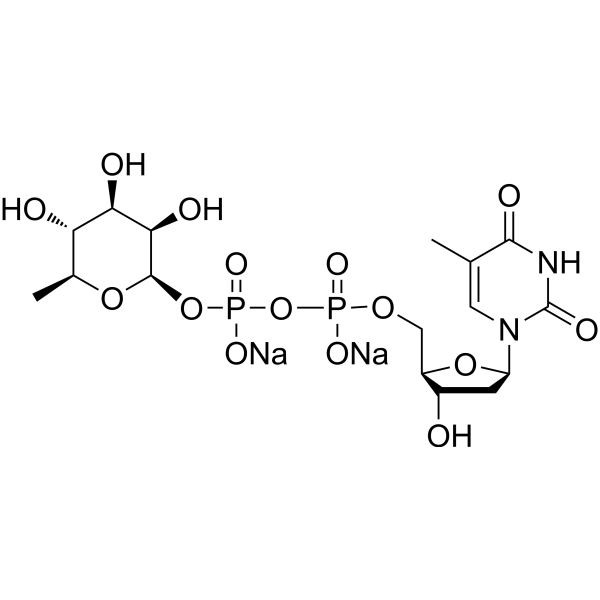
Thymidine-5'-diphosphate-L-rhamnose (dTDP-L-Rhamnose) disodium is a key activated nucleotide sugar in bacteria, with a KD value of 13 μM for Listeria monocytogenes RmlT. Thymidine-5'-diphosphate-L-rhamnose disodium acts as a high-energy donor for L-Rhamnose (HY-N1420), and is specifically used for the synthesis of bacterial cell wall polysaccharides, capsules and virulence factors .
|
-
-
- HY-130337
-
|
|
Antibiotic
Bacterial
|
Infection
|
|
Teicoplanin A2-2 is a glycopeptide antibiotic. Teicoplanin A2-2 exhibits antibacterial activity, particularly against coagulase-negative staphylococci (CNS). Teicoplanin A2-2 inhibits bacterial cell wall synthesis by competitively binding to the terminal D-Ala-D-Ala peptide bonds in the cell wall synthesis process, leading to bacterial death. Teicoplanin A2-2 can be used for research into bacterial resistance mechanisms and the development of new antibiotics .
|
-

-
- HY-B1190S
-
|
BL-S 578-d4 hydrate
|
Isotope-Labeled Compounds
Bacterial
Antibiotic
EAAT
|
Infection
Neurological Disease
|
|
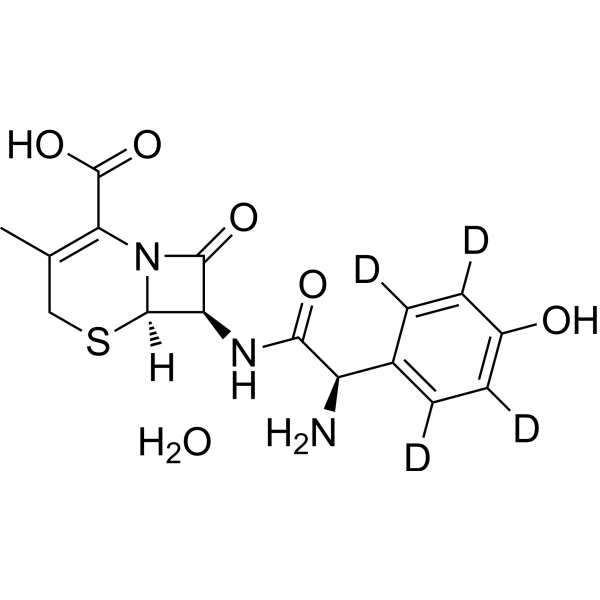
Cefadroxil-d4 (hydrate) is the deuterium labeled Cefadroxil hydrate (HY-B1190A). Cefadroxil hydrate is an orally active broad-spectrum cephalosporin antibiotic. Cefadroxil hydrate inhibits bacterial cell wall synthesis and enhances the expression of glutamate transporter-1. Cefadroxil hydrate is dependent on the intestinal peptide transporter PepT1 for small intestinal absorption. Cefadroxil hydrate has inhibitory and bactericidal activity against a variety of Gram-positive and Gram-negative bacteria and has analgesic effects on neuropathic pain .
|
-
-
- HY-B0898S
-
|
|
Isotope-Labeled Compounds
Antibiotic
Bacterial
NF-κB
p38 MAPK
TNF Receptor
Interleukin Related
|
Infection
|
|
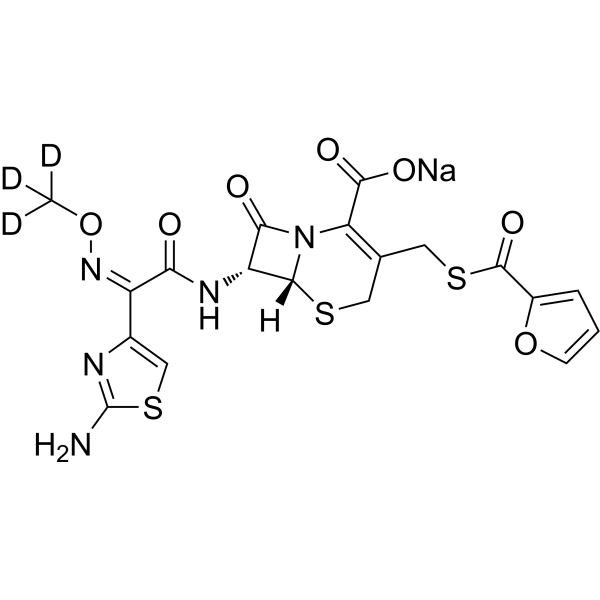
Ceftiofur-d3 sodium is deuterium labeled Ceftiofur sodium (HY-B0898). Ceftiofur sodium is a cell wall synthesis inhibitor that targets bacterial penicillin-binding proteins (PBPs) and has anti-inflammatory effects in endotoxemia. Ceftiofur sodium exerts bactericidal effects by inhibiting the synthesis of bacterial cell wall peptidoglycan, leading to bacterial cell lysis. Ceftiofur sodium also inhibits the activation of NF-κB and MAPKs, thereby reducing the secretion of pro-inflammatory cytokines such as TNF-α, IL-1β, and IL-6 .
|
-
-
- HY-166113
-
-

-
- HY-167812
-
|
|
Bacterial
|
|
|
Trimethylsilyl-L-(+)-rhamnose is a chemically modified version of the natural sugar rhamnose that has activity in studying the role of rhamnose in bacterial cell walls. Trimethylsilyl-L-(+)-rhamnose can be used to explore the composition of bacterial cell walls and their biological functions. Trimethylsilyl-L-(+)-rhamnose can help scientists gain insight into bacterial growth and resistance mechanisms.
|
-

- HY-21745
-
|
|
Bacterial
|
Infection
|
|
MurA-IN-4 has antibacterial activity and is a MurA inhibitor that inhibits bacterial cell wall synthesis .
|
-
- HY-B0276A
-
|
2-Ethylthioisonicotinamide hydrochloride
|
Bacterial
|
Infection
|
|
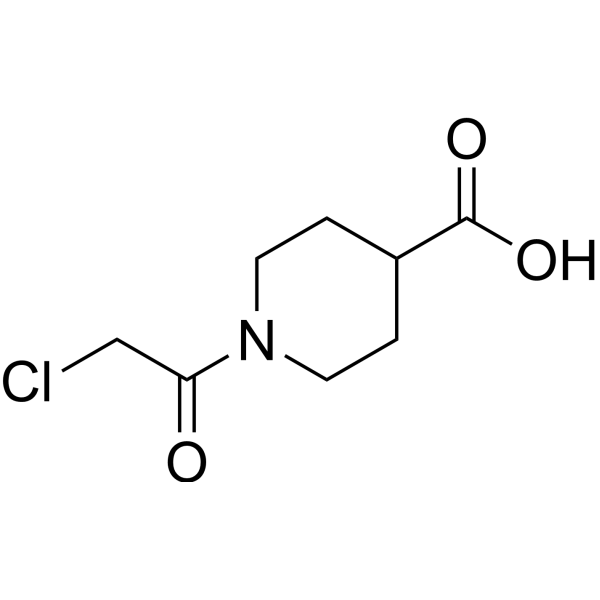
Ethionamide hydrochloride (2-Ethylthioisonicotinamide hydrochloride) is an antituberculosis drug with mycobacterial activity. Ethionamide hydrochloride interferes with the bacterial cell wall synthesis process by inhibiting the synthesis of fatty acids in the bacterial cell wall. Ethionamide hydrochloride may have bacteriostatic or bactericidal effects, depending on the concentration of the drug at the site of infection and the susceptibility of the associated microorganisms. Ethionamide hydrochloride combines with NAD+ to form an adduct, thereby exerting its antibacterial effect .
|
-

- HY-118797
-
|
|
Antibiotic
Bacterial
|
Infection
|
|
Malioxamycin is an antibiotic that inhibits Gram-negative bacteria by inhibiting peptidoglycan synthesis in bacterial cell walls and promoting the formation of spheroplasts .
|
-

- HY-W926978
-
|
|
Fluorescent Dye
|
Others
|
|
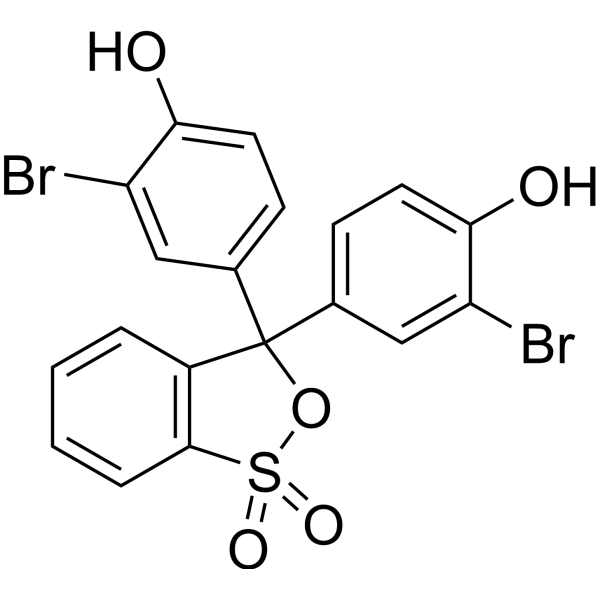
Bromophenol red sodium is a chemical indicator. Bromophenol red sodium binds to lysozyme and inhibits its activity against the bacterial cell wall, but not the polysaccharide component of peptidoglycan .
|
-

- HY-105981
-
|
GR 50692; TA 5901
|
Antibiotic
Bacterial
|
Infection
|
|
Cefempidone (GR 50692) is a third-generation cephalosporin antibiotic. Cefempidone exerts antibacterial activity by inhibiting penicillin-binding proteins in bacterial cell wall synthesis .
|
-

- HY-149089
-
|
|
Bacterial
|
Infection
|
|
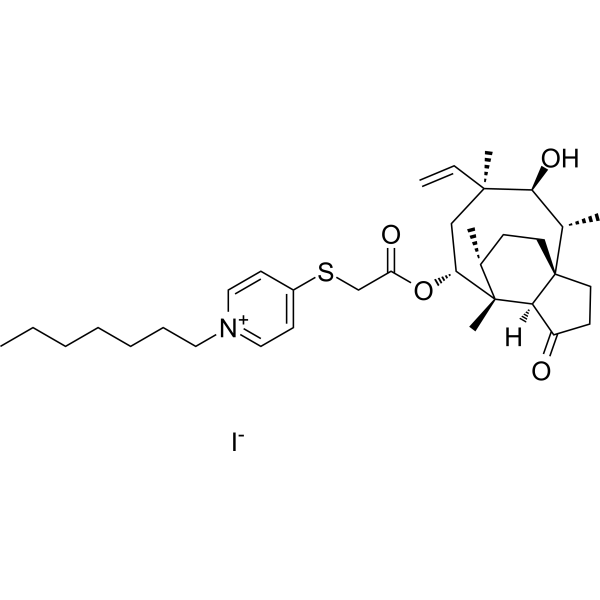
Antibacterial agent 138 has excellent antibacterial activity to multi-drug resistant bacteria. Antibacterial agent 138 inhibits bacterial protein synthesis but bacterial cell walls .
|
-
- HY-D0011A
-
|
|
Fluorescent Dye
|
Others
|
|
Bromophenol red (sultone form) is a chemical indicator. Bromophenol red (sultone form) binds to lysozyme and inhibits its activity against the bacterial cell wall, but not the polysaccharide component of peptidoglycan .
|
-
- HY-B1596R
-
|
|
Reference Standards
Bacterial
Antibiotic
|
Infection
|
|
Ceftizoxime (Standard) is the analytical standard of Ceftizoxime. This product is intended for research and analytical applications. Ceftizoxime is a bacterial inhibitor which acts by interfering with bacterial cell wall synthesis and inhibiting cross-linking of the peptidoglycan.
|
-

- HY-N14420
-
|
|
Antibiotic
Bacterial
|
Infection
|
|
Parvodicin B2 is a glycopeptide antibiotic. Parvodicin B2 has inhibitory effect on Staphylococcus aureus, Staphylococcus furfur, Staphylococcus hemolyticus and Enterococcus faecalis. Parvodicin B2 acts by inhibiting the synthesis of bacterial cell wall .
|
-

- HY-N14418
-
|
|
Antibiotic
Bacterial
|
Infection
|
|
Parvodicin B1 is a glycopeptide antibiotic. Parvodicin B1 has inhibitory effect on Staphylococcus aureus, Staphylococcus furfur, Staphylococcus hemolyticus and Enterococcus faecalis. Parvodicin B1 acts by inhibiting the synthesis of bacterial cell wall .
|
-

- HY-173254
-
|
|
Bacterial
|
Infection
|
|
MurA-IN-6 (Compound L16) is a selective MurA inhibitor with an IC50 value of 26.63 μM. MurA-IN-6 exerts antibacterial activity by blocking the activity of MurA, which is crucial in bacterial cell wall synthesis .
|
-

- HY-151373
-
|
|
Bacterial
|
Infection
|
|
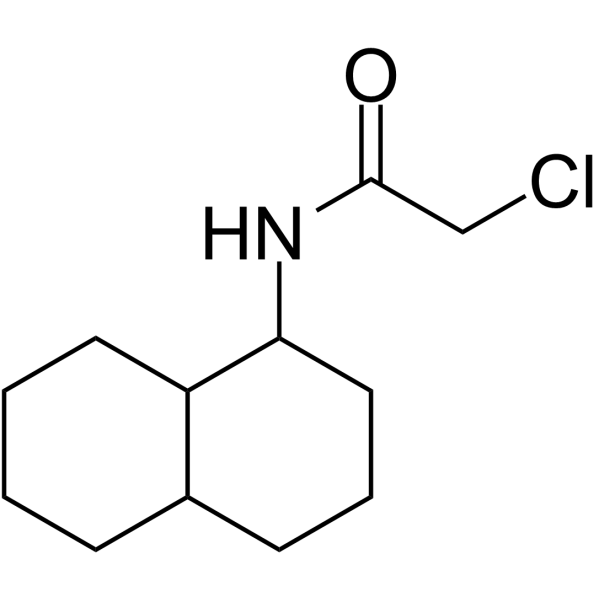
MurA-IN-2 (compound 37), a chloroacetamide fragment containing a primary aliphatic amine, is a potent MurA inhibitor with an IC50 value of 39 μM. MurA-IN-2 has antibacterial activity and inhibits the bacterial cell wall synthesis .
|
-
- HY-D1690
-
|
|
Fluorescent Dye
|
Others
|
|
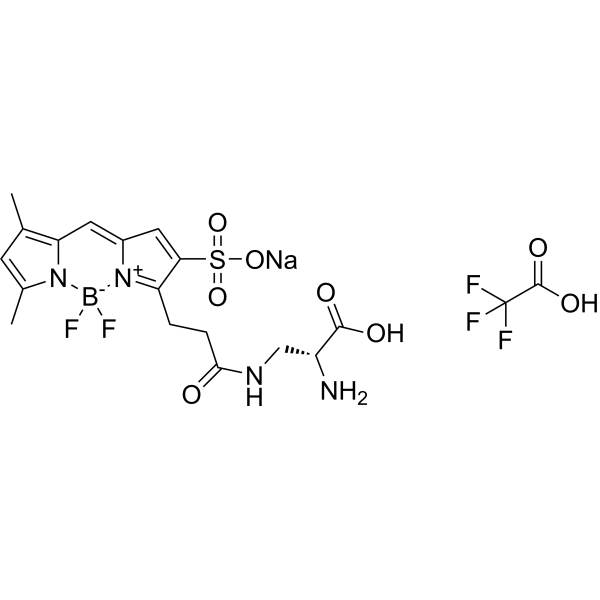
sBADA TFA is a potent green fluorescent dye. sBADA TFA is a sulfonated BODIPY-FL 3-amino-D-alanine. sBADA TFA is used to label peptidoglycans in bacterial cell walls in situ. (λex=490 nm, λem=510 nm) .
|
-
- HY-Z8025
-
|
|
Bacterial
|
Infection
Inflammation/Immunology
|
|
Deprodone is an active compound. Deprodone inhibits key processes such as bacterial cell wall synthesis by interacting with the hydrolase and transferase proteins of methicillin-resistant Staphylococcus aureus (MRSA). Deprodone is used in research on anti-MRSA infection, inflammatory skin disorders, bowel disease, and fatty acid metabolism disorders .
|
-

- HY-146549
-
|
|
Bacterial
|
Infection
|
|
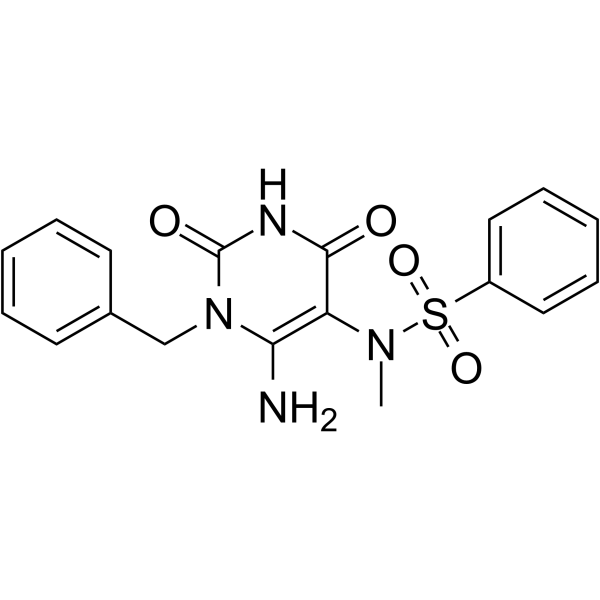
RmlA-IN-1 (Compound 8a) is a potent inhibitor of glucose-1-phosphate thymidylyltransferase (RmlA) with an IC50 of 0.073 μM. RmlA-IN-1 influences monosaccharide l-Rhamnose biosynthetic pathway. RmlA-IN-1 affects bacterial cell wall permeability .
|
-
- HY-169973
-
|
|
Beta-lactamase
Bacterial
|
Infection
|
|
PhoPS is the photocaged inhibitor for β-lactamase. PhoPS is activated upon light irradiation, and active β-lactamase inhibitor Sulbactam (HY-B0334) is released. PhoPS inhibits the synthesis of bacterial cell wall and the formation of E. coli biofilm, exhibits antimicrobial activity .
|
-

- HY-146551
-
|
|
Bacterial
|
Infection
|
|
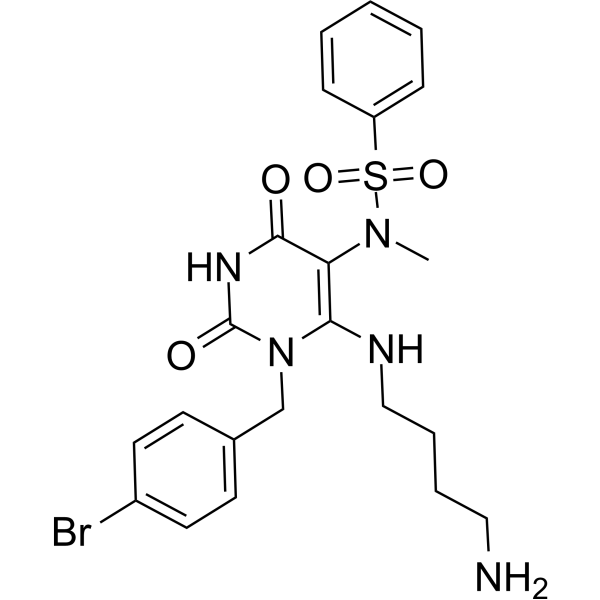
RmlA-IN-2 (Compound 1d) is a potent inhibitor of glucose-1-phosphate thymidylyltransferase (RmlA) with an IC50 of 0.303 μM. RmlA-IN-2 influences monosaccharide l-Rhamnose biosynthetic pathway. RmlA-IN-2 affects bacterial cell wall permeability .
|
-
- HY-Z7592
-
|
(E)-THR-221
|
Antibiotic
Bacterial
Penicillin-binding protein (PBP)
|
Infection
|
|
(E)-Cefodizime ((E)-THR-221) is an antibiotic. (E)-Cefodizime can selectively bind to penicillin-binding proteins (PBPs) and inhibit the synthesis of the bacterial cell wall, thereby exerting antibacterial activity. (E)-Cefodizime is promising for research of various bacterial infectious diseases, such as for preoperative infection prophylaxis .
|
-

- HY-34516R
-
|
(R)-Ornithine hydrochloride (Standard)
|
Endogenous Metabolite
Bacterial
Reference Standards
|
Metabolic Disease
|
|
D-Ornithine (hydrochloride) (Standard) is the analytical standard of D-Ornithine (hydrochloride). This product is intended for research and analytical applications. D-Ornithine ((R)-Ornithine) hydrochloride is a constituent of bacterial cell wall. D-Ornithine hydrochloride promotes the production of L-arginine (HY-N0455). D-Ornithine hydrochloride enhances the expression of pyrrolysine-containing proteins .
|
-

- HY-144823
-
|
|
Bacterial
|
Infection
|
|
Anti-MRSA agent 3 (compound 18) has highly inhibitory activity against Methicillin-resistant Staphylococcus aureus (MRSA) with MIC of 0.098 μg/ml, and low cytotoxicity in normal cells. Anti-MRSA agent 3 has relatively strong ability to destroy bacterial cell wall and membrane, high binding affinity to bacterial genomic DNA .
|
-
- HY-173375
-
|
|
Bacterial
|
Infection
|
|
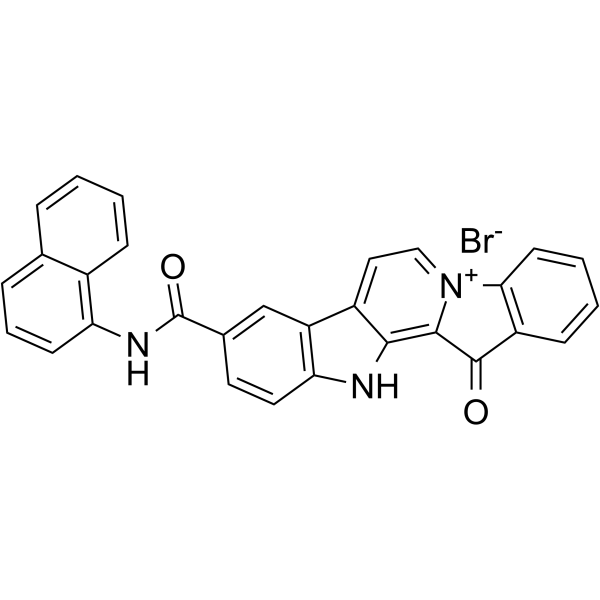
Mycobacterium Tuberculosis-IN-8 (Compound 6g) is a selective inhibitor of Mycobacterium tuberculosis (MTB) with an MIC value of 6.25 µg/mL against MTB H37Rv. Mycobacterium Tuberculosis-IN-8 shows potent antitubercular activities, inhibiting mycolic acid biosynthesis critical for bacterial cell wall integrity. Mycobacterium Tuberculosis-IN-8 is promising for research of antitubercular agents .
|
-

- HY-N7101S1
-
|
U-76,252-d6; CS-807-d6
|
Isotope-Labeled Compounds
Penicillin-binding protein (PBP)
Bacterial
Antibiotic
|
Infection
|
|
Cefpodoxime Proxetil-d6 (U-76,252-d6) is deuterium labeled Cefpodoxime Proxetil. Cefpodoxime proxetil is an orally administered broad spectrum third-generation cephalosporin. Cefpodoxime proxetil has anti-bacterial activity. Cefpodoxime proxetil binds to penicillin binding proteins (PBPs) which inhibits peptidoglycan synthesis, finally results in interfering bacterial cell wall biosynthesis .
|
-

- HY-B1257R
-
|
Sodium cefmetazole (Standard)
|
Reference Standards
Bacterial
Antibiotic
|
Infection
Cancer
|
|
Cefmetazole (sodium) (Standard) is the analytical standard of Cefmetazole (sodium). This product is intended for research and analytical applications. Cefmetazole sodium (Sodium cefmetazole) is a semisynthetic cephamycin antibiotic with broad-spectrum antibacterial activity, covering gram-positive, gram-negative, and anaerobic bacteria. Cefmetazole sodium binds to penicillin binding proteins (PBPs), resulting in interfering bacterial cell wall biosynthesis. Cefmetazole sodium is used for the research of gynecologic, intraabdominal, urinary tract, respiratory tract and skin and soft tissue infections .
|
-

- HY-113002
-
|
|
Phosphomannose Isomerase (PMI)
|
Infection
Metabolic Disease
|
|
α-D-Glucose 1,6-bisphosphate is an activator of PMM2 and phosphoglucomutase. α-D-Glucose 1,6-bisphosphate regulates glycogen metabolism, glycolysis, amino sugar synthesis, as well as the formation of bacterial cell walls and capsules. α-D-Glucose 1,6-bisphosphate can be used in studies related to pmm2-cdg (cdg-1a or Jaeken syndrome) .
|
-

- HY-B0200AR
-
|
Cefalexin hydrochloride (Standard); Cephacillin hydrochloride (Standard)
|
Penicillin-binding protein (PBP)
Reference Standards
Bacterial
Antibiotic
|
Infection
Cancer
|
|
Cephalexin (hydrochloride) (Standard) is the analytical standard of Cephalexin (hydrochloride). This product is intended for research and analytical applications. Cephalexin (Cefalexin) hydrochloride is a potent, orally active new semisynthetic cephalosporin antibiotic with a broad antibacterial spectrum. Cephalexin (Cefalexin) hydrochloride has antibacterial activity against a wide variety of gram-positive and gram-negative bacteria. Cephalexin (Cefalexin) hydrochloride targets penicillin-binding proteins (PBPs) to inhibit bacterial cell wall assembly. Cephalexin (Cefalexin) hydrochloride is used for the research of pneumonia, strep throat, and bacterial endocarditis, et al[1][2].
|
-

- HY-B0200BR
-
|
Cefalexin hydrate (Standard); Cephacillin hydrate (Standard)
|
Penicillin-binding protein (PBP)
Reference Standards
Antibiotic
Bacterial
|
Infection
Cancer
|
|
Cephalexin (monohydrate) (Standard) is the analytical standard of Cephalexin (monohydrate). This product is intended for research and analytical applications. Cephalexin (Cefalexin) monohydrate is a potent, orally active new semisynthetic cephalosporin antibiotic with a broad antibacterial spectrum. Cephalexin (Cefalexin) monohydrate has antibacterial activity against a wide variety of gram-positive and gram-negative bacteria. Cephalexin (Cefalexin) monohydrate targets penicillin-binding proteins (PBPs) to inhibit bacterial cell wall assembly. Cephalexin (Cefalexin) monohydrate is used for the research of pneumonia, strep throat, and bacterial endocarditis, et al .
|
-

- HY-B0026R
-
|
|
Reference Standards
Antibiotic
Bacterial
NF-κB
p38 MAPK
TNF Receptor
Interleukin Related
|
Infection
|
|
Ceftiofur hydrochloride (Standard) is the analytical standard of Ceftiofur hydrochloride (HY-B0026). This product is intended for research and analytical applications. Ceftiofur hydrochloride is a cell wall synthesis inhibitor that targets bacterial penicillin-binding proteins (PBPs) and has anti-inflammatory effects in endotoxemia. Ceftiofur hydrochloride exerts bactericidal effects by inhibiting the synthesis of bacterial cell wall peptidoglycan, leading to bacterial cell lysis. Ceftiofur hydrochloride also inhibits the activation of NF-κB and MAPKs, thereby reducing the secretion of pro-inflammatory cytokines such as TNF-α, IL-1β, and IL-6 .
|
-

- HY-N7102R
-
|
|
Reference Standards
Antibiotic
Bacterial
NF-κB
p38 MAPK
TNF Receptor
Interleukin Related
|
Infection
|
|
Ceftiofur (Standard) is the analytical standard of Ceftiofur (HY-N7102). This product is intended for research and analytical applications. Ceftiofur is a cell wall synthesis inhibitor that targets bacterial penicillin-binding proteins (PBPs) and has anti-inflammatory effects in endotoxemia. Ceftiofur exerts bactericidal effects by inhibiting the synthesis of bacterial cell wall peptidoglycan, leading to bacterial cell lysis. Ceftiofur also inhibits the activation of NF-κB and MAPKs, thereby reducing the secretion of pro-inflammatory cytokines such as TNF-α, IL-1β, and IL-6 .
|
-

- HY-B1275AR
-
|
Cephalotin (Standard)
|
Beta-lactamase
Reference Standards
Bacterial
Antibiotic
|
Cardiovascular Disease
Infection
|
|
Cephalothin (Cephalotin) (Standard) is the analytical standard of Cephalothin (HY-B1275A). This product is intended for research and analytical applications. Cephalothin is a semi-synthetic cephalosporin antibiotic and beta-lactam antibiotic. Cephalothin inhibits class C β-lactamase AmpC, with an Ki of 0.32 µM. Cephalothin binds to penicillin-binding proteins, interfering with the cross-linking of peptidoglycan in the cell wall and thus hindering the normal synthesis of the bacterial cell wall. Cephalothin shows antibacterial activity against a variety of bacteria. Cephalothin can be used in hematological and nephrotoxicity studies .
|
-

- HY-B1275R
-
|
Cefalotin sodium (Standard)
|
Reference Standards
Bacterial
Antibiotic
|
Cardiovascular Disease
Infection
|
|
Cephalothin (Cephalotin) sodium (Standard) is the analytical standard of Cephalothin sodium (HY-B1275). This product is intended for research and analytical applications. Cephalothin sodium is a semi-synthetic cephalosporin antibiotic and beta-lactam antibiotic. Cephalothin inhibits class C β-lactamase AmpC, with an Ki of 0.32 µM. Cephalothin sodium binds to penicillin-binding proteins, interfering with the cross-linking of peptidoglycan in the cell wall and thus hindering the normal synthesis of the bacterial cell wall. Cephalothin sodium shows antibacterial activity against a variety of bacteria. Cephalothin sodium can be used in hematological and nephrotoxicity studies .
|
-

- HY-B1190S2
-
|
BL-S 578-13C6
|
Isotope-Labeled Compounds
Bacterial
Antibiotic
EAAT
|
Infection
Neurological Disease
|
|
Cefadroxil- 13C6 (BL-S 578- 13C6) is 13C labeled Cefadroxil (HY-B1190). Cefadroxil is an orally active broad-spectrum cephalosporin antibiotic. Cefadroxil inhibits bacterial cell wall synthesis and enhances the expression of glutamate transporter-1. Cefadroxil is dependent on the intestinal peptide transporter PepT1 for small intestinal absorption. Cefadroxil has inhibitory and bactericidal activity against a variety of Gram-positive and Gram-negative bacteria and has analgesic effects on neuropathic pain .
|
-

- HY-N7101R
-
|
U-76,252 (Standard); CS-807 (Standard)
|
Reference Standards
Bacterial
Antibiotic
Penicillin-binding protein (PBP)
|
Infection
|
|
Cefpodoxime Proxetil (Standard) is the analytical standard of Cefpodoxime Proxetil. This product is intended for research and analytical applications. Cefpodoxime Proxetil is an orally active broad spectrum third-generation cephalosporin with potent antibacterial activity against both Gram-positive and Gram-negative bacteria including staphylococci, streptococci, Haemophilus influenzae, Neisseria gonorrhoeae, Escherichia coli, Klebsiella pnuemoniae, Citrobacter spp, and Proteus spp. Cefpodoxime Proxetil binds to penicillin binding proteins (PBPs), which inhibits peptidoglycan synthesis, finally results in interfering bacterial cell wall biosynthesis. Cefpodoxime Proxetil can be used against skin structure infections, acute otitis media, pharyngitis, tonsillitis, upper respiratory tract infection, urinary tract infections and sexually transmitted diseases .
|
-

- HY-179038
-
|
|
Bacterial
|
Infection
|
|
PYO12 is a 3-phenyl-4-phenoxypyrazole type antibacterial compound. PYO12 exhibits selective activity against Gram-positive bacteria with MIC for S. aureus, B. subtilis, S. pneumoniae, and MRSA of 1, 1, 1, and 4 μg/mL respectively. PYO12 has no activity against Gram-negative bacteria. PYO12 can significantly increase bacterial membrane permeability and significantly upregulate cell wall stress-related genes, possibly by binding to the C55-PP part of lipid II. PYO12 shows a concentration-dependent bactericidal effect, has low toxicity to mammalian cells, and does not cause hemolysis. PYO12 can be used to develop new antibiotics targeting bacterial cell wall synthesis .
|
-

- HY-N7101S
-
|
U-76-d7,252-d7; CS-807-d7
|
Isotope-Labeled Compounds
Bacterial
Antibiotic
Penicillin-binding protein (PBP)
|
Infection
|
|
Cefpodoxime proxetil-d7 (U-76-d7,252-d7; CS-807-d7) is the deuterium labeled Cefpodoxime Proxetil (HY-N7101). Cefpodoxime Proxetil is an orally active broad spectrum third-generation cephalosporin with potent antibacterial activity against both Gram-positive and Gram-negative bacteria including staphylococci, streptococci, Haemophilus influenzae, Neisseria gonorrhoeae, Escherichia coli, Klebsiella pnuemoniae, Citrobacter spp, and Proteus spp. Cefpodoxime Proxetil binds to penicillin binding proteins (PBPs), which inhibits peptidoglycan synthesis, finally results in interfering bacterial cell wall biosynthesis. Cefpodoxime Proxetil can be used against skin structure infections, acute otitis media, pharyngitis, tonsillitis, upper respiratory tract infection, urinary tract infections and sexually transmitted diseases .
|
-

- HY-166113A
-
-

- HY-E71309
-
-

- HY-E70992
-
|
|
Endogenous Metabolite
|
Metabolic Disease
|
|
Eosinophil Peroxidase, Human (EC 1.11.1.7) is an enzyme found in eosinophils (innate immune cells of humans and mammals). Eosinophil Peroxidase, Human (EC 1.11.1.7) is a heme peroxidase whose activities include oxidizing halide ions to reactive oxygen species with bactericidal effects, disrupting bacterial cell walls with cations, and performing post-translational modifications on protein amino acid residues.
|
-

- HY-D3390
-
|
|
Fluorescent Dye
Bacterial
|
Infection
|
|
sCy5DA is a is a fluorescent D-amino acid . sCy5DA incorporates into bacterial peptidoglycan layers and cross-links via transpeptidase action, replacing peptidoglycan stem peptide D-amino acids. sCy5DA labels live bacterial cell walls, nascent peptidoglycan biosynthesis sites, and diverse bacterial species including Gram-negative, Gram-positive, and mycobacteria (Ex/Em = 646/665 nm) .
|
-

- HY-D1737
-
|
|
Bacterial
|
Infection
|
|
RADA is a fluorescent D-amino acid (FDAA) with high photostability and thermostability, which emits yellow-to-orange fluorescence. RADA shows low outer membrane permeability in wild-type Gram-negative Escherichia coli, but it targets penicillin-binding proteins and L,D-transpeptidases, mimics the interaction between acyl acceptors and enzyme intermediates, and integrates into peptidoglycan during biosynthesis. As a peptidoglycan labeling reagent, RADA metabolically integrates into the nascent peptidoglycan of live bacterial cells, labels the peptidoglycan at the poles and lateral walls of mycobacteria, and enables visualization of peptidoglycan synthesis and remodeling processes. RADA serves as a non-specific stain for fixed cells, is non-toxic to bacterial cells, and its red-shifted excitation/emission spectra reduce phototoxicity. RADA also supports virtual pulse-chase labeling experiments and stochastic optical reconstruction microscopy for sub-diffraction-limited imaging of bacterial cell walls .
|
-

-
-
HY-L049
-
|
|
1,904 compounds
|
|
Antibacterial agents are a group of materials that fight against pathogenic bacteria. Thus, by killing or reducing the metabolic activity of bacteria, their pathogenic effect in the biological environments will be minimized. The most widely used antibacterial agents exert their effects on bacterial cell wall synthesis, protein synthesis, DNA replication and metabolic pathways. However, resistance to antimicrobial agents has become a major source of morbidity and mortality worldwide. The main mechanisms of resistance are limiting uptake of a drug, modification of a drug target, inactivation of a drug, and active efflux of a drug. Therefore, it is an urgent need to develop new drugs targeted at resistant organisms.
MCE offers a unique collection of 1,904 compounds with validated antibacterial activities. MCE antibacterial compound library is an effective tool for drug repurposing screening, combination screening and biological investigation.
|
-
-
HY-L914
-
|
|
3,208 compounds
|
|
In the research of covalent inhibitors targeting serine and threonine, scientists have found that the nucleophilicity of these hydroxyl groups is significantly enhanced due to the influence of their surrounding environment. This results in higher activity during catalytic reactions. Aspirin, which targets the non-catalytic domain serine (Ser529 in human COX1) of cyclooxygenase, exerts its anti-inflammatory effect through covalent binding. β-lactam antibiotics, which targets the catalytic domain serine of penicillin-binding proteins, interferes with bacterial cell wall synthesis.
Through careful selection, we constructed a structural filter containing over 110 electrophilic groups. By analyzing the electrophilic fragments selected by the structural filter, we removed any molecules with trivial or undesirable structural features. Ultimately, we obtained 3,300 fragment molecules which can target serine and threonine residues and can be used for fragment-based covalent drug discovery.
|
| Cat. No. |
Product Name |
Type |
-
- HY-D0011A
-
|
|
Fluorescent Dyes
|
|
Bromophenol red (sultone form) is a chemical indicator. Bromophenol red (sultone form) binds to lysozyme and inhibits its activity against the bacterial cell wall, but not the polysaccharide component of peptidoglycan .
|
-
- HY-D1690
-
|
|
Fluorescent Dyes
|
|
sBADA TFA is a potent green fluorescent dye. sBADA TFA is a sulfonated BODIPY-FL 3-amino-D-alanine. sBADA TFA is used to label peptidoglycans in bacterial cell walls in situ. (λex=490 nm, λem=510 nm) .
|
-
- HY-D3390
-
|
|
Fluorescent Dyes
|
|
sCy5DA is a is a fluorescent D-amino acid . sCy5DA incorporates into bacterial peptidoglycan layers and cross-links via transpeptidase action, replacing peptidoglycan stem peptide D-amino acids. sCy5DA labels live bacterial cell walls, nascent peptidoglycan biosynthesis sites, and diverse bacterial species including Gram-negative, Gram-positive, and mycobacteria (Ex/Em = 646/665 nm) .
|
-
- HY-D1737
-
|
|
Fluorescent Dyes
|
|
RADA is a fluorescent D-amino acid (FDAA) with high photostability and thermostability, which emits yellow-to-orange fluorescence. RADA shows low outer membrane permeability in wild-type Gram-negative Escherichia coli, but it targets penicillin-binding proteins and L,D-transpeptidases, mimics the interaction between acyl acceptors and enzyme intermediates, and integrates into peptidoglycan during biosynthesis. As a peptidoglycan labeling reagent, RADA metabolically integrates into the nascent peptidoglycan of live bacterial cells, labels the peptidoglycan at the poles and lateral walls of mycobacteria, and enables visualization of peptidoglycan synthesis and remodeling processes. RADA serves as a non-specific stain for fixed cells, is non-toxic to bacterial cells, and its red-shifted excitation/emission spectra reduce phototoxicity. RADA also supports virtual pulse-chase labeling experiments and stochastic optical reconstruction microscopy for sub-diffraction-limited imaging of bacterial cell walls .
|
| Cat. No. |
Product Name |
Type |
-
- HY-W009274
-
|
MurNAc; NAMA
|
Biochemical Assay Reagents
|
|
N-acetylmuramic acid is a component of the bacterial cell wall peptidoglycan, essential for maintaining cell shape and integrity . N-acetylmuramic acid inhibits spore germination by inhibiting a coat-associated hexosaminidase and a core enzyme . N-acetylmuramic acid is required by Bacteroides forsythus for proliferation and the maintenance of its cell shape . N-Acetylmuramic acid inhibits the p38 MAPK/NF-κB signaling pathway, and exhibits anti-inflammatory activity. N-Acetylmuramic acid is orally active .
|
-
- HY-167812
-
|
|
Biochemical Assay Reagents
|
|
Trimethylsilyl-L-(+)-rhamnose is a chemically modified version of the natural sugar rhamnose that has activity in studying the role of rhamnose in bacterial cell walls. Trimethylsilyl-L-(+)-rhamnose can be used to explore the composition of bacterial cell walls and their biological functions. Trimethylsilyl-L-(+)-rhamnose can help scientists gain insight into bacterial growth and resistance mechanisms.
|
-
- HY-W926978
-
|
|
Biochemical Assay Reagents
|
|
Bromophenol red sodium is a chemical indicator. Bromophenol red sodium binds to lysozyme and inhibits its activity against the bacterial cell wall, but not the polysaccharide component of peptidoglycan .
|
| Cat. No. |
Product Name |
Target |
Research Area |
-
- HY-W587753
-
|
|
Antibiotic
Bacterial
|
Infection
|
|
Bacitracin A is an antibiotic, which exhibits antibacterial activity against gram-positive bacteria. Bacitracin A forms complex with long-chain polyisoprenyl pyrophosphates in presence of metal ions, dephosphorylates the lipid carrier intermediate Css-bactoprenyl pyrophosphate, inhibits thus the bacterial cell wall biosynthesis .
|
-
- HY-135113
-
|
|
Amino Acid Derivatives
|
Others
|
|
DL/meso-Lanthionine is a mixture of the racemic mixture (DL-) and meso- isomers of Lanthionine. Lanthionine is a non-protein amino acid composed of two alanine residues cross-linked by a thioether bond and is a structural component of the bacterial cell wall.
|
| Cat. No. |
Product Name |
Category |
Target |
Chemical Structure |
| Cat. No. |
Product Name |
Chemical Structure |
-
- HY-B0200S
-
|
|
|
Cephalexin-d5 is deuterium labeled Cephalexin. Cephalexin (Cefalexin; Cephacillin) is a potent, orally active and the first-generation?cephalosporin antibiotic. Cephalexin kills?gram-positive?and some?gram-negative bacteria?by disrupting the growth of the bacterial cell wall. Cephalexin monohydrate is used for the research of?pneumonia,?strep throat, and bacterial endocarditis, et al .
|
-
-
- HY-W653936
-
|
|
|
Cephalexin-d5 (hydrate) is deuterium labeled Cephalexin (monohydrate). Cephalexin (Cefalexin) monohydrate is a potent, orally active new semisynthetic cephalosporin antibiotic with a broad antibacterial spectrum. Cephalexin (Cefalexin) monohydrate has antibacterial activity against a wide variety of gram-positive and gram-negative bacteria. Cephalexin (Cefalexin) monohydrate targets penicillin-binding proteins (PBPs) to inhibit bacterial cell wall assembly. Cephalexin (Cefalexin) monohydrate is used for the research of pneumonia, strep throat, and bacterial endocarditis, et al .
|
-
-
- HY-B0200BS
-
|
|
|
Cephalexin-d5 (monohydrate) is the deuterium labeled Cephalexin monohydrate. Cephalexin monohydrate is a potent, orally active and the first-generation?cephalosporin antibiotic. Cephalexin monohydrate kills?gram-positive?and some?gram-negative bacteria?by disrupting the growth of the bacterial cell wall. Cephalexin monohydrate is used for the research of?pneumonia,?strep throat, and bacterial endocarditis, et al .
|
-
-
- HY-B1190S
-
|
|
|
Cefadroxil-d4 (hydrate) is the deuterium labeled Cefadroxil hydrate (HY-B1190A). Cefadroxil hydrate is an orally active broad-spectrum cephalosporin antibiotic. Cefadroxil hydrate inhibits bacterial cell wall synthesis and enhances the expression of glutamate transporter-1. Cefadroxil hydrate is dependent on the intestinal peptide transporter PepT1 for small intestinal absorption. Cefadroxil hydrate has inhibitory and bactericidal activity against a variety of Gram-positive and Gram-negative bacteria and has analgesic effects on neuropathic pain .
|
-
-
- HY-B0898S
-
|
|
|
Ceftiofur-d3 sodium is deuterium labeled Ceftiofur sodium (HY-B0898). Ceftiofur sodium is a cell wall synthesis inhibitor that targets bacterial penicillin-binding proteins (PBPs) and has anti-inflammatory effects in endotoxemia. Ceftiofur sodium exerts bactericidal effects by inhibiting the synthesis of bacterial cell wall peptidoglycan, leading to bacterial cell lysis. Ceftiofur sodium also inhibits the activation of NF-κB and MAPKs, thereby reducing the secretion of pro-inflammatory cytokines such as TNF-α, IL-1β, and IL-6 .
|
-
-
- HY-N7101S1
-
|
|
|
Cefpodoxime Proxetil-d6 (U-76,252-d6) is deuterium labeled Cefpodoxime Proxetil. Cefpodoxime proxetil is an orally administered broad spectrum third-generation cephalosporin. Cefpodoxime proxetil has anti-bacterial activity. Cefpodoxime proxetil binds to penicillin binding proteins (PBPs) which inhibits peptidoglycan synthesis, finally results in interfering bacterial cell wall biosynthesis .
|
-
-
- HY-B1190S2
-
|
|
|
Cefadroxil- 13C6 (BL-S 578- 13C6) is 13C labeled Cefadroxil (HY-B1190). Cefadroxil is an orally active broad-spectrum cephalosporin antibiotic. Cefadroxil inhibits bacterial cell wall synthesis and enhances the expression of glutamate transporter-1. Cefadroxil is dependent on the intestinal peptide transporter PepT1 for small intestinal absorption. Cefadroxil has inhibitory and bactericidal activity against a variety of Gram-positive and Gram-negative bacteria and has analgesic effects on neuropathic pain .
|
-
-
- HY-N7101S
-
|
|
|
Cefpodoxime proxetil-d7 (U-76-d7,252-d7; CS-807-d7) is the deuterium labeled Cefpodoxime Proxetil (HY-N7101). Cefpodoxime Proxetil is an orally active broad spectrum third-generation cephalosporin with potent antibacterial activity against both Gram-positive and Gram-negative bacteria including staphylococci, streptococci, Haemophilus influenzae, Neisseria gonorrhoeae, Escherichia coli, Klebsiella pnuemoniae, Citrobacter spp, and Proteus spp. Cefpodoxime Proxetil binds to penicillin binding proteins (PBPs), which inhibits peptidoglycan synthesis, finally results in interfering bacterial cell wall biosynthesis. Cefpodoxime Proxetil can be used against skin structure infections, acute otitis media, pharyngitis, tonsillitis, upper respiratory tract infection, urinary tract infections and sexually transmitted diseases .
|
-
Your information is safe with us. * Required Fields.
Inquiry Information
- Product Name:
- Cat. No.:
- Quantity:
- MCE Japan Authorized Agent:








