1. Search Result
Search Result
Results for "

bone marrow-derived macrophages

" in MedChemExpress (MCE) Product Catalog:

27

Inhibitors & Agonists

1

Peptides

5

Natural
Products

1

Oligonucleotides

Cat. No. Product Name Target Research Areas Chemical Structure
  • HY-W018643
    Ferulic acid methyl ester
    1 Publications Verification

    Methyl ferulate

    p38 MAPK Autophagy Neurological Disease Inflammation/Immunology Cancer
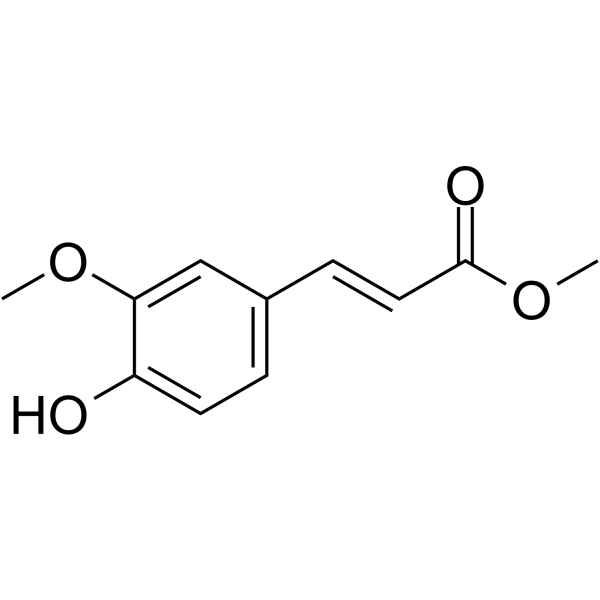
    Ferulic acid methyl ester (Methyl ferulate) is a derivative of ferulic acid, isolated from Stemona tuberosa, with anti-inflammatory and antioxidant properties . Ferulic acid methyl ester is a cell membrane and brain permeable compound, shows free radical scavenging ability, used in the research of neurodegenerative disorders . Ferulic acid methyl ester inhibits COX-2 expression, blocks p-p38 and p-JNK in primary bone marrow derived-macrophages .
    Ferulic acid methyl ester
  • HY-160225
    ISD sodium
    4 Publications Verification

    STING Interleukin Related Inflammation/Immunology
    ISD sodium is an interferon-stimulatory DNA, a 45 bp non-CpG double-stranded oligonucleotide derived from the genome of Listeria monocytogenes. ISD sodium potently induces type I interferon production via the cGAS‑STING‑TBK1‑IRF3 pathway .
    ISD sodium
  • HY-168034

    STING Integrin NF-κB SARS-CoV Infection Inflammation/Immunology
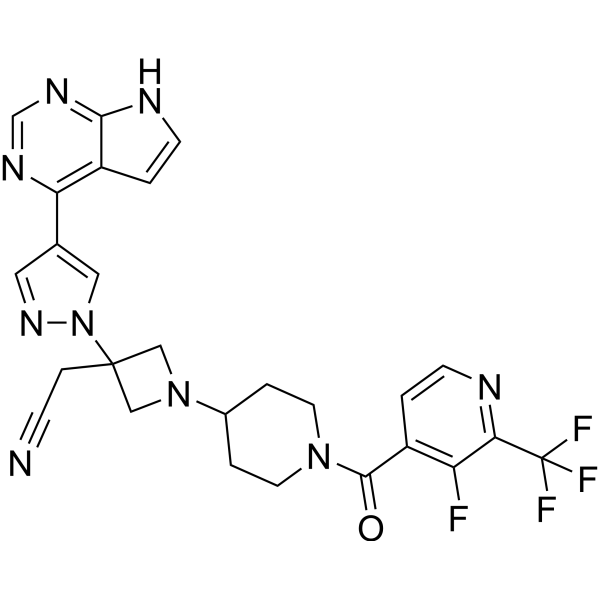
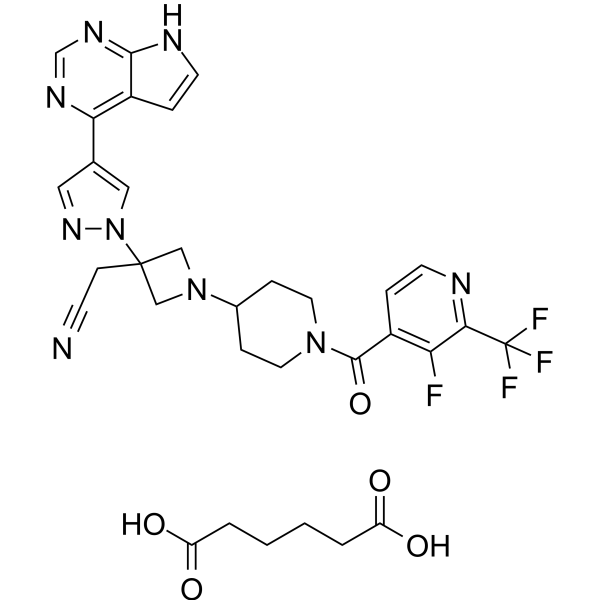
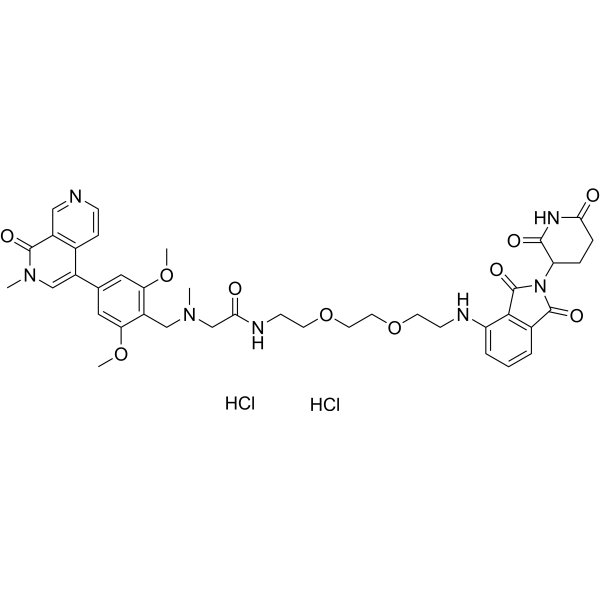
    diABZI-4 is a STING activator and broad-spectrum antiviral agent with immunostimulatory activity. diABZI-4 triggers the TBK1-IRF3 and NF-κB signaling cascades by inducing STING oligomerization, thereby promoting the production of type I/III interferons and various proinflammatory cytokines. diABZI-4 exhibits broad-spectrum antiviral activity and effectively inhibits the replication of influenza A virus, SARS-CoV-2, herpes simplex virus, and other viruses. diABZI-4 also activates lymphocytes and macrophages to provide significant pre- and post-exposure protection in viral disease models. diABZI-4 can be used to study COVID-19, respiratory viral infections, and related immunopathological mechanisms .
    diABZI-4
  • HY-W008634
    Bropirimine
    2 Publications Verification

    U-54461; U-54461S; PNU-54461

    Toll-like Receptor (TLR) Cancer
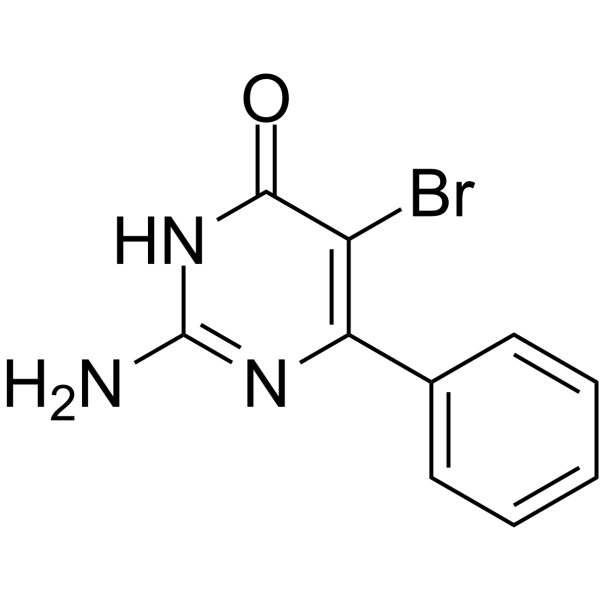
    Bropirimine (U-54461; U-54461S; PNU-54461) is an orally active TLR7 agonist. Bropirimine inhibits RANKL-induced osteoclast differentiation of mouse bone marrow-derived macrophages (BMMs). Bropirimine exhibits dose-dependent direct inhibitory effects on colony formation of cultured KK-47 and 724 cells. Bropirimine can be used for the study of cancers and bone metabolic disorders such as osteoporosis .
    Bropirimine
  • HY-B1016

    AR-12008

    PDGFR Phosphodiesterase (PDE) Prostaglandin Receptor Cardiovascular Disease Neurological Disease
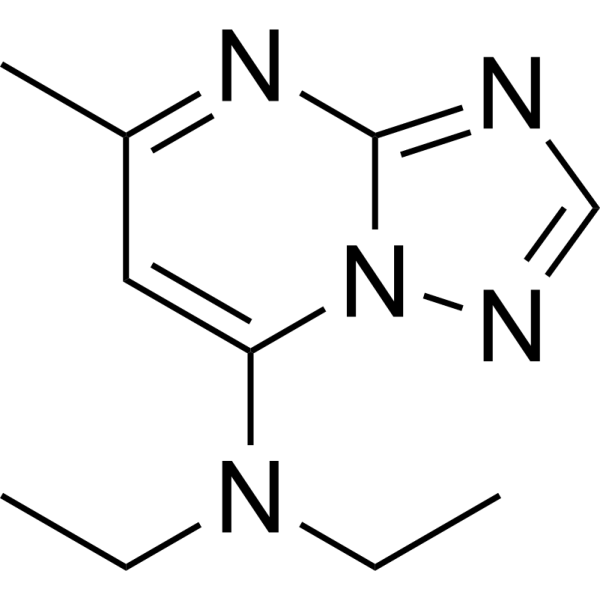
    Trapidil (AR-12008) is an orally active vasodilator and antiplatelet agent. Trapidil antagonizes platelet-derived growth factor (PDGF), inhibits phosphodiesterase, thromboxane A2 synthesis and pro-inflammatory cytokine production. Trapidil promotes prostacyclin biosynthesis, reduces lipid peroxidation, regulates nitric oxide metabolism, and inhibits cell proliferation and migration. Trapidil exerts tissue-protective effects, regulates bone turnover, and inhibits pyroptosis via the GPX3/Nrf2 pathway. Trapidil is applicable to research related to renal ischemia-reperfusion injury, chronic stable angina, restenosis, meningioma, diabetic cardiomyopathy and peripheral nerve crush injury .
    Trapidil
  • HY-12700
    RO5256390
    3 Publications Verification

    Trace Amine-associated Receptor (TAAR) Neurological Disease
    RO5256390 is an orally effective trace amine associated receptor 1 (TAAR1) agonist. RO5256390 exhibits pro-cognitive and antidepressant-like properties in rodent and primate models, showing similar brain activation patterns to Olanzapine (HY-14541). RO5256390 blocks compulsive overeating behavior in rats. RO5256390 can inhibit ATP (HY-B2176)-induced TNF secretion in mouse bone marrow-derived macrophages .
    RO5256390
  • HY-145961

    Toll-like Receptor (TLR) TNF Receptor Cancer
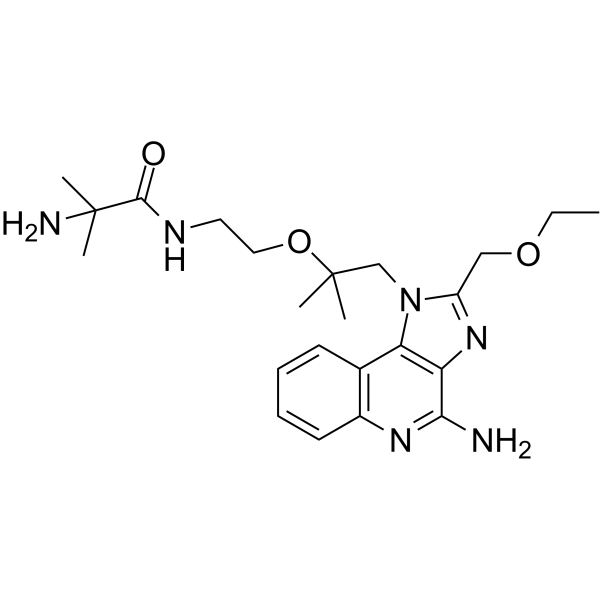
    TLR7 agonist 4 is a TLR7 agonist with pro-inflammatory cytokine-stimulating activity. TLR7 agonist 4 modulates TLR7 activity to stimulate the production of pro-inflammatory cytokines. TLR7 agonist 4 stimulates mouse bone marrow-derived macrophages to produce the pro-inflammatory cytokine TNFα. TLR7 agonist 4 can be conjugated with antibodies to form conjugates. TLR7 agonist 4 is applicable to cancer research .
    TLR7 agonist 4
  • HY-155773

    FAAH Epoxide Hydrolase Cardiovascular Disease
    VU534 is a NAPE-PLD activator, with an EC50 of 0.30 μM. VU534 is dual inhibitors of FAAH and sEH (IC50 of 1.2 μM). VU534 increases efferocytosis in a NAPE-PLD dependent manner. VU534 has the potential for cardiometabolic diseases study [1] .
    VU534
  • HY-N0853A
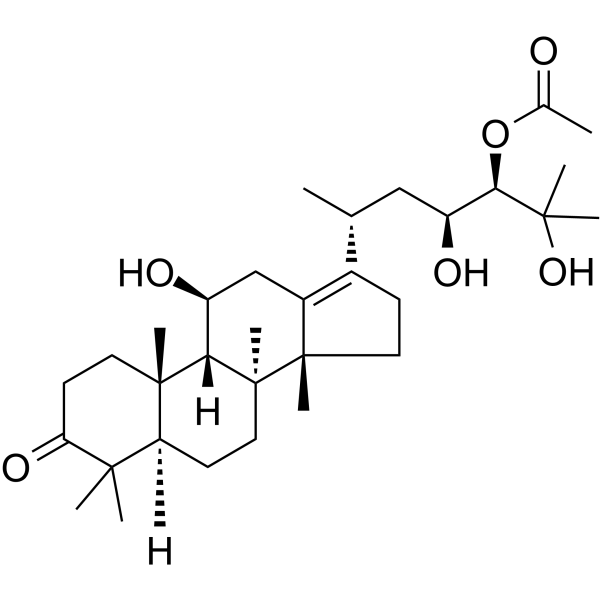
    Alisol A 24-acetate
    1 Publications Verification

    Alisol A 24-monoacetate; Alisol A monoacetate

    AMPK Carnitine Palmitoyltransferase (CPT) Acyltransferase Fatty Acid Synthase (FASN) Acetyl-CoA Carboxylase Bcl-2 Family PPAR Nuclear Factor of activated T Cells (NFAT) PI3K Akt PKA ERK Apoptosis Autophagy Cardiovascular Disease Infection Neurological Disease Metabolic Disease Endocrinology
    Alisol A 24-acetate (Alisol A monoacetate) is an orally active derivative of protostane-type tetracyclic triterpenoid. Alisol A 24-acetate upregulates the expression of adiponectin, AMPKα, CPT1, and ACOX1; downregulates the expression of SREBP-1c, ACC, FAS, Bcl-2, Bcl-xl, PPAR-γ, perilipin A, and NFATc1; inhibits the activity of PI3K/Akt/mTOR and HMGR; and activates the PKA and ERK signaling pathways. Alisol A 24-acetate regulates cell apoptosis (apoptosis), autophagy (Autophagy, hepatic lipid accumulation, inflammatory response, neuroprotection, MRSA membrane integrity, and osteoclast differentiation. Alisol A 24-acetate can be used in research related to non-alcoholic fatty liver disease, nephrotoxicity, obesity, global cerebral ischemia-reperfusion injury, bacterial infection, and osteoporosis .
    Alisol A 24-acetate
  • HY-124958

    NF-κB Dipeptidyl Peptidase Metabolic Disease Inflammation/Immunology
    NDMC101 is a potent osteoclastogenesis inhibitor and inhibits osteoclast differentiation via down-regulation of NFATc1-modulated gene expression. NDMC101 is similar to the DPP4 substrate and is a significant inhibitor of early T-cell activation via DPP4 inhibition. NDMC101can be used for study of bone disorders, such as rheumatoid arthritis, and synovial inflammation et al .
    NDMC101
  • HY-15193B

    SGK Drug Isomer Cardiovascular Disease Cancer
    EMD638683 (S-Form) (Compound 1a), the S-enantiomer of EMD638683 (HY-15193), is a SGK1 inhibitor with an IC50 value > 300 nM. EMD638683 is an orally active SGK1 inhibitor with an IC50 of 3 μM. EMD638683 exhibits strong inhibition against SGK1, moderate inhibition against SGK2 and SGK3, and shows excellent selectivity for other AGC kinase family members. EMD638683 has antihypertensive activity by inhibiting SGK1, and independently of the blood pressure-lowering effect, it effectively prevents heart inflammation and fibrosis caused by hypertension by inhibiting the cardiac NLRP3 inflammation body/ IL-1β axis. EMD638683 promotes apoptosis of colon cancer cells and sensitizes radiotherapy. EMD638683 (S-Form) can be used in research related to hypertension, hypertensive heart damage, and colon cancer .
    EMD638683 (S-Form)
  • HY-173070

    Toll-like Receptor (TLR) IFNAR PD-1/PD-L1 ADC Payload Inflammation/Immunology Cancer
    TLR7 agonist 29 (Compound 1) is the agonist for TLR7 with an EC50 of 5.2 nM for human TLR7 (EC50 for mouse TLR7 is 48.2 nM). TLR7 agonist 29 activates bone marrow-derived macrophages (BMDMs), stimulates myeloid cells in the tumor microenvironment, promotes the expression of PD-L1, CD86 and IFN-α. TLR7 agonist 29 can be used as payload for synthesis of ADC .
    TLR7 agonist 29
  • HY-131040

    NOD-like Receptor (NLR) Inflammation/Immunology
    NLRP3-IN-NBC6 is a potent, selective NLRP3 inflammasome inhibitor (IC50= 574 nM) that acts independently of Ca 2+. NLRP3-IN-NBC6 inhibits Nigericin (HY-127019)-induced inflammasome activation in THP-1 cells and Imiquimod (HY-B0180)-induced IL-1β release from LPS-primed bone marrow-derived macrophages (BMDMs) .
    NLRP3-IN-NBC6
  • HY-175645

    NOD-like Receptor (NLR) URAT1 Interleukin Related OAT GLUT Metabolic Disease Inflammation/Immunology
    NLRP3/URAT1-IN-1 is an orally active double inhibitor of NLRP3 and URAT1 (IC50 = 3.81 μM). NLRP3/URAT1-IN-1 inhibits IL-1β release in LPS (HY-D1056) and ATP-stimulated mouse bone marrow-derived macrophages (BMDMs), with an IC50 of 2.61 μM. NLRP3/URAT1-IN-1 reduces serum uric acid (SUA) and alleviates liver/kidney damage in mice with acute hyperuricemia (HUA). NLRP3/URAT1-IN-1can be used for the study of gout and hyperuricemia .
    NLRP3/URAT1-IN-1
  • HY-W342283

    Parasite Angiotensin-converting Enzyme (ACE) Angiotensin Receptor p38 MAPK STAT NF-κB TNF Receptor 5-HT Receptor Cardiovascular Disease Infection Inflammation/Immunology
    Diminazene is an antiparasitic agent widely used to treat parasitic diseases caused by hemoparasites (such as trypanosomes and babesia). Diminazene acts as an ACE2 activator and exerts cardiovascular protective effects by activating the ACE2/Ang-(1-7)/Mas receptor axis. By regulating gut microbiota-tryptophan metabolism, Diminazene inhibits the activation of core inflammatory signaling pathways including MAPK, STAT and NF-κB, increases central 5-HT levels, and suppresses splenic TNF-α production, thereby alleviating systemic inflammation .
    Diminazene
  • HY-169703
    SPA0355
    1 Publications Verification

    RANKL/RANK p38 MAPK Akt NF-κB Inflammation/Immunology
    SPA0355 is a thiourea derivative that has antioxidant and anti-inflammatory properties. SPA0355 inhibits the RANKL (receptor activator of nuclear factor κB ligand) induced osteoclast formation in primary bone marrow-derived macrophages. SPA0355 also suppresses the activation of the MAPKs, Akt, and NF-κB pathways. Additionally, SPA0355 promotes osteoblast differentiation, increases alkaline phosphatase activity, and enhances mineral nodule formation. SPA0355 can protect ovariectomized mice from bone loss by stimulating osteoblast differentiation and inhibiting osteoclast resorption, making it useful for studying postmenopausal osteoporosis .
    SPA0355
  • HY-W615446

    Glutathione S-transferase Interleukin Related Inflammation/Immunology Cancer
    GSTO1-IN-3 is a potent GSTO1-1 inhibitor with an IC50 of 0.11 μM, and shows selectivity over GSTO2-2, GSTA1-1 and GSTP1-1 (IC50 > 100 μM). GSTO1-IN-3 enhances the cytotoxicity of Cisplatin (HY-17394) against human breast cancer cells. GSTO1-IN-3 inhibits IL-1β release in mouse bone marrow-derived macrophage (BMDM) cells. GSTO1-IN-3 attenuates inflammation in mice. GSTO1-IN-3 can be used for breast cancer and inflammation research .
    GSTO1-IN-3
  • HY-N11494

    NF-κB Others
    Dauricumine is a chlorinated alkaloid that inhibits NF-κB ligand-induced differentiation of mouse bone marrow-derived macrophages into multinucleated osteoclasts .
    Dauricumine
  • HY-182757

    RANKL/RANK Nuclear Factor of activated T Cells (NFAT) Cathepsin Metabolic Disease Inflammation/Immunology
    Y1693 is an orally active RANKL inhibitor with a Kd of 5.03 μM for hRANKL. Y1693 inhibits the activation of the downstream c-fos/NFATc1 signaling pathway by blocking its interaction with RANK. Y1693 significantly inhibits RANKL-induced osteoclast differentiation, F-actin ring formation and bone resorptive activity, while downregulating the mRNA and protein expressions of TRAP, cathepsin K, c-fos and NFATc1. Y1693 shows no obvious cytotoxicity to bone marrow-derived macrophages and osteoclast precursor cells, and exhibits favorable ADME properties. Y1693 improves ovariectomy-induced osteoporosis in mice and reverses ligation-induced periodontal alveolar bone loss. Y1693 is applicable to research related to osteoporosis and periodontal diseases .
    Y1693
  • HY-W018643R

    Methyl ferulate (Standard)

    p38 MAPK Reference Standards Autophagy Neurological Disease Inflammation/Immunology Cancer
    Ferulic acid methyl ester (Standard) is the analytical standard of Ferulic acid methyl ester (HY-W018643). This product is intended for research and analytical applications. Ferulic acid methyl ester (Methyl ferulate) is a derivative of ferulic acid, isolated from Stemona tuberosa, with anti-inflammatory and antioxidant properties . Ferulic acid methyl ester is a cell membrane and brain permeable compound, shows free radical scavenging ability, used in the research of neurodegenerative disorders . Ferulic acid methyl ester inhibits COX-2 expression, blocks p-p38 and p-JNK in primary bone marrow derived-macrophages .
    Ferulic acid methyl ester (Standard)
  • HY-N18265

    Others Metabolic Disease
    (4E,6E,12E)-3-Hydroxy-4,6,12-tetradecatriene-8,10-diyn-1-yl acetate is a polyacetylene found in rhizomes of Atractylodes chinensis. (4E,6E,12E)-3-Hydroxy-4,6,12-tetradecatriene-8,10-diyn-1-yl acetate inhibits RANKL-induced osteoclast differentiation. (4E,6E,12E)-3-Hydroxy-4,6,12-tetradecatriene-8,10-diyn-1-yl acetate can be used for the research of osteoporosis .
    (4E,6E,12E)-3-Hydroxy-4,6,12-tetradecatriene-8,10-diyn-1-yl acetate
  • HY-183626

    PAI-1 Ser/Thr Protease Furin MMP Notch Apoptosis Inflammation/Immunology Cancer
    TM5614 sodium is an orally active and specific PAI-1 inhibitor with an IC50 of <6.95 μM. TM5614 sodium blocks the interaction between PAI-1 and serine proteases or LRP-1, and enhances plasmin generation. TM5614 sodium restores macrophage efferocytosis and promotes macrophage polarization. TM5614 sodium alleviates PAI-1-mediated inhibition of Furin, promotes MT1-MMP maturation, activates the NOTCH1 signaling pathway, inhibits proliferation and induces apoptosis. TM5614 sodium promotes skeletal muscle regeneration and alleviates inflammation in a mouse model of skeletal muscle injury. TM5614 sodium can be used in research on skeletal muscle injury-induced inflammation and chronic myeloid leukemia .
    TM5614 sodium
  • HY-182380

    STAT NOD-like Receptor (NLR) Apoptosis Others Neurological Disease Inflammation/Immunology Cancer
    ODZ10117 is a STAT3 and NLRP3 inhibitor with a human STAT3 SH2 domain IC50 of 7.5 μM. ODZ10117 binds to the STAT3 SH2 domain, suppressing tyrosine phosphorylation, dimerization, nuclear translocation, and transcriptional activity. ODZ10117 binds to NLRP3, impairs NEK7 interaction, prevents inflammasome formation, and inhibits caspase-1 and IL-1β cleavage.ODZ10117 reduces MSU (HY-B2130A)-induced IL-1β release, lowers LPS (HY-D1056)-induced sepsis mortality, and exhibits anti-inflammatory effects. ODZ10117 induces apoptosis, suppresses breast cancer cell migration and invasion, reduces tumor growth and lung metastasis, and extends survival in breast cancer models. ODZ10117 can be used for the research of Monosodium urate (HY-B2130A)-induced peritonitis, LPS-induced sepsis, breast cancer, glioblastoma, and Alzheimer's disease .
    ODZ10117
  • HY-181282

    Bacterial Infection
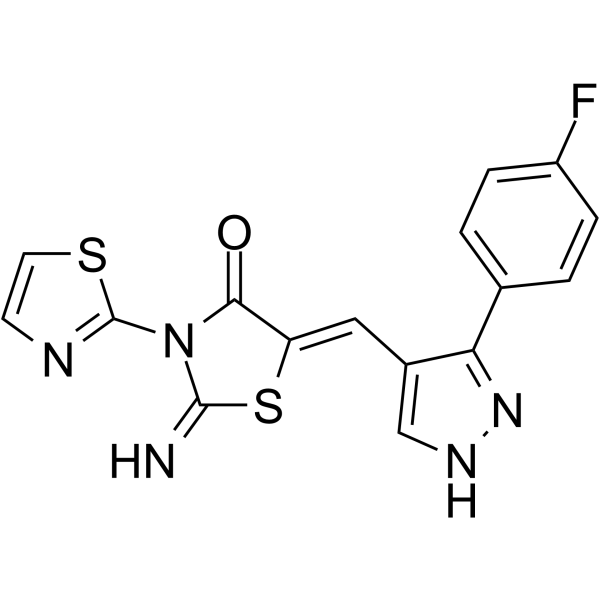
    MSU-44147 is an inhibitor and antimicrobial agent targeting MmpL3 in Mycobacterium abscessus, with low eukaryotic cytotoxicity, a narrow antimicrobial spectrum that is specific only to mycobacteria, and low drug resistance frequency. MSU-44147 reduces trehalose dimycolate levels by inhibiting MmpL3 function, disrupts biofilm formation and reduces the viability of related bacteria, while exerting bactericidal effects on intracellular Mycobacterium abscessus. MSU-44147 exhibits additive or synergistic effects with antibiotics and can be used in research on multidrug-resistant isolates and infections of Mycobacterium abscessus .
    MSU-44147
  • HY-183337

    NOD-like Receptor (NLR) Interleukin Related Inflammation/Immunology
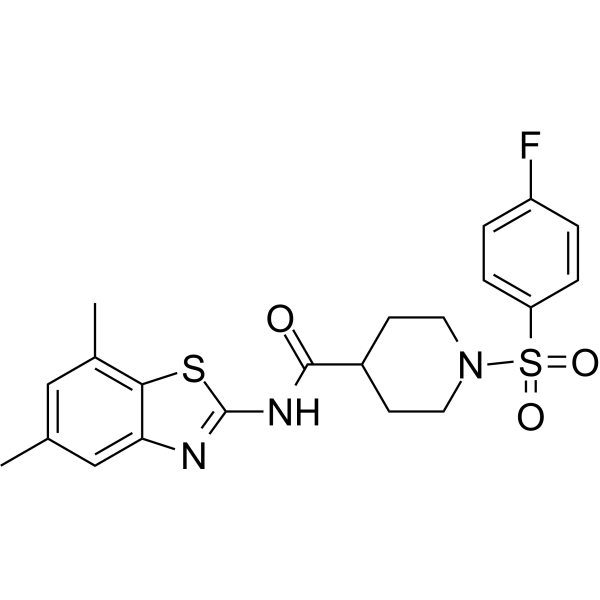
    ZM734 is an orally active and selective NLRP3 inflammasome inhibitor. ZM734 inhibits the secretion of IL-1β. ZM734 alleviates pulmonary inflammation in a mouse model of acute lung injury. ZM734 can be used for the research of inflammatory diseases such as acute lung injury .
    ZM734
  • HY-181283

    Bacterial Infection
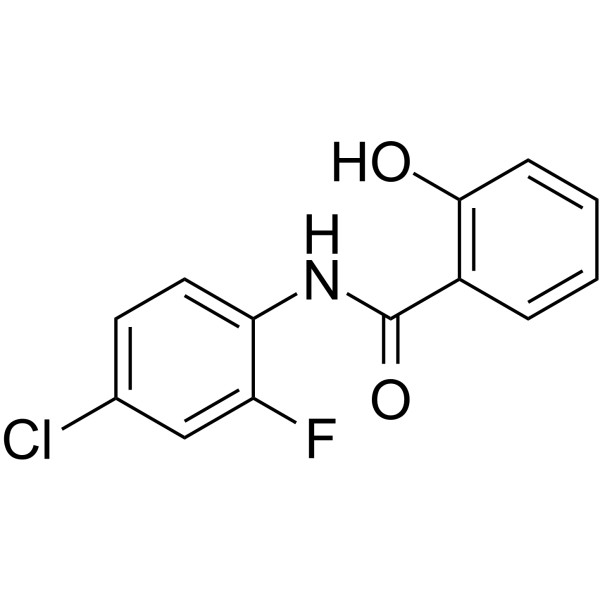
    MSU-43557 is a Mycobacterium abscessus MmpL3 (MAB_4508) inhibitor and bactericidal agent. MSU-43557 inhibits MmpL3 function, disrupts trehalose monomycolate synthesis, and reduces biofilm-associated Mycobacterium abscessus viability. MSU-43557 exerts bactericidal activity against intracellular Mycobacterium abscessus. MSU-43557 shows low eukaryotic cytotoxicity and low Mycobacterium abscessus resistance frequency. MSU-43557 can be used for the research of mycobacterium abscessus infection .
    MSU-43557
  • HY-185207

    Pyroptosis Infection Cancer
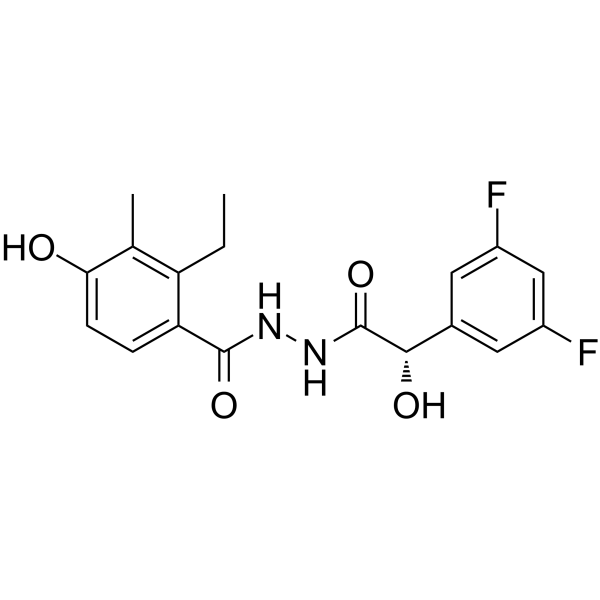
    CQ80 is a PEPD/XPNPEP1 inhibitor and selective CARD8 inflammasome activator. CQ80 has IC50 values of 0.91 μM for PEPD, 43 μM for XPNPEP1. CQ80 promotes the accumulation of Xaa-Pro peptides by inhibiting PEPD and XPNPEP1, releases the fragment of CARD8 for inflammasome formation, and induces pyroptosis via GSDMD cleavage. CQ80 can be used for research on inflammasome, CARD8-expressing cancer cells, HIV-1-infected cell clearance, acute myeloid leukemia (AML) .
    CQ80

Inquiry Online

Your information is safe with us. * Required Fields.

Salutation


Country or Region *

Applicant Name *


Organization Name *

Department *


Email Address *


Product Name *

Cat. No.


Requested quantity *

Phone Number *


Remarks

Inquiry Online

Inquiry Information

Product Name:
Cat. No.:
Quantity:
MCE Japan Authorized Agent:

