Search Result
Results for "
bone regeneration
" in MedChemExpress (MCE) Product Catalog:
8
Biochemical Assay Reagents
| Cat. No. |
Product Name |
Target |
Research Areas |
Chemical Structure |
-
- HY-16968
-
|
|
15-PGDH
|
Others
|
|
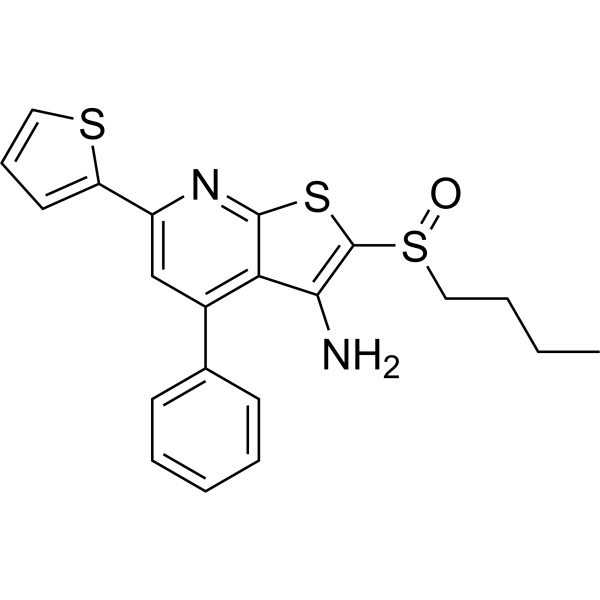
SW033291 is a potent and high-affinity inhibitor of 15-PGDH with a Ki of 0.1 nM. SW033291 increases prostaglandin PGE2 levels in bone marrow and other tissues. SW033291 also promotes tissue regeneration .
|
-
-
- HY-16268
-
Kartogenin
Maximum Cited Publications
31 Publications Verification
KGN
|
TGF-beta/Smad
|
Inflammation/Immunology
|
|
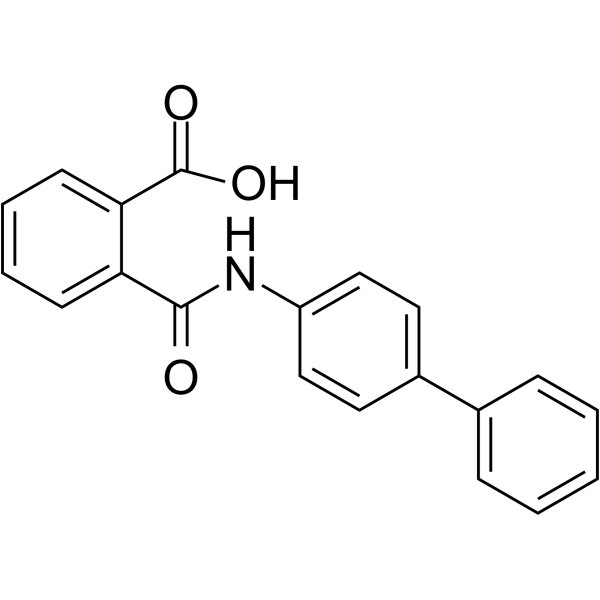
Kartogenin (KGN) is an inducer of chondrogenic tissue formation (EC50: 100 nM). Kartogenin induces chondrogenesis by binding to fibrin A, disrupting its interaction with the transcription factor core binding factor beta subunit (CBFβ), and by modulating the CBFβ-RUNX1 transcriptional program. Kartogenin also promotes tendon-bone junction (TBJ) wound healing by stimulating collagen synthesis. Kartogenin is widely used in cell-free therapy in the field of regeneration for cartilage regeneration and protection, tendon-bone healing, wound healing and limb development. Kartogenin promotes cartilage repair, coordinates limb development, and is also used in osteoarthritis (OA) research .
|
-
-
- HY-N0036
-
Costunolide
Maximum Cited Publications
6 Publications Verification
(+)-Costunolide; Costus lactone
|
Apoptosis
Endogenous Metabolite
|
Cancer
|
|
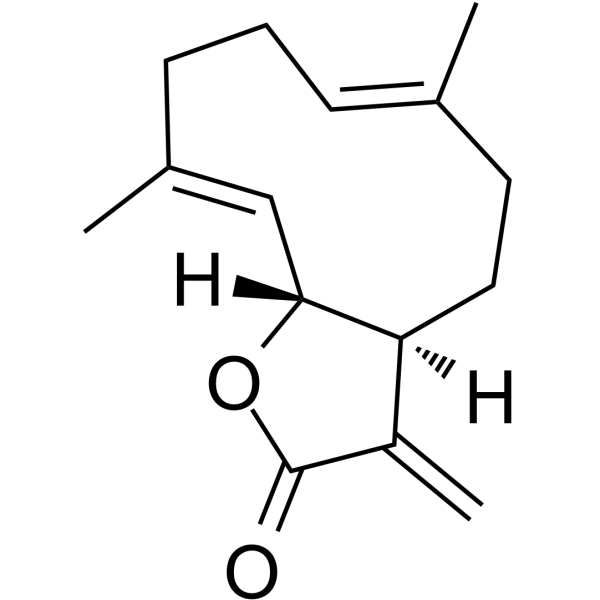
Costunolide ((+)-Costunolide) is a naturally occurring sesquiterpene lactone, with antioxidative, anti-inflammatory, antiallergic, bone remodeling, neuroprotective, hair growth promoting, anticancer, and antidiabetic properties. Costunolide can induce cell cycle arrest and apoptosis on breast cancer cells .
|
-
-
- HY-W763582B
-
|
Gelatin Methacryloyl, 90% methacrylation
|
Biochemical Assay Reagents
|
Others
|
|
GelMA (Gelatin Methacryloyl), 90% methacrylation, is a derivative obtained by the reaction of Methacrylic anhydride (MA) (HY-W017330) and gelatin. GelMA exhibits excellent biocompatibility, biodegradability, and moldability. GelMA can be photocrosslinked into hydrogels and can be used for research in regeneration of tissues, such as skin, tendon, bone, cartilage, blood vessel, and cardiovascular system. GelMA hydrogel also can be used for research on drug delivery, organ-on-a-chip, and biosensing .
|
-

-
- HY-Y1353
-
|
|
Biochemical Assay Reagents
|
Others
Metabolic Disease
|
|
Di-tert-butyl dicarbonate (tBOC) is a covalent modification agent for hydroxyl groups (-OH) on the chitosan molecular chain. Di-tert-butyl dicarbonate selectively modifies chitosan and stabilizes the material structure through hydrophobic encapsulation. Di-tert-butyl dicarbonate reacts with the -OH groups of chitosan to form a hydrophobic layer, and in conjunction with triethylamine (TEA), removes trifluoroacetic acid (TFA) salts produced during the electrospinning process, preserving the nanofiber structure and high porosity of the membrane, and improving the material's cytocompatibility and mineralization-promoting ability. Di-tert-butyl dicarbonate can be used in research in the field of guided bone regeneration (GBR) .
|
-

-
- HY-112531
-
|
|
Biochemical Assay Reagents
|
Others
|
|
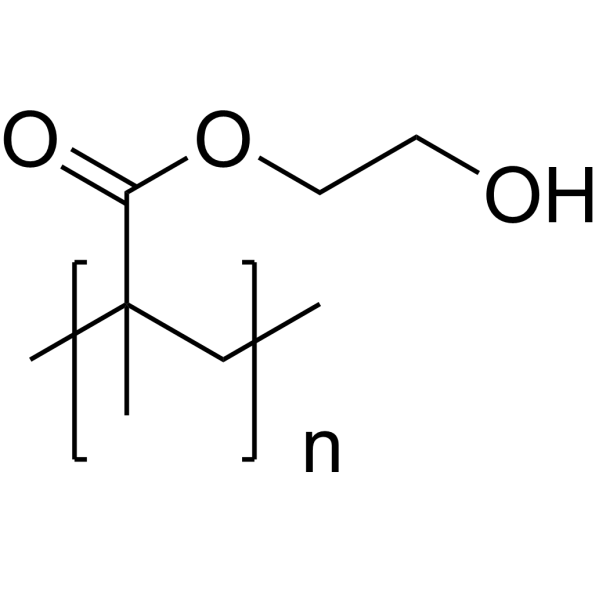
Poly(2-hydroxyethyl methacrylate) (MW 20000) is one of the most important hydrogels in the biomaterials world. Poly(2-hydroxyethyl methacrylate) is the basic component of contact lenses, and is also used in implantation of soft tissues, synthetic transplant for gristle and bone, regeneration of neurotic tissue, transmission of agent and etc .
|
-
-
- HY-12316
-
|
20α-Hydroxycholesterol
|
Smo
Endogenous Metabolite
|
Cardiovascular Disease
Metabolic Disease
Cancer
|
|
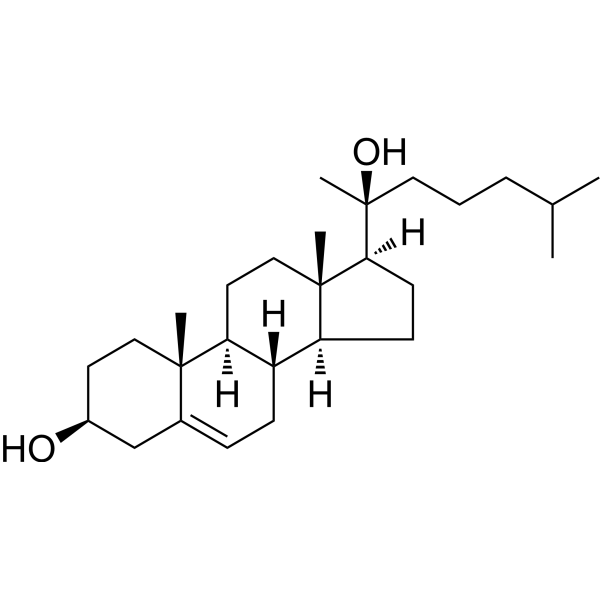
20(S)-Hydroxycholesterol (20α-Hydroxycholesterol) is an allosteric activator that selectively targets the Smoothened (Smo) of the Hedgehog pathway with an EC50 of ~30 μM (Hedgehog). 20(S)-Hydroxycholesterol binds to the extracellular cysteine-rich domain (CRD) of Smo in a stereoselective manner, activating downstream Gli transcription factors (without inducing transcription of receptor genes in the Wnt pathway). 20(S)-Hydroxycholesterol enhances osteogenic differentiation of bone marrow stromal cells and synergistically activates the Raf/MEK/ERK pathway with Simvastatin (HY-17502) to promote bone regeneration. 20(S)-Hydroxycholesterol can be used to study the mechanisms of developmental biology, oncology, bone, and angiogenesis .
|
-
-
- HY-W763582
-
|
Gelatin Methacryloyl, 30% methacrylation
|
Biochemical Assay Reagents
|
Others
|
|
GelMA (Gelatin Methacryloyl), 30% methacrylation, is a derivative obtained by the reaction of Methacrylic anhydride (MA) (HY-W017330) and gelatin. GelMA exhibits excellent biocompatibility, biodegradability, and moldability. GelMA can be photocrosslinked into hydrogels and can be used for research in regeneration of tissues, such as skin, tendon, bone, cartilage, blood vessel, and cardiovascular system. GelMA hydrogel also can be used for research on drug delivery, organ-on-a-chip, and biosensing .
|
-

-
- HY-108298
-
|
PP 5; Perfluorodecahydronaphthalene
|
Biochemical Assay Reagents
|
Others
|
|
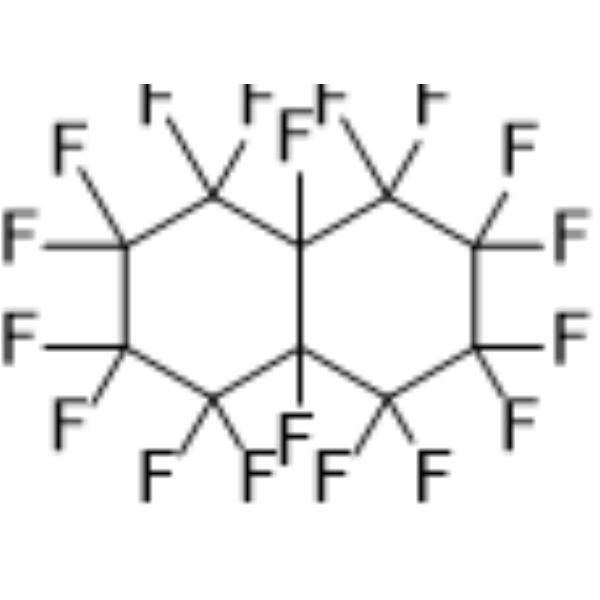
Perfluorodecalin liquids are largrly used in vitreoretinal surgery. Perfluorodecalin with tamponade lasting more than two days is detrimental to the retina in the case of rabbit. Perfluorodecalin can be used for the research of giant retinal tears . Perfluorodecalin is a non-toxic, non-flammable, thermally stable, non-bio-accumulating O2-carrier and used as artificial blood . Perfluorodecalin enhances bone regeneration and cell viability .
|
-
-
- HY-W250313
-
|
PLA
|
Biochemical Assay Reagents
|
Others
Cancer
|
|
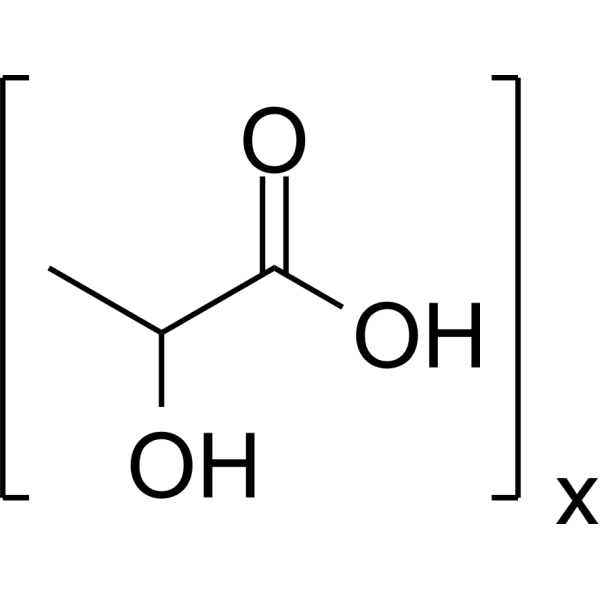
Polylactic acid (PLA) is a biodegradable and biocompatible polymer widely used as a carrier for drug delivery systems and a structural material for tissue engineering and medical implants. Polylactic acid acts as a controlled release matrix through the hydrolysis mechanism of ester bonds, gradually releasing the encapsulated drug and metabolizing to non-toxic lactic acid. Polylactic acid has adjustable degradation rate, mechanical properties and the ability to composite with other polymers, and can be used in local or systemic drug delivery, orthopedic fixation devices and 3D printed bone regeneration scaffolds .
|
-
-
- HY-D0835
-
|
Hydroxyapatite (25-45 μm)
|
Others
|
Cardiovascular Disease
Inflammation/Immunology
|
|
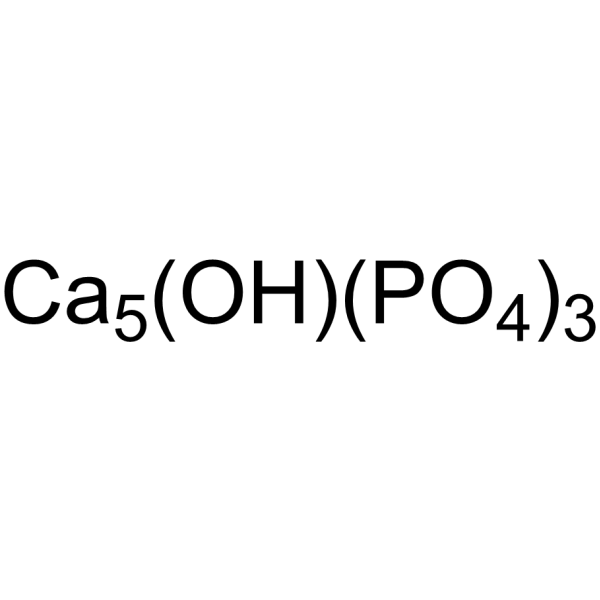
Hydroxylapatite (Hydroxyapatite) (25-45 μm) is a natural form of calcium phosphate and is the main mineral component of bones and teeth. Hydroxylapatite (25-45 μm) can stimulate the expression and secretion of collagen in primary human dermal fibroblasts. Hydroxylapatite (25-45 μm) has good biocompatibility, bioactivity, and bone conductivity, making it suitable for targeted drug or nucleic acid delivery. Hydroxylapatite (25-45 μm) can be used in research on osteoarthritis, gout, and atherosclerosis .
|
-
-
- HY-18312
-
|
|
Pyk2
|
Metabolic Disease
|
|
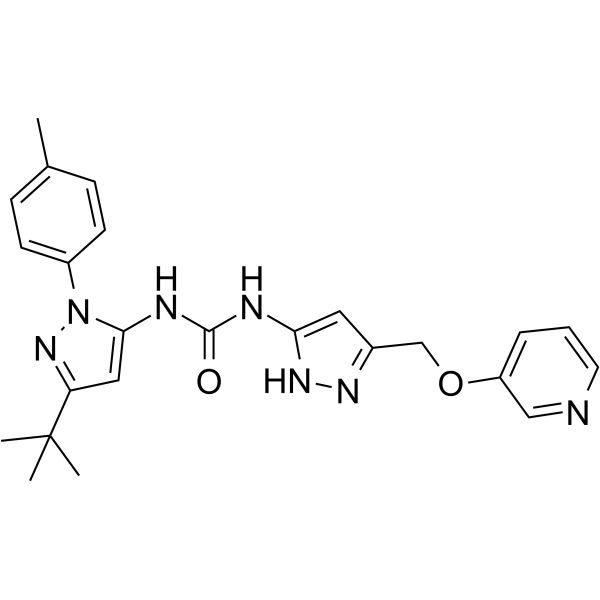
PF-4618433 is a potent and selective PYK2 inhibitor, with an IC50 of 637 nM. PF-4618433 may be suitable for the research of osteoporosis, craniofacial and appendicular skeletal defects and for targeted bone regeneration .
|
-
-
- HY-112531A
-
|
|
Biochemical Assay Reagents
|
Others
|
|
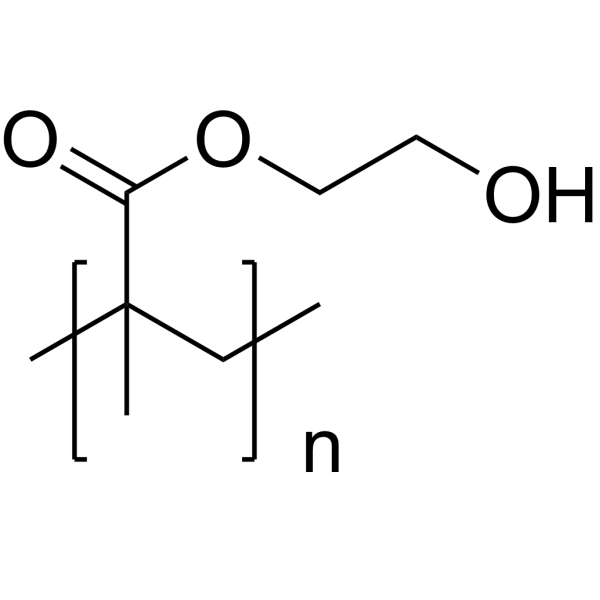
Poly(2-hydroxyethyl methacrylate) (MW 1000000) is one of the most important hydrogels in the biomaterials world. Poly(2-hydroxyethyl methacrylate) is the basic component of contact lenses, and is also used in implantation of soft tissues, synthetic transplant for gristle and bone, regeneration of neurotic tissue, transmission of agent and etc .
|
-
-
- HY-112531B
-
|
|
Biochemical Assay Reagents
|
Others
|
|
Poly(2-hydroxyethyl methacrylate) (Mv 300000) is a biocompatible, optically transparent, hydrophilic, and non-degradable polymer with excellent cytocompatibility, eliciting a minimal immunological response from host tissue. Poly(2-hydroxyethyl methacrylate) (Mv 300000) can be used for different biomedical applications, such as bone tissue regeneration, wound dressings and drug delivery .
|
-

-
- HY-W763582A
-
|
Gelatin Methacryloyl, 60% methacrylation
|
Biochemical Assay Reagents
|
Others
|
|
GelMA (Gelatin Methacryloyl), 60% methacrylation, is a derivative obtained by the reaction of Methacrylic anhydride (MA) (HY-W017330) and gelatin. GelMA exhibits excellent biocompatibility, biodegradability, and moldability. GelMA can be photocrosslinked into hydrogels and can be used for research in regeneration of tissues, such as skin, tendon, bone, cartilage, blood vessel, and cardiovascular system. GelMA hydrogel also can be used for research on drug delivery, organ-on-a-chip, and biosensing .
|
-

-
- HY-W004761
-
|
Hypodiboric acid
|
Bacterial
Reactive Oxygen Species (ROS)
|
Infection
Inflammation/Immunology
|
|
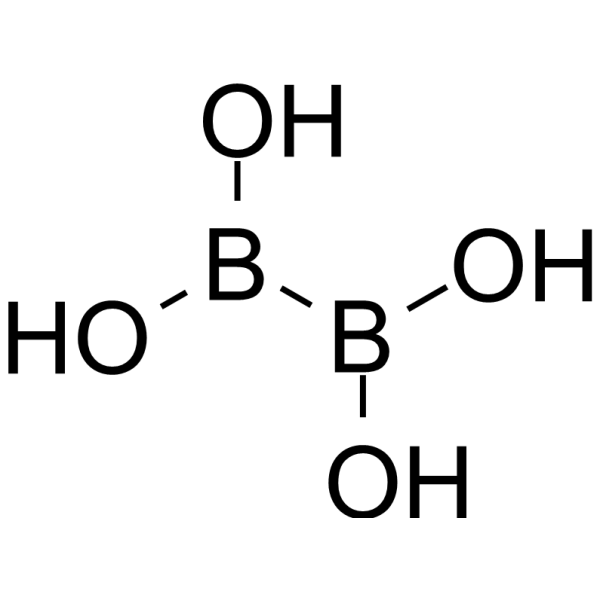
Tetrahydroxydiboron (Hypodiboric acid) acts as a hydrogel initiator and bioadhesion promoter, with broad-spectrum antibacterial activity, ROS scavenging capacity, and osteogenic induction properties. Tetrahydroxydiboron initiates rapid gelation by generating free radicals through reactions with vinyl monomers and dissolved oxygen, overcoming oxygen inhibition without deoxygenation or external triggers. Tetrahydroxydiboron achieves strong bioadhesion via interaction with carboxymethyl chitosan. Tetrahydroxydiboron can be used in the research of periodontitis and related inflammatory diseases .
|
-
-
- HY-P5558
-
|
|
VEGFR
|
Neurological Disease
|
|
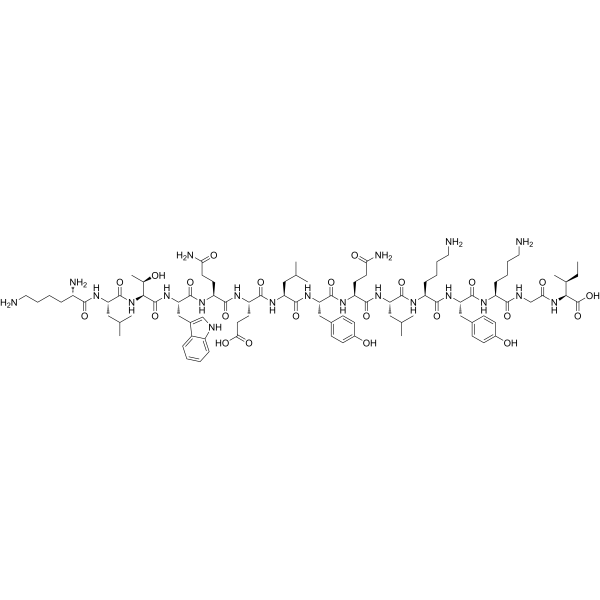
KLTWQELYQLKYKGI is a VEGF mimetic peptide designed based on the VEGF helix sequence 17-25, with the ability to activate VEGF receptors and exert pro-angiogenic biological activity. KLTWQELYQLKYKGI effectively promotes the attachment, spreading and proliferation of human umbilical vein endothelial cells. KLTWQELYQLKYKGI enhances the proliferation, migration and osteogenic differentiation of bone marrow stromal cells (BMSCs). KLTWQELYQLKYKGI synergistically accelerates angiogenesis and bone regeneration in rat cranial defect models. KLTWQELYQLKYKGI can be used for the research of brain tissue engineering and traumatic brain injury repair and biomaterials for bone tissue engineering and bone repair .
|
-
-
- HY-N8698
-
Picein
1 Publications Verification
|
SOD
Ferroptosis
Keap1-Nrf2
Heme Oxygenase (HO)
Glutathione Peroxidase
|
Neurological Disease
Metabolic Disease
Inflammation/Immunology
|
|
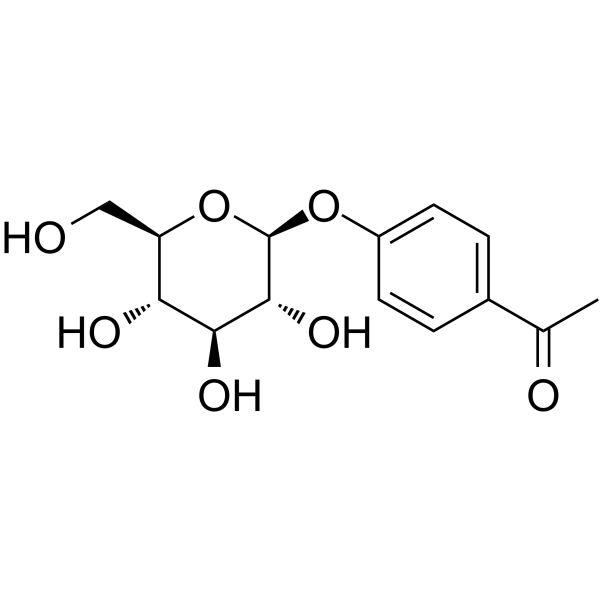
Picein is an antioxidant and anti-inflammatory agent. Picein can be isolated from the leaves of Picrorhiza kurroa. Picein reduces MDA levels and increases the levels of SOD, GPX and TAC. Picein alleviates oxidative stress and promotes bone regeneration in osteoporotic bone defects by inhibiting Ferroptosis (via activation of the Nrf2/HO-1/GPX4 pathway). Picein prevents scopolamine (HY-N0296)-induced passive avoidance memory impairment in rats. Picein can be used in research related to osteoporotic bone defects and Alzheimer's disease .
|
-
-
- HY-15130
-
|
|
Endogenous Metabolite
|
Metabolic Disease
|
|
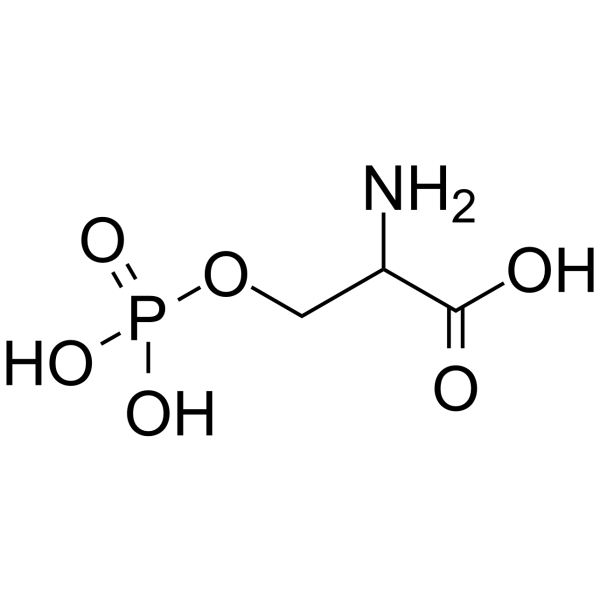
DL-O-Phosphoserine is a normal metabolite in human biofluids and is a mixture of phosphoserine with two stereochemical structures (D-type and L-type O-phospho-serine). O-phospho-L-serine is a competitive inhibitor of serine racemase and phagocytosis. O-phospho-L-serine inhibits the enzymatic reaction by competing with the active site of serine racemase, thereby affecting the production of D-serine. O-phospho-L-serine also mimics the phosphatidylserine head group, binds to the phosphatidylserine receptor, interferes with phagocytic signal transduction, and partially blocks the phagocytosis of apoptotic cells by cells. O-phospho-L-serin can be used in the research of retinal regeneration, bone repair, and insect growth and development .
|
-
-
- HY-103322
-
|
|
PKA
Potassium Channel
|
Metabolic Disease
Cancer
|
|
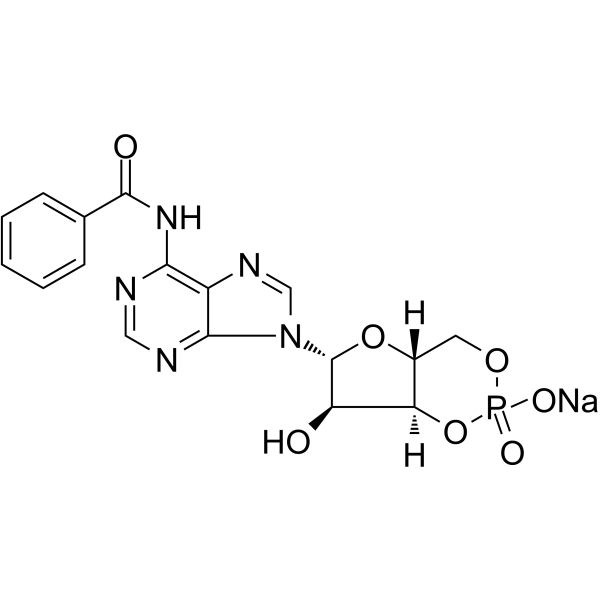
6-Bnz-cAMP sodium, a derivative of cyclic adenosine monophosphate (cAMP), is a selective PKA activator with inhibitory activity against the bTREK-1 K + channel. 6-Bnz-cAMP sodium does not activate the Epac signaling pathway. It inhibits the bTREK-1 K + channel via a voltage-independent, ATP-dependent mechanism that is independent of the PKA/Epac/calmodulin kinase/MAP kinase pathway. 6-Bnz-cAMP sodium activates CREB phosphorylation to regulate osteoblast-specific gene expression, induces osteoblast differentiation, promotes extracellular matrix mineralization, supports osteoblast proliferation, and shows no cytotoxicity toward osteoblasts. It can be used in studies related to bone tissue repair and regeneration .
|
-
-
- HY-P5832
-
|
|
TGF-beta/Smad
RUNX
|
Metabolic Disease
|
|
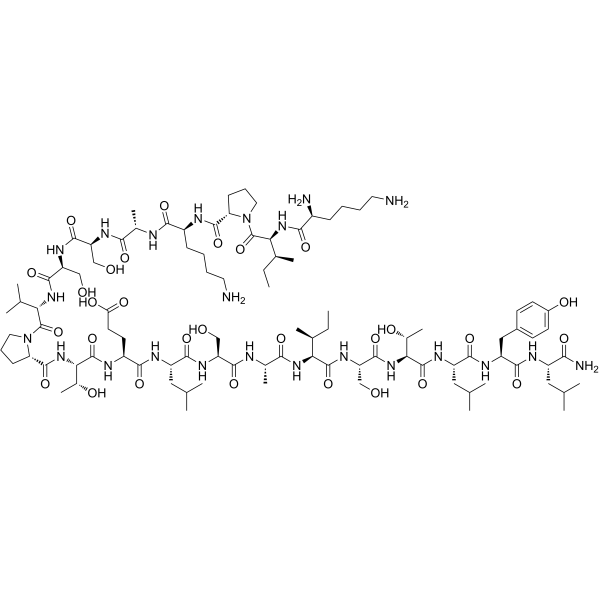
BMP2-derived peptide is an osteogenic inducer and BMP receptor ligand. BMP2-derived peptide binds to BMP receptors on the cell surface to form a complex, activates the downstream Smad signaling pathway, and regulates the expression of osteogenic transcription factors. BMP2-derived peptide effectively promotes the adhesion, proliferation, osteogenic differentiation and mineralization of bone marrow mesenchymal stem cells, significantly up-regulates the mRNA levels of OCN, Runx2 and type I collagen, and increases alkaline phosphatase activity and calcium deposition. BMP2-derived peptide induces osteoblast differentiation and ectopic bone regeneration, and improves cranial bone defect repair. Meanwhile, BMP2-derived peptide enhances the cytocompatibility of mesoporous silica nanoparticles, synergistically increases osteogenic activity with Dexamethasone (HY-14648), serving as an important tool for bone defect repair research .
|
-
-
- HY-Y1123
-
|
Glycinamide hydrochloride
|
Amino Acid Derivatives
Phosphatase
|
Endocrinology
|
|
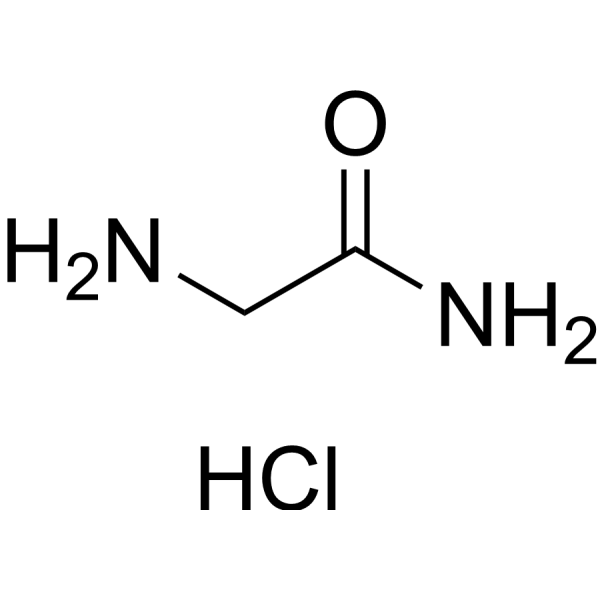
2-Aminoacetamide hydrochloride (Glycinamide hydrochloride) is a derivative of Glycine (HY-Y0966). 2-Aminoacetamide hydrochloride forms cell-absorbable nanocomplexes with proteins (such as bovine serum albumin) through strong electrostatic interactions, promoting cellular uptake of related proteins. 2-Aminoacetamide hydrochloride synergizes with BMP2 to upregulate the expression of osteogenic marker genes (such as Col1a1, Alp, Runx2) and proteins (such as COL1, BSP), enhancing collagen synthesis. 2-Aminoacetamide hydrochloride synergizes with BMP2 to promote osteoblast differentiation in vitro and bone regeneration in vivo .
|
-
-
- HY-P11087
-
|
|
Collagen
|
Others
|
|
P15 is a collagen mimetic peptide with the sequence of GTPGPQGIAGQRGVV. P15 can mimic the cell-binding domain of human type I collagen. P15 is capable of promoting the adhesion, proliferation, and differentiation of osteoblasts. Biomaterials modified with P15 can be used in research related to bone regeneration .
|
-

-
- HY-15893G
-
|
Dimethyloxallyl Glycine
|
Autophagy
HIF/HIF Prolyl-Hydroxylase
|
Cardiovascular Disease
|
|
DMOG (GMP) is the GMP level of DMOG (HY-15893). GMP small molecules works appropriately as an auxiliary reagent for cell therapy manufacture. DMOG (GMP) is a HIF-1α stabilizer. DMOG (GMP) promotes the osteogenic, angiogenic, and chondrogenic differentiation of stem cells by stabilizing the expression of HIF-1α. DMOG (GMP) can enhance the osteogenic and angiogenic differentiation potential of stem cells, thereby improving bone regeneration in bone defects. DMOG (GMP) can be used in the research of bone defect repair, vascularized bone regeneration, and the treatment of bone-related diseases (such as osteoporosis and femoral head necrosis) .
|
-

-
- HY-126436D
-
|
L-Ornithine homopolymer hydrochloride (MW 15000-30000)
|
Biochemical Assay Reagents
|
Metabolic Disease
Endocrinology
|
|
Poly-L-ornithine hydrochloride (MW 15000-30000) is a polycationic homopolymer composed of L-ornithine. Poly-L-ornithine hydrochloride (MW 15000-30000) adsorbs negatively charged species through electrostatic interactions. Poly-L-ornithine hydrochloride (MW 15000-30000) can be used as a key component of polyelectrolyte complexes to construct core-shell structure carriers to achieve controlled delivery of growth factors (such as rhBMP-2, FGF-1). Poly-L-ornithine hydrochloride (MW 15000-30000) is used in the study of diabetes and bone regeneration related diseases .
|
-

-
- HY-16268A
-
|
KGN sodium
|
TGF-beta/Smad
|
Inflammation/Immunology
|
|
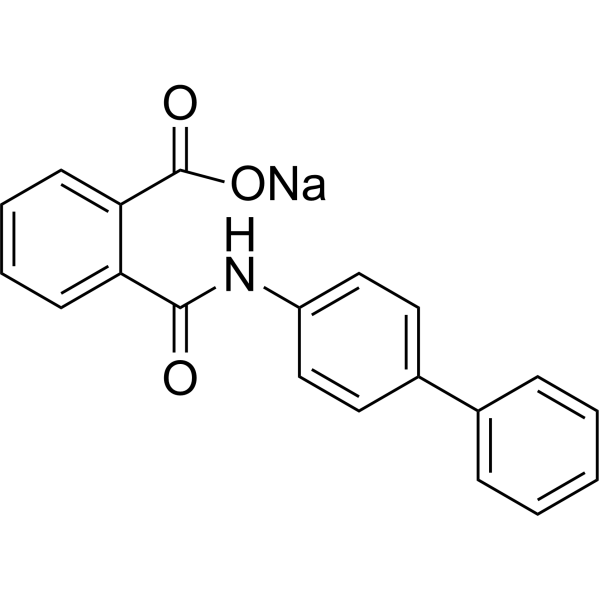
Kartogenin (KGN) sodium is an inducer of chondrogenic tissue formation (EC50: 100 nM). Kartogenin sodium induces chondrogenesis by binding to fibrin A, disrupting its interaction with the transcription factor core binding factor beta subunit (CBFβ), and by modulating the CBFβ-RUNX1 transcriptional program. Kartogenin sodium also promotes tendon-bone junction (TBJ) wound healing by stimulating collagen synthesis. Kartogenin sodium is widely used in cell-free therapy in the field of regeneration for cartilage regeneration and protection, tendon-bone healing, wound healing and limb development. Kartogenin sodium promotes cartilage repair, coordinates limb development, and is also used in osteoarthritis (OA) research .
|
-
-
- HY-N0036R
-
|
(+)-Costunolide (Standard); Costus lactone (Standard)
|
Reference Standards
Apoptosis
Endogenous Metabolite
|
Cancer
|
|
Costunolide (Standard) is the analytical standard of Costunolide. This product is intended for research and analytical applications. Costunolide ((+)-Costunolide) is a naturally occurring sesquiterpene lactone, with antioxidative, anti-inflammatory, antiallergic, bone remodeling, neuroprotective, hair growth promoting, anticancer, and antidiabetic properties. Costunolide can induce cell cycle arrest and apoptosis on breast cancer cells .
|
-

-
- HY-16968A
-
|
|
15-PGDH
|
Others
|
|
(R)-SW033291 is the R-type enantiomer of SW033291 (HY-16968). (R)-SW033291 is a potent and high-affinity inhibitor of 15-PGDH. (R)-SW033291 increases prostaglandin PGE2 levels in bone marrow and other tissues. (R)-SW033291 also promotes tissue regeneration .
|
-

-
- HY-P4866
-
|
|
Integrin
Transglutaminase
Akt
p38 MAPK
ERK
Caspase
Apoptosis
|
Cardiovascular Disease
Metabolic Disease
Inflammation/Immunology
|
|
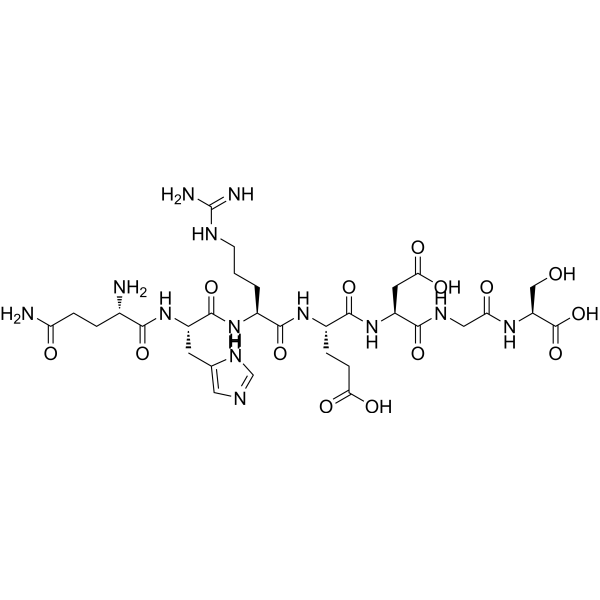
Q-Peptide is an angiopoietin-1 derived peptide (QHREDGS). Q-Peptide interacts with β1-integrin, binds to integrins on the surface of osteoblasts, and serves as an acyl donor substrate for Streptomyces mobaraensis transglutaminase. Q-Peptide activates Akt, MAPKp42/44, ILK, ERK1/2, and downregulates caspase-3/7. Q-Peptide inhibits cell apoptosis, enhances cell adhesion and migration, and promotes osteoblast differentiation, bone matrix deposition and mineralization. Q-Peptide can be used in studies related to myocardial infarction, bone regeneration, diabetic wound repair and human induced pluripotent stem cells .
|
-
-
- HY-N4299
-
|
|
HSV
HSP
|
Metabolic Disease
|
|
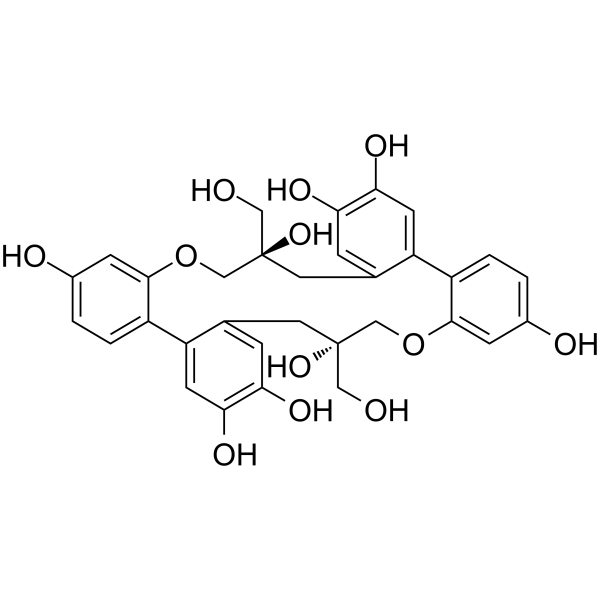
Caesappanin C, a biphenyl dimer from the ethanolic extract of the heartwood of Indonesian Caesalpinia sappan L., shows strong proliferation stimulating activity against the primary osteoblastic cells in vitro. Caesappanin C has the potential to stimulate bone formation and regeneration . Caesappanin C can effectively deactivate HSV particles and bind HSV surface glycoprotein B (gB) to inhibit membrane fusion .
|
-
-
- HY-163544
-
|
|
Drug Intermediate
|
Cancer
|
|
δ-Tocotrienol prodrug-1 (compound 5b) is a prodrug of δ-tocotrienol (HY-122778). δ-Tocotrienol prodrug-1 shows radioprotective efficacy. δ-Tocotrienol prodrug-1 promotes the hematopoietic progenitor and stem cell regeneration in murine bone marrow and spleen .
|
-

-
- HY-137381
-
|
N6-Benzoyl-cAMP
|
PKA
Potassium Channel
|
Metabolic Disease
|
|
6-Bnz-cAMP, a derivative of cyclic adenosine monophosphate (cAMP), is a selective PKA activator with inhibitory activity against the bTREK-1 K + channel. 6-Bnz-cAMP does not activate the Epac signaling pathway. 6-Bnz-cAMP inhibits the bTREK-1 K + channel via a voltage-independent, ATP-dependent mechanism that is independent of the PKA/Epac/calmodulin kinase/MAP kinase pathway. 6-Bnz-cAMP activates CREB phosphorylation to regulate osteoblast-specific gene expression, induces osteoblast differentiation, promotes extracellular matrix mineralization, supports osteoblast proliferation, and shows no cytotoxicity toward osteoblasts. 6-Bnz-cAMP can be used in studies related to bone tissue repair and regeneration .
|
-

-
- HY-P11648
-
|
|
Osteopontin
|
Inflammation/Immunology
Cancer
|
|
SVVYGLR is an osteopontin-derived peptide. SVVYGLR can promote the differentiation of fibroblasts into myofibroblast-like cells and promote the production of type III collagen by cardiac fibroblasts. SVVYGLR can activate the adhesion, migration and tubule formation of endothelial cells in vitro. SVVYGLR promotes angiogenesis and wound healing and promotes the migration of dermal fibroblasts and keratinocytes. SVVYGLR can be used for research related to angiogenesis, dermal wounds and bone regeneration .
|
-

-
- HY-108298R
-
|
PP 5 (Standard); Perfluorodecahydronaphthalene (Standard)
|
Biochemical Assay Reagents
Reference Standards
|
Others
|
|
Perfluorodecalin (Standard) is the analytical standard of Perfluorodecalin (HY-108298). This product is intended for research and analytical applications. Perfluorodecalin liquids are largrly used in vitreoretinal surgery. Perfluorodecalin with tamponade lasting more than two days is detrimental to the retina in the case of rabbit. Perfluorodecalin can be used for the research of giant retinal tears . Perfluorodecalin is a non-toxic, non-flammable, thermally stable, non-bio-accumulating O2-carrier and used as artificial blood . Perfluorodecalin enhances bone regeneration and cell viability .
|
-

-
-
HY-L038
-
|
|
2,405 compounds
|
|
Stem cells, which are found in all multi-cellular organisms, can divide and differentiate into diverse special cell types and can self-renew to produce more stem cells. To be useful in therapy, stem cells must be converted into desired cell types as necessary which is called induced differentiation or directed differentiation. Understanding and using signaling pathways for differentiation is an important method in successful regenerative medicine. Small molecules or growth factors induce the conversion of stem cells into appropriate progenitor cells, which will later give rise to the desired cell type. There is a variety of signal molecules and molecular families that may affect the establishment of germ layers in vivo, such as fibroblast growth factors (FGFs); the wnt family or superfamily of transforming growth factors β (TGFβ) and bone morphogenetic proteins (BMP). Unfortunately, for now, a high cost of recombinant factors is likely to limit their use on a larger scale in medicine. The more promising technique focuses on the use of small molecules. These small molecules can be used for either activating or deactivating specific signaling pathways. They enhance reprogramming efficiency by creating cells that are compatible with the desired type of tissue. It is a cheaper and non-immunogenic method.
MCE Differentiation Inducing Compound Library contains a unique collection of 2,405 compounds that act on signaling pathways for differentiation. These compounds are potential stimulators for induced differentiation. This library is a useful tool for researching directed differentiation and regenerative medicine.
|
| Cat. No. |
Product Name |
Type |
-
- HY-15893G
-
|
Dimethyloxallyl Glycine
|
Fluorescent Dyes
|
|
DMOG (GMP) is the GMP level of DMOG (HY-15893). GMP small molecules works appropriately as an auxiliary reagent for cell therapy manufacture. DMOG (GMP) is a HIF-1α stabilizer. DMOG (GMP) promotes the osteogenic, angiogenic, and chondrogenic differentiation of stem cells by stabilizing the expression of HIF-1α. DMOG (GMP) can enhance the osteogenic and angiogenic differentiation potential of stem cells, thereby improving bone regeneration in bone defects. DMOG (GMP) can be used in the research of bone defect repair, vascularized bone regeneration, and the treatment of bone-related diseases (such as osteoporosis and femoral head necrosis) .
|
| Cat. No. |
Product Name |
Type |
-
- HY-W763582B
-
|
Gelatin Methacryloyl, 90% methacrylation
|
Biochemical Assay Reagents
|
|
GelMA (Gelatin Methacryloyl), 90% methacrylation, is a derivative obtained by the reaction of Methacrylic anhydride (MA) (HY-W017330) and gelatin. GelMA exhibits excellent biocompatibility, biodegradability, and moldability. GelMA can be photocrosslinked into hydrogels and can be used for research in regeneration of tissues, such as skin, tendon, bone, cartilage, blood vessel, and cardiovascular system. GelMA hydrogel also can be used for research on drug delivery, organ-on-a-chip, and biosensing .
|
-
- HY-W763582
-
|
Gelatin Methacryloyl, 30% methacrylation
|
Biochemical Assay Reagents
|
|
GelMA (Gelatin Methacryloyl), 30% methacrylation, is a derivative obtained by the reaction of Methacrylic anhydride (MA) (HY-W017330) and gelatin. GelMA exhibits excellent biocompatibility, biodegradability, and moldability. GelMA can be photocrosslinked into hydrogels and can be used for research in regeneration of tissues, such as skin, tendon, bone, cartilage, blood vessel, and cardiovascular system. GelMA hydrogel also can be used for research on drug delivery, organ-on-a-chip, and biosensing .
|
-
- HY-W250313
-
|
PLA
|
Biochemical Assay Reagents
|
|
Polylactic acid (PLA) is a biodegradable and biocompatible polymer widely used as a carrier for drug delivery systems and a structural material for tissue engineering and medical implants. Polylactic acid acts as a controlled release matrix through the hydrolysis mechanism of ester bonds, gradually releasing the encapsulated drug and metabolizing to non-toxic lactic acid. Polylactic acid has adjustable degradation rate, mechanical properties and the ability to composite with other polymers, and can be used in local or systemic drug delivery, orthopedic fixation devices and 3D printed bone regeneration scaffolds .
|
-
- HY-W763582A
-
|
Gelatin Methacryloyl, 60% methacrylation
|
Biochemical Assay Reagents
|
|
GelMA (Gelatin Methacryloyl), 60% methacrylation, is a derivative obtained by the reaction of Methacrylic anhydride (MA) (HY-W017330) and gelatin. GelMA exhibits excellent biocompatibility, biodegradability, and moldability. GelMA can be photocrosslinked into hydrogels and can be used for research in regeneration of tissues, such as skin, tendon, bone, cartilage, blood vessel, and cardiovascular system. GelMA hydrogel also can be used for research on drug delivery, organ-on-a-chip, and biosensing .
|
-
- HY-W004761
-
|
Hypodiboric acid
|
Biochemical Assay Reagents
|
|
Tetrahydroxydiboron (Hypodiboric acid) acts as a hydrogel initiator and bioadhesion promoter, with broad-spectrum antibacterial activity, ROS scavenging capacity, and osteogenic induction properties. Tetrahydroxydiboron initiates rapid gelation by generating free radicals through reactions with vinyl monomers and dissolved oxygen, overcoming oxygen inhibition without deoxygenation or external triggers. Tetrahydroxydiboron achieves strong bioadhesion via interaction with carboxymethyl chitosan. Tetrahydroxydiboron can be used in the research of periodontitis and related inflammatory diseases .
|
-
- HY-Y1123
-
|
Glycinamide hydrochloride
|
Biochemical Assay Reagents
|
|
2-Aminoacetamide hydrochloride (Glycinamide hydrochloride) is a derivative of Glycine (HY-Y0966). 2-Aminoacetamide hydrochloride forms cell-absorbable nanocomplexes with proteins (such as bovine serum albumin) through strong electrostatic interactions, promoting cellular uptake of related proteins. 2-Aminoacetamide hydrochloride synergizes with BMP2 to upregulate the expression of osteogenic marker genes (such as Col1a1, Alp, Runx2) and proteins (such as COL1, BSP), enhancing collagen synthesis. 2-Aminoacetamide hydrochloride synergizes with BMP2 to promote osteoblast differentiation in vitro and bone regeneration in vivo .
|
-
- HY-15893G
-
|
Dimethyloxallyl Glycine
|
Biochemical Assay Reagents
|
|
DMOG (GMP) is the GMP level of DMOG (HY-15893). GMP small molecules works appropriately as an auxiliary reagent for cell therapy manufacture. DMOG (GMP) is a HIF-1α stabilizer. DMOG (GMP) promotes the osteogenic, angiogenic, and chondrogenic differentiation of stem cells by stabilizing the expression of HIF-1α. DMOG (GMP) can enhance the osteogenic and angiogenic differentiation potential of stem cells, thereby improving bone regeneration in bone defects. DMOG (GMP) can be used in the research of bone defect repair, vascularized bone regeneration, and the treatment of bone-related diseases (such as osteoporosis and femoral head necrosis) .
|
-
- HY-126436D
-
|
L-Ornithine homopolymer hydrochloride (MW 15000-30000)
|
Biochemical Assay Reagents
|
|
Poly-L-ornithine hydrochloride (MW 15000-30000) is a polycationic homopolymer composed of L-ornithine. Poly-L-ornithine hydrochloride (MW 15000-30000) adsorbs negatively charged species through electrostatic interactions. Poly-L-ornithine hydrochloride (MW 15000-30000) can be used as a key component of polyelectrolyte complexes to construct core-shell structure carriers to achieve controlled delivery of growth factors (such as rhBMP-2, FGF-1). Poly-L-ornithine hydrochloride (MW 15000-30000) is used in the study of diabetes and bone regeneration related diseases .
|
| Cat. No. |
Product Name |
Target |
Research Area |
-
- HY-P5558
-
|
|
VEGFR
|
Neurological Disease
|
|
KLTWQELYQLKYKGI is a VEGF mimetic peptide designed based on the VEGF helix sequence 17-25, with the ability to activate VEGF receptors and exert pro-angiogenic biological activity. KLTWQELYQLKYKGI effectively promotes the attachment, spreading and proliferation of human umbilical vein endothelial cells. KLTWQELYQLKYKGI enhances the proliferation, migration and osteogenic differentiation of bone marrow stromal cells (BMSCs). KLTWQELYQLKYKGI synergistically accelerates angiogenesis and bone regeneration in rat cranial defect models. KLTWQELYQLKYKGI can be used for the research of brain tissue engineering and traumatic brain injury repair and biomaterials for bone tissue engineering and bone repair .
|
-
- HY-P5832
-
|
|
TGF-beta/Smad
RUNX
|
Metabolic Disease
|
|
BMP2-derived peptide is an osteogenic inducer and BMP receptor ligand. BMP2-derived peptide binds to BMP receptors on the cell surface to form a complex, activates the downstream Smad signaling pathway, and regulates the expression of osteogenic transcription factors. BMP2-derived peptide effectively promotes the adhesion, proliferation, osteogenic differentiation and mineralization of bone marrow mesenchymal stem cells, significantly up-regulates the mRNA levels of OCN, Runx2 and type I collagen, and increases alkaline phosphatase activity and calcium deposition. BMP2-derived peptide induces osteoblast differentiation and ectopic bone regeneration, and improves cranial bone defect repair. Meanwhile, BMP2-derived peptide enhances the cytocompatibility of mesoporous silica nanoparticles, synergistically increases osteogenic activity with Dexamethasone (HY-14648), serving as an important tool for bone defect repair research .
|
-
- HY-P11087
-
|
|
Collagen
|
Others
|
|
P15 is a collagen mimetic peptide with the sequence of GTPGPQGIAGQRGVV. P15 can mimic the cell-binding domain of human type I collagen. P15 is capable of promoting the adhesion, proliferation, and differentiation of osteoblasts. Biomaterials modified with P15 can be used in research related to bone regeneration .
|
-
- HY-P4866
-
|
|
Integrin
Transglutaminase
Akt
p38 MAPK
ERK
Caspase
Apoptosis
|
Cardiovascular Disease
Metabolic Disease
Inflammation/Immunology
|
|
Q-Peptide is an angiopoietin-1 derived peptide (QHREDGS). Q-Peptide interacts with β1-integrin, binds to integrins on the surface of osteoblasts, and serves as an acyl donor substrate for Streptomyces mobaraensis transglutaminase. Q-Peptide activates Akt, MAPKp42/44, ILK, ERK1/2, and downregulates caspase-3/7. Q-Peptide inhibits cell apoptosis, enhances cell adhesion and migration, and promotes osteoblast differentiation, bone matrix deposition and mineralization. Q-Peptide can be used in studies related to myocardial infarction, bone regeneration, diabetic wound repair and human induced pluripotent stem cells .
|
-
- HY-P11648
-
|
|
Osteopontin
|
Inflammation/Immunology
Cancer
|
|
SVVYGLR is an osteopontin-derived peptide. SVVYGLR can promote the differentiation of fibroblasts into myofibroblast-like cells and promote the production of type III collagen by cardiac fibroblasts. SVVYGLR can activate the adhesion, migration and tubule formation of endothelial cells in vitro. SVVYGLR promotes angiogenesis and wound healing and promotes the migration of dermal fibroblasts and keratinocytes. SVVYGLR can be used for research related to angiogenesis, dermal wounds and bone regeneration .
|
| Cat. No. |
Product Name |
Category |
Target |
Chemical Structure |
-
- HY-N0036
-
-
-
- HY-12316
-
|
20α-Hydroxycholesterol
|
Classification of Application Fields
Endogenous metabolite
Disease Research Fields
Steroids
Source Classification
Cancer
|
Smo
Endogenous Metabolite
|
|
20(S)-Hydroxycholesterol (20α-Hydroxycholesterol) is an allosteric activator that selectively targets the Smoothened (Smo) of the Hedgehog pathway with an EC50 of ~30 μM (Hedgehog). 20(S)-Hydroxycholesterol binds to the extracellular cysteine-rich domain (CRD) of Smo in a stereoselective manner, activating downstream Gli transcription factors (without inducing transcription of receptor genes in the Wnt pathway). 20(S)-Hydroxycholesterol enhances osteogenic differentiation of bone marrow stromal cells and synergistically activates the Raf/MEK/ERK pathway with Simvastatin (HY-17502) to promote bone regeneration. 20(S)-Hydroxycholesterol can be used to study the mechanisms of developmental biology, oncology, bone, and angiogenesis .
|
-
-
- HY-D0835
-
|
Hydroxyapatite (25-45 μm)
|
Natural Products
Animals
Classification of Application Fields
Other Diseases
Disease Research Fields
Source Classification
|
Others
|
|
Hydroxylapatite (Hydroxyapatite) (25-45 μm) is a natural form of calcium phosphate and is the main mineral component of bones and teeth. Hydroxylapatite (25-45 μm) can stimulate the expression and secretion of collagen in primary human dermal fibroblasts. Hydroxylapatite (25-45 μm) has good biocompatibility, bioactivity, and bone conductivity, making it suitable for targeted drug or nucleic acid delivery. Hydroxylapatite (25-45 μm) can be used in research on osteoarthritis, gout, and atherosclerosis .
|
-
-
- HY-N8698
-
Picein
1 Publications Verification
|
Nyssaceae
Plants
Saccharides
Source Classification
|
SOD
Ferroptosis
Keap1-Nrf2
Heme Oxygenase (HO)
Glutathione Peroxidase
|
|
Picein is an antioxidant and anti-inflammatory agent. Picein can be isolated from the leaves of Picrorhiza kurroa. Picein reduces MDA levels and increases the levels of SOD, GPX and TAC. Picein alleviates oxidative stress and promotes bone regeneration in osteoporotic bone defects by inhibiting Ferroptosis (via activation of the Nrf2/HO-1/GPX4 pathway). Picein prevents scopolamine (HY-N0296)-induced passive avoidance memory impairment in rats. Picein can be used in research related to osteoporotic bone defects and Alzheimer's disease .
|
-
-
- HY-15130
-
|
|
Microorganisms
Classification of Application Fields
Ketones, Aldehydes, Acids
Metabolic Disease
Endogenous metabolite
Disease Research Fields
Source Classification
|
Endogenous Metabolite
|
|
DL-O-Phosphoserine is a normal metabolite in human biofluids and is a mixture of phosphoserine with two stereochemical structures (D-type and L-type O-phospho-serine). O-phospho-L-serine is a competitive inhibitor of serine racemase and phagocytosis. O-phospho-L-serine inhibits the enzymatic reaction by competing with the active site of serine racemase, thereby affecting the production of D-serine. O-phospho-L-serine also mimics the phosphatidylserine head group, binds to the phosphatidylserine receptor, interferes with phagocytic signal transduction, and partially blocks the phagocytosis of apoptotic cells by cells. O-phospho-L-serin can be used in the research of retinal regeneration, bone repair, and insect growth and development .
|
-
-
- HY-N0036R
-
-
-
- HY-N4299
-
-
| Cat. No. |
Product Name |
Target |
Research Areas |
Chemical Structure |
-
- HY-15893G
-
|
Dimethyloxallyl Glycine
|
Autophagy
HIF/HIF Prolyl-Hydroxylase
|
Cardiovascular Disease
|
|
DMOG (GMP) is the GMP level of DMOG (HY-15893). GMP small molecules works appropriately as an auxiliary reagent for cell therapy manufacture. DMOG (GMP) is a HIF-1α stabilizer. DMOG (GMP) promotes the osteogenic, angiogenic, and chondrogenic differentiation of stem cells by stabilizing the expression of HIF-1α. DMOG (GMP) can enhance the osteogenic and angiogenic differentiation potential of stem cells, thereby improving bone regeneration in bone defects. DMOG (GMP) can be used in the research of bone defect repair, vascularized bone regeneration, and the treatment of bone-related diseases (such as osteoporosis and femoral head necrosis) .
|
-
Your information is safe with us. * Required Fields.
Inquiry Information
- Product Name:
- Cat. No.:
- Quantity:
- MCE Japan Authorized Agent:








