1. Search Result
Search Result
Results for "

brain penetrating

" in MedChemExpress (MCE) Product Catalog:

71

Inhibitors & Agonists

9

Peptides

3

Inhibitory Antibodies

5

Natural
Products

1

Isotope-Labeled Compounds

Cat. No. Product Name Target Research Areas Chemical Structure
  • HY-B2132
    Tryptamine
    1 Publications Verification

    3-(2-Aminoethyl)indole~2-(3-Indolyl)ethylamine

    Endogenous Metabolite 5-HT Receptor Aryl Hydrocarbon Receptor Neurological Disease Metabolic Disease
    Tryptamine is a selective, blood-brain-penetrating 5-HT4 receptor agonist (EC50=1-3 mM) and an endogenous ligand of the aryl hydrocarbon receptor (AHR) (Kd=10-50 nM). Tryptamine promotes intestinal anion secretion and fluid transport by activating G protein-coupled receptors (GPCRs) and accelerates gastrointestinal motility. Tryptamine regulates Th17/Treg balance to inhibit neuroinflammation, competitively binds to 5-HT receptors to regulate central nervous system activity, and participates in temperature regulation and spinal reflex regulation as a neuromodulator. Tryptamine can be used to study intestinal motility disorders such as functional constipation, and has shown significant efficacy in multiple sclerosis models .
    Tryptamine
  • HY-100740
    Lanabecestat
    2 Publications Verification

    AZD3293; LY3314814

    Beta-secretase Neurological Disease
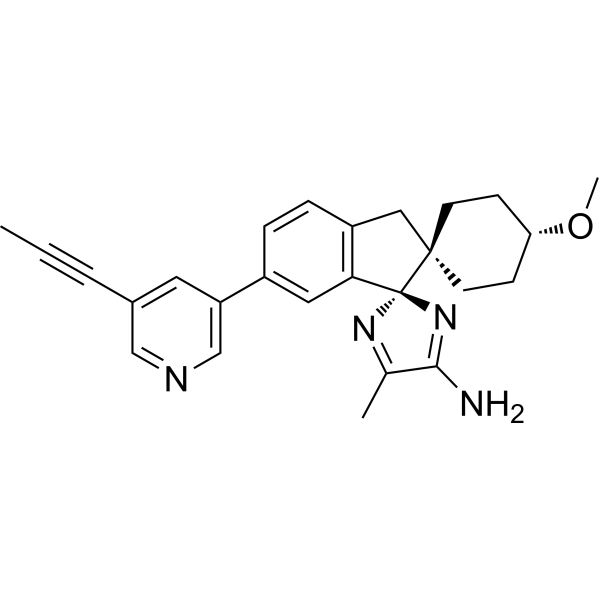
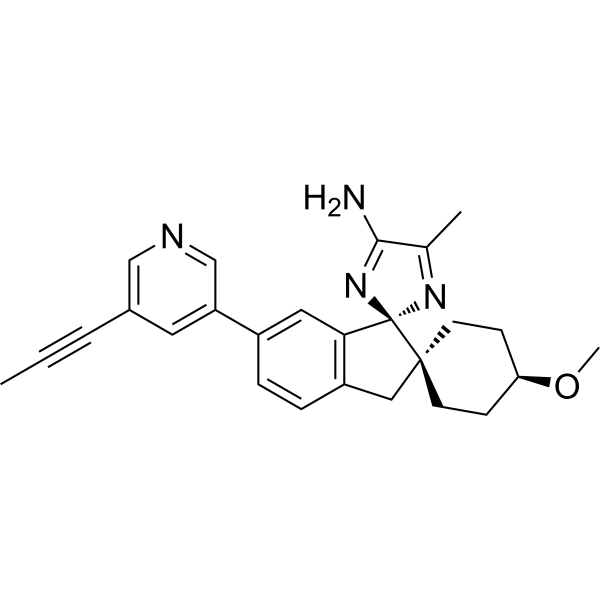
    Lanabecestat (AZD3293; LY3314814) is a potent, orally active and blood-brain barrier penetrating BACE1 inhibitor with a Ki of 0.4 nM. Lanabecestat is used for the research of Alzheimer's disease .
    Lanabecestat
  • HY-W016420
    Fosfomycin sodium
    Maximum Cited Publications
    14 Publications Verification

    MK-0955 sodium

    Bacterial Antibiotic Infection Cancer
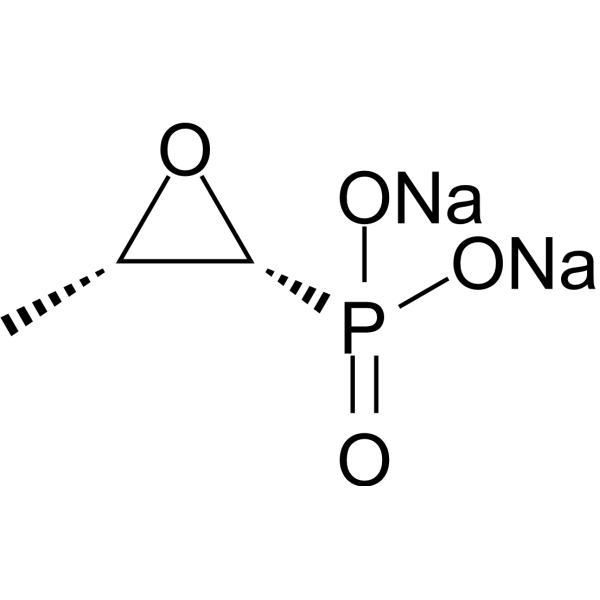
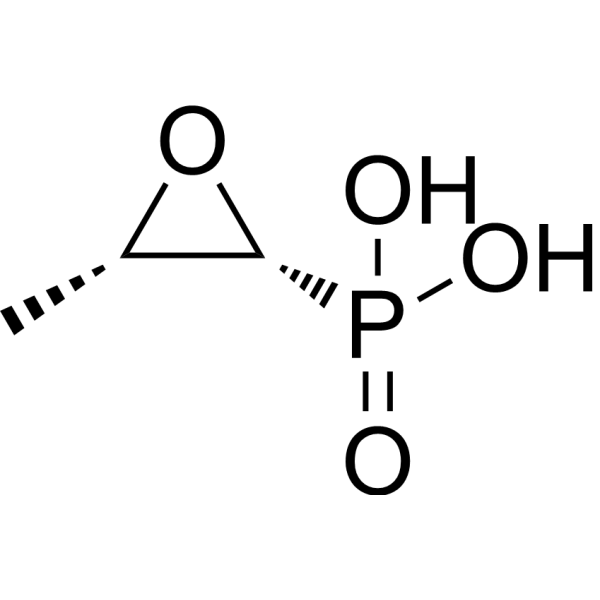
    Fosfomycin (MK-0955) sodium is a blood-brain barrier penetrating, broad-spectrum antibiotic by irreversibly inhibiting an early stage in cell wall synthesis. Fosfomycin sodium shows both in vivo and in vitro activity against a wide range of bacteria, including multidrug-resistant (MDR), extensively drug-resistant (XDR), and pan-drug-resistant (PDR) bacteria .
    Fosfomycin sodium
  • HY-100672
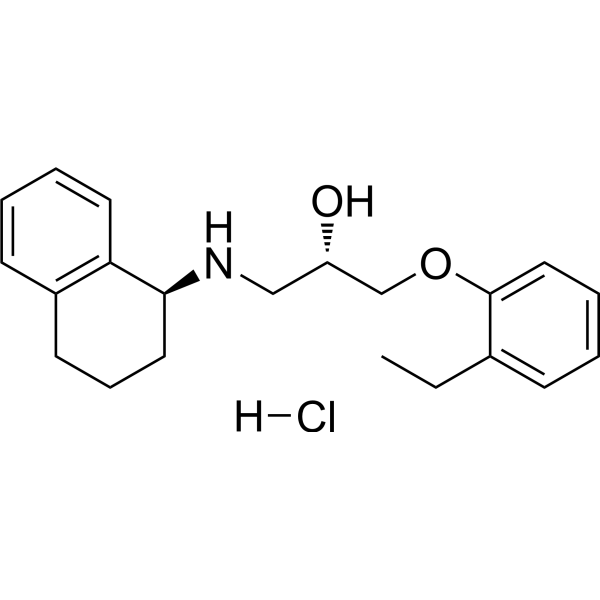
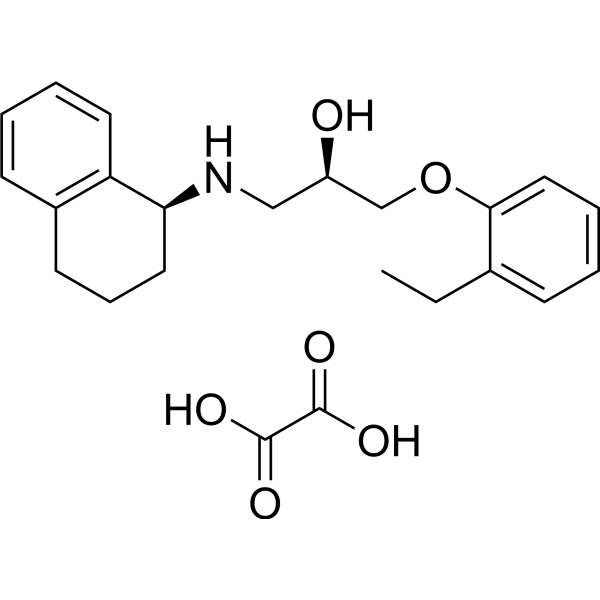
    SR59230A
    10+ Cited Publications

    Adrenergic Receptor Cardiovascular Disease Metabolic Disease
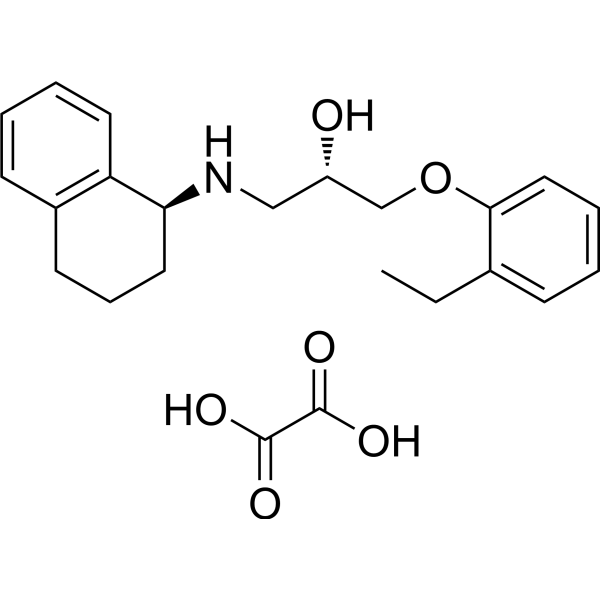
    SR59230A is a potent, selective, and blood-brain barrier penetrating β3-adrenergic receptor antagonist with IC50s of 40, 408, and 648 nM for β3, β1, and β2 receptors, respectively .
    SR59230A
  • HY-160019

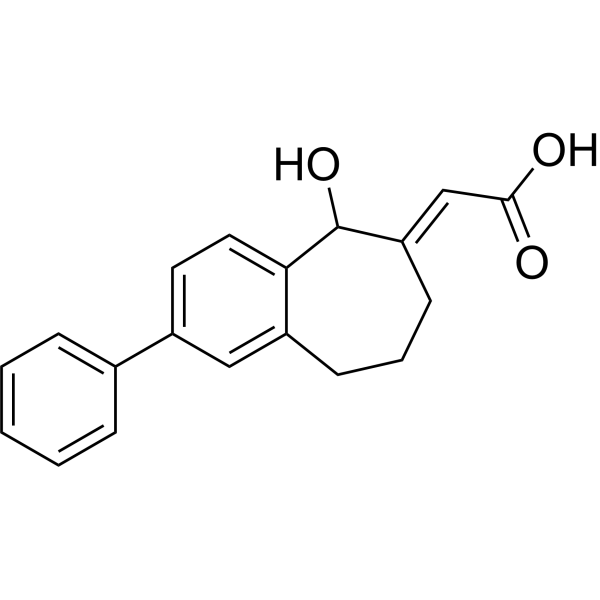
    Deubiquitinase Mitophagy Neurological Disease
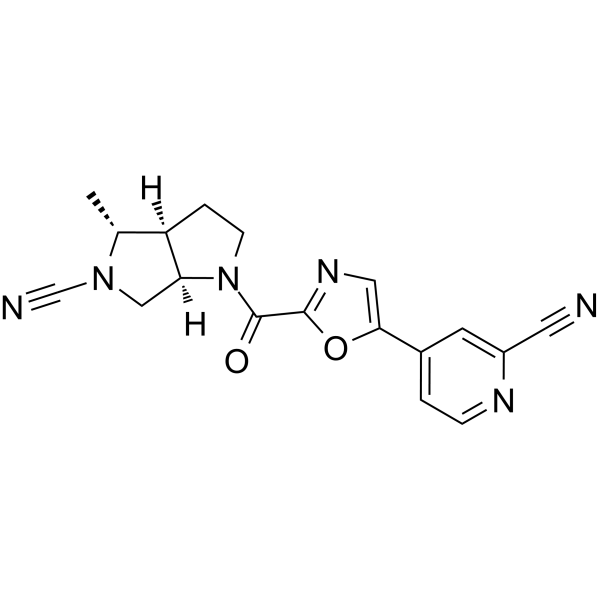
    MTX115325 (Example 1) is an orally active, brain-penetrating USP30 inhibitor (IC50=12 nM) with neuroprotective activity. MTX115325 increases ubiquitination (EC50=32 nM) of the mitochondrial outer membrane protein TOM20 (a USP30 substrate), increasing mitophagy. MTX115325 prevents dopaminergic neuron loss and preserves striatal dopamine .
    MTX115325
  • HY-17402
    Nisoldipine
    2 Publications Verification

    BAY-k 5552

    Calcium Channel Reactive Oxygen Species (ROS) Infection Cardiovascular Disease Neurological Disease
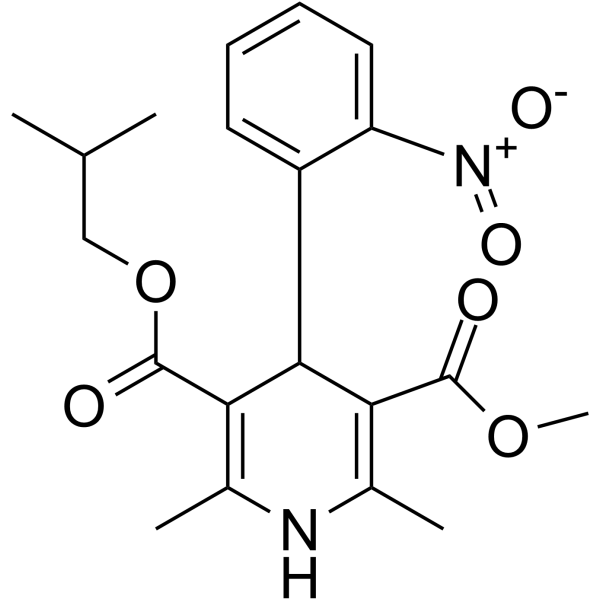
    Nisoldipine (BAY-k 5552; Sular) is an orally active and blood-brain barrier-penetrating dihydropyridine calcium antagonist, with greater vascular selectivity than other calcium channel antagonists. Nisoldipine inhibits calcium influx and blocks voltage-gated calcium channels. Nisoldipine dilates coronary and systemic arteries. Nisoldipine has antihypertensive and anti-anginal activity. Nisoldipine also displays neuroprotective and antiviral activity .
    Nisoldipine
  • HY-P2048
    MOTS-c (human)
    1 Publications Verification

    Apoptosis GLUT AMPK Neurological Disease Metabolic Disease Inflammation/Immunology Endocrinology
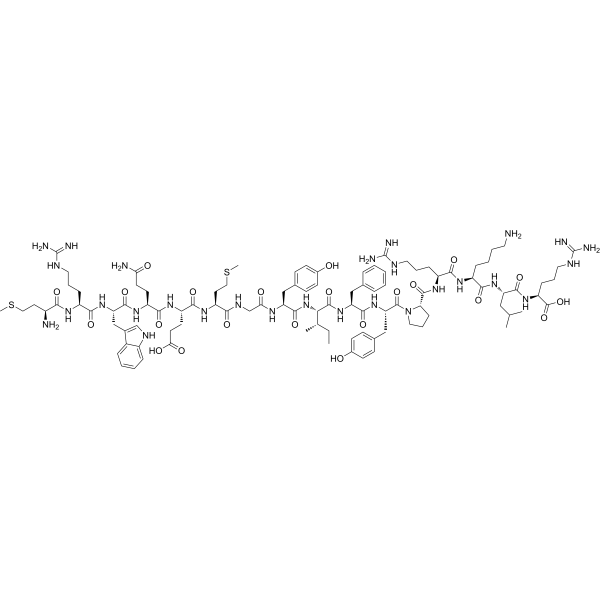
    MOTS-c (human) is a blood-brain barrier-penetrating, mitochondrial-derived peptide that modulates the AMPK/PGC-1α pathway to enhance insulin sensitivity. MOTS-c (human) inhibits the folate cycle and de novo purine synthesis, increases AICAR levels to activate AMPK, and then regulates the Nrf2/Keap1 antioxidant pathway and inhibits the NF-κB inflammatory pathway, while promoting mitochondrial biogenesis and energy metabolism. MOTS-c (human) has the effects of improving glucose and lipid metabolism, anti-oxidative stress, anti-inflammatory and neuroprotection, and can be used in the study of type 2 diabetes, traumatic brain injury, inflammatory diseases and aging-related metabolic disorders .
    MOTS-c (human)
  • HY-P4073

    GRN1005; Paclitaxel trevatide

    Peptide-Drug Conjugates (PDCs) LDLR Cancer
    ANG1005 (Paclitaxel trevatide) is a brain-penetrating peptide-drug conjugate. ANG1005, a taxane derivative, consists of three paclitaxel (HY-B0015) molecules covalently linked to Angiopep-2, designed to cross the blood-brain and blood-cerebrospinal barriers and to penetrate malignant cells via low density lipoprotein receptor-related protein (LRP1) transport system .
    ANG1005
  • HY-B1075
    Fosfomycin calcium
    Maximum Cited Publications
    14 Publications Verification

    MK-​0955 calcium

    Bacterial Antibiotic Infection Cancer
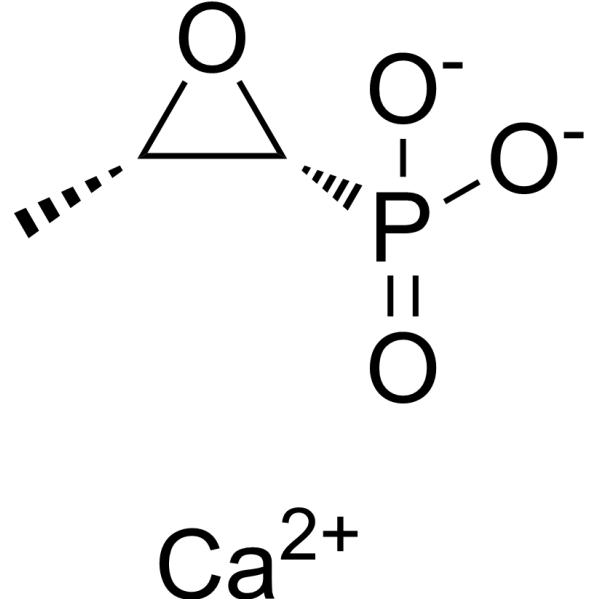
    Fosfomycin (MK-0955) calcium is a blood-brain barrier penetrating, broad-spectrum antibiotic by irreversibly inhibiting an early stage in cell wall synthesis. Fosfomycin calcium shows both in vivo and in vitro activity against a wide range of bacteria, including multidrug-resistant (MDR), extensively drug-resistant (XDR), and pan-drug-resistant (PDR) bacteria .
    Fosfomycin calcium
  • HY-112723

    ACT-709478

    Calcium Channel Neurological Disease
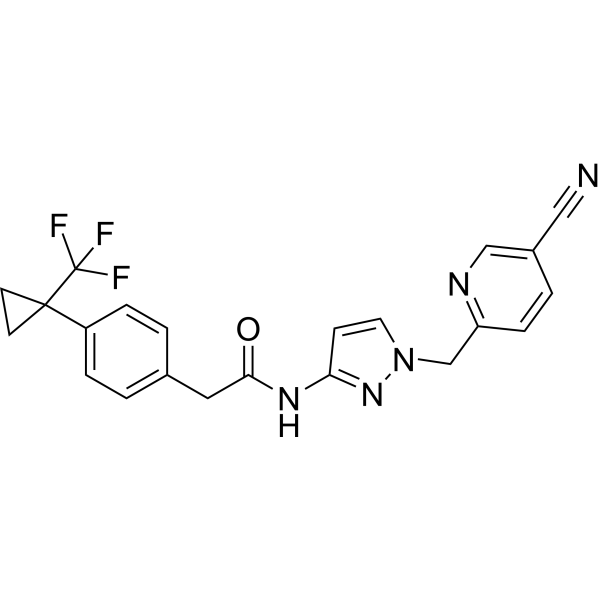
    Apinocaltamide (ACT-709478) is a potent, selective, orally active, and brain penetrating T-type calcium channel blocker. ACT-709478 is used in the research of generalized epilepsies .
    Apinocaltamide
  • HY-103200
    SR59230A hydrochloride
    10+ Cited Publications

    Adrenergic Receptor Cardiovascular Disease Metabolic Disease
    SR59230A hydrochloride is a potent, selective, and blood-brain barrier penetrating β3-adrenergic receptor antagonist with IC50s of 40, 408, and 648 nM for β3, β1, and β2 receptors, respectively .
    SR59230A hydrochloride
  • HY-B1075A

    MK-0955

    Bacterial Antibiotic Infection Cancer
    Fosfomycin (MK-0955) is a broad-spectrum antibiotic. Fosfomycin can cross blood-brain barrier penetrating, and irreversibly inhibits an early stage in cell wall synthesis. Fosfomycin shows anti-bacteria activity for a range of bacteria, including multidrug-resistant (MDR), extensively drug-resistant (XDR), and pan-drug-resistant (PDR) bacteria .
    Fosfomycin
  • HY-N0762
    Isobavachin
    5 Publications Verification

    Cytochrome P450 UGT p38 MAPK NF-κB NO Synthase COX Fc Receptor (FcR) RANKL/RANK Keap1-Nrf2 Reactive Oxygen Species (ROS) Apoptosis Autophagy Neurological Disease Metabolic Disease Inflammation/Immunology Cancer
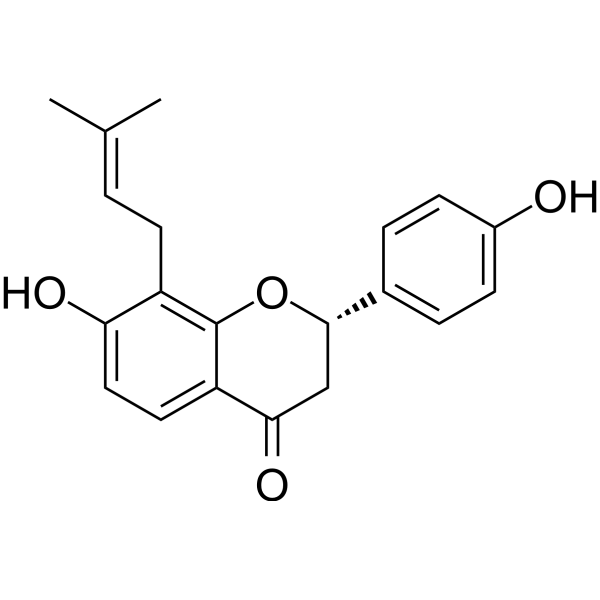
    Isobavachin is an orally active, blood-brain barrier-penetrating prenylated flavonoid present in Psoralea corylifolia. Isobavachin inhibits human CYP2B6, CYP2C9, CYP2C19, UGT1A1, UGT1A9, and UGT2B7. Isobavachin suppresses MAPK activation, NF-κB nuclear translocation, overexpression of iNOS/COX-2, FcεRI-mediated signaling pathways, and RANKL-induced osteoclastogenesis. Isobavachin induces autophagy, cytotoxicity, neuronal differentiation, and NRF2 activation; it alleviates oxidative damage, inflammatory responses, apoptosis, iron accumulation, mitochondrial biogenesis, and mast cell degranulation. Isobavachin is applicable to research related to liver injury, inflammatory diseases, osteoporosis, liver cancer, prostate cancer, glioma, periodontitis-induced bone loss, and Alzheimer's disease .
    Isobavachin
  • HY-14880

    JNJ-31001074

    Histamine Receptor Neurological Disease Metabolic Disease
    Bavisant (JNJ-31001074) is an orally active, potent, brain-penetrating and highly selective antagonist of the histamine H3 receptor. Bavisant can be used for attention-deficit hyperactivity disorder (ADHD) research .
    Bavisant
  • HY-111791
    ACY-1083
    1 Publications Verification

    HDAC Cancer
    ACY-1083 is a selective and brain-penetrating HDAC6 inhibitor with an IC50 of 3 nM and is 260-fold more selective for HDAC6 than all other classes of HDAC isoforms. ACY-1083 effectively reverses chemotherapy-induced peripheral neuropathy .
    ACY-1083
  • HY-B0609
    Fosfomycin tromethamine
    Maximum Cited Publications
    14 Publications Verification

    MK-0955 tromethamine

    Bacterial Antibiotic Infection Cancer
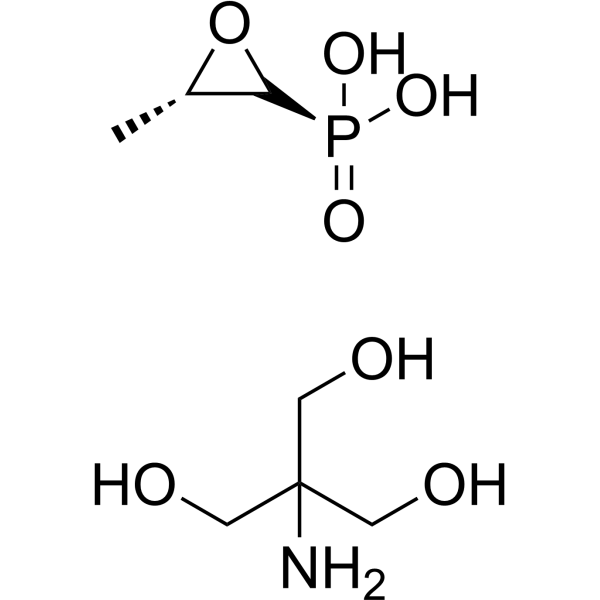
    Fosfomycin (MK-0955) tromethamine is a blood-brain barrier penetrating, broad-spectrum antibiotic by irreversibly inhibiting an early stage in cell wall synthesis. Fosfomycin tromethamine shows both in vivo and in vitro activity against a wide range of bacteria, including multidrug-resistant (MDR), extensively drug-resistant (XDR), and pan-drug-resistant (PDR) bacteria .
    Fosfomycin tromethamine
  • HY-109058
    Firibastat
    1 Publications Verification

    QGC001; RB150

    Aminopeptidase Cardiovascular Disease Neurological Disease
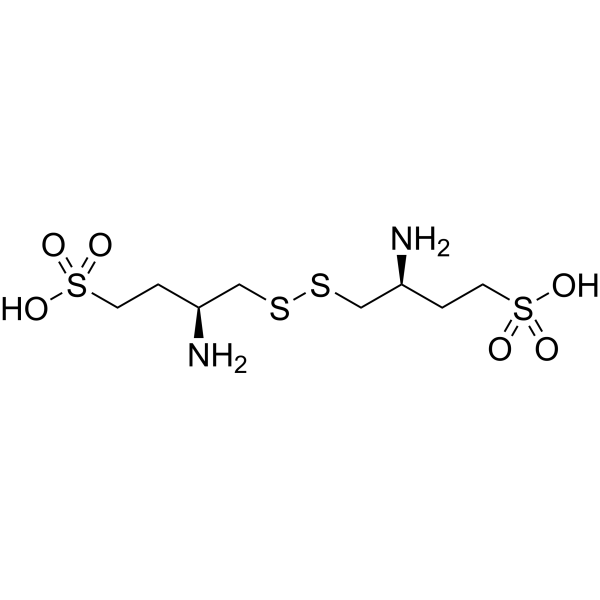
    Firibastat (QGC001), an orally active brain penetrating proagent of EC33, is a first-in-class brain aminopeptidase A (APA) inhibitor (Ki=200 nM). Firibastat selectively and specifically inhibits conversion of brain angiotensin-II into angiotensin-III and decreases blood pressure in hypertensive rats .
    Firibastat
  • HY-112305

    ATM/ATR Cancer
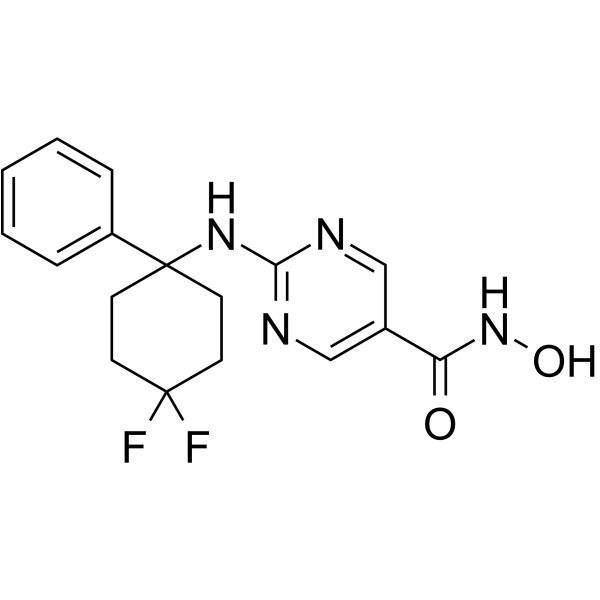
    AZ32 is an orally bioavailable and blood-brain barrier-penetrating ATM inhibitor with an IC50 of <6.2 nM for ATM enzyme, and an IC50 of 0.31 μM for ATM in cell.
    AZ32
  • HY-11030A

    Melanocortin Receptor Metabolic Disease Endocrinology Cancer
    SNT207858 free base is a selective, blood brain barrier penetrating, potent and orally active melanocortin-4 (MC-4) receptor antagonist. SNT207858 free base has an IC50 of 22 nM (binding) and 11 nM (function) on the MC-4 receptor .
    SNT-207858 free base
  • HY-P2048A
    MOTS-c(human) acetate
    1 Publications Verification

    AMPK GLUT Neurological Disease Metabolic Disease Inflammation/Immunology Endocrinology
    MOTS-c (human) acetate is a blood-brain barrier-penetrating, mitochondrial-derived peptide that modulates the AMPK/PGC-1α pathway to enhance insulin sensitivity. MOTS-c (human) acetate inhibits the folate cycle and de novo purine synthesis, increases AICAR levels to activate AMPK, and then regulates the Nrf2/Keap1 antioxidant pathway and inhibits the NF-κB inflammatory pathway, while promoting mitochondrial biogenesis and energy metabolism. MOTS-c (human) acetate has the effects of improving glucose and lipid metabolism, anti-oxidative stress, anti-inflammatory and neuroprotection, and can be used in the study of type 2 diabetes, traumatic brain injury, inflammatory diseases and aging-related metabolic disorders .
    MOTS-c(human) acetate
  • HY-P10861A

    Tau Protein Neurological Disease
    RI-AG03 acetate is a proteolytically stable tau aggregation inhibitor that crosses the blood-brain barrier and exhibits oral efficacy. RI-AG03 acetate inhibits tau aggregation and promotes the formation of alternative amorphous aggregates that are non-amyloidogenic. RI-AG03 acetate mediates cellular uptake through direct membrane penetration and macropinocytosis, and its conjugation with cell-penetrating peptide sequences (CPPs) enhances the binding of cells to liposomes. RI-AG03 acetate suppresses aggregation-dependent neurodegenerative and behavioral phenotypes, and extends the lifespan of Drosophila models of tauopathy. RI-AG03 acetate can be used for research on tau-related diseases such as Alzheimer's disease .
    RI-AG03 acetate
  • HY-160167

    DZD8586

    Src Btk Inflammation/Immunology Cancer
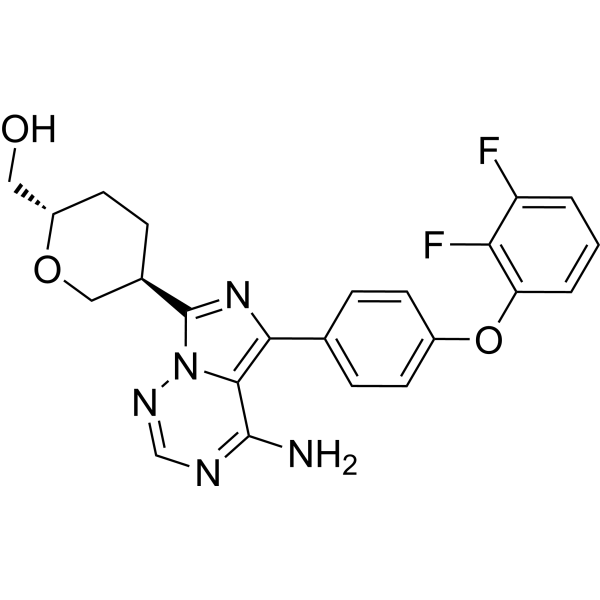
    Birelentinib (DZD8586) is an orally effective, selective, non-covalent inhibitor targeting LYN tyrosine kinase and BTK tyrosine kinase, capable of penetrating the blood-brain barrier. Birelentinib exhibits concentration-dependent antiproliferative effects in RI-1 cells and diffuse large B-cell lymphoma (DLBCL) cell lines carrying BTK resistance mutations (such as C481X, V416L, etc.). Birelentinib blocks both BTK-dependent and independent signaling of the B-cell receptor (BCR), thereby inhibiting tumor cell proliferation and inducing cell death. Birelentinib can be used in research to overcome resistance to existing covalent and non-covalent BTK inhibitors in B-cell non-Hodgkin lymphoma (B-NHL) .
    Birelentinib
  • HY-P0285
    Rabies Virus Glycoprotein
    1 Publications Verification

    RABV Infection
    Rabies Virus Glycoprotein is a 29-amino-acid cell penetrating peptide derived from a rabies virus glycoprotein that can cross the blood-brain barrier (BBB) and enter brain cells.
    Rabies Virus Glycoprotein
  • HY-111409

    RIP kinase Inflammation/Immunology
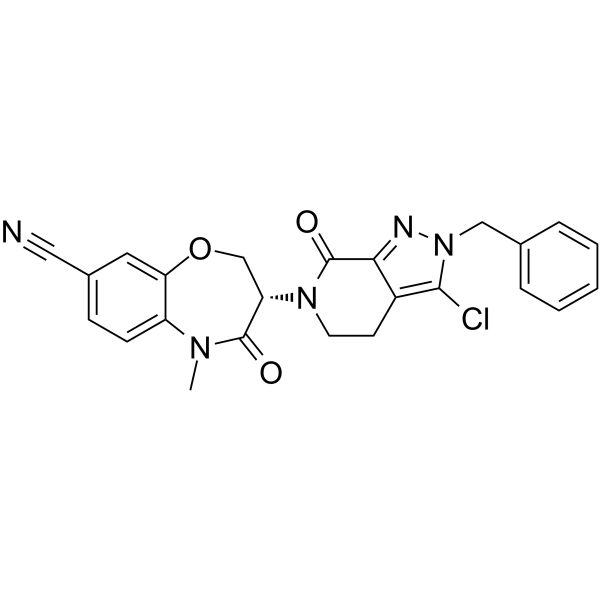
    RIP1 kinase inhibitor 1 (compound 22) is a highly potent, orally available, and brain-penetrating RIP1 kinase inhibitor (pKi=9.04) .
    RIP1 kinase inhibitor 1
  • HY-163565

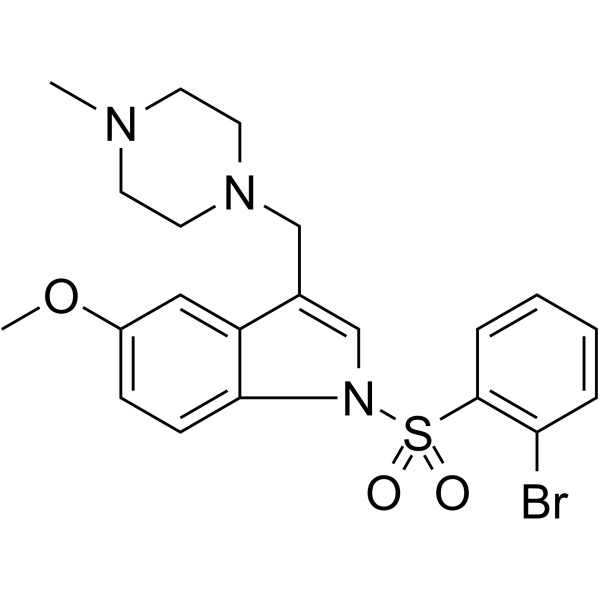
    Btk Neurological Disease
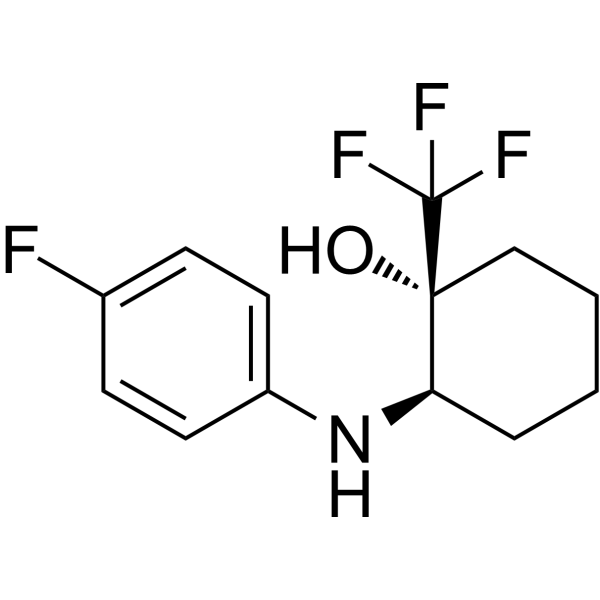
    BIIB129 is a covalent, selective, small molecule inhibitor of Bruton's tyrosine kinase (BTK) capable of penetrating the blood-brain barrier. BIIB129 inhibits the activity of BTK by covalently binding to Cys481 in BTK, thereby affecting the function of B cells and myeloid cells. BIIB129 can be used in multiple sclerosis (MS) research .
    BIIB129
  • HY-109118A

    SUVN-502 mesylate

    5-HT Receptor Neurological Disease
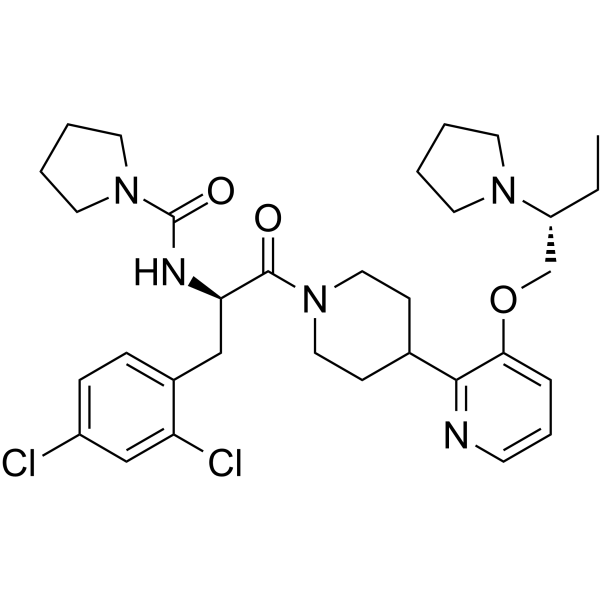
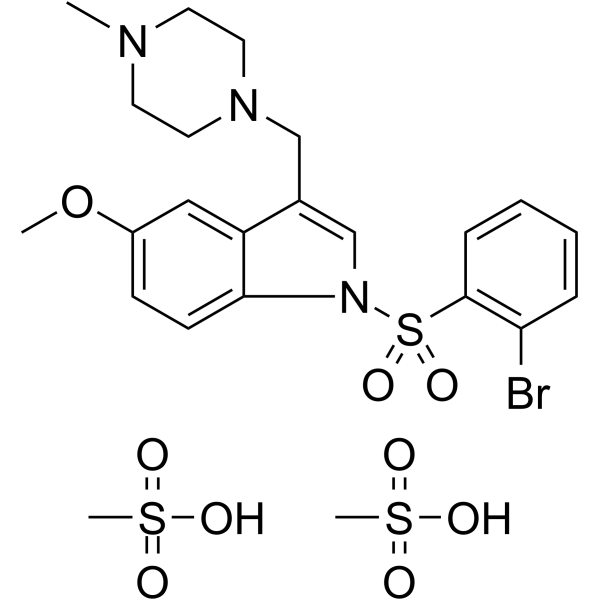
    Masupirdine mesylate (SUVN-502 mesylate) is a potent, selective, orally active, and brain-penetrating 5-HT6 receptor antagonist (Ki of 2.04 nM for human 5-HT6 receptor). Masupirdine mesylate has pro-cognitive effects on all stages of cognition (acquisition, consolidation, and retention), and can reverse Scopolamine (HY-N0296), MK-801 (HY-15084B)-induced and aging-related memory deficits. Masupirdine mesylate can be used in the research of Alzheimer's disease .
    Masupirdine mesylate
  • HY-100777

    Topoisomerase Neurological Disease Cancer
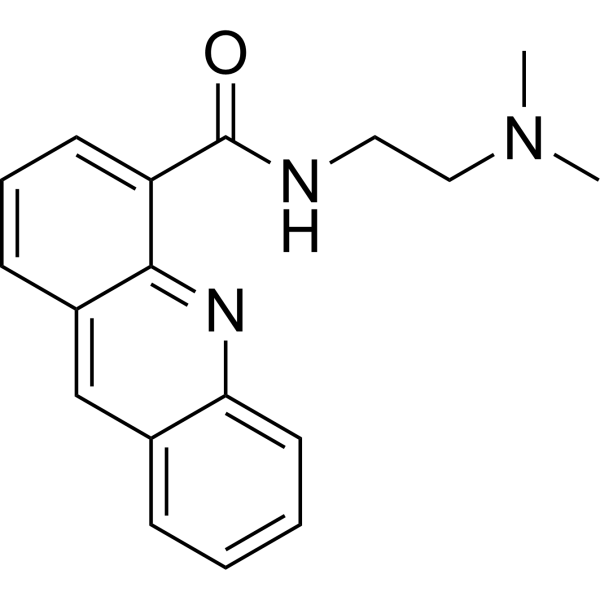
    DACA (XR 5000) is a potential and blood-brain barrier-penetrating topoisomerase I and II inhibitor. DACA can be used in the research of colorectal cancer, leukemia and lung cancer .
    DACA
  • HY-P99530

    AGT-181; HIRMAb-IDUA

    Insulin Receptor Metabolic Disease
    Valanafusp alfa (AGT-181) is a chimeric monoclonal antibody that fuses human α-L-iduronidase (IDUA) and targets the human insulin receptor (HIR). Valanafusp alfa has brain penetrating properties, making it useful for research on mucopolysaccharidosis type I (MPS I) .
    Valanafusp alfa
  • HY-148236
    BAY-390
    1 Publications Verification

    TRP Channel Inflammation/Immunology
    BAY-390, a chemical probe, is a selective, across species active and brain penetrating TRPA1 inhibitor. BAY-390 inhibits hTRPA1 FLIPR, hTRPA1 Ephys, rTRPA1 FLIPR and rDRG Ephys with IC50s of 16, 82, 63 and 35 nM, respectively. BAY-390 can be used for the research of inflammation .
    BAY-390
  • HY-P10861

    Tau Protein Neurological Disease
    RI-AG03 is a proteolytically stable tau aggregation inhibitor that crosses the blood-brain barrier and exhibits oral efficacy. RI-AG03 inhibits tau aggregation and promotes the formation of alternative amorphous aggregates that are non-amyloidogenic. RI-AG03 mediates cellular uptake through direct membrane penetration and macropinocytosis, and its conjugation with cell-penetrating peptide sequences (CPPs) enhances the binding of cells to liposomes. RI-AG03 suppresses aggregation-dependent neurodegenerative and behavioral phenotypes, and extends the lifespan of Drosophila models of tauopathy. RI-AG03 can be used for research on tau-related diseases such as Alzheimer's disease .
    RI-AG03
  • HY-P0285A
    Rabies Virus Glycoprotein TFA
    1 Publications Verification

    RABV Infection
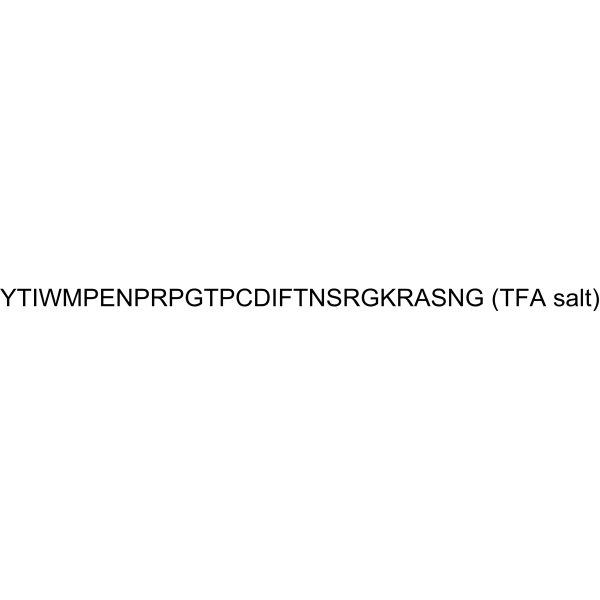
    Rabies Virus Glycoprotein (TFA) is a 29-amino-acid cell penetrating peptide derived from a rabies virus glycoprotein that can cross the blood-brain barrier (BBB) and enter brain cells .
    Rabies Virus Glycoprotein TFA
  • HY-14880B

    JNJ31001074AAC; JNJ31001074 dihydrochloride hydrate

    Histamine Receptor Neurological Disease Metabolic Disease
    Bavisant (JNJ31001074AAC) dihydrochloride hydrate is an orally active, potent, brain-penetrating and highly selective antagonist of the histamine H3 receptor. Bavisant dihydrochloride hydrate can be used for attention-deficit hyperactivity disorder (ADHD) research .
    Bavisant dihydrochloride hydrate
  • HY-100672B

    Adrenergic Receptor Cardiovascular Disease Metabolic Disease
    (2R)-SR59230A is the isomer of SR59230A (HY-100672), and can be used as an experimental control. SR59230A is a potent, selective, and blood-brain barrier penetrating β3-adrenergic receptor antagonist with IC50s of 40, 408, and 648 nM for β3, β1, and β2 receptors, respectively .
    (2R)-SR59230A
  • HY-14790

    (S,S)-(+)-Reboxetine

    Adrenergic Receptor Neurological Disease
    Esreboxetine ((S,S)-Reboxetine) is a selective norepinephrine reuptake inhibitor with activity in increasing urethral resistance. Esreboxetine has been reported to be effective in patients with stress urinary incontinence in a Phase IIa clinical study, achieving this effect by increasing urethral closure. The mechanism of action of esreboxetine involves inhibition of norepinephrine transporters in the central and peripheral nervous systems. The peripheral selectivity of esreboxetine helps it significantly increase urethral resistance without penetrating the brain .
    Esreboxetine
  • HY-105235

    CI-977

    Opioid Receptor Neurological Disease
    Enadoline (CI-977) is a highly selective, brain-penetrating, and nonpeptide kappa-opioid receptor (KOR) agonist (Ki=1.25 nM). Antinociceptive effects .
    Enadoline
  • HY-151797

    CaMK Neurological Disease
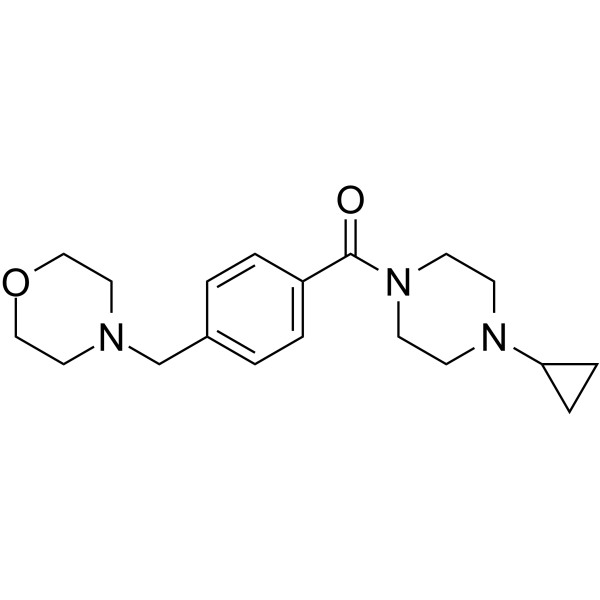
    Ph-HTBA is a high-affinity, brain-penetrating modulator for CaMKIIα. Ph-HTBA has binding affinity for CaMKIIα with a Kd value of 757 nM. Ph-HTBA can be used for the research of ischemia and neurodegenerative disorders .
    Ph-HTBA
  • HY-161571

    LRRK2 Neurological Disease
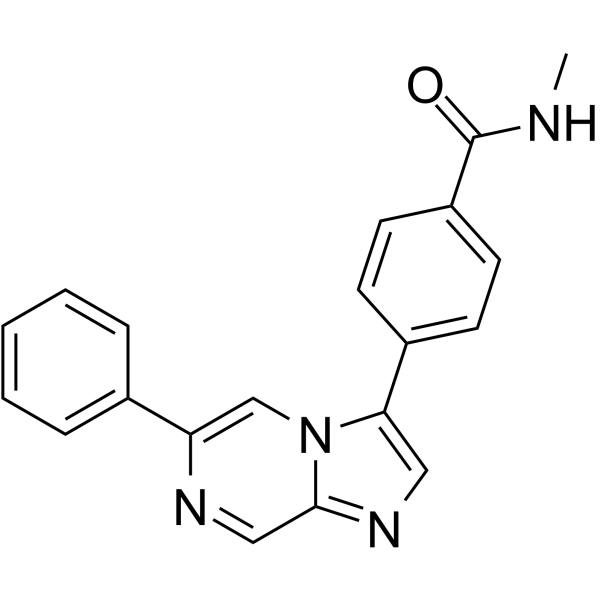
    LRRK2-IN-13 (Compound 13) is an inhibitor of LRRK2 (IC50=0.57 nM). LRRK2-IN-13 has brain penetrating properties .
    LRRK2-IN-13
  • HY-10623

    Melanocortin Receptor Endocrinology
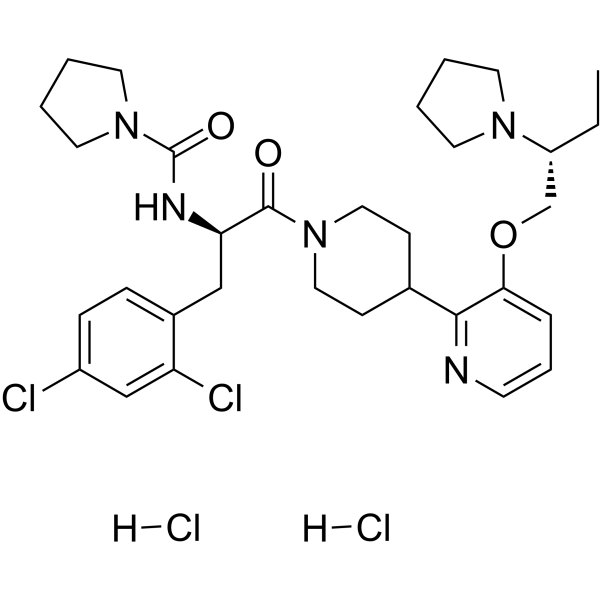
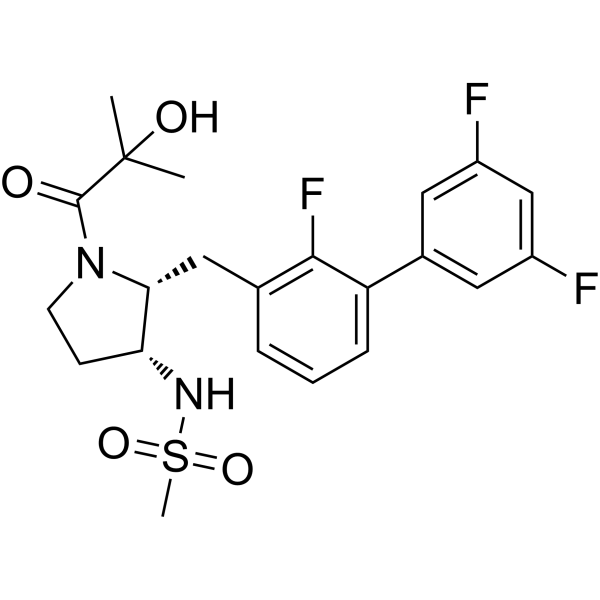
    PF-00446687 hydrochloride is a potent, brain-penetrating, selective melanocortin 4 receptor (MC4R) agonist with an EC50 of 12 nM. PF-00446687 hydrochloride can be used in the research of sexual dysfunction .
    PF-00446687 hydrochloride
  • HY-137440B

    (2R,3R)-TAK-994 free base

    Orexin Receptor (OX Receptor) Neurological Disease
    (2R,3R)-Firazorexton ((2R,3R)-TAK-994 free base) is an isomer of Firazorexton (HY-137440). Firazorexton is an orally active, brain-penetrating orexin type 2 receptor (OX2R) agonist that may improve narcolepsy-like symptoms ..
    (2R,3R)-Firazorexton
  • HY-169951

    iGluR Neurological Disease
    Lu AF90103 (Compound 42e) is a methyl ester prodrug of compound 42d capable of penetrating the blood-brain barrier. Compound 42d acts as a partial agonist of the GluN1/GluN2B complex, exhibiting 24% efficacy, and has an EC50 value of 78 nM. Lu AF90103 plays an important role in neuropsychiatric diseases research .
    Lu AF90103
  • HY-B1075AS

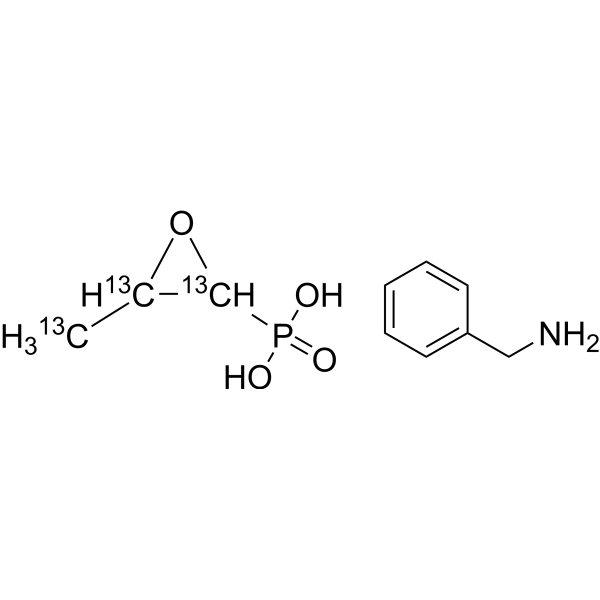
    MK-0955 (benzylamine)-13C3

    Bacterial Antibiotic Infection
    (Rac)-Fosfomycin (benzylamine)- 13C3 is the 13C labeled Fosfomycin . Fosfomycin (MK-0955) is a broad-spectrum antibiotic. Fosfomycin can cross blood-brain barrier penetrating, and irreversibly inhibits an early stage in cell wall synthesis. Fosfomycin shows anti-bacteria activity for a range of bacteria, including multidrug-resistant (MDR), extensively drug-resistant (XDR), and pan-drug-resistant (PDR) bacteria .
    (Rac)-Fosfomycin (benzylamine)-13C3
  • HY-179008

    5-HT Receptor Neurological Disease
    5-HT2CR agonist 2 (Compound 16k) is a selective, blood-brain barrier-penetrating and Gq-biased 5-HT2CR agonist, with an EC50 of 36 nM. 5-HT2CR agonist 2 attenuates MK801 (HY-15084B)-induced hyperlocomotion and reverses Phencyclidine-induced hyperlocomotor activity .
    5-HT2CR agonist 2
  • HY-B1075R

    MK-​0955 calcium (Standard)

    Reference Standards Bacterial Antibiotic Infection Cancer
    Fosfomycin (calcium) (Standard) is the analytical standard of Fosfomycin (calcium). This product is intended for research and analytical applications. Fosfomycin (MK-0955) calcium is a blood-brain barrier penetrating, broad-spectrum antibiotic by irreversibly inhibiting an early stage in cell wall synthesis. Fosfomycin calcium shows both in vivo and in vitro activity against a wide range of bacteria, including multidrug-resistant (MDR), extensively drug-resistant (XDR), and pan-drug-resistant (PDR) bacteria .
    Fosfomycin calcium (Standard)
  • HY-109118

    SUVN-502 free base

    5-HT Receptor Neurological Disease
    Masupirdine free base (SUVN-502 free base) is a potent, selective, orally active, and brain-penetrating 5-HT6 receptor antagonist (Ki of 2.04 nM for human 5-HT6 receptor). Masupirdine free base has pro-cognitive effects on all stages of cognition (acquisition, consolidation, and retention), and can reverse Scopolamine (HY-N0296), MK-801 (HY-15084B)-induced and aging-related memory deficits. Masupirdine free base can be used in the research of Alzheimer's disease .
    Masupirdine free base
  • HY-105235A

    CI-977 hydrochloride

    Opioid Receptor Neurological Disease
    Enadoline (CI-977) hydrochloride is a highly selective, brain-penetrating, and nonpeptide kappa-opioid receptor (KOR) agonist (Ki=1.25 nM). Antinociceptive effects .
    Enadoline hydrochloride
  • HY-14533

    K162

    Amyloid-β Neurological Disease
    K 01-162 (K162) inhibits the fibril formation of Aβ peptides and eliminates their neurotoxicity. K 01-162 binds with Aβ42 peptide with an EC50 value of 80 nM. K 01-162 binds directly to AβO with a KD value of 19 μM. K 01-162 is capable of penetrating the brain and can be used for the research of Alzheimer’s disease .
    K 01-162
  • HY-125087

    Histamine Receptor Neurological Disease
    A-304121 is a selective and brain penetrating H3 receptor antagonist. A-304121 is a cognition-enhancing agent .
    A-304121
  • HY-153964

    Oxytocin Receptor Cardiovascular Disease
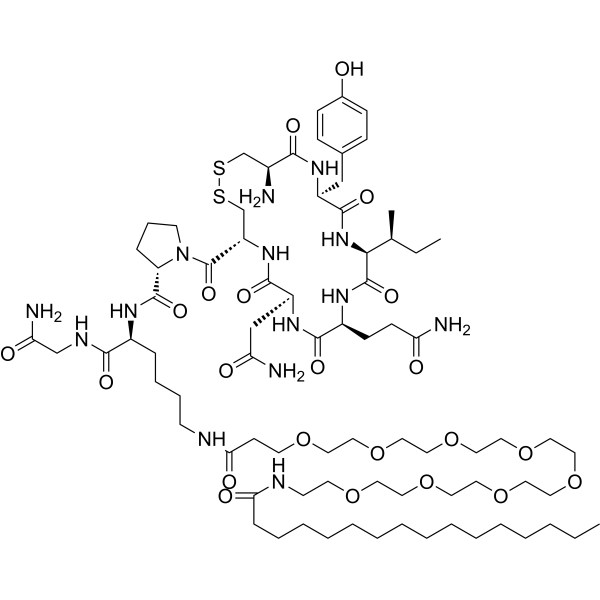
    PF-06478939 is a non-brain-penetrating peptide that is an agonist at oxytocin (OT) receptor and vasopressin receptor with EC50 values of 0.01 nM and 0.078 nM, respectively .
    PF-06478939
  • HY-153964A

    Oxytocin Receptor Cardiovascular Disease
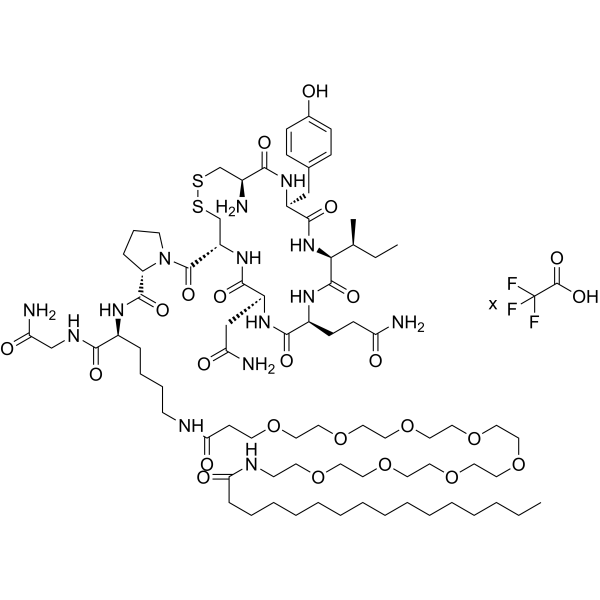
    PF-06478939 TFA is a non-brain-penetrating peptide that is an agonist at oxytocin (OT) receptor and vasopressin receptor with EC50 values of 0.01 nM and 0.078 nM, respectively .
    PF-06478939 TFA
  • HY-120710

    Phosphodiesterase (PDE) Neurological Disease
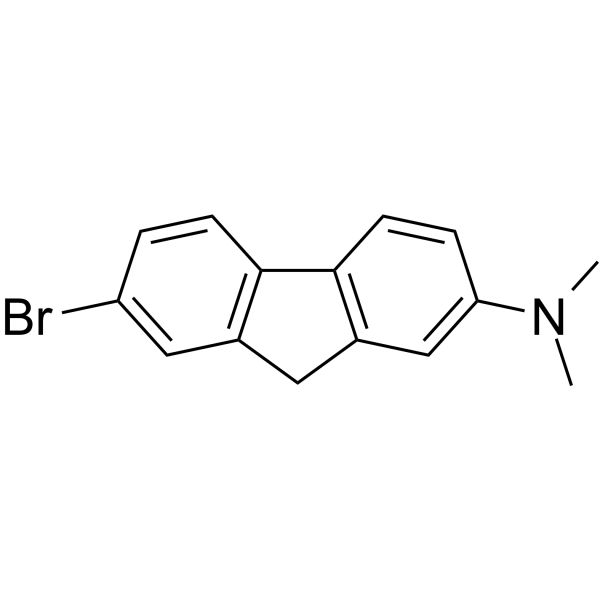
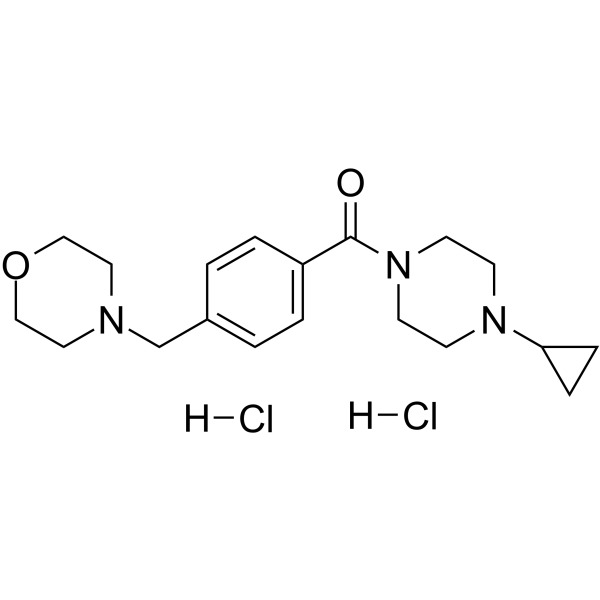
    DNS-8254 is an oral active and brain-penetrating PDE2a inhibitor with the IC50 of 8 nM. DNS-8254 shows memory enhancing effects in a rat model .
    DNS-8254

Inquiry Online

Your information is safe with us. * Required Fields.

Salutation


Country or Region *

Applicant Name *


Organization Name *

Department *


Email Address *


Product Name *

Cat. No.


Requested quantity *

Phone Number *


Remarks

Inquiry Online

Inquiry Information

Product Name:
Cat. No.:
Quantity:
MCE Japan Authorized Agent: