
1. Search Result
Search Result
Results for "

cAMP-dependent protein kinase

" in MedChemExpress (MCE) Product Catalog:

36

Inhibitors & Agonists

11

Peptides

8

Recombinant Proteins

9

Antibodies

2

Oligonucleotides

1

GMP Molecules

Cat. No. 상품명 Target 연구분야 Chemical Structure
  • HY-B0764
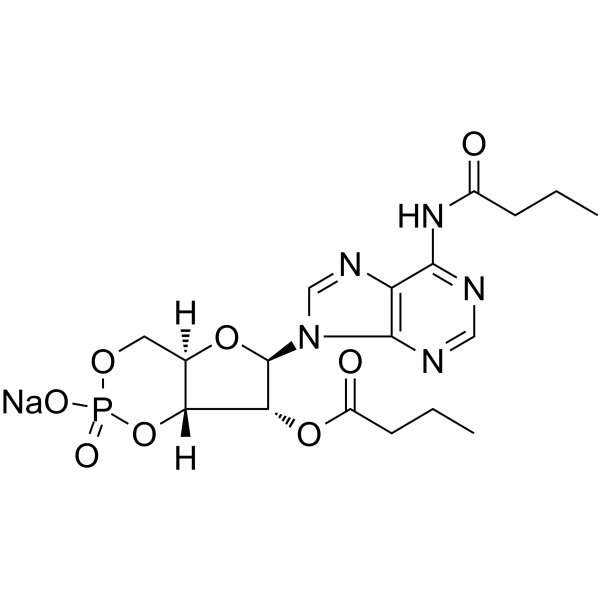
    Bucladesine sodium
    Maximum Cited Publications
    41 Publications Verification

    Dibutyryl cAMP sodium; DBcAMP sodium

    PKA Reactive Oxygen Species (ROS) Apoptosis Neurological Disease Inflammation/Immunology Cancer
    Bucladesine (Dibutyryl cAMP; DBcAMP) sodium is a membrane-permeable 3′, 5′-cyclic adenosine monophosphate (cAMP) analog. Bucladesine selectively activates cAMP dependent protein kinase (PKA) by increasing the intracellular level of cAMP. Bucladesine significantly attenuates MDMA-induced increases in hippocampal mitochondrial ROS formation, mitochondrial outer membrane damage, cytochrome c release, and hippocampal ADP/ATP ratio, thereby improving spatial learning and memory impairments. Bucladesine exhibit anti-nociceptive and anti-inflammation effect. Bucladesine can inhibit cancer cells proliferation, induce apoptosis. Bucladesine can be used for the researches of neurological disease, cancer, inflammation .
    Bucladesine sodium
  • HY-B0764A
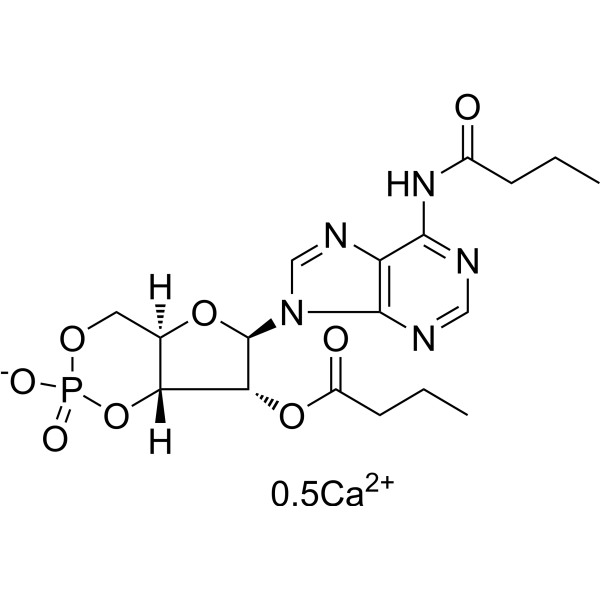
    Bucladesine hemicalcium
    Maximum Cited Publications
    41 Publications Verification

    Dibutyryl cAMP hemicalcium; DBcAMP hemicalcium

    PKA Apoptosis Reactive Oxygen Species (ROS) Neurological Disease Cancer
    Bucladesine (Dibutyryl cAMP; DBcAMP) hemicalcium is a membrane-permeable 3′, 5′-cyclic adenosine monophosphate (cAMP) analog. Bucladesine selectively activates cAMP dependent protein kinase (PKA) by increasing the intracellular level of cAMP. Bucladesine significantly attenuates MDMA-induced increases in hippocampal mitochondrial ROS formation, mitochondrial outer membrane damage, cytochrome c release, and hippocampal ADP/ATP ratio, thereby improving spatial learning and memory impairments. Bucladesine exhibit anti-nociceptive and anti-inflammation effect. Bucladesine can inhibit cancer cells proliferation, induce apoptosis. Bucladesine can be used for the researches of neurological disease, cancer, inflammation .
    Bucladesine hemicalcium
  • HY-P0248
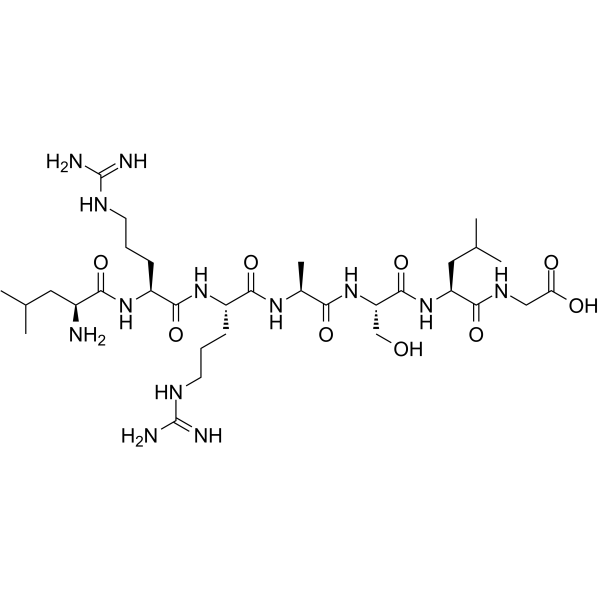
    Kemptide
    1 Publications Verification

    PKA Metabolic Disease
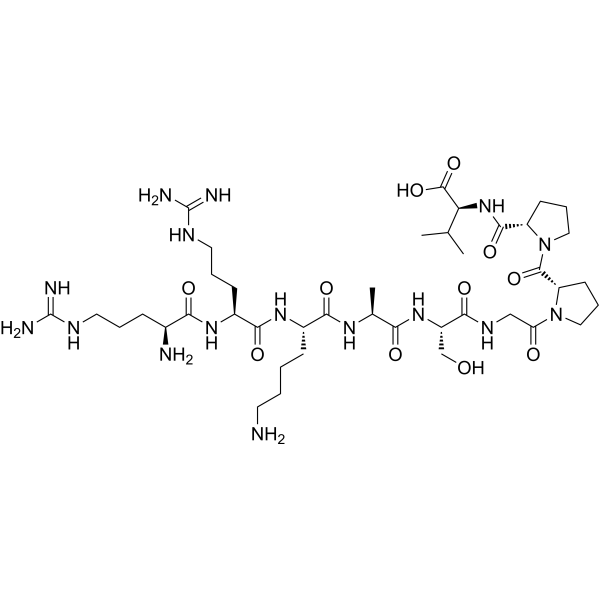
    Kemptide is a synthetic heptapeptide that acts as a specific substrate for cAMP-dependent protein kinase (PKA).
    Kemptide
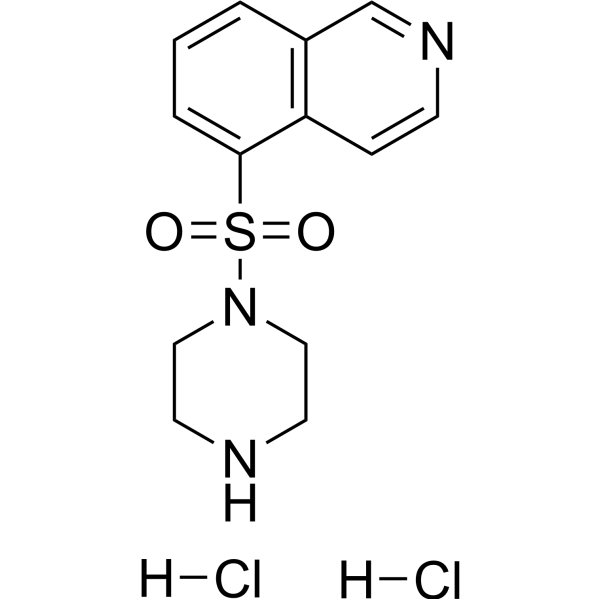
  • HY-112465

    PKA PKC PKG Neurological Disease Cancer
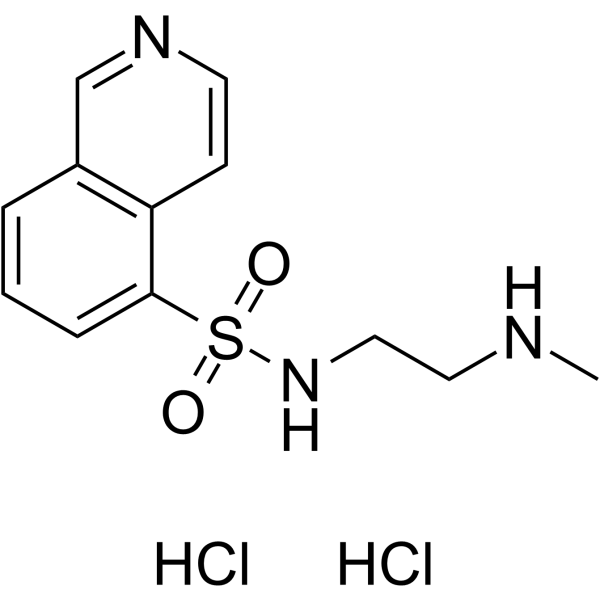
    H-8 dihydrochloride is a selective Cyclic nucleotide-dependent protein kinase inhibitor. H-8 dihydrochloride potently inhibits cGMP- and cAMP-dependent protein phosphorylation. H-8 dihydrochloride enhances the vasodilatory effect induced by 8-bromo-cAMP (HY-12306A). H-8 dihydrochloride fails to attenuate the vasodilatory effects induced by 8-bromo-cGMP (HY-101379A), atrial natriuretic peptide II, or Sodium nitroprusside (HY-B0564) in rat aorta .
    H-8 dihydrochloride
  • HY-P0222
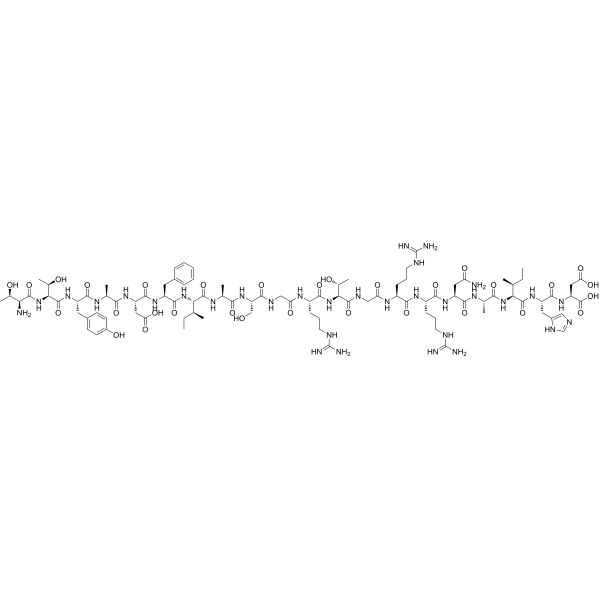
    PKI(5-24)
    3 Publications Verification

    PKA Others
    PKI(5-24) is a potent, competitive, and synthetic peptide inhibitor of PKA (cAMP-dependent protein kinase), with a Ki of 2.3 nM. PKI(5-24) corresponds to residues 5-24 in the naturally occurring heat-stable protein kinase inhibitor .
    PKI(5-24)
  • HY-P1290
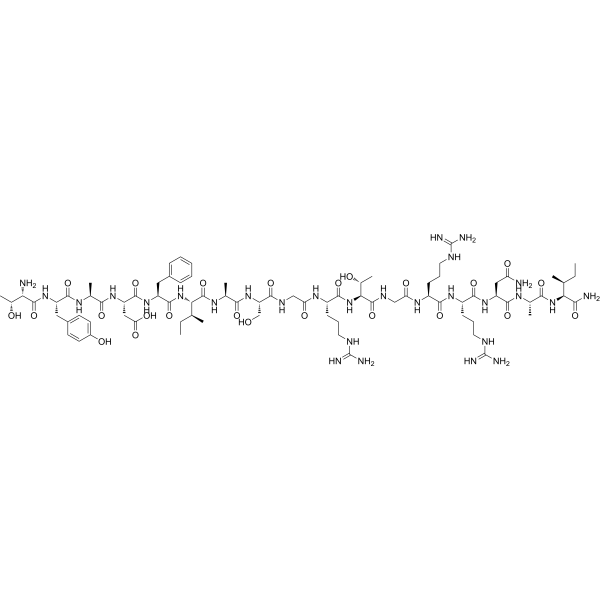
    PKA Inhibitor Fragment (6-22) amide
    5 Publications Verification

    PKI-(6-22)-amide

    PKA Neurological Disease
    PKA Inhibitor Fragment (6-22) amide is a highly potent and specific competitive inhibitor of PKA, with Ki values of 1.7 nM and 1.6 nM against human and bovine PKA catalytic subunits, respectively. The IC50 of PKA Inhibitor Fragment (6-22) amide targeting bovine PKA is 8.6 nM. PKA Inhibitor Fragment (6-22) amide effectively abolishes PKA activity in mouse brain and spinal cord, and exerts in vivo efficacy via intracerebroventricular administration. PKA Inhibitor Fragment (6-22) amide significantly reverses low-dose morphine analgesic tolerance in mice and blocks photoaffinity labeling of cAMP-dependent protein kinase. PKA Inhibitor Fragment (6-22) amide can be applied to research in fields related to the mechanism of morphine analgesic tolerance and skin wound healing .
    PKA Inhibitor Fragment (6-22) amide
  • HY-100984
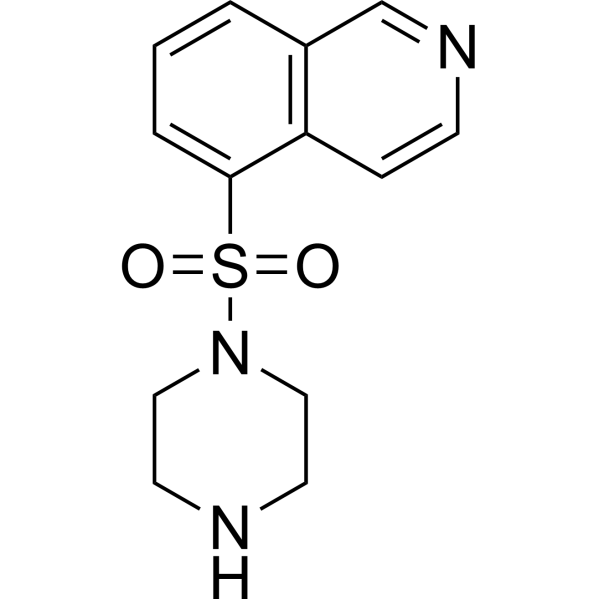
    HA-100
    1 Publications Verification

    PKA PKC Myosin ROCK Cancer
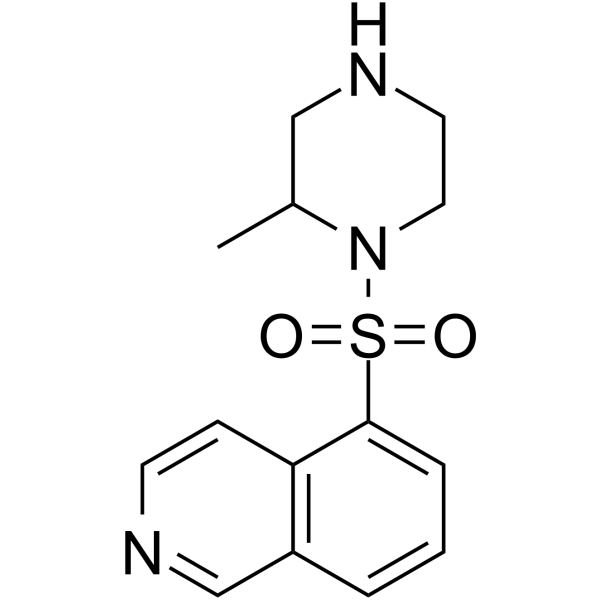
    HA-100 is a potent protein kinase inhibitor, with IC50s of 4 μM, 8 μM, 12 μM and 240 μM for cGMP-dependent protein kinase (PKG), cAMP-dependent protein kinase (PKA), protein kinase C (PKC) and MLC-kinase, respectively. HA-100 also used as a ROCK inhibitor .
    HA-100
  • HY-P1290A
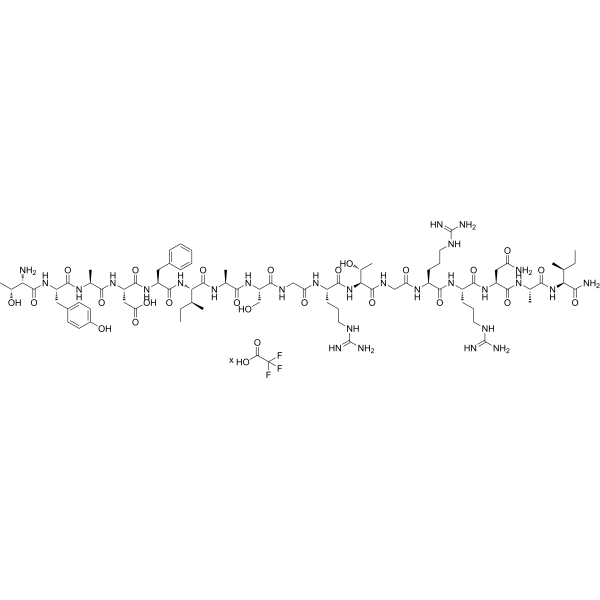
    PKA Inhibitor Fragment (6-22) amide TFA
    5 Publications Verification

    PKI-(6-22)-amide TFA

    PKA Neurological Disease
    PKA Inhibitor Fragment (6-22) amide TFA is an inhibitor of cAMP-dependent protein kinase A (PKA), with a Ki of 2.8 nM. PKA Inhibitor Fragment (6-22) amide TFA can significantly reverse antinociceptive tolerance in mice .
    PKA Inhibitor Fragment (6-22) amide TFA
  • HY-131900

    PKC PKA PKG Arp2/3 Complex Others
    Protein kinase inhibitor H-7 is a selective inhibitor of PKC and cyclic nucleotide-dependent protein kinases, with a Ki value of 6.0 μM for rabbit protein kinase C, a Ki value of 3.0 μM for rabbit cAMP-dependent protein kinase, and a Ki value of 5.8 μM for porcine cGMP-dependent protein kinase. Protein kinase inhibitor H-7 has no effect on Ca 2+-calmodulin-dependent enzymes. Protein kinase inhibitor H-7 regulates the Actin cytoskeleton, inhibits contractility, disrupts stress fibers, induces protrusive activity, stabilizes intercellular junctions, and triggers rapid and reversible cytoskeletal reorganization. Protein kinase inhibitor H-7 serves as a research tool for elucidating the functions of protein kinase C-mediated signaling systems .
    Protein kinase inhibitor H-7
  • HY-B0764B

    Dibutyryl cAMP; DBcAMP

    PKA Reactive Oxygen Species (ROS) Apoptosis Neurological Disease Inflammation/Immunology Cancer
    Bucladesine (Dibutyryl cAMP; DBcAMP) is a membrane-permeable 3′, 5′-cyclic adenosine monophosphate (cAMP) analog. Bucladesine selectively activates cAMP dependent protein kinase (PKA) by increasing the intracellular level of cAMP. Bucladesine significantly attenuates MDMA-induced increases in hippocampal mitochondrial ROS formation, mitochondrial outer membrane damage, cytochrome c release, and hippocampal ADP/ATP ratio, thereby improving spatial learning and memory impairments. Bucladesine exhibit anti-nociceptive and anti-inflammation effect. Bucladesine can inhibit cancer cells proliferation, induce apoptosis. Bucladesine can be used for the researches of neurological disease, cancer, inflammation .
    Bucladesine
  • HY-P1597
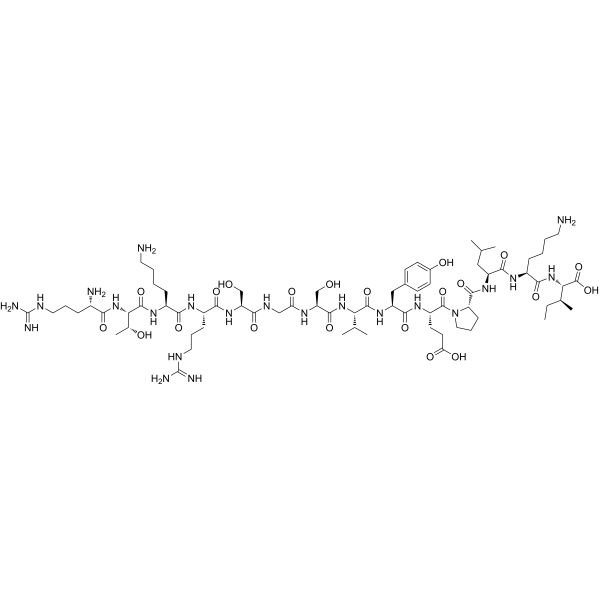
    Malantide
    1 Publications Verification

    PKA PKC Cancer
    Malantide is a synthetic dodecapeptide derived from the site phosphorylated by cAMP-dependent protein kinase (PKA) on the β-subunit of phosphorylase kinase. Malantide is a highly specific substrate for PKA with a Km of 15 μM and shows protein inhibitor (PKI) inhibition >90% substrate phosphorylation in various rat tissue extracts . Malantide is also an efficient substrate for PKC with a Km of 16 μM .
    Malantide
  • HY-B0764G

    Dibutyryl cAMP sodium; DBcAMP sodium

    PKA Reactive Oxygen Species (ROS) Apoptosis Neurological Disease Inflammation/Immunology Cancer
    Bucladesine (Dibutyryl cAMP; DBcAMP) sodium (GMP) is a Bucladesine sodium (HY-B0764) produced by using GMP guidelines. Bucladesine (Dibutyryl cAMP; DBcAMP) is a membrane-permeable 3′, 5′-cyclic adenosine monophosphate (cAMP) analog. Bucladesine selectively activates cAMP dependent protein kinase (PKA) by increasing the intracellular level of cAMP. Bucladesine significantly attenuates MDMA-induced increases in hippocampal mitochondrial ROS formation, mitochondrial outer membrane damage, cytochrome c release, and hippocampal ADP/ATP ratio, thereby improving spatial learning and memory impairments. Bucladesine exhibit anti-nociceptive and anti-inflammation effect. Bucladesine can inhibit cancer cells proliferation, induce apoptosis. Bucladesine can be used for the researches of neurological disease, cancer, inflammation .
    Bucladesine sodium
  • HY-P3770

    PKC Others
    Phosphate acceptor peptide is a substrate for cAMP-dependent protein kinase (PKA). phosphate acceptor peptide is also a weak PKC inhibitor .
    Phosphate acceptor peptide
  • HY-B0764R

    Dibutyryl cAMP sodium (Standard); DBcAMP sodium (Standard)

    Reference Standards PKA Reactive Oxygen Species (ROS) Apoptosis Neurological Disease Inflammation/Immunology Cancer
    Bucladesine (Dibutyryl cAMP; DBcAMP) sodium (Standard) is the analytical standard of Bucladesine sodiumn (HY-B0764). This product is intended for research and analytical applications. Bucladesine is a membrane-permeable 3′, 5′-cyclic adenosine monophosphate (cAMP) analog. Bucladesine selectively activates cAMP dependent protein kinase (PKA) by increasing the intracellular level of cAMP. Bucladesine significantly attenuates MDMA-induced increases in hippocampal mitochondrial ROS formation, mitochondrial outer membrane damage, cytochrome c release, and hippocampal ADP/ATP ratio, thereby improving spatial learning and memory impairments. Bucladesine exhibit anti-nociceptive and anti-inflammation effect. Bucladesine can inhibit cancer cells proliferation, induce apoptosis. Bucladesine can be used for the researches of neurological disease, cancer, inflammation .
    Bucladesine sodium (Standard)
  • HY-P3930

    IP20-amide

    PKA Neurological Disease
    PKI (5-24),amide (IP20-amide) is a 20-residue peptide that corresponds to the active portion of the heat-stable inhibitor protein of cAMP-dependent protein kinase. PKI (5-24),amide is a potent cAMP-dependent protein kinase (PKA) (PKA) inhibitor with a Ki of 2.3 nM .
    PKI (5-24),amide
  • HY-P3786

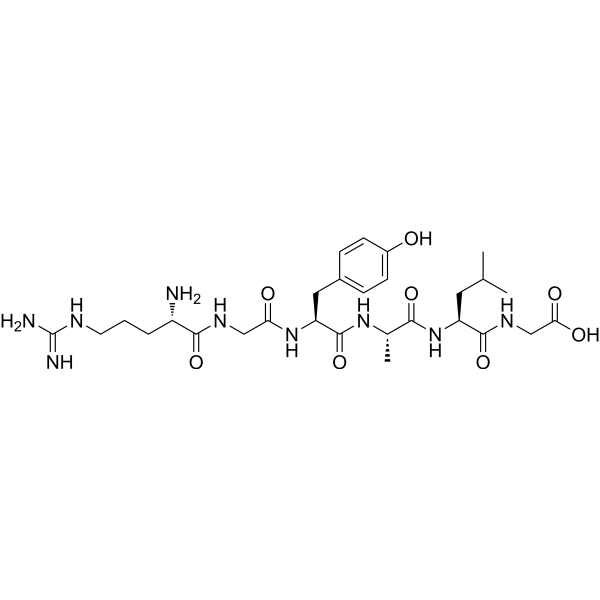
    PKA PKC Cancer
    H-Arg-Gly-Tyr-Ala-Leu-Gly-OH is a competitive and CAMP dependent protein kinase inhibitor .
    H-Arg-Gly-Tyr-Ala-Leu-Gly-OH
  • HY-131421

    8-Piperidino-cyclic AMP

    PKA Cancer
    8-PIP-cAMP is a selective cAMP-dependent protein kinase activator and can be used for study of cancer .
    8-PIP-cAMP
  • HY-12880

    Myosin PKA PKC ROCK Cancer
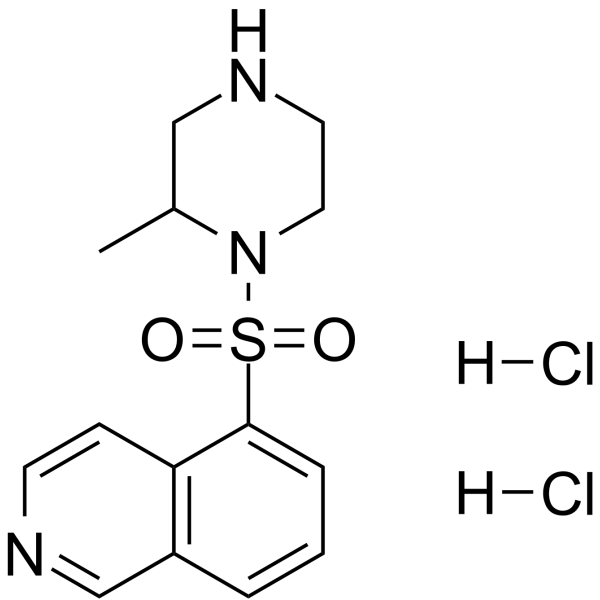
    HA-100 dihydrochloride is a potent protein kinase inhibitor, with IC50s of 4 μM, 8 μM, 12 μM and 240 μM for cGMP-dependent protein kinase (PKG), cAMP-dependent protein kinase (PKA), protein kinase C (PKC) and MLC-kinase, respectively. HA-100 dihydrochloride also used as a ROCK inhibitor .
    HA-100 dihydrochloride
  • HY-134302

    8-Hexylamino-cAMP

    PKA Others
    8-HA-cAMP is a membrane-permeable cAMP analogue and an activator of cAMP-dependent protein kinase and PKA I. 8-HA-cAMP exerts metabolic stability towards mammalian cyclic nucleotide-responsive phosphodiesterases .
    8-HA-cAMP
  • HY-123650

    5'-p-Fluorosulfonylbenzoyladenosine

    Biochemical Assay Reagents Cancer
    FSBA (5'-p-Fluorosulfonylbenzoyladenosine) hydrochloride is a covalent modifier and affinity labeling reagent for adenine nucleotide-binding proteins. FSBA hydrochloride covalently attaches to the nucleotide-binding sites of pyruvate kinase, glutamate dehydrogenase, and p56 lck, and to a lysine residue in the ATP-binding site of cAMP-dependent protein kinase, causing loss of enzymatic activity. FSBA hydrochloride can be used for the research of T lymphoma .
    FSBA hydrochloride
  • HY-100984A

    PKA PKC Myosin ROCK Cancer
    HA-100 hydrochloride is a potent protein kinase inhibitor, with IC50s of 4 μM, 8 μM, 12 μM and 240 μM for cGMP-dependent protein kinase (PKG), cAMP-dependent protein kinase (PKA), protein kinase C (PKC) and MLC-kinase, respectively. HA-100 hydrochloride also used as a ROCK inhibitor .
    HA-100 hydrochloride
  • HY-P0222A

    PKA Others
    PKI(5-24) TFA is a potent, competitive, and synthetic peptide inhibitor of PKA (cAMP-dependent protein kinase), with a Ki of 2.3 nM. PKI(5-24) TFA corresponds to residues 5-24 in the naturally occurring heat-stable protein kinase inhibitor .
    PKI(5-24) TFA
  • HY-131777

    PKA Others
    2-Cl-cAMP is an analog of cAMP and a potent stimulator of cAMP-dependent protein kinases such as PKA type I and II. 2-Cl-cAMP can be used as starting material for cyclic nucleotides .
    2-Cl-cAMP
  • HY-131772

    Fluorescent Dye Others
    2-AHA-cAMP is an analogue of natural signal molecule cAMP and an activator of cAMP-dependent protein kinase. 2-AHA-cAMP has a free terminal primary amino group, which can be used for coupling to gels or fluorescent dyes .
    2-AHA-cAMP
  • HY-131842

    N6-Benzyladenosine-3',5'-cyclic monophosphate

    PKA Cancer
    6-Bn-cAMP is a site-selective activator of cAMP-dependent protein kinase (PKA) which does not activate Epac. 6-Bn-cAMP increases hydrolytic stability against PDE, esterases, amidases and considerably higher membrane permeability compared to cAMP .
    6-Bn-cAMP
  • HY-P1597A

    PKA PKC Cancer
    Malantide TFA is a synthetic dodecapeptide derived from the site phosphorylated by cAMP-dependent protein kinase (PKA) on the β-subunit of phosphorylase kinase. Malantide TFA is a highly specific substrate for PKA with a Km of 15 μM and shows protein inhibitor (PKI) inhibition >90% substrate phosphorylation in various rat tissue extracts . Malantide TFA is also an efficient substrate for PKC with a Km of 16 μM .
    Malantide TFA
  • HY-137628

    PKA Cancer
    Sp-8-PIP cAMP sodium is a non-corresponding isomer of 8-Piperidino-cAMP. 8-Piperidino-cAMP binds with high affinity to site A of the regulatory subunit of cAMP-dependent protein kinase type I (AI). Sp-8-PIP cAMP sodium can be used as an antagonist of cAMP-induced activation .
    Sp-8-PIP cAMP
  • HY-137635

    PKA Neurological Disease
    Sp-6-Phe-cAMPS is a potent, site-selective and membrane-permeable activator of cAMP-dependent protein kinase. Sp-6-Phe-cAMPS does not activate exchange factors directly activated by cAMP and can therefore be used as an Epac negative control. Sp-6-Phe-cAMPS can be used in the study of neurodegenerative diseases .
    Sp-6-Phe-cAMPS
  • HY-134283

    PKA Apoptosis Others
    8-Benzylthio-cAMP is a derivative of cyclic adenosine monophosphate (cAMP). 8-Bn-cAMP is a site-selective activator of cAMP-dependent protein kinases. Compared with cyclic adenosine monophosphate, it is more stable to phosphodiesterase (PDE) hydrolysis and has higher membrane permeability. 8-Bn-cAMP can be used to study the role of cAMP in regulating cell proliferation, differentiation and apoptosis .
    8-Benzylthio-cAMP
  • HY-137638

    PKA Metabolic Disease
    Sp-5,6-DCl-cBIMPS is a potent and specific cAMP-dependent protein kinases (cAMP-PK) activator. Sp-5,6-DCl-cBIMPS stimulates insulin release. Sp-5,6-DCl-cBIMPS inhibits U-46619 (HY-108566)-induced activation of Rho, Gq and G12/G13 in platelets .
    Sp-5,6-DCl-cBIMPS
  • HY-137638A

    Sp-5,6-DCI-cBIMPS

    PKA Metabolic Disease
    Sp-5,6-DCl-cBIMPS sodium is a potent and specific cAMP-dependent protein kinases (cAMP-PK) activator. Sp-5,6-DCl-cBIMPS sodium stimulates insulin release. Sp-5,6-DCl-cBIMPS sodium inhibits U-46619 (HY-108566)-induced activation of Rho, Gq and G12/G13 in platelets .
    Sp-5,6-DCl-cBIMPS sodium
  • HY-148827

    HYBO-165

    PKA Cancer
    GEM231 is an 18mer antisense oligonucleotide targeting the mRNA of the PKA-I (RIα regulatory subunit of cAMP dependent protein kinase type I ). GEM231 induces cell growth arrest, apoptosis, and differentiation in a variety of cancer cell lines in vitro and in tumors in vivo.
    GEM-231
  • HY-148827A

    HYBO-165 sodium

    PKA Cancer
    GEM231 sodium is an 18mer antisense oligonucleotide targeting the mRNA of the PKA-I (RIα regulatory subunit of cAMP dependent protein kinase type I ). GEM231 sodium induces cell growth arrest, apoptosis, and differentiation in a variety of cancer cell lines in vitro and in tumors in vivo.
    GEM-231 sodium
  • HY-105517

    PKC PKA Cardiovascular Disease
    MDL 27032 is an active site-directed inhibitor of protein kinase C (PKC) and cAMP-dependent protein kinase (PKA) with Ki values of 24 and 14.3μM. MDL 27032 can relaxe vascular smooth muscle and can be used as vasodilator .
    MDL 27032
  • HY-100984R

    PKA Reference Standards PKC Myosin ROCK Cancer
    HA-100 (Standard) is the analytical standard of HA-100 (HY-100984). This product is intended for research and analytical applications. HA-100 is a potent protein kinase inhibitor, with IC50s of 4 μM, 8 μM, 12 μM and 240 μM for cGMP-dependent protein kinase (PKG), cAMP-dependent protein kinase (PKA), protein kinase C (PKC) and MLC-kinase, respectively. HA-100 also used as a ROCK inhibitor .
    HA-100 (Standard)
  • HY-129980A

    Neurological Disease Cancer
    NPC-15437 is a selective PKC inhibitor with an IC50 of 19 µM. NPC-15437 competitively inhibits phorbol ester- (Ki of 5 µM) and phosphatidylserine-induced (Ki of 12 µM) PKC activity. NPC-15437 does not inhibits cAMP-dependent or calcium/calmodulin-dependent protein kinases. NPC-15437 augments TRAIL-induced cell death in non-small cell lung cancer and medulloblastoma cells. NPC-15437 can be used for the research of non-small cell lung cancer, medulloblastoma, and neurological disease .
    NPC-15437

온라인 문의

Your information is safe with us. * Required Fields.

호칭


Country or Region *

고객명 *


회사명 *

Department *


메일주소 *


상품명 *

Cat. No.


Requested quantity *

전화번호 *


비고

온라인 문의

Inquiry Information

상품명:
Cat. No.:
수량:
MCE Japan Authorized Agent:

