From 11:00 pm to 12:00 pm EST ( 8:00 pm to 9:00 pm PST ) on January 6th, the website will be under maintenance. We are sorry for the inconvenience. Please arrange your schedule properly.
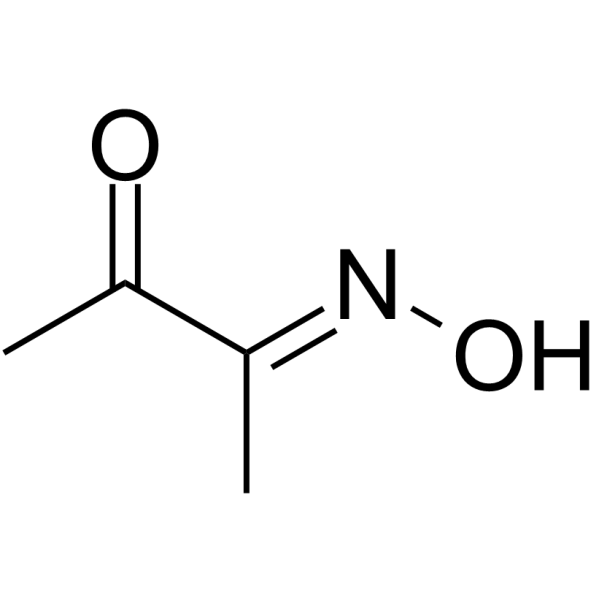
Biacetyl monoxime (Diacetyl monoxime), a myosin ATPase inhibitor, is a skeletal and cardiac muscle contraction inhibitor. Biacetyl monoxime is also a well-characterized non-competitive inhibitor of chemical and motile activity of skeletal musclemyosin-II. Biacetyl monoxime induces sarcoplasmic reticulum Ca 2+ release .
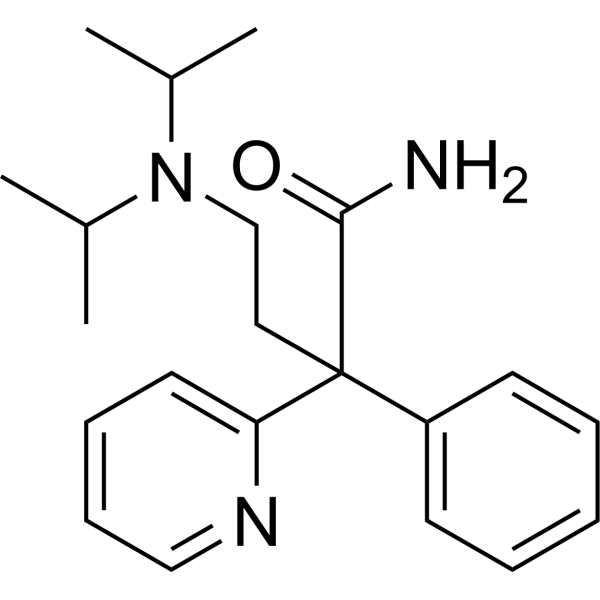
Disopyramide (Dicorantil) is a class IA antiarrhythmic agent with efficacy in ventricular and atrial arrhythmias. Disopyramide blocks the fast inward sodium current of cardiac muscle and prolongs the duration of cardiac action potentials. Disopyramide inhibits HERG encoded potassium channels. Disopyramide also exhibits complex protein binding, and has a potent negative inotropic action .
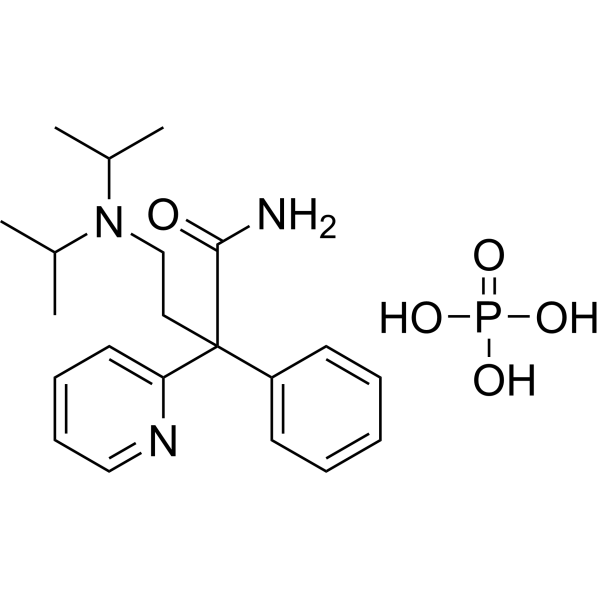
Disopyramide phosphate is a class IA antiarrhythmic agent with efficacy in ventricular and atrial arrhythmias. Disopyramide phosphate blocks the fast inward sodium current of cardiac muscle and prolongs the duration of cardiac action potentials. Disopyramide phosphate inhibits HERG encoded potassium channels. Disopyramide phosphate also exhibits complex protein binding, and has a potent negative inotropic action .
DMTr-2'-O-C22-rA-3'-CE-Phosphoramidite is an RNA phosphoramidite monomer. DMTr-2'-O-C22-rA-3'-CE-Phosphoramidite allows site-specific introduction of a 2'-O-C22 lipophilic modification at adenosine positions to construct double-stranded RNA (dsRNA) molecules with extrahepatic delivery capability. DMTr-2'-O-C22-rA-3'-CE-Phosphoramidite supports target gene silencing in skeletal muscle, cardiac muscle and adipose tissue by enhancing the lipophilicity and tissue uptake efficiency of dsRNA. DMTr-2'-O-C22-rA-3'-CE-Phosphoramidite can be used for the construction and mechanism research of nucleic acid silencing molecules .
(+)-Sotalol ((S)-Sotalol) is the S-isomer of Sotalol (HY-103196). Sotalol is an orally active, non-selective β-adrenergic receptor blocker. (+)-Sotalol is an antiarrhythmic agent. (+)-Sotalol can prolong action potential duration in isolated cardiac muscle .
M617 is a selective galanin receptor 1 (GAL1) agonist, with Kis of 0.23 and 5.71 nM for GAL1 and GAL2, respectively. M617, acting through its central GAL1, can promote GLUT4 expression and enhance GLUT4 content in the cardiac muscle of type 2 diabetic rats .
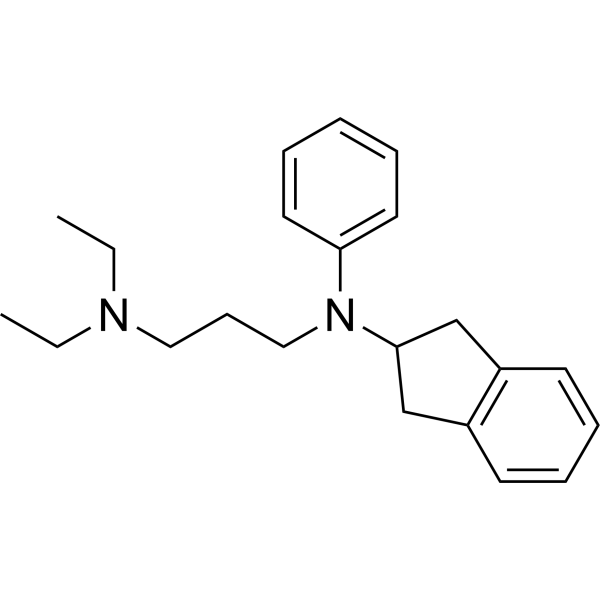
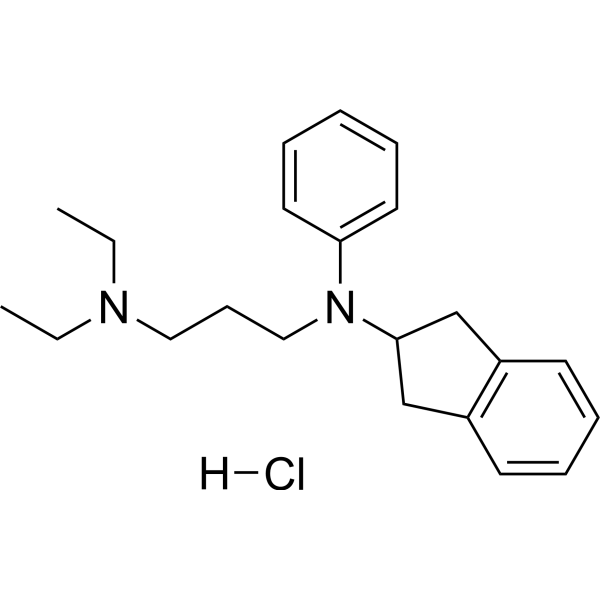
Aprindine is an Ib-class anti-arrhythmic agent. Aprindine mainly exerts its effect by blocking sodium channels (INa), thereby reducing the excitability and conduction velocity of cardiac muscle cells. Aprindine significantly inhibits delayed potassium currents, which helps to prolong the atrial effective refractory period (AERP) and inhibit the occurrence of atrial fibrillation. Aprindine can also regulate intracellular calcium ion concentration by inhibiting Na +/Ca 2+ exchange current (INCX), thereby further stabilizing cardiac electrical activity. Aprindine can be used for the study of atrial fibrillation (AF) and ventricular arrhythmias .
DMTr-2'-O-C22-rC (Ac)-3'-CE-Phosphoramidite is an RNA phosphoramidite monomer. DMTr-2'-O-C22-rC (Ac)-3'-CE-Phosphoramidite enables site-specific introduction of 2'-O-C22 lipophilic modification at cytidine positions during oligonucleotide synthesis, which is used to construct double-stranded RNA (dsRNA) molecules with extrahepatic delivery capability. DMTr-2'-O-C22-rC (Ac)-3'-CE-Phosphoramidite supports target gene silencing in skeletal muscle, cardiac muscle and adipose tissue by enhancing the lipophilicity and tissue uptake efficiency of dsRNA. Construction and mechanism study of DMTr-2'-O-C22-rC (Ac)-3'-CE-Phosphoramidite nucleic acid silencing molecules .
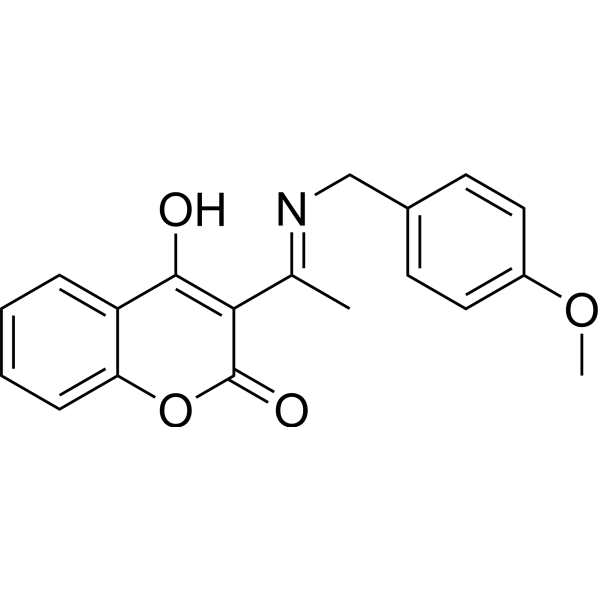
JB061 is a nonmuscle myosin inhibitor with IC50s of 4.4 μM (Cardiac muscle myosin), 9.1 μM (Skeletal muscle myosin), and >100 μM (Smooth muscle myosin II), respectively. JB061 poorly decreases ATPase activity (IC50>200 μM). JB061 shows cytotoxicity against COS-7 cells with an IC50 value of 39 μM .
Aprindine hydrochloride is an Ib-class anti-arrhythmic agent. Aprindine hydrochloride mainly exerts its effect by blocking sodium channels (INa), thereby reducing the excitability and conduction velocity of cardiac muscle cells. Aprindine hydrochloride significantly inhibits delayed potassium currents, which helps to prolong the atrial effective refractory period (AERP) and inhibit the occurrence of atrial fibrillation. Aprindine hydrochloride can also regulate intracellular calcium ion concentration by inhibiting Na +/Ca 2+ exchange current (INCX), thereby further stabilizing cardiac electrical activity. Aprindine hydrochloride can be used for the study of atrial fibrillation (AF) and ventricular arrhythmias .
DMTr-2'-O-C22-rG (ibu)-3'-CE-Phosphoramidite is an RNA phosphoramidite monomer for oligonucleotide synthesis. DMTr-2'-O-C22-rG (ibu)-3'-CE-Phosphoramidite enables site-specific introduction of 2'-O-C22 lipophilic modification at guanosine positions to construct double-stranded RNA (dsRNA) molecules with extrahepatic delivery capability. DMTr-2'-O-C22-rG (ibu)-3'-CE-Phosphoramidite supports target gene silencing in skeletal muscle, cardiac muscle and adipose tissue by enhancing the lipid solubility and tissue uptake efficiency of dsRNA. DMTr-2'-O-C22-rG (ibu)-3'-CE-Phosphoramidite can be used for the construction and mechanism research of nucleic acid silencing molecules .
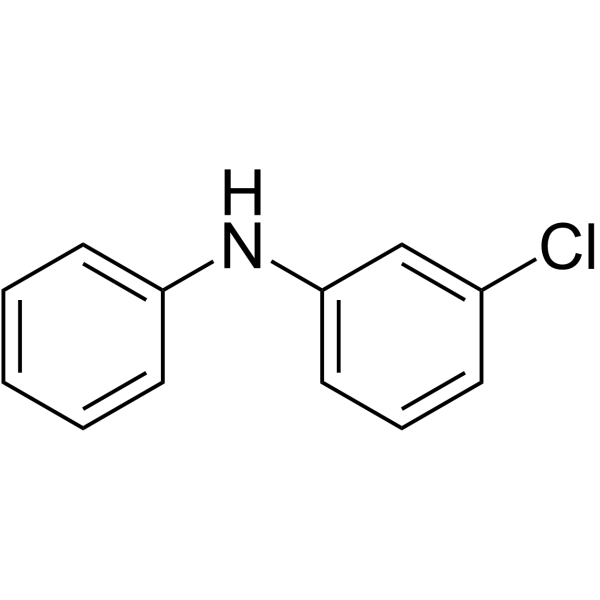
3-Chlorodiphenylamine is a high affinity Ca 2+ sensitizer of cardiac muscle. 3-Chlorodiphenylamine is based on diphenylamine and binds to the isolated N-domain of cardiac troponin C (cTnC) (Kd=6 µM). 3-Chlorodiphenylamine is an excellent starting scaffold for the development of more potent Ca 2+-sensitizing compounds due to its small size, and can be used for systolic heart failure research .
Negamycin (hydrochloride) is a dipeptide antibiotic. Negamycin (hydrochloride) can restore dystrophin expression in skeletal and cardiac muscles in mdx Duchenne muscular dystrophy (DMD) murine model. Negamycin (hydrochloride) can bind to a partial sequence of the eukaryotic rRNA-decoding A-site. Negamycin (hydrochloride) can be studied in DMD research .
Troponin modulator 1 (compound 7) modulates the mutant cardiac muscle thin filament function. Troponin modulator 1 enhances Ca 2+ sensitivity by phosphorylation with an EC50 of 67 μM .
RS-87337 is an orally active antiarrhythmic agent that increases the duration and the maximum rate of rise of cardiac muscle action potentials. RS-87337 is promising for research of antiarrhythmic and cardioprotective agents .
Disopyramide hydrochloride is a class IA antiarrhythmic agent with efficacy in ventricular and atrial arrhythmias. Disopyramide hydrochloride blocks the fast inward sodium current of cardiac muscle and prolongs the duration of cardiac action potentials. Disopyramide hydrochloride inhibits HERG encoded potassium channels. Disopyramide hydrochloride also exhibits complex protein binding, and has a potent negative inotropic action .
Succinate calcium is a key intermediate product of the citric acid cycle (tricarboxylic acid cycle). Succinate calcium can act as a specific ligand for the G protein-coupled receptor GPR91. Succinate calcium can increase the amplitude of calcium transient in cardiac muscle cells and accelerate the decay rate of calcium transient. Succinate calcium can induce myocardial apoptosis .
M617 TFA is a selective galanin receptor 1 (GAL1) agonist, with Kis of 0.23 and 5.71 nM for GAL1 and GAL2, respectively. M617 TFA, acting through its central GAL1, can promote GLUT4 expression and enhance GLUT4 content in the cardiac muscle of type 2 diabetic rats .
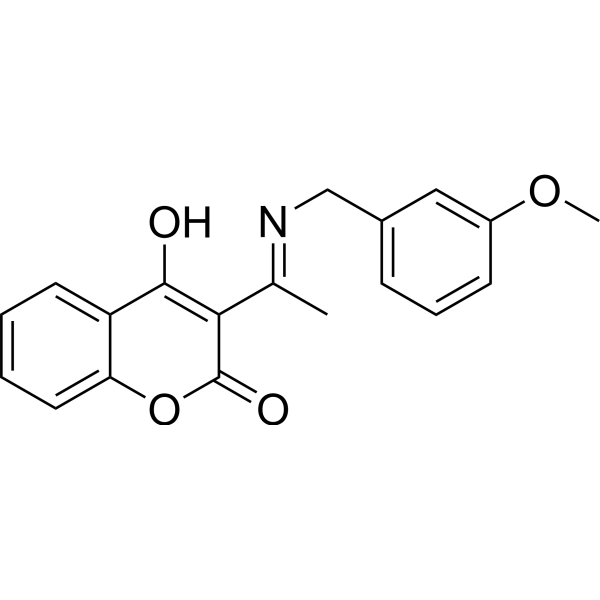
JB062 is a nonmuscle myosin inhibitor with IC50 values of 1.6, 5.4, and >100 μM for Skeletal muscle myosin, Cardiac muscle myosin, and Smooth muscle myosin II, respectively. JB062 has cytotoxic to human cancer cells but not normal cells. JB062 can be used in research of muscle spasticity, chronic musculoskeletal pain, and hypertrophic cardiomyopathy .
Disopyramide (Standard) is the analytical standard of Disopyramide. This product is intended for research and analytical applications. Disopyramide (Dicorantil) is a class IA antiarrhythmic agent with efficacy in ventricular and atrial arrhythmias. Disopyramide blocks the fast inward sodium current of cardiac muscle and prolongs the duration of cardiac action potentials. Disopyramide inhibits HERG encoded potassium channels. Disopyramide also exhibits complex protein binding, and has a potent negative inotropic action .
Disopyramide (phosphate) (Standard) is the analytical standard of Disopyramide (phosphate). This product is intended for research and analytical applications. Disopyramide phosphate is a class IA antiarrhythmic agent with efficacy in ventricular and atrial arrhythmias. Disopyramide phosphate blocks the fast inward sodium current of cardiac muscle and prolongs the duration of cardiac action potentials. Disopyramide phosphate inhibits HERG encoded potassium channels. Disopyramide phosphate also exhibits complex protein binding, and has a potent negative inotropic action .
PKCε is an isoform of the large PKC family of protein kinases. In cardiac muscle cells, PKCε regulates muscle contraction through its actions at sarcomeric proteins, and PKCε modulates cardiac cell metabolism through its actions at mitochondria. PKCε Recombinant Human Active Protein Kinase is a recombinant PKCε protein that can be used to study PKCε-related functions .
CK-571 is a potent and selective inhibitor of smooth muscle myosin-2 (SMM), with an IC50 value of 86 nM. CK-571 exhibits IC50 values for cardiac muscle myosin (CMM), skeletal muscle myosin (SKM), and non-muscle myosin-2A (NMM-2A) of 2.3, 42, and 0.58 μM, respectively. CK-571 can be used for research on asthma, chronic obstructive pulmonary disease, and other smooth muscle-related diseases .
Aprindine hydrochloride (Standard) is the analytical reference standard of Aprindine hydrochloride (HY-A0236A). This product is used for research and analytical applications. Aprindine hydrochloride is an Ib-class anti-arrhythmic agent. Aprindine hydrochloride mainly exerts its effect by blocking sodium channels (INa), thereby reducing the excitability and conduction velocity of cardiac muscle cells. Aprindine hydrochloride significantly inhibits delayed potassium currents, which helps to prolong the atrial effective refractory period (AERP) and inhibit the occurrence of atrial fibrillation. Aprindine hydrochloride can also regulate intracellular calcium ion concentration by inhibiting Na +/Ca 2+ exchange current (INCX), thereby further stabilizing cardiac electrical activity. Aprindine hydrochloride can be used for the study of atrial fibrillation (AF) and ventricular arrhythmias.
M617 TFA is a selective galanin receptor 1 (GAL1) agonist, with Kis of 0.23 and 5.71 nM for GAL1 and GAL2, respectively. M617 TFA, acting through its central GAL1, can promote GLUT4 expression and enhance GLUT4 content in the cardiac muscle of type 2 diabetic rats .
Cardiac troponin I, also known as Tnni3, plays a key role as an inhibitory subunit in the troponin complex, a key regulator of calcium sensitivity in actomyosin ATPase activity in striated muscle.Tnni3 interacts with TRIM63, emphasizing its involvement in complex cellular processes.Cardiac troponin I/Tnni3 Protein, Mouse (His-SUMO) is the recombinant mouse-derived Cardiac troponin I/Tnni3 protein, expressed by E.coli , with N-SUMO, N-6*His labeled tag.
ATP synthase alpha chain; ATP synthase alpha chain; mitochondrial; ATP synthase subunit alpha; ATP synthase subunit alpha mitochondrial; ATP synthase; H+ transporting; mitochondrial F1 complex; alpha subunit 1; cardiac muscle; ATP synthase; H+ transporting; mitochondrial F1 complex; alpha subunit; 1; ATP synthase; H+ transporting; mitochondrial F1 complex; alpha subunit; isoform 1; cardiac muscle; ATP synthase; H+ transporting; mitochondrial F1 complex; alpha subunit; isoform 2; non-cardiac muscle-like 2; ATP sythase F1 ATPase; alpha subunit; ATP5A; Atp5a1; ATP5AL2; ATPA_HUMAN; ATPM; Epididymis secretory sperm binding protein Li 123m; hATP1; HEL-S-123m; MC5DN4; mitochondrial; Mitochondrial ATP synthetase; Mitochondrial ATP synthetase oligomycin resistant; Modifier of Min 2; Modifier of Min 2 mouse homolog; Modifier of Min 2; mouse; homolog of; MOM2; OMR; ORM; OTTHUMP00000163475
ATP5F1A is an important component of mitochondrial ATP synthase (complex V) that coordinates ATP production from ADP by utilizing the transmembrane proton gradient. As part of the F-type ATPase, the α and β subunits of ATP5F1A form the catalytic core to achieve ATP hydrolysis. ATP5F1A Protein, Human (His-SUMO) is the recombinant human-derived ATP5F1A protein, expressed by E. coli , with N-6*His, N-SUMO labeled tag.
ATP5F1A is an important component of mitochondrial ATP synthase (complex V) that coordinates ATP production from ADP by utilizing the transmembrane proton gradient. As part of the F-type ATPase, the α and β subunits of ATP5F1A form the catalytic core to achieve ATP hydrolysis. ATP5F1A Protein, Human (His) is the recombinant human-derived ATP5F1A protein, expressed by E. coli , with N-6*His labeled tag.
C protein cardiac muscle isoform; C-protein; cardiac muscle isoform; Cardiac MyBP C; Cardiac MyBP-C; Cardiac myosin binding protein C ; cardiac-type; CMH4; FHC; MYBP C; MYBPC; MYBPC3; Myosin binding protein C cardiac; Myosin binding protein C cardiac-type; Myosin-binding protein C; myosin-binding protein C cardiac type; MYPC3_HUMAN
MYBPC3 Protein, positioned in the crossbridge region of vertebrate striated muscle A bands, binds to myosin heavy chain (MHC), F-actin, and native thin filaments, influencing actin-activated myosin ATPase. Its presence suggests potential modulation of muscle contraction, indicating a functional impact on the contractile apparatus, or a structural role in muscle fibers. MYBPC3 Protein, Human (His-SUMO) is the recombinant human-derived MYBPC3 protein, expressed by E. coli , with N-SUMO, N-6*His labeled tag.
C protein cardiac muscle isoform; C-protein; cardiac muscle isoform; Cardiac MyBP C; Cardiac MyBP-C; Cardiac myosin binding protein C ; cardiac-type; CMH4; FHC; MYBP C; MYBPC; MYBPC3; Myosin binding protein C cardiac; Myosin binding protein C cardiac-type; Myosin-binding protein C; myosin-binding protein C cardiac type; MYPC3_HUMAN
MYBPC3 Protein, positioned in the crossbridge region of vertebrate striated muscle A bands, binds to myosin heavy chain (MHC), F-actin, and native thin filaments, influencing actin-activated myosin ATPase. Its presence suggests potential modulation of muscle contraction, indicating a functional impact on the contractile apparatus, or a structural role in muscle fibers. MYBPC3 Protein, Human (HEK293, His) is the recombinant human-derived MYBPC3 protein, expressed by HEK293 , with C-6*His labeled tag.
The ATP2A2 protein is a magnesium-dependent enzyme that hydrolyzes ATP and transfers calcium from the cytoplasm to the sarcoplasmic reticulum. It participates in autophagy during starvation and interacts with VMP1 to achieve ER isolating membrane contact. ATP2A2 Protein, Human (His) is the recombinant human-derived ATP2A2 protein, expressed by E. coli , with N-6*His labeled tag.
The CACNA1C protein is the alpha-1C subunit of voltage-gated calcium channels that generate L-type calcium currents that are critical for calcium influx and sarcoplasmic release. Its role in excitation-contraction coupling is critical for cardiac development, rhythm regulation, and smooth muscle cell contraction. CACNA1C Protein, Pig (Cell-Free, His) is the recombinant pig-derived CACNA1C protein, expressed by E. coli Cell-free , with N-10*His labeled tag.
Slow Skeletal Myosin Heavy chain Antibody (YA6787) is a Rabbit-derived and non-conjugated IgG monoclonal antibody, targeting to Slow Skeletal Myosin Heavy chain.
DMTr-2'-O-C22-rA-3'-CE-Phosphoramidite is an RNA phosphoramidite monomer. DMTr-2'-O-C22-rA-3'-CE-Phosphoramidite allows site-specific introduction of a 2'-O-C22 lipophilic modification at adenosine positions to construct double-stranded RNA (dsRNA) molecules with extrahepatic delivery capability. DMTr-2'-O-C22-rA-3'-CE-Phosphoramidite supports target gene silencing in skeletal muscle, cardiac muscle and adipose tissue by enhancing the lipophilicity and tissue uptake efficiency of dsRNA. DMTr-2'-O-C22-rA-3'-CE-Phosphoramidite can be used for the construction and mechanism research of nucleic acid silencing molecules .
DMTr-2'-O-C22-rC (Ac)-3'-CE-Phosphoramidite is an RNA phosphoramidite monomer. DMTr-2'-O-C22-rC (Ac)-3'-CE-Phosphoramidite enables site-specific introduction of 2'-O-C22 lipophilic modification at cytidine positions during oligonucleotide synthesis, which is used to construct double-stranded RNA (dsRNA) molecules with extrahepatic delivery capability. DMTr-2'-O-C22-rC (Ac)-3'-CE-Phosphoramidite supports target gene silencing in skeletal muscle, cardiac muscle and adipose tissue by enhancing the lipophilicity and tissue uptake efficiency of dsRNA. Construction and mechanism study of DMTr-2'-O-C22-rC (Ac)-3'-CE-Phosphoramidite nucleic acid silencing molecules .
DMTr-2'-O-C22-rG (ibu)-3'-CE-Phosphoramidite is an RNA phosphoramidite monomer for oligonucleotide synthesis. DMTr-2'-O-C22-rG (ibu)-3'-CE-Phosphoramidite enables site-specific introduction of 2'-O-C22 lipophilic modification at guanosine positions to construct double-stranded RNA (dsRNA) molecules with extrahepatic delivery capability. DMTr-2'-O-C22-rG (ibu)-3'-CE-Phosphoramidite supports target gene silencing in skeletal muscle, cardiac muscle and adipose tissue by enhancing the lipid solubility and tissue uptake efficiency of dsRNA. DMTr-2'-O-C22-rG (ibu)-3'-CE-Phosphoramidite can be used for the construction and mechanism research of nucleic acid silencing molecules .
Inquiry Online
Your information is safe with us. * Required Fields.
Western blot analysis of extracts from THP-1(lane 2(20μg), Jurkat (lane 3(20μg) and NIH3T3(lane 4(20μg) using FOXO1A (HY-P80132) Rabbit mAb. Proteins were transferred
to a PVDF membrane and blocked with 5% non-fat milk in TBST for 2 hour at room temperature. The primary antibody (1/1000) and Loading control antibody (Beta Actin, HY-P80438, 1/10000) was
used in 5% non-fat milk in TBST at 4°C overnight. Goat Anti-Mouse/Rabbit IgG-HRP Secondary Antibody (1/10000) was used for 1 hour at room temperature.
Western blot analysis of extracts from THP-1(lane 2(20μg), Jurkat (lane 3(20μg) and NIH3T3(lane 4(20μg) using FOXO1A (HY-P80132) Rabbit mAb. Proteins were transferred
to a PVDF membrane and blocked with 5% non-fat milk in TBST for 2 hour at room temperature. The primary antibody (1/1000) and Loading control antibody (Beta Actin, HY-P80438, 1/10000) was
used in 5% non-fat milk in TBST at 4°C overnight. Goat Anti-Mouse/Rabbit IgG-HRP Secondary Antibody (1/10000) was used for 1 hour at room temperature.
Western blot analysis of extracts from THP-1(lane 2(20μg), Jurkat (lane 3(20μg) and NIH3T3(lane 4(20μg) using FOXO1A (HY-P80132) Rabbit mAb. Proteins were transferred
to a PVDF membrane and blocked with 5% non-fat milk in TBST for 2 hour at room temperature. The primary antibody (1/1000) and Loading control antibody (Beta Actin, HY-P80438, 1/10000) was
used in 5% non-fat milk in TBST at 4°C overnight. Goat Anti-Mouse/Rabbit IgG-HRP Secondary Antibody (1/10000) was used for 1 hour at room temperature.
Western blot analysis of extracts from THP-1(lane 2(20μg), Jurkat (lane 3(20μg) and NIH3T3(lane 4(20μg) using FOXO1A (HY-P80132) Rabbit mAb. Proteins were transferred
to a PVDF membrane and blocked with 5% non-fat milk in TBST for 2 hour at room temperature. The primary antibody (1/1000) and Loading control antibody (Beta Actin, HY-P80438, 1/10000) was
MedchemExpress Validation 03
Western blot analysis of extracts from THP-1(lane 2(20μg), Jurkat (lane 3(20μg) and NIH3T3(lane 4(20μg) using FOXO1A (HY-P80132) Rabbit mAb. Proteins were transferred
MedchemExpress Validation 04
Western blot analysis of extracts from THP-1(lane 2(20μg), Jurkat (lane 3(20μg) and NIH3T3(lane 4(20μg) using FOXO1A (HY-P80132) Rabbit mAb. Proteins were transferred
to a PVDF membrane and blocked with 5% non-fat milk in TBST for 2 hour at room temperature. The primary antibody (1/1000) and Loading control antibody (Beta Actin, HY-P80438, 1/10000) was
used in 5% non-fat milk in TBST at 4°C overnight. Goat Anti-Mouse/Rabbit IgG-HRP Secondary Antibody (1/10000) was used for 1 hour at room temperature.
MedchemExpress Validation
Western blot analysis of extracts from THP-1(lane 2(20μg), Jurkat (lane 3(20μg) and NIH3T3(lane 4(20μg) using FOXO1A (HY-P80132) Rabbit mAb. Proteins were transferred
to a PVDF membrane and blocked with 5% non-fat milk in TBST for 2 hour at room temperature. The primary antibody (1/1000) and Loading control antibody (Beta Actin, HY-P80438, 1/10000) was
used in 5% non-fat milk in TBST at 4°C overnight. Goat Anti-Mouse/Rabbit IgG-HRP Secondary Antibody (1/10000) was used for 1 hour at room temperature.
Western blot analysis of extracts from THP-1(lane 2(20μg), Jurkat (lane 3(20μg) and NIH3T3(lane 4(20μg) using FOXO1A (HY-P80132) Rabbit mAb. Proteins were transferred
to a PVDF membrane and blocked with 5% non-fat milk in TBST for 2 hour at room temperature. The primary antibody (1/1000) and Loading control antibody (Beta Actin, HY-P80438, 1/10000) was
used in 5% non-fat milk in TBST at 4°C overnight. Goat Anti-Mouse/Rabbit IgG-HRP Secondary Antibody (1/10000) was used for 1 hour at room temperature.
MedchemExpress Validation
Western blot analysis of extracts from THP-1(lane 2(20μg), Jurkat (lane 3(20μg) and NIH3T3(lane 4(20μg) using FOXO1A (HY-P80132) Rabbit mAb. Proteins were transferred
to a PVDF membrane and blocked with 5% non-fat milk in TBST for 2 hour at room temperature. The primary antibody (1/1000) and Loading control antibody (Beta Actin, HY-P80438, 1/10000) was
used in 5% non-fat milk in TBST at 4°C overnight. Goat Anti-Mouse/Rabbit IgG-HRP Secondary Antibody (1/10000) was used for 1 hour at room temperature.
MedchemExpress Validation
Western blot analysis of extracts from THP-1(lane 2(20μg), Jurkat (lane 3(20μg) and NIH3T3(lane 4(20μg) using FOXO1A (HY-P80132) Rabbit mAb. Proteins were transferred
to a PVDF membrane and blocked with 5% non-fat milk in TBST for 2 hour at room temperature. The primary antibody (1/1000) and Loading control antibody (Beta Actin, HY-P80438, 1/10000) was
used in 5% non-fat milk in TBST at 4°C overnight. Goat Anti-Mouse/Rabbit IgG-HRP Secondary Antibody (1/10000) was used for 1 hour at room temperature.
MedchemExpress Validation
Western blot analysis of extracts from THP-1(lane 2(20μg), Jurkat (lane 3(20μg) and NIH3T3(lane 4(20μg) using FOXO1A (HY-P80132) Rabbit mAb. Proteins were transferred
to a PVDF membrane and blocked with 5% non-fat milk in TBST for 2 hour at room temperature. The primary antibody (1/1000) and Loading control antibody (Beta Actin, HY-P80438, 1/10000) was
used in 5% non-fat milk in TBST at 4°C overnight. Goat Anti-Mouse/Rabbit IgG-HRP Secondary Antibody (1/10000) was used for 1 hour at room temperature.
MedchemExpress Validation
Western blot analysis of extracts from THP-1(lane 2(20μg), Jurkat (lane 3(20μg) and NIH3T3(lane 4(20μg) using FOXO1A (HY-P80132) Rabbit mAb. Proteins were transferred
to a PVDF membrane and blocked with 5% non-fat milk in TBST for 2 hour at room temperature. The primary antibody (1/1000) and Loading control antibody (Beta Actin, HY-P80438, 1/10000) was
used in 5% non-fat milk in TBST at 4°C overnight. Goat Anti-Mouse/Rabbit IgG-HRP Secondary Antibody (1/10000) was used for 1 hour at room temperature.
MedchemExpress Validation
Western blot analysis of extracts from THP-1(lane 2(20μg), Jurkat (lane 3(20μg) and NIH3T3(lane 4(20μg) using FOXO1A (HY-P80132) Rabbit mAb. Proteins were transferred
to a PVDF membrane and blocked with 5% non-fat milk in TBST for 2 hour at room temperature. The primary antibody (1/1000) and Loading control antibody (Beta Actin, HY-P80438, 1/10000) was
used in 5% non-fat milk in TBST at 4°C overnight. Goat Anti-Mouse/Rabbit IgG-HRP Secondary Antibody (1/10000) was used for 1 hour at room temperature.
MedchemExpress Validation
Western blot analysis of extracts from THP-1(lane 2(20μg), Jurkat (lane 3(20μg) and NIH3T3(lane 4(20μg) using FOXO1A (HY-P80132) Rabbit mAb. Proteins were transferred
to a PVDF membrane and blocked with 5% non-fat milk in TBST for 2 hour at room temperature. The primary antibody (1/1000) and Loading control antibody (Beta Actin, HY-P80438, 1/10000) was
used in 5% non-fat milk in TBST at 4°C overnight. Goat Anti-Mouse/Rabbit IgG-HRP Secondary Antibody (1/10000) was used for 1 hour at room temperature.
MedChemExpress values your privacy and your trust is important to us. We use cookies to enhance your website experience. Some cookies are necessary to run the website.
Privacy and Cookie Policy