1. Search Result
Search Result
Results for "

fatty acid derivative

" in MedChemExpress (MCE) Product Catalog:

69

Inhibitors & Agonists

2

Fluorescent Dyes

5

Biochemical Assay Reagents

3

Peptides

13

Natural
Products

7

Isotope-Labeled Compounds

1

Click Chemistry

2

Oligonucleotides

Cat. No. Product Name Target Research Areas Chemical Structure
  • HY-W127378
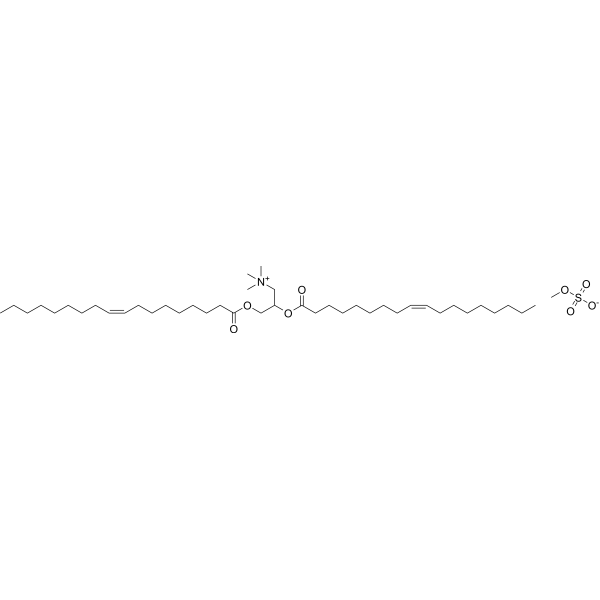
    DOTAP methylsulfate
    10+ Cited Publications

    1,2-Dioleoyl-3-trimethylammonium-propane methylsulfate

    Liposome Others
    DOTAP methylsulfat is a cationic lipid reagent, a cationic derivative of trimethylammonium, linked to two 18-carbon fatty acid tails, each with a single olefin group. DOTAP methylsulfat can self-assemble with negatively charged ions (such as DNA) to form complexes, which can be adsorbed to the cell membrane surface and enter the cell by electrostatic interaction and endocytosis, respectively. DOTAP methylsulfat promotes endosomal membrane fusion with its own hydrophobic domain, releases DNA into the cytoplasm, and exerts gene delivery function. DOTAP methylsulfat can be widely used in research fields such as gene therapy, cell transfection, and non-viral vector design .
    DOTAP methylsulfate
  • HY-B0766

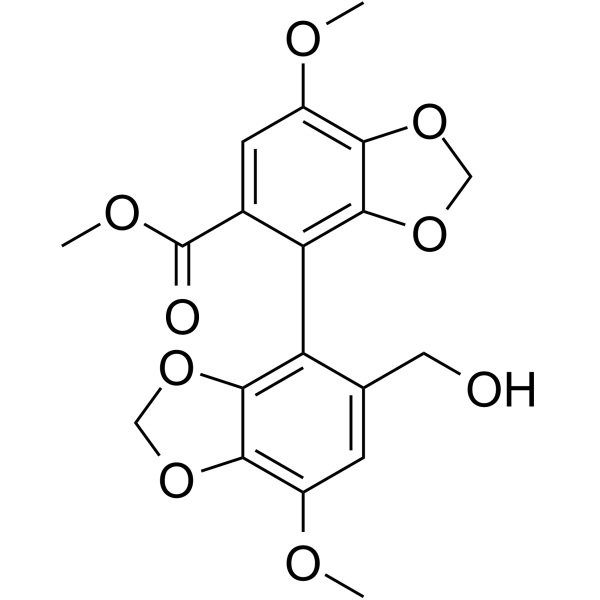
    SY801

    Autophagy Apoptosis HBV HCV HSP Reactive Oxygen Species (ROS) Bcl-2 Family Glutathione S-transferase p38 MAPK NF-κB Microtubule/Tubulin ERK JNK TNF Receptor Interleukin Related CDK Cyclin G-associated Kinase (GAK) mTOR P-glycoprotein Ferroptosis Infection Inflammation/Immunology Cancer
    Bicyclol (SY801) is an orally active derivative of the traditional Chinese medicine Schisandra chinensis, which has antiviral, anti-inflammatory, immunomodulatory, antioxidant, anti-steatosis, anti-fibrotic and anti-tumor activities. Bicyclol regulates the expression of heat shock proteins and plays an anti-apoptosis role in hepatocytes. Bicyclol reduces the activation of NF-κB and the levels of inflammatory factors in hepatocytes infected with hepatitis C virus (HCV) by inhibiting the activation of the ROS-MAPK-NF-κB pathway, and prevents ferroptosis in acute liver injury. Bicyclol can change the expression of Mdr-1, GSH/GST and Bcl-2, increase the intracellular concentration of anticancer drugs, and sensitize drug-resistant cells to anticancer drugs. Bicyclol inhibits the proliferation of human malignant hepatoma cells by regulating the PI3K/AKT pathway and the Ras/Raf/MEK/ERK pathway. Bicyclol can be used in the study of chronic hepatitis, acute liver injury, nonalcoholic fatty liver disease, liver fibrosis and hepatocellular carcinoma .
    Bicyclol
  • HY-W004290

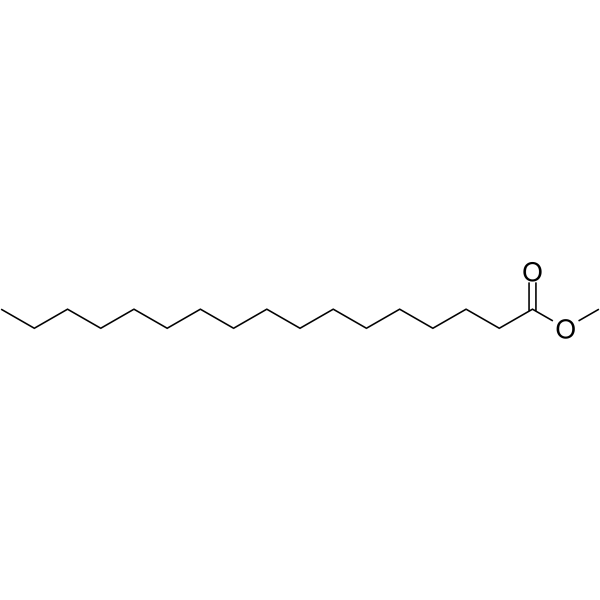
    Methyl margarate

    Environmental Pollutants Biochemical Assay Reagents Others
    Methyl heptadecanoate (Methyl margarate) is a methyl ester derivative of heptadecanoic acid (HY-W004284). Methyl heptadecanoate is used as an internal standard for the quantitative calibration of fatty acids in GC-MS analysis .
    Methyl heptadecanoate
  • HY-N16308

    Fluorescent Dye Others
    ER-Laurdan is a derivative of the membrane-permeable fluorescent probe Laurdan (HY-D0080) that targets the endoplasmic reticulum (ER). As a membrane fluidity reporter, ER-Laurdan specifically localizes to the ER luminal membrane, and exhibits a prominent solvatochromic response to fluidity changes caused by membrane packing and exogenous saturated fatty acid stress. ER-Laurdan shows no overlapping localization with mitochondria, enables quantitative analysis of ER membrane fluidity via generalized polarization ratio measurement, and allows automatic signal masking with the help of ER markers. With high specificity and quantitative capability, ER-Laurdan serves as an important tool for investigating metabolic disorders and associated changes in the physical properties of cell membranes .
    ER-Laurdan
  • HY-121457

    Drug Derivative Cardiovascular Disease
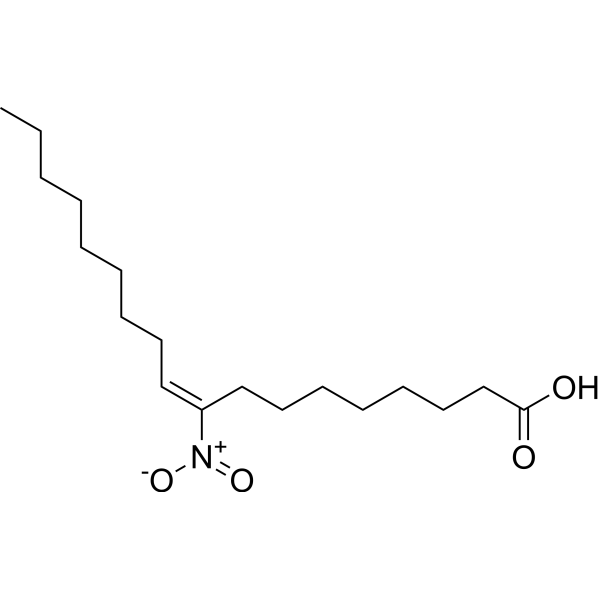
    9-Nitrooleate, a nitro fatty acid, is a nitro derivative of Oleic acid (HY-N1446). 9-Nitrooleate has potential for use in vascular disease research.
    9-Nitrooleate
  • HY-W018004

    Amino Acid Derivatives Endogenous Metabolite Inflammation/Immunology
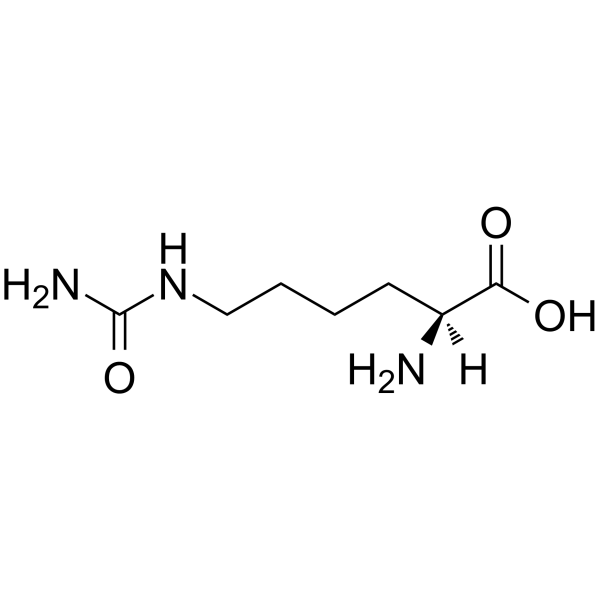
    L-Homocitrulline is a carbamoylated derivative amino acid and a structural analog of L-citrulline. L-Homocitrulline serves not only as an intermediate in polypeptide synthesis but also converts into a variety of cyclic derivatives under enzymatic or acidic conditions. The level of L-Homocitrulline is significantly elevated in the serum of patients with non-alcoholic fatty liver disease (NAFLD), with high diagnostic accuracy. L-Homocitrulline also exists in patients with related diseases such as hypercitrullinemia. L-Homocitrulline is a key biomarker for monitoring abnormal liver metabolism and is widely used in NAFLD research .
    L-Homocitrulline
  • HY-114557

    3,5-Diiodo-L-thyronine

    JNK NF-κB Sirtuin PGC-1α COX TGF-β Receptor Collagen Metabolic Disease Inflammation/Immunology Endocrinology
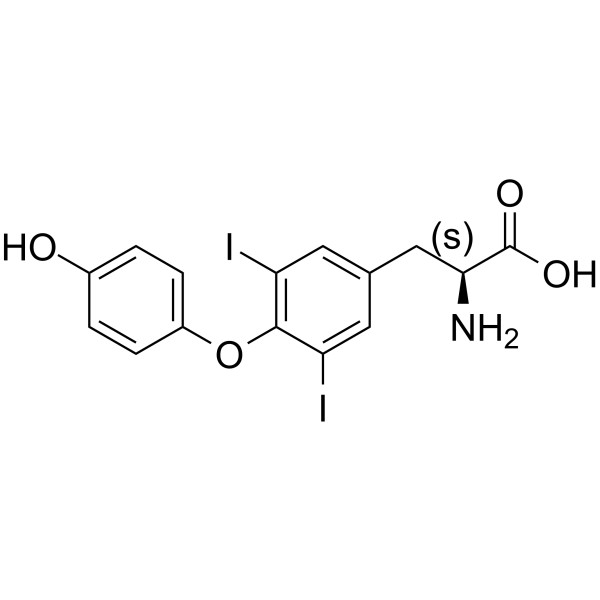
    NSC 90469 (3,5-Diiodo-L-thyronine) is an orally active thyroid hormone derivative. NSC 90469 inhibits JNK phosphorylation and NF-κB acetylation, blocks SIRT1 protein expression, induces elevated PGC-1α levels, and stimulates COX activity. NSC 90469 enhances UCP1-mediated thermogenesis, increases hepatic Dio1 activity, inhibits TSH levels and hypothalamic-pituitary-thyroid axis function, enhances lipid metabolism, and regulates energy metabolism via the mitochondrial pathway. NSC 90469 prevents blood glucose reduction, reduces urinary albumin excretion, inhibits renal matrix expansion, decreases TGF-β1 expression, and reduces renal fibronectin and type Ⅳ collagen deposition. NSC 90469 also increases energy expenditure and prevents diet-induced overweight. NSC 90469 can be used in studies related to diabetic nephropathy, hypothyroidism, non-alcoholic fatty liver disease, and diet-induced obesity .
    NSC 90469
  • HY-141700
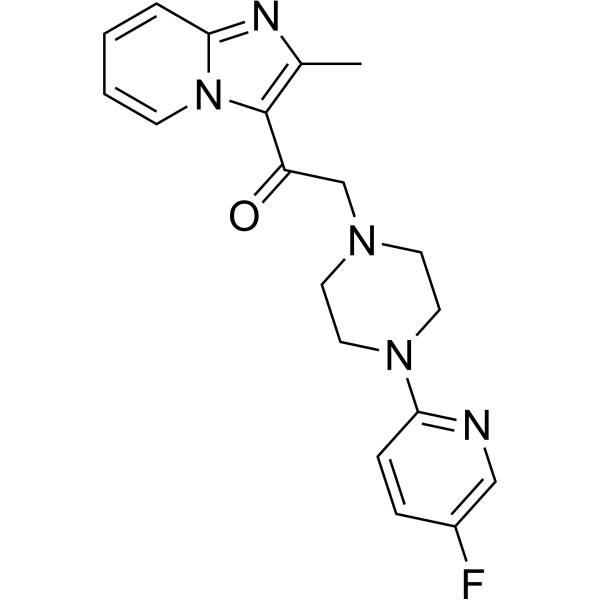
    FATP1-IN-2
    2 Publications Verification

    FATP Metabolic Disease
    FATP1-IN-2 (compound 12a), an arylpiperazine derivative, is an orally active fatty acid transport protein 1 (FATP1) inhibitor (human IC50=0.43 μM, mouse IC50=0.39 μM) .
    FATP1-IN-2
  • HY-D1336

    Fluorescent Dye
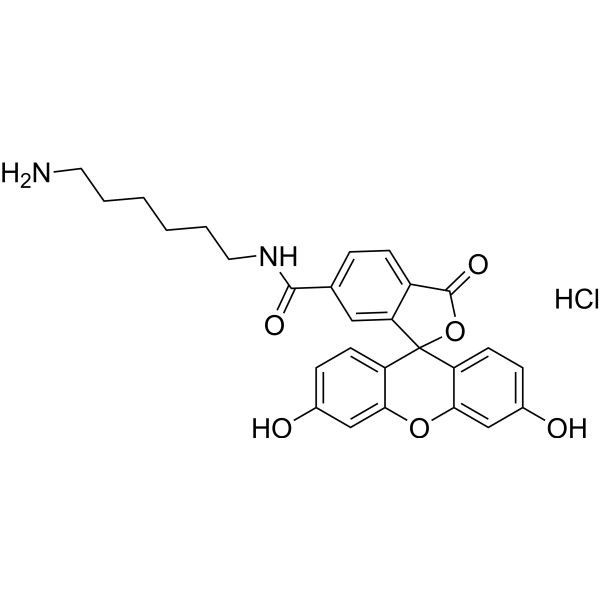
    FAM amine, 6-isomer is a fluorescein derivative with an amine group and contains an isomer of the fluorophore. Can be used to modify biomolecules through enzymatic transamination. Its fatty amine groups can also react with electrophiles such as activated esters. The amine can also be conjugated to carbonyl compounds (aldehydes and ketones) by reductive amination.
    FAM amine, 6-isomer
  • HY-W004290S

    Isotope-Labeled Compounds Biochemical Assay Reagents Drug Derivative Others
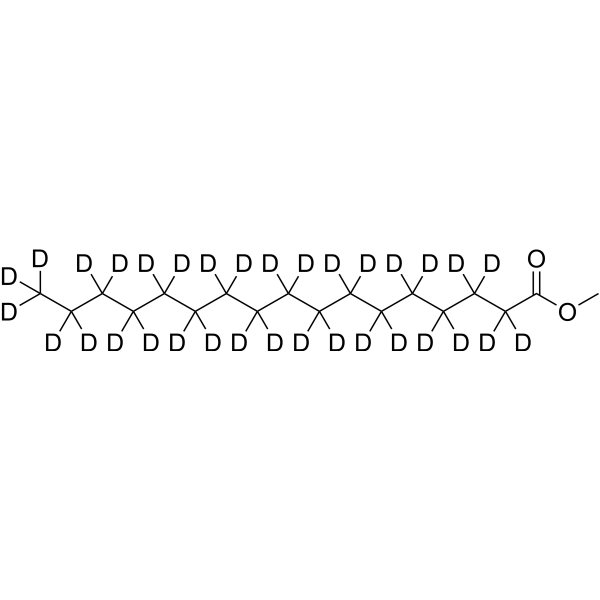
    Methyl heptadecanoate-d33 is the deuterium labeled Methyl heptadecanoate (HY-W004290). Methyl heptadecanoate (C17:0 methyl ester) is the methyl ester derivative of heptadecanoic acid (HY-W004284). Methyl heptadecanoate is used as an internal standard for quantitative calibration of fatty acids in GC-MS analysis .
    Methyl heptadecanoate-d33
  • HY-N7861

    Methyl trans-9-Octadecenoate; (E)-Methyl octadec-9-enoate

    Biochemical Assay Reagents Others
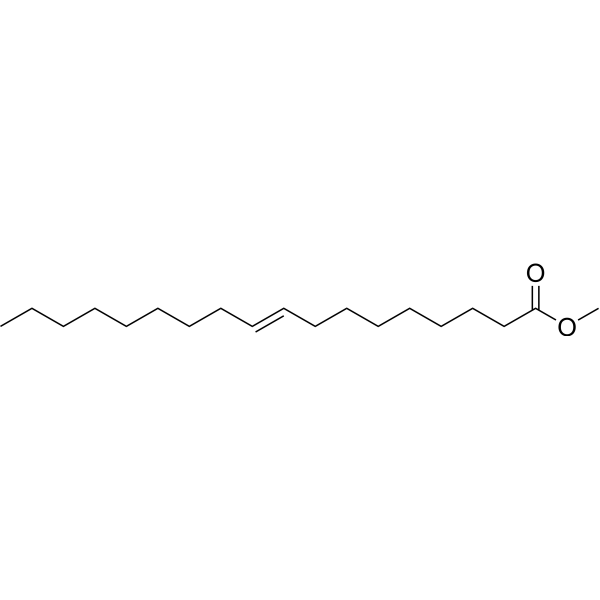
    Methyl elaidate is a compound belonging to the class of fatty acid esters. It is derived from elaidic acid, a monounsaturated omega-9 fatty acid found in certain vegetable oils and animal fats. Methyl elaidate is commonly used as a reference compound for the analysis of fatty acids and their derivatives by gas chromatography.
    Methyl elaidate
  • HY-101722

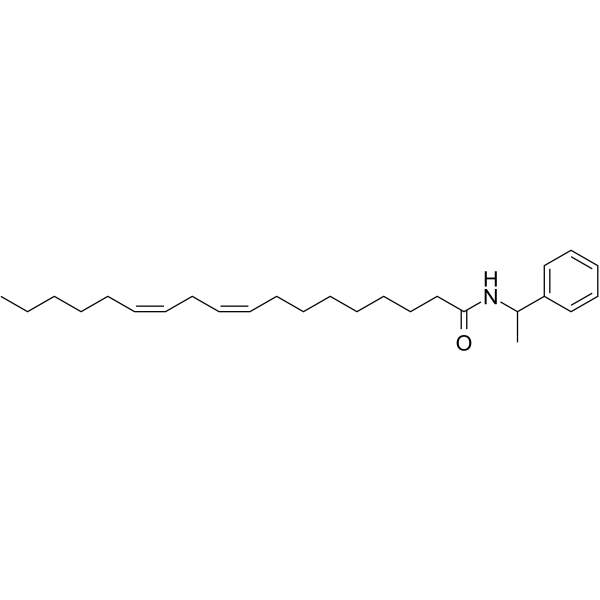
    AC 223; DL-N-(α-Methylbenzyl)linoleamide

    Acyltransferase Metabolic Disease
    Melinamide, an amide derivative of an unsaturated long-chain fatty acid, is an inhibitor of cholesterol absorption with an IC50 of 20.9 μM.
    Melinamide
  • HY-W009118

    Amino Acid Derivatives Others
    Fmoc-5-Ava-OH is an amino acid derivative with an Fmoc protecting group, which can be used to synthesize fatty acid-based dimeric peptides with PSD-95 inhibitory activity .
    Fmoc-5-Ava-OH
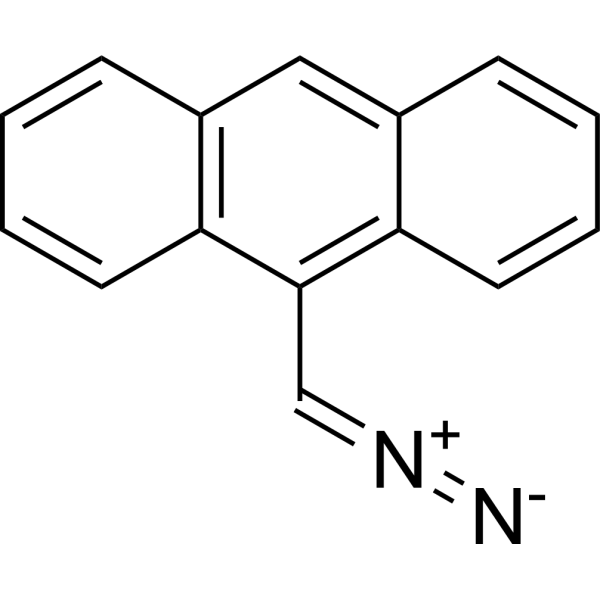
  • HY-126172

    Fluorescent Dye Cancer
    9-Anthryldiazomethane is a fluorescent labeling reagent, which can be used for detecting fatty acids and derivatives .
    9-Anthryldiazomethane
  • HY-N0853A
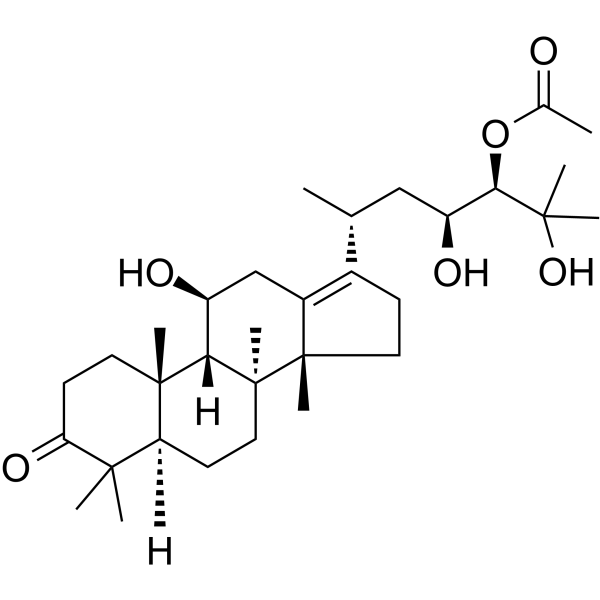
    Alisol A 24-acetate
    1 Publications Verification

    Alisol A 24-monoacetate; Alisol A monoacetate

    AMPK Carnitine Palmitoyltransferase (CPT) Acyltransferase Fatty Acid Synthase (FASN) Acetyl-CoA Carboxylase Bcl-2 Family PPAR Nuclear Factor of activated T Cells (NFAT) PI3K Akt PKA ERK Apoptosis Autophagy Cardiovascular Disease Infection Neurological Disease Metabolic Disease Endocrinology
    Alisol A 24-acetate (Alisol A monoacetate) is an orally active derivative of protostane-type tetracyclic triterpenoid. Alisol A 24-acetate upregulates the expression of adiponectin, AMPKα, CPT1, and ACOX1; downregulates the expression of SREBP-1c, ACC, FAS, Bcl-2, Bcl-xl, PPAR-γ, perilipin A, and NFATc1; inhibits the activity of PI3K/Akt/mTOR and HMGR; and activates the PKA and ERK signaling pathways. Alisol A 24-acetate regulates cell apoptosis (apoptosis), autophagy (Autophagy, hepatic lipid accumulation, inflammatory response, neuroprotection, MRSA membrane integrity, and osteoclast differentiation. Alisol A 24-acetate can be used in research related to non-alcoholic fatty liver disease, nephrotoxicity, obesity, global cerebral ischemia-reperfusion injury, bacterial infection, and osteoporosis .
    Alisol A 24-acetate
  • HY-113434B

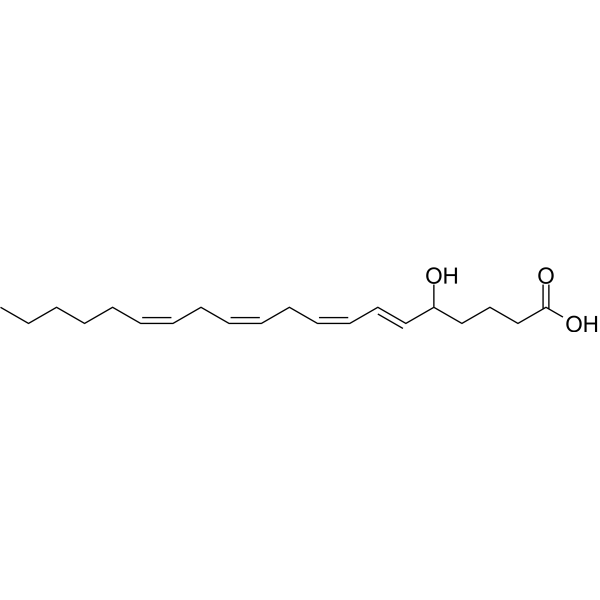
    (±)-5-HETE

    Endogenous Metabolite Inflammation/Immunology
    5-HETE ((±)-5-HETE), a fatty acid, is a oxidative derivative of Arachidonic acid. 5-HETE is a mixture of 5(S)-HETE and 5(R)-HETE. 5-HETE is a potent aggregating agent that induces the aggregation of neutrophils with an IC50 value of 200 nM .
    5-HETE
  • HY-113069

    Endogenous Metabolite Metabolic Disease
    Decanoylcarnitine is a fatty ester lipid and an acylcarnitine derivative, which is a metabolite associated with impaired fatty acid metabolism in the elderly population .
    Decanoylcarnitine
  • HY-121212

    LDLR Metabolic Disease Inflammation/Immunology
    Icosabutate, an orally active ω-3 polyunsaturated fatty acid, is an aeicosapentaenoic acid (EPA) derivative. Icosabutate overcomes the drawbacks of unmodified EPA for liver targeting and improves insulin sensitivity, hepatic inflammation and fibrosis . Icosabutate is well tolerated, and efficacious in lowering non-high-density lipoprotein cholesterol (non-HDL-C) levels in persistent hypertriglyceridemia .
    Icosabutate
  • HY-122643

    Bacterial Infection
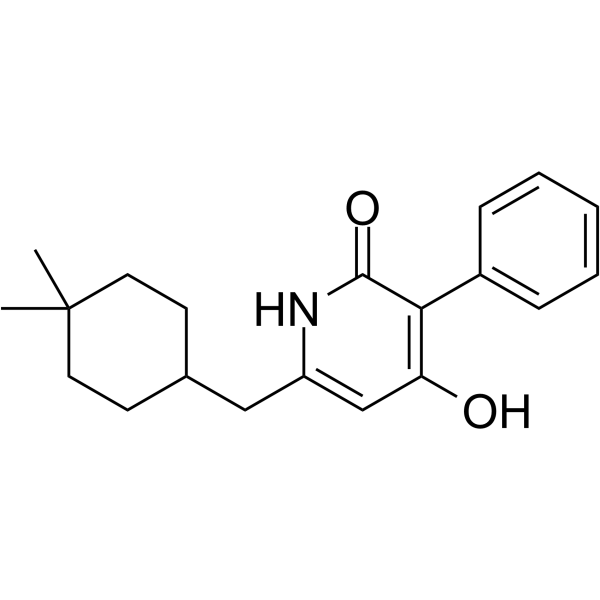
    NITD-916, a 4-hydroxy-2-pyridone derivative, is an orally active mycobacterial enoyl reductase InhA inhibitor with an IC50 of 570 nM. NITD-916 forms a ternary complex with InhA and NADH to block access to the fatty acyl substrate binding pocket. NITD-916 inhibition of InhA reduces the synthesis of mycolic acids and results in cell death. NITD-916 has potent anti-tuberculosis effects .
    NITD-916
  • HY-124609

    AMPK Acetyl-CoA Carboxylase Neurological Disease
    CAD031 is an orally active AMPK/ACC1 signaling pathway activator and a derivative of the Alzheimer's disease (AD) targeted agent J147 (HY-13779) (more active than J147 in human neural stem cell assays). CAD031 can cross the blood-brain barrier, activate AMPK and inhibit ACC1, thereby increasing ac-CoA levels, improving mitochondrial function and reducing free fatty acid synthesis. CAD031 has neuroprotective, neurogenesis-promoting and memory-improving activities and can be used in the study of Alzheimer's disease and aging-related neurodegenerative diseases. CAD031 effectively enhances the memory of mice, improves dendritic structure, and stimulates cell division in the germinal zone of the brain of elderly mice .
    CAD031
  • HY-N2644

    Others Others
    4-Oxododecanedioic acid is a fatty acid derivative .
    4-Oxododecanedioic acid
  • HY-152006S

    Isotope-Labeled Compounds Endogenous Metabolite Inflammation/Immunology
    Propionyl-L-carnitine-d3 (hydrochloride) is deuterium labeled Propionyl-L-carnitine. Propionyl-L-carnitine is a carnitine derivative and has a high affinity for muscular carnitine transferase. Propionyl-L-carnitine increases cellular carnitine content, thereby allowing free fatty acid transport into the mitochondria. Propionyl-L-carnitine alleviates the symptoms of PAD through a metabolic pathway, thereby improving exercise performance .
    Propionyl-L-carnitine-d3 hydrochloride
  • HY-169089

    Drug Derivative Cancer
    RP-182-PEG3-K palmitic acid-NH2 (Compound 1a) is a fatty acid derivative of the immunomodulatory peptide RP-182. RP-182-PEG3-K palmitic acid-NH2 inhibits CD206 high M2-like macrophage (IC50 of 3.2 μM) and induces phagocytosis. RP-182-PEG3-K palmitic acid-NH2 exhibits antitumor efficacy in mouse B16 melanoma allografts .
    RP-182-PEG3-K(palmitic acid)-NH2
  • HY-145503

    Drug Derivative Metabolic Disease
    Decanoyl-L-carnitine chloride is an ester derivative of L-carnitine, which is an important cofactor of fatty acid metabolism .
    Decanoyl-L-carnitine chloride
  • HY-130405

    Drug Derivative Metabolic Disease
    PtdIns-(1,2-dipalmitoyl) ammonium (DPPI) is a derivative of phosphatidylinositol (PtdIns) that contains C16:0 fatty acyl chains .
    PtdIns-(1,2-dipalmitoyl) ammonium
  • HY-107840

    Drug Derivative Others
    RGW 611 is a morpholine derivative that enhances radiation-induced cell death of hypoxic V79-379A cells. RGW 611 also stimulates fatty acid synthesis .
    RGW-611
  • HY-32952

    6-Fluoropyridine-3-boronic acid

    Drug Intermediate Others
    2-Fluoropyridine-5-boronic acid (6-Fluoropyridine-3-boronic acid) is a drug intermediate that can be used in the synthesis of fatty acid amide hydrolase inhibitors and pyrethroid derivatives .
    2-Fluoropyridine-5-boronic acid
  • HY-135808

    NF-κB Inflammation/Immunology
    BIZ 114 (Example 11) is a fatty acid derivative and potent inhibits the TNF-α activated NF-κΒ pathway. BIZ 114 has the potential to prevent and / or treat ophthalmic disorders such as retinal degenerative disorders and ocular inflammatory diseases .
    BIZ 114
  • HY-131931

    LysoGM1 potassium

    Src Neurological Disease
    Lysoganglioside-GM1 (LysoGM1) potassium is a derivative of Monosialoganglioside GM1, which lacks a fatty acid. Lysoganglioside-GM1 potassium is also an inhibitor of GM1 aggregation. Lysoganglioside-GM1 potassium can inhibit the activation of Lyn and laminin-1-mediated neurite outgrowth. Lysoganglioside-GM1 potassium can be used in the research of nervous system diseases .
    Lysoganglioside-GM1 potassium
  • HY-176274

    Fatty Acid Synthase (FASN) Stearoyl-CoA Desaturase (SCD) Reactive Oxygen Species (ROS) Interleukin Related TNF Receptor SOD LDLR Glutathione Peroxidase Metabolic Disease Inflammation/Immunology
    FASN/SCD-IN-1 is a Silybin (HY-N0779A) derivative, an orally active inhibitor of Fatty Acid Synthase (FASN)/Stearoyl-CoA Desaturase (SCD). FASN/SCD-IN-1 has shown in vitro activity in inhibiting lipid deposition, reducing FASN and SCD transcriptional levels, and exhibiting antioxidant, anti-inflammatory, and anti-fibrotic activities. FASN/SCD-IN-1 has demonstrated significant hepatoprotective effects in a rat model of acute liver injury. FASN/SCD-IN-1 ameliorates the pathological features of MASH liver, including steatosis, inflammation, and fibrosis in a mouse model of myeloproliferative steatohepatitis (MASH). FASN/SCD-IN-1 can be used to study MASH .
    FASN/SCD-IN-1
  • HY-119647

    COX Cytochrome P450 Others
    PPOH, a fatty acid derivative, is a selective cyclooxygenase (COX) inhibitor that inhibits arachidonic acid cyclooxygenase activity in renal cortical microsomes. In addition, PPOH acts on CYP4A2 and CYP4A3 with the IC50 values of 22 μM and 6.5 μM, respectively . PPOH is a click chemistry reagent, it contains an Alkyne group and can undergo copper-catalyzed azide-alkyne cycloaddition (CuAAc) with molecules containing Azide groups.
    PPOH
  • HY-131931A

    LysoGM1 ammonium

    Src Neurological Disease
    Lysoganglioside-GM1 (LysoGM1) ammonium is a derivative of Monosialoganglioside GM1, which lacks a fatty acid. Lysoganglioside-GM1 ammonium is also an inhibitor of GM1 aggregation. Lysoganglioside-GM1 ammonium can inhibit the activation of Lyn and laminin-1-mediated neurite outgrowth. Lysoganglioside-GM1 ammonium can be used in the research of nervous system diseases .
    Lysoganglioside-GM1 ammonium
  • HY-W746625

    all-cis-4,7,10,13,16-DPA methyl ester

    Drug Derivative Cardiovascular Disease Neurological Disease Inflammation/Immunology
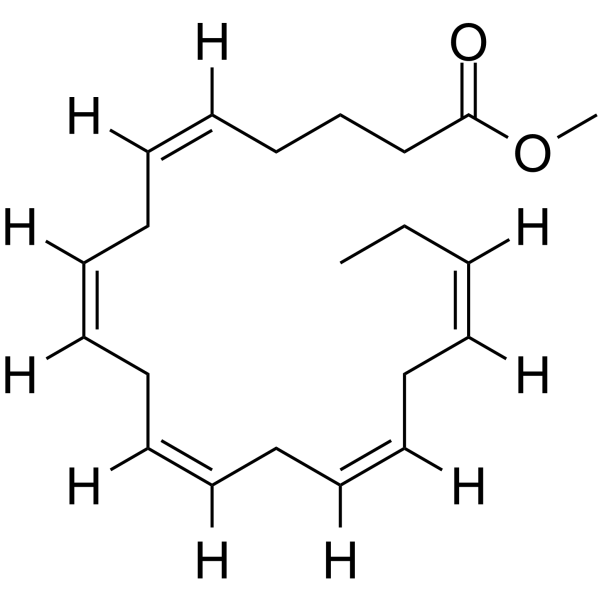
    all-cis-4,7,10,13,16-Docosapentaenoic acid methyl ester (all-cis-4,7,10,13,16-DPA methyl ester) is the methyl ester derivative of all-cis-4,7,10,13,16-Docosapentaenoic acid, that can be used as a nutritional supplement to increase all-cis-4,7,10,13,16-Docosapentaenoic acid intake. all-cis-4,7,10,13,16-Docosapentaenoic acid is a long-chain polyunsaturated fatty acid, that plays a role in cardiovascular health, neuroprotection, and inflammation regulation .
    all-cis-4,7,10,13,16-Docosapentaenoic acid methyl ester
  • HY-169089A

    Drug Derivative Cancer
    RP-182-PEG3-K(palmitic acid)-NH2 (Compound 1a) TFA is a fatty acid derivative of the immunomodulatory peptide RP-182. RP-182-PEG3-K(palmitic acid)-NH2 TFA inhibits CD206 high M2-like macrophage (IC50 of 3.2 μM) and induces phagocytosis. RP-182-PEG3-K(palmitic acid)-NH2 TFA exhibits antitumor efficacy in mouse B16 melanoma allografts .
    RP-182-PEG3-K(palmitic acid)-NH2 TFA
  • HY-N15826

    Fluorescent Dye Ceramidase Cancer
    RBM1-151, a 1-deoxy derivative and vinilog of RBM14-C12 (HY-150163), as a fluorogenic substrate of Amidases (HY-P2736) (Ex/Em). RBM1-151 is hydrolyzed by acid ceramidase (AC) (( appKm = 7.0 μM; appVmax = 99.3 nM/min), N-acylethanolamine-hydrolyzing acid amidase ( appKm = 0.73 μM; appVmax = 0.24 nM/min), and fatty Acid amide hydrolase (FAAH) ( appKm = 3.6 μM; appVmax = 7.6 nM/min) but not by other ceramidases. RBM1-151 is applicable for basic biological studies of lipid amidase function, as well as potential diagnostic/prognostic evaluations of diseases involving dysregulated AC, NAAA, or FAAH (Farber disease, cancer) .
    RBM1-151
  • HY-119647R

    COX Cytochrome P450 Others
    PPOH (Standard) is the analytical standard of PPOH. This product is intended for research and analytical applications. PPOH, a fatty acid derivative, is a selective cyclooxygenase (COX) inhibitor that inhibits arachidonic acid cyclooxygenase activity in renal cortical microsomes. In addition, PPOH acts on CYP4A2 and CYP4A3 with the IC50 values of 22 μM and 6.5 μM, respectively . PPOH is a click chemistry reagent, it contains an Alkyne group and can undergo copper-catalyzed azide-alkyne cycloaddition (CuAAc) with molecules containing Azide groups.
    PPOH (Standard)
  • HY-E70269

    Biochemical Assay Reagents Others
    (11Z-Octadecenoyl)-CoA triammonium is a derivative of Monounsaturated fatty acid oleic acid (18:1 n7) CoA.
    (11Z-Octadecenoyl)-CoA triammonium
  • HY-127139

    Eicosapentaenoic acid Chloride; EPA Chloride

    Endogenous Metabolite Metabolic Disease
    Eicosapentaenoyl chloride is a derivative of eicosapentaenoic acid. It has been used in the synthesis of fatty acid conjugates to enhance lipophilicity and cell permeability of bioactive compounds such as (–)-epigallocatechin gallate and salicylic acid.
    Eicosapentaenoyl Chloride
  • HY-W923496

    SFE 24:5; all-cis-4,7,10,13,16-DPA Ethyl ester

    Drug Derivative Others
    all-cis-4,7,10,13,16-Docosapentaenoic acid ethyl ester (SFE 24:5) is a derivative of Docosapentaenoic acid (DPA). DPA is a fatty acid found in fish oils .
    all-cis-4,7,10,13,16-Docosapentaenoic acid ethyl ester
  • HY-101722R

    AC 223 (Standard); DL-N-(α-Methylbenzyl)linoleamide (Standard)

    Acyltransferase Reference Standards Metabolic Disease
    Melinamide (Standard) is the analytical standard of Melinamide. This product is intended for research and analytical applications. Melinamide, an amide derivative of an unsaturated long-chain fatty acid, is an inhibitor of cholesterol absorption with an IC50 of 20.9 μM.
    Melinamide (Standard)
  • HY-109089S

    15(S)-HEPE-d5 ethyl ester; 15(S)-Hydoxy EPA-d5 ethyl ester; 15(S)-Hydoxy eicosapetaeoic acid-d5 ethyl ester

    Isotope-Labeled Compounds Others
    Epeleuton-d5 (15(S)-HEPE-d5 ethyl ester) is deuterium labeled Epeleuton. Epeleuton is a second-generation synthetic N-3 fatty acid derivative with activity in patients with non-alcoholic fatty liver disease, although it did not reach the primary endpoints of alanine aminotransferase and liver stiffness, but it can significantly reduce triglycerides, glycated hemoglobin, plasma glucose and inflammatory markers .
    Epeleuton-d5
  • HY-E70267

    Biochemical Assay Reagents Metabolic Disease
    22:0 Coenzyme A triammonium is a derivative of coenzyme A (CoA), where CoA is combined with a 22-carbon saturated fatty acid (behenic acid, also known as docosanoic acid). 22:0 Coenzyme A triammonium can serve as a substrate for AmFAR1 .
    22:0 Coenzyme A triammonium
  • HY-173587

    1,2-Bis(heptanoylthio) glycerophosphatidylglycerol sodium

    Phospholipase Metabolic Disease
    1,2-Bis(heptanoylthio)-sn-glycero-3-PG (1,2-Bis(heptanoylthio) glycerophosphatidylglycerol) sodium is a fatty acylthioesterified phosphatidylglycerol derivative that can be used to mimic the action of phospholipases or as a probe molecule for membrane fusion studies .
    1,2-Bis(heptanoylthio)-sn-glycero-3-PG sodium
  • HY-W699526

    NSC-16045-d6; NSC-741804-d6

    Isotope-Labeled Compounds Bcl-2 Family Cardiovascular Disease
    Dimebutic acid-d6 (NSC-16045-d6; NSC-741804-d6) is the deuterium labeled Dimebutic acid (HY-W015881). Dimebutic acid is a fatty acid derivative. Dimebutic acid is an orally active short-chain fatty acid. Dimebutic acid stimulates fetal globin production and alters the balance of Bcl family proteins. Dimebutic acid prolongs red blood cell survival. Dimebutic acid exhibits toxicity in rats. Dimebutic acid is used in the study of β-thalassemia and sickle cell disease .
    Dimebutic acid-d6
  • HY-149505

    12(Z),15(Z)-10-HODE; (±)-10-Hydroxy-12(Z),15(Z)-ODE

    Biochemical Assay Reagents Others
    (±)-10-Hydroxy-12(Z),15(Z)-octadecadienoic acid is a fatty acid derivative. (±)-10-Hydroxy-12(Z),15(Z)-octadecadienoic acid can be used in the food, cosmetic and pharmaceutical industries, such as starting materials for biodegradable polymers, lubricants, emulsifiers, drugs and fragrances .
    (±)-10-Hydroxy-12(Z),15(Z)-octadecadienoic acid
  • HY-W879031

    Biochemical Assay Reagents Others
    Endo-BCN-PEG4-Palmitic is a PEG derivative containing an endo-BCN cycloalkyne structure, a tetraethylene glycol (PEG4) linker, and a Palmitic acid (HY-N0830) fatty acid group. Endo-BCN-PEG4-Palmitic can be used for drug delivery, surface modification, and click chemistry reactions .
    Endo-BCN-PEG4-Palmitic
  • HY-W004290R

    Methyl margarate (Standard)

    Reference Standards Biochemical Assay Reagents Drug Derivative Others
    Methyl heptadecanoate (Standard) is the analytical standard of Methyl heptadecanoate (HY-W004290). This product is intended for research and analytical applications. Methyl heptadecanoate (C17:0 methyl ester) is the methyl ester derivative of heptadecanoic acid (HY-W004284). Methyl heptadecanoate is used as an internal standard for quantitative calibration of fatty acids in GC-MS analysis .
    Methyl heptadecanoate (Standard)
  • HY-100299A

    Farnesyl Transferase Cardiovascular Disease Metabolic Disease
    RPR107393 is an orally active potent selective squalene synthase (SQS) inhibitor. RPR107393 inhibits rat liver microsomal squalene synthase with an IC50 value of 0.8 nM. RPR107393 reduces triglyceride biosynthesis by suppressing fatty acid biosynthesis via an increase in intracellular farnesol and its derivatives. RPR107393 reduces plasma cholesterol in rats and marmosets. RPR107393 can be used for metabolic disease research, such as hypercholesterolemia, hypertriglyceridemia and atherosclerosis .
    RPR107393
  • HY-171793

    PPAR Metabolic Disease
    DN-108, a thiazolidinedione derivative, is an orally active peroxisome proliferator-activated receptor γ (PPARγ) agonist with antidiabetic effects. DN-108 improves hyperglycemia, hypertriglyceridemia and hyperinsulinemia in diabetic mouse models. DN-108 enhances tissue glucose uptake (e.g., increasing 2-deoxyglucose uptake in L6 muscle cells) and inhibits fatty acid synthase activity. DN-108 is promising for research of type 2 diabetes .
    DN-108
  • HY-100299

    Farnesyl Transferase Cardiovascular Disease Metabolic Disease
    RPR107393 free base is an orally active potent selective squalene synthase (SQS) inhibitor. RPR107393 free base inhibits rat liver microsomal squalene synthase with an IC50 value of 0.8 nM. RPR107393 free base reduces triglyceride biosynthesis by suppressing fatty acid biosynthesis via an increase in intracellular farnesol and its derivatives. RPR107393 free base reduces plasma cholesterol in rats and marmosets. RPR107393 free base can be used for metabolic disease research, such as hypercholesterolemia, hypertriglyceridemia and atherosclerosis [1][2].
    RPR107393 free base

Inquiry Online

Your information is safe with us. * Required Fields.

Salutation


Country or Region *

Applicant Name *


Organization Name *

Department *


Email Address *


Product Name *

Cat. No.


Requested quantity *

Phone Number *


Remarks

Inquiry Online

Inquiry Information

Product Name:
Cat. No.:
Quantity:
MCE Japan Authorized Agent:

