1. Search Result
Search Result
Results for "

fatty acid metabolite

" in MedChemExpress (MCE) Product Catalog:

93

阻害剤およびアゴニスト

1

スクリーニングライブラリ

1

生化学アッセイ試薬

42

天然物

19

同位体標識化合物

1

クリックケミストリー

製品番号 製品名 Target 研究分野 構造式
  • HY-N0729
    Linoleic acid
    Maximum Cited Publications
    24 Publications Verification

    Environmental Pollutants Endogenous Metabolite Cardiovascular Disease Metabolic Disease Cancer
    Linoleic acid is a common polyunsaturated (PUFA) found in plant-based oils, nuts and seeds. Linoleic acid is a part of membrane phospholipids, and functions as a structural component to maintain a certain level of membrane fluidity of the transdermal water barrier of the epidermis. Linoleic acid induces red blood cells and hemoglobin damage via oxidative mechanism .
    Linoleic acid
  • HY-113261

    Endogenous Metabolite Metabolic Disease Cancer
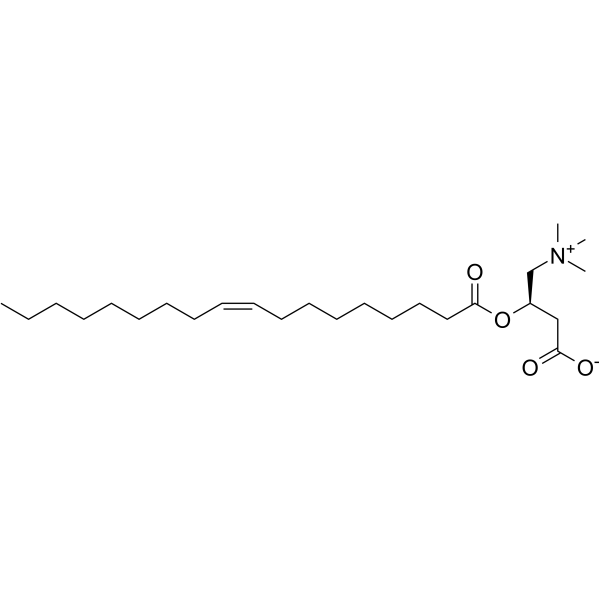
    Oleoylcarnitine, the metabolite which accumulates through suppression of fatty acid β-oxidation, can enhance hepatocarcinogenesis via STAT3 activation .
    Oleoylcarnitine
  • HY-W018392
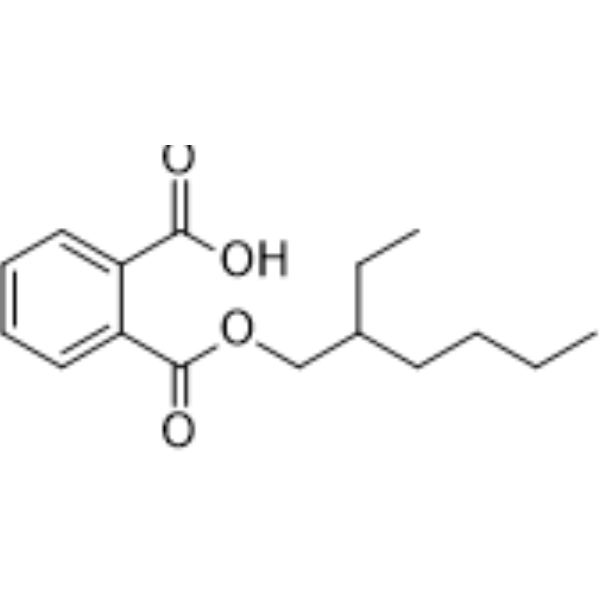
    Mono-(2-ethylhexyl) phthalate
    20+ Cited Publications

    MEHP; Phthalic acid mono-2-ethylhexyl ester

    Endogenous Metabolite Metabolic Disease
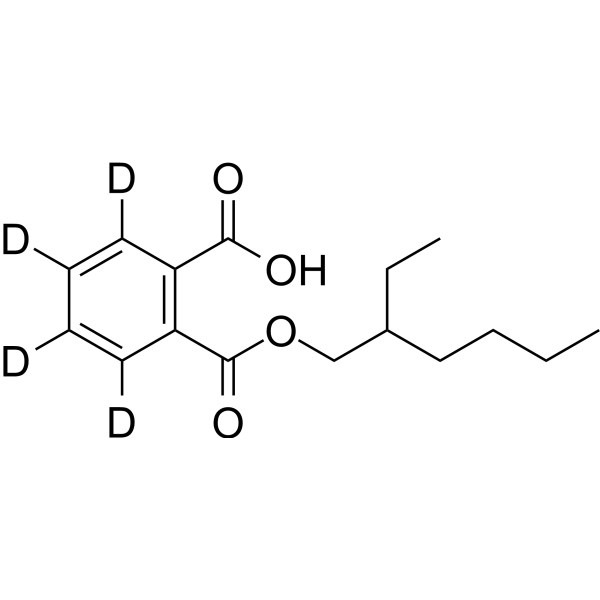
    Mono-(2-ethylhexyl) phthalate (MEHP) is a major bioactive metabolite of diethylhexyl phthalate (DEHP). Mono-(2-ethylhexyl) phthalate can promote fatty acid synthesis in hepatocytes by regulating the expression of relevant genes and proteins, contributing to non-alcoholic fatty liver disease (NAFLD) .
    Mono-(2-ethylhexyl) phthalate
  • HY-126995

    Endogenous Metabolite Metabolic Disease
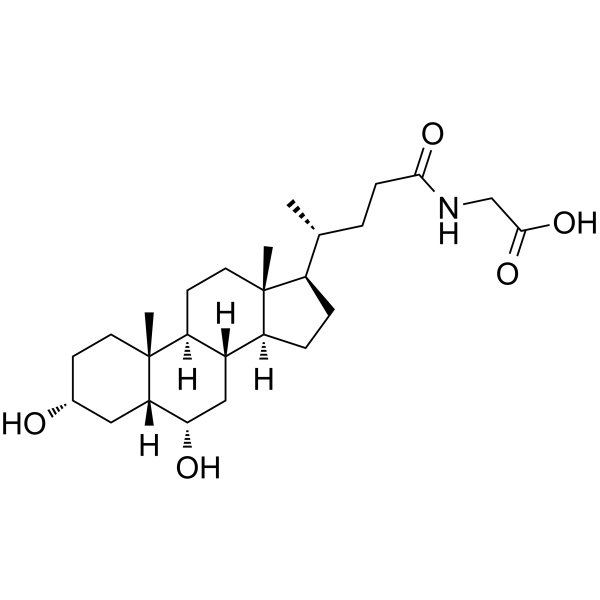
    Glycohyodeoxycholic acid is a glycine-conjugated bile acid and also a metabolite of Hyodeoxycholic acid (HY-N0169). The serum level of Glycohyodeoxycholic acid is negatively correlated with the severity of non-alcoholic fatty liver disease. Glycohyodeoxycholic acid can be used in research related to non-alcoholic fatty liver disease .
    Glycohyodeoxycholic acid
  • HY-113147
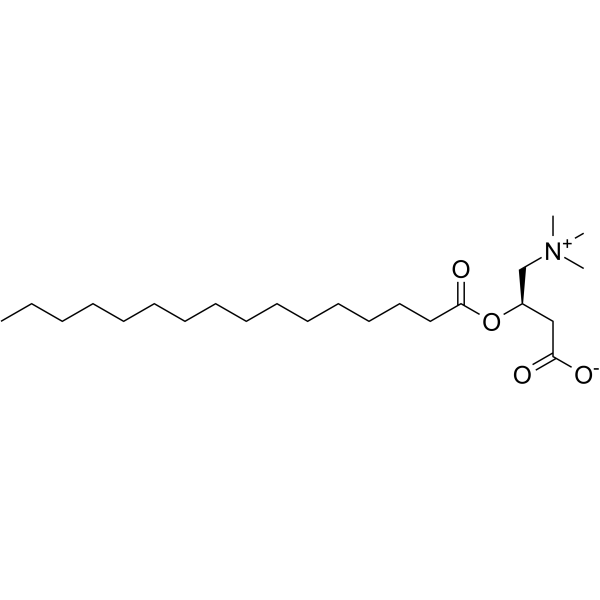
    L-Palmitoylcarnitine
    2 Publications Verification

    Potassium Channel Endogenous Metabolite Cardiovascular Disease Metabolic Disease
    L-Palmitoylcarnitine, a long-chain acylcarnitine and a fatty acid metabolite, accumulates in the sarcolemma and deranges the membrane lipid environment during ischaemia. L-Palmitoylcarnitine inhibits KATP channel activity, without affecting the single channel conductance, through interaction with Kir6.2 .
    L-Palmitoylcarnitine
  • HY-113147A
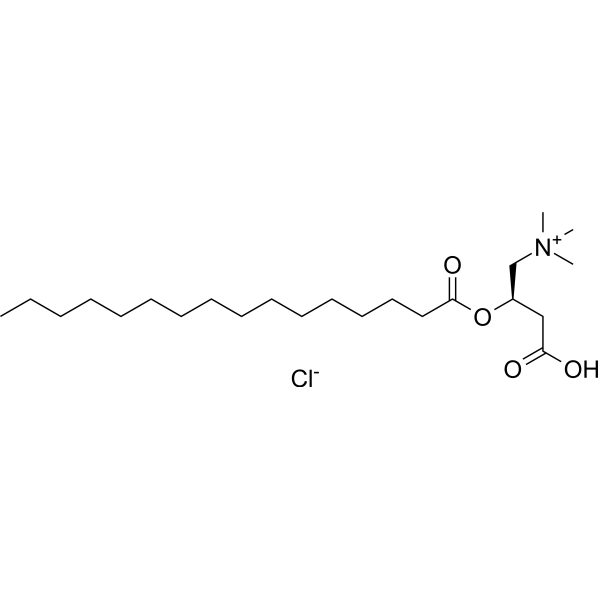
    L-Palmitoylcarnitine chloride
    2 Publications Verification

    Potassium Channel Endogenous Metabolite Cardiovascular Disease Metabolic Disease
    L-Palmitoylcarnitine chloride, a long-chain acylcarnitine and a fatty acid metabolite, accumulates in the sarcolemma and deranges the membrane lipid environment during ischaemia. L-Palmitoylcarnitine chloride inhibits KATP channel activity, without affecting the single channel conductance, through interaction with Kir6.2 .
    L-Palmitoylcarnitine chloride
  • HY-W011819

    Endogenous Metabolite Metabolic Disease
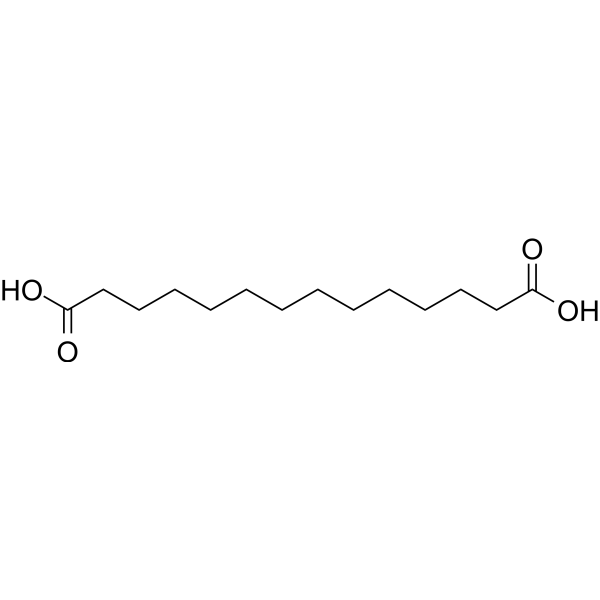
    Tetradecanedioic acid is an endogenous metabolite and belongs to the class of organic compounds known as long-chain fatty acids. Tetradecanedioic acid is an endogenous biomarker for assessing the activity of organic anion transporting polypeptides (OATPs) .
    Tetradecanedioic acid
  • HY-113202
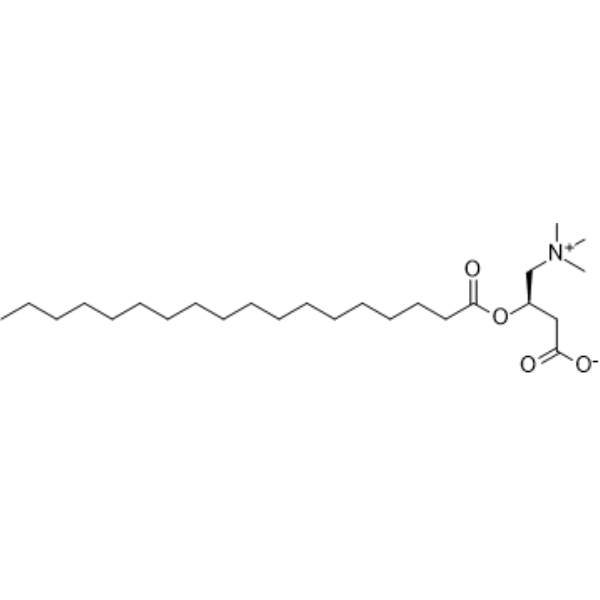
    Stearoylcarnitine
    1 Publications Verification

    Endogenous Metabolite PKC GlyT Neurological Disease Metabolic Disease
    Stearoylcarnitine, a fatty ester lipid molecule, is an endogenous metabolite. Stearoylcarnitine can be used as PKC inhibitor. Stearoylcarnitine accumulates in β cells, leading to arrest of insulin synthesis and energy deficiency in type 2 diabetes mouse. Stearoylcarnitine inhibits lecithin cholesterol acyltransferase (LCAT) in rat and rabbits plasma. Stearoylcarnitine acts as a metabolomics biomarker for Parkinson’s disease. Stearoylcarnitine is a less potent inhibitor of GlyT2 .
    Stearoylcarnitine
  • HY-113147AS

    Potassium Channel Endogenous Metabolite Cardiovascular Disease Metabolic Disease
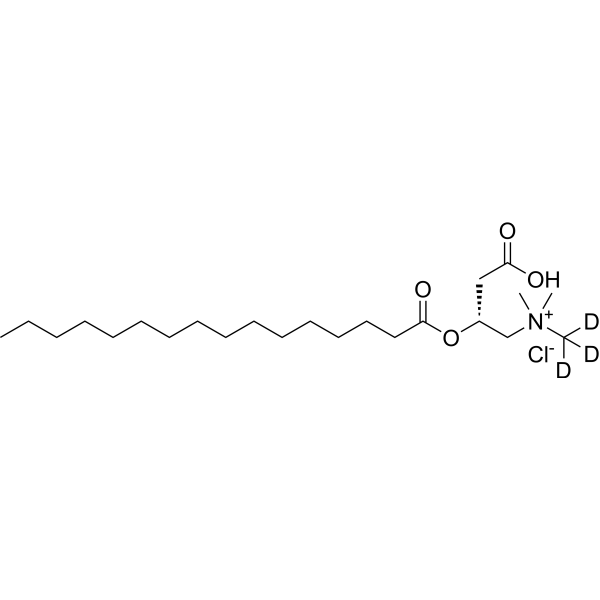
    L-Palmitoylcarnitine-d3 hydrochloride is the deuterium labeled L-Palmitoylcarnitine hydrochloride. L-Palmitoylcarnitine hydrochloride, a long-chain acylcarnitine and a fatty acid metabolite, accumulates in the sarcolemma and deranges the membrane lipid environment during ischaemia. L-Palmitoylcarnitine hydrochloride inhibits KATP channel activity, without affecting the single channel conductance, through interaction with Kir6.2 .
    L-Palmitoylcarnitine-d3 hydrochloride
  • HY-W018161
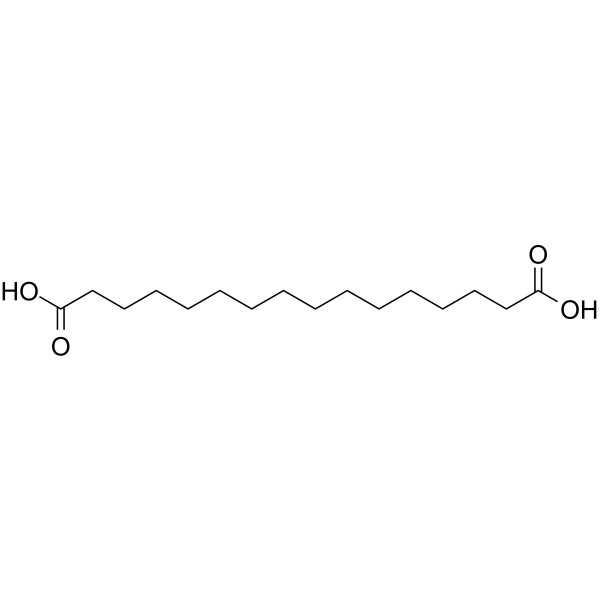
    Hexadecanedioic acid
    1 Publications Verification

    Thapsic acid

    IRE1 Ferroptosis Keap1-Nrf2 Glutathione Peroxidase Metabolic Disease
    Hexadecanedioic acid (Thapsic acid) is an orally active metabolite produced by B. uniformis. Hexadecanedioic acid inhibits IRE1α-XBP1s-mediated flipogenesis and ferroptosis. Hexadecanedioic acid downregulates XBP1 and Hrd1 expression, activates the Nrf2/SLC7A11/GPX4 pathway. Hexadecanedioic acid can be used for the research of metabolic-associated fatty liver disease .
    Hexadecanedioic acid
  • HY-W012974

    β-Aminoisobutyric acid; BAIBA

    Endogenous Metabolite Cardiovascular Disease Metabolic Disease
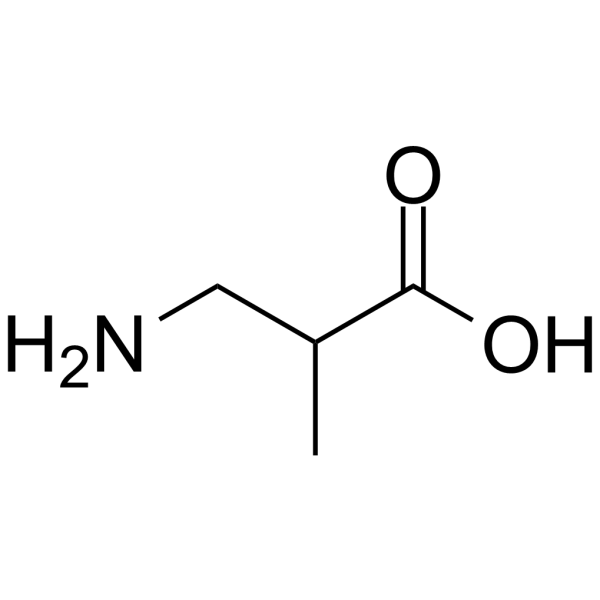
    3-Aminoisobutyric acid (β-Aminoisobutyric acid) has anti-inflammatory and antioxidant effects. 3-Aminoisobutyric acid increases the expression of brown adipocyte-specific genes in white adipose tissue and fatty acid β-oxidation in hepatocytes. 3-Aminoisobutyric acid attenuates insulin resistance and inflammation induced by palmitate or a high fat diet via an AMPK-PPARδ-dependent pathway in mice. 3-Aminoisobutyric acid is a catabolic metabolite of thymine and valine in skeletal muscle .
    3-Aminoisobutyric acid
  • HY-W018678

    Others PROTAC Linkers Neurological Disease
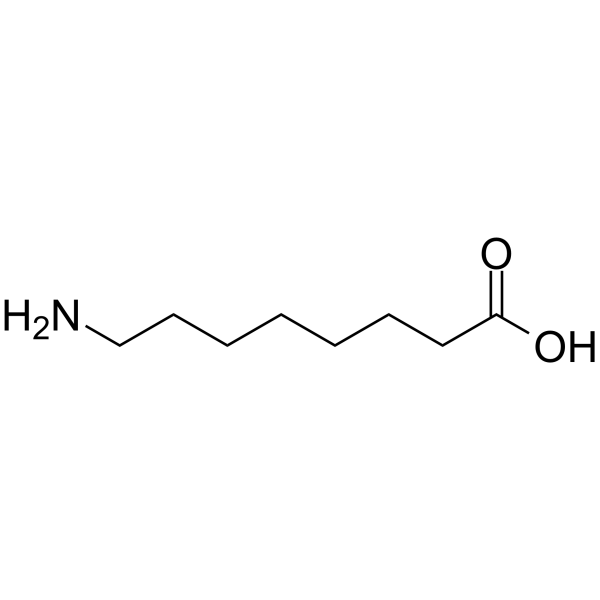
    8-Aminooctanoic acid is an omega-amino fatty acid that is octanoic acid which carries an amino group at position 8. 8-aminooctanoic acid has a role as a human metabolite .
    8-Aminooctanoic acid
  • HY-113152

    Endogenous Metabolite Neurological Disease Inflammation/Immunology
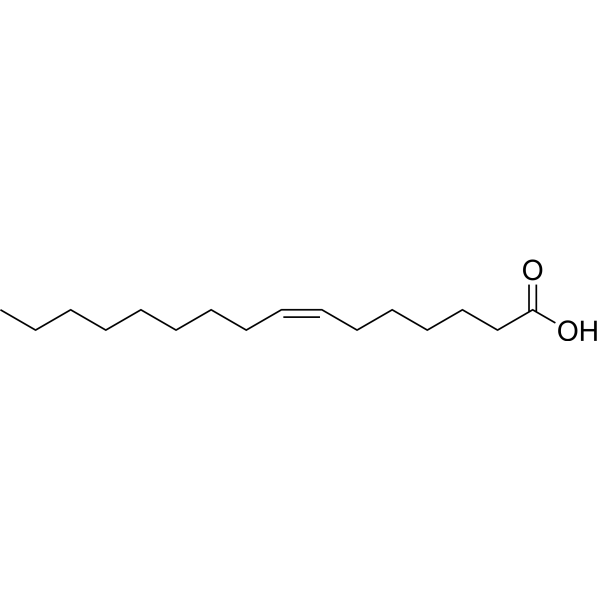
    Hypogeic acid is a fatty acid and endogenous metabolite, with a concentration of 50 mg/mL in ethanol. The plasma level of Hypogeic acid is negatively correlated with the prevalence of interstitial lung disease in idiopathic inflammatory myopathy. Hypogeic acid can be used in studies related to idiopathic inflammatory myopathy .
    Hypogeic acid (50mg/ml in ethanol)
  • HY-W015882
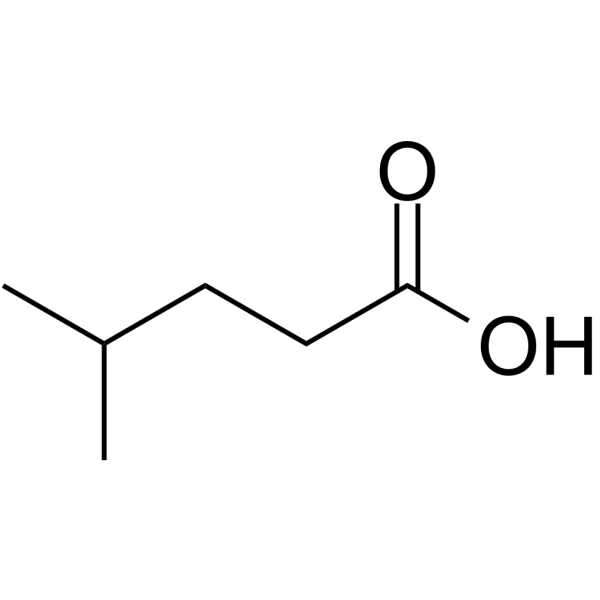
    4-Methylpentanoic acid
    1 Publications Verification

    Isocaproic acid

    Drug Metabolite Neurological Disease Metabolic Disease
    4-Methylpentanoic acid (Isocaproic Acid) is a short-chain fatty acid and a metabolite of 20 α-hydroxycholesterol (HY-12316) that can be detected in feces. The concentration of 4-Methylpentanoic acid is closely associated with several diseases, such as depression. 4-Methylpentanoic acid is also applicable to studies on cholesterol metabolism .
    4-Methylpentanoic acid
  • HY-124370

    9Z,11E-CLA; Methyl 9(Z),11(E)-octadecadienoate; (9Z,11E)-SFE 19:2

    Endogenous Metabolite Cardiovascular Disease Cancer
    9 (Z),11 (E)-Conjugated linoleic acid methyl ester (9Z,11E-CLA; Methyl 9 (Z),11 (E)-octadecadienoate; (9Z,11E)-SFE 19:2) is an isomer of Linoleic acid (HY-N0729), and is a conjugated linoleic acid mainly found in meat and dairy products. Conjugated linoleic acid is a bioactive fatty acid that improves body composition, enhances immune system function, and exhibits anti-cancer and anti-atherosclerotic effects .
    9(Z),11(E)-Conjugated linoleic acid methyl ester
  • HY-30216

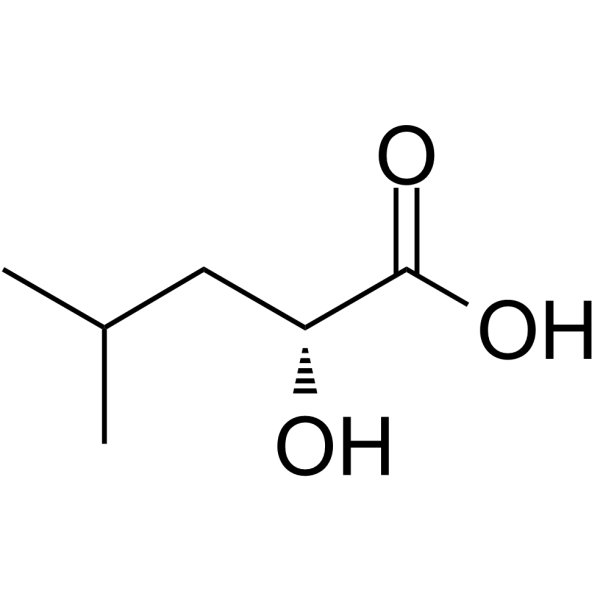
    D-α-Hydroxyisocaproic acid

    Amino Acid Derivatives Endogenous Metabolite Metabolic Disease
    (R)-Leucic acid (D-α-Hydroxyisocaproic acid) is an orally active D-isomer of the α-hydroxy analogue of Leucine (HY-N0486). (R)-Leucic acid is a metabolite of Lactobacillus and can promote intestinal fatty acid absorption by upregulating CD36 expression. (R)-Leucic acid can be used to study microbe-host interactions and the regulation of lipid metabolism by probiotics .
    (R)-Leucic acid
  • HY-W008097

    Endogenous Metabolite Drug Intermediate Metabolic Disease
    3,3-Dimethylglutaric acid, a member of methyl-branched fatty acids, is a endogenous metabolite occasionally found in human urine. 3,3-Dimethylglutaric acid can be used as a ligand to synthesize metal complexes .
    3,3-Dimethylglutaric acid
  • HY-W011398

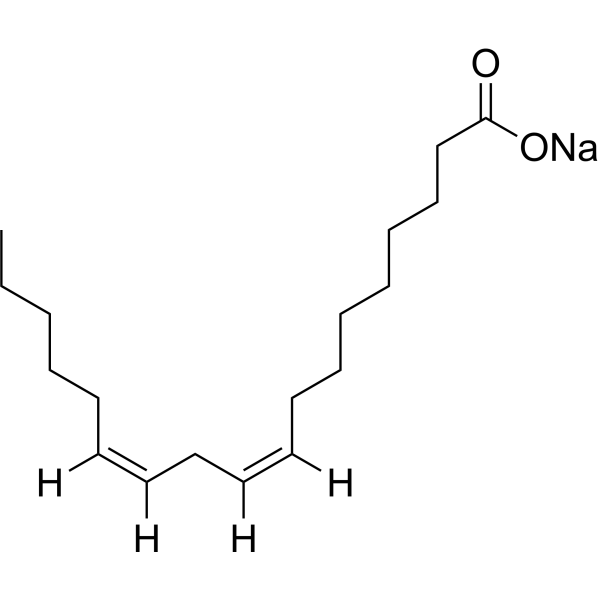
    Environmental Pollutants Interleukin Related Apoptosis Parasite JNK NF-κB Metabolic Disease Inflammation/Immunology Cancer
    Linoleate sodium is an orally active IL8 regulator via the JNK and NF-κB pathway. Linoleate sodium can change the composition of fatty acids and the production of metabolites in cells. Linoleate sodium has anti-inflammatory, immune-regulating, and tumor cell growth-affecting activities .
    Linoleate sodium
  • HY-133178

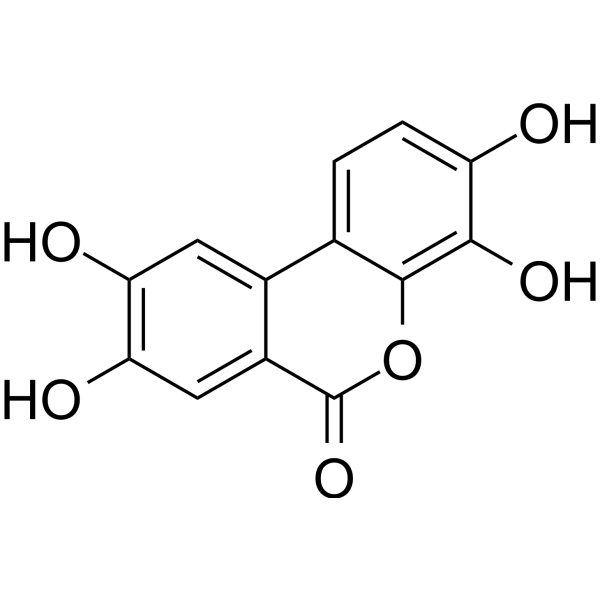
    3,4,8,9-Tetrahydroxy urolithin

    Ephrin Receptor PPAR AMPK Metabolic Disease Inflammation/Immunology Cancer
    Urolithin D (3,4,8,9-Tetrahydroxy urolithin) is a colonic metabolite of Ellagitannins and a competitive, reversible, and selective antagonist of the EphA receptor. Urolithin D inhibits EphA2-ephrin-A1 binding with an IC50 of 0.9 μM. Urolithin D is also a potent antioxidant that scavenges free radicals and repairs oxidized DNA damage. Additionally, Urolithin D suppresses triglyceride accumulation and promotes fatty acid oxidation by activating the AMPK signaling pathway. Urolithin D can be used for research on tumors, metabolic, and inflammatory diseases .
    Urolithin D
  • HY-116538
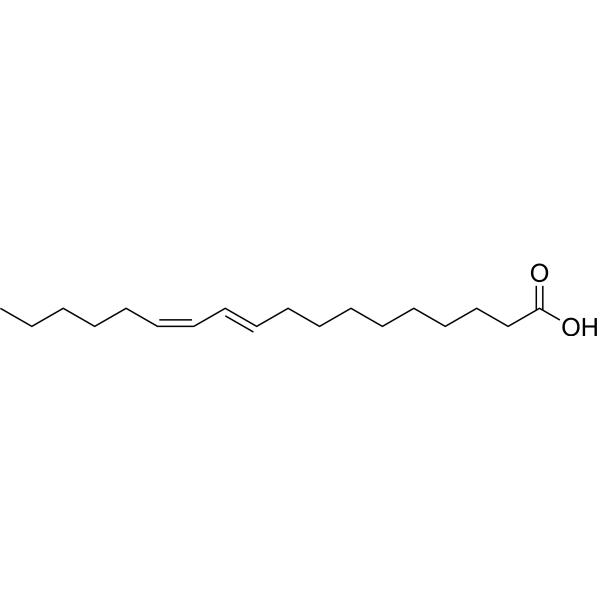
    (10E,12Z)-Octadeca-10,12-dienoic acid
    1 Publications Verification

    trans-10,cis-12 CLA2

    Endogenous Metabolite PPAR NF-κB Stearoyl-CoA Desaturase (SCD) Lipase Metabolic Disease Inflammation/Immunology Cancer
    (10E,12Z)-Octadeca-10,12-dienoic acid (trans-10,cis-12 CLA2) is an orally active PPARα activator and inhibits adipocyte differentiation. (10E,12Z)-Octadeca-10,12-dienoic acid and its downstream metabolites have various antioxidant and antitumor activities. (10E,12Z)-Octadeca-10,12-dienoic acid can induce proinflammatory cytokines and chemokines, which would lead to decreased adipogenesis and insulin resistance in adipose tissue. (10E,12Z)-Octadeca-10,12-dienoic acid can affect many aspects of milk fat synthesis. (10E,12Z)-Octadeca-10,12-dienoic acid reduces expression of lipogenic enzymes and inhibits the desaturation of fatty acids. (10E,12Z)-Octadeca-10,12-dienoic acid can reduce lipoprotein lipase (LPL) activity in cultured 3T3-L1 adipocytes and enhance triacylglycerol release from these cells. (10E,12Z)-Octadeca-10,12-dienoic acid decreases the expression of hepatic stearoyl-CoA desatyrase mRNA in mice. (10E,12Z)-Octadeca-10,12-dienoic acid is associated with changes in mucosal NF-κB and Cyclin D1 protein levels in mice .
    (10E,12Z)-Octadeca-10,12-dienoic acid
  • HY-142105

    2-Ethyl-2-hydroxybutyric acid

    Endogenous Metabolite Metabolic Disease
    2-Ethyl-2-hydroxybutanoic acid (2-Ethyl-2-hydroxybutyric acid) is a hydroxy fatty acid. 2-Ethyl-2-hydroxybutanoic is a metabolite of DEHP (HY-B1945) .
    2-Ethyl-2-hydroxybutanoic acid
  • HY-113147B
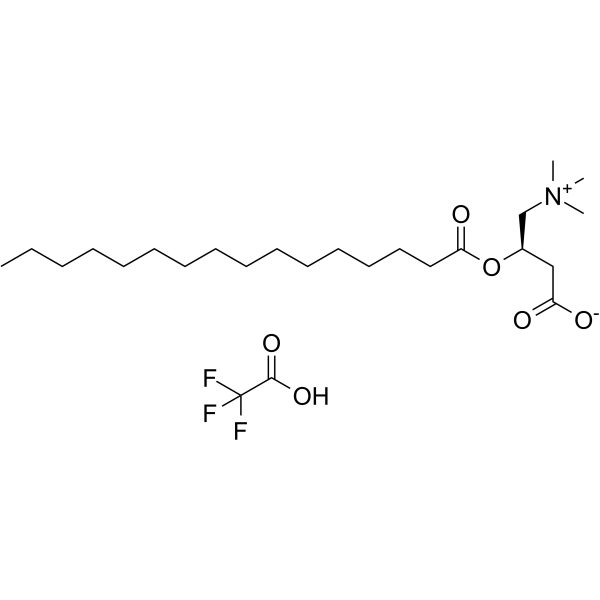
    L-Palmitoylcarnitine TFA
    2 Publications Verification

    Endogenous Metabolite Potassium Channel Cardiovascular Disease Metabolic Disease
    L-Palmitoylcarnitine TFA, a long-chain acylcarnitine and a fatty acid metabolite, accumulates in the sarcolemma and deranges the membrane lipid environment during ischaemia. L-Palmitoylcarnitine TFA inhibits KATP channel activity, without affecting the single channel conductance, through interaction with Kir6.2 .
    L-Palmitoylcarnitine TFA
  • HY-113367

    Endogenous Metabolite Metabolic Disease
    Suberylglycine is an acyl glycine, which is a normally minor metabolite of fatty acid.
    Suberylglycine
  • HY-W011819S

    Endogenous Metabolite Metabolic Disease
    Tetradecanedioic acid-d24 is the deuterium labeled Tetradecanedioic acid . Tetradecanedioic acid is an endogenous metabolite and belongs to the class of organic compounds known as long-chain fatty acids. Tetradecanedioic acid can act as a candidate biomarker for organic anion-transporting polypeptide mediated agent-agent interactions .
    Tetradecanedioic acid-d24
  • HY-112948

    Endogenous Metabolite Metabolic Disease
    2-Methylbutyrylcarnitine is a fatty acid metabolite. 2-Methylbutyrylcarnitine is found mainly in the blood and urine of humans and animals and is produced through the pyruvate carboxylation pathway. 2-Methylbutyrylcarnitine exhibits high level in the plasma of subjects with steatohepatitis (NASH) and can be used as an indicator for the diagnosis of metabolic diseases .
    2-Methylbutyrylcarnitine
  • HY-113111

    Drug Metabolite Inflammation/Immunology
    11,12-DiHETrE is a dihydroxy fatty acid metabolite of Arachidonic Acid (HY-109590). 11,12-DiHETrE is converted to 11,12-DiHETrE under elevated soluble epoxide hydrolase (sEH) activity, a process closely related to inflammation and oxidative stress. 11,12-DiHETrE can serve as a single biomarker to differentiate between NAFL (non-alcoholic fatty liver disease) and NASH (non-alcoholic steatohepatitis). 11,12-DiHETrE can be used in studies on preterm birth, autism, and pulmonary hypertension .
    11,12-DiHETrE
  • HY-128421

    Brassylic acid

    Endogenous Metabolite Parasite Infection Metabolic Disease
    Tridecanedioic acid is an endogenous metabolite. Tridecanedioic acid is an endogenous metabolite. Tridecanedioic acid is related to the metabolic regulation of non-alcoholic fatty liver disease (NASH) and may be an important node molecule in the intestinal microbiota-host metabolism interaction network. Tridecanedioic acid is significantly accumulated in tolerant cabbage-type rapeseed varieties and has a lower content in sensitive varieties. It plays an important role in the defense response against the infection of the small cabbage moth (Plutella xylostella). Tridecanedioic acid can be used as a biomarker for plant insect resistance or a diagnostic marker for metabolic diseases .
    Tridecanedioic acid
  • HY-17639

    RX-10045

    Biochemical Assay Reagents Inflammation/Immunology
    Navamepent is an analog of naturally occurring resolvin E1 (a major dietary omega-3 polyunsaturated fatty-acid metabolite) with potent anti-inflammatory and cell survival benefits. Navamepent is highly effective against dry eye and goblet cell loss thereby accelerating tear production. Also, Navamepent can reduce corneal inflammation, epithelial damage, and accelerate corneal tissue repair. In addition, Navamepent can inhibit the release of several key proinflammatory mediators from corneal epithelial cells. Navamepent is a click chemistry reagent, it contains an Alkyne group and can undergo copper-catalyzed azide-alkyne cycloaddition (CuAAc) with molecules containing Azide groups.
    Navamepent
  • HY-100978

    DL-Hexanoylcarnitine chloride

    Endogenous Metabolite Metabolic Disease
    (±)-Hexanoylcarnitine chloride is a fatty acid metabolite that breaks down fatty acids into energy that can be used by the body. (±)-Hexanoylcarnitine chloride also serves as a specific and easily detectable biomarker for rat skeletal muscle toxicity. Cerivastatin (HY-129458) and TMPD (HY-W012145) induce an increase in Hexanoylcarnitine in rats in a metabolomic analysis of the rectus femoris muscle. In type 2 diabetes, Hexanoylcarnitine is also significantly associated with and improves prediction of all-cause mortality. Hexanoylcarnitine is a biomarker for the identification of novel pathogenic pathways .
    (±)-Hexanoylcarnitine chloride
  • HY-W270810

    Nuclear Hormone Receptor 4A/NR4A Cancer
    NR4A agonist-1, a fatty acid mimetic (FAM), is a potent NR4A agonist. NR4A agonist-1 exhibits high agonist potency on NR4A receptors Nurr1, Nur77, and NOR-1, with EC50s of 0.09 μM, 0.04 μM, and 0.15 μM, respectively .
    NR4A agonist-1
  • HY-113069

    Endogenous Metabolite Metabolic Disease
    Decanoylcarnitine is a fatty ester lipid and an acylcarnitine derivative, which is a metabolite associated with impaired fatty acid metabolism in the elderly population .
    Decanoylcarnitine
  • HY-W018392S

    MEHP-d4; Phthalic acid mono-2-ethylhexyl ester-d4

    Isotope-Labeled Compounds Endogenous Metabolite Metabolic Disease
    Mono-(2-ethylhexyl) phthalate-d4 is a deuterium labeled Mono-(2-ethylhexyl) phthalate (HY-W018392). Mono-(2-ethylhexyl) phthalate (MEHP) is a major bioactive metabolite of diethylhexyl phthalate (DEHP). Mono-(2-ethylhexyl) phthalate can promote fatty acid synthesis in hepatocytes by regulating the expression of relevant genes and proteins, contributing to non-alcoholic fatty liver disease (NAFLD) .
    Mono-(2-ethylhexyl) phthalate-d4
  • HY-W587772

    MEHHTP

    Drug Metabolite Metabolic Disease
    Mono (2-ethyl-5-hydroxyhexyl) terephthalate (MEHHTP), a hydroxyl metabolite of the phthalate alternative Di-2-ethylhexyl terephthalate (DEHTP), is a liver X receptor α (LXRα) agonist with a binding energy of -7.41 kcal/mol. Mono (2-ethyl-5-hydroxyhexyl) terephthalate upregulates LXRα downstream targets such as SREBP-1c and FASN and increases lipogenic enzyme activity in hepatocytes, and elevating triglyceride (TG) levels. Mono (2-ethyl-5-hydroxyhexyl) terephthalate is promising for research of nonalcoholic fatty liver disease (NAFLD) .
    Mono(2-ethyl-5-hydroxyhexyl) terephthalate
  • HY-113040A

    17(R),18(S)-EETeTr

    Calcium Channel Cardiovascular Disease
    (17R,18S)-Epoxyeicosatetraenoic acid (17 (R),18 (S)-EETeTr) is a physiologically active fatty acid metabolite and also a vasodilator targeting BKα. (17R,18S)-Epoxyeicosatetraenoic acid activates the outward potassium current mediated by BK channels, and this effect is independent of the BKβ1 subunit, intracellular/extracellular calcium levels, and sarcoplasmic reticulum calcium release regulated by RyR3. (17R,18S)-Epoxyeicosatetraenoic acid is produced by the epoxidation of eicosapentaenoic acid mediated by CYP1A1 variants. (17R,18S)-Epoxyeicosatetraenoic acid is applicable to research related to arrhythmia .
    (17R,18S)-Epoxyeicosatetraenoic acid
  • HY-113943A

    (±)9-HETE

    Endogenous Metabolite Others
    9-HETE, a monohydroxy fatty acid, is the lipoxygenase metabolite of arachidonic acid (HY-109590) .
    9-HETE
  • HY-126995R

    Reference Standards Endogenous Metabolite Metabolic Disease
    Glycohyodeoxycholic acid (Standard) is the analytical standard of Glycohyodeoxycholic acid. This product is intended for research and analytical applications. Glycohyodeoxycholic acid is a glycine-conjugated bile acid and also a metabolite of Hyodeoxycholic acid (HY-N0169). The serum level of Glycohyodeoxycholic acid is negatively correlated with the severity of non-alcoholic fatty liver disease. Glycohyodeoxycholic acid can be used in research related to non-alcoholic fatty liver disease.
    Glycohyodeoxycholic acid (Standard)
  • HY-W015882S

    Isocaproic acid-d12

    Isotope-Labeled Compounds Drug Metabolite Neurological Disease Metabolic Disease
    4-Methylpentanoic acid-d12 (Isocaproic Acid-d12) is the deuterium labeled 4-Methylpentanoic acid. 4-Methylpentanoic acid is a short-chain fatty acid and a metabolite of 20 α-hydroxycholesterol (HY-12316) that can be detected in feces. The concentration of 4-Methylpentanoic acid is closely associated with several diseases, such as depression. 4-Methylpentanoic acid is also applicable to studies on cholesterol metabolism.
    4-Methylpentanoic acid-d12
  • HY-W751418

    (Z)-2-tetracos-15-enamidoethanesulfonic acid

    FAAH Neurological Disease
    N-Nervonoyl taurine ((Z)-2-tetracos-15-enamidoethanesulfonic acid) is a fatty acid-taurine conjugate derived from nervonic acid. N-Nervonoyl taurine is a substrate of fatty acid amide hydrolase (FAAH) discovered during metabolite profiling .
    N-Nervonoyl taurine
  • HY-130060

    PKA Integrin Cardiovascular Disease
    12(S)-HETrE is a fatty acid metabolite that inhibits platelet aggregation. 12(S)-HETrE can be used in thrombosis-related research .
    12(S)-HETrE
  • HY-113261S

    Isotope-Labeled Compounds Endogenous Metabolite Metabolic Disease Cancer
    Oleoylcarnitine-d9 is deuterium labeled Oleoylcarnitine. Oleoylcarnitine, the metabolite which accumulates through suppression of fatty acid β-oxidation, can enhance hepatocarcinogenesis via STAT3 activation .
    Oleoylcarnitine-d9
  • HY-W015882R

    Isocaproic acid (Standard)

    Endogenous Metabolite Reference Standards Metabolic Disease
    4-Methylpentanoic acid (Isocaproic acid) (Standard) is an analytical standard form of 4-Methylpentanoic acid (HY-W015882). This product is intended for research and analytical applications. 4-Methylpentanoic acid (Isocaproic Acid) is a short-chain fatty acid, an endogenous metabolite, and a metabolite of 20 α-hydroxycholesterol (HY-12316), which can be found in feces. The concentration of 4-Methylpentanoic acid is closely related to some diseases, such as depression. 4-Methylpentanoic acid can also be used in the research of cholesterol metabolism .
    4-Methylpentanoic acid (Standard)
  • HY-W740611

    Drug Intermediate Inflammation/Immunology
    Trihydroxycoprostane (THCP) is a polyhydroxysterane compound with a 5β configuration. ITrihydroxycoprostane acts as a key intermediate in the biosynthesis of bile acids from cholesterol and also serves as an important sterol metabolite generated by host-gut microbiota interactions. Trihydroxycoprostane can be used for mechanistic studies of diseases such as non-alcoholic fatty liver disease, inflammatory bowel disease, and bile acid metabolism disorders .
    Trihydroxycoprostane
  • HY-128421R

    Brassylic acid (Standard)

    Reference Standards Endogenous Metabolite Parasite Infection Metabolic Disease
    Tridecanedioic acid (Standard) is the analytical standard of Tridecanedioic acid (HY-128421). This product is intended for research and analytical applications. Tridecanedioic acid is an endogenous metabolite. Tridecanedioic acid is an endogenous metabolite. Tridecanedioic acid is related to the metabolic regulation of non-alcoholic fatty liver disease (NASH) and may be an important node molecule in the intestinal microbiota-host metabolism interaction network. Tridecanedioic acid is significantly accumulated in tolerant cabbage-type rapeseed varieties and has a lower content in sensitive varieties. It plays an important role in the defense response against the infection of the small cabbage moth (Plutella xylostella). Tridecanedioic acid can be used as a biomarker for plant insect resistance or a diagnostic marker for metabolic diseases.
    Tridecanedioic acid (Standard)
  • HY-W015882S1

    Isotope-Labeled Compounds Drug Metabolite Neurological Disease Metabolic Disease
    4-Methylpentanoic acid-d11 (Isocaproic Acid-d11) is the deuterium labeled 4-Methylpentanoic acid. 4-Methylpentanoic acid is a short-chain fatty acid and a metabolite of 20 α-hydroxycholesterol (HY-12316) that can be detected in feces. The concentration of 4-Methylpentanoic acid is closely associated with several diseases, such as depression. 4-Methylpentanoic acid is also applicable to studies on cholesterol metabolism.
    4-Methylpentanoic acid-d11
  • HY-W018392R

    MEHP (Standard); Phthalic acid mono-2-ethylhexyl ester (Standard)

    Reference Standards Endogenous Metabolite Metabolic Disease
    Mono-(2-ethylhexyl) phthalate (Standard) is the analytical standard of Mono-(2-ethylhexyl) phthalate. This product is intended for research and analytical applications. Mono-(2-ethylhexyl) phthalate (MEHP) is a major bioactive metabolite of diethylhexyl phthalate (DEHP). Mono-(2-ethylhexyl) phthalate can promote fatty acid synthesis in hepatocytes by regulating the expression of relevant genes and proteins, contributing to non-alcoholic fatty liver disease (NAFLD) .
    Mono-(2-ethylhexyl) phthalate (Standard)
  • HY-113202S

    Isotope-Labeled Compounds Endogenous Metabolite PKC GlyT Neurological Disease Metabolic Disease
    Stearoyl-L-carnitine-d3 is the deuterium labeled Stearoylcarnitine. Stearoylcarnitine, a fatty ester lipid molecule, is an endogenous metabolite. Stearoylcarnitine can be used as PKC inhibitor. Stearoylcarnitine accumulates in β cells, leading to arrest of insulin synthesis and energy deficiency in type 2 diabetes mouse. Stearoylcarnitine inhibits lecithin cholesterol acyltransferase (LCAT) in rat and rabbits plasma. Stearoylcarnitine acts as a metabolomics biomarker for Parkinson’s disease. Stearoylcarnitine is a less potent inhibitor of GlyT2 .
    Stearoyl-L-carnitine-d3
  • HY-113943

    Endogenous Metabolite Others
    9(S)-HETE is the S isomer of 9-HETE (HY-113943A). 9-HETE, a monohydroxy fatty acid, is the lipoxygenase metabolite of arachidonic acid (HY-109590) .
    9(S)-HETE
  • HY-113147AR

    Reference Standards Potassium Channel Endogenous Metabolite Cardiovascular Disease Metabolic Disease
    L-Palmitoylcarnitine (chloride) (Standard) is the analytical standard of L-Palmitoylcarnitine (chloride). This product is intended for research and analytical applications. L-Palmitoylcarnitine chloride, a long-chain acylcarnitine and a fatty acid metabolite, accumulates in the sarcolemma and deranges the membrane lipid environment during ischaemia. L-Palmitoylcarnitine chloride inhibits KATP channel activity, without affecting the single channel conductance, through interaction with Kir6.2[1].
    L-Palmitoylcarnitine chloride (Standard)
  • HY-W008097R

    Reference Standards Endogenous Metabolite Drug Intermediate Metabolic Disease
    3,3-Dimethylglutaric acid (Standard) is the analytical standard of 3,3-Dimethylglutaric acid (HY-W008097). This product is intended for research and analytical applications. 3,3-Dimethylglutaric acid is a type of methyl-branching fatty acid and is an occasional endogenous metabolite found in human urine. 3,3-Dimethylglutaric acid can be used as a ligand to synthesize metal complexes.
    3,3-Dimethylglutaric acid (Standard)
  • HY-135035R

    (-)-Decanoylcarnitine (Standard)

    Endogenous Metabolite Reference Standards Metabolic Disease Cancer
    Decanoyl-L-carnitine ((-)-Decanoylcarnitine) (Standard) is the analytical standard of Decanoyl-L-carnitine (HY-135035). This product is intended for research and analytical applications. Decanoyl-L-carnitine is an endogenous metabolite. Decanoyl-L-carnitine can be used as a serum metabolic biomarkers as indicators in the progression of intravenous leiomyomatosis .
    Decanoyl-L-carnitine (Standard)

オンラインお問い合わせ

入力情報は安全に管理されます. 必須入力項目.

タイトル


国或いは地域 *

お名前 *


組纖名 *

デパートメント *


メールアドレス *


製品名 *

製品番号


カスタマ需要量 *

電話番号 *


必ず会社名を記載ください。個人への返信は行いません。

備考

バルクお問い合わせ

Inquiry Information

製品名:
製品番号:
数量:
MCE 日本正規代理店:

