1. Search Result
Search Result
Results for "

flavo

" in MedChemExpress (MCE) Product Catalog:

43

Inhibitors & Agonists

3

Screening Libraries

27

Natural
Products

4

Recombinant Proteins

2

Isotope-Labeled Compounds

3

Antibodies

Cat. No. Product Name Target Research Areas Chemical Structure
  • HY-10005
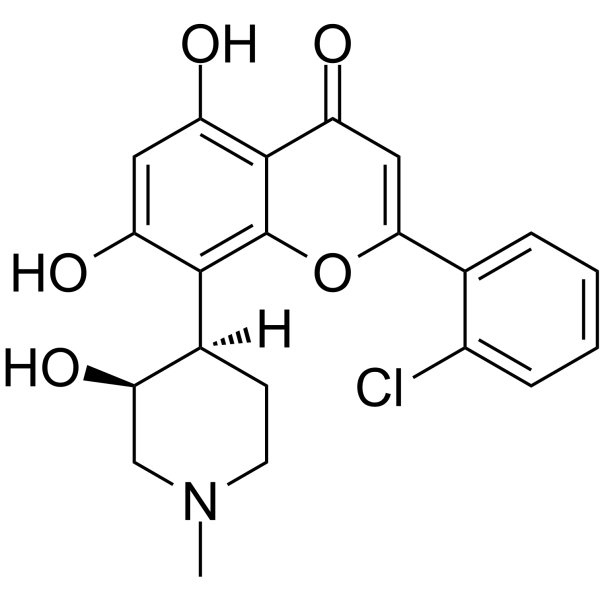
    Flavopiridol
    Maximum Cited Publications
    52 Publications Verification

    HMR-1275; Alvocidib; L86-8275

    CDK Autophagy HIV Apoptosis Cancer
    Flavopiridol (Alvocidib) is a broad spectrum and competitive inhibitor of CDKs, inhibiting CDK1, CDK2, CDK4 with IC50s of 30, 170, 100 nM, respectively.
    Flavopiridol
  • HY-N0183
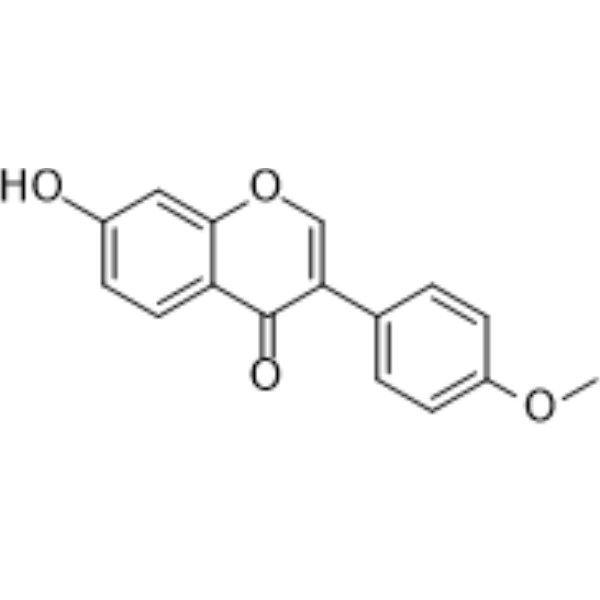
    Formononetin
    Maximum Cited Publications
    24 Publications Verification

    Biochanin B; flavosil; Formononetol

    FGFR Apoptosis Cardiovascular Disease Cancer
    Formononetin is a potent FGFR2 inhibitor with an IC50 of ~4.31 μM. Formononetin potently inhibits angiogenesis and tumor growth .
    Formononetin
  • HY-10006
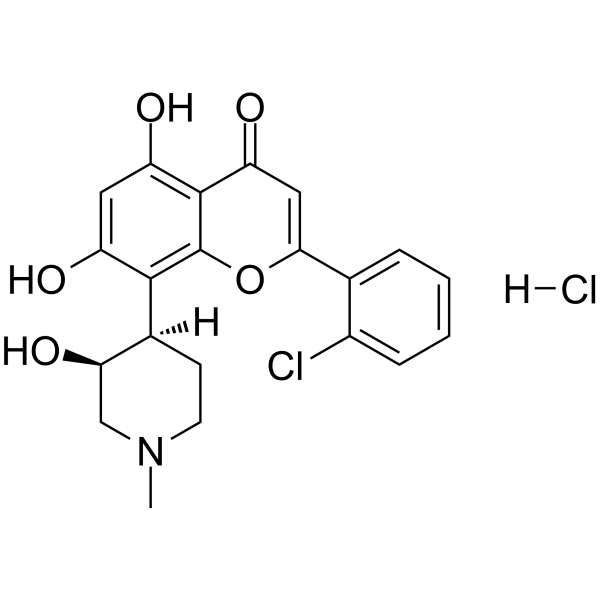
    Flavopiridol Hydrochloride
    Maximum Cited Publications
    52 Publications Verification

    Alvocidib Hydrochloride; L86-8275 Hydrochloride; HMR-1275 Hydrochloride

    CDK Autophagy HIV Cancer
    Flavopiridol Hydrochloride (Alvocidib Hydrochloride) is a broad inhibitor of CDK, competing with ATP to inhibit CDKs including CDK1, CDK2, CDK4 with IC50s of 30, 170, 100 nM, respectively.
    Flavopiridol Hydrochloride
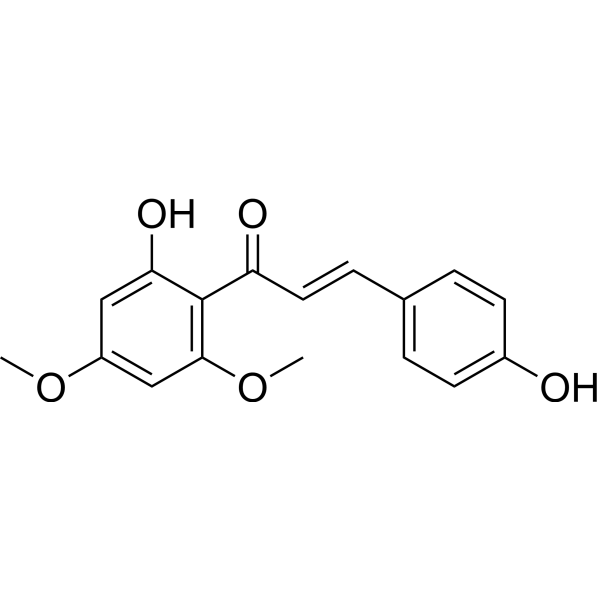
  • HY-N2420
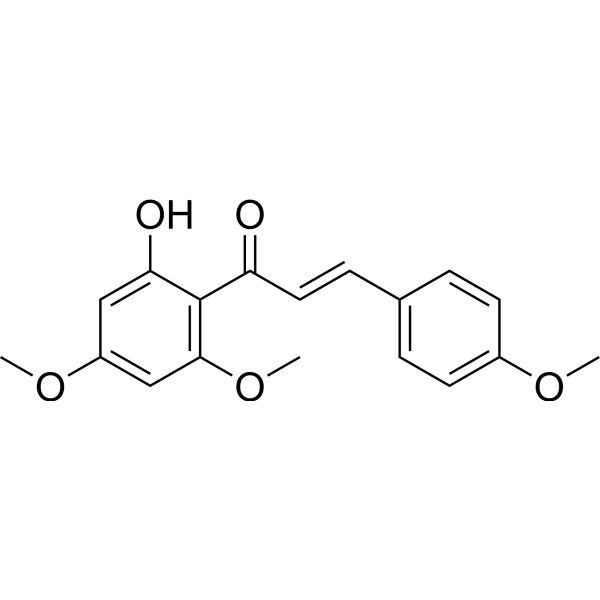
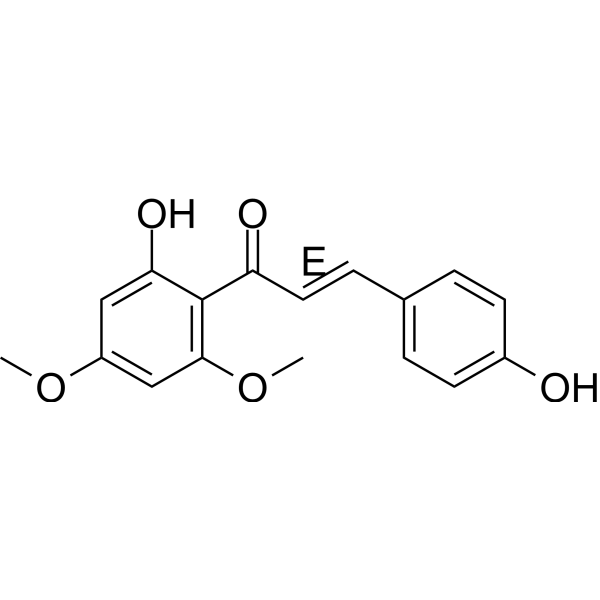
    Flavokawain A
    2 Publications Verification

    Apoptosis Histone Methyltransferase Cytochrome P450 Caspase Survivin IAP p38 MAPK PI3K NO Synthase COX JNK ERK Akt Inflammation/Immunology Cancer
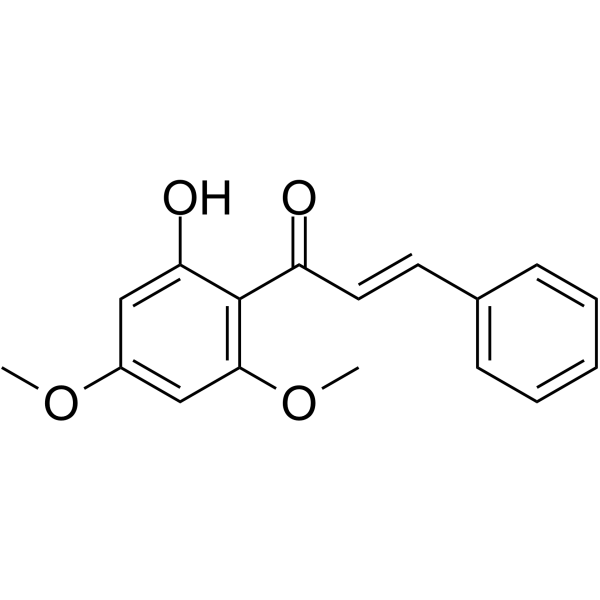
    Flavokawain A is a chalcone compound and an orally active inhibitor of PRMT5 and cytochrome P450. Flavokawain A has anti-inflammatory, anti-tumor, and immunomodulatory effects. Flavokawain A can inhibit the proliferation of tumor cells and induce apoptosis. Flavokawain A can be used in the research of diseases such as bladder cancer .
    Flavokawain A
  • HY-N2424

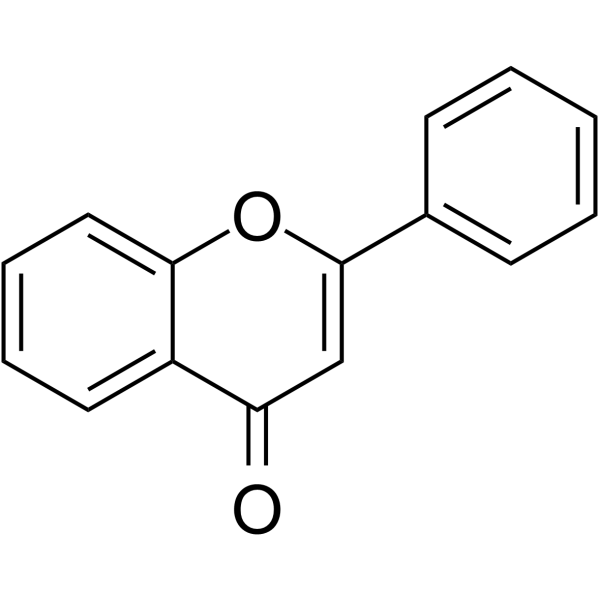
    2-Phenyl-4-chromone

    CDK Apoptosis Caspase Cancer
    Flavone is an anti-tumor compound that targets cell cycle regulatory proteins (such as cyclin B1) and apoptosis-related factors (such as p21waf1, PIG3). Flavone selectively induces mitochondrial-mediated apoptosis pathways in tumor cells, inhibits cyclin B1 protein expression, upregulates p21waf1, and activates p63/p73 proteins. Flavone has immunomodulatory functions that enhance natural killer cell (NK cell) activity and lymphocyte proliferation. Flavone is used in cancer research, especially for its inhibitory potential in solid tumor models such as esophageal cancer and liver cancer .
    Flavone
  • HY-B0549A

    Rec-7-0040; DW61

    Calcium Channel Adenosine Receptor mAChR Dopamine Receptor Adrenergic Receptor Cardiovascular Disease Infection Neurological Disease Cancer
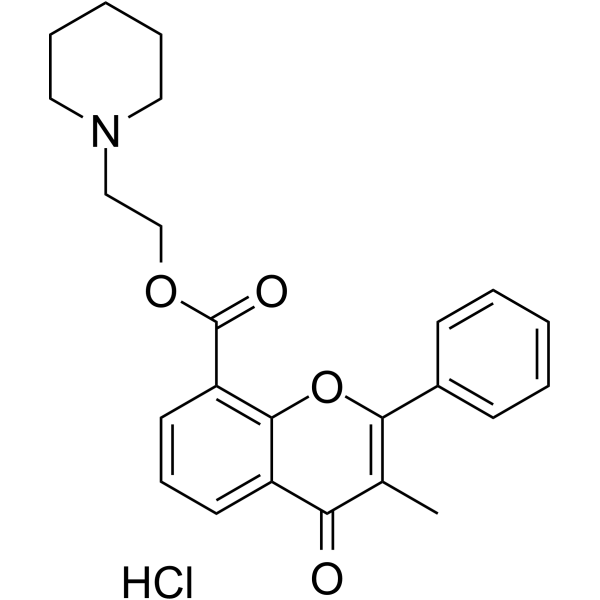
    Flavoxate hydrochloride (Rec-7-0040; DW61) is an orally active L-type Ca 2+ channel inhibitor and antispasmodic. Flavoxate hydrochloride inhibits cyclic adenosine monophosphate production by blocking voltage-dependent inward Ba 2+ currents, regulating the brainstem micturition center, and stimulating G protein-coupled receptors. Consequently, Flavoxate hydrochloride induces relaxation of bladder smooth muscle and inhibits isovolumetric rhythmic contractions. Flavoxate hydrochloride effectively increases bladder capacity and alleviates symptoms of urgent urination frequency and pollakiuria caused by overactive bladder. Flavoxate hydrochloride can be used in research on overactive bladder and related voiding dysfunctions .
    Flavoxate hydrochloride
  • HY-107825
    Flavonol
    2 Publications Verification

    Endogenous Metabolite Bacterial Cholinesterase (ChE) Cardiovascular Disease Metabolic Disease Inflammation/Immunology Cancer
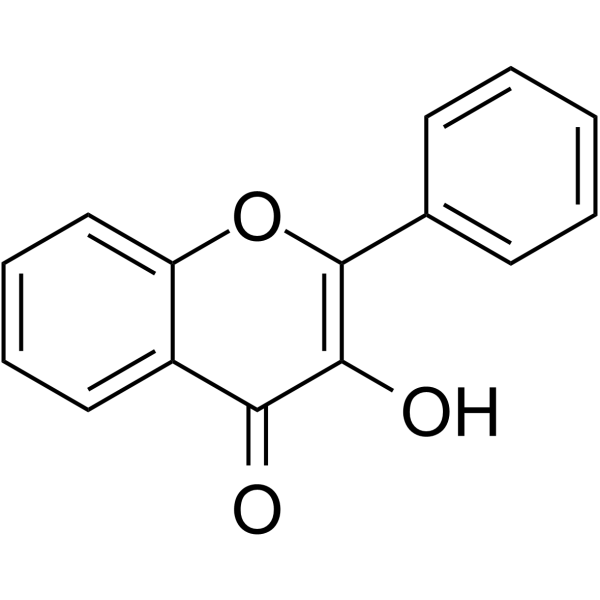
    Flavonol is a cholinesterase (ChE) inhibitor, with an IC50 value of 120 μM and a Ki value of 74 μM. Flavonol has antioxidant, free radical-scavenging, antibacterial properties, and immune modulation functions. Flavonol inhibits the PriA helicase of Staphylococcus aureus. Flavonol can suppress the production of NO in LPS-activated RAW 264.7 cells by inhibiting the expression of the iNOS enzyme. Flavonol shows protective and analgesic effects in mice through various neuronal pathways. Flavonol can be used in research related to tumors and atherosclerosis diseases .
    Flavonol
  • HY-N2132
    Flavokawain B
    2 Publications Verification

    flavokavain B

    Apoptosis Caspase PARP Bcl-2 Family NF-κB PI3K Akt p38 MAPK MMP Reactive Oxygen Species (ROS) Cardiovascular Disease Inflammation/Immunology Cancer
    Flavokawain B (Flavokavain B) is an orally active chalcone. Flavokawain B results in activation of caspase-9, -3 and -8, cleavage of PARP. Flavokawain B down-regulates Bcl-2 with concomitant increase in Bax level. Flavokawain B inhibits NF-κB, PI3K/Akt and MAPK signaling pathway. Flavokawain B exhibits Apoptotic effects. Flavokawain B inhibits MMP-9 and promotes ROS generation. Flavokawain B inhibits multiple tumors and inflammation .
    Flavokawain B
  • HY-N2445
    Flavokawain C
    4 Publications Verification

    Apoptosis Akt JNK PERK Caspase PARP MDM-2/p53 IAP Reactive Oxygen Species (ROS) SOD FABP Autophagy AMPK mTOR GLUT EGFR PI3K HSP VEGFR FAK Cancer
    Flavokawain C is an orally active natural chalcone. Flavokawain C inhibits the proliferation of various cancer cells. Flavokawain C upregulates GADD153 in cancer cells, inhibits the phosphorylation of Akt and JNK, suppresses early ERK phosphorylation, activates late ERK phosphorylation, activates caspase related subtypes, induces PARP-1 cleavage, causes upregulation of p21 and p27, downregulation of mutant p53 and anti-apoptotic IAP proteins, elevates intracellular ROS levels, reduces SOD activity, and induces apoptosis. Flavokawain C downregulates FABP4, induces autophagy in cancer cells, and activates the AMPK/mTOR pathway . Flavokawain C decreases the expression of glycolysis-related proteins GLUT1 and HK2, and inhibits glycolysis in nasopharyngeal carcinoma cells. Flavokawain C inhibits the activation of the EGFR/PI3K/Akt/mTOR signaling pathway and reduces the expression of HSP90B1. Flavokawain C inhibits angiogenesis by decreasing the expression of angiogenic proteins Ang-1 and VEGF in human umbilical vein endothelial cells. Flavokawain C increases γ-H2AX levels in cells, inhibits the phosphorylation of FAK, PI3K and AKT in cells, and induces DNA damage in cells. Flavokawain C exerts anti-tumor activity in multiple tumor xenograft mouse models. Flavokawain C is applicable to research related to colorectal cancer, colon adenocarcinoma, nephroblastoma, nasopharyngeal carcinoma and liver cancer .
    Flavokawain C
  • HY-N15351

    Fluorescent Dye Endogenous Metabolite Others
    Flavokermesic acid is an anthraquinone dye that can be detected in extracts of insects from the family Diaspididae, and it is a minor pigment component thereof. Flavokermesic acid can be used to investigate the biosynthetic pathways of insect-derived anthraquinone pigments .
    Flavokermesic acid
  • HY-22024
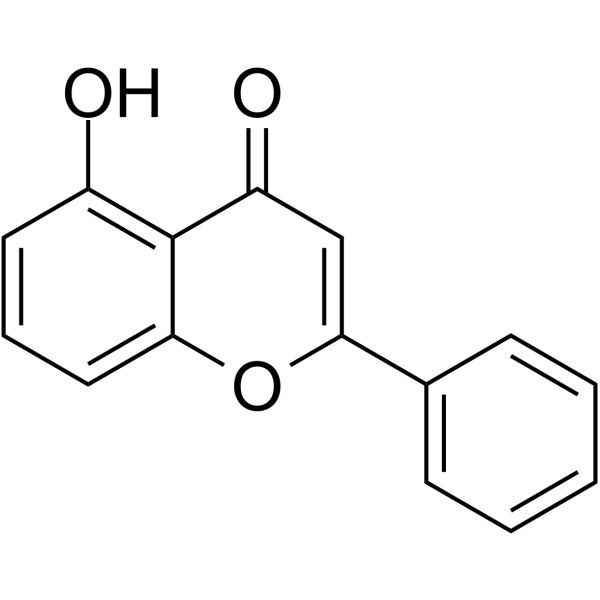
    5-Hydroxyflavone
    2 Publications Verification

    5-OH-flavone

    Cytochrome P450 Others
    5-Hydroxyflavone (5-OH-Flavone) is a flavonoid compound that undergoes oxidation-mediated conversion to 5,7-dihydroxyflavone and 5,6,7-trihydroxyflavone by human cytochrome P450 enzymes .
    5-Hydroxyflavone
  • HY-N5106
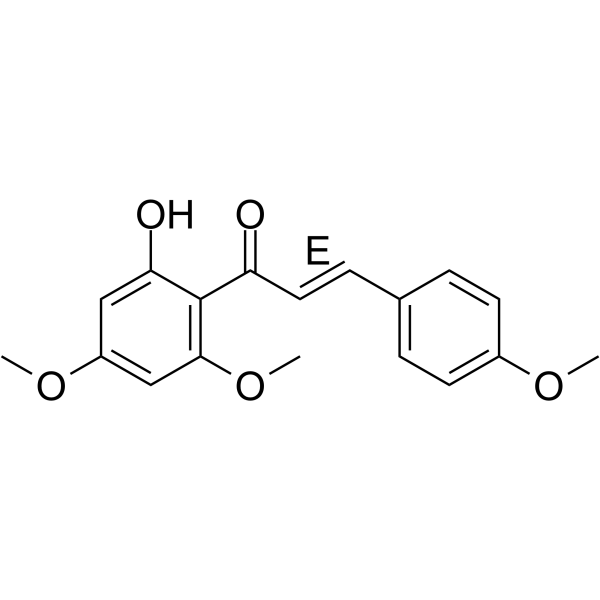
    (E)-Flavokawain A
    2 Publications Verification

    Apoptosis Cancer
    (E)-Flavokawain A, a chalcone extracted from Kava, has anticarcinogenic effect. (E)-Flavokawain A induces apoptosis in bladder cancer cells by involvement of bax protein-dependent and mitochondria-dependent apoptotic pathway and suppresses tumor growth in mice .
    (E)-Flavokawain A
  • HY-N0183R

    Biochanin B (Standard); flavosil (Standard); Formononetol (Standard)

    Reference Standards FGFR Apoptosis Cardiovascular Disease Cancer
    Formononetin (Standard) is the analytical standard of Formononetin. This product is intended for research and analytical applications. Formononetin is a potent FGFR2 inhibitor with an IC50 of ~4.31 μM. Formononetin potently inhibits angiogenesis and tumor growth .
    Formononetin (Standard)
  • HY-N2424R

    2-Phenyl-4-chromone (Standard)

    Reference Standards Endogenous Metabolite Metabolic Disease
    Flavone (Standard) is the analytical standard of Flavone. This product is intended for research and analytical applications. Flavone is an endogenous metabolite.
    Flavone (Standard)
  • HY-P2917B

    GyK, flavobacterium meningosepticum

    Endogenous Metabolite Metabolic Disease
    Glycerol kinase, Flavobacterium meningosepticum (GyK, Flavobacterium meningosepticum) is a thermostable glycerol kinase isolated from Flavobacterium meningosepticum. Glycerol kinase, Flavobacterium meningosepticum catalyzes the first step in glycerol metabolism by converting triol to glycerol-3-p (G3P). Glycerol kinase, Flavobacterium meningosepticum is essential for regulating glycerol uptake in cells that is independent of channels or facilitators and is useful for biochemical studies .
    Glycerol kinase, Flavobacterium meningosepticum
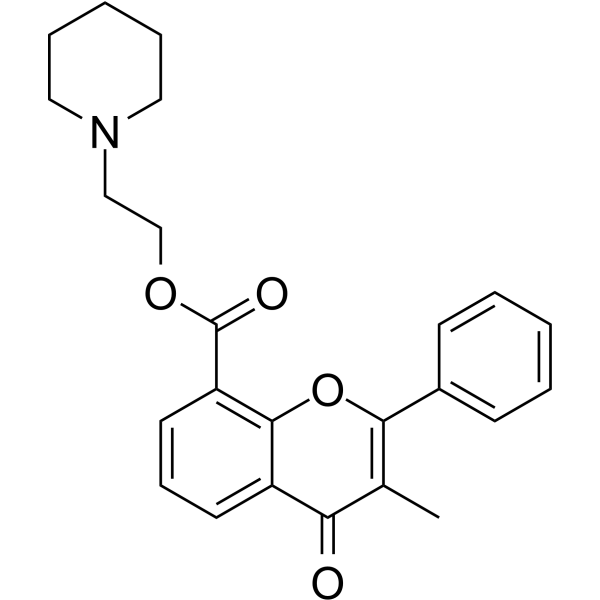
  • HY-B0549

    Rec-7-0040 free base; DW61 free base

    mAChR Calcium Channel Adrenergic Receptor Adenosine Receptor Dopamine Receptor Neurological Disease
    Flavoxate (Rec-7-0040 free base; DW61 free base) is an orally active L-type Ca 2+ channel inhibitor and antispasmodic. Flavoxate inhibits cyclic adenosine monophosphate production by blocking voltage-dependent inward Ba 2+ currents, regulating the brainstem micturition center, and stimulating G protein-coupled receptors. Consequently, Flavoxate induces relaxation of bladder smooth muscle and inhibits isovolumetric rhythmic contractions. Flavoxate effectively increases bladder capacity and alleviates symptoms of urgent urination frequency and pollakiuria caused by overactive bladder. Flavoxate can be used in research on overactive bladder and related voiding dysfunctions .
    Flavoxate
  • HY-B0549AR

    Rec-7-0040 (Standard); DW61 (Standard)

    Reference Standards mAChR Calcium Channel Adrenergic Receptor Adenosine Receptor Dopamine Receptor Neurological Disease
    Flavoxate (hydrochloride) (Standard) is the analytical standard of Flavoxate (hydrochloride). This product is intended for research and analytical applications. Flavoxate hydrochloride (Rec-7-0040; DW61) is an orally active L-type Ca 2+ channel inhibitor and antispasmodic. Flavoxate hydrochloride inhibits cyclic adenosine monophosphate production by blocking voltage-dependent inward Ba 2+ currents, regulating the brainstem micturition center, and stimulating G protein-coupled receptors. Consequently, Flavoxate hydrochloride induces relaxation of bladder smooth muscle and inhibits isovolumetric rhythmic contractions. Flavoxate hydrochloride effectively increases bladder capacity and alleviates symptoms of urgent urination frequency and pollakiuria caused by overactive bladder. Flavoxate hydrochloride can be used in research on overactive bladder and related voiding dysfunctions .
    Flavoxate hydrochloride (Standard)
  • HY-119340

    flavoneacetic acid

    Reactive Oxygen Species (ROS) Cancer
    Mitoflaxone (flavoneacetic acid) is a synthetic flavonoid compound with vascular targeting properties. Mitoflaxone exerts anti-proliferative effects on endothelial cells through a superoxide-dependent mechanism, this effect leads to changes in the permeability of tumor blood vessels, thereby exerting anti-tumor effects [1] [2] .
    Mitoflaxone
  • HY-N2420R

    Reference Standards Apoptosis Histone Methyltransferase Cytochrome P450 Caspase Survivin IAP p38 MAPK PI3K NO Synthase COX JNK ERK Akt Inflammation/Immunology Cancer
    Flavokawain A is a chalcone compound and an orally active inhibitor of PRMT5 and cytochrome P450. Flavokawain A has anti-inflammatory, anti-tumor, and immunomodulatory effects. Flavokawain A can inhibit the proliferation of tumor cells and induce apoptosis. Flavokawain A can be used in the research of diseases such as bladder cancer .
    Flavokawain A (Standard)
  • HY-N8656

    Others Others
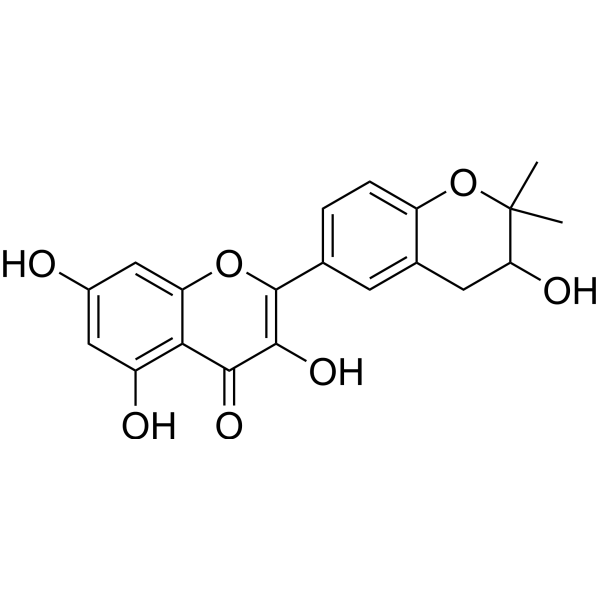
    Glycyrrhiza-flavonol A (compound 4) is a natural product of Glycyrrhiza, Fabaceae .
    Glycyrrhiza-flavonol A
  • HY-E70354

    Endogenous Metabolite Others
    Protease for flavors is a biocatalyst and a key enzyme in new biocatalyst technology. Enzyme engineering focuses on enhancing enzyme reaction kinetics, substrate selectivity, and activity under harsh conditions such as low or high pH. By introducing stimulus responsiveness to these enzyme modifications, dynamic control of activity is also possible .
    Protease for flavors
  • HY-N12959

    DDR

    PI3K Akt NF-κB Cancer
    5,4'-Dihydroxy-6,8-dimethoxy-7-O-rhamnosyl flavone (DDR) is an anticancer agent that can be extracted from Indigofera ovata. 5,4'-Dihydroxy-6,8-dimethoxy-7-O-rhamnosyl flavone can inhibit the PI3K/AKT and NF-кB pathways, inhibit the invasion and migration of cancer cells, and has anticancer activity .
    5,4'-Dihydroxy-6,8-dimethoxy-7-O-rhamnosyl flavone
  • HY-B0549S

    Isotope-Labeled Compounds mAChR Calcium Channel Adrenergic Receptor Adenosine Receptor Dopamine Receptor Others
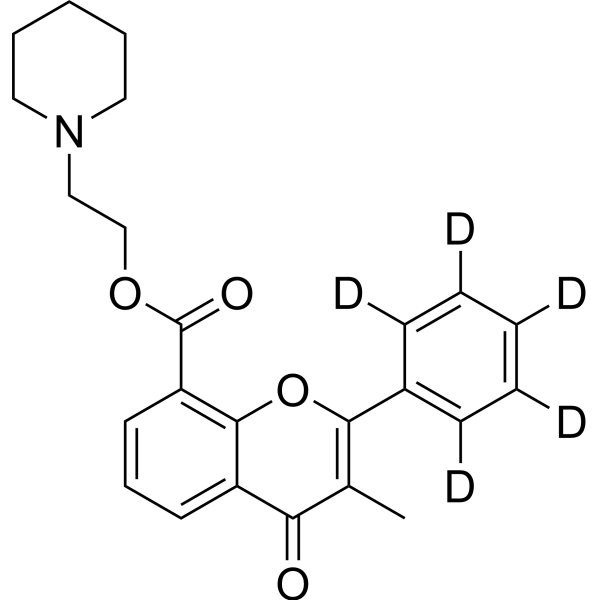
    Flavoxate-d5 is deuterium labeled Flavoxate. Flavoxate hydrochloride (Rec-7-0040; DW61) is an orally active L-type Ca 2+ channel inhibitor and antispasmodic. Flavoxate hydrochloride inhibits cyclic adenosine monophosphate production by blocking voltage-dependent inward Ba 2+ currents, regulating the brainstem micturition center, and stimulating G protein-coupled receptors. Consequently, Flavoxate hydrochloride induces relaxation of bladder smooth muscle and inhibits isovolumetric rhythmic contractions. Flavoxate hydrochloride effectively increases bladder capacity and alleviates symptoms of urgent urination frequency and pollakiuria caused by overactive bladder. Flavoxate hydrochloride can be used in research on overactive bladder and related voiding dysfunctions .
    Flavoxate-d5
  • HY-B0549AS

    Isotope-Labeled Compounds mAChR Calcium Channel Adrenergic Receptor Adenosine Receptor Dopamine Receptor Neurological Disease
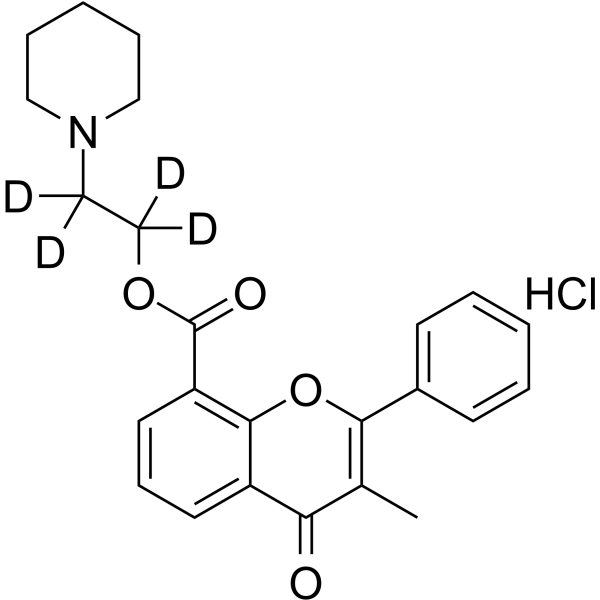
    Flavoxate-d4 hydrochloride (Rec-7-0040-d4) is the deuterium labeled Flavoxate hydrochloride. Flavoxate hydrochloride (Rec-7-0040; DW61) is an orally active L-type Ca 2+ channel inhibitor and antispasmodic. Flavoxate hydrochloride inhibits cyclic adenosine monophosphate production by blocking voltage-dependent inward Ba 2+ currents, regulating the brainstem micturition center, and stimulating G protein-coupled receptors. Consequently, Flavoxate hydrochloride induces relaxation of bladder smooth muscle and inhibits isovolumetric rhythmic contractions. Flavoxate hydrochloride effectively increases bladder capacity and alleviates symptoms of urgent urination frequency and pollakiuria caused by overactive bladder. Flavoxate hydrochloride can be used in research on overactive bladder and related voiding dysfunctions .
    Flavoxate-d4 hydrochloride
  • HY-N13187

    Others Others
    7,3'-Dihydroxy flavonone-4'-O-β-D-glucopyranoside is derivated from the seeds of Sophora alopecuroides L. .
    7,3'-Dihydroxy flavonone-4'-O-β-D-glucopyranoside
  • HY-N11488

    Others Others
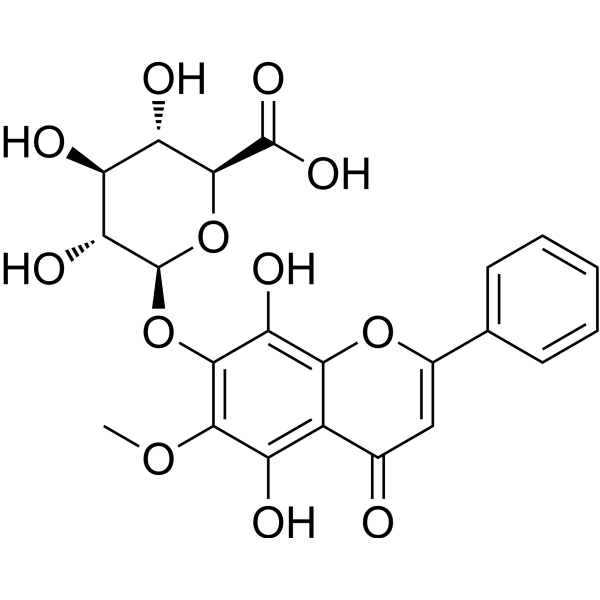
    5,7,8-Trihydroxy-6-methoxy flavone-7-O-glucuronideb is a natural product that can be isolated from Scutellaria baicalensis Georgi .
    5,7,8-Trihydroxy-6-methoxy flavone-7-O-glucuronideb
  • HY-N2132R

    flavokavain B (Standard)

    Reference Standards Apoptosis Cancer
    Flavokawain B (Standard) is the analytical standard of Flavokawain B. This product is intended for research and analytical applications. Flavokawain B (Flavokavain B) is a chalcone isolated from the root extracts of kava-kava plant and a potent apoptosis inducer for inhibiting the growth of various cancer cell lines. Flavokawain B (Flavokavain B) shows strong antiangiogenic activity. Flavokawain B (Flavokavain B) inhibits human brain endothelial cell (HUVEC) migration and tube formation with very low and non-toxic concentrations .
    Flavokawain B (Standard)
  • HY-N6582

    Others Cancer
    Flavokawin C is a natural compound with antioxidative and cytotoxicity .
    Flavokawin C
  • HY-N8282

    Others Cancer
    Flavoglaucin is a compound that exhibits significant anti-tumor promoting activity. Flavoglaucin exhibits significant inhibition of PTP1B with an IC50 value of 13.4 micromolar. Flavoglaucin also shows good binding affinity to human opioid or cannabinoid receptors. Flavoglaucin has anti-inflammatory activity .
    Flavoglaucin
  • HY-N12713

    Others Others
    Flavoyadorinin A is a type of flavonoid compound, and can be found in the Leaves of Viscum album Linnaeus var. coloratum Ohwi Epiphyting to Pyrus communis Linnaeus .
    Flavoyadorinin A
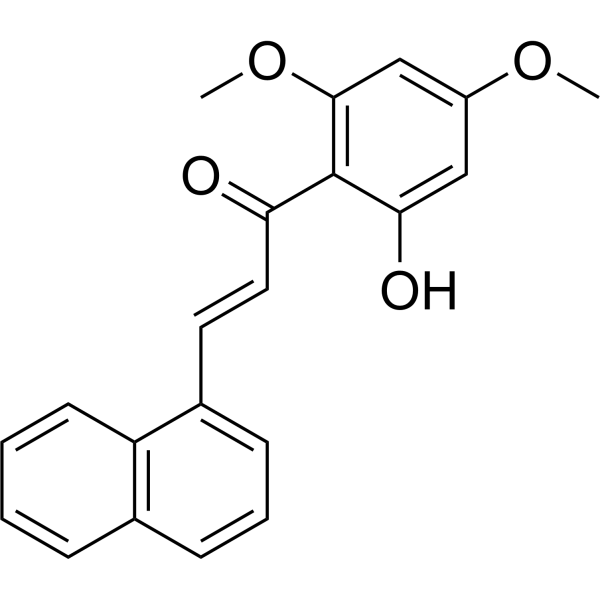
  • HY-149780

    DiNap

    HSP Cancer
    Flavokawain 1i (DiNap) is an Hsp90 inhibitor. Flavokawain 1i (DiNap) has anti-cell proliferation activity and can be used in cancer research .
    Flavokawain 1i
  • HY-107825R

    Endogenous Metabolite Bacterial Cholinesterase (ChE) Reference Standards Cardiovascular Disease Metabolic Disease Inflammation/Immunology Cancer
    Flavonol (Standard) is the analytical standard of Flavonol. This product is intended for research and analytical applications. Flavonol is a cholinesterase (ChE) inhibitor, with an IC50 value of 120 μM and a Ki value of 74 μM. Flavonol has antioxidant, free radical-scavenging, antibacterial properties, and immune modulation functions. Flavonol inhibits the PriA helicase of Staphylococcus aureus. Flavonol can suppress the production of NO in LPS-activated RAW 264.7 cells by inhibiting the expression of the iNOS enzyme. Flavonol shows protective and analgesic effects in mice through various neuronal pathways. Flavonol can be used in research related to tumors and atherosclerosis diseases .
    Flavonol (Standard)
  • HY-N2445R

    Reference Standards Apoptosis Cancer
    Flavokawain C (Standard) is the analytical standard of Flavokawain C. This product is intended for research and analytical applications. Flavokawain C is a natural chalcone found in Kava root. Flavokawain C exerts cytotoxicity against human cancer cell lines, with an IC50 of 12.75 μM for HCT 116 cells .
    Flavokawain C (Standard)
  • HY-N5106R

    Reference Standards Apoptosis Cancer
    (E)-Flavokawain A (Standard) is the analytical standard of (E)-Flavokawain A. This product is intended for research and analytical applications. (E)-Flavokawain A, a chalcone extracted from Kava, has anticarcinogenic effect. (E)-Flavokawain A induces apoptosis in bladder cancer cells by involvement of bax protein-dependent and mitochondria-dependent apoptotic pathway and suppresses tumor growth in mice .
    (E)-Flavokawain A (Standard)
  • HY-N2657

    Others Others
    Flavone, 5,7-dihydroxy-3,4',8-trimethoxy-, diacetate is a Flavonoids product that can be isolated from the herbs of Micromelum sp. .
    Flavone, 5,7-dihydroxy-3,4',8-trimethoxy-, diacetate
  • HY-N2132A

    (E/Z)-flavokavain B

    Drug Derivative Inflammation/Immunology
    (E/Z)-Flavokawain B (compound 4) is a chalcone and nitric oxide production inhibitor with an IC50 of 6.8 μM.(E/Z)-Flavokawain B can be found in the aerial parts of Sarcandra glabra.(E/Z)-Flavokawain B inhibits lipopolysaccharide-induced nitric oxide production .
    (E/Z)-Flavokawain B
  • HY-105527

    Adrenergic Receptor Cardiovascular Disease
    Flavodilol is an orally active antihypertensive agent. Flavodilol extensively depletes catecholamines and serotonin in heart tissue of normotensive and spontaneously hypertensive rats (SHR). Flavodilol can be used for hypertension research .
    Flavodilol
  • HY-P2893C

    Biochemical Assay Reagents Metabolic Disease
    Creatinase, Flavobacterium sp. (EC 3.5.3.3) belongs to the hydrolase family and acts on carbon-nitrogen bonds other than peptide bonds, especially in linear amidine compounds. Creatinase, Flavobacterium sp. (EC 3.5.3.3) accelerates the conversion of creatine and water molecules into sarcosine and urea. Creatinase, Flavobacterium sp. (EC 3.5.3.3) functions as a homodimer.
    Creatinase, Flavobacterium sp.
  • HY-E70974

    Biochemical Assay Reagents Metabolic Disease
    2-O-Sulfatase, Flavobacterium heparinum, acts on the terminal 2-O-sulfate esters of unsaturated disaccharides and oligosaccharides produced by sulfated glycosaminoglycans.
    2-O-Sulfatase, Flavobacterium heparinum
  • HY-E71016

    Endogenous Metabolite Metabolic Disease
    Proline specific endopeptidase, Flavobacterium sp. (EC 3.4.21.26) is an enzyme that in humans is encoded by the PREP gene.
    Proline specific endopeptidase, Flavobacterium sp.
  • HY-N13600

    Others Others
    3,5,8,3'-Tetramethoxy-6,7,4',5'-bis(methylenedioxy)flavone is a natural product .
    3,5,8,3'-Tetramethoxy-6,7,4',5'-bis(methylenedioxy)flavone
  • HY-10005R

    HMR-1275 (Standard); Alvocidib (Standard); L86-8275 (Standard)

    CDK Reference Standards Autophagy HIV Apoptosis Cancer
    Flavopiridol (Standard) is the analytical standard of Flavopiridol (HY-10005). This product is intended for research and analytical applications. Flavopiridol (Alvocidib) is a broad spectrum and competitive inhibitor of CDKs, inhibiting CDK1, CDK2, CDK4 with IC50s of 30, 170, 100 nM, respectively.
    Flavopiridol (Standard)
  • HY-N17717

    flavosativaside

    Glycosidase Metabolic Disease
    Vitexin-2''-O-glucoside (Flavosativaside) is a potent and selective alpha-glucosidase inhibitor found in hawthorn leaf flavonoids. Vitexin-2''-O-glucoside can reversibly inhibit the α-glucosidase activity on the brush border of the small intestine, and its inhibitory effect is superior to that of the Acarbose (HY-B0089). Vitexin-2''-O-glucoside can be used for the research of type 2 diabetes .
    Vitexin-2''-O-glucoside

Inquiry Online

Your information is safe with us. * Required Fields.

Salutation


Country or Region *

Applicant Name *


Organization Name *

Department *


Email Address *


Product Name *

Cat. No.


Requested quantity *

Phone Number *


Remarks

Inquiry Online

Inquiry Information

Product Name:
Cat. No.:
Quantity:
MCE Japan Authorized Agent: