



Flavokawain A
Based on 3 publication(s) in Google Scholar
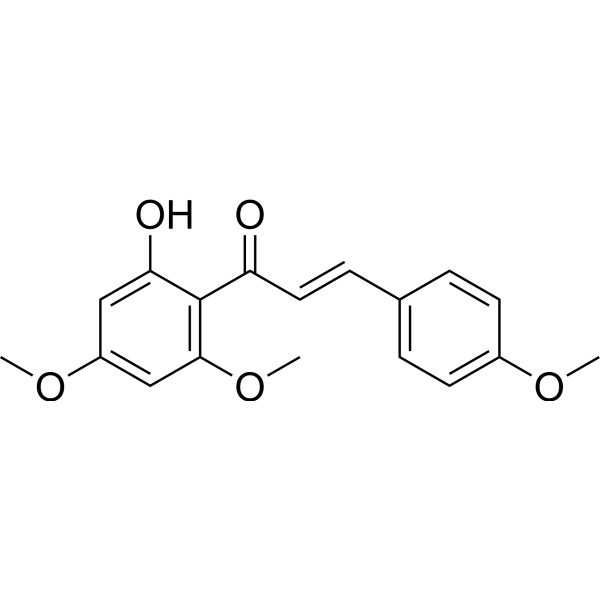
Flavokawain A is a chalcone compound and an orally active inhibitor of PRMT5 and cytochrome P450. Flavokawain A has anti-inflammatory, anti-tumor, and immunomodulatory effects. Flavokawain A can inhibit the proliferation of tumor cells and induce apoptosis. Flavokawain A can be used in the research of diseases such as bladder cancer.
For research use only. We do not sell to patients.
- Purity : 99.73%
- CAS No.: 3420-72-2
- Formula: C18H18O5
- Molecular Weight:314.33
-
Storage:Powder -20°C, 3 years , 4°C, 2 years ; In solvent -80°C, 6 months , -20°C, 1 month

To place orders, for customer services and technical support, please contact: MedChemExpress USA
Tel: 609-228-6898 E-mail: [email protected] [email protected]


-
 Biological Activity
-
Chemical Information
-
Solvent & Solubility
- Protocols
- Purity & Documentation
- References
-
 Help & FAQs


-
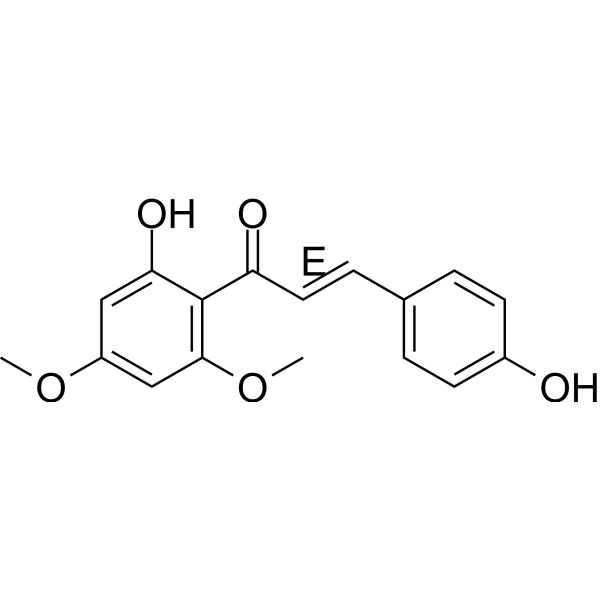
HY-N2445
Flavokawain CNatural Chalcone -
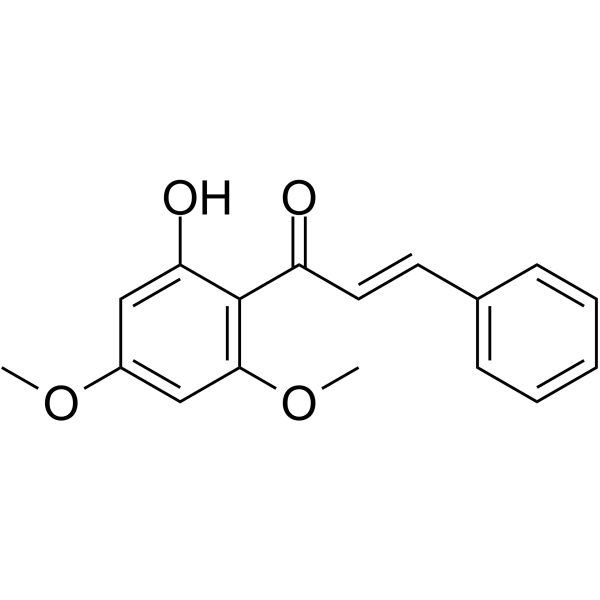
HY-N2132
Flavokawain BAnti-tumor Agent -
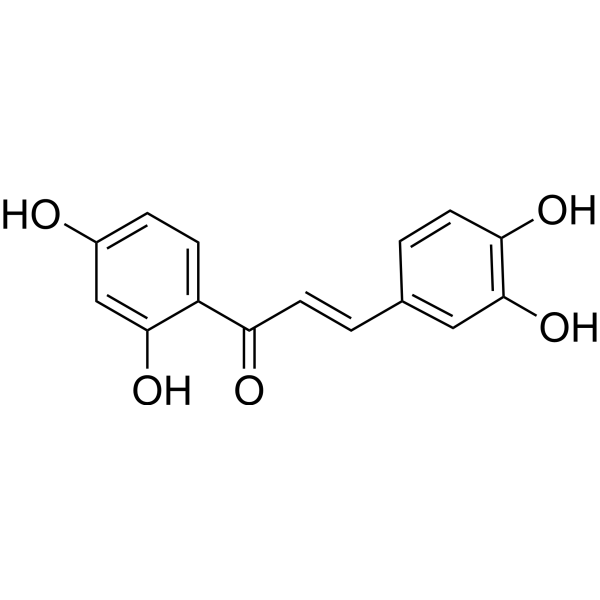
HY-16558
ButeinEGFR/PDE Inhibitor -

HY-N2420R
Flavokawain A (Standard)Anti-tumor Agent -
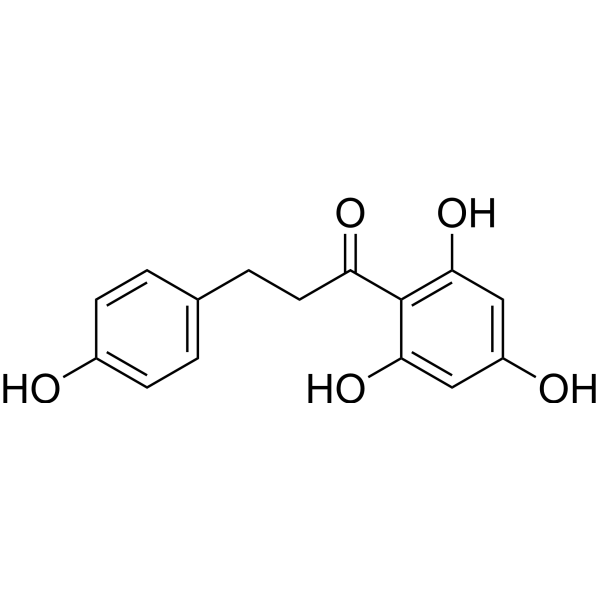
HY-N0142
PhloretinAnti-inflammatory Agent -
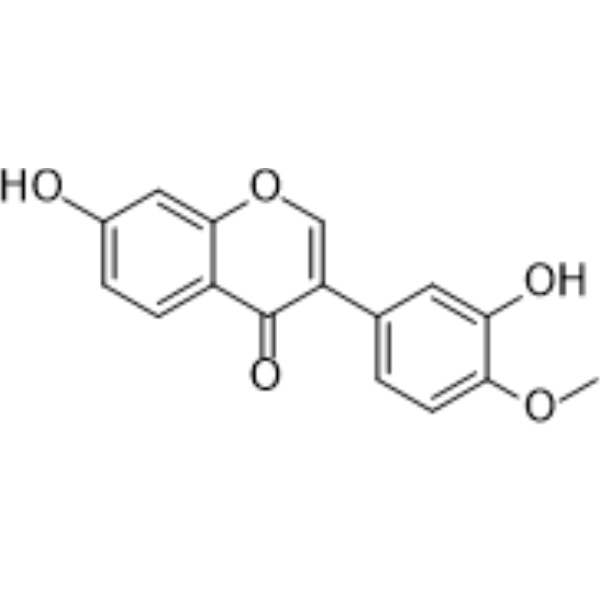
HY-N0519
CalycosinPhytoestrogen -
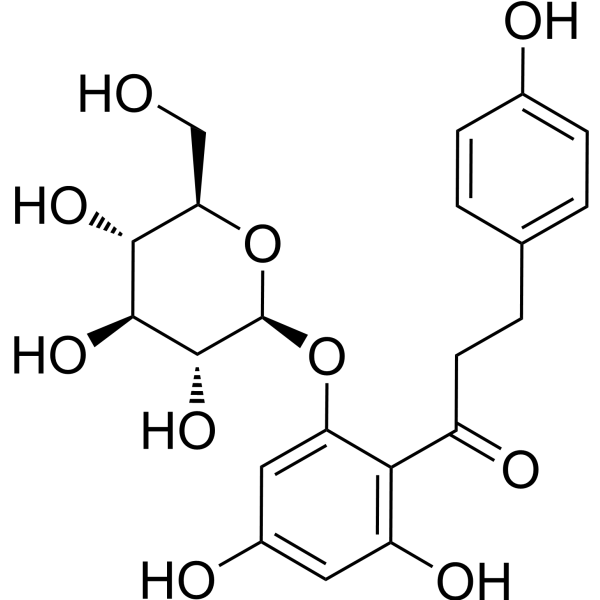
HY-N0143
PhlorizinSGLT Inhibitor -
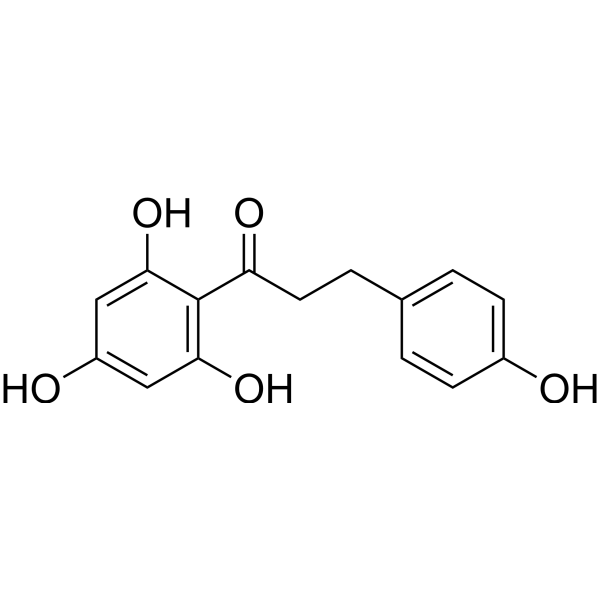
HY-N0142R
Phloretin (Standard) -

HY-Y0006
XPhosBiochemical Reagent -
HY-B0739A
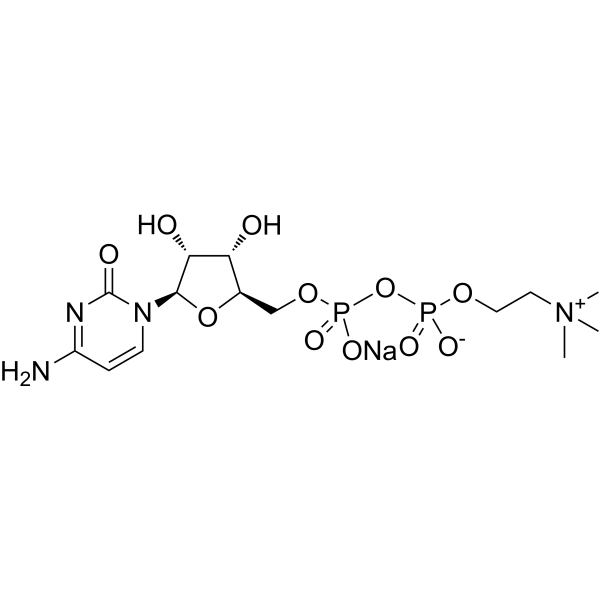
Citicoline sodiumEndogenous Metabolite -
HY-12468
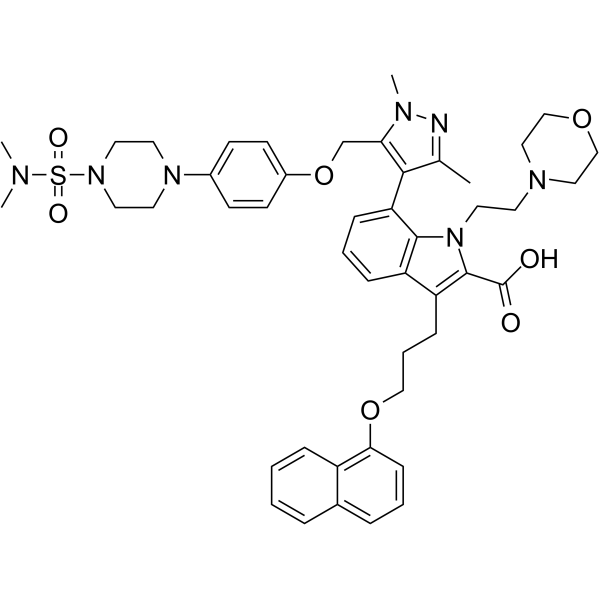
A-1210477Mcl-1 Inhibitor -

HY-B0739AR
Citicoline sodium (Standard)Endogenous Metabolite
Publications Citing Use of MedChemExpress (MCE) Flavokawain A
More Customer Validation & Images

-
Cell Proliferation/Viability Assay
-
Others
-
WB
-
Cell Proliferation/Viability Assay
-
Cell Proliferation/Viability Assay
All Histone Methyltransferase Isoforms
MoreAll Caspase Isoforms
More

Biological Activity
Description
Cellular Effect
|
Cell Line

|
Type | Value | Description | References |
|---|---|---|---|---|
| A549 | IC50 |
>20 μM
Compound: 6
|
Inhibition of TNFalpha induced NF-kappaB activation in human A549 cells by luciferase reporter gene assay
Inhibition of TNFalpha induced NF-kappaB activation in human A549 cells by luciferase reporter gene assay
|
[PMID: 19883086] |
| A549 | IC50 |
11.6 μg/mL
Compound: Flavokawain A
|
Inhibition of TNF-alpha-induced NF-kappaB expressed in human A549 cells treated 1 hr after TNFalpha challenge measured after 6 hrs by luciferase reporter gene assay
Inhibition of TNF-alpha-induced NF-kappaB expressed in human A549 cells treated 1 hr after TNFalpha challenge measured after 6 hrs by luciferase reporter gene assay
|
[PMID: 19716299] |
| DU-145 | GI50 |
30.8 μM
Compound: 4
|
Cytotoxicity against human DU145 cells after 48 hrs
Cytotoxicity against human DU145 cells after 48 hrs
|
[PMID: 18798609] |
| HCT-116 | IC50 |
10.6 μM
Compound: 1c
|
Antiproliferative activity against human HCT116 cells after 48 hrs by SRB assay
Antiproliferative activity against human HCT116 cells after 48 hrs by SRB assay
|
[PMID: 30041135] |
| HT-29 | GI50 |
45.3 μM
Compound: 4
|
Cytotoxicity against human HT29 cells after 48 hrs
Cytotoxicity against human HT29 cells after 48 hrs
|
[PMID: 18798609] |
| K562 | GI50 |
20.5 μM
Compound: 4
|
Cytotoxicity against human K562 cells after 48 hrs
Cytotoxicity against human K562 cells after 48 hrs
|
[PMID: 18798609] |
| M14 | GI50 |
22.5 μM
Compound: 4
|
Cytotoxicity against human M14 cells after 48 hrs
Cytotoxicity against human M14 cells after 48 hrs
|
[PMID: 18798609] |
| MCF7 | GI50 |
17.5 μM
Compound: 4
|
Cytotoxicity against human MCF7 cells after 48 hrs
Cytotoxicity against human MCF7 cells after 48 hrs
|
[PMID: 18798609] |
| MDCK-II | IC50 |
3 μM
Compound: 24
|
Inhibition of human BCRP expressed in MDCK2 cells assessed as Hoechst 33342 accumulation preincubated for 30 mins by fluorimetry
Inhibition of human BCRP expressed in MDCK2 cells assessed as Hoechst 33342 accumulation preincubated for 30 mins by fluorimetry
|
[PMID: 22112540] |
| NCI-H460 | GI50 |
24.1 μM
Compound: 4
|
Cytotoxicity against human H460 cells after 48 hrs
Cytotoxicity against human H460 cells after 48 hrs
|
[PMID: 18798609] |
| NIH3T3 | GI50 |
17.2 μM
Compound: 4
|
Cytotoxicity against BALB mouse 3T3 cells after 48 hrs
Cytotoxicity against BALB mouse 3T3 cells after 48 hrs
|
[PMID: 18798609] |
| NIH3T3 | IC50 |
11 μM
Compound: 2a
|
Inhibition of cobalt chloride-induced HIF-1 activation expressed in mouse NIH3T3 cells after 8 hrs by luciferase reporter gene assay
Inhibition of cobalt chloride-induced HIF-1 activation expressed in mouse NIH3T3 cells after 8 hrs by luciferase reporter gene assay
|
[PMID: 21112783] |
| PC-3 | GI50 |
15.2 μM
Compound: 4
|
Cytotoxicity against human PC3 cells after 48 hrs
Cytotoxicity against human PC3 cells after 48 hrs
|
[PMID: 18798609] |
| Vero | IC50 |
>25 μM
Compound: 4
|
Antitrypanosomal activity against Trypanosoma cruzi Tulahuen C4 in african green monkey Vero cells after 120 hrs
Antitrypanosomal activity against Trypanosoma cruzi Tulahuen C4 in african green monkey Vero cells after 120 hrs
|
[PMID: 18798609] |
In Vitro
Flavokawain A (0.05-25 μg/mL; 4-48 h) can inhibit the proliferation of multiple bladder cancer cells, cause the loss of mitochondrial membrane potential and the release of cytochrome c in T24 cells. The mechanism involves the activation of Bax and the inhibition of Bcl-x/L[1].
Flavokawain A (5-30 μg/mL; 4-24 h) induces apoptosis in T24 cells through the caspase pathway and by inhibiting XIAP and survivin[1].
Flavokawain A (20-40 μM; 24 h) can inhibit IL-1β-induced inflammation, the expression of senescence-related genes, apoptosis, and the phosphorylation of genes related to the MAPK and PI3K pathways in mouse chondrocytes[2].
MedChemExpress (MCE) has not independently confirmed the accuracy of these methods. They are for reference only. Further protocols information, click here.
-
Cell Line:RT4, T24, and EJ cells
-
Concentration:RT4 cells (0.05, 0.5, 5, 12.5 and 25 μg/mL)
T24 and EJ cells (0.309, 0.625, 1.25, 2.5, 5, 12.5 and 25 μg/mL) -
Incubation Time:48 h
-
Result:Inhibited cell proliferation in RT4, T24, and EJ bladder cancer cell lines
-
Cell Line:T24 cells
-
Concentration:12.5 μg/mL
-
Incubation Time:4, 8, 16 and 24 h
-
Result:Inhibited the level Bcl-x/L.
Increased the level Bax.
-
Cell Line:T24 cells
-
Concentration:5, 10, 20 and 30μg/mL
-
Incubation Time:4, 8, 16 and 24 h
-
Result:Inhibited the levels of XIAP and survivin.
-
Cell Line:IL-1β treated mouse chondrocyte cells
-
Concentration:20 and 40 μM
-
Incubation Time:24 h
-
Result:Inhibited the levels of iNOS and COX2.
Inhibited the levels of P16 and P21.
Inhibited the level of Bax and increased the level of Bcl2.
Inhibited the phosphorylation levels of JNK, P38, ERK, PI3K, AKT and mTOR.
In Vivo
Flavokawain A (50 mg/kg; oral administration; 28 days) shows no toxicity and has certain immunomodulatory effects in Balb/c mice[4].
MedChemExpress (MCE) has not independently confirmed the accuracy of these methods. They are for reference only.
-
Animal Model:Male BALB/c mice aged 8 weeks old[4]
-
Dosage:50 mg/kg/day
-
Administration:Oral administration (p.o.); 28 days
-
Result:Did not cause the death of mice during the 28-day treatment period, and there were no significant changes in the body weight of the mice.
Did not significantly alter several serum biochemical parameters.
Stimulated the proliferation of splenocytes, promoted the secretion of cytokines IL-2 and TNF-α, and increased the population of T cell subsets.
Decreased the levels of TNF-α and NO, and slightly reduced the level of IL-2.
-
Animal Model:Four-week-old Balb/c nude mice treated UMUC3 cells[3]
-
Dosage:30 mg/kg
-
Administration:Peritumoral injection; once every 3 days; 24 days
-
Result:Significantly inhibited tumor size.
Decreased the arginine methylation level of histone and the expression of bladder-cancer-associated regulon genes.


Chemical Information
-
CAS No. 3420-72-2
-
Appearance Solid
-
Molecular Weight 314.33
-
Formula C18H18O5
-
Color Light yellow to yellow
-
SMILES
O=C(C1=C(OC)C=C(OC)C=C1O)/C=C/C2=CC=C(OC)C=C2
-
Structure Classification
-
Initial Source
-
Shipping
Room temperature in continental US; may vary elsewhere.
-
Storage
Powder -20°C 3 years 4°C 2 years In solvent -80°C 6 months -20°C 1 month


Publications (3)
-
Journal Impact Factor
-
Most Recent
-
Phytomedicine
The kava chalcone flavokawain B exerts inhibitory activity and synergizes with BCL-2 inhibition in malignant B-cell lymphoma. [Abstract]2023 Nov:120:155074. PMID: 37716033
Flavokawain A purchased from MedChemExpress. Usage Cited in: Phytomedicine. 2023 Nov:120:155074. [Abstract]
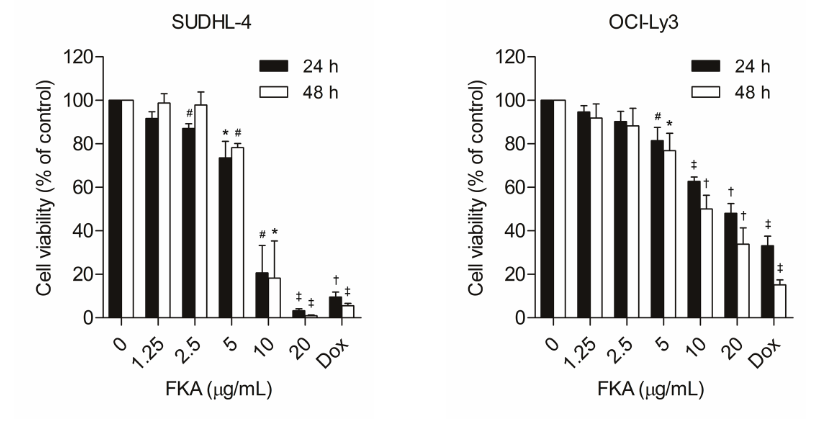
SUDHL-4 and OCI-Ly3 cells were treated with FKA (Flavokawain A; HY-N2420; 1.25-20 µg/mL) or Doxorubicin (HY-15142A; 10 µM) for 24 and 48 h. Cell viability was measured using the MTS assay. *P < 0.05, #P < 0.01, †P < 0.001, and ‡P < 0.0001 versus control at corresponding time points.SUDHL-4 (A), OCI-Ly3 (B), Raji (C), and Jeko-1 (D) cells were treated with FKA (1.25-20 µg/mL) or doxorubicin (10 µM) for 24 and 48 h. Cell viability was measured using the MTS assay. *P < 0.05, #P < 0.01, †P < 0.001, and ‡P < 0.0001 versus control at corresponding time points.
Flavokawain A purchased from MedChemExpress. Usage Cited in: Phytomedicine. 2023 Nov:120:155074. [Abstract]
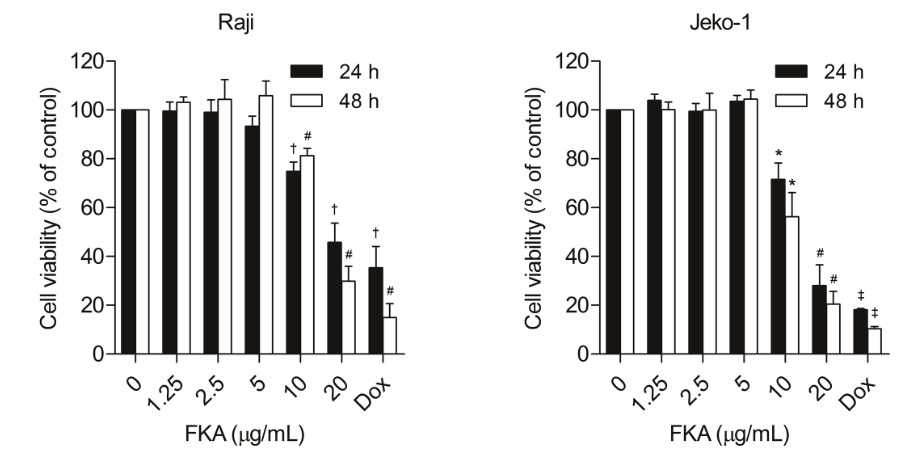
Raji and Jeko-1 cells were treated with FKA (Flavokawain A; HY-N2420; 1.25-20 µg/mL) or Doxorubicin (HY-15142A; 10 µM) for 24 and 48 h. Cell viability was measured using the MTS assay. *P < 0.05, #P < 0.01, †P < 0.001, and ‡P < 0.0001 versus control at corresponding time points.SUDHL-4 (A), OCI-Ly3 (B), Raji (C), and Jeko-1 (D) cells were treated with FKA (1.25-20 µg/mL) or doxorubicin (10 µM) for 24 and 48 h. Cell viability was measured using the MTS assay. *P < 0.05, #P < 0.01, †P < 0.001, and ‡P < 0.0001 versus control at corresponding time points.
-
Phytother Res
Flavokawain A Targets CXCR4-Mediated Vasculogenic Mimicry to Reverse Hepatocellular Carcinoma Resistance to Tyrosine Kinase Inhibitors. [Abstract]2026 Apr 29. PMID: 42052746 -
Toxicol Appl Pharmacol
Flavokawain a induces cell cycle arrest through CDT1-dependent p27 regulation and synergizes with venetoclax in acute myeloid leukemia. [Abstract]2025 May:498:117305. PMID: 40113097
Flavokawain A purchased from MedChemExpress. Usage Cited in: Toxicol Appl Pharmacol. 2025 May:498:117305. [Abstract]
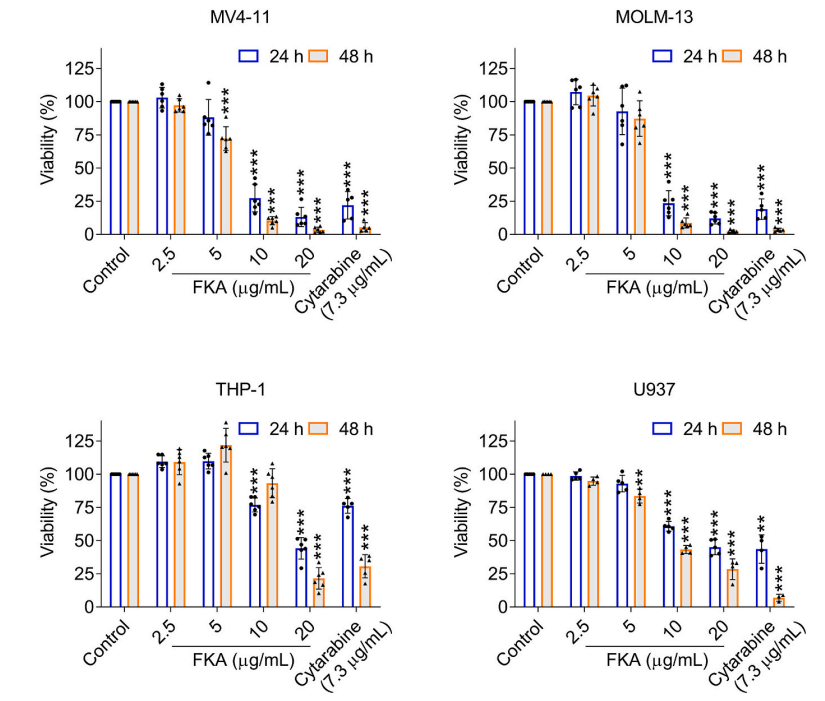
FKA (Flavokawain A; HY-N2420) decreases the viability in AML cell lines. MV4-11, MOLM-13, THP-1, and U937 cells were treated with or without various concentrations of FKA (2.5, 5, 10, and 20 μg/mL) for 24 and 48 h, and cell viability was detected by the MTS assay. Treatment with Cytarabine (HY-13605; 7.3 μg/mL) was used as a positive control.
Flavokawain A purchased from MedChemExpress. Usage Cited in: Toxicol Appl Pharmacol. 2025 May:498:117305. [Abstract]
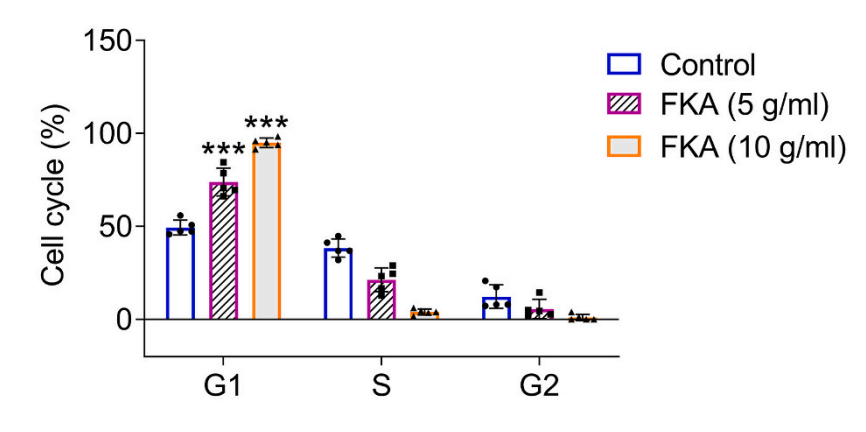
FKA (Flavokawain A; HY-N2420) induces cell cycle arrest in AML cells. MV4–11 cells were treated with or without FKA (5 and 10 μg/mL) for 48 h an cell cycle was examined by flow cytometry.
Flavokawain A purchased from MedChemExpress. Usage Cited in: Toxicol Appl Pharmacol. 2025 May:498:117305. [Abstract]
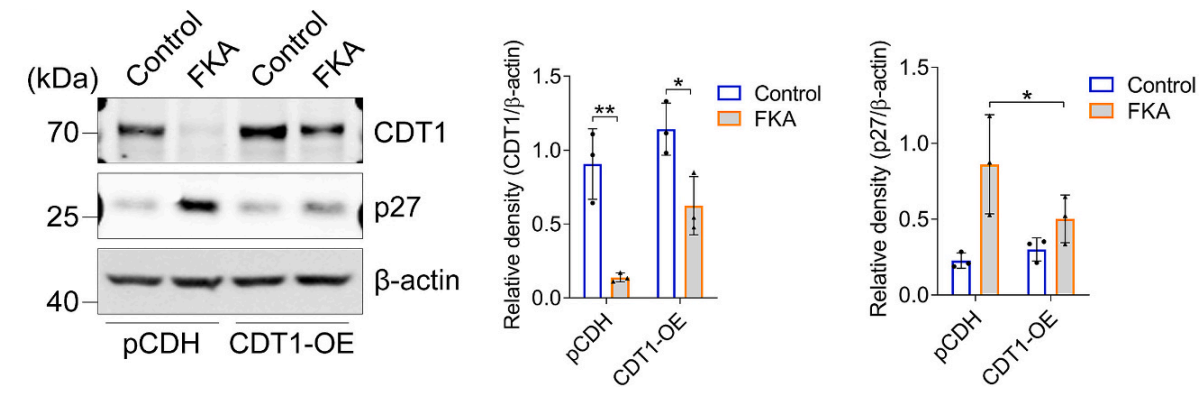
FKA (Flavokawain A; HY-N2420) regulates p27 through CDT1 in AML cells. MV4–11 cells with or without CDT1 overexpression were treated with FKA (10 μg/mL), the expression of CDT1 and p27 were shown.
Flavokawain A purchased from MedChemExpress. Usage Cited in: Toxicol Appl Pharmacol. 2025 May:498:117305. [Abstract]
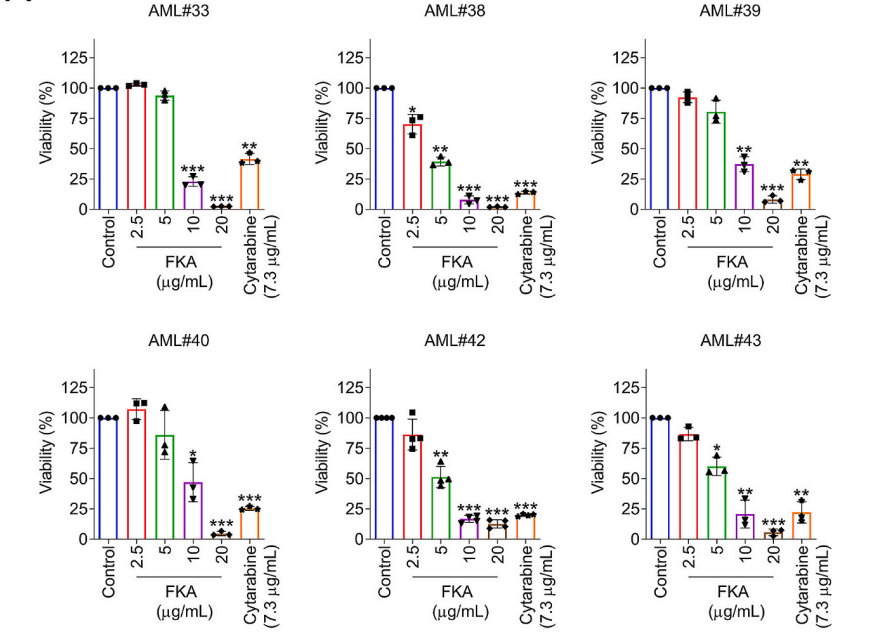
FKA (Flavokawain A; HY-N2420) targets primary AML blasts. Samples from AML patients were treated with or without various concentrations of FKA (2.5, 5, 10, and 20 μg/mL) for 48 h, and cell viability was detected by the MTS assay. Treatment with Cytarabine (HY-13605) was used as a positive control. Data were shown as mean ± SD from at least three independent experiments.


Solvent & Solubility
In Vitro:
DMSO : 100 mg/mL (318.14 mM; Need ultrasonic; Hygroscopic DMSO has a significant impact on the solubility of product, please use newly opened DMSO)
Please refer to the solubility information to select the appropriate solvent. Once prepared, please aliquot and store the solution to prevent product inactivation from repeated freeze-thaw cycles.
Storage method and period of stock solution: -80°C, 6 months; -20°C, 1 month. When stored at -80°C, please use it within 6 months. When stored at -20°C, please use it within 1 month.
Please refer to the solubility information to select the appropriate solvent. Once prepared, please aliquot and store the solution to prevent product inactivation from repeated freeze-thaw cycles.
Storage method and period of stock solution: -80°C, 6 months; -20°C, 1 month. When stored at -80°C, please use it within 6 months. When stored at -20°C, please use it within 1 month.
Concentration (start) × Volume (start) = Concentration (final) × Volume (final)
In Vivo:
Select the appropriate dissolution method based on your experimental animal and administration route.
- For the following dissolution methods, please ensure to first prepare a clear stock solution using an In Vitro approach and then sequentially add co-solvents:
- To ensure reliable experimental results, the clarified stock solution can be appropriately stored based on storage conditions. As for the working solution for In Vivo experiments, it is recommended to prepare freshly and use it on the same day.
- The percentages shown for the solvents indicate their volumetric ratio in the final prepared solution. If precipitation or phase separation occurs during preparation, heat and/or sonication can be used to aid dissolution.
In Vivo Dissolution Calculator
Please enter the basic information of animal experiments:
-
-
-
-
Recommended: Prepare an additional quantity of animals to account for potential losses during experiments.
Please enter your animal formula composition:
-
%DMSO +
Recommended: Keep the proportion of DMSO in working solution below 2% if your animal is weak.
-
%+
-
+%Tween-80 + +
-
%Saline +
The co-solvents required include: DMSO, . All of co-solvents are available by MedChemExpress (MCE). , Tween 80. All of co-solvents are available by MedChemExpress (MCE).
Working solution concentration: 0.22 mg/mL
Method for preparing stock solution: mg drug dissolved in μL DMSO. Stock solution concentration: mg/mL.
1. Take μL DMSO stock solution;
2. Add μL .
μL , mix evenly;
3. Then add μL Tween 80, mix evenly;
4. Then add μL
Please ensure that the stock solution in the first step is dissolved to a clear state, and add co-solvents in sequence. You can use ultrasonic heating (ultrasonic cleaner, recommended frequency 20-40 kHz), vortexing, etc. to assist dissolution.

Protocols
-
Apoptosis
Apoptosis, also called programmed cell death, is generally characterized by distinct morphological characteristics.
-
TUNEL staining for apoptotic DNA fragmentation
TUNEL staining detects DNA strand breaks by using terminal deoxynucleotidyl transferase to add labeled nucleotides to exposed 3′-OH DNA termini, generating either microscopic staining in fixed cells or tissue sections, or fluorescence/cytometric signal in cell suspensions. TUNEL positivity reflects DNA fragmentation but should not be interpreted alone as definitive apoptosis, because TUNEL can also label necrotic, autolytic, mechanically damaged, or DNA-repair-associated DNA breaks.
-
Annexin V plus membrane-impermeant dye apoptosis staining
Annexin V-based apoptosis assays rely on the detection of phosphatidylserine (PS) externalization from the inner leaflet of the plasma membrane to the outer leaflet, an early biochemical hallmark of apoptosis. Fluorescently labeled Annexin V binds PS in a calcium-dependent manner, enabling identification of early apoptotic cells by flow cytometry or fluorescence microscopy. When combined with a membrane-impermeant DNA-binding dye (e. g. , propidium iodide), this approach allows discrimination between viable (Annexin V−/dye−), early apoptotic (Annexin V+/dye−), and late apoptotic or necrotic (Annexin V+/dye+) cell populations by assessing membrane integrity and PS exposure.
-
Apoptosis Solutions
Apoptosis is a regulated, generally non-lytic cell-death pathway that removes unwanted, damaged, infected, or abnormal cells through coordinated morphological changes, caspase activation, DNA fragmentation, and membrane remodeling. The intrinsic apoptosis pathway is controlled mainly by mitochondrial outer membrane permeabilization, BCL-2 family proteins, cytochrome c release, apoptosome formation, caspase-9 activation, and downstream executioner caspase-3/7 activation. The extrinsic apoptosis pathway is initiated by death receptors such as Fas, TNFR, and TRAIL receptors, which recruit adaptor proteins and activate caspase-8 before engaging executioner caspases or mitochondrial amplification through BID cleavage. Apoptosis is linked to many phenotypes, including cancer cell killing, tissue homeostasis, immune regulation, neurodegeneration, infection response, and treatment-induced cytotoxicity; unresolved questions include how apoptosis interacts with necroptosis, pyroptosis, ferroptos
-
Research Protocol for Inflammation-related Diseases
The NLRP3 inflammasome is a cytosolic innate immune signaling platform that integrates priming signals and danger-signal activation to promote caspase-1 activation, maturation of IL-1β and IL-18, and gasdermin D-mediated pyroptotic cell death. The core experimental logic is to determine whether inflammatory disease phenotypes are driven by increased NLRP3 expression, ASC-containing inflammasome assembly, caspase-1 cleavage, GSDMD cleavage, and extracellular release of IL-1β/IL-18 rather than by nonspecific cell injury alone. The pathway is strongly linked to inflammation-related disease phenotypes because monosodium urate crystals activate NALP3/NLRP3 inflammasome signaling in gout-like crystal inflammation, cholesterol crystals activate NLRP3 inflammasomes in atherogenesis models, and DSS-induced intestinal inflammation has been reported to involve NLRP3 inflammasome activity. However, experimental colitis studies also show context-dependent protective effects of NLRP3 inflammasome co
-
Cell Viability Determination by MTT Colorimetric Assay
The following protocol uses the MTT colorimetric assay as a classic literature-established method for assessing cell viability/metabolic activity in cultured mammalian cells. MTT[3-(4,5-dimethylthiazol-2-yl)-2,5-diphenyltetrazolium bromide] is reduced by metabolically active cells to a colored formazan product; the amount of formazan is quantified spectrophotometrically and provides an indirect measure of metabolically active viable cells. Importantly, MTT reduction reflects cellular oxidoreductase/metabolic activity rather than an absolute direct count of living cells, so changes in cellular metabolism can alter the signal independently of cell number.


Purity & Documentation
-
Data Sheet (279 KB)
-
SDS (396 KB)
- English - EN (396 KB)
- Français - FR (396 KB)
- Deutsch - DE (396 KB)
- Norwegian - NO (396 KB)
- Español - ES (396 KB)
- Swedish - SV (396 KB)
- Italian - IT (396 KB)
- Korean - KR (396 KB)
- Portuguese - PT (396 KB)
-
Handling Instructions (2659 KB)
References
[1]. Xiaolin Zi, et al. Flavokawain A, a novel chalcone from kava extract, induces apoptosis in bladder cancer cells by involvement of Bax protein-dependent and mitochondria-dependent apoptotic pathway and suppresses tumor growth in mice. Cancer Res. 2005 Apr 15;65(8):3479-86. [Content Brief]
[2]. Jing S, et al. Flavokawain A alleviates the progression of mouse osteoarthritis: An in vitro and in vivo study. Front Bioeng Biotechnol. 2022 Dec 5;10:1071776. [Content Brief]
[3]. Liu S, et al. Flavokawain A is a natural inhibitor of PRMT5 in bladder cancer. J Exp Clin Cancer Res. 2022 Oct 5;41(1):293. [Content Brief]
[4]. Abu N, et al. In vitro Toxicity and in vivo Immunomodulatory Effects of Flavokawain A and Flavokawain B in Balb/C Mice. Nat Prod Commun. 2015 Jul;10(7):1199-202. [Content Brief]
[5]. Niu L, et al. Flavokawain A inhibits Cytochrome P450 in in vitro metabolic and inhibitory investigations. J Ethnopharmacol. 2016 Sep 15;191:350-359. [Content Brief]


Complete Stock Solution Preparation Table
Please refer to the solubility information to select the appropriate solvent. Once prepared, please aliquot and store the solution to prevent product inactivation from repeated freeze-thaw cycles.
Storage method and period of stock solution: -80°C, 6 months; -20°C, 1 month. When stored at -80°C, please use it within 6 months. When stored at -20°C, please use it within 1 month.
| Optional Solvent | Concentration Solvent Mass | 1 mg | 5 mg | 10 mg | 25 mg |
|---|---|---|---|---|---|
| DMSO | 1 mM | 3.1814 mL | 15.9069 mL | 31.8137 mL | 79.5343 mL |
| 5 mM | 0.6363 mL | 3.1814 mL | 6.3627 mL | 15.9069 mL | |
| 10 mM | 0.3181 mL | 1.5907 mL | 3.1814 mL | 7.9534 mL | |
| 15 mM | 0.2121 mL | 1.0605 mL | 2.1209 mL | 5.3023 mL | |
| 20 mM | 0.1591 mL | 0.7953 mL | 1.5907 mL | 3.9767 mL | |
| 25 mM | 0.1273 mL | 0.6363 mL | 1.2725 mL | 3.1814 mL | |
| 30 mM | 0.1060 mL | 0.5302 mL | 1.0605 mL | 2.6511 mL | |
| 40 mM | 0.0795 mL | 0.3977 mL | 0.7953 mL | 1.9884 mL | |
| 50 mM | 0.0636 mL | 0.3181 mL | 0.6363 mL | 1.5907 mL | |
| 60 mM | 0.0530 mL | 0.2651 mL | 0.5302 mL | 1.3256 mL | |
| 80 mM | 0.0398 mL | 0.1988 mL | 0.3977 mL | 0.9942 mL | |
| 100 mM | 0.0318 mL | 0.1591 mL | 0.3181 mL | 0.7953 mL |


Flavokawain A Related Classifications
HY-N2420 Related Classifications
 Powered by Bioz