



Calycosin
Based on 24 publication(s) in Google Scholar
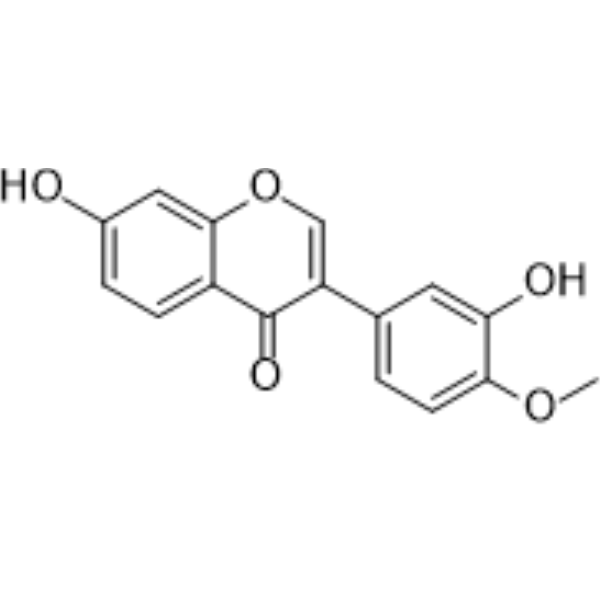
Calycosin is a compound that can be isolated from Radix Astragali. Calycosin has strong antioxidant, anti-inflammatory and apoptosis-modulating effects. Calycosin can be used for the research of ovarian cancer and breast cancer.
For research use only. We do not sell to patients.
- Purity : 99.96%
- CAS No.: 20575-57-9
- Formula: C16H12O5
- Molecular Weight:284.26
-
Storage:Powder -20°C, 3 years , 4°C, 2 years ; In solvent -80°C, 2 years , -20°C, 1 year

To place orders, for customer services and technical support, please contact: MedChemExpress USA
Tel: 609-228-6898 E-mail: [email protected] [email protected]


-
 Biological Activity
-
Chemical Information
-
Solvent & Solubility
- Protocols
- Purity & Documentation
- References
-
 Help & FAQs


-
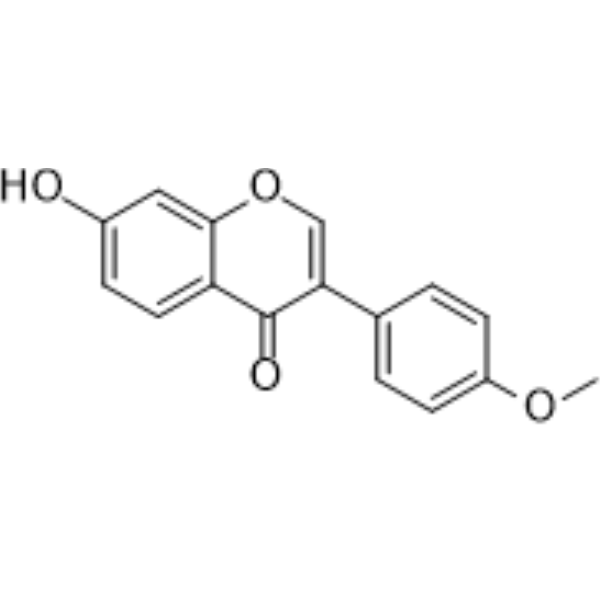
HY-N0183
FormononetinFGFR2 Inhibitor -
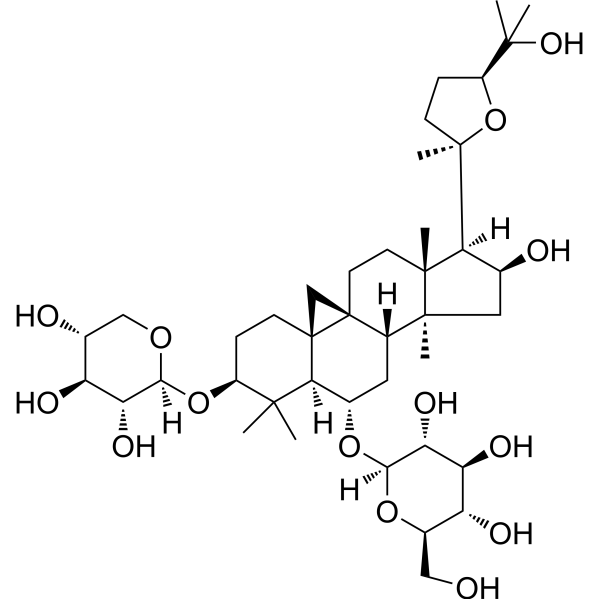
HY-N0431
Astragaloside IVMMP Inhibitor -
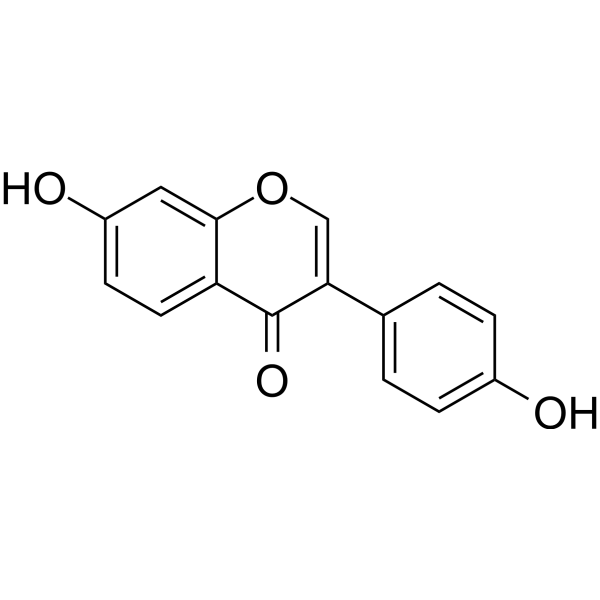
HY-N0019
DaidzeinEndogenous Metabolite -
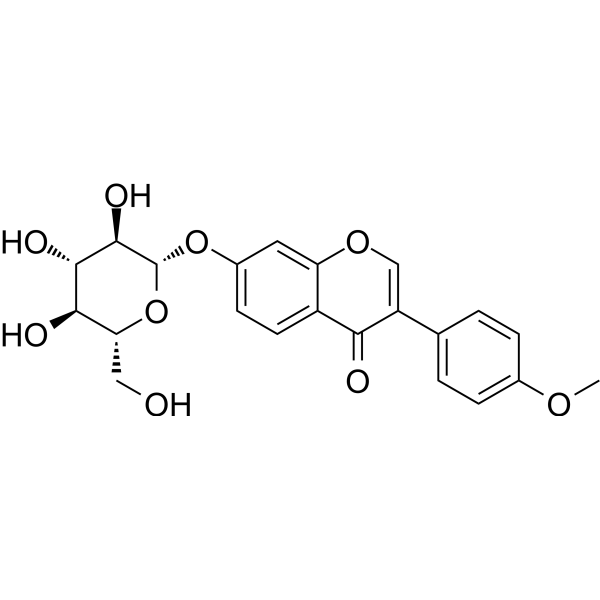
HY-N0270
OnoninIsoflavonoid -
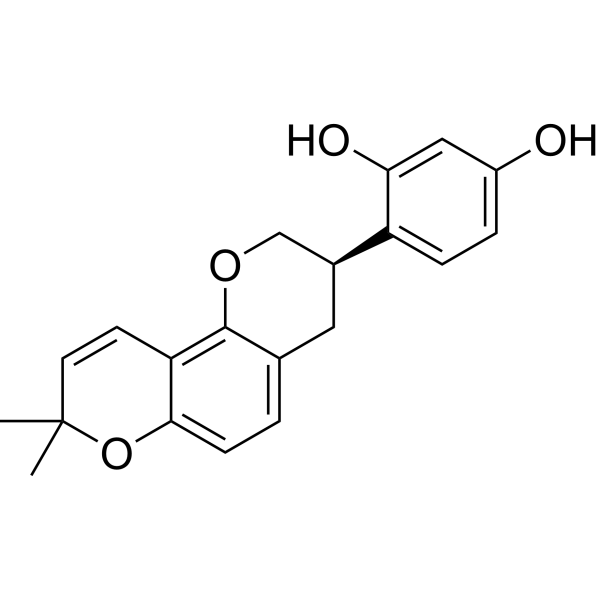
HY-N0393
GlabridinPPARγ Activator -
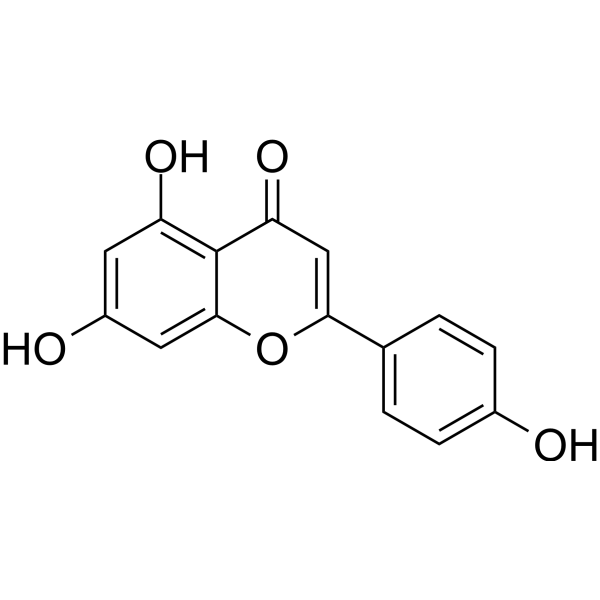
HY-N1201
ApigeninCytochrome P450 Inhibitor -
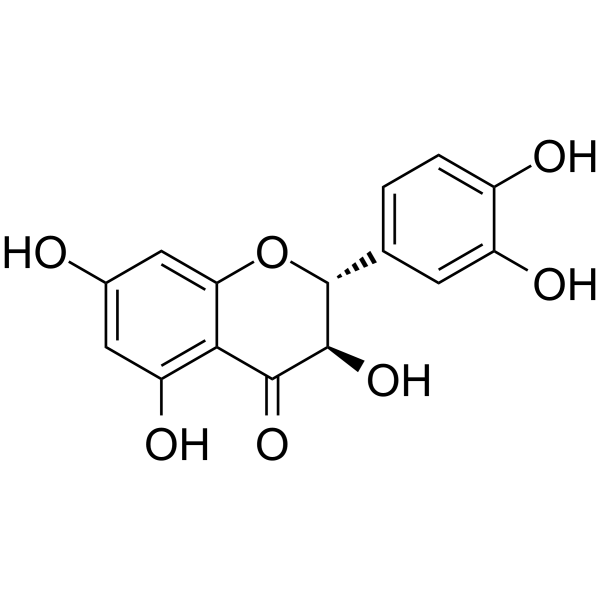
HY-N0136
TaxifolinAntifibrotic Agent -
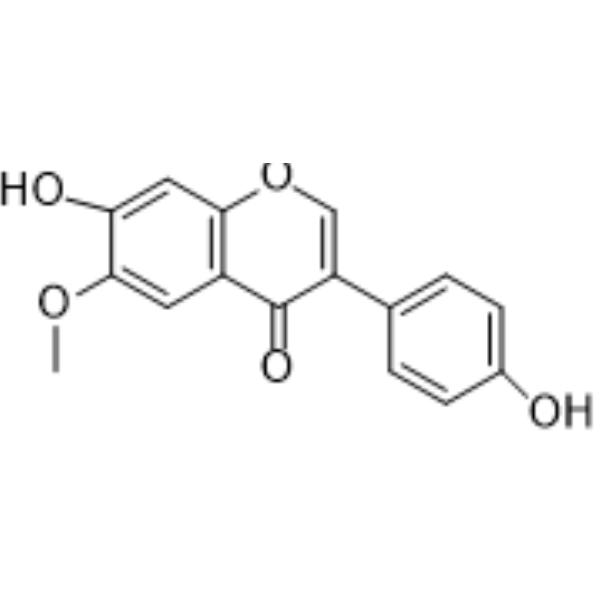
HY-N0016
GlyciteinApoptosis Inducer -
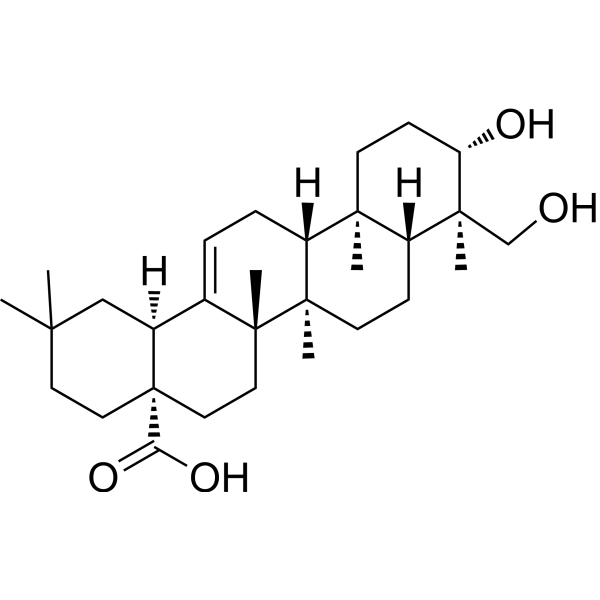
HY-N0256
HederageninCOX Inhibitor -
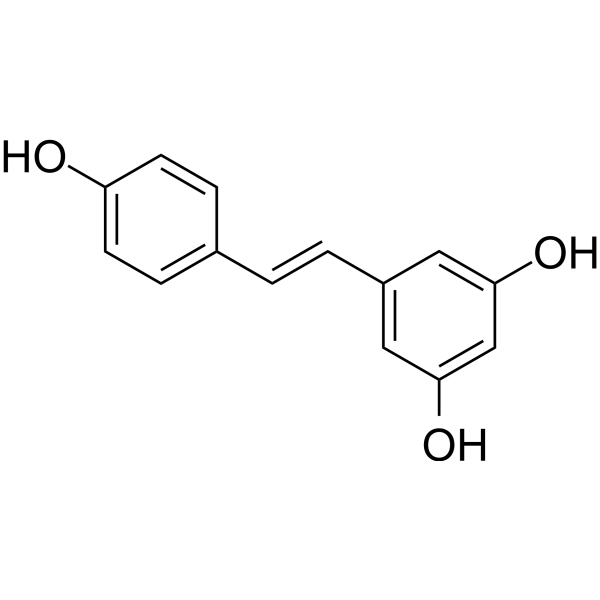
HY-16561
ResveratrolPolyphenolic Phytoalexin -
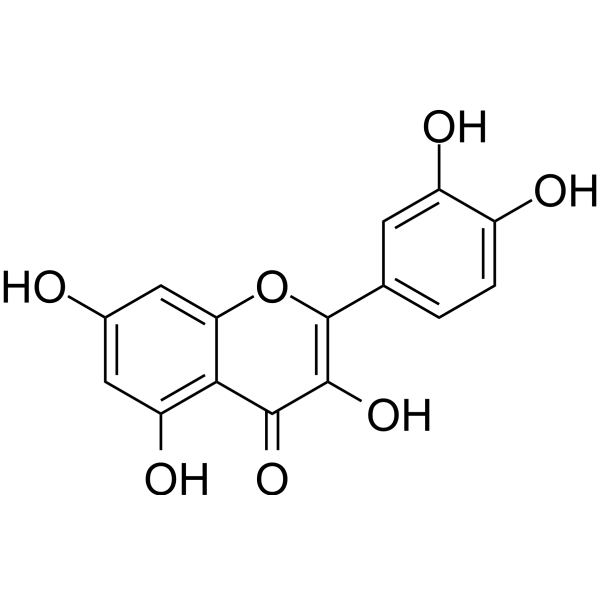
HY-18085
QuercetinFlavonoid Antioxidant -
HY-17394
CisplatinDNA Alkylator
Publications Citing Use of MedChemExpress (MCE) Calycosin
More- Acta Pharm Sin B. 2021 Jan;11(1):143-155. [Abstract]
- Phytomedicine. 2025 Sep:145:157045. [Abstract]
- Food Chem. 2025 Dec 30:497:146992. [Abstract]
- Food Chem. 2025 Oct 15:489:144992. [Abstract]
- Br J Pharmacol. 2018 May;175(9):1439-1450. [Abstract]
- Chin Med. 2026 Jan 12;21(1):29. [Abstract]
- J Ethnopharmacol. 2024 Jul 15:329:118140. [Abstract]
- Biochem Pharmacol. 2026 Feb:244:117572. [Abstract]
- Ind Crops Prod. 2025 Dec 11;239:122458.
- Pharm Biol. 2022 Dec;60(1):990-996. [Abstract]
- Int Immunopharmacol. 2026 May 1:176:116468. [Abstract]
- Drug Dev Res. 2022 Nov;83(7):1654-1672. [Abstract]
- J Funct Foods. 2024 Apr, 115, 106087.
- J Neuroimmunol. 2025 Mar 15:400:578535. [Abstract]
- BMC Nephrol. 2025 Apr 18;26(1):198. [Abstract]
- J Nat Med. 2025 Oct 6. [Abstract]
- Biochem Biophys Res Commun. 2026 Sep 10:830:154254.
- In Vitro Cell Dev Biol Anim. 2022 Jun;58(6):491-502. [Abstract]
- Rev Bras Farmacogn. 2023 Aug 14.
- Xenobiotica. 2025 Aug;55(8):598-606. [Abstract]
- Arch Rheumatol. 2026 Aug 10.
- bioRxiv. 2026 May 10.
- SSRN. 2025 Jul 10.
- Evid Based Complement Alternat Med. 2021 May 4:2021:8885716. [Abstract]
 Customer Validation & Images

-
Cell Proliferation/Viability Assay
-
Bio/Physico-chemical Assay
-
Bio/Physico-chemical Assay
-
Histological Imaging/Staining
-
WB


Biological Activity
Description
Cellular Effect
|
Cell Line

|
Type | Value | Description | References |
|---|---|---|---|---|
| A549 | IC50 |
>100 μM
Compound: 14
|
Cytotoxicity against human A549 cells after 72 hrs by MTT assay
Cytotoxicity against human A549 cells after 72 hrs by MTT assay
|
[PMID: 18440233] |
| B16-BL6 | IC50 |
>100 μM
Compound: 14
|
Cytotoxicity against mouse B16-BL6 cells after 72 hrs by MTT assay
Cytotoxicity against mouse B16-BL6 cells after 72 hrs by MTT assay
|
[PMID: 18440233] |
| BV-2 | IC50 |
39.56 μM
Compound: 6
|
Antineuroinflammatory activity in mouse BV2 cells assessed as inhibition of LPS-induced NO production after 24 hrs in presence of LPS by Griess reaction based assay
Antineuroinflammatory activity in mouse BV2 cells assessed as inhibition of LPS-induced NO production after 24 hrs in presence of LPS by Griess reaction based assay
|
[PMID: 28911817] |
| HeLa | IC50 |
>100 μM
Compound: 14
|
Cytotoxicity against human HeLa cells after 72 hrs by MTT assay
Cytotoxicity against human HeLa cells after 72 hrs by MTT assay
|
[PMID: 18440233] |
| HepG2 | IC50 |
>100 μM
Compound: 7
|
Anticancer activity against human HepG2 cells assessed as cell viability after 48 hrs by MTT assay
Anticancer activity against human HepG2 cells assessed as cell viability after 48 hrs by MTT assay
|
[PMID: 24974349] |
| HT-1080 | IC50 |
>100 μM
Compound: 14
|
Cytotoxicity against human HT1080 cells after 72 hrs by MTT assay
Cytotoxicity against human HT1080 cells after 72 hrs by MTT assay
|
[PMID: 18440233] |
| Lewis lung carcinoma cell line | IC50 |
>100 μM
Compound: 14
|
Cytotoxicity against mouse LLC cells after 72 hrs by MTT assay
Cytotoxicity against mouse LLC cells after 72 hrs by MTT assay
|
[PMID: 18440233] |
| N9 | IC50 |
17.43 μM
Compound: 5
|
Antineuroinflammatory activity in mouse N9 cells assessed as inhibition of LPS-induced nitric oxide production after 24 hrs by Griess assay
Antineuroinflammatory activity in mouse N9 cells assessed as inhibition of LPS-induced nitric oxide production after 24 hrs by Griess assay
|
[PMID: 28073678] |
| PC-3 | IC50 |
192 μM
Compound: 5
|
Cytotoxicity against human PC3 cells
Cytotoxicity against human PC3 cells
|
[PMID: 16441066] |
| RAW264.7 | IC50 |
>50 μM
Compound: 9
|
Antiinflammatory activity in mouse RAW264.7 cells assessed as inhibition of LPS-induced NO production after 24 hrs by Griess assay
Antiinflammatory activity in mouse RAW264.7 cells assessed as inhibition of LPS-induced NO production after 24 hrs by Griess assay
|
[PMID: 25592708] |
| U-937 | IC50 |
43 μM
Compound: 7, clycosin
|
Antiproliferative activity against human U937 cells after 72 hrs by WST-8 assay
Antiproliferative activity against human U937 cells after 72 hrs by WST-8 assay
|
[PMID: 17158054] |
| U-937 | IC50 |
48 μM
Compound: 7, clycosin
|
Antiproliferative activity against human U937 cells after 48 hrs by WST-8 assay
Antiproliferative activity against human U937 cells after 48 hrs by WST-8 assay
|
[PMID: 17158054] |
| U-937 | IC50 |
49 μM
Compound: 7, clycosin
|
Antiproliferative activity against human U937 cells after 24 hrs by WST-8 assay
Antiproliferative activity against human U937 cells after 24 hrs by WST-8 assay
|
[PMID: 17158054] |
| Vero | IC50 |
159 μM
Compound: 5
|
Cytotoxicity against african green monkey Vero cells
Cytotoxicity against african green monkey Vero cells
|
[PMID: 16441066] |
In Vitro
Calycosin (0-100 μM, 24-72 h) inhibits the proliferation of SKOV3 cells in a dose- and time-dependent manner[1].
Calycosin (25-100 μM, 48 h) upregulates the Bax/Bcl-2 ratio and the expression of cleaved caspase-3 and cleaved caspase-9 in a dose-dependent manner in SKOV3 cells[1].
Calycosin (0-16 μM, 0-240 min) stimulates rapid activation of ERK1/2 in a time- and dose-dependent manner in MCF-7 cells[2].
MedChemExpress (MCE) has not independently confirmed the accuracy of these methods. They are for reference only.
-
Cell Line:MCF-7 cells
-
Concentration:2-32 μM
-
Incubation Time:48 h
-
Result:Increased the MCF-7 cell number at the doses of 2-8 μM.
Inhibited the proliferation of MCF-7 cells at the doses of 32 μM.
In Vivo
Calycosin (7.5-30 mg/kg, i.g., daily, 3 days) has a neuroprotective effect against cerebral ischemia/reperfusion injury in adult male Sprague-Dawley rats[3].
MedChemExpress (MCE) has not independently confirmed the accuracy of these methods. They are for reference only.
-
Animal Model:Adult Male Sprague-Dawley Rats[3]
-
Dosage:7.5-30 mg/kg
-
Administration:i.g. daily, 3 days
-
Result:Improved neurological deficit and infarct volum.
Reduced the content of malondialdehyde (MDA), protein carbonyl and reactive oxygen species (ROS).
Increased the activities of superoxide dismutase (SOD), catalase and glutathione peroxidase (GSH-Px) in a dose-dependent manner.
Inhibited the expression of 4-Hydroxy-2-nonenal (4-HNE).


Chemical Information
-
CAS No. 20575-57-9
-
Appearance Solid
-
Molecular Weight 284.26
-
Formula C16H12O5
-
Color White to off-white
-
SMILES
O=C1C(C2=CC=C(OC)C(O)=C2)=COC3=CC(O)=CC=C13
-
Synonyms
Cyclosin
-
Structure Classification
-
Shipping
Room temperature in continental US; may vary elsewhere.
-
Storage
Powder -20°C 3 years 4°C 2 years In solvent -80°C 2 years -20°C 1 year


Publications (24)
-
Journal Impact Factor
-
Most Recent
-
Acta Pharm Sin B
Chrysin serves as a novel inhibitor of DGK α/FAK interaction to suppress the malignancy of esophageal squamous cell carcinoma (ESCC). [Abstract]2021 Jan;11(1):143-155. PMID: 33532186 -
Phytomedicine
Calycosin alleviates myocardial fibrosis after myocardial infarction by restoring fatty acid metabolism homeostasis through inhibiting FAP. [Abstract]2025 Sep:145:157045. PMID: 40627929 -
Food Chem
Effects of sun drying combined with baking processes on the flavor quality of Chongqing Tuocha raw tea. [Abstract]2025 Dec 30:497:146992. PMID: 41285060 -
Food Chem
Flavonoid-mediated metabolic underpinning quality variation in red bud-sport pear mutants. [Abstract]2025 Oct 15:489:144992. PMID: 40466530 -
Br J Pharmacol
The natural compound, formononetin, extracted from Astragalus membranaceus increases adipocyte thermogenesis by modulating PPARγ activity. [Abstract]2018 May;175(9):1439-1450. PMID: 29315511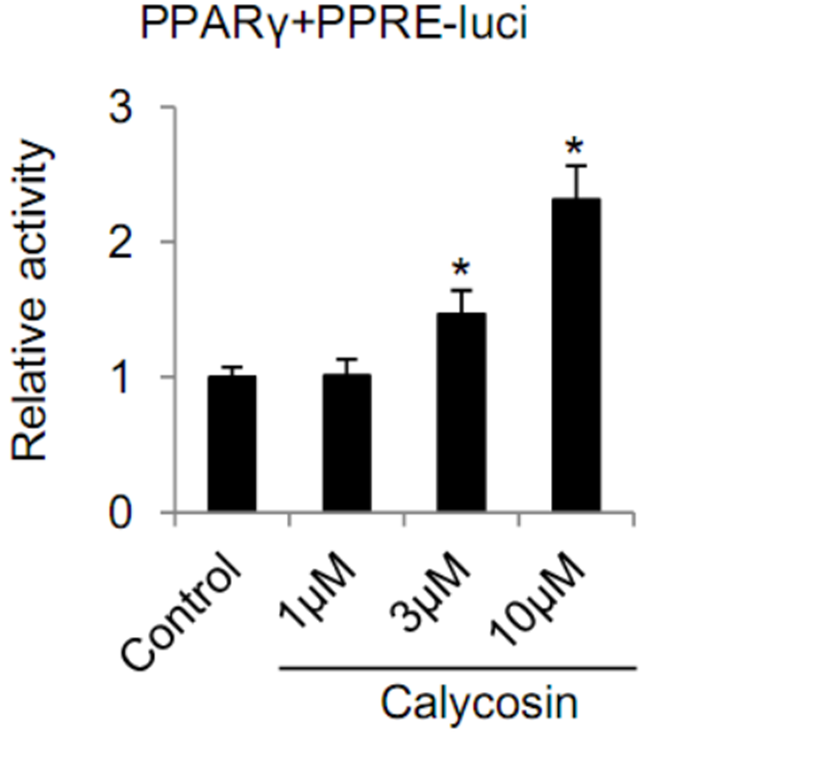
Calycosin purchased from MedChemExpress. Usage Cited in: Br J Pharmacol. 2018 May;175(9):1439-1450. [Abstract]
Calycosin (0-10 μM) dose dependently promoted luciferase activity in COS7 cells transfected with PPARγ and PPRE‐luciferase plasmids.
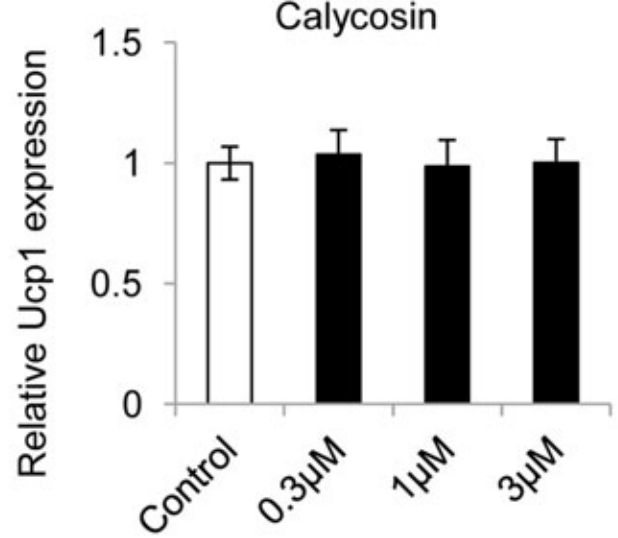
Calycosin purchased from MedChemExpress. Usage Cited in: Br J Pharmacol. 2018 May;175(9):1439-1450. [Abstract]
The effect of Calycosin (0-3 μM) on Ucp1 expression in primary differentiated inguinal adipocytes was analyzed using qPCR.\
-
Chin Med
Therapeutic potential of Sheng-Xian-Tang in doxorubicin-induced chronic heart failure by regulation of phenylalanine metabolism disruption. [Abstract]2026 Jan 12;21(1):29. PMID: 41527105 -
J Ethnopharmacol
Discovery and validation of anti-arthritic ingredients and mechanisms of Qingfu Juanbi Tang, a Chinese herbal formulation, on rheumatoid arthritis. [Abstract]2024 Jul 15:329:118140. PMID: 38565409 -
Biochem Pharmacol
Downregulation of KLF2 impairs pulmonary endothelial function and promotes persistent pulmonary hypertension of the newborn. [Abstract]2026 Feb:244:117572. PMID: 41318102 -
-
Pharm Biol
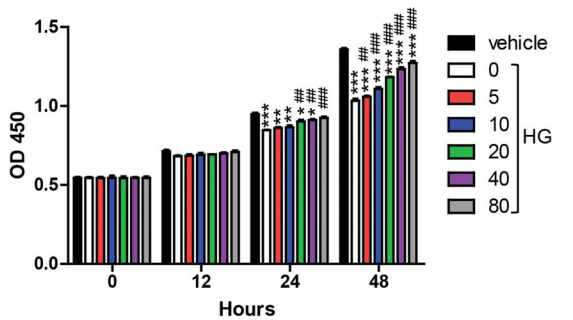
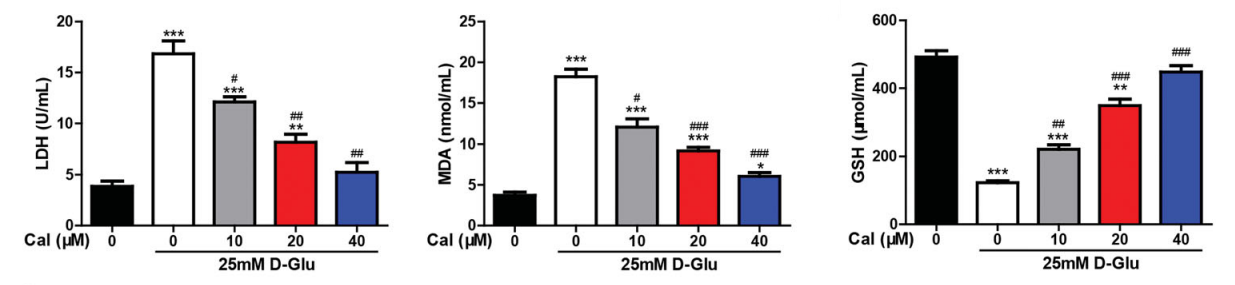
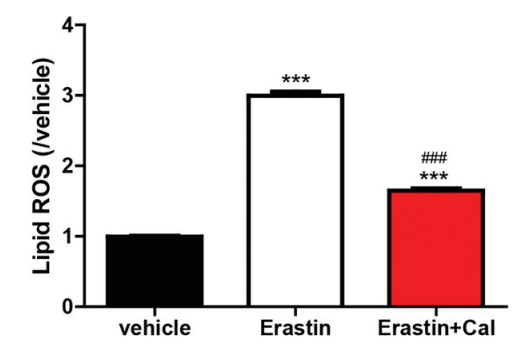
Calycosin plays a protective role in diabetic kidney disease through the regulation of ferroptosis. [Abstract]2022 Dec;60(1):990-996. PMID: 35587919
Calycosin purchased from MedChemExpress. Usage Cited in: Pharm Biol. 2022 Dec;60(1):990-996. [Abstract]
The cell viability was measured in HK-2 cells treated with HG and different concentrations (0, 5, 10, 20, 40 and 80 μM; 48 h) of Calycosin.
Calycosin purchased from MedChemExpress. Usage Cited in: Pharm Biol. 2022 Dec;60(1):990-996. [Abstract]
The levels of LDH, MDA, GSH were measured in HK-2 cells treated with HG and different concentrations (0, 10, 20 and 40 μM) of calycosin.
Calycosin purchased from MedChemExpress. Usage Cited in: Pharm Biol. 2022 Dec;60(1):990-996. [Abstract]
HK-2 cells were treated with erastin (35 μM) and/or Calycosin (40 μM). Then, the lipid ROS levels were detected.
Calycosin purchased from MedChemExpress. Usage Cited in: Pharm Biol. 2022 Dec;60(1):990-996. [Abstract]
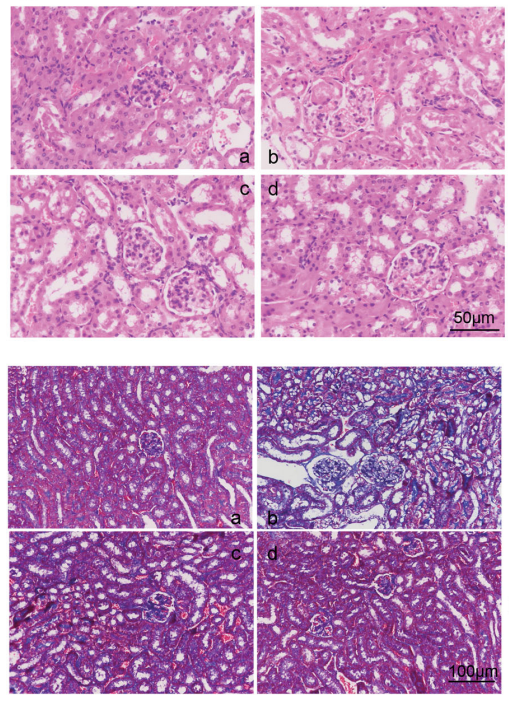
Calycosin plays a protective role in db/db mouse through the inhibition of ferroptosis. The db/db mice were randomly divided into a db/db group, a db/db plus 10 mg/kg/day Calycosin group, and a db/db plus 20 mg/kg/day Calycosin group. The db/m mice served as controls. Calycosin or saline was intraperitoneally injected into the mice for 4 weeks. HE and Masson’s Trichrome staining of kidney sections.
Calycosin purchased from MedChemExpress. Usage Cited in: Pharm Biol. 2022 Dec;60(1):990-996. [Abstract]
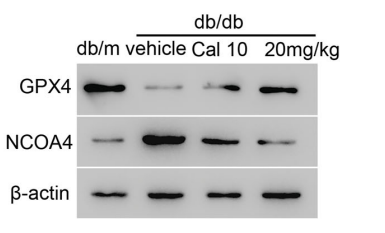
Calycosin plays a protective role in db/db mouse through the inhibition of ferroptosis. The db/db mice were randomly divided into a db/db group, a db/db plus 10 mg/kg/day Calycosin group, and a db/db plus 20 mg/kg/day Calycosin group. The db/m mice served as controls. Calycosin or saline was intraperitoneally injected into the mice for 4 weeks. Protein levels of GPX4 and NCOA4 were detected.
-
Int Immunopharmacol
Minimolide F alleviates inflammatory diseases by specifically targeting STING and blocking IRF3 recruitment. [Abstract]2026 May 1:176:116468. PMID: 41819671 -
Drug Dev Res
Calycosin represses AIM2 inflammasome-mediated inflammation and pyroptosis to attenuate monosodium urate-induced gouty arthritis through NF-κB and p62-Keap1 pathways. [Abstract]2022 Nov;83(7):1654-1672. PMID: 36069386 -
-
J Neuroimmunol
Calycosin regulates astrocyte reactivity and astrogliosis after spinal cord injury by targeting STAT3 phosphorylation. [Abstract]2025 Mar 15:400:578535. PMID: 39954615 -
BMC Nephrol
Calycosin ameliorates albuminuria in nephrotic syndrome by targeting Notch1/Snail pathway. [Abstract]2025 Apr 18;26(1):198. PMID: 40251522 -
J Nat Med
Calycosin ameliorates inflammation and M1 macrophage polarization via Spon2 in LPS-triggered MH-S alveolar macrophages. [Abstract]2025 Oct 6. PMID: 41053324 -
-
In Vitro Cell Dev Biol Anim
Calycosin prevents IL-1β-induced articular chondrocyte damage in osteoarthritis through regulating the PI3K/AKT/FoxO1 pathway. [Abstract]2022 Jun;58(6):491-502. PMID: 35705795 -
-
Xenobiotica
Calycosin improves insulin resistance by regulating the hsa-miR-324-3p/AKT pathway to inhibit FOXO3a nuclear transfer. [Abstract]2025 Aug;55(8):598-606. PMID: 40924558 -
-
-
-
Evid Based Complement Alternat Med
Calycosin Alleviates Injury in Airway Epithelial Cells Caused by PM 2.5 Exposure via Activation of AMPK Signalling. [Abstract]2021 May 4:2021:8885716. PMID: 34055025


Solvent & Solubility
In Vitro:
DMSO : ≥ 100 mg/mL (351.79 mM; Hygroscopic DMSO has a significant impact on the solubility of product, please use newly opened DMSO)
* "≥" means soluble, but saturation unknown.
Please refer to the solubility information to select the appropriate solvent. Once prepared, please aliquot and store the solution to prevent product inactivation from repeated freeze-thaw cycles.
Storage method and period of stock solution: -80°C, 2 years; -20°C, 1 year. When stored at -80°C, please use it within 2 years. When stored at -20°C, please use it within 1 year.
Please refer to the solubility information to select the appropriate solvent. Once prepared, please aliquot and store the solution to prevent product inactivation from repeated freeze-thaw cycles.
Storage method and period of stock solution: -80°C, 2 years; -20°C, 1 year. When stored at -80°C, please use it within 2 years. When stored at -20°C, please use it within 1 year.
Concentration (start) × Volume (start) = Concentration (final) × Volume (final)
In Vivo:
Select the appropriate dissolution method based on your experimental animal and administration route.
- For the following dissolution methods, please ensure to first prepare a clear stock solution using an In Vitro approach and then sequentially add co-solvents:
- To ensure reliable experimental results, the clarified stock solution can be appropriately stored based on storage conditions. As for the working solution for In Vivo experiments, it is recommended to prepare freshly and use it on the same day.
- The percentages shown for the solvents indicate their volumetric ratio in the final prepared solution. If precipitation or phase separation occurs during preparation, heat and/or sonication can be used to aid dissolution.
Add each solvent one by one: 10% DMSO 40% PEG300 5% Tween-80 45% Saline
Solubility: ≥ 2.5 mg/mL (8.79 mM); Clear solution
This protocol yields a clear solution of ≥ 2.5 mg/mL (saturation unknown).
Taking 1 mL working solution as an example, add 100 μL DMSO stock solution (25.0 mg/mL) to 400 μL PEG300, and mix evenly; then add 50 μL Tween-80 and mix evenly; then add 450 μL Saline to adjust the volume to 1 mL.
Preparation of Saline: Dissolve 0.9 g sodium chloride in ddH₂O and dilute to 100 mL to obtain a clear Saline solution.
Add each solvent one by one: 10% DMSO 90% (20% SBE-β-CD in Saline)
Solubility: ≥ 2.5 mg/mL (8.79 mM); Clear solution
This protocol yields a clear solution of ≥ 2.5 mg/mL (saturation unknown).
Taking 1 mL working solution as an example, add 100 μL DMSO stock solution (25.0 mg/mL) to 900 μL 20% SBE-β-CD in Saline, and mix evenly.
Preparation of 20% SBE-β-CD in Saline (4°C, storage for one week): 2 g SBE-β-CD powder is dissolved in 10 mL Saline, completely dissolve until clear.
In Vivo Dissolution Calculator
Please enter the basic information of animal experiments:
-
-
-
-
Recommended: Prepare an additional quantity of animals to account for potential losses during experiments.
Please enter your animal formula composition:
-
%DMSO +
Recommended: Keep the proportion of DMSO in working solution below 2% if your animal is weak.
-
%+
-
+%Tween-80 + +
-
%Saline +
The co-solvents required include: DMSO, . All of co-solvents are available by MedChemExpress (MCE). , Tween 80. All of co-solvents are available by MedChemExpress (MCE).
Working solution concentration: 0.22 mg/mL
Method for preparing stock solution: mg drug dissolved in μL DMSO. Stock solution concentration: mg/mL.
1. Take μL DMSO stock solution;
2. Add μL .
μL , mix evenly;
3. Then add μL Tween 80, mix evenly;
4. Then add μL
Please ensure that the stock solution in the first step is dissolved to a clear state, and add co-solvents in sequence. You can use ultrasonic heating (ultrasonic cleaner, recommended frequency 20-40 kHz), vortexing, etc. to assist dissolution.


Purity & Documentation
-
Data Sheet (277 KB)
-
SDS (479 KB)
- English - EN (479 KB)
- Français - FR (479 KB)
- Deutsch - DE (479 KB)
- Norwegian - NO (479 KB)
- Español - ES (479 KB)
- Swedish - SV (479 KB)
- Italian - IT (479 KB)
- Korean - KR (479 KB)
- Portuguese - PT (479 KB)
-
Handling Instructions (2659 KB)
References
[1]. Zhou Y, et al. Calycosin induces apoptosis in human ovarian cancer SKOV3 cells by activating caspases and Bcl-2 family proteins. Tumour Biol. 2015 Feb 12. [Content Brief]
[2]. Chen J, et al. Calycosin promotes proliferation of estrogen receptor-positive cells via estrogen receptors and ERK1/2 activation in vitro and in vivo. Cancer Lett. 2011 Sep 28;308(2):144-51. [Content Brief]
[3]. Guo C, et al. Neuroprotective effect of calycosin on cerebral ischemia and reperfusion injury in rats. J Ethnopharmacol. 2012 Dec 18;144(3):768-74. [Content Brief]


Complete Stock Solution Preparation Table
Please refer to the solubility information to select the appropriate solvent. Once prepared, please aliquot and store the solution to prevent product inactivation from repeated freeze-thaw cycles.
Storage method and period of stock solution: -80°C, 2 years; -20°C, 1 year. When stored at -80°C, please use it within 2 years. When stored at -20°C, please use it within 1 year.
| Optional Solvent | Concentration Solvent Mass | 1 mg | 5 mg | 10 mg | 25 mg |
|---|---|---|---|---|---|
| DMSO | 1 mM | 3.5179 mL | 17.5895 mL | 35.1791 mL | 87.9477 mL |
| 5 mM | 0.7036 mL | 3.5179 mL | 7.0358 mL | 17.5895 mL | |
| 10 mM | 0.3518 mL | 1.7590 mL | 3.5179 mL | 8.7948 mL | |
| 15 mM | 0.2345 mL | 1.1726 mL | 2.3453 mL | 5.8632 mL | |
| 20 mM | 0.1759 mL | 0.8795 mL | 1.7590 mL | 4.3974 mL | |
| 25 mM | 0.1407 mL | 0.7036 mL | 1.4072 mL | 3.5179 mL | |
| 30 mM | 0.1173 mL | 0.5863 mL | 1.1726 mL | 2.9316 mL | |
| 40 mM | 0.0879 mL | 0.4397 mL | 0.8795 mL | 2.1987 mL | |
| 50 mM | 0.0704 mL | 0.3518 mL | 0.7036 mL | 1.7590 mL | |
| 60 mM | 0.0586 mL | 0.2932 mL | 0.5863 mL | 1.4658 mL | |
| 80 mM | 0.0440 mL | 0.2199 mL | 0.4397 mL | 1.0993 mL | |
| 100 mM | 0.0352 mL | 0.1759 mL | 0.3518 mL | 0.8795 mL |


Calycosin Related Classifications
HY-N0519 Related Classifications
 Powered by Bioz