



Flavokawain B
Based on 2 publication(s) in Google Scholar
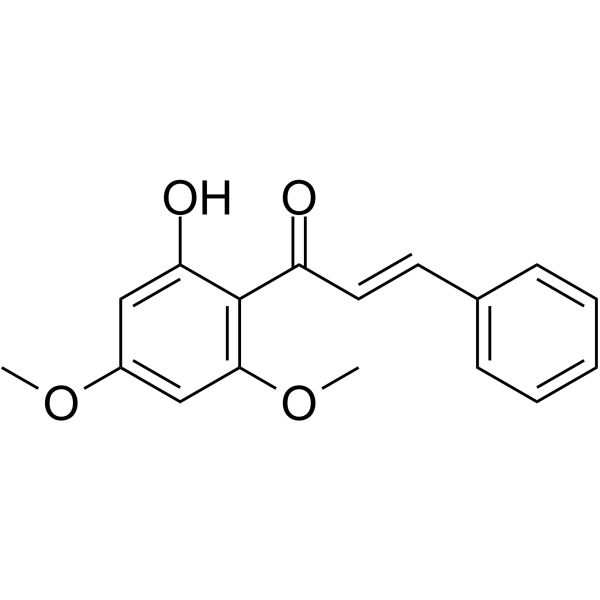
Flavokawain B (Flavokavain B) is an orally active chalcone. Flavokawain B results in activation of caspase-9, -3 and -8, cleavage of PARP. Flavokawain B down-regulates Bcl-2 with concomitant increase in Bax level. Flavokawain B inhibits NF-κB, PI3K/Akt and MAPK signaling pathway. Flavokawain B exhibits Apoptotic effects. Flavokawain B inhibits MMP-9 and promotes ROS generation. Flavokawain B inhibits multiple tumors and inflammation.
For research use only. We do not sell to patients.
- Purity : 99.99%
- CAS No.: 1775-97-9
- Formula: C17H16O4
- Molecular Weight:284.31
-
Storage:
4°C, protect from light
* In solvent : -80°C, 6 months; -20°C, 1 month (protect from light)

To place orders, for customer services and technical support, please contact: MedChemExpress USA
Tel: 609-228-6898 E-mail: [email protected] [email protected]


-
 Biological Activity
-
Chemical Information
-
Solvent & Solubility
- Protocols
- Purity & Documentation
- References
-
 Help & FAQs


-
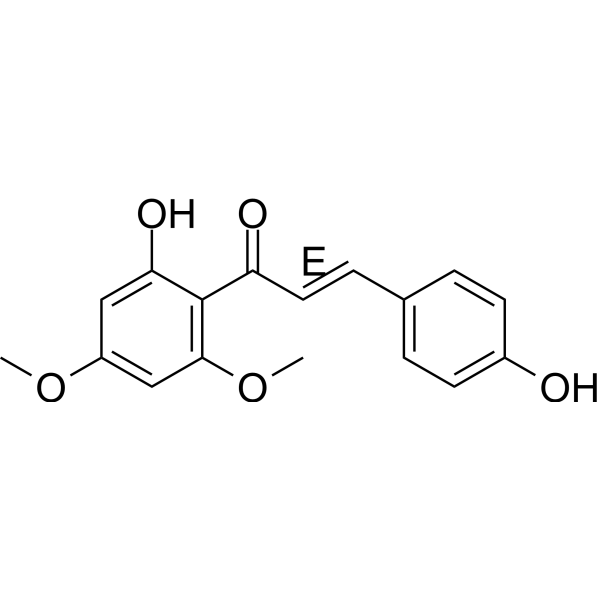
HY-N2445
Flavokawain CNatural Chalcone -
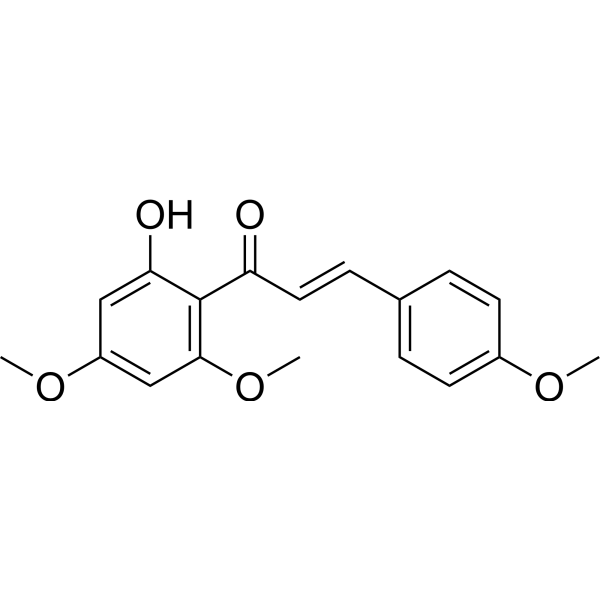
HY-N2420
Flavokawain AAnti-tumor Agent -
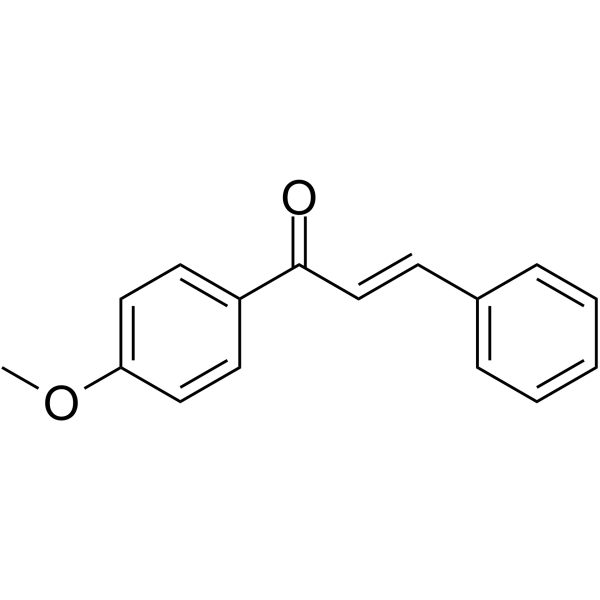
HY-128400
4'-MethoxychalconePARP Activator -

HY-N2132R
Flavokawain B (Standard)Anti-tumor Agent -
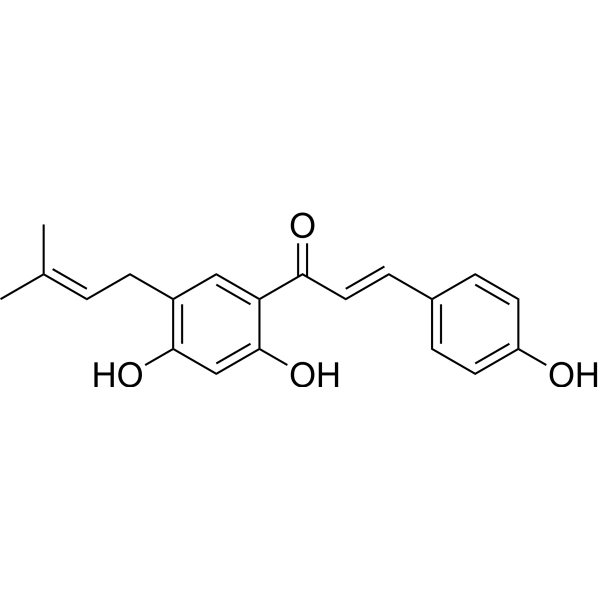
HY-N0231
BavachalconeBacterial Inhibitor -
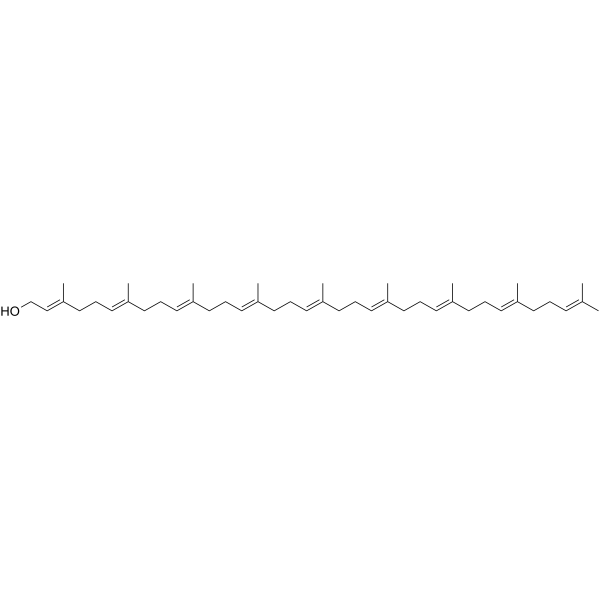
HY-N0576
SolanesolAliphatic Terpene Alcohol -
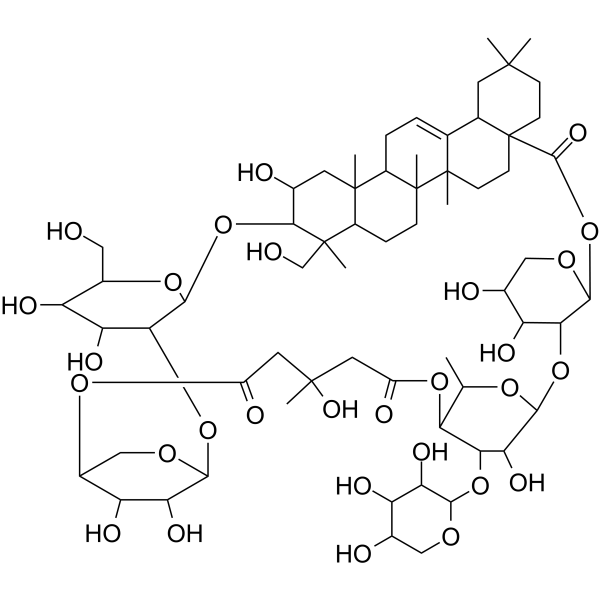
HY-N0890
Tubeimoside IAnticancer Agent -
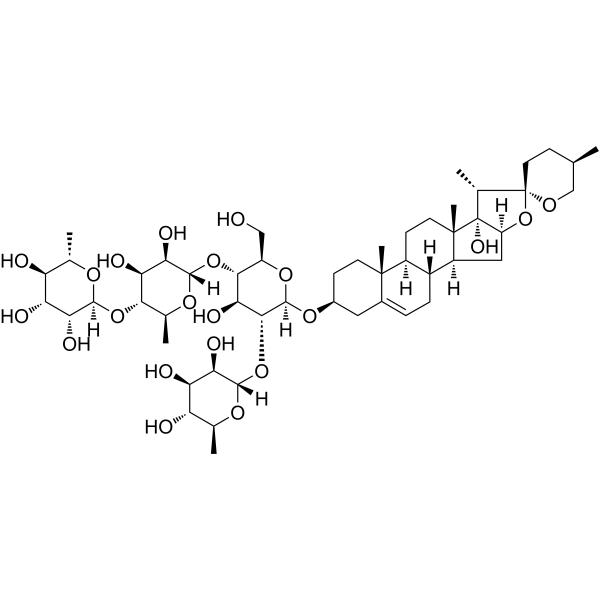
HY-N3584
Paris saponin VIICaspase Inhibitor -
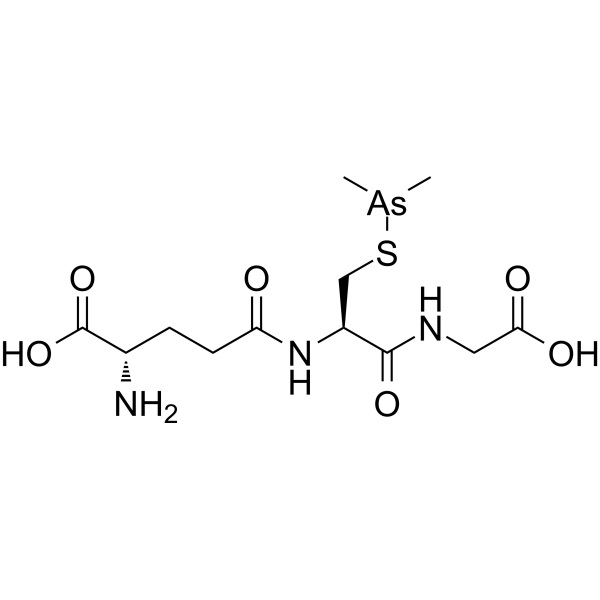
HY-14943
DarinaparsinAnticancer Agent -
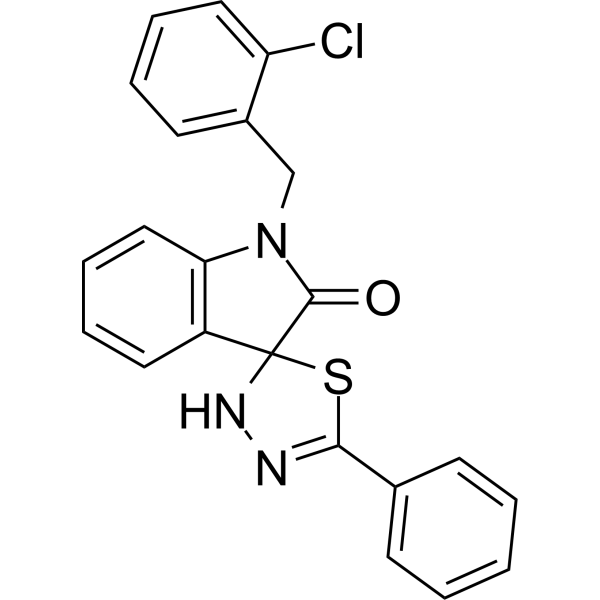
HY-103255
CFM-4CARP-1/APC-2 Binding Antagonist -

HY-N0231R
Bavachalcone (Standard)Bacterial Inhibitor -

HY-N0576R
Solanesol (Standard)Standard Of Solanesol
Publications Citing Use of MedChemExpress (MCE) Flavokawain B
More Customer Validation & Images

-
Cell Proliferation/Viability Assay
-
Cell Proliferation/Viability Assay
-
Cell Proliferation/Viability Assay
-
Cell Proliferation/Viability Assay
-
Flow Cytometry
All Caspase Isoforms
More

Biological Activity
Description
Cellular Effect
|
Cell Line

|
Type | Value | Description | References |
|---|---|---|---|---|
| A549 | IC50 |
>20 μM
Compound: 7
|
Inhibition of TNFalpha induced NF-kappaB activation in human A549 cells by luciferase reporter gene assay
Inhibition of TNFalpha induced NF-kappaB activation in human A549 cells by luciferase reporter gene assay
|
[PMID: 19883086] |
| A549 | IC50 |
19.7 μM
Compound: 21
|
Cytotoxicity against human A549 cells assessed as reduction in cell viability incubated for 72 hrs by alamar blue assay
Cytotoxicity against human A549 cells assessed as reduction in cell viability incubated for 72 hrs by alamar blue assay
|
[PMID: 31673309] |
| A549 | IC50 |
8 μg/mL
Compound: Flavokawain B
|
Inhibition of TNF-alpha-induced NF-kappaB expressed in human A549 cells treated 1 hr after TNFalpha challenge measured after 6 hrs by luciferase reporter gene assay
Inhibition of TNF-alpha-induced NF-kappaB expressed in human A549 cells treated 1 hr after TNFalpha challenge measured after 6 hrs by luciferase reporter gene assay
|
[PMID: 19716299] |
| B16-F10 | IC50 |
7.7 μM
Compound: 1a
|
Antimelanogenic activity in mouse B16F10 cells assessed as inhibition of melanin production after 4 days
Antimelanogenic activity in mouse B16F10 cells assessed as inhibition of melanin production after 4 days
|
[PMID: 25597012] |
| Caco-2 | IC50 |
9.9 μM
Compound: 2
|
Cytotoxicity against human Caco2 cells assessed as cell viability after 48 hrs by Hoechst 33342 staining based assay
Cytotoxicity against human Caco2 cells assessed as cell viability after 48 hrs by Hoechst 33342 staining based assay
|
[PMID: 28214231] |
| Fibroblast | IC50 |
>20 μM
Compound: 2
|
Cytotoxicity against human fibroblasts assessed as cell viability after 48 hrs by Hoechst 33342 staining based assay
Cytotoxicity against human fibroblasts assessed as cell viability after 48 hrs by Hoechst 33342 staining based assay
|
[PMID: 28214231] |
| HaCaT | IC50 |
13.6 μM
Compound: 2
|
Cytotoxicity against human HaCaT cells assessed as cell viability after 48 hrs by Hoechst 33342 staining based assay
Cytotoxicity against human HaCaT cells assessed as cell viability after 48 hrs by Hoechst 33342 staining based assay
|
[PMID: 28214231] |
| HCT-116 | IC50 |
>20 μM
Compound: 21
|
Cytotoxicity against human HCT116 cells assessed as reduction in cell viability incubated for 72 hrs by alamar blue assay
Cytotoxicity against human HCT116 cells assessed as reduction in cell viability incubated for 72 hrs by alamar blue assay
|
[PMID: 31673309] |
| HCT-116 | IC50 |
7.5 μM
Compound: 2
|
Cytotoxicity against human HCT116 cells assessed as cell viability after 48 hrs by Hoechst 33342 staining based assay
Cytotoxicity against human HCT116 cells assessed as cell viability after 48 hrs by Hoechst 33342 staining based assay
|
[PMID: 28214231] |
| HeLa | IC50 |
>20 μM
Compound: 21
|
Cytotoxicity against human HeLa cells assessed as reduction in cell viability incubated for 72 hrs by alamar blue assay
Cytotoxicity against human HeLa cells assessed as reduction in cell viability incubated for 72 hrs by alamar blue assay
|
[PMID: 31673309] |
| HSC-3 | IC50 |
4.9 μg/mL
Compound: 60
|
Anticancer activity against human HSC3 cells
Anticancer activity against human HSC3 cells
|
[PMID: 25137491] |
| Huh-7 | IC50 |
15.9 μM
Compound: 2
|
Cytotoxicity against human HuH7 cells assessed as cell viability after 48 hrs by Hoechst 33342 staining based assay
Cytotoxicity against human HuH7 cells assessed as cell viability after 48 hrs by Hoechst 33342 staining based assay
|
[PMID: 28214231] |
| MCF7 | IC50 |
15.5 μM
Compound: 2
|
Cytotoxicity against human MCF7 assessed as cell viability after 48 hrs by Hoechst 33342 staining based assay
Cytotoxicity against human MCF7 assessed as cell viability after 48 hrs by Hoechst 33342 staining based assay
|
[PMID: 28214231] |
| MCF7 | IC50 |
20 μM
Compound: 2f
|
The compound was tested for antiproliferative activity against MCF-7 human breast cancer cells
The compound was tested for antiproliferative activity against MCF-7 human breast cancer cells
|
[PMID: 11720850] |
| MDA-MB-231 | IC50 |
16.3 μM
Compound: 2
|
Cytotoxicity against human MDA-MB-231 cells assessed as cell viability after 48 hrs by Hoechst 33342 staining based assay
Cytotoxicity against human MDA-MB-231 cells assessed as cell viability after 48 hrs by Hoechst 33342 staining based assay
|
[PMID: 28214231] |
| MIA PaCa-2 | IC50 |
18.2 μM
Compound: 21
|
Cytotoxicity against human MIAPaCa2 cells assessed as reduction in cell viability incubated for 72 hrs by alamar blue assay
Cytotoxicity against human MIAPaCa2 cells assessed as reduction in cell viability incubated for 72 hrs by alamar blue assay
|
[PMID: 31673309] |
| NCI-H727 | IC50 |
11.3 μM
Compound: 2
|
Cytotoxicity against human NCI-H727 cells assessed as cell viability after 48 hrs by Hoechst 33342 staining based assay
Cytotoxicity against human NCI-H727 cells assessed as cell viability after 48 hrs by Hoechst 33342 staining based assay
|
[PMID: 28214231] |
| NIH3T3 | IC50 |
3.3 μM
Compound: 2b
|
Inhibition of cobalt chloride-induced HIF-1 activation expressed in mouse NIH3T3 cells after 8 hrs by luciferase reporter gene assay
Inhibition of cobalt chloride-induced HIF-1 activation expressed in mouse NIH3T3 cells after 8 hrs by luciferase reporter gene assay
|
[PMID: 21112783] |
| PC-3 | IC50 |
9.1 μM
Compound: 2
|
Cytotoxicity against human PC3 cells assessed as cell viability after 48 hrs by Hoechst 33342 staining based assay
Cytotoxicity against human PC3 cells assessed as cell viability after 48 hrs by Hoechst 33342 staining based assay
|
[PMID: 28214231] |
| RAW264.7 | IC50 |
26.5 μM
Compound: FK B
|
Cytotoxicity against mouse RAW264.7 cells assessed as reduction in cell viability measured after 24 hrs by MTT assay
Cytotoxicity against mouse RAW264.7 cells assessed as reduction in cell viability measured after 24 hrs by MTT assay
|
[PMID: 32208222] |
| RAW264.7 | IC50 |
4.2 μM
Compound: FK B
|
Inhibition of LPS-induced nitric oxide production in mouse RAW264.7 cells measured after 24 hrs by Griess reagent based assay
Inhibition of LPS-induced nitric oxide production in mouse RAW264.7 cells measured after 24 hrs by Griess reagent based assay
|
[PMID: 32208222] |
| REH | IC50 |
>20 μM
Compound: 21
|
Cytotoxicity against human REH cells assessed as reduction in cell viability incubated for 72 hrs by alamar blue assay
Cytotoxicity against human REH cells assessed as reduction in cell viability incubated for 72 hrs by alamar blue assay
|
[PMID: 31673309] |
| RL | IC50 |
8.2 μM
Compound: 2
|
Cytotoxicity against human RL assessed as cell viability after 48 hrs by Hoechst 33342 staining based assay
Cytotoxicity against human RL assessed as cell viability after 48 hrs by Hoechst 33342 staining based assay
|
[PMID: 28214231] |
| U-937 | IC50 |
>20 μM
Compound: 21
|
Cytotoxicity against human U937 cells assessed as reduction in cell viability incubated for 72 hrs by alamar blue assay
Cytotoxicity against human U937 cells assessed as reduction in cell viability incubated for 72 hrs by alamar blue assay
|
[PMID: 31673309] |
In Vitro
Flavokawain B (1-5 µg/mL, 18-24 h) inhibits human brain endothelial cell (HUVEC) migration and tube formation[1].
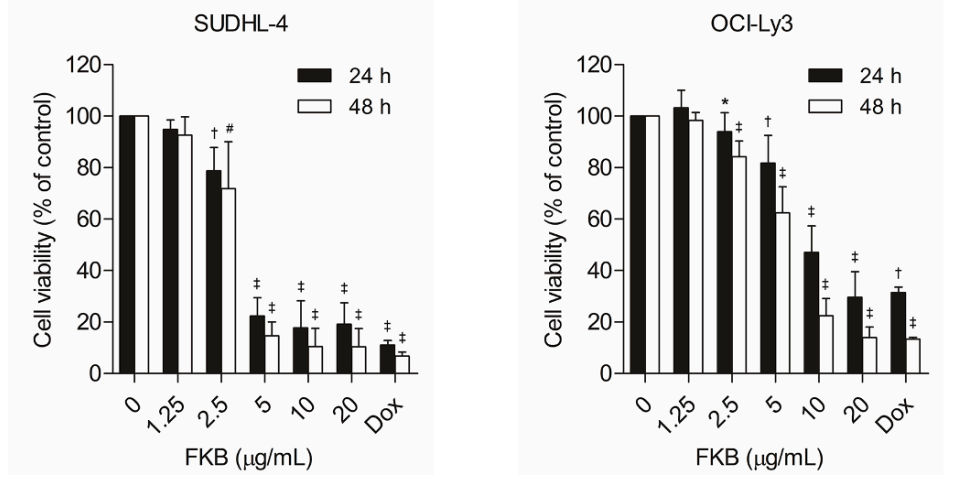
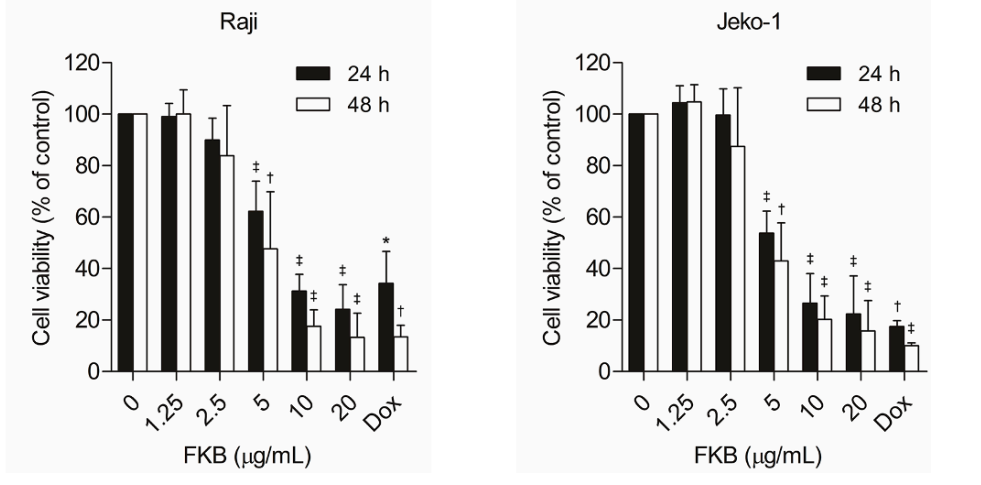
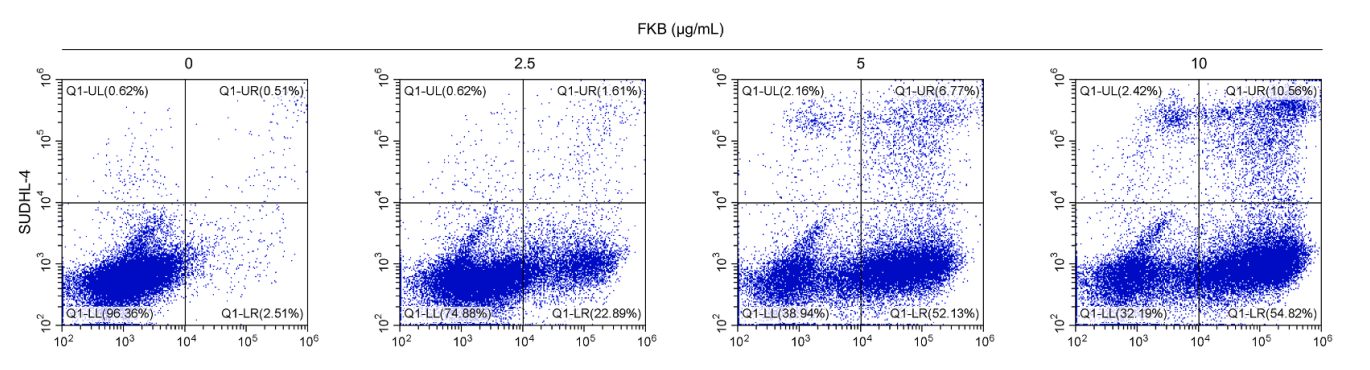
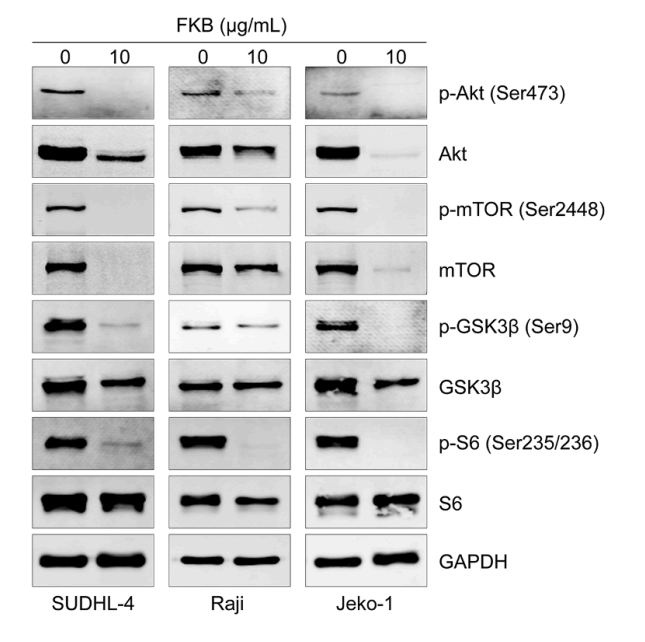
Flavokawain B (1.25-20 µg/mL, 18 h) induces proliferation inhibition and apoptosis in multiple B-cell lymphoma cell lines through downregulating the PI3K/Akt axis[3].
Flavokawain B (5-40 µM, 1 h) shows anti-inflammatory activities, with inhibiting production of NO and PGE2 in LPS-induced RAW 264.7 cells[4].
Flavokawain B (17.6-70.4 μM, 24 h) results in apoptosis of KB cells, evidenced by loss of cell viability, profound morphological changes, genomic DNA fragmentation and sub-G1 phase accumulation[5].
Flavokawain B (2.5-7.5 µg/mL, 24 h) induces apoptosis in synovial sarcoma cell lines[6].
Flavokawain B (2.5-7.5 µg/mL, 24 h) inhibits growth of human osteosarcoma cells (143B and saos-2) through G2/M cell cycle arrest and apoptosis[7].
Flavokawain B (1.25-10 μg/mL, 24 h) induces apoptosis in human oral carcinoma HSC-3 cells through the intracellular ROS generation and downregulation of the Akt/p38 MAPK signaling pathway[8].
Flavokawain B (2.5-5 μg/mL, 24 h) exhibits robust apoptotic effects and induces G2/M arrest of a uterine leiomyosarcoma cell line SK-LMS-1 and ECC-1[9].
MedChemExpress (MCE) has not independently confirmed the accuracy of these methods. They are for reference only. Further protocols information, click here.
-
Cell Line:SUDHL-4, OCI-Ly3, Raji, and Jeko-1
-
Concentration:1.25, 2.5, 5, 10, 20 µg/mL
-
Incubation Time:24 h, 48 h
-
Result:Showed dose- and time-dependent inhibition of cell proliferation (SUDHL-4).
Mildly affected cell (SUDHL-4) viability at a concentration of 1.25 μg/mL (24 h).
-
Cell Line:SUDHL-4, OCI-Ly3, Raji, and Jeko-1
-
Concentration:2.5, 5, and 10 µg/mL
-
Incubation Time:12 h, 24 h
-
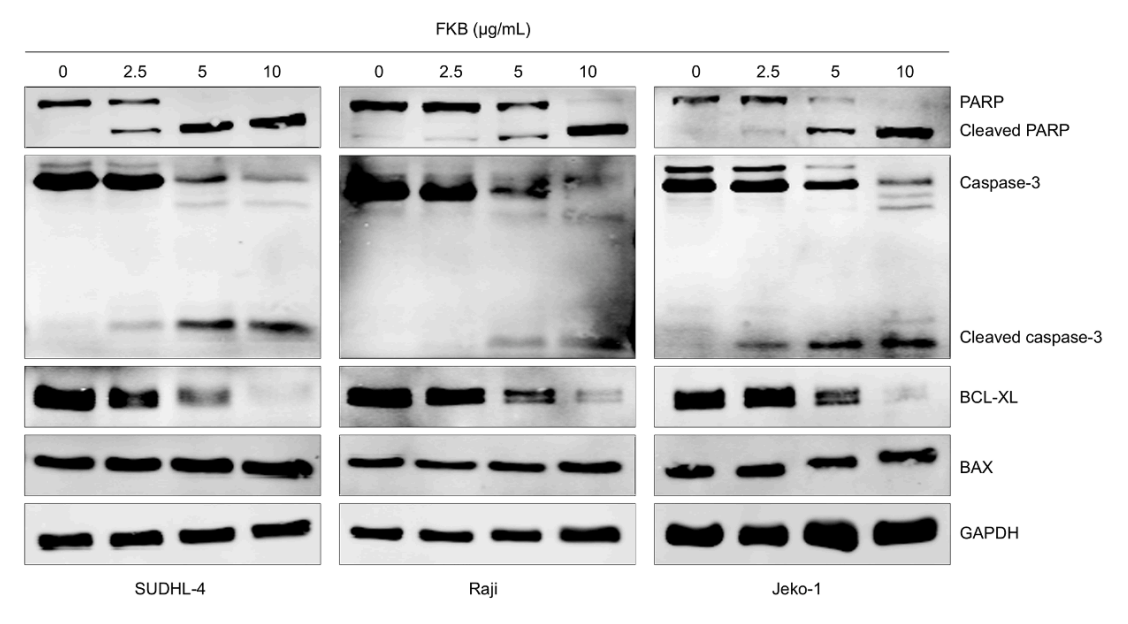
Result:Increased the number of cleaved PARP and caspase-3 fragments.
Reduced the expression of BCL-XL (an anti-apoptotic member of the BCL-2 family).
Induced the breakdown of MMP.
In Vivo
Flavokawain B (50-200 mg/kg, i.p.) shows anti-inflammatory activities in LPS-induced mice[4].
Flavokawain B (0.35-0.75 mg/kg, i.p., every 2 days, 27 days) significantly inhibits in vivo growth of human KB cell-derived tumor xenografts in nude mice[5].
Flavokawain B (20-40 mg/kg, p.o., 7 days) inhibits NF-κB inflammatory signaling pathway activation in colitis mice by targeting TLR2[10].
Flavokawain B (25 mg/kg, p.o., daily for a week) induces GSH-sensitive oxidative stress in mice through modulation of IKK/NF-κB and MAPK signaling pathways[11].
Flavokawain B (10-20 mg/kg, i.g., 3 consecutive days) alleviates LPS-induced acute lung injury in mice via targeting myeloid differentiation factor 2[12].
Flavokawain B (25 mg/kg, i.p., twice-a-week for 2 weeks) in combination with Cisplatin (HY-17394)/Gemcitabine (HY-17026) significantly inhibits tumor growth in a xenograft mouse (SNU-478 cells) model[13].
MedChemExpress (MCE) has not independently confirmed the accuracy of these methods. They are for reference only.
-
Animal Model:Nude mice injected human KB cell[5]
-
Dosage:0.35, 0.75 mg/kg
-
Administration:Intraperitoneal injection (i.p.), every 2 days, 27 days
-
Result:Showed no loss of body weight.
Showed time-dependent growth inhibition of tumor.
Showed tumor cell inactivity or regression.
Showed augmentation of apoptotic DNA fragmentation.


Chemical Information
-
CAS No. 1775-97-9
-
Appearance Solid
-
Molecular Weight 284.31
-
Formula C17H16O4
-
Color Light yellow to yellow
-
SMILES
O=C(C1=C(OC)C=C(OC)C=C1O)/C=C/C2=CC=CC=C2
-
Synonyms
Flavokavain B
-
Structure Classification
-
Initial Source
-
Shipping
Room temperature in continental US; may vary elsewhere.
-
Storage
4°C, protect from light
* In solvent : -80°C, 6 months; -20°C, 1 month (protect from light)


Publications (2)
-
Journal Impact Factor
-
Most Recent
-
Phytomedicine
The kava chalcone flavokawain B exerts inhibitory activity and synergizes with BCL-2 inhibition in malignant B-cell lymphoma. [Abstract]2023 Nov:120:155074. PMID: 37716033
Flavokawain B purchased from MedChemExpress. Usage Cited in: Phytomedicine. 2023 Nov:120:155074. [Abstract]
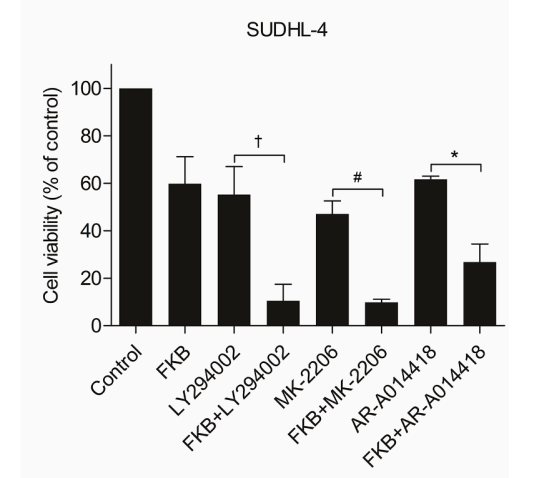
SUDHL-4 cells were pretreated with the pan-PI3K inhibitor LY294002 (20 µM), the Akt inhibitor MK2206 (HY-108232; 4 µM), or the GSK3β inhibitor AR-A014418 (HY-10512; 10 µM) for 1 h followed by treating with FKB (Flavokawain B; HY-N2132) at 2.5 µg/ml for 24 h. Cell viability was measured using the MTS assay and results were shown as the percentage relative to the vehicle-treated control. *p < 0.05, #p < 0.01, and †p < 0.001.
Flavokawain B purchased from MedChemExpress. Usage Cited in: Phytomedicine. 2023 Nov:120:155074. [Abstract]
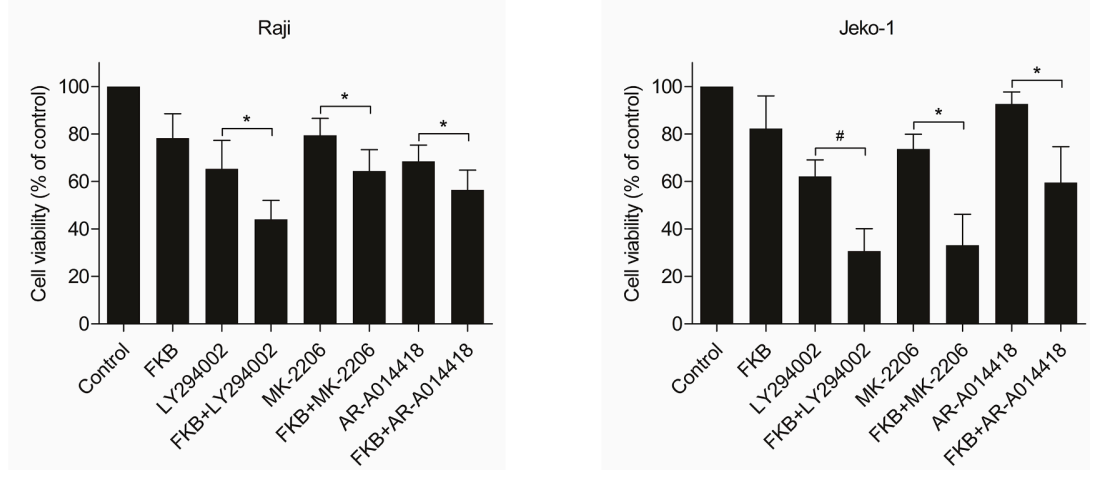
Raji and Jeko-1 cells were pretreated with the pan-PI3K inhibitor LY294002 (20 µM), the Akt inhibitor MK2206 (HY-108232; 4 µM), or the GSK3β inhibitor AR-A014418 (HY-10512; 10 µM) for 1 h followed by treating with FKB (Flavokawain B; HY-N2132) at 2.5 µg/ml for 24 h. Cell viability was measured using the MTS assay and results were shown as the percentage relative to the vehicle-treated control. *p < 0.05, #p < 0.01, and †p < 0.001.
Flavokawain B purchased from MedChemExpress. Usage Cited in: Phytomedicine. 2023 Nov:120:155074. [Abstract]
SUDHL-4, OCI-Ly3 cells were treated with different concentrations of FKB (Flavokawain B; HY-N2132; 1.25–20 µg/ml) or Doxorubicin (HY-15142A; 10 µM) for 24 and 48 h. Cell viability (OD value at 490 nm) was measured using the MTS assay. *p < 0.05, #p < 0.01, †p < 0.001, and ‡p < 0.0001 versus control at corresponding time points.
Flavokawain B purchased from MedChemExpress. Usage Cited in: Phytomedicine. 2023 Nov:120:155074. [Abstract]
Raji, and Jeko-1 cells were treated with different concentrations of FKB (Flavokawain B; HY-N2132; 1.25–20 µg/ml) or Doxorubicin (HY-15142A; 10 µM) for 24 and 48 h. Cell viability (OD value at 490 nm) was measured using the MTS assay. *p < 0.05, #p < 0.01, †p < 0.001, and ‡p < 0.0001 versus control at corresponding time points.
Flavokawain B purchased from MedChemExpress. Usage Cited in: Phytomedicine. 2023 Nov:120:155074. [Abstract]
SUDHL-4 cells were treated with or without FKB (Flavokawain B; HY-N2132; 2.5, 5, and 10 µg/ml) for 12 h. Cells were harvested, washed, and stained with FITC-conjugated annexin V and PE-conjugated PI and each sample was read on flow cytometry. Representative images from at least three experiments were shown and the percentage of apoptotic cells (annexin V-positive cells) was presented. #p < 0.01, †p < 0.001, and ‡p < 0.0001 versus the control.
Flavokawain B purchased from MedChemExpress. Usage Cited in: Phytomedicine. 2023 Nov:120:155074. [Abstract]
SUDHL-4, Raji, and Jeko-1 cells were treated with or without FKB (Flavokawain B; HY-N2132) for 12 h. Expression levels of PARP (full length and cleaved), caspase-3 (full length and cleaved), BAX, and BCL-XL were determined by western blotting. The expression level of GAPDH was used as a loading control. Representative blot images were from three independent experiments.
Flavokawain B purchased from MedChemExpress. Usage Cited in: Phytomedicine. 2023 Nov:120:155074. [Abstract]
SUDHL-4, Raji, and Jeko-1 cells were treated with or without FKB (Flavokawain B; HY-N2132; 10 µg/ml) for 24 h. Levels of total and phosphorylated Akt, mTOR, GSK3β, and S6 were determined by western blotting. The expression level of GAPDH was used as a loading control. Representative blot images were obtained from three independent experiments.
Flavokawain B purchased from MedChemExpress. Usage Cited in: Phytomedicine. 2023 Nov:120:155074. [Abstract]
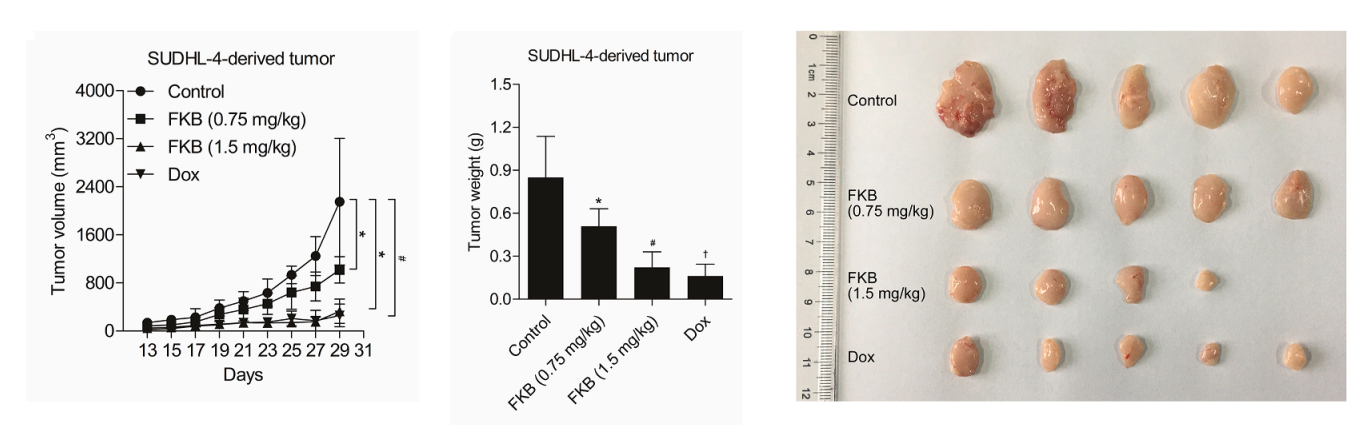
FKB (Flavokawain B; HY-N2132) decelerates lymphoma growth of SUDHL-4 cells in a xenograft animal model in vivo. BALB/c nude mice were subcutaneously inoculated with 5 × 10⁶ SUDHL-4 cells on day 0. Mice were randomly divided into four groups (n = 5 per group) and treatment with vehicle or the corresponding drugs (FKB (HY-N2132; 0.75, 1.5 mg/kg; every four days; IP), or Doxorubicin (HY-15142A; 5 mg/kg; once a week; IP)) was initiated on day 3. The tumor volume was recorded at indicated days. *p < 0.05 and #p < 0.01 versus the control. Tumors were weighed and photographed after removing from each mouse at the end of the experiment (on day 29). *p < 0.05, #p < 0.01, and †p < 0.001 versus the control.
Flavokawain B purchased from MedChemExpress. Usage Cited in: Phytomedicine. 2023 Nov:120:155074. [Abstract]
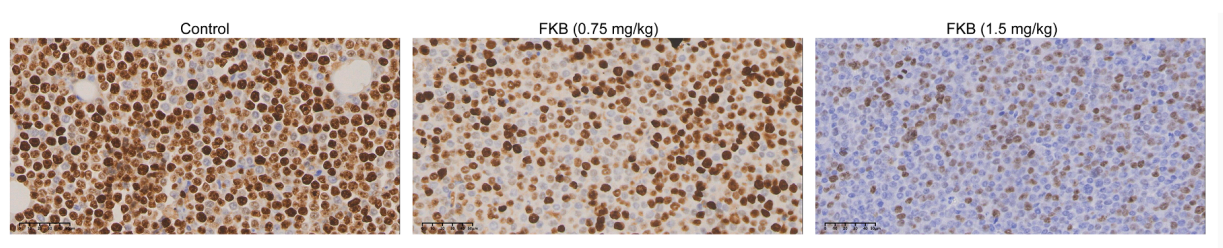
FKB (Flavokawain B; HY-N2132) decelerates lymphoma growth of SUDHL-4 cells in a xenograft animal model in vivo. BALB/c nude mice were subcutaneously inoculated with 5 × 10⁶ SUDHL-4 cells on day 0. Mice were randomly divided into four groups (n = 5 per group) and treatment with vehicle or the corresponding drugs (FKB (HY-N2132; 0.75, 1.5 mg/kg; every four days; IP) was initiated on day 3. Representative images of immunohistochemical staining of Ki-67 on tumor tissues were shown and the percentage of Ki-67-positive cells was calculated. ‡p < 0.0001 versus the control.
-


Solvent & Solubility
In Vitro:
DMSO : ≥ 100 mg/mL (351.73 mM; Hygroscopic DMSO has a significant impact on the solubility of product, please use newly opened DMSO)
* "≥" means soluble, but saturation unknown.
Please refer to the solubility information to select the appropriate solvent. Once prepared, please aliquot and store the solution to prevent product inactivation from repeated freeze-thaw cycles.
Storage method and period of stock solution: -80°C, 6 months; -20°C, 1 month (protect from light). When stored at -80°C, please use it within 6 months. When stored at -20°C, please use it within 1 month.
Please refer to the solubility information to select the appropriate solvent. Once prepared, please aliquot and store the solution to prevent product inactivation from repeated freeze-thaw cycles.
Storage method and period of stock solution: -80°C, 6 months; -20°C, 1 month (protect from light). When stored at -80°C, please use it within 6 months. When stored at -20°C, please use it within 1 month.
Concentration (start) × Volume (start) = Concentration (final) × Volume (final)
In Vivo:
Select the appropriate dissolution method based on your experimental animal and administration route.
- For the following dissolution methods, please ensure to first prepare a clear stock solution using an In Vitro approach and then sequentially add co-solvents:
- To ensure reliable experimental results, the clarified stock solution can be appropriately stored based on storage conditions. As for the working solution for In Vivo experiments, it is recommended to prepare freshly and use it on the same day.
- The percentages shown for the solvents indicate their volumetric ratio in the final prepared solution. If precipitation or phase separation occurs during preparation, heat and/or sonication can be used to aid dissolution.
Add each solvent one by one: 10% DMSO 40% PEG300 5% Tween-80 45% Saline
Solubility: ≥ 2.5 mg/mL (8.79 mM); Clear solution
This protocol yields a clear solution of ≥ 2.5 mg/mL (saturation unknown).
Taking 1 mL working solution as an example, add 100 μL DMSO stock solution (25.0 mg/mL) to 400 μL PEG300, and mix evenly; then add 50 μL Tween-80 and mix evenly; then add 450 μL Saline to adjust the volume to 1 mL.
Preparation of Saline: Dissolve 0.9 g sodium chloride in ddH₂O and dilute to 100 mL to obtain a clear Saline solution.
In Vivo Dissolution Calculator
Please enter the basic information of animal experiments:
-
-
-
-
Recommended: Prepare an additional quantity of animals to account for potential losses during experiments.
Please enter your animal formula composition:
-
%DMSO +
Recommended: Keep the proportion of DMSO in working solution below 2% if your animal is weak.
-
%+
-
+%Tween-80 + +
-
%Saline +
The co-solvents required include: DMSO, . All of co-solvents are available by MedChemExpress (MCE). , Tween 80. All of co-solvents are available by MedChemExpress (MCE).
Working solution concentration: 0.22 mg/mL
Method for preparing stock solution: mg drug dissolved in μL DMSO. Stock solution concentration: mg/mL. * In solvent : -80°C, 6 months; -20°C, 1 month (protect from light)
1. Take μL DMSO stock solution;
2. Add μL .
μL , mix evenly;
3. Then add μL Tween 80, mix evenly;
4. Then add μL
Please ensure that the stock solution in the first step is dissolved to a clear state, and add co-solvents in sequence. You can use ultrasonic heating (ultrasonic cleaner, recommended frequency 20-40 kHz), vortexing, etc. to assist dissolution.

Protocols
-
Apoptosis
Apoptosis, also called programmed cell death, is generally characterized by distinct morphological characteristics.
-
Mitochondrial membrane-potential fluorescent assay
Mitochondrial membrane potential fluorescent assays estimate ΔΨm in living cells using lipophilic cationic dyes such as TMRM, TMRE, rhodamine 123, and JC-1, which accumulate in mitochondria according to membrane polarization; loss of signal after FCCP or CCCP treatment is interpreted as mitochondrial depolarization. TMRM/TMRE and rhodamine 123 are commonly used for semi-quantitative live-cell microscopy or flow cytometry, while JC-1 can report a shift from red aggregate fluorescence to green monomer fluorescence during depolarization; interpretation requires controls because dye concentration, quenching mode, cell type, dye efflux, and mitochondrial mass can affect fluorescence independently of ΔΨm.
-
ROS/oxidative-stress fluorescent staining
ROS/oxidative-stress fluorescent staining uses cell-permeant fluorogenic probes that become fluorescent after oxidation inside cells or tissues; commonly used examples include DCFH-DA/DCFDA for broad cellular oxidant detection, DHE for superoxide-related signal detection, MitoSOX for mitochondrial superoxide-related signal detection, and CellROX probes for oxidative-stress-associated fluorescence readouts. The assay detects probe oxidation rather than a single ROS species unless the probe and analysis method have been chemically validated for that species. DCFH-DA enters cells, is deacetylated by intracellular esterases to DCFH, and produces fluorescent DCF after oxidation, so the readout is used as an operational measure of total cellular oxidative stress rather than a species-specific ROS measurement. DHE and MitoSOX can report superoxide-related oxidation, but red fluorescence alone can include non-specific ethidium-like oxidation products; HPLC or optimized spectral approaches are
-
Mitochondrial membrane-potential and mitochondrial mass staining
Mitochondrial membrane potential staining measures the electrochemical polarization across the mitochondrial inner membrane in live cells using lipophilic cationic fluorescent probes; early rhodamine-based work showed that selective mitochondrial dye accumulation is lost when the mitochondrial transmembrane potential is dissipated. JC-1 reports mitochondrial polarization by shifting from green monomer fluorescence to red J-aggregate fluorescence as dye concentration increases within energized mitochondria; therefore, the red/green fluorescence ratio is used as a relative readout of mitochondrial membrane potential. TMRE or TMRM staining provides a single-channel relative readout because these cationic rhodamine esters accumulate in polarized mitochondria, and lower fluorescence indicates reduced mitochondrial polarization when acquisition and dye-loading conditions are controlled. Mitochondrial mass staining is commonly performed with MitoTracker Green FM or related MitoTracker dyes as
-
Apoptosis Solutions
Apoptosis is a regulated, generally non-lytic cell-death pathway that removes unwanted, damaged, infected, or abnormal cells through coordinated morphological changes, caspase activation, DNA fragmentation, and membrane remodeling. The intrinsic apoptosis pathway is controlled mainly by mitochondrial outer membrane permeabilization, BCL-2 family proteins, cytochrome c release, apoptosome formation, caspase-9 activation, and downstream executioner caspase-3/7 activation. The extrinsic apoptosis pathway is initiated by death receptors such as Fas, TNFR, and TRAIL receptors, which recruit adaptor proteins and activate caspase-8 before engaging executioner caspases or mitochondrial amplification through BID cleavage. Apoptosis is linked to many phenotypes, including cancer cell killing, tissue homeostasis, immune regulation, neurodegeneration, infection response, and treatment-induced cytotoxicity; unresolved questions include how apoptosis interacts with necroptosis, pyroptosis, ferroptos
-
Research Protocol for Inflammation-related Diseases
The NLRP3 inflammasome is a cytosolic innate immune signaling platform that integrates priming signals and danger-signal activation to promote caspase-1 activation, maturation of IL-1β and IL-18, and gasdermin D-mediated pyroptotic cell death. The core experimental logic is to determine whether inflammatory disease phenotypes are driven by increased NLRP3 expression, ASC-containing inflammasome assembly, caspase-1 cleavage, GSDMD cleavage, and extracellular release of IL-1β/IL-18 rather than by nonspecific cell injury alone. The pathway is strongly linked to inflammation-related disease phenotypes because monosodium urate crystals activate NALP3/NLRP3 inflammasome signaling in gout-like crystal inflammation, cholesterol crystals activate NLRP3 inflammasomes in atherogenesis models, and DSS-induced intestinal inflammation has been reported to involve NLRP3 inflammasome activity. However, experimental colitis studies also show context-dependent protective effects of NLRP3 inflammasome co


Purity & Documentation
-
Data Sheet (282 KB)
-
SDS (393 KB)
- English - EN (393 KB)
- Français - FR (393 KB)
- Deutsch - DE (393 KB)
- Norwegian - NO (393 KB)
- Español - ES (393 KB)
- Swedish - SV (393 KB)
- Italian - IT (393 KB)
- Korean - KR (393 KB)
- Portuguese - PT (393 KB)
-
Handling Instructions (2659 KB)
References
[1]. Rossette MC, et al. The In Vitro and In Vivo Antiangiogenic Effects of Flavokawain B. Phytother Res. 2017 Oct;31(10):1607-1613. [Content Brief]
[2]. Li X, et al. Flavokawain B targets protein neddylation for enhancing the anti-prostate cancer effect of Bortezomib via Skp2 degradation. Cell Commun Signal. 2019 Mar 18;17(1):25. [Content Brief]
[3]. Zhao M, et al. The kava chalcone flavokawain B exerts inhibitory activity and synergizes with BCL-2 inhibition in malignant B-cell lymphoma. Phytomedicine. 2023 Nov;120:155074. [Content Brief]
[4]. Lin CT, et al. Anti-inflammatory activity of Flavokawain B from Alpinia pricei Hayata. J Agric Food Chem. 2009 Jul 22;57(14):6060-5. [Content Brief]
[5]. Lin E, et al. Flavokawain B inhibits growth of human squamous carcinoma cells: Involvement of apoptosis and cell cycle dysregulation in vitro and in vivo. J Nutr Biochem. 2012 Apr;23(4):368-78. [Content Brief]
[6]. Sakai T, et al. Flavokawain B, a kava chalcone, induces apoptosis in synovial sarcoma cell lines. J Orthop Res. 2012 Jul;30(7):1045-50. [Content Brief]
[7]. Ji T, et al. Flavokawain B, a kava chalcone, inhibits growth of human osteosarcoma cells through G2/M cell cycle arrest and apoptosis. Mol Cancer. 2013 Jun 10;12:55. [Content Brief]
[8]. Hseu YC, et al. The chalcone flavokawain B induces G2/M cell-cycle arrest and apoptosis in human oral carcinoma HSC-3 cells through the intracellular ROS generation and downregulation of the Akt/p38 MAPK signaling pathway. J Agric Food Chem. 2012 Mar 7;60(9):2385-97. [Content Brief]
[9]. Eskander RN, et al. Flavokawain B, a novel, naturally occurring chalcone, exhibits robust apoptotic effects and induces G2/M arrest of a uterine leiomyosarcoma cell line. J Obstet Gynaecol Res. 2012 Aug;38(8):1086-94. [Content Brief]
[10]. Chen Y, et al. Flavokawain B inhibits NF-κB inflammatory signaling pathway activation in inflammatory bowel disease by targeting TLR2. Toxicol Appl Pharmacol. 2024 May;486:116922. [Content Brief]
[11]. Zhou P, et al. Flavokawain B, the hepatotoxic constituent from kava root, induces GSH-sensitive oxidative stress through modulation of IKK/NF-kappaB and MAPK signaling pathways. FASEB J. 2010 Dec;24(12):4722-32. [Content Brief]
[12]. Luo W, et al. Flavokawain B alleviates LPS-induced acute lung injury via targeting myeloid differentiation factor 2. Acta Pharmacol Sin. 2022 Jul;43(7):1758-1768. [Content Brief]
[13]. Son JH, et al. Flavokawain B Inhibits Growth of Cholangiocarcinoma Cells by Suppressing the Akt Pathway. In Vivo. 2023 May-Jun;37(3):1077-1084. [Content Brief]


Complete Stock Solution Preparation Table
Please refer to the solubility information to select the appropriate solvent. Once prepared, please aliquot and store the solution to prevent product inactivation from repeated freeze-thaw cycles.
Storage method and period of stock solution: -80°C, 6 months; -20°C, 1 month (protect from light). When stored at -80°C, please use it within 6 months. When stored at -20°C, please use it within 1 month.
| Optional Solvent | Concentration Solvent Mass | 1 mg | 5 mg | 10 mg | 25 mg |
|---|---|---|---|---|---|
| DMSO | 1 mM | 3.5173 mL | 17.5864 mL | 35.1729 mL | 87.9322 mL |
| 5 mM | 0.7035 mL | 3.5173 mL | 7.0346 mL | 17.5864 mL | |
| 10 mM | 0.3517 mL | 1.7586 mL | 3.5173 mL | 8.7932 mL | |
| 15 mM | 0.2345 mL | 1.1724 mL | 2.3449 mL | 5.8621 mL | |
| 20 mM | 0.1759 mL | 0.8793 mL | 1.7586 mL | 4.3966 mL | |
| 25 mM | 0.1407 mL | 0.7035 mL | 1.4069 mL | 3.5173 mL | |
| 30 mM | 0.1172 mL | 0.5862 mL | 1.1724 mL | 2.9311 mL | |
| 40 mM | 0.0879 mL | 0.4397 mL | 0.8793 mL | 2.1983 mL | |
| 50 mM | 0.0703 mL | 0.3517 mL | 0.7035 mL | 1.7586 mL | |
| 60 mM | 0.0586 mL | 0.2931 mL | 0.5862 mL | 1.4655 mL | |
| 80 mM | 0.0440 mL | 0.2198 mL | 0.4397 mL | 1.0992 mL | |
| 100 mM | 0.0352 mL | 0.1759 mL | 0.3517 mL | 0.8793 mL |


Flavokawain B Related Classifications
HY-N2132 Related Classifications
 Powered by Bioz