



EHMT2/G9a/KMT1C
EHMT2, also known as G9a or KMT1C, is a euchromatic histone lysine methyltransferase that primarily catalyzes mono- and dimethylation of histone H3 lysine 9 (H3K9), thereby regulating gene expression and chromatin structure[1][2][3]. Mechanistically, EHMT2 forms heteromeric complexes with EHMT1/GLP and WIZ, facilitating transcriptional repression via coordinated H3K9 methylation and interaction with H3K4 demethylases[4][3]. In addition to canonical histone substrates, EHMT2 modulates non-histone proteins, including MyoD and p53, influencing myogenic differentiation and apoptosis pathways[5][6]. Compared with its paralog EHMT1, EHMT2 exhibits distinct substrate specificity, contributing selectively to DNA methylation at CpG-rich promoters and maintaining gene silencing in embryonic and adult tissues[2][7]. In disease contexts, EHMT2 overexpression is associated with poor prognosis in acute myeloid leukemia, neuroblastoma, Ewing sarcoma, and brain tumors, reflecting its role in tumor cell proliferation, chemoresistance, and epigenetic dysregulation[8][9][10][11]. Pharmacologic inhibition of EHMT2 using small-molecule inhibitors such as BIX-01294 reactivates autophagy-related genes, reprograms cancer-associated fibroblasts, and enhances the efficacy of immunotherapy, highlighting its potential as a therapeutic target[12][13][7]. Structurally, EHMT2 contains ankyrin repeats, a SET catalytic domain, and a cysteine-rich region mediating protein-protein interactions, distinguishing it functionally from EHMT1 and enabling selective targeting in experimental applications[14].
References:
- [1]. Vinson DA, et al. De novo methylation of histone H3K23 by the methyltransferases EHMT1/GLP and EHMT2/G9a. Epigenetics Chromatin. 2022 Nov 21;15(1):36. [Content Brief]
- [2]. Auclair G, et al. EHMT2 directs DNA methylation for efficient gene silencing in mouse embryos. Genome Res. 2016 Feb;26(2):192-202. [Content Brief]
- [3]. Chaturvedi CP, et al. Maintenance of gene silencing by the coordinate action of the H3K9 methyltransferase G9a/KMT1C and the H3K4 demethylase Jarid1a/KDM5A. Proc Natl Acad Sci U S A. 2012 Nov 13;109(46):18845-50. [Content Brief]
- [4]. Balan S, et al. Exon resequencing of H3K9 methyltransferase complex genes, EHMT1, EHTM2 and WIZ, in Japanese autism subjects. Mol Autism. 2014 Oct 6;5(1):49. [Content Brief]
- [5]. Zhang RH, et al. The lysine methyltransferase Ehmt2/G9a is dispensable for skeletal muscle development and regeneration. Skelet Muscle. 2016 May 27;6:22. [Content Brief]
- [6]. Park SE, et al. Inhibition of EHMT2/G9a epigenetically increases the transcription of Beclin-1 via an increase in ROS and activation of NF-κB. Oncotarget. 2016 Jun 28;7(26):39796-39808. [Content Brief]
- [7]. Rada M, et al. Human EHMT2/G9a activates p53 through methylation-independent mechanism. Oncogene. 2017 Feb 16;36(7):922-932. [Content Brief]
- [8]. Hermans A, et al. A 3D-Printed and Freely Available Device to Measure the Zebrafish Optokinetic Response Before and After Injury. Zebrafish. 2024 Apr;21(2):144-148. [Content Brief]
- [9]. Kerchner KM, et al. The structure of the cysteine-rich region from human histone-lysine N-methyltransferase EHMT2 (G9a). J Struct Biol X. 2021 Jun 25;5:100050. [Content Brief]
- [10]. Souza BK, et al. Histone Methyltransferases G9a/Ehmt2 and GLP/Ehmt1 Are Associated with Cell Viability and Poorer Prognosis in Neuroblastoma and Ewing Sarcoma. Int J Mol Sci. 2023 Oct 17;24(20):15242. [Content Brief]
- [11]. Gouda MBY, et al. Expression and prognostic significance of chromatin modulators EHMT2/G9a and KDM2b in acute myeloid leukemia. J Cell Biochem. 2022 Aug;123(8):1340-1355. [Content Brief]
- [12]. Kang Z, et al. Distinct functions of EHMT1 and EHMT2 in cancer chemotherapy and immunotherapy. bioRxiv [Preprint]. 2023 Oct 4:2023.10.03.560719. [Content Brief]
- [13]. Chen TQ, et al. EHMT2/G9a Inhibits Aortic Smooth Muscle Cell Death by Suppressing Autophagy Activation. Int J Biol Sci. 2020 Feb 10;16(7):1252-1263. [Content Brief]
- [14]. Souza BK, et al. EHMT2/G9a as an Epigenetic Target in Pediatric and Adult Brain Tumors. Int J Mol Sci. 2021 Oct 19;22(20):11292. [Content Brief]
-
EHMT2/G9a/KMT1C Related Products (32)
Related Products (32)

- 1
- 2
-
BIX-01294
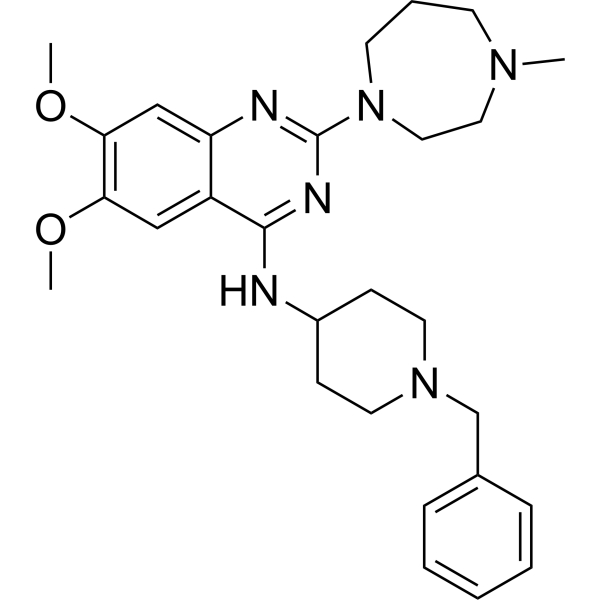 0 ImagesBIX-01294 is a reversible and highly selective G9a and GLP Histone Methyltransferase inhibitor, with IC50s of of 1.7 μM and 0.9 μM, respectively. BIX-01294 inhibits G9a/GLP by competing for binding with the amino acids N-terminal of the substrate lysine residue. BIX-01294, a (1H-1,4-diazepin-1-yl)-quinazolin-4-yl amine derivative, induces necroptosis and autophagy. BIX-01294 has antitumor activity in recurrent tumor cells.
-
UNC0642
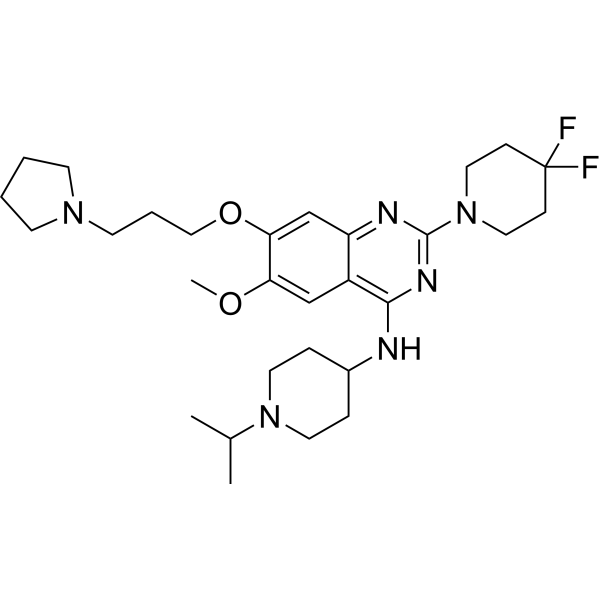 0 ImagesUNC0642, a chemical probe, is a potent and selective lysine methyltransferases G9a and GLP inhibitor, with an IC50 of <2.5 nM for G9a.
-
UNC0638
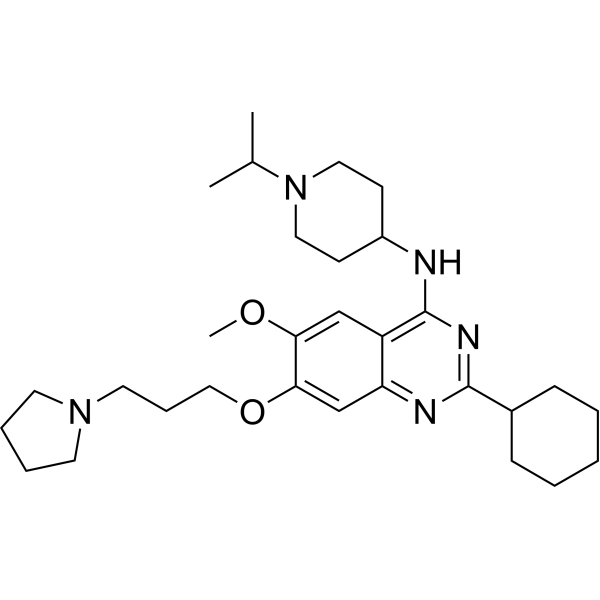 0 ImagesUNC0638, a chemical probe, selectively inhibits G9a and GLP histone methyltransferases with IC50 of 15 nM and 19 nM, respectively. UNC0638 inhibits TNBC cell invasion and migration in vitro. UNC0638 is also an inhibitor of EHMT1/2 and induces fetal hemoglobin (HbF) expression in human erythroid progenitor cell culture. In addition, UNC0638 has anti-FMDV (foot-and-mouth disease virus) and anti-VSV (vesicular stomatitis virus) activities, with excellent potency and selectivity against multiple epigenetic and non-epigenetic targets.
-
A-366
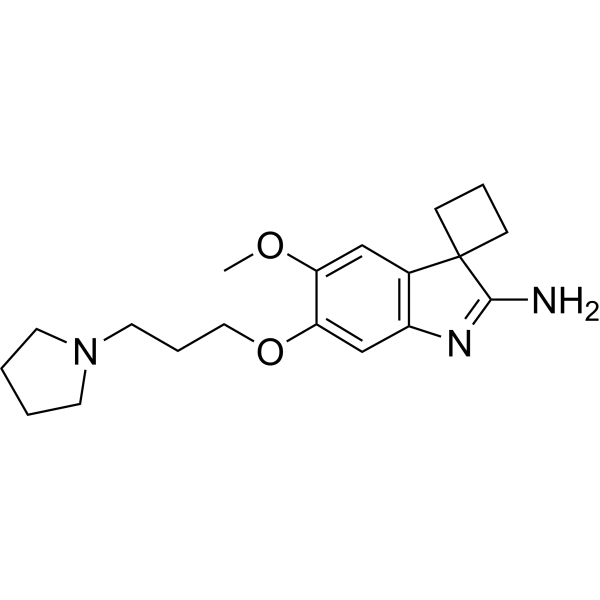 0 ImagesA-366, a chemical probe, is a potent, highly selective, peptide-competitive histone methyltransferase G9a inhibitor with IC50s of 3.3 and 38 nM for G9a and GLP (EHMT1), respectively. A-366 shows >1000-fold selectivity over 21 other methyltransferases. A-366 is also a potent, nanomolar inhibitor of the Spindlin1-H3K4me3-interaction (IC50=182.6 nM). A-366 displays high affinity at human histamine H3 receptor (Ki=17 nM) and shows subtype selectivity among subsets of the histaminergic and dopaminergic receptor families.
-
CM-272
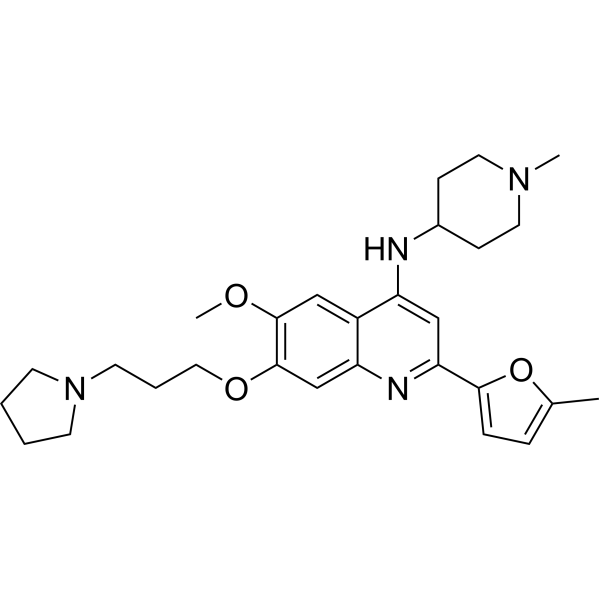 0 ImagesCM-272 is a first-in-class, potent, selective, substrate-competitive and reversible dual G9a/DNA methyltransferases (DNMTs) inhibitor with antitumor activities. CM-272 inhibits G9a, DNMT1, DNMT3A, DNMT3B and GLP with IC50s of 8 nM, 382 nM, 85 nM, 1200 nM and 2 nM, respectively. CM-272 inhibits cell proliferation and promotes apoptosis, inducing IFN-stimulated genes and immunogenic cell death.
-
MS8709
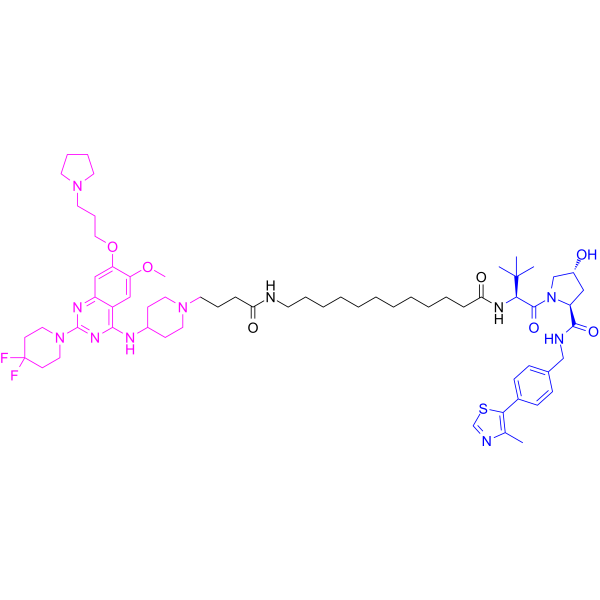 0 ImagesMS8709 is a PROTAC degrader that induces the degradation of G9a (EHMT2)/GLP (EHMT1) by recruiting VHL. MS8709 induces G9a/GLP protein degradation via a mechanism that simultaneously depends on G9a/GLP target protein binding, VHL recruitment, and the ubiquitin-proteasome system (UPS), while the mRNA levels of G9a and GLP do not show significant changes, indicating that the effect occurs primarily at the protein level rather than the transcriptional level. MS8709 retains the inhibitory effect on G9a/GLP methyltransferase activity and reduces H3K9me2 levels, thereby simultaneously affecting the catalytic and non-catalytic functions of G9a/GLP. MS8709 can be used for studies related to G9a/GLP biology, prostate cancer, lung cancer, and other relevant fields.
-
EZM8266
 0 ImagesEZM8266 is an orally active and selective G9a (EHMT2) histone methyltransferase inhibitor with a human EHMT2 IC50 of 1 pM. EZM8266 reduces repressive H3K9me2 marks at immune-stimulatory gene and endogenous retroviral element promoters. EZM8266 reduces colony formation, migration, and invasion of cancer cells. EZM8266 enhances IFN-γ response, increases MHC class I expression, and enhances CXCL10-mediated T cell recruitment in cancer cells. EZM8266 can be used for the research of hepatocellular carcinoma.
-
PROTAC G9a/GLP degrader 1
 0 ImagesCat. No.: HY-178065Purity: 98.22%PROTAC G9a/GLP degrader 1 is a PROTAC degrader targeting G9a/GLP histone methyltransferases, with DC50 values of 336 nM and 988 nM against G9a and GLP, respectively. PROTAC G9a/GLP degrader 1 reduces H3K9me2 levels, inhibits breast cancer cell migration, and has no effect on cell viability. PROTAC G9a/GLP degrader 1 can be used in breast cancer-related research.
-
UNC0224
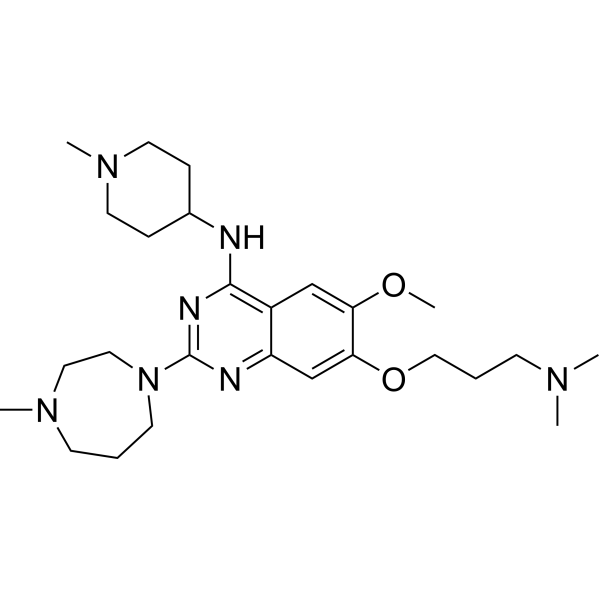 0 ImagesUNC0224 is a potent and selective histone methyltransferase G9a inhibitor with a Ki of 2.6 nM, an IC50 of 15 nM and a Kd of 23 nM. UNC0224 also potently inhibits b>GLP with assay-dependent IC50 values of 20-58 nM. UNC0224 is inactive against SET7/9, SET8/PreSET7, PRMT3 and JMJD2E.
-
BRD4770
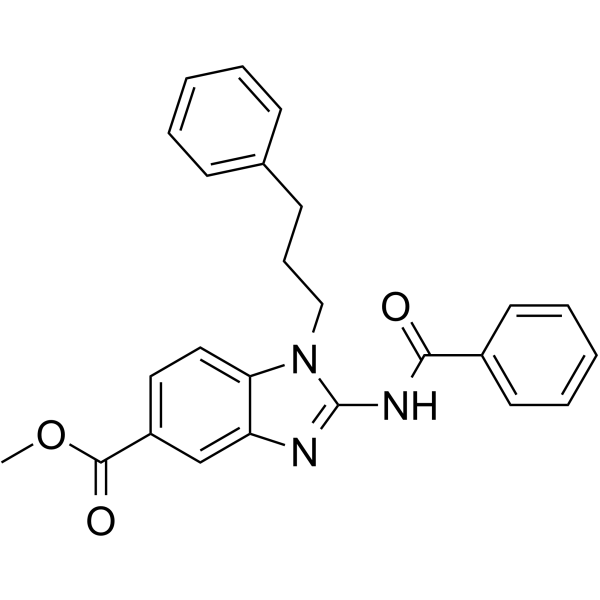 0 ImagesBRD4770 is a histone methyltransferase G9a inhibitor. BRD4770 reduces di- and trimethylation of lysine 9 on histone H3 (H3K9) with an EC50 of 5 μM, and has less or little effect toward H3K27me3, H3K36me3, H3K4me3, and H3K79me3. BRD4770 can activate the ataxia telangiectasia mutated (ATM) pathway and induce cell senescence.
-
UNC 0631
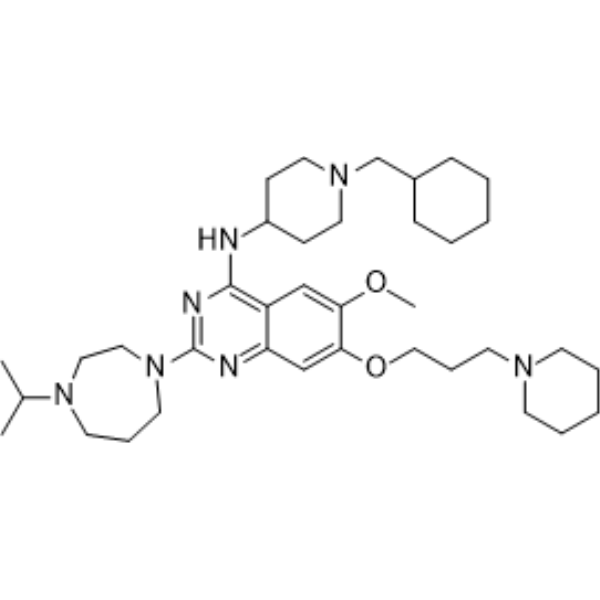 0 ImagesUNC 0631 is a potent histone methyltransferase G9a inhibitor with an IC50 of 4 nM. UNC 0631 potently reduces H3K9me2 levels in MDA-MB-231 cells with an IC50 of 25 nM.
-
RK-701
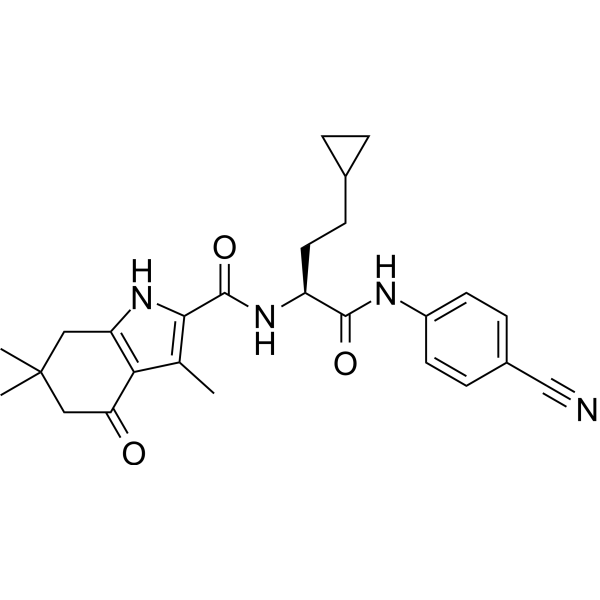 0 ImagesRK-701 is an highly selective and non-genotoxic inhibitor of G9a with IC50 value of 23-27 nM. RK-701 selectively up-regulates HbF, γ- Globin, BGLT3 expression, down-regulates H3K9me2 expression. RK-701 also has inhibition for BCL11A and ZBTB7A.
-
MS4322
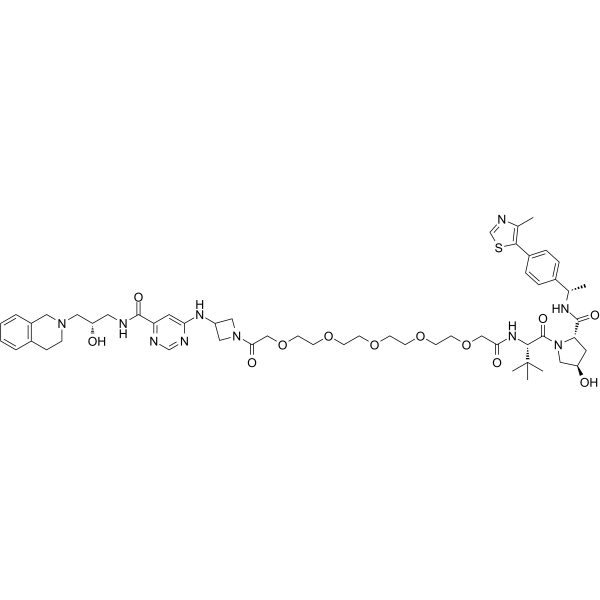 0 ImagesSynonyms: YS43-22MS4322 (YS43-22) is a specific PRMT5 PROTAC degrader. MS4322 reduces the PRMT5 protein level with a DC50 of 1.1 μM in MCF-7 cells. MS4322 inhibits the methyltransferase activity of PRMT5 with an IC50 of 18 nM. MS4322 promotes ubiquitination and degradation of PRMT5. MS4322 can be used for the research of breast cancer, lung cancer, and hepatocellular cancer. (Pink: PRMT5 ligand (HY-173092); Blue: E3 ligase ligand HY-112078); Black: linker (HY-124780); E3+linker (HY-173093 )).
-
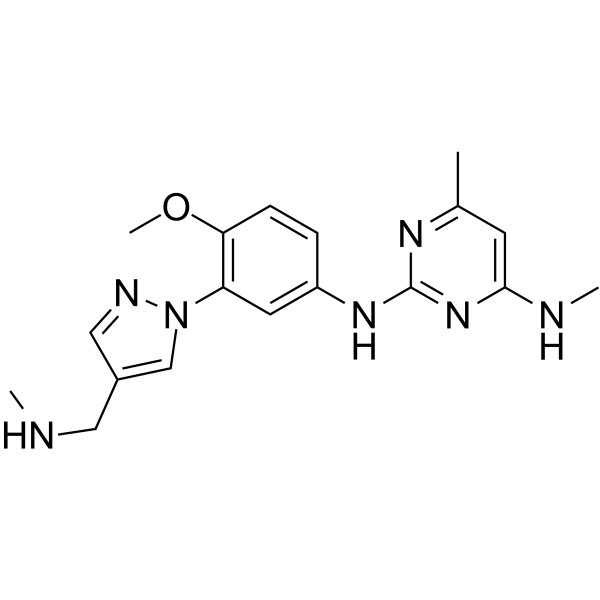
UNC0321
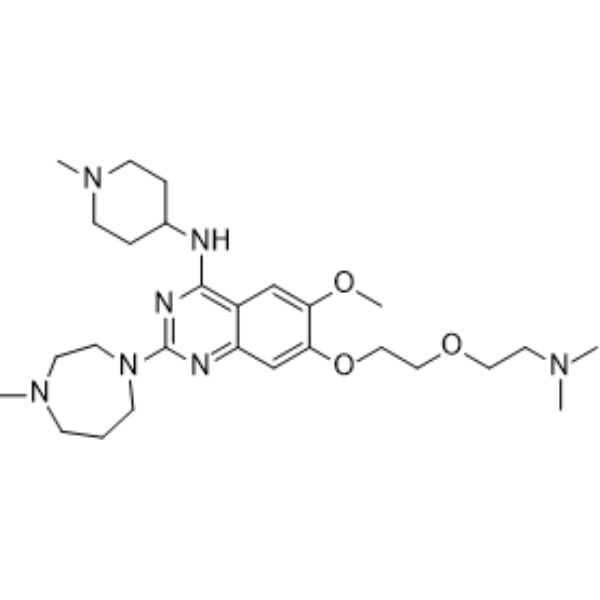 0 ImagesUNC0321 is a potent and selective histone methyltransferase G9a inhibitor with a Ki of 63 pM and with assay-dependent IC50 values of 6-9 nM. UNC0321 also inhibits GLP with assay-dependent IC50 values of 15-23 nM. UNC0321 has anti-apoptotic activity and has potential application in diabetic vascular complications.
-
UNC0646
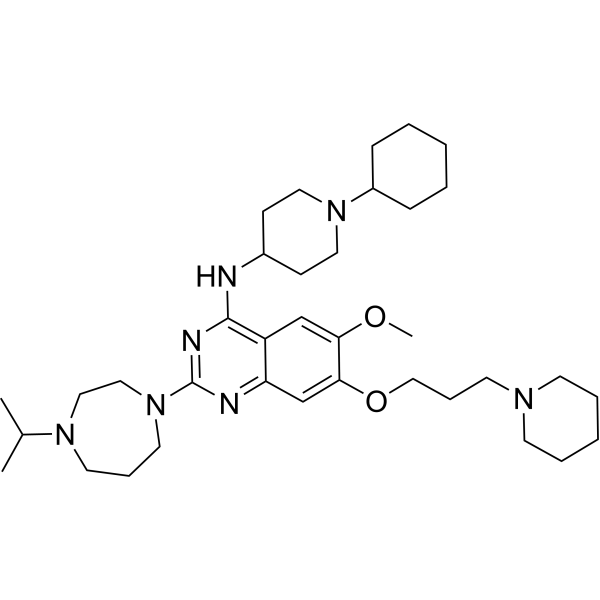 0 ImagesUNC0646 is a potent and selective histone methyltransferase G9a inhibitor with an IC50 of 6 nM. UNC0646 is also a potent GLP inhibitor (IC50 <15 nM) and highly selective for G9a/GLP over SETD7, SUV39H2, SETD8 and PRMT3. UNC0646 reduces H3K9me2 levels in MDA-MB-231 cells with an IC50 of 26 nM.
-
MS152
 0 ImagesMS152 is an orally active, blood-brain barrier penetrant inhibitor of EHMT2/G9a and EHMT1/GLP, with IC50s of 76 nM and 126 nM, repsectively. MS152 reduces H3K9me2 levels and reactivates maternally silenced Prader-Willi syndrome (PWS) genes. MS152 significantly improves perinatal lethality and growth retardation in mouse models, and is applicable to research related to Prader-Willi syndrome.
-
EHMT2-IN-2
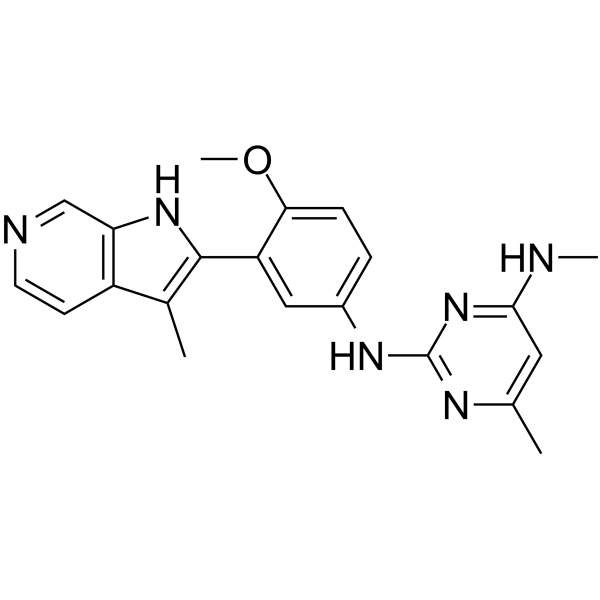 0 ImagesEHMT2-IN-2 is a potent EHMT inhibitor, with IC50s of all <100 nM for EHMT1 peptide, EHMT2 peptide and cellular EHMT2. Used in the research of blood disease or cancer.
-
MS4322 (isomer)
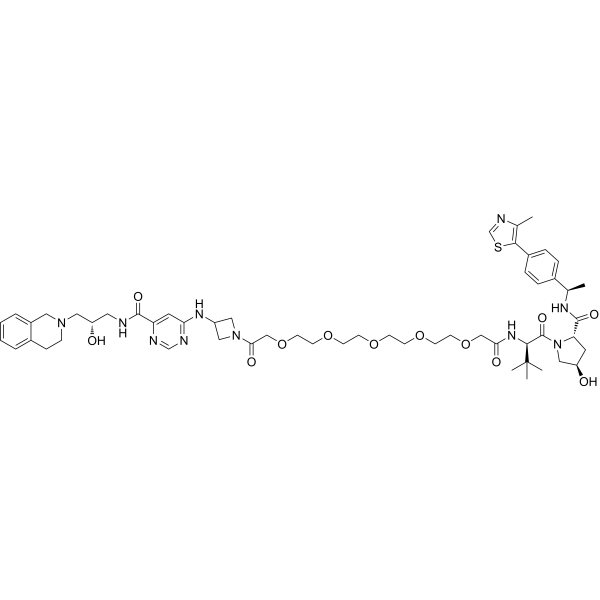 0 ImagesSynonyms: YS43-22 (isomer)MS4322 (YS43-22) isomer is an isomer of MS4322. MS4322 is a specific PRMT5 PROTAC degrader. MS4322 reduces the PRMT5 protein level with a DC50 of 1.1 μM in MCF-7 cells. MS4322 inhibits the methyltransferase activity of PRMT5 with an IC50 of 18 nM. MS4322 promotes ubiquitination and degradation of PRMT5. MS4322 can be used for the research of breast cancer, lung cancer, and hepatocellular cancer.
-
DC-S239
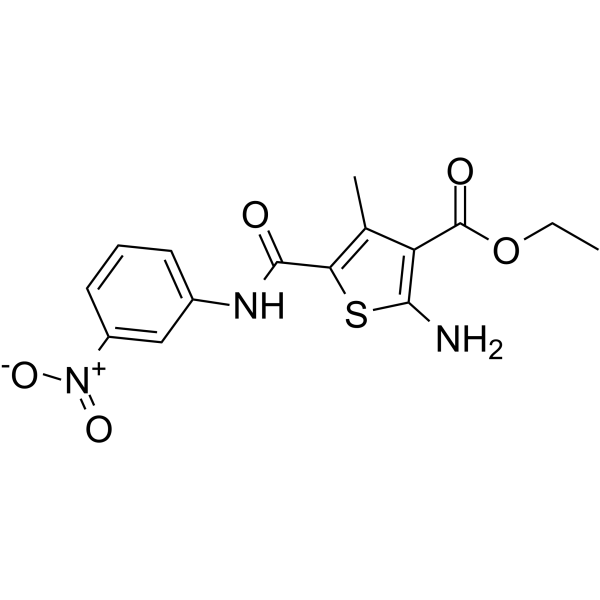 0 ImagesDC-S239 is a selective histone methyltransferase SET7 inhibitor with an IC50 value of 4.59 μM. DC-S239 also displays selectivity for DNMT1, DOT1L, EZH2, NSD1, SETD8 and G9a. DC-S239 has anticancer activity.
- 1
- 2



