Search Result
Results for "
leukemias and solid tumors
" in MedChemExpress (MCE) Product Catalog:
3
Isotope-Labeled Compounds
| Cat. No. |
Product Name |
Target |
Research Areas |
Chemical Structure |
-
- HY-N0488
-
|
Leurocristine sulfate; NSC-67574 sulfate; 22-Oxovincaleukoblastine sulfate
|
Apoptosis
Microtubule/Tubulin
Mitosis
|
Cancer
|
|
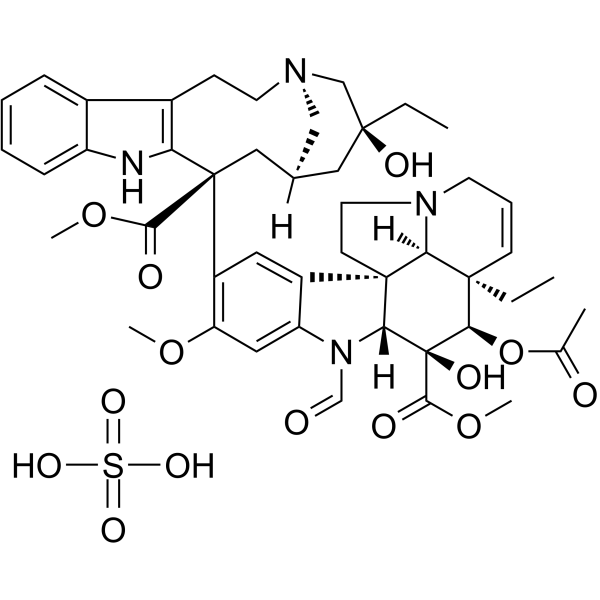
Vincristine (Leurocristine; NSC-67574; 22-Oxovincaleukoblastine) sulfate is a microtubule inhibitor that disrupts microtubule polymerization by binding to β-tubulin (with a Ki of 85 nM in bovine), arrests the cell cycle and induces apoptosis. Vincristine sulfate inhibits cell replication, tumor blood flow and the proliferation of various cancer cells, while triggering effects such as oxidative stress, inflammation, calcium overload, epithelial-mesenchymal transition and peripheral neuropathic pain. Vincristine sulfate upregulates the expression of various transporters and nuclear receptors, and enriches gastric cancer stem-like cells. Vincristine sulfate is used in research related to various tumors including acute lymphoblastic leukemia, lymphoma, melanoma, gastric cancer, solid tumors and sarcomas .
|
-
-
- HY-112037
-
|
IACS-10759
|
Oxidative Phosphorylation
Mitochondrial Metabolism
Apoptosis
|
Cancer
|
|
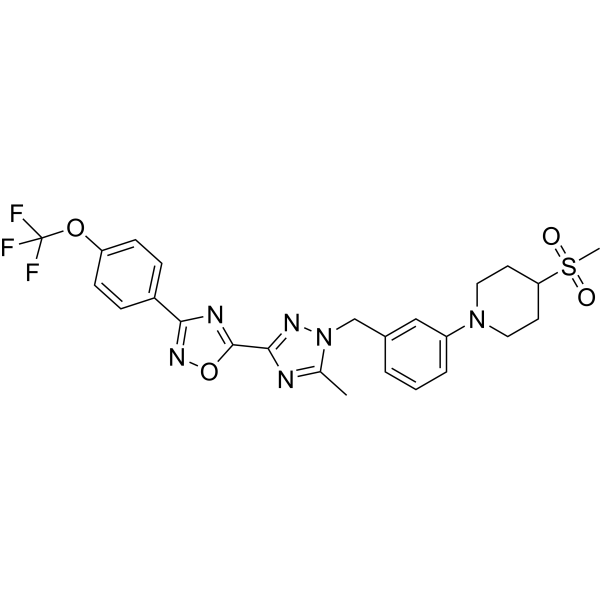
IACS-010759 is an orally active, potent mitochondrial complex I of oxidative phosphorylation (OXPHOS) inhibitor. IACS-010759 inhibits proliferation and induces apoptosis in models of brain cancer and acute myeloid leukemia (AML) reliant on OXPHOS. IACS-010759 has the potential for relapsed/refractory AML and solid tumors research .
|
-
-
- HY-N0488A
-
|
Leurocristine; NSC-67574; 22-Oxovincaleukoblastine
|
Apoptosis
Microtubule/Tubulin
Mitosis
|
Infection
Cancer
|
|
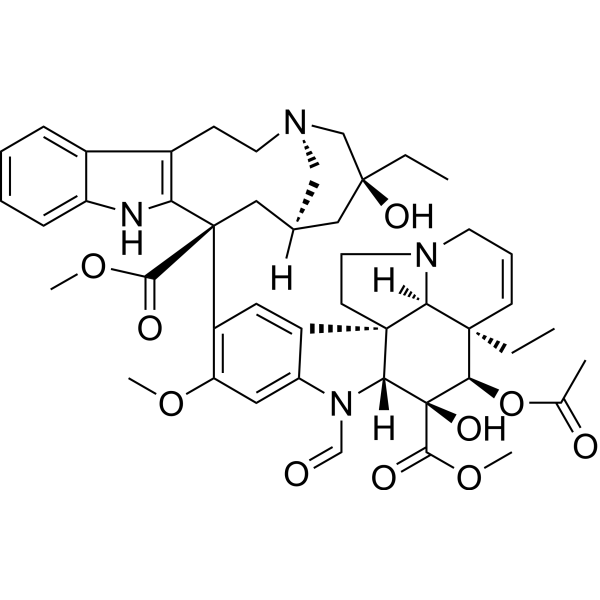
Vincristine (Leurocristine; NSC-67574; 22-Oxovincaleukoblastine) is a microtubule inhibitor that disrupts microtubule polymerization by binding to β-tubulin (with a Ki of 85 nM in bovine), arrests the cell cycle and induces apoptosis. Vincristine inhibits cell replication, tumor blood flow and the proliferation of various cancer cells, while triggering effects such as oxidative stress, inflammation, calcium overload, epithelial-mesenchymal transition and peripheral neuropathic pain. Vincristine upregulates the expression of various transporters and nuclear receptors, and enriches gastric cancer stem-like cells. Vincristine is used in research related to various tumors including acute lymphoblastic leukemia, lymphoma, melanoma, gastric cancer, solid tumors and sarcomas .
|
-
-
- HY-101266
-
|
DS-3032
|
MDM-2/p53
E1/E2/E3 Enzyme
Apoptosis
|
Cancer
|
|
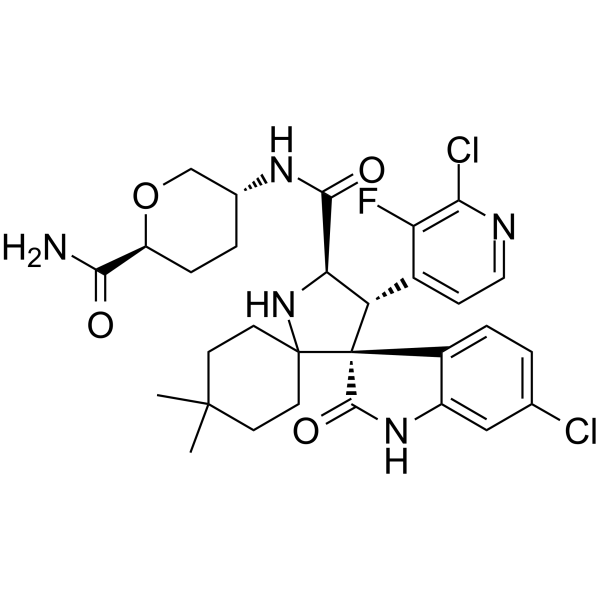
Milademetan (DS-3032) is a specific and orally active MDM2 inhibitor for the research of acute myeloid leukemia (AML) or solid tumors. Milademetan (DS-3032) induces G1 cell cycle arrest, senescence and apoptosis .
|
-
-
- HY-128586
-
|
|
Apoptosis
Carbonic Anhydrase
NEDD8-activating Enzyme
|
Cancer
|
|
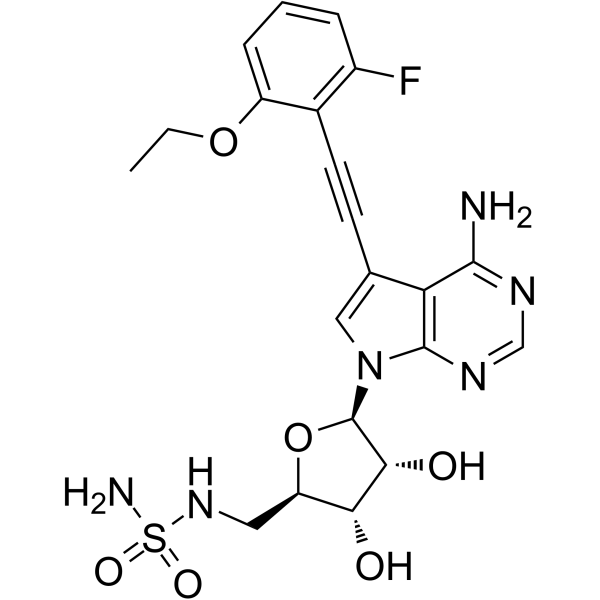
TAS4464 is a long-acting, highly selective covalent inhibitor targeting NEDD8-activating enzyme (NAE) (IC50=0.955 nM), and also inhibits CAII with an IC50 of 0.73 μM, which is less potent than MLN4924 (HY-70062). The IC50 values of TAS4464 against other E1 enzymes UAE and SAE are 449 nM and 1280 nM, respectively. TAS4464 targets NEDD8 in an ATP-dependent manner to inhibit NAE, blocks the neddylation pathway, causes accumulation of CRL ubiquitin ligase substrates (such as CDT1, p27, phosphorylated IκBα), and further induces tumor cell apoptosis. TAS4464 exhibits antiproliferative and cytotoxic effects, and has broad-spectrum antitumor activity against various hematologic and solid tumor cell lines as well as patient-derived tumor cells. TAS4464 has a wide selcetive window, without obvious toxicity. TAS4464 can be used in the research of hematologic malignancies (leukemia, lymphoma, multiple myeloma, etc.) and solid tumors (small cell lung cancer, colorectal cancer, sarcoma, endometrial cancer, ovarian cancer, etc.) .
|
-
-
- HY-170451
-
|
KT-253
|
PROTACs
MDM-2/p53
Apoptosis
|
Cancer
|
|
Seldegamadlin (KT-253) is a selective p53 stabilizer and a MDM2 PROTAC degrader (DC50 = 0.4 nM). Seldegamadlin inhibits the proliferation of cancer cell RS4;11 with an IC50 of 0.3 nM, arrests the cell cycle at G2/M phase, and induces apoptosis. Seldegamadlin upregulates p53 activity and overcomes the p53-MDM2 feedback loop. Seldegamadlin can be used for the study of hematologic and solid tumors, such as acute myeloid leukemia (AML) and acute lymphoblastic leukemia (ALL). (Pink: ligand for target protein MDM2 ligand 4 (HY-170452); Black: linker (HY-W001478); Blue: ligand for E3 ligase cereblon (HY-163927)) .
|
-

-
- HY-150105
-
|
BMF-219; Menin-MLL inhibitor 21
|
Epigenetic Reader Domain
|
Metabolic Disease
Inflammation/Immunology
Cancer
|
|
Icovamenib (BMF-219) is a selective, orally active, irreversible Menin inhibitor. Icovamenib forms a stable and irreversible covalent bond with Menin. Icovamenib promotes selective and controlled proliferation of beta cells and improvement of beta cell function in ex vivo human islet cultures. Icovamenib enhances glycemic control in animal diabetic models. Icovamenib induces a dose-dependent enhancement in insulin secretion potentiated by the GLP-1 RA. Icovamenib can be used for the study of multiple hematologic malignancies, solid tumors, and diabetes mellitus, such as diffuse large B-cell lymphoma (DLBCL), multiple myeloma (MM) and chronic lymphocytic leukemia and type 2 diabetes .
|
-

-
- HY-106014
-
|
|
DNA/RNA Synthesis
Nucleoside Antimetabolite/Analog
Apoptosis
|
Cancer
|
|
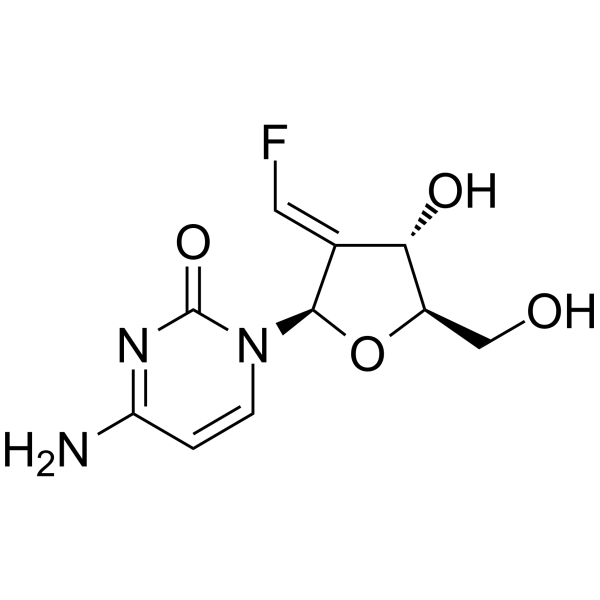
Tezacitabine is a cytostatic and cytotoxic antimetabolite and a nucleoside analogue. Tezacitabine irreversibly inhibits the ribonucleotide reductase and interferes with DNA replication and repair. Tezacitabine effectively induces cells apoptotic. Tezacitabine has the potential for leukemias and solid tumors (carcinomas) treatment .
|
-
-
- HY-13032B
-
|
GSK 525762C; I-BET 762 besylate
|
Epigenetic Reader Domain
ERK
|
Cancer
|
|
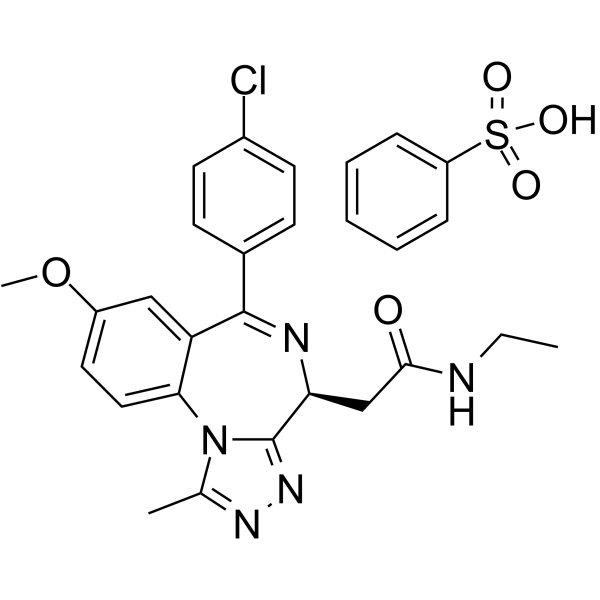
Molibresib besylate (GSK 525762C; I-BET 762 besylate) is an orally active pan-BET inhibitor that targets and binds to BRD2, BRD3, BRD4 and BRDT. By competitively occupying acetylated lysine binding sites, Molibresib besylate disrupts the interaction between BET proteins and chromatin, thereby effectively inhibiting MYC expression and target gene transcription. Molibresib besylate exhibits broad antiproliferative activity, which not only inhibits cancer cell growth and induces growth arrest, but also downregulates mitosis-related genes and upregulates the level of p-ERK1/2. When combined with MEK inhibitors, Molibresib besylate shows a significant synergistic effect, reduces tumor burden in mouse models of leukemia, modulates the immune microenvironment and prolongs survival. Molibresib besylate is widely applicable to research related to acute myeloid leukemia, multiple myeloma, triple-negative breast cancer, small-cell lung cancer and various advanced refractory solid tumors .
|
-
-
- HY-112037A
-
|
IACS-10759 hydrochloride
|
Oxidative Phosphorylation
Mitochondrial Metabolism
Apoptosis
|
Cancer
|
|
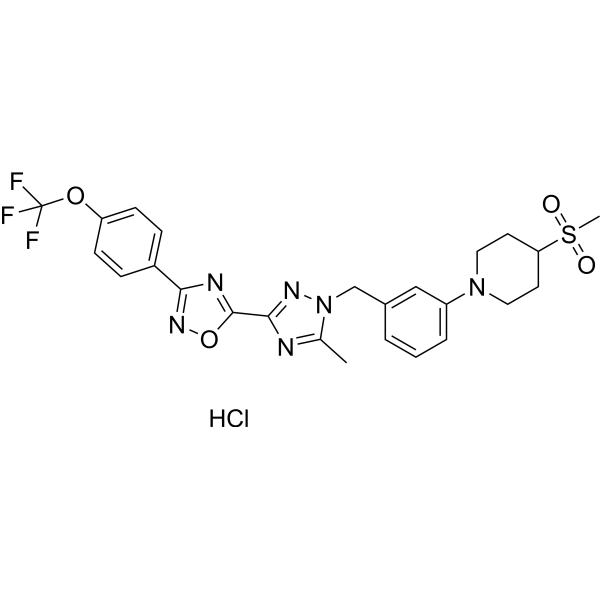
IACS-010759 hydrochlorideis an orally active, potent mitochondrial complex I of oxidative phosphorylation (OXPHOS) inhibitor. IACS-010759 hydrochlorideinhibits proliferation and induces apoptosis in models of brain cancer and acute myeloid leukemia (AML) reliant on OXPHOS. IACS-010759 hydrochloride has the potential for relapsed/refractory AML and solid tumors research .
|
-
-
- HY-16366
-
|
ON 014185
|
Eukaryotic Initiation Factor (eIF)
CDK
c-Myc
MDM-2/p53
Caspase
Apoptosis
|
Cancer
|
|
Briciclib (ON 014185) is a eukaryotic translation initiation factor 4E (eIF4E) inhibitor. Briciclib exhibits broad-spectrum anti-cancer activity, including in mantle cell leukemia, breast cancer, gastric cancer, and esophageal cancer cells. Briciclib reduces the expression of cyclin D1 and c-Myc, and enhances the expression of P53 and Cleaved Caspase 3 pro-apoptotic proteins. Briciclib can be used for the study of hematological system tumors and solid tumors .
|
-
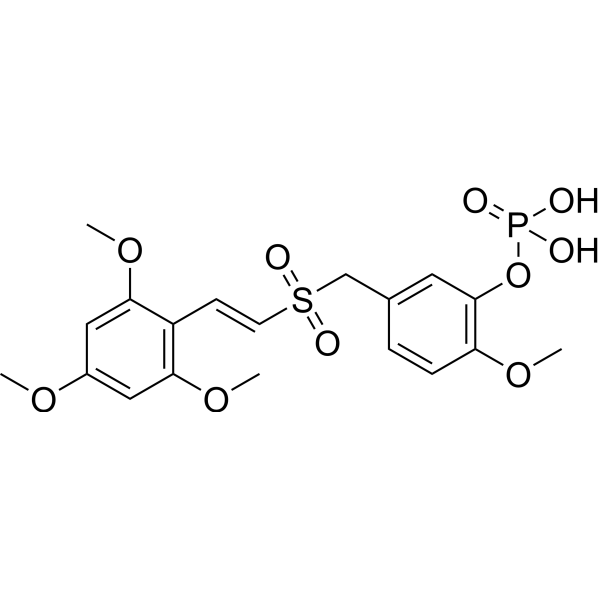
-
- HY-155163
-
|
|
Anaplastic lymphoma kinase (ALK)
ROS Kinase
FAK
Apoptosis
|
Cancer
|
|
APG-2449 is an orally active inhibitor for BCL-2 and multikinase (ALK/FAK/ROS1) with potent antitumor activities. APG-2449 reduces cell viability and enhances apoptosis in acute myeloid leukemia cells in vitro. APG-2449 decreases activation of FAK and its downstream effectors. APG-2449 can be studied in research for mesothelioma tumor, non-small cell lung cancer, ovarian cancer, hematologic and solid malignancies .
|
-
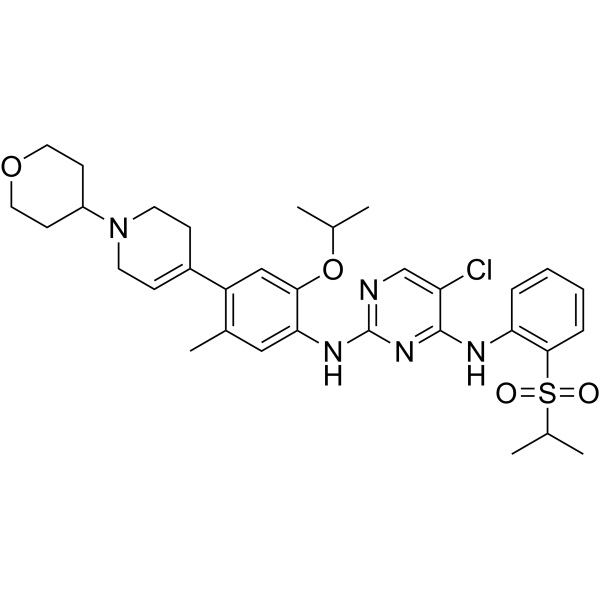
-
- HY-128586A
-
|
|
NEDD8-activating Enzyme
Carbonic Anhydrase
Apoptosis
|
Cancer
|
|
TAS4464 hydrochloride is a long-acting, highly selective covalent inhibitor targeting NEDD8-activating enzyme (NAE) (IC50=0.955 nM), and also inhibits CAII with an IC50 of 0.73 μM, which is less potent than MLN4924 (HY-70062). The IC50 values of TAS4464 hydrochloride against other E1 enzymes UAE and SAE are 449 nM and 1280 nM, respectively. TAS4464 hydrochloride targets NEDD8 in an ATP-dependent manner to inhibit NAE, blocks the neddylation pathway, causes accumulation of CRL ubiquitin ligase substrates (such as CDT1, p27, phosphorylated IκBα), and further induces tumor cell apoptosis. TAS4464 hydrochloride exhibits antiproliferative and cytotoxic effects, and has broad-spectrum antitumor activity against various hematologic and solid tumor cell lines as well as patient-derived tumor cells. TAS4464 hydrochloride has a wide therapeutic window, without obvious toxicity. TAS4464 hydrochloride can be used in the research of hematologic malignancies (leukemia, lymphoma, multiple myeloma, etc.) and solid tumors (small cell lung cancer, colorectal cancer, sarcoma, endometrial cancer, ovarian cancer, etc.) .
|
-
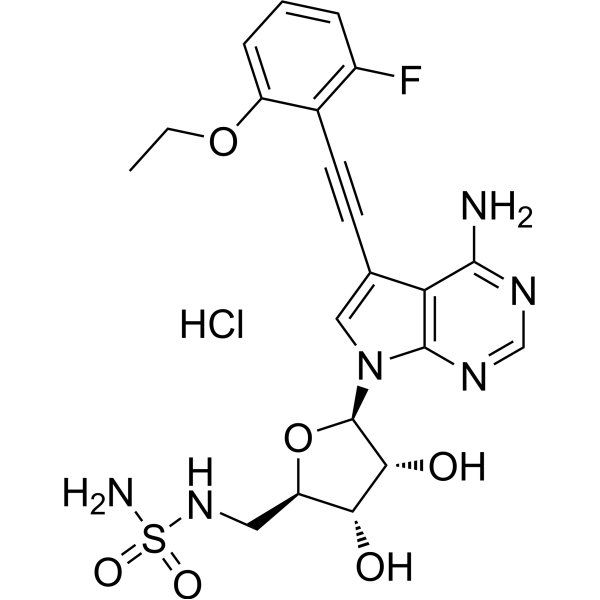
-
- HY-N2732
-
|
6-Prenyl-4',5,7-trihydroxyflavone; 6-C-Prenylapigenin
|
Others
|
Cancer
|
|
6-Prenylapigenin (6-Prenyl-4',5,7-trihydroxyflavone; 6-C-Prenylapigenin) is a prenylated flavonoid that exists in the stems and leaves of Maclura pomifera. 6-Prenylapigenin exhibits cytotoxicity against cancer cells such as leukemia cells and solid tumor cells .
|
-
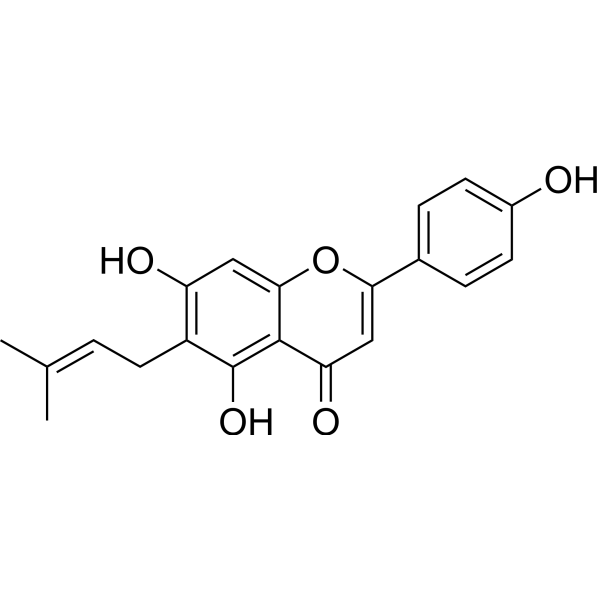
-
- HY-168878
-
|
|
METTL3
|
Cancer
|
|
EP652 is a METTL3 inhibitor and antitumor agent with IC50 values of 2 nM, <10 nM, and 37 nM in SPA, intracellular, and ATPlite assays, respectively. EP652 exhibits high selectivity against 40 other methyltransferases and FTO, and possesses favorable pharmacokinetic parameters. EP652 reduces intracellular N 6-methyladenosine (m 6A) levels in mRNA. EP652 inhibits tumor growth and progression of both hematologic malignancies and solid tumors. EP652 can be used for the research of acute myeloid leukemia, ovarian cancer, non-small cell lung cancer, and hypopharyngeal squamous cell carcinoma .
|
-

-
- HY-12455
-
|
|
ADC Payload
Antibiotic
DNA Alkylator/Crosslinker
Apoptosis
Caspase
|
Cancer
|
|
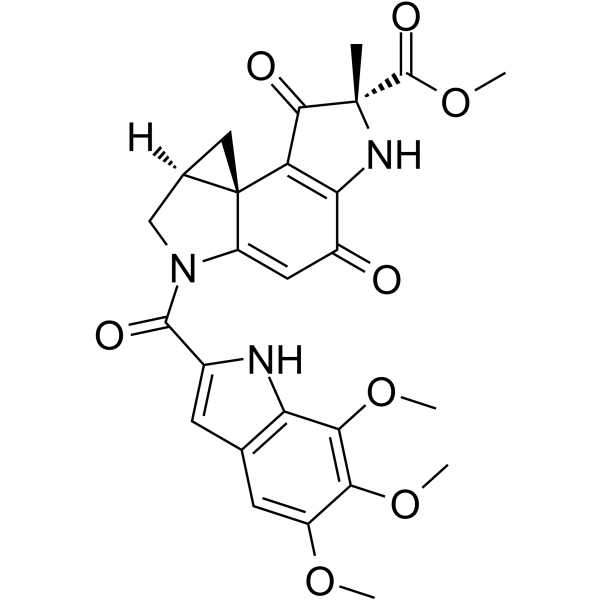
Duocarmycin A is an antitumor antibiotic and DNA alkylating agent with broad-spectrum antibacterial activity, which can serve as a payload for synthesizing antibody-drug conjugates (ADCs). Duocarmycin A selectively binds to the AT-rich minor groove of DNA, forms covalent adducts by alkylating the adenine N3 residue, thereby disrupting DNA structure and inhibiting its replication and transcription. Duocarmycin A induces apoptosis, sub-G1 phase accumulation and chromatin condensation, reduces the levels of pro-caspase-3/9, and induces p53-independent p21 expression. Duocarmycin A is widely used in the research of various malignancies, including leukemia, sarcoma, glioblastoma, as well as multiple solid tumor models such as lung cancer, breast cancer, and colorectal cancer .
|
-
-
- HY-P2302
-
|
|
Antibiotic
Bacterial
Fungal
|
Infection
Inflammation/Immunology
Cancer
|
|
Defensin HNP-3 human is an α-defensin stored in the azurophilic granules of human neutrophils. Defensin HNP-3 human exerts broad-spectrum bactericidal, antifungal and antiviral activities mainly by forming bacterial membrane pores, and acts as a chemoattractant for monocytes and T cells. Defensin HNP-3 human maintains epithelial integrity to support periodontal tissue homeostasis, and exerts concentration-dependent effects on epithelial cell proliferation, adhesion and bacterial adhesion. Defensin HNP-3 human targets solid tumors and leukemia by inducing single-strand DNA breaks and membrane permeabilization in tumor cells via electrostatic binding and pore formation. Defensin HNP-3 human is abundant in human tongue squamous cell carcinoma and neutrophils infiltrating oral squamous cell carcinoma. Defensin HNP-3 human can be applied to research related to periodontitis and human tongue squamous cell carcinoma .
|
-

-
- HY-P11084
-
|
|
MHC
|
Inflammation/Immunology
Cancer
|
|
WT1 126-134 peptide is a Wilms' tumor oncogene protein (WT1) peptide (RMFPNAPYL). WT1 126-134 peptide is presented by HLA-A0201 and induces cytotoxic CD8 T cells capable of killing WT1+ positive tumor cells. WT1 126-134 can form stable complexes with the H-2Db (mouse) or HLA-A0201 (human) molecules. WT1 126-134 peptide/HLA-A0201 complex has an extremely high affinity (Kd = 0.2 nM) with the humanized monoclonal antibody (IgG1). WT1 126-134 peptide can be used as a vaccine for T cells or as a target for antibodies .
|
-

-
- HY-101266B
-
|
DS-3032b; DS-3032 tosylate hydrate
|
MDM-2/p53
E1/E2/E3 Enzyme
Apoptosis
|
Cancer
|
|
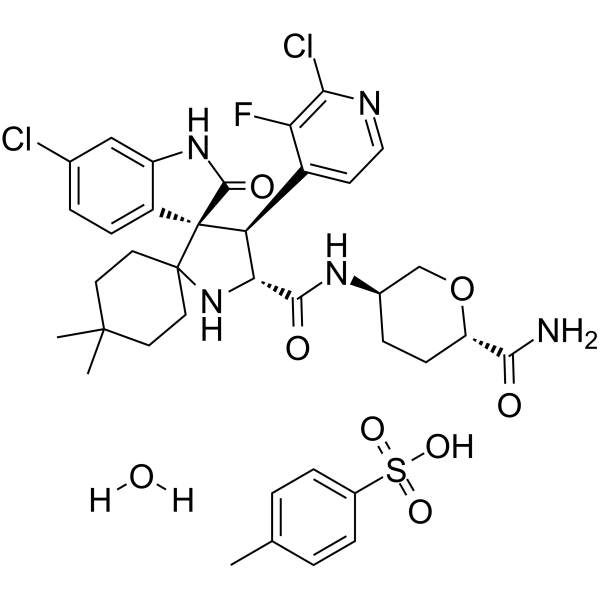
Milademetan (DS-3032) tosylate hydrate is a specific and orally active MDM2 inhibitor for the research of acute myeloid leukemia (AML) or solid tumors. Milademetan (DS-3032) tosylate hydrate induces G1 cell cycle arrest, senescence and apoptosis .
|
-
-
- HY-177332
-
|
|
TAM Receptor
SARS-CoV
Akt
|
Infection
Cancer
|
|
SLC-391 is an orally active AXL kinase inhibitor with an IC50 of 9.6 nM against AXL kinase. SLC-391 inhibits Gas6-induced AXL-dependent phosphorylation of Akt. SLC-391 inhibits SARS-CoV-2 infection, entry and replication in cells. SLC-391 suppresses cancer cell proliferation. SLC-391 inhibits tumor growth in mouse solid tumor xenograft models. SLC-391 can be used for the research of COVID-19, influenza virus infection, triple-negative breast cancer, chronic myeloid leukemia and non-small cell lung cancer .
|
-

-
- HY-N0488S
-
|
Leurocristine-d3 sulfate; NSC-67574-d3 sulfate; 22-Oxovincaleukoblastine-d3 sulfate
|
Isotope-Labeled Compounds
Apoptosis
Microtubule/Tubulin
Mitosis
|
Cancer
|
|
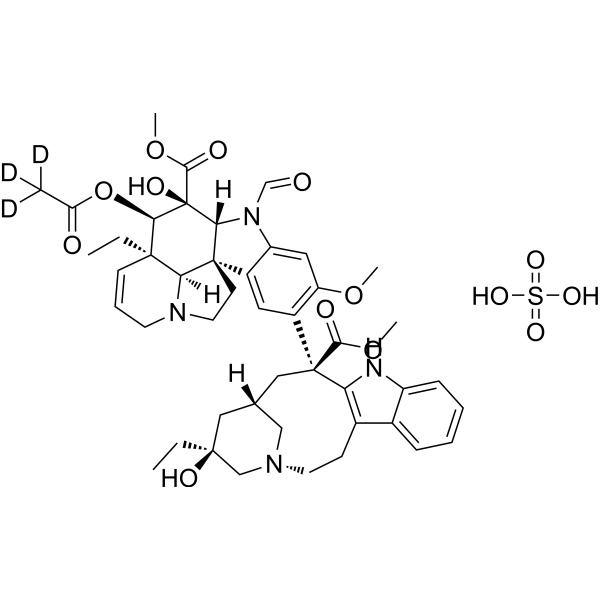
Vincristine-d3 sulfate is the deuterium labeled Vincristine sulfate. Vincristine sulfate (Leurocristine; NSC-67574; 22-Oxovincaleukoblastine) is a microtubule inhibitor that disrupts microtubule polymerization by binding to β-tubulin (with a Ki of 85 nM in bovine), arrests the cell cycle and induces apoptosis. Vincristine sulfate inhibits cell replication, tumor blood flow and the proliferation of various cancer cells, while triggering effects such as oxidative stress, inflammation, calcium overload, epithelial-mesenchymal transition and peripheral neuropathic pain. Vincristine sulfate upregulates the expression of various transporters and nuclear receptors, and enriches gastric cancer stem-like cells. Vincristine sulfate is used in research related to various tumors including acute lymphoblastic leukemia, lymphoma, melanoma, gastric cancer, solid tumors and sarcomas .
|
-
-
- HY-178007
-
|
|
CDK
|
Cancer
|
|
CDK2 degrader 8 (Compound1) is a CDK2 degrader. CDK2 degrader 8 shows potential anti-tumor activity by targeting CDK2. CDK2 degrader 8 can be used for the study of solid tumors (breast cancer, triple negative breast cancer, ovarian serous cystadenocarcinoma) and liquid tumors (diffuse large B-cell lymphoma, acute myelogenous leukemia) associated with abnormal CDK2 function .
|
-

-
- HY-106218
-
|
5-Fluorocyclocytidine; 5'-Fluorocyclocytidine
|
Nucleoside Antimetabolite/Analog
|
Cancer
|
|
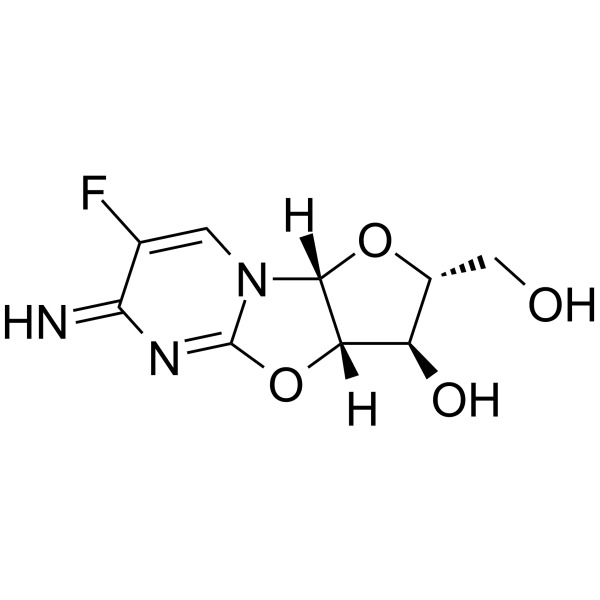
Flurocitabine (5-Fluorocyclocytidine) is a fluorinated anlydride analog of cytosine arabinoside, partially hydrolysecl in vivo into two active antitumor substances (arabinosyl-tluorocytosine (ara-FC) and arabinosyl-fluorouracil (ara-FU)). Flurocitabine (5-Fluorocyclocytidine) has antitumor activity during phase I studies in acute leukemia and solid tumors .
|
-
-
- HY-179157
-
|
|
PROTACs
Checkpoint Kinase (Chk)
DNA/RNA Synthesis
Apoptosis
Bcl-2 Family
Caspase
|
Cancer
|
|
MA203 is a highly efficient and selective PROTAC degrader targeting CHK1. MA203 accelerates CRBN-dependent proteasomal degradation of CHK1 in solid tumor-derived cells and acute leukemia cells. MA203 induces DNA replication stress. MA203 blocks cell cycle progression and triggers tumor cell apoptosis. MA203 does not damage healthy differentiated and primitive hematopoietic cells, stromal cells, and retinal epithelial cells. MA203 can be used for the study of CHK1-dependent cancers .
|
-

-
- HY-19095
-
|
|
Antifolate
|
Cancer
|
|
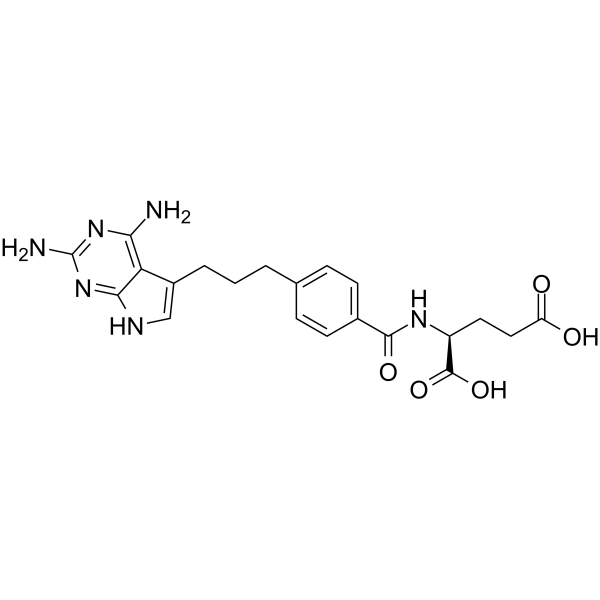
TNP-351 is an antifolate. TNP-351, a dihydrofolate reductase (DHFR) inhibitor, has potent antitumor activity against not only leukemia cells but also solid tumor cells in vitro and in vivo .
|
-
-
- HY-106801
-
|
RP 49532
|
Interleukin Related
NF-κB
AP-1
MDM-2/p53
Apoptosis
|
Infection
Inflammation/Immunology
Cancer
|
|
Girolline (RP 49532) is a protein synthesis inhibitor and a functional modulator of eIF5A. Girolline induces ribosome stalling by interfering with the binding of eIF5A to ribosomes. Girolline also inhibits the production of IL-6 and IL-8, and induces cell cycle arrest in tumor cells. Girolline is applicable to research related to inflammatory diseases, solid tumors, leukemia and malaria .
|
-

-
- HY-158618
-
|
|
Aurora Kinase
Apoptosis
|
Cancer
|
|
Aurora kinase inhibitor-14 (Compound 79) is an orally active and highly selective inhibitor of Aurora kinases with IC50 values of 0.5 nM and 1.2 nM for Aurora A and Aurora B, respectively. Aurora kinase inhibitor-14 binds to the ATP-binding site of Aurora kinases to block chromosome segregation during mitosis and induce apoptosis in tumor cells. Aurora kinase inhibitor-14 is promising for research of various solid tumors and hematological malignancies, such as non-small cell lung cancer, breast cancer, and acute myeloid leukemia .
|
-

-
- HY-178008
-
|
|
Bcl-2 Family
Caspase
Apoptosis
|
Cancer
|
|
Mcl-1-IN-16 is an effective macrocyclic myeloid cell leukemia 1 (Mcl-1) inhibitor with a Ki of below 0.08 nM. Mcl-1-IN-16 maintains high selectivity (>50,000-fold) for Mcl-1 over other antiapoptotic Bcl-2 family members Bcl-2 and Bcl-xL. Mcl-1-IN-16 leads to the activation of caspase-3/7, thereby initiating cell apoptosis. Mcl-1-IN-16 achieves tumor regression in a lung cancer-derived tumor xenograft mice model. Mcl-1-IN-16 can be used in the research of solid tumor such as nonsmall cell lung cancer (NSCLC) .
|
-

-
- HY-N0488S2
-
|
Leurocristine-d6 sulfate; NSC-67574-d6 sulfate; 22-Oxovincaleukoblastine-d6 sulfate
|
Isotope-Labeled Compounds
Apoptosis
Mitosis
Microtubule/Tubulin
|
Cancer
|
|
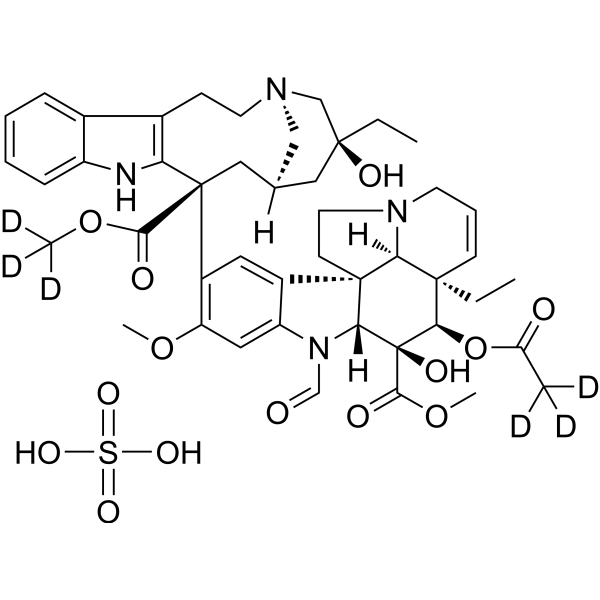
Vincristine-d6 (sulfate) is the deuterium labeled Vincristine sulfate. Vincristine sulfate (Leurocristine; NSC-67574; 22-Oxovincaleukoblastine) is a microtubule inhibitor that disrupts microtubule polymerization by binding to β-tubulin (with a Ki of 85 nM in bovine), arrests the cell cycle and induces apoptosis. Vincristine sulfate inhibits cell replication, tumor blood flow and the proliferation of various cancer cells, while triggering effects such as oxidative stress, inflammation, calcium overload, epithelial-mesenchymal transition and peripheral neuropathic pain. Vincristine sulfate upregulates the expression of various transporters and nuclear receptors, and enriches gastric cancer stem-like cells. Vincristine sulfate is used in research related to various tumors including acute lymphoblastic leukemia, lymphoma, melanoma, gastric cancer, solid tumors and sarcomas .
|
-
-
- HY-N0488S1
-
|
Leurocristine-d3-1 sulfate; NSC-67574-d3-1 sulfate; 22-Oxovincaleukoblastine-d3-1 sulfate
|
Isotope-Labeled Compounds
Apoptosis
Mitosis
Microtubule/Tubulin
|
Cancer
|
|
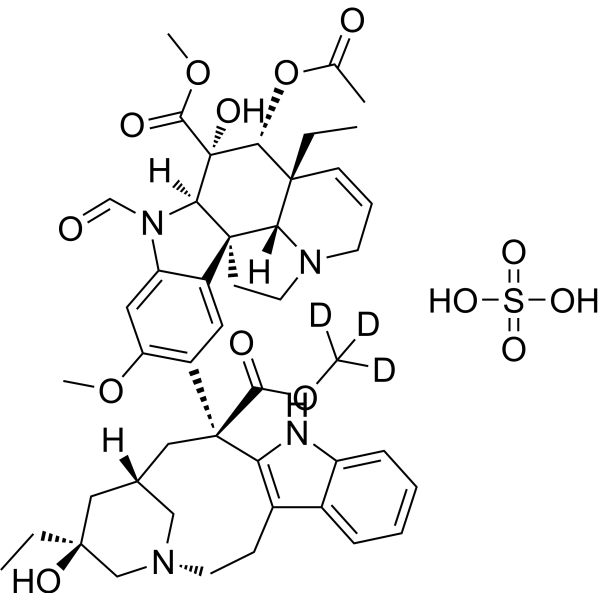
Vincristine-d3 sulfate is the deuterium labeled Vincristine sulfate. Vincristine-1 sulfate (Leurocristine; NSC-67574; 22-Oxovincaleukoblastine) is a microtubule inhibitor that disrupts microtubule polymerization by binding to β-tubulin (with a Ki of 85 nM in bovine), arrests the cell cycle and induces apoptosis. Vincristine-1 sulfate inhibits cell replication, tumor blood flow and the proliferation of various cancer cells, while triggering effects such as oxidative stress, inflammation, calcium overload, epithelial-mesenchymal transition and peripheral neuropathic pain. Vincristine-1 sulfate upregulates the expression of various transporters and nuclear receptors, and enriches gastric cancer stem-like cells. Vincristine-1 sulfate is used in research related to various tumors including acute lymphoblastic leukemia, lymphoma, melanoma, gastric cancer, solid tumors and sarcomas .
|
-
-
- HY-N0488R
-
|
Leurocristine sulfate (Standard); NSC-67574 sulfate (Standard); 22-Oxovincaleukoblastine sulfate (Standard)
|
Reference Standards
Apoptosis
Microtubule/Tubulin
Mitosis
|
Cancer
|
|
Vincristine (sulfate) (Standard) is the analytical standard of Vincristine (sulfate). This product is intended for research and analytical applications. Vincristine sulfate (Leurocristine; NSC-67574; 22-Oxovincaleukoblastine) is a microtubule inhibitor that disrupts microtubule polymerization by binding to β-tubulin (with a Ki of 85 nM in bovine), arrests the cell cycle and induces apoptosis. Vincristine sulfate inhibits cell replication, tumor blood flow and the proliferation of various cancer cells, while triggering effects such as oxidative stress, inflammation, calcium overload, epithelial-mesenchymal transition and peripheral neuropathic pain. Vincristine sulfate upregulates the expression of various transporters and nuclear receptors, and enriches gastric cancer stem-like cells. Vincristine sulfate is used in research related to various tumors including acute lymphoblastic leukemia, lymphoma, melanoma, gastric cancer, solid tumors and sarcomas .
|
-

-
- HY-19171
-
|
|
Drug Derivative
|
Cancer
|
|
Aranose is a nitrosourea derivative with antineoplastic activity. Aranose can be used for leukemia, plasmacytoma, and solid tumor research .
|
-

-
- HY-135254
-
|
CP-46665-1
|
PKC
|
Cancer
|
|
CP-46665 dihydrochloride is an anticancer agent that inhibits the incorporation of tritiated thymidine into leukemia cells and human solid tumor cells in vitro. It can lead to the loss of surface characteristics in tumor cells and disrupt cell membranes, inhibiting cell proliferation .
|
-

-
- HY-175332
-
|
|
Apoptosis
Bcl-2 Family
Caspase
MDM-2/p53
|
Cancer
|
|
Apoptosis inducer 43 is an apoptosis inducer. Apoptosis inducer 43 can induce apoptosis, SubG0-G1 cell cycle arrest, secondary necrosis, and upregulate caspase-3, p53, and Bax/Bcl-2 expression in HCT116 cells. Apoptosis inducer 43 can inhibit tumor growth in a solid Ehrlich carcinoma (SEC) mouse model. Apoptosis inducer 43 can be used to study cancers such as colon cancer, leukemia, and non-small cell lung cancer .
|
-

-
- HY-150772
-
|
|
Microtubule/Tubulin
HDAC
Apoptosis
Mitochondrial Metabolism
|
Cancer
|
|
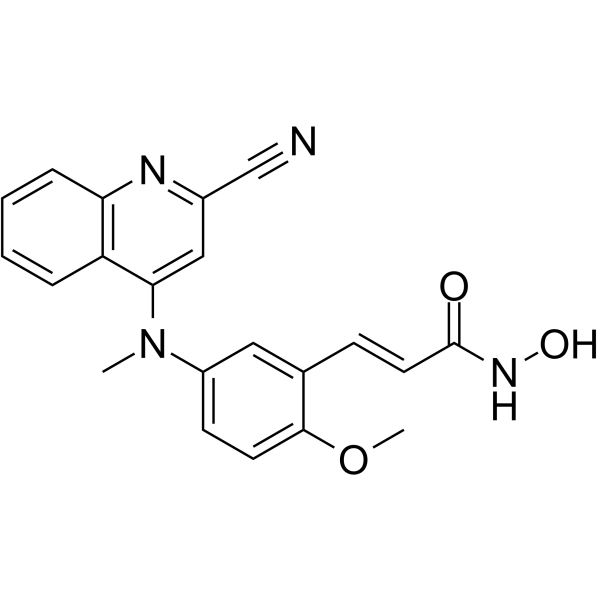
Tubulin/HDAC-IN-1 is a dual tubulin and HDAC-IN-1 inhibitor through CH/π interaction with tubulin and hydrogen bond interaction with HDAC8. Tubulin/HDAC-IN-1 inhibits tubulin polymerization and selectively inhibits HDAC8 (IC50: 150 nM). Tubulin/HDAC-IN-1 has cytotoxicity against various human cancer cells, also arrests cell cycle in the G2/M phase and induces cell apoptosis. Tubulin/HDAC-IN-1 can be used in the research of hematologic and solid tumors such as neuroblastoma, leukemia .
|
-
-
- HY-183186
-
|
|
METTL3
Cytochrome P450
|
Cancer
|
|
EP102 is an orally active, selective inhibitor of the METTL3/METTL14 complex with an IC50 of 2 nM. EP102 reduces intracellular N6-methyladenosine levels, inhibits cancer cell proliferation, and thereby suppresses tumor growth in mouse models. EP102 is applicable for the research of acute myeloid leukemia, ovarian solid tumors and advanced solid tumors .
|
-

-
- HY-N9382
-
|
|
PKC
|
Cancer
|
|
Gnidimacrin is a protein kinase C (PKC) activator. Gnidimacrin inhibits cell growth of human leukemias, stomach cancers and non-small cell lung cancers in vitro, and shows activity against murine leukemias and solid tumors in vivo. Gnidimacrin can be used for leukemias, stomach cancers and non-small cell lung cancers research .
|
-

-
- HY-106015
-
|
|
DNA/RNA Synthesis
Nucleoside Antimetabolite/Analog
Apoptosis
|
Cancer
|
|
Tezacitabine hydrate is a cytostatic and cytotoxic antimetabolite and nucleoside analogue. Tezacitabine hydrate irreversibly inhibits the ribonucleotide reductase and interferes with DNA replication and repair. Tezacitabine hydrate effectively induces cells Apoptosis. Tezacitabine hydrate has the potential for leukemias and solid tumors (carcinomas) treatment .
|
-

-
- HY-106014R
-
|
|
Reference Standards
DNA/RNA Synthesis
Nucleoside Antimetabolite/Analog
Apoptosis
|
Cancer
|
|
Tezacitabine (Standard) is the analytical standard of Tezacitabine (HY-106014). This product is intended for research and analytical applications. Tezacitabine is a cytostatic and cytotoxic antimetabolite and a nucleoside analogue. Tezacitabine irreversibly inhibits the ribonucleotide reductase and interferes with DNA replication and repair. Tezacitabine effectively induces cells apoptotic. Tezacitabine has the potential for leukemias and solid tumors (carcinomas) treatment .
|
-

-
- HY-101266R
-
|
DS-3032 (Standard)
|
MDM-2/p53
Reference Standards
E1/E2/E3 Enzyme
Apoptosis
|
Cancer
|
|
Milademetan (Standard) is the analytical standard of Milademetan (HY-101266). This product is intended for research and analytical applications. Milademetan (DS-3032) is a specific and orally active MDM2 inhibitor for the research of acute myeloid leukemia (AML) or solid tumors. Milademetan (DS-3032) induces G1 cell cycle arrest, senescence and apoptosis .
|
-

-
- HY-16366A
-
|
ON 014185 sodium
|
Eukaryotic Initiation Factor (eIF)
CDK
c-Myc
MDM-2/p53
Caspase
Apoptosis
|
Cancer
|
|
Briciclib (ON 014185) sodium is a eukaryotic translation initiation factor 4E (eIF4E) inhibitor. Briciclib sodium exhibits broad-spectrum anti-cancer activity, including in mantle cell leukemia, breast cancer, gastric cancer, and esophageal cancer cells. Briciclib sodium reduces the expression of cyclin D1 and c-Myc, and enhances the expression of P53 and Cleaved Caspase 3 pro-apoptotic proteins. Briciclib sodium can be used for the study of hematological system tumors and solid tumors .
|
-

-
- HY-101266BR
-
|
DS-3032b (Standard); DS-3032 tosylate hydrate (Standard)
|
MDM-2/p53
Reference Standards
E1/E2/E3 Enzyme
Apoptosis
|
Cancer
|
|
Milademetan (tosylate hydrate) (Standard) is the analytical standard of Milademetan (tosylate hydrate) (HY-101266B). This product is intended for research and analytical applications. Milademetan (DS-3032) tosylate hydrate is a specific and orally active MDM2 inhibitor for the research of acute myeloid leukemia (AML) or solid tumors. Milademetan (DS-3032) tosylate hydrate induces G1 cell cycle arrest, senescence and apoptosis .
|
-

-
- HY-P992389
-
|
|
LILRB
|
Cancer
|
|
IO-202 is a high-affinity LILRB4/ILT3 binder and myeloid checkpoint inhibitor. IO-202 blocks APOE binding and LILRB4 activation to reverse T-cell suppression and enhance T-cell cytotoxicity, while eliminating LILRB4-high-expressing leukemic blasts via ADCC and ADCP mechanisms. IO-202 promotes dendritic cell maturation and antigen presentation, reshapes the phenotype of tumor-associated macrophages, and reduces myeloid-derived suppressor cells. IO-202 is widely applicable to research on relapsed/refractory acute myeloid leukemia (AML), chronic myelomonocytic leukemia (CMML), and solid tumors .
|
-

-
- HY-182349
-
|
|
Bcl-2 Family
Apoptosis
Caspase
PARP
|
Cancer
|
|
Bax activator-2 is a pro-apoptotic agent targeting BAX, with an IC50 of 0.30 μM against human BAX. Bax activator-2 binds to the trigger site of BAX and induces its conformational change. Bax activator-2 induces mitochondrial depolarization, cytochrome c release, cleavage of caspase-3/9 and PARP, thereby initiating apoptosis. Bax activator-2 exhibits cytotoxicity against a variety of cancer cell lines. Bax activator-2 can be used in research related to acute myeloid leukemia and solid tumors .
|
-

-
- HY-106021
-
|
ILX651 free base
|
Microtubule/Tubulin
Prolyl Endopeptidase (PREP)
|
Cancer
|
|
Tasidotin (ILX651 free base) is a tubulin inhibitor and competitive Prolyl Endopeptidase (PREP) inhibitor, with an IC50 of 10 μM against bovine tubulin. Tasidotin exhibits high cerebrospinal fluid penetration in non-human primates. Tasidotin antagonizes microtubule assembly and induces an extended assembly lag phase, thereby inhibiting mitosis and cell proliferation, and exerts cytotoxic and oncolytic effects on cancer cells. Tasidotin is metabolized into polypeptides and proline inside cells, and its in vivo metabolism is mediated by prolyl endopeptidase. Tasidotin can be applied in research related to Burkitt's lymphoma, breast cancer, leukemia, melanoma, central nervous system malignancies and various solid tumors .
|
-

| Cat. No. |
Product Name |
Target |
Research Area |
-
- HY-P2302
-
|
|
Antibiotic
Bacterial
Fungal
|
Infection
Inflammation/Immunology
Cancer
|
|
Defensin HNP-3 human is an α-defensin stored in the azurophilic granules of human neutrophils. Defensin HNP-3 human exerts broad-spectrum bactericidal, antifungal and antiviral activities mainly by forming bacterial membrane pores, and acts as a chemoattractant for monocytes and T cells. Defensin HNP-3 human maintains epithelial integrity to support periodontal tissue homeostasis, and exerts concentration-dependent effects on epithelial cell proliferation, adhesion and bacterial adhesion. Defensin HNP-3 human targets solid tumors and leukemia by inducing single-strand DNA breaks and membrane permeabilization in tumor cells via electrostatic binding and pore formation. Defensin HNP-3 human is abundant in human tongue squamous cell carcinoma and neutrophils infiltrating oral squamous cell carcinoma. Defensin HNP-3 human can be applied to research related to periodontitis and human tongue squamous cell carcinoma .
|
-
- HY-P11084
-
|
|
MHC
|
Inflammation/Immunology
Cancer
|
|
WT1 126-134 peptide is a Wilms' tumor oncogene protein (WT1) peptide (RMFPNAPYL). WT1 126-134 peptide is presented by HLA-A0201 and induces cytotoxic CD8 T cells capable of killing WT1+ positive tumor cells. WT1 126-134 can form stable complexes with the H-2Db (mouse) or HLA-A0201 (human) molecules. WT1 126-134 peptide/HLA-A0201 complex has an extremely high affinity (Kd = 0.2 nM) with the humanized monoclonal antibody (IgG1). WT1 126-134 peptide can be used as a vaccine for T cells or as a target for antibodies .
|
| Cat. No. |
Product Name |
Target |
Research Area |
Image |
-
- HY-P992389
-
|
|
LILRB
|
Cancer
|
|
IO-202 is a high-affinity LILRB4/ILT3 binder and myeloid checkpoint inhibitor. IO-202 blocks APOE binding and LILRB4 activation to reverse T-cell suppression and enhance T-cell cytotoxicity, while eliminating LILRB4-high-expressing leukemic blasts via ADCC and ADCP mechanisms. IO-202 promotes dendritic cell maturation and antigen presentation, reshapes the phenotype of tumor-associated macrophages, and reduces myeloid-derived suppressor cells. IO-202 is widely applicable to research on relapsed/refractory acute myeloid leukemia (AML), chronic myelomonocytic leukemia (CMML), and solid tumors .
|
-

(5)
| Cat. No. |
Product Name |
Category |
Target |
Chemical Structure |
-
- HY-N0488
-
|
Leurocristine sulfate; NSC-67574 sulfate; 22-Oxovincaleukoblastine sulfate
|
Apocynaceae
Alkaloids
Structural Classification
Classification of Application Fields
Anti-aging
Plants
Disease Research Fields
Alkaloid Dimers
Catharanthus roseus (L.) G. Don
Source Classification
Cancer
|
Apoptosis
Microtubule/Tubulin
Mitosis
|
|
Vincristine (Leurocristine; NSC-67574; 22-Oxovincaleukoblastine) sulfate is a microtubule inhibitor that disrupts microtubule polymerization by binding to β-tubulin (with a Ki of 85 nM in bovine), arrests the cell cycle and induces apoptosis. Vincristine sulfate inhibits cell replication, tumor blood flow and the proliferation of various cancer cells, while triggering effects such as oxidative stress, inflammation, calcium overload, epithelial-mesenchymal transition and peripheral neuropathic pain. Vincristine sulfate upregulates the expression of various transporters and nuclear receptors, and enriches gastric cancer stem-like cells. Vincristine sulfate is used in research related to various tumors including acute lymphoblastic leukemia, lymphoma, melanoma, gastric cancer, solid tumors and sarcomas .
|
-
-
- HY-N0488A
-
|
Leurocristine; NSC-67574; 22-Oxovincaleukoblastine
|
Apocynaceae
Alkaloids
Structural Classification
Classification of Application Fields
Plants
Disease Research Fields
Alkaloid Dimers
Catharanthus roseus (L.) G. Don
Source Classification
Cancer
|
Apoptosis
Microtubule/Tubulin
Mitosis
|
|
Vincristine (Leurocristine; NSC-67574; 22-Oxovincaleukoblastine) is a microtubule inhibitor that disrupts microtubule polymerization by binding to β-tubulin (with a Ki of 85 nM in bovine), arrests the cell cycle and induces apoptosis. Vincristine inhibits cell replication, tumor blood flow and the proliferation of various cancer cells, while triggering effects such as oxidative stress, inflammation, calcium overload, epithelial-mesenchymal transition and peripheral neuropathic pain. Vincristine upregulates the expression of various transporters and nuclear receptors, and enriches gastric cancer stem-like cells. Vincristine is used in research related to various tumors including acute lymphoblastic leukemia, lymphoma, melanoma, gastric cancer, solid tumors and sarcomas .
|
-
-
- HY-N2732
-
-
-
- HY-106801
-
-
-
- HY-N0488R
-
|
Leurocristine sulfate (Standard); NSC-67574 sulfate (Standard); 22-Oxovincaleukoblastine sulfate (Standard)
|
Apocynaceae
Alkaloids
Structural Classification
Plants
Alkaloid Dimers
Catharanthus roseus (L.) G. Don
Source Classification
|
Reference Standards
Apoptosis
Microtubule/Tubulin
Mitosis
|
|
Vincristine (sulfate) (Standard) is the analytical standard of Vincristine (sulfate). This product is intended for research and analytical applications. Vincristine sulfate (Leurocristine; NSC-67574; 22-Oxovincaleukoblastine) is a microtubule inhibitor that disrupts microtubule polymerization by binding to β-tubulin (with a Ki of 85 nM in bovine), arrests the cell cycle and induces apoptosis. Vincristine sulfate inhibits cell replication, tumor blood flow and the proliferation of various cancer cells, while triggering effects such as oxidative stress, inflammation, calcium overload, epithelial-mesenchymal transition and peripheral neuropathic pain. Vincristine sulfate upregulates the expression of various transporters and nuclear receptors, and enriches gastric cancer stem-like cells. Vincristine sulfate is used in research related to various tumors including acute lymphoblastic leukemia, lymphoma, melanoma, gastric cancer, solid tumors and sarcomas .
|
-
-
- HY-N9382
-
-
| Cat. No. |
Product Name |
Chemical Structure |
-
- HY-N0488S
-
|
|
|
Vincristine-d3 sulfate is the deuterium labeled Vincristine sulfate. Vincristine sulfate (Leurocristine; NSC-67574; 22-Oxovincaleukoblastine) is a microtubule inhibitor that disrupts microtubule polymerization by binding to β-tubulin (with a Ki of 85 nM in bovine), arrests the cell cycle and induces apoptosis. Vincristine sulfate inhibits cell replication, tumor blood flow and the proliferation of various cancer cells, while triggering effects such as oxidative stress, inflammation, calcium overload, epithelial-mesenchymal transition and peripheral neuropathic pain. Vincristine sulfate upregulates the expression of various transporters and nuclear receptors, and enriches gastric cancer stem-like cells. Vincristine sulfate is used in research related to various tumors including acute lymphoblastic leukemia, lymphoma, melanoma, gastric cancer, solid tumors and sarcomas .
|
-
-
- HY-N0488S2
-
|
|
|
Vincristine-d6 (sulfate) is the deuterium labeled Vincristine sulfate. Vincristine sulfate (Leurocristine; NSC-67574; 22-Oxovincaleukoblastine) is a microtubule inhibitor that disrupts microtubule polymerization by binding to β-tubulin (with a Ki of 85 nM in bovine), arrests the cell cycle and induces apoptosis. Vincristine sulfate inhibits cell replication, tumor blood flow and the proliferation of various cancer cells, while triggering effects such as oxidative stress, inflammation, calcium overload, epithelial-mesenchymal transition and peripheral neuropathic pain. Vincristine sulfate upregulates the expression of various transporters and nuclear receptors, and enriches gastric cancer stem-like cells. Vincristine sulfate is used in research related to various tumors including acute lymphoblastic leukemia, lymphoma, melanoma, gastric cancer, solid tumors and sarcomas .
|
-
-
- HY-N0488S1
-
|
|
|
Vincristine-d3 sulfate is the deuterium labeled Vincristine sulfate. Vincristine-1 sulfate (Leurocristine; NSC-67574; 22-Oxovincaleukoblastine) is a microtubule inhibitor that disrupts microtubule polymerization by binding to β-tubulin (with a Ki of 85 nM in bovine), arrests the cell cycle and induces apoptosis. Vincristine-1 sulfate inhibits cell replication, tumor blood flow and the proliferation of various cancer cells, while triggering effects such as oxidative stress, inflammation, calcium overload, epithelial-mesenchymal transition and peripheral neuropathic pain. Vincristine-1 sulfate upregulates the expression of various transporters and nuclear receptors, and enriches gastric cancer stem-like cells. Vincristine-1 sulfate is used in research related to various tumors including acute lymphoblastic leukemia, lymphoma, melanoma, gastric cancer, solid tumors and sarcomas .
|
-
Your information is safe with us. * Required Fields.
Inquiry Information
- Product Name:
- Cat. No.:
- Quantity:
- MCE Japan Authorized Agent:








