Search Result
Results for "
mitochondrial+respiration
" in MedChemExpress (MCE) Product Catalog:
11
Isotope-Labeled Compounds
| Cat. No. |
상품명 |
Target |
연구분야 |
Chemical Structure |
-
- HY-W032022
-
-
-
- HY-B0849
-
-
-
- HY-113494
-
|
Stigmastanol; 24α-Ethyl cholestanol
|
Interleukin Related
|
Others
Metabolic Disease
Inflammation/Immunology
Cancer
|
|
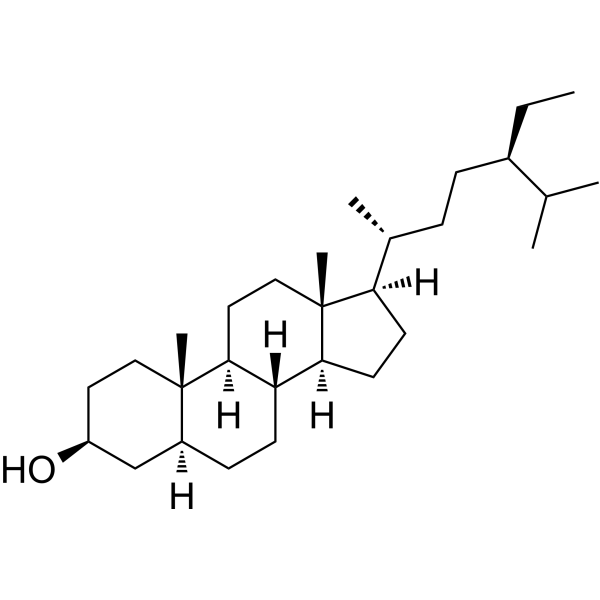
Stigmastanol is a 6-amino derivative. Stigmastanol can be isolated from Hypericum riparium. Stigmastanol increases the secretion of IL-2 and IL-10. Stigmastanol reduces the maximum mitochondrial respiration of cells. Stigmastanol has beneficial effects on the weakened immune function of asthma .
|
-
-
- HY-Y0095
-
|
2-Hydroxyethanesulfonic acid
|
Environmental Pollutants
Mitochondrial Metabolism
Parasite
|
Metabolic Disease
|
|
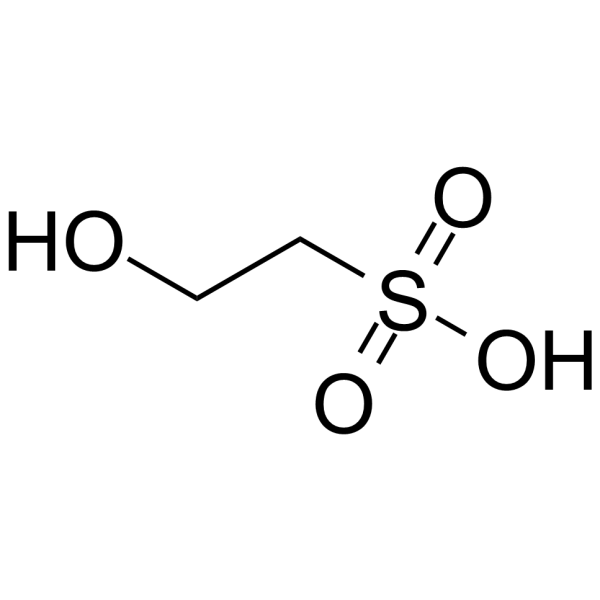
Isethionic acid is a calcium binder and anionic detergent that enhances mitochondrial calcium binding capacity by competitively binding to calcium binding sites on the outer mitochondrial membrane. Isethionic acid can inhibit calcium-activated mitochondrial respiration. Isethionic acid inhibits barnacle (Balanus amphitrite) larvae with LC50s of 23 μg/mL (24 h) and 17 μg/mL (48 h), respectively. Isethionic acid can inhibit the attachment of barnacle larvae (complete inhibition at 10 μg/mL) and regulate mitochondrial calcium transport, and can enhance ATP-dependent calcium uptake at high calcium concentrations. Isethionic acid can be used to study the mechanism of mitochondrial calcium metabolism.
|
-
-
- HY-109804
-
CORM-401
Maximum Cited Publications
12 Publications Verification
|
Reactive Oxygen Species (ROS)
|
Inflammation/Immunology
|
|
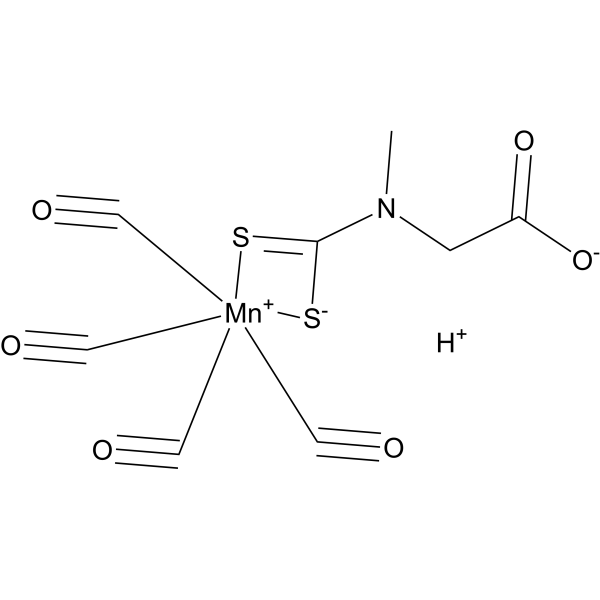
CORM-401 is an oxidant-sensitive CO-releasing molecule. CORM-401 induces NO increase in the regulation of endothelial calcium signalling. CORM-401 reduces TNF-α/CHX and H2O2-induced ROS production. CORM-401 uncouples mitochondrial respiration and inhibits glycolysis .
|
-
-
- HY-124410
-
|
|
Reactive Oxygen Species (ROS)
HIF/HIF Prolyl-Hydroxylase
|
Metabolic Disease
Inflammation/Immunology
|
|
Mitoquinol is an orally active mitochondria-targeted antioxidant. Mitoquinol can regulate mitochondrial respiration and oxidation. Mitoquinol inhibits ROS production, and improves phagocytosis and glycolysis in ethanol-exposed macrophages via the HIF-1α-PFKP axis. Additionally, Mitoquinol can partially alleviate heat stress-induced decreases in growth performance, inflammatory responses, and metabolic disorders in pigs .
|
-

-
- HY-114936
-
|
AR-054
|
Bacterial
ADC Payload
Antibiotic
Mitochondrial Metabolism
|
Infection
Neurological Disease
Cancer
|
|
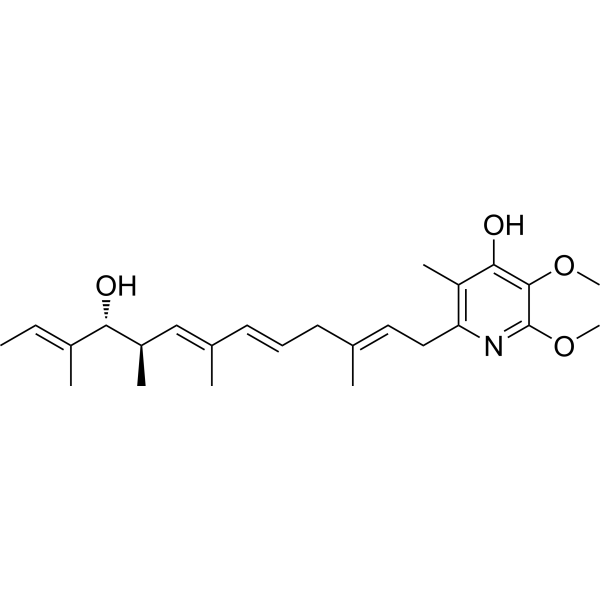
Piericidin A (AR-054) is a natural mitochondrial NADH-ubiquinone oxidoreductase (complex I) inhibitor. Piericidin A is a potent neurotoxin and inhibits mitochondrial respiration by disrupting the electron transport system through its action on NADH-ubiquinone reductase. Piericidin A is also a potential quorum-sensing inhibitor that suppresses the expression of the virulence genes of Erwinia carotovora subsp. atroseptica (Eca). Piericidin A is an ADC cytotoxin and has anti-bacterial, anticancer, insecticidal activity .
|
-
-
- HY-160004
-
|
|
AMPK
|
Cardiovascular Disease
Neurological Disease
Metabolic Disease
Inflammation/Immunology
Cancer
|
|
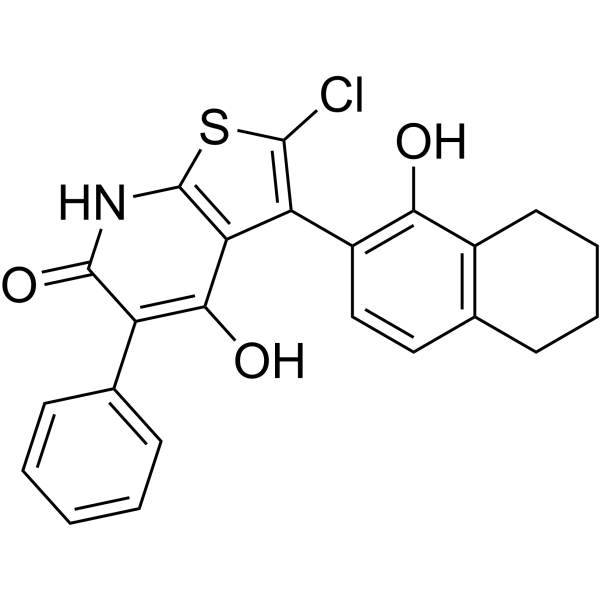
PXL770 is an orally active, direct allosteric AMP-activated protein kinase (AMPK) activator. PXL770 decreases C26:0 levels, improves mitochondrial respiration, reduces expression of proinflammatory genes and induces expression of compensatory transporters (ABCD2/3) in ALD fibroblasts/lymphocytes. PXL770 normalizes plasma VLCFA levels, significantly reduces elevated VLCFA levels in brain and spinal cord in Abcd1 KO mice. PXL770 improves glycemia, dyslipidemia, and insulin resistance in ob/ob and high-fat diet (HFD)-fed mice. PXL770 can be used for the study of X-linked adrenoleukodystrophy (ALD), autosomal dominant polycystic kidney disease and nonalcoholic steatohepatitis (NASH) .
|
-
-
- HY-136355
-
-
-
- HY-W714076
-
|
|
Fungal
|
Infection
Inflammation/Immunology
|
|
Ametoctradin is a potent Qo site inhibitor of bc1 complex in mitochondrial respiration. Ametoctradin is a highly selective and effective Oomycete-specific fungicide that can be used against late blight and downy mildews .
|
-

-
- HY-155386
-
-

-
- HY-164515
-
|
|
Apoptosis
Mitochondrial Metabolism
Caspase
PARP
|
Cancer
|
|
ONC213 is an orally active αKGDH inhibitor. ONC213 can suppress mitochondrial respiration and elevate α-ketoglutarate levels by inhibiting αKGDH activity. ONC213 can induce cells apoptosis by inducing mitochondrial stress response and inhibiting translation of MCL-1. ONC213 can be used for the research of cancer, such as acute myeloid leukemia research (AML) .
|
-

-
- HY-138559
-
|
|
Mitochondrial Metabolism
|
Neurological Disease
|
|
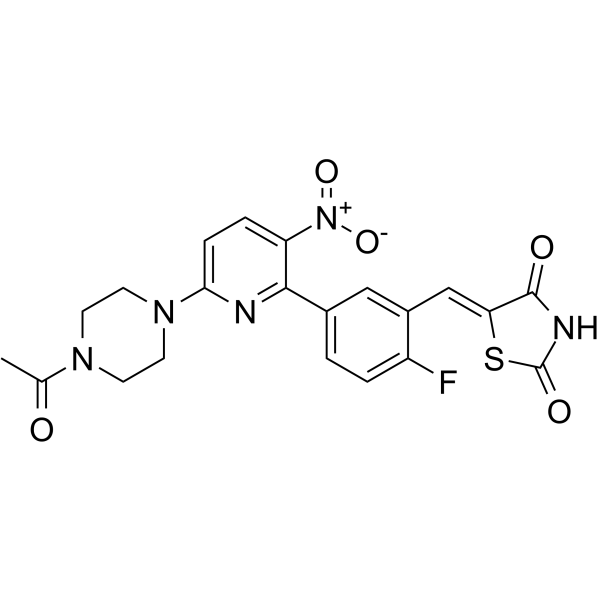
GW604714X is a potent inhibitor of mitochondrial respiration supported by pyruvate but not other substrates. GW604714X is a highly specific mitochondrial pyruvate carrier (MPC) inhibitor with a Ki <0.1 nM. GW604714X also inhibits L-lactate transport by the plasma membrane monocarboxylate transporter (MCT1), but at concentrations more than 4 orders of magnitude greater than the MPC .
|
-
-
- HY-114410
-
|
|
Mitochondrial Metabolism
|
Cancer
|
|
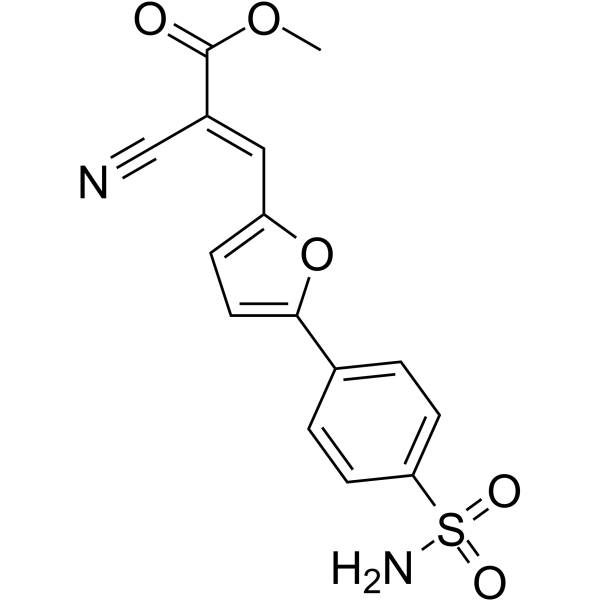
CCI-006 is a selective inhibitor and chemosensitizer of MLL-rearranged leukemia cells, by inhibits mitochondrial respiration resulting in insurmountable mitochondrial depolarization and a pro-apoptotic unfolded protein response (UPR) in a subset of MLL-r leukemia cells .
|
-
-
- HY-124726
-
|
|
Autophagy
|
Neurological Disease
Cancer
|
|
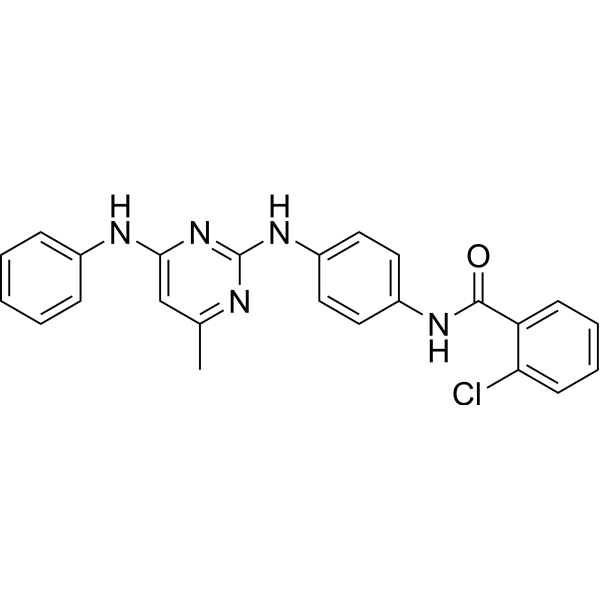
Aumitin is a diaminopyrimidine-based autophagy inhibitor which inhibits mitochondrial respiration by targeting complex I. Aumitin inhibits starvation- and rapamycin induced autophagy dose dependently with IC50s of 0.12 μM and 0.24 μM, respectively .
|
-
-
- HY-B0849R
-
|
|
Reference Standards
Fungal
Reactive Oxygen Species (ROS)
Apoptosis
|
Infection
|
|
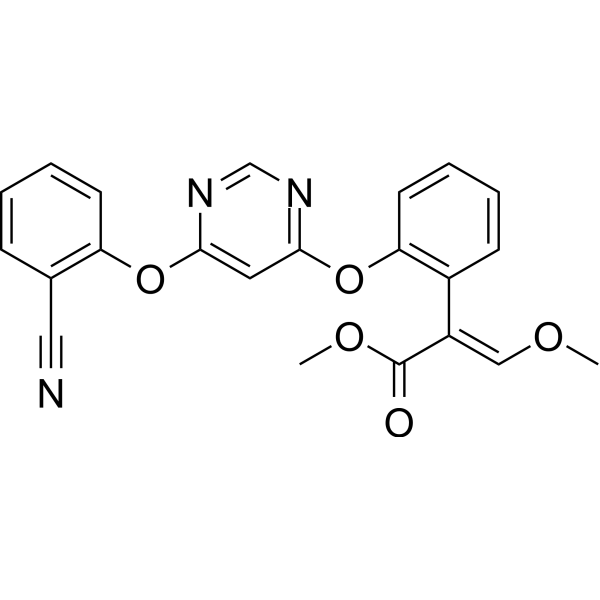
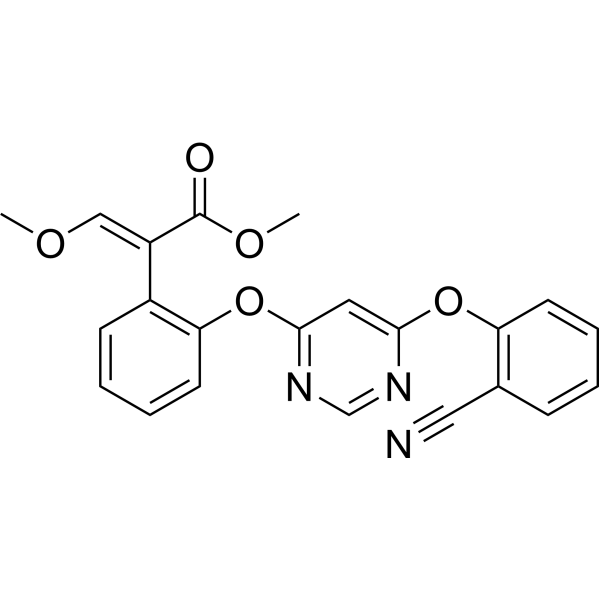
Azoxystrobin (Standard) is the analytical standard of Azoxystrobin. This product is intended for research and analytical applications. Azoxystrobin is a broad-spectrum β-methoxyacrylate fungicide. Azoxystrobin inhibits mitochondrial respiration by binding to the Qo site of the cytochrome bc1 complex and inhibiting electron transfer. Azoxystrobin induces the production of reactive oxygen species (ROS) and induces cell apoptosis.
|
-
-
- HY-W613220
-
-

-
- HY-W032022S
-
|
|
Isotope-Labeled Compounds
Mitochondrial Metabolism
|
Others
|
|
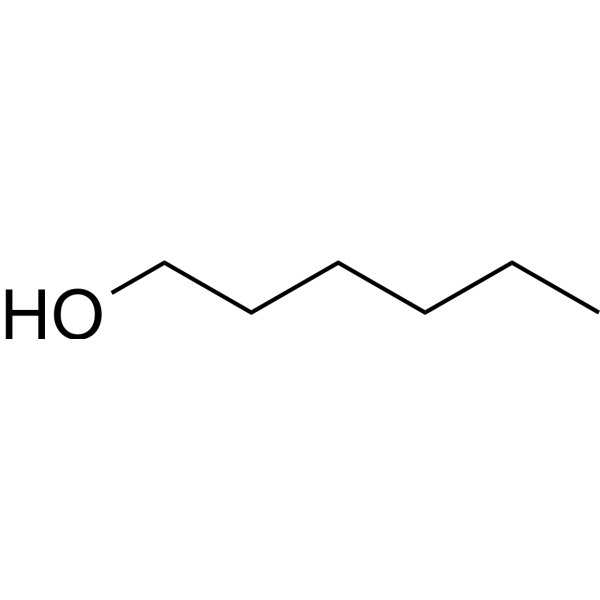
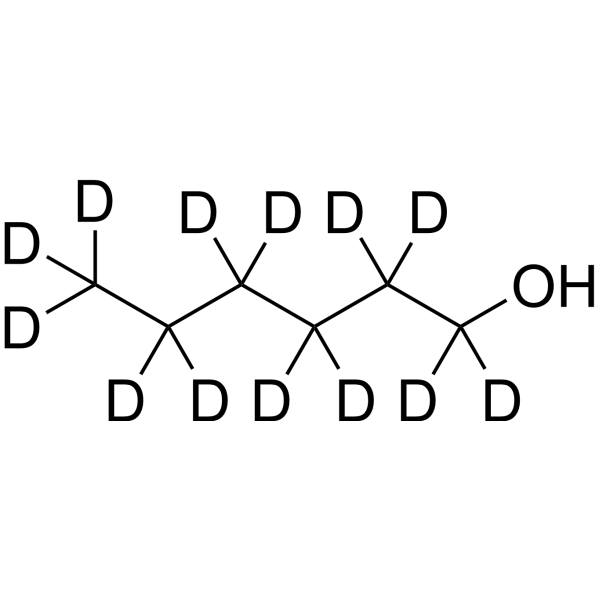
1-Hexanol-d13 is the deuterium labeled 1-Hexanol . 1-Hexanol, a primary alcohol, is a surfactant that can be employed in industrial processes to enhance interfacial properties . 1-Hexanol uncouples mitochondrial respiration by a non-protonophoric mechanism .
|
-
-
- HY-W032022S1
-
|
|
Isotope-Labeled Compounds
Mitochondrial Metabolism
|
Others
|
|
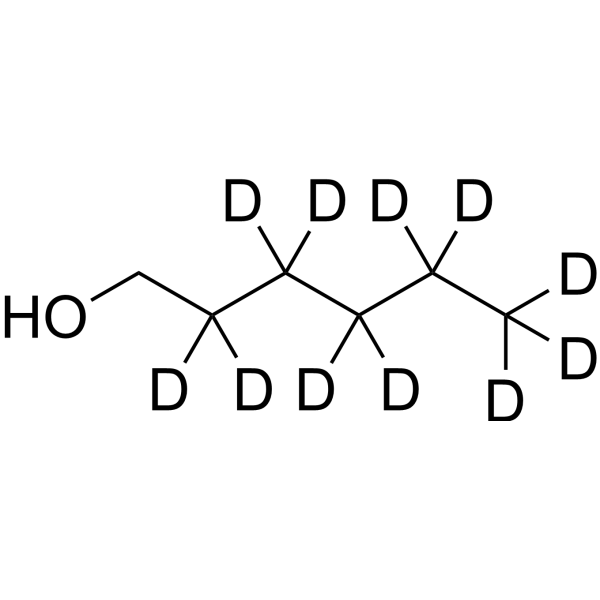
1-Hexanol-d11 is the deuterium labeled 1-Hexanol . 1-Hexanol, a primary alcohol, is a surfactant that can be employed in industrial processes to enhance interfacial properties . 1-Hexanol uncouples mitochondrial respiration by a non-protonophoric mechanism .
|
-
-
- HY-170027
-
|
|
HIF/HIF Prolyl-Hydroxylase
AMPK
|
Cancer
|
|
LW1564 is an inhibitor for HIF-1α with an IC50 of 1.2 µM in HepG2. LW1564 inhibits mitochondrial respiration, reduces ATP production, stimulates HIF-1α degradation, and inhibits proliferation of various cancer cells with GI50 of 0.4-4.6 μM. LW1564 activates AMPK signaling pathway and inhibits lipid synthesis. LW1564 exhibits antitumor in HepG2 xenograft mouse model .
|
-

-
- HY-152203
-
|
|
Drug Derivative
|
Cancer
|
|
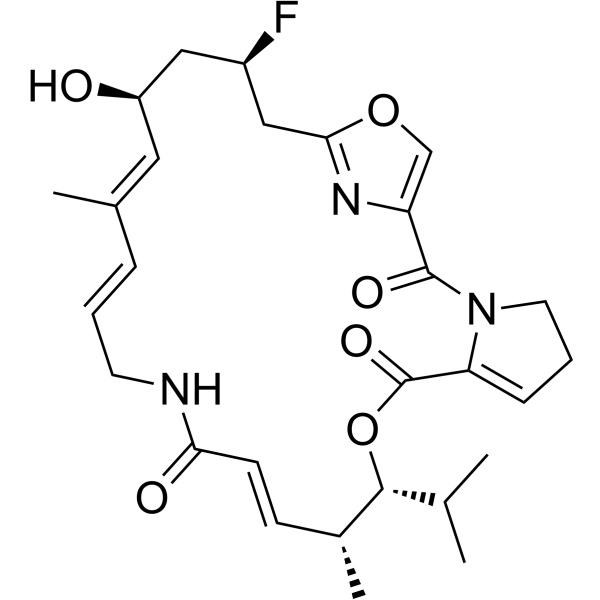
Mitochondrial respiration-IN-2 is the fluorine derivative of Virginiamycin M1 (HY-N6686). Mitochondrial respiration-IN-2 can inhibit mitochondrial translation of glioblastoma stem cells .
|
-
-
- HY-W016773
-
|
|
MHC
Transmembrane Glycoprotein
|
Metabolic Disease
Inflammation/Immunology
|
|
1,10-Decanediol is a diol compound that can react with α-ketoglutarate (aKG) to generate polymeric microparticles (termed paKG MPs) for the sustained release of aKG, thereby promoting immunosuppressive regulation. Additionally, paKG MPs can bind to dendritic cells (DCs), reducing their glycolysis and mitochondrial respiration in vitro. These metabolic changes lead to the modulation of MHC-II and CD86 expression in DCs and alter the frequency of regulatory T cells (Tregs) as well as T-helper type 1/2/17 cells in vitro. 1,10-Decanediol can be used in research within the field of immunometabolism. can be used as a surfactant/stabilizer in the synthesis of nanomaterials .
|
-

-
- HY-108385
-
|
|
Isotope-Labeled Compounds
Endogenous Metabolite
DNA/RNA Synthesis
PPAR
Reactive Oxygen Species (ROS)
Apoptosis
Fungal
|
Inflammation/Immunology
Cancer
|
|
Ochratoxin A-D4 (Phe-OTA-D4) is the deuterium labeled Ochratoxin A. Ochratoxin A is an orally active food-borne mycotoxin that can cross the blood-brain barrier. Ochratoxin A is a secondary metabolite of fungi belonging to the genera Aspergillus and Penicillium, and is classified as a Group 2B carcinogen. Ochratoxin A exerts its effects through multiple pathways, including inducing oxidative stress, inhibiting mitochondrial respiration, causing oxidative DNA damage, disrupting the PPAR-γ-CD36 axis, inducing immunosuppression, generating ROS, mediating mitochondria-dependent apoptosis, inhibiting glutamate uptake, triggering demyelination and neuroinflammation, inducing DNA hypomethylation, and inhibiting cell proliferation. Ochratoxin A can induce nephrotoxicity, hepatotoxicity, immunotoxicity, and neurotoxicity, and also exhibits mutagenicity, teratogenicity, and carcinogenicity.
|
-

-
- HY-161267
-
-
-
- HY-131453A
-
|
|
Mitochondrial Metabolism
|
Metabolic Disease
|
|
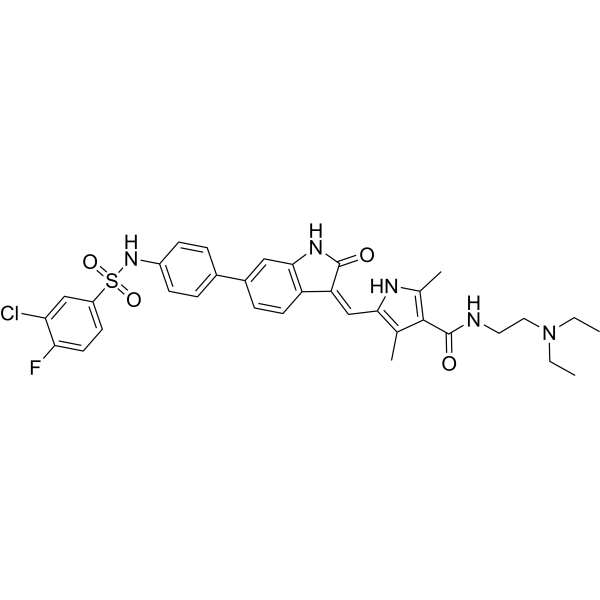
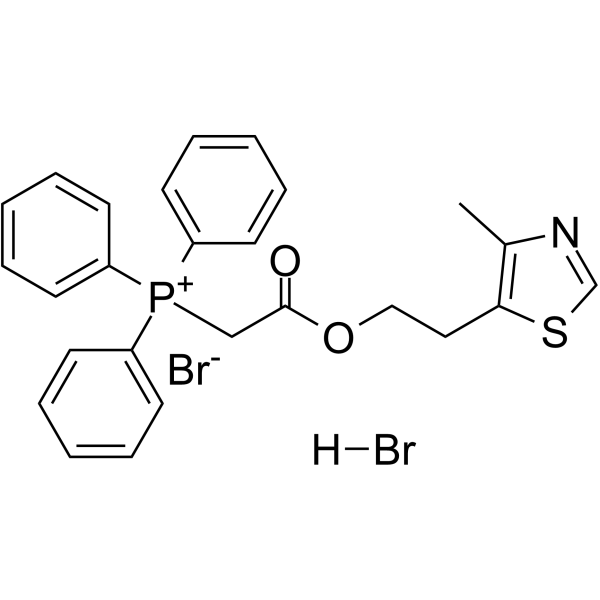
Mitochondrial respiration-IN-1 hydrobromide (compound 49) is a potent mitochondrial inhibitor (IC50=8.8 mg/mL) extracted from patent US20110301180A1, compound 49. Mitochondrial respiration-IN-1 hydrobromide significantly reduces mitochondrial respiration in platelets .
|
-
-
- HY-121248
-
|
AC217300
|
Mitochondrial Metabolism
|
Infection
|
|
Hydramethylnon (AC217300) is an amidinohydrazone insecticide. Hydramethylnon's mechanism of action is through inhibition of mitochondrial respiration by inhibiting the electron transport chain at the cytochrome b-c1 complex. Hydramethylnon can be used to eliminate red imported fire ants, cockroaches, and other insects .
|
-

-
- HY-133859
-
|
|
Mitochondrial Metabolism
|
Metabolic Disease
|
|
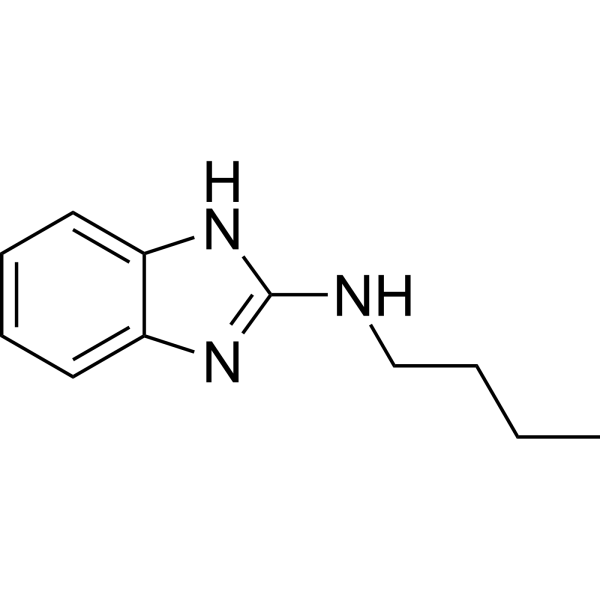
M084 is a benzimidazole derivative. M084 inhibits the mitochondrial respiration, activate mitochondrial unfolded protein response and AMPK, recruites SIR-2.1 and SKN-1, and finally through the transcription factor DAF-16, delays the aging process of C. elegans .
|
-
-
- HY-W032022R
-
|
|
Reference Standards
Mitochondrial Metabolism
|
Others
|
|
1-Hexanol (Standard) is the analytical standard of 1-Hexanol. This product is intended for research and analytical applications. 1-Hexanol, a primary alcohol, is a surfactant that can be employed in industrial processes to enhance interfacial properties . 1-Hexanol uncouples mitochondrial respiration by a non-protonophoric mechanism .
|
-

-
- HY-152202
-
|
|
Mitochondrial Metabolism
|
Cancer
|
|
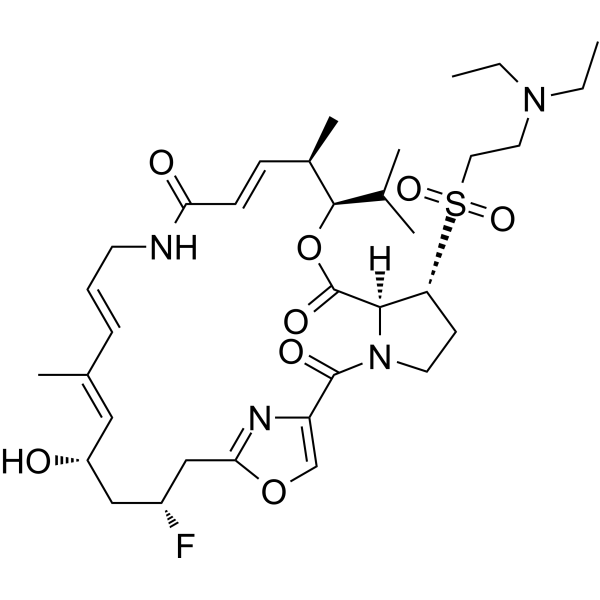
Mitochondrial respiration-IN-3 is the fluorine derivative of Dalfopristin (HY-A0241). Mitochondrial respiration-IN-3 has cell membrane-permeable. Mitochondrial respiration-IN-3 can inhibit mitochondrial translation of glioblastoma stem cells. Mitochondrial respiration-IN-3 can be used in research of cancer .
|
-
-
- HY-169865
-
-

-
- HY-106472
-
|
EMD 26644
|
Bacterial
|
Infection
|
|
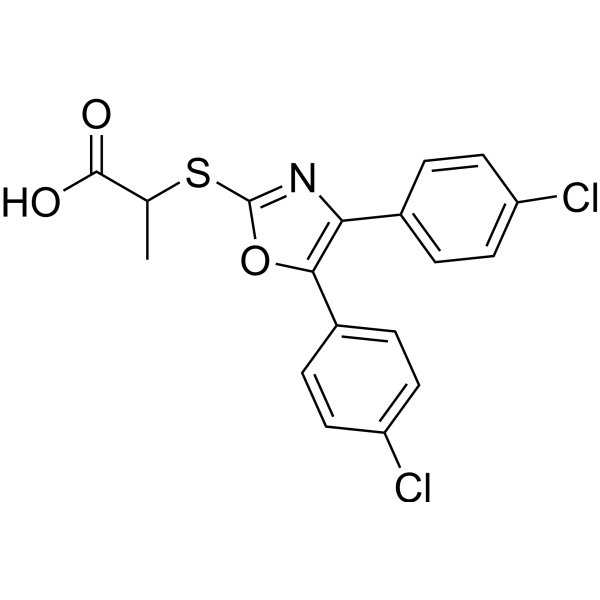
Tioxaprofen is a new anti-mycotic drug against Trichophyton mentagrophytes and T. rubrum, and is a potent uncoupling agent of mitochondrial respiration .
|
-
-
- HY-W082452S
-
|
|
Isotope-Labeled Compounds
|
Others
|
|
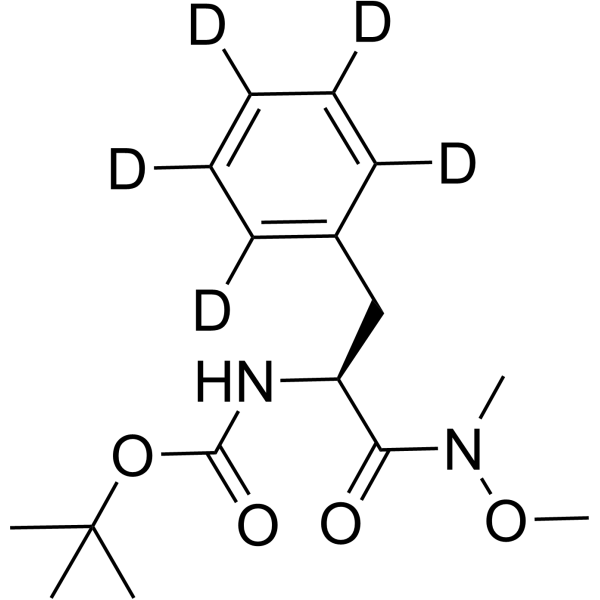
N-Boc-N-methoxy-N-methyl-L-phenyl-alaninamide-d5 is the deuterium labeled Picoxystrobin. Picoxystrobin is a primary strobilurin fungicide that is widely applied for plant disease control. Picoxystrobin inhibits mitochondrial respiration via blocking elect
|
-
-
- HY-136355S
-
-
-
- HY-151189
-
|
|
ROCK
|
Others
|
|
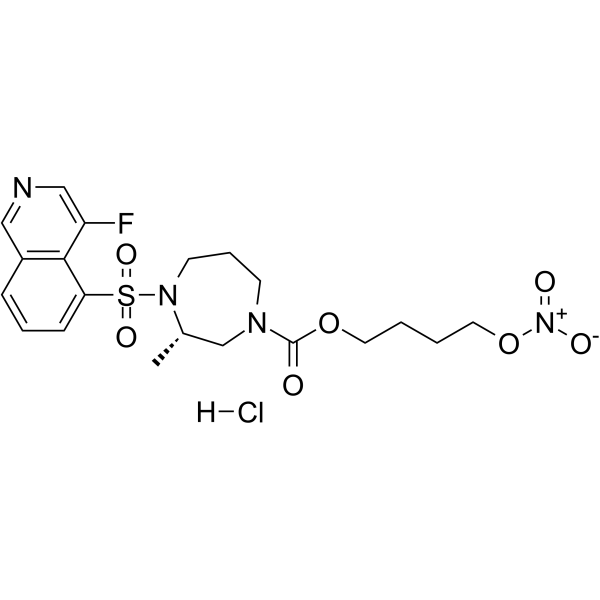
ROCK-IN-4 is a potent ROCK inhibitor maintaining NO releasing ability. ROCK-IN-4 reversibly depolymerizes F-actin, and suppresses mitochondrial respiration in human trabecular meshwork (HTM) cells. ROCK-IN-4 can be used for glaucoma or ocular hypertension research .
|
-
-
- HY-136355R
-
|
|
Reference Standards
Fungal
Reactive Oxygen Species (ROS)
SOD
|
Infection
Inflammation/Immunology
|
|
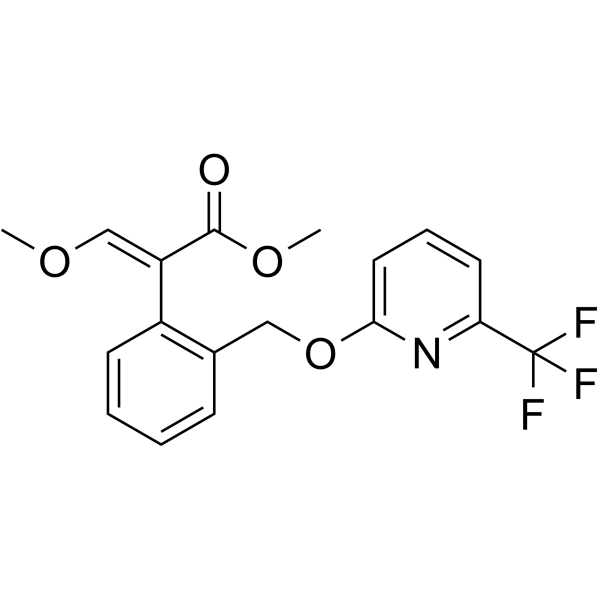
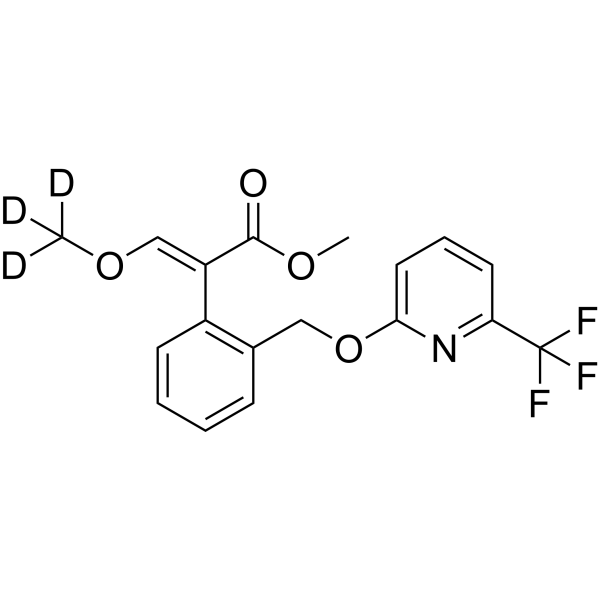
Picoxystrobin (Standard) is the analytical standard of Picoxystrobin (HY-136355). This product is intended for research and analytical applications. Picoxystrobin is a strobilurin fungicide. Picoxystrobin controls plant diseases by inhibiting mitochondrial respiration. Picoxystrobin is highly toxic to zebrafish embryos, causing developmental abnormalities, oxidative stress, and immunotoxicity .
|
-

-
- HY-W714076R
-
|
|
Reference Standards
Fungal
|
Infection
Inflammation/Immunology
|
|
Ametoctradin (Standard) is the analytical standard of Ametoctradin. This product is intended for research and analytical applications. Ametoctradin is a potent Qo site inhibitor of bc1 complex in mitochondrial respiration. Ametoctradin is a highly selective and effective Oomycete-specific fungicide that can be used against late blight and downy mildews .
|
-

-
- HY-W032022S3
-
|
|
Mitochondrial Metabolism
|
Others
|
|
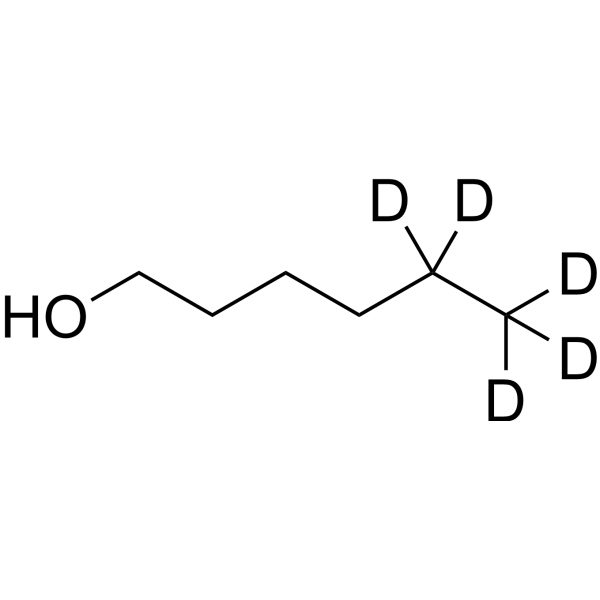
1-Hexanol-d5 is the deuterium labeled 1-Hexanol . 1-Hexanol, a primary alcohol, is a surfactant that can be employed in industrial processes to enhance interfacial properties . 1-Hexanol uncouples mitochondrial respiration by a non-protonophoric mechanism .
|
-
-
- HY-W032022S2
-
|
|
Isotope-Labeled Compounds
Mitochondrial Metabolism
|
Others
|
|
1-Hexanol-d3 is the deuterium labeled 1-Hexanol . 1-Hexanol, a primary alcohol, is a surfactant that can be employed in industrial processes to enhance interfacial properties . 1-Hexanol uncouples mitochondrial respiration by a non-protonophoric mechanism .
|
-
-
- HY-B0849S
-
|
|
Isotope-Labeled Compounds
Fungal
Reactive Oxygen Species (ROS)
Apoptosis
|
Infection
|
|
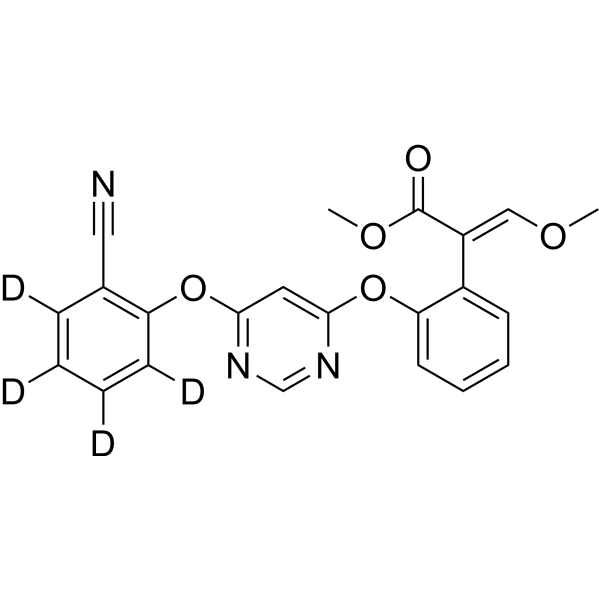
Azoxystrobin-d4 is deuterium labeled Azoxystrobin. Azoxystrobin is a broad-spectrum β-methoxyacrylate fungicide. Azoxystrobin inhibits mitochondrial respiration by binding to the Qo site of the cytochrome bc1 complex and inhibiting electron transfer. Azoxystrobin induces the production of reactive oxygen species (ROS) and induces cell apoptosis.
|
-
-
- HY-W032022S4
-
|
|
Isotope-Labeled Compounds
Mitochondrial Metabolism
|
Others
|
|
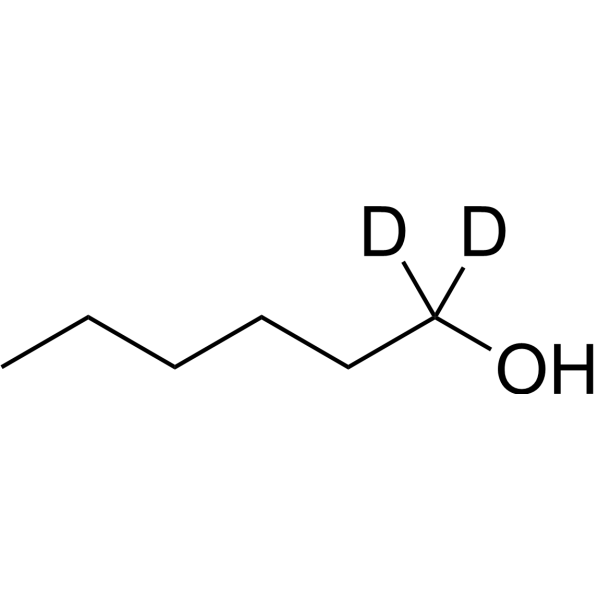
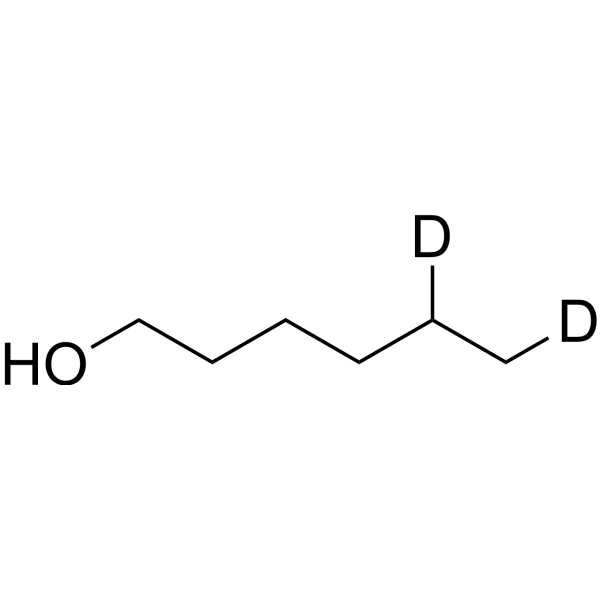
1-Hexanol-d2 is deuterated labeled 1-Hexanol (HY-W032022). 1-Hexanol, a primary alcohol, is a surfactant that can be employed in industrial processes to enhance interfacial properties . 1-Hexanol uncouples mitochondrial respiration by a non-protonophoric mechanism .
|
-
-
- HY-B0849S1
-
|
|
Isotope-Labeled Compounds
Fungal
Reactive Oxygen Species (ROS)
Apoptosis
|
Infection
|
|
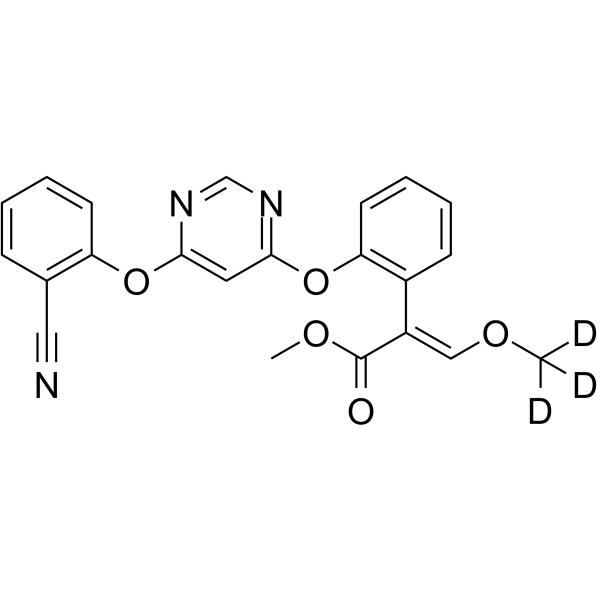
Azoxystrobin-d3 is deuterium labeled Azoxystrobin. Azoxystrobin is a broad-spectrum β-methoxyacrylate fungicide. Azoxystrobin inhibits mitochondrial respiration by binding to the Qo site of the cytochrome bc1 complex and inhibiting electron transfer. Azoxystrobin induces the production of reactive oxygen species (ROS) and induces cell apoptosis .
|
-
-
- HY-B0849A
-
|
|
Fungal
Reactive Oxygen Species (ROS)
Apoptosis
Bacterial
Phosphatase
|
Infection
|
|
(Z)-Azoxystrobin is an enantiomer of Azoxystrobin. Azoxystrobin is an orally active, broad-spectrum β-methoxyacrylate fungicide. Azoxystrobin inhibits mitochondrial respiration by binding to the Qo site of the cytochrome bc1 complex and inhibiting electron transfer. Azoxystrobin induces the production of reactive oxygen species (ROS) and induces cell apoptosis .
|
-

-
- HY-126617
-
|
NSC 258308
|
Others
|
Cancer
|
|
Duclauxin decreases proliferation of tumor cells in vitro and increases the lifespan of mice innoculated with Ehrlich ascitic tumor cells. Duclauxin (10-30 μg/mL) inhibits mitochondrial respiration of P-388 tumor cells and nucleic acid synthesis in cell culture of Ehrlich cancer, the lymphadenomas NK/LI and L 5178, and sarcoma 37. Duclauxin also inhibits growth of wheat coleoptile.
|
-

-
- HY-113494R
-
|
Stigmastanol (Standard); 24α-Ethyl cholestanol (Standard)
|
Reference Standards
Interleukin Related
|
Others
Metabolic Disease
Inflammation/Immunology
Cancer
|
|
Stigmastanol (Standard) is the analytical standard of Stigmastanol. This product is intended for research and analytical applications. Stigmastanol is a 6-amino derivative. Stigmastanol can be isolated from Hypericum riparium. Stigmastanol increases the secretion of IL-2 and IL-10. Stigmastanol reduces the maximum mitochondrial respiration of cells. Stigmastanol has beneficial effects on the weakened immune function of asthma .
|
-

-
- HY-124410S
-
|
|
Isotope-Labeled Compounds
Reactive Oxygen Species (ROS)
|
Metabolic Disease
Inflammation/Immunology
|
|
Mitoquinol-d15 is deuterium labeled Mitoquinol (HY-124410). Mitoquinol is an orally active mitochondria-targeted antioxidant. Mitoquinol can regulate mitochondrial respiration and oxidation. Mitoquinol inhibits ROS production, and improves phagocytosis and glycolysis in ethanol-exposed macrophages via the HIF-1α-PFKP axis. Additionally, Mitoquinol can partially alleviate heat stress-induced decreases in growth performance, inflammatory responses, and metabolic disorders in pigs .
|
-

-
- HY-P10873
-
|
|
Nuclear Hormone Receptor 4A/NR4A
Mitochondrial Metabolism
|
Cancer
|
|
ST-CY14 is an inhibitor for Nur77-PPARγ interaction with an EC50 of 3.15 μM, that binds to Nur77 (Kd=32 nM), blocks Nur77 from being ubiquitinated and degraded by PPARγ, reduces fatty acid uptake and mitochondrial respiration, and inhibits the transcription of CD36 and FABP4. ST-CY14 inhibits the proliferation and migration of cancer cell MCF7 and MDA-MB-231. ST-CY14 inhibits tumor growth and bone metastasis in mouse models .
|
-

-
- HY-134318B
-
|
|
DNA/RNA Synthesis
|
Others
|
|
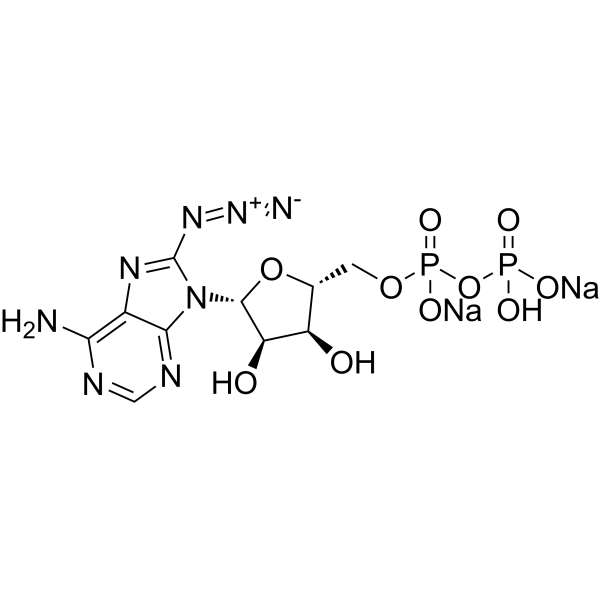
8-Azido-ADP (disodium) is a covalent-binding inhibitor of mitochondrial adenine nucleotide translocation. 8-Azido-ADP (disodium) causes irreversible inhibition of adenine nucleotide exchange in a light-dependent reaction. 8-Azido-ADP (disodium) inhibits the normal state 4 → 3 transitions of mitochondrial respiration induced by ADP . 8-Azido-ADP (disodium) is a click chemistry reagent, it contains an Azide group and can undergo copper-catalyzed azide-alkyne cycloaddition reaction (CuAAc) with molecules containing Alkyne groups. It can also undergo strain-promoted alkyne-azide cycloaddition (SPAAC) reactions with molecules containing DBCO or BCN groups.
|
-
-
- HY-W016773S
-
|
|
Isotope-Labeled Compounds
|
Others
|
|
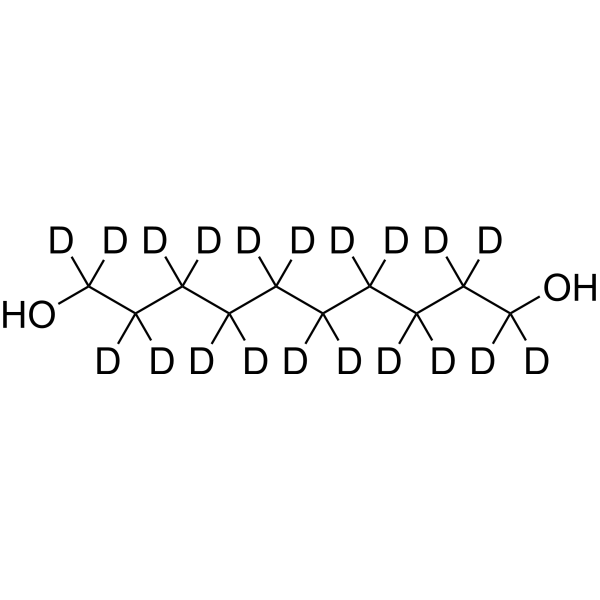
1,10-Decanediol-d20 is the deuterium labeled 1,10-Decanediol . 1,10-Decanediol is a diol compound that can react with α-ketoglutarate (aKG) to generate polymeric microparticles (termed paKG MPs) for the sustained release of aKG, thereby promoting immunosuppressive regulation. Additionally, paKG MPs can bind to dendritic cells (DCs), reducing their glycolysis and mitochondrial respiration in vitro. These metabolic changes lead to the modulation of MHC-II and CD86 expression in DCs and alter the frequency of regulatory T cells (Tregs) as well as T-helper type 1/2/17 cells in vitro. 1,10-Decanediol can be used in research within the field of immunometabolism. can be used as a surfactant/stabilizer in the synthesis of nanomaterials .
|
-
-
- HY-131453
-
|
|
Mitochondrial Metabolism
|
Cardiovascular Disease
Inflammation/Immunology
|
|
Mitochondrial respiration-IN-1 is a mitochondrial respiratory inhibitor. Mitochondrial respiration-IN-1 reduces platelet aggregation, adhesion, and platelet-induced coagulation responses. Mitochondrial respiration-IN-1 induces adaptive glycolysis, decreases mitochondrial membrane potential, selectively reduces ATP production derived from oxidative phosphorylation, and exerts bidirectional regulatory effects on cell proliferation. Mitochondrial respiration-IN-1 activates UPRmt and upregulates the expression of SDHA-1 and MT-CO1. Mitochondrial respiration-IN-1 restores metabolic homeostasis in type 2 diabetic mice. Mitochondrial respiration-IN-1 can be used to investigate diseases mediated by inappropriate platelet activation/aggregation and type 2 diabetes .
|
-

-
- HY-17684
-
|
|
Drug Derivative
Akt
|
Others
|
|
MARY15 is a pyridinylpiperazine-based derivative of MARY1. MARY15 activates uncoupled mitochondrial respiration and upregulates p-AKT (S473) phosphorylation in renal proximal tubule cells .
|
-

- HY-114625
-
|
|
Parasite
Mitochondrial Metabolism
|
Infection
|
|
Amquinate is a coccidiostat and a cytochrome b inhibitor. Amquinate blocks cytochrome-mediated electron transport near cytochrome b in mitochondria, acting downstream of coenzyme Q without affecting succinate dehydrogenase or NADH dehydrogenase. Amquinate inhibits succinate- and malate plus pyruvate-supported mitochondrial respiration in Eimeria tenella and does not affect L-ascorbate-supported respiration or any mitochondrial respiration in chicken liver mitochondria. Amquinate exhibits selective anticoccidial activity against wild-type Eimeria tenella. Amquinate can be used for the research of coccidiosis (Eimeria tenella infection) .
|
-

- HY-W782567
-
|
|
Oxidative Phosphorylation
Mitochondrial Metabolism
|
Metabolic Disease
Cancer
|
|
5-Amino-6-(5-phospho-D-ribitylamino)uracil is a substance that enhances oxidative phosphorylation or mitochondrial respiration. 5-Amino-6-(5-phospho-D-ribitylamino)uracil can enhance mitochondrial oxidative function. 5-Amino-6-(5-phospho-D-ribitylamino)uracil can be used in the research of cancer .
|
-

- HY-150033
-
|
|
Photosystem II
Herbicide
|
Others
|
|
Sorgoleone is a photosystem II inhibitor found in sorghum. Sorgoleone binds to the QB niche of the D1 protein, inhibits photosynthetic electron transport, and does not affect photosystem I reactions. Sorgoleone reduces radicle elongation and stunts growth. Sorgoleone inhibits CO2-dependent oxygen evolution, photosynthetic O2 evolution, and mitochondrial respiration. Sorgoleone can be used as a herbicide .
|
-

- HY-183095
-
|
|
|
Metabolic Disease
|
|
AM79 is a PGC-1α1 stabilizer. AM79 promotes the accumulation of endogenous PGC-1α1 protein, thereby activating its target genes. AM79 increases uncoupled mitochondrial respiration in brown adipocytes. AM79 induces the expression of Ucp1 and Cidea in brown adipocytes. AM79 can be used for the research of obesity and related metabolic disorders .
|
-

- HY-183096
-
|
|
PGC-1α
|
Metabolic Disease
|
|
AM31 is a PGC-1α1 stabilizer. AM31 enhances the protein stability of PGC-1α1, promotes protein accumulation and target gene activation. AM31 induces the expression of Ucp1 and Cidea in brown adipocytes. AM31 increases the levels of basal mitochondrial respiration and uncoupled respiration in brown adipocytes. AM31 can be used for the research of obesity and related metabolic disorders .
|
-

- HY-183094
-
|
|
PGC-1α
|
Metabolic Disease
|
|
AM73 is a PGC-1α1 stabilizer. AM73 increases the expression levels of Ucp1 and Cidea in brown adipocytes, and enhances basal mitochondrial respiration and uncoupled respiration. AM73 regulates hypoxia, brown adipocyte differentiation, carbohydrate metabolism and insulin signaling pathways in brown adipocytes. AM73 alters the thermogenic process of white adipocytes. AM73 is applicable to the research of obesity and related metabolic disorders .
|
-

| Cat. No. |
상품명 |
Target |
Research Area |
-
- HY-P10873
-
|
|
Nuclear Hormone Receptor 4A/NR4A
Mitochondrial Metabolism
|
Cancer
|
|
ST-CY14 is an inhibitor for Nur77-PPARγ interaction with an EC50 of 3.15 μM, that binds to Nur77 (Kd=32 nM), blocks Nur77 from being ubiquitinated and degraded by PPARγ, reduces fatty acid uptake and mitochondrial respiration, and inhibits the transcription of CD36 and FABP4. ST-CY14 inhibits the proliferation and migration of cancer cell MCF7 and MDA-MB-231. ST-CY14 inhibits tumor growth and bone metastasis in mouse models .
|
| Cat. No. |
상품명 |
Category |
Target |
Chemical Structure |
| Cat. No. |
상품명 |
Chemical Structure |
-
- HY-W032022S
-
|
|
|
1-Hexanol-d13 is the deuterium labeled 1-Hexanol . 1-Hexanol, a primary alcohol, is a surfactant that can be employed in industrial processes to enhance interfacial properties . 1-Hexanol uncouples mitochondrial respiration by a non-protonophoric mechanism .
|
-
-
- HY-W032022S1
-
|
|
|
1-Hexanol-d11 is the deuterium labeled 1-Hexanol . 1-Hexanol, a primary alcohol, is a surfactant that can be employed in industrial processes to enhance interfacial properties . 1-Hexanol uncouples mitochondrial respiration by a non-protonophoric mechanism .
|
-
-
- HY-W082452S
-
|
|
|
N-Boc-N-methoxy-N-methyl-L-phenyl-alaninamide-d5 is the deuterium labeled Picoxystrobin. Picoxystrobin is a primary strobilurin fungicide that is widely applied for plant disease control. Picoxystrobin inhibits mitochondrial respiration via blocking elect
|
-
-
- HY-136355S
-
|
|
|
Picoxystrobin-d3 is the deuterium labeled Picoxystrobin (HY-136355). Picoxystrobin is a strobilurin fungicide. Picoxystrobin controls plant diseases by inhibiting mitochondrial respiration. Picoxystrobin is highly toxic to zebrafish embryos, causing developmental abnormalities, oxidative stress, and immunotoxicity .
|
-
-
- HY-W032022S3
-
|
|
|
1-Hexanol-d5 is the deuterium labeled 1-Hexanol . 1-Hexanol, a primary alcohol, is a surfactant that can be employed in industrial processes to enhance interfacial properties . 1-Hexanol uncouples mitochondrial respiration by a non-protonophoric mechanism .
|
-
-
- HY-W032022S2
-
|
|
|
1-Hexanol-d3 is the deuterium labeled 1-Hexanol . 1-Hexanol, a primary alcohol, is a surfactant that can be employed in industrial processes to enhance interfacial properties . 1-Hexanol uncouples mitochondrial respiration by a non-protonophoric mechanism .
|
-
-
- HY-B0849S
-
|
|
|
Azoxystrobin-d4 is deuterium labeled Azoxystrobin. Azoxystrobin is a broad-spectrum β-methoxyacrylate fungicide. Azoxystrobin inhibits mitochondrial respiration by binding to the Qo site of the cytochrome bc1 complex and inhibiting electron transfer. Azoxystrobin induces the production of reactive oxygen species (ROS) and induces cell apoptosis.
|
-
-
- HY-W032022S4
-
|
|
|
1-Hexanol-d2 is deuterated labeled 1-Hexanol (HY-W032022). 1-Hexanol, a primary alcohol, is a surfactant that can be employed in industrial processes to enhance interfacial properties . 1-Hexanol uncouples mitochondrial respiration by a non-protonophoric mechanism .
|
-
-
- HY-B0849S1
-
|
|
|
Azoxystrobin-d3 is deuterium labeled Azoxystrobin. Azoxystrobin is a broad-spectrum β-methoxyacrylate fungicide. Azoxystrobin inhibits mitochondrial respiration by binding to the Qo site of the cytochrome bc1 complex and inhibiting electron transfer. Azoxystrobin induces the production of reactive oxygen species (ROS) and induces cell apoptosis .
|
-
-
- HY-124410S
-
|
|
|
Mitoquinol-d15 is deuterium labeled Mitoquinol (HY-124410). Mitoquinol is an orally active mitochondria-targeted antioxidant. Mitoquinol can regulate mitochondrial respiration and oxidation. Mitoquinol inhibits ROS production, and improves phagocytosis and glycolysis in ethanol-exposed macrophages via the HIF-1α-PFKP axis. Additionally, Mitoquinol can partially alleviate heat stress-induced decreases in growth performance, inflammatory responses, and metabolic disorders in pigs .
|
-
-
- HY-W016773S
-
|
|
|
1,10-Decanediol-d20 is the deuterium labeled 1,10-Decanediol . 1,10-Decanediol is a diol compound that can react with α-ketoglutarate (aKG) to generate polymeric microparticles (termed paKG MPs) for the sustained release of aKG, thereby promoting immunosuppressive regulation. Additionally, paKG MPs can bind to dendritic cells (DCs), reducing their glycolysis and mitochondrial respiration in vitro. These metabolic changes lead to the modulation of MHC-II and CD86 expression in DCs and alter the frequency of regulatory T cells (Tregs) as well as T-helper type 1/2/17 cells in vitro. 1,10-Decanediol can be used in research within the field of immunometabolism. can be used as a surfactant/stabilizer in the synthesis of nanomaterials .
|
-
| Cat. No. |
상품명 |
|
Classification |
-
- HY-134318B
-
|
|
|
Azide
|
|
8-Azido-ADP (disodium) is a covalent-binding inhibitor of mitochondrial adenine nucleotide translocation. 8-Azido-ADP (disodium) causes irreversible inhibition of adenine nucleotide exchange in a light-dependent reaction. 8-Azido-ADP (disodium) inhibits the normal state 4 → 3 transitions of mitochondrial respiration induced by ADP . 8-Azido-ADP (disodium) is a click chemistry reagent, it contains an Azide group and can undergo copper-catalyzed azide-alkyne cycloaddition reaction (CuAAc) with molecules containing Alkyne groups. It can also undergo strain-promoted alkyne-azide cycloaddition (SPAAC) reactions with molecules containing DBCO or BCN groups.
|
Your information is safe with us. * Required Fields.
Inquiry Information
- 상품명:
- Cat. No.:
- 수량:
- MCE Japan Authorized Agent:








