Search Result
Results for "
multiple+myeloma+cells
" in MedChemExpress (MCE) Product Catalog:
1
Isotope-Labeled Compounds
| Cat. No. |
Product Name |
Target |
Research Areas |
Chemical Structure |
-
- HY-154812
-
|
KTX-1001
|
Histone Methyltransferase
CD44
|
Cancer
|
|
Gintemetostat (KTX-1001) is an orally active, highly specific NSD2/MMSET histone methyltransferase inhibitor with human NSD2 IC50 values ranging 0.460-2.17 nM and NSD2 SET domain IC50 of 2.32 nM and Kd values ranging 6.3-70.4 nM .Gintemetostat reduces H3K36me2 levels, impairs multiple myeloma cell adhesion and colony formation, enhances cytotoxicity, boosts T-cell activation, and sensitizes resistant multiple myeloma cells to other agents .Gintemetostat can be used for the research of multiple myeloma and relapsed and refractory multiple myeloma .
|
-

-
- HY-112904
-
|
|
p62
Autophagy
|
Cancer
|
|
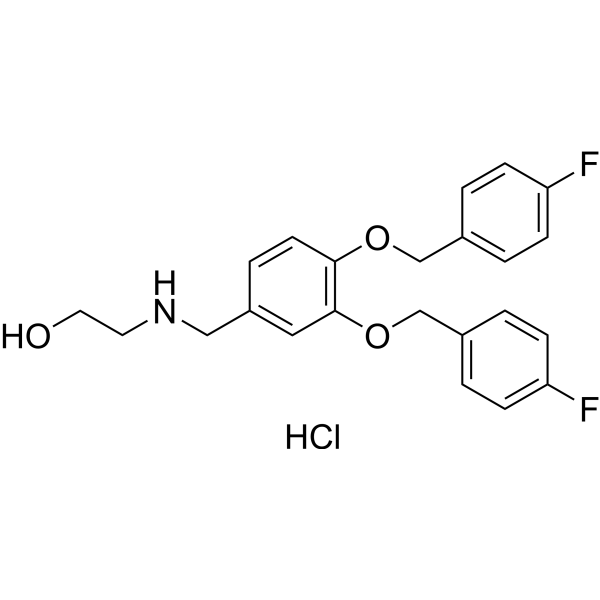
XRK3F2 is a p62 (sequestosome-1) ZZ domain inhibitor that has specificity for the p62-ZZ domain over other p62 signaling domains. XRK3F2 blocks TNFα effects and upregulation in bone marrow stromal cells, and induces multiple myeloma cell apoptosis. XRK3F2 can be used for the research of multiple myeloma bone disease, acute myeloid leukemia, and multiple myeloma .
|
-
-
- HY-172085
-
|
|
IFNAR
DNA/RNA Synthesis
c-Myc
CDK
|
Cancer
|
|
SH514 is an orally active IRF4 inhibitor (IC50 = 2.63 μM). SH514 binds to the IRF4-DBD domain, thereby inhibiting the interaction of IRF4 protein with DNA (KD = 1.28 μM). SH514 can inhibit the proliferation of IRF4-high-expressing NCI-H929 and MM.1R cells, and displays no cytotoxicity for normal cells. SH514 significantly downregulates the expression of IRF4 downstream target genes concentration-dependently. SH514 inhibits the expression of cell cycle-related proteins CDC2, Cyclin B1, Cyclin D1, Cyclin E1, and CMYC in Multiple Myeloma cells. SH514 can induce DNA damage and increase the expression of γH2AX. SH514 effectively inhibits the proliferation of multiple myeloma tumors .
|
-

-
- HY-134582
-
|
|
PROTACs
Epigenetic Reader Domain
|
Cancer
|
|
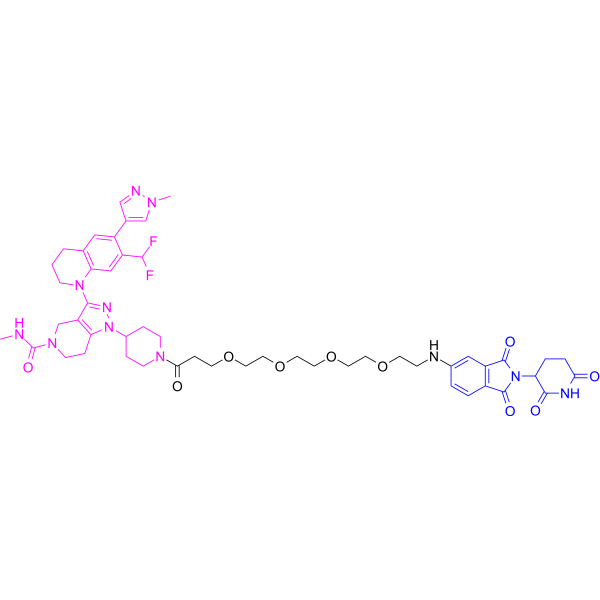
dCBP-1 is a potent and selective heterobifunctional degrader of p300/CBP based on Cereblon ligand. dCBP-1 is exceptionally potent at killing multiple myeloma cells and ablates oncogenic enhancer activity driving MYC expression .
|
-
-
- HY-15473
-
MLN120B
Maximum Cited Publications
28 Publications Verification
ML120B
|
IKK
|
Cancer
|
|
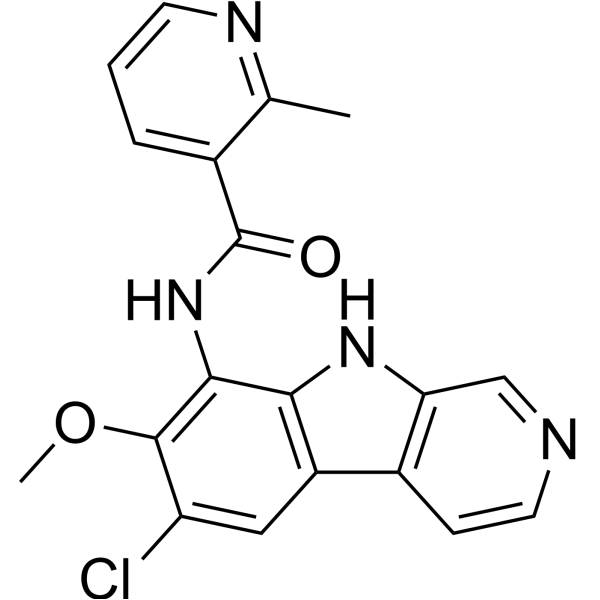
MLN120B (ML120B) is a potent, ATP competitive, and orally active inhibitor of IKKβ with an IC50 of 60 nM. MLN120B inhibits multiple myeloma cell growth in vitro and in vivo and also can be used for the research of rheumatoid arthritis .
|
-
-
- HY-100430
-
CCF642
1 Publications Verification
|
Apoptosis
PDI
|
Cancer
|
|
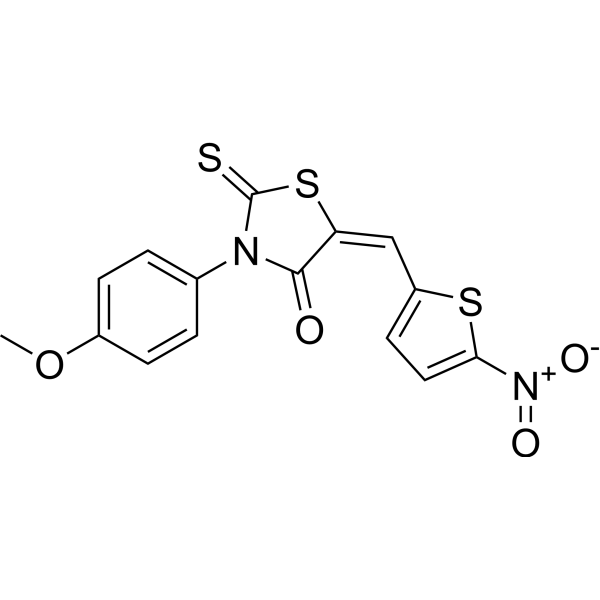
CCF642 is a potent protein disulfide isomerases (PDI) inhibitor with an IC50 of 2.9 μM. CCF642 causes acute endoplasmic reticulum (ER) stress in multiple myeloma cells accompanied by apoptosis-inducing calcium release. CCF642 has broad anti-multiple myeloma activity .
|
-
-
- HY-P991155
-
|
JNJ-79635322; JNJ-5322
|
CD3
TNF Receptor
|
Cancer
|
|
Ramantamig (JNJ-79635322) is a humanized monoclonal antibody targeting human CD3ε, GPRC5D, and TNFRSF17 (BCMA). Ramantamig binds to BCMA and GPRC5D on multiple myeloma cells, binds to CD3ε on T cells, forms immunological synapses, and enables T-cell-mediated cytotoxicity. Ramantamig activates T cells concomitantly with inducing myeloma cell cytotoxicity, with no nonspecific T-cell activation in the absence of target myeloma cells. Ramantamig carries mutations to reduce interaction with Fc receptors and disrupt protein A binding of monomeric and homodimerized chains. Ramantamig can be used for the research of multiple myeloma .
|
-

-
- HY-145757
-
|
JB3-22
|
HDAC
Apoptosis
Caspase
|
Cancer
|
|
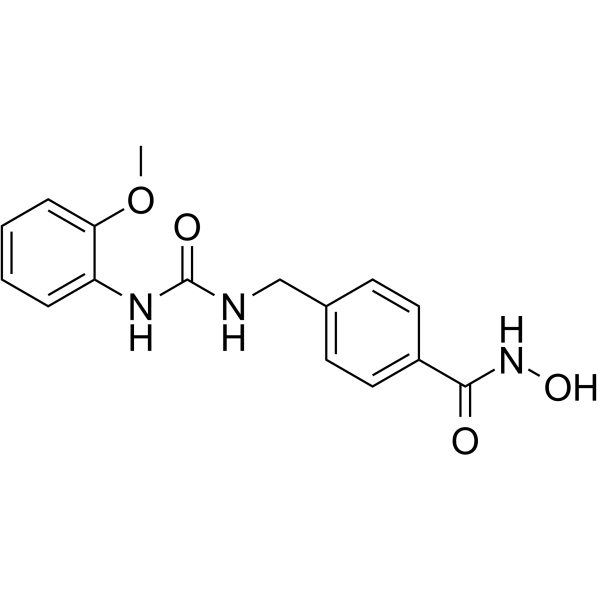
Elevenostat (JB3-22) is a selective HDAC11 inhibitor with an IC50 of 0.235 µM. Elevenostat can induce apoptosis of multiple myeloma cells and has anti-tumor effect. In addition, Elevenostat inhibits the maturation of mouse oocytes .
|
-
-
- HY-145667
-
|
Biotin-JQ1
|
Epigenetic Reader Domain
|
Cancer
|
|
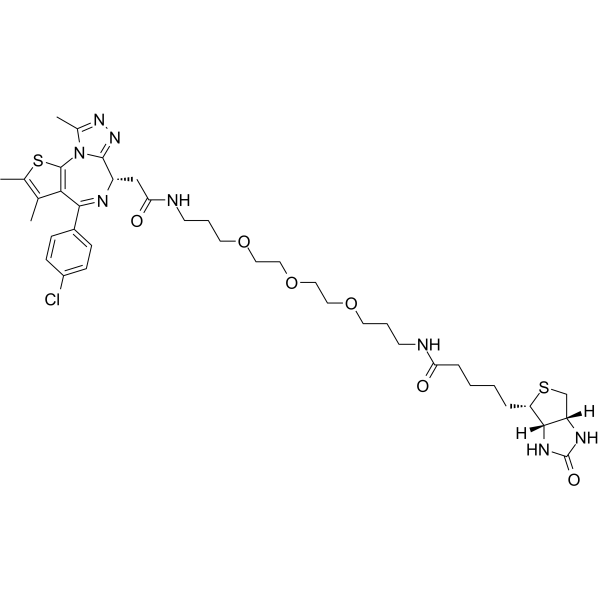
Biotinylated-JQ1 (Biotin-JQ1) is a biotinylated derivative of JQ1 with high affinity for the bromodomain of BRD4. Biotinylated-JQ1 inhibits MM1.S multiple myeloma cells proliferation with the EC50 of 0.4 μM .
|
-
-
- HY-10406
-
|
SCIO-469
|
p38 MAPK
TNF Receptor
Interleukin Related
VEGFR
Apoptosis
|
Neurological Disease
Metabolic Disease
Inflammation/Immunology
Cancer
|
|
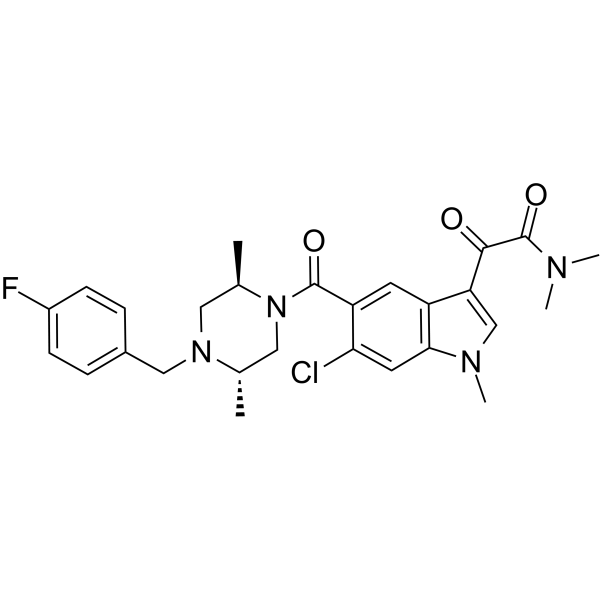
Talmapimod (SCIO-469) is an orally active and selective inhibitor of p38α MAPK with an IC50 of 9 nM. Talmapimod inhibits the secretion of inflammatory factors (such as TNFα, IL-1β, IL-6, and VEGF) by suppressing the p38α MAPK pathway, and it also inhibits angiogenesis and osteoclast activation. Talmapimod inhibits the growth of multiple myeloma cells and induces apoptosis. Talmapimod can be used to study various hematological malignancies (such as multiple myeloma, myelodysplastic syndrome) .
|
-
-
- HY-116304
-
1G244
5 Publications Verification
|
Dipeptidyl Peptidase
Apoptosis
|
Cancer
|
|
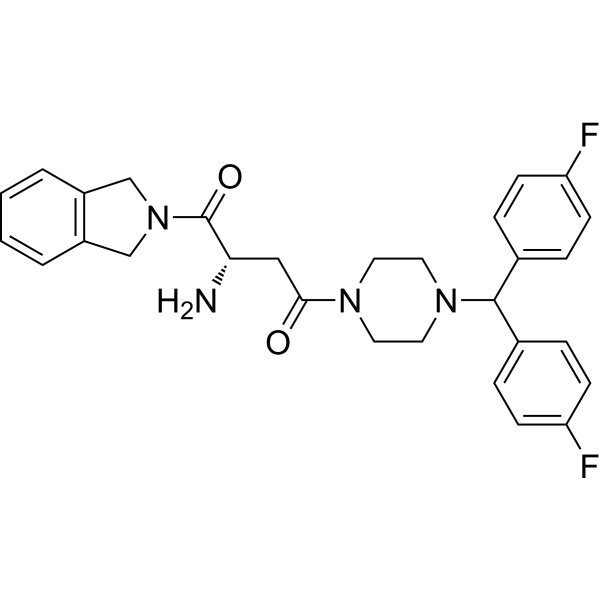
1G244 is a potent DPP8/9 inhibitor with IC50s of 12 nM and 84 nM, respectively. 1G244 does not inhibit DPPIV and DPPII. 1G244 induces apoptosis in multiple myeloma cells and has anti-myeloma effects .
|
-
-
- HY-111790
-
M3258
5 Publications Verification
|
Proteasome
Apoptosis
|
Cancer
|
|
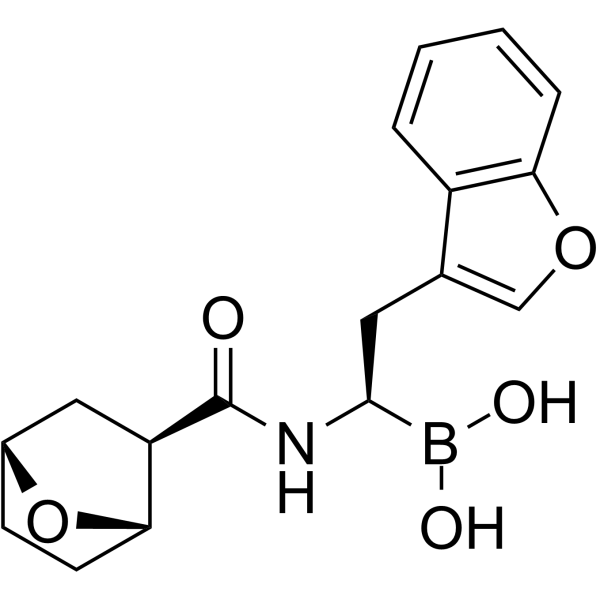
M3258 is an orally bioavailable, potent, reversible and highly selective immunoproteasome subunit LMP7 (β5i) inhibitor. M3258 exerts high biochemical (IC50=3.6 nM) and cellular (IC50=3.4 nM) potency against the LMP7 subunit. M3258 shows strong antitumor efficacy in multiple myeloma xenograft models. M3258 leads to a significant and prolonged suppression of tumor LMP7 activity and ubiquitinated protein turnover and the induction of apoptosis in multiple myeloma cells .
|
-
-
- HY-147158
-
|
|
Molecular Glues
|
Cancer
|
|
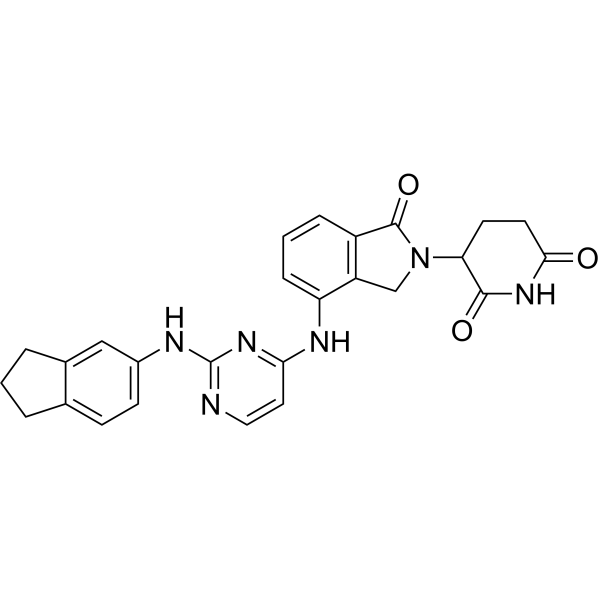
ZXH-1-161 is a potent CRBN modulator that selectively induces the degradation of GSPT1 in a CRBN-dependent manner. ZXH-1-161 can inhibit the proliferation of multiple myeloma cells and exhibits antitumor activity .
|
-
-
- HY-P99454
-
|
ABBV-838
|
Antibody-Drug Conjugates (ADCs)
|
Cancer
|
|
Azintuxizumab vedotin (ABBV-838) is an antibody–drug conjugate (ADC) targeting a unique epitope of CD2 subset 1, a cell-surface glycoprotein expressed on multiple myeloma cells .
|
-

-
- HY-141636
-
|
1-Palmitoyl-2-arachidonoyl-sn-glycero-3-phosphocholine; PAPC; PC(16:0/20:4)
|
Endogenous Metabolite
Biochemical Assay Reagents
|
Cardiovascular Disease
|
|
1-Palmitoyl-2-arachidonoyl-sn-glycero-3-PC (PAPC) is a phospholipid containing palmitic acid (16:0) and arachidonic acid (20:4) at the sn-1 and sn-2 positions, respectively, that is found in biological membranes. PAPC is oxidized in vivo, and its oxidation products are involved in chronic inflammation and vascular disease. PAPC has been used to study signaling of oxidized phospholipids. Levels of PAPC are decreased in isolated human multiple myeloma cells.
|
-

-
- HY-164099
-
|
|
HDAC
Monoamine Oxidase
Histone Demethylase
|
Cancer
|
|
LSD1/HDAC6-IN-2 (JBI-802) is an orally active LSD1/HDAC6/MAO-A inhibitor, with IC50 values of 5 nM, 11 nM, and 5 nM, respectively. LSD1/HDAC6-IN-2 can inhibit the growth of multiple myeloma cells MM.1S, MM.1R, and RPMI-8226. LSD1/HDAC6-IN-2 can be used for research on diseases such as acute myeloid leukemia and lymphoma .
|
-

-
- HY-P991183
-
|
|
CD28
CD38
CD3
|
Cancer
|
|
SAR442257 is a humanized IgG4-S228P, kappa monoclonal antibody targeting CD38 and CD28 on multiple myeloma cells and co-stimulates CD3 and CD28 on T cells .
|
-

-
- HY-117987
-
|
N-(Hydroxymethyl)thalidomide
|
Nuclear Factor of activated T Cells (NFAT)
NF-κB
Reactive Oxygen Species (ROS)
|
Cancer
|
|
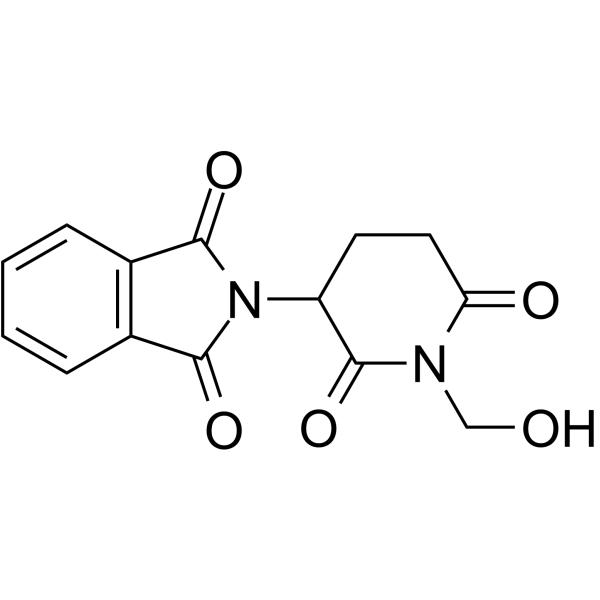
CPS-11 (N-(Hydroxymethyl)thalidomide) a Thalidomide (HY-14658) analogue, is a potent anti-cancer agent. CPS-11 inhibits NF-κB, activates NFAT, and repress cytokine expression through elevated ROS. CPS-11 exhibits a wider activity spectrum and higher potency against MM (multiple myeloma) cell lines .
|
-
-
- HY-157216
-
|
|
HDAC
|
Cancer
|
|
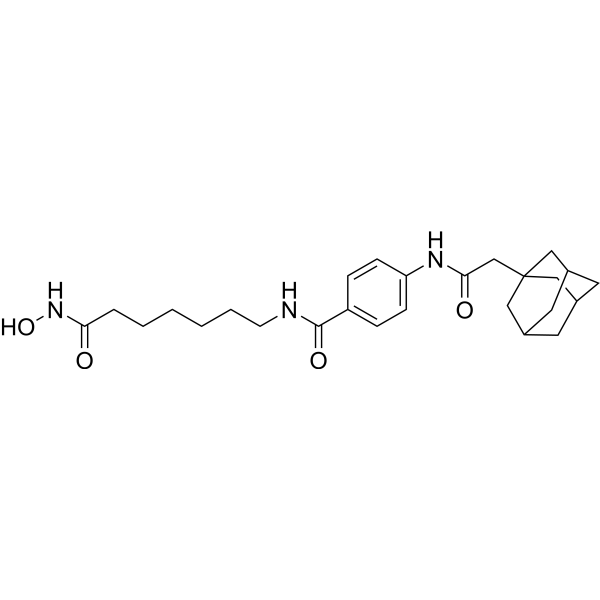
HDAC1 Degrader-1 (compound 1a) is an HDAC1 degrader with anticancer activity. HDAC1 Degrader-1 significantly reduces HDAC1 levels in MM.1S multiple myeloma cells .
|
-
-
- HY-171754
-
|
|
Antibody-Drug Conjugates (ADCs)
|
Cancer
|
|
LM-305 is an anti-G protein-coupled receptor class 5 member D (GPRC5D) antibody-drug conjugate (ADC). LM-305 consists of Anti-GPRC5D Antibody (HY-P991197) and VcMMAE (HY-15575). LM-305 exhibits potent cytotoxicity against multiple myeloma cells (NCI-H929 and MM.1R) with IC50 values ranging from 0.1 to 0.3 nM. LM-305 can be used in the study of GPRC5D-related relapsed and refractory multiple myeloma (RRMM) .
|
-

-
- HY-P1126
-
|
DLS 15
|
Microtubule/Tubulin
ADC Payload
Apoptosis
|
Cancer
|
|
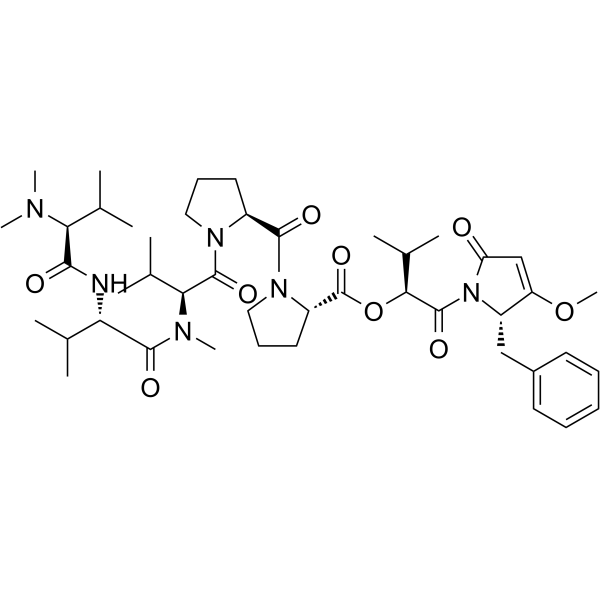
Dolastatin 15 (DLS 15), a depsipeptide derived from Dolabella auricularia, is a potent antimitotic agent structurally related to the antitubulin agent Dolastatin 10. Dolastatin 15 induces cell cycle arrest and apoptosis in multiple myeloma cells. Dolastatin 15 can be used as an ADC cytotoxin .
|
-
-
- HY-174238
-
|
|
Molecular Glues
|
Cancer
|
|
GSPT1 degrader-7 (Example 43) is a molecular glue degrader targeting GSPT1. GSPT1 degrader-7 has an EC50 of 0.2 nM in DF15 multiple myeloma cells. GSPT1 degrader-7 can be used in the study of cancer .
|
-

-
- HY-13312A
-
|
|
IGF-1R
Insulin Receptor
Akt
Apoptosis
|
Cancer
|
|
GTx-134 is a dual insulin-like growth factor 1 receptor/insulin receptor (IGF-1R/IR) inhibitor with an IC50 values for IGF-1R and IR of 97 and 187 nM respectively. GTx-134 inhibits the autophosphorylation of IGF-1R and its downstream signaling pathway (Akt), thereby blocking the proliferation and survival signals of tumor cells. GTx-134 has broad-spectrum inhibitory activity against multiple myeloma cell lines and can induce apoptosis in sensitive cells. GTx-134 significantly inhibits tumor growth in mice with MM1.S cell transplantation. GTx-134 works in synergy with existing therapies (such as protease preparations, immunomodulators). GTx-134 can be used in high-risk myeloma research .
|
-

-
- HY-131958
-
|
|
AMPK
|
Cancer
|
|
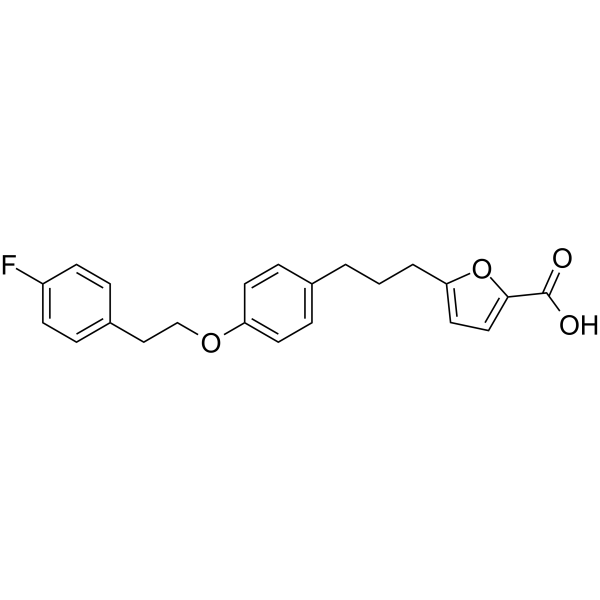
D942 is a cell penetrant AMPK activator and partially inhibits the mitochondrial complex I. In multiple myeloma cells, D942 inhibits cell growth .
|
-
-
- HY-15901
-
|
|
mTOR
|
Cancer
|
|
LGB321 is an inhibitor of PIM2-dependent multiple myeloma cell lines, effectively inhibiting proliferation and key signaling pathways such as mTOR-C1 and phosphorylation of BAD .
|
-

-
- HY-134262
-
|
8-Bromoadenosine 5'-triphosphate; 8-Br-ATP
|
P2X Receptor
|
Cancer
|
|
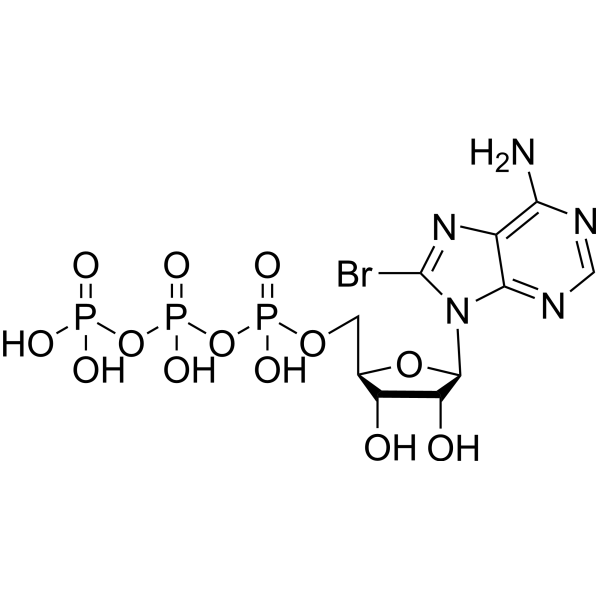
8-Bromo-ATP (8-Bromoadenosine 5'-triphosphate), an ATP analogue, is a purinergic P2X receptor agonist. 8-Bromo-ATP shows cytotoxic to multiple myeloma cells with an IC50 of 23.1 μM .
|
-
-
- HY-15473A
-
|
ML120B dihydrochloride
|
IKK
|
Inflammation/Immunology
Cancer
|
|
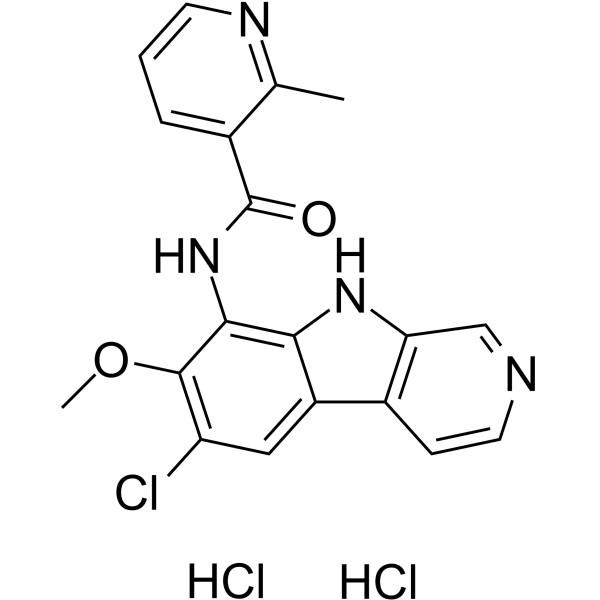
MLN120B dihydrochloride (ML120B dihydrochloride) is a potent, ATP competitive, and orally active inhibitor of IKKβ with an IC50 of 60 nM. MLN120B inhibits multiple myeloma cell growth in vitro and in vivo and also can be used for the research of rheumatoid arthritis .
|
-
-
- HY-150595
-
|
|
HDAC
Microtubule/Tubulin
|
Cancer
|
|
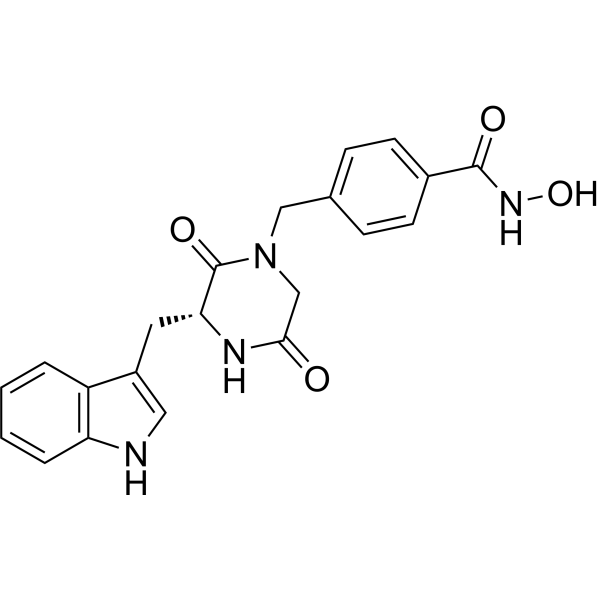
HDAC6-IN-10 is a highly selective HDAC6 inhibitor with the IC50 of 0.73 nM. HDAC6-IN-10 has 144~10941-fold selectivity over other HDAC isoforms. HDAC6-IN-10 shows anti-proliferative activities against multiple myeloma cells .
|
-
-
- HY-P10378
-
|
|
GnRH Receptor
|
Metabolic Disease
|
|
GPR10 agonist 1 (compound 18-S4) is a potent GPR10 agonist with EC50 values of 80, 7.8 nM in the presence (10%) or absence (0%) of FBS, respectively. GPR10 agonist 1 has the potential for the research of chronic obesity .
|
-

-
- HY-117087
-
|
|
Phosphatase
PANoptosis
|
Cancer
|
|
K103 is an inhibitor discovered from the screen that is an analog of the serotonin antagonist benzazocine. K103 exhibited inhibition of SHIP homologues, labelling it a pan-SHIP1/2 inhibitor, but the molecule had no effect on another 5' inositol phosphatase, OCRL. In line with the "two PIPs hypothesis", the molecule exhibited significant anti-tumour effects against a variety of cell lines, particularly breast cancer cells. Additional studies with K103 revealed that inhibition of SHIP1/2 in multiple myeloma cells resulted in G2/M cell cycle arrest followed by extensive apoptosis via activation of the caspase cascade. K103 fits the commonly used small molecule agent property profile, but while this work was being conducted, it was discovered that K103 caused psychoactive effects in mice, which limited the utility of the molecule in vivo. Therefore, certain synthetic studies were conducted on this tryptamine to identify the features that needed to be present in the molecule to maintain pan-SHIP1/2 inhibition in order to design an inhibitor with favourable pharmacodynamic properties and an improved side effect profile.
|
-

-
- HY-172368
-
|
|
PROTACs
Histone Methyltransferase
IKZF Family
Apoptosis
|
Inflammation/Immunology
Cancer
|
|
PROTAC CARM1/IKZF3 degrader-1 (Compound 074) inhibits CARM1, reduces the methylation level of its substrate BAF155. PROTAC CARM1/IKZF3 degrader-1 is the PROTAC degrader for IKZF 1/3 through a CRBN-dependent pathway. PROTAC CARM1/IKZF3 degrader-1 inhibits the expression of MYC protein, thereby inhibiting the proliferation of a variety of multiple myeloma cells. PROTAC CARM1/IKZF3 degrader-1 induces apoptosis in cell H929. PROTAC CARM1/IKZF3 degrader-1 overcomes immunomodulatory drugs (IMiD, such as pomalidomide) resistance. PROTAC CARM1/IKZF3 degrader-1 can be used in cancer and immunology research . (Pink: ligand for target protein CARM1/IKZF3 ligand 1 (HY-172369); Active form of target protein ligand: EZM 2302 (HY-111109); Black: linker (HY-21999); Blue: ligand for E3 ligase Cereblon Thalidomide 4-fluoride (HY-41547))
|
-

-
- HY-125490
-
|
Debromoshermilamine A
|
Others
|
Cancer
|
|
Shermilamine B, a pyridoacridine alkaloid, exhibits potent anticancer activity in multiple myeloma cell lines .
|
-

-
- HY-173394
-
|
|
Carbonic Anhydrase
Apoptosis
|
Cancer
|
|
hCAIX/XII-IN-15 (Compound 17β) is an inhibitor of hCA IX and hCA XII, with Kis of 0.42 and 4.37 μM respectively. hCAIX/XII-IN-15 has pro-apoptotic effect in multiple myeloma cells .
|
-

-
- HY-169051
-
|
|
Sirtuin
|
Cancer
|
SIRT-IN-5 is a SIRT3 inhibitor, with an IC50 value of 2.88 μM. SIRT-IN-5 can promote the differentiation of multiple myeloma cells, along with an increase in the expression of the differentiation antigen CD49e and human immunoglobulin light chains λ and κ .
|
-

-
- HY-114545
-
|
|
Microtubule/Tubulin
Apoptosis
|
Cancer
|
|
5HPP-33 is an inhibitor for tubulin polymerization with IC50 of 8.1 μM. 5HPP-33 inhibits the proliferation of leukemia cell and multiple myeloma cells with IC50 of 1-10 μM, arrests the cell cycle at G2/M phase, and induces apoptosis .
|
-

-
- HY-P991639
-
|
|
Apoptosis
|
Cancer
|
|
BIW-8962 is a humanized anti-ganglioside GM2 antibody. BIW-8962 exhibits ADCC/CDC activity against multiple myeloma cells. BIW-8962 demonstrates potent anti-tumor activity in mouse xenograft models. BIW-8962 is indicated for research in myeloma and other cancers .
|
-

-
- HY-149513
-
|
|
c-Myc
Apoptosis
|
Cancer
|
|
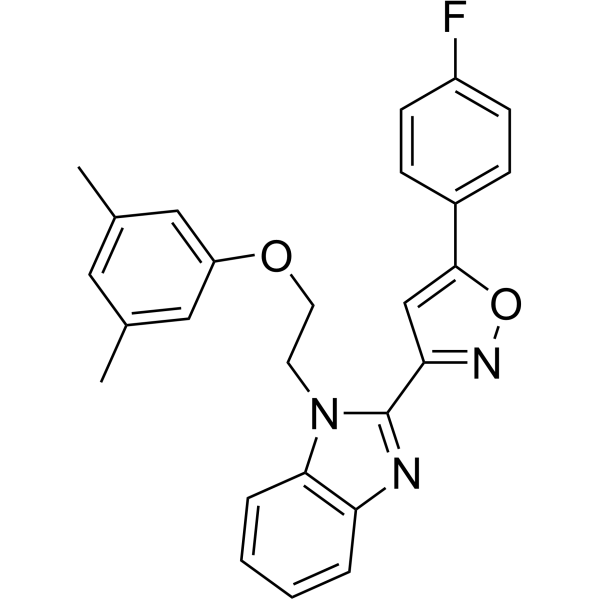
EP12 is a c-Myc inhibitor. EP12 is a c-Myc G4 stabilizer. EP12 induces apoptosis and DNA damage in multiple myeloma cells. EP12 disrupts the nuclear translocation of P65/P50 by interfering with the NF-κB signaling pathway. EP12 inhibits multiple myeloma growth .
|
-
-
- HY-P991555
-
|
|
TNF Receptor
Apoptosis
|
Cancer
|
|
XmAb5485 is an Fc-engineered humanized anti-CD40 monoclonal antibody with high affinity to Fc-γ receptors. XmAb5485 induces potent antibody-dependent cell-mediated cytotoxicity (ADCC) and antibody-dependent cellular phagocytosis (ADCP) against tumor cells. XmAb5485 inhibits proliferation and induces apoptosis of tumor cells. XmAb5485 shows highly cytotoxic against lymphoma, leukemia and multiple myeloma cell lines as well as primary cancer cells .
|
-

-
- HY-E70719
-
|
|
FGFR
|
Cancer
|
|
FGFR3 activating mutations are drivers of malignancy in several human tissues, including bladder, lung, cervix, and blood. FGFR3 K650E is a mutant of FGFR3 that may be present in multiple myeloma cell lines. FGFR3 K650E Recombinant Human Active Protein Kinase is a recombinant FGFR3 K650E protein that can be used to study FGFR3 K650E-related functions .
|
-

-
- HY-10406A
-
|
SCIO-469 hydrochloride
|
p38 MAPK
TNF Receptor
Interleukin Related
VEGFR
Apoptosis
|
Cancer
|
|
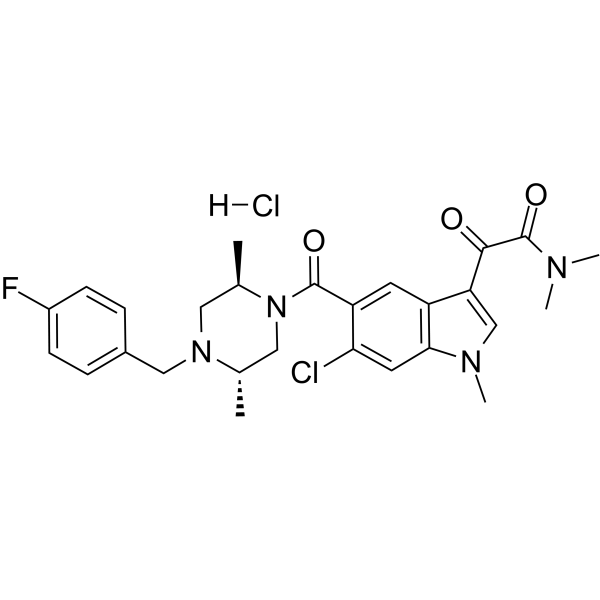
Talmapimod (SCIO-469) hydrochloride is an orally active and selective inhibitor of p38α MAPK with an IC50 of 9 nM. Talmapimod hydrochloride inhibits the secretion of inflammatory factors (such as TNFα, IL-1β, IL-6, and VEGF) by suppressing the p38α MAPK pathway, and it also inhibits angiogenesis and osteoclast activation. Talmapimod hydrochloride inhibits the growth of multiple myeloma cells and induces apoptosis. Talmapimod hydrochloride can be used to study various hematological malignancies (such as multiple myeloma, myelodysplastic syndrome) .
|
-
-
- HY-161250
-
|
|
PROTACs
|
Cancer
|
|
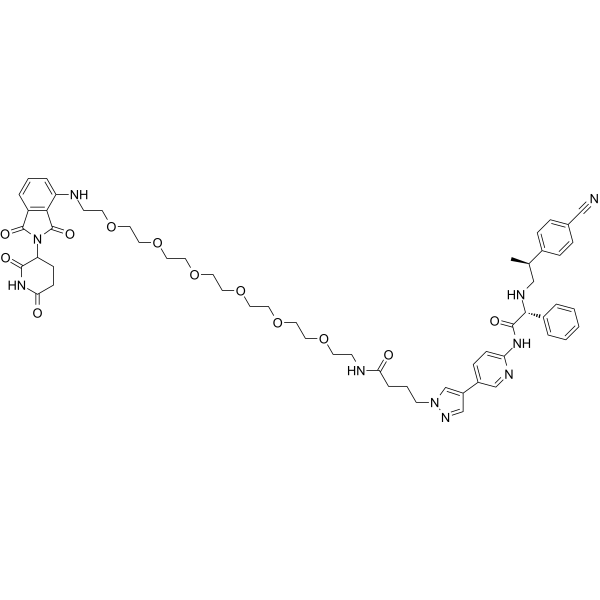
Pomalidomide-NH-PEG6-amide-C2-CPI-1612 (compound 22 (dCE-1)) is a CBP/EP300 degrader, which contains a CRBN ligands Pomalidomide, a 24-atom linker with 6 PEG units and a HAT inhibitor CPI-1612. Pomalidomide-NH-PEG6-amide-C2-CPI-1612 exhibits antiproliferative effects in cells multiple myeloma cells LP1 (with a DC50 of 1.2 μM), MM1S and various cancer cell lines, especially the leukemia cells .
|
-
-
- HY-141636S
-
|
1-Palmitoyl-2-arachidonoyl-sn-glycero-3-phosphocholine-d9-1; PAPC-d9-1; PC(16:0/20:4)-d9-1
|
Isotope-Labeled Compounds
Endogenous Metabolite
|
Cardiovascular Disease
|
|
1-PalMitoyl-2-arachidoyllecithin-d9-1 (1-Palmitoyl-2-arachidonoyl-sn-glycero-3-phosphocholine-d9-1) is deuterium labeled 1-PalMitoyl-2-arachidoyllecithin. 1-Palmitoyl-2-arachidonoyl-sn-glycero-3-PC (PAPC) is a phospholipid containing palmitic acid (16:0) and arachidonic acid (20:4) at the sn-1 and sn-2 positions, respectively, that is found in biological membranes. PAPC is oxidized in vivo, and its oxidation products are involved in chronic inflammation and vascular disease. PAPC has been used to study signaling of oxidized phospholipids. Levels of PAPC are decreased in isolated human multiple myeloma cells .
|
-

-
- HY-183683
-
|
|
Proteasome
Apoptosis
|
Cancer
|
|
DQ-9 is a selective immunoproteasome β5i inhibitor (IC50=0.0019 μM). DQ-9 generates additional inhibitory substances via iron-mediated intracellular activation, and induces oxidative stress, carbon-centered free radicals and macromolecular damage through its artemisinin domain. DQ-9 induces apoptosis in leukemia and multiple myeloma cells. DQ-9 exhibits selective cytotoxicity against leukemia and multiple myeloma cells by elevating the labile iron pool. DQ-9 can be used in the research of hematological malignancies (leukemia, multiple myeloma, mantle cell lymphoma, acute myeloid leukemia) .
|
-

-
- HY-100430R
-
|
|
Apoptosis
Reference Standards
PDI
|
Cancer
|
|
CCF642 (Standard) is the analytical standard of CCF642 (HY-100430). This product is intended for research and analytical applications. CCF642 is a potent protein disulfide isomerases (PDI) inhibitor with an IC50 of 2.9 μM. CCF642 causes acute endoplasmic reticulum (ER) stress in multiple myeloma cells accompanied by apoptosis-inducing calcium release. CCF642 has broad anti-multiple myeloma activity .
|
-

-
- HY-183004
-
|
|
Aminoacyl-tRNA Synthetase
Apoptosis
Caspase
PARP
c-Myc
|
Cancer
|
|
NCP26 is an ATP-competitive ProRS inhibitor (with a KD of 271 nM in the absence of proline, and a KD of 0.35 nM in the presence of 100 μM proline). NCP26 activates AAR, induces G0/G1 phase arrest, Apoptosis, Caspase cleavage, and PARP cleavage. NCP26 downregulates MYC, TCF3, and CCND1. NCP26 inhibits the growth of multiple myeloma cells. NCP26 can be used for the research of multiple myeloma .
|
-

-
- HY-181849
-
|
|
Histone Methyltransferase
|
Cancer
|
|
MS2928 is a selective SETD8 inhibitor with an IC50 of 0.14 μM against SETD8 methyltransferase activity. MS2928 reduces cellular H4K20me1 levels and inhibits proliferation of SETD8-overexpressing multiple myeloma cells. MS2928 inhibits tumor growth in xenograft mouse models of SETD8-overexpressing multiple myeloma. MS2928 can be used for the study of SETD8 biological functions and multiple myeloma .
|
-

-
- HY-112904A
-
|
|
p62
|
Cancer
|
|
XRK3F2 free base is a p62 (sequestosome-1) ZZ domain inhibitor that has specificity for the p62-ZZ domain over other p62 signaling domains. XRK3F2 free base blocks TNFα effects and upregulation in bone marrow stromal cells, and induces multiple myeloma cell apoptosis. XRK3F2 free base can be used for the research of multiple myeloma bone disease, acute myeloid leukemia, and multiple myeloma .
|
-

-
- HY-10406B
-
|
rel-SCIO-469 hydrochloride
|
p38 MAPK
TNF Receptor
Interleukin Related
VEGFR
Apoptosis
|
Cancer
|
|
rel-Talmapimod (rel-SCIO-469) hydrochloride is an orally active and selective inhibitor of p38α MAPK with an IC50 of 9 nM. rel-Talmapimod hydrochloride inhibits the secretion of inflammatory factors (such as TNFα, IL-1β, IL-6, and VEGF) by suppressing the p38α MAPK pathway, and it also inhibits angiogenesis and osteoclast activation. rel-Talmapimod hydrochloride inhibits the growth of multiple myeloma cells and induces apoptosis. rel-Talmapimod hydrochloride can be used to study various hematological malignancies (such as multiple myeloma, myelodysplastic syndrome) .
|
-

-
- HY-181957
-
|
|
Epigenetic Reader Domain
Histone Acetyltransferase
Apoptosis
IKZF Family
|
Cancer
|
|
KB528 is a p300/CBP histone acetyltransferase (KAT) inhibitor with low nM IC50 values against human p300 and CBP, and exhibits selectivity over other KAT family members. KB528 modulates the IRF4 transcriptional network, downregulates the expression of IRF4, MYC, CAV2 and IGLL5, and reduces the protein level of IKZF3. KB528 potently induces apoptosis in multiple myeloma cells. KB528 is applicable to research related to multiple myeloma .
|
-

-
- HY-182345
-
|
|
CD38
|
Cancer
|
|
NOTA-MK0159 is a NOTA (HY-134418) and MK0159 (HY-150508) conjugate. NOTA-MK0159 inhibits human and mouse CD38 with IC50 values of 72.58 and 7.55 nM. NOTA-MK0159 coupled with radioactive elements acts as a imaging agent with specific uptake in CD38-positive multiple myeloma cells, enabling noninvasive whole-body assessment of CD38 expression in multiple myeloma xenografts. NOTA-MK0159 can be used for the research of multiple myeloma .
|
-

- HY-10406R
-
|
SCIO-469 (Standard)
|
Reference Standards
p38 MAPK
TNF Receptor
Interleukin Related
VEGFR
Apoptosis
|
Neurological Disease
Metabolic Disease
Inflammation/Immunology
Cancer
|
|
Talmapimod (Standard) is the analytical standard of Talmapimod (HY-10406). This product is intended for research and analytical applications. Talmapimod (SCIO-469) is an orally active and selective inhibitor of p38α MAPK with an IC50 of 9 nM. Talmapimod inhibits the secretion of inflammatory factors (such as TNFα, IL-1β, IL-6, and VEGF) by suppressing the p38α MAPK pathway, and it also inhibits angiogenesis and osteoclast activation. Talmapimod inhibits the growth of multiple myeloma cells and induces apoptosis. Talmapimod can be used to study various hematological malignancies (such as multiple myeloma, myelodysplastic syndrome) .
|
-

- HY-124865
-
|
|
MAP3K
IKK
|
Cancer
|
|
MAP3K14-IN-1 (Compound 173) is a MAP3K14 (NIK kinase) inhibitor with an IC50 of 1.8 nM. MAP3K14-IN-1 inhibits the autophosphorylation of MAP3K14 kinase. MAP3K14-IN-1 reduces the level of phosphorylated IKKα in cancer cells. MAP3K14-IN-1 inhibits the proliferation of multiple myeloma cells. MAP3K14-IN-1 can be used in research related to multiple myeloma .
|
-

| Cat. No. |
Product Name |
Target |
Research Area |
-
- HY-P1126
-
|
DLS 15
|
Microtubule/Tubulin
ADC Payload
Apoptosis
|
Cancer
|
|
Dolastatin 15 (DLS 15), a depsipeptide derived from Dolabella auricularia, is a potent antimitotic agent structurally related to the antitubulin agent Dolastatin 10. Dolastatin 15 induces cell cycle arrest and apoptosis in multiple myeloma cells. Dolastatin 15 can be used as an ADC cytotoxin .
|
-
- HY-P10378
-
|
|
GnRH Receptor
|
Metabolic Disease
|
|
GPR10 agonist 1 (compound 18-S4) is a potent GPR10 agonist with EC50 values of 80, 7.8 nM in the presence (10%) or absence (0%) of FBS, respectively. GPR10 agonist 1 has the potential for the research of chronic obesity .
|
| Cat. No. |
Product Name |
Target |
Research Area |
Image |
-
- HY-P991155
-
|
JNJ-79635322; JNJ-5322
|
CD3
TNF Receptor
|
Cancer
|
|
Ramantamig (JNJ-79635322) is a humanized monoclonal antibody targeting human CD3ε, GPRC5D, and TNFRSF17 (BCMA). Ramantamig binds to BCMA and GPRC5D on multiple myeloma cells, binds to CD3ε on T cells, forms immunological synapses, and enables T-cell-mediated cytotoxicity. Ramantamig activates T cells concomitantly with inducing myeloma cell cytotoxicity, with no nonspecific T-cell activation in the absence of target myeloma cells. Ramantamig carries mutations to reduce interaction with Fc receptors and disrupt protein A binding of monomeric and homodimerized chains. Ramantamig can be used for the research of multiple myeloma .
|
-

(5)
-
- HY-P991183
-
|
|
CD28
CD38
CD3
|
Cancer
|
|
SAR442257 is a humanized IgG4-S228P, kappa monoclonal antibody targeting CD38 and CD28 on multiple myeloma cells and co-stimulates CD3 and CD28 on T cells .
|
-
(5)
-
- HY-P991639
-
|
|
Apoptosis
|
Cancer
|
|
BIW-8962 is a humanized anti-ganglioside GM2 antibody. BIW-8962 exhibits ADCC/CDC activity against multiple myeloma cells. BIW-8962 demonstrates potent anti-tumor activity in mouse xenograft models. BIW-8962 is indicated for research in myeloma and other cancers .
|
-
(5)
-
- HY-P991555
-
|
|
TNF Receptor
Apoptosis
|
Cancer
|
|
XmAb5485 is an Fc-engineered humanized anti-CD40 monoclonal antibody with high affinity to Fc-γ receptors. XmAb5485 induces potent antibody-dependent cell-mediated cytotoxicity (ADCC) and antibody-dependent cellular phagocytosis (ADCP) against tumor cells. XmAb5485 inhibits proliferation and induces apoptosis of tumor cells. XmAb5485 shows highly cytotoxic against lymphoma, leukemia and multiple myeloma cell lines as well as primary cancer cells .
|
-
(5)
| Cat. No. |
Product Name |
Category |
Target |
Chemical Structure |
| Cat. No. |
Product Name |
Chemical Structure |
-
- HY-141636S
-
|
|
|
1-PalMitoyl-2-arachidoyllecithin-d9-1 (1-Palmitoyl-2-arachidonoyl-sn-glycero-3-phosphocholine-d9-1) is deuterium labeled 1-PalMitoyl-2-arachidoyllecithin. 1-Palmitoyl-2-arachidonoyl-sn-glycero-3-PC (PAPC) is a phospholipid containing palmitic acid (16:0) and arachidonic acid (20:4) at the sn-1 and sn-2 positions, respectively, that is found in biological membranes. PAPC is oxidized in vivo, and its oxidation products are involved in chronic inflammation and vascular disease. PAPC has been used to study signaling of oxidized phospholipids. Levels of PAPC are decreased in isolated human multiple myeloma cells .
|
-
| Cat. No. |
Product Name |
|
Classification |
-
- HY-181849
-
|
|
|
Alkynes
|
|
MS2928 is a selective SETD8 inhibitor with an IC50 of 0.14 μM against SETD8 methyltransferase activity. MS2928 reduces cellular H4K20me1 levels and inhibits proliferation of SETD8-overexpressing multiple myeloma cells. MS2928 inhibits tumor growth in xenograft mouse models of SETD8-overexpressing multiple myeloma. MS2928 can be used for the study of SETD8 biological functions and multiple myeloma .
|
| Cat. No. |
Product Name |
|
Classification |
-
- HY-141636
-
|
1-Palmitoyl-2-arachidonoyl-sn-glycero-3-phosphocholine; PAPC; PC(16:0/20:4)
|
|
Phospholipids
|
|
1-Palmitoyl-2-arachidonoyl-sn-glycero-3-PC (PAPC) is a phospholipid containing palmitic acid (16:0) and arachidonic acid (20:4) at the sn-1 and sn-2 positions, respectively, that is found in biological membranes. PAPC is oxidized in vivo, and its oxidation products are involved in chronic inflammation and vascular disease. PAPC has been used to study signaling of oxidized phospholipids. Levels of PAPC are decreased in isolated human multiple myeloma cells.
|
Your information is safe with us. * Required Fields.
Inquiry Information
- Product Name:
- Cat. No.:
- Quantity:
- MCE Japan Authorized Agent:








