1. Search Result
Search Result
Pathways Recommended: Anti-infection
Results for "

mycobacterium infections

" in MedChemExpress (MCE) Product Catalog:

63

Inhibitors & Agonists

1

Fluorescent Dyes

15

Natural
Products

Cat. No. Product Name Target Research Areas Chemical Structure
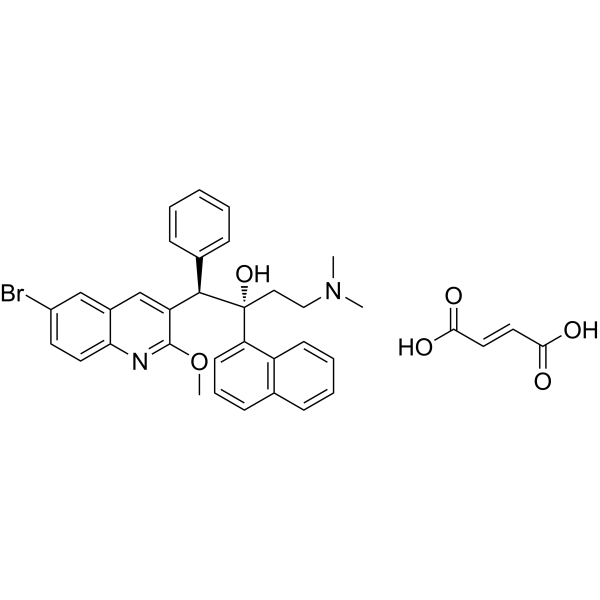
  • HY-14881A
    Bedaquiline fumarate
    Maximum Cited Publications
    54 Publications Verification

    R403323; TMC207 fumarate; R207910 fumarate

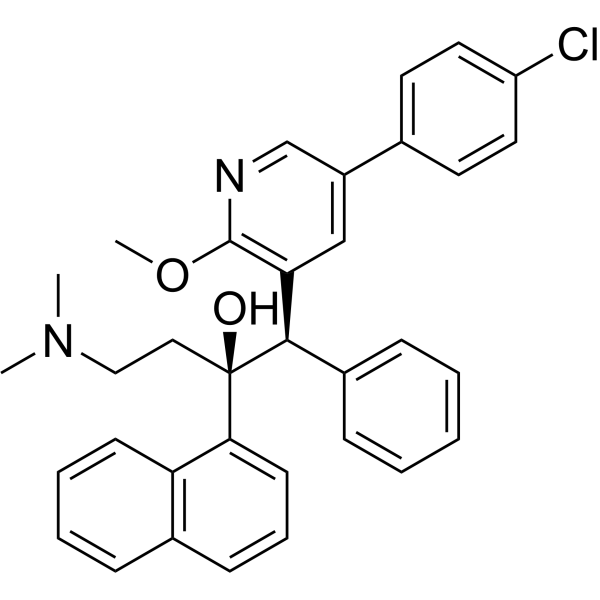
    Bacterial Antibiotic Infection
    Bedaquiline fumarate, a diarylquinoline antibiotic that targets ATP synthase, is effective for the treatment of Mycobacterium tuberculosis infections.
    Bedaquiline fumarate
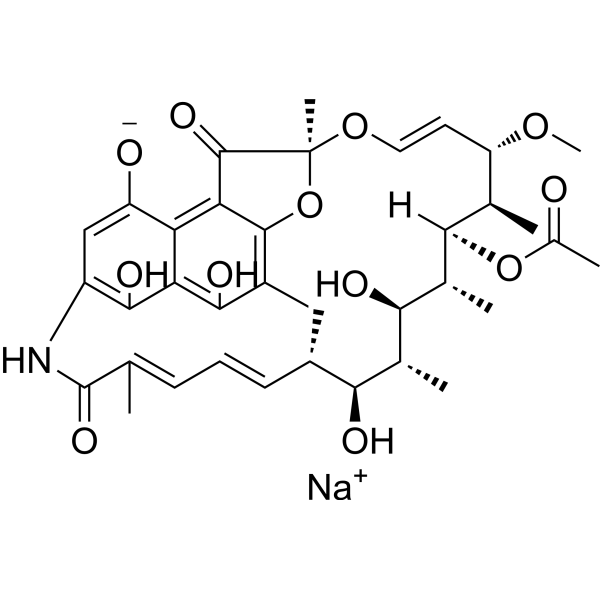
  • HY-B1907
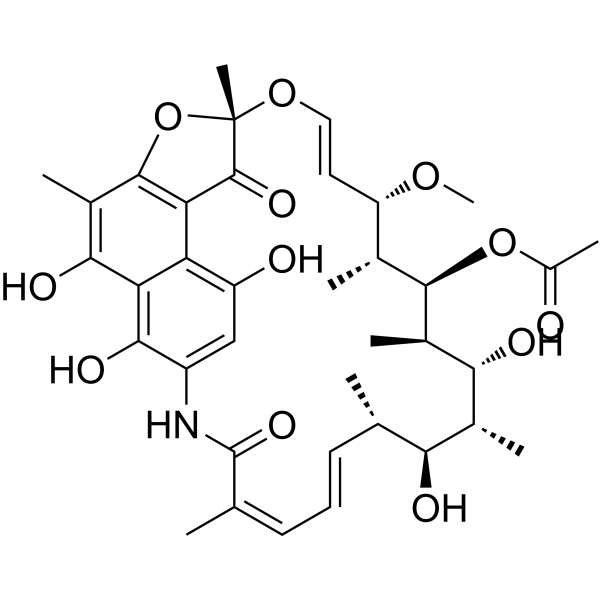
    Rifamycin sodium
    2 Publications Verification

    Rifamycin SV sodium

    Antibiotic Bacterial DNA/RNA Synthesis Infection Inflammation/Immunology
    Rifamycin sodium (Rifamycin SV monosodium) is an orally active ansamycin antibiotic. Rifamycin sodium inhibits DNA-dependent RNA synthesis. Rifamycin sodium has antibacterial activity against Mycobacterium tuberculosis. Rifamycin sodium interferes with hepatic bile acid metabolism. Rifamycin sodium has anti-inflammatory effects. Rifamycin sodium can be used in the study of Mycobacterium tuberculosis, Bacteroides fragilis infection, and Lipopolysaccharide (HY-D1056B3)-induced inflammation .
    Rifamycin sodium
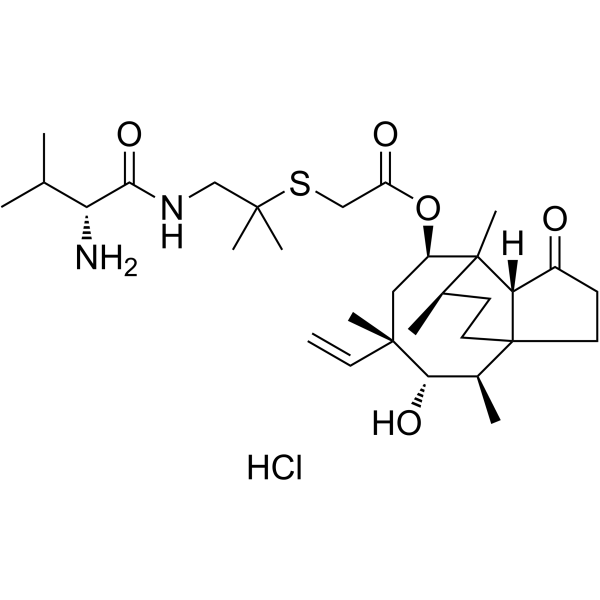
  • HY-B0027
    Valnemulin hydrochloride
    2 Publications Verification

    Antibiotic Bacterial Infection Metabolic Disease
    Valnemulin hydrochloride is an orally effective truncated pleurotin antibiotic that inhibits protein synthesis in bacteria by binding to peptidyl transferase in the 50s ribosome subunit. Valnemulin hydrochloride effectively eliminates Mycobacterium bovis in the lungs in an experimental bovine model of Mycoplasma bovis infection. Valnemulin hydrochloride can reduce the mortality of epidemic rabbit enteropathy and has no adverse effect on the growth performance of rabbits .
    Valnemulin hydrochloride
  • HY-10393

    PNU-100592

    Bacterial Antibiotic Infection
    Eperezolid (PNU-100592) is an orally active protein synthesis inhibitor that targets the bacterial 50S ribosomal subunit. Eperezolid competitively binds to a specific site on the ribosomal 50S subunit (overlapping with the binding sites of chloramphenicol (HY-B0239) and lincomycin (HY-117660)) to inhibit the translation initiation stage and exert antibacterial activity. Eperezolid can induce host cell autophagy to enhance the clearance of intracellular mycobacteria, and its MIC90 for Staphylococcus aureus and Enterococcus is 1-4 μg/mL. Eperezolid is mainly used for antibacterial research on infections with Gram-positive bacteria such as methicillin-resistant (HY-121544) Staphylococci and vancomycin-resistant (HY-B0671) Enterococci, as well as infections with intracellular bacteria such as Mycobacterium tuberculosis .
    Eperezolid
  • HY-W040128

    Antibiotic Autophagy JNK Bcl-2 Family Infection
    Kanamycins sulfate is a blood-brain barrier-permeable JNK1 and Bcl-2 modulator as well as an antibiotic, with broad-spectrum antibacterial, and biofilm-inhibiting activities, and it induces autophagy. Kanamycins sulfate promotes Bcl-2 phosphorylation to upregulate autophagy levels, triggering changes such as mitochondrial swelling and endoplasmic reticulum expansion. Consequently, it causes reversible neuronal damage in the dorsal cochlear nucleus without inducing significant neuronal apoptosis. In the presence of exogenous alanine or glucose, Kanamycins sulfate effectively kills drug-resistant bacteria, restores drug sensitivity of multidrug-resistant bacteria, and alleviates urinary tract and kidney infections in mice. Kanamycins sulfate can be applied to scientific research related to Mycobacterium tuberculosis, salmonellosis, brucellosis, shigellosis, urinary tract infections, and reversible neurotoxicity .
    Kanamycins sulfate
  • HY-Y0191

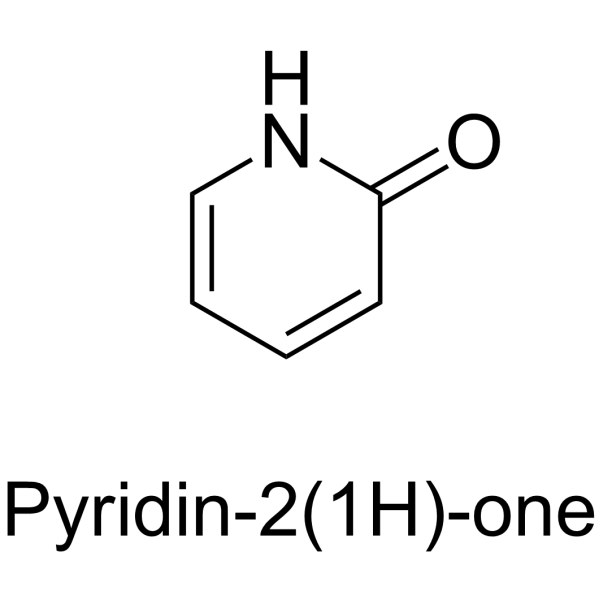
    2-Pyridone

    Endogenous Metabolite Bacterial Infection
    α-Pyridone (2-Pyridone) is an antibacterial agent that plays an important role in the field of biochemical research. α-Pyridone can serve as a scaffold compound to synthesize a variety of active compounds .
    α-Pyridone
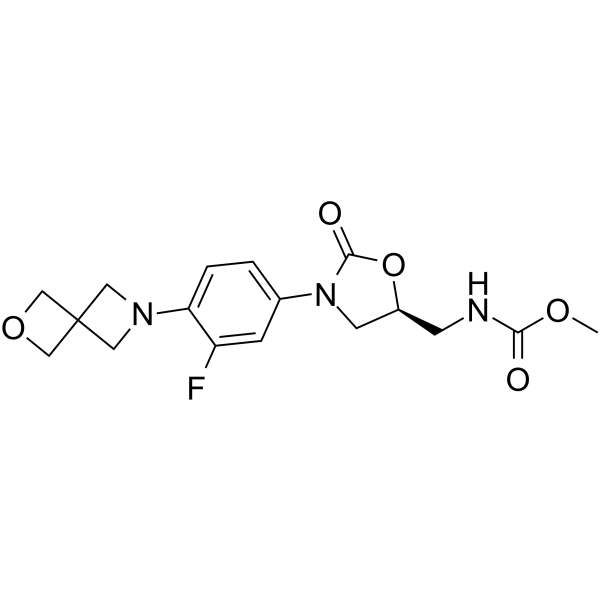
  • HY-139398
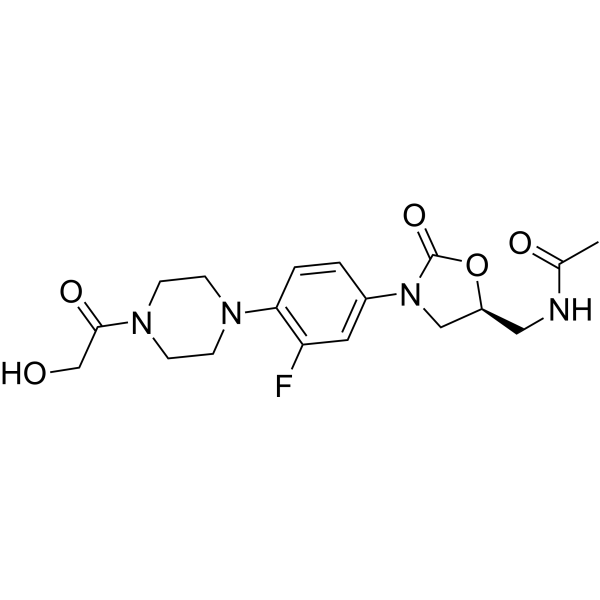
    TBI-223
    1 Publications Verification

    Antibiotic Bacterial Infection
    TBI-223 is an orally active oxazolidinone antibiotic and an antimicrobial. TBI-223 shows activity against Mycobacterium tuberculosis (Mtb). TBI-223 exhibits an IC50 of 68 μg/mL for inhibiting mitochondrial protein synthesis (MPS) in HepG2 cells. TBI-223 is effective in three mouse models (bloodstream infection, skin infection, and bone infection) of methicillin-resistant staphylococcus aureus infection. TBI-223 can be used for the study of tuberculosis .
    TBI-223
  • HY-B1907A
    Rifamycin
    2 Publications Verification

    Rifamycin SV

    Antibiotic Bacterial DNA/RNA Synthesis Infection
    Rifamycin (Rifamycin SV) is an orally active ansamycin antibiotic. Rifamycin inhibits DNA-dependent RNA synthesis. Rifamycin has antibacterial activity against Mycobacterium tuberculosis. Rifamycin interferes with hepatic bile acid metabolism. Rifamycin has anti-inflammatory effects. Rifamycin can be used in the study of Mycobacterium tuberculosis, Bacteroides fragilis infection, and Lipopolysaccharide (HY-D1056B3)-induced inflammation .
    Rifamycin
  • HY-N15643

    α-MA (C80)

    Bacterial Infection
    α-Mycolic acid (C80) is a structural lipid component of mycobacterial cell wall. α-Mycolic acid (C80) can be isolated from Mycobacterium tuberculosis Canetti. α-Mycolic acid (C80) significantly modulates membrane permeability and stability, promising for mycobacterium tuberculosis infection research .
    α-Mycolic acid (C80)
  • HY-14881AR

    R403323 (Standard); TMC207 fumarate (Standard); R207910 fumarate (Standard)

    Reference Standards Bacterial Antibiotic Infection
    Bedaquiline (fumarate) (Standard) is the analytical standard of Bedaquiline (fumarate). This product is intended for research and analytical applications. Bedaquiline fumarate, a diarylquinoline antibiotic that targets ATP synthase, is effective for the treatment of Mycobacterium tuberculosis infections.
    Bedaquiline fumarate (Standard)
  • HY-148790

    FL058

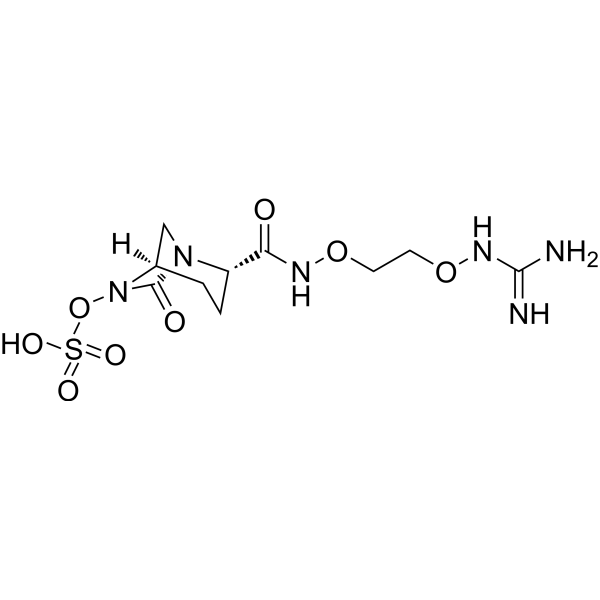
    Bacterial Beta-lactamase Infection
    Pralurbactam (FL058) is a β-lactamase (Beta-lactamase) inhibitor. Pralurbactam enhances the antibacterial activity of Imipenem against Mycobacterium abscessus. Pralurbactam reduces the pulmonary bacterial load in neutropenic mice infected with Mycobacterium abscessus. Pralurbactam can be used in research related to infections caused by Mycobacterium abscessus complex, Escherichia coli, and Klebsiella pneumoniae .
    Pralurbactam
  • HY-N15645

    Bacterial Infection
    α-Mycolic acid, keto cis is a structural lipid component of mycobacterial cell wall. α-Mycolic acid, keto cis can be isolated from Mycobacterium tuberculosis Canetti. α-Mycolic acid, keto cis significantly modulates membrane permeability and stability, promising for mycobacterium tuberculosis infection research .
    α-Mycolic acid, keto cis
  • HY-N14690

    Fungal Antibiotic Bacterial Infection
    Piperazinomycin is an antifungal and antibacterial antibiotic. Piperazinomycin is isolated from the culture broth of Streptoverticillium olivoreticuli subsp. neoenacticus. Piperazinomycin inhibits the growth of fungi, yeasts and some Mycobacterium species. Piperazinomycin exhibits inhibitory activity against Trichophyton species .
    Piperazinomycin
  • HY-151549

    Bacterial Infection
    Mtb-cyt-bd oxidase-IN-2 is an inhibitor of Mycobacterium tuberculosis cytochrome bd oxidase (Mtb cyt-bd oxidase) with an IC50 value of 0.67 μM. Mtb-cyt-bd oxidase-IN-2 inhibits the growth of Mycobacterium tuberculosis with a MIC value of 256 μM. Mtb-cyt-bd oxidase-IN-2 can be used for the research of infection .
    Mtb-cyt-bd oxidase-IN-2
  • HY-172456

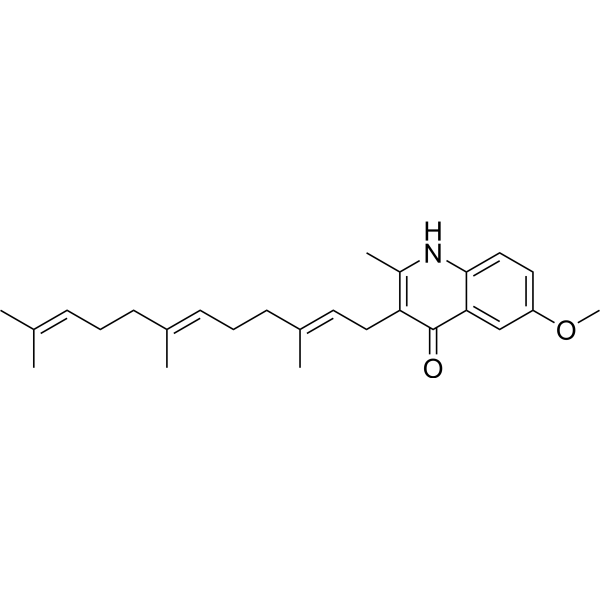
    Bacterial Infection
    JSF-4898 is an orally active inhibitor of the MenG enzyme in Mycobacterium tuberculosis. JSF-4898 has MIC of 0.78 μM against Mycobacterium tuberculosis H37Rv. JSF-4898 can enhance the efficacy of Rifampicin (HY-B0272) in a subacute model of Mycobacterium tuberculosis infection in mice .
    JSF-4898
  • HY-163181

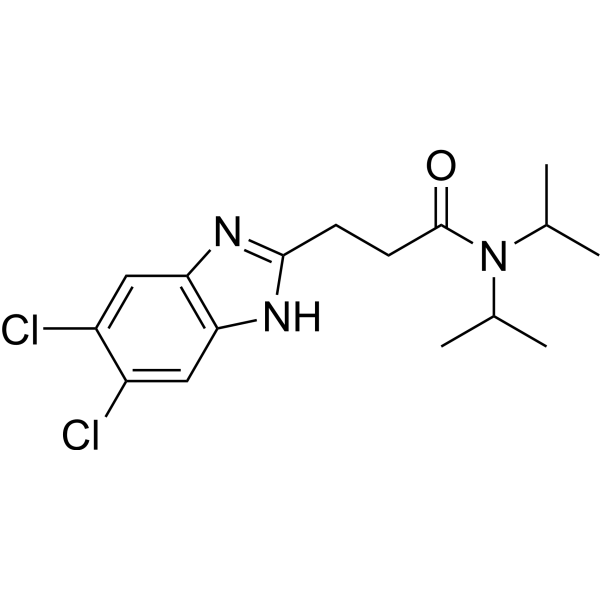
    Bacterial Infection
    MSU-43085 is an orally active MmpL3 inhibitor of Mycobacterium tuberculosis (Mtb). MSU-43085 effectively inhibits Mtb in an acute murine tuberculosis infection model. MSU-43085 can be used in tuberculosis research .
    MSU-43085
  • HY-N15644

    Bacterial Infection
    Mycolic acid IIa is a structural lipid component of mycobacterial cell wall. Mycolic acid IIa can be isolated from Mycobacterium bovis BCG. Mycolic acid IIa significantly modulates membrane permeability and stability, promising for mycobacterium tuberculosis infection research .
    Mycolic acid IIa
  • HY-19814

    RU-40555

    Glucocorticoid Receptor Infection Inflammation/Immunology
    Toripristone (RU-40555) is a cortisol receptor inhibitor. Toripristone combined with clarithromycin can increase the antibacterial activity of Mycobacterium avium complex infection .
    Toripristone
  • HY-176909

    Infection
    Farnesyl phosphoryl-β-D-ribose is a phosphorylated sugar derivative that belongs to the class of polyprenylphosphoryl sugars. Farnesyl phosphoryl-β-D-ribose can be used for the study of Mycobacterium tuberculosis infection .
    Farnesyl phosphoryl-β-D-ribose
  • HY-111402

    Erizomycin; NSC 246134

    Bacterial Antibiotic Infection
    Pyridomycin (Erizomycin) is a selective and low cytotoxic inhibitor of Mycobacterium tuberculosis that effectively targets InhA. Pyrdomycin is also an antibiotic that can be obtained from metabolites of Dactylosporangium fulvum. Pyrdomycin can be used in the study of bacterial infections such as tuberculosis .
    Pyridomycin
  • HY-N3700

    Rutaceline

    Bacterial HIV TNF Receptor Interleukin Related Infection Inflammation/Immunology
    Decarine (Rutaceline) is a benzophenanthridine alkaloid found in Zanthoxylum species. Decarinewith shows anti-inflammatory, antimycobacterial, and anti-HIV activity. Decarine inhibits NO, TNF-α, IL-1β, IL-6, and IL-8 production in inflammatory cell models. Decarine inhibits growth of Mycobacterium tuberculosis strains, reduces intracellular Mycobacterium tuberculosis survival, and shows low cytotoxicity toward human macrophages. Decarine inhibits HIV replication in acutely infected lymphocytes. Decarine can be used for the researches of inflammation, tuberculosis, and HIV infection .
    Decarine
  • HY-178436

    Bacterial Infection
    Antituberculosis agent-16 is an orally active antituberculosis agent. Antituberculosis agent-16 exhibits stable antituberculosis activity with a MIC of 0.48 μg/mL against Mycobacterium tuberculosis H37Rv sensitive strain and 0.49 μg/mL against multidrug-resistant strain 14862. Antituberculosis agent-16 shows high Caco-2 permeability. Antituberculosis agent-16 can be used for the research of infection .
    Antituberculosis agent-16
  • HY-156022

    Bacterial Neurological Disease
    Antitubercular agent-41 (Compound 106) is an antitubercular agent that can be used in the study of Mycobacterium tuberculosis infection .
    Antitubercular agent-41
  • HY-145741

    Antibiotic Infection
    MptpB-IN-1 (Compound 13) is a potent and orally active inhibitor of MptpB. Mycobacterium tuberculosis protein-tyrosine-phosphatase B (MptpB) is a secreted virulence factor that subverts antimicrobial activity in the host. MptpB-IN-1 reduces multidrug-resistant mycobacterium tuberculosis survival and infection burden .
    MptpB-IN-1
  • HY-113834

    Bacterial Infection
    (R,R)-Ethambutol is an antituberculosis compound with tuberculosis inhibitory activity. (R,R)-Ethambutol is often used in combination with other antituberculosis compounds to enhance the efficacy. (R,R)-Ethambutol can also be used to inhibit Mycobacterium avium complex infection and Mycobacterium kansasii infection .
    (R,R)-Ethambutol
  • HY-161065

    Bacterial Infection
    HKI12134085 (compound 3) is an orally available antibacterial nitrobenzothiazinone (BTZ) derivative with activity against Mycobacterium tuberculosis. HKI12134085 has in vivo inhibitory potency in a BALB/c mouse model of Mycobacterium tuberculosis infection .
    HKI12134085
  • HY-15390

    CIBA-1906

    Bacterial Infection
    Thiambutosine is an inhibitor of Mycobacterium leprae with low oral activity. In animal experiments, Thiambutosine can inhibit leprosy infection by intramuscular injection .
    Thiambutosine
  • HY-146373

    Bacterial Infection
    The minimum inhibitory concentration (MIC) of a new 2- (quinoline-4-methoxy) acetamide antituberculotic agent against the reference strain of Mycobacterium tuberculosis H37Rv was as low as 0.3 μ M. It also inhibited the growth of Mycobacterium tuberculosis in the macrophage model of tuberculosis infection.
    Antibacterial agent 95
  • HY-158570

    Bacterial Infection
    (2E)-Eicosenoic acid is an inhibitor of Mycobacterium tuberculosis protein tyrosine phosphatase A (PtpA). (2E)-Eicosenoic acid exhibits strong inhibitory activity against PtpA with an IC50 value in the low micromolar range. (2E)-Eicosenoic acid can be used for research on Mycobacterium tuberculosis infection .
    (2E)-Eicosenoic acid
  • HY-120777

    Bacterial Others
    GSK729 is a THPP inhibitor with the activity of inhibiting EchA6 and inhibiting Mycobacterium tuberculosis. GSK729 can selectively pull down EchA6 in a stereospecific manner, inhibit its activity, inhibit fatty acid synthesis of Mycobacterium tuberculosis, and has a bactericidal effect in a mouse chronic tuberculosis infection model.
    GSK729
  • HY-N12823

    Bacterial Metabolic Disease
    Caprazene is an antimycobacterial compound and precursor molecule for semi-synthetic antibacterial antibiotics, used for studies on tuberculosis and Mycobacterium avium complex infections, which can be isolated from the acid-treated caprazamycin (CPZ) A-G mixture .
    Caprazene
  • HY-172263

    Antibiotic Bacterial Infection
    KU13 is an inhibitor of nontuberculous mycobacteria (NTM). The minimum inhibitory concentrations (MIC) of KU13 against Mycobacterium and E. coli are 0.032-8 μg/mL and 2 μg/mL, respectively. KU13 can be used for research in the field of anti-infection .
    KU13
  • HY-176730

    Bacterial Infection
    HC2210 has an antibacterial effect against Mycobacterium abscessus (Mab) (EC50: 0.72 µM). HC2210 modulates the expression of Mab genes related to oxidative stress and lipid metabolism. HC2210 can be used in the study of Mab infection .
    HC2210
  • HY-169942

    Bacterial Antibiotic Infection
    3-(1-Carboxyvinyloxy)benzoic acid is an inhibitor of MbtI (Mycobacterium tuberculosis salicylate synthase) and AS (Serratia marcescens arginine synthase), with Ki values of 500 and 3.2 µM, respectively. 3-(1-Carboxyvinyloxy)benzoic acid has antibacterial activity and can be used in anti-infection research .
    3-(1-Carboxyvinyloxy)benzoic acid
  • HY-151551

    Bacterial Infection
    Mtb-cyt-bd oxidase-IN-4 (compound 1g) is a Mycobacterium tuberculosis cytochrome bd oxidase (Mtb cyt-bd oxidase) inhibitor with an IC50 value of 0.25 μM. Mtb-cyt-bd oxidase-IN-4 inhibits the growth of Mycobacterium tuberculosis (MIC=8 μM). Mtb-cyt-bd oxidase-IN-4 can be used in tuberculosis research .
    Mtb-cyt-bd oxidase-IN-4
  • HY-D2729

    Fluorescent Dye Infection
    Cy3-NO2-Tre is a nitroreductase-responsive cyanine-based fluorescent probe that specifically labels Mycobacterium tuberculosis (Mtb). Cy3-NO2-tre generated fluorescence after activation by a specific nitroreductase, Rv3368c, which is conserved in the Mycobacteriaceae. Cy3-NO2-tre effectively imaged mycobacteria within infected host cells, tracked the infection process, and visualized Mycobacterium smegmatis being endocytosed by macrophages (Ex/Em= 540-550/575-625 nm) .
    Cy3-NO2-Tre
  • HY-153222

    Bacterial Infection
    SEQ-9 is an orally active Mycobacterium tuberculosis (Mtb) 23S bacterial ribosome inhibitor with an IC50 of approximately 170 nM for unmethylated Mtb ribosomes. SEQ-9 also potently inhibits A2296 methylated ribosomes. SEQ-9 can be used to study bacterial infection and drug resistance .
    SEQ-9
  • HY-B1907R

    Rifamycin SV sodium (Standard)

    Reference Standards Bacterial Antibiotic Infection
    Rifamycin (sodium) (Standard) is the analytical standard of Rifamycin (sodium). This product is intended for research and analytical applications. Rifamycin sodium (Rifamycin SV sodium) is an orally active ansamycin antibiotic. Rifamycin sodium inhibits DNA-dependent RNA synthesis. Rifamycin sodium has antibacterial activity against Mycobacterium tuberculosis. Rifamycin sodium interferes with hepatic bile acid metabolism. Rifamycin sodium has anti-inflammatory effects. Rifamycin sodium can be used in the study of Mycobacterium tuberculosis, Bacteroides fragilis infection, and Lipopolysaccharide (HY-D1056B3)-induced inflammation .
    Rifamycin sodium (Standard)
  • HY-159899

    Bacterial Antibiotic Dihydrofolate reductase (DHFR)
    DHFR-IN-22 (Compound 8) is a DHFR (Dihydrofolate Reductase) inhibitor belonging to the class of 2,4-diaminopyrimidine compounds. DHFR-IN-22 exhibits significant inhibitory activity against purified DHFR enzyme and major species of nontuberculous mycobacteria (NTM), namely Mycobacterium avium and Mycobacterium abscessus. It shows an IC50 of 1.1 nM and MIC of 1.5 μg/mL against M. abscessus, and an IC50 of 6.3 nM and MIC of 0.1 μg/mL against M. avium. Additionally, it demonstrates an IC50 of 2100 nM against human DHFR. DHFR-IN-22 holds potential for studying novel strategies to combat NTM infections .
    DHFR-IN-22
  • HY-106422

    EP-013420; S-013420

    Bacterial Infection Inflammation/Immunology
    EDP-420 (EP-013420; S-013420) is an orally active antibacterial agent. EDP-420 inhibits the Mycobacterium avium complex (MAC) in macrophages. EDP-420 reduces bacterial counts in a mouse model of macrolide infection. EDP-420 inhibits pneumococcal activity in a rabbit model of meningitis. EDP-420 can be used in research on inflammatory infectious diseases such as meningitis .
    EDP-420
  • HY-B0027R

    Reference Standards Antibiotic Bacterial Metabolic Disease Inflammation/Immunology
    Valnemulin (hydrochloride) (Standard) is the analytical standard of Valnemulin (hydrochloride). This product is intended for research and analytical applications. Valnemulin (hydrochloride) is an orally effective truncated pleurotin antibiotic that inhibits protein synthesis in bacteria by binding to peptidyl transferase in the 50s ribosome subunit. Valnemulin hydrochloride effectively eliminates Mycobacterium bovis in the lungs in an experimental bovine model of Mycoplasma bovis infection. Valnemulin hydrochloride can reduce the mortality of epidemic rabbit enteropathy and has no adverse effect on the growth performance of rabbits .
    Valnemulin hydrochloride (Standard)
  • HY-12770R

    Mebeverine metabolite Mebeverine alcohol (Standard)

    Reference Standards Drug Metabolite Neurological Disease
    Mebeverine alcohol (Standard) is an analytical standard for Mebeverine alcohol. This product is intended for research and analytical applications. Eperezolid (PNU-100592) is an orally active protein synthesis inhibitor that targets the bacterial 50S ribosomal subunit. Eperezolid competitively binds to a specific site on the ribosomal 50S subunit (overlapping with the binding sites of Chloramphenicol (HY-B0239) and Lincomycin (HY-117660)) to inhibit the translation initiation stage and exert antibacterial activity. Eperezolid can induce host cell autophagy to enhance the clearance of intracellular mycobacteria, and its MIC90 for Staphylococcus aureus and Enterococcus is 1-4 μg/mL. Eperezolid is mainly used for antibacterial research on infections with Gram-positive bacteria such as methicillin-resistant (HY-121544) Staphylococci and vancomycin-resistant (HY-B0671) Enterococci, as well as infections with intracellular bacteria such as Mycobacterium tuberculosis .
    Mebeverine alcohol (Standard)
  • HY-N17621

    Bacterial Infection
    Chinenol A is an antibacterial agent that can be found in the aerial part of Helwingia chinensis. Chinenol A can be used for the research of bacterial infections (staphylococcus aureus infection, mycobacterium tuberculosis infection, streptococcus pneumonia infection) .
    Chinenol A
  • HY-N18007

    Bacterial Infection
    3-Hydroxyglabrol is an Antibacterial agent. 3-Hydroxyglabrol can be isolated from Glycyrrhiza glabra L. var. typica. 3-Hydroxyglabrol inhibits the growth of Staphylococcus aureus (ATCC 13709) and Mycobacterium smegmatis (ATCC 607), with a MIC of 6.25 mcg/mL. 3-Hydroxyglabrol can be used for the research of Staphylococcus aureus infection, Mycobacterium smegmatis infection .
    3-Hydroxyglabrol
  • HY-181282

    Bacterial Infection
    MSU-44147 is an inhibitor and antimicrobial agent targeting MmpL3 in Mycobacterium abscessus, with low eukaryotic cytotoxicity, a narrow antimicrobial spectrum that is specific only to mycobacteria, and low drug resistance frequency. MSU-44147 reduces trehalose dimycolate levels by inhibiting MmpL3 function, disrupts biofilm formation and reduces the viability of related bacteria, while exerting bactericidal effects on intracellular Mycobacterium abscessus. MSU-44147 exhibits additive or synergistic effects with antibiotics and can be used in research on multidrug-resistant isolates and infections of Mycobacterium abscessus .
    MSU-44147
  • HY-180810

    Antibiotic Bacterial Infection
    T504 is an oxazolidinone antibiotic. T504 exhibits significant growth inhibitory effects on Mycobacterium tuberculosis H37Rv, Mycobacterium bovis BCG, and Mycobacterium abscessus, and the MIC value for the reference strain Mycobacterium tuberculosis H37Rv is 0.5-1.0 μg/mL. T504 effectively inhibits the growth of Mycobacterium tuberculosis within macrophages and does not show obvious cytotoxicity. T504 can be used in the research of mycobacterial infections .
    T504
  • HY-183075

    Bacterial ATP Synthase Infection
    ND-011458 is an Antibacterial agent, a QcrB inhibitor, and also an inhibitor of cytochrome bcc:aa3 oxidase function. ND-011458 binds to the QcrB subunit of cytochrome bcc:aa3 oxidase. ND-011458 inhibits ATP formation. When used in combination with Clofazimine (HY-B1046), ND-011458 exhibits bactericidal activity against Mycobacterium abscessus. ND-011458 can be used in studies related to Mycobacterium abscessus pulmonary infections .
    ND-011458
  • HY-N13011

    Bacterial Infection
    Maniladiol is a triterpenoid that can be isolated from the flowers of Chrysanthemum morifolium. Maniladiol exhibits antitubercular activity against Mycobacterium tuberculosis strain H37Rv with a MIC of 4 mg/mL. Maniladiol can be used for Mycobacterium tuberculosis infection research .
    Maniladiol
  • HY-181283

    Bacterial Infection
    MSU-43557 is a Mycobacterium abscessus MmpL3 (MAB_4508) inhibitor and bactericidal agent. MSU-43557 inhibits MmpL3 function, disrupts trehalose monomycolate synthesis, and reduces biofilm-associated Mycobacterium abscessus viability. MSU-43557 exerts bactericidal activity against intracellular Mycobacterium abscessus. MSU-43557 shows low eukaryotic cytotoxicity and low Mycobacterium abscessus resistance frequency. MSU-43557 can be used for the research of mycobacterium abscessus infection .
    MSU-43557
  • HY-175825

    Bacterial Infection
    Antibacterial agent 291 (Compound 16) is an antibacterial agent. Antibacterial agent 291 has a potent antibacterial activity against Mycobacterium abscessus (M. abscessus) with a MIC of 16  μg/ML. Antibacterial agent 291 can be used for M. abscessus infections research .
    Antibacterial agent 291

Inquiry Online

Your information is safe with us. * Required Fields.

Salutation


Country or Region *

Applicant Name *


Organization Name *

Department *


Email Address *


Product Name *

Cat. No.


Requested quantity *

Phone Number *


Remarks

Inquiry Online

Inquiry Information

Product Name:
Cat. No.:
Quantity:
MCE Japan Authorized Agent:

