
1. Search Result
Search Result
Pathways Recommended: Neuronal Signaling JAK/STAT Signaling
Results for "

oncogenic signaling

" in MedChemExpress (MCE) Product Catalog:

54

Inhibitors & Agonists

2

Screening Libraries

1

Fluorescent Dyes

1

Biochemical Assay Reagents

3

Peptides

3

Inhibitory Antibodies

5

Natural
Products

2

Isotope-Labeled Compounds

2

Click Chemistry

2

Oligonucleotides

1

GMP Molecules

Targets Recommended:
Cat. No. 상품명 Target 연구분야 Chemical Structure
  • HY-145928
    Divarasib
    5+ Cited Publications

    GDC-6036

    Ras Cancer
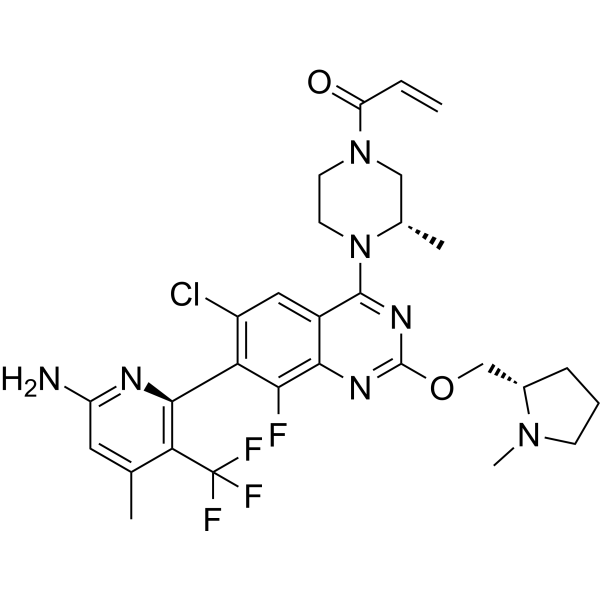
    Divarasib (GDC-6036) is an orally active, selective KRAS G12C inhibitor with an IC50 of <0.01 μM. Divarasib covalently binds Cys12 in GDP-bound KRAS G12C, occupies the switch II pocket, blocks GTP binding and SOS-mediated reactivation, and inhibits oncogenic KRAS signaling. Divarasib induces tumor shrinkage and robust tumor growth inhibition in KRAS G12C-positive models and cancer cells. Divarasib can be used for the research of non-small cell lung cancer, colorectal adenocarcinoma, pancreatic ductal adenocarcinoma, and other KRAS G12C-mutated solid tumors .
    Divarasib
  • HY-10966
    SB-590885
    5+ Cited Publications

    Raf Apoptosis Neurological Disease Metabolic Disease Cancer
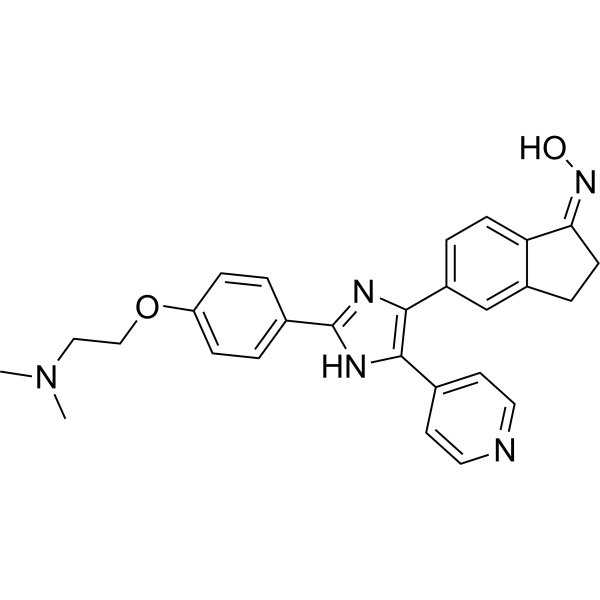
    SB-590885 is a BRAF/c-Raf kinase inhibitor that selectively targets B-Raf, and it amplifies the ERK/MAPK signaling pathway in RAS-activated cells. SB-590885 effectively inhibits the malignant proliferation, transformation and tumorigenicity of oncogenic B-Raf cells; it also induces the proliferation of erythroid progenitor cells, delays their differentiation and promotes hemoglobin synthesis, thereby improving ineffective erythropoiesis and reducing apoptosis. SB-590885 exerts a synergistic effect with TGF-β inhibitors and glucocorticoids, significantly promoting the formation of erythroid colonies in cells from patients with Diamond-Blackfan anemia (DBA). SB-590885 is mainly used in relevant studies on DBA, cisplatin-induced myelosuppression-related anemia, and pan-cancers such as melanoma and colorectal cancer .
    SB-590885
  • HY-W015309
    Decanoic acid
    4 Publications Verification

    Environmental Pollutants Endogenous Metabolite iGluR Glutaminase c-Met/HGFR Tyrosinase Neurological Disease Metabolic Disease Cancer
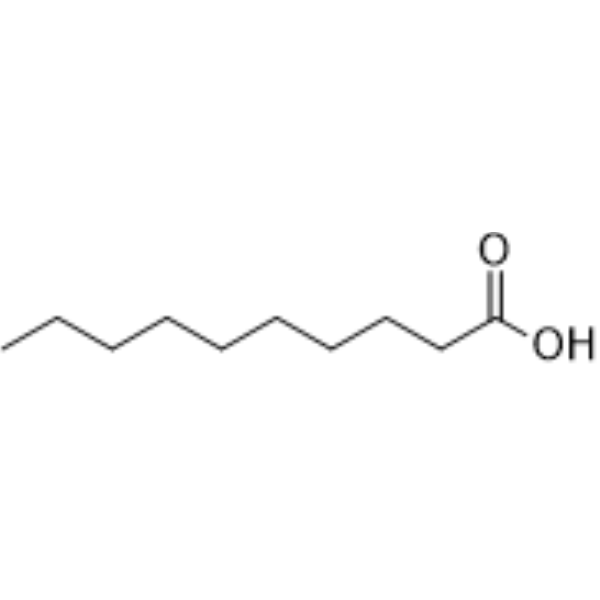
    Decanoic acid is a key component of the medium-chain triglyceride (MCT) found in coconut oil. Decanoic acid is a brain-penetrant and non-competitive inhibitor of AMPA receptor showing antiseizure activity in rats. Decanoic acid reduces tyrosinase activity and inhibits melanosome maturation. Decanoic acid suppresses the phosphorylation of c-Met and induced apoptosis in hepatocellular carcinoma (HCC) cells by inhibiting the expression of various oncogenic proteins, which is promising for research in the field of mTORC1 signaling, HCC and epilepsy .
    Decanoic acid
  • HY-400902

    YAP VEGFR Hippo (MST) Cancer
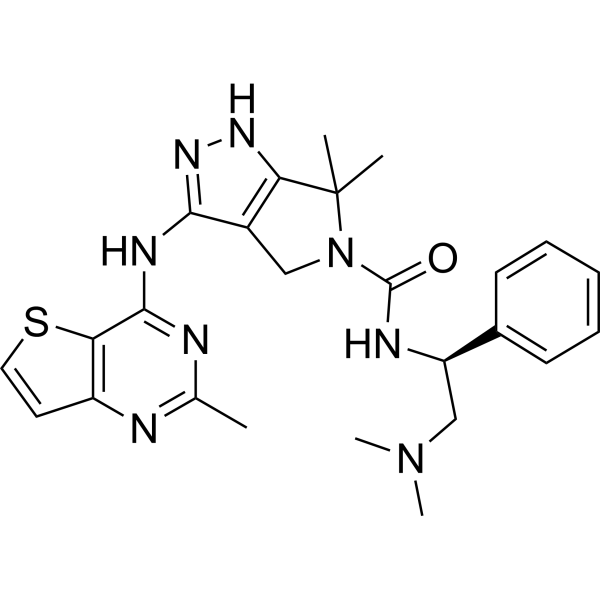
    VT3989 is an orally active pan-TEAD autopalmitoylation inhibitor that modulates the Hippo signaling pathway. VT3989 directly binds to TEAD transcription factors to block their palmitoylation modification, thereby disrupting the formation of YAP/TAZ-TEAD complexes and inhibiting downstream oncogenic transcriptional activity. VT3989 effectively inhibits the growth of NF2-deficient schwannoma and meningioma cells and reverses the Schwann cell phenotype. In addition, VT3989 exerts a synergistic effect when combined with Osimtinib (HY-15772) in EGFR-mutant non-small cell lung cancer models, significantly delaying tumor recurrence and prolonging survival. VT3989 can be used for the research of epithelioid hemangioendothelioma, malignant pleural mesothelioma, type 2 neurofibromatosis and related advanced solid tumors .
    VT3989
  • HY-13007
    PF-3758309
    Maximum Cited Publications
    10 Publications Verification

    PF-03758309

    PAK Apoptosis Cancer
    PF-3758309 (PF-03758309) is a potent, orally available, and reversible ATP-competitive inhibitor of PAK4 (Kd= 2.7 nM; Ki=18.7 nM). PF-3758309 has the expected cellular functions of a PAK4 inhibitor: inhibition of anchorage-independent growth, induction of apoptosis, cytoskeletal remodeling, and inhibition of proliferation .
    PF-3758309
  • HY-15872A
    FTI-277 hydrochloride
    5+ Cited Publications

    Farnesyl Transferase Apoptosis Ras Infection Cancer
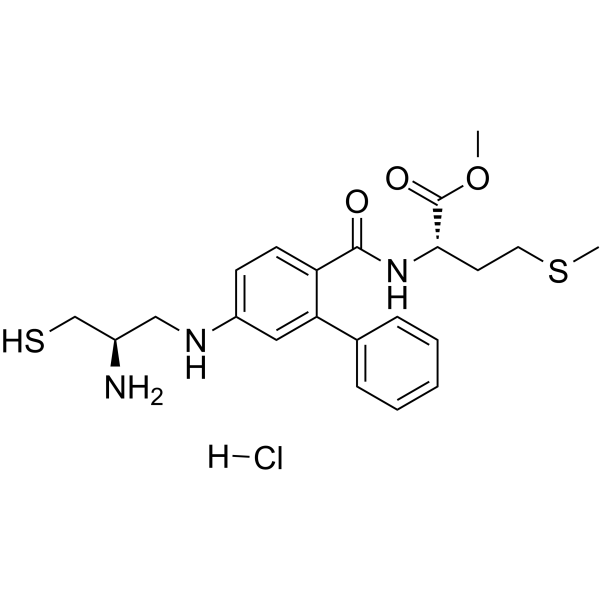
    FTI-277 hydrochloride is an inhibitor of farnesyl transferase (FTase); a highly potent Ras CAAX peptidomimetic which antagonizes both H- and K-Ras oncogenic signaling. FTI-277 hydrochloride can inhibit hepatitis delta virus (HDV) infection.
    FTI-277 hydrochloride
  • HY-176786

    PROTACs Ras Apoptosis PERK p38 MAPK Caspase TNF Receptor Cancer
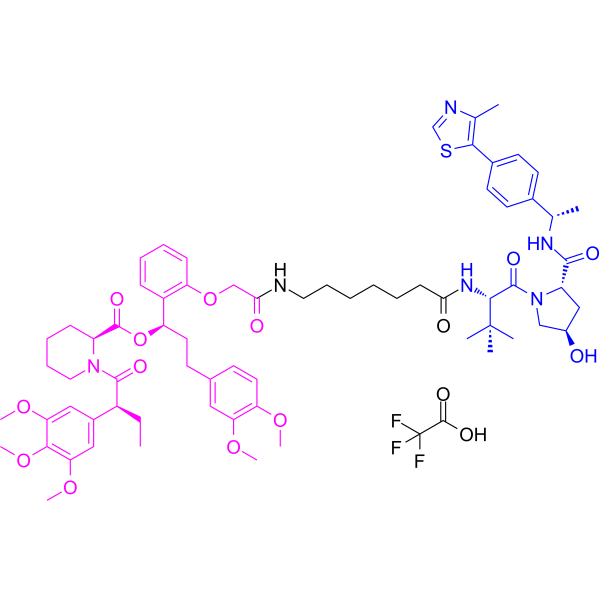
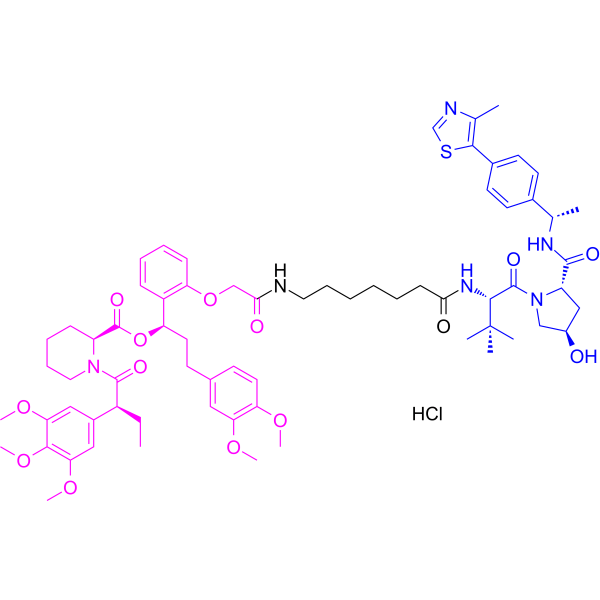
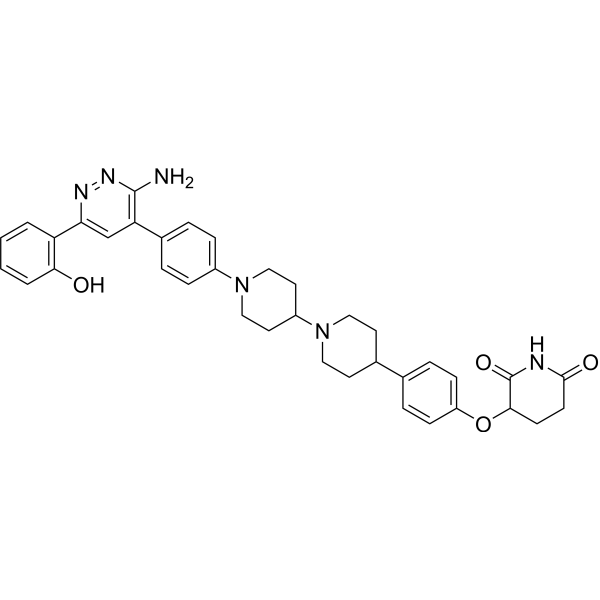
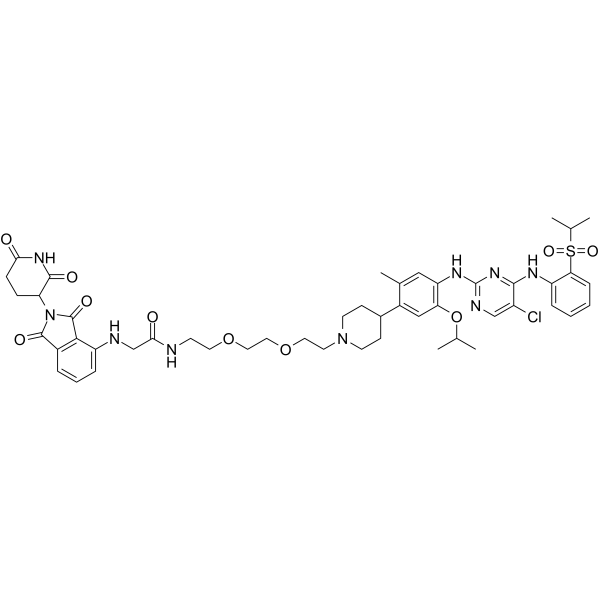
    MCB-36 is a VHL-recruiting pan-KRAS PROTAC degrader without affecting KRAS transcription. MCB-36 exhibits minimal effects on HRAS and NRAS protein levels. MCB-36 binds to the GDP-loaded state of G12D, G12C, G12V, and wild-type KRAS with high affinities Kd ≈ 1 pM). MCB-36 decreases p-ERK levels, leading to cell apoptosis. MCB-36 effectively suppress KRAS G12C inhibitor-resistant cancer cells and remodel the tumor immune microenvironment. MCB-36 can be used for the study of colorectal cancer and lung cancer (Pink: Target protein ligand; Blue: E3 ligand (HY-112078); Black: Linker (HY-W091879)) .
    MCB-36
  • HY-100627

    MEK Cancer
    APS-2-79 is a KSR-dependent MEK antagonist. APS-2-79 inhibits ATP biotin binding to KSR2 within the KSR2-MEK1 complexe with an IC50 of 120 nM. APS-2-79 makes the stabilization of the KSR inactive state antagonizes oncogenic Ras-MAPK signaling .
    APS-2-79
  • HY-P99304

    Anti-Human ERBB3 Recombinant Antibody

    EGFR PI3K Akt p38 MAPK Cancer
    Lumretuzumab (Anti-Human ERBB3 Recombinant Antibody) is a humanized anti-HER3 (ERBB3) monoclonal antibody. Lumretuzumab effectively inhibits the activity of key oncogenic signaling pathways such as PI3K/AKT and MAPK. Lumretuzumab has been optimized through glycosyl engineering to enhance antibody-dependent cell-mediated cytotoxicity (ADCC). Lumretuzumab can be used to study HER3-positive, HER2-low-expressing solid tumors, especially breast cancer .
    Lumretuzumab
  • HY-174979

    Fat Mass and Obesity-associated Protein (FTO) Apoptosis Inflammation/Immunology Cancer
    Dac590 is an orally active and selective obesity-associated protein (FTO) inhibitor with an IC50 of 6.06 nM. Dac590 shows highly selective over ALKBH5 and ALKBH3. Dac590 suppresses oncogenic FTO signaling, induces myeloid differentiation, G1-phase cell cycle arrest, and apoptosis in acute myeloid leukemia (AML) cells. Dac590 inhibits xenograft tumor growth and prolongs survival in acute myeloid leukemia mouse models with no observed toxicity. Dac590 can be used for the research of AML .
    Dac590
  • HY-B0984
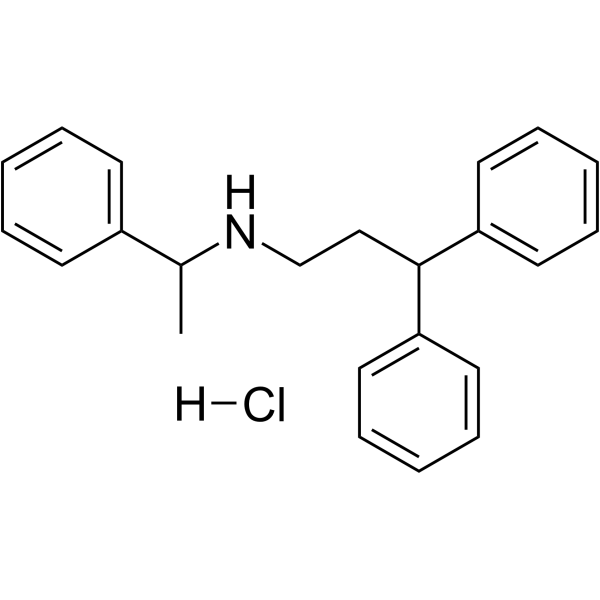
    Fendiline hydrochloride
    3 Publications Verification

    Calcium Channel Ras STING Autophagy Infection Cardiovascular Disease Cancer
    Fendiline hydrochloride, a diphenylalkylamine type of antianginal agent, is an L-type calcium channel blocker (IC50 of 17 µM). Fendiline hydrochloride is also a selective K-Ras inhibitor, and has no effect on H-Ras and N-Ras. Fendiline hydrochloride inhibits K-Ras plasma membrane localization (IC50 of 9.64 μM), inhibits K-Ras signal output and blocks the proliferation of pancreatic, colon, lung, and endometrial cancer cell lines expressing oncogenic mutant K-Ras. Fendiline hydrochloride is a STING agonist and is able to inhibit the growth of multiple refractory cold tumors (MC38, CT26 and B16F10) .
    Fendiline hydrochloride
  • HY-137433
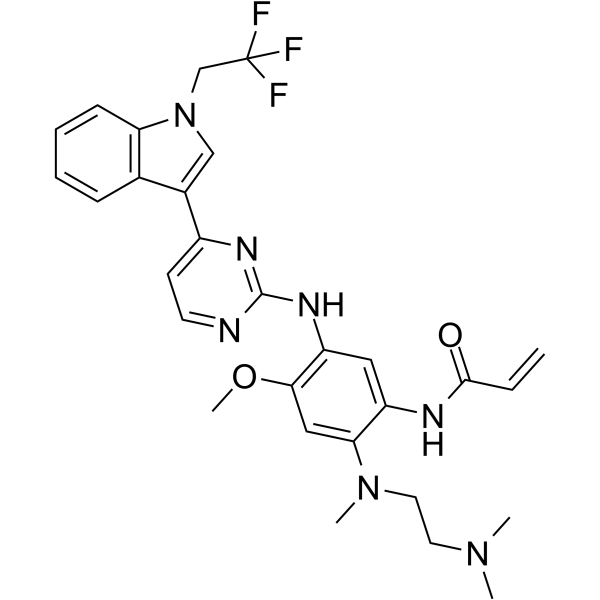
    Befotertinib
    2 Publications Verification

    D-0316

    EGFR P-glycoprotein Apoptosis Cancer
    Befotertinib (D-0316) is an orally active EGFR inhibitor and ABCB1 inhibitor. Befotertinib selectively targets EGFR mutations including EGFR T790M, EGFR L858R and delE746-A750, forms covalent bonds with EGFR C797, inhibits oncogenic signaling pathways, and exerts antiproliferative effects. Befotertinib inhibits ABCB1-mediated drug efflux, activates the ATPase activity of ABCB1, acts as a chemosensitizer and apoptosis enhancer, and restores the sensitivity of multidrug-resistant cancer cells. Befotertinib can be used in research related to multidrug-resistant cancers and non-small cell lung cancer .
    Befotertinib
  • HY-B0984A
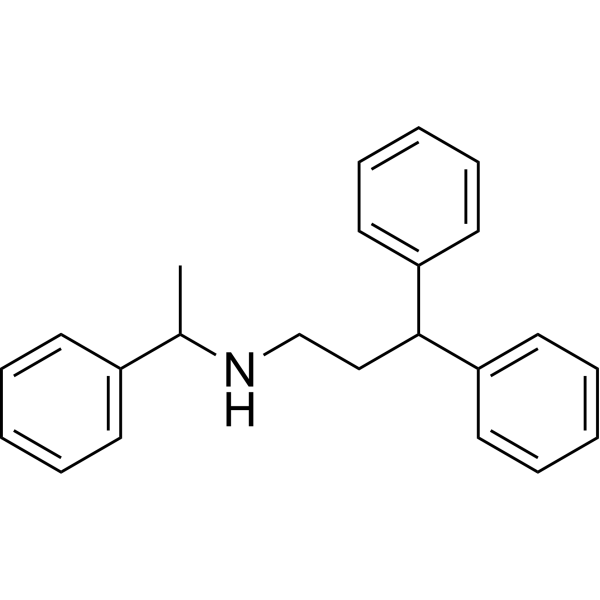
    Fendiline
    3 Publications Verification

    Calcium Channel Ras STING Autophagy Infection Cardiovascular Disease Cancer
    Fendiline, a diphenylalkylamine type of antianginal agent, is an L-type calcium channel blocker (IC50 of 17 µM). Fendiline is also a selective K-Ras inhibitor, and has no effect on H-Ras and N-Ras. Fendiline inhibits K-Ras plasma membrane localization (IC50 of 9.64 μM), inhibits K-Ras signal output and blocks the proliferation of pancreatic, colon, lung, and endometrial cancer cell lines expressing oncogenic mutant K-Ras. Fendiline is a STING agonist and is able to inhibit the growth of multiple refractory cold tumors (MC38, CT26 and B16F10) .
    Fendiline
  • HY-176785S

    Ras Apoptosis p38 MAPK Caspase TNF Receptor Cancer
    MCB-294 is a dual-state pan-KRAS inhibitor that selectively inhibits KRAS over NRAS and HRAS. MCB-294 capable of binding both the active (GTP-bound) and inactive (GDP-bound) forms of KRAS with Kds of approximately 1 pM and 10 nM, respectively. MCB-294 broadly impairs the growth of hTERT-HPNE cells expressing G12D, G12C, G12V, G12S, G13D, and wild-type KRAS, with IC50s of approximately 700 nM. MCB-294 induces irreversible apoptosis in KRAS-mutated tumors. MCB-294 effectively suppress KRAS G12C inhibitor-resistant cancer cells and remodel the tumor immune microenvironment. MCB-294 can be used for the study of pancreatic cancer, colorectal cancer and lung cancer .
    MCB-294
  • HY-170791

    PTEN TGF-beta/Smad Akt Cancer
    CIB-L43 is an orally active TRBP inhibitor (KD = 4.78 nM) and enhances disruption of TRBP-Dicer interactions (IC50 = 2.34 μM). CIB-L43 suppresses oncogenic miR-21 biosynthesis, increasing PTEN and Smad7 expression and inhibiting AKT and TGF-β signaling, thereby reducing HCC cell proliferation and migration .
    CIB-L43
  • HY-147426

    ADS-007; ARO HIF2

    Small Interfering RNA (siRNA) HIF/HIF Prolyl-Hydroxylase Cancer
    Zifcasiran (ADS-007; ARO HIF2) is an siRNA synthetic double-stranded RNAi trigger. Zifcasiran sodium selectively target hypoxia-inducible factor-2α (HIF2α) interrupting downstream pro-oncogenic signaling in clear cell renal cell carcinoma (ccRCC). Zifcasiran sodium engages the cell's RNAi machinery to target HIF2α (EPAS1) mRNA for degradation, thereby reducing the amount of free HIF2α mRNA available for translation .
    Zifcasiran
  • HY-156084

    CDK PROTACs Apoptosis c-Myc Cancer
    LL-K9-3 is a potent small-molecule degrader of CDK9-cyclin T1. LL-K9-3 has anti-proliferative and pro-apoptotic activities and suppresses downstream signaling of CDK9 and AR. Moreover, LL-K9-3 inhibits AR and Myc-driven oncogenic transcriptional programs .
    LL-K9-3
  • HY-N6932

    Cannabinoid Receptor P-glycoprotein PI3K Akt mTOR Apoptosis Autophagy EGFR Metabolic Disease Cancer
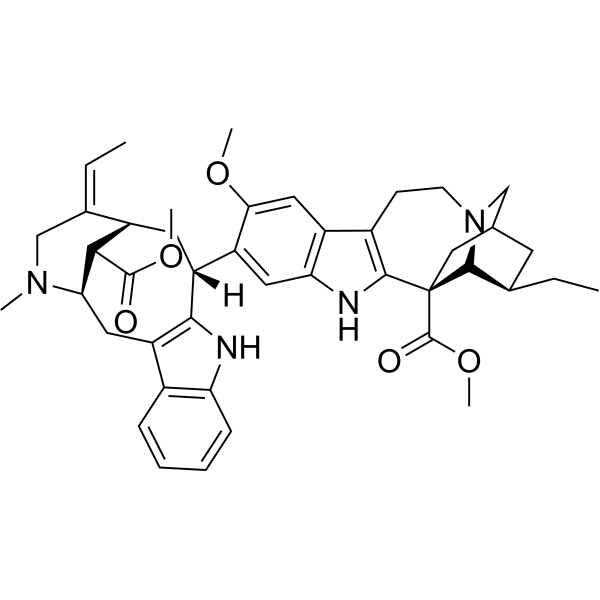
    Voacamine is an indole alkaloid with cannabinoid 1 (CB1) antagonistic activity. Voacamine can inhibit nuclear translocation. Voacamine is effective in enhancing the effect of Doxorubicin (HY-15142A) as it interferes with the P-glycoprotein (P-gp) function. Voacamine promotes apoptosis-independent autophagic cell death in human osteosarcoma cells. Voacamine activates mitochondrial-associated apoptosis signaling pathway and inhibition of PI3K/Akt/mTOR signaling pathway to suppress breast cancer progression. Voacamine inhibits EGFR to exert oncogenic activity against colorectal cancer .
    Voacamine
  • HY-W266188

    Isotope-Labeled Compounds iGluR Tyrosinase c-Met/HGFR Glutaminase Neurological Disease Metabolic Disease Cancer
    Decanoic acid- 13C is the 13C-labeled Decanoic acid (HY-W015309). Decanoic acid is a key component of the medium-chain triglyceride (MCT) found in coconut oil. Decanoic acid is a brain-penetrant and non-competitive inhibitor of AMPA receptor showing antiseizure activity in rats. Decanoic acid reduces tyrosinase activity and inhibits melanosome maturation. Decanoic acid suppresses the phosphorylation of c-Met and induced apoptosis in hepatocellular carcinoma (HCC) cells by inhibiting the expression of various oncogenic proteins, which is promising for research in the field of mTORC1 signaling, HCC and epilepsy .
    Decanoic acid-13C
  • HY-145928B
    Divarasib adipate
    5+ Cited Publications

    GDC-6036 adipate

    Ras Cancer
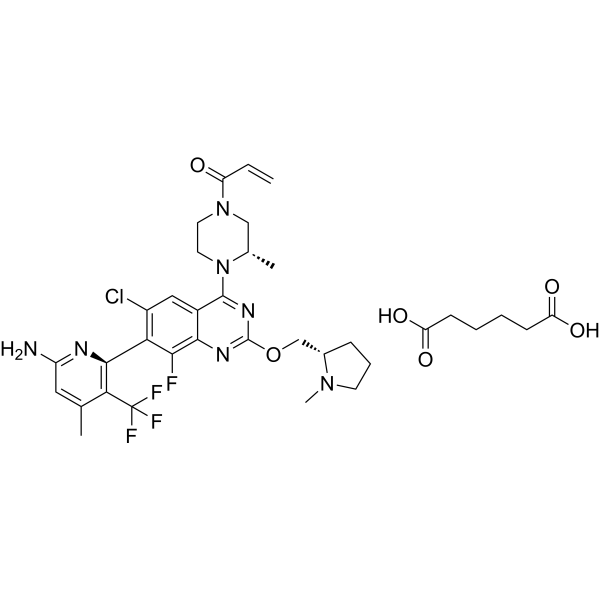
    Divarasib (GDC-6036) adipate is an orally active, selective KRASG12C inhibitor with an IC50 of <0.01 μM. Divarasib adipate covalently binds Cys12 in GDP-bound KRASG12C, occupies the switch II pocket, blocks GTP binding and SOS-mediated reactivation, and inhibits oncogenic KRAS signaling. Divarasib adipate induces tumor shrinkage and robust tumor growth inhibition in KRASG12C-positive models and cancer cells. Divarasib adipate can be used for the research of non-small cell lung cancer, colorectal adenocarcinoma, pancreatic ductal adenocarcinoma, and other KRASG12C-mutated solid tumors .
    Divarasib adipate
  • HY-B0984R

    Calcium Channel Ras STING Autophagy Reference Standards Infection Cardiovascular Disease Cancer
    Fendiline (hydrochloride) (Standard) is the analytical standard of Fendiline (hydrochloride). This product is intended for research and analytical applications. Fendiline hydrochloride, a diphenylalkylamine type of antianginal agent, is an L-type calcium channel blocker (IC50 of 17 µM). Fendiline hydrochloride is also a selective K-Ras inhibitor, and has no effect on H-Ras and N-Ras. Fendiline hydrochloride inhibits K-Ras plasma membrane localization (IC50 of 9.64 μM), inhibits K-Ras signal output and blocks the proliferation of pancreatic, colon, lung, and endometrial cancer cell lines expressing oncogenic mutant K-Ras. Fendiline hydrochloride is a STING agonist and is able to inhibit the growth of multiple refractory cold tumors (MC38, CT26 and B16F10) .
    Fendiline hydrochloride (Standard)
  • HY-P10436

    Raf Cancer
    Braftide is an allosteric inhibitor for BRAF kinase by targeting the dimer interface of BRAF kinase and inhibiting the formation of BRAF dimers. Braftide inhibits wild-type BRAF and oncogenic BRAF G469A with IC50 of 364 nM and 172 nM, respectively. Braftide inhibits MAPK signaling pathway, inhibits proliferation of KRAS mutant tumor cells (EC50 is 7.1 and 6.6 μM, for HCT116 and HCT-15), in combination of TAT sequence. Braftide can be used for cancer research .
    Braftide
  • HY-100627A

    MEK Cancer
    APS-2-79 hydrochloride is a KSR-dependent MEK antagonist. APS-2-79 inhibits ATP biotin binding to KSR2 within the KSR2-MEK1 complexe with an IC50 of 120 nM. APS-2-79 makes the stabilization of the KSR inactive state antagonizes oncogenic Ras-MAPK signaling .
    APS-2-79 hydrochloride
  • HY-143400

    HSP Hedgehog Cancer
    HSP70-IN-3 is a potent HSP70 inhibitor (IC50s of 1.1 and 1.9 μM in ASZ001 and C3H10T1/2, respectively). HSP70-IN-3 has anti-Hh (Hedgehog signaling) activity and anti-proliferative activity and reduces expression of the oncogenic transcription factor GLI1 .
    HSP70-IN-3
  • HY-147426A

    ADS-007 sodium; ARO HIF2 sodium

    Small Interfering RNA (siRNA) HIF/HIF Prolyl-Hydroxylase Cancer
    Zifcasiran (ADS-007) sodium is an siRNA synthetic double-stranded RNAi trigger. Zifcasiran sodium selectively target hypoxia-inducible factor-2α (HIF2α) interrupting downstream pro-oncogenic signaling in clear cell renal cell carcinoma (ccRCC). Zifcasiran sodium engages the cell's RNAi machinery to target HIF2α (EPAS1) mRNA for degradation, thereby reducing the amount of free HIF2α mRNA available for translation .
    Zifcasiran sodium
  • HY-116428

    Farnesyl Transferase Ras TGF-β Receptor Apoptosis Cancer
    L-744832 is a farnesyl transferase inhibitor. L-744832 effectively inhibits the farnesylation of H-Ras and N-Ras, but has little effect on K-Ras treatment. L-744832 not only directly targets the oncogenic pathway by inhibiting Ras farnesylation, but also enhances radiosensitivity by restoring TGF-β signaling through epigenetic reprogramming. L-744832 can induce cell cycle arrest and apoptosis. L-744832 can be used in combination therapy studies for Ras-driven tumors such as pancreatic cancer .
    L-744832
  • HY-13007A

    PF-03758309 hydrochloride

    PAK Apoptosis Cancer
    PF-3758309 (PF-03758309) hydrochloride is a potent, orally available, and reversible ATP-competitive inhibitor of PAK4 (Kd= 2.7 nM; Ki=18.7 nM). PF-3758309 hydrochloride has the expected cellular functions of a PAK4 inhibitor: inhibition of anchorage-independent growth, induction of apoptosis, cytoskeletal remodeling, and inhibition of proliferation .
    PF-3758309 hydrochloride
  • HY-13007B

    PF-03758309 dihydrochloride

    PAK Apoptosis Cancer
    PF-3758309 (PF-03758309) dihydrochloride is a potent, orally available, and reversible ATP-competitive inhibitor of PAK4 (Kd= 2.7 nM; Ki=18.7 nM). PF-3758309 dihydrochloride has the expected cellular functions of a PAK4 inhibitor: inhibition of anchorage-independent growth, induction of apoptosis, cytoskeletal remodeling, and inhibition of proliferation .
    PF-3758309 dihydrochloride
  • HY-176269

    Bcr-Abl ERK STAT PARP Caspase Apoptosis Cancer
    VS1150 (Compound 11) is a BCR-ABL-targeting phosphorylation-inducing chimeric small molecule (PHICS). VS1150 significantly inhibits oncogenic kinase BCR-ABL signaling by inducing inhibitory phosphorylation at its Y253 (EC50: 69 nM), subsequently triggering cell apoptosis. VS1150 also inhibits other oncogenic ABL fusions and drug-resistant mutants like T315I. VS1150 can be used for chronic myeloid leukemia (CML) and other ABL fusion-driven cancers research .
    VS1150
  • HY-137433A

    D-0316 mesylate

    EGFR P-glycoprotein Apoptosis Inflammation/Immunology Cancer
    Befotertinib (D-0316) mesylate is an orally active EGFR inhibitor and ABCB1 inhibitor. Befotertinib mesylate selectively targets EGFR mutations including EGFR T790M, EGFR L858R and delE746-A750, forms covalent bonds with EGFR C797, inhibits oncogenic signaling pathways, and exerts antiproliferative effects. Befotertinib mesylate inhibits ABCB1-mediated drug efflux, activates the ATPase activity of ABCB1, acts as a chemosensitizer and apoptosis enhancer, and restores the sensitivity of multidrug-resistant cancer cells. Befotertinib mesylate can be used in research related to multidrug-resistant cancers and non-small cell lung cancer .
    Befotertinib mesylate
  • HY-P991524

    EGFR Cancer
    MM-111 is a bispecific antibody fusion protein targeting the ErbB2/ErbB3 oncogenic unit. MM-111 blocks activation of the PI3K pro-survival pathway. MM-111 binds to the ErbB2 receptor, which localizes the bispecific molecule to ErbB2 over-expressing tumor cells and promotes binding of the anti-ErbB3 arm to the ErbB3 receptor. MM-111 binding to ErbB3 results in inhibition of ErbB3 signaling by blocking the binding of the ErbB3 physiological ligand heregulin. MM-111 can be used for the study of ErbB2 over-expressing breast tumors .
    MM-111
  • HY-164482

    RET Cancer
    HG-6-63-01 is a type II RET tyrosine kinase inhibitor (TKI). HG-6-63-01 also inhibits REarranged during Transfection (RET) kinase and signaling in human thyroid cancer cell lines carrying oncogenic RET alleles. HG-6-63-01 impairs phosphorylation and signalling of RET oncogenic mutants. HG-6-63-01 blunts proliferation of RET/C634R and RET/M918T-transformed fibroblasts and of RET mutant thyroid cancer cells, which is promising for research of cancers harboring oncogenic activation of RET .
    HG-6-63-01
  • HY-P10488

    Wnt Others Cancer
    cycFWRPW is a peptide inhibitor of TLE1. TLE1 is an oncogenic transcriptional co‐repressor that exerts its repressive effects through binding of transcription factors, and inhibits Wnt signaling .
    cycFWRPW
  • HY-108508

    Smo Hedgehog Cancer
    SMANT hydrochloride is a Smoothened (Smo) signaling inhibitor. SMANT hydrochloride is antagonist of Smo accumulation within the primary cilium (PC). SMANT hydrochloride has an equivalent activity in inhibiting SmoM2 (oncogenic form of Smo) and wild-type Smo .
    SMANT hydrochloride
  • HY-N11794

    Others Others
    7-Ketologanin is an iridoid glucoside. 7-Ketologanin can be isolated from the Stems of Viburnum erosum. 7-Ketologanin involves in biosynthetic pathway of oleuropein. Oleuropein, is a bioactive phenolic compound, modulates several oncogenic signalling pathways .
    7-Ketologanin
  • HY-119607

    DYRK Cancer
    DYRKi is an inhibitor of DYRK1 and DYRK1B with IC50 values of 3.7 µM and 90 nM, respectively, which is used as a potent antagonist of Hh/Gli signaling. DYRKi impairs SMO-dependent and SMO-independent oncogenic GLI activity in human medulloblastoma cells. DYRKi is promising for research of HH/GLI-associated cancers .
    DYRKi
  • HY-164549

    RET Cancer
    XMD15-44 is a RET kinase inhibitor.XMD15-44 has a growth-inhibitory effect on RET/C634R and RET/M918T transformed RAT1 cells, with IC50 values of 11.5 nM and 8.3 nM, respectively. XMD15-44 can inhibit RET kinase and signaling in human thyroid cancer cell lines carrying oncogenic RET alleles, reducing cell proliferation .
    XMD15-44
  • HY-W015309R

    Reference Standards iGluR Tyrosinase c-Met/HGFR Glutaminase Neurological Disease Metabolic Disease Cancer
    Decanoic acid (Standard) is the analytical standard of Decanoic acid. This product is intended for research and analytical applications. Decanoic acid is a key component of the medium-chain triglyceride (MCT) found in coconut oil. Decanoic acid is a brain-penetrant and non-competitive inhibitor of AMPA receptor showing antiseizure activity in rats. Decanoic acid reduces tyrosinase activity and inhibits melanosome maturation. Decanoic acid suppresses the phosphorylation of c-Met and induced apoptosis in hepatocellular carcinoma (HCC) cells by inhibiting the expression of various oncogenic proteins, which is promising for research in the field of mTORC1 signaling, HCC and epilepsy .
    Decanoic acid (Standard)
  • HY-176171

    Microtubule/Tubulin Hippo (MST) YAP Apoptosis Cancer
    Tubulin polymerization-IN-79 (Compound C20) is a tubulin polymerization inhibitor. Tubulin polymerization-IN-79 shows potent antiproliferative activity against esophageal cancer cells (e.g., KYSE450, IC50=0.36 μM; EC-109, IC50=0.63 μM). Tubulin polymerization-IN-79 occupies the colchicine binding site to disrupt microtubule network integrity, activating the Hippo signaling pathway, downregulating the oncogenic protein YAP expression, and inducing G2/M phase arrest and apoptosis in esophageal cancer cells. Tubulin polymerization-IN-79 is promising for research of esophageal cancers .
    Tubulin polymerization-IN-79
  • HY-10966R
    SB-590885 (Standard)
    5+ Cited Publications

    Reference Standards Raf Apoptosis Cancer
    SB-590885 (Standard) is the analytical standard of SB-590885 (HY-10966). This product is intended for research and analytical applications. SB-590885 is a BRAF/c-Raf kinase inhibitor that selectively targets B-Raf, and it amplifies the ERK/MAPK signaling pathway in RAS-activated cells. SB-590885 effectively inhibits the malignant proliferation, transformation and tumorigenicity of oncogenic B-Raf cells; it also induces the proliferation of erythroid progenitor cells, delays their differentiation and promotes hemoglobin synthesis, thereby improving ineffective erythropoiesis and reducing apoptosis. SB-590885 exerts a synergistic effect with TGF-β inhibitors and glucocorticoids, significantly promoting the formation of erythroid colonies in cells from patients with Diamond-Blackfan anemia (DBA). SB-590885 is mainly used in relevant studies on DBA, cisplatin-induced myelosuppression-related anemia, and pan-cancers such as melanoma and colorectal cancer .
    SB-590885 (Standard)
  • HY-182883

    Ras Cancer
    KRASG12C IN-20 is an orally potent KRAS G12C inhibitor with an EC50 of 3.9 nM. KRASG12C IN-20 covalently modifies KRAS G12C in its inactive GDP-bound state and locks it to block oncogenic signal transduction. KRASG12C IN-20 exhibits significant activity in lung adenocarcinoma xenograft models. KRASG12C IN-20 can be used for research related to lung adenocarcinoma .
    KRASG12C IN-20
  • HY-183625

    Ras Cancer
    PCA-IN-1 is a polyisoprenylated cysteinyl amide (PCA) inhibitor that acts on multiple KRAS mutant subtypes. PCA-IN-1 dissociates KRAS4B from its transport chaperones, prevents its localization to the plasma membrane, and blocks downstream oncogenic signaling pathways. PCA-IN-1 inhibits colony formation of KRAS-mutant lung cancer cells, induces sustained long-term growth inhibition, and suppresses cell migration. PCA-IN-1 is applicable to the research of KRAS-mutant lung cancer .
    PCA-IN-1
  • HY-108508R

    Reference Standards Smo Hedgehog Cancer
    SMANT hydrochloride (Standard) is the analytical standard of SMANT (hydrochloride) (HY-108508). This product is intended for research and analytical applications. SMANT hydrochloride is a Smoothened (Smo) signaling inhibitor. SMANT hydrochloride is antagonist of Smo accumulation within the primary cilium (PC). SMANT hydrochloride has an equivalent activity in inhibiting SmoM2 (oncogenic form of Smo) and wild-type Smo .
    SMANT hydrochloride (Standard)
  • HY-179498

    FOXO PTEN ROCK Epigenetic Reader Domain PI3K Akt Apoptosis Cancer
    ROCK2-IN-13 is a selective ROCK2 inhibitor. ROCK2-IN-13 reduces nuclear expression by disrupting the interaction of ROCK2 with transcriptional co activators p300> and PGC 1α, repressing oncogenic transcription. ROCK2-IN-13 activates FOXO1 driven PTEN expression, leading to suppression of the PI3K/Akt pathway, induction of G2/M cell cycle arrest, and promotion of apoptosis. ROCK2-IN-13 ablates the nuclear transcriptional function of ROCK2 that sustains oncogenic signaling and restores the tumor suppressive PTEN/FOXO1 axis. ROCK2-IN-13 can be used for prostate cancer reseach .
    ROCK2-IN-13
  • HY-100627R

    MEK Reference Standards Cancer
    APS-2-79 (Standard) is the analytical standard of APS-2-79 (HY-100627). This product is intended for research and analytical applications. APS-2-79 is a KSR-dependent MEK antagonist. APS-2-79 inhibits ATPbiotin binding to KSR2 within the KSR2-MEK1 complexe with an IC50 of 120 nM. APS-2-79 makes the stabilization of the KSR inactive state antagonizes oncogenic Ras-MAPK signaling .
    APS-2-79 (Standard)
  • HY-183631

    β-catenin Wnt mTOR c-Myc Apoptosis Cancer
    PM54 is an antitumor agent with activity across multiple cancer types. PM54 acts as a transcription and WNT/β-catenin signaling pathway inhibitor. PM54 suppresses oncogenic transcriptional programs, and key malignant pathways, while inducing DNA double-strand breaks, S-phase cell cycle arrest and apoptosis. PM54 enhances innate immune recognition, remodels the tumor microenvironment. PM54 exhibits antitumor activity as monotherapy or in combination in xenograft models. PM54 is applicable to research on various cancers and advanced solid tumors .
    PM54-1
  • HY-181963

    DNA Methyltransferase PI3K Akt p38 MAPK ERK Cancer
    ZINC-1000507824 is a non-covalent reversible RNA cytosine-5 methyltransferase NSUN2 inhibitor. ZINC-1000507824 targets the SAM cofactor binding pocket of NSUN2 and forms stable NSUN2-ligand complexes. ZINC-1000507824 destabilizes oncogenic mRNAs encoding PI3K/AKT and MAPK/ERK pathway components, attenuates growth signals, reduces proliferative drive, and restores therapy sensitivity in cancer cells. ZINC-1000507824 can be used for the research of NSUN2-driven malignancies .
    ZINC-1000507824
  • HY-134505

    Ras Phospholipase ERK Akt Cancer
    Avicin G is a sphingomyelinase inhibitor and plasma membrane disruptor. Avicin G inhibits the enzymatic activities of neutral sphingomyelinases (SMPD2/3) and acid sphingomyelinase (SMPD1), elevates intracellular sphingomyelin levels, and alters the distribution of sphingomyelin. Avicin G interferes with the lateral segregation of GTP- and GDP-bound H-Ras, inhibits the signal output of oncogenic K-Ras and H-Ras, reduces the phosphorylation of ERK and Akt, increases lysosomal pH, and inhibits the endocytic recycling of epidermal growth factor receptor. Avicin G can be used in research related to pancreatic ductal adenocarcinoma and non-small cell lung cancer .
    Avicin G
  • HY-182914

    EGFR Akt Bcl-2 Family Apoptosis Cancer
    NGI‑189 is a selective OST‑A inhibitor. NGI‑189 inhibits the STT3A catalytic subunit of the OST complex and reduces N‑glycosylation of target glycoproteins. NGI‑189 blocks oncogenic and bypass signaling, reduces phosphorylation of EGFR, AKT, p70S6K and S6RP, and induces cell cycle arrest and apoptosis. NGI‑189 markedly suppresses tumor growth and induces tumor regression in non‑small cell lung cancer (NSCLC) xenograft models. NGI‑189 can be used for the research of EGFR‑mutant non‑small cell lung cancer .
    NGI-189
  • HY-181883

    Ras Raf PI3K p38 MAPK Cancer
    KRAS-IN-55 is a pan-KRAS inhibitor with IC50 values of 4.3, 9.6 and 1.6 nM against KRAS G12C, KRAS G12D and KRAS G12V, respectively. KRAS-IN-55 induces the formation of a new binding pocket on KRAS, thereby forming a high-affinity ternary complex with cyclophilin A (CYPA), inhibiting the interactions of KRAS with downstream effectors RAF and PI3K, and blocking oncogenic MAPK and PI3K signaling pathways. KRAS-IN-55 is applicable to cancer research such as colorectal cancer and non-small cell lung cancer .
    KRAS-IN-55

온라인 문의

Your information is safe with us. * Required Fields.

호칭


Country or Region *

고객명 *


회사명 *

Department *


메일주소 *


상품명 *

Cat. No.


Requested quantity *

전화번호 *


비고

온라인 문의

Inquiry Information

상품명:
Cat. No.:
수량:
MCE Japan Authorized Agent:

