Search Result
Results for "
peripheral site
" in MedChemExpress (MCE) Product Catalog:
2
Isotope-Labeled Compounds
| Cat. No. |
Product Name |
Target |
Research Areas |
Chemical Structure |
-
- HY-107322
-
|
Mepirodipine hydrochloride; YM-09730-5
|
Calcium Channel
|
Cardiovascular Disease
|
|
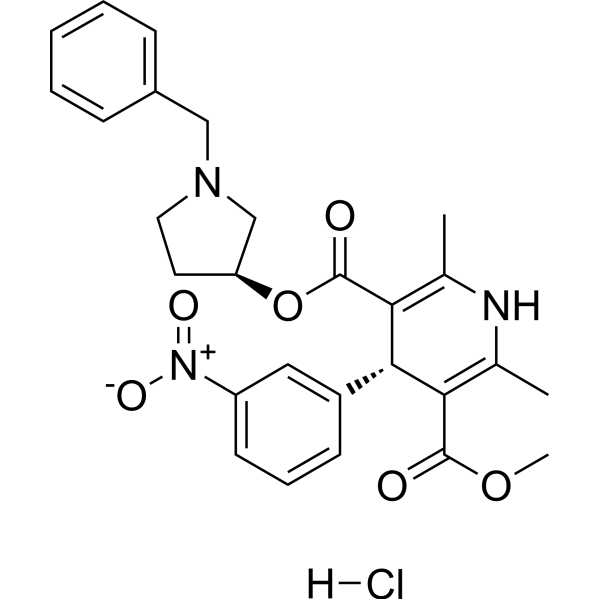
Barnidipine (Mepirodipine) hydrochloride is an L-type calcium antagonist (CaA) with high affinity for [ 3H] initrendipine binding sites (Ki = 0.21 nmol/L, has selective action against CaA receptors. Barnidipine hydrochloride is an orally active antihypertensive agent that can reduce the level of platelet-derived growth factor B-chain mRNA and peripheral vascular resistance .
|
-
-
- HY-101176
-
|
|
Melatonin Receptor
|
Cancer
|
|
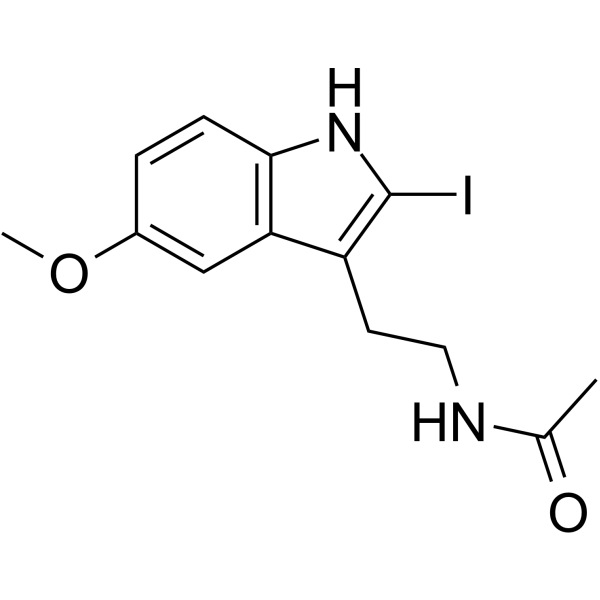
2-Iodomelatonin is a potent agonist of melatonin receptor 1 (MT1) with a Ki value of 28 pM, it is more 5-fold selective for MT1 over MT2 . 2-iodomelatonin can be used to identify, characterize and localize melatonin binding sites in the brain and peripheral tissues .
|
-
-
- HY-107322A
-
|
Mepirodipine; YM-09730-5 Free base
|
Calcium Channel
|
Cardiovascular Disease
|
|
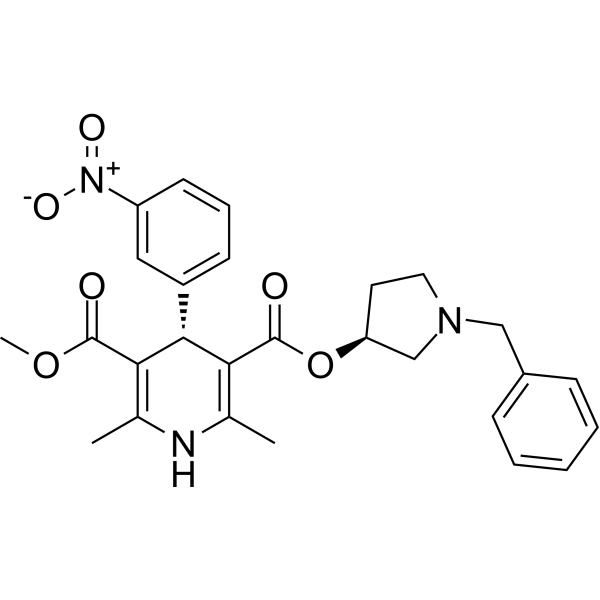
Barnidipine (Mepirodipine) is an L-type calcium antagonist (CaA) with high affinity for [ 3H] initrendipine binding sites (Ki = 0.21 nmol/L), has selective action against CaA receptors. Barnidipine is an orally effective antihypertensive agent that can reduce the level of platelet-derived growth factor B-chain mRNA and peripheral vascular resistance .
|
-
-
- HY-126031
-
|
|
DAGL
|
Inflammation/Immunology
|
|
(R)-KT109 is a peripherally restricted serine hydrolase inhibitor that cannot cross the blood-brain barrier. (R)-KT109 irreversibly inhibits ABHD6, DAGLα and DAGLβ via carbamoylation of the active-site serine. (R)-KT109 exerts selective inhibitory effects on serine hydrolases in mouse brains, with pIC50 values of 8.6, 9.1 and 8.2 against human ABHD6, DAGLα and DAGLβ, respectively. (R)-KT109 effectively reduces the levels of 2-arachidonoylglycerol, arachidonic acid, eicosanoids and TNF-α. (R)-KT109 is widely used in studies of metabolic syndrome-related diseases and neuroinflammation .
|
-
-
- HY-P1220A
-
|
|
Sodium Channel
|
Neurological Disease
|
|
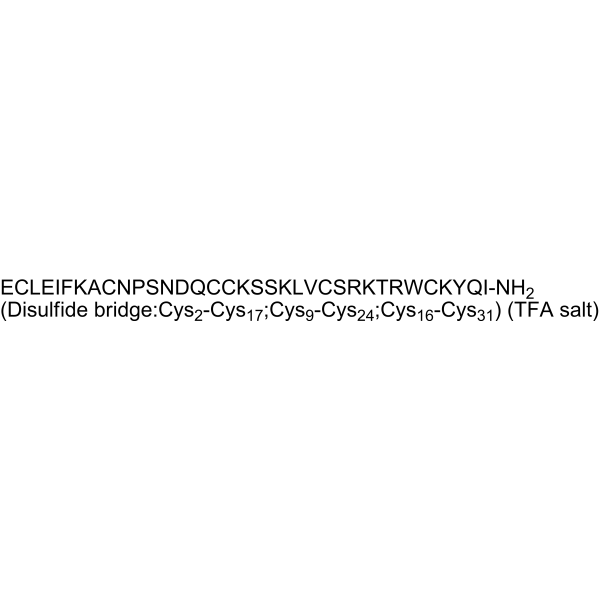
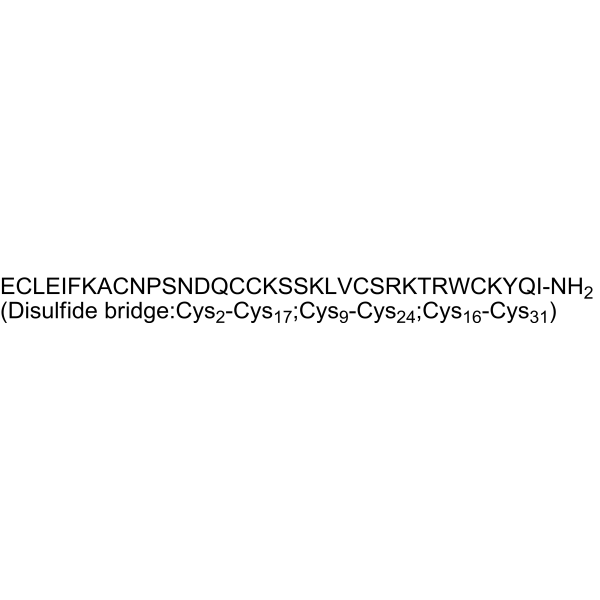
Huwentoxin-IV TFA is a potent and selective sodium channel blocker, inhibits neuronal Nav1.7, Nav1.2, Nav1.3 and Nav1.4 with IC50s of 26, 150, 338 and 400 nM, respectively. Huwentoxin-IV TFA preferentially blocks peripheral nerve subtype Nav1.7 by binding neurotoxin receptor site 4. Huwentoxin-IV TFA has analgesic effects on animal models of inflammatory and neuropathic pain .
|
-
-
- HY-107322S
-
|
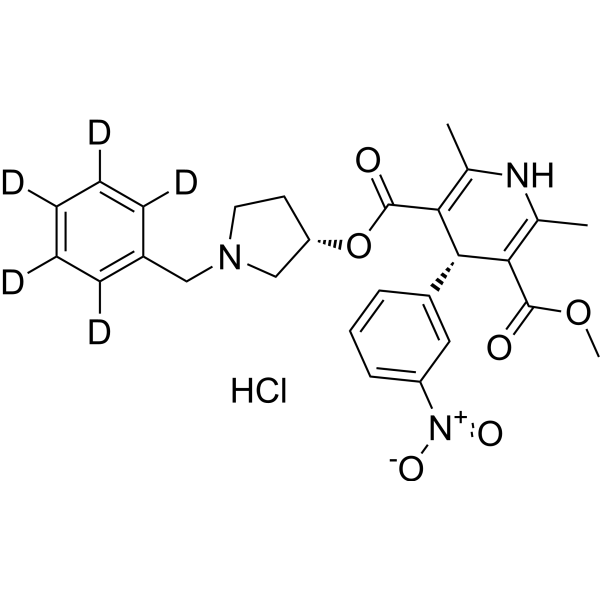
Mepirodipine-d5 hydrochloride; YM-09730-5-d5 hydrochloride
|
Isotope-Labeled Compounds
Calcium Channel
|
Cardiovascular Disease
|
|
Barnidipine-d5 (hydrochloride) is the deuterium labeled Barnidipine hydrochloride. Barnidipine hydrochloride (Mepirodipine hydrochloride) is an L-type calcium antagonist (CaA) with high affinity for [3H] initrendipine binding sites (Ki=0.21 nmol/l), has selective action against CaA receptors .Barnidipine hydrochloride (Mepirodipine hydrochloride) is an antihypertensive agent and acts by the reduction of peripheral vascular resistance secondary to its vasodilatory action .
|
-
-
- HY-107322AS1
-
|
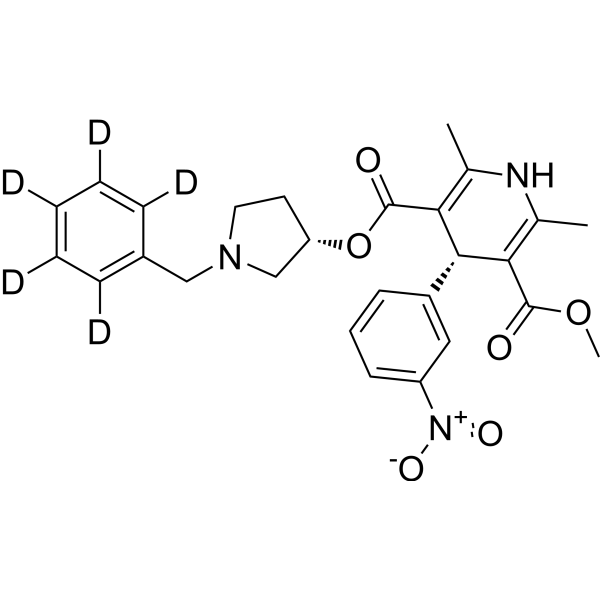
Mepirodipine-d5; YM-09730-5-d5 Free base
|
Isotope-Labeled Compounds
|
Others
|
|
Barnidipine-d5 is the deuterium-labeled Barnidipine (HY-107322A). Barnidipine-d5 (Mepirodipine) is an L-type calcium antagonist (CaA) with high affinity for [ 3H] initrendipine binding sites (Ki=0.21 nmol/l), has selective action against CaA receptors . Barnidipine-d5 (Mepirodipine) is an antihypertensive agent and acts by the reduction of peripheral vascular resistance secondary to its vasodilatory action .
|
-
-
- HY-N1151
-
|
|
Bacterial
Cholinesterase (ChE)
MMP
TNF Receptor
|
Infection
Neurological Disease
Inflammation/Immunology
|
|
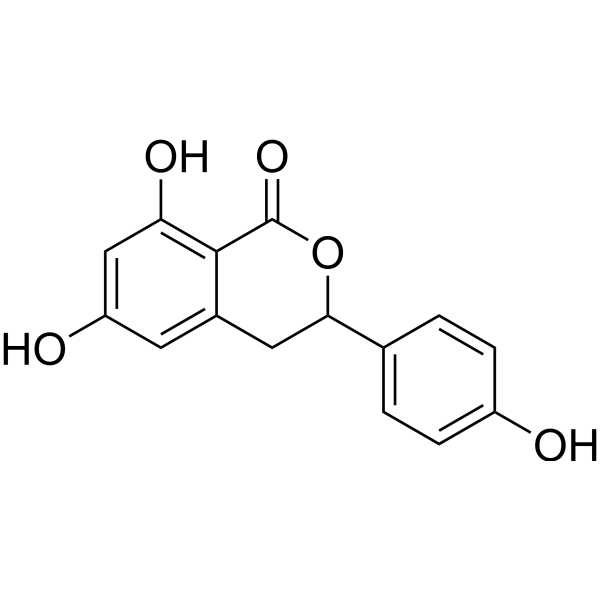
Thunberginol C is an orally active, selective, and non-competitive inhibitor of AChE and BChE, with IC50 values of 41.96 and 42.36 μM, respectively. Thunberginol C exerts cytoprotective, pro-collagen type I restorative, MMP-1 inhibitory, hyaluronic acid restorative, anti-photoaging effects in skin cells. Thunberginol C exerts neuroprotective, anxiolytic, TNF-α inhibitory, neuroinflammation inhibitory, and oxidative stress inhibitory effects. Thunberginol C can be used for the research of Alzheimer’s disease, UVB-induced skin photoaging, allergic reactions, oral bacterial infections, and stress-induced anxiety .
|
-
-
- HY-119292
-
|
|
Cholinesterase (ChE)
Amyloid-β
|
Neurological Disease
|
|
AP2238 is a dual-function acetylcholinesterase (AChE) inhibitor with Ki values for human AChE (HuAChE) and butyrylcholinesterase (BuChE) of 21.7 and 48.9 μM respectively. AP2238 blocks the pro-fibrotic interaction between the peripheral site of AChE and Aβ, and can inhibit Aβ aggregation. AP2238 can be used for the research of Alzheimer's disease .
|
-
-
- HY-P1220
-
|
|
Sodium Channel
|
Neurological Disease
|
|
Huwentoxin-IV is a potent and selective sodium channel blocker, inhibits neuronal Nav1.7, Nav1.2, Nav1.3 and Nav1.4 with IC50s of 26, 150, 338 and 400 nM, respectively. Huwentoxin-IV preferentially blocks peripheral nerve subtype Nav1.7 by binding neurotoxin receptor site 4. Huwentoxin-IV has analgesic effects on animal models of inflammatory and neuropathic pain .
|
-
-
- HY-N8693
-
|
|
COX
Amyloid-β
Sirtuin
Reactive Oxygen Species (ROS)
Apoptosis
SARS-CoV
|
Infection
Neurological Disease
|
|
Withanoside IV is an orally active, blood-brain barrier-permeable withanolide derivative. Withanoside IV specifically binds to the Sudlow I site of HSA, induces secondary structural changes in HSA, and forms stable HSA complexes. Withanoside IV inhibits the enzymatic activity of COX-2. Withanoside IV induces axonal regeneration, peripheral nervous system myelination and increased axonal density in spinal cord tissue, reduces reactive gliosis-related changes, and improves hindlimb motor function. Withanoside IV binds to amyloid-β 1-42 to inhibit its aggregation, induces neurite outgrowth and synapse reconstruction, repairs damaged axons and dendrites, enhances mitochondrial biogenesis, exerts neuroprotective effects via the BDNF and SIRT1 signaling pathways, reduces ROS production and neuronal apoptosis, and ameliorates memory deficits. Withanoside IV inhibits the activity of the SARS-CoV-2 main protease. Withanoside IV can be used in research related to spinal cord injury, Alzheimer's disease, and coronavirus disease 2019 (COVID-19) .
|
-
-
- HY-149484
-
|
|
Cholinesterase (ChE)
|
Neurological Disease
|
|
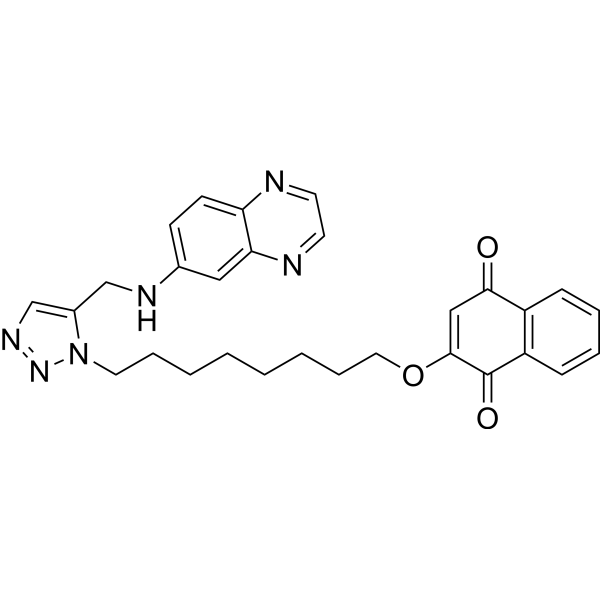
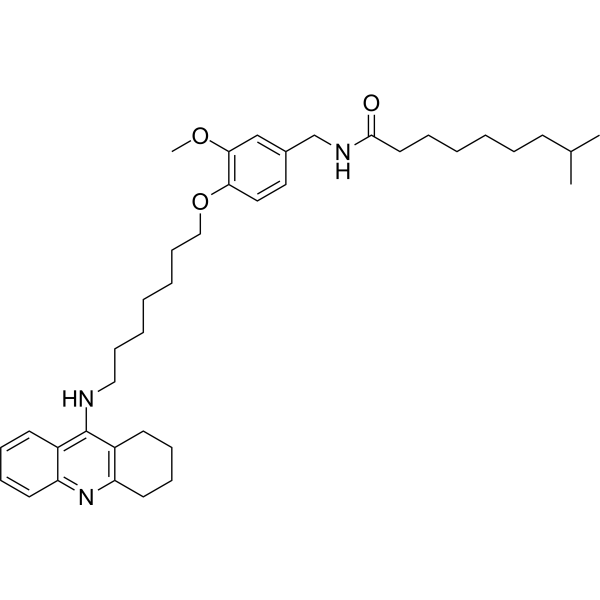
AChE/BChE-IN-15 (Compound 6d) is an AChE/BChE inhibitor, with IC50s of 20 nM and 220 nM respectively. AChE/BChE-IN-15 binds to both catalytic anionic site (CAS) and peripheral anionic site (PAS) in the active sites of AChE and BChE. AChE/BChE-IN-15 can be used for research of Alzheimer’s disease .
|
-
-
- HY-W165085
-
|
Decamethylenebispyridinium dibromide
|
Cholinesterase (ChE)
|
Neurological Disease
|
|
1,10-Bis(pyridinium)decane (Decamethylenebispyridinium dibromide) is an acetylcholinesterase (AChE) inhibitor with an IC50 of 25.8 nM. 1,10-Bis(pyridinium)decane acts as a bis-quaternary ligand that bridges the enzyme's catalytic site and peripheral site via its two pyridinium groups. 1,10-Bis(pyridinium)decane can be used for the research of alzheimer's disease .
|
-
-
- HY-157527
-
|
|
Cholinesterase (ChE)
Beta-secretase
|
Neurological Disease
|
|
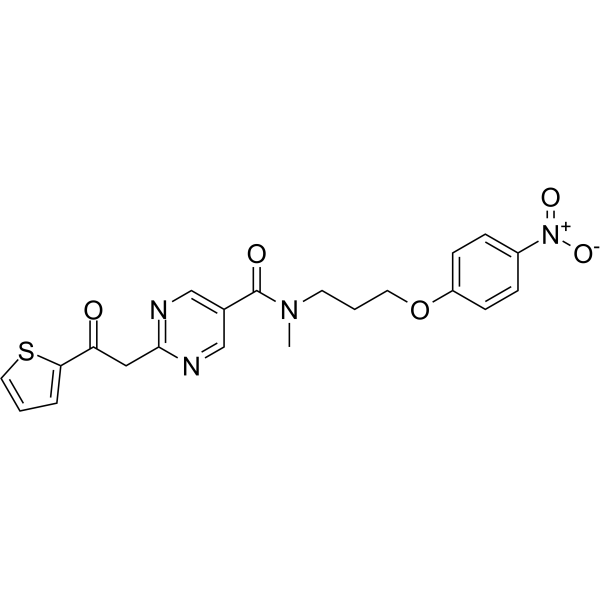
hAChE-IN-7 (compound 5s) is a mixed inhibitor affecting both the catalytic active site (CAS) and peripheral anionic site (PAS) of hAChE. hAChE-IN-7 displays the balanced inhibitory effect on hAChE (IC50=69.8 nM) and hBuChE (IC50=68.0 nM), and exhibits inhibitory activity against β-secretase-1 (BACE-1) (IC50=3.6 μM). hAChE-IN-7 has the potential for Alzheimer's disease (AD) research .
|
-
-
- HY-150728
-
|
|
Cholinesterase (ChE)
|
Neurological Disease
|
|
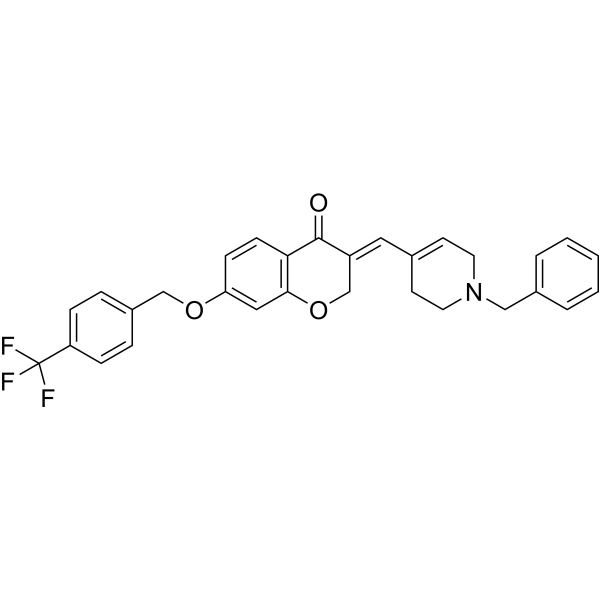
AChE-IN-22 (compound 10q) is a selective acetylcholinesterase (AChE) inhibitor against AChE and BuChE with the IC50 values of 0.88 μM and 10 μM, respectively. AChE-IN-22 can bind to both the CAS (catalytic active site) and PAS (peripheral anionic site) of AChE and has the potential for the research of Alzheimer's disease .
|
-
-
- HY-151885
-
|
|
Cholinesterase (ChE)
Monoamine Oxidase
|
Neurological Disease
|
|
Dual AChE-MAO B-IN-3 (compound C10) is a potent dual AChE/MAO-B inhibitior, with IC50 values of 0.58 and 0.41 μM, respectively. Dual AChE-MAO B-IN-3 is a dual-binding inhibitor bound to both the catalytic anionic site and peripheral anionic site of AChE. Dual AChE-MAO B-IN-3 can be used for Alzheimer’s disease (AD) research .
|
-
-
- HY-163746
-
|
|
Cholinesterase (ChE)
|
Neurological Disease
|
|
BuChE-IN-11 (Compound 3b-1) is an selective BuChE inhibitor with an IC50 of 0.44 μM for hBuChE. BuChE-IN-11 has high blood-brain barrier permeability and exhibits strong antioxidant activity due to its free radical scavenging properties. BuChE-IN-11 interacts with the choline binding site, acetyl binding site, and peripheral anionic site, exhibiting submicromolar BuChE inhibitory activity and preventing β-amyloid (Aβ) self-aggregation. BuChE-IN-11 holds promise for research in the field of Alzheimer's disease .
|
-
-
- HY-120622
-
|
|
Src
|
Cancer
|
|
BMS-243117 is a potent, and selective benzothiazole based p56 Lck inhibitor with an IC50 of 4 nM. BMS-243117 inhibits anti-CD3/anti-CD28 induced PBL (human peripheral blood T-cells) proliferation with an IC50 of 1.1 μM. BMS-243117 binds in an extended conformation to the ATP-binding site of Lck .
|
-
-
- HY-101176R
-
|
|
Reference Standards
Melatonin Receptor
|
Cancer
|
|
2-Iodomelatonin (Standard) is the analytical standard of 2-Iodomelatonin. This product is intended for research and analytical applications. 2-Iodomelatonin is a potent agonist of melatonin receptor 1 (MT1) with a Ki value of 28 pM, it is more 5-fold selective for MT1 ?over MT2 . 2-iodomelatonin can be used to identify, characterize and localize melatonin binding sites in the brain and peripheral tissues .
|
-
-
- HY-129931
-
|
H-Phe-Phe-NH2
|
Neurokinin Receptor
|
Neurological Disease
|
|
Phenylalanylphenylalanylamide (H-Phe-Phe-NH₂) is a ligand for the substance P 1–7 (SP1-7) binding site with a Ki value of 1.5 nM. Phenylalanylphenylalanylamide exerts significant anti-allodynic and anti-hyperalgesic effects in animal models of neuropathic pain following central administratio. Phenylalanylphenylalanylamide shows no distinct effect after peripheral (intraperitoneal) administration. Phenylalanylphenylalanylamide can be used for research on pain-related diseases .
|
-
-
- HY-155085
-
|
|
Monoamine Oxidase
Amyloid-β
Cholinesterase (ChE)
|
Neurological Disease
|
|
hAChE-IN-3 (compounds 5c) is a potent and blood-brain barrier permeable AChE, BuChE, MAO-B-IN-1 and BACE-1 inhibitor, with IC50 values of 0.44, 0.08, 5.15 and 0.38 μM, respectively. hAChE-IN-3 has antioxidant activity and metal chelating ability. In addition, hAChE-IN-3 can bind to peripheral anion sites, and affect β amyloid and reduce Alzheimer's-associated neurodegeneration. hAChE-IN-3 has the potential for the research of Alzheimer's disease .
|
-
-
- HY-107650
-
|
CI 979 hydrochloride; RU 35926 hydrochloride
|
mAChR
|
Neurological Disease
|
|
Milameline (CI 979; RU35926) hydrochloride is a nonselective, partical and orally active muscarinic receptor agonist that improves cognition. Milameline hydrochloride has equal affinity for different subtypes of human muscarinic receptors with IC50 of 1.3 µM for M1-, 1.1 µM for M2-, 1.5 µM for M3-, and 1.9 µM for M4-muscarinic receptors. Milameline hydrochloride has a higher affinity for sites [ 3H]CMD (IC50 = 20 nM), than [ 3H]QNB, (IC50 = 3059 nM). Milameline hydrochloride produces both central and peripheral cholinergic effects and reverses the cognitive deficits induced by Scopolamine (HY-N0296). Milameline hydrochloride can be used for the study of Alzheimer’s Disease .
|
-
-
- HY-135460
-
|
CI-979; RU35926
|
mAChR
|
Neurological Disease
|
|
Milameline (CI-979; RU35926) is a nonselective, partical and orally active muscarinic receptor agonist that improves cognition. Milameline has equal affinity for different subtypes of human muscarinic receptors with IC50 of 1.3 µM for M1-, 1.1 µM for M2-, 1.5 µM for M3-, and 1.9 µM for M4-muscarinic receptors. Milameline has a higher affinity for sites [ 3H]CMD (IC50 = 20 nM), than [ 3H]QNB, (IC50 = 3059 nM). Milameline produces both central and peripheral cholinergic effects and reverses the cognitive deficits induced by Scopolamine (HY-N0296). Milameline can be used for the study of Alzheimer’s Disease .
|
-
-
- HY-181851
-
|
|
Cholinesterase (ChE)
|
Neurological Disease
|
|
AChE-IN-109 is a potent mixed-type cholinesterase inhibitor with significantly stronger inhibitory activity against AChE than BChE. AChE-IN-109 has IC50 values of 0.55 μM and 12.45 μM against AChE and BChE, respectively. AChE-IN-109 inhibits cholinesterases through a mixed-type mechanism, binds to both the catalytic active site (CAS) and peripheral anionic site (PAS) of AChE. AChE-IN-109 can be used for the study of Alzheimer’s disease (AD) .
|
-
-
- HY-179523
-
|
|
Drug Derivative
NAMPT
Microtubule/Tubulin
|
Neurological Disease
Cancer
|
|
Carba1 is a bifunctional Carbazole (HY-D0204) derivative that activates nicotinamide phosphoribosyltransferase (NAMPT) and enhances NAD biosynthesis. Carba1 binds to colchicine site of tubulin, enhancing the anti-tumor effect of various chemotherapy drugs, such as Paclitaxel (HY-B0015). Carba1 exerts neuroprotective effect and can regulate cell energy metabolism. Carba1 can be used for the researches of cancer and chemotherapy-induced peripheral neuropathy (CIPN) .
|
-
-
- HY-182940
-
|
|
Toll-like Receptor (TLR)
|
Neurological Disease
|
|
SARM1-IN-10 is an orally active SARM1 inhibitor with a pIC50 of 7.1 and a pKd of 8.3. As a base-exchange inhibitor, SARM1-IN-10 forms a NAD + adduct at the active site of the TIR domain of SARM1, blocks enzymatic function, and induces a unique rotameric state of W662 at the catalytic site of SARM1. SARM1-IN-10 acts as a paradoxical neurodegeneration inducer at low doses and an inhibitor at high doses, and it can exacerbate or protect against SARM1-mediated neurodegeneration depending on concentration. SARM1-IN-10 can be used in studies of peripheral neurodegeneration .
|
-
-
- HY-183857
-
|
|
TRP Channel
|
Neurological Disease
|
|
DD-161515 is a TRPV1/VR1 inhibitor with an IC50 of 0.7 μM in rats. DD-161515 binds to an allosteric site of TRPV1 distinct from that of capsaicin, blocks channel opening, inhibits receptor-mediated calcium ion influx, reduces the excitability of peripheral sensory nerve fibers, and thereby inhibits nociception induced by heat and transmission of chemically induced pain signals. DD-161515 can be used in studies related to inflammatory pain .
|
-
-
- HY-107322R
-
|
Mepirodipine hydrochloride (Standard); YM-09730-5 (Standard)
|
Reference Standards
Calcium Channel
|
Cardiovascular Disease
|
|
Barnidipine hydrochloride (Standard) (Mepirodipine hydrochloride (Standard)) is the analytical standard of Barnidipine (hydrochloride) (HY-107322). This product is intended for research and analytical applications. Barnidipine (Mepirodipine) hydrochloride is an L-type calcium antagonist (CaA) with high affinity for [3H] initrendipine binding sites (Ki = 0.21 nmol/L, has selective action against CaA receptors. Barnidipine hydrochloride is an orally active antihypertensive agent that can reduce the level of platelet-derived growth factor B-chain mRNA and peripheral vascular resistance .
|
-
-
- HY-182333
-
|
|
Cholinesterase (ChE)
|
Neurological Disease
|
|
AChE-IN-112 is an acetylcholinesterase (AChE) inhibitor with an IC50 of 0.41 μM. AChE-IN-112 scavenges various reactive oxygen and reactive nitrogen species, including DPPH, ABTS, NO, hydroxyl and hydrogen peroxide free radicals. AChE-IN-112 can be used for the research of Alzheimer's disease .
|
-
-
- HY-181744
-
|
|
Cholinesterase (ChE)
|
Neurological Disease
|
|
AChE-IN-108 is a potent mixed-type acetylcholinesterase (AChE) inhibitor with an in vitro IC50 of 0.17 nM. AChE-IN-108 acts on both free AChE and the enzyme-substrate complex to exert mixed-type inhibition. AChE-IN-108 can be used for the study of acetylcholinesterase inhibition in Alzheimer’s disease (AD) .
|
-
-
- HY-183303
-
-
-
- HY-181161
-
|
|
Cholinesterase (ChE)
|
Neurological Disease
|
|
AChE-IN-107 is a selective acetylcholinesterase (AChE) inhibitor with an IC50 of 0.22 μM and a Ki of 0.207 μM. AChE-IN-107 shows no inhibitory effect on equine serum BChE at 10 μM. AChE-IN-107 exhibits mixed-type inhibition of electric eel acetylcholinesterase, binding to both free enzyme and enzyme-substrate complex. AChE-IN-107 acts as a cytotoxin, reduces cell viability in hepatocellular carcinoma HepG2 cells.AChE-IN-107 can be used for the research of alzheimer's disease .
|
-
-
- HY-107650A
-
|
CI 979 hydroiodide; RU 35926 hydroiodide
|
mAChR
|
Neurological Disease
|
|
Milameline (CI 979; RU35926) hydroiodide is a nonselective, partical and orally active muscarinic receptor agonist that improves cognition. Milameline hydroiodide has equal affinity for different subtypes of human muscarinic receptors with IC50 of 1.3 µM for M1-, 1.1 µM for M2-, 1.5 µM for M3-, and 1.9 µM for M4-muscarinic receptors. Milameline hydroiodide has a higher affinity for sites [ 3H]CMD (IC50 = 20 nM), than [ 3H]QNB, (IC50 = 3059 nM). Milameline hydroiodide produces both central and peripheral cholinergic effects and reverses the cognitive deficits induced by Scopolamine (HY-N0296). Milameline hydroiodide can be used for the study of Alzheimer’s Disease .
|
-
-
- HY-125258
-
|
|
Phosphatase
Filovirus
|
Infection
|
|
EBOV-IN-11 is a protein phosphatase 1 (PP1) inhibitor, with Kd values of 1.88 nM and 8.01 nM against wild-type and quadruple-mutant PP1, respectively. EBOV-IN-11 potently inhibits the replication and transcription of EBOV-eGFP virus. EBOV-IN-11 can be used in studies related to Ebola virus infection .
|
-
-
- HY-P992375
-
|
|
Interleukin Related
|
Inflammation/Immunology
|
|
HuMax-IL15 is a human IgG1 monoclonal antibody against IL-15. HuMax-IL15 is applicable to the research of rheumatoid arthritis. The recommended isotype control is human IgG1 kappa (HY-P99001) .
|
-
| Cat. No. |
Product Name |
Target |
Research Area |
-
- HY-P1220A
-
|
|
Sodium Channel
|
Neurological Disease
|
|
Huwentoxin-IV TFA is a potent and selective sodium channel blocker, inhibits neuronal Nav1.7, Nav1.2, Nav1.3 and Nav1.4 with IC50s of 26, 150, 338 and 400 nM, respectively. Huwentoxin-IV TFA preferentially blocks peripheral nerve subtype Nav1.7 by binding neurotoxin receptor site 4. Huwentoxin-IV TFA has analgesic effects on animal models of inflammatory and neuropathic pain .
|
-
- HY-P1220
-
|
|
Sodium Channel
|
Neurological Disease
|
|
Huwentoxin-IV is a potent and selective sodium channel blocker, inhibits neuronal Nav1.7, Nav1.2, Nav1.3 and Nav1.4 with IC50s of 26, 150, 338 and 400 nM, respectively. Huwentoxin-IV preferentially blocks peripheral nerve subtype Nav1.7 by binding neurotoxin receptor site 4. Huwentoxin-IV has analgesic effects on animal models of inflammatory and neuropathic pain .
|
| Cat. No. |
Product Name |
Target |
Research Area |
Image |
| Cat. No. |
Product Name |
Category |
Target |
Chemical Structure |
-
- HY-N1151
-
|
|
Structural Classification
Hydrangeaceae
Coumarins
Phenylpropanoids
Plants
Source Classification
|
Bacterial
Cholinesterase (ChE)
MMP
TNF Receptor
|
|
Thunberginol C is an orally active, selective, and non-competitive inhibitor of AChE and BChE, with IC50 values of 41.96 and 42.36 μM, respectively. Thunberginol C exerts cytoprotective, pro-collagen type I restorative, MMP-1 inhibitory, hyaluronic acid restorative, anti-photoaging effects in skin cells. Thunberginol C exerts neuroprotective, anxiolytic, TNF-α inhibitory, neuroinflammation inhibitory, and oxidative stress inhibitory effects. Thunberginol C can be used for the research of Alzheimer’s disease, UVB-induced skin photoaging, allergic reactions, oral bacterial infections, and stress-induced anxiety .
|
-
-
- HY-N8693
-
|
|
Structural Classification
Withania somnifera
Solanaceae
Plants
Steroids
Source Classification
|
COX
Amyloid-β
Sirtuin
Reactive Oxygen Species (ROS)
Apoptosis
SARS-CoV
|
|
Withanoside IV is an orally active, blood-brain barrier-permeable withanolide derivative. Withanoside IV specifically binds to the Sudlow I site of HSA, induces secondary structural changes in HSA, and forms stable HSA complexes. Withanoside IV inhibits the enzymatic activity of COX-2. Withanoside IV induces axonal regeneration, peripheral nervous system myelination and increased axonal density in spinal cord tissue, reduces reactive gliosis-related changes, and improves hindlimb motor function. Withanoside IV binds to amyloid-β 1-42 to inhibit its aggregation, induces neurite outgrowth and synapse reconstruction, repairs damaged axons and dendrites, enhances mitochondrial biogenesis, exerts neuroprotective effects via the BDNF and SIRT1 signaling pathways, reduces ROS production and neuronal apoptosis, and ameliorates memory deficits. Withanoside IV inhibits the activity of the SARS-CoV-2 main protease. Withanoside IV can be used in research related to spinal cord injury, Alzheimer's disease, and coronavirus disease 2019 (COVID-19) .
|
-
| Cat. No. |
Product Name |
Chemical Structure |
-
- HY-107322S
-
|
|
|
Barnidipine-d5 (hydrochloride) is the deuterium labeled Barnidipine hydrochloride. Barnidipine hydrochloride (Mepirodipine hydrochloride) is an L-type calcium antagonist (CaA) with high affinity for [3H] initrendipine binding sites (Ki=0.21 nmol/l), has selective action against CaA receptors .Barnidipine hydrochloride (Mepirodipine hydrochloride) is an antihypertensive agent and acts by the reduction of peripheral vascular resistance secondary to its vasodilatory action .
|
-
-
- HY-107322AS1
-
|
|
|
Barnidipine-d5 is the deuterium-labeled Barnidipine (HY-107322A). Barnidipine-d5 (Mepirodipine) is an L-type calcium antagonist (CaA) with high affinity for [ 3H] initrendipine binding sites (Ki=0.21 nmol/l), has selective action against CaA receptors . Barnidipine-d5 (Mepirodipine) is an antihypertensive agent and acts by the reduction of peripheral vascular resistance secondary to its vasodilatory action .
|
-
| Cat. No. |
Compare |
Product Name |
Application |
Reactivity |
Image |
Compare Products
|
| Products |
|
| Cat. No. |
|
| Host |
|
| Reactivity |
|
| Application |
|
Dilution Ratio |
|
| Molecular Weight |
|
| Conjugation |
|
| Clonality |
|
| Immunogen |
|
| Appearance |
|
| Isotype |
|
| Gene ID |
|
| SwissProt ID |
|
| Purity |
|
| Formulation |
|
| Free Sample |
Yes
No
|
| Size |
* This product has been "discontinued".
Optimized version of product available:
|
Your information is safe with us. * Required Fields.
Inquiry Information
- Product Name:
- Cat. No.:
- Quantity:
- MCE Japan Authorized Agent:

