1. Search Result
Search Result
Results for "

signal transduction pathways

" in MedChemExpress (MCE) Product Catalog:

68

Inhibitors & Agonists

2

Screening Libraries

5

Biochemical Assay Reagents

4

Peptides

5

Inhibitory Antibodies

7

Natural
Products

7

Isotope-Labeled Compounds

5

Oligonucleotides

Targets Recommended:
Cat. No. Product Name Target Research Areas Chemical Structure
  • HY-10431
    SB-431542
    Maximum Cited Publications
    294 Publications Verification

    Organoid TGF-β Receptor Apoptosis Cancer
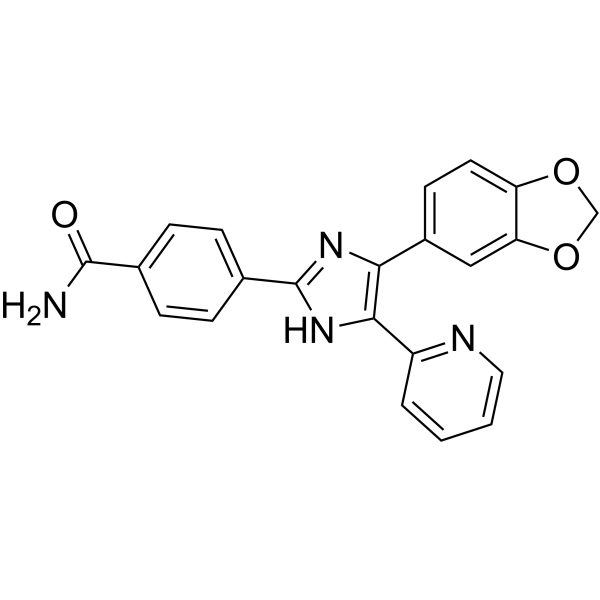
    SB-431542 is a TGF-β receptor kinase inhibitor (TRKI). SB-431542 has inhibitory activity for ALK4, ALK5 and ALK7 with IC50 values of 1 μM, 0.75 μM and 2 μM, respectively. SB-431542 also inhibits TGF-β-induced transcription, gene expression, apoptosis, and growth suppression. SB-431542 can be used for the research of cancer and signal transduction pathways .
    SB-431542
  • HY-15959
    Savolitinib
    5+ Cited Publications

    Volitinib; HMPL-504; AZD-6094

    c-Met/HGFR Cancer
    Savolitinib (AZD-6094) is a potent, highly selective, and orally bioavailable c-Met inhibitor with IC50 s of 5 nM and 3 nM for c-Met and p-Met, respectively. Savolitinib (AZD-6094) selectively binds to and inhibits the activation of c-Met in an ATP-competitive manner, and disrupts c-Met signal transduction pathways. Antineoplastic activity .
    Savolitinib
  • HY-111557
    YM-254890
    15+ Cited Publications

    P2Y Receptor Cardiovascular Disease
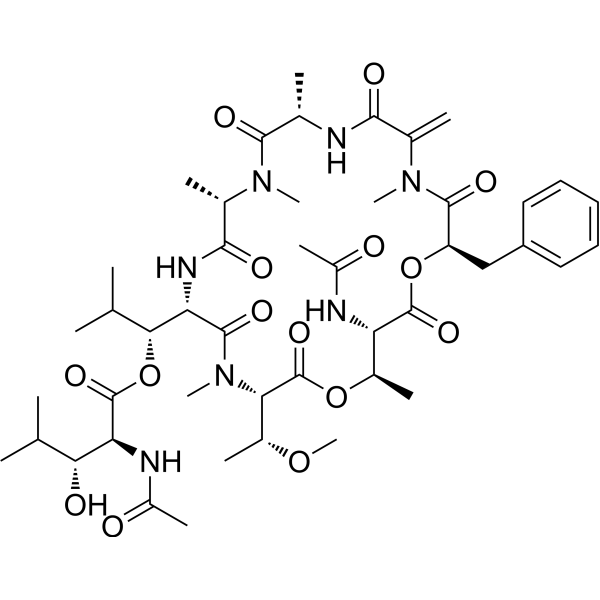
    YM-254890 is a selective Gαq/11 protein inhibitor isolated from Chromobacterium sp. YM-254890 shows no inhibition of other G protein subtypes. YM-254890 inhibits platelet aggregation induced by ADP by blocking the P2Y1 signal transduction pathway, with an IC50 value below 0.6 μM .
    YM-254890
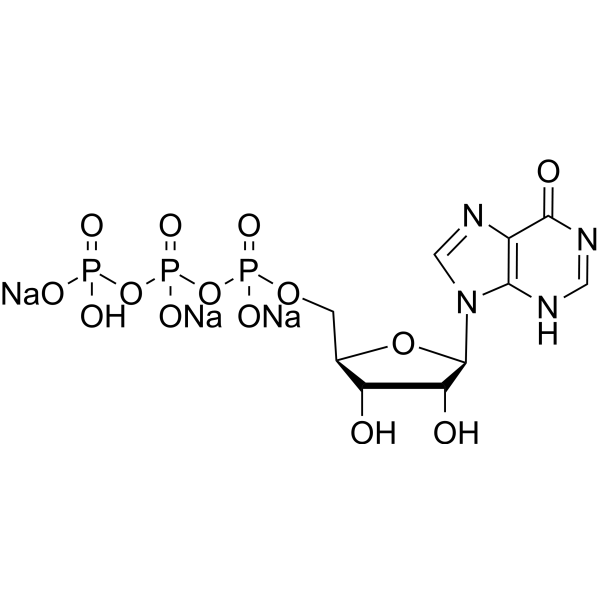
  • HY-W013706

    ITP trisodium salt; Inosine triphosphate trisodium salt

    Endogenous Metabolite Metabolic Disease
    Inosine-5'-triphosphate trisodium salt is a nucleotide analogue that acts on multiple G proteins and is widely used in G protein-related research. It can bind to the α -subunit of G proteins and participate in G protein-mediated signal transduction as a substitute for GTP. Its mechanism of action is to interact with the nucleotide-binding site of the G protein α -subunit, affecting the activity and function of G proteins. In the research field, it is mainly used to explore the role of the G protein signaling pathway in cellular physiological and pathological processes. For example, in HL-60 leukemia cells, its impact on G protein-mediated signal transduction can be studied .
    Inosine-5'-triphosphate trisodium salt
  • HY-122816
    HLY78
    10+ Cited Publications

    Wnt β-catenin Apoptosis Cardiovascular Disease Neurological Disease Cancer
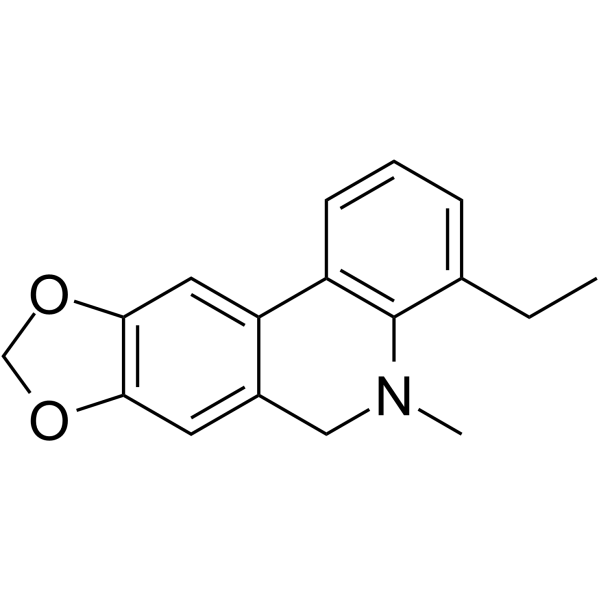
    HLY78, a Lycorine (HY-N0288) derivative, is a potent activator of the Wnt/β-catenin signaling pathway. HLY78 targets the DIX domain of Axin and promotes the Axin-LRP6 (lipoprotein receptor-related protein 6) association, thus promoting LRP6 phosphorylation and Wnt signal transduction. HLY78 can be used for subarachnoid hemorrhage (SAH) research .
    HLY78
  • HY-N0712
    Typhaneoside
    3 Publications Verification

    Autophagy mTOR Akt FXR Cardiovascular Disease Neurological Disease Metabolic Disease Cancer
    Typhaneoside is an orally bioavailable signal modulator and cellular regulator. Typhaneoside regulates the PI3K/Akt/mTOR autophagy transduction pathway. Typhaneoside promotes the activation of AMP-activated protein kinase and Caspase-3, induces apoptosis, ferroptosis, autophagy, ROS accumulation, and cell cycle arrest at the G2/M phase, and reduces cancer cell viability. Typhaneoside activates the farnesoid X receptor signaling pathway, improves glucose and lipid metabolism, alleviates inflammatory responses, oxidative stress and hepatic lipid accumulation, and exerts hepatoprotective effects. Typhaneoside is applicable to research related to post-myocardial infarction heart failure, acute myeloid leukemia, non-alcoholic fatty liver disease, and neurological disorders .
    Typhaneoside
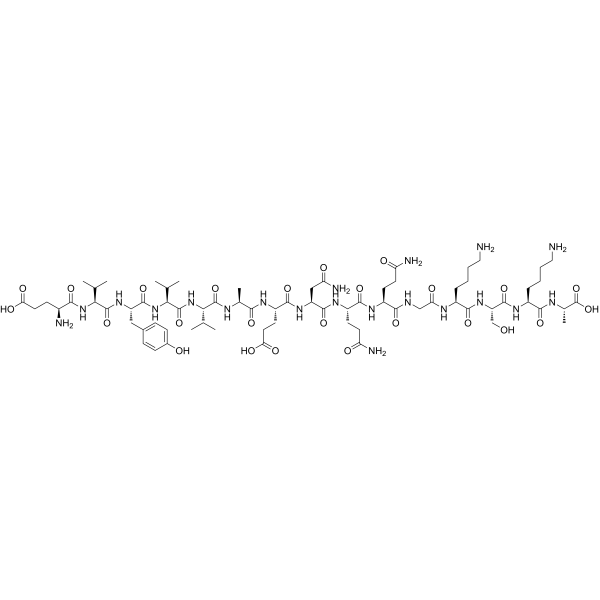
  • HY-P3281

    FGFR Neurological Disease
    FGL peptide is a fibroblast growth factor receptor (FGFR) modulator and blood-brain barrier-penetrant. FGL peptide activates NCAM-FGFR and FGFR1 signaling pathways. FGL peptide alters expression of apoptosis, signal transduction and metabolism regulator genes in traumatic brain injury contexts. FGL peptide can be used for the research of traumatic brain injury .
    FGL peptide
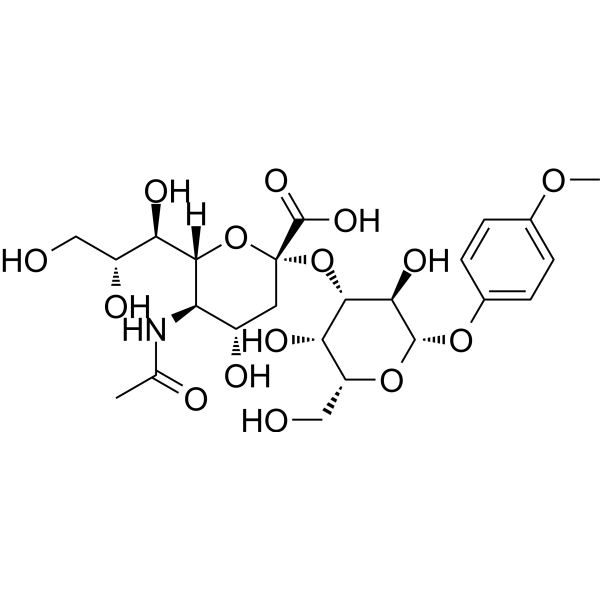
  • HY-W145561

    Neu5Ac alpha(2-3)Gal beta MP glycoside

    Biochemical Assay Reagents Others
    Neu5Acα(2-3)Galβ MP glycoside (Neu5Ac alpha(2-3)Gal beta MP glycoside) is a glycoside used in glycobiology research to explore cell surface interactions and signal transduction pathways.
    Neu5Acα(2-3)Galβ MP glycoside
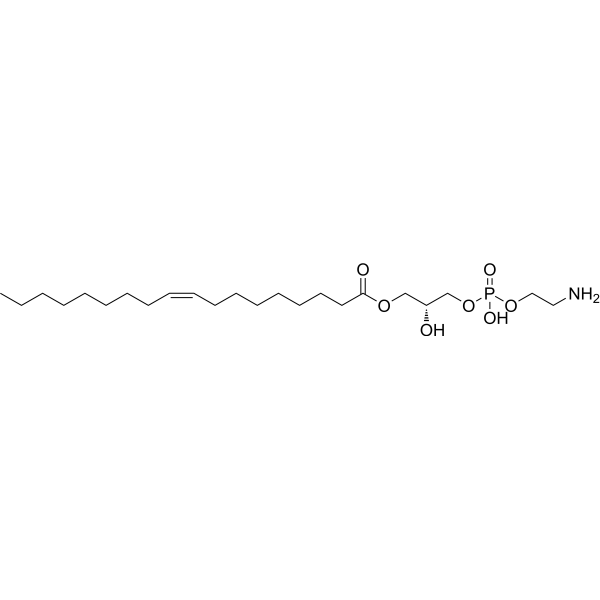
  • HY-W355700

    Drug Metabolite Infection
    1-oleoyl-sn-glycero-3-phosphoethanolamine (LysoPE 18:1) is a lysophosphatidylethanolamine molecule involved in phospholipid metabolism, targeting cell membrane receptors (such as G protein-coupled receptors) to regulate cell signaling pathways. 1-oleoyl-sn-glycero-3-phosphoethanolamine may activate mitogen-activated protein kinase (MAPK) signaling, promote cell migration, regulate inflammatory responses and lipid metabolism, and has both pro-inflammatory and anti-inflammatory activities. 1-oleoyl-sn-glycero-3-phosphoethanolamine is mainly used in the screening of biomarkers for metabolic diseases (such as non-alcoholic fatty liver disease and obesity), as well as the study of the mechanism of lysophospholipids in cell membrane homeostasis and signal transduction .
    1-Oleoyl-2-hydroxy-sn-glycero-3-phosphoethanolamine
  • HY-N0467

    Dulcoside B

    Endogenous Metabolite Neurological Disease
    Rebaudioside C (Dulcoside B) is an orally effective natural sweetener that cannot pass the blood-brain barrier and selectively binds to human sweet taste receptors (TAS1R2/TAS1R3). The sweetness of Rebaudioside C is about 20-30 times that of sucrose, and its sweetness activity depends on the C-16/C-17 double bond structure and specific aglycones. The glycoside structure in the Rebaudioside C molecule can bind to the sweet taste receptor, activate the taste signal transduction pathway, and produce sweetness perception .
    Rebaudioside C
  • HY-10431R

    Apoptosis TGF-β Receptor Organoid Reference Standards Cancer
    SB-431542 (Standard) is the analytical standard of SB-431542. SB-431542 is a TGF-β receptor kinase inhibitor (TRKI). SB-431542 has inhibitory activity for ALK4, ALK5 and ALK7 with IC50 values of 1 μM, 0.75 μM and 2 μM, respectively. SB-431542 also inhibits TGF-β-induced transcription, gene expression, apoptosis, and growth suppression. SB-431542 can be used for the research of cancer and signal transduction pathways .
    SB-431542 (Standard)
  • HY-132846

    TAS0953/HM06

    RET Apoptosis Cancer
    Vepafestinib (TAS0953/HM06) is a next-generation brain-penetrant, selective and orally active RET inhibitor with an IC50 value of 0.33 nM. Vepafestinib inhibits the phosphorylation of RET and its downstream signaling pathways, thus blocking the growth and signal transduction of tumor cells and inducing cell cycle arrest and apoptosis. Vepafestinib can be used in the research of various RET-driven cancers, such as non-small cell lung cancer, thyroid cancer and other disease areas .
    Vepafestinib
  • HY-P99244

    ILV 094

    Interleukin Related JAK STAT Caspase Bcl-2 Family Inflammation/Immunology
    Fezakinumab (ILV 094) is an anti-IL-22 monoclonal antibody. Fezakinumab inhibits IL-22 signal transduction, and regulates the JAK1/STAT3 pathway as well as apoptotic proteins. Fezakinumab alleviates airway remodeling, alveolar enlargement and inflammatory cell infiltration in lung tissues. Fezakinumab reduces the levels of neutrophils, lymphocytes, eosinophils and macrophages in lung tissues. Fezakinumab can be used in the research of chronic obstructive pulmonary disease and skin diseases .
    Fezakinumab
  • HY-P99917

    F-652; rhIL-22 dimer

    STAT Infection Inflammation/Immunology
    Eflepedocokin alfa is a recombinant fusion protein. Eflepedocokin alfa consists of human IL-22 fused to human IgG2-Fc domain. Eflepedocokin alfa leads to the activation of IL-22/IL-22R-mediated signal transduction pathways as well as STAT3. Eflepedocokin alfa plays a role in immune response and bacterial infection, enhancing intestinal barrier function, intestinal immunity, and tissue repair .
    Eflepedocokin alfa
  • HY-113225

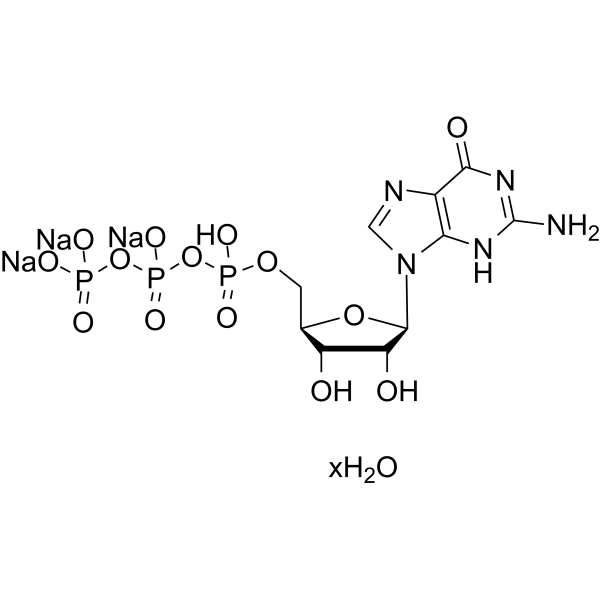
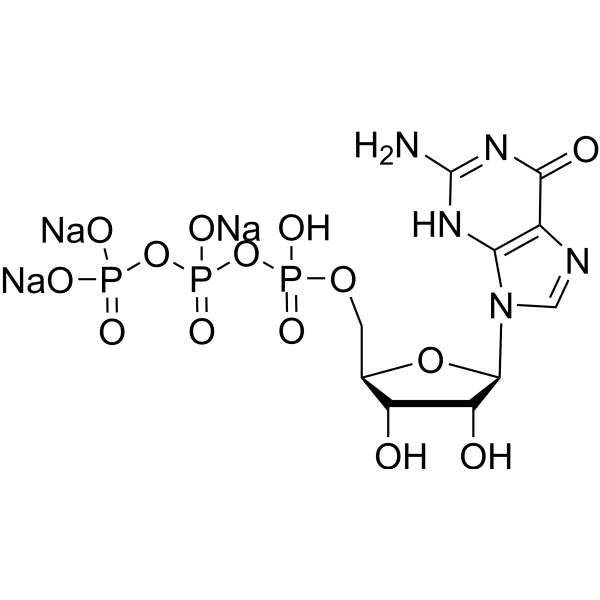
    GTP

    Endogenous Metabolite DNA/RNA Synthesis Apoptosis Mitosis Cancer
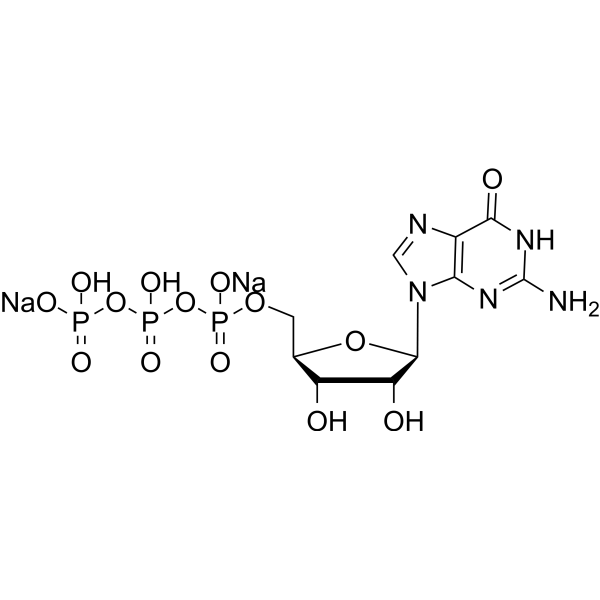
    Guanosine triphosphate (GTP) is a critical nucleotide and regulator of cellular metabolism. Guanosine triphosphate promotes ribosomal DNA localization, pre-rRNA transcription and ribosome biogenesis by binding to RNA polymerase I and GPN proteins (GPN1/3). Guanosine triphosphate links MYC-dependent ribosome biogenesis to nucleotide sufficiency, acts as a metabolic gatekeeper supporting protein synthesis, DNA/RNA synthesis and cellular signal transduction, while also participating in the physiological activities of pancreatic β-cells and serving as an oxidative substrate for reactive oxygen species. In small cell lung cancer with high MYC expression, Guanosine triphosphate accumulates through the IMPDH-driven synthetic pathway, thereby affecting apoptosis and mitotic processes. Guanosine triphosphate is used in the research of small cell lung cancer, hepatoblastoma and cellular metabolism .
    Guanosine triphosphate
  • HY-W587552

    Liposome Endogenous Metabolite
    1,3-Diolein is a phospholipid compound that has the activity of regulating cell membrane fluidity and signal transduction. 1,3-Diolein is widely used in cell biology research to study lipid-mediated signal transduction pathways and membrane protein interactions. 1,3-Diolein can also serve as a functional carrier in compound delivery systems to help improve the bioavailability of compounds.
    1,3-Diolein
  • HY-P10719

    MyD88 Infection Inflammation/Immunology
    Pepinh-MYD is a MyD88 inhibitor that contains a domain sequence from MyD88 TIR and a protein transduction sequence, enabling it to penetrate the cell membrane. Pepinh-MYD interferes with MyD88-mediated TLR signaling pathways, thereby inhibiting related immune responses. It holds potential for studying the role of MyD88 in viral infections .
    Pepinh-MYD
  • HY-P990016

    ARGX-112; LEO-138559; LP-0145

    Interleukin Related Inflammation/Immunology
    Temtokibart (ARGX-112) is a monoclonal antibody and also an IL-22RA1 inhibitor. Temtokibart inhibits the signal transduction of IL-22, IL-20 and IL-24. Temtokibart reduces the expression levels of inflammatory proteins, chemokines, immune cell migration and markers of activated immune pathways. Temtokibart improves the expression of genes related to immunity and epidermal barrier function. Temtokibart is applicable to research on moderate-to-severe atopic dermatitis .
    Temtokibart
  • HY-16125
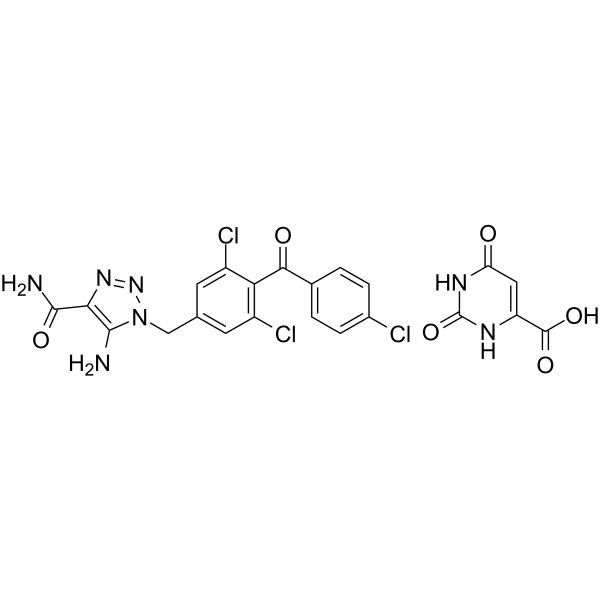
    Carboxyamidotriazole Orotate
    4 Publications Verification

    L-651582 Orotate; CAI Orotate

    Calcium Channel Cardiovascular Disease Inflammation/Immunology Cancer
    Carboxyamidotriazole Orotate (L-651582 Orotate) is the orotate salt form of Carboxyamidotriazole (CAI), an orally bioavailable signal transduction inhibitor. Carboxyamidotriazole Orotate is a cytostatic inhibitor of nonvoltage-operated calcium channels and calcium channel-mediated signaling pathways. Carboxyamidotriazole Orotate shows anti-tumor, anti-inflammatory and antiangiogenic effects .
    Carboxyamidotriazole Orotate
  • HY-U00416

    Ras Cancer
    ARS-1323 is a KRAS G12C inhibitor. ARS-1323 specifically binds to the cysteine residue on the mutant K-Ras protein, locks it in the GDP-bound conformation, thereby blocking K-Ras activation and downstream signaling pathways. ARS-1323 can be used to investigate the signal transduction mechanisms and growth characteristics of tumor cells driven by K-Ras G12C .
    ARS-1323
  • HY-W045537

    Biochemical Assay Reagents Others
    Sodium 5-bromo-4-chloro-1H-indol-3-yl phosphate is commonly used as a substrate for phosphatase assays in biochemistry and molecular biology. This compound is converted by phosphatases to a yellow compound that can be easily measured spectrophotometrically or fluorometrically. Furthermore, it has been used as a useful reagent in enzyme-catalyzed reactions and a tool for studying signal transduction pathways.
    5-Bromo-4-chloro-1H-indol-3-yl phosphate sodium
  • HY-P2948

    Ser/Thr protein kinase

    Biochemical Assay Reagents Infection
    Protein serine/threonine kinase is a type of serine/threonine protein kinase. Protein serine/threonine kinases are pleiotropic signaling proteins that can phosphorylate various substrates, thereby initiating branched signaling pathways. Mycobacteria protein serine/threonine kinase plays a crucial role in signal transduction pathways, ultimately determining the growth and metabolic adaptability of mycobacteria .
    Protein serine/threonine kinase
  • HY-148629

    JNK Neurological Disease
    GDC-0134 (RG6000) is a modulator targeting dual leucine zipper kinase (DLK) that can cross the blood-brain barrier. By inhibiting the kinase activity of DLK, GDC-0134 blocks the activation of the downstream JNK signaling pathway, suppresses DLK-dependent retrograde signal transduction of axon-to-soma degeneration, and exerts neuroprotective activity. GDC-0134 reduces TDP-43 protein aggregation and decreases the degree of neuromuscular junction denervation in motor neurons. GDC-0134 can be used in the research of amyotrophic lateral sclerosis (ALS), Alzheimer's disease and other DLK-related neurodegenerative diseases .
    GDC-0134
  • HY-113225S2

    GTP-13C dilithium

    Isotope-Labeled Compounds Endogenous Metabolite Mitosis Apoptosis DNA/RNA Synthesis Infection Cancer
    Guanosine triphosphate- 13C (GTP- 13C) dilithium is 13C-labeled Guanosine triphosphate (HY-113225). Guanosine triphosphate (GTP) is a critical nucleotide and regulator of cellular metabolism. Guanosine triphosphate promotes ribosomal DNA localization, pre-rRNA transcription and ribosome biogenesis by binding to RNA polymerase I and GPN proteins (GPN1/3). Guanosine triphosphate links MYC-dependent ribosome biogenesis to nucleotide sufficiency, acts as a metabolic gatekeeper supporting protein synthesis, DNA/RNA synthesis and cellular signal transduction, while also participating in the physiological activities of pancreatic β-cells and serving as an oxidative substrate for reactive oxygen species. In small cell lung cancer with high MYC expression, Guanosine triphosphate accumulates through the IMPDH-driven synthetic pathway, thereby affecting apoptosis and mitotic processes. Guanosine triphosphate is used in the research of small cell lung cancer, hepatoblastoma and cellular metabolism .
    Guanosine triphosphate-13C dilithium
  • HY-113225S5

    GTP-13C10 dilithium

    Isotope-Labeled Compounds Endogenous Metabolite Mitosis Apoptosis DNA/RNA Synthesis Infection Cancer
    Guanosine triphosphate- 13C10 (GTP- 13C10) dilithium is 13C-labeled Guanosine triphosphate (HY-113225). Guanosine triphosphate dilithium (GTP) is a critical nucleotide and regulator of cellular metabolism. Guanosine triphosphate dilithium promotes ribosomal DNA localization, pre-rRNA transcription and ribosome biogenesis by binding to RNA polymerase I and GPN proteins (GPN1/3). Guanosine triphosphate dilithium links MYC-dependent ribosome biogenesis to nucleotide sufficiency, acts as a metabolic gatekeeper supporting protein synthesis, DNA/RNA synthesis and cellular signal transduction, while also participating in the physiological activities of pancreatic β-cells and serving as an oxidative substrate for reactive oxygen species. In small cell lung cancer with high MYC expression, Guanosine triphosphate dilithium accumulates through the IMPDH-driven synthetic pathway, thereby affecting apoptosis and mitotic processes. Guanosine triphosphate dilithium is used in the research of small cell lung cancer, hepatoblastoma and cellular metabolism .
    Guanosine triphosphate-13C10 dilithium
  • HY-113225S3

    GTP-15N5 dilithium

    Isotope-Labeled Compounds Endogenous Metabolite Mitosis Apoptosis DNA/RNA Synthesis Infection Cancer
    Guanosine triphosphate- 15N5 (GTP- 15N5) dilithium is 15N labeled Guanosine triphosphate (HY-113225). Guanosine triphosphate dilithium (GTP) is a critical nucleotide and regulator of cellular metabolism. Guanosine triphosphate dilithium promotes ribosomal DNA localization, pre-rRNA transcription and ribosome biogenesis by binding to RNA polymerase I and GPN proteins (GPN1/3). Guanosine triphosphate dilithium links MYC-dependent ribosome biogenesis to nucleotide sufficiency, acts as a metabolic gatekeeper supporting protein synthesis, DNA/RNA synthesis and cellular signal transduction, while also participating in the physiological activities of pancreatic β-cells and serving as an oxidative substrate for reactive oxygen species. In small cell lung cancer with high MYC expression, Guanosine triphosphate dilithium accumulates through the IMPDH-driven synthetic pathway, thereby affecting apoptosis and mitotic processes. Guanosine triphosphate dilithium is used in the research of small cell lung cancer, hepatoblastoma and cellular metabolism .
    Guanosine triphosphate-15N5 dilithium
  • HY-P10719A

    MyD88 Infection Inflammation/Immunology
    Pepinh-MYD TFA is a MyD88 inhibitor that contains a domain sequence from MyD88 TIR and a protein transduction sequence, enabling it to penetrate the cell membrane. Pepinh-MYD TFA interferes with MyD88-mediated TLR signaling pathways, thereby inhibiting related immune responses. Pepinh-MYD TFA holds potential for studying the role of MyD88 in viral infections .
    Pepinh-MYD TFA
  • HY-145025

    ERK Inflammation/Immunology Cancer
    ERK1/2 inhibitor 3 is a potent inhibitor of ERK1/2. Mitogen-activated protein kinase (MAPK) plays an extremely important role in the signal transduction pathway, and extracellular signal regulated kinase (ERK) is a member of the MAPK family. ERK1/2 inhibitor 3 has the potential for the research or prevention of cancer, inflammation or other proliferative diseases (extracted from patent WO2021218912A1, compound 1) .
    ERK1/2 inhibitor 3
  • HY-120743

    Biochemical Assay Reagents Metabolic Disease
    Triplin is a copper chelator, Triplin perturbs copper ion transport involved in the interaction of RAN1 and ATX1. Triplin suppresses the toxic effects of excess copper ions on plant root growth. Triplin increases the RNA expression of ERF1. Triplin acts through the ethylene signal transduction pathway. Triplin also is a bacterial pore-former .
    Triplin
  • HY-145026

    ERK Inflammation/Immunology Cancer
    ERK1/2 inhibitor 5 is a potent inhibitor of ERK1/2. Mitogen-activated protein kinase (MAPK) plays an extremely important role in the signal transduction pathway, and extracellular signal regulated kinase (ERK) is a member of the MAPK family. ERK1/2 inhibitor 5 has the potential for the research or prevention of cancer, inflammation or other proliferative diseases (extracted from patent WO2020238776A1) .
    ERK1/2 inhibitor 4
  • HY-145027

    ERK Cancer
    ERK1/2 inhibitor 5 is a potent inhibitor of ERK1/2. Mitogen-activated protein kinase (MAPK) plays an extremely important role in the signal transduction pathway, and extracellular signal regulated kinase (ERK) is a member of the MAPK family. ERK1/2 inhibitor 5 has the potential for the research or prevention of cancer, inflammation or other proliferative diseases (extracted from patent WO2020238776A1) .
    ERK1/2 inhibitor 5
  • HY-134263

    PKA Ras Cardiovascular Disease
    8-Br-cAMP-AM is a cyclic adenosine monophosphate (cAMP) analog that activates two major signal transduction pathways in the heart by mimicking the effects of cAMP: protein kinase A (PKA) and guanosine nucleotide exchange factor (Epac), which is directly activated by cAMP. 8-Br-cAMP-AM can be used to study cardiac ischemia and reperfusion injury .
    8-Br-cAMP-AM
  • HY-134261

    8-Bromoadenosine-5'-O-diphosphoribose

    TRP Channel CaMK Metabolic Disease Cancer
    8-Br-ADPR (8-Bromoadenosine-5'-O-diphosphoribose) is a TRPM2 inhibitor and ADPR signaling pathway antagonist. 8-Br-ADPR inhibits glucagon-mediated nuclear calcium signaling and downstream CaMKII/CREB phosphorylation by blocking ADPR-induced TRPM2 activation. 8-Br-ADPR significantly reduces gluconeogenic gene expression and blood glucose levels in diabetic models. 8-Br-ADPR effectively blocks ADPR-mediated calcium signal transduction in NK cells, inhibits immune synapse formation, granzyme B release and cytolytic activity against melanoma cells. 8-Br-ADPR is widely used in studies related to diseases such as diabetes, melanoma and lymphoma .
    8-Br-ADPR
  • HY-171788

    N-myristoyltransferase Cancer
    NMT-IN-8 (Compound Ex.129) is an orally active and highly selective inhibitor of N-myristoyl transferase (NMT) with an IC50 value of <10 nM. NMT-IN-8 binds to the peptide binding pocket of NMT, blocking its catalyzed protein N-myristoylation to interfere with key pathways such as protein trafficking, signal transduction, and viral replication. NMT-IN-8 is promising for research of oncology (e.g., MYC-addicted cancers, B-cell lymphoma) and infectious diseases (e.g., malaria, HIV, rhinovirus infection) .
    NMT-IN-8
  • HY-134261A

    8-Bromoadenosine-5'-O-diphosphoribose disodium

    CaMK TRP Channel Metabolic Disease Inflammation/Immunology Cancer
    8-Br-ADPR disodium (8-Bromoadenosine-5'-O-diphosphoribose) is a TRPM2 inhibitor and ADPR signaling pathway antagonist. 8-Br-ADPR disodium inhibits glucagon-mediated nuclear calcium signaling and downstream CaMKII/CREB phosphorylation by blocking ADPR-induced TRPM2 activation. 8-Br-ADPR disodium significantly reduces gluconeogenic gene expression and blood glucose levels in diabetic models. 8-Br-ADPR disodium effectively blocks ADPR-mediated calcium signal transduction in NK cells, inhibits immune synapse formation, granzyme B release and cytolytic activity against melanoma cells. 8-Br-ADPR disodium is widely used in studies related to diseases such as diabetes, melanoma and lymphoma .
    8-Br-ADPR disodium
  • HY-113225B

    GTP tritris

    Endogenous Metabolite Exosomes Cancer
    Guanosine triphosphate tritris (GTP tritris) serves as a vital enhancer of myogenic cell differentiation and plays a critical role in modulating miRNA-myogenic regulator factors. It also facilitates the release of exosomes enriched with guanosine and guanosine-derived molecules, and is regarded as an activated precursor for RNA synthesis. In mitochondrial function, GTP participates in the import of proteins into the matrix, which is essential for various regulated pathways, and is involved in initiating peptide synthesis through the binding of formylmethionyl-tRNA to the ribosome, as well as polypeptide chain elongation. Additionally, GTP acts as a phosphate and pyrophosphate carrier that channels chemical energy into specific biosynthetic pathways. It activates signal transducing G proteins that regulate cellular processes such as proliferation and differentiation, and its hydrolysis by small GTPases, including Ras and Rho, is integral to both proliferation and apoptosis. Furthermore, the small GTPase Rab is instrumental in vesicle docking, fusion, and formation. Beyond signal transduction, GTP is an energy-rich precursor in the enzymatic biosynthesis of DNA and RNA.
    Guanosine triphosphate tritris
  • HY-113225S1

    GTP-13C10,15N5 tetraammonium

    Endogenous Metabolite Mitosis Apoptosis DNA/RNA Synthesis Cancer
    Guanosine triphosphate- 13C10, 15N5 tetraammonium is the 13C and 15N labeled Guanosine triphosphate tetraammonium. Guanosine triphosphate tetraammonium (GTP) is a critical nucleotide and regulator of cellular metabolism. Guanosine triphosphate tetraammonium promotes ribosomal DNA localization, pre-rRNA transcription and ribosome biogenesis by binding to RNA polymerase I and GPN proteins (GPN1/3). Guanosine triphosphate tetraammonium links MYC-dependent ribosome biogenesis to nucleotide sufficiency, acts as a metabolic gatekeeper supporting protein synthesis, DNA/RNA synthesis and cellular signal transduction, while also participating in the physiological activities of pancreatic β-cells and serving as an oxidative substrate for reactive oxygen species. In small cell lung cancer with high MYC expression, Guanosine triphosphate tetraammonium accumulates through the IMPDH-driven synthetic pathway, thereby affecting apoptosis and mitotic processes. Guanosine triphosphate tetraammonium is used in the research of small cell lung cancer, hepatoblastoma and cellular metabolism .
    Guanosine triphosphate-13C10,15N5 tetraammonium solution (100 mM)
  • HY-113225S4

    GTP-15N5,d14 dilithium

    Isotope-Labeled Compounds Endogenous Metabolite Mitosis Apoptosis DNA/RNA Synthesis Infection Cancer
    Guanosine triphosphate- 15N5,d14 (GTP- 15N5,d14) dilithium is deuterium and 15N labeled Guanosine triphosphate (HY-113225). Guanosine triphosphate dilithium (GTP) is a critical nucleotide and regulator of cellular metabolism. Guanosine triphosphate dilithium promotes ribosomal DNA localization, pre-rRNA transcription and ribosome biogenesis by binding to RNA polymerase I and GPN proteins (GPN1/3). Guanosine triphosphate dilithium links MYC-dependent ribosome biogenesis to nucleotide sufficiency, acts as a metabolic gatekeeper supporting protein synthesis, DNA/RNA synthesis and cellular signal transduction, while also participating in the physiological activities of pancreatic β-cells and serving as an oxidative substrate for reactive oxygen species. In small cell lung cancer with high MYC expression, Guanosine triphosphate dilithium accumulates through the IMPDH-driven synthetic pathway, thereby affecting apoptosis and mitotic processes. Guanosine triphosphate dilithium is used in the research of small cell lung cancer, hepatoblastoma and cellular metabolism .
    Guanosine triphosphate-15N5,d14 dilithium
  • HY-P2722

    Calcium Channel Neurological Disease
    Bovine brain Calcineurin is a serine/threonine protein phosphatase that participates in many cellular processes and Ca 2+ dependent signal transduction pathways .
    Bovine brain Calcineurin
  • HY-109591B

    Biochemical Assay Reagents Others
    Oleoyl coenzyme A triammonium is the salt form of Oleoyl coenzyme A, which exhibits an inhibitory effects for neutral lipase. Oleoyl coenzyme A triammonium mediates ATP-dependent signal transduction pathway in plants .
    Oleoyl Coenzyme A triammonium
  • HY-167868

    TRP Channel Apoptosis Neurological Disease Cancer
    DWP-05195 is a TRPV1 antagonist that can inhibit the pain signal transduction. DWP-05195 induces ER stress-dependent apoptosis through the ROS-p38-CHOP pathway in human ovarian cancer cells .
    DWP-05195
  • HY-N16010

    Biochemical Assay Reagents Others
    4-HNE-Dimethylacetal is an α,β-unsaturated hydroxyalkenal that can be produced by lipid peroxidation in cells. 4-HNE-Dimethylacetal can be studied in research on cell signal transduction including pathways from cell cycle events to cellular adhesion .
    4-HNE-Dimethylacetal
  • HY-142698

    Guanylate Cyclase Cardiovascular Disease
    SGC agonist 2 is a potent agonist of soluble guanylate cyclase (SGC). Soluble guanylate cyclase is a key signal transduction enzyme in the NO-sGC-cGMP signaling pathway. SGC agonist 2 has the potential for the research of cardiovascular disease (heart failure, pulmonary hypertension, angina, myocardial infarction) and fibrotic diseases (renal fibrosis, systemic sclerosis) (extracted from patent WO2021219088A1, compound 031) .
    SGC agonist 2
  • HY-145028

    ERK Inflammation/Immunology Cancer
    ERK1/2 inhibitor 6 is a potent inhibitor of ERK1/2. Mitogen-activated protein kinase (MAPK) plays an extremely important role in the signal transduction pathway, and extracellular signal regulated kinase (ERK) is a member of the MAPK family. ERK1/2 inhibitor 6 has the potential for the research or prevention of cancer, inflammation or other proliferative diseases (extracted from patent WO2021063335A1, compound 1) .
    ERK1/2 inhibitor 6
  • HY-167820

    Biochemical Assay Reagents
    3-Ketosphingosine trifluoroacetate is a chemically modified sphingomyelin analog with specific enzymatic pathway research activity. It is mainly used to explore the functions of sphingomyelin kinases and lyases in sphingomyelin metabolism. 3-Ketosphingosine trifluoroacetate has important application value in the study of cell signal transduction and related diseases. The study of 3-Ketosphingosine trifluoroacetate helps to deepen the understanding of sphingomyelin-related biological processes.
    3-Ketosphingosine
  • HY-E70809

    Btk Inflammation/Immunology Cancer
    Bruton's tyrosine kinase (BTK) plays a vital role in B-cell antigen receptor (BCR) signalling transduction pathway. BTK can be used for the study of lymphomas and autoimmune diseases. BTK has multiple mutants. BTK V416L Recombinant Human Active Protein Kinase is a recombinant BTK V416L protein that can be used to study BTK V416L-related functions .
    BTK V416L Recombinant Human Active Protein Kinase
  • HY-E70808

    Btk Inflammation/Immunology Cancer
    Bruton's tyrosine kinase (BTK) plays a vital role in B-cell antigen receptor (BCR) signalling transduction pathway. BTK can be used for the study of lymphomas and autoimmune diseases. BTK has multiple mutants. BTK C481R Recombinant Human Active Protein Kinase is a recombinant BTK C481R protein that can be used to study BTK C481R-related functions .
    BTK C481R Recombinant Human Active Protein Kinase
  • HY-W989120

    Biochemical Assay Reagents
    cis-6,9,12-Hexadecatrienoic acid is an important fatty acid with biological membrane fluidity and flexibility regulation activity. The multiple double bond structures of cis-6,9,12-Hexadecatrienoic acid help to improve the fluidity of cell membranes, thereby affecting cell molecular transport and signal transduction pathways. cis-6,9,12-Hexadecatrienoic acid plays a key role in cell physiological processes and promotes the normal function and interaction of cells.
    cis-6,9,12-Hexadecatrienoic acid
  • HY-E70843

    MEK Cancer
    MAP2K1 encodes mitogen-activated protein kinase 1 (MEK1), which is a key component in the RAS-mitogen-activated protein kinase kinase (RAS/MAPK) signal transduction pathway. MAP2K1 P124L mutation is a mild mutation. MAP2K1 P124L Recombinant Human Active Protein Kinase is a recombinant MAP2K1 P124L protein that can be used to study MAP2K1 P124L-related functions .
    MAP2K1 P124L Recombinant Human Active Protein Kinase
  • HY-162816

    PROTACs MAP4K Cancer
    PROTAC HPK1 Degrader-3 (compound C3) is an orally effective PROTAC targeting HPK1 (DC50=21.26 nM). HPK1 is a negative regulator of T cell receptors, which can lead to T cell dysfunction after abnormal activation. PROTAC HPK1 Degrader-3 can inhibit SLP76 and NF-κB signaling pathways and inhibit MAPK signal transduction, and has anticancer activity and immune activation. PROTAC HPK1 Degrader-3 has a certain oral bioavailability and can be combined with PD-L1 antibody therapy to achieve a tumor growth inhibition rate of 65.58%. PROTAC HPK1 Degrader-3 is composed of E3 ligase ligand Thalidomide (HY-14658; blue part), PROTAC linker tert-Butyl 3-oxoazetidine-1-carboxylate (HY-40146; black part), and target protein ligand HPK1-IN-51 (HY-162842; red part); the activity control of the target protein ligand can be HPK1 ligand 1 (HY-162841) [1] .
    PROTAC HPK1 Degrader-3

Inquiry Online

Your information is safe with us. * Required Fields.

Salutation


Country or Region *

Applicant Name *


Organization Name *

Department *


Email Address *


Product Name *

Cat. No.


Requested quantity *

Phone Number *


Remarks

Inquiry Online

Inquiry Information

Product Name:
Cat. No.:
Quantity:
MCE Japan Authorized Agent:

