



MMP
Matrix metalloproteinases
MMP Isoform Specific Products
-
MMP-1
(66)
View all products
-
MMP-2
(148)
View all products
-
MMP-3
(57)
View all products
-
MMP-8
(31)
View all products
-
MMP-9
(188)
View all products
-
MMP-13
(55)
View all products
-
MMP-14
(23)
View all products
-
MMP-17
(3)
View all products
-
ADAM10
(9)
View all products
-
ADAM17
(10)
View all products
-
MMP-7
(23)
View all products
-
MMP-12
(19)
View all products
-
MMP-10
(9)
View all products
-
MMP
(446)
View all products
-
ADAM8
(1)
View all products
-
MMP-19
(1)
View all products
All Product Categories
-
MMP Inhibitors
(604)
View all products
-
MMP Agonists
(2)
View all products
-
MMP Antagonist
(1)
View all products
-
MMP Activators
(39)
View all products
-
MMP Modulators
(3)
View all products
-
MMP Chemicals
(2)
View all products
-
MMP Inducers
(13)
View all products
-
MMP Degrader
(1)
View all products
-
MMP Controls
(5)
View all products
-
MMP Substrates
(15)
View all products
-
MMP Ligands
(4)
View all products
-
Matrix Metalloproteinases Proteins
(41)
View all products
-
MMP-1 Proteins
(2)
View all products
-
MMP-2 Proteins
(7)
View all products
-
MMP-3 Proteins
(2)
View all products
-
MMP-7 Proteins
(2)
View all products
-
MMP-10 Proteins
(1)
View all products
-
MMP-12 Proteins
(2)
View all products
-
MMP-8 Proteins
(7)
View all products
-
MMP-9 Proteins
(11)
View all products
-
MMP-13 Proteins
(1)
View all products
-
MMP-14 Proteins
(1)
View all products
-
ADAM8 Proteins
(4)
View all products
-
ADAM10 Proteins
(1)
View all products
-
ADAM17/TACE Proteins
(3)
View all products
-
MMP Related Products (808)
Related Products (808)

-
Recombinant Proteins (49)
-
Antibodies (15)
-
MMP Isoform Comparison
-
Propoxur (Standard)
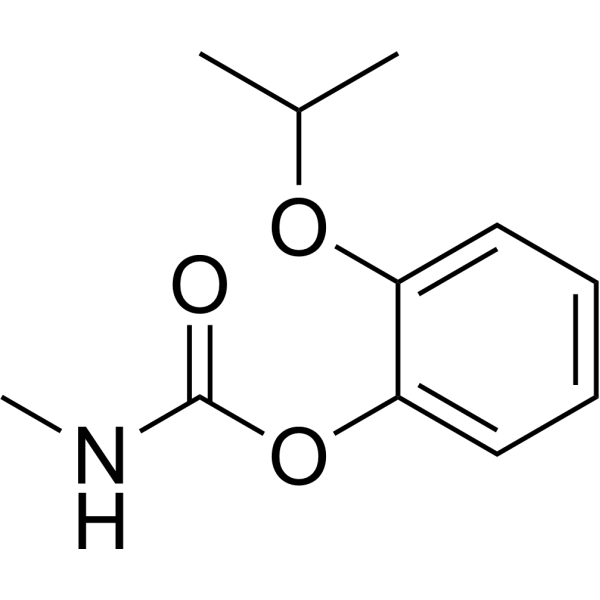 0 ImagesPropoxue (Standard) is the analytical standard of Propoxue (HY-B0916). This product is intended for research and analytical applications. Propoxur is a reversible, competitive, orally active AChE inhibitor that can cross the blood-brain barrier. Propoxur inhibits AChE activity to induce neurotoxicity, while promoting MMP-2 expression and enhancing tumor cell migration and invasion by inducing intracellular ROS generation and activating the ERK/Nrf2 signaling pathway. On the one hand, Propoxur inhibits AChE, leading to acetylcholine accumulation and causing neurological dysfunction; on the other hand, it promotes Nrf2 nuclear translocation through ROS-dependent ERK1/2 phosphorylation, and upregulates MMP-2 and other invasion-related proteins. Propoxur is also a carbamate insecticide used to combat turf, forestry, and household pests.
-
Anti-MMP-16 Antibody
 0 ImagesCat. No.: HY-P992267
-
F81-1144b
 0 ImagesCat. No.: HY-125507CAS No.: 306733-22-2F81-1144b is a MMP-1 and MMP-3 inhibitor with IC50 values of 5 nM and 29 nM, respectively. F81-1144b reduces serum and hepatic triacylglycerol levels, decreases the secretion of very-low-density lipoprotein-triacylglycerol, inhibits de novo hepatic fatty acid synthesis, and lowers serum insulin and glucose levels. F81-1144b can be used for the research of hypertriglyceridemia.
-
LAS194046
 0 ImagesCat. No.: HY-150101CAS No.: 1798578-61-6LAS194046 is a selective pan-JAK inhibitor, with an IC50 of 5.46 nM against JAK1, 0.4 nM against JAK2, and 2.07 nM against JAK3. LAS194046 reduces the levels of IL-8 and MMP-9. LAS194046 enhances the activation of glucocorticoid response elements by Fluticasone propionate. LAS194046 inhibits T2-type allergic pulmonary inflammation, allergen-induced airway inflammation, and late-phase asthmatic responses in rats. LAS194046 can be used in research related to non-T2 severe asthma, chronic obstructive pulmonary disease, and asthma.
-
Isorhapontigenin (Standard)
 0 ImagesCat. No.: HY-N2593RCAS No.: 32507-66-7Isorhapontigenin (Standard) is the analytical standard of Isorhapontigenin (HY-N2593). This product is intended for research and analytical applications. Isorhapontigenin is an orally active dietary polyphenol. Isorhapontigenin acts as a potent antioxidant that reduces the production of reactive oxygen species (ROS). Isorhapontigenin promotes the binding of JUN to the AP-1 site on the SESN2 promoter, induces SESN2 transcription, triggers MAPK8-dependent JUN activation, and upregulates the expression of PPAR-α, PGC-1α and CPT-1A to facilitate fatty acid oxidation. Isorhapontigenin induces autophagy, apoptosis and preadipocyte differentiation; it inhibits tumor growth, cell invasion, NF-κB transcriptional activity, the PI3K/Akt signaling pathway, STAT1 phosphorylation and MMP-2 expression. Isorhapontigenin alleviates oxidative stress, inflammatory cytokine release and triglyceride accumulation; it increases intracellular ATP levels and promotes Nrf2 nuclear translocation. Isorhapontigenin improves insulin sensitivity in adipose tissue and glucose tolerance, and reduces postprandial blood glucose, insulin and free fatty acid levels. Isorhapontigenin is applicable to research on bladder cancer, liver injury, chronic obstructive pulmonary disease, acute lung injury and type 2 diabetes.
-
VEGFR2 AUTOTAC-1
 0 ImagesCat. No.: HY-187534VEGFR2 AUTOTAC-1 is a VEGFR2 AUTOTAC degrader. VEGFR2 AUTOTAC-1 recruits p62, activates the autophagy-lysosome pathway through the p62-LC3 axis cascade, forms a ternary complex with VEGFR2 and p62, and drives UPS-independent post-translational degradation of VEGFR2. VEGFR2 AUTOTAC-1 induces G1 phase arrest and endogenous apoptosis in cells via the mitochondrial and caspase apoptotic pathways, thereby inhibiting cancer cell proliferation, migration and malignant phenotypes; meanwhile, it inhibits endothelial cell tube formation, migration and endothelial-mesenchymal transition by regulating E-cadherin and MMP2. VEGFR2 AUTOTAC-1 is applicable to research related to triple-negative breast cancer.(Pink: VEGFR2 target protein ligand (HY-187558); Blue: p62 ligand (HY-W014292); Black: Linker)
-
Emodic acid
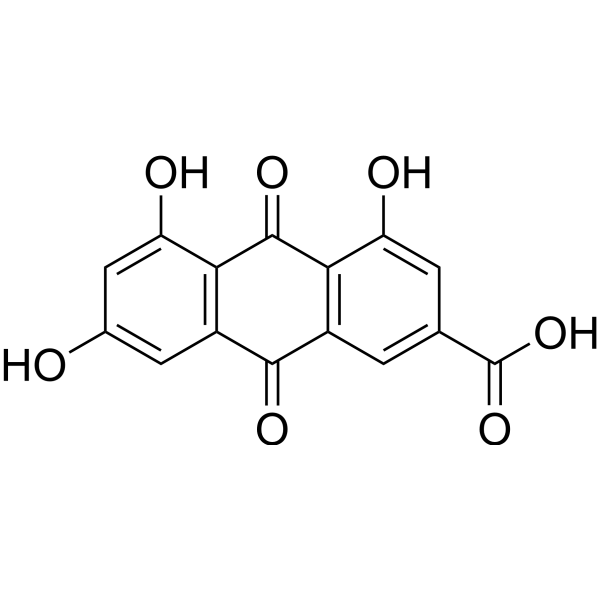 0 ImagesEmodic acid (NSC624610) is an anthraquinone compound isolated from A. microcarpus, which can inhibit the proliferation of cancer cells by inhibiting the activity of NF-κB. Emodic acid can also inhibit the phosphorylation of p38, ERK and JNK, the secretion of tumor-promoting cytokines IL-1β and IL-6, and the expression of VEGF and MMP, thereby inhibiting the invasion and migration potential of cancer cells.
-
Highly purified Type II collagen, from porcine articular cartilage
 0 ImagesCat. No.: HY-NP123Synonyms: Porcine Type II collagen, immunization gradeHighly purified Type II collagen, from porcine articular cartilage (Porcine Type II collagen, immunization grade) is an immune grade collagen derived from porcine articular cartilage, which can stimulate the animal's immune system to produce specific antibodies against this collagen. Collagen is also a substrate for hydrolysis by MMPs.
-
Torulene
 0 ImagesTorulene (Torulin) is an orally active carotenoid with anti-cancer activity. Torulene inhibits proliferation and induces apoptosis of tumor cells via a mitochondrial signal pathway and the down-regulation of androgen receptor (AR) expression. Torulene can be used for the study of prostate cancer.
-
Famotidine-13C,d3
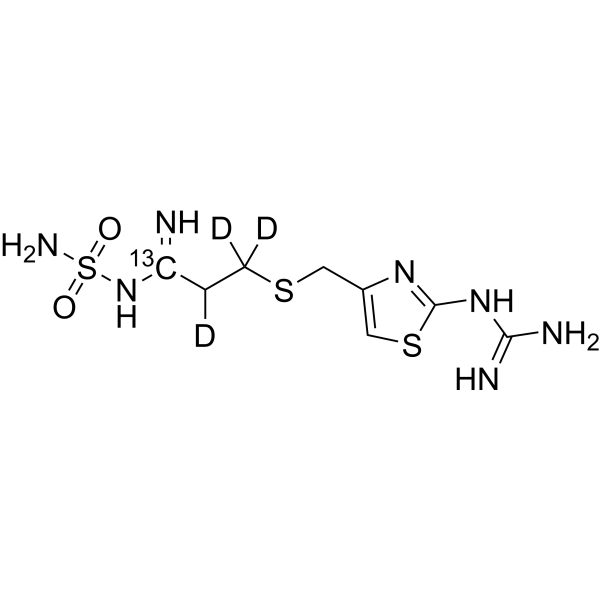 0 ImagesCat. No.: HY-B0377SCAS No.: 2744683-81-4Synonyms: MK-208-13C,d3Famotidine-13C,d3 (MK-208-13C,d3) is the deuterated, 13C-labeled Famotidine (HY-B0377). Famotidine (MK-208) is an orally active and highly selective histamine H2 receptor antagonist. It inhibits gastric acid secretion by blocking the Gs signaling pathway, and regulates intracellular cAMP and ERK pathways. Famotidine inhibits TLR3-mediated inflammatory pathways, and reduces the expression of various inflammatory mediators and interferon-related genes. Famotidine scavenges DPPH and nitric oxide free radicals, alleviates oxidative stress damage in gastric tissue, inhibits proMMP-9, improves vascular endothelial permeability, and restores the normal physiological functions of neutrophils and eosinophils. Famotidine crosses intestinal epithelial cells via facilitated diffusion and passive diffusion, blocks paracellular cation transport, and increases intestinal transepithelial electrical resistance. Famotidine reduces serum levels of transaminases and alkaline phosphatase, exerts analgesic effects and gastric protective effects simultaneously. Famotidine can be used in studies related to COVID-19, liver injury and acute gastric ulcer.
-
Gestodene (Standard)
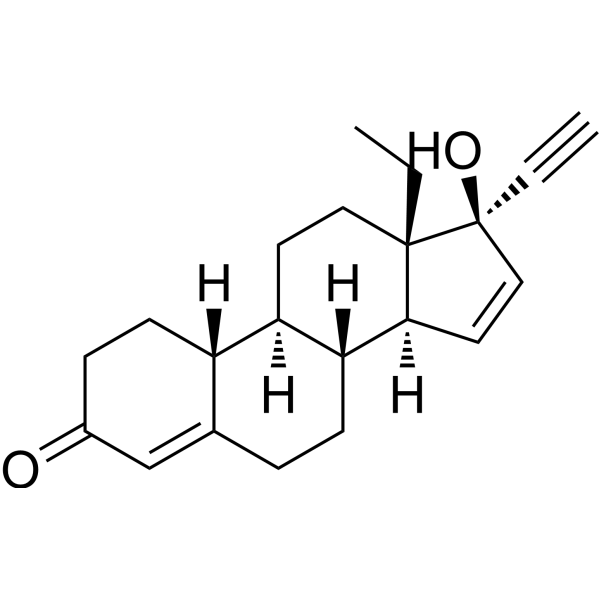 0 ImagesCat. No.: HY-B0110RCAS No.: 60282-87-3Synonyms: SHB 331 (Standard); WL 70 (Standard)Gestodene (Standard) (SHB 331 (Standard); WL 70 (Standard)) is the analytical standard of Gestodene (HY-B0110). This product is intended for research and analytical applications. Gestodene is an orally active synthetic progestogen compound of the 19-nortestosterone class. Gestodene binds with high affinity to the progesterone receptor, inhibits 5α-reductase, binds to androgen and aldosterone receptors, and inactivates CYP3A. Gestodene acts as a positive allosteric modulator of PAR1, enhances PAR1-mediated signaling pathways, and is capable of increasing the activation potency of PAR1-AP toward PAR1, thereby promoting ERK1/2 phosphorylation, receptor internalization, cell morphological changes, and human platelet aggregation. Gestodene and its A-ring reduced metabolites promote the proliferation, differentiation, and mineralization of neonatal rat osteoblasts. Gestodene itself has no binding capacity for estrogen receptors, and this osteogenic activity depends on intracellular metabolism to generate A-ring reduced products with estrogen-like agonistic activity. Gestodene is useful for research on diseases related to progesterone secretion and diseases related to thrombosis.
-
RANKL-IN-1 formate
 0 ImagesCat. No.: HY-175703APurity: 99.74%RANKL-IN-1 formate is a selective receptor activator of nuclear factor-κB ligand inhibitor ligand (RANKL) inhibitor with a KD value of 7.6 μM. RANKL-IN-1 formate exhibits inhibitory activity and selectivity against osteoclastogenesis with an IC50 value of 0.07 μM and SI of 82.57. RANKL-IN-1 formate binds directly to RANKL and blocks the RANKL-induced activation of the NF-κB and MAPK pathways. RANKL-IN-1 formate can be used for the research of metabolic disease, such as osteoporosis.
-
Pipoxolan hydrochloride
 0 ImagesCat. No.: HY-105854CAS No.: 18174-58-8Pipoxolan hydrochloride is an anti-spasmotic agent. Pipoxolan hydrochloride induces Apoptosis, increases intracellular ROS. Pipoxolan hydrochloride down-regulates phosphorylation JNK and p38, and then, MMP-2 and -9. Pipoxolan hydrochloride relieves smooth muscle spasms in the digestive, urinary, and gynecological systems. Pipoxolan hydrochloride also exhibits anticancer activity against leukemia, oral squamous cell carcinoma, and lung adenocarcinoma.
-
Propoxur-d7
 0 ImagesCat. No.: HY-W750153CAS No.: 2140327-65-5Propoxur-d7 is the deuterium labeled Propoxur. Propoxur is a reversible, competitive, orally active AChE inhibitor that can cross the blood-brain barrier. Propoxur inhibits AChE activity to induce neurotoxicity, while promoting MMP-2 expression and enhancing tumor cell migration and invasion by inducing intracellular ROS generation and activating the ERK/Nrf2 signaling pathway. On the one hand, Propoxur inhibits AChE, leading to acetylcholine accumulation and causing neurological dysfunction; on the other hand, it promotes Nrf2 nuclear translocation through ROS-dependent ERK1/2 phosphorylation, and upregulates MMP-2 and other invasion-related proteins. Propoxur is also a carbamate insecticide used to combat turf, forestry, and household pests.
-
Isoginkgetin (Standard)
 0 ImagesIsoginkgetin (Standard) is the analytical standard of Isoginkgetin. This product is intended for research and analytical applications. Isoginkgetin is a pre-mRNA splicing inhibitor inhibitor. Isoginkgetin also inhibits activities of both Akt, NF-κB and MMP-9. Isoginkgetin inhibits the activity of the 20S proteasome, induces apoptosis and activates autophagy.
-
Ganoderic acid Mk
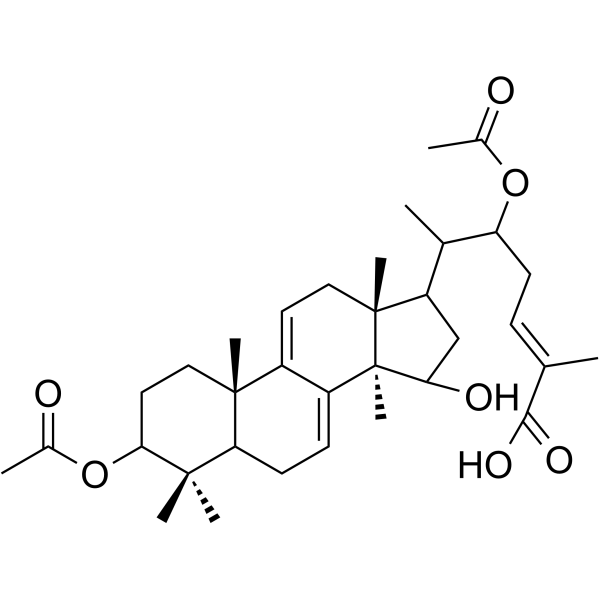 0 ImagesCat. No.: HY-N11643CAS No.: 110024-14-1Synonyms: GA-MkGanoderic acid Mk (GA-Mk) is a triterpenoid acid, that can be isolated from the mycelia of Ganoderma lucidum. Ganoderic acid Mk is efficiently anti-proliferative and can induce apoptosis of HeLa cells by mitochondria-mediated pathway. Ganoderic acid Mk can be used for cervical cancer research.
-
GCRRGPLGLSLGKRRCG
 0 ImagesCat. No.: HY-P11641GCRRGPLGLSLGKRRCG is an MMP13-specific substrate peptide cleaved by MMP13. GCRRGPLGLSLGKRRCG contributes to an MMP13-responsive hydrogel microsphere system that achieves intelligent and controllable drug release in osteoarthritis (OA), decelerates disease progression, and promotes articular cartilage repair. GCRRGPLGLSLGKRRCG can be used for the research of osteoarthritis.
-
Mmp13 Mouse Pre-designed siRNA Set A
 0 ImagesCat. No.: HY-RS08526
Mmp13 Mouse Pre-designed siRNA Set A contains three designed siRNAs for Mmp13 gene (Mouse), as well as a negative control, a positive control, and a FAM-labeled negative control.
-
TRAP-14 amide
 0 ImagesCat. No.: HY-P5764CAS No.: 141923-36-6TRAP-14 amide, a proteinase activated receptor (PAR)-activating peptide, is a PAR agonist with an EC50 of 24 μM. TRAP-14 amide significantly induces platelet aggregation through ADP- and MMP-2-dependent pathways with Aspirin (HY-14654)-insensitivity. TRAP-14 amide also effectively increases glycoprotein (GP) Ib and GPIIb/IIIa surface expression and ADP release.




