1. Signaling Pathways
  2. NF-κB
  3. NF-κB

NF-κB

Nuclear factor-κB; Nuclear factor-kappaB

NF-κB (Nuclear factor kappa-light-chain-enhancer of activated B cells) is a protein complex that controls transcription of DNA. NF-κB is found in almost all animal cell types and is involved in cellular responses to stimuli such as stress, cytokines, free radicals, ultraviolet irradiation, oxidized LDL, and bacterial or viral antigens. NF-κB plays a key role in regulating the immune response to infection. Incorrect regulation of NF-κB has been linked to cancer, inflammatory, and autoimmune diseases, septic shock, viral infection, and improper immune development. NF-κB has also been implicated in processes of synaptic plasticity and memory. There are five proteins in the mammalian NF-κB family: NF-κB1, NF-κB2, RelA, RelB, c-Rel.

Cat. No. Product Name Effect Purity Chemical Structure
  • HY-N6257
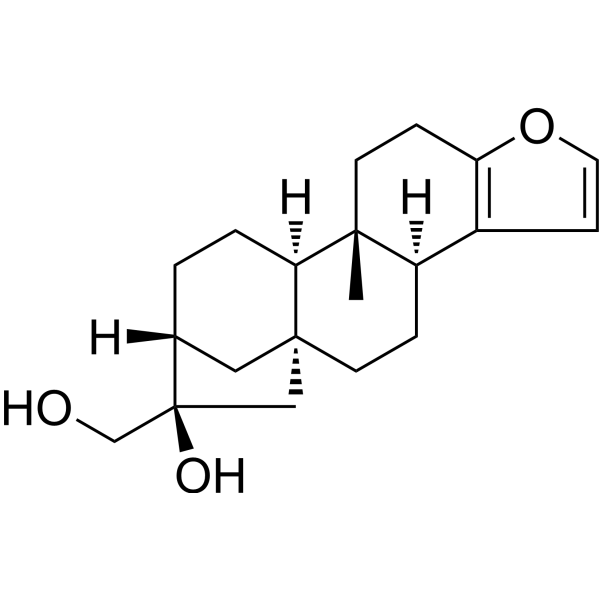
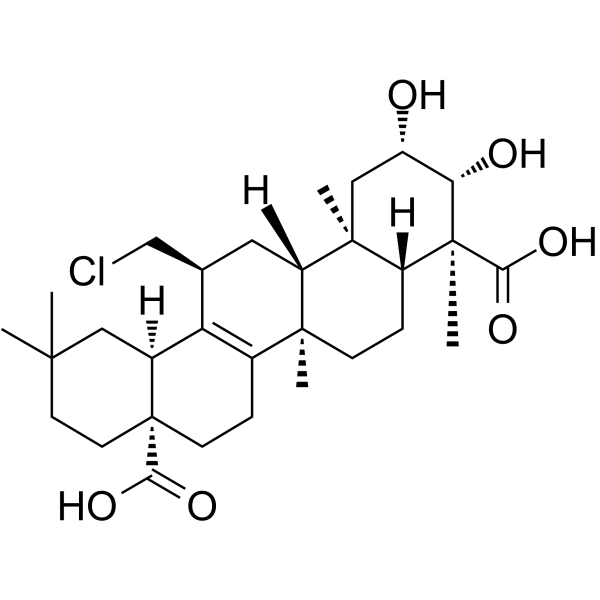
    Cafestol
    Inhibitor 99.91%
    Cafestol is an orally active diterpenoid and an inhibitor of ERK2. Cafestol has elevated blood lipids, anti-inflammatory, anti-angiogenic and anti-diabetic activities. In addition, Cafestol induces tumor cell apoptosis and autophagy, which can be used in the study of cancer.
    Cafestol
  • HY-N0316
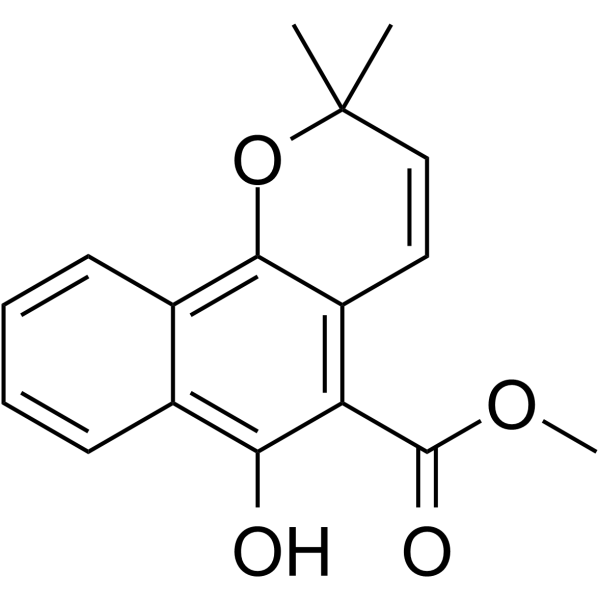
    Mollugin
    Inhibitor 99.79%
    Mollugin is an orally active and potent NF-κB inhibitor. Mollugin induces S-phase arrest of HepG2 cells, and increased intracellular reactive oxygen species (ROS) levels. Mollugin induces DNA damage in HepG2 cells, as well as an increase in the expression of p-H2AX. Mollugin shows anti-cancer effect by inhibiting TNF-α-induced NF-κB activation. Mollugin enhances the osteogenic action of BMP-2 (bone morphogenetic protein 2) via the p38-Smad signaling pathway.
    Mollugin
  • HY-B0612
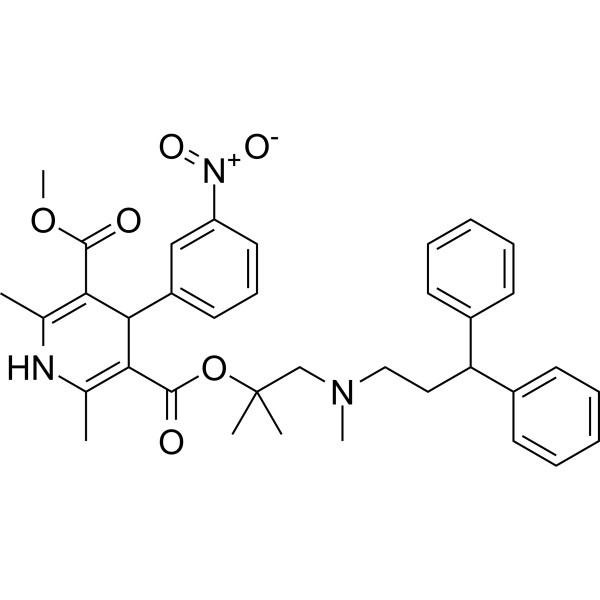
    Lercanidipine
    Inhibitor 99.93%
    Lercanidipine is a third-generation, lipophilic, brain-penetrant, vascular-selective and orally active dihydropyridine-calcium channel blocker with a pIC50 of 7.74 (converts from μM). Lercanidipine has long lasting antihypertensive action as well as reno- and neuro-protective effect. Lercanidipine also shows anti-oxidant, anti-inflammatory and anti-apoptotic properties. Lercanidipine can be used in cardiovascular and neurological research.
    Lercanidipine
  • HY-N2083
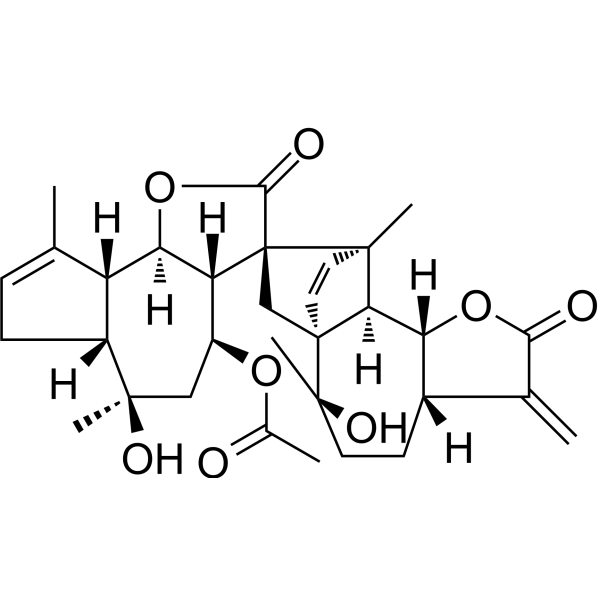
    Handelin
    Inhibitor 99.55%
    Handelin is a guaianolide dimer from Chrysanthemum boreale that has potent anti-inflammatory activity by down-regulating NF-κB signaling and pro-inflammatory cytokine production.
    Handelin
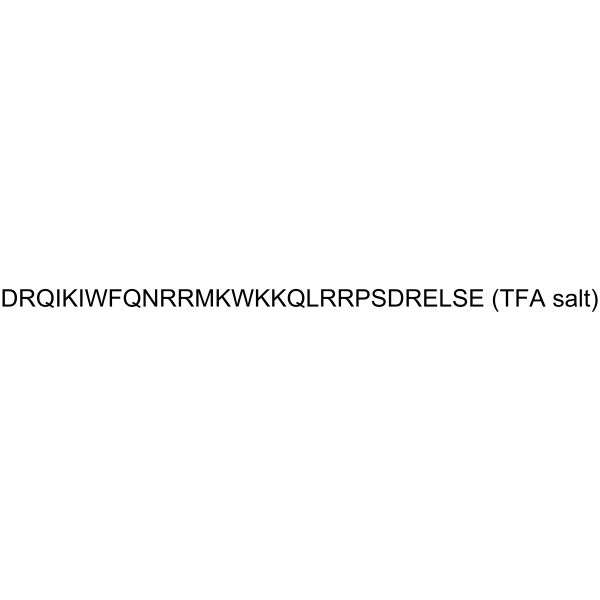
  • HY-P1832A
    PTD-p65-P1 Peptide TFA
    Inhibitor 99.92%
    PTD-p65-P1 Peptide TFA is a potent, selective nuclear transcription factor NF-κB inhibitor and derives from the p65 subunit of NF-κB amino acid residues 271-282, which selectively inhibits NF-κB activation induced by various inflammatory stimulation, down-regulate NF-κB-mediated gene expression and up-regulate apoptosis.
    PTD-p65-P1 Peptide TFA
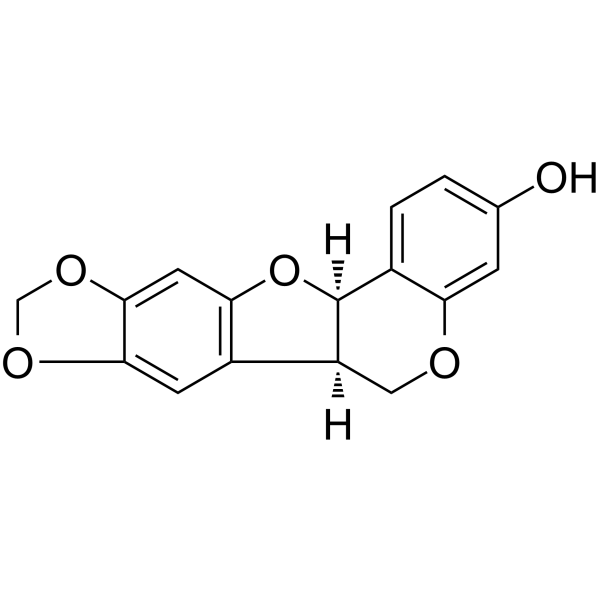
  • HY-N6051
    (-​)​-Maackiain
    Inhibitor 99.91%
    (-)-Maackiain is a pterocarpan phytoalexin produced from Sophora flavescens. (-)-Maackiain is toxic to several genera of fungal pathogens of legume and non legume hosts. (-)-Maackiain enhances the activation of NLRP3 inflammasome, inhibits the activation of NF-κB pathway, exhibiting thereby immunostimulatory and anti-inflammatory activities. (-)-Maackiain is orally active.
    (-​)​-Maackiain
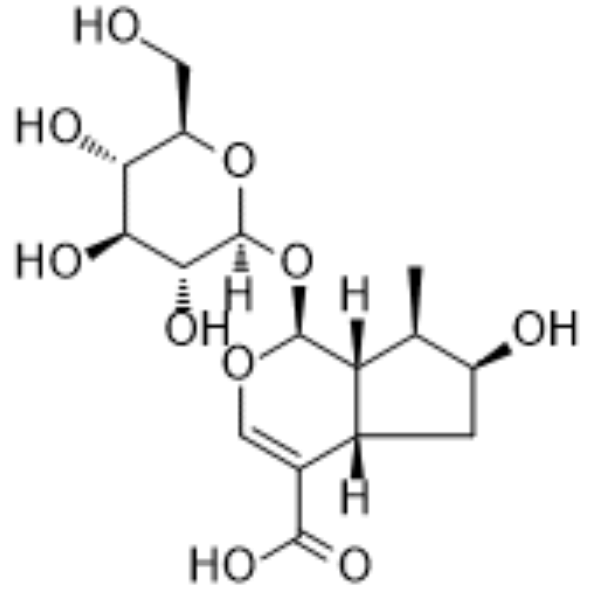
  • HY-N0513
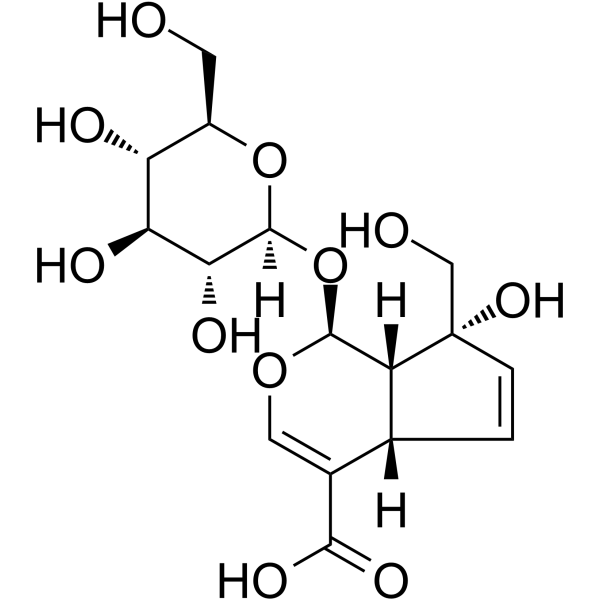
    Loganic acid
    Inhibitor 99.05%
    Loganic acid is an iridoid isolated from cornelian cherry fruits. Loganic acid inhibits NF-κB signaling pathway, activates Nrf2 signaling pathway, exhibits anti-inflammatory activity. Loganic acid can modulate diet-induced atherosclerosis and redox status. Loganic acid has strong free radical scavenging activity and remarkable cyto-protective effect against heavy metal mediated toxicity. Loganic acid is orally active.
    Loganic acid
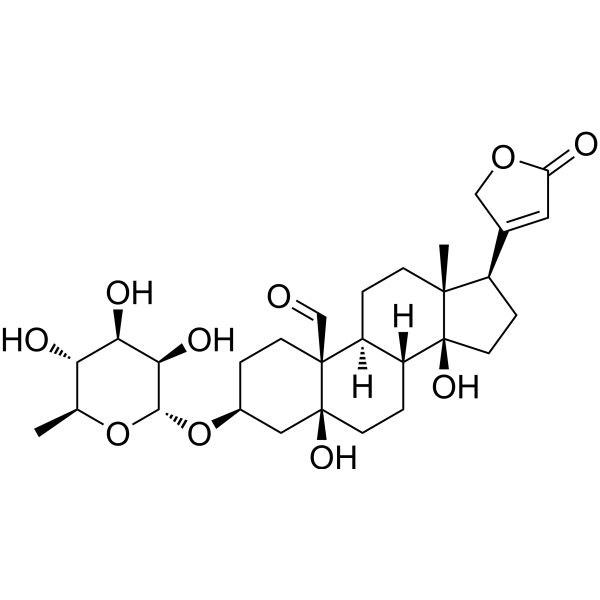
  • HY-N2453
    Convallatoxin
    Inhibitor 99.72%
    Convallatoxin is a cardiac glycoside isolated from Adonis amurensis Regel et Radde. Convallatoxin ameliorates colitic inflammation via activation of PPARγ and suppression of NF-κB. Convallatoxin is a P-glycoprotein (P-gp) substrate and recognized Val982 as an important amino acid involved in its transport. Convallatoxin is an enhancer of ligand-induced MOR endocytosis with high potency and efficacy. Anti-inflammatory and anti-proliferative properties.
    Convallatoxin
  • HY-N2491
    Deoxyelephantopin
    Inhibitor 99.87%
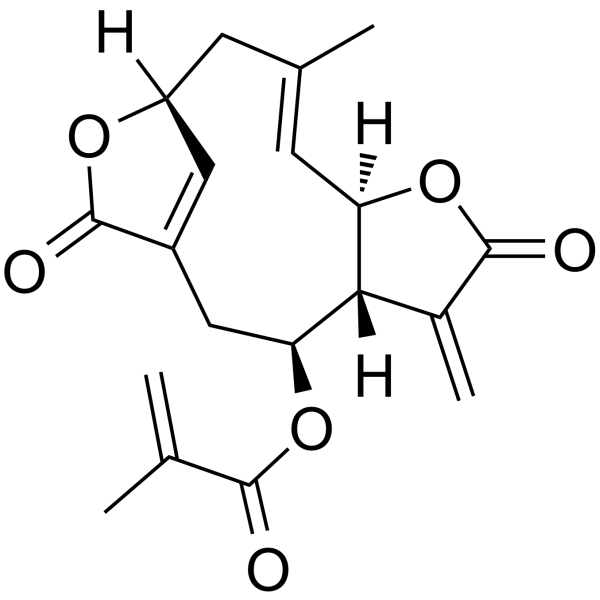
    Deoxyelephantopin, a natural bioactive sesquiterpene lactone from Elephantopus scaber, has shown promising anticancer effects against a broad spectrum of cancers. Deoxyelephantopin inhibits NF-κB, MAPK, PI3K/Akt, and β-catenin signaling.
    Deoxyelephantopin
  • HY-W013812
    Ethyl linoleate
    Inhibitor 99.72%
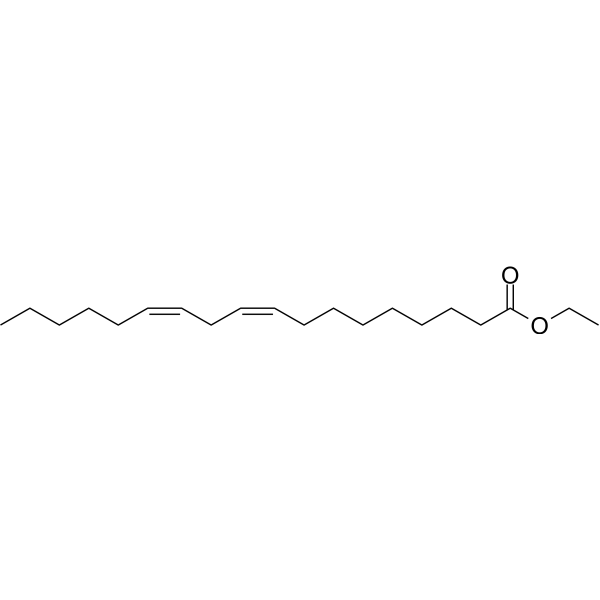
    Ethyl linoleate (Linoleic Acid ethyl ester) is an orally active unsaturated fatty acid. Ethyl linoleate inhibits the Akt/GSK3β/β-catenin signaling pathway and the activation of NF-κB. Ethyl linoleate induces heme oxygenase-1 and inhibits tyrosinase. Ethyl linoleate has whitening and anti-inflammatory effects. Ethyl linoleate promotes compound absorption. Ethyl linoleate has a significant influence on atherosclerosis. Ethyl linoleate is used in the research of inflammatory diseases. Ethyl linoleate can be used in cosmetics
    Ethyl linoleate
  • HY-N8290
    Lactupicrin
    Inhibitor 99.62%
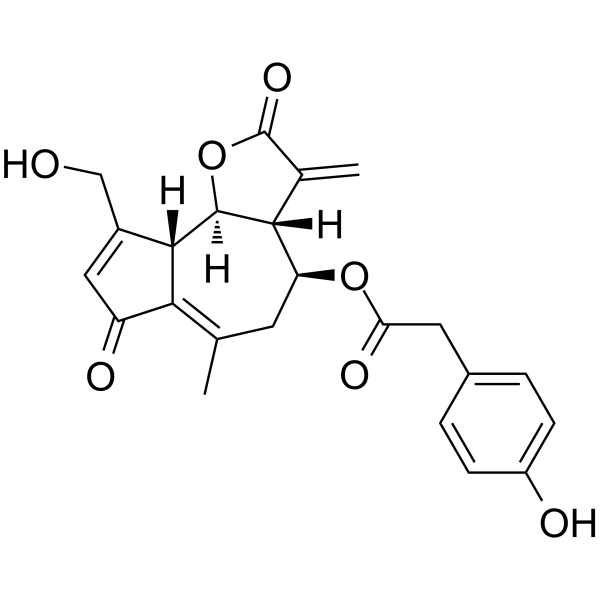
    Lactupicrin (Lactucopicrin) exhibits analgesic, sedative, antimalarial activities and atheroprotective effect. Lactupicrin inhibits acetylcholinesterase (AChE) with an IC50 of 150.3 μM. Lactupicrin is an orally active characteristic bitter sesquiterpene lactone.
    Lactupicrin
  • HY-N0735
    Phellodendrine chloride
    Inhibitor 99.68%
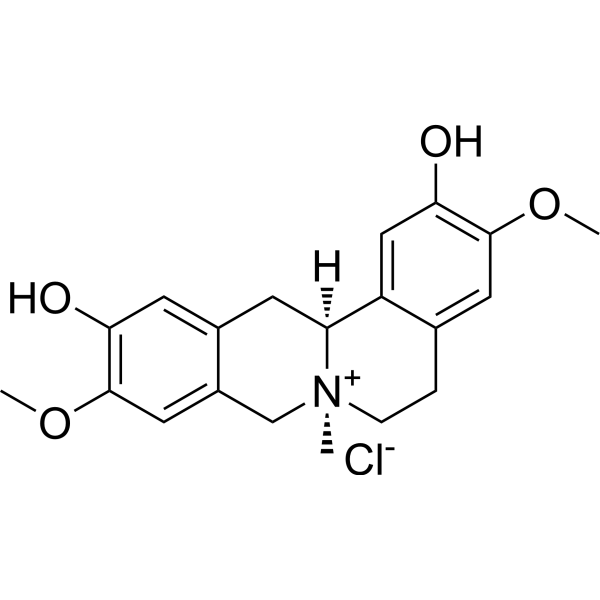
    Phellodendrine chloride is an orally active plant alkaloid. Phellodendrine chloride inhibits the proliferation of KRAS-mutated pancreatic cancer cells by suppressing macropinocytosis and glutamine metabolism, inducing ROS accumulation and mitochondrial apoptosis. Phellodendrine chloride promotes autophagy by activating the AMPK/mTOR pathway, alleviating intestinal damage in ulcerative colitis. Phellodendrine chloride can alleviate gouty arthritis by inhibiting the IL-6/STAT3 signaling pathway. Phellodendrine chloride suppresses allergic reactions by altering the conformation of MRGPRB3/MRGPRX2 protein, thereby inhibiting the activation of PKC and subsequent downstream MAPK and NF-κB signaling. Phellodendrine chloride inhibits the AKT/NF-κB pathway and down-regulates the expression of COX-2, thereby protecting zebrafish embryos from oxidative stress. Phellodendrine chloride has an anti-major depressive disorder (MDD) effect by down-regulating CHRM1, HTR1A, and the PI3K/Akt signaling pathway.
    Phellodendrine chloride
  • HY-W015490
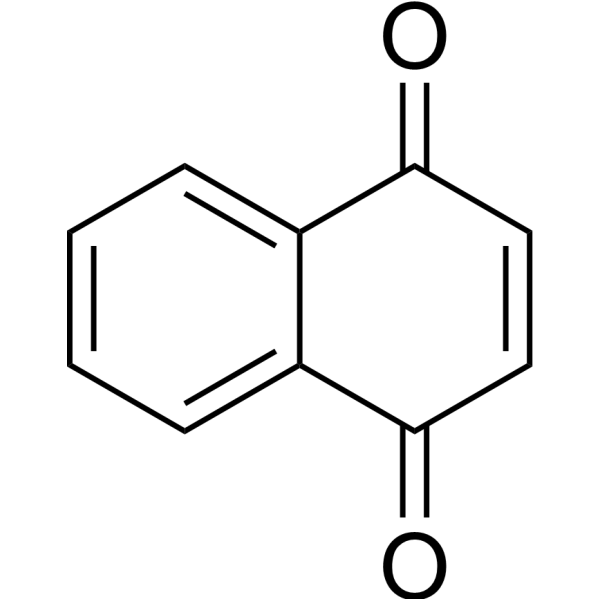
    1,4-Naphthoquinone
    Inhibitor 99.97%
    1,4-Naphthoquinone is an inhibitor with broad-spectrum inhibitory activity targeting DNA polymerase, NF-κB and monoamine oxidase (MAO-A/B), with antibacterial and anti-biofilm efficacy. 1,4-Naphthoquinone is a competitive inhibitor of MAO-B (Ki=1.4 μM) and a non-competitive inhibitor of MAO-A (Ki=7.7 μM). 1,4-Naphthoquinone inhibits DNA polymerase pol α, β, γ, δ, ε, λ with IC50 ranging from 5.57-128 μM. 1,4-Naphthoquinone inhibits tumor cell proliferation, induces apoptosis and necrosis, and has anti-angiogenic and anti-inflammatory activities by inducing oxidative stress, depleting glutathione (GSH), inhibiting DNA polymerase-mediated DNA synthesis and blocking NF-κB nuclear translocation. 1,4-Naphthoquinone can be used in anti-bacterial , anti-tumor and anti-inflammatory studies, including inhibition of melanoma and colon cancer cell growth and endothelial cell function, as well as LPS-induced inflammation models.
    1,4-Naphthoquinone
  • HY-107802
    Breviscapine
    Inhibitor 99.13%
    Breviscapine (Breviscapinun) is a flavonoid compound with antioxidant, anti-inflammatory, anti-fibrotic, and neuroprotective activities. Breviscapine ameliorates cerebral ischemia/reperfusion injury and vascular dementia, and inhibits the formation of postoperative abdominal adhesions. The mechanism of action of Breviscapine involves the regulation of oxidative stress, inflammatory cytokines, signaling pathways such as TGF-β/Smad, and cellular calcium overload. Breviscapine is used for research on diseases including cardiovascular and cerebrovascular diseases.
    Breviscapine
  • HY-N0802
    Tenuigenin
    Inhibitor 99.92%
    Tenuigenin is a major active component isolated from the root of the Chinese herb Polygala tenuifolia. Tenuigenin protects against S.aureus-induced pneumonia by inhibiting NF-κB activation. Tenuigenin has anti-inflammatory effect.
    Tenuigenin
  • HY-N0648
    Monotropein
    Inhibitor 99.80%
    Monotropein is an iridoid glycoside that can be isolated from the roots of Morinda officinalis. Monotropein inhibits the expression of inflammatory mediators in dextran sulfate sodium (DSS)-induced colitis mouse model. Monotropein exerts protective effects against IL-1β-induced apoptosis and catabolic responses on osteoarthritis chondrocytes. Monotropein has cartilage protective activity. Monotropein can alleviate Cisplatin (HY-17394)-induced acute kidney injury by inhibiting oxidative damage, inflammation and apoptosis through activation of Nrf2/HO-1 pathway and inhibition of NF-κB signaling. Monotropein can be studied in research for osteoarthritis, acute kidney injury and acute lung injury.
    Monotropein
  • HY-122308
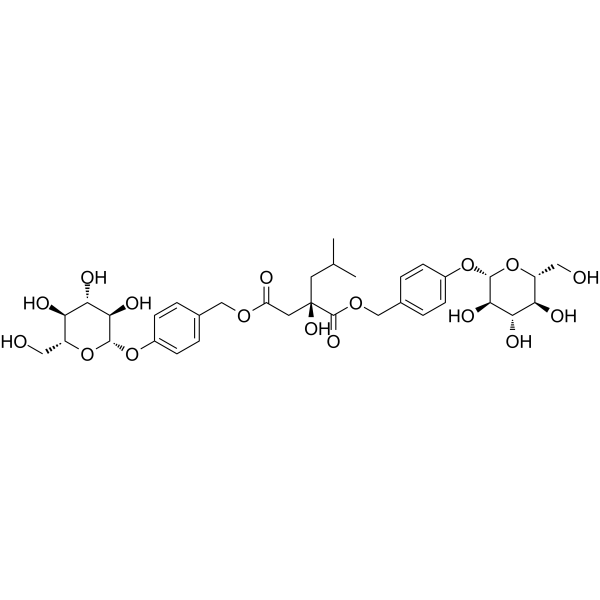
    Militarine
    Inhibitor 99.94%
    Militarine is a plant growth inhibitor and anti-inflammatory agent. Militarine inhibits the elongation of radicles and hypocotyls in seedlings of lettuce, Italian ryegrass and timothy grass. Militarine alleviates PM2.5-induced inflammatory injury and inhibits cell migration in human alveolar epithelial A549 cells by inhibiting the NF-κB signaling pathway, reducing oxidative stress and the release of inflammatory factors. Militarine can be used in studies related to PM2.5-induced pulmonary diseases.
    Militarine
  • HY-N3519
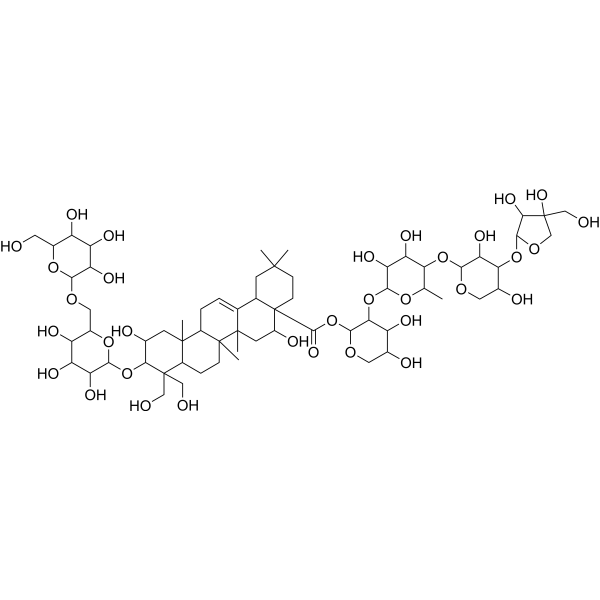
    Platycodin D3
    Inhibitor 98.91%
    Platycodin D3 is a triterpenoid saponin that can be found in Platycodon grandiflorum. Platycodin D3 exhibits multiple activities including anti-inflammation, regulation of airway mucus secretion, improvement of asthmatic airway inflammation and remodeling, and inhibition of hepatitis C virus (HCV) replication. The IC50 value of Platycodin D3 against HCV NS5B RNA-dependent RNA polymerase is 8 μg/mL. Platycodin D3 can be used in studies related to asthma, hepatitis C virus infection and inflammatory diseases.
    Platycodin D3
  • HY-N2149A
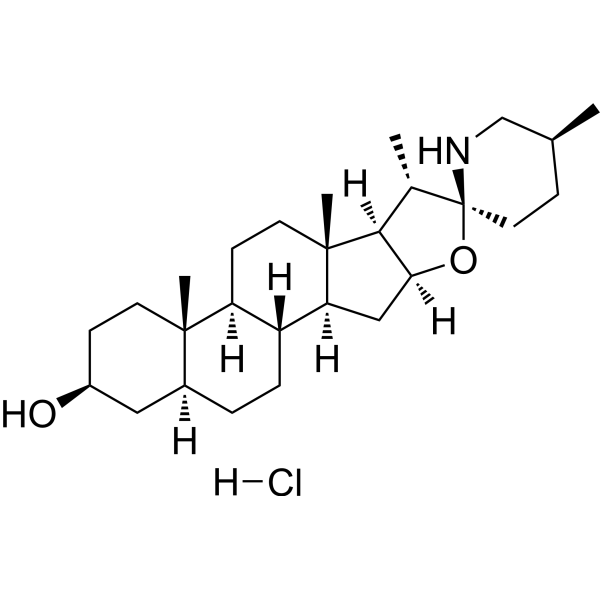
    Tomatidine hydrochloride
    Inhibitor 99.70%
    Tomatidine hydrochloride acts as an anti-inflammatory agent by blocking NF-κB and JNK signaling. Tomatidine hydrochloride activates autophagy either in mammal cells or C elegans.
    Tomatidine hydrochloride
  • HY-113402A
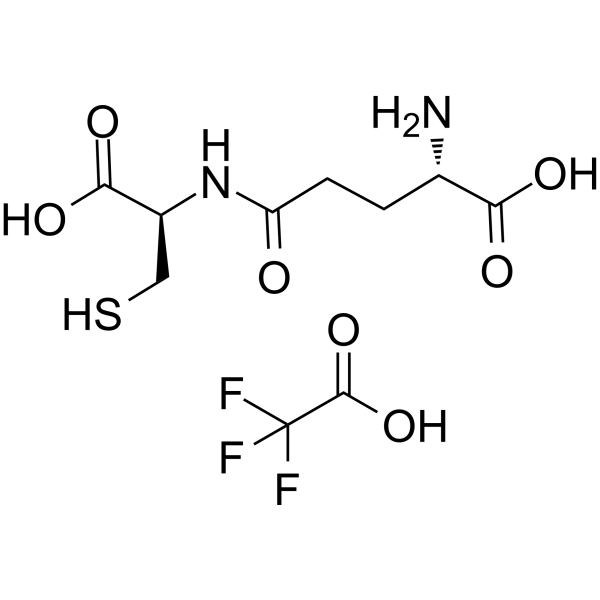
    Gamma-glutamylcysteine TFA
    Inhibitor
    Gamma-glutamylcysteine TFA (γ-Glu-Cys TFA) is an orally active, blood-brain barrier permeable dipeptide. Gamma-glutamylcysteine TFA activates AMPK, SIRT1, IL-4/STAT6, AC/cAMP/PI3K, IGF-1R/IRS1/PI3K, and Nrf2 signaling pathways; it inhibits NF-κB, JAK1/STAT1/3, MAPKs, cadmium-induced p38 MAPK, JNK, and PI3K/Akt signaling pathways. Gamma-glutamylcysteine TFA regulates macrophage polarization, modulates the trafficking of CD36 and GLUT4, induces glutathione synthesis, improves metabolic dysfunction, reduces lipid deposition, ameliorates glucose homeostasis, inhibits apoptosis (Apoptosis), stabilizes mitochondria, suppresses lipid peroxidation, iron accumulation and ferroptosis (Ferroptosis), reduces ds-HMGB1 levels, reverses mechanical hyperalgesia, and alleviates hepatic lipid droplet formation. Gamma-glutamylcysteine TFA is applicable to research related to inflammatory bowel disease, type 2 diabetes, cadmium-induced neurotoxicity, Alzheimer's disease, cerebral ischemia/reperfusion injury, neuropathy, and alcoholic liver disease.
    Gamma-glutamylcysteine TFA
Cat. No. Product Name / Synonyms Application Reactivity

NF-κB transcription factors are critical regulators of immunity, stress responses, apoptosis and differentiation. In mammals, there are five members of the transcription factor NF-κB family: RELA (p65), RELB and c-REL, and the precursor proteins NF-κB1 (p105) and NF-κB2 (p100), which are processed into p50 and p52, respectively. NF-κB transcription factors bind as dimers to κB sites in promoters and enhancers of a variety of genes and induce or repress transcription. NF-κB activation occurs via two major signaling pathways: the canonical and the non-canonical NF-κB signaling pathways[1]


The canonical NF-κB pathway is triggered by signals from a large variety of immune receptors, such as TNFR, TLR, and IL-1R, which activate TAK1. TAK1 then activates IκB kinase (IKK) complex, composed of catalytic (IKKα and IKKβ) and regulatory (NEMO) subunits, via phosphorylation of IKKβ. Upon stimulation, the IKK complex, largely through IKKβ, phosphorylates members of the inhibitor of κB (IκB) family, such as IκBα and the IκB-like molecule p105, which sequester NF-κB members in the cytoplasm. IκBα associates with dimers of p50 and members of the REL family (RELA or c-REL), whereas p105 associates with p50 or REL (RELA or c-REL). Upon phosphorylation by IKK, IκBα and p105 are degradated in the proteasome, resulting in the nuclear translocation of canonical NF-κB family members, which bind to specific DNA elements, in the form of various dimeric complexes, including RELA-p50, c-REL-p50, and p50-p50. Atypical, IKK-independent pathways of NF-κB induction also provide mechanisms to integrate parallel signaling pathways to increase NF-κB activity, such as hypoxia, UV and genotoxic stress.


The non-canonical NF-κB pathway is induced by certain TNF superfamily members, such as CD40L, BAFF and lymphotoxin-β (LT-β), which stimulates the recruitment of TRAF2, TRAF3, cIAP1/2 to the receptor complex. Activated cIAP mediates K48 ubiquitylation and proteasomal degradation of TRAF3, resulting in stabilization and accumulation of the NFκB-inducing kinase (NIK). NIK phosphorylates and activates IKKα, which in turn phosphorylates p100, triggering p100 processing, and leading to the generation of p52 and the nuclear translocation of p52 and RELB[2][3].


Reference:

[1]. Oeckinghaus A, et al. The NF-kappaB family of transcription factors and its regulation.Cold Spring Harb Perspect Biol. 2009 Oct;1(4):a000034. 
[2]. Taniguchi K, et al. NF-κB, inflammation, immunity and cancer: coming of age. Nat Rev Immunol. 2018 May;18(5):309-324.
[3]. Perkins ND,et al. Integrating cell-signalling pathways with NF-kappaB and IKK function. Nat Rev Mol Cell Biol. 2007 Jan;8(1):49-62.

Your Search Returned No Results.

Sorry. There is currently no product that acts on isoform together.

Please try each isoform separately.