PARP
poly ADP ribose polymerase
PARP is a family of proteins involved in a number of cellular processes involving mainly DNA repair and programmed cell death. The PARP family comprises 17 members. They have all very different structures and functions in the cell. PARP1, PARP2, VPARP (PARP4), Tankyrase-1 and -2 (PARP-5a or TNKS, and PARP-5b or TNKS2) have a confirmed PARP activity. Others include PARP3, PARP6, TIPARP (or PARP7), PARP8, PARP9, PARP10, PARP11, PARP12, PARP14, PARP15, and PARP16. PARP is found in the cell’s nucleus. The main role is to detect and signal single-strand DNA breaks (SSB) to the enzymatic machinery involved in the SSB repair.
PARP Isoform Specific Products
-
PARP
(303)
View all products
-
PARP1
(209)
View all products
-
PARP2
(83)
View all products
-
PARP3
(23)
View all products
-
PARP4
(11)
View all products
-
TNKS1/
PARP5A (41)View all products
-
TNKS2/
PARP5B (38)View all products
-
PARP7
(25)
View all products
-
PARP10
(20)
View all products
-
PARP14
(17)
View all products
-
PARP15
(14)
View all products
-
PARP12
(4)
View all products
-
PARP16
(3)
View all products
All Product Categories
-
PARP Inhibitors
(459)
View all products
-
PARP Agonists
(4)
View all products
-
PARP Activators
(111)
View all products
-
PARP Modulators
(12)
View all products
-
PARP Inducers
(20)
View all products
-
PARP Degraders
(24)
View all products
-
PARP Substrate
(1)
View all products
-
PARP Ligands
(4)
View all products
-
PARP Related Products (694)
Related Products (694)

-
Antibodies (11)
-
PARP Isoform Comparison
-
Desethylamiodarone hydrochloride
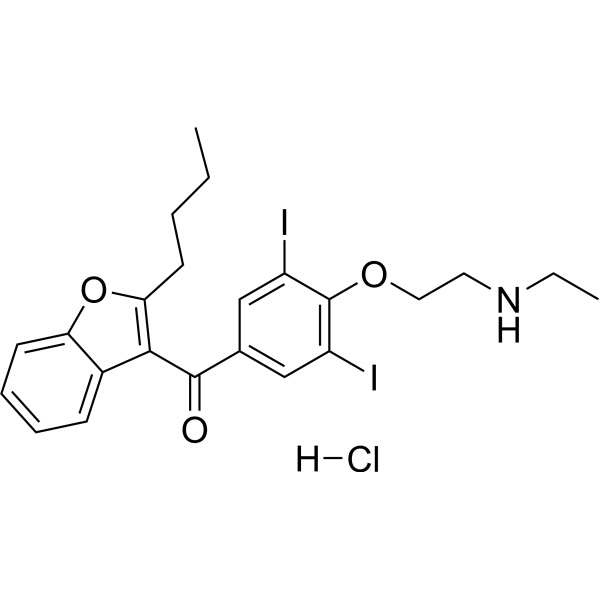 0 ImagesSynonyms: N-Desethylamiodarone hydrochloride; LB 33020 hydrochlorideDesethylamiodarone hydrochloride (N-Desethylamiodarone hydrochloride; LB 33020 hydrochloride) is the major active metabolite of Amiodarone (HY-14187) generated via CYP3A4 metabolism. Desethylamiodarone hydrochloride downregulates p‑Akt, p‑Bad and Bcl‑2, upregulates Bax, promotes mitochondrial release of cytochrome c, activates caspase‑3 and cleaves PARP‑1, thereby inducing cell cycle arrest and apoptosis. Desethylamiodarone hydrochloride can be used in cervical cancer-related research.
-
PARP7-IN-22
 0 ImagesPARP7-IN-22 (XLY-1) is a PARP7 inhibitor with an IC50 of 0.6 nM. PARP7-IN-22 (XLY-1) is orally active, enhances type I interferon signaling in vitro, restores type I interferon signaling, promotes T cell infiltration into tumor tissues, and significantly inhibits tumor growth. PARP7-IN-22 shows promise for research in the field of cancer immunotherapy.
-
A-620223
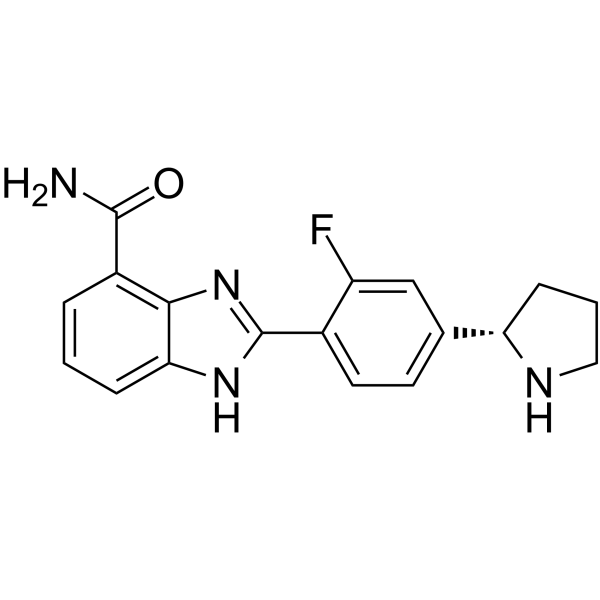
 0 ImagesCat. No.: HY-10615CAS No.: 272769-49-0A-620223 is a PARP-1 inhibitor with a Ki of 8 nM against PARP-1 and EC50 of 3 nM in a whole cell assay. A-620223 demonstrates good in vivo efficacy in a B16F10 subcutaneous murine melanoma model in combination with Temozolomide (TMZ) (HY-17364) and in an MX-1 breast xenograph model in combination with Cisplatin (HY-17394). A-620223 can be used for the studies of melanoma and breast cancer.
-
Satratoxin H
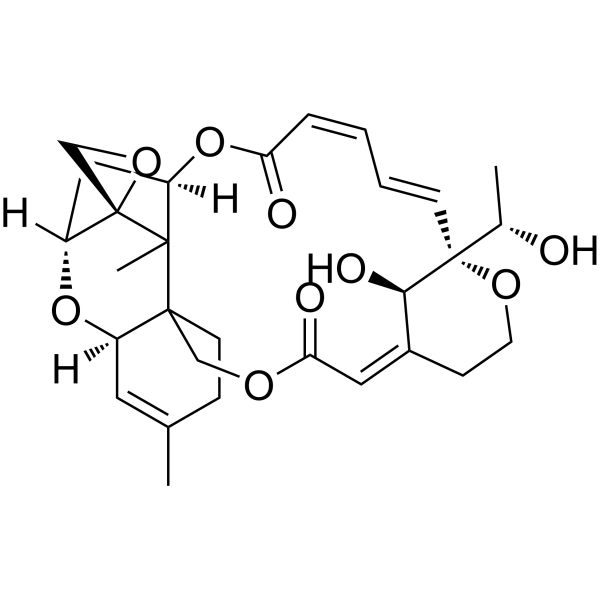 0 ImagesSatratoxin H is a toxic metabolite of Stachybotrys atra. Satratoxin H induces caspase-3 and PARP cleavage via p38 MAPK and JNK pathways, stimulates JNK, ERK, and p38 MAPK phosphorylation, and activates JNK and p38 MAPK in a glutathione-sensitive manner. Satratoxin H induces DNA double-stranded breaks, apoptotic body formation, intracellular reactive oxygen species generation, and endoplasmic reticulum stress via ATF6, PERK, and IRE1 pathways. Satratoxin H can be used for the research of central nervous system disorders and melanoma.
-
5,7-Dihydroxychromone
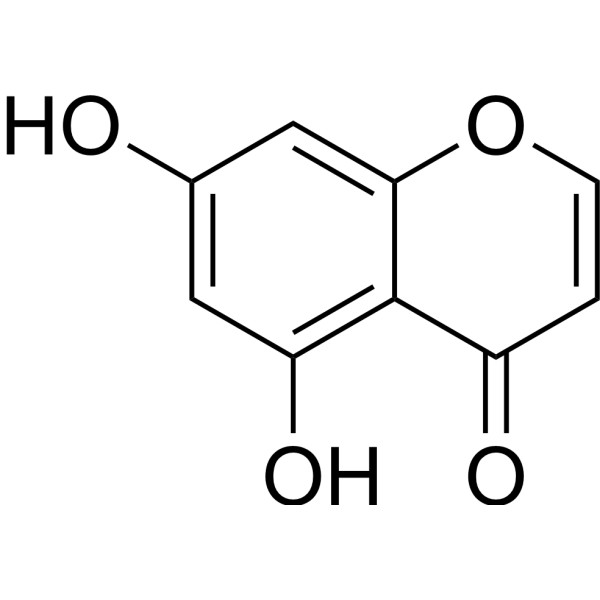 0 Images5,7-Dihydroxychromone is a flavonoid compound with antioxidant properties. 5,7-Dihydroxychromone induces Nrf2 nuclear translocation, increases Nrf2/ARE binding activity, and up-regulates Nrf2-dependent antioxidant genes HO-1, NQO1, GCLc. 5,7-Dihydroxychromone attenuates excessive ROS generation, inhibits activated caspase-3, caspase-9, cleaved PARP expression, and prevents neuronal apoptosis and cell death. 5,7-Dihydroxychromone increases LXRα and PPARγ mRNA expression, induces preadipocyte differentiation, and regulates blood glucose levels. 5,7-Dihydroxychromone inhibits radial growth of soil pathogenic fungi, radicle elongation of select seedlings, and transiently inhibits Bradyrhizobium sp. growth in high mannitol medium. 5,7-Dihydroxychromone can be used for the research of Parkinson’s disease, type 2 diabetes mellitus and pathogenic fungal infection.
-
PI-1840
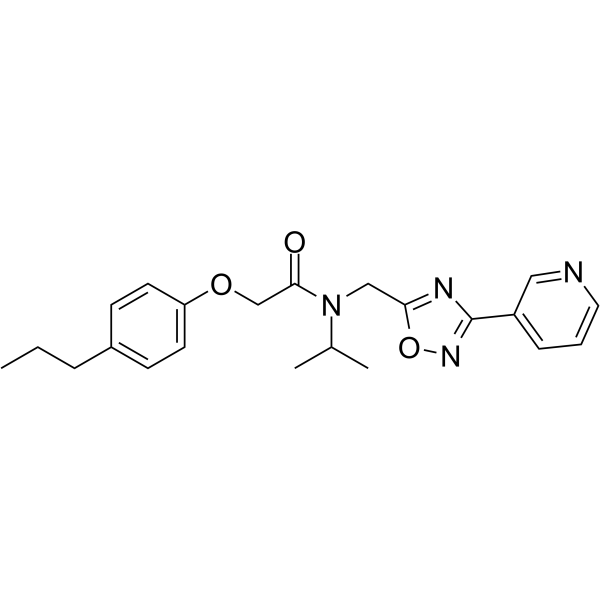 0 ImagesPI-1840 is a potent and selective chymotrypsin-like (CT-L) inhibitor for with an IC50 value of 27 nM. PI-1840 inhibits cell proliferation and arrest cell cycle at G2/M phase. PI-1840 induces apoptosis and induces autophagy. PI-1840 induces the accumulation of proteasome substrates p27, Bax, and IκB-α.
-
Simmiparib
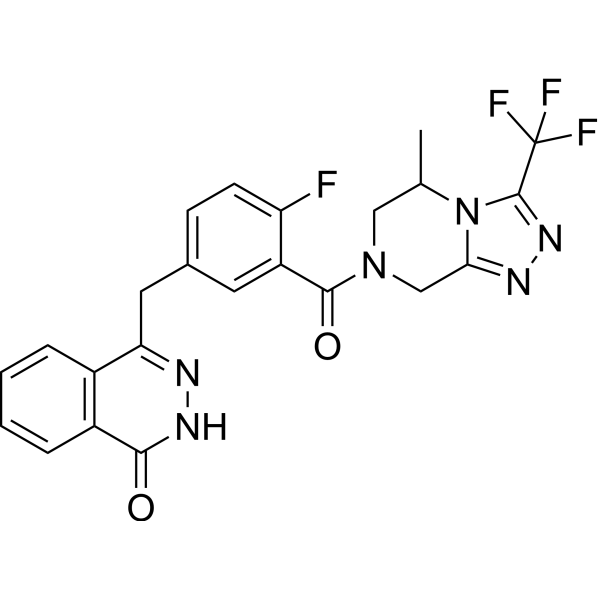 0 ImagesSimmiparib is a highly potent and orally active PARP1 and PARP2 inhibitor with IC50 values of 1.75 nM and 0.22 nM, respectively. Simmiparib has more potent PARP1/2 inhibition than its parent Olaparib (HY-10162). Simmiparib induces DNA double-strand breaks (DSB) accumulation and G2/M arrest in homologous recombination repair (HR)-deficient cells, thereby inducing apoptosis. Simmiparib exhibits remarkable anticancer activities in cells and nude mice bearing xenografts.
-
Tankyrase-IN-2
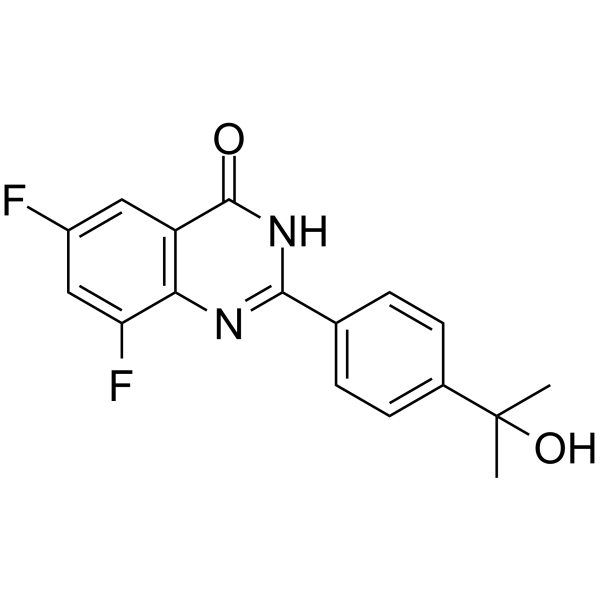 0 ImagesTankyrase-IN-2 (compound 5k) is a potent, selective, and orally active tankyrase inhibitor (IC50s of 10, 7, and 710 nM for TNKS1, TNKS2 as well as PARP1, respectively). Tankyrase-IN-2 has favorable physicochemical profile and pharmacokinetic properties modulating Wnt pathway activity in a colorectal xenograft model.

-
rel-PROTAC PARP1 degrader
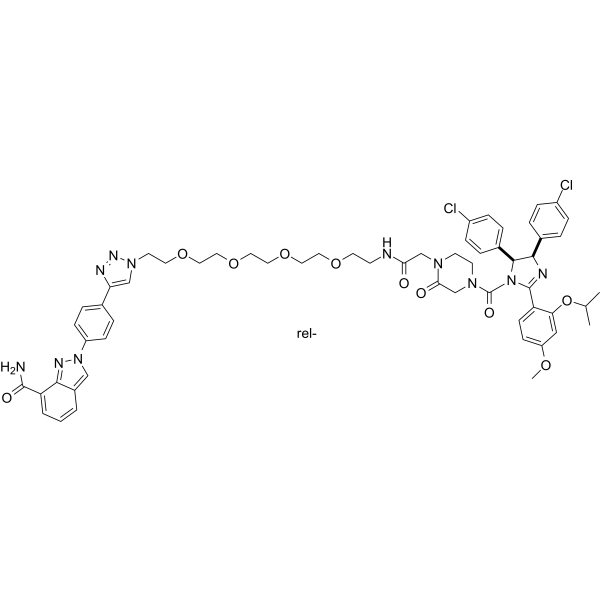 0 ImagesCat. No.: HY-114324APurity: 98.32%rel-PROTAC PARP1 degrader is the relative configuration of ROTAC PARP1 degrader (HY-114324). PROTAC PARP1 degrader is a PROTAC PARP1 degrader. PROTAC PARP1 degrader mediates the interaction between PARP1 and MDM2 E3 ubiquitin ligase, thereby inducing ubiquitination of PARP1 and subsequent proteasome-mediated degradation. PROTAC PARP1 degrader selectively inhibits the growth of breast cancer cells. PROTAC PARP1 degrader induces cell apoptosis by activating caspase-3 and phosphatidylserine externalization. PROTAC PARP1 degrader can be used in the research of triple-negative breast cancer.
-
Mefuparib hydrochloride
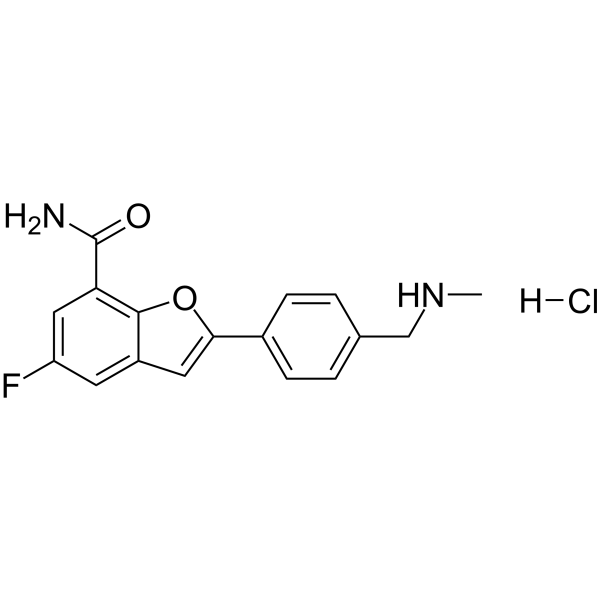 0 ImagesSynonyms: MPHMefuparib hydrochloride (MPH) is an orally active, substrate-competitive and selective PARP1/2 inhibitor with IC50s of 3.2 nM and 1.9 nM, respectively. Mefuparib hydrochloride induces apoptosis and possesses prominent anticancer activity in vitro and in vivo.
-
Tambiciclib dimaleate
 0 ImagesSynonyms: GFH009 dimaleate; JSH-009 dimaleate; SLS009 dimaleateTambiciclib (GFH009, JSH-009) dimaleate is an orally active, highly potent and selective CDK9 inhibitor (IC50 = 1 nM), demonstrating >200-fold selectivity over other CDKs, >100-fold selectivity over DYRK1A/B, and excellent selectivity over 468 kinases/mutants. Tambiciclib dimaleate demonstrates potent in vitro and in vivo antileukemic efficacy in acute myeloid leukemia (AML) mouse models by inhibiting RNA Pol II phosphorylation, downregulating MCL1 and MYC, and inducing apoptosis. Tambiciclib dimaleate can be used for AML research.
-
Continentalic acid
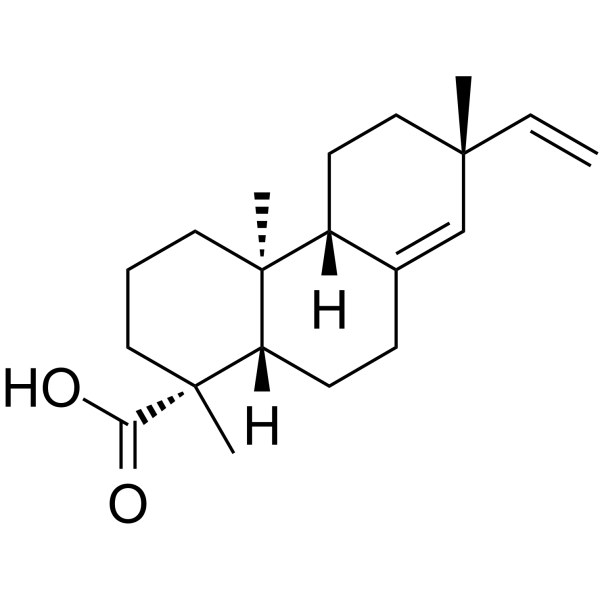 0 ImagesContinentalic acid is a diterpenoid organic acid. Continentalic acid exhibits multiple activities including anti-inflammatory, antioxidant, neuroprotective, antibacterial and antitumor effects. Continentalic acid alleviates oxidative stress, reduces pro-inflammatory cytokine production, inhibits MAPK phosphorylation and neutrophil infiltration, and induces growth inhibition and apoptosis of cancer cells. Continentalic acid can be used in research related to traumatic brain injury, cancer, inflammation and infections.