Search Result
Results for "
β-D-glucopyranosyl
" in MedChemExpress (MCE) Product Catalog:
16
Biochemical Assay Reagents
1
Isotope-Labeled Compounds
| Cat. No. |
Product Name |
Target |
Research Areas |
Chemical Structure |
-
- HY-111974
-
|
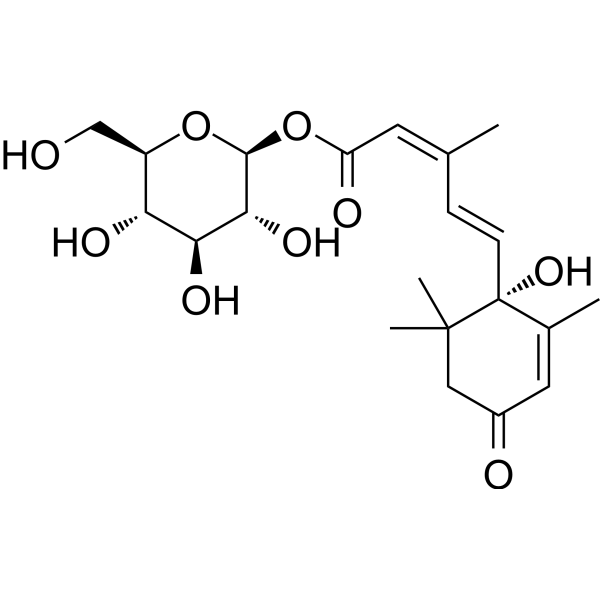
ABA-GE; (S)-cis,trans-Abscisic acid glucosyl ester
|
Proton Pump
|
Endocrinology
|
|
β-D-Glucopyranosyl abscisate (ABA-GE) is a hydrolyzable abscisic acid (ABA) conjugate that accumulates in the vacuole and presumably also in the endoplasmic reticulum. The deconjugation of β-D-Glucopyranosyl abscisate allows the rapid formation of free ABA in response to abiotic stress conditions such as dehydration and salt stress. β-D-Glucopyranosyl abscisate contributes to the maintenance of ABA homeostasis .
|
-
-
- HY-N8163
-
|
|
Others
|
Others
|
|
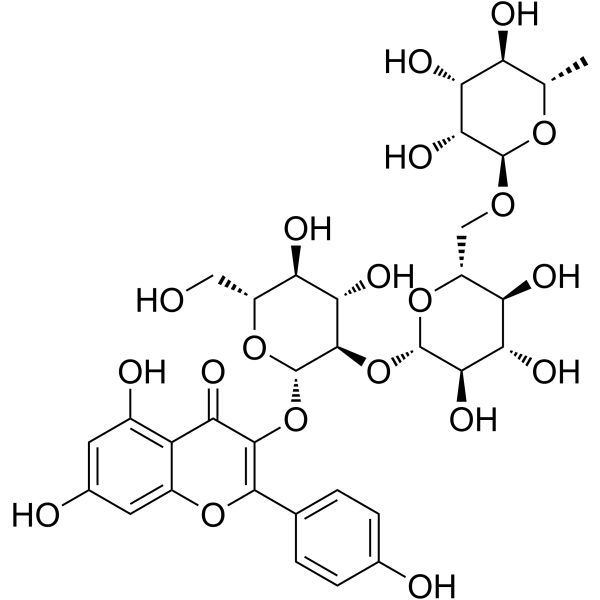
Kaempferol-3-O-α-L-rhamnopyranosyl-(1→6)-β-D-glucopyranosyl-(1→2)-β-D-glucopyranoside is an antioxidant with an IC50 of 26.6 μM (DPPH assay) .
|
-
-
- HY-119445A
-
|
2-O-beta-D-glucopyranosyl-D-glucopyranose monohydrate
|
Biochemical Assay Reagents
|
Infection
Others
Cancer
|
|
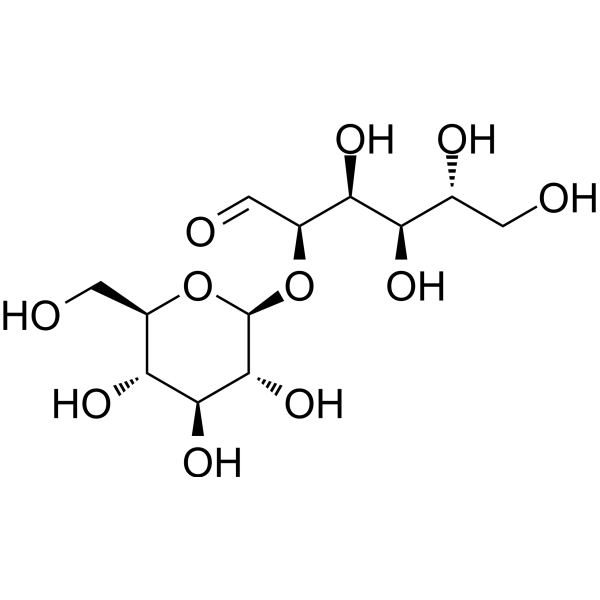
Sophorose (2-O-beta-D-Glucopyranosyl-D-glucopyranose) monohydrate is the disaccharide component of microbial glycolipids, which are often used as biosurfactants due to their hydrophobicity. Sophorolipids also exhibit antibacterial, antifungal, spermicidal, virucidal, and anticancer activities. In studies of Trichoderma reesei fermentation, sophorose monohydrate has been identified as a potent inducer of cellulase gene expression .
|
-

-
- HY-N6958
-
|
AA-2βG
|
Apoptosis
HSP
Reactive Oxygen Species (ROS)
Keap1-Nrf2
Heme Oxygenase (HO)
|
Inflammation/Immunology
Cancer
|
|
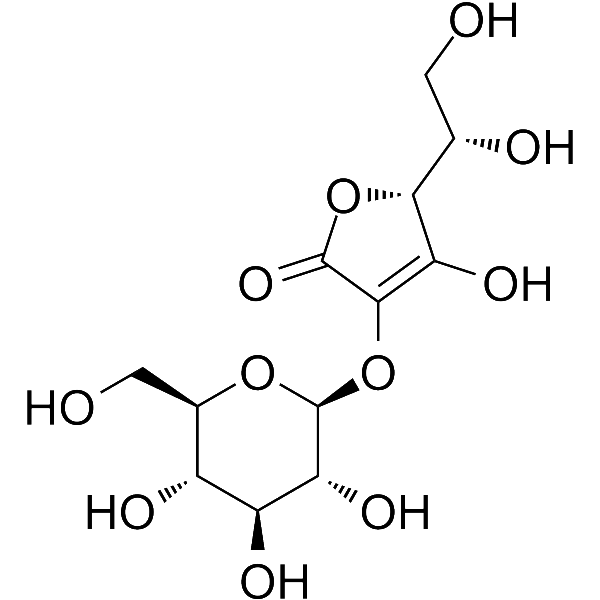
2-O-β-D-Glucopyranosyl-L-ascorbic acid (AA-2βG) is an orally active vitamin C derivative. 2-O-β-D-Glucopyranosyl-L-ascorbic acid exhibits multiple activities including antioxidant, anti-tumor and immunomodulatory effects. 2-O-β-D-Glucopyranosyl-L-ascorbic acid mediates tumor cell apoptosis, induces cell cycle arrest, scavenges free radicals and eliminates oxidative stress. 2-O-β-D-Glucopyranosyl-L-ascorbic acid can be used in studies related to cancer, inflammation and immunity .
|
-
-
- HY-N7635
-
|
β-D-glucopyranosyl oleanolate
|
NO Synthase
COX
Interleukin Related
Claudin
p38 MAPK
Akt
PI3K
|
Inflammation/Immunology
|
|
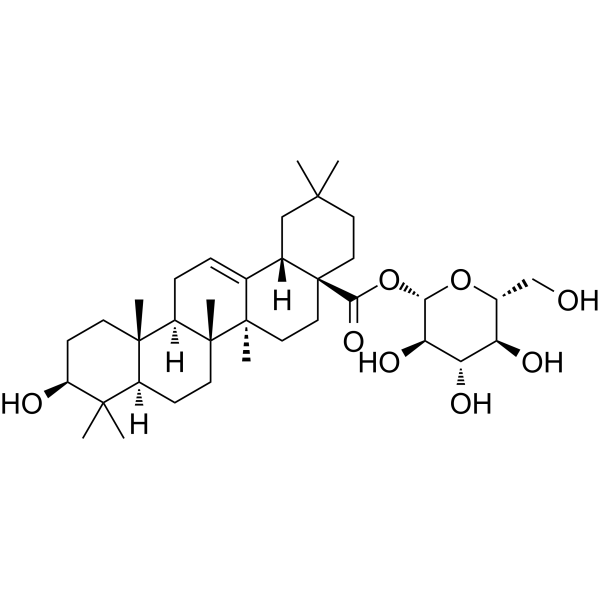
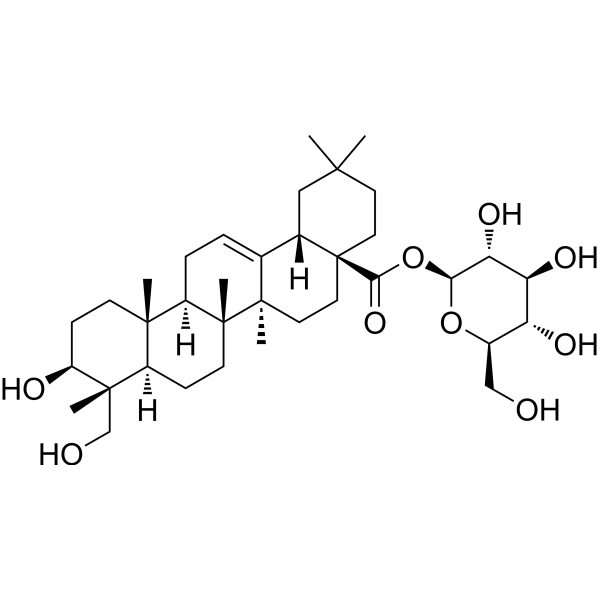
Oleanolic acid 28-O-β-D-glucopyranoside (β-D-Glucopyranosyl oleanolate) is an orally active pentacyclic triterpenoid compound. Oleanolic acid 28-O-β-D-glucopyranoside has anti-inflammatory effects. In ulcerative colitis models, Oleanolic acid 28-O-β-D-glucopyranoside can inhibit the inflammatory response, enhance the intestinal epithelial barrier function, and modulate the gut microbiota. Its mechanism of action is related to the PI3K-AKT and MAPK signaling pathways. Oleanolic acid 28-O-β-D-glucopyranoside can be used in the research of diseases such as colitis .
|
-
-
- HY-N8009
-
|
|
Biochemical Assay Reagents
|
Others
|
|
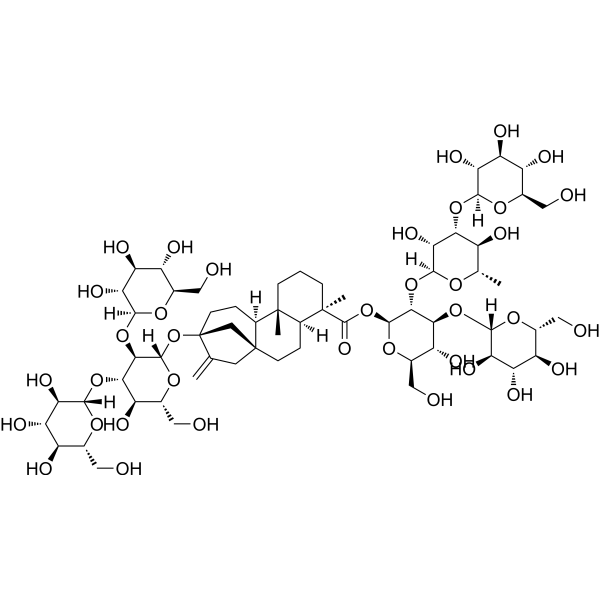
Rebaudioside O is a heptapyranosyl diterpene glycoside that occurs in the leaves of Stevia rebaudiana Bertoni. Rebaudioside O serves as a sweetener .
|
-
-
- HY-N6986
-
|
Liquiritigenin-7-apiosylglucoside
|
Others
|
Cancer
|
|
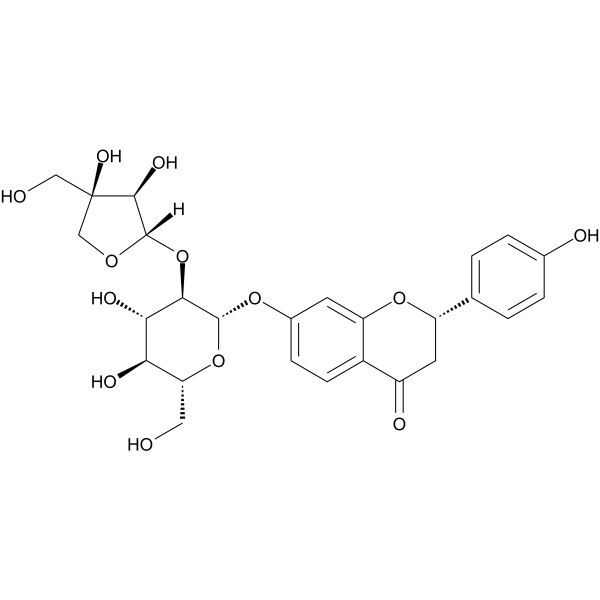
Liquiritigenin-7-O-β-D-glucopyranosyl-(1→2)-β-D-apiofuranoside (Liquiritigenin-7-apiosylglucoside) is a flavonoid isolated from the roots of Glycyrrhiza, has weaker cytotoxicity against several tumor cells and normal cells .
|
-
-
- HY-N6058
-
|
|
Parasite
|
Others
|
|
(3β)-3-[(O-β-D-Glucopyranosyl-(1→3)-O-6-deoxy-α-L-mannopyranosyl-(1→2)-α-L-arabinopyranosyl)oxy]olean-12-en-28-oic acid is a member of Oleanolic acid saponins with trematocide activity .
|
-
![(3β)-3-[(O-β-D-Glucopyranosyl-(1→3)-O-6-deoxy-α-L-mannopyranosyl-(1→2)-α-L-arabinopyranosyl)oxy]olean-12-en-28-oic acid](//file.medchemexpress.com/product_pic/hy-n6058.gif)
-
- HY-119445
-
|
2-O-beta-D-glucopyranosyl-D-glucopyranose
|
Biochemical Assay Reagents
|
Others
|
|
Sophorose is a disaccharide component of microbial glycolipids produced by yeast called sophorolipids. Due to their hydrophobic nature, sophorolipids are commonly used as biosurfactants. Sophorolipids also exhibit antibacterial, antifungal, spermicidal, virucidal, and anticancer activities. Sophorose has been identified as a potent inducer of cellulase gene expression in Trichoderma reesei fermentation studies.
|
-
-
- HY-141490
-
|
|
Drug Derivative
|
Others
|
|
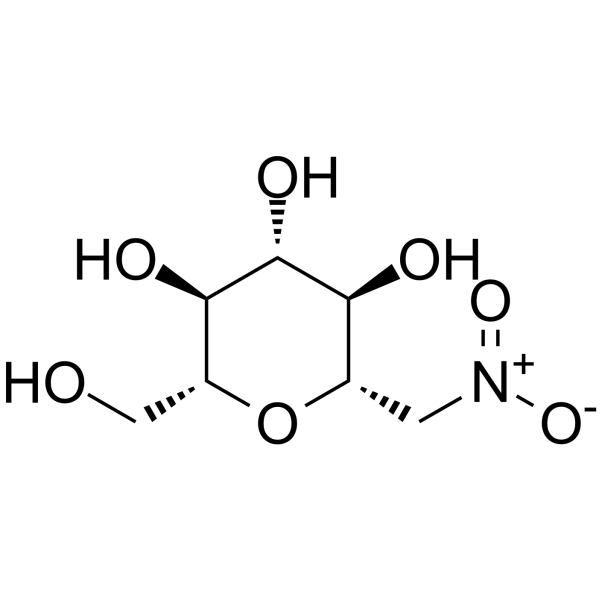
Beta-D-Glucopyranosyl nitromethane, as a salt of a strongly basic anion exchanger in the OH cycle, is a glycosyl derivative of nitromethane .
|
-
-
- HY-W145623
-
|
2,3,4,6-Tetra-O-benzyl-beta-D-glucopyranosyl fluoride
|
Biochemical Assay Reagents
|
Others
|
|
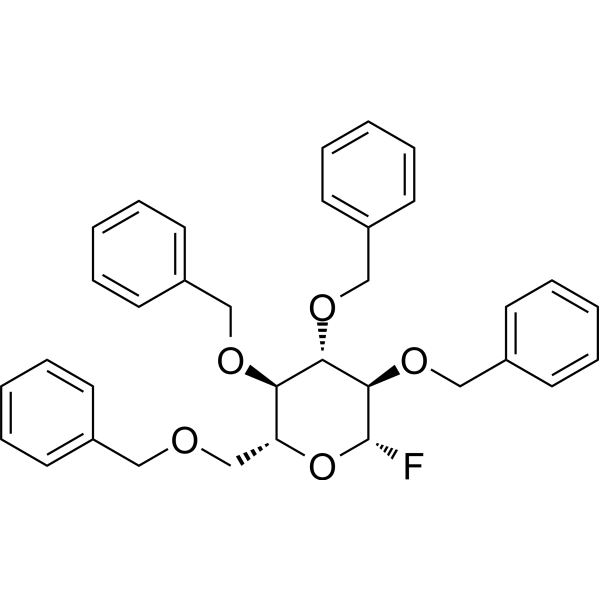
2,3,4,6-Tetra-O-benzyl-β-D-glucopyranosyl Fluoride is a biochemical reagent that can be used as a biological material or organic compound for life science related research.
|
-
-
- HY-N9521
-
|
|
Others
|
Cancer
|
|
3-O-β-D-Glucopyranosyl(1→2)-[a-Lrhamnopyranosyl(1→3)]-β-D-glucopyranosyl 28-O-β-D-glucuronopyranoside, a saponin, is isolated from Polaskia chichipe Backbg. 3-O-β-D-Glucopyranosyl(1→2)-[a-Lrhamnopyranosyl(1→3)]-β-D-glucopyranosyl 28-O-β-D-glucuronopyranoside shows ability to inhibit melanin biosynthesis by B16 melanoma cell with inhibitory activity 84.2% at 100μM[1].
|
-
![3-O-β-D-Glucopyranosyl(1→2)-[a-Lrhamnopyranosyl(1→3)]-β-D-glucopyranosyl 28-O-β-D-glucuronopyranoside](//file.medchemexpress.com/product_pic/hy-n9521.gif)
-
- HY-N9522
-
|
|
Endogenous Metabolite
|
Others
|
|
β-D-glucopyranosyl-[α-L-rhamnopyranosyl-(1→3)-βD-glucuronopyranosyl-(1→3)]-3β-hydroxyolean-12-ene28-oate, as a saponin, has a glucuronic acid attached to carbon C-3 and is isolated from S. simplex .
|
-
![β-D-glucopyranosyl-[α-L-rhamnopyranosyl-(1→3)-βD-glucuronopyranosyl-(1→3)]-3β-hydroxyolean-12-ene28-oate](//file.medchemexpress.com/product_pic/hy-n9522.gif)
-
- HY-W603112
-
|
|
Biochemical Assay Reagents
|
Others
|
|
β-D-Glucopyranosyl 1-thio-β-D-glucopyranoside is a class of biochemical reagents used in glycobiology research. Glycobiology studies the structure, synthesis, biology, and evolution of sugars. It involves carbohydrate chemistry, enzymology of glycan formation and degradation, protein-glycan recognition, and the role of glycans in biological systems. This field is closely related to basic research, biomedicine, and biotechnology .
|
-

-
- HY-N12017
-
|
|
Others
|
Infection
Cancer
|
|
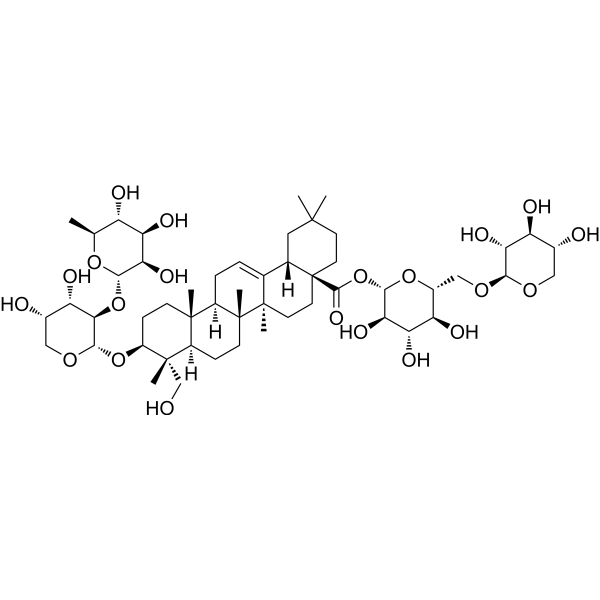
3-O-α-L-Rhamnopyranosyl-(1→2)-α-L-arabinopyranosyl hederagenin28-O-β-D-xylopyranosyl-(1→6)-β-D-glucopyranosyl ester is a hederagenin-type saponin with antitumor and anti-inflammatory properties .
|
-
-
- HY-N13639
-
|
|
Others
|
Others
|
|
β-D-Glucopyranosyl taraxinic ester is a natural product that can be isolated from Taraxacum portentosum .
|
-

-
- HY-E71288
-
|
|
Biochemical Assay Reagents
|
Others
|
|
β-D-Glucopyranosyl abscisate β-glucosidase (EC 3.2.1.175) hydrolzes the biologically inactive β-D-Glucopyranosyl ester of abscisic acid to produce active abscisate. Abscisate is a phytohormone critical for plant growth, development and adaption to various stress conditions. The enzyme does not hydrolyse β-D-Glucopyranosyl zeatin.
|
-

-
- HY-N2190
-
-
-
- HY-P10230
-
|
|
Bacterial
|
Infection
|
|
Sublancin is an antimicrobial peptide, which inhibits DNA replication, transcription and translation, without affecting membrane integrity. Sublancin suppresses glucose uptake for the competition of phosphotransferase system (PTS). Sublancin inhibits B. subtilis strain 168 ΔSPβ with MIC of 0.312 μM .
|
-

-
- HY-N13537
-
|
|
Others
|
Others
|
|
11β,13-Dihydrotaraxinic acid β-D-glucopyranosyl ester is a natural product that can be isolated from Punica granatum .
|
-

-
- HY-N8132
-
|
|
Reactive Oxygen Species (ROS)
|
Inflammation/Immunology
|
|
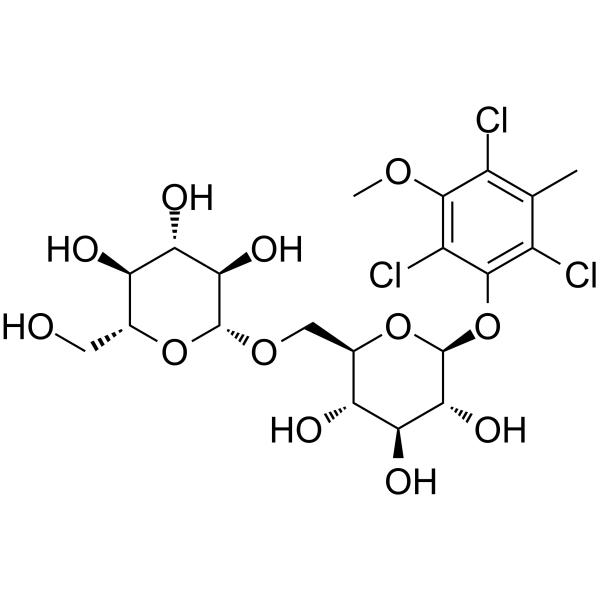
2,4,6-Trichlorol-3-methyl-5-methoxy-phenol 1-O-β-d-glucopyranosyl-(1 → 6)-β-d-glucopyranoside is a chlorophenyl glycoside found in the bulbs of Lilium brownie var. viridulum. 2,4,6-Trichlorol-3-methyl-5-methoxy-phenol 1-O-β-d-glucopyranosyl-(1 → 6)-β-d-glucopyranoside exhibits weak inhibition of NO production in LPS-stimulated RAW 264.7 cells .
|
-
-
- HY-W006443
-
|
2,3,4,6-Tetra-O-acetyl-&beta
|
Biochemical Assay Reagents
|
Others
|
|
2,3,4,6-Tetra-O-acetyl-β-D-glucopyranosyl trichloroacetimidate, 98%(N) (2,3,4,6-Tetra-O-acetyl-&beta) can be used in glycobiology research.
|
-

-
- HY-W754831
-
|
ABA-GE-d6; (S)-cis,trans-Abscisic acid glucosyl ester-d6
|
Isotope-Labeled Compounds
Proton Pump
|
Metabolic Disease
|
|
β-D-Glucopyranosyl abscisate-d6 (ABA-GE-d6) is the deuterium labeled β-D-Glucopyranosyl abscisate (HY-111974). β-D-Glucopyranosyl abscisate (ABA-GE) is a hydrolyzable?abscisic acid?(ABA) conjugate that accumulates in the vacuole and presumably also in the endoplasmic reticulum. The deconjugation of β-D-Glucopyranosyl abscisate allows the rapid formation of free ABA in response to abiotic stress conditions such as dehydration and salt stress. β-D-Glucopyranosyl abscisate contributes to the maintenance of ABA homeostasis.
|
-

-
- HY-N9157
-
|
|
Drug Derivative
|
Others
|
|
ent-9-Hydroxy-15-oxokaur-16-en-19-oic acid β-D-glucopyranosyl ester is a natural diterpene.
|
-

-
- HY-N12070
-
|
|
Others
|
Cardiovascular Disease
|
|
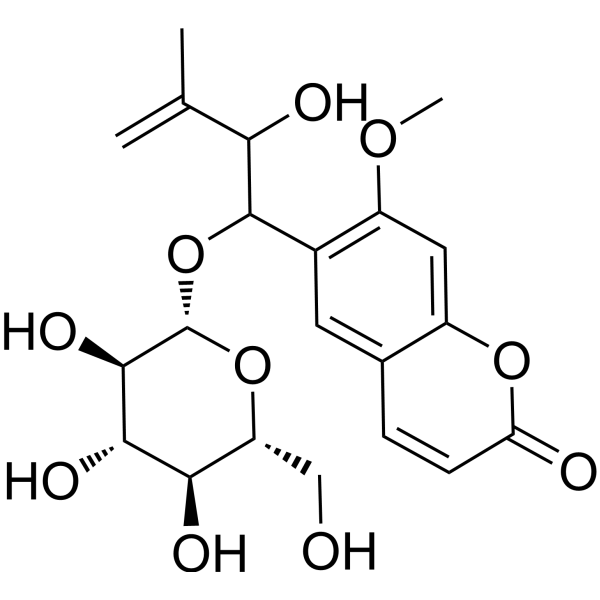
11-O-β-D-glucopyranosyl thamnosmonin, a coumarin glucosides, can be isolated from the roots of Angelica apaensis. 11-O-β-D-glucopyranosyl thamnosmonin has weak inhibitory activity on the aggregation of rabbit platelets induced by PAF, AA, and ADP .
|
-
-
- HY-N8204
-
-
-
- HY-N1533
-
-
-
- HY-N15722
-
|
|
Reactive Oxygen Species (ROS)
|
Inflammation/Immunology
|
|
9-O-β-D-Glucopyranosyl-3,4-dimethoxy-cinnamic acid is an orally active phenylpropanoid glycoside found in Microlepia pilosissima, acting as an antioxidant. 9-O-β-D-Glucopyranosyl-3,4-dimethoxy-cinnamic acid shows a DPPH radical scavenging activity with an ED50 value of 38.1 μM. 9-O-β-D-Glucopyranosyl-3,4-dimethoxy-cinnamic acid is promising for research of oxidative stress-related diseases such as inflammation and liver injury .
|
-

-
- HY-W416255
-
-

-
- HY-N4051
-
|
|
Others
|
Others
|
|
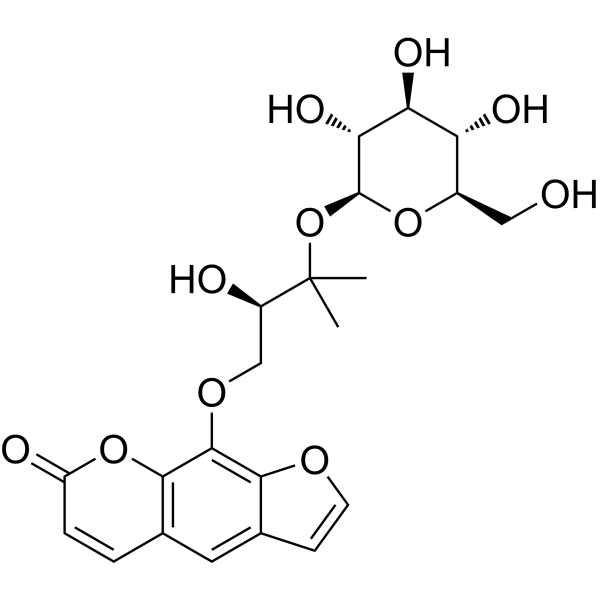
3"-O-β-D-Glucopyranosyl-(2"R)-heraclenol (compound 4) is a natural product from the roots of Heracleum rapula Franch .
|
-
-
- HY-166986
-
-
![2-O-[2-(Acetylamino)-2-deoxy-β-D-glucopyranosyl]-D-mannose](//file.medchemexpress.com/product_pic/hy-166986.gif)
-
- HY-N12035
-
|
|
Others
|
Cancer
|
|
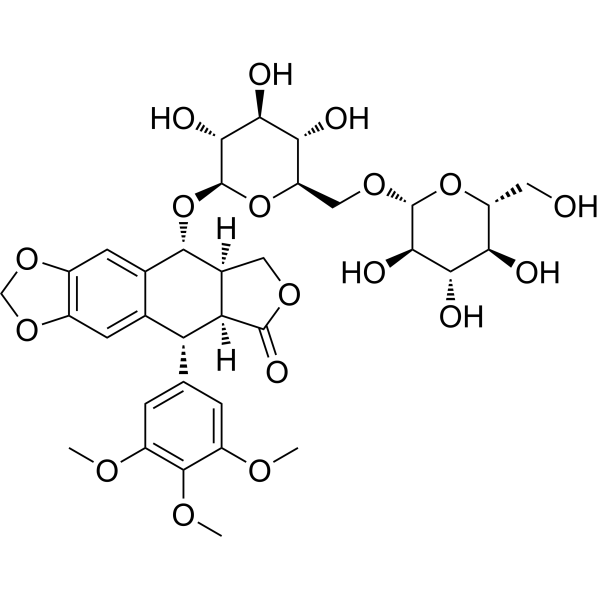
Picropodophyllin-4-O-β-D-glucopyranosyl-(1→6)-β-D-glucopyranoside (compound 17) is a lignan isolated from the roots and rhizomes of Podophyllum sinensis .
|
-
-
- HY-N12708
-
|
|
Others
|
Others
|
|
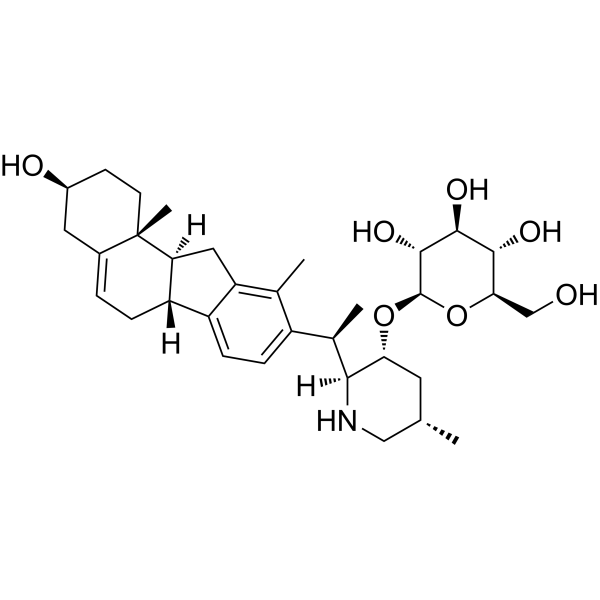
23-O-β-D-Glucopyranosyl-20-isoveratramine is a potential anti-allergic agent extracted from nettles. A variety of COX-1, COX-2, 5-lipoxygenase and trypsin-like inhibitors and H1 antagonists are found in nettle extract, which can inhibit seasonal allergies, allergic rhinitis and other inflammatory diseases. and preventive effects .
|
-
-
- HY-N12079
-
|
|
Biochemical Assay Reagents
|
Cancer
|
|
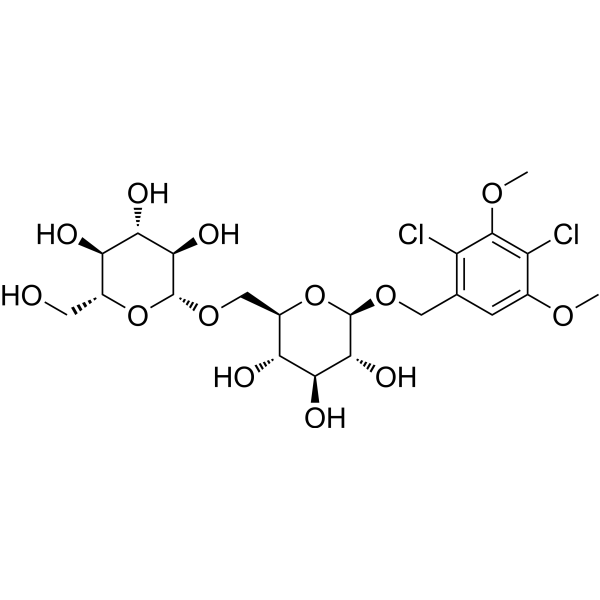
(2,4-Dichloro-3,5-dimethoxyphenyl) methyl 6-O-β-D-glucopyranosyl-β-D-glucopyranoside is an anticancer agent that inhibits the proliferation of lung cancer A549 cells (IC50=29 μΜ). (2,4-Dichloro-3,5-dimethoxyphenyl) methyl 6-O-β-D-glucopyranosyl-β-D-glucopyranoside can be obtained from Lilium regale and can be used in cancer research .
|
-
-
- HY-W671745
-
|
|
Others
|
Others
|
|
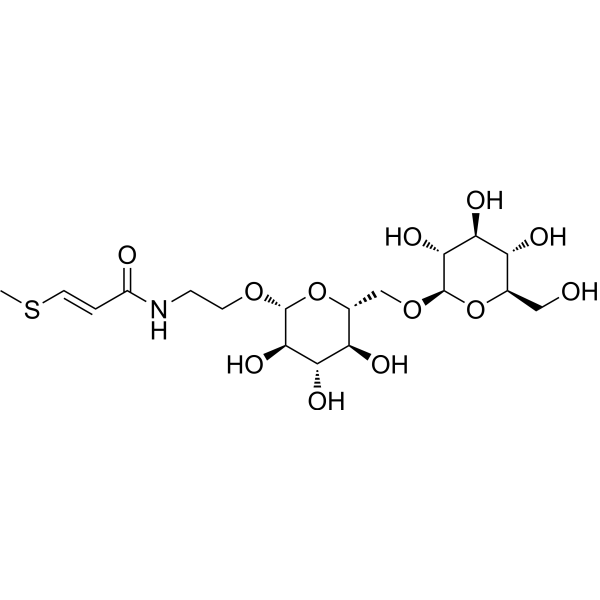
Entadamide A 2'-O-(6''-O-β-D-glucopyranosyl)-β-D-glucopyranoside (MFLNH I) (compound 5) can be isolated from the seed kernel of Entada rheedei. Entada rheedei is a medicinal plant from Thailand that is used to suppress stomach pain .
|
-
-
- HY-N9025
-
|
|
Others
|
Others
|
|
ent-6,9-Dihydroxy-15-oxo-16-kauren-19-oic acid beta-D-glucopyranosyl ester is a Diterpenoids product that can be isolated from the herbs of Pteris semipinnata .
|
-

-
- HY-W416254
-
|
|
Biochemical Assay Reagents
|
Others
|
|
4-Nitrophenyl 2-O-β-D-glucopyranosyl-β-D-glucopyranoside is a class of biochemical reagents used in glycobiology research. Glycobiology studies the structure, synthesis, biology, and evolution of sugars. It involves carbohydrate chemistry, enzymology of glycan formation and degradation, protein-glycan recognition, and the role of glycans in biological systems. This field is closely related to basic research, biomedicine, and biotechnology .
|
-

-
- HY-W700094
-
|
|
Biochemical Assay Reagents
|
Others
|
|
2,3,4,6-Tetra-O-acetyl-β-D-glucopyranosyl Ethylxanthate is a class of biochemical reagents used in glycobiology research. Glycobiology studies the structure, synthesis, biology, and evolution of sugars. It involves carbohydrate chemistry, enzymology of glycan formation and degradation, protein-glycan recognition, and the role of glycans in biological systems. This field is closely related to basic research, biomedicine, and biotechnology .
|
-

-
- HY-N8812
-
|
|
NO Synthase
|
Inflammation/Immunology
|
|
19-[(β-D-Glucopyranosyl)oxy]-19-oxo-ent-labda-8(17),13-dien-16,15-olide, the metabolite of Neoandrographolide, inhibits nitric oxide (NO) production in lipopolysaccharide-activated macrophages .
|
-
![19-[(β-D-Glucopyranosyl)oxy]-19-oxo-ent-labda-8(17),13-dien-16,15-olide](//file.medchemexpress.com/product_pic/hy-n8812.gif)
-
- HY-W145565
-
|
|
Biochemical Assay Reagents
|
Others
|
|
2-Acetamido-4,6-O-benzylidene-2-deoxy-β-D-glucopyranosyl is a class of biochemical reagents used in glycobiology research. Glycobiology studies the structure, synthesis, biology, and evolution of sugars. It involves carbohydrate chemistry, enzymology of glycan formation and degradation, protein-glycan recognition, and the role of glycans in biological systems. This field is closely related to basic research, biomedicine, and biotechnology .
|
-

-
- HY-N16930
-
-

-
- HY-N17771
-
|
|
Endogenous Metabolite
|
Metabolic Disease
|
|
(6-O-p-Coumaroyl)-β-D-glucopyranosyl-2-O-(4-hydroxybenzoyl)-4-O-β-D-glucopyranosyl-6-hydroxyphenylacetate is a selective α-glucosidase inhibitor (IC50=10.53 μg/mL) with anti-hepatic fibrosis and anti-diabetic properties. It also inhibits the growth of mouse hepatic stellate cells (t-HSC/Cl-6) with an IC50 of 109.2 μg/mL. (6-O-p-Coumaroyl)-β-D-glucopyranosyl-2-O-(4-hydroxybenzoyl)-4-O-β-D-glucopyranosyl-6-hydroxyphenylacetate can be isolated from the ester derivatives of Impatiens balsamina L. flowers. (6-O-p-Coumaroyl)-β-D-glucopyranosyl-2-O-(4-hydroxybenzoyl)-4-O-β-D-glucopyranosyl-6-hydroxyphenylacetate can be used in research related to hepatic fibrosis and type 2 diabetes.
|
-

-
- HY-W540784
-
-

-
- HY-N17854
-
|
|
Drug Derivative
|
Others
|
|
3β-O-α-L-Arabinopyranosylsiaresinolic acid 28-O-β-D-glucopyranosyl ester is a triterpene glycoside found in the roots of Sanguisorba officinalis. 3β-O-α-L-Arabinopyranosylsiaresinolic acid 28-O-β-D-glucopyranosyl ester is non-cytotoxic and does not exhibit cytotoxic activity against human oral squamous cell carcinoma cells or normal human gingival fibroblasts .
|
-

-
- HY-N17536
-
|
|
Others
|
Others
|
|
4-Hydroxy-3-methoxyphenyl 6-O-β-D-glucopyranosyl-β-D-glucopyranoside (Compound 9) is a natural product. 4-Hydroxy-3-methoxyphenyl 6-O-β-D-glucopyranosyl-β-D-glucopyranoside can be isolated from Lycopodiella cernua (L.) Pic. Serm. .
|
-

-
- HY-W706305
-
-
![3-O-[2-Acetamido-2-deoxy-β-D-glucopyranosyl]-D-mannopyranose](//file.medchemexpress.com/product_pic/hy-w706305.gif)
-
- HY-N19757
-
|
|
Fungal
|
Infection
|
|
3-O-(2-Acetamido-2-deoxy-β-D-glucopyranosyl) echinocystic acid is an oleanane-type triterpenoid saponin. 3-O-(2-Acetamido-2-deoxy-β-D-glucopyranosyl) echinocystic acid acts as a dermatophyte growth inhibitor with a MIC range of 6.25-25 μg/mL. 3-O-(2-Acetamido-2-deoxy-β-D-glucopyranosyl) echinocystic acid can be used in the research of dermatophyte infections, bacterial infections and yeast infections .
|
-

-
- HY-N19769
-
|
|
Others
|
Others
|
|
Phenylmethyl O-β-D-glucopyranosyl-(1→3)-O-β-D-glucopyranoside (Compound 10) is a triglycoside compound. Phenylmethyl O-β-D-glucopyranosyl-(1→3)-O-β-D-glucopyranoside is isolated from the whole plant of sesame (Sesamum indicum) .
|
-
![Phenylmethyl O-β-D-glucopyranosyl-(1→3)-O-[β-D-xylopyranosyl-(1→2)]-β-D-glucopyranoside](//file.medchemexpress.com/product_pic/hy-n19769.gif)
-
- HY-N17162
-
|
4'-O-(4,6-O-Hexahydroxydiphenoyl-β-D-glucopyranosyl)phloretin
|
Drug Derivative
|
Others
|
|
4-Hydroxythonningianin B (4'-O-(4,6-O-Hexahydroxydiphenoyl-β-D-glucopyranosyl)phloretin) is a natural chalcone.
|
-

-
- HY-N15705
-
|
|
Others
|
Others
|
|
Demethylflavasperone-10-O-β-d-glucopyranosyl-6-O-β-d-apiofuranoside (compound 2) is a naphthopyrone glycoside found in Senna tora sprouts .
|
-

- HY-N15694
-
|
|
Others
|
Others
|
|
1-Hydroxy-8-methoxy-3-methyl-6-O-β-D-glucopyranosyl-anthraquinone is an anthraquinone glucoside found in Polygonum macrophyllum D. Don .
|
-

- HY-N1525
-
|
|
Others
|
Others
|
|
Quinovic acid 3-O-(6-deoxy-β-D-glucopyranoside) 28-O-β-D-glucopyranosyl ester is a Triterpenoids product that can be isolated from the vines of Uncaria tomentosa .
|
-

- HY-W687143
-
|
|
Biochemical Assay Reagents
|
Others
|
|
2-Acetamido-2-deoxy-β-D-glucopyranosyl azide is a class of biochemical reagents used in glycobiology research. Glycobiology studies the structure, synthesis, biology, and evolution of sugars. It involves carbohydrate chemistry, enzymology of glycan formation and degradation, protein-glycan recognition, and the role of glycans in biological systems. This field is closely related to basic research, biomedicine, and biotechnology .
|
-

- HY-W009078
-
|
|
Biochemical Assay Reagents
|
Others
|
|
4-S-β-D-Glucopyranosyl-4-thio-D-glucose is a class of biochemical reagents used in glycobiology research. Glycobiology studies the structure, synthesis, biology, and evolution of sugars. It involves carbohydrate chemistry, enzymology of glycan formation and degradation, protein-glycan recognition, and the role of glycans in biological systems. This field is closely related to basic research, biomedicine, and biotechnology .
|
-

- HY-167801
-
|
|
Biochemical Assay Reagents
|
|
|
2,3,4, 6-TeTRA-O-Pivaloyl-β-D-Glucopyranosyl isothiocyanate is the biochemical reagent used in glycobiology research. Glycobiology studies the structure, synthesis, biology, and evolution of sugars. It deals with carbohydrate chemistry, glycan formation and degradation enzymology, protein-glycan recognition, and the role of glycans in biological systems. The field is closely related to basic research, biomedicine and biotechnology .
|
-

- HY-W145625
-
|
|
Biochemical Assay Reagents
|
Others
|
|
2-Acetamido-3-O-benzyl-4,6-O-benzylidene-2-deoxy-β-D-glucopyranosyl azide is a class of biochemical reagents used in glycobiology research. Glycobiology studies the structure, synthesis, biology, and evolution of sugars. It involves carbohydrate chemistry, enzymology of glycan formation and degradation, protein-glycan recognition, and the role of glycans in biological systems. This field is closely related to basic research, biomedicine, and biotechnology .
|
-

- HY-N16957
-
|
|
Drug Derivative
|
Others
|
|
3α,30-Diacetoxy-12α-hydroxy-23-oxoeupha-7,24-dien-21,16β-olid-28-oic acid 28-O-β-D-glucopyranosyl ester is a natural triterpene.
|
-

- HY-N18393
-
|
|
Others
|
Others
|
|
Caudatin 3-O-β-D-glucopyranosyl-(1→4)-β-D-oleandropyranosyl-(1→4)-β-D-cymaropyranosyl-(1→4)-β-D-cymaropyranoside (compound 6) is a C-21 steroidal glycoside that can be isolated from the roots of Cynanchum otophyllum and Cynanchum caudatum .
|
-

- HY-N18374
-
|
|
Drug Derivative
|
Others
|
|
Quercetin-3-O--5-O-β-D-glucopyranoside is a flavone glycoside found in the seeds of Impatiens balsamina L .
|
-
![Quercetin-3-O-[α-L-rhamnose-(1→2)-β-D-glucopyranosyl]-5-O-β-D-glucopyranoside](//file.medchemexpress.com/product_pic/hy-n18374.gif)
- HY-N19939
-
|
|
Others
|
Others
|
|
Saponarioside D is a triterpenoid saponin found in whole plants and roots of Saponaria officinalis L. .
|
-

- HY-N18097
-
|
|
Others
|
Others
|
|
Junipeionoloside is a norterpenoid glucoside that can find in the leaves of Juniperus phoenicea .
|
-

- HY-N19223
-
|
|
Drug Derivative
|
Metabolic Disease
|
|
Spongipregnoloside B is a pregnane diglycoside found in the rhizomes of Dioscorea spongiosa. Spongipregnoloside B can be used in osteoporosis research .
|
-

- HY-N19123
-
|
|
Others
|
Others
|
|
Ginsenoside Ra9 (Compound 6) is a protopanaxadiol-type ginsenoside. Ginsenoside Ra9 can be isolated from the roots of Panax ginseng .
|
-

- HY-N19729
-
|
|
Others
|
Others
|
|
Chikusetsusaponin FK6 is a dammarane-type triterpenoid saponin that can be found in the fruits of Panax japonicus C. A. MEYER .
|
-

- HY-N17301
-
|
|
Others
|
Others
|
|
Capilliposide I is a tetrasaccharide flavonol glycoside found in the whole herbs of Lysimachia capillipes .
|
-

- HY-N19726
-
|
|
Drug Derivative
|
Others
|
|
Capsianoside IV is a monomeric acyclic diterpenoid glycoside and geranyl linalool derivative, which can be isolated from the fruits of Capsicum annuum var. grossum (bell pepper) .
|
-

- HY-N19880
-
|
|
Drug Derivative
|
Infection
|
|
Oleanoglycotoxin A is a saponin present in the berries of Phytolacca dodecandra, with antifertility and molluscicidal activities. Oleanoglycotoxin A prevents pregnancy, reduces the number of embryos, inhibits implantation, terminates established pregnancy, and kills Biomphalaria glabrata. Oleanoglycotoxin A can be used in studies related to schistosomiasis .
|
-

- HY-N19942
-
|
|
Drug Intermediate
|
Cancer
|
|
Scrophuloside A is a phenylpropanoid glycoside identified from the rhizome of Neopicrorhiza scrophulariiflora. Scrophuloside A induces cytotoxicity in leukemia cells with a IC50 of 0.58 μg/mL. Scrophuloside A is applicable to leukemia-related research .
|
-

- HY-N19715
-
-

- HY-N17505
-
|
|
Others
|
Others
|
|
(1S,2R,4S)-Borneol β-D-glucopyranoside (Compound 10) is a monoterpenoid glucoside.(1S,2R,4S)-Borneol β-D-glucopyranoside can be found in the leaf of Thymus vulgaris .
|
-

| Cat. No. |
Product Name |
Type |
-
- HY-119445A
-
|
2-O-beta-D-glucopyranosyl-D-glucopyranose monohydrate
|
Biochemical Assay Reagents
|
|
Sophorose (2-O-beta-D-Glucopyranosyl-D-glucopyranose) monohydrate is the disaccharide component of microbial glycolipids, which are often used as biosurfactants due to their hydrophobicity. Sophorolipids also exhibit antibacterial, antifungal, spermicidal, virucidal, and anticancer activities. In studies of Trichoderma reesei fermentation, sophorose monohydrate has been identified as a potent inducer of cellulase gene expression .
|
-
- HY-119445
-
|
2-O-beta-D-glucopyranosyl-D-glucopyranose
|
Biochemical Assay Reagents
|
|
Sophorose is a disaccharide component of microbial glycolipids produced by yeast called sophorolipids. Due to their hydrophobic nature, sophorolipids are commonly used as biosurfactants. Sophorolipids also exhibit antibacterial, antifungal, spermicidal, virucidal, and anticancer activities. Sophorose has been identified as a potent inducer of cellulase gene expression in Trichoderma reesei fermentation studies.
|
-
- HY-W145623
-
|
2,3,4,6-Tetra-O-benzyl-beta-D-glucopyranosyl fluoride
|
Biochemical Assay Reagents
|
|
2,3,4,6-Tetra-O-benzyl-β-D-glucopyranosyl Fluoride is a biochemical reagent that can be used as a biological material or organic compound for life science related research.
|
-
- HY-W603112
-
|
|
Biochemical Assay Reagents
|
|
β-D-Glucopyranosyl 1-thio-β-D-glucopyranoside is a class of biochemical reagents used in glycobiology research. Glycobiology studies the structure, synthesis, biology, and evolution of sugars. It involves carbohydrate chemistry, enzymology of glycan formation and degradation, protein-glycan recognition, and the role of glycans in biological systems. This field is closely related to basic research, biomedicine, and biotechnology .
|
-
- HY-W006443
-
|
2,3,4,6-Tetra-O-acetyl-&beta
|
Biochemical Assay Reagents
|
|
2,3,4,6-Tetra-O-acetyl-β-D-glucopyranosyl trichloroacetimidate, 98%(N) (2,3,4,6-Tetra-O-acetyl-&beta) can be used in glycobiology research.
|
-
- HY-W416255
-
-
- HY-166986
-
-
- HY-W416254
-
|
|
Biochemical Assay Reagents
|
|
4-Nitrophenyl 2-O-β-D-glucopyranosyl-β-D-glucopyranoside is a class of biochemical reagents used in glycobiology research. Glycobiology studies the structure, synthesis, biology, and evolution of sugars. It involves carbohydrate chemistry, enzymology of glycan formation and degradation, protein-glycan recognition, and the role of glycans in biological systems. This field is closely related to basic research, biomedicine, and biotechnology .
|
-
- HY-W700094
-
|
|
Biochemical Assay Reagents
|
|
2,3,4,6-Tetra-O-acetyl-β-D-glucopyranosyl Ethylxanthate is a class of biochemical reagents used in glycobiology research. Glycobiology studies the structure, synthesis, biology, and evolution of sugars. It involves carbohydrate chemistry, enzymology of glycan formation and degradation, protein-glycan recognition, and the role of glycans in biological systems. This field is closely related to basic research, biomedicine, and biotechnology .
|
-
- HY-W145565
-
|
|
Biochemical Assay Reagents
|
|
2-Acetamido-4,6-O-benzylidene-2-deoxy-β-D-glucopyranosyl is a class of biochemical reagents used in glycobiology research. Glycobiology studies the structure, synthesis, biology, and evolution of sugars. It involves carbohydrate chemistry, enzymology of glycan formation and degradation, protein-glycan recognition, and the role of glycans in biological systems. This field is closely related to basic research, biomedicine, and biotechnology .
|
-
- HY-W540784
-
-
- HY-W706305
-
-
- HY-W687143
-
|
|
Biochemical Assay Reagents
|
|
2-Acetamido-2-deoxy-β-D-glucopyranosyl azide is a class of biochemical reagents used in glycobiology research. Glycobiology studies the structure, synthesis, biology, and evolution of sugars. It involves carbohydrate chemistry, enzymology of glycan formation and degradation, protein-glycan recognition, and the role of glycans in biological systems. This field is closely related to basic research, biomedicine, and biotechnology .
|
-
- HY-W009078
-
|
|
Biochemical Assay Reagents
|
|
4-S-β-D-Glucopyranosyl-4-thio-D-glucose is a class of biochemical reagents used in glycobiology research. Glycobiology studies the structure, synthesis, biology, and evolution of sugars. It involves carbohydrate chemistry, enzymology of glycan formation and degradation, protein-glycan recognition, and the role of glycans in biological systems. This field is closely related to basic research, biomedicine, and biotechnology .
|
-
- HY-167801
-
|
|
Biochemical Assay Reagents
|
|
2,3,4, 6-TeTRA-O-Pivaloyl-β-D-Glucopyranosyl isothiocyanate is the biochemical reagent used in glycobiology research. Glycobiology studies the structure, synthesis, biology, and evolution of sugars. It deals with carbohydrate chemistry, glycan formation and degradation enzymology, protein-glycan recognition, and the role of glycans in biological systems. The field is closely related to basic research, biomedicine and biotechnology .
|
-
- HY-W145625
-
|
|
Biochemical Assay Reagents
|
|
2-Acetamido-3-O-benzyl-4,6-O-benzylidene-2-deoxy-β-D-glucopyranosyl azide is a class of biochemical reagents used in glycobiology research. Glycobiology studies the structure, synthesis, biology, and evolution of sugars. It involves carbohydrate chemistry, enzymology of glycan formation and degradation, protein-glycan recognition, and the role of glycans in biological systems. This field is closely related to basic research, biomedicine, and biotechnology .
|
| Cat. No. |
Product Name |
Target |
Research Area |
-
- HY-P10230
-
|
|
Bacterial
|
Infection
|
|
Sublancin is an antimicrobial peptide, which inhibits DNA replication, transcription and translation, without affecting membrane integrity. Sublancin suppresses glucose uptake for the competition of phosphotransferase system (PTS). Sublancin inhibits B. subtilis strain 168 ΔSPβ with MIC of 0.312 μM .
|
| Cat. No. |
Product Name |
Category |
Target |
Chemical Structure |
| Cat. No. |
Product Name |
Chemical Structure |
-
- HY-W754831
-
|
|
|
β-D-Glucopyranosyl abscisate-d6 (ABA-GE-d6) is the deuterium labeled β-D-Glucopyranosyl abscisate (HY-111974). β-D-Glucopyranosyl abscisate (ABA-GE) is a hydrolyzable?abscisic acid?(ABA) conjugate that accumulates in the vacuole and presumably also in the endoplasmic reticulum. The deconjugation of β-D-Glucopyranosyl abscisate allows the rapid formation of free ABA in response to abiotic stress conditions such as dehydration and salt stress. β-D-Glucopyranosyl abscisate contributes to the maintenance of ABA homeostasis.
|
-
| Cat. No. |
Product Name |
|
Classification |
-
- HY-W687143
-
|
|
|
Azide
|
|
2-Acetamido-2-deoxy-β-D-glucopyranosyl azide is a class of biochemical reagents used in glycobiology research. Glycobiology studies the structure, synthesis, biology, and evolution of sugars. It involves carbohydrate chemistry, enzymology of glycan formation and degradation, protein-glycan recognition, and the role of glycans in biological systems. This field is closely related to basic research, biomedicine, and biotechnology .
|
-
- HY-W145625
-
|
|
|
Azide
|
|
2-Acetamido-3-O-benzyl-4,6-O-benzylidene-2-deoxy-β-D-glucopyranosyl azide is a class of biochemical reagents used in glycobiology research. Glycobiology studies the structure, synthesis, biology, and evolution of sugars. It involves carbohydrate chemistry, enzymology of glycan formation and degradation, protein-glycan recognition, and the role of glycans in biological systems. This field is closely related to basic research, biomedicine, and biotechnology .
|
Your information is safe with us. * Required Fields.
Inquiry Information
- Product Name:
- Cat. No.:
- Quantity:
- MCE Japan Authorized Agent:





![(3β)-3-[(O-β-D-Glucopyranosyl-(1→3)-O-6-deoxy-α-L-mannopyranosyl-(1→2)-α-L-arabinopyranosyl)oxy]olean-12-en-28-oic acid](http://file.medchemexpress.com/product_pic/hy-n6058.gif)
![3-O-β-D-Glucopyranosyl(1→2)-[a-Lrhamnopyranosyl(1→3)]-β-D-glucopyranosyl 28-O-β-D-glucuronopyranoside](http://file.medchemexpress.com/product_pic/hy-n9521.gif)
![β-D-glucopyranosyl-[α-L-rhamnopyranosyl-(1→3)-βD-glucuronopyranosyl-(1→3)]-3β-hydroxyolean-12-ene28-oate](http://file.medchemexpress.com/product_pic/hy-n9522.gif)


![2-O-[2-(Acetylamino)-2-deoxy-β-D-glucopyranosyl]-D-mannose](http://file.medchemexpress.com/product_pic/hy-166986.gif)


![19-[(β-D-Glucopyranosyl)oxy]-19-oxo-ent-labda-8(17),13-dien-16,15-olide](http://file.medchemexpress.com/product_pic/hy-n8812.gif)


![3-O-[2-Acetamido-2-deoxy-β-D-glucopyranosyl]-D-mannopyranose](http://file.medchemexpress.com/product_pic/hy-w706305.gif)

![Phenylmethyl O-β-D-glucopyranosyl-(1→3)-O-[β-D-xylopyranosyl-(1→2)]-β-D-glucopyranoside](http://file.medchemexpress.com/product_pic/hy-n19769.gif)


![Quercetin-3-O-[α-L-rhamnose-(1→2)-β-D-glucopyranosyl]-5-O-β-D-glucopyranoside](http://file.medchemexpress.com/product_pic/hy-n18374.gif)





