Search Result
Results for "
food preservative
" in MedChemExpress (MCE) Product Catalog:
24
Biochemical Assay Reagents
28
Isotope-Labeled Compounds
| Cat. No. |
Product Name |
Target |
Research Areas |
Chemical Structure |
-
- HY-B2227
-
-
-
- HY-B2227B
-
|
DL-Lactic acid sodium; E-270 sodium
|
Environmental Pollutants
Endogenous Metabolite
Bacterial
Hydroxycarboxylic Acid Receptor (HCAR)
|
Infection
Metabolic Disease
Inflammation/Immunology
Cancer
|
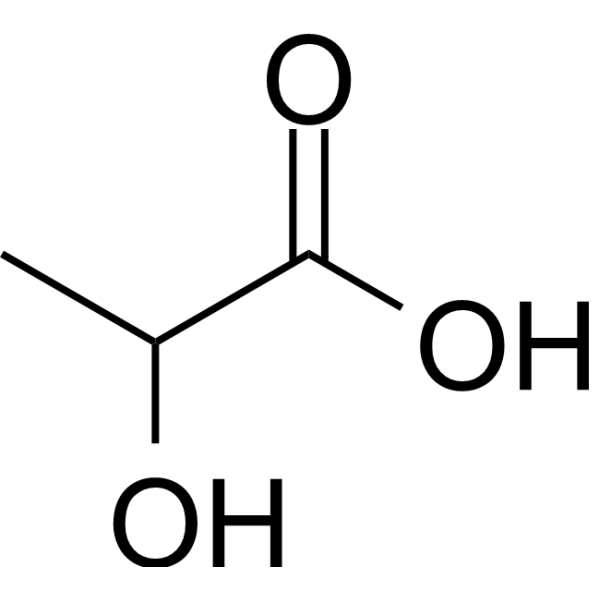
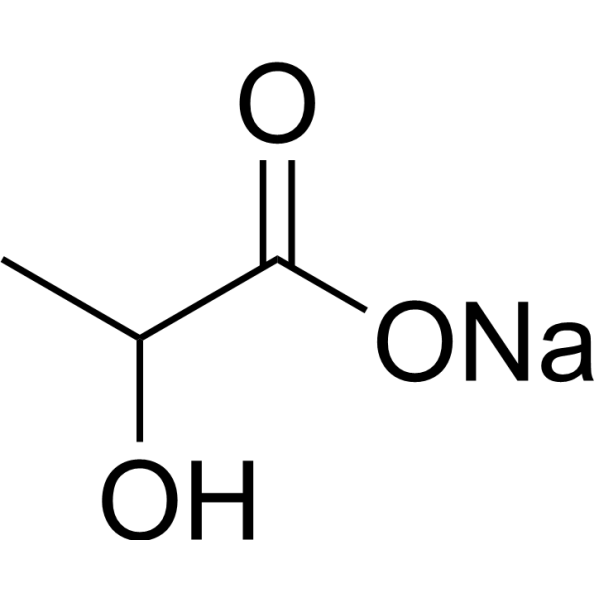
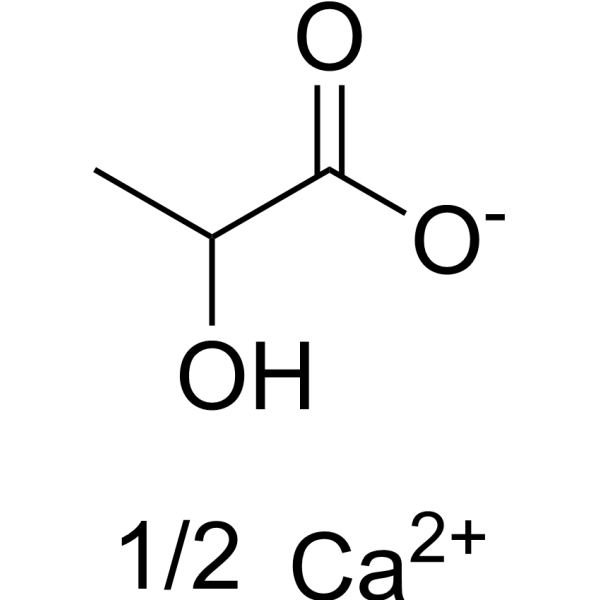
Lactic acid (DL-Lactic acid) sodium (60% w/w in water) is a hydroxycarboxylic acid receptor 1 (HCAR1) activator and an epigenetic modulator inducing lysine residues lactylation. Lactic acid sodium (60% w/w in water) is a glycolysis end-product, bridging the gap between glycolysis and oxidative phosphorylation. Lactic acid sodium (60% w/w in water) is an oncometabolite and has immune protective role of lactate in anti-tumor immunity . Lactic acid sodium (60% w/w in water) also has antimicrobial activity, which can be used as a food preservative .
This product has a content (w/w) of 60%, and 1 mL of the system contains 798 mg of Lactic acid sodium, i.e., a concentration of 798 mg/mL (i.e., 7.12 M).
|
-
-
- HY-N1428
-
-
-
- HY-P2902
-
|
|
Endogenous Metabolite
|
Cancer
|
|
Glucose oxidase is used in the food and beverage industry as a preservative and stabilizer and is commonly derived from the fungus Aspergillus niger. Glucose oxidase can react with intracellular glucose and oxygen (O2) to produce hydrogen peroxide (H2O2) and gluconic acid, which can cut off the nutrition source of cancer cells and consequently inhibit their proliferation .
|
-
-
- HY-B2201
-
-
-
- HY-B0133
-
|
Pimaricin
|
Environmental Pollutants
Antibiotic
Endogenous Metabolite
Fungal
Bacterial
|
Infection
|
|
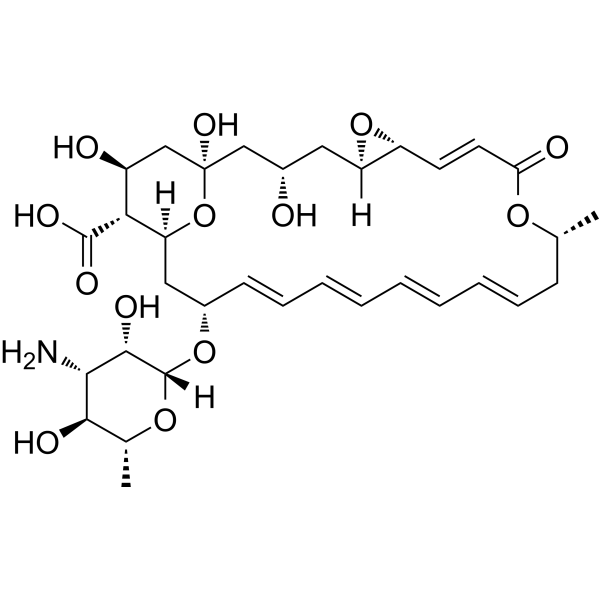
Natamycin (Pimaricin) is a macrolide antibiotic agent produced by several Streptomyces strains. Natamycin inhibits the growth of fungi via inhibition of amino acid and glucose transport across the plasma membrane. Natamycin is a food preservative, an antifungal agent in agriculture, and is widely used for fungal keratitis research .
|
-
-
- HY-W250308
-
|
Epsilon-polylysine (MW 3800-4200); ε-Polylysine (MW 3800-4200); ε-PL (MW 3800-4200)
|
Bacterial
|
Others
|
|
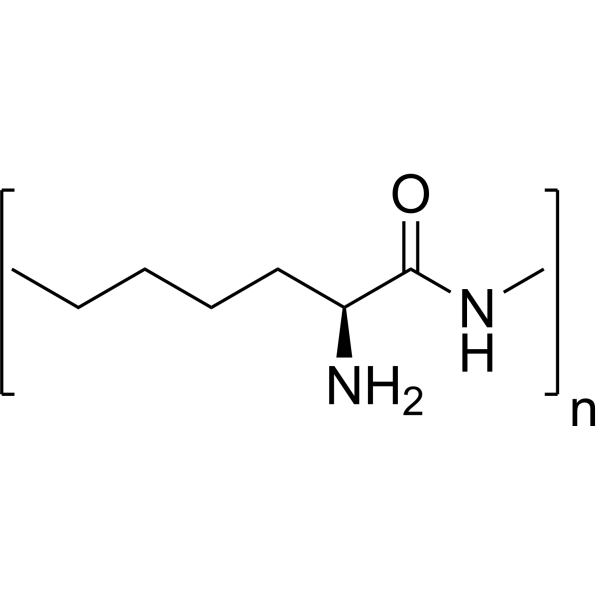
Epsilon-polylysine is an antimicrobial peptide that can be produced by bacteria such as Streptomyces. Epsilon-polylysine inhibits the growth of microorganisms such as bacteria, yeasts and molds and is therefore often used as a green food additive and preservative in various food and beverage products. Epsilon-polylysine has a variety of properties, including thermal stability, resistance to acidic conditions, and broad-spectrum antimicrobial activity. Epsilon-polylysine can be loaded on other materials to form nanoparticles or form nanofiber membranes for targeted delivery to exert sustained antibacterial efficacy. Epsilon-polylysine is also used as a liposome stabilizer .
|
-
-
- HY-W018746
-
EDTA disodium
Maximum Cited Publications
25 Publications Verification
Ethylenediaminetetraacetic acid disodium
|
Environmental Pollutants
Biochemical Assay Reagents
|
Others
|
|
EDTA disodium salt, also known as ethylenediaminetetraacetic acid disodium, belongs to the chelating agent category, which is formed by chelating a central metal ion with four carboxylate groups and two amine groups. This compound, with its ability to bind and chelate metal ions such as calcium, magnesium and iron, is commonly used in a variety of applications, including industrial, medical and research settings. It is used as a preservative in food and beverage, as a stabilizer in medicine, as a chelating agent in water treatment, and as a reagent in biochemical and biomedical research. In addition, EDTA disodium salt has been studied for potential research effects such as improving heavy metal poisoning and cardiovascular disease.
|
-

-
- HY-Y1326
-
-
-
- HY-N0216
-
-
-
- HY-N0711
-
|
Cymophenol
|
Environmental Pollutants
Apoptosis
Endogenous Metabolite
Notch
Fungal
Bacterial
|
Infection
Neurological Disease
Inflammation/Immunology
Cancer
|
|
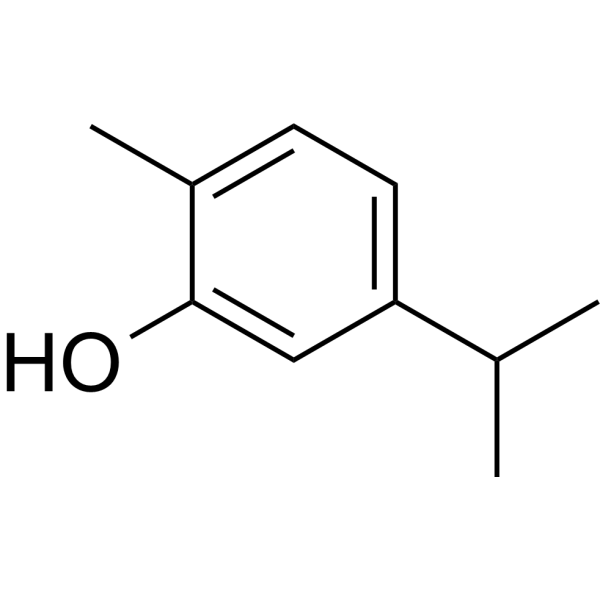
Carvacrol is an orally active and blood-brain barrier-permeable monoterpenic phenol that can be extract from an abundant number of aromatic plants, including thyme and oregano, possessing antioxidant, antibacterial, antifungal, anticancer, anti-inflammatory, hepatoprotective, spasmolytic, and vasorelaxant properties. Carvacrol also causes cell cycle arrest in G0/G1, downregulates Notch-1, and Jagged-1, and induces apoptosis. Carvacrol is used in low concentrations as a food flavoring ingredient and preservative, as well as a fragrance ingredient in cosmetic formulations .
|
-
-
- HY-115340
-
|
Sodium decanoate; Sodium caprate
|
Biochemical Assay Reagents
|
Others
|
|
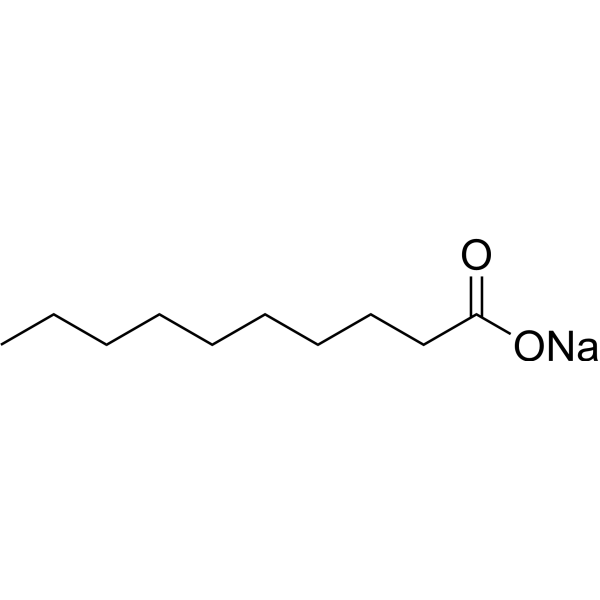
Decanoic acid sodium, also known as Decanoic acid sodium, is a salt of the fatty acid capric acid. It is easily soluble in water and has a slightly soapy smell. Decanoic acid sodium acts as a penetration enhancer, which means it increases the absorption and bioavailability of drugs across biological membranes, including the intestinal epithelium and the blood-brain barrier. This property makes it useful in pharmaceutical formulations to improve drug delivery and effectiveness. Furthermore, Decanoic acid sodium has potential applications in food preservatives and cosmetics due to its antibacterial properties.
|
-
-
- HY-N1428S1
-
-
-
- HY-B1066
-
-
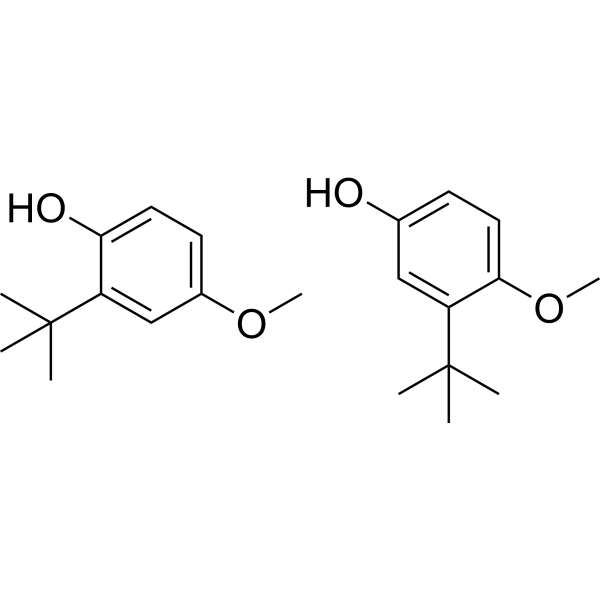
-
- HY-N1428A
-
-
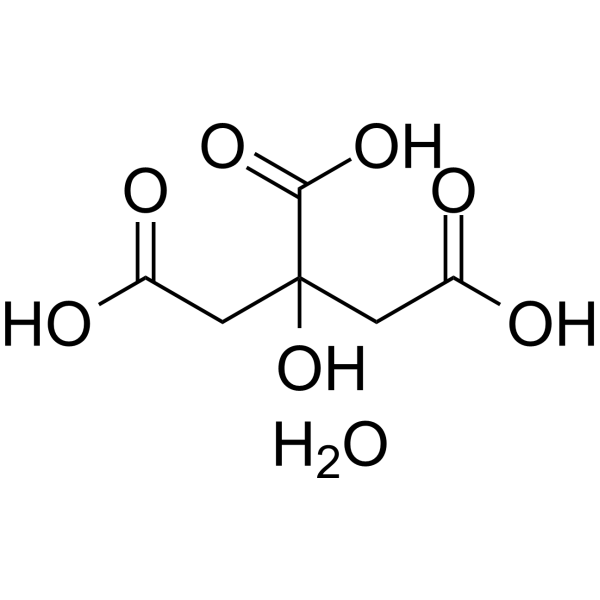
-
- HY-N2026
-
|
Propyl parahydroxybenzoate; Propyl 4-hydroxybenzoate
|
Bacterial
Estrogen Receptor/ERR
Sodium Channel
PI3K
JNK
Akt
Apoptosis
|
Infection
|
|
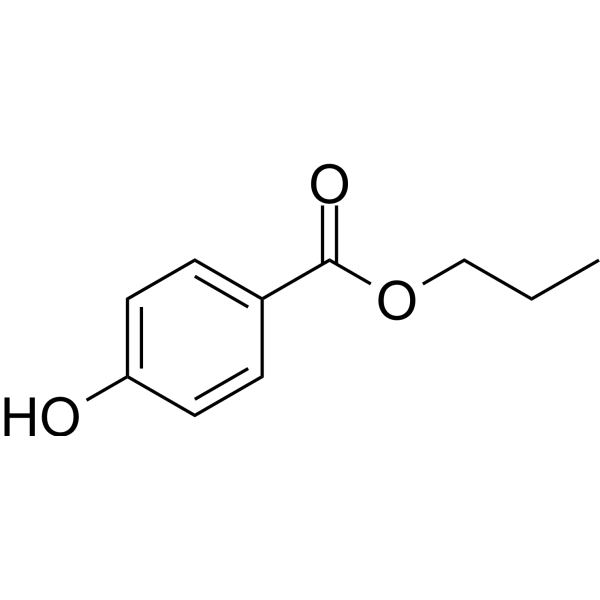
Propylparaben (Propyl parahydroxybenzoate) is an antibacterial preservative that can be produced by plants and bacteria. Propylparaben is an orally active weak estrogen receptor agonist. Propylparaben regulates the PI3K-AKT and JNK signaling pathways, and induces oxidative stress. Propylparaben is commonly used in cosmetics, pharmaceuticals and foods, and can be used in studies related to ovarian aging and myocardial ischemia-reperfusion injury .
|
-
-
- HY-121965
-
|
|
Biochemical Assay Reagents
Endogenous Metabolite
|
Others
|
|
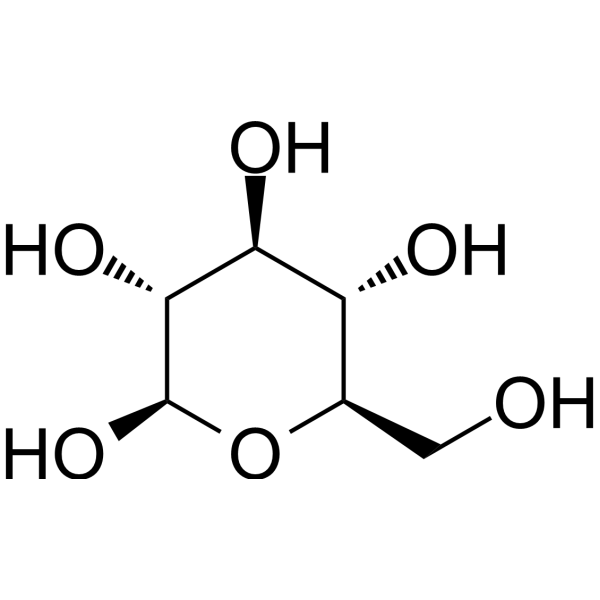
β-D-Glucose, also known as glucose, is a monosaccharide, the most important carbohydrate in biological systems, the main energy source of cells, and plays a key role in various metabolic processes. β-D-Glucose has unique chemical properties that make it an abundant component in plant and animal tissues and is readily metabolized by organisms to produce cellular energy. It is commonly used to improve hypoglycemia and dehydration, and as a sweetener and preservative in food and beverage production.
|
-
-
- HY-W012788
-
Maltol
2 Publications Verification
|
Environmental Pollutants
Endogenous Metabolite
Apoptosis
|
Infection
Neurological Disease
|
|
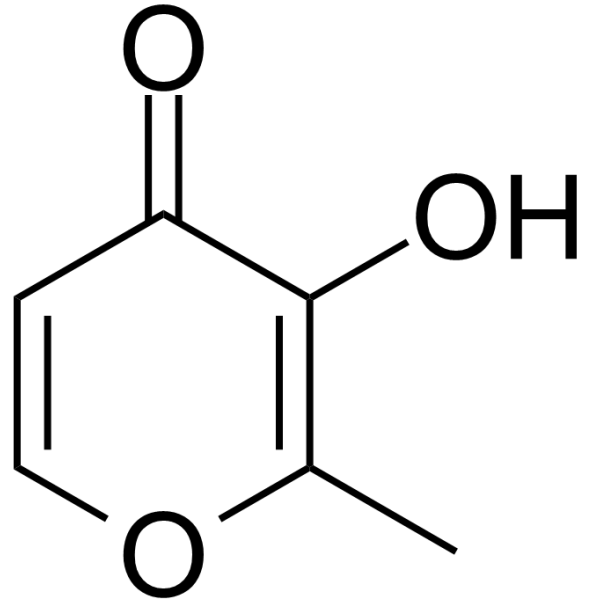
Maltol, a type of aromatic compound, is an antioxidant agent. Maltol enhances neural function by mitigating oxidative stress and cell apoptosis. Maltol is an inhibitor of oxidative damage in nerve cells and is effective in preventing diabetic peripheral neuropathy (DPN). Maltol is used extensively as a safe flavoring agent and food preservative. Maltol is a metal ion chelator that can be used in the field of catalysis, cosmetics, and medicine .
|
-
-
- HY-B1431
-
-
-
- HY-N1428S
-
-
-
- HY-B0934
-
-
-
- HY-B1610E
-
-
-
- HY-W009156
-
-
-
- HY-138650
-
|
Glyceryl monocaprylate; Sefsol 318
|
Environmental Pollutants
Bacterial
|
Inflammation/Immunology
|
|
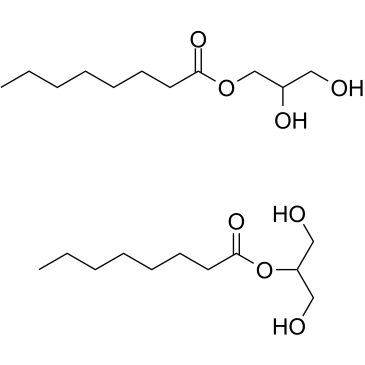
Monocaprylin (Glyceryl monocaprylate), a monoglyceride of caprylic acid, exhibits an excellent antibacterial activity. Monocaprylin inhibits a variety of foodborne pathogenic and spoilage microorganisms and has the potential for an alternative food preservative research .
|
-
-
- HY-B2227C
-
|
DL-Lactic acid potassium; E-270 potassium
|
Endogenous Metabolite
Hydroxycarboxylic Acid Receptor (HCAR)
Bacterial
|
Infection
Metabolic Disease
Inflammation/Immunology
Cancer
|
|
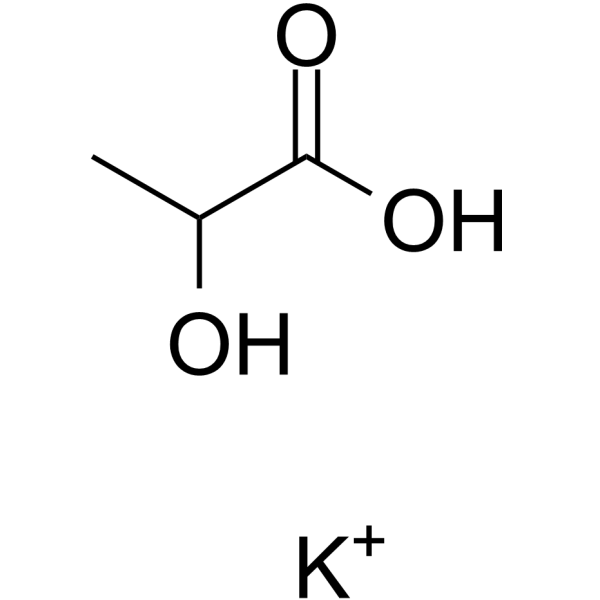
Lactic acid (DL-Lactic acid) potassium is a hydroxycarboxylic acid receptor 1 (HCAR1) activator and an epigenetic modulator inducing lysine residues lactylation. Lactic acid potassium is a glycolysis end-product, bridging the gap between glycolysis and oxidative phosphorylation. Lactic acid potassium is an oncometabolite and has immune protective role of lactate in anti-tumor immunity . Lactic acid also potassium has antimicrobial activity, which can be used as a food preservative .
|
-
-
- HY-B1263
-
|
|
Environmental Pollutants
Bacterial
Fungal
|
Infection
Neurological Disease
|
|
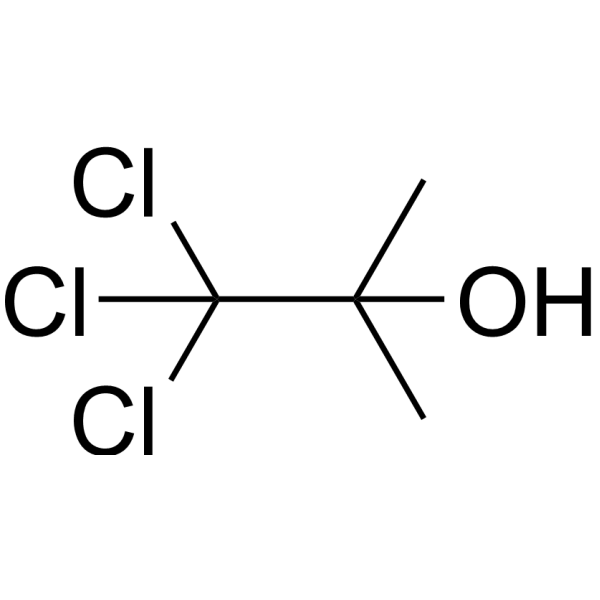
Chlorobutanol is an orally active and potent inhibitor of platelet aggregation and release and a pharmaceutical preservative with antibacterial activity. Chlorobutanol inhibits thromboxane B2 formation, ATP release, and elevation of cytosolic free calcium caused by collagen, ADP, epinephrine, arachidonic acid and thrombin. Chlorobutanol is active against a wide variety of Gram-positive and Gram-negative bacteria, and several mold spores and fungi. Chlorobutanol is widely used in food and cosmetic industry .
|
-
-
- HY-W099594
-
|
Benzyldimethyldodecylammonium bromide
|
Environmental Pollutants
Biochemical Assay Reagents
|
Others
|
|
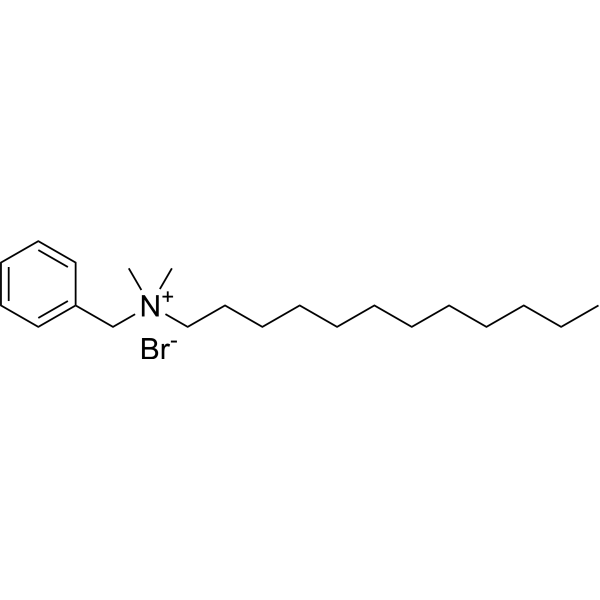
N-Benzyl-N, N-dimethyldodecan-1-aminium bromide, also known as Benzalkonium Chloride (BAC), is a quaternary ammonium compound widely used as an antimicrobial and surfactant in various industries. BAC is commonly used as a disinfectant and antiseptic in a variety of products including hand sanitizers, disinfectant wipes and eye drops. Its ability to kill bacteria, viruses and fungi makes it an effective tool in preventing the spread of infection. BAC is also used as a preservative and disinfectant in the food industry. It is added to food packaging and processing equipment to prevent the growth of microorganisms and increase the shelf life of foods. Additionally, BACs are found in many household products such as cleaning solutions, fabric softeners and personal care products. Its surfactant properties allow it to be used to reduce surface tension and increase the effectiveness of cleaning agents. Although BAC has many uses, ingestion or exposure to high concentrations of BAC can cause skin irritation and other adverse effects.
|
-
-
- HY-N0216S1
-
|
|
Bacterial
Fungal
Endogenous Metabolite
|
Infection
|
|
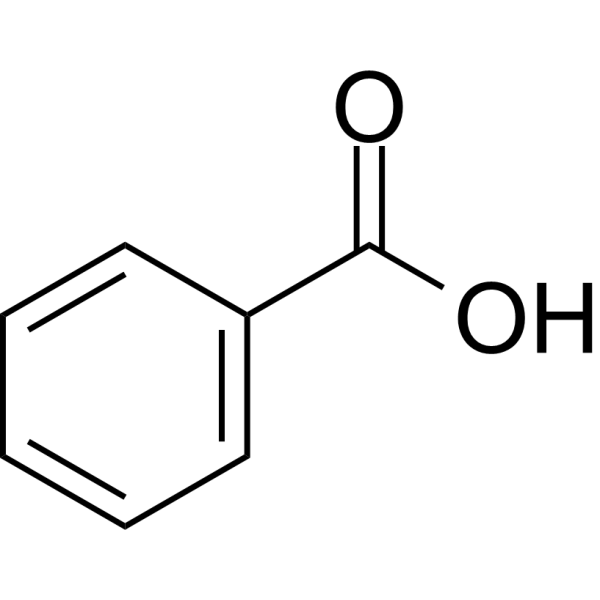
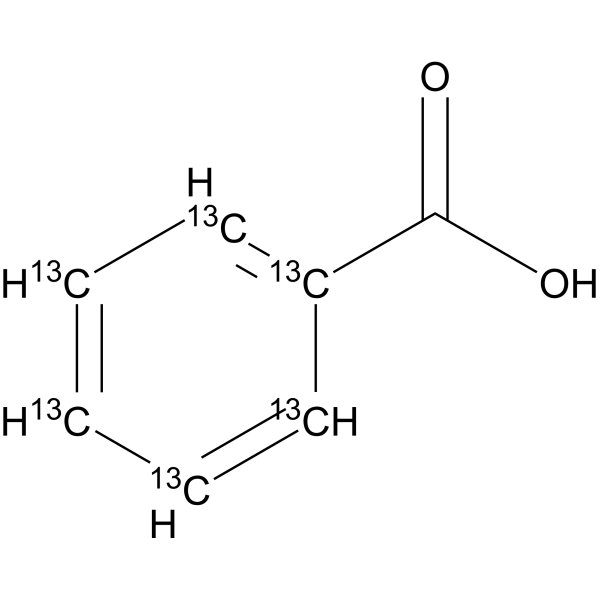
Benzoic acid- 13C6 is the 13C-labeled Benzoic acid. Benzoic acid is an aromatic alcohol existing naturally in many plants and is a common additive to food, drinks, cosmetics and other products. It acts as preservatives through inhibiting both bacteria and fungi.
|
-
-
- HY-W094710
-
|
Sodium hydrogen diacetate
|
Environmental Pollutants
Bacterial
|
Infection
|
|
Sodium diacetate (Sodium hydrogen diacetate) is a multifunctional biochemical reagent with antibacterial (bacteria) and antifungal (fungi) activities. Sodium diacetate exerts its antimicrobial effect mainly by effectively penetrating the cell walls of microorganisms and interfering with enzyme interactions. Sodium diacetate inhibits the growth and survival of fungi such as Botrytis cinerea, as well as bacteria such as Listeria and Escherichia coli. Sodium diacetate inhibits the growth of endothelial cells. Sodium diacetate can be used in the synthesis of food preservatives, flavoring agents and pH control additives .
|
-

-
- HY-B2227A
-
-
-
- HY-B1295
-
|
Litarex tetrahydrate
|
Apoptosis
Endogenous Metabolite
Bacterial
|
Infection
Cardiovascular Disease
Metabolic Disease
Inflammation/Immunology
Cancer
|
|
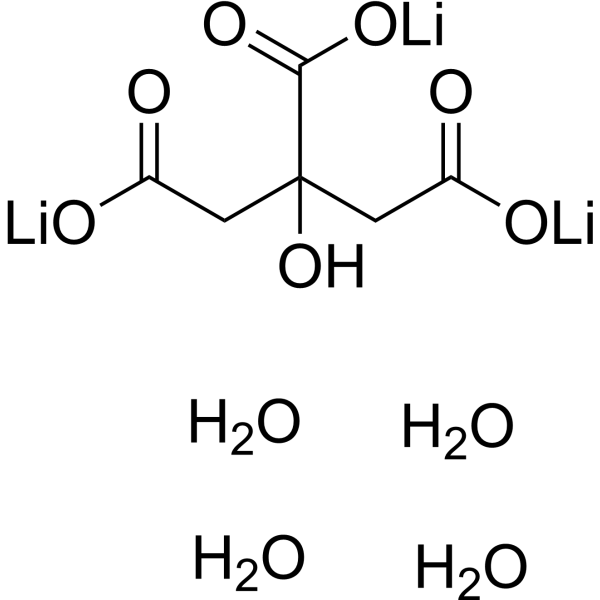
Lithium citrate (Litarex) tetrahydrate is a natural preservative and food tartness enhancer. Lithium citrate tetrahydrate induces apoptosis and cell cycle arrest at G2/M phase and S phase in HaCaT cells. Lithium citrate tetrahydrate cause oxidative damage of the liver by means of the decrease of antioxidative enzyme activities. Lithium citrate tetrahydrate is also an acidulant, emulsifier, sequestrant and buffering agent widely used across many industries .
|
-
-
- HY-B2227R
-
|
DL-Lactic acid (Standard); E-270 (Standard)
|
Reference Standards
Endogenous Metabolite
Hydroxycarboxylic Acid Receptor (HCAR)
Bacterial
|
Infection
Metabolic Disease
Inflammation/Immunology
Cancer
|
|
Lactic acid (Standard) (DL-Lactic acid (Standard)) is the analytical standard of Lactic acid (HY-B2227). This product is intended for research and analytical applications. Lactic acid (DL-Lactic acid) is a hydroxycarboxylic acid receptor 1 (HCAR1) activator and an epigenetic modulator inducing lysine residues lactylation. Lactic acid is a glycolysis end-product, bridging the gap between glycolysis and oxidative phosphorylation. Lactic acid is an oncometabolite and has immune protective role of lactate in anti-tumor immunity . Lactic acid also has antimicrobial activity, which can be used as a food preservative .
|
-

-
- HY-N1428CA
-
|
|
Apoptosis
Endogenous Metabolite
Bacterial
|
Cardiovascular Disease
Infection
Metabolic Disease
Inflammation/Immunology
Cancer
|
|
Ferric citrate, suitable for cell culture is a natural preservative and food tartness enhancer. Ferric citrate, suitable for cell culture induces apoptosis and cell cycle arrest at G2/M phase and S phase in HaCaT cells. Ferric citrate, suitable for cell culture causes oxidative damage of the liver by means of the decrease of antioxidative enzyme activities. Ferric citrate, suitable for cell culture is also an acidulant, emulsifier, sequestrant and buffering agent widely used across many industries .
|
-

-
- HY-W010164
-
|
|
Biochemical Assay Reagents
|
Others
|
|
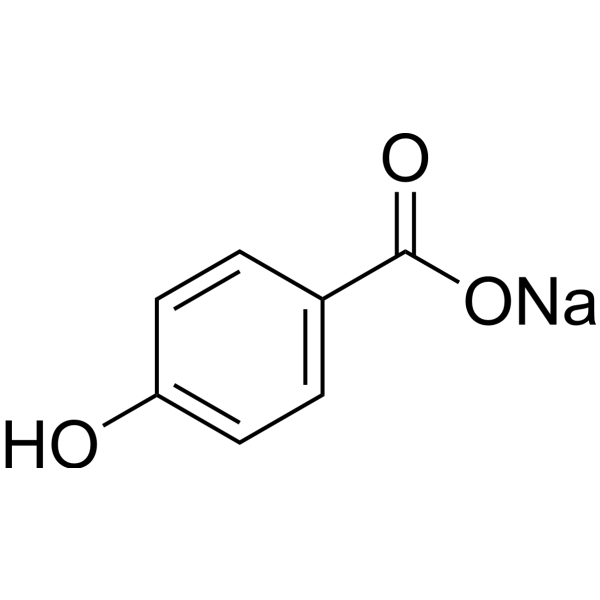
4-Hydroxybenzoate sodium, also known as sodium p-hydroxybenzoate or sodium paraben, is commonly used as a food preservative and cosmetic preservative. It can also be used as an additive in a variety of other products, including pharmaceuticals, personal care products, and industrial products. Additionally, 4-Hydroxybenzoate sodium has the potential to function as xenoestrogens, which may mimic the effects of estrogen in the body and affect hormonal balance.
|
-
-
- HY-Y0319B1
-
|
|
Environmental Pollutants
Biochemical Assay Reagents
|
Others
|
|
Potassium acetate, for molecular biology is an acetate salt commonly used as a deicing agent, food preservative and potassium source. Potassium acetate, for molecular biology can serve as an activator for preparing waste tea-based activated carbon, and is applied to the adsorption of Acid Blue 25 dye .
|
-

-
- HY-N0216S
-
|
|
Bacterial
Fungal
Endogenous Metabolite
|
Infection
|
|
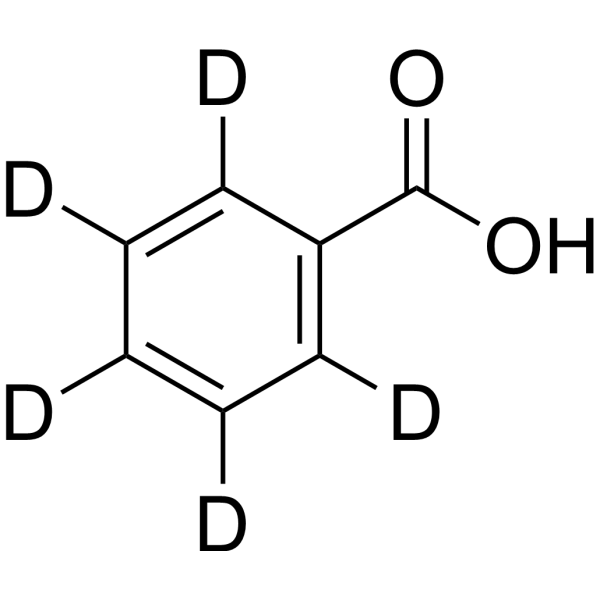
Benzoic acid-d5 is a deuterium substitute for Benzoic acid. Benzoic acid is an aromatic alcohol that occurs naturally in many plants and is a common additive in food, beverages, cosmetics and other products. Benzoic acid can act as a preservative by inhibiting bacteria and fungi .
|
-
-
- HY-W005355
-
|
|
Biochemical Assay Reagents
|
Others
|
|
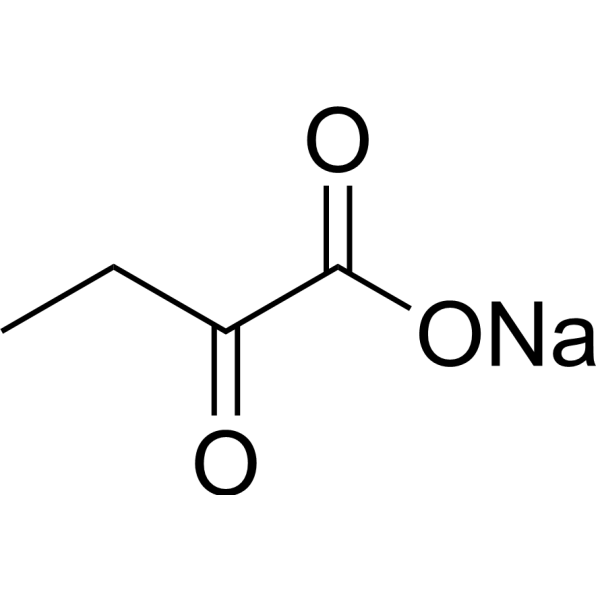
Sodium 2-oxobutanoate is an organic compound commonly used as a food additive and industrial raw material. It can be used as an acidity regulator, leavening agent and preservative, and is often used in the fields of bread, baked goods and canning. In addition, the compound is used in the production of certain industrial products, such as in plastics, textiles and dyes.
|
-
-
- HY-W008606
-
-

-
- HY-N1428R
-
-

-
- HY-N1428S3
-
-
-
- HY-W133894
-
|
Oils, cedarwood
|
Environmental Pollutants
Parasite
|
Others
|
|
Cedar oil is an essential oil that can be extracted from numerous types of conifers. Cedar oil possesses some pesticidal properties. As a food additive and preservative, cedarwood oil is a blend of organic chemicals classified as safe compounds by the FDA.
|
-

-
- HY-N0216R
-
|
|
Reference Standards
Bacterial
Fungal
Endogenous Metabolite
|
Infection
|
|
Benzoic acid (Standard) is the analytical standard of Benzoic acid. This product is intended for research and analytical applications. Benzoic acid is an aromatic alcohol existing naturally in many plants and is a common additive to food, drinks, cosmetics and other products. It acts as preservatives through inhibiting both bacteria and fungi .
|
-

-
- HY-N2552
-
|
|
Pyruvate Kinase
Bacterial
Fungal
Apoptosis
|
Infection
Cancer
|
|
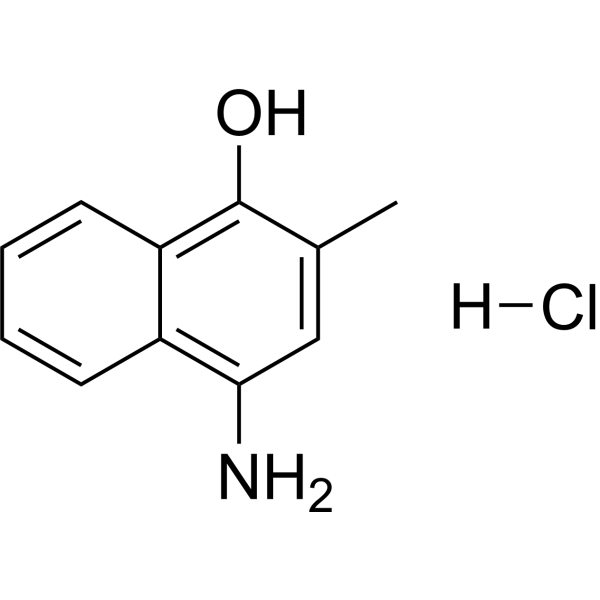
Vitamin K5 hydrochloride is a photosensitizer and a antimicrobial agent. Vitamin K5 hydrochloride is a specific PKM2 inhibitor with IC50 values of 28, 191 and 120 μM for PKM2, PKM1 and PKL. Vitamin K5 hydrochloride induces apoptosis of colon 26 cells. Vitamin K5 hydrochloride can be used for the research of infection and cancer, and it also can be used as a preservative for pharmaceuticals, foods, and beverages .
|
-
-
- HY-B1814
-
|
Synkamin; Synkamin base
|
Pyruvate Kinase
Bacterial
Fungal
Apoptosis
|
Infection
Cancer
|
|
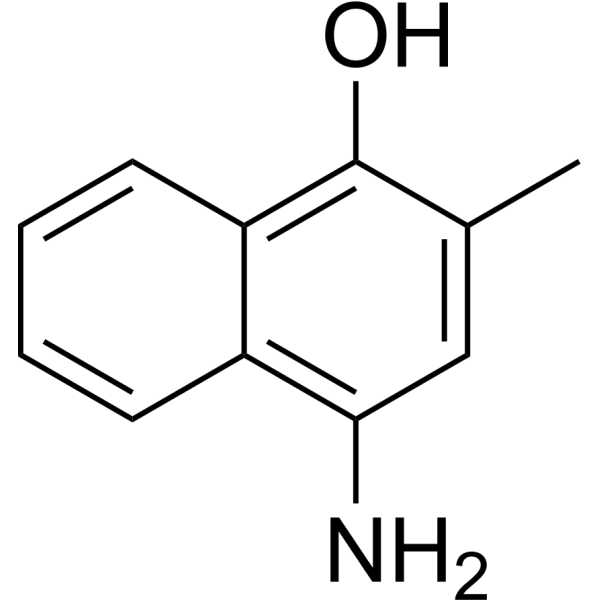
Vitamin K5 (Synkamin) is a photosensitizer and a antimicrobial agent. Vitamin K5 is a specific PKM2 inhibitor with IC50 values of 28, 191 and 120 μM for PKM2, PKM1 and PKL. Vitamin K5 induces apoptosis of colon 26 cells. Vitamin K5 can be used for the research of infection and cancer, and it also can be used as a preservative for pharmaceuticals, foods, and beverages .
|
-
-
- HY-N2026S1
-
|
Propyl parahydroxybenzoate-d4; Propyl 4-hydroxybenzoate-d4
|
Isotope-Labeled Compounds
Apoptosis
Bacterial
Estrogen Receptor/ERR
Sodium Channel
PI3K
JNK
Akt
|
Cardiovascular Disease
Infection
Neurological Disease
|
|
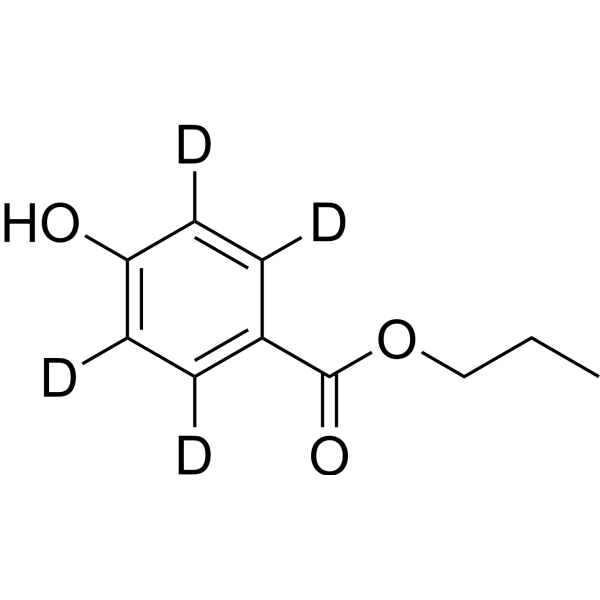
Propylparaben-d4 (Propyl parahydroxybenzoate-d4) is the deuterium labeled Propylparaben (HY-N2026). Propylparaben (Propyl parahydroxybenzoate) is an antibacterial preservative that can be produced by plants and bacteria. Propylparaben is an orally active weak estrogen receptor agonist. Propylparaben regulates the PI3K-AKT and JNK signaling pathways, and induces oxidative stress. Propylparaben is commonly used in cosmetics, pharmaceuticals and foods, and can be used in studies related to ovarian aging and myocardial ischemia-reperfusion injury .
|
-
-
- HY-B1431S
-
|
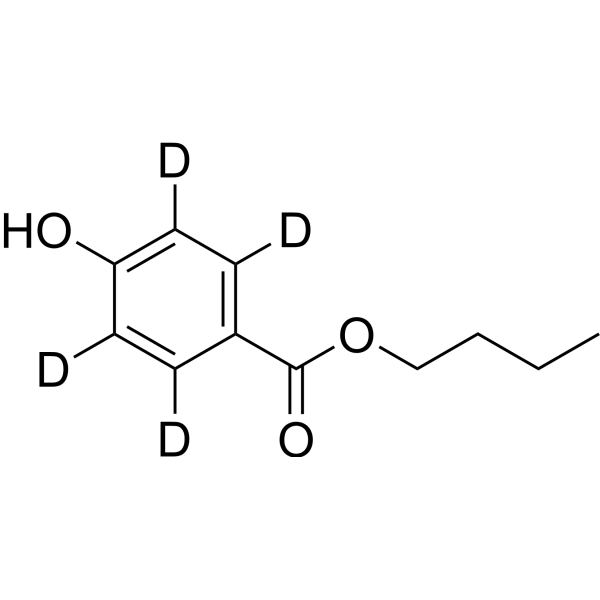
Butyl parahydroxybenzoate-d4; Butyl paraben-d4; Butyl 4-hydroxybenzoate-d4
|
Isotope-Labeled Compounds
Bacterial
Endogenous Metabolite
|
Infection
|
|
Butylparaben-d4 is the deuterium labeled Butylparaben. Butylparaben is an organic compound, has proven to be a highly successful antimicrobial preservative in cosmetics, also used in medication suspensions, and as a flavoring additive in food.
|
-
-
- HY-N2026A
-
|
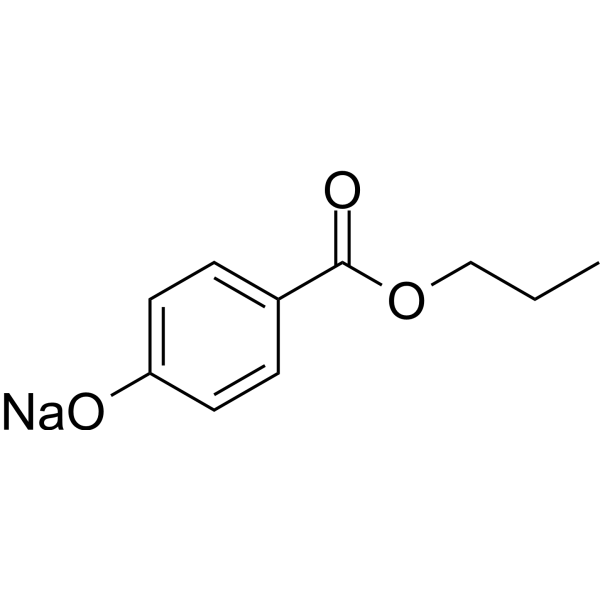
Propyl parahydroxybenzoate sodium; Propyl 4-hydroxybenzoate sodium
|
Estrogen Receptor/ERR
Bacterial
Sodium Channel
PI3K
JNK
Akt
Apoptosis
|
Cardiovascular Disease
Infection
Neurological Disease
|
|
Propylparaben (Propyl parahydroxybenzoate) sodium is an antibacterial preservative that can be produced by plants and bacteria. Propylparaben sodium is an orally active weak estrogen receptor agonist. Propylparaben sodium regulates the PI3K-AKT and JNK signaling pathways, and induces oxidative stress. Propylparaben sodium is commonly used in cosmetics, pharmaceuticals and foods, and can be used in studies related to ovarian aging and myocardial ischemia-reperfusion injury .
|
-
-
- HY-119669
-
|
|
Bacterial
|
Others
|
|
Furylfuramide is a food preservative that exhibits mutagenic activity. Furylfuramide can be degraded through the aerobic metabolism by liver microsomes .
|
-

-
- HY-W018746R
-
|
Ethylenediaminetetraacetic acid disodium (Standard)
|
Biochemical Assay Reagents
Reference Standards
|
Others
|
|
EDTA (disodium) (Standard) is the analytical standard of EDTA (disodium). This product is intended for research and analytical applications. EDTA disodium salt, also known as ethylenediaminetetraacetic acid disodium, belongs to the chelating agent category, which is formed by chelating a central metal ion with four carboxylate groups and two amine groups. This compound, with its ability to bind and chelate metal ions such as calcium, magnesium and iron, is commonly used in a variety of applications, including industrial, medical and research settings. It is used as a preservative in food and beverage, as a stabilizer in medicine, as a chelating agent in water treatment, and as a reagent in biochemical and biomedical research. In addition, EDTA disodium salt has been studied for potential research effects such as improving heavy metal poisoning and cardiovascular disease.
|
-

-
- HY-B0934R
-
|
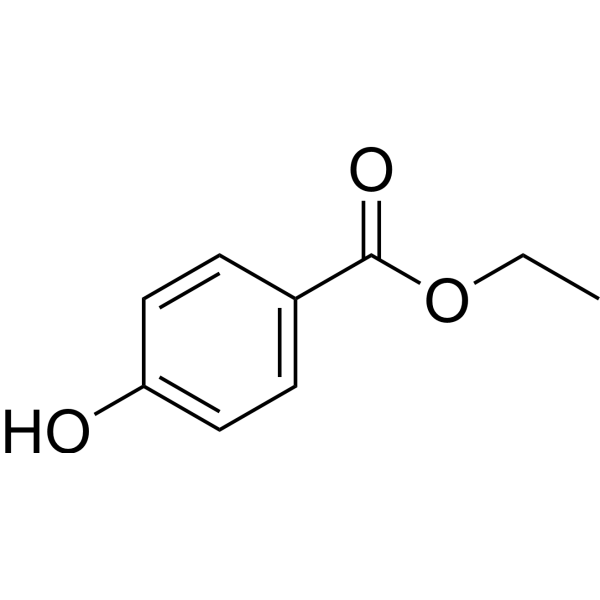
Ethyl parahydroxybenzoate (Standard); Ethyl 4-hydroxybenzoate (Standard)
|
Reference Standards
Bacterial
Fungal
|
Others
|
|
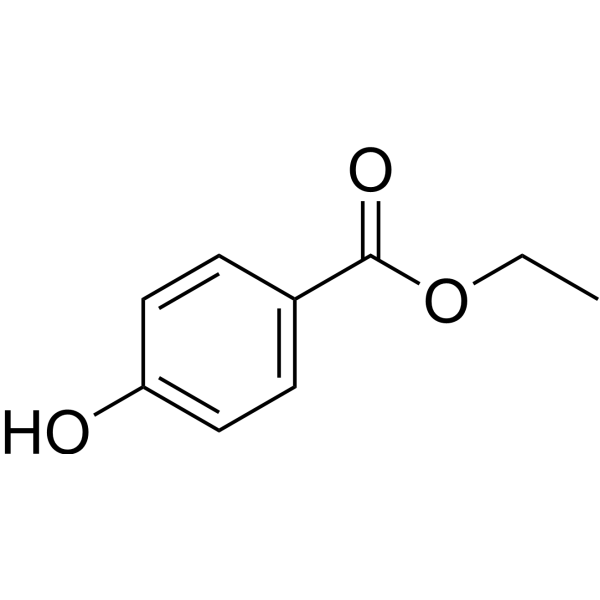
Ethylparaben (Standard) is the analytical standard of Ethylparaben. This product is intended for research and analytical applications. Ethylparaben is the ethyl ester of paraben and is used as an antifungal preservative and food additive .
|
-
- HY-N0626R
-
|
|
Reference Standards
Environmental Pollutants
Bacterial
Endogenous Metabolite
Fungal
Antibiotic
|
Infection
|
|
Sorbic acid (Standard) is the analytical standard of Sorbic acid (HY-N0626). This product is intended for research and analytical applications. Sorbic acid is an antibacterial preservative effective against most molds, yeasts, and some bacterial species. Sorbic acid inhibits microbial growth. Sorbic acid suppresses the activity of intestinal microorganisms in zebrafish, alters the composition of intestinal flora, and reduces the levels of intestinal immune biomarkers, including IgG, IL-1β, and TNF-α. Sorbic acid can be used in research on the prevention and treatment of mold, yeast, and bacterial infections .
|
-

- HY-W127384
-
|
|
Biochemical Assay Reagents
|
Others
|
|
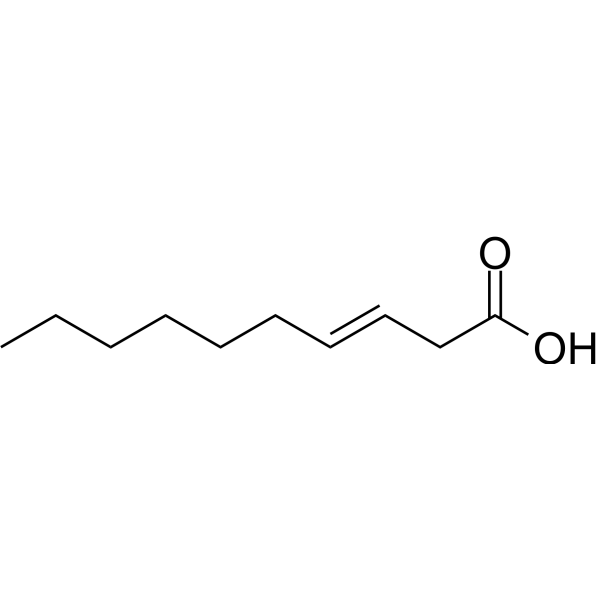
3-Decenoic acidIt is an organic compound belonging to the class of unsaturated fatty acids. It has a strong rancid smell and is commonly found in a variety of foods, such as dairy products and meat. 3-Decenoic acidIt has various applications in the pharmaceutical industry, especially as an intermediate in the synthesis of antibacterial agents such as antibiotics. In addition, it is used as a food preservative to prevent the growth of microorganisms.
|
-
- HY-B1431R
-
|
Butyl parahydroxybenzoate (Standard); Butyl paraben (Standard); Butyl 4-hydroxybenzoate (Standard)
|
Reference Standards
Bacterial
Endogenous Metabolite
DNA/RNA Synthesis
|
Infection
|
|
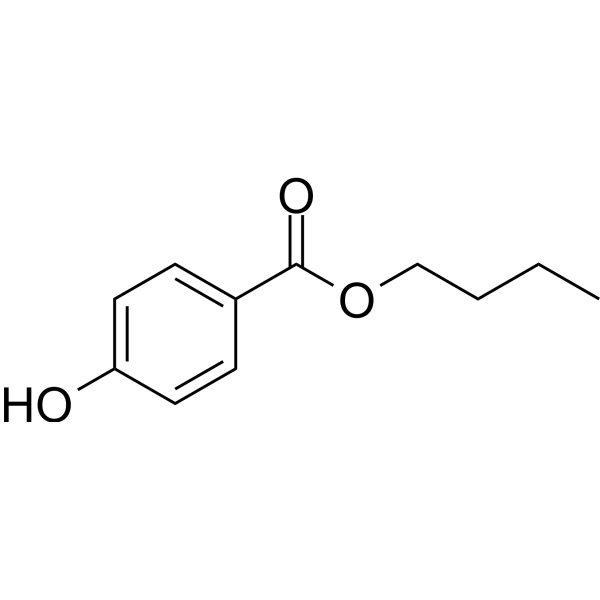
Butylparaben (Standard) is the analytical standard of Butylparaben. This product is intended for research and analytical applications. Butylparaben is an organic compound that has proven to be a very successful antimicrobial preservative in cosmetics, can also be used in active molecule suspensions, and as a food flavoring additive .
|
-

- HY-W089856
-
|
|
Bacterial
Fungal
Antibiotic
|
Infection
Neurological Disease
|
|
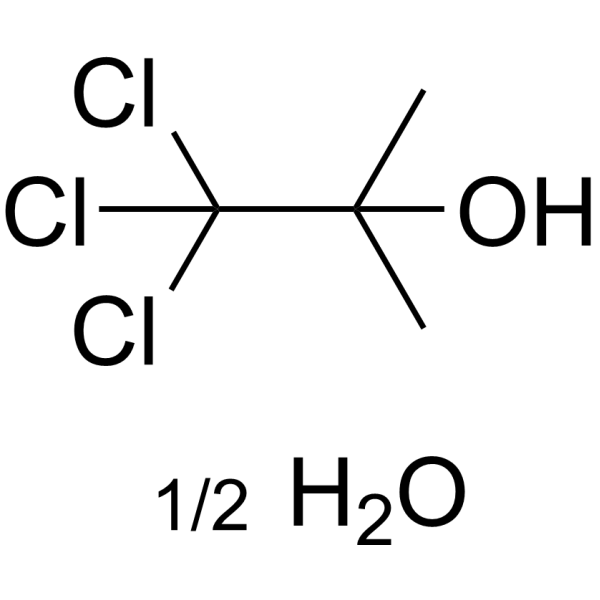
Chlorobutanol hemihydrate is an antimicrobial agent with oral activity, also possessing preservative effects. Chlorobutanol hemihydrate exhibits resistance to a variety of Gram-positive and Gram-negative bacteria, as well as several fungal spores and fungi, and is widely used in the food and cosmetics industries .
|
-
- HY-B1066R
-
|
Butylated hydroxyanisole (Standard); E320 (Standard)
|
Reference Standards
Reactive Oxygen Species (ROS)
Ferroptosis
|
Neurological Disease
Inflammation/Immunology
|
|
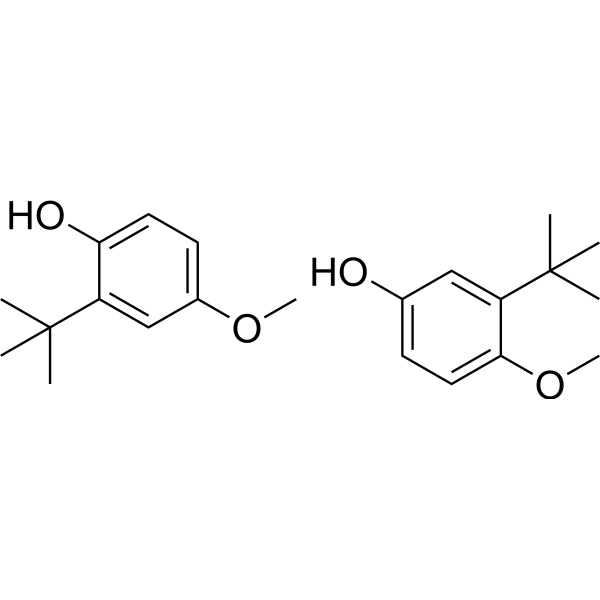
Butylhydroxyanisole (Standard) is the analytical standard of Butylhydroxyanisole. This product is intended for research and analytical applications. Butylhydroxyanisole (Butylated hydroxyanisole) is an antioxidant used as a food additive preservative. Butylhydroxyanisole mediates liver toxicity, retardation in reproductive organ development and learning, and sleep deficit. Butylhydroxyanisole exerts neurotoxic effects and leads to disruption of the brain and nerve development . Butylhydroxyanisole is a ferroptosis inducer .
|
-
- HY-B0133R
-
|
Pimaricin (Standard)
|
Reference Standards
Fungal
Endogenous Metabolite
Antibiotic
Bacterial
|
Infection
|
|
Natamycin (Standard) is the analytical standard of Natamycin. This product is intended for research and analytical applications. Natamycin (Pimaricin) is a macrolide antibiotic agent produced by several Streptomyces strains. Natamycin inhibits the growth of fungi via inhibition of amino acid and glucose transport across the plasma membrane. Natamycin is a food preservative, an antifungal agent in agriculture, and is widely used for fungal keratitis research .
|
-

- HY-133651
-
|
|
Fungal
|
Infection
|
|
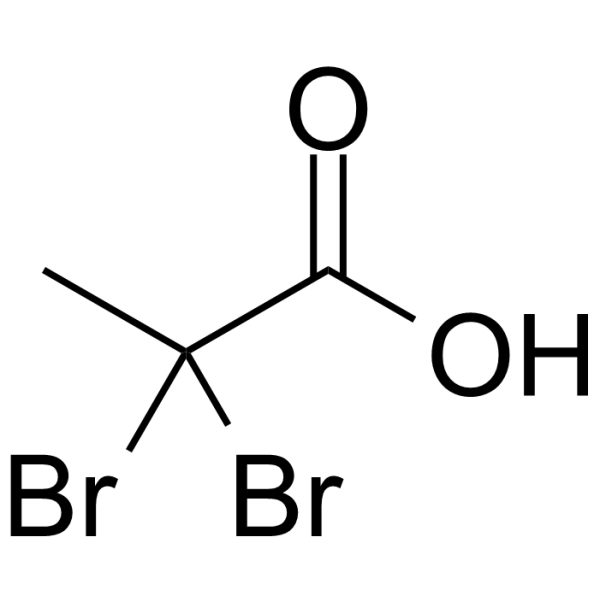
2,2-Dibromopropanoic acid is a dibromo product based on propionic acid. Propionic acid is a short chain fatty acid and acts as chemical intermediate. Propionic acid is also a mold inhibitor and widely used in food preservative .
|
-
- HY-N0349S1
-
|
Methyl 4-hydroxybenzoate-13C6
|
Isotope-Labeled Compounds
Bacterial
Endogenous Metabolite
|
Infection
|
|
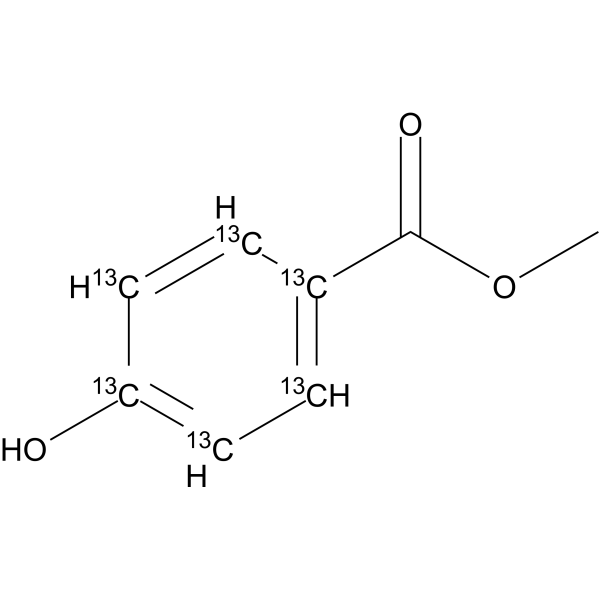
Methyl Paraben- 13C6 (Methyl 4-hydroxybenzoate- 13C6) is a 13C labeled Methyl Paraben (HY-N0349) . Methyl Paraben, isolated from the barks of Tsuga dumosa the methyl ester of p-hydroxybenzoic acid, is a standardized chemical allergen. Methyl Paraben is a stable, non-volatile compound used as an antimicrobial preservative in foods, agents and cosmetics. The physiologic effect of Methyl Paraben is by means of increased histamine release, and cell-mediated immunity .
|
-
- HY-N1428S6
-
-
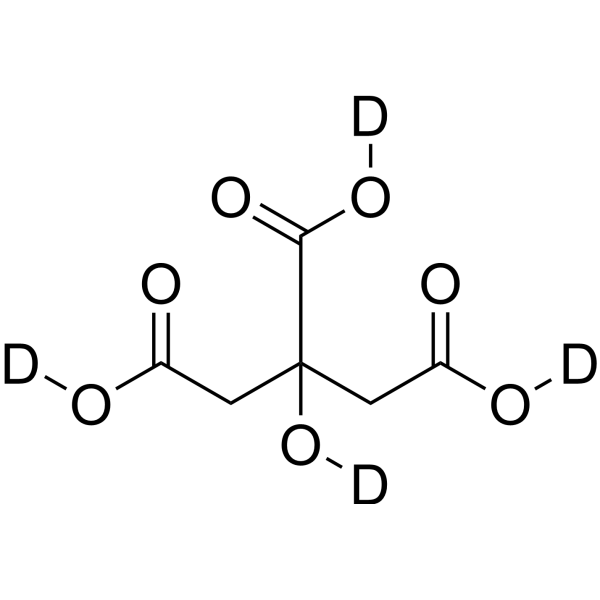
- HY-N1428S2
-
-

- HY-N2026R
-
|
Propyl parahydroxybenzoate (Standard); Propyl 4-hydroxybenzoate (Standard)
|
Reference Standards
Bacterial
Apoptosis
Estrogen Receptor/ERR
Sodium Channel
PI3K
JNK
Akt
|
Cardiovascular Disease
Infection
Neurological Disease
|
|
Propylparaben (Propyl parahydroxybenzoate) (Standard) is the analytical standard of Propylparaben (HY-N2026). Propylparaben (Propyl parahydroxybenzoate) is an antibacterial preservative that can be produced by plants and bacteria. Propylparaben is an orally active weak estrogen receptor agonist. Propylparaben regulates the PI3K-AKT and JNK signaling pathways, and induces oxidative stress. Propylparaben is commonly used in cosmetics, pharmaceuticals and foods, and can be used in studies related to ovarian aging and myocardial ischemia-reperfusion injury .
|
-

- HY-W653994
-
|
Ethyl parahydroxybenzoate-13C6; Ethyl 4-hydroxybenzoate-13C6
|
Isotope-Labeled Compounds
|
Others
|
|
Ethyl Paraben- 13C6 (Ethyl parahydroxybenzoate- 13C6) is 13C labeled Ethylparaben. Ethylparaben is the ethyl ester of paraben and is used as an antifungal preservative and food additive .
|
-

- HY-B1431S1
-
|
Butyl parahydroxybenzoate-13C6; Butyl 4-hydroxybenzoate-13C6
|
Bacterial
Endogenous Metabolite
|
Infection
|
|
Butylparaben- 13C6 is the 13C labeled Butylparaben . Butylparaben is an organic compound, has proven to be a highly successful antimicrobial preservative in cosmetics, also used in medication suspensions, and as a flavoring additive in food.
|
-
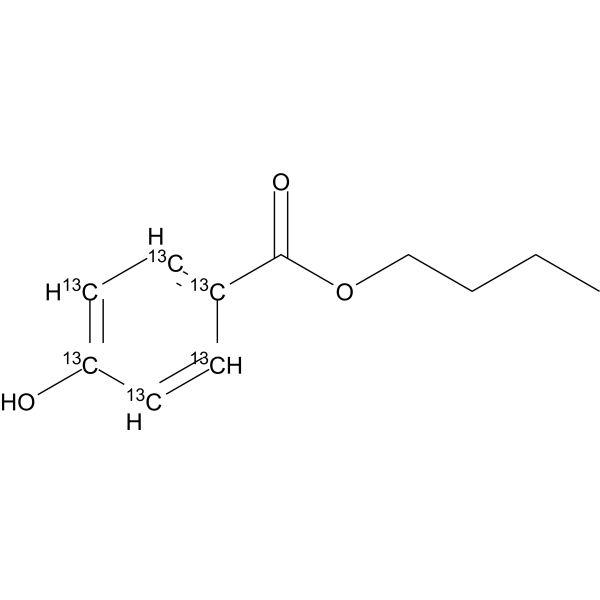
- HY-N0216S2
-
|
|
Bacterial
Fungal
Endogenous Metabolite
|
Infection
|
|
Benzoic acid- 13C is the 13C-labeled Benzoic acid. Benzoic acid is an aromatic alcohol existing naturally in many plants and is a common additive to food, drinks, cosmetics and other products. It acts as preservatives through inhibiting both bacteria and fungi.
|
-
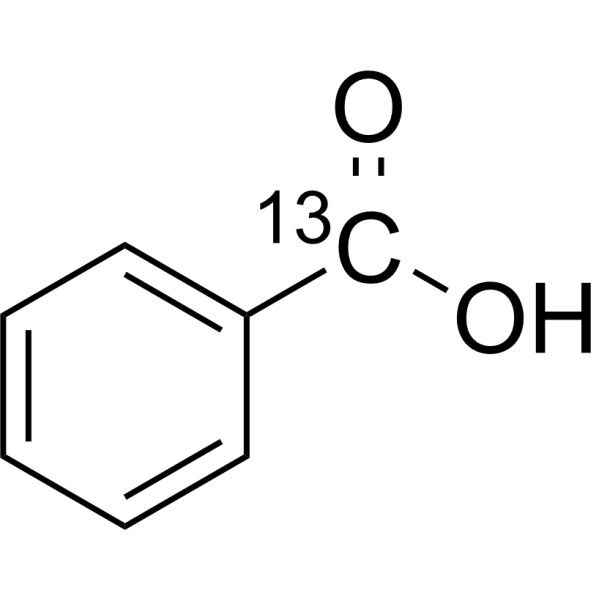
- HY-W654020
-
|
Propyl parahydroxybenzoate-13C6; Propyl 4-hydroxybenzoate-13C6
|
Isotope-Labeled Compounds
Apoptosis
Endogenous Metabolite
Bacterial
|
Infection
|
|
Propyl paraben- 13C6 (Propyl parahydroxybenzoate- 13C6) is 13C labeled Propylparaben. Propylparaben (Propyl parahydroxybenzoate) is an antibacterial preservative that can be produced by plants and bacteria. Propylparaben is commonly used in cosmetics, pharmaceuticals and foods. Propylparaben disrupts follicular growth and steroidogenic function by altering cell cycle, apoptosis and steroidogenic pathways. Propylparaben also reduced sperm count and motility in rats .
|
-

- HY-W127841
-
-
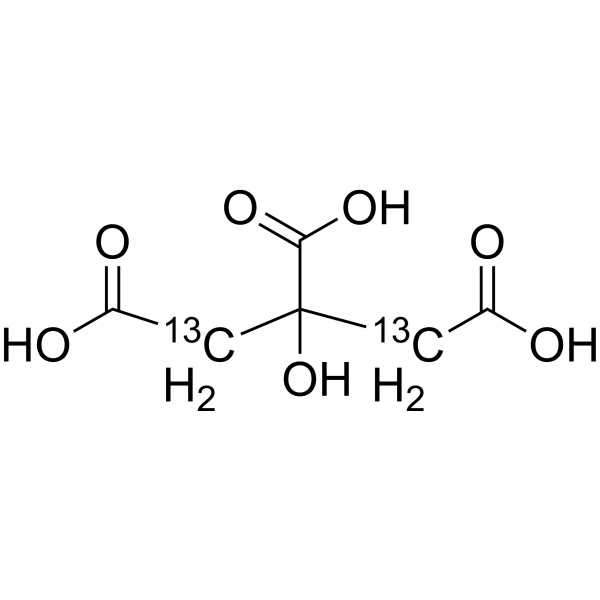
- HY-N0216A
-
|
|
Bacterial
Fungal
Endogenous Metabolite
|
Others
|
|
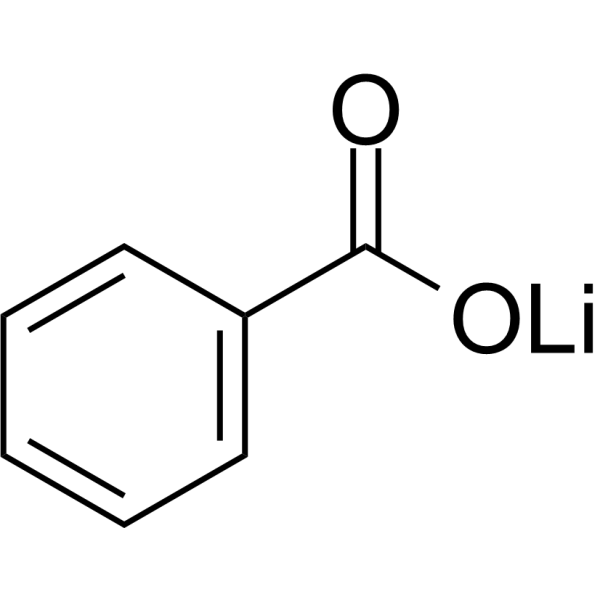
Benzoic acid lithium is an aromatic alcohol found in many plants and is a common additive in food, beverages, cosmetics and other products. Benzoic acid lithium inhibits bacteria and fungi and acts as a preservative .
|
-
- HY-Y1326R
-
|
|
Biochemical Assay Reagents
Reference Standards
Bacterial
|
Infection
|
|
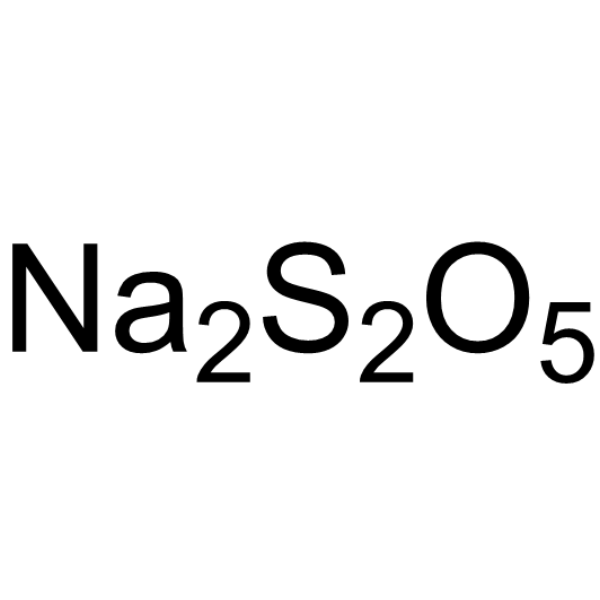
Sodium metabisulfite (Standard) is the analytical standard of Sodium metabisulfite. This product is intended for research and analytical applications.Sodium metabisulfite, a sulfite salt, is used as an antioxidant and antimicrobial agent in a variety of drugs and functions as a preservative in many food preparations.
|
-

- HY-W142663
-
|
|
Endogenous Metabolite
|
|
|
Bisphenol M is a synthetic organic compound with antioxidant activity. Bisphenol M is commonly used in industry to make plastics and resins, and is used as a stabilizer and preservative in cosmetics. Bisphenol M can also be used in certain food packaging materials to improve product durability and safety.
|
-

- HY-N0349S
-
|
Methyl 4-hydroxybenzoate-d4
|
Bacterial
Endogenous Metabolite
|
Infection
|
|
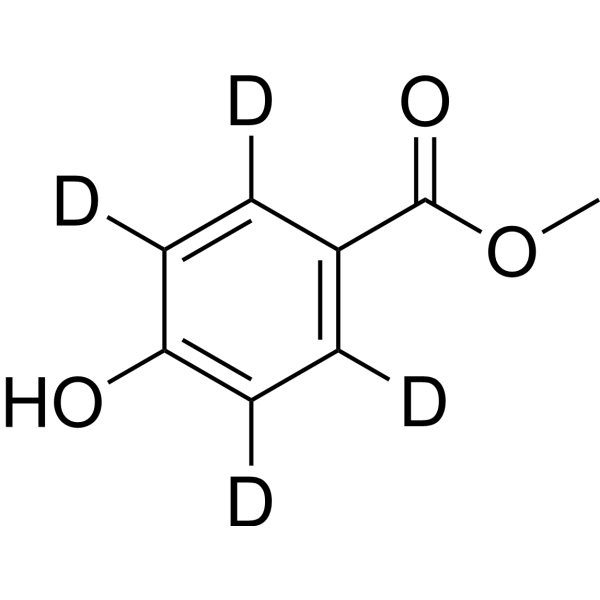
Methyl paraben-d4 is the deuterium labeled Methyl Paraben . Methyl Paraben, isolated from the barks of Tsuga dumosa the methyl ester of p-hydroxybenzoic acid, is a standardized chemical allergen. Methyl Paraben is a stable, non-volatile compound used as an antimicrobial preservative in foods, agents and cosmetics. The physiologic effect of Methyl Paraben is by means of increased histamine release, and cell-mediated immunity .
|
-
- HY-W012788R
-
|
|
Reference Standards
Endogenous Metabolite
Apoptosis
|
Infection
Neurological Disease
|
|
Maltol (Standard) is the analytical standard of Maltol. This product is intended for research and analytical applications. Maltol, a type of aromatic compound, is an antioxidant agent. Maltol enhances neural function by mitigating oxidative stress and cell apoptosis. Maltol is an inhibitor of oxidative damage in nerve cells and is effective in preventing diabetic peripheral neuropathy (DPN). Maltol is used extensively as a safe flavoring agent and food preservative. Maltol is a metal ion chelator that can be used in the field of catalysis, cosmetics, and medicine .
|
-

- HY-N1428AR
-
|
|
Reference Standards
Endogenous Metabolite
Apoptosis
Bacterial
|
Infection
Cardiovascular Disease
Metabolic Disease
Inflammation/Immunology
Cancer
|
|
Citric acid monohydrate (Standard) is the analytical standard of Citric acid monohydrate (HY-N1428A). This product is intended for research and analytical applications. Citric acid monohydrate is a natural preservative and food tartness enhancer. Citric acid monohydrate induces apoptosis and cell cycle arrest at G2/M phase and S phase in HaCaT cells. Citric acid monohydrate cause oxidative damage of the liver by means of the decrease of antioxidative enzyme activities. Citric acid monohydrate is also an acidulant, emulsifier, sequestrant and buffering agent widely used across many industries .
|
-

- HY-N0711R
-
|
Cymophenol (Standard)
|
Reference Standards
Notch
Apoptosis
Fungal
Endogenous Metabolite
Bacterial
|
Infection
Inflammation/Immunology
Cancer
|
|
Carvacrol (Standard) is the analytical standard of Carvacrol. This product is intended for research and analytical applications. Carvacrol is an orally active and blood-brain barrier-permeable monoterpenic phenol that can be extract from an abundant number of aromatic plants, including thyme and oregano, possessing antioxidant, antibacterial, antifungal, anticancer, anti-inflammatory, hepatoprotective, spasmolytic, and vasorelaxant properties. Carvacrol also causes cell cycle arrest in G0/G1, downregulates Notch-1, and Jagged-1, and induces apoptosis. Carvacrol is used in low concentrations as a food flavoring ingredient and preservative, as well as a fragrance ingredient in cosmetic formulations .
|
-

- HY-143449
-
|
|
Tyrosinase
|
Others
|
|
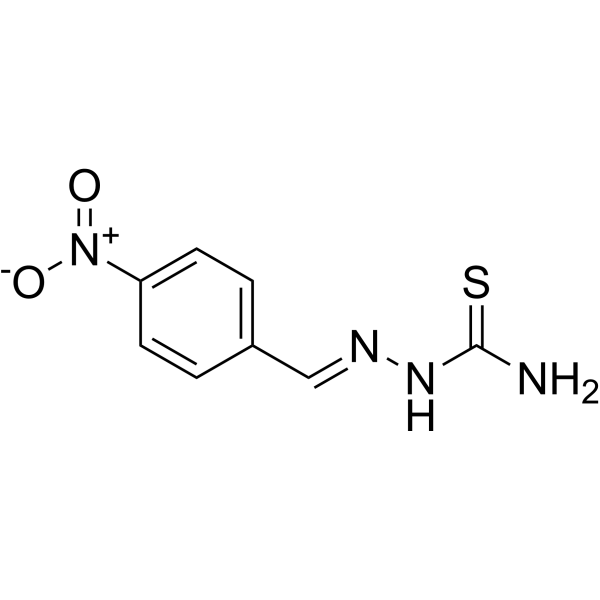
Tyrosinase-IN-2 (compound 67) is a potent inhibitor of tyrosinase. Tyrosinase is a copper-containing metalloenzyme that is responsible for the rate-limiting catalytic step in the melanin biosynthesis and enzymatic browning. Tyrosinase-IN-2 has the potential for the research of skin whitening agents and food preservatives .
|
-
- HY-143448
-
|
|
Tyrosinase
|
Others
|
|
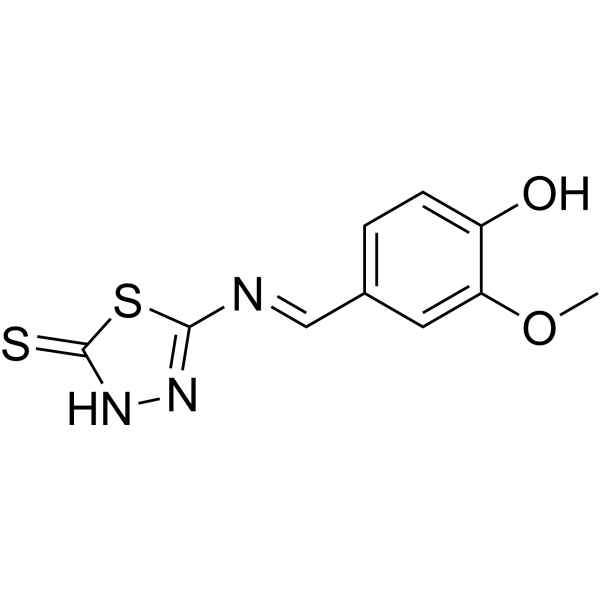
Tyrosinase-IN-1 (compound 90) is a potent inhibitor of tyrosinase. Tyrosinase is a copper-containing metalloenzyme that is responsible for the rate-limiting catalytic step in the melanin biosynthesis and enzymatic browning. Tyrosinase-IN-1 has the potential for the research of skin whitening agents and food preservatives .
|
-
- HY-143450
-
|
|
Tyrosinase
|
Others
|
|
Tyrosinase-IN-3 (compound 54) is a potent inhibitor of tyrosinase. Tyrosinase is a copper-containing metalloenzyme that is responsible for the rate-limiting catalytic step in the melanin biosynthesis and enzymatic browning. Tyrosinase-IN-3 has the potential for the research of skin whitening agents and food preservatives .
|
-
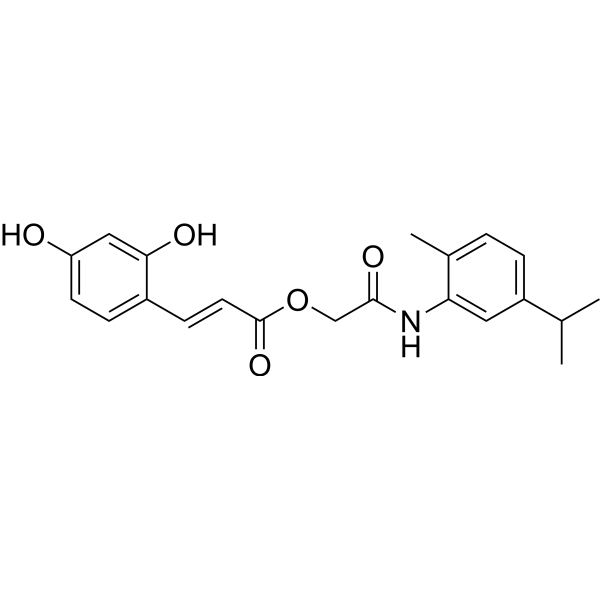
- HY-143451
-
|
|
Tyrosinase
|
Others
|
|
Tyrosinase-IN-4 (compound 34) is a potent inhibitor of tyrosinase. Tyrosinase is a copper-containing metalloenzyme that is responsible for the rate-limiting catalytic step in the melanin biosynthesis and enzymatic browning. Tyrosinase-IN-4 has the potential for the research of skin whitening agents and food preservatives .
|
-
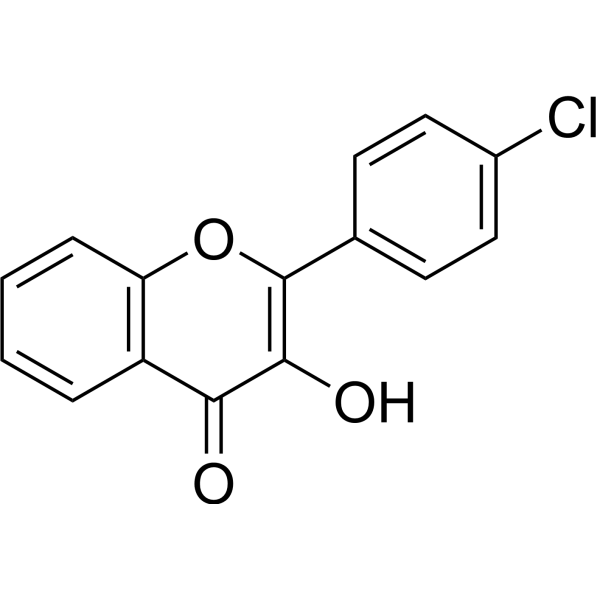
- HY-P4327
-
|
|
Bacterial
|
Infection
|
|
Hispidalin is a novel antimicrobial peptide with broad and efficient antibacterial activity against various bacterial and fungal pathogens, and can be used as an antibacterial agent and food preservative .
|
-

- HY-W701251
-
|
Ethyl parahydroxybenzoate-d5; Ethyl 4-hydroxybenzoate-d5
|
Isotope-Labeled Compounds
Bacterial
Fungal
|
Others
|
|
Ethylparaben-d5 (Ethyl parahydroxybenzoate-d5) is deuterium labeled Ethylparaben. Ethylparaben is the ethyl ester of paraben and is used as an antifungal preservative and food additive .
|
-

- HY-B1610ER
-
|
Trisodium citrate dihydrate, meets USP testing specifications (Standard)
|
Reference Standards
Biochemical Assay Reagents
|
Cardiovascular Disease
|
|
Sodium citrate dihydrate, meets USP testing specifications (Standard) is the analytical standard of Sodium citrate dihydrate, meets USP testing specifications. This product is intended for research and analytical applications. Sodium citrate dihydrate, meets USP testing specifications is an anticoagulant and also used as a buffer and food preservatives .
|
-

- HY-B1263R
-
|
|
Reference Standards
Bacterial
Fungal
|
Infection
Neurological Disease
|
|
Chlorobutanol (Standard) is the analytical standard of Chlorobutanol. This product is intended for research and analytical applications. Chlorobutanol is a pharmaceutical preservative. Chlorobutanol is active against a wide variety of Gram-positive and Gram-negative bacteria, and several mold spores and fungi. Chlorobutanol is widely used in food and cosmetic industry .
|
-

- HY-W089856R
-
|
|
Reference Standards
Bacterial
Fungal
|
Infection
Neurological Disease
|
|
Chlorobutanol (hemihydrate) (Standard) is the analytical standard of Chlorobutanol (hemihydrate). This product is intended for research and analytical applications. Chlorobutanol hemihydrate is a pharmaceutical preservative. Chlorobutanol hemihydrate is active against a wide variety of Gram-positive and Gram-negative bacteria, and several mold spores and fungi. Chlorobutanol hemihydrate is widely used in food and cosmetic industry .
|
-

- HY-W127447
-
|
Maleic acid sodium
|
Biochemical Assay Reagents
|
Others
|
|
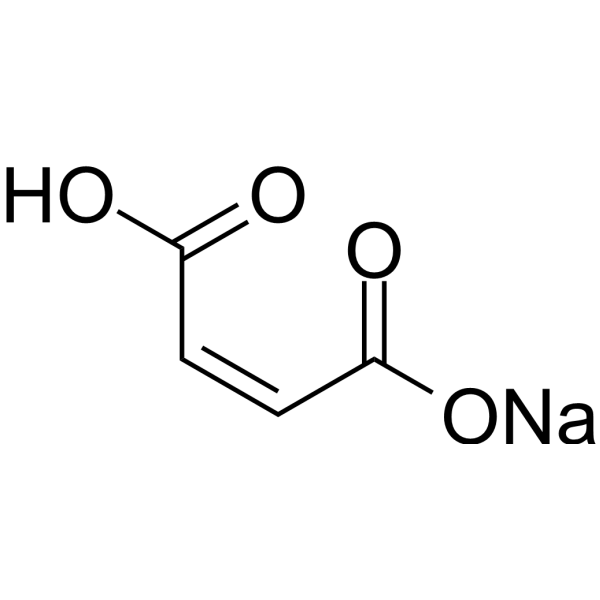
Maleate trihydrate sodiumIt is an organic compound belonging to the salt class. It is formed from the neutralization reaction between maleic acid and sodium hydroxide and has a slightly bitter taste. Maleate trihydrate sodiumIt has a variety of applications in industrial settings, especially as an intermediate in the synthesis of various chemicals and polymers. Additionally, it is used in the food and beverage industry as a buffer, flavor enhancer and preservative.
|
-
- HY-13451R
-
|
|
Reference Standards
Bacterial
Antibiotic
|
Infection
|
|
Citric acid (Standard) is the analytical standard of Citric acid. This product is intended for research and analytical applications. Citric acid is a natural preservative and food tartness enhancer. Citric acid induces apoptosis and cell cycle arrest at G2/M phase and S phase in HaCaT cells. Citric acid cause oxidative damage of the liver by means of the decrease of antioxidative enzyme activities. Citric acid causes renal toxicity in mice .
|
-

- HY-113451R
-
|
|
Endogenous Metabolite
Reference Standards
|
Metabolic Disease
|
|
Propylparaben (sodium) (Standard) is the analytical standard of Propylparaben (sodium). This product is intended for research and analytical applications. Propylparaben sodium (Propyl parahydroxybenzoate) is an antimicrobial preservative which can be produced naturally by plants and bacteria. Propylparaben sodium is prevalently used in cosmetics, pharmaceuticals, and foods. Propylparaben sodium disrupts antral follicle growth and steroidogenic function by altering the cell-cycle, apoptosis, and steroidogenesis pathways. Propylparaben sodium also decreases sperm number and motile activity in rats .
|
-

- HY-W012788S
-
|
|
Isotope-Labeled Compounds
Endogenous Metabolite
Apoptosis
|
Infection
Neurological Disease
|
|
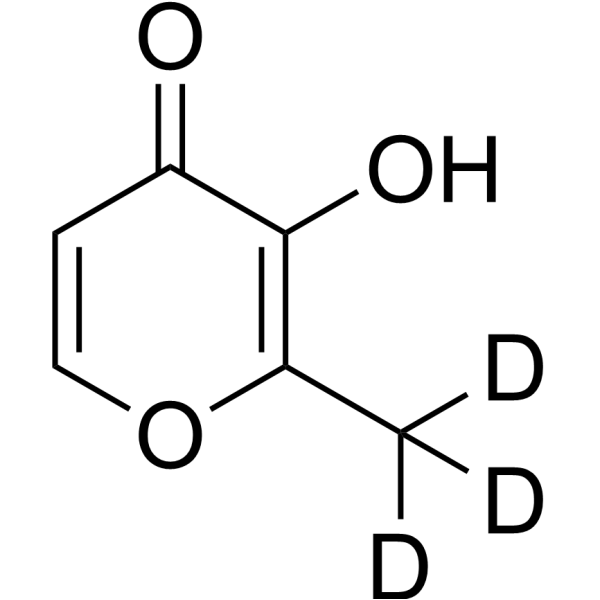
Maltol-d3 is a deuterium labeled Maltol (HY-W012788). Maltol, a type of aromatic compound, is an antioxidant agent. Maltol enhances neural function by mitigating oxidative stress and cell apoptosis. Maltol is an inhibitor of oxidative damage in nerve cells and is effective in preventing diabetic peripheral neuropathy (DPN). Maltol is used extensively as a safe flavoring agent and food preservative. Maltol is a metal ion chelator that can be used in the field of catalysis, cosmetics, and medicine .
|
-
- HY-W769991
-
|
Lactic acid sodium-13C2
|
Isotope-Labeled Compounds
Endogenous Metabolite
Hydroxycarboxylic Acid Receptor (HCAR)
Bacterial
|
Cancer
|
|
Lactic acid- 13C2 (DL-Lactic acid- 13C2) sodium is the 13C-labeled Lactic acid sodium . Lactic acid (DL-Lactic acid) sodium is a hydroxycarboxylic acid receptor 1 (HCAR1) activator and an epigenetic modulator inducing lysine residues lactylation. Lactic acid sodium is a glycolysis end-product, bridging the gap between glycolysis and oxidative phosphorylation. Lactic acid sodium is an oncometabolite and has immune protective role of lactate in anti-tumor immunity . Lactic acid sodium also has antimicrobial activity, which can be used as a food preservative .
|
-

- HY-W747751
-
|
|
Isotope-Labeled Compounds
Fungal
IGF-1R
Bacterial
Endogenous Metabolite
Antibiotic
|
Infection
|
|
Sorbic acid- 13C2 is the 13C-labeled Sorbic acid (HY-N0626). Sorbic acid is an effective, safe, and non-toxic food preservative. It can effectively inhibit most molds, yeasts, and certain bacteria. Sorbic acid is orally active and can enhance the growth performance of economically important animals (Duroc × Landrace × Yorkshire piglets) by activating the insulin-like growth factor system (IGF), and it can also lead to lipid accumulation by disrupting lipid clearance pathways .
|
-

- HY-N2552R
-
|
|
Reference Standards
Pyruvate Kinase
Bacterial
Fungal
Apoptosis
|
Infection
Cancer
|
|
Vitamin K5 (hydrochloride) (Standard) is the analytical standard of Vitamin K5 (hydrochloride). This product is intended for research and analytical applications. Vitamin K5 hydrochloride is a photosensitizer and a antimicrobial agent. Vitamin K5 hydrochloride is a specific PKM2 inhibitor with IC50 values of 28, 191 and 120 μM for PKM2, PKM1 and PKL. Vitamin K5 hydrochloride induces apoptosis of colon 26 cells. Vitamin K5 hydrochloride can be used for the research of infection and cancer, and it also can be used as a preservative for pharmaceuticals, foods, and beverages[1][2][3].
|
-

- HY-N2026AR
-
|
Propyl parahydroxybenzoate sodium (Standard); Propyl 4-hydroxybenzoate sodium (Standard)
|
Reference Standards
Bacterial
Apoptosis
Estrogen Receptor/ERR
Sodium Channel
PI3K
Akt
JNK
|
Cardiovascular Disease
Infection
Neurological Disease
|
|
Propylparaben (Propyl parahydroxybenzoate) sodium (Standard) is the analytical standard of Propylparaben sodium (HY-N2026A). Propylparaben (Propyl parahydroxybenzoate) sodium is an antibacterial preservative that can be produced by plants and bacteria. Propylparaben sodium is an orally active weak estrogen receptor agonist. Propylparaben sodium regulates the PI3K-AKT and JNK signaling pathways, and induces oxidative stress. Propylparaben sodium is commonly used in cosmetics, pharmaceuticals and foods, and can be used in studies related to ovarian aging and myocardial ischemia-reperfusion injury .
|
-

- HY-W009156R
-
|
Potassium citrate monohydrate (Standard)
|
Reference Standards
Apoptosis
Endogenous Metabolite
Bacterial
|
Infection
Cardiovascular Disease
Metabolic Disease
Inflammation/Immunology
Cancer
|
|
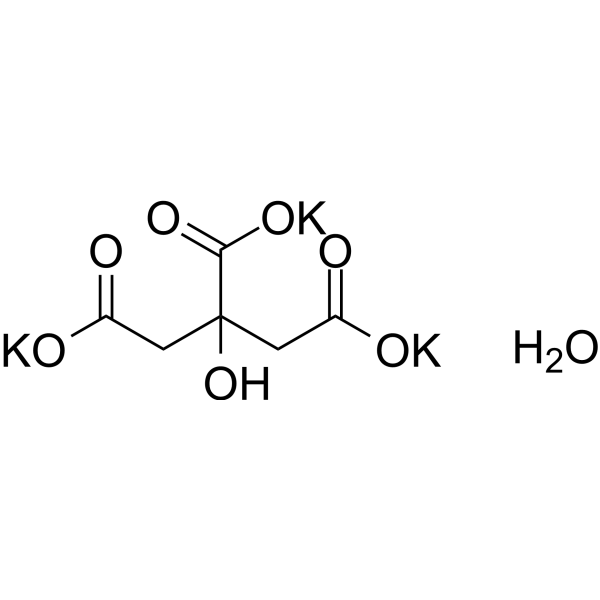
Citric acid tripotassium hydrate (Standard) (Potassium citrate monohydrate (Standard)) is the analytical standard of Citric acid tripotassium hydrate (HY-W009156). This product is intended for research and analytical applications. Citric acid tripotassium hydrate is a natural preservative and food tartness enhancer. Citric acid tripotassium hydrate induces apoptosis and cell cycle arrest at G2/M phase and S phase in HaCaT cells. Citric acid tripotassium hydrate cause oxidative damage of the liver by means of the decrease of antioxidative enzyme activities. Citric acid tripotassium hydrate is also an acidulant, emulsifier, sequestrant and buffering agent widely used across many industries .
|
-

- HY-B1295R
-
|
Litarex tetrahydrate (Standard)
|
Apoptosis
Endogenous Metabolite
Bacterial
Reference Standards
|
Infection
Cardiovascular Disease
Metabolic Disease
Inflammation/Immunology
Cancer
|
|
Lithium citrate (tetrahydrate) (Standard) is the analytical standard of Lithium citrate (tetrahydrate). This product is intended for research and analytical applications. Lithium citrate (Litarex) tetrahydrate is a natural preservative and food tartness enhancer. Lithium citrate tetrahydrate induces apoptosis and cell cycle arrest at G2/M phase and S phase in HaCaT cells. Lithium citrate tetrahydrate cause oxidative damage of the liver by means of the decrease of antioxidative enzyme activities. Lithium citrate tetrahydrate is also an acidulant, emulsifier, sequestrant and buffering agent widely used across many industries .
|
-

- HY-N2026S
-
|
Propyl parahydroxybenzoate-d7; Propyl 4-hydroxybenzoate-d7
|
Isotope-Labeled Compounds
Apoptosis
Bacterial
Estrogen Receptor/ERR
Sodium Channel
PI3K
JNK
Akt
|
Cardiovascular Disease
Infection
Neurological Disease
|
|
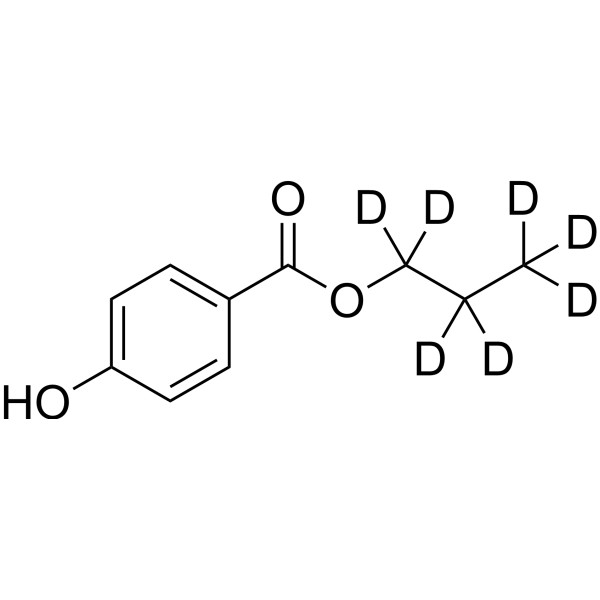
Propylparaben-d7 (Propyl parahydroxybenzoate-d7) is the deuterium labeled Propylparaben (HY-N2026) . Propylparaben (Propyl parahydroxybenzoate) is an antibacterial preservative that can be produced by plants and bacteria. Propylparaben is an orally active weak estrogen receptor agonist. Propylparaben regulates the PI3K-AKT and JNK signaling pathways, and induces oxidative stress. Propylparaben is commonly used in cosmetics, pharmaceuticals and foods, and can be used in studies related to ovarian aging and myocardial ischemia-reperfusion injury .
|
-
- HY-W010164R
-
|
|
Biochemical Assay Reagents
Reference Standards
|
Others
|
|
4-Hydroxybenzoate (sodium) (Standard) is the analytical standard of 4-Hydroxybenzoate (sodium). This product is intended for research and analytical applications. 4-Hydroxybenzoate sodium, also known as sodium p-hydroxybenzoate or sodium paraben, is commonly used as a food preservative and cosmetic preservative. It can also be used as an additive in a variety of other products, including pharmaceuticals, personal care products, and industrial products. Additionally, 4-Hydroxybenzoate sodium has the potential to function as xenoestrogens, which may mimic the effects of estrogen in the body and affect hormonal balance.
|
-

- HY-N0216S7
-
-

- HY-N0216S6
-
-

- HY-178425S
-
|
Butylated hydroxyanisole-d24; E320-d24
|
Isotope-Labeled Compounds
Ferroptosis
Reactive Oxygen Species (ROS)
|
Neurological Disease
Inflammation/Immunology
|
|
Butylhydroxyanisole-d24 (Butylated hydroxyanisole-d24) is the deuterium labeled Butylhydroxyanisole (HY-B1066). Butylhydroxyanisole (Butylated hydroxyanisole) is an antioxidant used as a food additive preservative. Butylhydroxyanisole mediates liver toxicity, retardation in reproductive organ development and learning, and sleep deficit. Butylhydroxyanisole exerts neurotoxic effects and leads to disruption of the brain and nerve development . Butylhydroxyanisole is a ferroptosis inducer .
|
-

- HY-W005355S12
-
|
|
Isotope-Labeled Compounds
Biochemical Assay Reagents
|
Others
|
|
Sodium 2-oxobutanoate-d5 is the deuterium labeled Sodium 2-oxobutanoate (HY-W005355). Sodium 2-oxobutanoate is an organic compound commonly used as a food additive and industrial raw material. It can be used as an acidity regulator, leavening agent and preservative, and is often used in the fields of bread, baked goods and canning. In addition, the compound is used in the production of certain industrial products, such as in plastics, textiles and dyes.
|
-

- HY-W724319
-
|
Sodium citrate-d4; Trisodium citrate anhydrous-d4
|
Isotope-Labeled Compounds
Apoptosis
Bacterial
Endogenous Metabolite
|
Cardiovascular Disease
Infection
Metabolic Disease
Inflammation/Immunology
Cancer
|
|
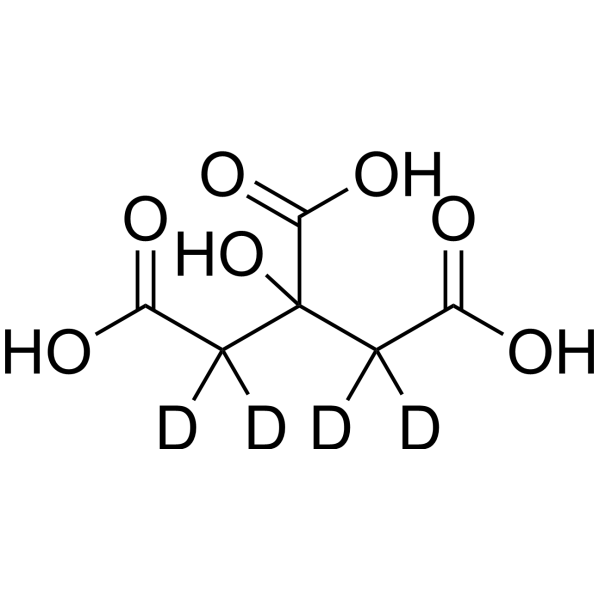
Citric acid-d4 trisodium (Sodium citrate-d4) is the deuterium labeled Citric acid trisodium (HY-B2201). Citric acid trisodium (Sodium citrate) is a natural preservative and food tartness enhancer. Citric acid trisodium induces apoptosis and cell cycle arrest at G2/M phase and S phase in HaCaT cells. Citric acid trisodium cause oxidative damage of the liver by means of the decrease of antioxidative enzyme activities. Citric acid trisodium is also an acidulant, emulsifier, sequestrant and buffering agent widely used across many industries .
|
-

- HY-W103773
-
|
|
Biochemical Assay Reagents
Fungal
Bacterial
|
Infection
|
|
2-Phenylphenol sodium is a phenolic disinfectant and toxic agent with bactericidal, fungicidal and growth-inhibiting activities. 2-Phenylphenol sodium serves as a post-harvest agricultural fungicide and food preservative. At specific concentrations, 2-Phenylphenol sodium inhibits the growth of E. coli strains, while at high concentrations, 2-Phenylphenol sodium completely blocks their proliferation. 2-Phenylphenol sodium acts as a substrate for biocatalytic conversion, and is converted to 3-phenylcatechol by 2-hydroxybiphenyl 3-monooxygenase in recombinant E. coli. 2-Phenylphenol sodium also undergoes electrochemical oxidation in phosphate buffer solution .
|
-

- HY-W088065
-
|
|
Environmental Pollutants
DNA/RNA Synthesis
|
Others
|
Sodium formate acts as a key promoter for heterogeneous nucleation of ZIF crystals and thin film synthesis. It is also recognized as a GRAS substance by the FDA, and serves as a cosmetic preservative and food additive. Sodium formate has low acute oral toxicity (acute oral LD50=7410 mg/kg and acute intravenous LD50=807 mg/kg in mice), with no heritable or carcinogenic effects, but exhibits embryonic developmental toxicity and teratogenicity at high concentrations. Sodium formate may cause moderate irritation to rabbit eyes, is relatively safe to the skin, and does not induce tumor formation in rats in vivo. Sodium formate is rapidly absorbed and oxidized to carbon dioxide in vivo, and forms DNA adducts in specific metabolic deficiency models or upon high-dose exposure .
|
-

- HY-B2227BS
-
|
DL-Lactic acid-d4 sodium; E-270-d4 sodium
|
Isotope-Labeled Compounds
Endogenous Metabolite
Hydroxycarboxylic Acid Receptor (HCAR)
Bacterial
|
Infection
Metabolic Disease
Inflammation/Immunology
Cancer
|
|
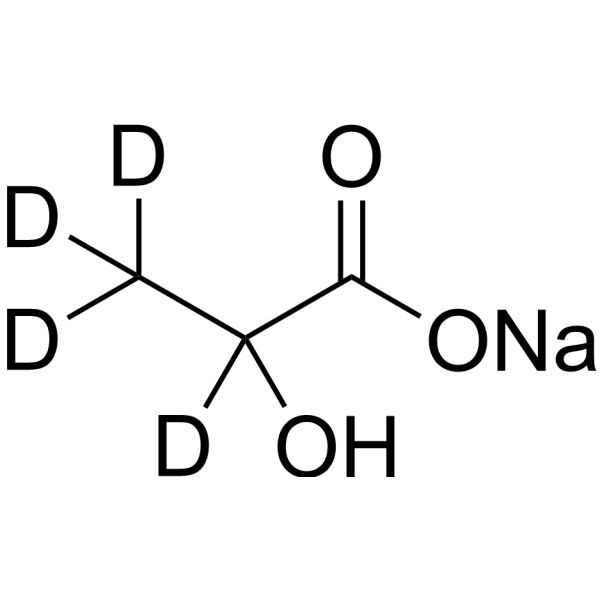
Lactic acid-d4 (DL-Lactic acid-d4) sodium (60% in water) is the deuterium labeled Lactic acid sodium (60% in water) (HY-B2227B) . Lactic acid (DL-Lactic acid) sodium (60% w/w in water) is a hydroxycarboxylic acid receptor 1 (HCAR1) activator and an epigenetic modulator inducing lysine residues lactylation. Lactic acid sodium (60% w/w in water) is a glycolysis end-product, bridging the gap between glycolysis and oxidative phosphorylation. Lactic acid sodium (60% w/w in water) is an oncometabolite and has immune protective role of lactate in anti-tumor immunity . Lactic acid sodium (60% w/w in water) also has antimicrobial activity, which can be used as a food preservative .
|
-
- HY-B2227BS1
-
|
DL-Lactic acid-d3 sodium; E-270-d3 sodium
|
Isotope-Labeled Compounds
Endogenous Metabolite
Hydroxycarboxylic Acid Receptor (HCAR)
Bacterial
|
Infection
Metabolic Disease
Inflammation/Immunology
Cancer
|
|
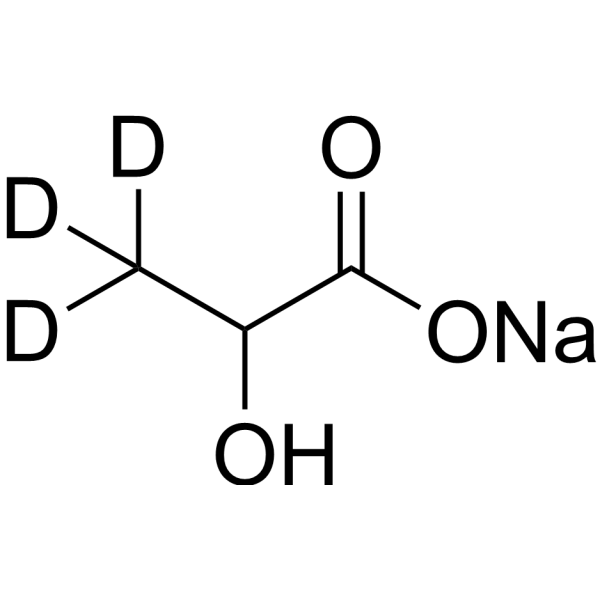
Lactic acid-d3 (DL-Lactic acid-d3) sodium (60% in water) is the deuterium labeled Lactic acid sodium (60% in water) (HY-B2227B) . Lactic acid (DL-Lactic acid) sodium (60% w/w in water) is a hydroxycarboxylic acid receptor 1 (HCAR1) activator and an epigenetic modulator inducing lysine residues lactylation. Lactic acid sodium (60% w/w in water) is a glycolysis end-product, bridging the gap between glycolysis and oxidative phosphorylation. Lactic acid sodium (60% w/w in water) is an oncometabolite and has immune protective role of lactate in anti-tumor immunity . Lactic acid sodium (60% w/w in water) also has antimicrobial activity, which can be used as a food preservative .
|
-
| Cat. No. |
Product Name |
Type |
-
- HY-B2201
-
|
Sodium citrate; Trisodium citrate anhydrous
|
Biochemical Assay Reagents
|
|
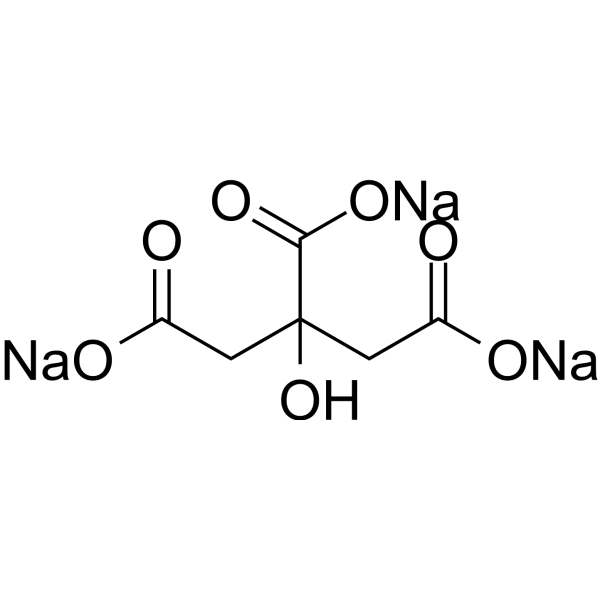
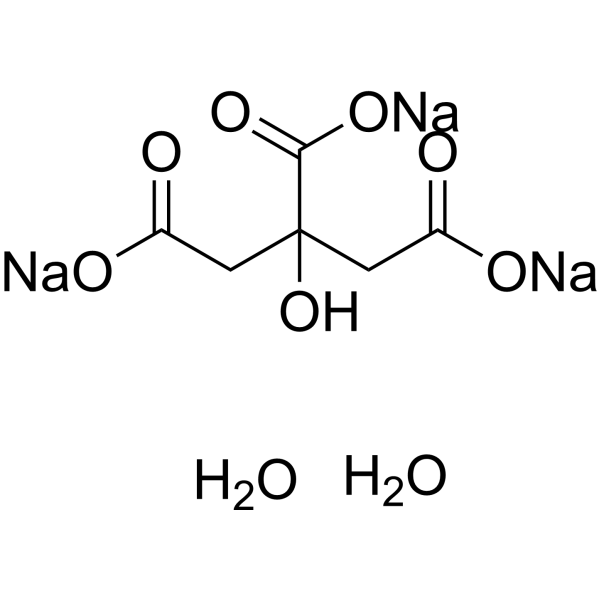
Citric acid trisodium (Sodium citrate) is a natural preservative and food tartness enhancer. Citric acid trisodium induces apoptosis and cell cycle arrest at G2/M phase and S phase in HaCaT cells. Citric acid trisodium cause oxidative damage of the liver by means of the decrease of antioxidative enzyme activities. Citric acid trisodium is also an acidulant, emulsifier, sequestrant and buffering agent widely used across many industries .
|
-
- HY-W250308
-
|
Epsilon-polylysine (MW 3800-4200); ε-Polylysine (MW 3800-4200); ε-PL (MW 3800-4200)
|
Biochemical Assay Reagents
|
|
Epsilon-polylysine is an antimicrobial peptide that can be produced by bacteria such as Streptomyces. Epsilon-polylysine inhibits the growth of microorganisms such as bacteria, yeasts and molds and is therefore often used as a green food additive and preservative in various food and beverage products. Epsilon-polylysine has a variety of properties, including thermal stability, resistance to acidic conditions, and broad-spectrum antimicrobial activity. Epsilon-polylysine can be loaded on other materials to form nanoparticles or form nanofiber membranes for targeted delivery to exert sustained antibacterial efficacy. Epsilon-polylysine is also used as a liposome stabilizer .
|
-
- HY-W018746
-
EDTA disodium
Maximum Cited Publications
25 Publications Verification
Ethylenediaminetetraacetic acid disodium
|
Biochemical Assay Reagents
|
|
EDTA disodium salt, also known as ethylenediaminetetraacetic acid disodium, belongs to the chelating agent category, which is formed by chelating a central metal ion with four carboxylate groups and two amine groups. This compound, with its ability to bind and chelate metal ions such as calcium, magnesium and iron, is commonly used in a variety of applications, including industrial, medical and research settings. It is used as a preservative in food and beverage, as a stabilizer in medicine, as a chelating agent in water treatment, and as a reagent in biochemical and biomedical research. In addition, EDTA disodium salt has been studied for potential research effects such as improving heavy metal poisoning and cardiovascular disease.
|
-
- HY-115340
-
|
Sodium decanoate; Sodium caprate
|
Biochemical Assay Reagents
|
|
Decanoic acid sodium, also known as Decanoic acid sodium, is a salt of the fatty acid capric acid. It is easily soluble in water and has a slightly soapy smell. Decanoic acid sodium acts as a penetration enhancer, which means it increases the absorption and bioavailability of drugs across biological membranes, including the intestinal epithelium and the blood-brain barrier. This property makes it useful in pharmaceutical formulations to improve drug delivery and effectiveness. Furthermore, Decanoic acid sodium has potential applications in food preservatives and cosmetics due to its antibacterial properties.
|
-
- HY-N1428A
-
|
|
Biochemical Assay Reagents
|
|
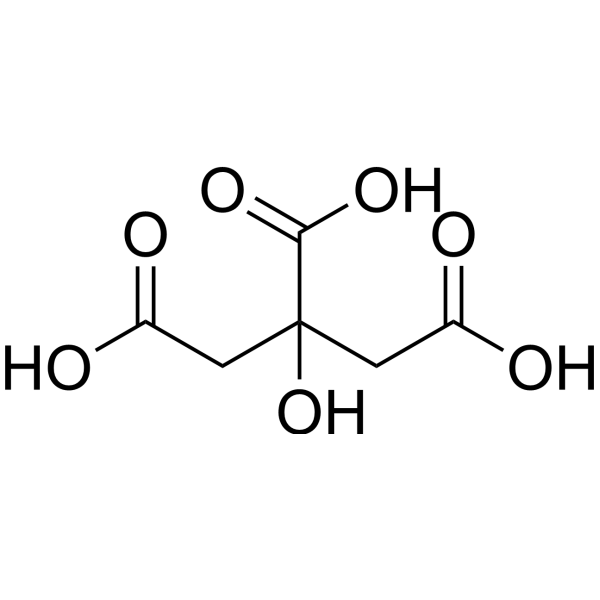
Citric acid monohydrate is a natural preservative and food tartness enhancer. Citric acid monohydrate induces apoptosis and cell cycle arrest at G2/M phase and S phase in HaCaT cells. Citric acid monohydrate cause oxidative damage of the liver by means of the decrease of antioxidative enzyme activities. Citric acid monohydrate is also an acidulant, emulsifier, sequestrant and buffering agent widely used across many industries .
|
-
- HY-121965
-
|
|
Biochemical Assay Reagents
|
|
β-D-Glucose, also known as glucose, is a monosaccharide, the most important carbohydrate in biological systems, the main energy source of cells, and plays a key role in various metabolic processes. β-D-Glucose has unique chemical properties that make it an abundant component in plant and animal tissues and is readily metabolized by organisms to produce cellular energy. It is commonly used to improve hypoglycemia and dehydration, and as a sweetener and preservative in food and beverage production.
|
-
- HY-W088065
-
|
|
Biochemical Assay Reagents
|
Sodium formate acts as a key promoter for heterogeneous nucleation of ZIF crystals and thin film synthesis. It is also recognized as a GRAS substance by the FDA, and serves as a cosmetic preservative and food additive. Sodium formate has low acute oral toxicity (acute oral LD50=7410 mg/kg and acute intravenous LD50=807 mg/kg in mice), with no heritable or carcinogenic effects, but exhibits embryonic developmental toxicity and teratogenicity at high concentrations. Sodium formate may cause moderate irritation to rabbit eyes, is relatively safe to the skin, and does not induce tumor formation in rats in vivo. Sodium formate is rapidly absorbed and oxidized to carbon dioxide in vivo, and forms DNA adducts in specific metabolic deficiency models or upon high-dose exposure .
|
-
- HY-B1610E
-
|
Trisodium citrate dihydrate, meets USP testing specifications
|
Biochemical Assay Reagents
|
|
Sodium citrate dihydrate, meets USP testing specifications is an anticoagulant and also used as a buffer and food preservatives .
|
-
- HY-W099594
-
|
Benzyldimethyldodecylammonium bromide
|
Biochemical Assay Reagents
|
|
N-Benzyl-N, N-dimethyldodecan-1-aminium bromide, also known as Benzalkonium Chloride (BAC), is a quaternary ammonium compound widely used as an antimicrobial and surfactant in various industries. BAC is commonly used as a disinfectant and antiseptic in a variety of products including hand sanitizers, disinfectant wipes and eye drops. Its ability to kill bacteria, viruses and fungi makes it an effective tool in preventing the spread of infection. BAC is also used as a preservative and disinfectant in the food industry. It is added to food packaging and processing equipment to prevent the growth of microorganisms and increase the shelf life of foods. Additionally, BACs are found in many household products such as cleaning solutions, fabric softeners and personal care products. Its surfactant properties allow it to be used to reduce surface tension and increase the effectiveness of cleaning agents. Although BAC has many uses, ingestion or exposure to high concentrations of BAC can cause skin irritation and other adverse effects.
|
-
- HY-B1295
-
|
Litarex tetrahydrate
|
Biochemical Assay Reagents
|
|
Lithium citrate (Litarex) tetrahydrate is a natural preservative and food tartness enhancer. Lithium citrate tetrahydrate induces apoptosis and cell cycle arrest at G2/M phase and S phase in HaCaT cells. Lithium citrate tetrahydrate cause oxidative damage of the liver by means of the decrease of antioxidative enzyme activities. Lithium citrate tetrahydrate is also an acidulant, emulsifier, sequestrant and buffering agent widely used across many industries .
|
-
- HY-N1428CA
-
|
|
Biochemical Assay Reagents
|
|
Ferric citrate, suitable for cell culture is a natural preservative and food tartness enhancer. Ferric citrate, suitable for cell culture induces apoptosis and cell cycle arrest at G2/M phase and S phase in HaCaT cells. Ferric citrate, suitable for cell culture causes oxidative damage of the liver by means of the decrease of antioxidative enzyme activities. Ferric citrate, suitable for cell culture is also an acidulant, emulsifier, sequestrant and buffering agent widely used across many industries .
|
-
- HY-W010164
-
|
|
Biochemical Assay Reagents
|
|
4-Hydroxybenzoate sodium, also known as sodium p-hydroxybenzoate or sodium paraben, is commonly used as a food preservative and cosmetic preservative. It can also be used as an additive in a variety of other products, including pharmaceuticals, personal care products, and industrial products. Additionally, 4-Hydroxybenzoate sodium has the potential to function as xenoestrogens, which may mimic the effects of estrogen in the body and affect hormonal balance.
|
-
- HY-Y0319B1
-
|
|
Biochemical Assay Reagents
|
|
Potassium acetate, for molecular biology is an acetate salt commonly used as a deicing agent, food preservative and potassium source. Potassium acetate, for molecular biology can serve as an activator for preparing waste tea-based activated carbon, and is applied to the adsorption of Acid Blue 25 dye .
|
-
- HY-W005355
-
|
|
Biochemical Assay Reagents
|
|
Sodium 2-oxobutanoate is an organic compound commonly used as a food additive and industrial raw material. It can be used as an acidity regulator, leavening agent and preservative, and is often used in the fields of bread, baked goods and canning. In addition, the compound is used in the production of certain industrial products, such as in plastics, textiles and dyes.
|
-
- HY-W008606
-
|
Citric acid monosodium salt
|
Biochemical Assay Reagents
|
|
Sodium citrate monobasic (Citric acid monosodium salt) is a natural preservative and food tartness enhancer. Sodium citrate monobasic induces apoptosis and cell cycle arrest at G2/M phase and S phase in HaCaT cells. Sodium citrate monobasic cause oxidative damage of the liver by means of the decrease of antioxidative enzyme activities. Sodium citrate monobasic is also an acidulant, emulsifier, sequestrant and buffering agent widely used across many industries .
|
-
- HY-W133894
-
|
Oils, cedarwood
|
Biochemical Assay Reagents
|
|
Cedar oil is an essential oil that can be extracted from numerous types of conifers. Cedar oil possesses some pesticidal properties. As a food additive and preservative, cedarwood oil is a blend of organic chemicals classified as safe compounds by the FDA.
|
-
- HY-W018746R
-
|
Ethylenediaminetetraacetic acid disodium (Standard)
|
Biochemical Assay Reagents
|
|
EDTA (disodium) (Standard) is the analytical standard of EDTA (disodium). This product is intended for research and analytical applications. EDTA disodium salt, also known as ethylenediaminetetraacetic acid disodium, belongs to the chelating agent category, which is formed by chelating a central metal ion with four carboxylate groups and two amine groups. This compound, with its ability to bind and chelate metal ions such as calcium, magnesium and iron, is commonly used in a variety of applications, including industrial, medical and research settings. It is used as a preservative in food and beverage, as a stabilizer in medicine, as a chelating agent in water treatment, and as a reagent in biochemical and biomedical research. In addition, EDTA disodium salt has been studied for potential research effects such as improving heavy metal poisoning and cardiovascular disease.
|
-
- HY-W127384
-
|
|
Biochemical Assay Reagents
|
|
3-Decenoic acidIt is an organic compound belonging to the class of unsaturated fatty acids. It has a strong rancid smell and is commonly found in a variety of foods, such as dairy products and meat. 3-Decenoic acidIt has various applications in the pharmaceutical industry, especially as an intermediate in the synthesis of antibacterial agents such as antibiotics. In addition, it is used as a food preservative to prevent the growth of microorganisms.
|
-
- HY-W127841
-
|
|
Biochemical Assay Reagents
|
|
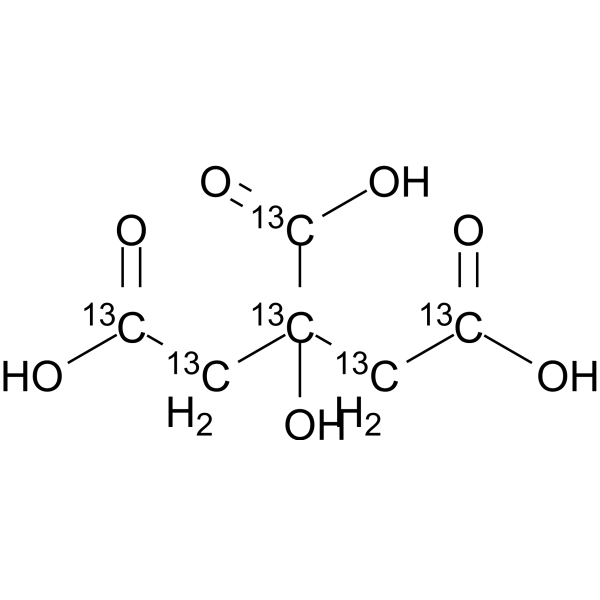
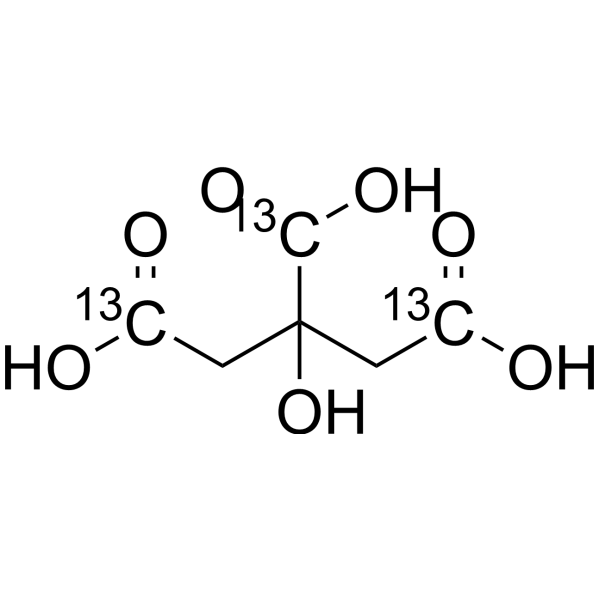
Citric acid-2,4- 13C2 is the 13C-labeled Citric acid (HY-N1428). Citric acid is a natural preservative and food tartness enhancer. Citric acid induces apoptosis and cell cycle arrest at G2/M phase and S phase in HaCaT cells. Citric acid cause oxidative damage of the liver by means of the decrease of antioxidative enzyme activities. Citric acid is also an acidulant, emulsifier, sequestrant and buffering agent widely used across many industries .
|
-
- HY-N1428AR
-
|
|
Biochemical Assay Reagents
|
|
Citric acid monohydrate (Standard) is the analytical standard of Citric acid monohydrate (HY-N1428A). This product is intended for research and analytical applications. Citric acid monohydrate is a natural preservative and food tartness enhancer. Citric acid monohydrate induces apoptosis and cell cycle arrest at G2/M phase and S phase in HaCaT cells. Citric acid monohydrate cause oxidative damage of the liver by means of the decrease of antioxidative enzyme activities. Citric acid monohydrate is also an acidulant, emulsifier, sequestrant and buffering agent widely used across many industries .
|
-
- HY-B1610ER
-
|
Trisodium citrate dihydrate, meets USP testing specifications (Standard)
|
Biochemical Assay Reagents
|
|
Sodium citrate dihydrate, meets USP testing specifications (Standard) is the analytical standard of Sodium citrate dihydrate, meets USP testing specifications. This product is intended for research and analytical applications. Sodium citrate dihydrate, meets USP testing specifications is an anticoagulant and also used as a buffer and food preservatives .
|
-
- HY-W127447
-
|
Maleic acid sodium
|
Biochemical Assay Reagents
|
|
Maleate trihydrate sodiumIt is an organic compound belonging to the salt class. It is formed from the neutralization reaction between maleic acid and sodium hydroxide and has a slightly bitter taste. Maleate trihydrate sodiumIt has a variety of applications in industrial settings, especially as an intermediate in the synthesis of various chemicals and polymers. Additionally, it is used in the food and beverage industry as a buffer, flavor enhancer and preservative.
|
-
- HY-B1295R
-
|
Litarex tetrahydrate (Standard)
|
Biochemical Assay Reagents
|
|
Lithium citrate (tetrahydrate) (Standard) is the analytical standard of Lithium citrate (tetrahydrate). This product is intended for research and analytical applications. Lithium citrate (Litarex) tetrahydrate is a natural preservative and food tartness enhancer. Lithium citrate tetrahydrate induces apoptosis and cell cycle arrest at G2/M phase and S phase in HaCaT cells. Lithium citrate tetrahydrate cause oxidative damage of the liver by means of the decrease of antioxidative enzyme activities. Lithium citrate tetrahydrate is also an acidulant, emulsifier, sequestrant and buffering agent widely used across many industries .
|
-
- HY-W010164R
-
|
|
Biochemical Assay Reagents
|
|
4-Hydroxybenzoate (sodium) (Standard) is the analytical standard of 4-Hydroxybenzoate (sodium). This product is intended for research and analytical applications. 4-Hydroxybenzoate sodium, also known as sodium p-hydroxybenzoate or sodium paraben, is commonly used as a food preservative and cosmetic preservative. It can also be used as an additive in a variety of other products, including pharmaceuticals, personal care products, and industrial products. Additionally, 4-Hydroxybenzoate sodium has the potential to function as xenoestrogens, which may mimic the effects of estrogen in the body and affect hormonal balance.
|
| Cat. No. |
Product Name |
Target |
Research Area |
-
- HY-P4327
-
|
|
Bacterial
|
Infection
|
|
Hispidalin is a novel antimicrobial peptide with broad and efficient antibacterial activity against various bacterial and fungal pathogens, and can be used as an antibacterial agent and food preservative .
|
| Cat. No. |
Product Name |
Category |
Target |
Chemical Structure |
-
- HY-B2227
-
-
-
- HY-N1428
-
-
-
- HY-B0133
-
-
-
- HY-N0216
-
-
-
- HY-N0711
-
|
Cymophenol
|
Structural Classification
Monophenols
Preservatives
Classification of Application Fields
Labiatae
Phenols
Derris elliptica (Roxb.) Benth.
Plants
Inflammation/Immunology
Disease Research Fields
Food Research
|
Environmental Pollutants
Apoptosis
Endogenous Metabolite
Notch
Fungal
Bacterial
|
|
Carvacrol is an orally active and blood-brain barrier-permeable monoterpenic phenol that can be extract from an abundant number of aromatic plants, including thyme and oregano, possessing antioxidant, antibacterial, antifungal, anticancer, anti-inflammatory, hepatoprotective, spasmolytic, and vasorelaxant properties. Carvacrol also causes cell cycle arrest in G0/G1, downregulates Notch-1, and Jagged-1, and induces apoptosis. Carvacrol is used in low concentrations as a food flavoring ingredient and preservative, as well as a fragrance ingredient in cosmetic formulations .
|
-
-
- HY-N2026
-
-
-
- HY-121965
-
-
-
- HY-W012788
-
-
-
- HY-B1431
-
-
-
- HY-B0934
-
-
-
- HY-W009156
-
-
-
- HY-B1295
-
-
-
- HY-B2227R
-
-
-
- HY-N1428R
-
-
-
- HY-N0216R
-
-
-
- HY-N2026A
-
-
-
- HY-B0934R
-
-
-
- HY-N0626R
-
|
|
Structural Classification
Microorganisms
other families
Ketones, Aldehydes, Acids
Plants
Endogenous metabolite
Source Classification
|
Reference Standards
Environmental Pollutants
Bacterial
Endogenous Metabolite
Fungal
Antibiotic
|
|
Sorbic acid (Standard) is the analytical standard of Sorbic acid (HY-N0626). This product is intended for research and analytical applications. Sorbic acid is an antibacterial preservative effective against most molds, yeasts, and some bacterial species. Sorbic acid inhibits microbial growth. Sorbic acid suppresses the activity of intestinal microorganisms in zebrafish, alters the composition of intestinal flora, and reduces the levels of intestinal immune biomarkers, including IgG, IL-1β, and TNF-α. Sorbic acid can be used in research on the prevention and treatment of mold, yeast, and bacterial infections .
|
-
-
- HY-B1431R
-
-
-
- HY-B0133R
-
-
-
- HY-N2026R
-
-
-
- HY-N0216A
-
-
-
- HY-W012788R
-
-
-
- HY-N0711R
-
|
Cymophenol (Standard)
|
Structural Classification
Monophenols
Labiatae
Phenols
Derris elliptica (Roxb.) Benth.
Plants
|
Reference Standards
Notch
Apoptosis
Fungal
Endogenous Metabolite
Bacterial
|
|
Carvacrol (Standard) is the analytical standard of Carvacrol. This product is intended for research and analytical applications. Carvacrol is an orally active and blood-brain barrier-permeable monoterpenic phenol that can be extract from an abundant number of aromatic plants, including thyme and oregano, possessing antioxidant, antibacterial, antifungal, anticancer, anti-inflammatory, hepatoprotective, spasmolytic, and vasorelaxant properties. Carvacrol also causes cell cycle arrest in G0/G1, downregulates Notch-1, and Jagged-1, and induces apoptosis. Carvacrol is used in low concentrations as a food flavoring ingredient and preservative, as well as a fragrance ingredient in cosmetic formulations .
|
-
-
- HY-13451R
-
|
|
Microorganisms
Source Classification
|
Reference Standards
Bacterial
Antibiotic
|
|
Citric acid (Standard) is the analytical standard of Citric acid. This product is intended for research and analytical applications. Citric acid is a natural preservative and food tartness enhancer. Citric acid induces apoptosis and cell cycle arrest at G2/M phase and S phase in HaCaT cells. Citric acid cause oxidative damage of the liver by means of the decrease of antioxidative enzyme activities. Citric acid causes renal toxicity in mice .
|
-
-
- HY-113451R
-
|
|
Structural Classification
Microorganisms
Ketones, Aldehydes, Acids
Endogenous metabolite
Source Classification
|
Endogenous Metabolite
Reference Standards
|
|
Propylparaben (sodium) (Standard) is the analytical standard of Propylparaben (sodium). This product is intended for research and analytical applications. Propylparaben sodium (Propyl parahydroxybenzoate) is an antimicrobial preservative which can be produced naturally by plants and bacteria. Propylparaben sodium is prevalently used in cosmetics, pharmaceuticals, and foods. Propylparaben sodium disrupts antral follicle growth and steroidogenic function by altering the cell-cycle, apoptosis, and steroidogenesis pathways. Propylparaben sodium also decreases sperm number and motile activity in rats .
|
-
-
- HY-N2026AR
-
|
Propyl parahydroxybenzoate sodium (Standard); Propyl 4-hydroxybenzoate sodium (Standard)
|
Structural Classification
Natural Products
Endogenous metabolite
Source Classification
|
Reference Standards
Bacterial
Apoptosis
Estrogen Receptor/ERR
Sodium Channel
PI3K
Akt
JNK
|
|
Propylparaben (Propyl parahydroxybenzoate) sodium (Standard) is the analytical standard of Propylparaben sodium (HY-N2026A). Propylparaben (Propyl parahydroxybenzoate) sodium is an antibacterial preservative that can be produced by plants and bacteria. Propylparaben sodium is an orally active weak estrogen receptor agonist. Propylparaben sodium regulates the PI3K-AKT and JNK signaling pathways, and induces oxidative stress. Propylparaben sodium is commonly used in cosmetics, pharmaceuticals and foods, and can be used in studies related to ovarian aging and myocardial ischemia-reperfusion injury .
|
-
-
- HY-W009156R
-
|
Potassium citrate monohydrate (Standard)
|
Structural Classification
Ketones, Aldehydes, Acids
Guttiferae
Plants
Garcinia cambogia
|
Reference Standards
Apoptosis
Endogenous Metabolite
Bacterial
|
|
Citric acid tripotassium hydrate (Standard) (Potassium citrate monohydrate (Standard)) is the analytical standard of Citric acid tripotassium hydrate (HY-W009156). This product is intended for research and analytical applications. Citric acid tripotassium hydrate is a natural preservative and food tartness enhancer. Citric acid tripotassium hydrate induces apoptosis and cell cycle arrest at G2/M phase and S phase in HaCaT cells. Citric acid tripotassium hydrate cause oxidative damage of the liver by means of the decrease of antioxidative enzyme activities. Citric acid tripotassium hydrate is also an acidulant, emulsifier, sequestrant and buffering agent widely used across many industries .
|
-
-
- HY-B1295R
-
|
Litarex tetrahydrate (Standard)
|
Structural Classification
Microorganisms
Ketones, Aldehydes, Acids
Source Classification
|
Apoptosis
Endogenous Metabolite
Bacterial
Reference Standards
|
|
Lithium citrate (tetrahydrate) (Standard) is the analytical standard of Lithium citrate (tetrahydrate). This product is intended for research and analytical applications. Lithium citrate (Litarex) tetrahydrate is a natural preservative and food tartness enhancer. Lithium citrate tetrahydrate induces apoptosis and cell cycle arrest at G2/M phase and S phase in HaCaT cells. Lithium citrate tetrahydrate cause oxidative damage of the liver by means of the decrease of antioxidative enzyme activities. Lithium citrate tetrahydrate is also an acidulant, emulsifier, sequestrant and buffering agent widely used across many industries .
|
-
| Cat. No. |
Product Name |
Chemical Structure |
-
- HY-N1428S1
-
|
|
|
Citric acid- 13C6 is the 13C-labeled Citric acid (HY-N1428). Citric acid is a natural preservative and food tartness enhancer. Citric acid induces apoptosis and cell cycle arrest at G2/M phase and S phase in HaCaT cells. Citric acid cause oxidative damage of the liver by means of the decrease of antioxidative enzyme activities. Citric acid is also an acidulant, emulsifier, sequestrant and buffering agent widely used across many industries .
|
-
-
- HY-N1428S
-
|
|
|
Citric acid-d4 is the deuterium labeled Citric acid (HY-N1428). Citric acid is a natural preservative and food tartness enhancer. Citric acid induces apoptosis and cell cycle arrest at G2/M phase and S phase in HaCaT cells. Citric acid cause oxidative damage of the liver by means of the decrease of antioxidative enzyme activities. Citric acid is also an acidulant, emulsifier, sequestrant and buffering agent widely used across many industries .
|
-
-
- HY-N0216S1
-
|
|
|
Benzoic acid- 13C6 is the 13C-labeled Benzoic acid. Benzoic acid is an aromatic alcohol existing naturally in many plants and is a common additive to food, drinks, cosmetics and other products. It acts as preservatives through inhibiting both bacteria and fungi.
|
-
-
- HY-N0216S
-
1 Publications Verification
|
|
Benzoic acid-d5 is a deuterium substitute for Benzoic acid. Benzoic acid is an aromatic alcohol that occurs naturally in many plants and is a common additive in food, beverages, cosmetics and other products. Benzoic acid can act as a preservative by inhibiting bacteria and fungi .
|
-
-
- HY-N1428S3
-
|
|
|
Citric acid- 13C3 is the 13C-labeled Citric acid (HY-N1428). Citric acid is a natural preservative and food tartness enhancer. Citric acid induces apoptosis and cell cycle arrest at G2/M phase and S phase in HaCaT cells. Citric acid cause oxidative damage of the liver by means of the decrease of antioxidative enzyme activities. Citric acid is also an acidulant, emulsifier, sequestrant and buffering agent widely used across many industries .
|
-
-
- HY-N2026S1
-
|
|
|
Propylparaben-d4 (Propyl parahydroxybenzoate-d4) is the deuterium labeled Propylparaben (HY-N2026). Propylparaben (Propyl parahydroxybenzoate) is an antibacterial preservative that can be produced by plants and bacteria. Propylparaben is an orally active weak estrogen receptor agonist. Propylparaben regulates the PI3K-AKT and JNK signaling pathways, and induces oxidative stress. Propylparaben is commonly used in cosmetics, pharmaceuticals and foods, and can be used in studies related to ovarian aging and myocardial ischemia-reperfusion injury .
|
-
-
- HY-B2227BS
-
|
|
|
Lactic acid-d4 (DL-Lactic acid-d4) sodium (60% in water) is the deuterium labeled Lactic acid sodium (60% in water) (HY-B2227B) . Lactic acid (DL-Lactic acid) sodium (60% w/w in water) is a hydroxycarboxylic acid receptor 1 (HCAR1) activator and an epigenetic modulator inducing lysine residues lactylation. Lactic acid sodium (60% w/w in water) is a glycolysis end-product, bridging the gap between glycolysis and oxidative phosphorylation. Lactic acid sodium (60% w/w in water) is an oncometabolite and has immune protective role of lactate in anti-tumor immunity . Lactic acid sodium (60% w/w in water) also has antimicrobial activity, which can be used as a food preservative .
|
-
-
- HY-B2227BS1
-
|
|
|
Lactic acid-d3 (DL-Lactic acid-d3) sodium (60% in water) is the deuterium labeled Lactic acid sodium (60% in water) (HY-B2227B) . Lactic acid (DL-Lactic acid) sodium (60% w/w in water) is a hydroxycarboxylic acid receptor 1 (HCAR1) activator and an epigenetic modulator inducing lysine residues lactylation. Lactic acid sodium (60% w/w in water) is a glycolysis end-product, bridging the gap between glycolysis and oxidative phosphorylation. Lactic acid sodium (60% w/w in water) is an oncometabolite and has immune protective role of lactate in anti-tumor immunity . Lactic acid sodium (60% w/w in water) also has antimicrobial activity, which can be used as a food preservative .
|
-
-
- HY-B1431S
-
|
|
|
Butylparaben-d4 is the deuterium labeled Butylparaben. Butylparaben is an organic compound, has proven to be a highly successful antimicrobial preservative in cosmetics, also used in medication suspensions, and as a flavoring additive in food.
|
-
-
- HY-N0349S1
-
|
|
|
Methyl Paraben- 13C6 (Methyl 4-hydroxybenzoate- 13C6) is a 13C labeled Methyl Paraben (HY-N0349) . Methyl Paraben, isolated from the barks of Tsuga dumosa the methyl ester of p-hydroxybenzoic acid, is a standardized chemical allergen. Methyl Paraben is a stable, non-volatile compound used as an antimicrobial preservative in foods, agents and cosmetics. The physiologic effect of Methyl Paraben is by means of increased histamine release, and cell-mediated immunity .
|
-
-
- HY-N1428S6
-
|
|
|
Citric acid-d4-1 is deuterated labeled Citric acid (HY-N1428). Citric acid is a natural preservative and food tartness enhancer. Citric acid induces apoptosis and cell cycle arrest at G2/M phase and S phase in HaCaT cells. Citric acid cause oxidative damage of the liver by means of the decrease of antioxidative enzyme activities. Citric acid is also an acidulant, emulsifier, sequestrant and buffering agent widely used across many industries .
|
-
-
- HY-N1428S2
-
|
|
|
Citric acid- 13C2 is the 13C-labeled Citric acid (HY-N1428). Citric acid is a natural preservative and food tartness enhancer. Citric acid induces apoptosis and cell cycle arrest at G2/M phase and S phase in HaCaT cells. Citric acid cause oxidative damage of the liver by means of the decrease of antioxidative enzyme activities. Citric acid is also an acidulant, emulsifier, sequestrant and buffering agent widely used across many industries .
|
-
-
- HY-W653994
-
|
|
|
Ethyl Paraben- 13C6 (Ethyl parahydroxybenzoate- 13C6) is 13C labeled Ethylparaben. Ethylparaben is the ethyl ester of paraben and is used as an antifungal preservative and food additive .
|
-
-
- HY-B1431S1
-
|
|
|
Butylparaben- 13C6 is the 13C labeled Butylparaben . Butylparaben is an organic compound, has proven to be a highly successful antimicrobial preservative in cosmetics, also used in medication suspensions, and as a flavoring additive in food.
|
-
-
- HY-N0216S2
-
|
|
|
Benzoic acid- 13C is the 13C-labeled Benzoic acid. Benzoic acid is an aromatic alcohol existing naturally in many plants and is a common additive to food, drinks, cosmetics and other products. It acts as preservatives through inhibiting both bacteria and fungi.
|
-
-
- HY-W654020
-
|
|
|
Propyl paraben- 13C6 (Propyl parahydroxybenzoate- 13C6) is 13C labeled Propylparaben. Propylparaben (Propyl parahydroxybenzoate) is an antibacterial preservative that can be produced by plants and bacteria. Propylparaben is commonly used in cosmetics, pharmaceuticals and foods. Propylparaben disrupts follicular growth and steroidogenic function by altering cell cycle, apoptosis and steroidogenic pathways. Propylparaben also reduced sperm count and motility in rats .
|
-
-
- HY-W127841
-
|
|
|
Citric acid-2,4- 13C2 is the 13C-labeled Citric acid (HY-N1428). Citric acid is a natural preservative and food tartness enhancer. Citric acid induces apoptosis and cell cycle arrest at G2/M phase and S phase in HaCaT cells. Citric acid cause oxidative damage of the liver by means of the decrease of antioxidative enzyme activities. Citric acid is also an acidulant, emulsifier, sequestrant and buffering agent widely used across many industries .
|
-
-
- HY-N0349S
-
|
|
|
Methyl paraben-d4 is the deuterium labeled Methyl Paraben . Methyl Paraben, isolated from the barks of Tsuga dumosa the methyl ester of p-hydroxybenzoic acid, is a standardized chemical allergen. Methyl Paraben is a stable, non-volatile compound used as an antimicrobial preservative in foods, agents and cosmetics. The physiologic effect of Methyl Paraben is by means of increased histamine release, and cell-mediated immunity .
|
-
-
- HY-W701251
-
|
|
|
Ethylparaben-d5 (Ethyl parahydroxybenzoate-d5) is deuterium labeled Ethylparaben. Ethylparaben is the ethyl ester of paraben and is used as an antifungal preservative and food additive .
|
-
-
- HY-W012788S
-
|
|
|
Maltol-d3 is a deuterium labeled Maltol (HY-W012788). Maltol, a type of aromatic compound, is an antioxidant agent. Maltol enhances neural function by mitigating oxidative stress and cell apoptosis. Maltol is an inhibitor of oxidative damage in nerve cells and is effective in preventing diabetic peripheral neuropathy (DPN). Maltol is used extensively as a safe flavoring agent and food preservative. Maltol is a metal ion chelator that can be used in the field of catalysis, cosmetics, and medicine .
|
-
-
- HY-W769991
-
|
|
|
Lactic acid- 13C2 (DL-Lactic acid- 13C2) sodium is the 13C-labeled Lactic acid sodium . Lactic acid (DL-Lactic acid) sodium is a hydroxycarboxylic acid receptor 1 (HCAR1) activator and an epigenetic modulator inducing lysine residues lactylation. Lactic acid sodium is a glycolysis end-product, bridging the gap between glycolysis and oxidative phosphorylation. Lactic acid sodium is an oncometabolite and has immune protective role of lactate in anti-tumor immunity . Lactic acid sodium also has antimicrobial activity, which can be used as a food preservative .
|
-
-
- HY-W747751
-
|
|
|
Sorbic acid- 13C2 is the 13C-labeled Sorbic acid (HY-N0626). Sorbic acid is an effective, safe, and non-toxic food preservative. It can effectively inhibit most molds, yeasts, and certain bacteria. Sorbic acid is orally active and can enhance the growth performance of economically important animals (Duroc × Landrace × Yorkshire piglets) by activating the insulin-like growth factor system (IGF), and it can also lead to lipid accumulation by disrupting lipid clearance pathways .
|
-
-
- HY-N2026S
-
|
|
|
Propylparaben-d7 (Propyl parahydroxybenzoate-d7) is the deuterium labeled Propylparaben (HY-N2026) . Propylparaben (Propyl parahydroxybenzoate) is an antibacterial preservative that can be produced by plants and bacteria. Propylparaben is an orally active weak estrogen receptor agonist. Propylparaben regulates the PI3K-AKT and JNK signaling pathways, and induces oxidative stress. Propylparaben is commonly used in cosmetics, pharmaceuticals and foods, and can be used in studies related to ovarian aging and myocardial ischemia-reperfusion injury .
|
-
-
- HY-N0216S7
-
|
|
|
Benzoic acid-d is the deuterium labeled Benzoic acid (HY-N0216). Benzoic acid is an aromatic alcohol existing naturally in many plants and is a common additive to food, drinks, cosmetics and other products. It acts as preservatives through inhibiting both bacteria and fungi .
|
-
-
- HY-N0216S6
-
|
|
|
Benzoic acid- 13C7 is the 13C-labeled Benzoic acid (HY-N0216). Benzoic acid is an aromatic alcohol existing naturally in many?plants?and is a common additive to food, drinks, cosmetics and?other?products. It acts as?preservatives?through inhibiting both?bacteria?and?fungi.
|
-
-
- HY-178425S
-
|
|
|
Butylhydroxyanisole-d24 (Butylated hydroxyanisole-d24) is the deuterium labeled Butylhydroxyanisole (HY-B1066). Butylhydroxyanisole (Butylated hydroxyanisole) is an antioxidant used as a food additive preservative. Butylhydroxyanisole mediates liver toxicity, retardation in reproductive organ development and learning, and sleep deficit. Butylhydroxyanisole exerts neurotoxic effects and leads to disruption of the brain and nerve development . Butylhydroxyanisole is a ferroptosis inducer .
|
-
-
- HY-W005355S12
-
|
|
|
Sodium 2-oxobutanoate-d5 is the deuterium labeled Sodium 2-oxobutanoate (HY-W005355). Sodium 2-oxobutanoate is an organic compound commonly used as a food additive and industrial raw material. It can be used as an acidity regulator, leavening agent and preservative, and is often used in the fields of bread, baked goods and canning. In addition, the compound is used in the production of certain industrial products, such as in plastics, textiles and dyes.
|
-
-
- HY-W724319
-
|
|
|
Citric acid-d4 trisodium (Sodium citrate-d4) is the deuterium labeled Citric acid trisodium (HY-B2201). Citric acid trisodium (Sodium citrate) is a natural preservative and food tartness enhancer. Citric acid trisodium induces apoptosis and cell cycle arrest at G2/M phase and S phase in HaCaT cells. Citric acid trisodium cause oxidative damage of the liver by means of the decrease of antioxidative enzyme activities. Citric acid trisodium is also an acidulant, emulsifier, sequestrant and buffering agent widely used across many industries .
|
-
| Cat. No. |
Product Name |
|
Classification |
-
- HY-Y1326
-
|
|
|
Antioxidants
Preservatives
|
|
Sodium metabisulfite, a sulfite salt, is used as an antioxidant and antimicrobial agent in a variety of drugs and functions as a preservative in many food preparations .
|
-
- HY-N0216
-
|
|
|
Preservatives
|
|
Benzoic acid is an aromatic alcohol existing naturally in many plants and is a common additive to food, drinks, cosmetics and other products. It acts as preservatives through inhibiting both bacteria and fungi .
|
-
- HY-B1066
-
|
Butylated hydroxyanisole; E320
|
|
Antioxidants
|
|
Butylhydroxyanisole (Butylated hydroxyanisole) is an antioxidant used as a food additive preservative. Butylhydroxyanisole mediates liver toxicity, retardation in reproductive organ development and learning, and sleep deficit. Butylhydroxyanisole exerts neurotoxic effects and leads to disruption of the brain and nerve development . Butylhydroxyanisole is a ferroptosis inducer .
|
-
- HY-W012788
-
Maltol
2 Publications Verification
|
|
Sweetening Agents
Flavoring Agents
|
|
Maltol, a type of aromatic compound, is an antioxidant agent. Maltol enhances neural function by mitigating oxidative stress and cell apoptosis. Maltol is an inhibitor of oxidative damage in nerve cells and is effective in preventing diabetic peripheral neuropathy (DPN). Maltol is used extensively as a safe flavoring agent and food preservative. Maltol is a metal ion chelator that can be used in the field of catalysis, cosmetics, and medicine .
|
-
- HY-B1431
-
|
Butyl parahydroxybenzoate; Butyl paraben; Butyl 4-hydroxybenzoate
|
|
Sweetening Agents
|
|
Butylparaben is an organic compound that has proven to be a very successful antimicrobial preservative in cosmetics, can also be used in active molecule suspensions, and as a food flavoring additive .
|
-
- HY-W089856
-
|
|
|
Preservatives
|
|
Chlorobutanol hemihydrate is an antimicrobial agent with oral activity, also possessing preservative effects. Chlorobutanol hemihydrate exhibits resistance to a variety of Gram-positive and Gram-negative bacteria, as well as several fungal spores and fungi, and is widely used in the food and cosmetics industries .
|
Your information is safe with us. * Required Fields.
Inquiry Information
- Product Name:
- Cat. No.:
- Quantity:
- MCE Japan Authorized Agent:








