

1. Search Result
Search Result
Results for "

Aβ fibrils

" in MedChemExpress (MCE) Product Catalog:

60

Inhibitors & Agonists

5

Fluorescent Dyes

1

Biochemical Assay Reagents

17

Peptides

4

Inhibitory Antibodies

6

Natural
Products

2

Isotope-Labeled Compounds

1

Oligonucleotides

Targets Recommended:
Cat. No. Product Name Target Research Areas Chemical Structure
  • HY-P1363
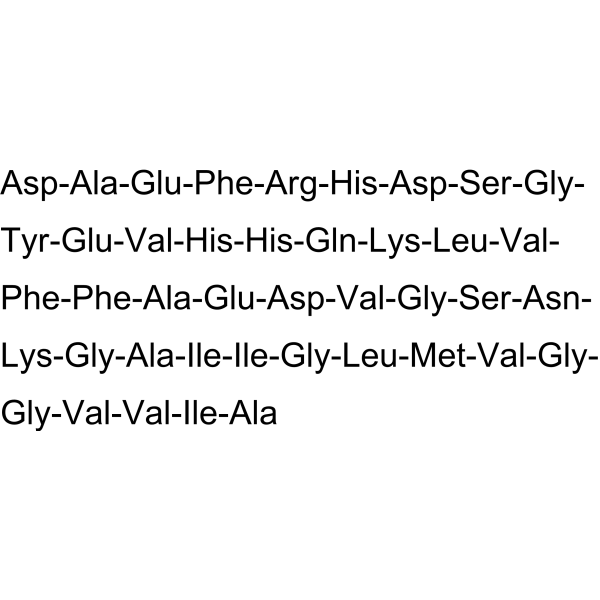
    β-Amyloid (1-42), human TFA
    Maximum Cited Publications
    24 Publications Verification

    Amyloid β-peptide (1-42) (human) TFA

    Amyloid-β Neurological Disease
    β-Amyloid (1-42) (Amyloid β-peptide (1-42), human TFA, a 42-amino acid peptide that has not been treated with HFIP, is a brain-penetrant amyloid protein fragment, which can be used in research on Alzheimer's disease and Down’s syndrome. β-Amyloid (1-42), human TFA remaining as a monomer exhibits antioxidant and neuroprotective effects. β-Amyloid (1-42), human TFA, after being monomericized by HFIP and dissolved in DMSO to form the stock solution, on the one hand, can form soluble oligomers (AβOs) when incubated at 4 °C, which have synaptic toxicity and neurotoxicity; on the other hand, it can be incubated at 37 °C to form insoluble fibrils, with lower neurotoxicity, and participating in the oxidative damage process. Aβ42 oligomers bind to various neuronal surface receptors (such as PrPc, mGluR5, NMDA receptors, etc.), triggering oxidative stress, calcium homeostasis imbalance, and synaptic toxicity via activating downstream signaling pathways, leading to neuronal dysfunction and death .
    β-Amyloid (1-42), human TFA
  • HY-P1363A
    β-Amyloid (1-42), human
    Maximum Cited Publications
    24 Publications Verification

    Amyloid β-peptide (1-42) (human)

    Amyloid-β Neurological Disease
    β-Amyloid (1-42) (Amyloid β-peptide (1-42)), human, a 42-amino acid peptide that has not been treated with HFIP, is a brain-penetrant amyloid protein fragment, which can be used in research on Alzheimer's disease and Down’s syndrome. β-Amyloid (1-42), human remaining as a monomer exhibits antioxidant and neuroprotective effects. β-Amyloid (1-42), human, after being monomericized by HFIP and dissolved in DMSO to form the stock solution, on the one hand, can form soluble oligomers (AβOs) when incubated at 4 °C, which have synaptic toxicity and neurotoxicity; on the other hand, it can be incubated at 37 °C to form insoluble fibrils, with lower neurotoxicity, and participating in the oxidative damage process. Aβ42 oligomers bind to various neuronal surface receptors (such as PrPc, mGluR5, NMDA receptors, etc.), triggering oxidative stress, calcium homeostasis imbalance, and synaptic toxicity via activating downstream signaling pathways, leading to neuronal dysfunction and death .
    β-Amyloid (1-42), human
  • HY-P1363B
    β-Amyloid (1-42), human, HFIP-treated
    Maximum Cited Publications
    24 Publications Verification

    Amyloid-β Neurological Disease
    β-Amyloid (1-42), human, HFIP-treated, a 42-amino acid peptide that has been treated with HFIP from β-Amyloid (1-42), human (HY-P1363A), is a brain-penetrant amyloid protein fragment, which can be used in research on Alzheimer's disease and Down’s syndrome. β-Amyloid (1-42), human, HFIP-treated remaining as a monomer exhibits antioxidant and neuroprotective effects. β-Amyloid (1-42), human, HFIP-treated, after being dissolved in DMSO to form the stock solution, on the one hand, can form soluble oligomers (AβOs) when incubated at 4°C, which have synaptic toxicity and neurotoxicity; on the other hand, it can be incubated at 37°C to form insoluble fibrils, with lower neurotoxicity, and participating in the oxidative damage process. Aβ42 oligomers bind to various neuronal surface receptors (such as PrPc, mGluR5, NMDA receptors, etc.), triggering oxidative stress, calcium homeostasis imbalance, and synaptic toxicity via activating downstream signaling pathways, leading to neuronal dysfunction and death .
    β-Amyloid (1-42), human, HFIP-treated
  • HY-P99022

    R-04909832; RG-1450

    Amyloid-β Neurological Disease
    Gantenerumab is a fully humanized anti-Aβ IgG1 monoclonal antibody. Gantenerumab can specifically bind to Aβ fibrils and plaques and can be used in Alzheimer's disease research .
    Gantenerumab
  • HY-103240
    Methoxy-X04
    5 Publications Verification

    Amyloid-β Others
    Methoxy-X04 is a fluorescent dye that crosses the blood-brain barrier and selectively binds to beta-pleated sheets found in dense core amyloid Aβ plaques. Methoxy-X04 retains in vitro binding affinity for amyloid b (Ab) fibrils (Ki= 26.8 nM). Methoxy-X04 is fluorescent and stains plaques, tangles, and cerebrovascular amyloid in postmortem sections of AD brain with good specificity .
    Methoxy-X04
  • HY-N0373
    Licochalcone B
    10+ Cited Publications

    Amyloid-β Apoptosis NOD-like Receptor (NLR) Neurological Disease
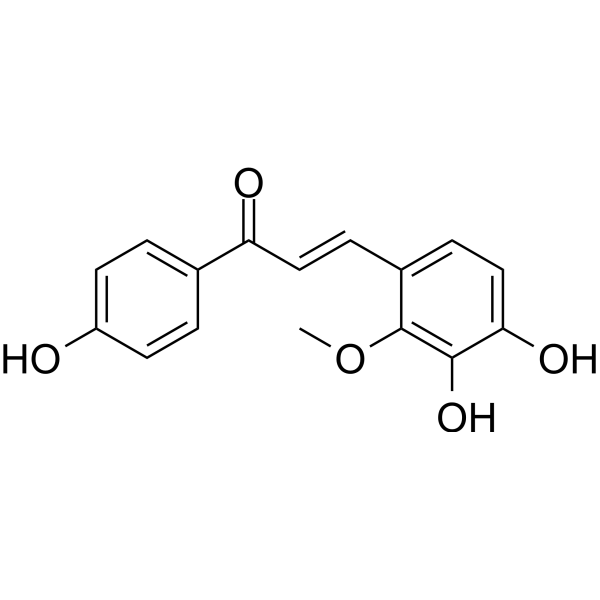
    Licochalcone B is an extract from the root of Glycyrrhiza uralensis. Licochalcone B inhibits amyloid β (42) self-aggregation (IC50=2.16 μM) and disaggregate pre-formed Aβ42 fibrils, reduce metal-induced Aβ42 aggregation through chelating metal ionsLicochalcone B inhibits phosphorylation of NF-κB p65 in LPS signaling pathway. Licochalcone B inhibits growth and induces apoptosis of NSCLC cells. Licochalcone B specifically inhibits the NLRP3 inflammasome by disrupting NEK7‐NLRP3 interaction .
    Licochalcone B
  • HY-137131

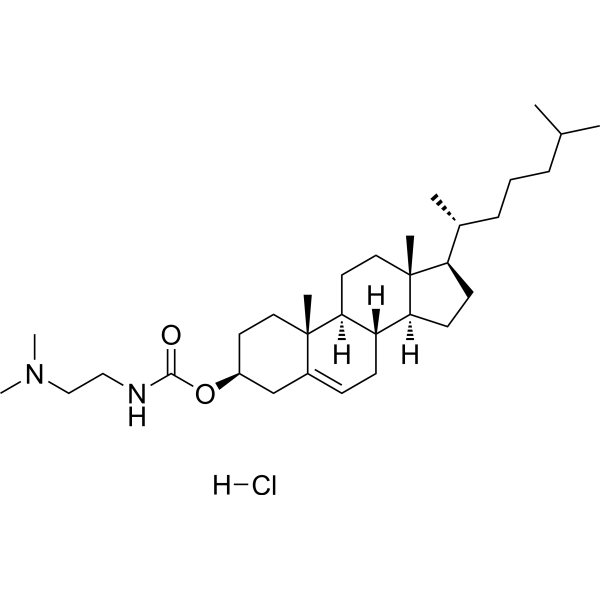
    DC-Cholesterol hydrochloride

    Amyloid-β Liposome IFNAR Interleukin Related Neurological Disease Inflammation/Immunology
    DC-Chol hydrochloride is a cationic lipid. DC-Chol hydrochloride could inhibit Aβ40 fibril formation under appropriate experimental conditions. DC-Chol hydrochloride strongly inhibits amyloidogenesis of oxidized hCT in a dose-dependent manner. DC-Chol hydrochloride induces the production of Th1 (IL-2 and IFN-γ) and Th2 (IL-5) cytokines. DC-Chol hydrochloride can enhance the body's immune response to antigens. DC-Chol hydrochloride is used as a gene delivery vector. DC-Chol hydrochloride can be used in research in areas such as hepatitis B vaccines to improve vaccine immunity .
    DC-Chol hydrochloride
  • HY-N7046

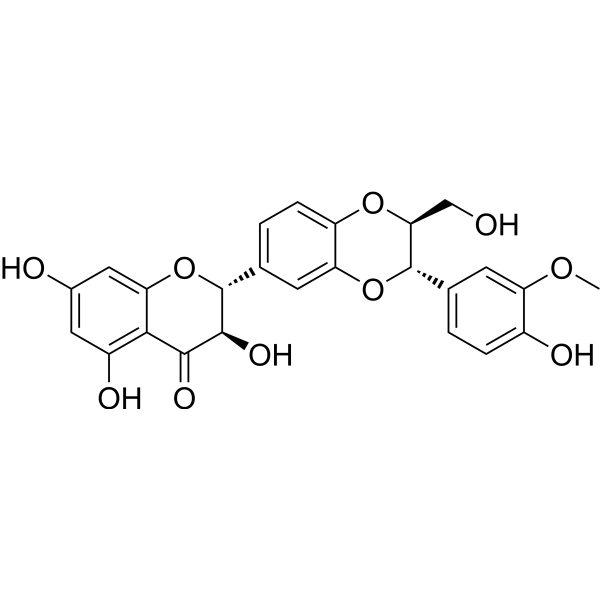
    Silibinin B

    Amyloid-β Apoptosis JNK p38 MAPK Neurological Disease Cancer
    Silybin B (Silibinin B) is an orally active amyloid-β aggregation inhibitor and ATR pathway activator that can cross the blood-brain barrier. Silybin B inhibits Aβ fibril formation and promotes amorphous aggregate formation, while activating the ATR-mediated DNA damage repair pathway and inhibiting JNK/p38 MAPK signaling. Silybin B can reduce Cisplatin (HY-17394)-induced neuronal DNA damage and apoptosis. Silybin B has anti-oxidative stress, cell cycle regulation and neuroprotective activities. Silybin B is mainly used in the study of Alzheimer's disease and Cisplatin chemotherapy-related neurotoxicity .
    Silybin B
  • HY-126192

    PiB; 6-OH-BTA-1

    Amyloid-β Neurological Disease
    Pittsburgh Compound B (PiB) is a blood-brain barrier-permeable, specific Aβ deposition PET tracer that binds to Aβ(1-40) fibrils with a Ki value of 678.4 nM. Through click chemical modification (a clickable Pittsburgh Compound B derivative is prepared by introducing a PEG3 linker and an alkynyl group at the 6-hydroxy site of Pittsburgh Compound B, followed by covalent conjugation with azide-labeled fluorescent dyes or affinity tags via copper-catalyzed azide-alkyne cycloaddition (CuAAC)), Pittsburgh Compound B and its conjugates can be used for fluorescence imaging, ultrastructural studies, and enrichment and characterization of Aβ complexes. Pittsburgh Compound B is applicable to Alzheimer's disease research .
    Pittsburgh Compound B
  • HY-P990109

    Amyloid-β Neurological Disease
    Aducanumab (Mouse IGG2a) is a monoclonal antibody that selectively targets aggregated amyloid-beta (Aβ). The variable region of Aducanumab (Mouse IGG2a) is consistent with that of Aducanumab (HY-P9967), while the constant region is of Mouse IGG2a sequence. Aducanumab (Mouse IGG2a) has strong selectivity for Aβ fibrils with EC50s of >1 μM and 0.2 nM for monomeric Aβ1-40 and fibrillar Aβ1-42, respectively. Aducanumab (Mouse IGG2a) can be used for Alzheimer's disease (AD) research .
    Aducanumab (Mouse IGG2a)
  • HY-18257

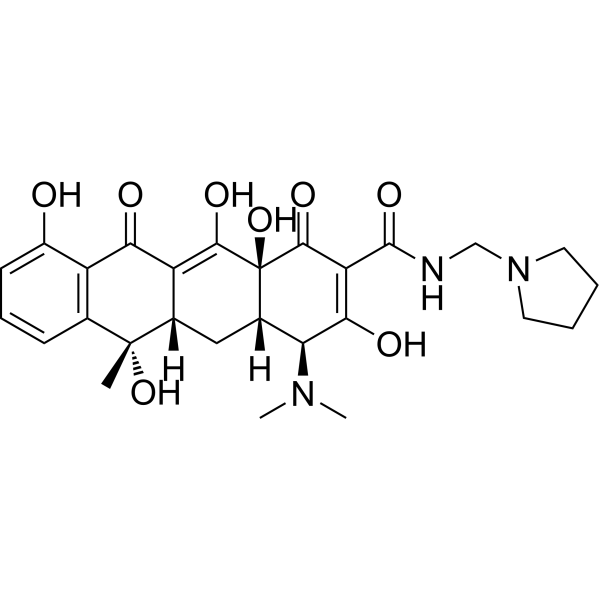
    Antibiotic Bacterial Dengue Virus Amyloid-β HIV Integrase Infection Neurological Disease Inflammation/Immunology
    Rolitetracycline is a highly soluble, broad-spectrum antibiotic derived from tetracycline. Rolitetracycline binds to and stabilizes bovine serum albumin, and also inhibits HIV-1 integrase, blocks Aβ fibril formation and suppresses dengue virus proliferation. Rolitetracycline mediates the inhibition of Aβ fibrils via a specific three-dimensional pharmacophore conformation, and exerts bacteriostatic and bactericidal activities. Rolitetracycline acts synergistically with Penicillin G (HY-N7139) or Cephalothin (HY-B1275A) to alter the effects on microbial growth. Rolitetracycline serves as an important tool compound for the study of bacterial infections (urinary tract infections, sepsis), HIV-1 and dengue virus infections, as well as Alzheimer's disease .
    Rolitetracycline
  • HY-103241
    Ro 90-7501
    3 Publications Verification

    Amyloid-β ATM/ATR Phosphatase Apoptosis Neurological Disease Cancer
    Ro 90-7501 is an amyloid β42 (Aβ42) fibril assembly inhibitor that reduces Aβ42-induced cytotoxicity (EC50 of 2 μM). Ro 90-7501 inhibits ATM phosphorylation and DNA repair. RO 90-7501 selectively enhances toll-like receptor 3 (TLR3) and RIG-I-like receptor (RLR) ligand-induced IFN-β gene expression and antiviral response . Ro 90-7501 also inhibits protein phosphatase 5 (PP5) in a TPR-dependent manner . Ro 90-7501 has significant radiosensitizing effects on cervical cancer cells .
    Ro 90-7501
  • HY-105252A

    Amyloid-β Neurological Disease
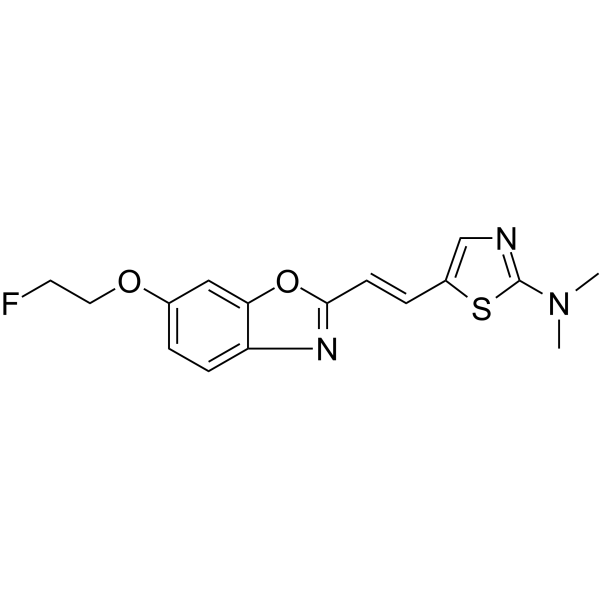
    BF 227 is a candidate for an amyloid imaging probe for PET, with a Ki of 4.3 nM for Aβ1-42 fibrils.
    BF 227
  • HY-P5124

    KLVFF

    Amyloid-β Neurological Disease
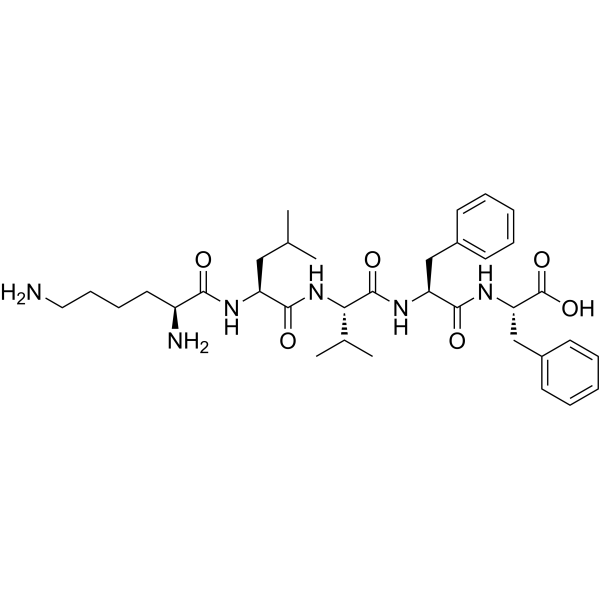
    β-Amyloid peptide(16-20) is a amino acid sequences (KLVFF) of Amyloid-β (Abeta). β-Amyloid peptide(16-20) is an effective inhibitor of Abeta fibril formation, with RG-/-GR-NH2 residues added at N- and C-terminal ends to aid solubility) .
    β-Amyloid peptide(16-20)
  • HY-P990078

    LY3372993

    Amyloid-β Neurological Disease
    Remternetug (LY3372993) is a monoclonal antibody that targets pyroglutamylated amyloid β fibrils (N3pG-Aβ). Remternetug specifically binds to N3pG-Aβ, thereby clearing amyloid plaques in the brain and reducing amyloid burden. Remternetug can be used in research related to Alzheimer's disease .
    Remternetug
  • HY-171179

    Fluorescent Dye Neurological Disease
    BD-Oligo is an oligomer-specific fluorescent chemical probe. BD-Oligo preferentially identifies Aβ oligomer assemblies over monomers or fibrils by using diversity-directed fluorescent library (DOFL) screening and computational techniques. BD-Oligo exhibits dynamic oligomer monitoring capabilities during Aβ peptide fibril formation as Aβ is induced to form oligomers and ultimately fibrils over time. BD-Oligo also exhibits blood-brain barrier permeability with the ability to stain Aβ oligomers in vivo .
    BD-Oligo
  • HY-148547

    Amyloid-β Neurological Disease
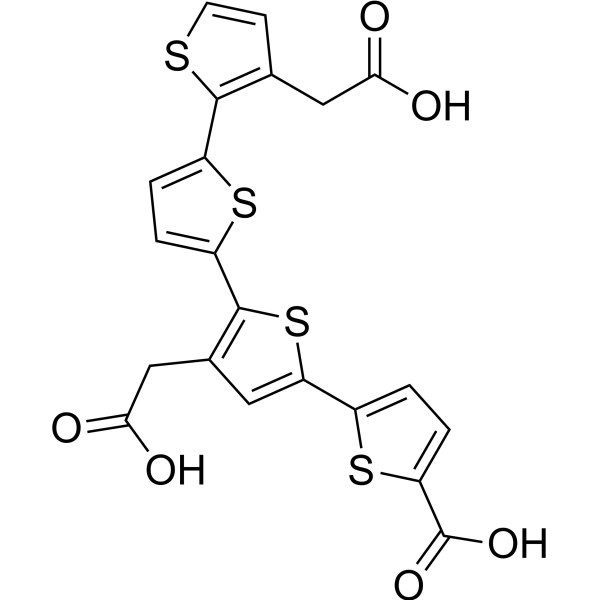
    q-FTAA is an oligothiophene. q-FTAA competes for binding to the X-34 binding site on Aβ fibrils. q-FTAA is applicable to research related to Alzheimer's disease .
    q-FTAA
  • HY-W117986

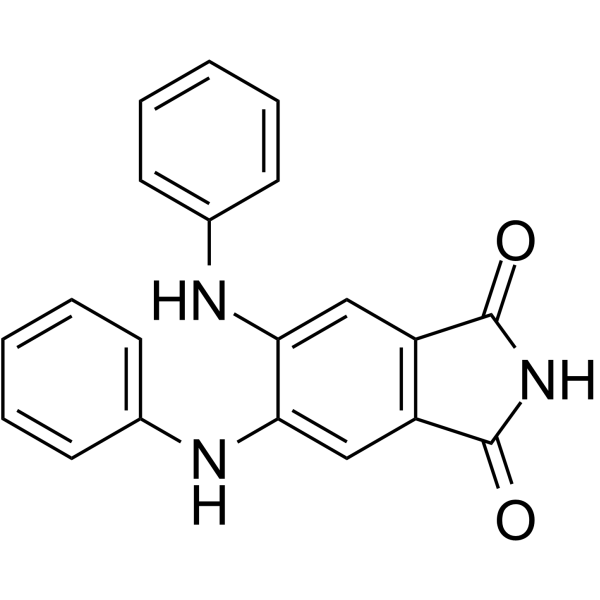
    Amyloid-β Reactive Oxygen Species (ROS) Caspase Neurological Disease
    Aβ aggregation-IN-1 (Compound 1b) is a β-amyloid aggregation inhibitor/depolymerizer, with IC50 values of 3.92 μM and 7.19 μM, respectively. Aβ aggregation-IN-1 inhibits the activation of preformed β-amyloid fibrils, reactive oxygen species (ROS) and Caspase-3. Aβ aggregation-IN-1 can be used in research related to Alzheimer's disease .
    Aβ aggregation-IN-1
  • HY-P5905

    Citrullinated (1-42); Citrullinated 42

    Amyloid-β Neurological Disease
    Citrullinated amyloid-β (1-42) peptide (human) (Citrullinated Aβ (1-42)) is a modified form of β-Amyloid (1-42) (HY-P1363) with a citrullination at the Arg5 site. Compared to the unmodified β-Amyloid (1-42), its formation of soluble low-molecular-weight oligomers is enhanced, the rate of fibril formation is reduced, and like unmodified Aβ42, it forms protofibrils comprised of parallel β-sheets .
    Citrullinated amyloid-β (1-42) peptide (human)
  • HY-103442
    CGP52411
    1 Publications Verification

    DAPH

    EGFR Amyloid-β Neurological Disease Cancer
    CGP52411 (DAPH) is a high selective, potent, orally active and ATP-competitive EGFR inhibitor with an IC50 of 0.3 μM. CGP52411 blocks the toxic influx of Ca 2+ ions into neuronal cells, and dramatic inhibits and reverses the formation of β-amyloid (Aβ42) fibril aggregates associated with Alzheimer's disease .
    CGP52411
  • HY-B1588
    Carbenoxolone
    5+ Cited Publications

    Amyloid-β Gap Junction Protein Neurological Disease Metabolic Disease
    Carbenoxolone is a blood-brain barrier-permeable Pannexin1 inhibitor, gap junction (Gap junction) blocker, and β-amyloid 42 inhibitor. Carbenoxolone modulates voltage-gated currents of wild-type and mutant Panx1, and inhibits stimulus-activated Panx1 channel function. Carbenoxolone interacts with stable residues of β-amyloid 42 peptides, fibrils and oligomers, thereby inhibiting their aggregation. Carbenoxolone alleviates liver fibrosis. Carbenoxolone exerts neuroprotective and nootropic effects. Carbenoxolone can be used in studies related to Alzheimer's disease and liver fibrosis .
    Carbenoxolone
  • HY-W278021

    Amyloid-β Others
    BTA-1 is an uncharged derivative of thioflavin-T. BTA-1 has a high affinity for Aβ fibrils and shows very good brain penetration and clearance .
    BTA-1
  • HY-DY1045

    Amyloid-β Neurological Disease
    Methoxy-X04 (solution) is a fluorescent dye that crosses the blood-brain barrier and selectively binds to beta-pleated sheets found in dense core amyloid Aβ plaques. Methoxy-X04 retains in vitro binding affinity for amyloid b (Ab) fibrils (Ki= 26.8 nM). Methoxy-X04 is fluorescent and stains plaques, tangles, and cerebrovascular amyloid in postmortem sections of AD brain with good specificity .
    Solvent and concentration: DMSO: 5 mg/mL
    Methoxy-X04 (solution)
  • HY-115650

    Cholinesterase (ChE) Amyloid-β Neurological Disease
    TAE-1 is a potent inhibitor of AChE and BuChE. TAE-1 also inhibits Aβ fibril formation and aggregation. TAE-1 can be used for the researches of Alzheimer's disease .
    TAE-1
  • HY-P4295

    PADK

    Cathepsin γ-secretase Neurological Disease
    Z-Phe-Ala-diazomethylketone binds directly to Aβ42 monomers and small oligomers. Z-Phe-Ala-diazomethylketone inhibits the formation of Aβ42 dodecamers and inhibits Aβ42 fibril formation in the solution. Z-Phe-Ala-diazomethylketone has the potential for neurodegenerative disorders research .
    Z-Phe-Ala-diazomethylketone
  • HY-148495

    Amyloid-β Neurological Disease
    Carnosine conjugated hyalyronate is a hyaluronic acid derivative functionalized with the dipeptide carnosine (Carnosine, Car) and has the ability to resist Aβ amyloid aggregation. Carnosine conjugated hyalyronate dissolves amyloid fibrils and reduces Aβ-induced toxicity in vitro. The effectiveness of Carnosine conjugated hyalyronate against amyloid aggregation is directly proportional to the Carnosine loading .
    Carnosine conjugated hyalyronate
  • HY-149764

    Amyloid-β Neurological Disease
    Aβ42 agonist-2 (compound 7b) is a small molecule compound that can promote Aβ42 aggregation. Aβ42 agonist-2 can interact with Aβ42 oligomers and pentamers to promote nontoxic aggregate self-assembly and rapid fibril formation. Aβ42 agonist-2 prevents Aβ42-induced cytotoxicity in HT22 hippocampal neuronal cells .
    Aβ42 agonist-2
  • HY-W265961

    ST1859; 1,1′-Methylenedi-2-naphthol

    Amyloid-β Neurological Disease Inflammation/Immunology
    Squoxin (ST1859) is an antiamyloid agent that specifically binds to Aβ1-42 and prevents the aggregation and fibril formation of Aβ. Squoxin crosses the blood-brain barrier (BBB) and has anthelmintic activity and anti-inflammatory properties .
    Squoxin
  • HY-144324

    Cholinesterase (ChE) Neurological Disease
    AChE-IN-6 (Compound 12a) is an optimal multifunctional ligand with significant inhibition of AChE (EeAChE, IC50 = 0.20 μM; HuAChE, IC50 = 37.02 nM) and anti-Aβ activity (IC50 = 1.92 μM for self-induced Aβ1-42 aggregation; IC50 = 1.80 μM for disaggregation of Aβ1-42 fibrils; IC50 = 2.18 μM for Cu2+-induced Aβ1-42 aggregation; IC50 = 1.17 μM for disaggregation of Cu2+-induced Aβ1-42 fibrils). AChE-IN-6 has the potential for the research of Alzheimer's disease .
    AChE-IN-6
  • HY-N10183

    Reactive Oxygen Species (ROS) Neurological Disease
    Crocin-4, a carotenoid constituent of saffron, is a potent and brain-penetrant antioxidant agent. Crocin-4 can inhibit the aggregation and the concomitant deposition of Aβ fibrils in the brain. Crocin-4 can be used for the research of Alzheimer's Disease. Crocin-4 also exhibits antitumor and anti-inflammatory activities .
    Crocin-4
  • HY-P1363S1

    Isotope-Labeled Compounds Amyloid-β Neurological Disease
    β-Amyloid (1-42), human, Ala( 13C3, 15N) TFA is the 13C and 15N-labeled β-Amyloid (1-42), human (HY-P1363A). β-Amyloid (1-42) (Amyloid β-peptide (1-42)), human, a 42-amino acid peptide that has not been treated with HFIP, is a brain-penetrant amyloid protein fragment, which can be used in research on Alzheimer's disease and Down’s syndrome. β-Amyloid (1-42), human remaining as a monomer exhibits antioxidant and neuroprotective effects. β-Amyloid (1-42), human, after being monomericized by HFIP and dissolved in DMSO to form the stock solution, on the one hand, can form soluble oligomers (AβOs) when incubated at 4 °C, which have synaptic toxicity and neurotoxicity; on the other hand, it can be incubated at 37 °C to form insoluble fibrils, with lower neurotoxicity, and participating in the oxidative damage process. Aβ42 oligomers bind to various neuronal surface receptors (such as PrPc, mGluR5, NMDA receptors, etc.), triggering oxidative stress, calcium homeostasis imbalance, and synaptic toxicity via activating downstream signaling pathways, leading to neuronal dysfunction and death .
    β-Amyloid (1-42), human, Ala(13C3,15N) TFA
  • HY-14533

    K162

    Amyloid-β Neurological Disease
    K 01-162 (K162) inhibits the fibril formation of Aβ peptides and eliminates their neurotoxicity. K 01-162 binds with Aβ42 peptide with an EC50 value of 80 nM. K 01-162 binds directly to AβO with a KD value of 19 μM. K 01-162 is capable of penetrating the brain and can be used for the research of Alzheimer’s disease .
    K 01-162
  • HY-P10823

    Amyloid-β Neurological Disease
    RI-OR2, a retro-inverso peptide, is an amyloid-β (Aβ) oligomerization inhibitor. RI-OR2 binds to immobilized β-Amyloid (1-42) (HY-P1363A) monomers and fibrils, with an apparent Kd of 9-12 μM, and also acted as an inhibitor of Aβ(1-42) fibril extension .
    RI-OR2
  • HY-152506

    Amyloid-β Neurological Disease
    Antioxidant agent-8 is an orally active inhibitor of Aβ1-42 deposition. Antioxidant agent-8 inhibits fibril aggregation (IC50=11.15 µM) and promotes fibril disaggregation (IC50=6.87 µM). Antioxidant agent-8 also inhibits Cu 2+-induced Aβ1-42 fibril aggregation (IC50=3.69 µM) and promotes Cu 2+-induced Aβ1-42 fibril disaggregation (IC50=3.35 µM). Antioxidant agent-8 has antioxidant activity, anti-inflammatory activity, biosafety, blood-brain barrier permeability and neuroprotective effect .
    Antioxidant agent-8
  • HY-P1854

    Amyloid-β Neurological Disease
    β-Amyloid (1-9), an N-terminal fragment of beta amyloid, consists of amino acid residues 1 to 9. β-Amyloid (1-9) contains a B cell epitope, but it does not include T cell epitopes. Omission of residues 1 to 9 from the full-length Alzheimer'sβ-Amyloid peptide 1 to 40 does not prevent the peptide from forming amyloid fibrils or eliminate fibril polymorphism .
    β-Amyloid (1-9)
  • HY-149582

    Amyloid-β Neurological Disease
    Aβ-IN-7 (compound 5a) is a potent inhibitor of the Aβ aggregation. Aβ-IN-7 with 50 μM stabilize Aβ monomers in the small oligomeric species and prolong the nucleation process. Aβ-IN-7 inhibits Aβ fibril formation better than Aβ-IN-8 (HY-149583) in 50 μM .
    Aβ-IN-7
  • HY-144327

    Amyloid-β Neurological Disease
    Aβ-IN-2 is a Aβ1-42 aggregation inhibitor. Aβ-IN-2 inhibits Aβ1-42 self-aggregation in vitro by delaying the exponential growth phase or reduces the quantity of fibrils in the steady state. Aβ-IN-2 can be used for the research of conformational disorders .
    Aβ-IN-2
  • HY-144326

    Amyloid-β Neurological Disease
    Aβ-IN-1 is a Aβ1-42 aggregation inhibitor. Aβ-IN-1 inhibits Aβ1-42 self-aggregation in vitro by delaying the exponential growth phase or reduces the quantity of fibrils in the steady state. Aβ-IN-1 can be used for the research of conformational disorders .
    Aβ-IN-1
  • HY-N6640

    20-Hydroxyeedysone 2-acetate

    Amyloid-β Neurological Disease
    2-O-Acetyl-20-hydroxyecdysone, an ecdysterones in insects and terrestrial plants, inhibits amyloid-β42 (Aβ42)-induced cytotoxicity. 2-O-Acetyl-20-hydroxyecdysone could decrease Aβ oligomer formation through promotion of fibrogenesis, transforming Aβ oligomers to the low-toxicity fibrils .
    2-O-Acetyl-20-hydroxyecdysone
  • HY-149763

    Amyloid-β Neurological Disease
    Aβ42 agonist-1 is a compound that can promote Aβ42 aggregation. Aβ42 agonist-1 can interact with Aβ42 oligomers and pentamers to promote nontoxic aggregate self-assembly and rapid fibril formation. Aβ42 agonist-1 prevents Aβ42-induced cytotoxicity in HT22 hippocampal neuronal cells .
    Aβ42 agonist-1
  • HY-P1474

    Amyloid β-Protein (22-35)

    Amyloid-β Neurological Disease
    β-Amyloid 22-35 (Amyloid β-Protein 22-35), the residues 22-35 fragment ofβ-amyloid protein, has a cytotoxic effect on cultured neurons from the rat hippocampus in serum-free medium. β-Amyloid 22-35 forms aggregates and typical amyloid fibrils resembling those of the β-amyloid protein in neutral buffer solution) .
    β-Amyloid (22-35)
  • HY-P1474A

    Amyloid β-Protein (22-35) TFA

    Amyloid-β Neurological Disease
    β-Amyloid 22-35 (Amyloid β-Protein 22-35) TFA, the residues 22-35 fragment ofβ-amyloid protein, has a cytotoxic effect on cultured neurons from the rat hippocampus in serum-free medium. β-Amyloid 22-35 TFA forms aggregates and typical amyloid fibrils resembling those of the β-amyloid protein in neutral buffer solution) .
    β-Amyloid (22-35) TFA
  • HY-13325

    Drug Derivative Amyloid-β Neurological Disease
    Aβ aggregation modulator-1 is a stimulator of amyloid-β (Aβ) fibrillogenesis. Aβ aggregation modulator-1 binds hydrophobic residues in Aβ peptides and stabilizes β-sheet-rich protofibrils and fibrils. Aβ aggregation modulator-1 accelerates Aβ polymerization and reduces concentrations of small, toxic Aβ oligomers in heterogeneous aggregation reactions. Aβ aggregation modulator-1 suppresses long-term potentiation (LTP) inhibition by Aβ oligomers in hippocampal brain slices. Aβ aggregation modulator-1 can be used for the study of Alzheimer's disease (AD) .
    Aβ aggregation modulator-1
  • HY-170658

    Autophagy Amyloid-β Reactive Oxygen Species (ROS) Neurological Disease Inflammation/Immunology
    AChE-IN-80 (Compound 1) is an acetylcholinesterase (AChE) inhibitor. AChE-IN-80 can inhibit inflammation and the production of reactive oxygen species (ROS) in vitro- cultured neurons and microglia, trigger autophagy responses, and block the propagation of β-amyloid (Aβ) fibrils. AChE-IN-80 possesses antioxidant activity and neuroprotective effects and can be used in the study of Alzheimer's disease .
    AChE-IN-80
  • HY-P10824

    Amyloid-β Neurological Disease
    RI-OR2-TAT is a brain-penetrant inhibitor of β-Amyloid oligomerization, which is produced by adding the HIV protein transduction domain TAT to RI-OR2. RI-OR2-TAT binds to Aβ42 fibrils with a Kd value of 58-125 nM. RI-OR2-TAT reduces Aβ aggregation and plaque levels, reduces activation of microglia and oxidative damage, and increases the number of young neurons in the dentate gyrus .
    RI-OR2-TAT
  • HY-N0373R

    Reference Standards Amyloid-β Apoptosis NOD-like Receptor (NLR) Neurological Disease
    Licochalcone B (Standard) is the analytical standard of Licochalcone B. This product is intended for research and analytical applications. Licochalcone B is an extract from the root of Glycyrrhiza uralensis. Licochalcone B inhibits amyloid β (42) self-aggregation (IC50=2.16 μM) and disaggregate pre-formed Aβ42 fibrils, reduce metal-induced Aβ42 aggregation through chelating metal ionsLicochalcone B inhibits phosphorylation of NF-κB p65 in LPS signaling pathway. Licochalcone B inhibits growth and induces apoptosis of NSCLC cells. Licochalcone B specifically inhibits the NLRP3 inflammasome by disrupting NEK7‐NLRP3 interaction .
    Licochalcone B (Standard)
  • HY-149509

    α-synuclein Neurological Disease
    α-Synuclein inhibitor 9 (Compound 20C) is an α-Synuclein inhibitor. α-Synuclein inhibitor 9 binds to cavities in mature α-synuclein fibrils and reduces the β-sheet structure. α-Synuclein inhibitor 9 inhibits A53T α-Syn aggregation. α-Synuclein inhibitor 9 has neuroprotective effect, improves brain functional connection and relieves motor dysfunction.α-Synuclein inhibitor 9 can be used for Parkinson’s disease (PD) research. .
    α-Synuclein inhibitor 9
  • HY-N7046R

    Silibinin B (Standard)

    Reference Standards JNK Amyloid-β p38 MAPK Apoptosis Neurological Disease Cancer
    Silybin (Silibinin B) (Standard) is the analytical standard of Silybin B (HY-N7046). This product is intended for research and analytical applications. Silybin B (Silibinin B) is an orally active amyloid-β aggregation inhibitor and ATR pathway activator, that can cross the blood-brain barrier. Silybin B inhibits Aβ fibril formation and promotes amorphous aggregate formation, while activating the ATR-mediated DNA damage repair pathway and inhibiting JNK/p38 MAPK signaling. Silybin B can reduce Cisplatin (HY-17394)-induced neuronal DNA damage and apoptosis. Silybin B has anti-oxidative stress, cell cycle regulation and neuroprotective activities. Silybin B is mainly used in the study of Alzheimer's disease and Cisplatin chemotherapy-related neurotoxicity .
    Silybin B (Standard)
  • HY-N7046S

    Silibinin B-d3

    Isotope-Labeled Compounds Amyloid-β Apoptosis JNK p38 MAPK Neurological Disease Cancer
    Silybin B-d3 (Silibinin B-d3) is a deuterated Silybin B (HY-N7046). Silybin B (Silibinin B) is an orally active amyloid-β aggregation inhibitor and ATR pathway activator, that can cross the blood-brain barrier. Silybin B inhibits Aβ fibril formation and promotes amorphous aggregate formation, while activating the ATR-mediated DNA damage repair pathway and inhibiting JNK/p38 MAPK signaling. Silybin B can reduce Cisplatin (HY-17394)-induced neuronal DNA damage and apoptosis. Silybin B has anti-oxidative stress, cell cycle regulation and neuroprotective activities. Silybin B is mainly used in the study of Alzheimer's disease and Cisplatin chemotherapy-related neurotoxicity .
    Silybin B-d3
  • HY-162812

    Apoptosis Cholinesterase (ChE) Tau Protein Ferroptosis Histamine Receptor Neurological Disease
    H3R antagonist 4 (compound 11L) was a dual inhibitor of cholinesterase and histamine receptor (H3R), with corresponding IC50 of 7.04 μM (eeAChE), 9.73 μM (hAChE)(reversible) and 1.09 nM (H3R) , respectively. H3R antagonist 4 inhibited the aggregation of Aβ1-42 induced by itself and Cu 2+ (95.48% and 88.63%) , and degraded the Aβ1-42 fibrils induced by itself and Cu 2+ (80.16% and 89.30%) . H3R antagonist 4 chelate biometals such as Cu 2+, Zn 2+, Al 3+, and Fe 2+. H3R antagonist 4 significantly reduced tau protein hyperphosphorylation induced by Aβ1-42 and inhibited RSL-3-induced apoptosis and ferroptosis in PC12 cells. H3R antagonist 4 had the best blood-brain barrier permeability and intestinal absorption in hCMEC/D3 and hPepT1-MDCK cells.H3R antagonist 4 ameliorates learning and memory impairment in a mouse model of Alzheimer's disease induced by scopolamine (HY-N0296) .
    H3R antagonist 4

Inquiry Online

Your information is safe with us. * Required Fields.

Salutation


Country or Region *

Applicant Name *


Organization Name *

Department *


Email Address *


Product Name *

Cat. No.


Requested quantity *

Phone Number *


Remarks

Inquiry Online

Inquiry Information

Product Name:
Cat. No.:
Quantity:
MCE Japan Authorized Agent:

